Hiraizumi UNESCO World Heritage Guide: Iwate’s Golden Ancient Capital
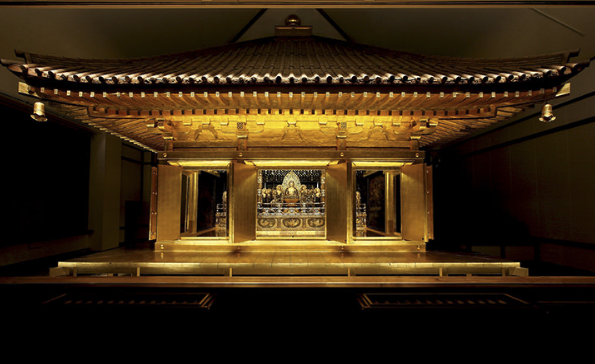
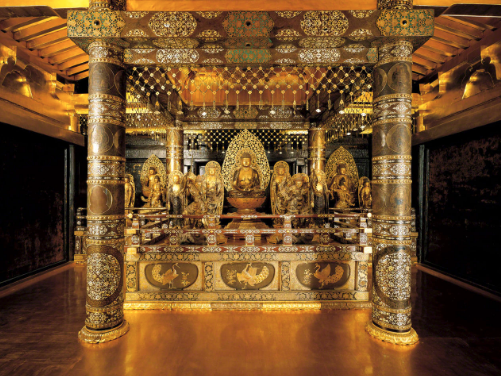
There’s a moment at Hiraizumi that stops every visitor in their tracks. You step inside a dim, hushed hall, and suddenly — gold. An entire shrine ablaze in gold leaf, shimmering in the half-light, exactly as it did nearly 900 years ago. This is the Konjikido of Chuson-ji Temple, and it’s one of the most extraordinary things I’ve ever seen in Japan — and I’ve been exploring this country for over a decade from my home base in Sendai.
If your Tohoku itinerary doesn’t yet include Hiraizumi, it’s time to fix that. This small, quietly magnificent town in Iwate Prefecture punches far above its weight. A UNESCO World Heritage Site since 2011, Hiraizumi was once the cultural and political heart of northern Japan — a city that, at its 12th-century peak, genuinely rivaled Kyoto in splendor. Today, it rewards curious travelers with ancient temples, haunting history, and one of Japan’s most perfectly preserved Heian-period gardens. Add a dramatic river gorge just 20 minutes away, and you have one of the most compelling day trips in all of Tohoku.
This complete Hiraizumi UNESCO World Heritage Iwate Japan travel guide covers everything you need to plan a perfect visit — from the golden shrine to the gorge, and the heartbreaking samurai legend woven through it all.
Why Hiraizumi? The Ancient Capital That Rivaled Kyoto
Most visitors to Japan rush between Tokyo, Kyoto, and Osaka, never suspecting that a remote corner of Iwate Prefecture once commanded the entire cultural imagination of the Japanese north. During the late Heian period (late 11th to 12th centuries), the Fujiwara clan — not to be confused with the Kyoto Fujiwaras — built Hiraizumi into a Buddhist utopia. At its zenith, the city reportedly held a population of 100,000 people and dazzled visitors with temples, gardens, and gilded architecture that matched anything the imperial capital could offer.
That golden age lasted about 100 years, but war and fire destroyed much of it. Yet what remained was truly remarkable, and in 2011 UNESCO agreed, inscribing Hiraizumi’s surviving structures as a World Heritage Site under the theme of Pure Land Architecture and Gardens. Walking through these sites is not tourism in the ordinary sense — it is witnessing the physical remains of a civilisation’s highest ideals.
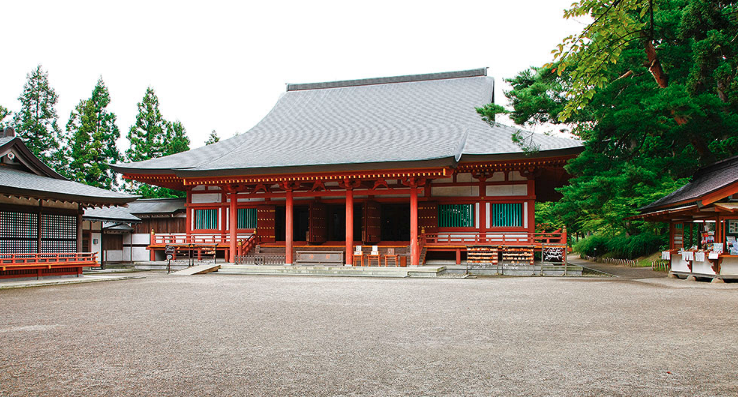
Chuson-ji Temple: Home of the Breathtaking Golden Konjikido
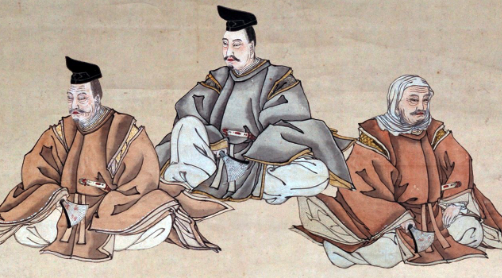
The centerpiece of any Hiraizumi visit is Chuson-ji Temple, and within it, the Konjikido (Konjikido — the Golden Hall) — the Golden Hall. Built in 1124 by Fujiwara no Kiyohira, this compact mausoleum is covered, inside and out, in pure gold leaf. The altar, the columns, the decorative panels — every surface gleams. Three generations of the Northern Fujiwara clan are interred within its altar pedestals, their mummified remains discovered when the structure was examined in the 20th century.
What makes the Konjikido truly special — beyond the obvious dazzle — is its age and preservation. This structure has stood for 900 years. To protect it, a climate-controlled concrete shelter was built around it in the 1960s, which means you view it within an enclosed hall, lit in a way that makes the gold appear almost supernatural. Standing before it, I always feel the same thing: a kind of reverent disbelief that something this beautiful, this old, is real and right in front of you.
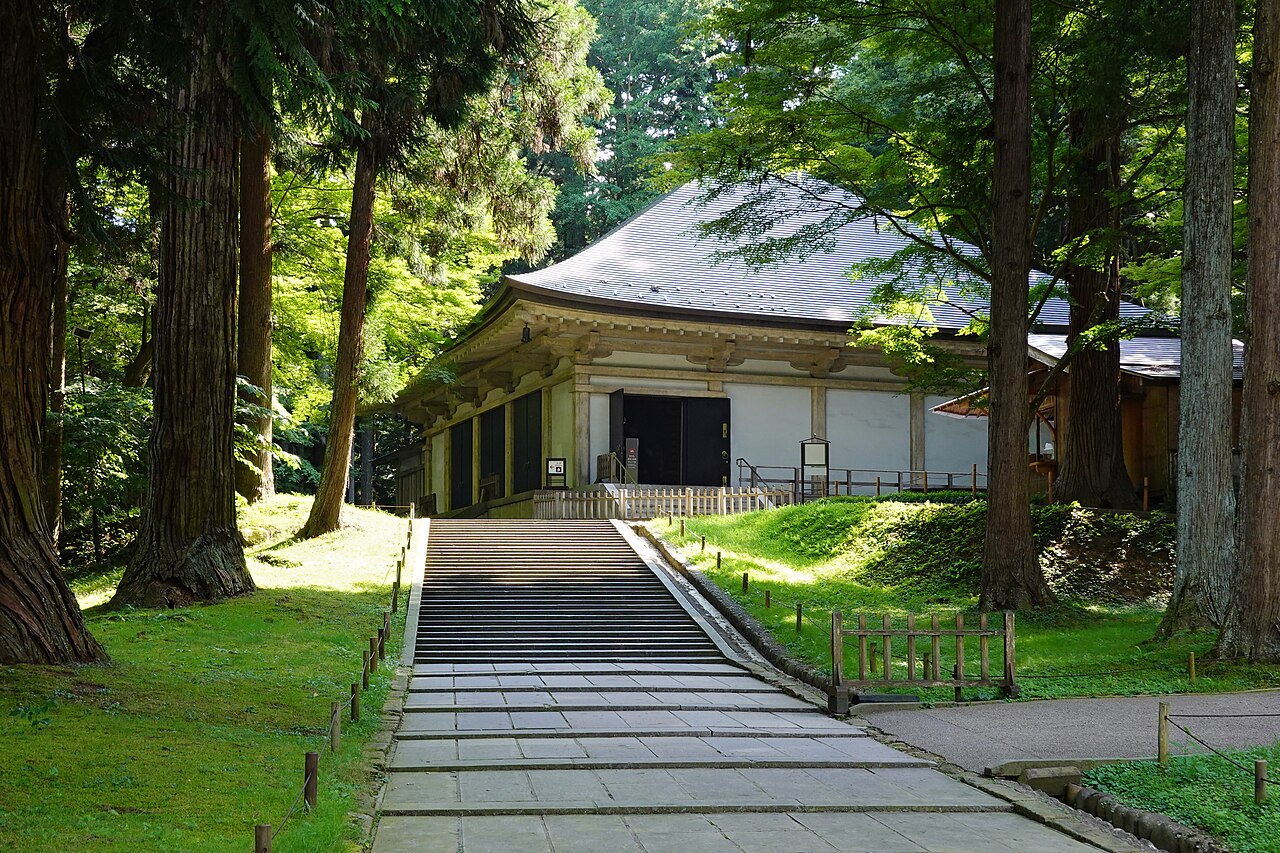
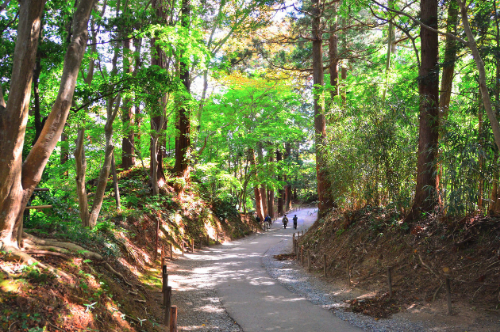
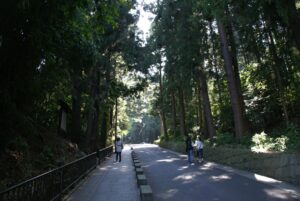
The wider temple complex is equally rewarding. The approach along the Tsukimizaka cedar path — lined with ancient sugi trees — sets the mood perfectly before you even reach the main buildings. Allow at least 90 minutes to explore the full grounds, including the treasure hall (Sankōzō), which displays stunning lacquerwork and sculptures from the Heian period.
Chuson-ji: Practical Information
- Hours: 8:30 AM – 5:00 PM (November–February until 4:30 PM)
- Admission: ¥1,000 adults (includes Konjikido and Sankōzō)
- Time needed: 1.5–2 hours
- Tip: Go early — tour groups arrive mid-morning and the Konjikido viewing area is small
Motsuji Temple: A Garden Frozen in Heian Time
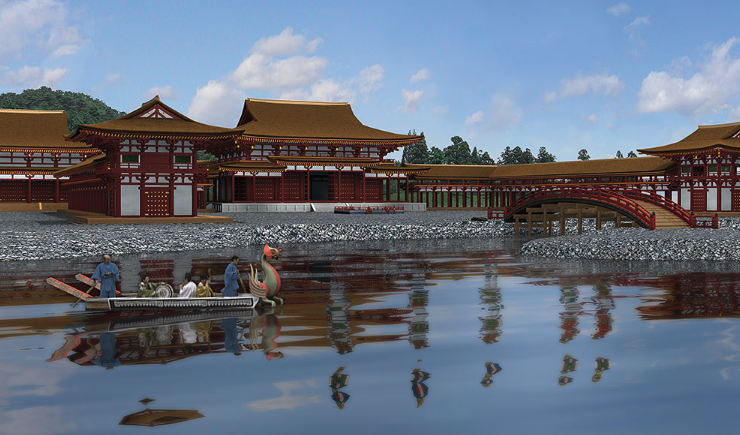
A short walk or cycle from Chuson-ji, Motsuji offers a completely different but equally powerful experience. Where Chuson-ji dazzles with golden splendour, Motsuji calms the mind with open space and silence. The former temple complex was even grander than Chuson-ji — historical records describe dozens of halls and pagodas. Most have long since burned or crumbled away. What remains is considered Japan’s most complete surviving example of a Heian-period Pure Land garden, with a history spanning 1,000 years.
The garden centers on the large Oizumigaike Pond, designed according to Buddhist cosmological principles to represent the paradise of Amida Buddha. You walk a gentle path around its perimeter, past stone arrangements, spring-fed streams, and carefully tended grounds. The foundations of the vanished temple buildings are marked and visible, giving the landscape a hauntingly beautiful quality — grandeur defined now by absence as much as presence.
Of the two main sites, I personally find Motsu-ji more moving. In late June, thousands of irises bloom around the pond in a famous festival. In autumn, the foliage turns vivid. In any season, the reflections in that ancient pond are unforgettable.
Motsu-ji: Practical Information
- Hours: 8:30 AM – 5:00 PM (November–March until 4:30 PM)
- Admission: ¥700 adults
- Time needed: 45–60 minutes
- Tip: Rent a bicycle at Hiraizumi Station (around ¥500–¥800/day) — it’s the perfect way to move between sites
The Legend of Yoshitsune: Hiraizumi’s Tragic Soul
No visit to Hiraizumi is complete without knowing the story of Minamoto no Yoshitsune, arguably the most beloved tragic hero in all of Japanese history. A brilliant military commander, Yoshitsune helped his brother Yoritomo defeat the rival Taira clan and establish Japan’s first samurai government. His reward? Betrayal. Yoritomo, threatened by his younger brother’s fame, turned against him.
Yoshitsune fled north to Hiraizumi, where the Fujiwara clan gave him refuge. When Yoritomo pressured the Fujiwaras to surrender him, the final Fujiwara lord ultimately complied. In 1189, surrounded and betrayed, Yoshitsune died at Takadachi Gikeido — a small memorial hall on a bluff above the Kitakami River, just minutes from Hiraizumi Station. The view from that bluff, the river winding below, the mountains beyond, is quietly heartbreaking when you know the story.
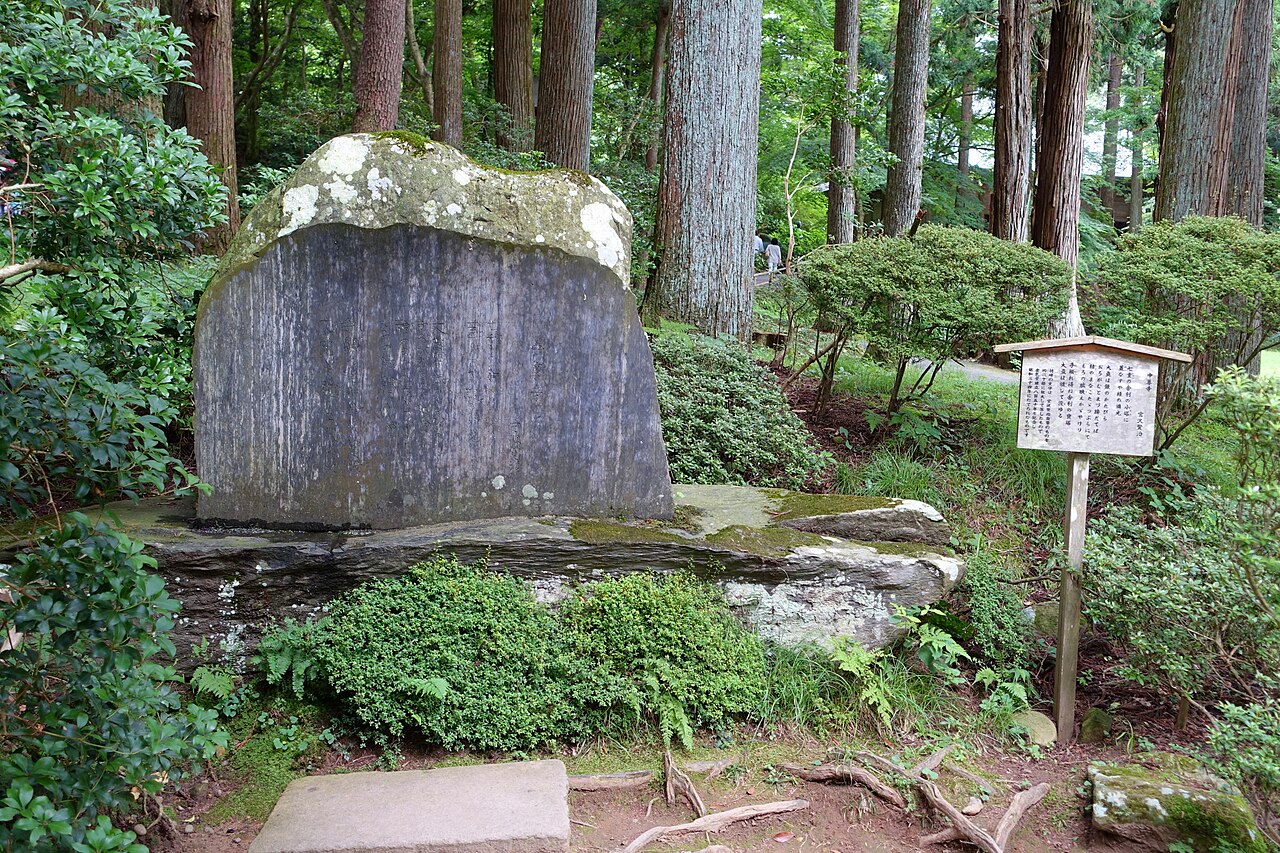
The great haiku poet Matsuo Bashō visited this exact spot in 1689, five centuries after Yoshitsune’s death, and wept. His famous verse — “The summer grasses / all that remains / of warriors’ dreams” — was written here, looking out over the same view you can see today. That poem is why I always visit Takadachi last. It earns the quiet.
Geibikei Gorge: The Perfect Add-On Adventure
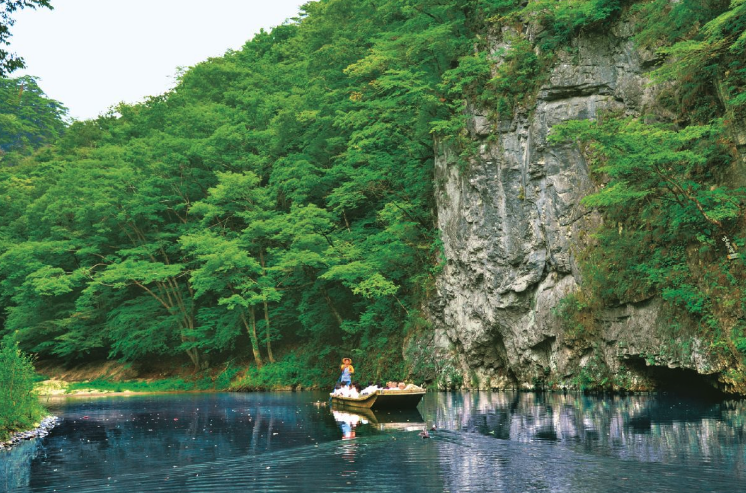
About 20 minutes from Hiraizumi by taxi or local train, Geibikei Gorge is a place that transforms a wonderful day into an unforgettable memory. Here, the Satetsu River has carved through towering limestone cliffs to form a spectacular gorge stretching 2 kilometres. Some of the cliffs rise 50 metres above the waterline. The only way to truly experience the gorge is from a flat-bottomed pole boat, guided by a boatman using a long pole — a traditional technique unchanged across generations.
The 90-minute round-trip boat tour drifts you past sheer rock faces, through narrow passages, and into a final basin where the cliffs close in on all sides. In autumn, the foliage that drapes the cliff tops turns brilliant red and orange, reflecting in the dark green water below. In winter, icicles form on the rock faces, and the gorge takes on an almost otherworldly silence. There’s a traditional custom of throwing unchi senbei (special rice crackers) at a small cave opening high on the cliff — making the offering is said to bring good fortune, and watching fellow passengers attempt it with cheerful determination is one of the more joyful small moments in Tohoku travel.
Geibikei Gorge Practical Information
- Access: Geibikei Station on the Ofunato Line from Ichinoseki (~25 min)
- Boat tours: ¥1,800 adults; depart approximately every 30–60 minutes
- Duration: 90 minutes round-trip
- Best seasons: Spring (cherry blossoms), autumn (foliage), winter (ice formations)
- Book ahead: Weekends and autumn peak season fill up — reservations recommended
Getting to Hiraizumi: Access from Sendai and Beyond
Hiraizumi is genuinely easy to reach from Sendai, making it ideal for a day trip — or a leisurely two-day stay if you want to go deeper.
- From Sendai: Take the Tohoku Shinkansen to Ichinoseki (~45 minutes, ¥3,000–¥3,500). From Ichinoseki, take the JR Tohoku Main Line local train to Hiraizumi Station (~15 minutes, ¥240). Total door-to-site time: about 75 minutes.
- From Tokyo: Shinkansen to Ichinoseki takes approximately 2 hours 20 minutes. A very doable day trip for the dedicated traveler.
- JR Pass: Covers both the Shinkansen and local train, making this an extremely cost-effective excursion for pass holders.
- At Hiraizumi: The main sites are walkable from the station, but a rental bicycle is the ideal way to link Chuson-ji, Motsuji, Takadachi, and the town’s other corners at your own pace.
Planning Your Perfect Hiraizumi Day
Here’s how I’d structure a full day combining Hiraizumi and Geibikei, based on years of making this journey:
- 8:30 AM — Arrive at Hiraizumi, pick up a bicycle, head straight to Chuson-ji before tour groups arrive
- 10:30 AM — Walk or cycle to Motsuji; take your time with the pond garden
- 12:00 PM — Lunch at one of the small restaurants near Motsuji (try wanko soba — Iwate’s famous bowl-refilling noodle tradition)
- 1:00 PM — Visit Takadachi Gikeido; sit with Bashō’s poem for a few minutes
- 2:00 PM — Train or taxi to Geibikei Gorge for the afternoon boat tour
- 5:00 PM — Return to Ichinoseki, Shinkansen back to Sendai or onward
Final Thoughts: Why Hiraizumi Deserves a Place on Every Tohoku Itinerary
Hiraizumi doesn’t shout for attention. It doesn’t need to. Once you stand before the Konjikido’s impossible golden gleam, once you circle the thousand-year-old garden at Motsuji in the morning quiet, once you sit on the bluff at Takadachi and think about Yoshitsune and Bashō and all the layers of longing compressed into that one view — Hiraizumi does something that only the most authentic places can do. It makes you feel the weight and the beauty of time.
For a Tohoku travel experience that combines UNESCO-level history, natural drama, and genuine emotional depth — all within easy reach of Sendai — Hiraizumi is, quite simply, unmissable. Book your Shinkansen, pack comfortable shoes, and give this ancient golden capital the day it deserves.
More Tohoku Travel Guides
- Matsushima Bay: One of Tohoku’s Top Attractions
- Aizuwakamatsu: Fukushima’s Most Soulful Samurai City
Related Articles You Might Enjoy
- Rikuzentakata, Iwate: The Miracle Pine, Japan’s Tsunami Memorial & a Story of Extraordinary Resilience
- Kamaishi, Iwate: Rugby, Resilience & the Sanriku Coast — Complete Travel Guide
- Nanbu Tekki: The Complete Guide to Morioka’s Traditional Iron Casting Experience
- Geibikei Gorge Iwate: Japan’s Most Serene River Boat Journey Through Ancient Rock
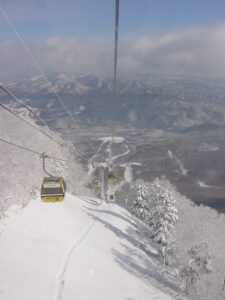
- Appi Kogen, Iwate: Japan’s Premier Powder Ski Resort — Complete Guide for Foreign Visitors

コメント