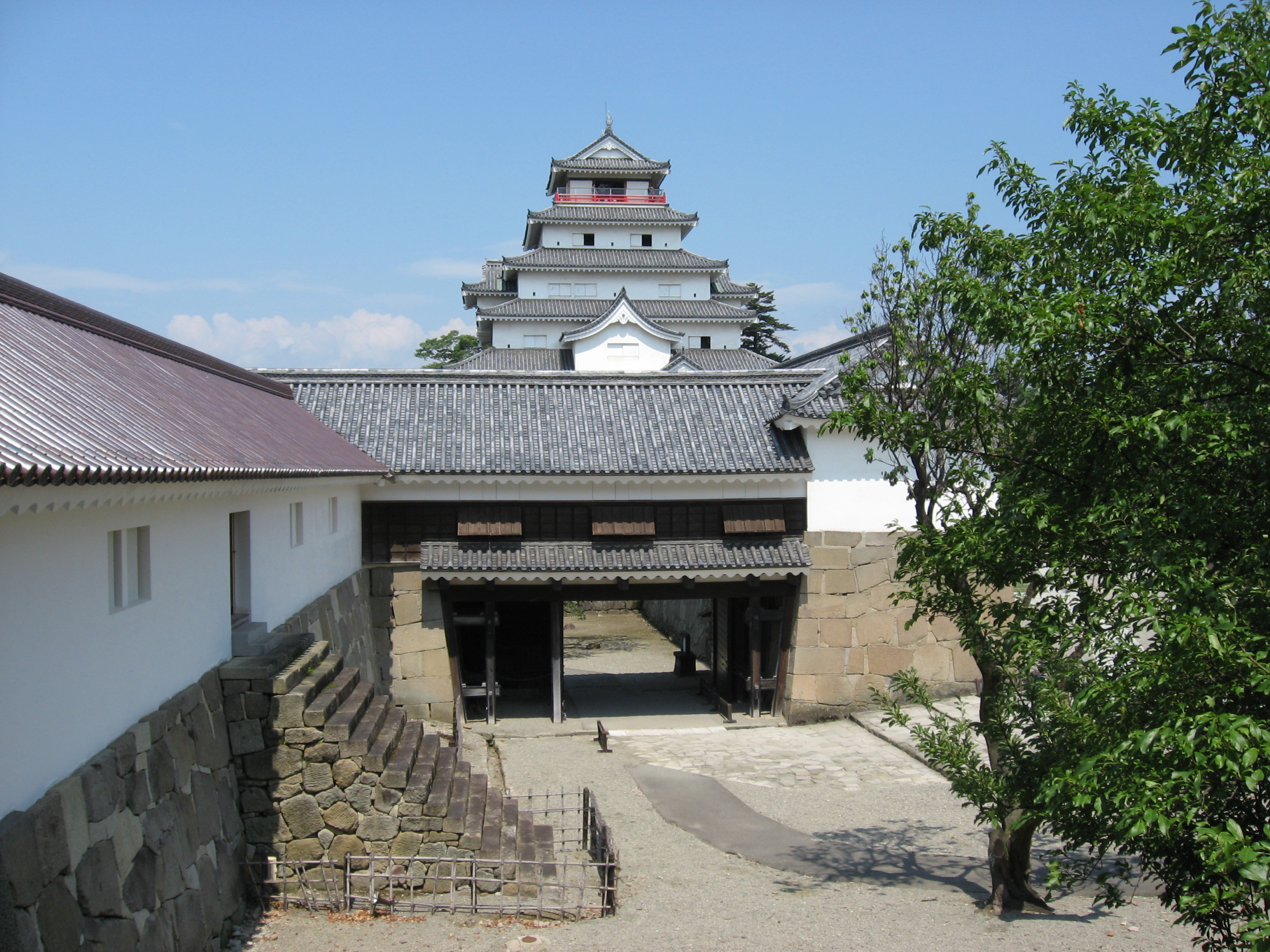
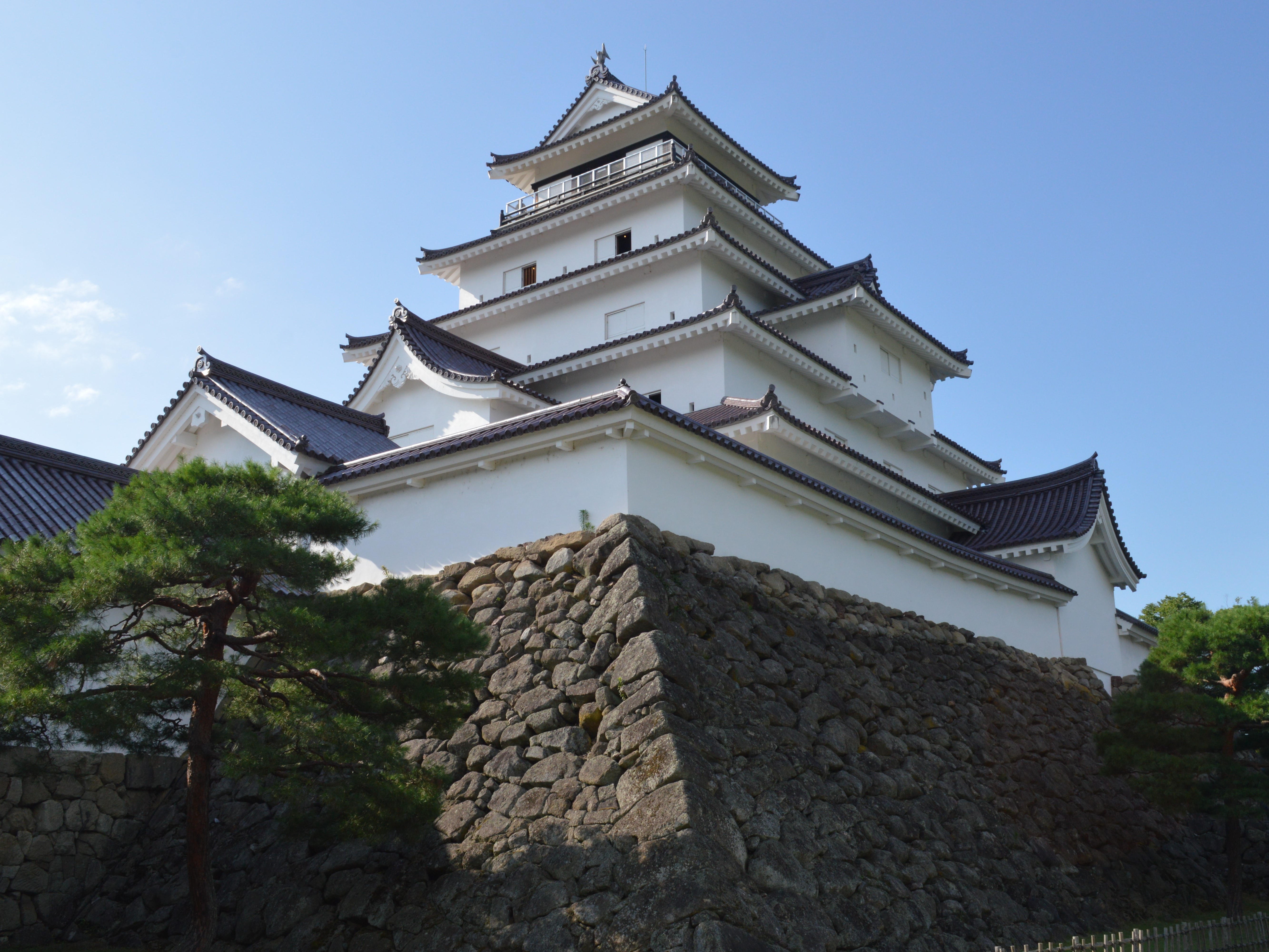
If Japan had a hall of fame for samurai history, Tsurugajo Castle would occupy the top spot. Rising above the city of Aizuwakamatsu with its distinctive red-tiled roof and perfectly proportioned white walls, this iconic fortress is not just a visual masterpiece — it is the beating heart of one of the most dramatic and moving chapters in Japanese history. For travelers willing to venture beyond the Kyoto-Tokyo circuit, Tsurugajo and the surrounding city of Aizuwakamatsu offer an experience that is deeper, more personal, and far less crowded than anything you will find on the tourist trail.
Why Tsurugajo Castle Should Be on Every Japan Itinerary
Most visitors to Japan see reconstructed castles — gleaming concrete reproductions that look nice in photos but feel somewhat hollow inside. Tsurugajo is different. While the current structure was rebuilt in 1965 after being demolished during the Meiji era, its interior museum tells the story of the Aizu clan with rare depth and emotional impact. The castle is famous above all for its connection to the Boshin War of 1868, when the samurai of Aizu held out for over a month against the imperial forces that would go on to create modern Japan. The tragedy of the Byakkotai — a group of teenage samurai warriors who took their own lives on a nearby hilltop after mistaking smoke for their castle’s fall — has made Aizuwakamatsu a place of deep national reverence.
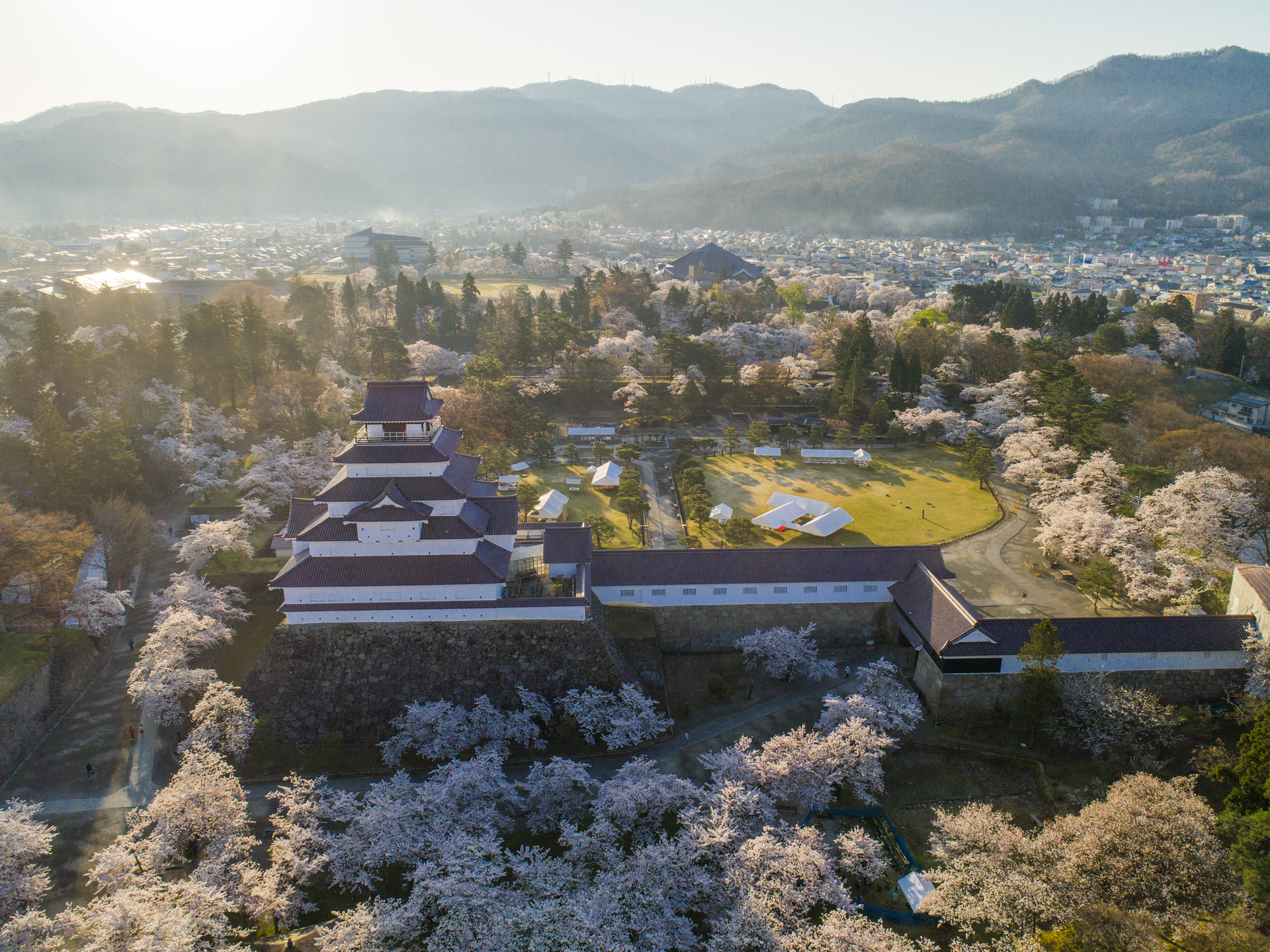
Beyond the history, Tsurugajo is simply one of the most beautiful castle settings in Japan. The surrounding park contains over a thousand cherry blossom trees, making it one of Tohoku’s most spectacular sakura spots every spring. In autumn, the castle walls glow against a backdrop of red and gold maples. In winter, the white walls and red roof contrast dramatically with fresh snow. Every season brings a completely different mood to the castle grounds, and every season is worth visiting.
What makes the Aizuwakamatsu experience unique for Western visitors is the authenticity of the region. The city has not been sanitized for mass tourism. The food is traditional and hearty. The locals are proud of their heritage and genuinely welcoming. The pace of life is slower, more deliberate, more Japanese in the way that Japan used to be before it became a theme park for tourists. Think of it as the difference between visiting Colonial Williamsburg and actually staying in an old plantation house in Virginia — one is a performance, the other is the real thing.
The History of Tsurugajo Castle
Tsurugajo, whose full name is Aizuwakamatsu Castle, has stood on this site in various forms since 1384, when the local warlord Ashina Naomori constructed the original fortress. Over the following two centuries it was expanded, fought over, and rebuilt multiple times as control of the Aizu domain changed hands. By the time the Matsudaira clan — loyal vassals of the Tokugawa shogunate — took control in 1643, the castle had grown into a powerful and formidable stronghold.
The castle’s most famous moment came in 1868, during the Boshin War that followed the Meiji Restoration. The Aizu domain remained loyal to the Tokugawa shogunate after the emperor’s forces swept across Japan, and the new imperial army besieged Aizuwakamatsu for a grueling 30 days. During this siege, a unit of teenage samurai called the Byakkotai (White Tiger Corps), aged between 16 and 17, was stationed on nearby Iimori Hill. Watching what they believed was the castle engulfed in flames — in fact it was merely the town burning — 20 of the boys took their own lives by seppuku rather than surrender. Only one survived. Their graves on Iimori Hill remain one of the most visited and most emotionally resonant sites in all of Tohoku.
After the Meiji government took power, Tsurugajo was demolished in 1874 as part of a nationwide campaign to erase symbols of the old feudal order. The reconstruction in 1965 used the original architectural plans, and in 2011 the roof tiles were replaced with the authentic red tiles that the castle would have had in its heyday, giving it the distinctive appearance it has today. A full renovation of the interior was completed in 2011, transforming it into one of the best castle museums in Japan.
Getting There from Tokyo
- By Shinkansen: Take the Tohoku Shinkansen from Tokyo to Koriyama (approximately 1 hour 15 minutes, from around ¥6,000–¥8,000 / $40–$55 one way), then transfer to the Banetsu West Line to Aizuwakamatsu (approximately 1 hour 15 minutes, ¥1,170 / $8). Total journey time around 2.5 hours.
- By Express Bus: Highway buses run direct from Tokyo’s Shinjuku and Ikebukuro stations to Aizuwakamatsu, taking approximately 4.5 hours and costing around ¥3,500–¥4,500 / $24–$30 depending on the operator and timing. A much cheaper but slower option.
- By Car: From Tokyo, the drive is approximately 3.5–4 hours via the Tohoku Expressway and Banetsu Expressway. Aizuwakamatsu is excellent for exploring by car, particularly if you plan to visit the surrounding Aizu region.
JR Pass note: The Tohoku Shinkansen to Koriyama and the Banetsu West Line are both covered by the JR Pass, making this route very economical if you are already holding a pass.
Inside the Castle: Tsurugajo Museum
Unlike many Japanese castles that house generic samurai armor displays, the museum inside Tsurugajo is deeply specific to the Aizu region and tells its story with genuine emotional depth. Spread across the five floors of the castle keep, the museum covers the history of the Aizu domain from its founding through the Boshin War and into the modern era.
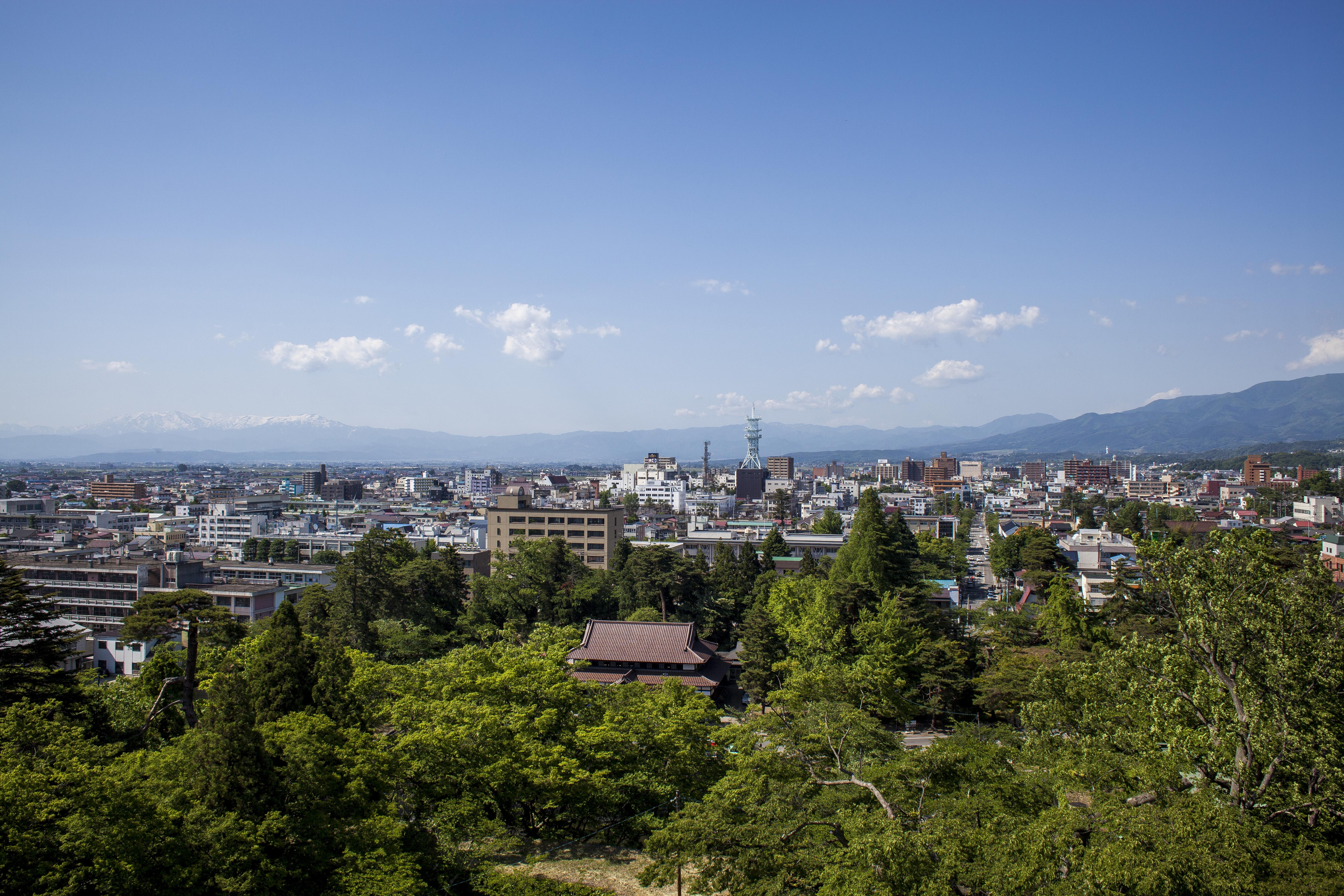
The ground floor introduces the geography and history of the Aizu region, providing essential context for everything you will see on the upper floors. The second floor focuses on the political history of the Matsudaira clan, including their role in the broader Tokugawa political system. By the third floor, you are into the Boshin War itself, with detailed exhibits on the siege of the castle, the Byakkotai, and the fate of the Aizu samurai in the years following their defeat. The fourth floor covers the cultural legacy of Aizu, including the distinctive regional crafts, performing arts, and culinary traditions. The fifth floor offers the view, which on a clear day extends to the mountains of the surrounding Aizu Basin.
One of the highlights is the reconstructed castle interior itself — the massive wooden pillars and beams, the thick earthen walls, and the narrow defensive windows all convey a visceral sense of what it would have been like to mount a defense here. The lighting is dramatic and the interpretation panels are available in English, making this one of the most accessible castle museums in Tohoku for foreign visitors. Budget at least 90 minutes for the interior, more if you have a deep interest in samurai history.
Admission is ¥410 / approximately $3 for adults. The castle is open daily from 8:30 AM to 5:00 PM (last entry 4:30 PM). A combined ticket with the nearby Rinkaku Tea House costs ¥520 / approximately $3.50 and is worth getting.
The Castle Grounds and Tsurugajo Park
The castle grounds — formally known as Tsurugajo Park — are free to enter and are among the most pleasant castle parks in Japan. The wide, well-maintained paths wind around the castle moat, through stands of towering trees, and past a series of traditional structures including the atmospheric Rinkaku Tea House, which dates to 1640. The tea house sits in a small garden beside the moat and offers matcha tea and traditional Aizu sweets — a perfect way to decompress after the museum.
In spring (late April to early May, a little later than Tokyo), the park becomes absolutely spectacular. More than a thousand cherry trees create a tunnel of pink blossoms along the main approach to the castle, and at night the castle and trees are illuminated until 10 PM. This is widely considered one of the top five cherry blossom spots in Tohoku and attracts visitors from across Japan. If you are timing your Japan trip around sakura, Aizuwakamatsu deserves serious consideration — the crowds are a fraction of what you will encounter in Tokyo or Kyoto, yet the visual impact is completely comparable.
Iimori Hill and the Byakkotai Memorial
No visit to Aizuwakamatsu is complete without climbing Iimori Hill to pay respects at the Byakkotai memorial. Located about 1.5 km (1 mile) from Tsurugajo Castle, the hill rises steeply above the city and can be climbed either via a long stone staircase or an escalator (yes, really — one of Japan’s rare outdoor escalators, built to help elderly pilgrims access the site). At the top, the graves of the 19 young samurai who died here are kept in immaculate condition, each surrounded by fragrant incense, flowers, and small offerings from visitors who come throughout the year.
Standing here and looking toward Tsurugajo — just as those teenage warriors did in 1868 — is one of the most moving experiences in Tohoku. The castle is clearly visible in the distance. The smoke they saw that day, the smoke that convinced them the battle was lost, came not from the castle itself but from the burning city around it. The castle was still standing. The error cost 19 lives.
Near the Byakkotai graves stands a curious memorial — an obelisk donated by Benito Mussolini in 1928, complete with a fragment of Roman stone. It was presented as a token of solidarity between the samurai spirit of Aizu and the Italian fascist movement, a strange piece of geopolitical history that still stands here today. Also nearby, the Shinsengumi monument honors the famous ronin corps who fought alongside the Aizu forces.
The Iimori Hill site also includes a small but worthwhile museum about the Byakkotai, and a restaurant and gift shop. Plan 1.5 to 2 hours for the full experience.
Oyakuen Garden: Aizu’s Medicinal Masterpiece
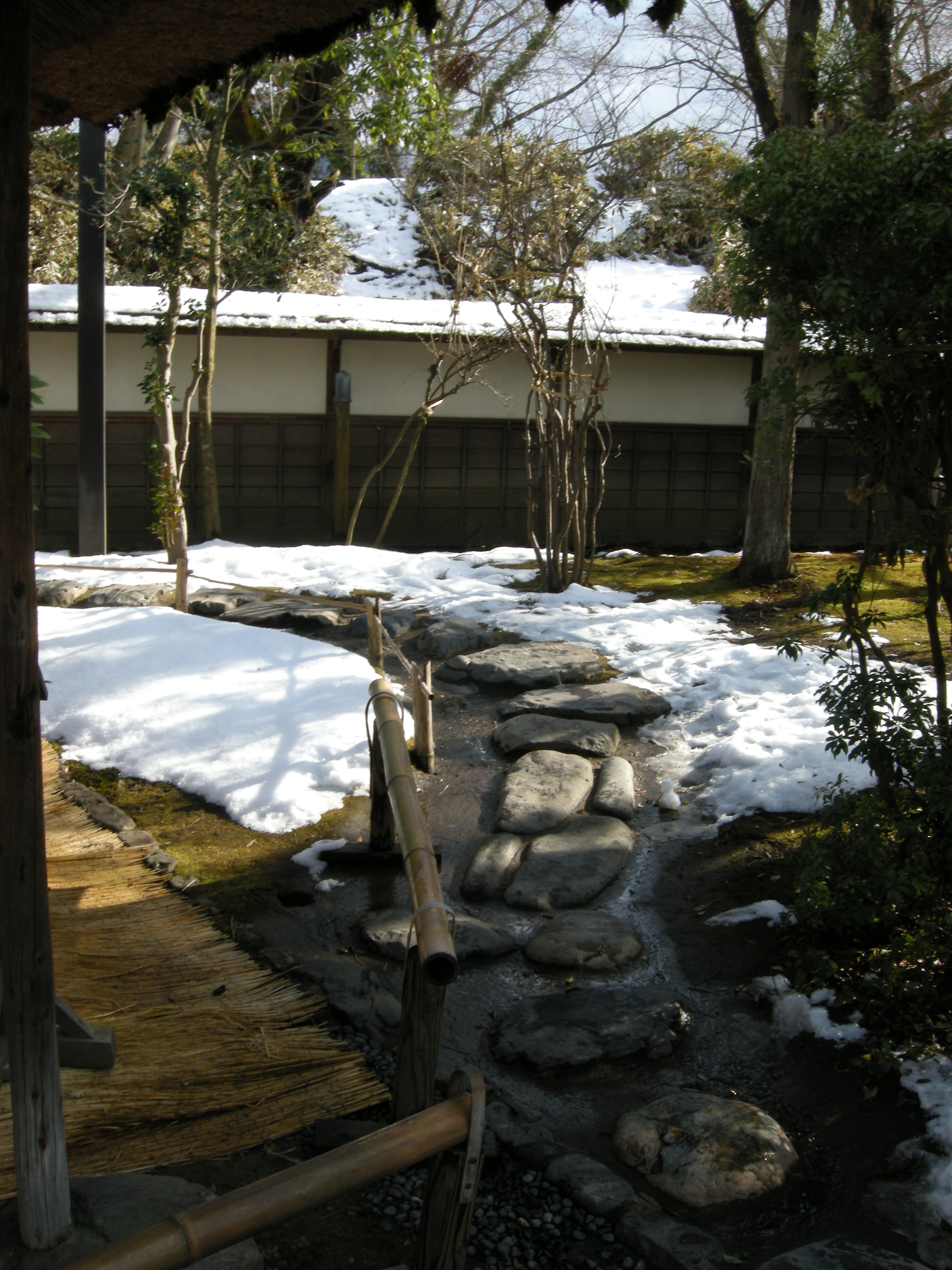
A short walk or taxi ride from Tsurugajo, Oyakuen is an Edo-period stroll garden that was originally built as a medicinal herb garden for the Aizu domain lord. Today it is a quiet, beautifully maintained space with a central pond, a traditional tea house, and carefully cultivated medicinal plants throughout. The garden is at its most beautiful in summer when the lotus flowers bloom on the pond, and in autumn when the maples turn red and gold.
Admission is ¥330 / approximately $2.20. Most visitors spend 45 minutes to an hour here. If you visit in summer, the garden serves a cold dessert made with the lotus that grows in the pond — a unique local treat worth seeking out.
Best Time to Visit Aizuwakamatsu
- Spring (late April–early May): The absolute best time for cherry blossoms at Tsurugajo Park. The castle illuminations during sakura season are extraordinary. Temperatures range from 10–18°C (50–64°F). This is the most popular season, so book accommodation well in advance.
- Summer (June–August): Hot and humid, with temperatures reaching 30°C (86°F) or above. The lotus garden at Oyakuen is beautiful in July. Summer festivals, including the Aizu Bon Odori dance festival in August, add color to the city.
- Autumn (October–November): Outstanding foliage season, particularly in November. The castle surrounded by autumn colors is one of the great photo opportunities in Fukushima. Temperatures 5–18°C (41–64°F). Crowds are moderate — busier than winter but calmer than spring.
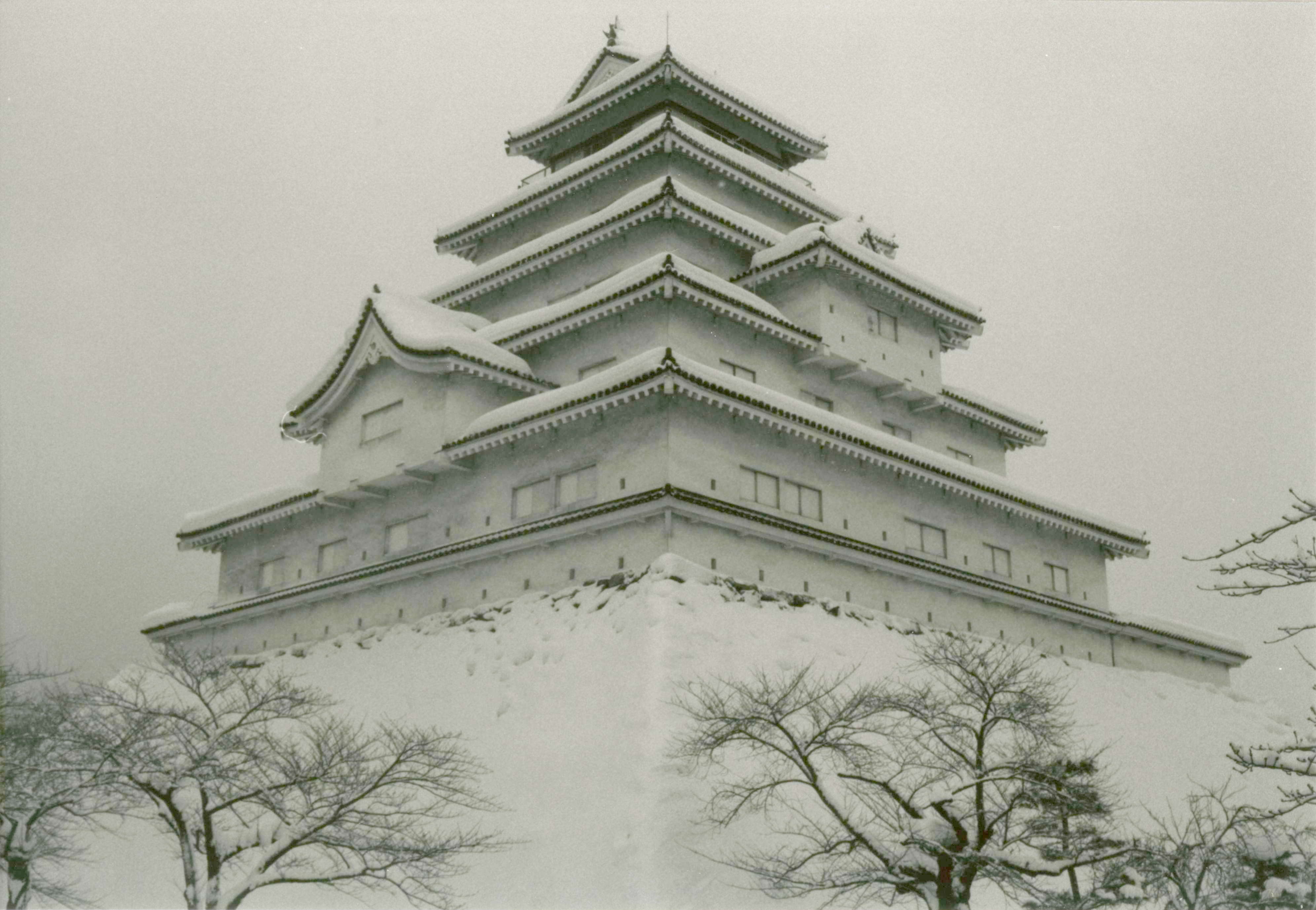
- Winter (December–March): Cold, with regular snowfall that creates stunning scenes of the white castle against a white landscape. Snow typically 20–50 cm (8–20 inches). The city is quiet and accommodation rates are lower. Ideal for visitors who want the castle largely to themselves.
Where to Eat: Aizu Cuisine Guide
Aizu cooking is the traditional cuisine of the inland mountain region of Fukushima, distinct from coastal or urban Japanese food and deeply tied to the cold climate and agricultural history of the area. You will encounter flavors and dishes here that you simply will not find in Tokyo, and that is precisely the point.
Wappa-meshi
The signature dish of Aizuwakamatsu, wappa-meshi is a steamed rice dish served in a round cedar wood box (wappa). The rice is topped with local ingredients — typically salmon, roe, mushrooms, or mountain vegetables — and steamed together until the flavors meld beautifully. The cedar wood imparts a subtle fragrance that makes eating this dish a genuinely sensory experience. Prices typically range from ¥1,500–¥2,500 / $10–$17. Look for it at specialized restaurants around the castle and near Aizuwakamatsu Station.
Kozuyu
Kozuyu is a clear, delicate soup made with scallop broth and filled with tiny pieces of dried scallop, taro root, konnyaku jelly, black mushrooms, and chrysanthemum petals. It is served at festivals, formal occasions, and traditional restaurants throughout Aizu and is considered the definitive taste of the region. The flavor is subtle and refined — nothing like the rich, meaty soups you might expect from a cold mountain region. Many restaurants serve kozuyu as a starter or as part of a traditional kaiseki-style meal. Budget around ¥800–¥1,200 / $5–$8 as part of a set.
Aizu Horse Sashimi (Basashi)
If you are feeling adventurous, Aizu is one of the few regions in Japan where horse sashimi (basashi) is a local specialty. Served thinly sliced with ginger and soy sauce, it has a mild, slightly sweet flavor and a texture closer to lean beef than what most people expect. Many izakaya (Japanese gastropubs) around the city serve it as a starter for around ¥800–¥1,200 / $5–$8.
Aizu Sake
Aizu has been producing sake for over 400 years, and the mountain water and cold winters create ideal conditions for premium rice wine. The region is home to several well-regarded breweries, many of which offer tours and tastings. Notable names include Hiroki and Suehiro, both of which produce sake found in high-end restaurants across Japan. Look for sake set menus at restaurants around the castle district, or visit one of the local liquor shops for a take-home bottle.
Where to Stay in Aizuwakamatsu
Budget (Under ¥8,000 / $55 per night)
Several business hotels near Aizuwakamatsu Station offer clean single rooms in the ¥6,000–¥8,000 / $40–$55 range, making them a practical option for solo travelers or couples on a budget. Guest houses in the city center typically offer dormitories from around ¥3,000 / $20 and private rooms from ¥6,500 / $44, and the owners are usually knowledgeable about local attractions.
Mid-Range (¥8,000–¥20,000 / $55–$135)
Comfortable business-style hotels near the castle area offer good value at around ¥10,000–¥15,000 / $68–$100 per night for a double room. For a more atmospheric stay, consider one of the smaller ryokan (traditional Japanese inns) in the city — there are several that offer excellent Aizu cuisine at dinner and breakfast, allowing you to experience wappa-meshi and kozuyu in the most appropriate setting possible. Prices for a two-meal ryokan package typically run ¥15,000–¥20,000 / $100–$135 per person.
Luxury (¥20,000+ / $135+)
For a truly immersive Aizu experience, consider staying at one of the hot spring ryokan in the Higashiyama Onsen district, located about 3 km (2 miles) from the castle by taxi. This historic onsen town has been a retreat for samurai and nobility for centuries, and the ryokan here offer traditional rooms with garden views, private baths, and elaborate multi-course kaiseki dinners featuring local Aizu specialties. Prices start at around ¥25,000–¥40,000 / $170–$270 per person per night with two meals — exceptional value compared to similar experiences in Kyoto.
Practical Tips for Visiting Aizuwakamatsu
- Getting around: The city is best explored on foot, by bicycle, or using the circular Haikara-san and Akabe city buses, which stop at all major attractions. A one-day bus pass costs ¥600 / $4 and pays for itself quickly.
- Castle admission: ¥410 / approximately $3 for adults. Open daily 8:30 AM to 5:00 PM (last entry 4:30 PM).
- Cherry blossom timing: Late April to early May is peak sakura season, about 1–2 weeks later than Tokyo. Check updated forecasts closer to your visit.
- Sake breweries: Many Aizu breweries offer tours and tastings, particularly on weekends. Some require advance booking.
- Byakkotai incense: It is customary to buy and light incense sticks at the graves of the Byakkotai. Small bundles are sold near the base of Iimori Hill for around ¥100–¥200 / under $2.
- Currency: Many smaller restaurants and attractions are cash-only. Make sure to have yen before leaving the station area.
- Lacquerware shopping: Aizu is one of Japan’s most famous centers for lacquerware (Aizu-nuri). The craft is genuinely exceptional quality and makes for a memorable, practical souvenir.
- Language: English is less common here than in major tourist cities. Having Google Translate on your phone will serve you well.
- Tourist information: The visitor center at Aizuwakamatsu Station has English-language maps and can assist with accommodation bookings.
- Day trip from Tokyo: While possible as a day trip (about 2.5 hours each way), Aizuwakamatsu genuinely rewards an overnight stay. Two nights is ideal.
Sample 2-Day Aizuwakamatsu Itinerary
Day 1: Samurai History Deep Dive
9:00 AM — Arrive at Tsurugajo Castle when it opens. Spend 90 minutes exploring the castle museum, working your way up through the five floors.
11:00 AM — Walk the castle grounds and visit Rinkaku Tea House for matcha and a traditional sweet. Take time to sit by the moat and absorb the atmosphere.
12:30 PM — Lunch near the castle. Order wappa-meshi and kozuyu soup for an authentic Aizu experience.
2:00 PM — Take the city bus or walk to Iimori Hill. Climb to the Byakkotai memorial. Spend an hour at the graves, the museum, and the viewpoint looking back toward the castle.
4:00 PM — Explore the Nanokamachi Street shopping district, where traditional shops sell lacquerware, sake, and local crafts.
6:30 PM — Dinner at a local izakaya. Try Aizu-style horse sashimi and sample the local sake. Budget around ¥3,000–¥5,000 / $20–$34 per person with drinks.
Day 2: Onsen, Gardens, and Departure
8:30 AM — If staying at Higashiyama Onsen, enjoy the traditional ryokan breakfast before checking out.
10:00 AM — Visit Oyakuen Garden. The morning light is beautiful on the central pond.
11:30 AM — Browse lacquerware shops near the castle.
1:00 PM — Lunch at a soba restaurant. Aizu buckwheat noodles are excellent, made from locally grown buckwheat.
2:30 PM — Head to Aizuwakamatsu Station for the Banetsu West Line to Koriyama, then connect to the Tohoku Shinkansen.
Beyond Aizuwakamatsu: Day Trip Ideas
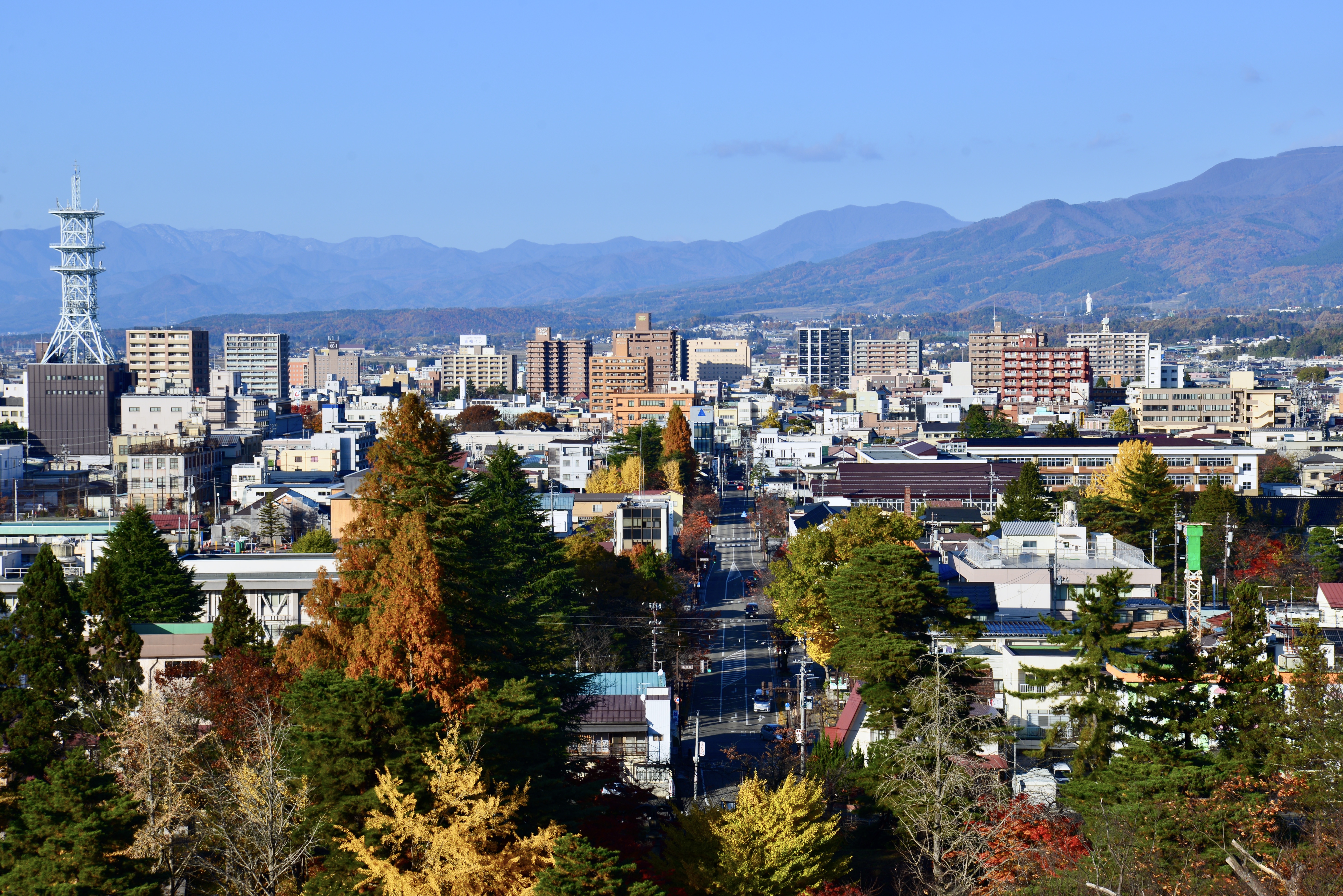
Aizuwakamatsu makes an excellent base for exploring the wider Aizu region, which is surprisingly rich in attractions for those willing to linger a little longer.
Ouchi-juku is a preserved post town about 30 km (19 miles) south of Aizuwakamatsu that looks almost exactly as it did during the Edo period, with thatched-roof farmhouses lining a main street free of modern development. It is one of the most photogenic villages in all of Tohoku. The local specialty is negi-soba — cold buckwheat noodles eaten not with chopsticks but with a whole green onion as a utensil. Accessible by bus or car in about an hour.
Higashiyama Onsen is just 3 km from the castle and offers a completely different atmosphere — quiet, atmospheric, and deeply traditional. Even if you are not staying here, a day-use bath at one of the ryokan is possible for around ¥500–¥1,500 / $3–$10.
Lake Inawashiro is Japan’s fourth-largest lake, located about 25 km (16 miles) east of Aizuwakamatsu. The lake is famous for its exceptional clarity and for the swans that winter here between October and March. The birthplace of Dr. Noguchi Hideyo (who appears on the ¥1,000 banknote) is located by the lake, and a memorial museum is open to visitors.
Related Articles You Might Enjoy
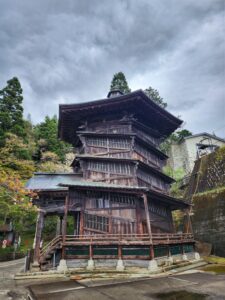
- Iimoriyama & Sazaedo, Aizuwakamatsu: Fukushima’s Samurai Tragedy Hill and Japan’s Only Double-Helix Pagoda
- Aizuwakamatsu Travel Guide for Foreigners — Fukushima Japan’s Most Soulful Samurai Town
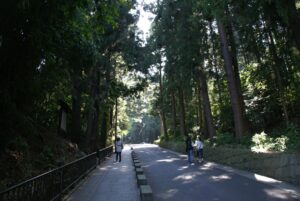
- Ouchi-juku, Fukushima: Japan’s Most Perfectly Preserved Post Town
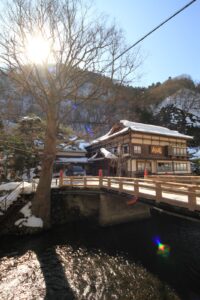
- Higashiyama Onsen, Aizuwakamatsu: Fukushima’s 1,300-Year-Old Samurai Hot Spring Town
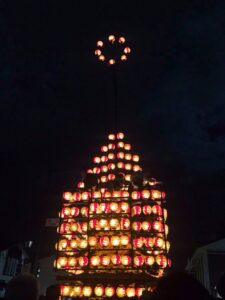
- Nihonmatsu, Fukushima: Japan’s Great Lantern Festival, a Feudal Castle & Chrysanthemum Dolls
Final Thoughts
Tsurugajo Castle and the city of Aizuwakamatsu represent exactly what the best travel experiences should offer: authentic history that has not been packaged for mass consumption, exceptional local food that you cannot find anywhere else, beautiful scenery in every season, and a window into a Japan that most foreign visitors never encounter. The samurai spirit of Aizu is not just a marketing slogan — it is something you genuinely feel when you stand at the Byakkotai memorial, when you eat kozuyu soup in a 150-year-old restaurant, when you hold a piece of lacquerware made by a craftsman whose family has been working the same techniques for generations.
Aizuwakamatsu is one of those places that rewards visitors who slow down enough to appreciate it. Stay two nights minimum. Talk to the people at your ryokan. Try the sake. Climb the hill. And when you look at that red-roofed castle rising against the mountains of Fukushima, take a moment to think about what happened here, and what it means that the people of Aizu chose to remember it rather than forget it. That choice — to honor the past while moving forward — is one of the things that makes this corner of Japan genuinely unforgettable.
Got questions about planning your Tohoku trip, or spotted something we missed? We’d love to hear from you — drop us a message here.

コメント