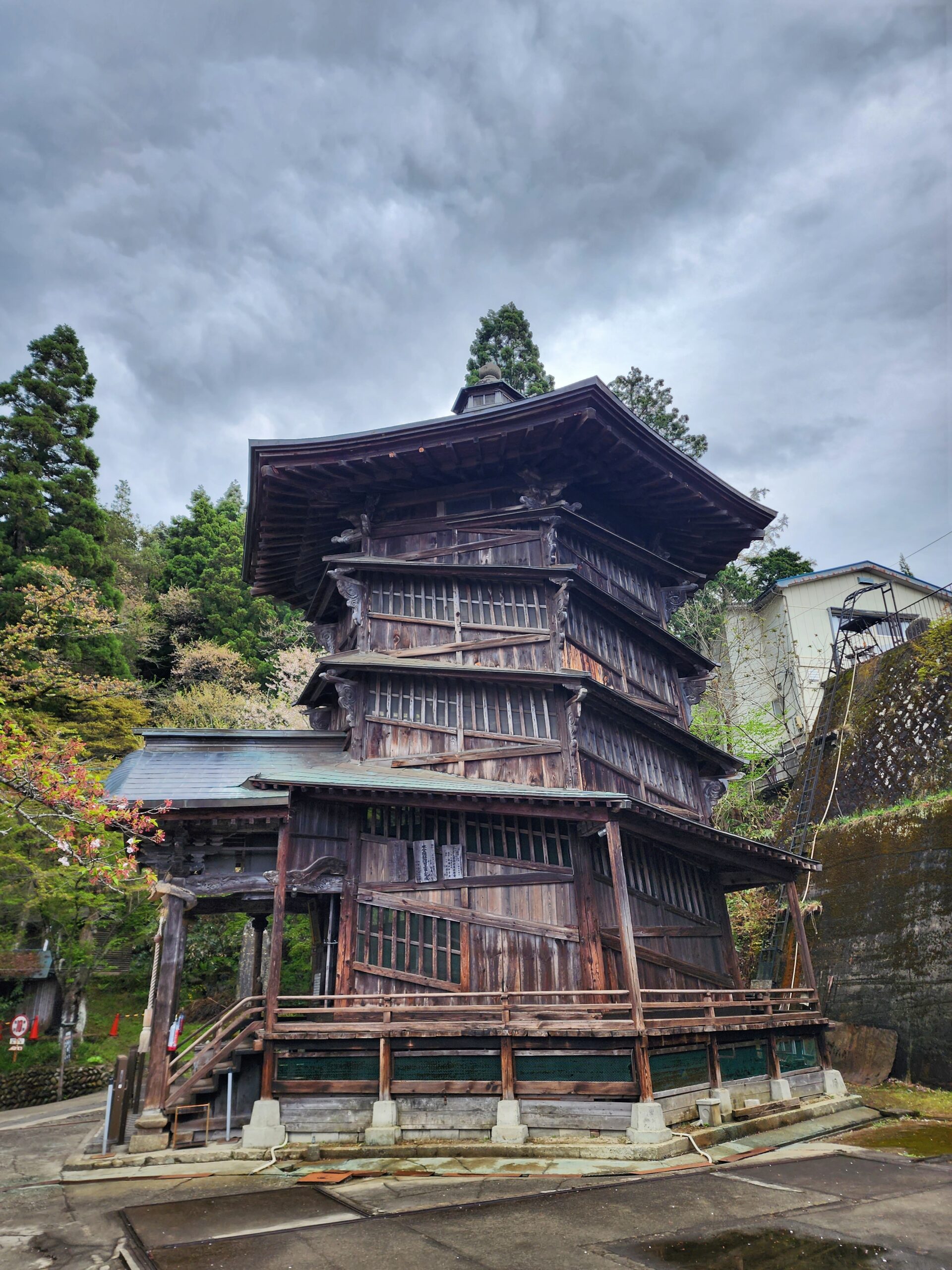
Halfway up a quiet, pine-covered hill in Aizuwakamatsu stands a wooden building unlike anything else in Japan — a pagoda whose interior spirals upward and downward along two paths that never cross, so that a monk walking in could climb to the top and descend again without ever retracing a step. A few hundred feet away, twenty stone monuments mark the graves of teenage samurai who took their own lives rather than surrender. Together, Iimoriyama and its extraordinary Sazaedo pagoda form one of Tohoku’s most quietly devastating, architecturally mind-bending, and criminally under-visited historical sites — and you can see it all in about ninety minutes.
Why Iimoriyama Should Be on Every Japan Itinerary
Most visitors to Fukushima head straight for Tsurugajo Castle and call it a day. That’s a mistake. Iimoriyama (飯盛山, “Rice-Mound Mountain”) is a fifteen-minute drive or bus ride from the castle, and it packs an emotional and architectural punch that few sites in Japan can match. This isn’t a reconstructed tourist attraction built for show — it’s the actual hill where, on the afternoon of October 8, 1868, twenty teenage samurai of the Byakkotai (White Tiger Force), the youngest reserve unit of the Aizu domain’s army, watched smoke rise over what they believed was their burning castle and, convinced their lord had fallen and their world had ended, took their own lives in a ritual act of loyalty. One boy survived his wound and lived to tell the story; the other nineteen are buried right there on the hillside, exactly where they fell.
What makes Iimoriyama unmissable for foreign travelers isn’t just the tragedy, though the story genuinely is one of the most moving you’ll hear in Japan. It’s the juxtaposition: a few dozen meters from those solemn graves sits Sazaedo, a bizarre and beautiful piece of 18th-century architectural genius that looks like nothing else in the country. Built in 1796, its double-helix internal ramp is such a rare structural design that architecture nerds compare it to Leonardo da Vinci’s spiral staircase sketches for Château de Chambord in France — except this one was built independently, in rural Japan, by a Buddhist priest named Ikudo, without any contact with European engineering. You genuinely will not see another building like it anywhere on Earth.
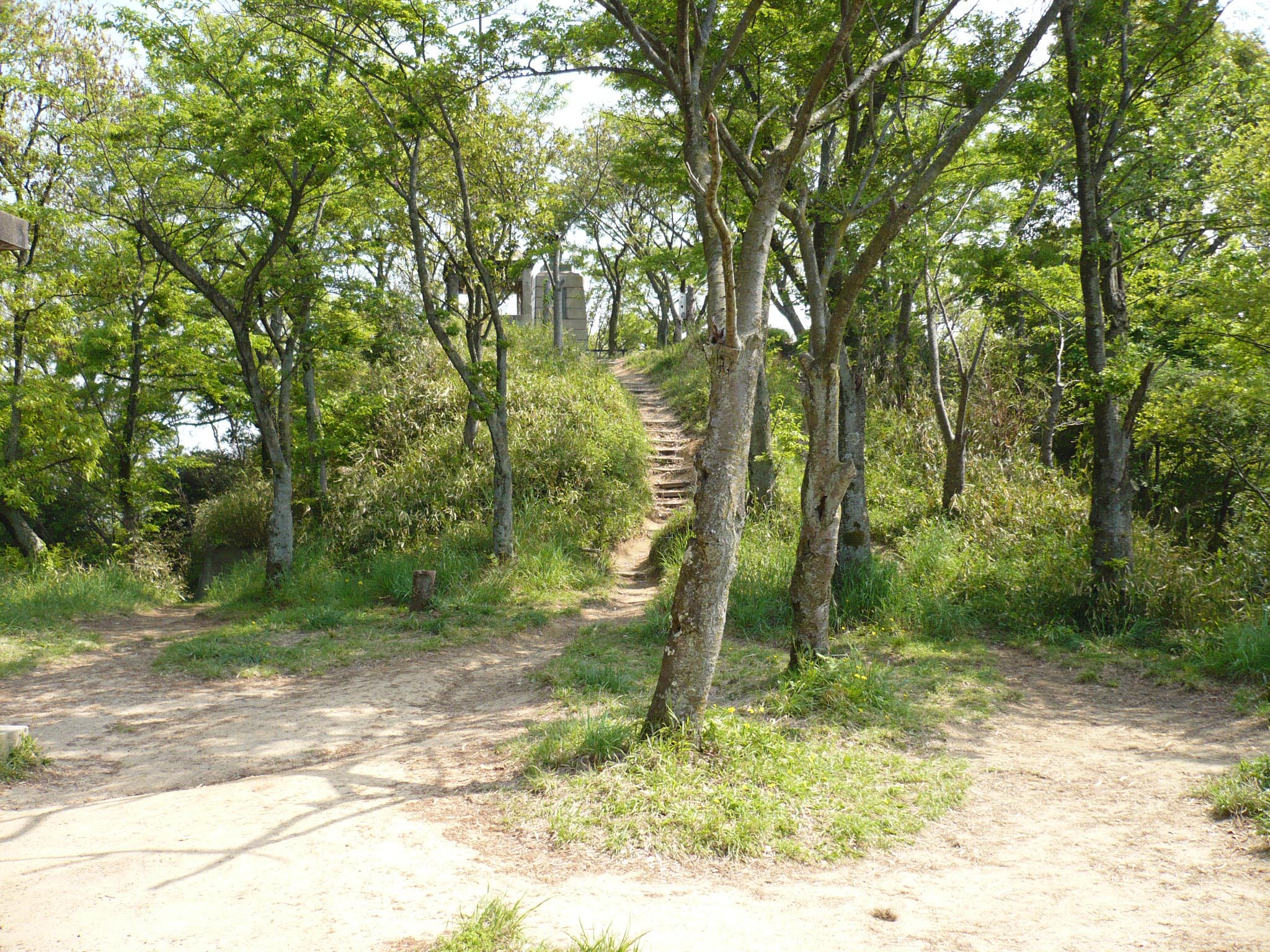
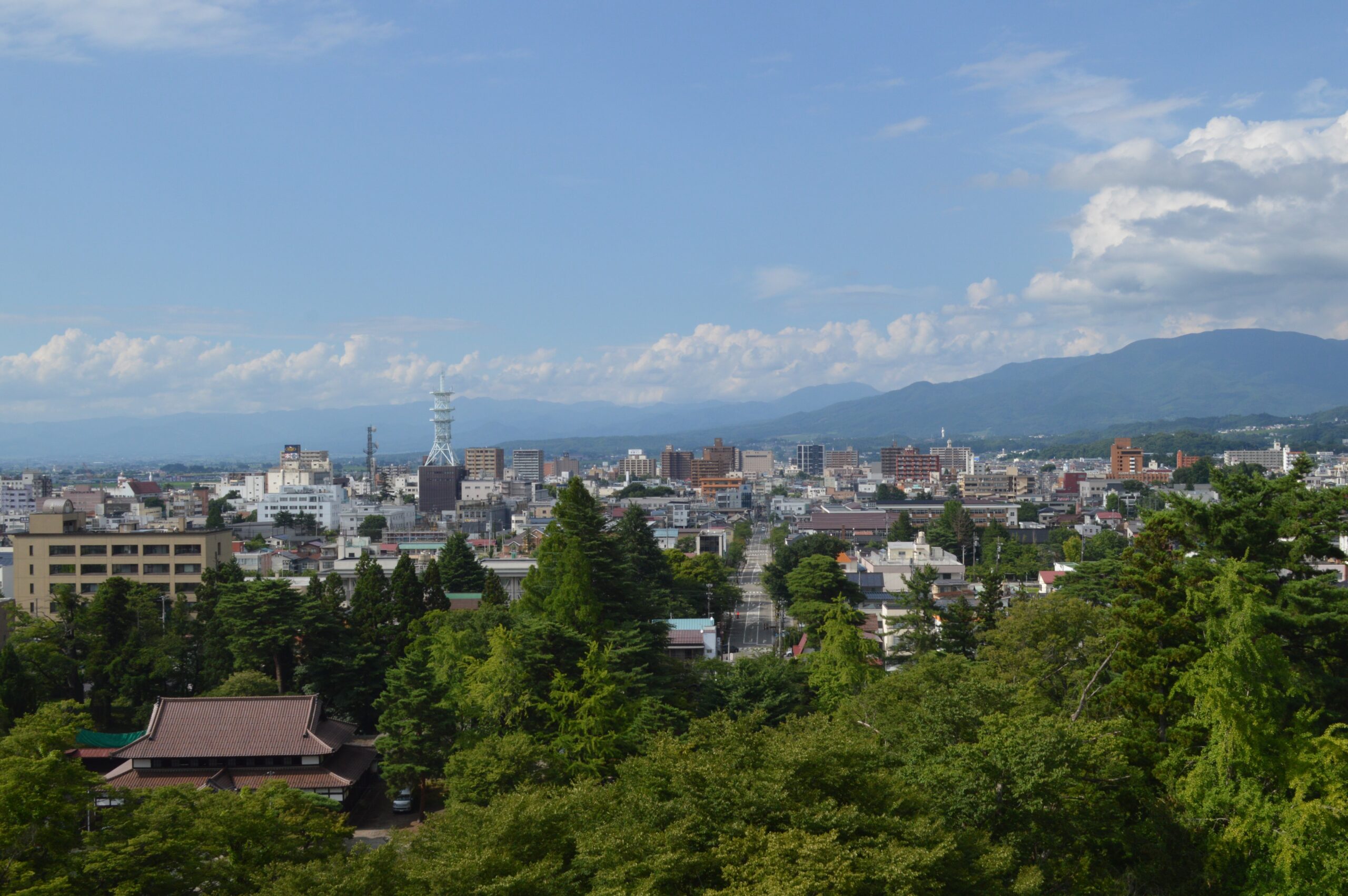
Add in a working ski-lift-style chairlift up the hill, a small shopping street selling Aizu’s famous red cow (akabeko) folk toys, and sweeping views over the Aizu basin, and you’ve got a compact, walkable, deeply memorable half-day stop that most first-time visitors to Tohoku never even hear about.
Getting There from Tokyo
Aizuwakamatsu sits in the mountainous western part of Fukushima Prefecture, and while it’s not directly on the Tohoku Shinkansen line, it’s an easy add-on if you’re already routing through Fukushima or Koriyama.
By Shinkansen + local train (fastest, most comfortable): Take the Tohoku Shinkansen from Tokyo Station to Koriyama Station (about 80 minutes, ~$70/¥10,700 one-way, covered by the JR Pass). At Koriyama, transfer to the JR Ban’etsu West Line limited express or rapid service to Aizuwakamatsu Station (roughly 65-90 minutes depending on train type, ~$13/¥2,000, also JR Pass eligible on most services). Total travel time from Tokyo: about 2.5-3 hours.
By highway bus (cheapest): Direct overnight and daytime highway buses run from Tokyo (Shinjuku) to Aizuwakamatsu, taking around 4.5-5 hours and costing roughly $30-45/¥4,500-7,000 one-way. Not covered by the JR Pass, but a good budget option.
By rental car: From Tokyo, it’s about a 4-hour drive via the Tohoku and Ban-etsu Expressways (roughly $50-60/¥7,500-9,000 in tolls). A car is genuinely useful once you’re in the Aizu region since it opens up Ouchi-juku, Goshikinuma, and Higashiyama Onsen as easy add-ons.
Once in Aizuwakamatsu: Iimoriyama is about 3 km (1.9 miles) east of the station. The “Haikara-san” and “Akabee” loop buses that circle the city’s main sights stop right at the base of the hill (around $2.50/¥400 per ride, or a $6.50/¥1,000 one-day pass), making it the easiest way to combine Iimoriyama with Tsurugajo Castle and the samurai district in one day.
The Byakkotai Graves: A Story That Will Stay With You
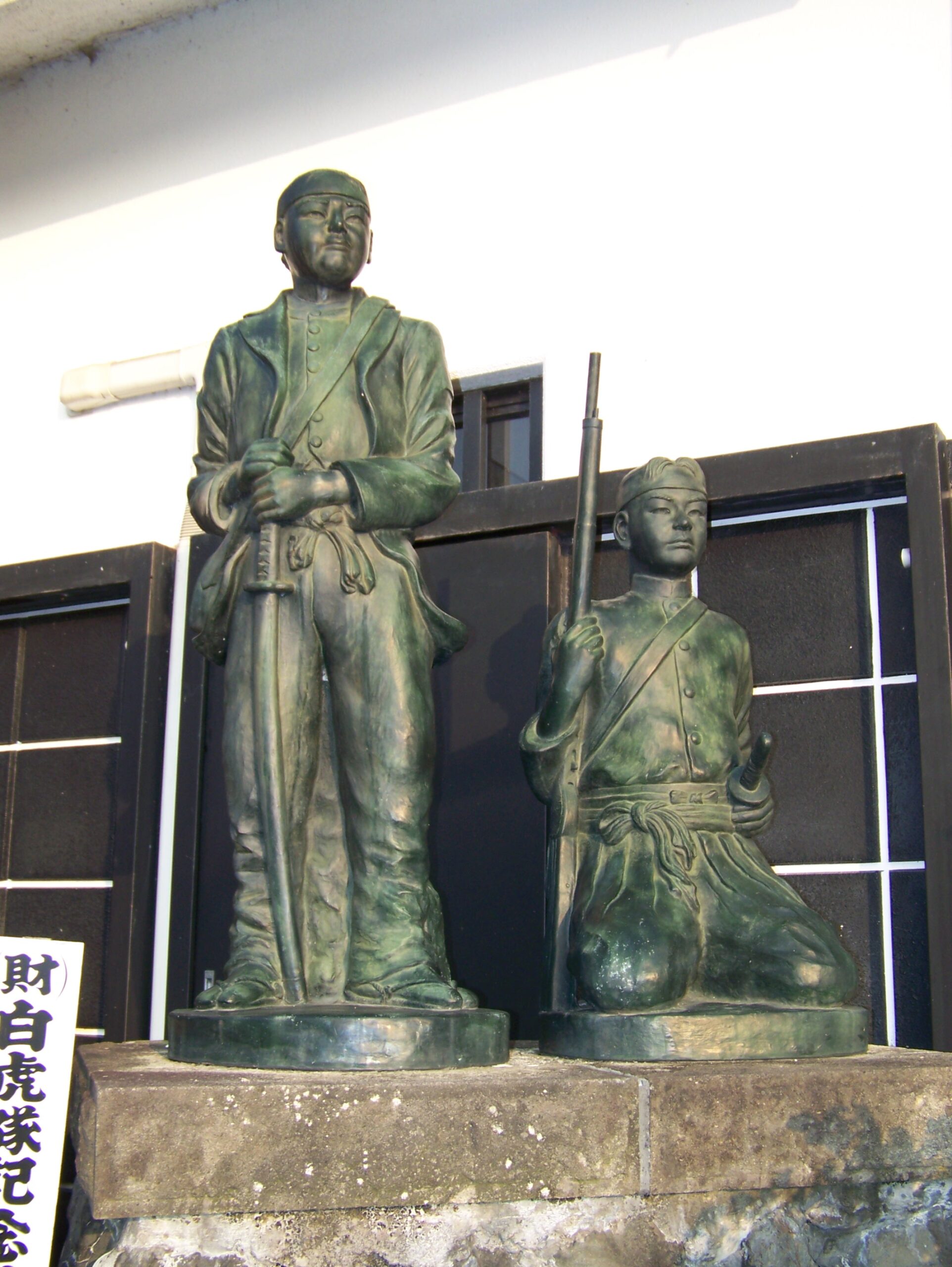
To understand why this hillside matters, you need a little context. In 1868, Japan was tearing itself apart in the Boshin War, the conflict that ended centuries of samurai rule and restored the emperor to power. The Aizu domain, fiercely loyal to the shogunate, became one of the war’s bloodiest battlegrounds. As Imperial forces closed in on Aizuwakamatsu Castle, the domain mobilized every able body it had — including a reserve unit of roughly 340 boys aged 16 and 17, drawn from samurai families and organized into the Byakkotai.
One squad of twenty boys became separated from the main force during the fighting and retreated to Iimoriyama. From the hilltop, they looked back toward the castle and saw smoke and flames rising over the town. Believing the castle had fallen and their families and lord were lost, and unwilling to be captured or to live with what they saw as failure, nineteen of the twenty committed seppuku (ritual suicide) on the hillside. The castle, in fact, had not fallen — it held out for another month — but by the time word could have changed anything, it was too late. The lone survivor, Iinuma Sadakichi, was found still breathing by a local woman, nursed back to health, and lived until 1931, eventually giving firsthand accounts of what happened that day.
Today, nineteen graves line the hillside in neat rows, along with a memorial obelisk donated by Benito Mussolini’s Fascist Italy in 1928 (a genuinely strange historical footnote — Imperial Japan and Fascist Italy exchanged monuments referencing the Byakkotai’s loyalty as a shared political symbol) and a stone column presented by Nazi Germany, which was removed after WWII and later partially restored in a modified form. There’s also a monument gifted by the city of Rome, gesturing back to the ancient Roman story of Cato, which Aizu officials felt echoed the boys’ sense of duty. Walking among the graves, especially early in the morning before tour groups arrive, is a genuinely quiet, contemplative experience. Most Japanese visitors bow or clap softly at the graves; you’re welcome to do the same, or simply pause respectfully. Loud conversation or photography that treats the graves as a backdrop is considered disrespectful.
Sazaedo: The Building That Shouldn’t Exist
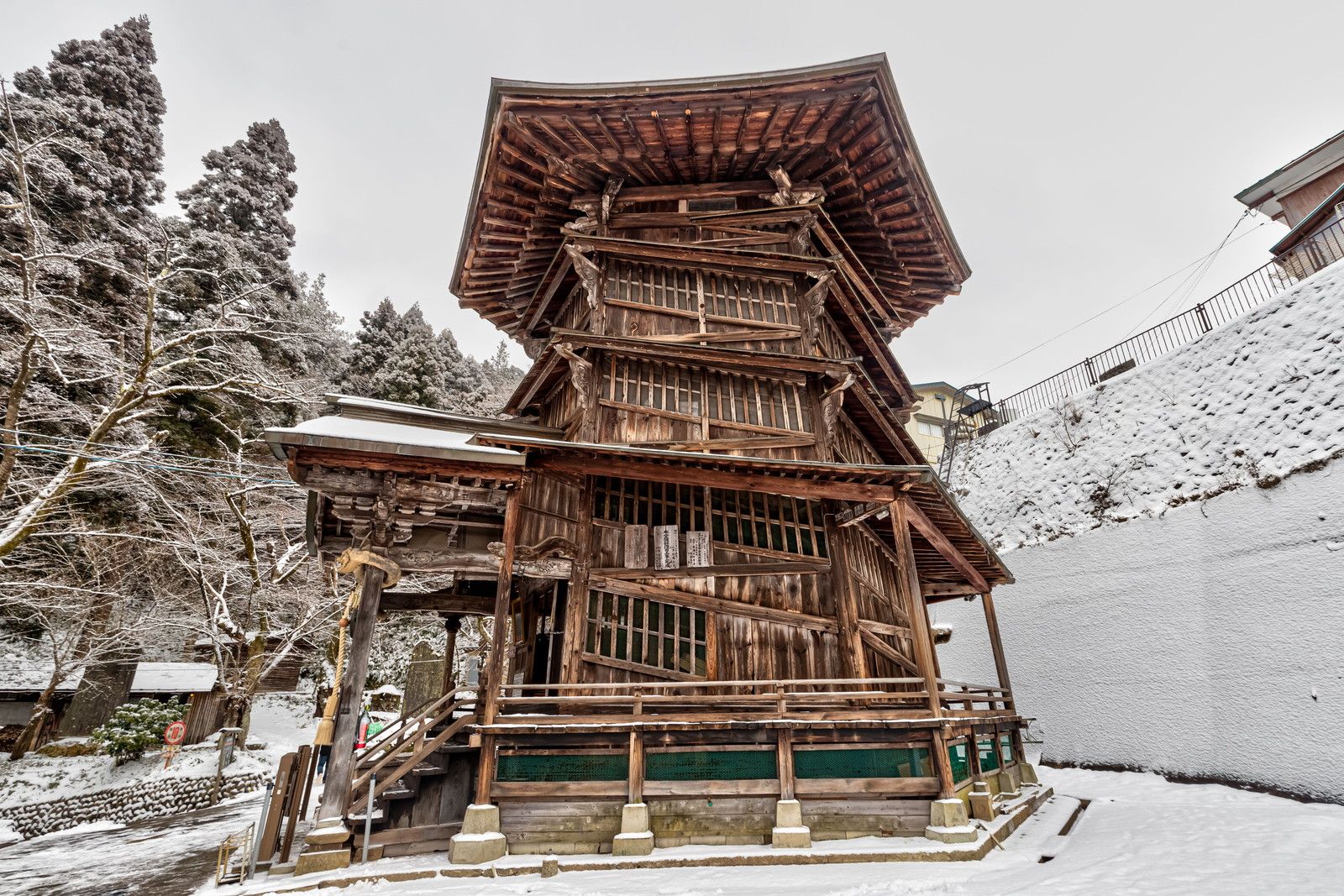
Just below the Byakkotai graves sits Sazaedo (正式名: Enzo Sazaedo, also called Entsu-sansodo), a hexagonal wooden pagoda built in 1796 by the priest Ikudo of the nearby Shosan-ji temple. From the outside, it looks unusual but not impossible — a tapering, six-sided wooden tower about 16.5 meters (54 feet) tall, capped with a small dome. It’s what’s inside that makes it one of the strangest and most brilliant pieces of religious architecture in Japan.
Sazaedo means “turban shell hall,” named for its resemblance to the spiraling shell of a sea snail. Inside, a single ramp winds continuously upward in a clockwise spiral from the entrance to a small platform at the top, where visitors would once bow to a set of 33 statues representing the bodhisattva Kannon in different forms (the statues were removed after the Meiji era’s anti-Buddhist policies, but the empty niches remain). From that platform, a second, separate spiral ramp continues the rotation and carries visitors back down to a different exit — meaning the two paths, ascending and descending, never intersect. You walk continuously forward the entire time, never turning back, in a single unbroken loop that has been read as a Buddhist metaphor for a pilgrimage that leaves you changed and moving only forward.
Architecturally, this double-helix, non-intersecting ramp design is exceptionally rare worldwide. It predates or runs parallel to similar ideas explored by Leonardo da Vinci in Europe, and there are only a small handful of comparable structures anywhere — a similar sazaedo-style hall exists in Hirosaki, Aomori, but Aizu’s is the most famous and best preserved. Engineers and architecture students make pilgrimages here specifically to study the joinery, since the entire spiral is built without nails in the traditional sections, using interlocking wooden joints typical of Edo-period temple carpentry.
Sazaedo is registered as a nationally Important Cultural Property, and unlike many historic structures in Japan, you’re allowed to actually walk through the entire spiral yourself — shoes on, no special reservation needed, for a small entry fee (around $2/¥400). The wooden ramp creaks pleasantly underfoot, the incline is gentle enough for nearly anyone to manage, and the whole loop takes about five to ten minutes. It’s rare to get to physically experience a piece of 18th-century architectural ingenuity this directly, and it photographs beautifully — the weathered wood, warm low light filtering through small windows, and the impossible geometry of the spiral all make for one of the more unusual photo opportunities in Tohoku.
Beyond the Hill: Nisshinkan, Tsurugajo & the Samurai District
Iimoriyama sits within easy reach of several other Aizu samurai-history sites, and combining them makes for one of the best single-day historical itineraries in Tohoku.
A short drive or taxi ride from Iimoriyama is Nisshinkan, the reconstructed Aizu domain school where samurai boys (including, tragically, some of the same Byakkotai members) studied Confucian philosophy, swordsmanship, swimming, and archery from as young as age 10. The original 1803 school was one of the most advanced educational institutions in Edo-period Japan, complete with what’s believed to be the country’s oldest planetarium-style astronomy observation building and a swimming pool used for training in full armor. Today’s reconstruction lets you try archery, watch swordsmanship demonstrations, and see the strict, almost military daily schedule these boys lived under — context that makes the Byakkotai story on Iimoriyama hit even harder once you understand exactly how these teenagers were raised and what “duty” meant to them.
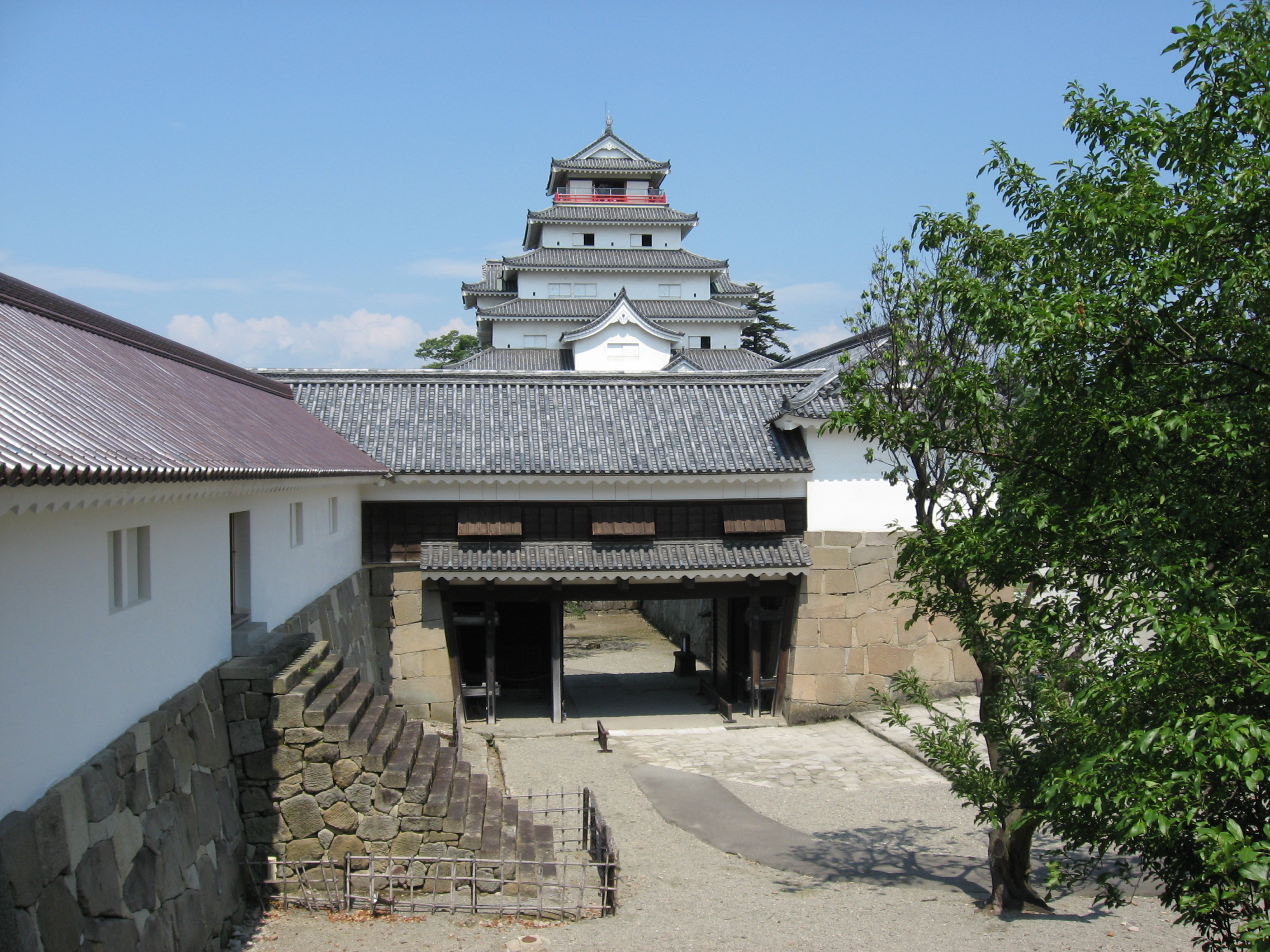
Back toward the city center, Tsurugajo Castle (also called Aizuwakamatsu Castle) is the site the Byakkotai boys believed had fallen. The current structure is a 1965 concrete reconstruction of the original, which was demolished after the 1868 siege, but the reconstruction is faithful, the top-floor observation deck offers excellent views back toward Iimoriyama, and the surrounding park is one of Tohoku’s best cherry blossom spots in spring. The castle museum inside does an excellent job explaining the Boshin War and the Aizu clan’s role in it, which pairs perfectly with what you’ve just seen on the hill.
If you have extra time, the Bukeyashiki samurai residence (a preserved upper-samurai household compound) and the Nanukamachi Street historic shopping area, lined with sake breweries, lacquerware shops, and soba restaurants in old merchant buildings, round out a full day of Aizu history without needing a car at all, since the loop buses connect all of these stops.
Best Time to Visit
- Spring (late April-early May): Cherry blossoms bloom around Tsurugajo Castle and along parts of Iimoriyama, and mild temperatures (55-68°F / 13-20°C) make the hillside walk comfortable. This is peak season, so expect more visitors and tour buses.
- Summer (June-August): Warm and humid (75-86°F / 24-30°C), with lush green surroundings on the hill. Early morning visits (before 9am) are recommended to beat both the heat and the crowds.
- Autumn (mid-October-early November): Arguably the best season — the maples and ginkgo around Iimoriyama turn brilliant red and gold, temperatures are crisp and comfortable (50-65°F / 10-18°C), and the somber mood of the site feels especially fitting against the autumn colors. This also roughly coincides with the anniversary of the Byakkotai tragedy in early October, when a memorial ceremony is held.
- Winter (December-February): Cold and often snowy (25-40°F / -4 to 4°C), with the hillside blanketed in white. Fewer tourists, and Sazaedo’s interior takes on a hushed, atmospheric quality, but check that the chairlift is running, as it occasionally pauses in heavy snow.
Where to Eat: Aizuwakamatsu Food Guide
Sauce Katsudon at Genrakuken
Aizu’s signature dish is sauce katsudon — a breaded, deep-fried pork cutlet dipped in a tangy Worcestershire-style sauce and served over rice, distinct from the egg-topped katsudon found elsewhere in Japan. Genrakuken, a beloved local institution near the station, has been serving it since 1918. Expect to pay around $8-11/¥1,200-1,600. Arrive before noon on weekends, as lines form quickly.
Kitakata Ramen (day trip friendly)
Technically from neighboring Kitakata, but widely available in Aizuwakamatsu, this thick, flat, curly-noodle ramen in a light soy broth is one of Japan’s great regional ramen styles. Try Bannai Shokudo or any of the small counter shops around Nanukamachi Street for an authentic bowl at $6-9/¥900-1,300.
Soba & Local Sake on Nanukamachi Street
The historic shopping street near Iimoriyama’s base is lined with small soba restaurants using buckwheat grown in the Aizu basin, plus sake tasting counters showcasing the region’s excellent rice wine (Aizu is one of Fukushima’s top sake-producing areas). A soba set runs $8-13/¥1,200-1,900, and small sake flights typically cost $5-9/¥750-1,300.
Where to Stay
Budget (under $55/¥8,000)
Aizu Guesthouse Roku, a friendly hostel-style guesthouse near the station with dorm beds and simple private rooms, is a solid budget base. Business hotels like Toyoko Inn Aizuwakamatsu Ekimae also offer clean, no-frills private rooms right by the station at similar rates.
Mid-Range ($55-135/¥8,000-20,000)
Hotel Alpha-One Aizuwakamatsu and Washington Hotel Aizuwakamatsu offer comfortable Western-style rooms with good access to both the station and the historic district, typically including breakfast.
Luxury ($135+/¥20,000+)
For a real Aizu experience, base yourself at a ryokan in nearby Higashiyama Onsen, a 1,300-year-old hot spring town just a 10-minute drive from Iimoriyama. Properties like Mukaitaki (a beautifully preserved Meiji-era wooden ryokan) offer multi-course kaiseki dinners and mineral hot spring baths, turning your Iimoriyama day trip into an overnight retreat.
Practical Tips for Visiting Iimoriyama & Sazaedo
- The hill has stone steps as well as a paid escalator/chairlift-style moving walkway (around $2.50/¥400) if you’d rather skip the climb — look for the ticket booth at the base near the bus stop.
- Sazaedo’s entry fee is separate from the hill itself (around $2/¥400); pay at the small booth right at its entrance.
- Wear shoes you don’t mind removing quickly or that slip on/off easily — some indoor sections request shoes off, though Sazaedo itself is walked through with shoes on.
- Photography is allowed at both the graves and inside Sazaedo, but keep your voice down and avoid posed, celebratory photos at the Byakkotai graves out of respect.
- Budget about 60-90 minutes for the full hill, or 2-3 hours if you’re also touring Nisshinkan nearby.
- English signage is limited but present at key spots; downloading a translation app or a short pre-trip read on the Boshin War will add a lot to your experience.
- The loop buses (“Haikara-san” clockwise, “Akabee” counterclockwise) run roughly every 30 minutes and are the easiest way to combine this with the castle and samurai district — buy the one-day pass if you’re seeing more than two stops.
- There’s a small shopping street at the base of the hill selling akabeko red-cow folk toys and local snacks — a good spot for souvenirs you won’t find in Tokyo.
- Public restrooms and a few vending machines are available near the hill’s base, but there isn’t much food right at Iimoriyama itself, so eat before or after at Nanukamachi Street or near the station.
- If visiting in winter, check ahead that the moving walkway/chairlift is operating, and wear proper footwear for potentially icy stone steps.
Sample 1-Day Aizu Samurai History Itinerary
Morning: Arrive in Aizuwakamatsu by mid-morning train or bus. Take the loop bus to Iimoriyama first, while it’s quiet. Spend 30-40 minutes at the Byakkotai graves and viewpoint, then walk down to Sazaedo and take the full spiral walk-through (allow 45-60 minutes total for the hill).
Afternoon: Grab sauce katsudon or soba lunch near Nanukamachi Street, then bus over to Tsurugajo Castle for the museum and observation deck (1.5-2 hours). If time allows, fit in a quick stop at Nisshinkan or the Bukeyashiki samurai residence.
Evening: Head to Higashiyama Onsen for a soak in a historic mineral bath and a kaiseki dinner if staying overnight, or catch a return train/bus toward Koriyama or back to Tokyo if it’s a day trip.
Related Articles You Might Enjoy
- Tsurugajo Castle (Aizuwakamatsu): Complete Guide to Fukushima’s Iconic Samurai Fortress
- Aizuwakamatsu Travel Guide for Foreigners — Fukushima Japan’s Most Soulful Samurai Town
- Ouchi-juku, Fukushima: Japan’s Most Perfectly Preserved Post Town
- Higashiyama Onsen, Aizuwakamatsu: Fukushima’s 1,300-Year-Old Samurai Hot Spring Town
- Hanamiyama Park, Fukushima: Japan’s Most Beautiful Hill of Flowers
Final Thoughts
Iimoriyama is the kind of place that reshuffles your sense of what a “Japan itinerary” is supposed to include. It’s not flashy, it’s not on most first-timer lists, and it doesn’t try to entertain you the way a theme park or a neon-lit city street does. Instead, it asks you to sit with a genuinely tragic piece of history for a few quiet minutes, and then, just steps away, hands you one of the most inventive pieces of architecture you’ll ever walk through. Few places in Tohoku — or in Japan — pack that much emotional and intellectual weight into ninety minutes on a small hillside. If you’re already routing through Fukushima for Tsurugajo Castle, adding Iimoriyama and Sazaedo isn’t optional; it’s the part of the trip you’ll actually remember.
Got questions about planning your Tohoku trip, or spotted something we missed? We’d love to hear from you — drop us a message here.

コメント