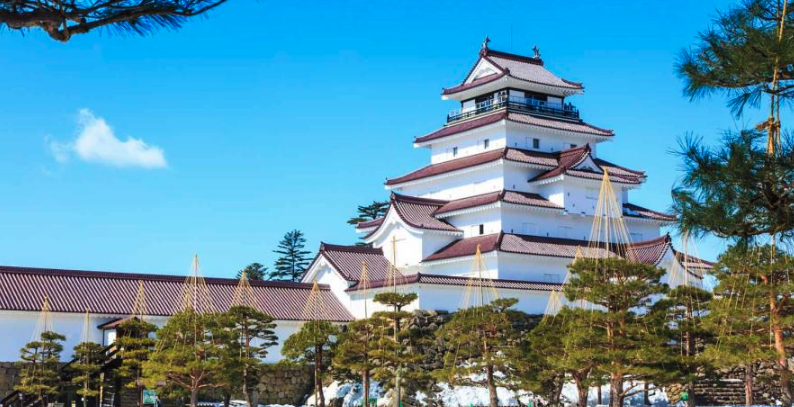
If you’ve been searching for a place in Japan where history doesn’t just sit behind glass cases but breathes through every stone wall and cobblestone street, let me point you straight to Aizuwakamatsu. Tucked into the inland mountains of Fukushima Prefecture, this remarkable castle town is one of Japan’s most emotionally powerful destinations — and honestly, one of the most underrated by foreign visitors. I’m Jo, based in Sendai, and Aizu is a place I return to again and again. Every time, it moves me. This Aizuwakamatsu travel guide for foreigners covers everything you need to know to make the most of your visit.
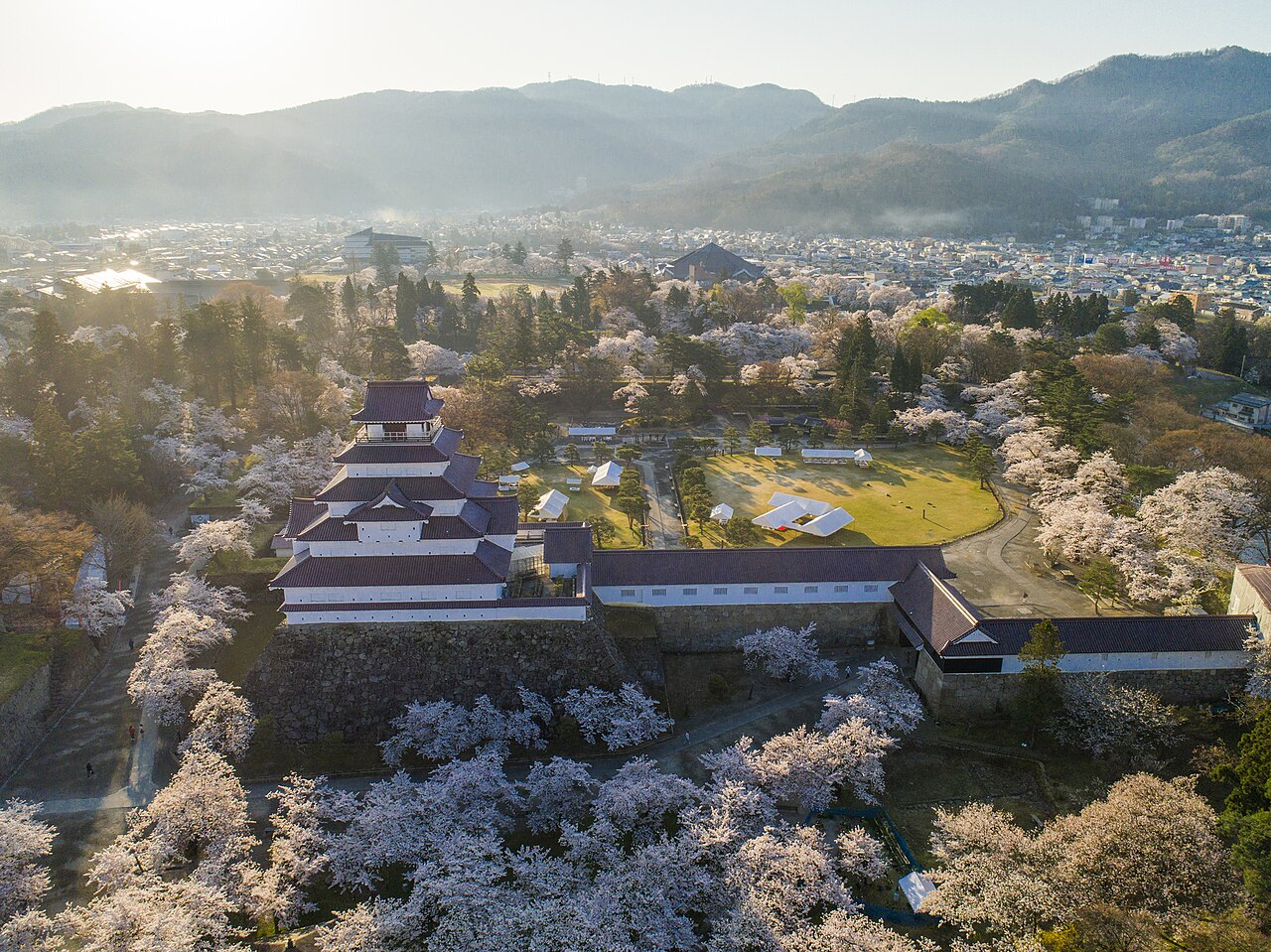
Why Aizuwakamatsu? A Town That Wears Its History Proudly
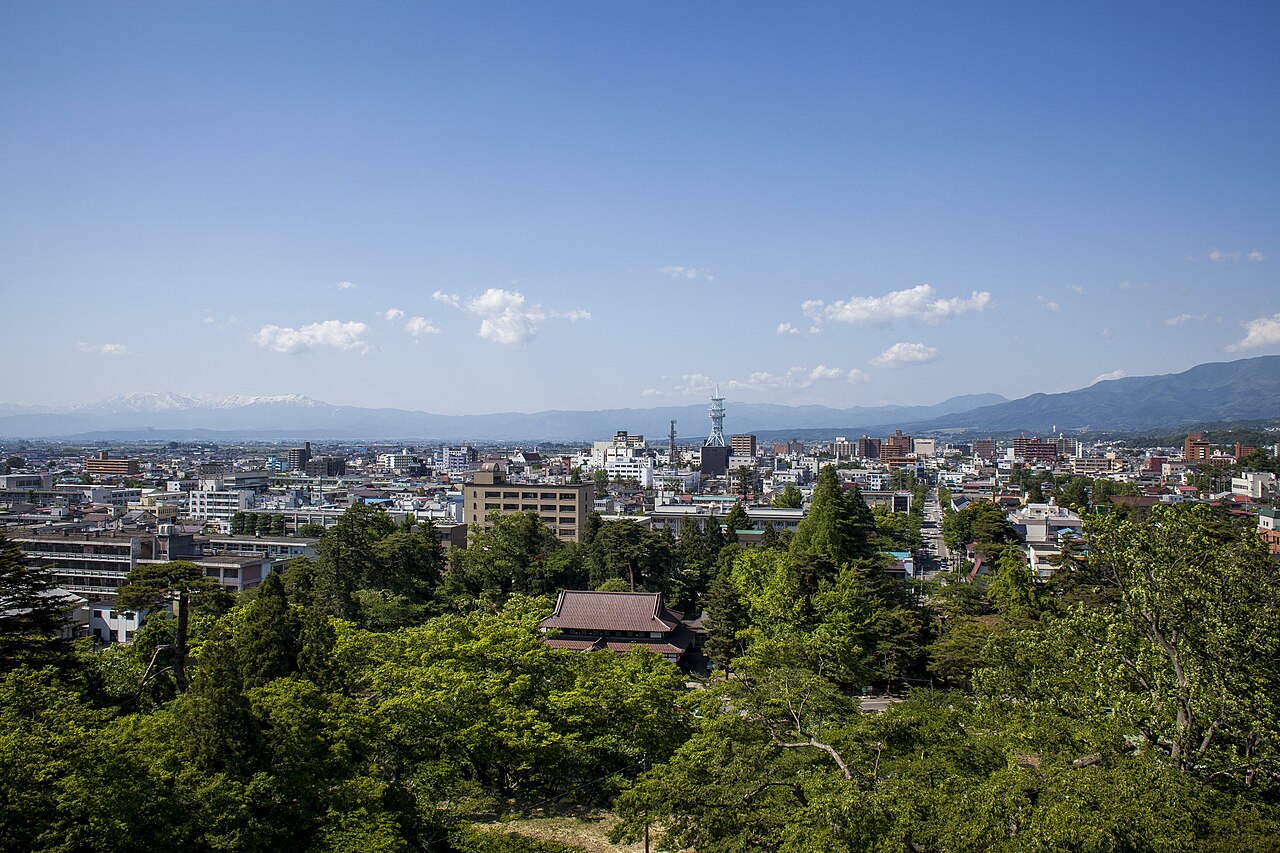
Aizuwakamatsu — or simply “Aizu” as locals call it — sits in the far western corner of Fukushima Prefecture, ringed by mountains that gave the domain a fierce, independent character for centuries. The Aizu clan was one of the most loyal and principled in all of Edo-period Japan, and their story came to a devastating climax during the Boshin War of 1868–1869, when Imperial forces clashed with those loyal to the old Tokugawa shogunate. Aizu chose loyalty, and it cost them dearly. That pride, that sorrow, and that refusal to be forgotten is woven into every corner of this town. Few places in Japan hit you in the chest quite like Aizuwakamatsu does.
Tsuruga Castle — The Iconic Red-Tiled Heart of Aizu
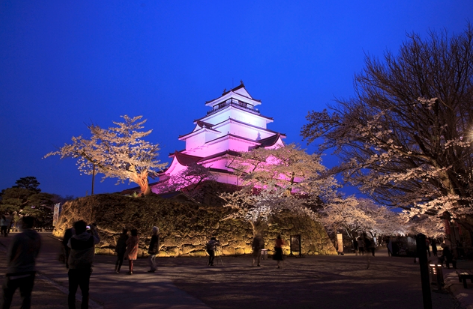
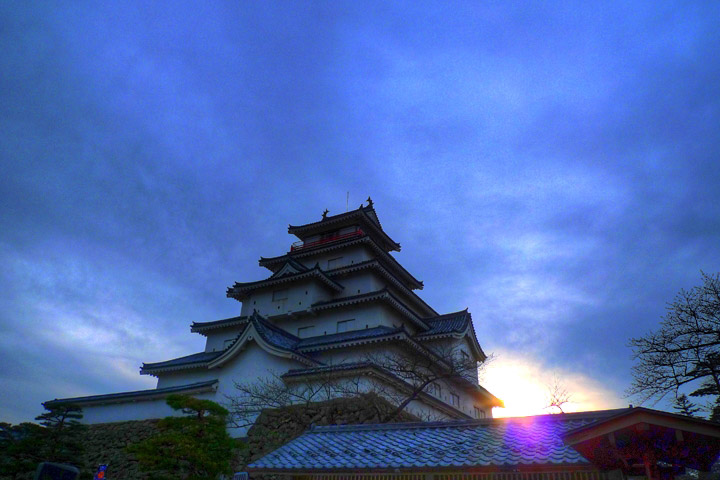
Your first stop has to be Tsuruga Castle (鶴ヶ城), and it will not disappoint. Unlike the standard grey-tiled castles you find across Japan, Tsuruga Castle was faithfully restored in 2011 with striking red roof tiles — a detail based on historical records that makes it genuinely stand out against the Aizu skyline. The castle keep houses an excellent museum charting the history of the Aizu domain, and the views from the top floor across the surrounding mountains are beautiful in every season.
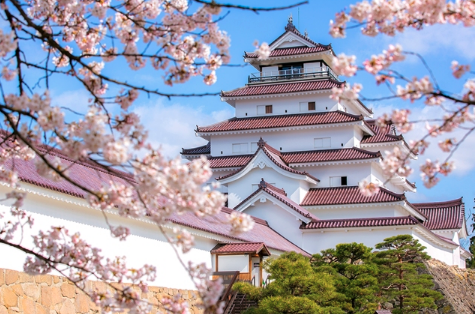
In spring, Tsuruga Castle becomes one of Tohoku’s finest cherry blossom spots. Around a thousand sakura trees surround the moat and castle grounds, and the image of pink blossoms reflected in the still water with the red-tiled tower rising behind them is the kind of photograph you will genuinely be proud of. The castle is also lovely in autumn, when the maple trees turn gold and crimson in the surrounding park. Admission to the castle keep is ¥410 for adults, and the grounds are free to wander.
The Byakkotai — Teenage Samurai and a Story That Will Break Your Heart
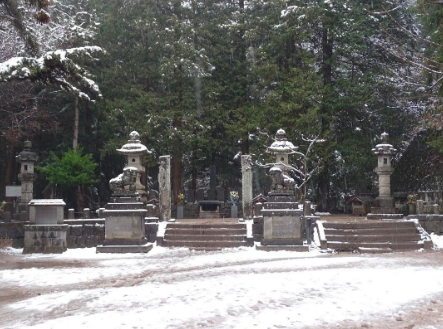
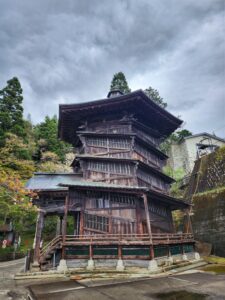
No visit to Aizuwakamatsu is complete without climbing Iimori Hill (飯盛山) to pay respects to the Byakkotai, the White Tiger Brigade. These were teenage boys — some as young as fifteen — who were organized as a reserve fighting unit during the 1868 Boshin War siege of Aizuwakamatsu. Separated from the main forces and believing the battle was lost, twenty of them climbed Iimori Hill and looked down upon the city. Seeing smoke rising from the direction of Tsuruga Castle, they believed their lord’s castle had fallen. One by one, they took their own lives in the samurai tradition.
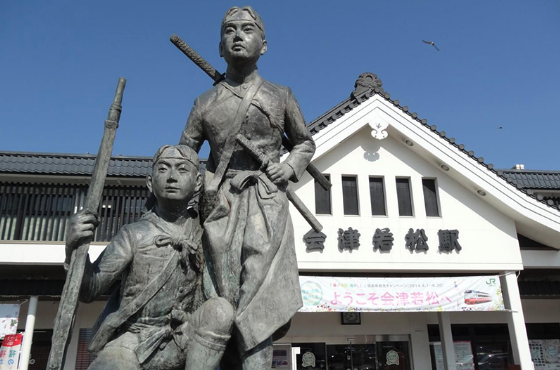
In fact, the castle had not fallen. The smoke was from fires in the town. One boy, Iinuma Sadakichi, survived and lived to old age carrying that knowledge. The story is heartbreaking in every possible way, and standing at the Byakkotai graves on Iimori Hill, looking down at the castle they died for still standing in the distance, is one of those travel moments that stays with you permanently. There’s also a moving museum on site. Go. Take your time. Let it sink in.
Iimori Hill has an unusual moving sidewalk (escalator-style) that carries visitors up the slope, which is a practical detail worth knowing. The hilltop also offers superb sunset photography — the castle visible in the middle distance, the mountains behind, and the graves of the boys in the foreground. It is deeply atmospheric.
Ouchijuku — A Step Back into the Edo Period
About 30 minutes by car or bus from Aizuwakamatsu lies one of the most visually stunning villages in all of Tohoku: Ouchijuku (大内宿). This Edo-period post town served travellers on the historic Aizu-Nishi Kaido highway, and unlike most old roads in Japan, it was never modernized. The result is a perfectly preserved main street lined with traditional thatched-roof farmhouses, all functioning today as restaurants, souvenir shops, and guesthouses. There are no power lines. No convenience stores. Just golden thatch, wood, and mountain air.
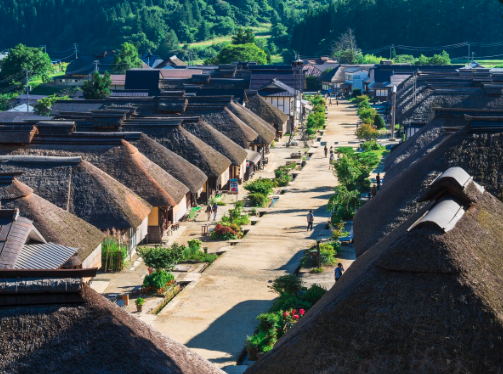
The main street photograph — taken from the hilltop shrine at the far end of the village looking back along the entire row of thatched buildings — is one of the most-shared travel images from Fukushima Prefecture and rightfully so. In winter, Ouchijuku is blanketed in snow and becomes almost magical. In spring and autumn, the surrounding nature adds colour that makes every frame look like a painting. Plan to spend at least two to three hours here, and make sure you try the local specialty: negi soba, a cold buckwheat noodle dish eaten using a single large spring onion as your chopstick. Absolutely wild, and absolutely delicious.
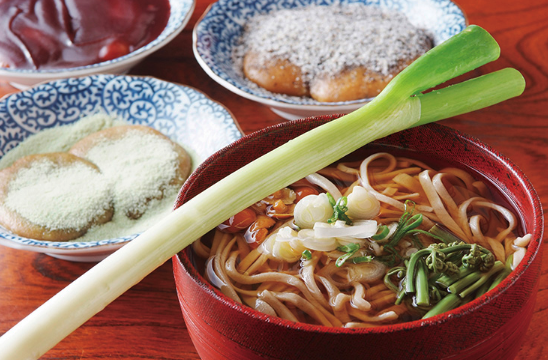
Higashiyama Onsen — Soak Your Travel Fatigue Away
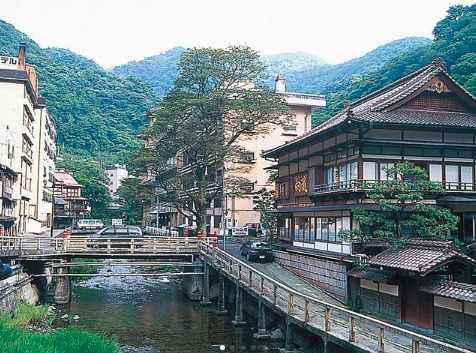
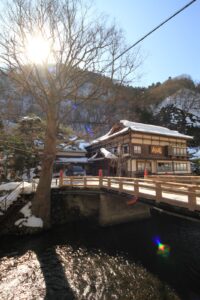
Just three kilometres east of Aizuwakamatsu’s city centre, the Higashiyama Onsen (東山温泉) district feels like entering another era entirely. A cluster of traditional ryokan lines a narrow river valley, steam rising from bathhouses, lanterns reflected in the rushing water below. It’s the kind of onsen atmosphere that reminds you why hot spring culture became so deeply embedded in Japanese life. Higashiyama has been welcoming weary travellers for over 1,300 years, and the waters here are said to have been discovered by the Buddhist monk Gyoki in the 8th century.
Staying at a ryokan in Higashiyama is one of the great experiences of any Aizuwakamatsu trip. You’ll get an evening meal of exquisite local kaiseki cuisine, access to indoor and outdoor baths, yukata robes, and the simple joy of hearing the river outside your window. Day visitors can also access some bathhouses without an overnight stay. After a day of climbing Iimori Hill and wandering Tsuruga Castle, there is genuinely nothing better.
Sake Brewing in Aizu — Raise a Glass to the Samurai
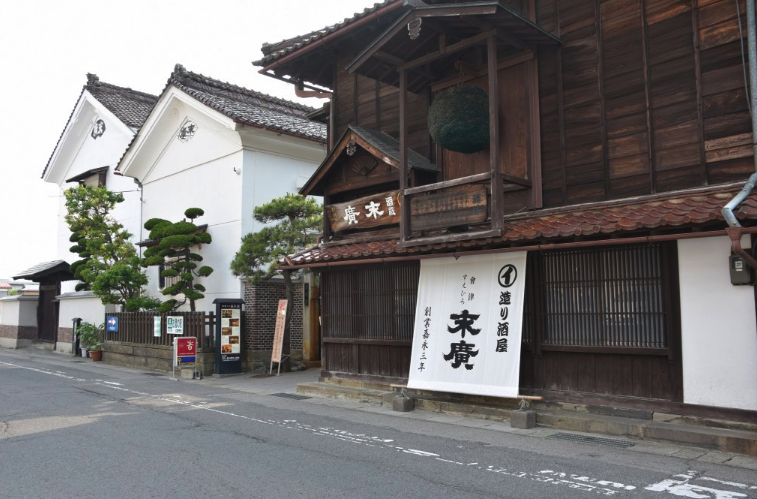
Aizu is one of the finest sake-producing regions in Japan, blessed with clear mountain water, cold winters perfect for brewing, and a rice-growing tradition stretching back centuries. The city has several notable breweries, and the most accessible for foreign visitors is Suehiro Sake Brewery (末廣酒造), located in a beautifully preserved Meiji-era wooden brewery building in central Aizuwakamatsu. Guided tours — available in Japanese with English materials — take you through the brewing process, the history of the company (founded in 1850), and the atmospheric old kura warehouse. The tasting at the end is, naturally, the highlight.
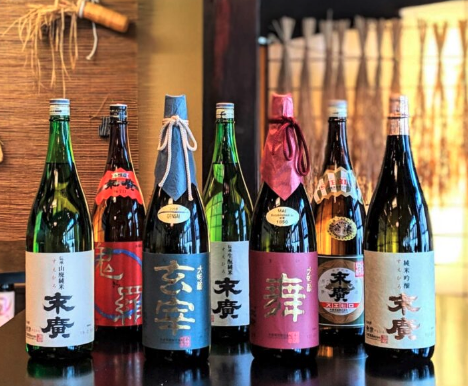
Aizu sake tends toward the clean, slightly dry, and elegant style — a reflection of the region’s pure water and the careful, proud character of the people who make it. Picking up a beautiful bottle to take home (or drink in your ryokan room) is highly recommended.
Aizuwakamatsu Local Food — What to Eat and Where
The food culture of Aizu is deeply satisfying and surprisingly distinctive. Here are the dishes you absolutely should not leave without trying:
- Wappa-meshi (わっぱ飯): Steamed rice served in a beautiful round cedar wood container, topped with local ingredients like salmon, crab, or mountain vegetables. The cedar imparts a subtle fragrance that makes this feel genuinely special.
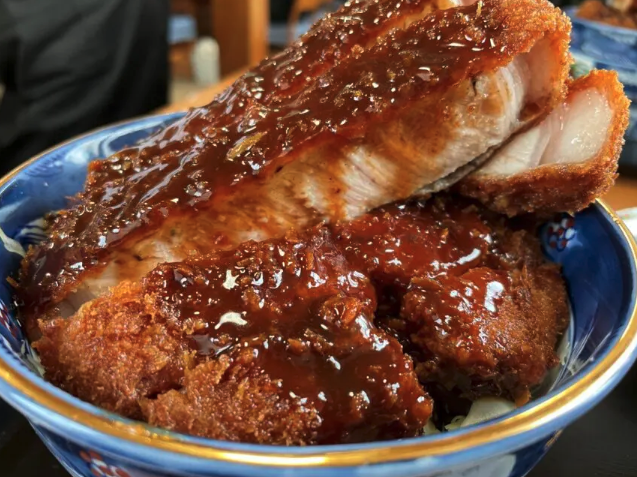
- Sauce Katsu-don (ソースカツ丼): Aizu’s beloved version of the classic katsu-don, served with crispy deep-fried pork cutlets over rice and drizzled with a rich, slightly sweet Worcester-style sauce rather than the egg-and-dashi version common elsewhere. Deeply satisfying comfort food.
- Kozuyu (こづゆ): A traditional Aizu ceremonial soup made with dried scallop broth, taro, tofu skin, and local mountain vegetables, served in a distinctive red lacquerware bowl. It is subtle, delicate, and historically tied to formal Aizu banqueting. Eating it feels like participating in history.
For Wappa-meshi, the restaurant Mitsuya near the city centre is a reliable and popular choice. For Sauce Katsu-don, you’ll find it at restaurants throughout the city — it is practically a civic religion here.
Getting to Aizuwakamatsu — Access from Tokyo and Sendai
Aizuwakamatsu is very accessible for a domestic trip, and coming from Tohoku as I often do, it’s a genuinely easy add-on to any wider itinerary.
- From Tokyo: Take the Tohoku Shinkansen to Koriyama Station (about 80 minutes), then transfer to the Ban-Etsu West Line (磐越西線) for approximately 65 minutes to Aizuwakamatsu Station. Total journey time is around 2.5 hours. The train ride from Koriyama is scenic and pleasant, winding through river valleys and mountain countryside.
- From Sendai: Take the Shinkansen to Koriyama (about 25 minutes), then the Ban-Etsu West Line to Aizuwakamatsu (about 65 minutes). The total journey is approximately 2 hours, making it very comfortable as a day trip or overnight stay from Sendai. I do this route several times a year.
- Getting around Aizuwakamatsu: The Haikara-san and Akabe retro-style loop buses cover the main sightseeing spots efficiently and are tourist-friendly. A day pass costs ¥600 and is excellent value. For Ouchijuku, a highway bus from Aizuwakamatsu Bus Terminal is available.
Best Seasons to Visit Aizuwakamatsu
Spring (late April — early May) is spectacular for cherry blossoms at Tsuruga Castle and Iimori Hill. Aizu’s inland location means it blooms slightly later than coastal Tohoku, which can work in your favour if you’re chasing sakura across the region. Autumn (mid-October — mid-November) brings stunning fall foliage throughout the area, with the castle grounds and mountain roads to Ouchijuku particularly beautiful. Winter brings heavy snow that transforms Ouchijuku into a fairytale, but roads require care. Summer is warm and pleasant with lush green mountains.
Suggested 1–2 Day Aizuwakamatsu Itinerary
Day 1 — Castle, History, and Hot Springs
- Morning: Tsuruga Castle — explore the castle keep museum, walk the moat, photograph the red tiles
- Late morning: Iimori Hill and the Byakkotai graves — allow 1.5 hours minimum
- Lunch: Sauce Katsu-don at a local restaurant near the city centre
- Afternoon: Suehiro Sake Brewery tour and tasting
- Evening: Check into a ryokan at Higashiyama Onsen, multi-course dinner, soak in the baths
Day 2 — Ouchijuku and Departure
- Morning: Ryokan breakfast, morning bath, leisurely checkout
- Late morning: Bus or taxi to Ouchijuku — explore the thatched street, climb the shrine hill for the famous panoramic photo
- Lunch: Negi soba in Ouchijuku
- Afternoon: Return to Aizuwakamatsu Station for onward travel
Final Thoughts — Why Aizuwakamatsu Will Stay With You
Japan has no shortage of beautiful castle towns, but Aizuwakamatsu carries something different — a weight of feeling, a history that was lived with extraordinary intensity and extraordinary pain. The story of the Byakkotai alone would make this town worth visiting. Add the red-tiled castle, the ethereal streets of Ouchijuku, the steam of Higashiyama’s bathhouses, and the clean cold sake poured from lacquerware cups, and you have one of the most complete and moving travel experiences in all of Tohoku. Come with curiosity. Leave with respect. That’s the Aizu way.
—
More Tohoku Travel Guides
- Hiraizumi: Iwate’s UNESCO World Heritage Ancient Capital
- Matsushima Bay: One of Japan’s Three Views in Miyagi
Related Articles You Might Enjoy
- Tsurugajo Castle (Aizuwakamatsu): Complete Guide to Fukushima’s Iconic Samurai Fortress
- Iimoriyama & Sazaedo, Aizuwakamatsu: Fukushima’s Samurai Tragedy Hill and Japan’s Only Double-Helix Pagoda
- Ouchi-juku, Fukushima: Japan’s Most Perfectly Preserved Post Town
- Higashiyama Onsen, Aizuwakamatsu: Fukushima’s 1,300-Year-Old Samurai Hot Spring Town
- Mount Adatara & Dake Onsen, Fukushima: Japan’s Sacred Volcano & Secret Healing Hot Spring

コメント