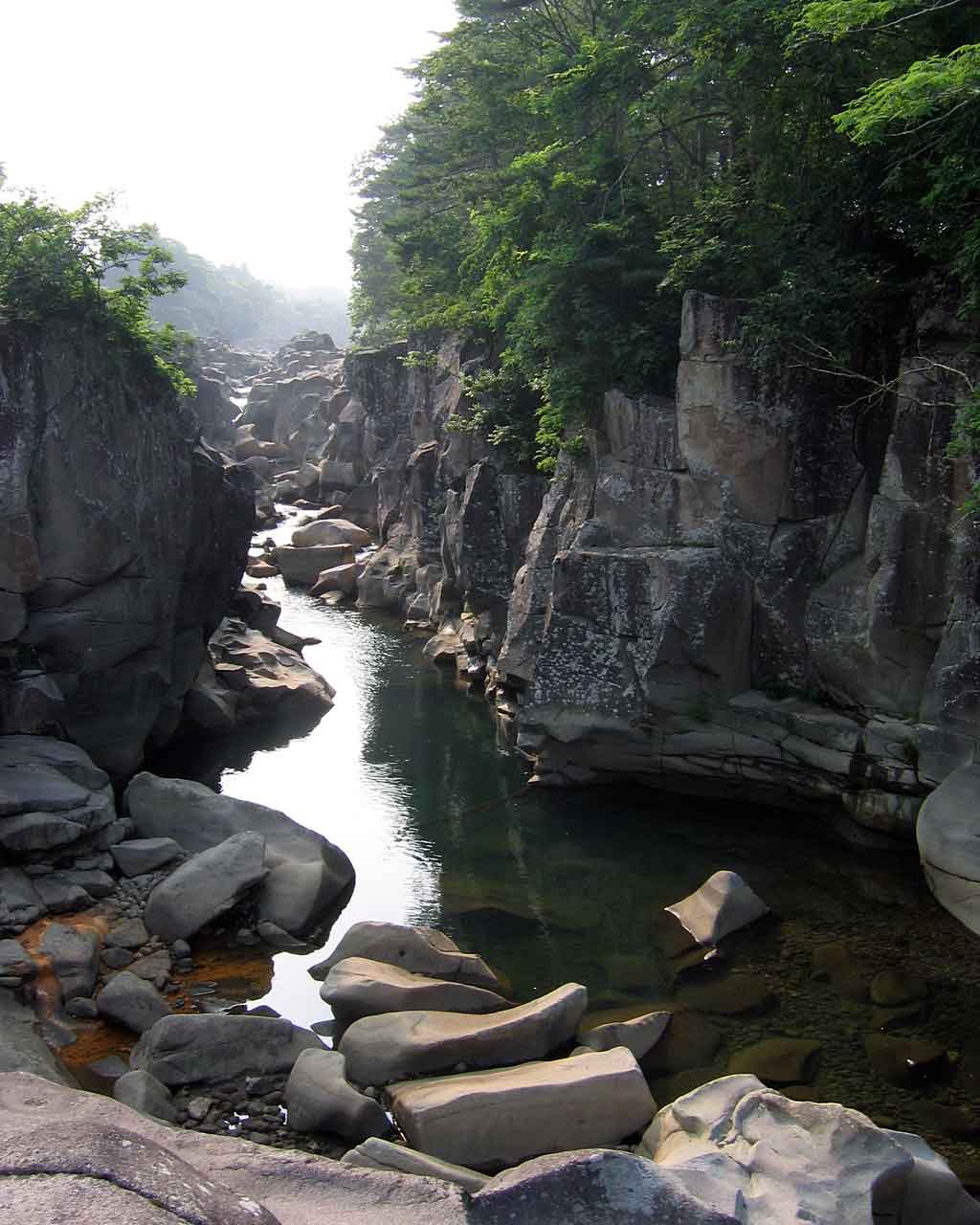
Somewhere in the mountains of Iwate Prefecture, the Satetsu River has spent thousands of years carving a masterpiece through limestone. Two kilometers of sheer cliffs rising 50 to 100 meters, draped in moss and cascading wisteria, their mirror reflections trembling in water so still it looks like dark glass — and the only way to experience it is from the bow of a flat-bottomed wooden boat, poled silently through the gorge by a boatman whose haunting song echoes between the walls. Geibikei Gorge (猊鼻渓) is one of Japan’s most extraordinary natural experiences, and it remains one of Tohoku’s best-kept secrets from international visitors.
Why Geibikei Should Be on Every Japan Itinerary
Japan has no shortage of gorges, scenic rivers, and boat rides. But Geibikei is genuinely different — and visitors who’ve been to Arashiyama in Kyoto, or taken the Hozugawa boat ride, consistently describe Geibikei as more intimate, more otherworldly, and more memorable. The difference is the geology. The limestone cliffs that frame the gorge have been worn into extraordinary shapes — smooth curves, shadowed overhangs, vertical striations, surfaces colonized by ferns and moss that transform the rock into something alive. The gorge walls don’t just frame the river; they enclose it, creating a private world that feels entirely separate from the Japan outside.
Then there’s the silence. Geibikei is not easily reached, which means it never gets the crowds of more accessible scenic destinations. On a weekday in early autumn, you may share your boat with just a handful of other passengers, listening to the soft pull of the bamboo pole in the water and the distant call of birds echoing from somewhere up in the cliffs. When the boatman begins his traditional song — a gentle, melodic chant that has been sung in this gorge for generations — it is one of the most unexpectedly moving experiences in all of Japanese travel.
If you’re spending time in Iwate Prefecture — visiting Hiraizumi’s World Heritage temples, Morioka city, or the coastal reconstruction sites of the Sanriku Coast — Geibikei belongs on your list. It requires a bit of effort to reach, but that effort is exactly why it remains so special.
Getting There from Tokyo
- Shinkansen: Take the Tohoku Shinkansen from Tokyo to Ichinoseki Station — approximately 2 hours, around ¥13,000–¥14,000 ($88–$95) for an unreserved seat. JR Pass is valid.
- Local train from Ichinoseki: From Ichinoseki Station, take the Ofunato Line to Geibikei Station — approximately 30 minutes, ¥330 ($2.25). Trains run roughly hourly, so check the timetable in advance.
- From Sendai: Shinkansen to Ichinoseki is about 25 minutes. Combined with the local train, total journey time from Sendai is around 1 hour.
- By car: From Ichinoseki city center, it’s approximately 20–25 minutes by car. Parking is available near the boat dock (¥500 / $3.50 for the day).
The Geibikei boat dock is a 5-minute walk from Geibikei Station. The path is flat, well-marked, and passes through a small village with a few souvenir shops and restaurants. One important planning note: the Ofunato Line has limited service — check the JR East timetable carefully before you go. Missing the last train back means either a taxi or spending the night in Ichinoseki, which is actually not a bad option given the city’s excellent restaurants and hot spring facilities.
The Boat Journey: What to Expect
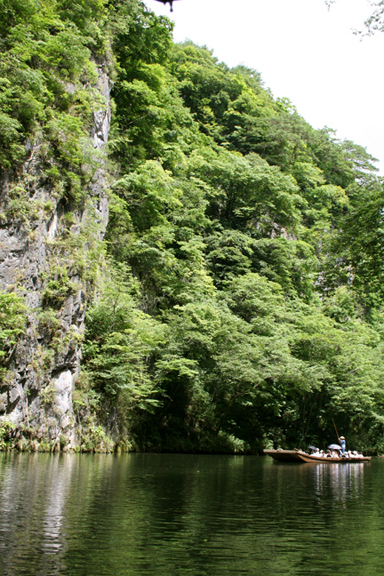
The centerpiece of any Geibikei visit is the 90-minute round-trip boat journey. You board a flat-bottomed wooden vessel at the dock near the entrance to the gorge, and your boatman — using a long bamboo pole — navigates the boat upriver into the narrowing gorge. There are no engines, no motors, and no rush. The boat moves at a pace that allows you to look up, look around, and genuinely absorb where you are.
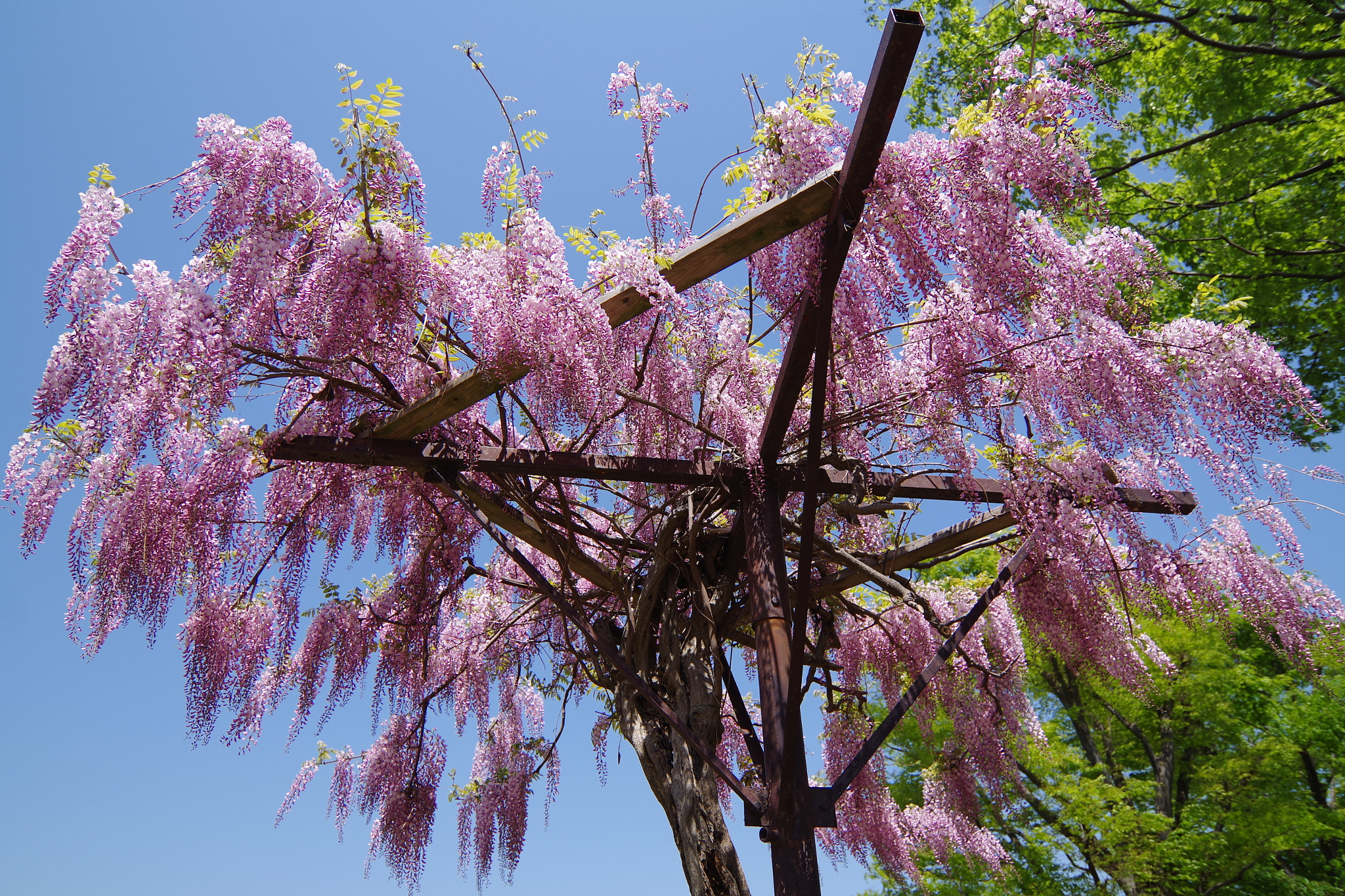
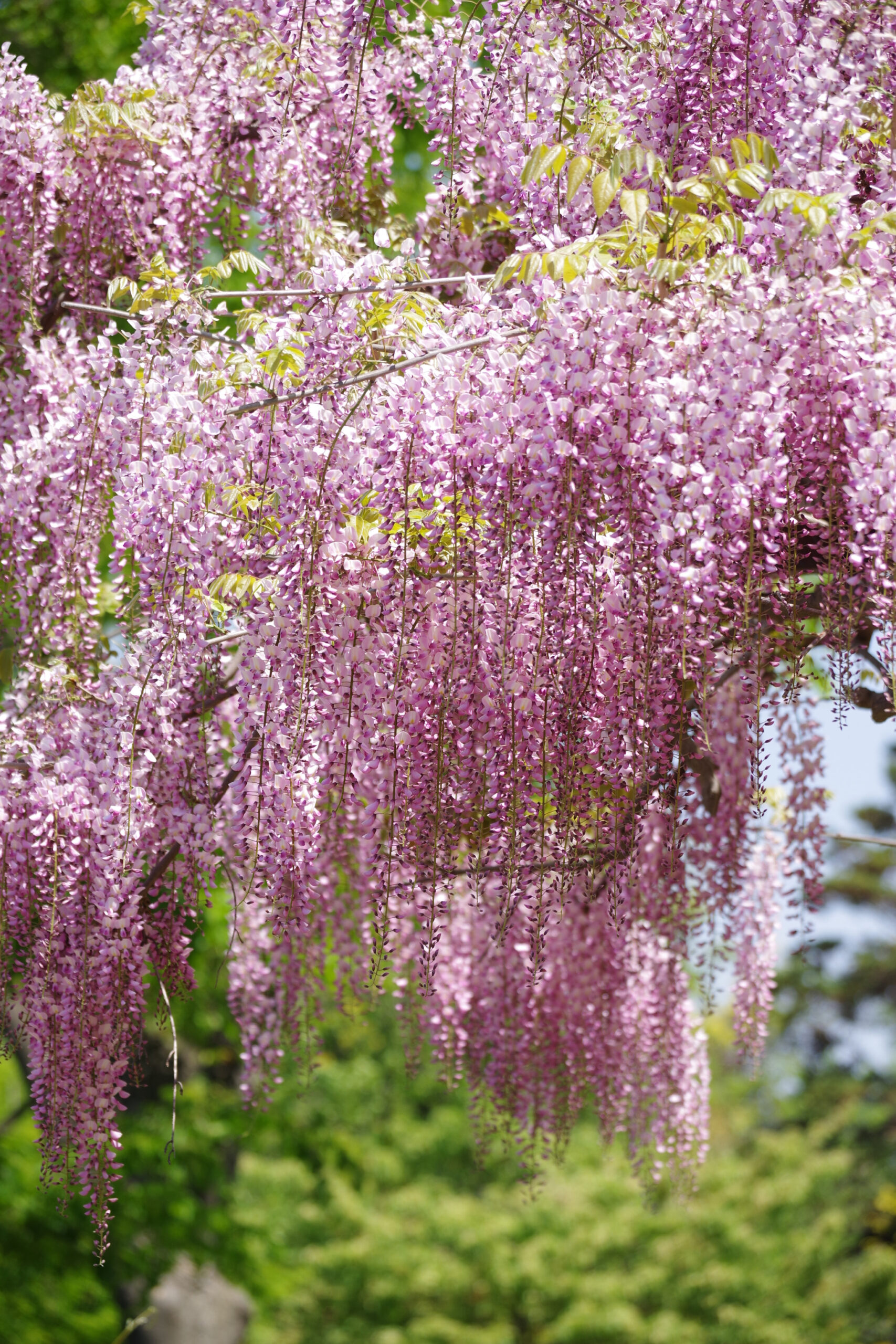
As the gorge deepens, the cliffs rise on either side until the sky above you narrows to a pale ribbon. The water is extraordinarily clear and still — the limestone substrate filters the river to a dark, glassy quality that catches every reflection perfectly. In spring, wisteria cascades from crevices in the cliff face, draping curtains of purple flowers over the walls in a display that has made Geibikei famous among Japanese photographers. In autumn, the same walls run gold and orange. In summer, every surface is deep green. Each season brings a genuinely different experience, but none is wrong.
At the widest point in the gorge, roughly halfway along the route, the boat pauses to allow passengers to observe a particularly dramatic formation — a sheer cliff face rising nearly 100 meters, its surface etched with geological strata and colonized by a hanging garden of ferns. Here, and at several points along the journey, the boatman sings. The song is a traditional folk melody of the region — haunting, repetitive, and perfectly suited to the acoustics of the gorge. The sound bounces between the cliff walls in a way that makes it impossible to locate the source. It’s one of those sensory experiences that you simply cannot replicate at home.
The Unkeido Cave and the Ring Toss Tradition
At the furthest navigable point of the gorge, the boat docks near Unkeido (雲景洞) — a large cave eroded into the base of a cliff, its ceiling blackened by centuries of smoke and age. This is where one of Geibikei’s most beloved traditions takes place: visitors purchase small clay rings called undama (運玉, literally “fortune balls”) and attempt to toss them onto a rocky protrusion inside the cave. Landing a ring on the rock is said to bring good fortune; the specific type of luck depends on which part of the rock you hit.
The game sounds straightforward. It is not. The cave opening is small, the target is small, and the rings are heavier than they look. Most visitors burn through their entire handful of undama without a single success, laughing at themselves and at each other. The Japanese families and couples around you will be equally unsuccessful, which creates an immediate and deeply human shared experience. When someone does land a ring — stranger, child, elderly Japanese tourist — the entire boat group erupts in genuine celebration. It is one of those moments that reminds you why travel is worth doing.
After the undama game, there’s about 15–20 minutes to walk around the small area near the cave before the boat begins its return journey. There are benches, some explanatory signage (mostly in Japanese), and views further upriver that are worth exploring. This part of the gorge is entirely wild — no development, no noise except birds and water. Take your time before boarding for the journey back.
Seasonal Beauty at Geibikei
- Spring — Late April to May: The most celebrated season. Wisteria blooms cascade from the cliff faces in dense purple curtains — a display that has no peer among Japan’s gorge landscapes. Cherry blossoms appear slightly earlier in the season (mid-April) at the gorge entrance. Peak wisteria is typically the last week of April through the first week of May, aligned with Japan’s Golden Week holiday — be aware that this is a busy period.
- Summer — June to August: Every surface of the gorge is deep, saturated green — moss, ferns, overhanging trees, and the water’s own deep color. The closed-in walls keep the gorge cool even on hot summer days, making it a refreshing escape. This is the quietest season for visitors.
- Autumn — October to November: The gorge walls turn gold, crimson, and deep orange, with reflections in the water doubling every color. Autumn is widely considered the most photogenic season at Geibikei, and the light in late October has a quality that makes every frame extraordinary.
- Winter — December to February: Ice formations appear on the cliff faces. Snow covers the clifftops, and the bare branches of deciduous trees reveal the structure of the limestone in new ways. Boat service continues year-round (weather permitting), and winter visits attract almost no tourists — you may have the gorge nearly to yourself. The boatman’s song takes on a particularly haunting quality on a cold, grey winter morning.
Boat Schedule and Tickets
Boat departures from the dock run approximately every 30–60 minutes throughout the day, from around 8:30 AM to 3:30 PM (last departure). The schedule varies by season — check the official Geibikei website or the Ichinoseki Tourism Association for current times before your visit.
Admission fees:
- Adults: ¥1,800 ($12.50)
- Children (elementary school): ¥900 ($6.25)
- Undama (clay rings): ¥100–¥200 ($0.75–$1.50) for a small handful
Tickets are purchased at the dock. There is no advance reservation system for regular boat departures — you simply arrive, buy a ticket, and wait for the next boat. During Golden Week (late April to early May) and peak autumn foliage, wait times can be 30–60 minutes. For any other time of year, you’ll typically board within 15 minutes of arrival.
Where to Eat: Geibikei and Ichinoseki
The area around Geibikei Gorge has a small cluster of restaurants and cafes near the boat dock, most specializing in regional Iwate cuisine. The surrounding Ichinoseki region is particularly famous for mochi (rice cake) dishes — the area has a centuries-old mochi culture with over a dozen distinct preparation styles, served as a multi-course meal.
Mochi Cuisine Near the Gorge
The restaurants lining the path from Geibikei Station to the boat dock offer mochi course meals (mochi ryori) that feature 7–10 different mochi preparations — boiled, grilled, dipped in soy, coated in sesame paste, sweet bean paste, walnut sauce, and more. A full mochi course costs ¥2,500–¥4,000 ($17–$27) and is filling enough to serve as lunch. This is a regional specialty you won’t find in this form anywhere else in Japan. Look for the wooden-fronted traditional buildings — most restaurants will have English menus or picture menus available.
Kaisendon and Wanko Soba in Ichinoseki
In Ichinoseki city itself, a 30-minute train ride from the gorge, you’ll find more varied dining options. Wanko soba — the famous Iwate tradition of eating small portions of soba in rapid succession while an attendant refills your bowl — is available at several restaurants near Ichinoseki Station, with set courses from ¥2,000–¥3,000 ($14–$20). Local ramen shops serve a regional miso-based style that is particularly warming on cooler days.
Morioka and Hiraizumi Dining
If you’re continuing to Morioka (40 minutes by shinkansen) or Hiraizumi (15 minutes by local train), both cities offer excellent dining that complements a Geibikei day trip. Morioka’s famous three noodles — jajamen, reimen, and wanko soba — are all within 10 minutes of Morioka Station.
Where to Stay Near Geibikei
Most visitors to Geibikei make it a day trip from either Sendai or Morioka. However, staying overnight in Ichinoseki or the nearby area allows for an early morning gorge visit (before the tour groups arrive) and more time to explore the surrounding region, including the UNESCO World Heritage temples of Hiraizumi just 15 minutes away by train.
Budget (Under ¥8,000 / $55 per night)
Ichinoseki has several business hotels and guesthouses within walking distance of the station, including Toyoko Inn Ichinoseki Ekimae and a handful of family-run guesthouses. Clean, functional, and well-connected by train to both Geibikei and Hiraizumi. Expect to pay ¥5,000–¥7,500 ($34–$51) for a single room.
Mid-Range (¥8,000–¥20,000 / $55–$135)
The Ichinoseki area has several traditional ryokan options that serve as excellent bases for gorge exploration. Many offer onsen (hot spring) facilities, regional mochi cuisine dinners, and the full traditional ryokan experience (futon bedding, yukata robes, communal bathing). Prices for a one-night stay with dinner and breakfast typically run ¥12,000–¥18,000 ($82–$123) per person. The staff at these properties generally speak some English and are accustomed to foreign guests.
Luxury (¥20,000+ / $135+)
For a premium experience, consider staying at one of the higher-end ryokan in the Ichinoseki or Hiraizumi area that specialize in regional cuisine and feature private onsen rooms. These properties often arrange transport to Geibikei and provide a level of personalized service that transforms the entire trip. Prices for top-tier properties run ¥25,000–¥40,000 ($170–$272) per person per night, including dinner and breakfast.
Combining Geibikei with Hiraizumi
One of the strongest arguments for a Geibikei visit is the natural itinerary it creates with Hiraizumi, just 15 minutes away by the Ofunato Line. Hiraizumi’s Chuson-ji Temple complex — home to the golden Konjikido hall, a UNESCO World Heritage Site — is one of the great cultural treasures of northeastern Japan and takes 2–3 hours to explore properly. Combining a morning at Hiraizumi’s temples with an afternoon boat ride through Geibikei Gorge creates a day that balances cultural depth with natural wonder.
From Sendai, this combination day trip works well by shinkansen: 25 minutes to Ichinoseki, then a short local train hop to Hiraizumi in the morning, back to Ichinoseki and the Ofunato Line to Geibikei Station by early afternoon, and the last shinkansen back to Sendai before dinner. You’ll want to leave Sendai by 8:30 AM to make the schedule work comfortably. Check the JR timetable the day before and build in an extra 20 minutes of buffer time.
Practical Tips for Visiting Geibikei
- Dress in layers: The gorge can be significantly cooler than the surrounding area, particularly in spring and autumn. Even on a warm day, bring an extra layer for the boat ride.
- Wear flat, non-slip shoes: The boat dock and boarding area can be slippery, and the walk near Unkeido Cave involves uneven stone surfaces.
- Bring cash: Tickets and food at the gorge are cash only. The nearest ATM is at Ichinoseki Station — plan accordingly.
- Check train times in advance: The Ofunato Line runs hourly (or less frequently on weekends and holidays). Missing your train adds at least an hour to your day.
- Arrive early: The first boat of the day (around 8:30 AM) is the quietest and offers the best light for photography. If you can stay overnight in Ichinoseki, the early morning gorge is worth the effort.
- Photography tips: The gorge is shaded for much of the day, which actually makes for better photography than direct sunlight. A wide-angle lens captures the full scale of the cliffs. The water’s reflective quality means that still conditions (no wind) produce extraordinary mirror images.
- Weather and cancellations: In heavy rain or high water conditions, boat service may be reduced or cancelled. Check the official Geibikei website on the morning of your planned visit.
- JR Pass validity: The Tohoku Shinkansen leg to Ichinoseki is covered by the JR Pass. The local Ofunato Line to Geibikei Station is also JR-operated and covered by the pass.
- Accessibility: The boat is accessible to most visitors, including the elderly and those with minor mobility challenges. However, the boarding area requires stepping down onto the boat, which may be difficult for visitors with significant mobility limitations.
- Best months overall: Late April (wisteria) and mid-October (autumn foliage) are the two peak seasons for beauty. Late September and early October are excellent and less crowded than peak autumn weeks.
Sample 1-Day Itinerary: Geibikei from Sendai
The Day
8:30 AM — Depart Sendai Station by Tohoku Shinkansen. Grab breakfast at the station’s excellent depachika food floor before boarding — options include onigiri, sandwiches, and bento boxes from several excellent counters.
8:55 AM — Arrive Ichinoseki Station. Transfer to the Ofunato Line local train on Platform 3.
9:30 AM — Arrive Geibikei Station. Walk 5 minutes to the boat dock through the small village, pausing to look in the souvenir shops (local pottery and mochi-related goods are the best buys).
9:45 AM — Board the morning boat. The 90-minute round trip puts you back at the dock around 11:15 AM.
11:30 AM — Lunch at one of the traditional restaurants near the boat dock. Order the mochi course — it’s the regional specialty and one of the most unusual and delicious food experiences in Tohoku. Budget 45–60 minutes for the full experience.
12:45 PM — Walk back to Geibikei Station and catch the local train back to Ichinoseki.
1:30 PM — (Optional) Transfer at Ichinoseki to the Tohoku Main Line and take 2 stops to Hiraizumi for a 2-hour exploration of Chuson-ji Temple and Motsu-ji Garden.
4:00 PM — Return to Ichinoseki Station by local train and board the shinkansen back to Sendai.
5:00 PM — Back in Sendai with time for dinner at one of the city’s excellent restaurants in the Kokubuncho or Ichibancho neighborhoods.
Related Articles You Might Enjoy
- Genbikei Gorge, Iwate: Japan’s Flying Dango Gorge & Ichinoseki’s Hidden Natural Wonder
- Kitakami Tenshochi: Iwate’s 10,000 Cherry Blossom River Park — A Hidden Sakura Paradise
- Kitakami Tenshochi Cherry Blossoms, Iwate: Japan’s Most Spectacular River of 10,000 Sakura
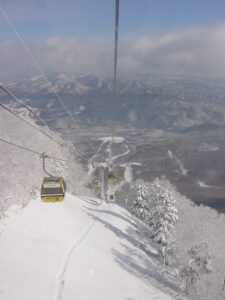
- Appi Kogen, Iwate: Japan’s Premier Powder Ski Resort — Complete Guide for Foreign Visitors
- Kuji, Iwate: Japan’s Northernmost Ama Divers & Hidden Amber Museum
Final Thoughts
Geibikei Gorge is the kind of place that stays with you — not because of any single dramatic moment, but because of an accumulation of sensory details that add up to something rare. The quality of the silence. The scale of the cliffs. The strange intimacy of floating through a limestone corridor with a bamboo pole and a song as your only companions. Japan is full of beautiful places, but Geibikei has a particular quality of stillness and age that few places manage to replicate.
It requires a half-day from Sendai or a full day if you’re combining it with Hiraizumi. It requires checking a train timetable and carrying cash. It requires the kind of small efforts that have, in an era of optimized travel, become rarer and more valuable. Make those small efforts. Geibikei will reward them thoroughly.
If you go in wisteria season — late April to early May — take more photographs than you think you’ll need. You will regret not having taken more.


コメント