Oirase Gorge Aomori Japan Hiking Autumn Guide: 14km of Waterfalls, Fire-Red Forests & One Perfect Lake
Every autumn, I make the same pilgrimage. I board an early bus from Sendai, watch the mountains of Aomori rise around me, and step off into a forest that looks like it was painted by someone who had never heard the word “restraint.” Oirase Gorge — tucked into the southern edge of Aomori Prefecture in Japan’s wild Tohoku region — is one of those places that makes you question why you ever spend autumn anywhere else. If you’re planning a hiking trip through Japan this fall and you haven’t put Oirase Gorge on your list, let this be your sign.
This complete Oirase Gorge Aomori Japan hiking autumn guide covers everything you need to plan the perfect visit: the trail itself, peak foliage timing, where to sleep, how to get there, and a few insider tips I’ve picked up from years of returning to this extraordinary place.
What Is Oirase Gorge?
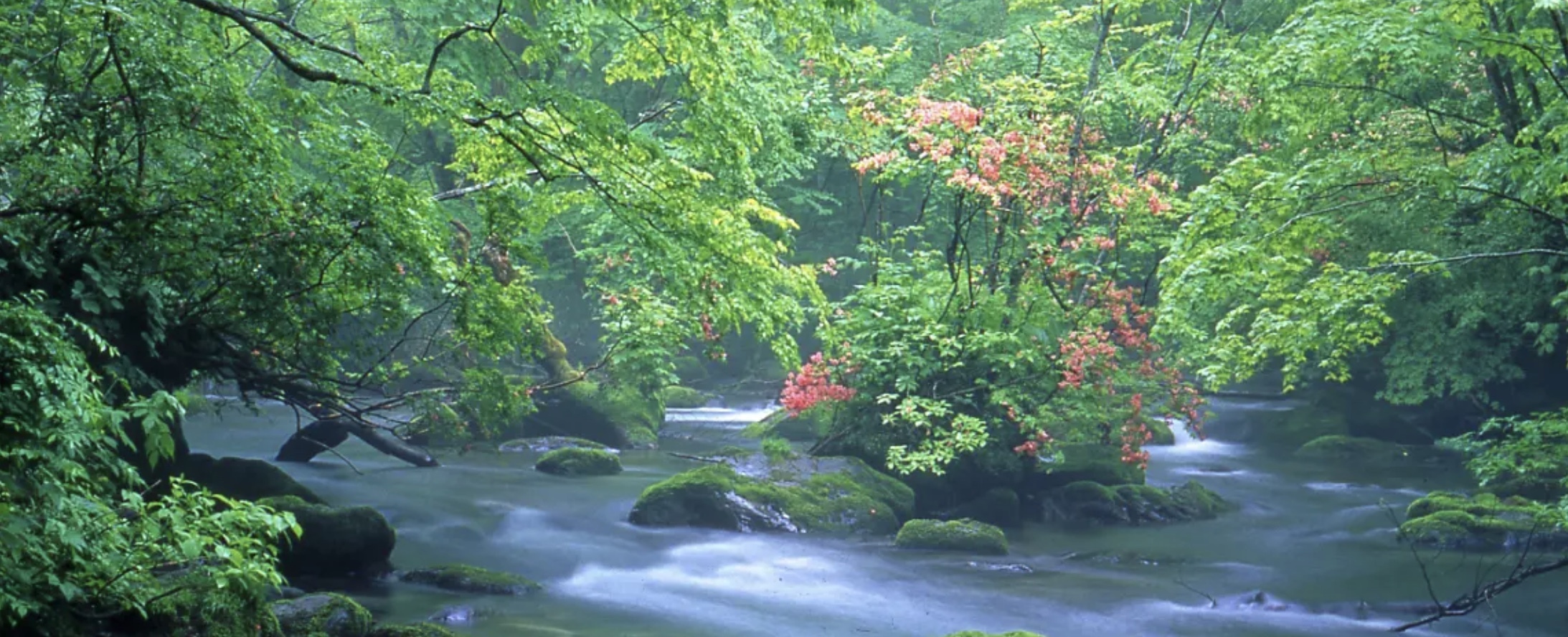
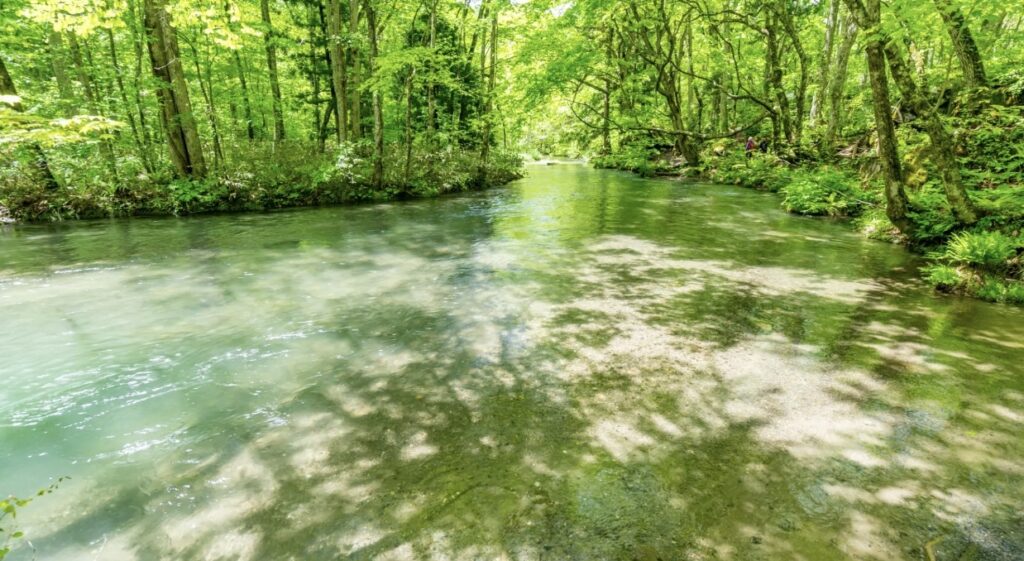
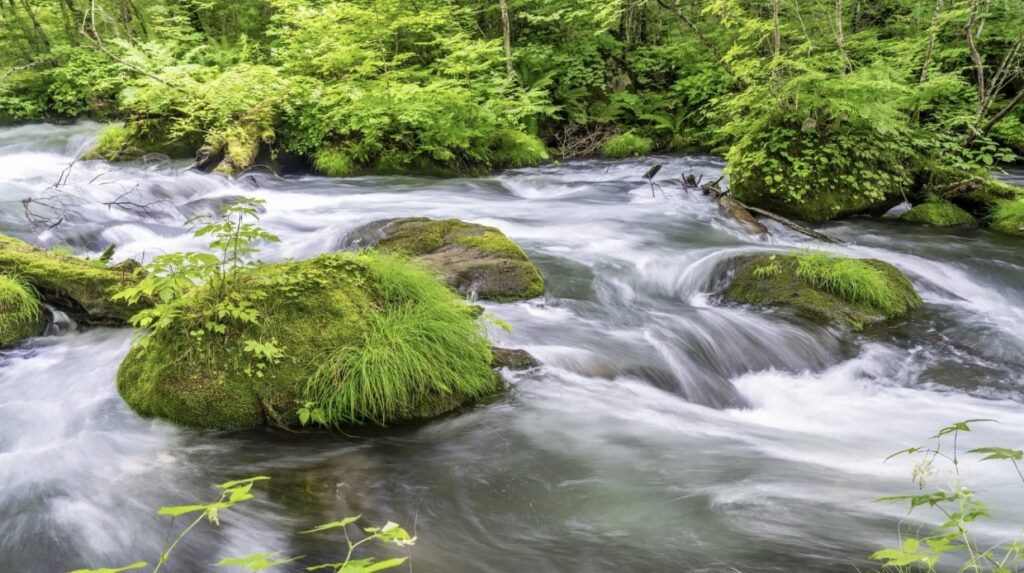
Oirase Gorge is a 14-kilometre forest gorge carved by the crystal-clear Oirase River as it rushes down from Lake Towada to the town of Yakeyama. Along the way, it passes through one of Japan’s finest examples of ancient beech and oak forest — old-growth woodland so dense and atmospheric that even the rocks are upholstered in thick, luminous moss. The gorge is punctuated by 14 named waterfalls, each one with its own personality: some thunder, some whisper, some fan out in delicate silver curtains across dark volcanic rock.
It is widely considered one of the most beautiful nature walks in all of Japan — and having walked it in every season, I would not argue with that.
Oirase Gorge in Autumn: When to See the Fall Foliage
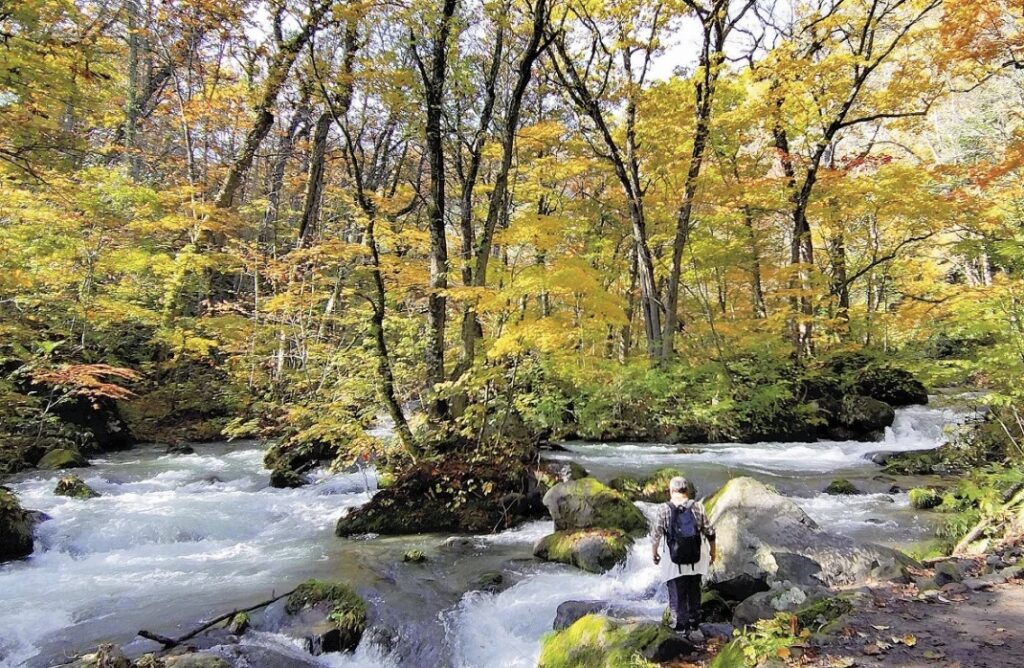
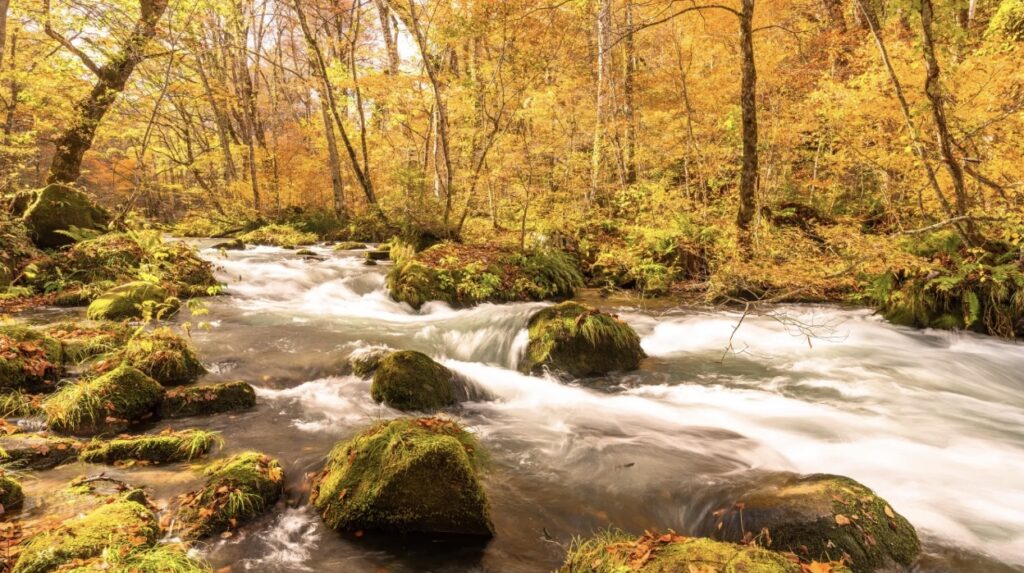
Let’s talk about the main event. Autumn foliage at Oirase Gorge is genuinely world-class — the kind of fall colors that stop you mid-stride because your brain simply can’t process the density of red, gold, and amber happening all at once. The ancient beech and oak canopy transforms into a blazing tunnel above the river, and every waterfall gains a frame of fiery leaves. When the light hits in the late morning, the whole gorge seems to glow from the inside.
Peak autumn foliage at Oirase Gorge typically falls in mid to late October — usually between October 15th and October 31st, though this shifts slightly year to year depending on temperatures. Because Aomori sits further north than most popular foliage destinations in Japan, the colors here arrive earlier and burn more intensely than spots further south like Nikko or Kyoto’s autumn parks. That’s part of what makes it so special for timing your Japan autumn itinerary.
My personal sweet spot? Aim for the third week of October on a weekday. The colors are typically at their richest, and the crowds — which do gather at weekends during peak season — thin out considerably.
The Hiking Route: From Yakeyama to Lake Towada
The classic Oirase Gorge hike runs from Yakeyama at the bottom of the gorge up to Lake Towada at the top — a 14km walk that follows the river so closely you can hear it the entire way. A well-maintained footpath runs alongside the water, and because the trail essentially hugs the river bank, the gradient is gentle and manageable for most fitness levels. This is not a mountain scramble; it’s a long, immersive forest walk.
Plan for four to five hours of relaxed walking with regular stops for waterfalls and photography. The most celebrated sections are:
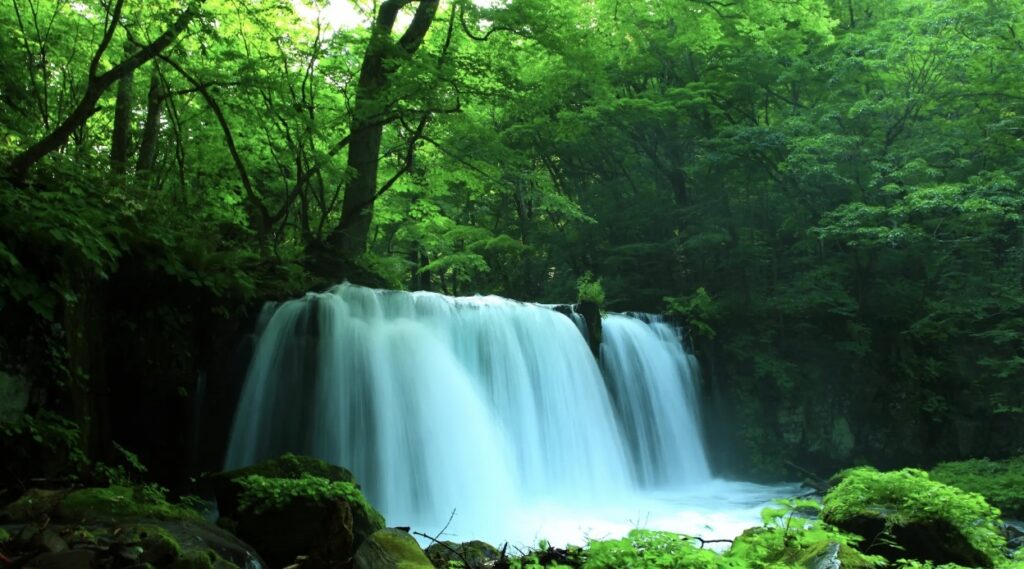
- Choshi Otaki Falls― — The gorge’s most powerful waterfall。— Wide and thundering, especially powerful after rainfall.
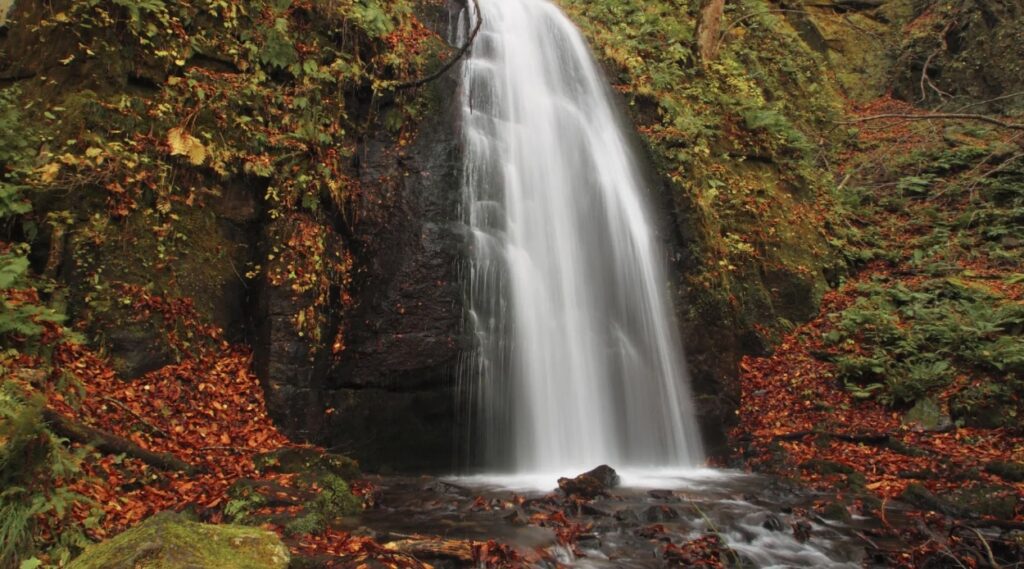
- Kumoi no Taki Falls― — Fan-shaped and ethereal, beautifully framed by October foliage.
- Sanroku Bridge area — a particularly photogenic stretch where the river bends through moss-covered boulders
- Ishigedo — the upper gorge section closest to Lake Towada, quieter and deeply forested
One practical note I cannot stress enough: bring waterproof hiking shoes. The path runs right alongside the river for much of its length, and in places it crosses wet rocks and muddy sections. Autumn rain is common in Aomori, and wet trail conditions are the norm rather than the exception. Soggy trainers will take the shine off an otherwise perfect day faster than anything else.
Walking vs. Cycling
If 14km of walking sounds like a full commitment, you can also cycle the gorge — rental bicycles are available near the Oirase Keiryu Hotel in the middle section of the trail. Cycling lets you cover the full distance more quickly, though you’ll want to lock up the bike frequently to explore the waterfall viewpoints properly. In peak autumn season, note that the road through the gorge is closed to private vehicles on weekends and holidays, which actually makes cycling and walking the experience all the more peaceful.
Lake Towada: The Reward at the End of the Trail
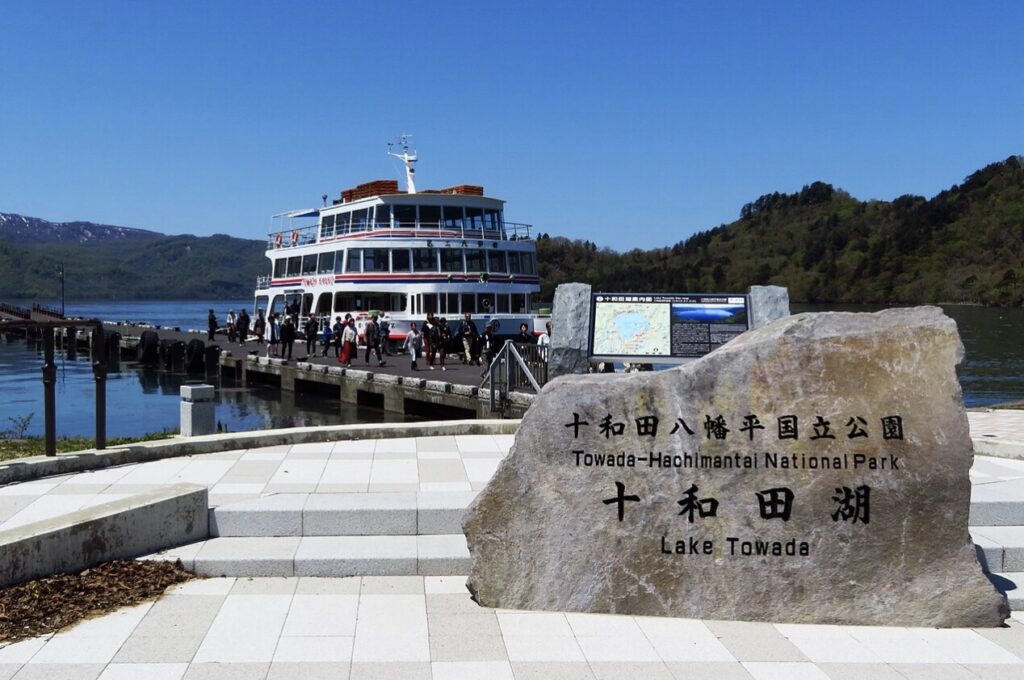
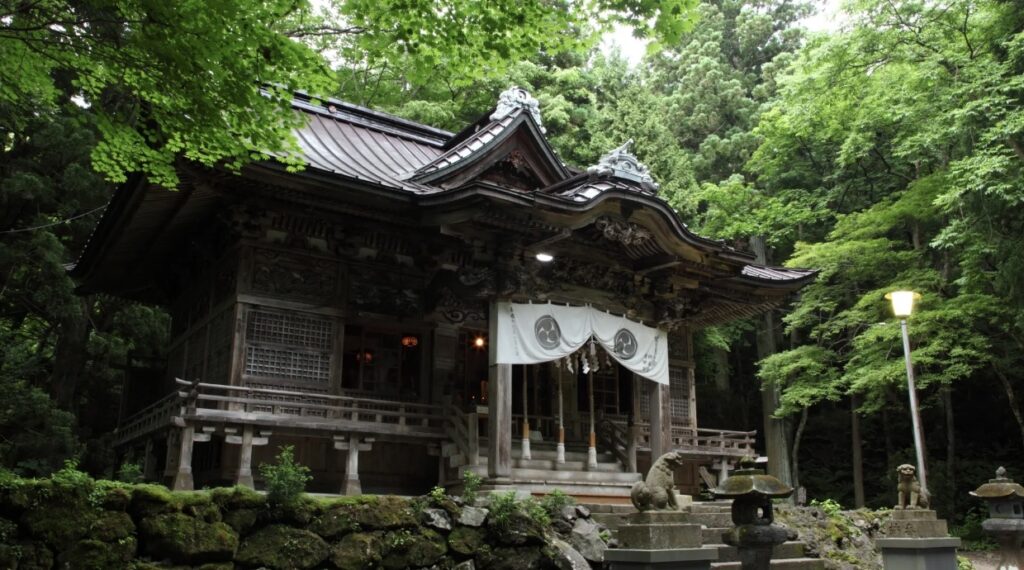
The gorge ends — or begins, depending on your direction — at Lake Towada, and arriving here on foot after walking the full 14 kilometres feels quietly triumphant. Lake Towada is a volcanic caldera lake sitting at 400 metres above sea level, and it is startlingly beautiful. The water is an impossible shade of blue-green, completely clear, and because the lake sits within Towada-Hachimantai National Park with strict development restrictions, there is almost nothing on its shores except forest, a few hiking trails, and the elegant Towada Shrine tucked among cedar trees.
In autumn, the forested hills encircling the caldera turn red and gold above the still water. On a calm morning, the reflections are perfect. I’ve sat at the lakeside at dawn with a thermos of coffee and genuinely felt like I had the whole place to myself — which, outside of peak weekend afternoons, is almost possible.
Where to Stay: Towada Hotel and the Lake Sunrise
I strongly recommend building at least one overnight stay into your Oirase Gorge itinerary. The transformation the gorge undergoes in the early morning — when mist hangs low over the river and the light is soft and golden — is something you simply cannot experience as a day-tripper arriving by late-morning bus.
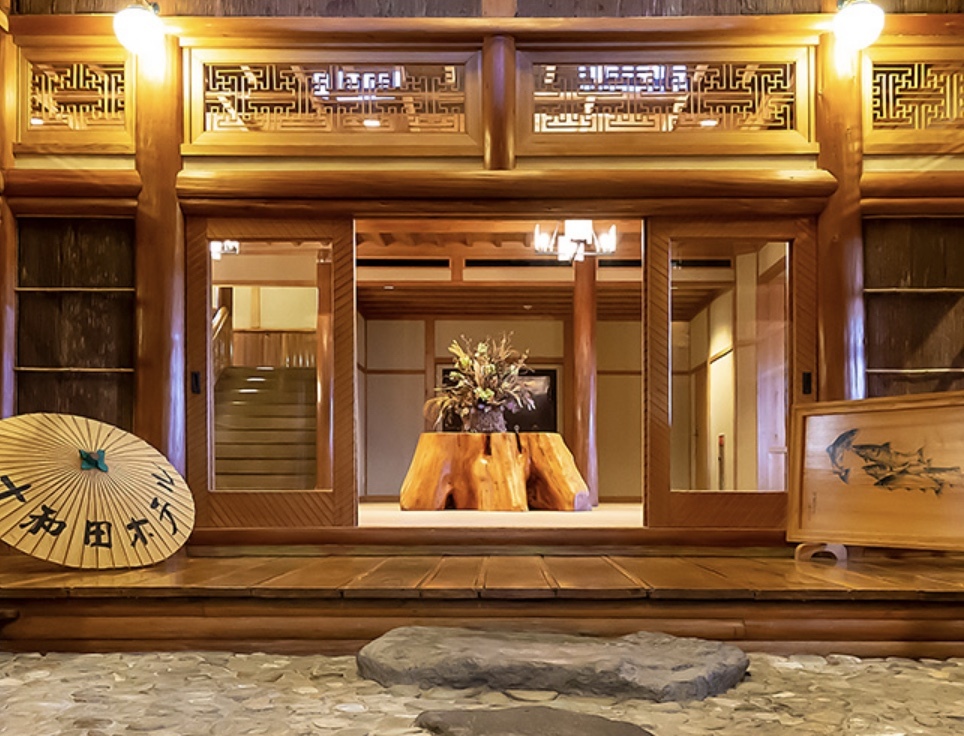
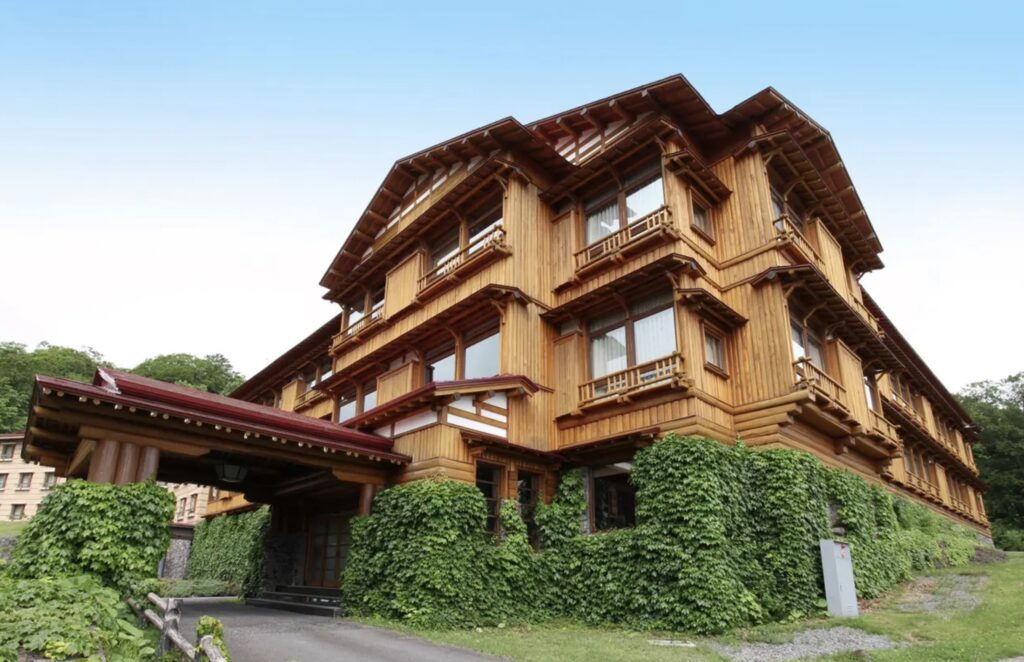
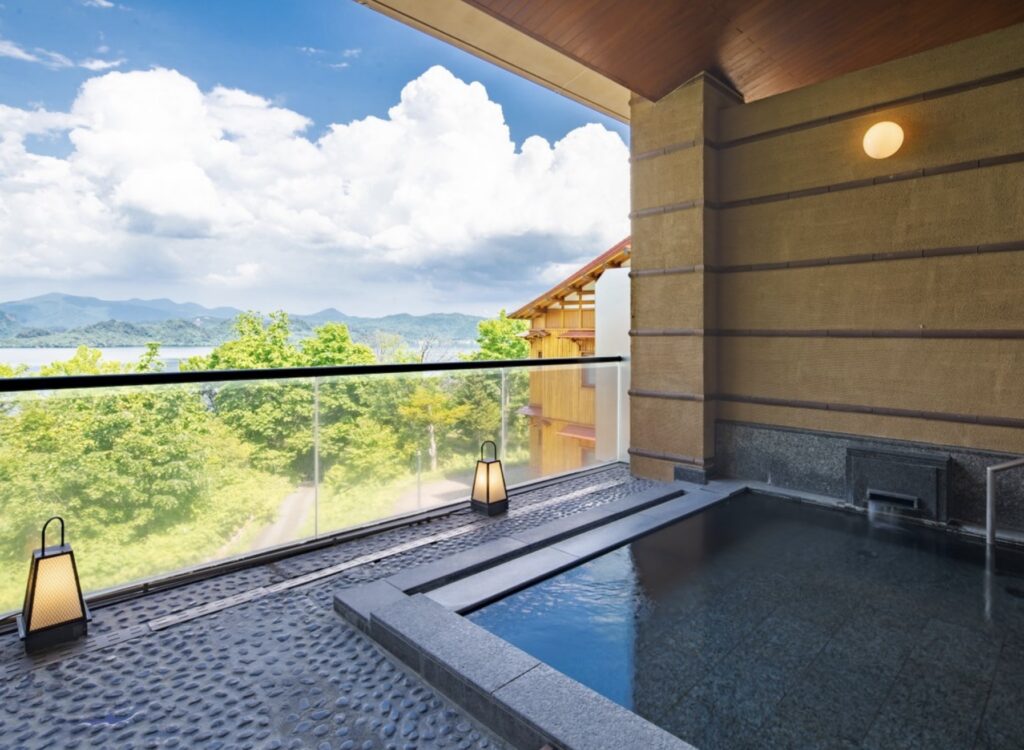
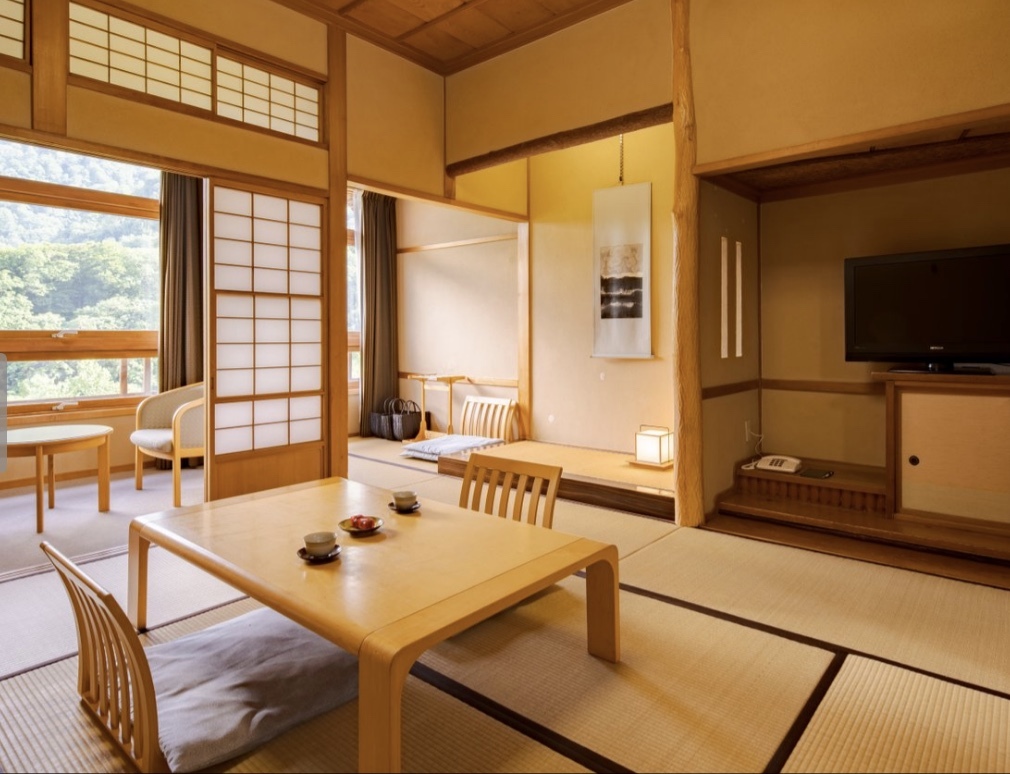
The most atmospheric place to base yourself is the Towada Hotel, a beautifully preserved Western-style property right on the shores of Lake Towada. Built in the late 1930s, it has the feel of a grand old national park lodge — high ceilings, timber interiors, and large windows looking out over the lake. Waking up here to watch sunrise light slowly illuminate the caldera water is one of those experiences that stays with you long after you’ve left Aomori. The hotel also serves excellent meals using local Aomori produce, and the staff can help arrange transport for the gorge walk the following day.
How to Get to Oirase Gorge from Tokyo and Beyond
Getting to Oirase Gorge requires a little planning, but it’s entirely straightforward once you know the route. The two most practical access points are:
- Hachinohe Station (accessible by Shinkansen from Tokyo in around 3 hours) — from here, the JR bus to Oirase and Lake Towada takes approximately 2 hours
- Misawa Airport (flights from Tokyo Haneda) — also roughly 2 hours to the gorge by bus or taxi
The JR bus service running through the gorge from Hachinohe to Lake Towada is the most convenient option for independent travellers and stops at multiple points along the Oirase trail, meaning you can board partway through if you prefer a shorter walk. During autumn peak season, seats can fill up — book in advance where possible.
From Sendai, where I’m based, the journey takes around three to four hours by a combination of Shinkansen to Hachinohe and the gorge bus. It’s absolutely worth the travel time.
Beyond Autumn: Oirase Gorge in Winter
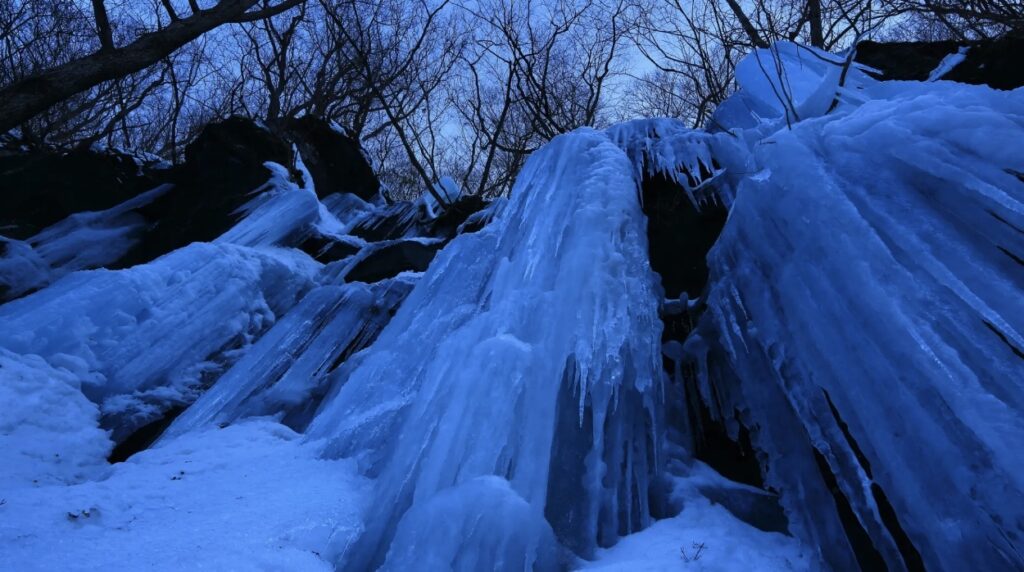
Autumn gets the glory, but I want to put in a word for winter at Oirase Gorge, because it is equally — and differently — magical. When temperatures drop in January and February, the gorge’s 14 waterfalls freeze into towering columns and curtains of ice, and the entire forest fills with deep snow. The river continues to run beneath its icy edges, and the contrast of dark rushing water against white snowbanks and frozen falls is astonishing. Visitor numbers drop dramatically in winter, and the sense of having stumbled into somewhere utterly remote and untouched is profound. If you’re an experienced winter hiker or simply someone who doesn’t mind cold, an off-season visit is a genuinely unforgettable experience.
Practical Tips for Hiking Oirase Gorge in Autumn
- Go on a weekday if at all possible — autumn weekends bring large crowds, particularly in the third and fourth weeks of October
- Waterproof hiking shoes are essential — the riverside path is frequently wet and muddy regardless of recent rainfall
- Start early — morning light in the gorge is exceptional, and you’ll have the first hour largely to yourself
- Walk from Yakeyama to Lake Towada (south to north, upriver) rather than the reverse — the grade is gentler and you end at the lake for a rewarding finish
- Carry enough water and snacks — there are limited food options along the trail itself, though the Oirase Keiryu Hotel in the middle section has a cafe
- Check the autumn foliage forecast — Japanese weather services publish weekly koyo (foliage) updates, which are reliable for timing your visit
- Book accommodation early — Towada Hotel and nearby guesthouses fill up weeks in advance during peak October foliage season
Final Thoughts from Jo
There are places in Tohoku that I love because they’re hidden, because you have to work to find them, because almost no one else knows about them. Oirase Gorge is not one of those places — its reputation is well-earned and well-known. But it deserves every bit of that reputation. Walking those 14 kilometres in October, with the river tumbling alongside you and the forest blazing overhead and waterfall after waterfall emerging from the trees, is one of those experiences that reminds you exactly why you travel in the first place.
Come in autumn, stay overnight at the lake, and walk every single kilometre of it. You won’t regret a single step.
—
More Tohoku Travel Guides
- Hirosaki Castle Cherry Blossom Festival: Aomori’s Spring Highlight
- Ginzan Onsen: Japan’s Most Enchanting Snow Village
Related Articles You Might Enjoy
- Tanesashi Coast & Kabushima Island, Aomori: Japan’s Most Dramatic Coastal Walk & Seabird Sanctuary
- Hirosaki City Guide: Apple Capital, Neputa Festival & Aomori’s Most Historic Castle Town
- Resort Shirakami Scenic Train Guide: Japan’s Most Beautiful Railway Journey Through Aomori
- Shirakami-Sanchi Beech Forest, Aomori & Akita: Complete Guide to Japan’s Ancient UNESCO Wilderness
- Cape Shiriyazaki & Shimokita Peninsula, Aomori: Wild Horses, Dramatic Coastlines & Japan’s Northern Edge



コメント