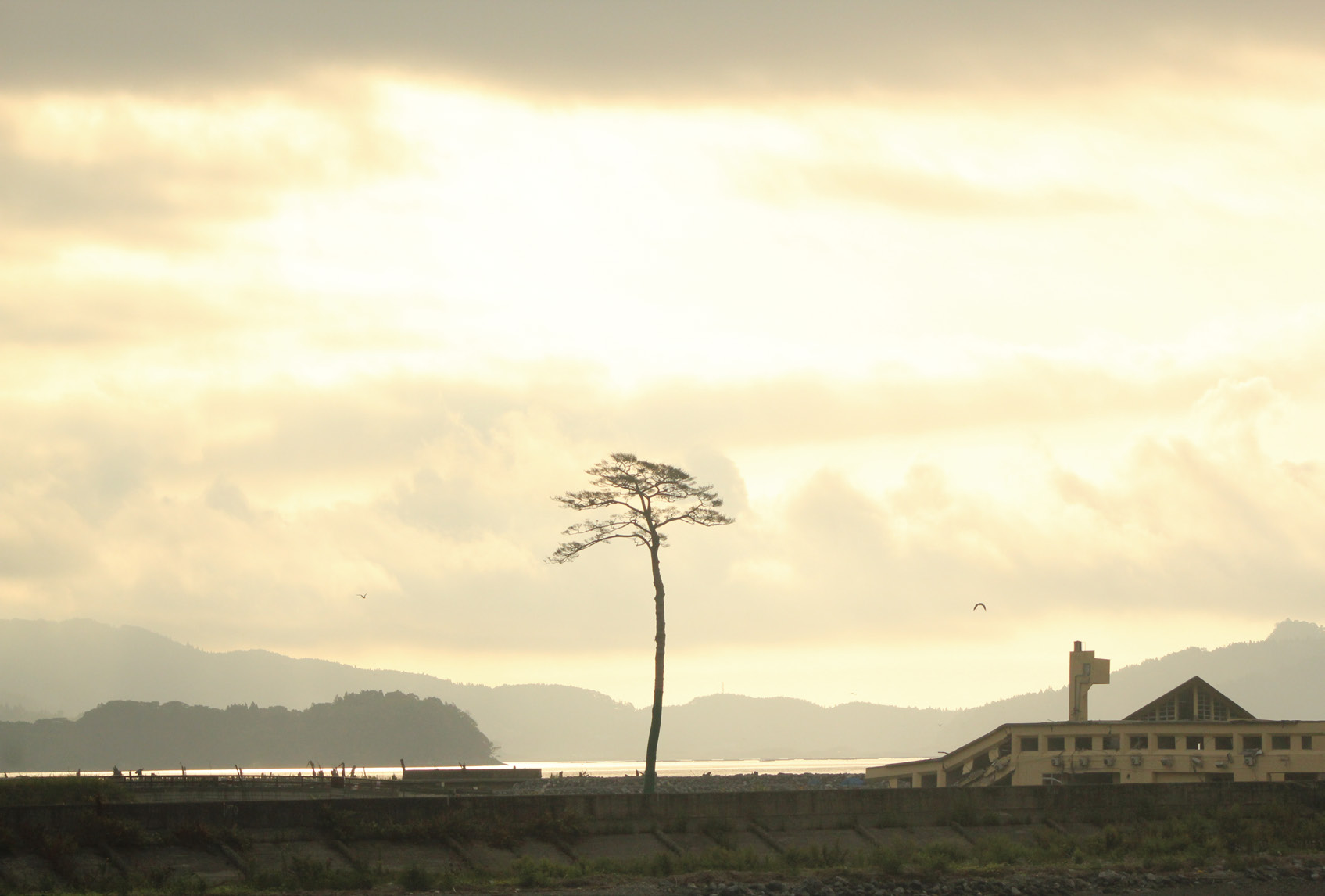
There is a single pine tree standing on the Iwate coast that changed Japan. In March 2011, a 70,000-tree forest called Takata-Matsubara was almost entirely destroyed by a tsunami that struck the town of Rikuzentakata with a wave reaching over 40 feet (14 meters) high. One tree survived. That tree — which the Japanese came to call the Ippon Matsu, the Miracle Pine — became a national symbol of resilience, hope, and the determination to rebuild. Today, Rikuzentakata is one of the most profound travel experiences available in Japan, a place where extraordinary natural beauty and recent human history intersect in ways that will stay with you long after you leave.
Why Rikuzentakata Is One of Japan’s Most Meaningful Destinations
Most visitors to Japan come for the temples, the food, the gardens, and the bullet trains. All of these are worth your time. But Japan also offers something rarer and more difficult: the opportunity to witness how a society confronts catastrophic loss and chooses, deliberately and collectively, to rebuild. Rikuzentakata offers exactly this, and it does so with a grace and openness toward visitors that is genuinely moving.
The town was almost entirely destroyed by the Great East Japan Earthquake and subsequent tsunami of March 11, 2011 — one of the most powerful earthquakes ever recorded and the deadliest disaster in Japan since World War II. In Rikuzentakata, 1,757 people died, and the downtown area was reduced to rubble. The famous Takata-Matsubara pine grove, a nationally designated scenic beauty spot that had taken centuries to grow and was celebrated in poetry and art, was almost completely obliterated in minutes.
But here’s what happened next: Japan rebuilt. The people of Rikuzentakata, rather than abandoning their coast, made the deliberate choice to stay, to memorialize what was lost, to restore the pine forest, and to turn their experience into something the world could learn from. Today the town has a magnificent new memorial museum, a restored beach, a replanted forest of over 10,000 new pine trees, and a community that welcomes visitors with a warmth that defies what they have been through. Coming here is not about voyeurism. It’s about bearing witness, and honoring what perseverance looks like when it’s genuine.
Getting There from Tokyo
- Shinkansen + bus (recommended): Take the Tohoku Shinkansen from Tokyo to Ichinoseki Station (about 2 hours 10 minutes, approximately ¥13,500 / $92). From Ichinoseki, take a direct BRT (Bus Rapid Transit) or local bus to Rikuzentakata. The bus journey takes approximately 75–90 minutes and costs around ¥1,500 ($10). Total travel time approximately 4 hours from Tokyo. JR Pass covers the shinkansen portion.
- Shinkansen to Kesennuma + BRT: Take the Tohoku Shinkansen to Ichinoseki, then transfer to the Ofunato BRT line which stops at Rikuzentakata. The BRT is a hybrid bus-and-railway service that replaced the tsunami-destroyed Ofunato Line. Journey time approximately 2.5 hours from Ichinoseki.
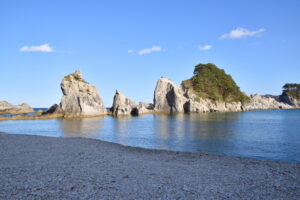
- Rental car from Sendai: Approximately 2.5–3 hours via the Sanriku Expressway, which is now largely complete along the Iwate coast. A car gives you maximum flexibility to explore the wider Sanriku coast, including Jodogahama Beach and Kamaishi on the same trip.
- Rental car from Morioka: Approximately 2 hours via Route 107 through the mountains. Scenic but slower — allow extra time.
Note: Rikuzentakata has very limited public transportation within the town itself. If arriving by bus or BRT, be prepared to use taxis (available at the bus terminal) or walk reasonable distances. Having a rental car is strongly recommended if you want to visit multiple sites around the town in a single day.
The Miracle Pine Tree (Ippon Matsu)
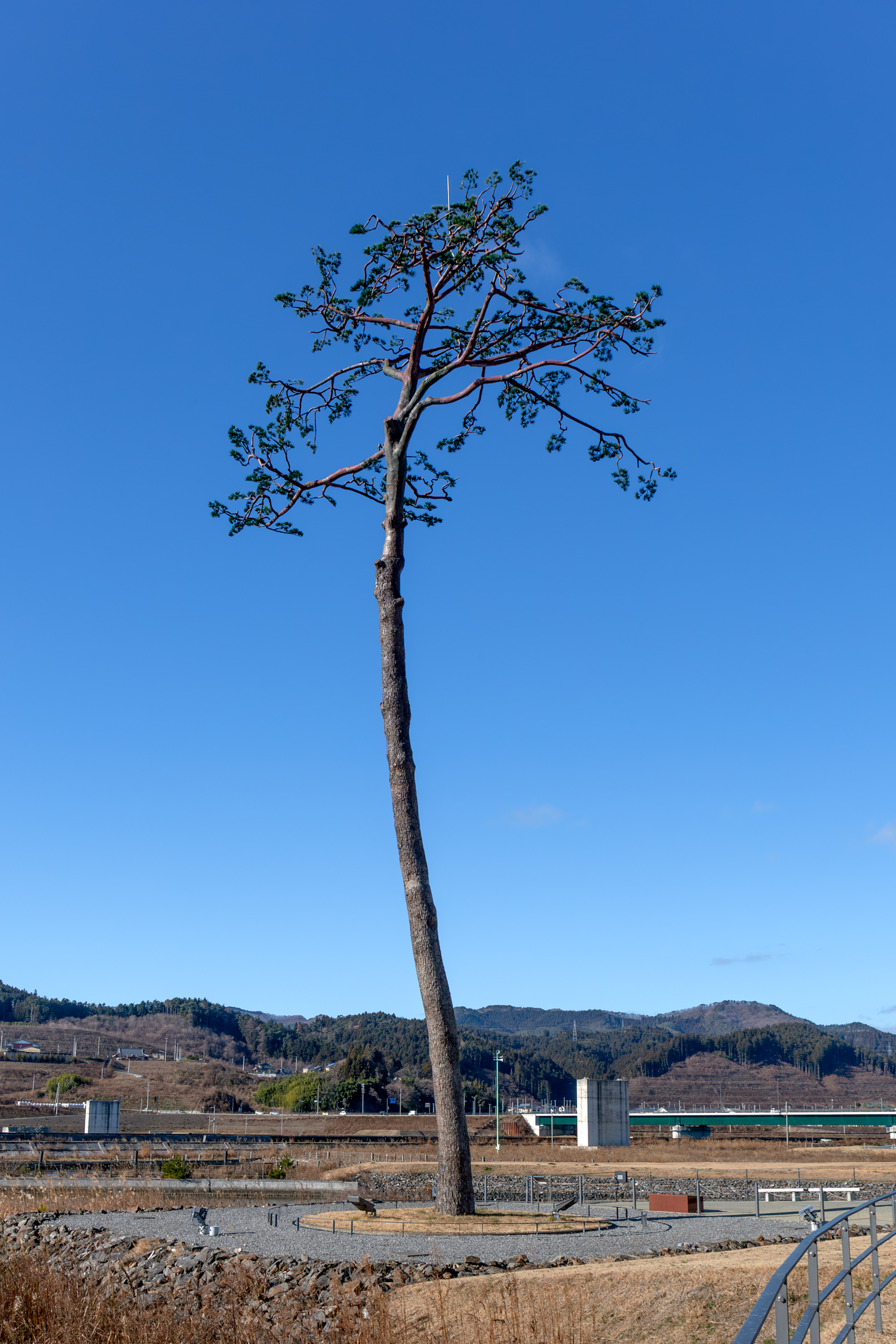
The first thing you will want to see — and the thing you will remember longest — is the Miracle Pine. It stands on what was once the edge of the Takata-Matsubara pine forest, the sole survivor of 70,000 trees that had lined this coastline for centuries. The tree was 262 feet (80 meters) from the ocean when the tsunami struck, and somehow survived a wave that scoured the land clean for hundreds of yards inland.
Within months of the disaster, the tree had become a national symbol. People came from all over Japan to see it, to photograph it, to stand silently in front of it. It was featured on commemorative stamps, in school textbooks, in news broadcasts around the world. And then, in 2012, it died. The saltwater that saturated its roots during the tsunami had done damage that wasn’t immediately visible. The tree’s death sparked a national outpouring of grief that surprised many observers — but it was entirely understandable. The tree had meant something.
What happened next is characteristically Japanese. Rather than letting the dead pine simply stand or be removed, local authorities and engineers undertook an extraordinary restoration project: they preserved the tree’s exterior structure by reinforcing it with carbon fiber and installing a metal core along the trunk, ensuring that the Miracle Pine would continue to stand indefinitely as a monument. The restored tree was unveiled in 2013 and has been standing ever since, its exterior appearance maintained exactly as it was when it died.
When you stand in front of it, the effect is difficult to describe. The tree is simultaneously real and symbolic, living and dead, preserved and transformed. Most visitors fall quiet. Some people cry. Some photograph it. Some simply stand. Whatever you feel, give yourself time to feel it — this is not a spot to rush through.
The Miracle Pine is located at the edge of the Takata-Matsubara beach area, adjacent to the Memorial Museum. Access is free and the site is open year-round.
Iwate Tsunami Memorial Museum (Takata-Matsubara Memorial Park)
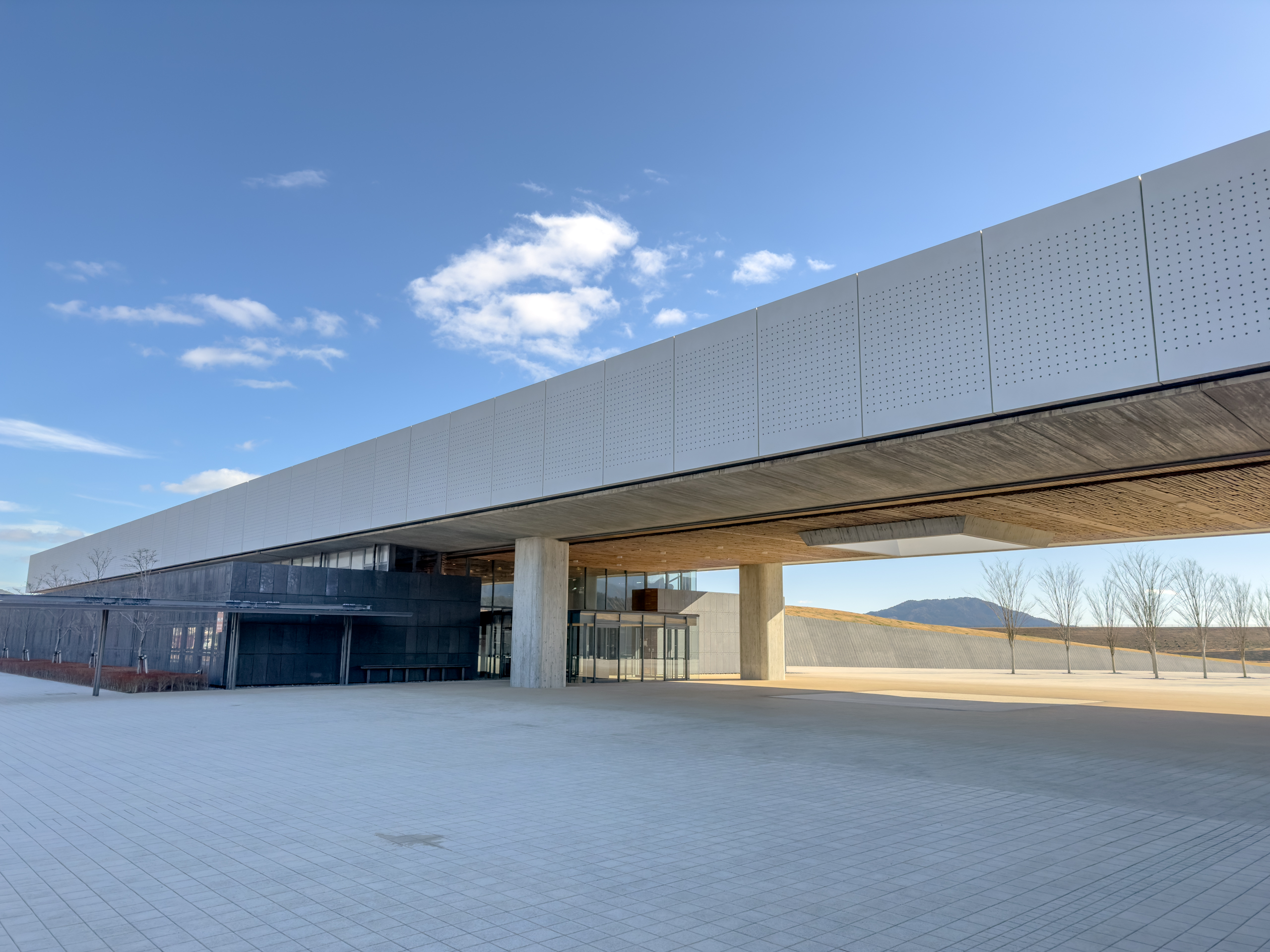
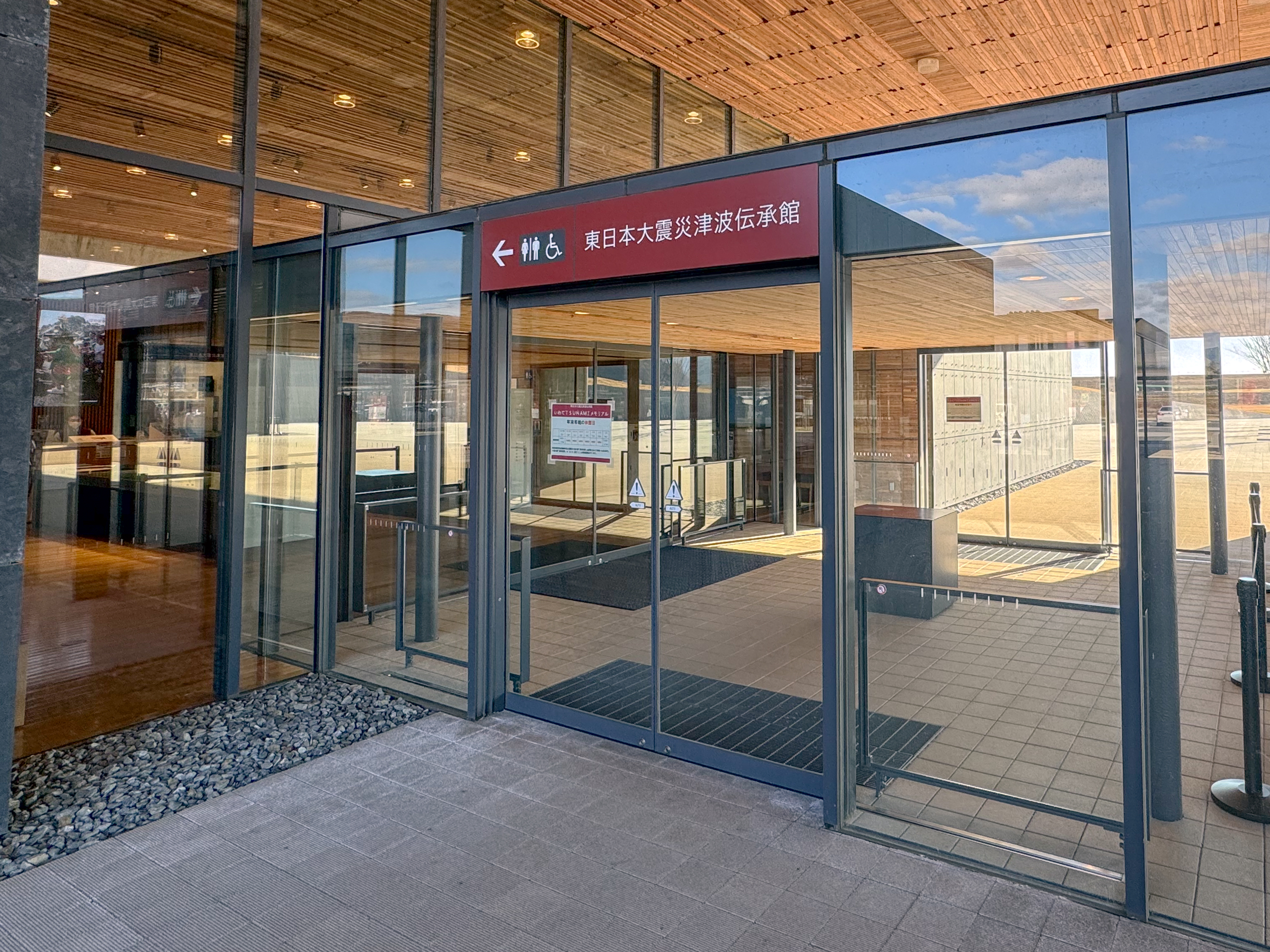
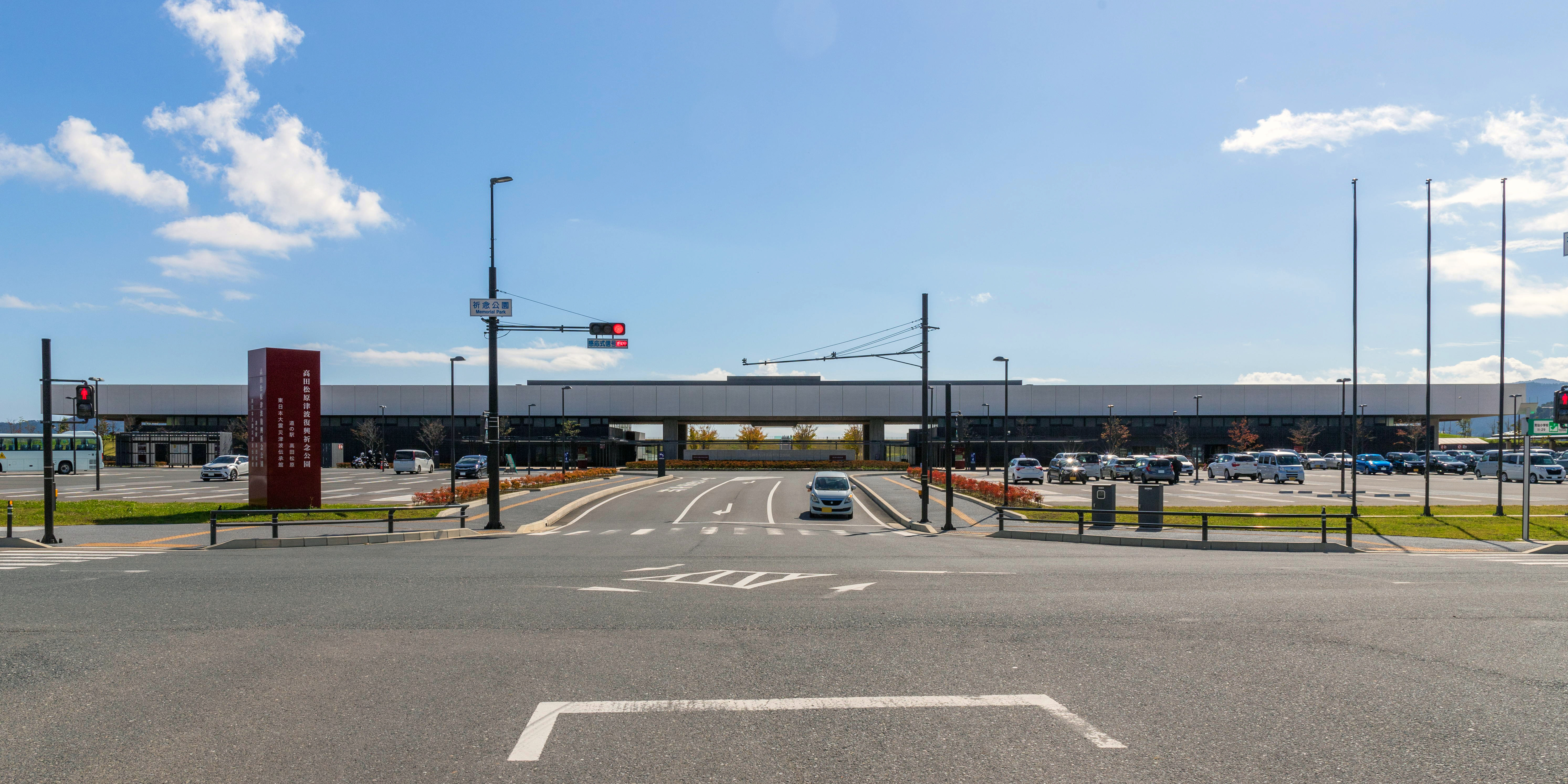
The Iwate Tsunami Memorial Museum opened in September 2021 and is, without question, one of the most important museums in Japan. Built on a raised platform above the former tsunami flood zone, the building is architecturally striking — a long, low structure with viewing corridors that frame views of the coast and the Miracle Pine, deliberately designed so that visitors always have the landscape of recovery in their eyeline.
The museum tells the story of the 2011 disaster and its aftermath with remarkable honesty and care. Exhibits begin with the history of Rikuzentakata — its landscape, its community, its forest — so that visitors understand what was lost before encountering what happened. The earthquake and tsunami are presented through survivor testimony, news footage, and physical artifacts recovered from the disaster zone. The emotional impact of this section is significant; many visitors need to pause, and the museum provides quiet rest areas for exactly this reason.
The second section of the museum covers recovery and reconstruction — the engineering challenges of rebuilding a coastal town that had been scoured down to bedrock, the debates about how high to build protective seawalls, the decisions about what to preserve as memorial and what to rebuild as living community. This section is, in its way, as moving as the disaster exhibits, because it shows what it looks like when a community refuses to give up.
A key feature of the museum is the Kataribe (storyteller) program, through which survivors of the disaster share their personal experiences with small groups of visitors. This service is available in Japanese, but some sessions have English interpretation available (check the museum’s website or ask when booking). Hearing directly from someone who survived the tsunami — who lost neighbors, homes, their entire landscape — and who has chosen to come back and share their story with strangers is an experience that goes beyond anything a display case can convey.
Admission: ¥800 ($5.50) for adults. Hours: 9:00 AM to 5:00 PM (last entry 4:30 PM), closed Tuesdays and during the New Year holiday period. Allow 2–3 hours for a thorough visit. An audio guide in English is available (¥300 / $2 additional).
The Restored Takata-Matsubara Pine Forest and Beach
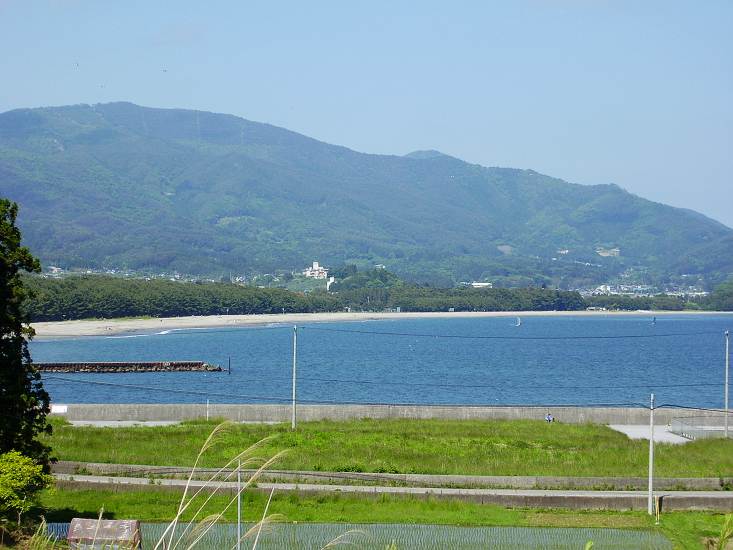
One of the most hopeful sights in Rikuzentakata today is the growing new pine forest at Takata-Matsubara. Since 2013, local volunteers, schoolchildren from across Japan, and community groups have planted over 10,000 young pines on the restored coastal land. The trees are still young — most standing 3–6 feet (1–2 meters) tall — but on a calm day, with the ocean beyond and the rows of small pines extending to the horizon, you can begin to imagine what this coastline will look like in fifty years: a restored forest, restored beach, a living monument to what was rebuilt.
The beach area has been restored with new sand and protective infrastructure, and is open to the public for walking and, in summer, swimming. The combination of the young forest, the Miracle Pine, the memorial museum, and the ocean creates a landscape that is simultaneously wounded and healing — difficult to spend time in, but deeply worth it.
The area around the beach has a walking trail that connects the museum, the Miracle Pine, and the forest planting areas. Allow 1–2 hours for a leisurely walk. Early morning, when the light is soft and the site is quiet, is an especially good time to visit.
The Former City Hall: A Preserved Ruin
At the site of Rikuzentakata’s former city government building, the ruins of the tsunami-damaged structure have been deliberately preserved as a memorial. The building was heavily damaged by the wave, and the site where it stood is now maintained as a quiet testament to the destruction. A small visitor path allows access to view the preserved ruins from outside.
Several other structures from the 2011 disaster have been similarly preserved in the area — ask at the memorial museum about current accessible sites, as this changes as reconstruction continues and new memorials are established. The preserved ruins are somber, significant, and worth visiting if you want to understand the scale of what occurred at ground level rather than through photographs alone.
Takata-Matsubara Before the Tsunami: The Forest’s History
To fully appreciate what was lost — and what is being rebuilt — it helps to understand what Takata-Matsubara meant to Japan before 2011. The pine grove had existed along this stretch of coast for over 350 years. It was originally planted in the Edo period by a local clan to protect farmland and fishing communities from coastal winds and sand drift. Over centuries it grew into one of Japan’s most celebrated coastal forests, stretching nearly 1.2 miles (2 kilometers) along the beach and containing 70,000 mature Japanese black pines.
The forest was a designated National Site of Scenic Beauty and appeared in countless woodblock prints, photographs, and poems. Japanese school textbooks used it as an example of sustainable land management and community care. People came from across the country to walk its paths, collect pine cones with their children, and sit on the beach in its shade. It was, in the fullest sense, a beloved landscape.
When the tsunami destroyed it in 2011, the grief among Japanese people was genuine and widespread — not just for the human loss (terrible as that was) but for the forest itself, which had become part of the cultural identity of the region and the nation. The determination to replant it comes from this same deep cultural relationship with the land.
Rikuzentakata’s Remarkable Reconstruction Story
If you arrive in Rikuzentakata expecting to find a ruined ghost town, you will be surprised. The town has been almost entirely rebuilt — but the reconstruction process has been unlike anything previously attempted in Japan, and understanding it gives context to what you see around you.
Because the tsunami-devastated lowlands were considered too vulnerable for permanent habitation, the decision was made to raise the land level of the rebuilt town by approximately 13 feet (4 meters) — an engineering feat that required moving millions of tons of earth. To accomplish this at speed, engineers devised an automated belt-conveyor system to transport excavated soil from the surrounding hills. At its peak, the system stretched nearly 2 miles (3 kilometers) and was transporting thousands of tons of earth daily — nothing like it had ever been built before in Japan.
Walking through the rebuilt Rikuzentakata today, you are walking on higher ground than the original town. The streets are new, the buildings are new, the plaza where the old downtown once stood has been redesigned from scratch. It is a young city — literally new soil under your feet — and there’s a slightly provisional feeling to some of the urban spaces that reflects the speed of the reconstruction.
But the people who rebuilt it are the same people who lived there before. Many of them stayed through the entire reconstruction period in temporary housing, waiting for their town to come back. When you eat at a local restaurant, visit a shop, or speak with a resident, you are meeting someone who chose to stay — and that choice speaks volumes about the community you’re in.
Where to Eat Near Rikuzentakata
Rikuzentakata is a small town with a limited but growing restaurant scene. The local seafood — oysters, sea urchin, fresh fish from Hirota Bay — is outstanding and very affordable compared to what you’d pay in Tokyo for comparable quality.
Kaisen-don at Local Eateries
Several restaurants near the town center and the memorial park serve kaisendon (seafood rice bowls) using fresh catch from Hirota Bay. Oysters from this bay are nationally recognized for their quality — large, creamy, and intensely flavored. A kaisendon with local oysters and sea urchin typically runs ¥1,500–¥2,500 ($10–$17). Watch for lunch-only options as hours can be limited.
Takata-Matsubara Michinoeki (Roadside Station)
Adjacent to the memorial park and museum, the Takata-Matsubara Roadside Station sells local food products, snacks, and light meals. It’s not fine dining, but the local specialties — particularly processed seafood products and regional sweets — are worth browsing. A convenient stop before or after the museum.
Hirota Oysters: A Local Legend
Hirota Bay oysters deserve special mention. Grown in the cold, nutrient-rich waters of Hirota Bay (which opens onto the Pacific), these oysters are among the finest in Japan. They’re available at local restaurants, fish markets, and some shops near the coast. If you can arrange a visit during the oyster season (October through March), eating fresh raw oysters here — with a view of the bay where they were grown — is a genuinely exceptional experience.
Best Time to Visit
- Spring (March–May): The March 11 memorial date brings quiet commemorative gatherings to the museum and beach area. Cherry blossoms in late April add a note of beauty against the backdrop of memorial landscape. Temperatures 41°F to 60°F (5°C to 16°C).
- Summer (June–August): The beach is accessible for swimming, the surrounding Sanriku coast is at its most beautiful in clear summer light, and local seafood — particularly sea urchin — is at peak season. Temperatures 65°F to 80°F (18°C to 27°C). Some coastal mist (yamase) is possible in June.
- Autumn (September–November): Clear skies and comfortable temperatures make this an excellent time for walking the coastal area. Hirota Bay oyster season begins in October. Foliage on the surrounding hills turns in mid-November. Temperatures 50°F to 68°F (10°C to 20°C).
- Winter (December–February): Cold and occasionally snowy, but the Sanriku coast is rarely as dramatically wintry as inland Tohoku. Oysters are at their peak. The memorial site is quiet and contemplative in winter light. Temperatures 32°F to 45°F (0°C to 7°C).
Where to Stay Near Rikuzentakata
Rikuzentakata’s accommodation options are limited — this is a small coastal town in the process of rebuilding its tourism infrastructure. You’ll find the best range of options by staying in Kesennuma (about 45 minutes south) or Ofunato (about 30 minutes south) and day-tripping to Rikuzentakata, or by looking for minshuku (family-run guesthouses) in the immediate area.
Budget (Under ¥8,000 / $55 per night)
Several family-run guesthouses (minshuku) in and around Rikuzentakata offer simple Japanese-style accommodation with home-cooked meals. Rates around ¥5,000–¥7,500 ($34–$51) per person with breakfast. These small establishments are typically run by local families — staying here directly supports the community’s reconstruction and provides a more personal, connected travel experience than a chain hotel could offer.
Mid-Range (¥8,000–¥18,000 / $55–$123)
In nearby Ofunato (30 minutes south by car), several business hotels and one or two ryokan offer comfortable accommodation with good access to the Rikuzentakata area. Rates ¥8,000–¥15,000 ($55–$103) per person. The Rias Ark Museum of Art in Kesennuma (45 minutes south) also warrants a visit if you’re staying in that area — it has one of Japan’s most thoughtful permanent exhibitions on the 2011 disaster and its place in coastal culture.
Coastal Guesthouses
Several coastal guesthouses in the Hirota Bay area and nearby fishing communities offer the experience of waking up to an ocean view on the Sanriku coast. Some have excellent local seafood dinners available for an additional ¥2,000–¥3,000 ($14–$20). These book quickly in summer and autumn — reserve well ahead.
Practical Tips for Visiting Rikuzentakata
- Visit the museum first: The Iwate Tsunami Memorial Museum provides crucial context for everything else you’ll see in Rikuzentakata. Understanding the history before walking the landscape makes the experience much more meaningful.
- Allow more time than you think: Most visitors find they stay longer than planned. The museum alone warrants 2–3 hours, and the walk from the museum to the Miracle Pine and along the beach adds another hour or two. Plan for a half-day minimum, a full day if possible.
- Be respectful and reflective: This is an active memorial site, not a theme park. Photography is generally permitted but use discretion around personal memorial areas. If you encounter local residents, a simple respectful greeting goes a long way.
- March 11 is a day of remembrance: If visiting around March 11 (the anniversary of the earthquake), be aware that the day is marked with solemn public observances. Check local event schedules and approach this date with appropriate sensitivity.
- Book Kataribe (storyteller) sessions in advance: These survivor testimony sessions are among the most powerful experiences available at the museum, but availability is limited. Contact the museum directly to check availability and book, particularly for English-interpretation sessions.
- Combine with the Sanriku coast: Rikuzentakata makes an excellent base for exploring the wider Sanriku coast — Jodogahama Beach (world-class, about 1.5 hours north), Kamaishi (rugby town and industrial history, about 1 hour north), and Kesennuma (shark fin and fishing culture, about 45 minutes south) are all worth incorporating into a multi-day coastal itinerary.
- Rent a car if possible: Public transport between coastal Sanriku towns is limited and infrequent. A rental car from Morioka or Sendai transforms a challenging journey into a flexible, rewarding road trip along one of Japan’s most dramatic coastlines.
- Bring yen: Small coastal towns in this region have limited ATM access and most shops and restaurants are cash-only. Stock up before arriving.
How to Approach This Visit Emotionally
This is not a standard travel tip, but it’s worth writing: some visitors to Rikuzentakata find the experience more emotionally intense than they anticipated. The combination of the Miracle Pine, the museum exhibits, and the landscape where the destruction occurred can be genuinely affecting — especially if you were alive and paying attention in March 2011, when news of the disaster reached the world.
That emotional intensity is appropriate. It’s what the site is meant to evoke — not distress or voyeurism, but an honest confrontation with what happened and what has been done in response. Give yourself permission to feel whatever you feel. The museum has quiet spaces. The beach has room to walk and think. There is no right way to experience this place, other than with attention and respect.
Many visitors report leaving Rikuzentakata with something they didn’t expect: a feeling not of despair but of something closer to hope. The rebuilt town, the growing forest, the museum built to tell the story honestly, the people who stayed — all of this represents a deliberate choice to continue, to remember, and to rebuild. Coming here, bearing witness to that choice, and spending your travel money in support of the community’s recovery: these are meaningful acts, and the town welcomes them.
Sample 1-Day Rikuzentakata Itinerary
Morning
9:00 AM: Arrive at the Takata-Matsubara Memorial Park area. Begin at the Iwate Tsunami Memorial Museum — allow 2.5–3 hours for a thorough visit, including the audio guide and any storytelling sessions you’ve pre-booked.
11:30 AM: Walk from the museum to the Miracle Pine Tree. Allow 20–30 minutes here — more if you find yourself needing to pause.
Midday
12:30 PM: Lunch at a local seafood restaurant or the Michinoeki roadside station near the museum. Fresh Hirota Bay oysters if the season is right (October–March).
1:30 PM: Walk the Takata-Matsubara beach restoration area. The young pine forest, the beach, and the views of Hirota Bay are beautiful and give a sense of the scale of both the destruction and the rebuilding effort.
Afternoon
2:30 PM: Drive or taxi to the preserved ruins of the former city hall and other memorial sites in the former town center. These are quiet, significant, and provide a ground-level sense of the disaster’s scale that the museum’s exhibits, powerful as they are, cannot fully replicate.
3:30 PM: If time permits, drive north along the Sanriku coast toward Ofunato Bay for dramatic coastal scenery, or south toward Kesennuma for additional memorial sites.
5:00 PM: Head to accommodation or begin the return journey to your hub city.
Related Articles You Might Enjoy
- Kamaishi, Iwate: Rugby, Resilience & the Sanriku Coast — Complete Travel Guide
- Hiraizumi UNESCO World Heritage Guide: Iwate’s Golden Ancient Capital
- Nanbu Tekki: The Complete Guide to Morioka’s Traditional Iron Casting Experience
- Appi Kogen, Iwate: Japan’s Premier Powder Ski Resort — Complete Guide for Foreign Visitors
- Kuji, Iwate: Japan’s Northernmost Ama Divers & Hidden Amber Museum
Final Thoughts
Rikuzentakata asks something of you that most tourist destinations don’t: it asks you to look at something difficult and stay present with it. The Miracle Pine, the museum, the rebuilt town, the young forest growing back — these are not comfortable sights, but they are important ones. And there is beauty here too: the Sanriku coast is genuinely spectacular, the seafood is extraordinary, and the community of people who chose to rebuild and stay has created something worth celebrating.
Travel is at its most powerful when it changes how you think about what human beings are capable of. Rikuzentakata is that kind of place. The people here have been through something almost unimaginable, and what they have done in response is extraordinary. Come and see it. Spend your time and your money here. And when you leave, carry the story with you.
Got questions about planning your Tohoku trip, or spotted something we missed? We’d love to hear from you — drop us a message here.

コメント