Picture a woman in a white cotton diving suit, no oxygen tank, no wetsuit tech, plunging into the cold Pacific off Japan’s northeastern coast to hand-harvest abalone and sea urchin from the rocks below — a skill passed down through her family for generations. Then picture her walking back onto the beach and showing you a chunk of 90-million-year-old amber pulled from the cliffs just up the road. That’s Kuji, Iwate: the little fishing city that gave Japan both its northernmost ama divers and one of its richest amber deposits, and one of the most genuinely surprising day trips in all of Tohoku.
Why Kuji Should Be on Every Japan Itinerary
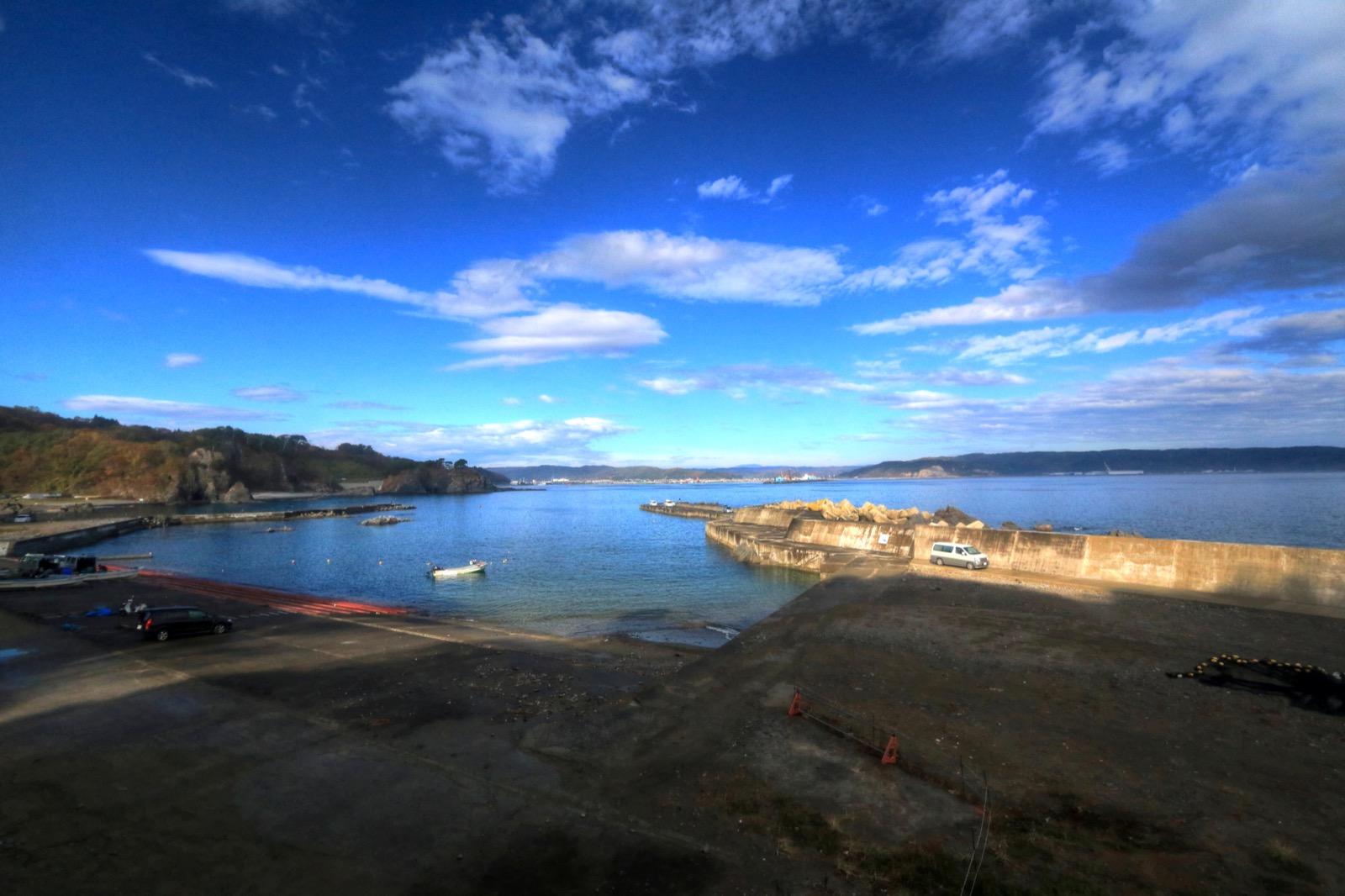
Most foreign visitors to Tohoku never make it this far up the Sanriku Coast, which is exactly why Kuji feels like such a discovery. This small city of around 30,000 people sits where jagged cliffs meet the wild North Pacific, roughly two-thirds of the way up Iwate Prefecture’s coastline, and it holds two claims to fame that have nothing to do with each other yet somehow define the same rugged, resilient stretch of shore.
The first is the ama (海女, literally “sea women”) — free-diving fisherwomen who have worked these waters without scuba gear for centuries, diving repeatedly to depths of 15–20 feet (5–6 meters) on a single breath to gather abalone, sea urchin, and seaweed by hand. Kuji’s Kosode Coast is home to Japan’s northernmost community of ama, and unlike the more famous ama of Mie Prefecture near Ise, these women dive in genuinely cold northern waters, a fact that made them nationally famous when the 2013 NHK morning drama “Amachan” (あまちゃん) was set here and turned Kuji into an unlikely tourism phenomenon overnight.
The second is amber. Kuji sits atop one of the largest amber deposits in Japan, formed roughly 90 million years ago, and the city has built an entire museum and cultural complex around it. Visitors can see room-sized amber specimens, learn how prehistoric insects get trapped in fossilized tree resin, and even try their hand at polishing their own piece of Kuji amber into a keepsake.
Combine dramatic, wave-battered cliffs with a genuinely unique cultural tradition and a rare geological treasure, and you get a destination that punches far above its size for curious travelers who want to see a side of Japan that most tourists — even most Japanese domestic tourists — never bother to visit.
Getting There from Tokyo
- Shinkansen + local train: Take the Tohoku Shinkansen from Tokyo Station to Hachinohe Station (about 2 hours 45 minutes), then transfer to the Sanriku Railway Rias Line (or JR bus connection) to Kuji Station, adding roughly 1.5–2 hours. Total one-way fare is approximately ¥15,000–¥17,000 ($100–$115 USD).
- Shinkansen + Iwate side: Alternatively, ride the Tohoku Shinkansen to Morioka (about 2 hours 15 minutes), then take a JR bus or the Yamada Line/Rias Line combination onward to Kuji, a scenic but slower route through Iwate’s mountain interior (about 2.5 hours from Morioka).
- Highway bus: Direct overnight or daytime highway buses run from Tokyo and Sendai to Kuji for budget travelers, though journey times stretch to 8–10 hours.
- Rental car: If you’re already road-tripping the Sanriku Coast from Miyagi or southern Iwate, Kuji is a natural, scenic extension — allow a full day of coastal driving to properly enjoy the route.
Your Japan Rail Pass covers the Shinkansen legs, but the Sanriku Railway Rias Line is a separate private line not included in the JR Pass, so budget a small additional fare (around ¥1,500–¥2,500 / $10–$17 USD depending on your starting station).
Meet the Ama Divers at Kosode Coast
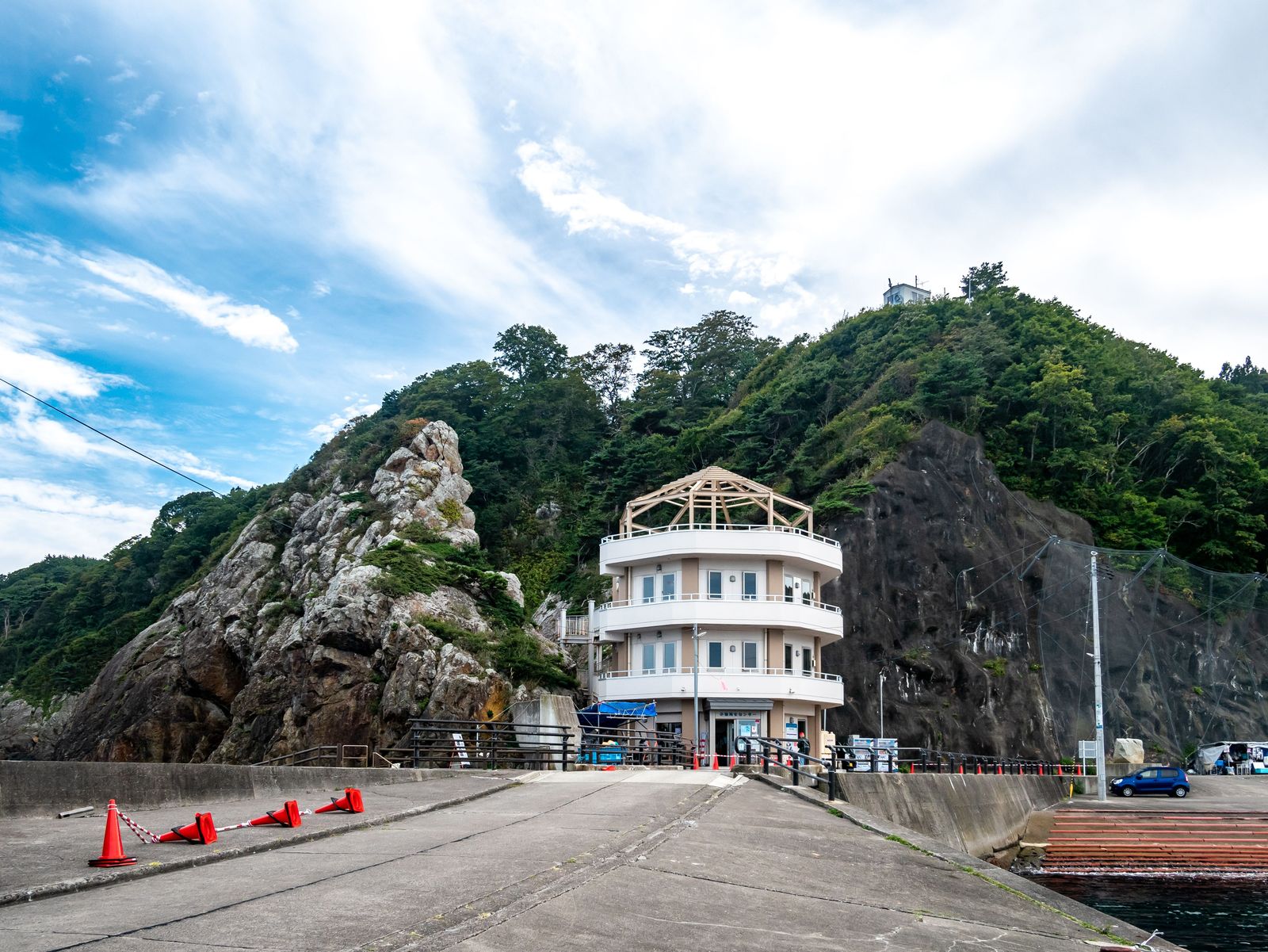
The heart of any Kuji visit is the Kosode Ama Center (小袖海女センター), a small visitor facility perched right above the rocky cove where the divers work. From April through September (weather and sea conditions permitting), you can watch real working ama perform live diving demonstrations, plunging into the cove in their traditional white diving suits to harvest sea urchin and shellfish right in front of visitors, surfacing with their catch and a triumphant whistle-like exhale called isobue that divers around Japan use to clear their lungs after a deep dive.
Demonstrations typically run several times a day and last about 15–20 minutes, with an entry fee of around ¥500 ($3.50 USD) for the observation deck. Afterward, you can often buy fresh sea urchin (uni) or abalone (awabi) harvested that same day, either as a simple grilled snack from a nearby stall or packaged to take home — this is about as fresh and traceable as seafood gets anywhere in Japan.
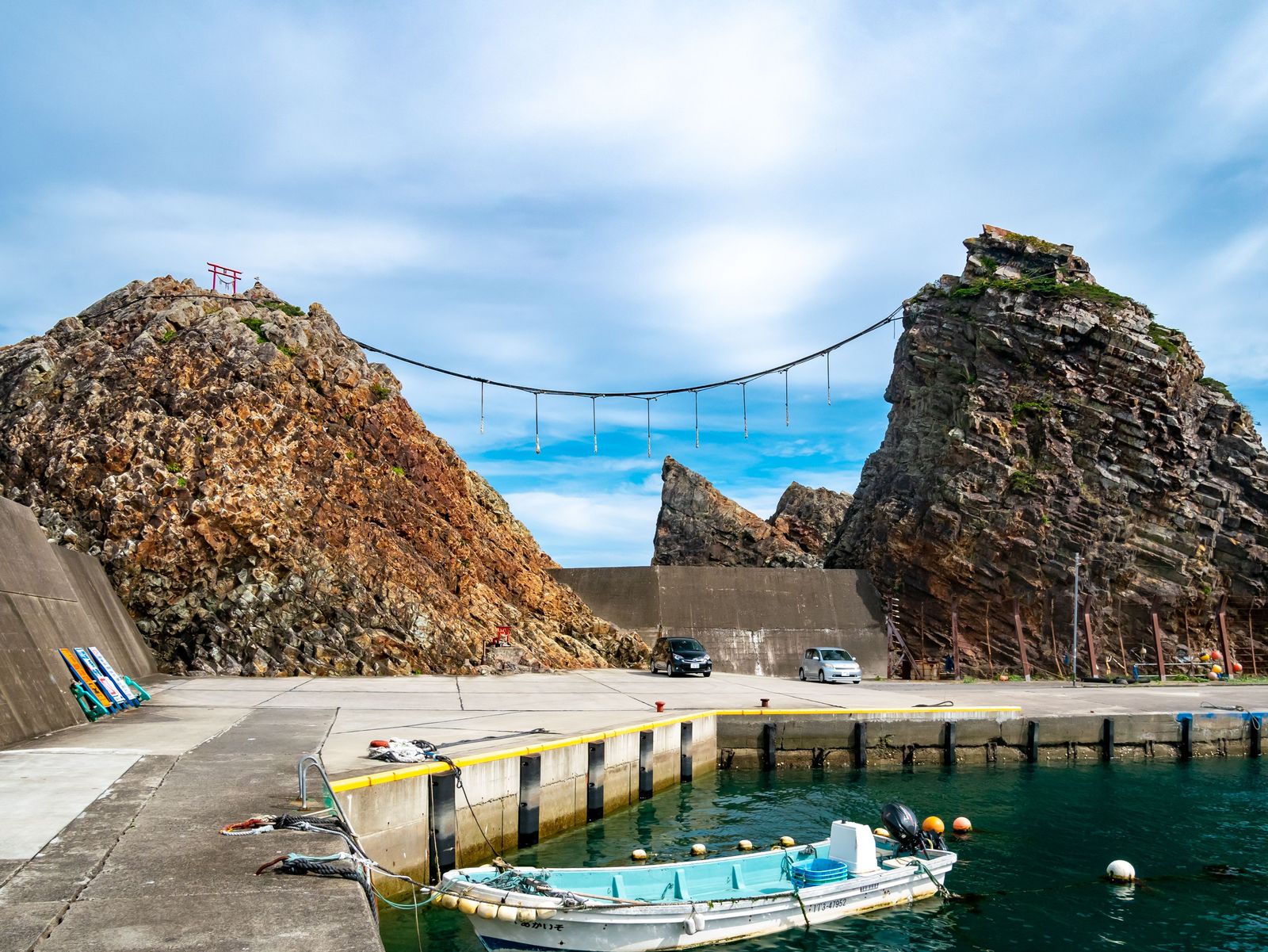
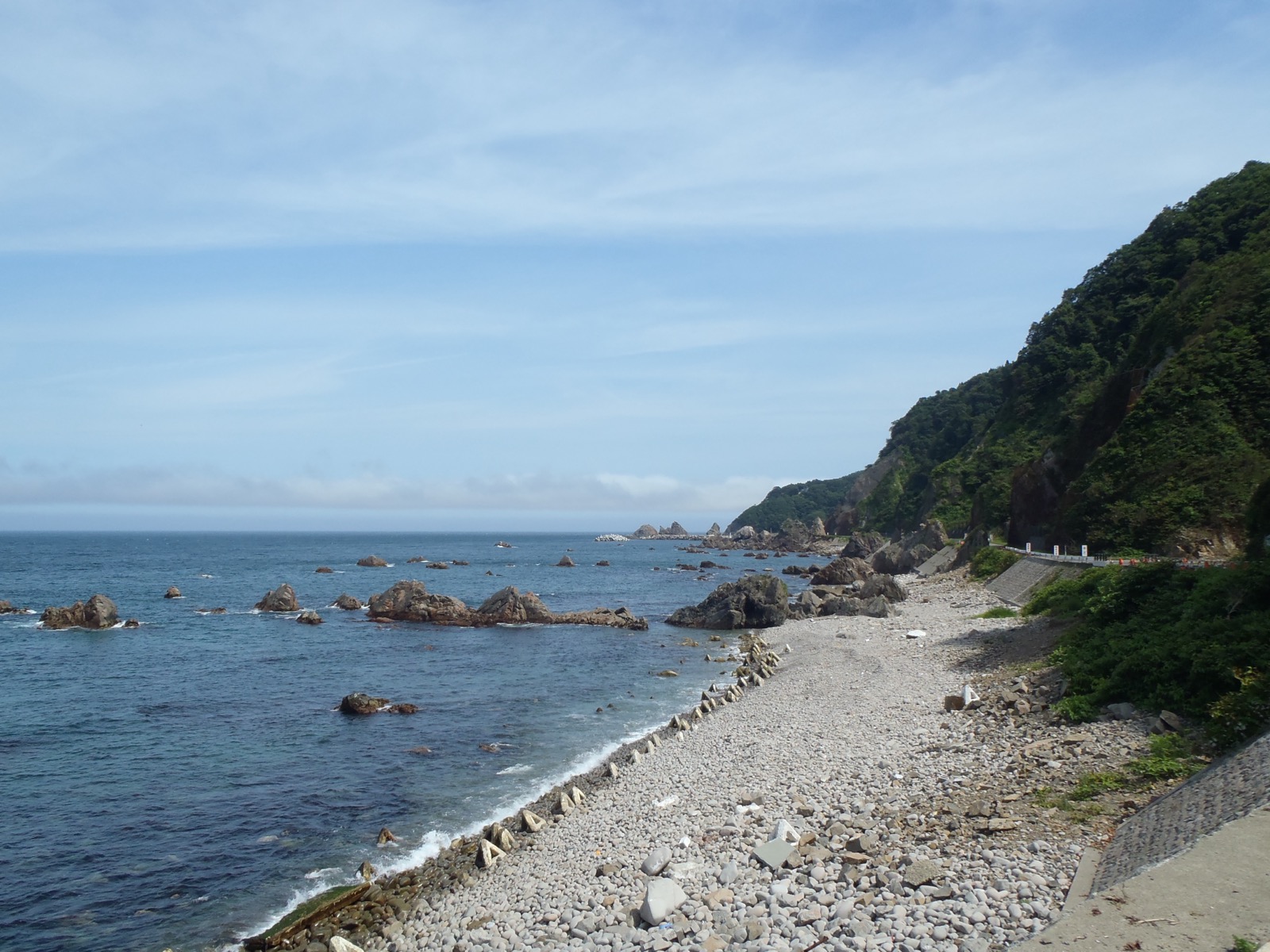
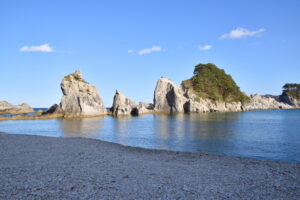
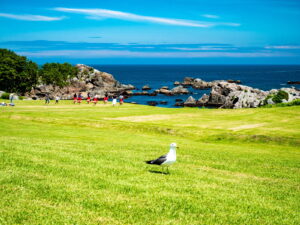
The surrounding Kosode Coast itself is worth exploring on foot even outside diving demonstration hours. Look for the “Meoto Iwa” (married rocks), a pair of jagged sea stacks joined by a sacred rope (shimenawa), and the small monument marking Kuji as the filming location for “Amachan” — a pilgrimage spot for Japanese fans of the show, and a fun bit of pop culture context for foreign visitors curious why a fishing village this small has its own gift shop dedicated to a TV drama.
Kuji Amber Museum: Japan’s Underground Treasure
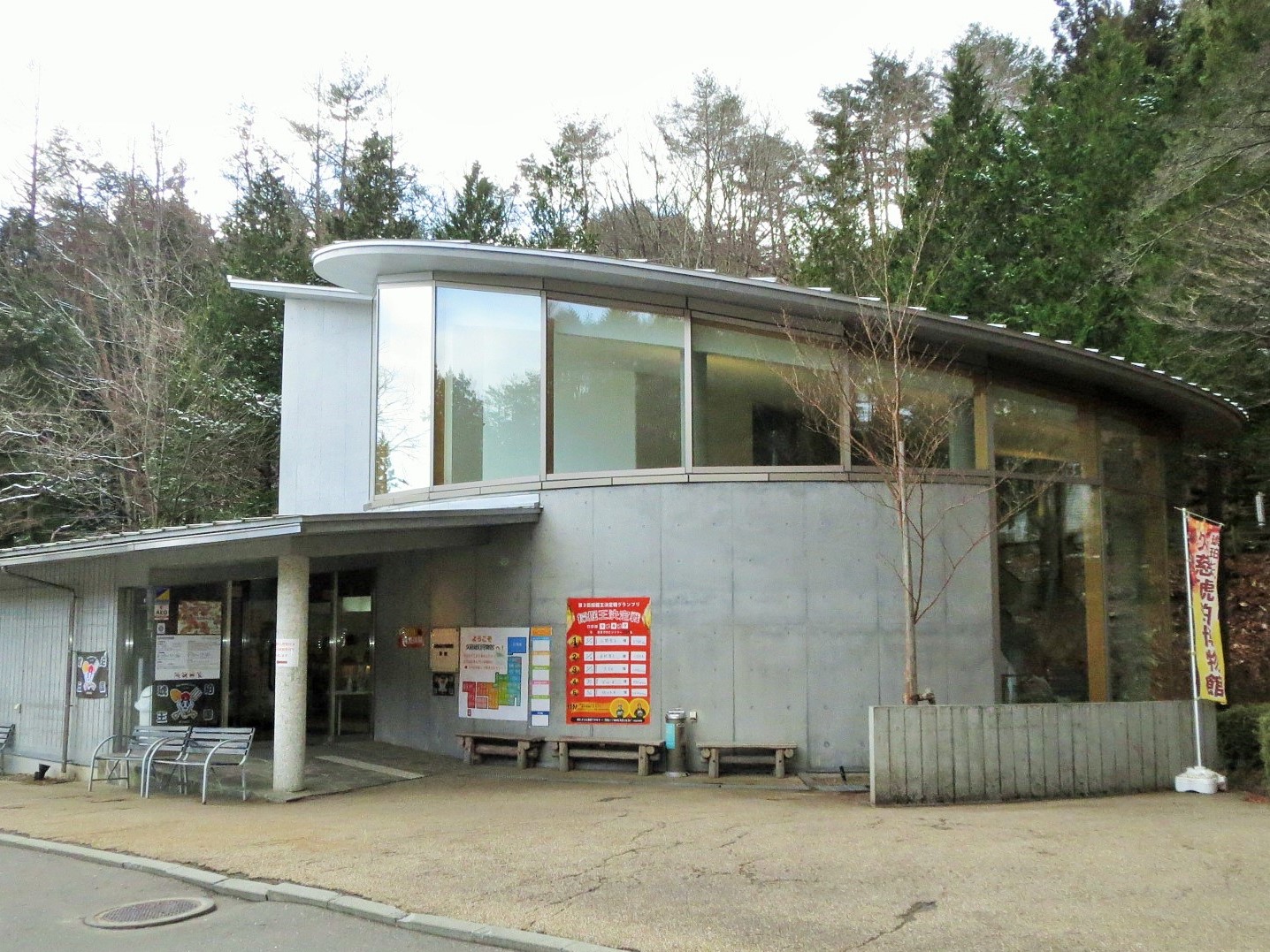
A 15-minute drive inland from the coast brings you to the Kuji Amber Museum (久慈琥珀博物館), built directly on top of one of Japan’s largest amber deposits. Kuji amber formed around 90 million years ago during the Cretaceous period, when this area was covered in resin-producing conifer forests, and mining here has continued on and off for decades, making it one of the few places in Japan where you can see amber actually being excavated rather than just displayed.
Inside, exhibits walk you through how amber forms, display remarkable specimens including pieces with prehistoric insects perfectly preserved inside, and explain the museum’s ongoing paleontological research. Outside, you can tour an actual excavation tunnel (weather and safety conditions permitting) to see the mining process firsthand — a genuinely rare experience for casual visitors anywhere in the world.
The museum’s real highlight for most visitors, though, is the hands-on amber polishing workshop, where for a modest fee (typically ¥1,500–¥2,500 / $10–$17 USD depending on the piece size) you can sand and buff your own raw piece of Kuji amber into a smooth, glossy pendant or keepsake to take home — genuinely one of the more memorable “made it myself” souvenirs available anywhere in Tohoku.
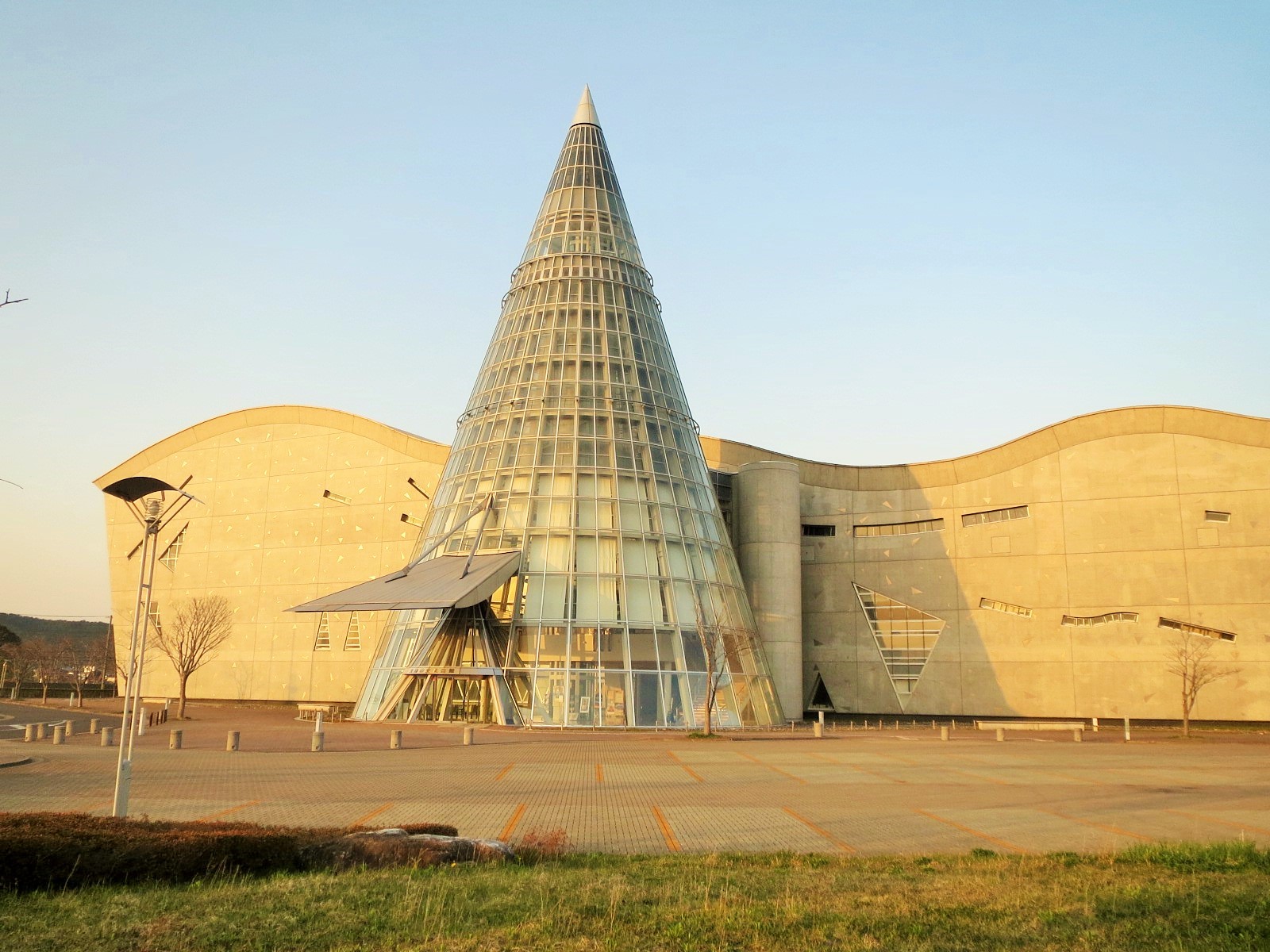
Just next door, the Amber Hall (アンバーホール) cultural center hosts occasional concerts and events and has a distinctive amber-toned facade that’s worth a quick photo even if you don’t have time to go inside.
Best Time to Visit
- Spring (March–May): Mild temperatures (45–65°F / 7–18°C) and the start of the ama diving demonstration season in April, though early spring can still be cool and windy on the exposed coast.
- Summer (June–August): Peak season for ama diving demonstrations, with the most reliable schedule and calmest seas. Expect comfortable coastal temperatures (65–80°F / 18–27°C), noticeably cooler than inland Tohoku thanks to the Pacific breeze.
- Autumn (September–October): The diving demonstration season winds down by late September, but the coastline is gorgeous with clear autumn light, and crowds are thinner than summer.
- Winter (November–March): No live diving demonstrations, but the Amber Museum stays open year-round, and the dramatic, stormy winter seascape along the Sanriku Coast has its own austere beauty for travelers who don’t mind the cold (temperatures often 25–40°F / -4 to 4°C).
Where to Eat: Kuji Food Guide
Kuji’s food scene is all about what the ama pull from the ocean that same morning.
Sea Urchin & Abalone at Kosode
Near the Kosode Ama Center, small seasonal stalls sell fresh-grilled uni and awabi directly harvested by the ama, often the same day. Prices vary with the season and catch but expect to pay ¥1,000–¥3,000 ($7–$20 USD) depending on what’s available — this is as close to “farm to table” as seafood gets, minus the farm.
Kuji Station Area Restaurants
Around Kuji Station, look for small local restaurants serving seafood donburi (rice bowls) piled with sea urchin, salmon roe, and whatever the boats brought in, typically ¥1,500–¥2,500 ($10–$17 USD) for a generous bowl.
Mamedanko & Local Sweets
Kuji is also known for mamedanko, a regional sweet made from beans and mochi, and various amber-themed confectionery sold at gift shops near the museum — a fun, inexpensive souvenir alongside your polished amber pendant.
Where to Stay
Budget (Under ¥8,000 / $55 per night)
Kuji has a handful of simple business hotels and guesthouses near the station, such as Business Hotel Kuji, offering basic clean rooms well within this range.
Mid-Range (¥8,000–¥20,000 / $55–$135)
Hotel Ruskuji and similar mid-range hotels near the station offer comfortable rooms with private baths and easy access to both the Amber Museum and the coast, ideal for a one-night stay.
Luxury (¥20,000+ / $135+)
For a higher-end coastal stay, consider a seaside ryokan slightly further south along the Sanriku Coast toward Miyako, where ocean-view rooms and kaiseki dinners built around local seafood offer a memorable splurge to bookend your Kuji day trip.
Practical Tips for Visiting Kuji
- Check the ama diving demonstration schedule in advance — it depends on sea conditions and is suspended in bad weather, so confirm on the day if possible via your hotel or the local tourism office.
- Bring a light jacket even in summer — the Pacific breeze along the Sanriku Coast is noticeably cooler than inland Tohoku.
- A rental car makes exploring the wider Sanriku Coast far easier, since public transit along this stretch is infrequent.
- English signage is limited this far off the beaten path — a translation app is genuinely useful here.
- Book amber polishing workshop slots ahead during busy summer weekends, as space is limited.
- If you’re a fan of the “Amachan” drama, look for filming location markers around Kosode Coast — staff are used to fans asking about them.
- Cash is still king in small local restaurants and stalls near the coast, so carry yen rather than relying solely on cards.
- Combine your visit with nearby Cape Kuji or a scenic drive further up toward Tanesashi Coast in Aomori for a fuller day on this quieter stretch of Tohoku’s Pacific shoreline.
Sample 1-Day Itinerary: Kuji from Morioka or Hachinohe
Morning
Arrive in Kuji by mid-morning via Shinkansen and connecting train or bus. Head straight to the Kuji Amber Museum first, since it’s open regardless of weather — explore the exhibits, tour the excavation tunnel if available, and try the amber polishing workshop.
Midday
Grab a seafood donburi lunch near the station, then head to the Kosode Coast for the afternoon ama diving demonstration (check showtimes ahead — usually early-to-mid afternoon during summer season).
Afternoon
Walk the Kosode Coast trail, photograph the Meoto Iwa rocks, and pick up fresh-grilled sea urchin or abalone from a coastal stall if available.
Evening
Head back toward Morioka or Hachinohe for the night, or continue further along the Sanriku Coast if you’re road-tripping the region.
Related Articles You Might Enjoy
- Genbikei Gorge, Iwate: Japan’s Flying Dango Gorge & Ichinoseki’s Hidden Natural Wonder
- Kitakami Tenshochi: Iwate’s 10,000 Cherry Blossom River Park — A Hidden Sakura Paradise
- Appi Kogen, Iwate: Japan’s Premier Powder Ski Resort — Complete Guide for Foreign Visitors
- Mount Iwate: Complete Hiking Guide to Tohoku’s Sacred Volcano & the Nanbu Fuji
- Kitakami Tenshochi Cherry Blossoms, Iwate: Japan’s Most Spectacular River of 10,000 Sakura
Final Thoughts
Kuji isn’t a place that shows up on many “Top 10 Japan” lists, and that’s precisely its appeal. It rewards travelers willing to go a little further off the well-trodden Tokyo-Kyoto-Osaka path with something genuinely rare: living cultural tradition, geological wonder, and dramatic coastal scenery, all within a single unhurried day. Watching an ama diver surface from the cold Pacific with a fresh catch of sea urchin, then holding a 90-million-year-old piece of amber you polished yourself an hour later, is the kind of contrast that makes Tohoku travel so rewarding for those who make the effort to seek it out.
Got questions about planning your Tohoku trip, or spotted something we missed? We’d love to hear from you — drop us a message here.

コメント