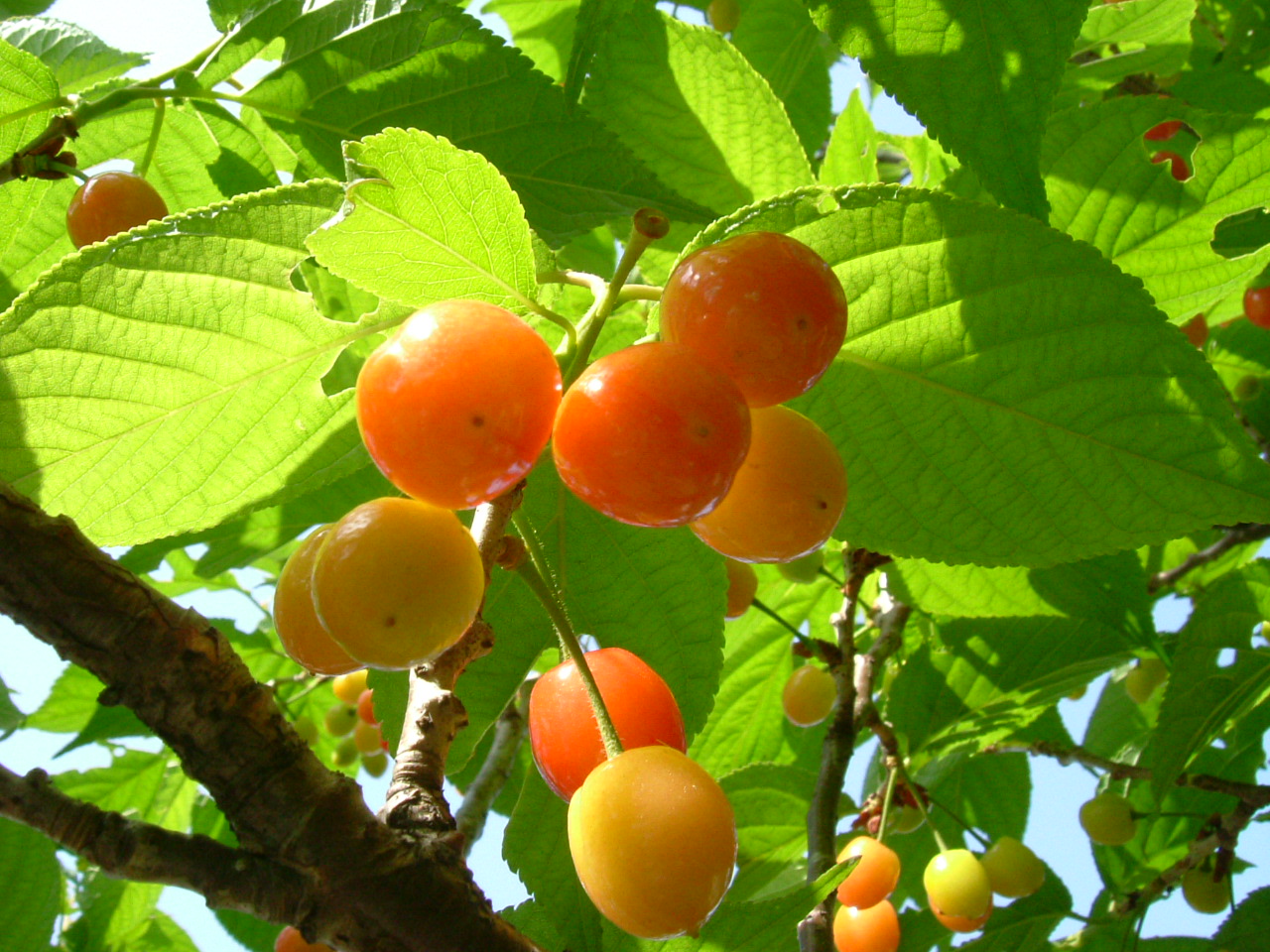
If you thought Japan’s obsession with cherries was all about the blossoms, think again. Yamagata Prefecture is the undisputed king of eating cherries in Japan — producing over 70% of the country’s entire harvest and growing varieties so sweet, plump, and complexly flavored that they’re sold in department stores as luxury gifts for up to ¥10,000 ($67) per box. For a few magical weeks each summer, the hillsides of Yamagata turn crimson, and cherry-picking farms welcome visitors to fill their baskets (and their stomachs) with some of the finest fruit in the world.

Why Yamagata Cherries Are Japan’s Finest
The secret to Yamagata’s cherry supremacy lies in its geography. The prefecture sits in a basin surrounded by mountains that create hot, dry summers with low humidity — ideal conditions that allow cherries to develop intense sugar content without splitting or rotting. The Tohoku region’s cold winters deliver the necessary chill hours to produce maximum fruit set, while the warm days from June onward ripen the fruit at the perfect pace.
Yamagata farmers have been perfecting cherry cultivation since the Meiji era (1868–1912), when French missionary priests introduced European varieties to the region. Over 150 years of selective breeding and horticultural expertise have produced dozens of Yamagata-exclusive varieties, each with its own flavor profile, harvest window, and dedicated fan base. The prefecture’s agricultural extension offices run some of the most sophisticated cherry research programs in the world, constantly developing new cultivars that push the boundaries of sweetness, size, and texture.
For foreign visitors — particularly those from the US and Australia where cherries are common but rarely spectacular — eating a freshly picked Yamagata Sato Nishiki or Beni Shuho off the tree is a genuinely revelatory experience. These aren’t the firm, tart cherries you find at a Western supermarket. They’re large, deeply sweet, almost wine-like in their complexity, and impossibly juicy. You will eat an embarrassing number of them.
Cherry Picking Season: When to Visit
The Yamagata cherry season runs roughly from mid-June through late July, varying by variety, altitude, and the year’s weather conditions. Unlike cherry blossoms, which have a very narrow 1–2 week window, the cherry harvest season is refreshingly long thanks to the staggered ripening of different cultivars.
- Mid-June (June 10–20): Early varieties begin ripening at lower-altitude farms.佐藤錦 (Sato Nishiki) — the “king” of Yamagata cherries — starts its harvest in this window. Smaller, less crowded farms offer the best early-season experience.
- Late June (June 20–30): Peak season for Sato Nishiki and other major varieties. The most popular farms become busy on weekends; book in advance or visit on weekdays.
- Early July (July 1–15): Later-ripening varieties like 高砂 (Takasago), 南陽 (Nanyo), and 紅秀峰 (Beni Shuho) come into season. The massive, dark-red Beni Shuho variety — often the size of a large grape — is a particular highlight and worth seeking out specifically.
- Mid-to-Late July (July 15–31): Final varieties ripen at higher altitudes. The season winds down but quality remains excellent. Fewer tourists and lower prices.
Always check ahead with specific farms before visiting, as the exact timing shifts by a week or two depending on the spring weather. Many farms maintain LINE accounts or websites with real-time ripeness updates — ask your hotel or guesthouse to help translate if needed.
Top Cherry Picking Areas in Yamagata
Higashine (東根市) — The Cherry Capital
Higashine City claims to be the center of Japan’s cherry universe, and by the numbers it’s hard to argue. The city is home to the world’s oldest certified cherry tree — the Higashine Osaka Cherry Tree, estimated to be over 1,500 years old and still producing fruit each season. The surrounding area has dozens of pick-your-own farms with various admission structures. Most charge a flat fee of ¥1,500–¥2,000 ($10–$13) for 30 minutes of unlimited eating in the orchard, with additional charges for takeaway. The Higashine Cherry Center on Route 48 serves as a useful orientation point with maps, recommendations, and direct farm sales.
Sagae (寒河江市) — Family-Friendly Farms
Sagae City (pronounced “Sagae,” not “Sage”) is Yamagata’s other major cherry hub, with farms that cater particularly well to families with young children. Many Sagae orchards offer longer picking sessions (up to 60 minutes), shaded waiting areas, and on-site cafés serving cherry soft-serve, cherry juice, and cherry tarts. The Sagae area also grows excellent watermelons alongside its cherries, so late-season visitors can often combine both fruits in a single farm visit. Average farm admission: ¥1,800–¥2,500 ($12–$17) per adult, with discounts for children.
Yamagata City Area (山形市近郊) — Easy Access
For visitors basing themselves in Yamagata City, several orchards within a 20–30 minute drive or bus ride offer pick-your-own experiences without requiring a dedicated day trip. The Kajo Park area in the city itself occasionally hosts cherry-tasting events during the season, and the city tourism office can recommend specific farms with English-language booking options. Yamagata City is also the best base for combining cherry picking with other regional experiences like Yamadera temple and Zao Onsen.
The Cherry Varieties: What to Try
Walking into a Yamagata cherry farm without knowing the varieties is like ordering wine blind — you’ll probably enjoy it, but knowledge makes the experience far richer.
- 佐藤錦 (Sato Nishiki): The flagship. Medium-large with yellow-red skin, intensely sweet with a hint of acidity that gives it complexity. The most widely planted variety and the benchmark against which all others are judged. Named after farmer Sato Eisuke who developed it in the 1920s.
- 紅秀峰 (Beni Shuho): The showstopper. Large to very large, dark crimson, with an extraordinarily high sugar content and a firm, almost crunchy texture. Ripens in early July and sells at premium prices. If you can only try one specialty variety, make it this one.
- 南陽 (Nanyo): Giant heart-shaped cherries with mild, balanced sweetness and impressive visual impact. Popular as gift-giving cherries because of their size.
- 高砂 (Takasago): One of the oldest cultivated varieties, with a refreshingly tart flavor profile that contrasts nicely with the sweetness of Sato Nishiki. Excellent for making cherry jam or pairing with cheese.
- 山形美人 (Yamagata Bijin): A newer variety with beautiful pink-red skin and delicate sweetness. The name means “Yamagata Beauty” — apt, as these are among the most photogenic cherries you’ll see.
Getting to Yamagata for Cherry Season
- Shinkansen from Tokyo: Take the Yamagata Shinkansen (Tsubasa) from Tokyo Station directly to Yamagata Station. Journey time is approximately 2 hours 40 minutes. One-way reserved seat fare around ¥11,000–¥13,000 ($73–$87). JR Pass valid. From Yamagata Station, rent a car or take a local bus/train to the orchard areas.
- Rental car (strongly recommended): Most of the best cherry orchards are in rural areas around Higashine and Sagae that are difficult to access without a car. Picking up a rental at Yamagata Station (multiple agencies available) and driving to the orchards takes 20–40 minutes. Budget ¥6,000–¥10,000 ($40–$67) per day.
- JR Yamagata Line to Higashine: From Yamagata Station, the JR Yamagata Line runs north to Higashine Station (approximately 30 minutes, ¥420/$3). Some farm areas are walkable from the station; others require a taxi or the occasional farm shuttle.
Where to Eat: Cherry-Themed Food in Yamagata
Yamagata’s cherry obsession extends well beyond the orchards. During the season, the entire prefecture transforms into a celebration of cherry-flavored everything.
Cherry Soft-Serve Ice Cream (さくらんぼソフト)
Available at virtually every farm, roadside station (michi-no-eki), and tourist shop throughout the season. Made with real Yamagata cherry puree, the best versions have a beautiful deep-pink color and a genuinely cherry flavor rather than the artificial taste of most cherry-flavored products overseas. Price: ¥350–¥500 ($2.35–$3.35).
Cherry Tart and Sweets
Higashine and Sagae both have excellent patisseries and confectionery shops specializing in cherry-based sweets during season: cherry tarts, cherry daifuku (mochi with cherry filling), cherry chocolate, and dried cherry mix for omiyage (souvenirs). The Sato Nishiki brand of cherry products makes the best souvenir gifts for people back home — beautifully packaged and genuinely delicious.
Imoni (芋煮) — The Perfect Counterpoint
Cherry season overlaps with early summer, which is when riverside imoni parties begin in Yamagata. Imoni is a hearty stew of taro root, beef, konjac, and vegetables in soy-flavored dashi — comfort food that feels oddly right after a morning of sweet cherry gorging. Local restaurants throughout Yamagata serve imoni from around June onward; many cherry farms have on-site restaurants serving it as well.
Where to Stay
Budget (Under ¥8,000 / $55 per night)
Yamagata City has several business hotels and guesthouses clustered around the train station. Guest House Yamagata and similar affordable options provide comfortable bases for day trips to the orchard areas. Dormitory beds from ¥3,500 ($23); private rooms from ¥6,500 ($43).
Mid-Range (¥8,000–¥20,000 / $55–$135 per night)
Hotel Metropolitan Yamagata and APA Hotel Yamagata-Ekimae both offer reliable mid-range accommodation near Yamagata Station with easy access to rental car agencies. Rates during cherry season typically run ¥9,000–¥14,000 ($60–$93) per night.
Luxury (¥20,000+ / $135+ per night)
For a premium experience, combine cherry picking with an overnight stay at Kaminoyama Onsen (30 minutes south of Yamagata City), where several excellent ryokan offer cherry-themed menus and in-room seasonal fruit presentations during the harvest season. Prices from ¥25,000 ($167) per person with dinner and breakfast.
Practical Tips for Cherry Picking in Yamagata
- Book farm visits in advance for weekends. Peak-season (late June) weekend slots at popular farms fill up weeks ahead. Weekday visits are significantly less crowded.
- Arrive hungry, leave with omiyage. Most farms sell fresh-picked cherries by the box at the farm gate for considerably less than supermarket prices. A 500g box of excellent Sato Nishiki typically costs ¥800–¥1,200 ($5–$8) direct from the farm.
- Wear comfortable clothes you don’t mind staining. Cherry juice is enthusiastically committed to fabric. Light colored tops are a risky choice.
- Combine with other Yamagata attractions. Cherry season overlaps perfectly with Yamadera Temple hiking season, Zao Onsen, and early summer Yamagata City festivals. A 2–3 day Yamagata itinerary can easily incorporate all of these.
- Check weather before going. Rain during harvest can cause cherries to split. Heavy rain periods mean farms may temporarily close or reduce access to certain rows — always call ahead if unsure.
- The on-site eating is unlimited at most farms. This is not a time for restraint. Eat until you’re satisfied, then eat a few more. The “unlimited” in farm advertising is genuine, and staff are used to seeing visitors consume impressive quantities.
Sample 1-Day Cherry Picking Itinerary
Full Day
8:30 AM: Depart Tokyo on the early Yamagata Shinkansen. Arrive Yamagata Station approximately 11:10 AM. Pick up rental car.
11:45 AM: Drive to Higashine City (30 minutes north). Visit your pre-booked cherry farm for the first session (30–60 minutes of orchard eating). Buy a box of Sato Nishiki to take home.
1:30 PM: Lunch at a local restaurant in Higashine — try imoni or soba. Visit the Higashine Cherry Center for souvenir shopping.
3:00 PM: Drive to a second farm in the Sagae area (20 minutes from Higashine) if early July and Beni Shuho is in season. Otherwise, drive south toward Yamagata City.
4:30 PM: Cherry soft-serve at a roadside station (michi-no-eki) on the drive back.
5:30 PM: Return rental car to Yamagata Station. Browse the station’s cherry-product gift shops (excellent selection of packaged cherries for omiyage).
7:00 PM: Shinkansen back to Tokyo, arriving approximately 9:45 PM — with a box of Yamagata cherries on your lap for the journey.
Related Articles You Might Enjoy
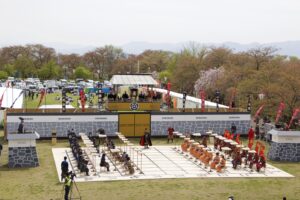
- Tendo, Yamagata: Japan’s Shogi Capital — Human Chess, Master Craftsmen & Cherry Blossoms
- Shinjo Festival, Yamagata: Japan’s UNESCO Float Festival Few Foreigners Ever See
- Ginzan Onsen: Japan’s Most Enchanting Hot Spring Village in Yamagata
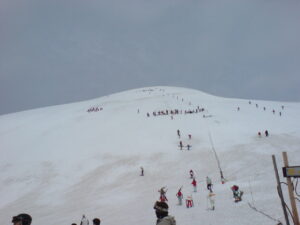
- Gassan Ski Resort, Yamagata: Skiing Into Summer on Japan’s Sacred Mountain
- Kaminoyama Onsen, Yamagata: Japan’s Most Complete Hidden Hot Spring Town — Complete Guide
Final Thoughts
Cherry picking in Yamagata is one of those experiences that sounds almost too simple to justify a trip to a remote Japanese prefecture — and then you eat your first Beni Shuho off the tree and immediately understand. The combination of world-class fruit, spectacular mountain scenery, and the genuine warmth of Yamagata’s farming communities makes this one of Tohoku’s most joyful summer experiences. Come in late June or early July, come hungry, and come ready to be converted into a lifelong Yamagata cherry devotee.
Got questions about planning your Tohoku trip, or spotted something we missed? We’d love to hear from you — drop us a message here.


コメント