Imagine arriving at a harbor where the smell of the ocean mingles with the aroma of soy-simmered seafood, where fishing boats line up like a colorful fleet from another era, and where every meal feels like a celebration of the sea. That’s Kesennuma — a city that’s been quietly feeding Japan’s finest restaurants for generations, yet remains almost completely unknown to foreign visitors. Tucked into Miyagi Prefecture’s dramatic rias coastline, this tenacious fishing city is equal parts adventure and inspiration, a place where you’ll eat the freshest seafood of your life, understand Japan’s relationship with the ocean, and witness one of the most extraordinary stories of resilience and rebirth in modern Japanese history.
Why Kesennuma Should Be on Every Japan Itinerary
Kesennuma sits at the southern tip of the Sanriku Rias Coast — one of Japan’s most geographically dramatic coastlines, where the land and sea have folded together over millennia to create a labyrinth of deep, sheltered bays, jagged headlands, and offshore islands. The result is a natural harbor of extraordinary productivity: the Oyashio Current sweeps cold, nutrient-rich water down from the north, colliding with the warmer Kuroshio Current nearby, creating one of the richest fishing grounds on the planet.
This oceanic abundance has shaped Kesennuma’s identity for centuries. The city is Japan’s second-largest shark landing port and the country’s top processor of shark fin — yet it also lands some of the freshest skipjack tuna, swordfish, Atlantic bluefin, squid, oysters, and sea urchin you’ll ever encounter. Unlike many Japanese tourist destinations that have polished themselves into postcard perfection, Kesennuma retains a raw, working authenticity that food-focused travelers from America and Australia will find absolutely thrilling. You can watch enormous vessels unload their catch at dawn, step into a portside market that smells of brine and possibility, then sit down to a kaisendon — a seafood rice bowl — so fresh it almost seems alive.
But Kesennuma is more than just a food destination. On March 11, 2011, this city was devastated by the Great East Japan Earthquake and the tsunami that followed. More than 1,000 residents lost their lives. The city was rebuilding from almost nothing — and yet, within a decade, Kesennuma has come back stronger, smarter, and more beautiful than before. Visiting here means participating in that story. You’ll see what genuine community resilience looks like, and you’ll leave with a deeper understanding of Japan’s unshakeable spirit.
Getting There from Tokyo
Kesennuma is about 350 kilometers (215 miles) from Tokyo — a journey that has become much more manageable since the extension of the Tohoku Shinkansen to Ichinoseki and the development of regional connections.
- Shinkansen + Local Train (Recommended): Take the Tohoku Shinkansen from Tokyo to Ichinoseki (about 2 hours, ¥12,000–¥14,000 / ~$80–$95 with reserved seat). Transfer to the JR Ofunato Line to Kesennuma (about 1.5 hours, ¥1,520 / ~$10). Total journey: approximately 3.5 hours. The JR Pass covers both segments.
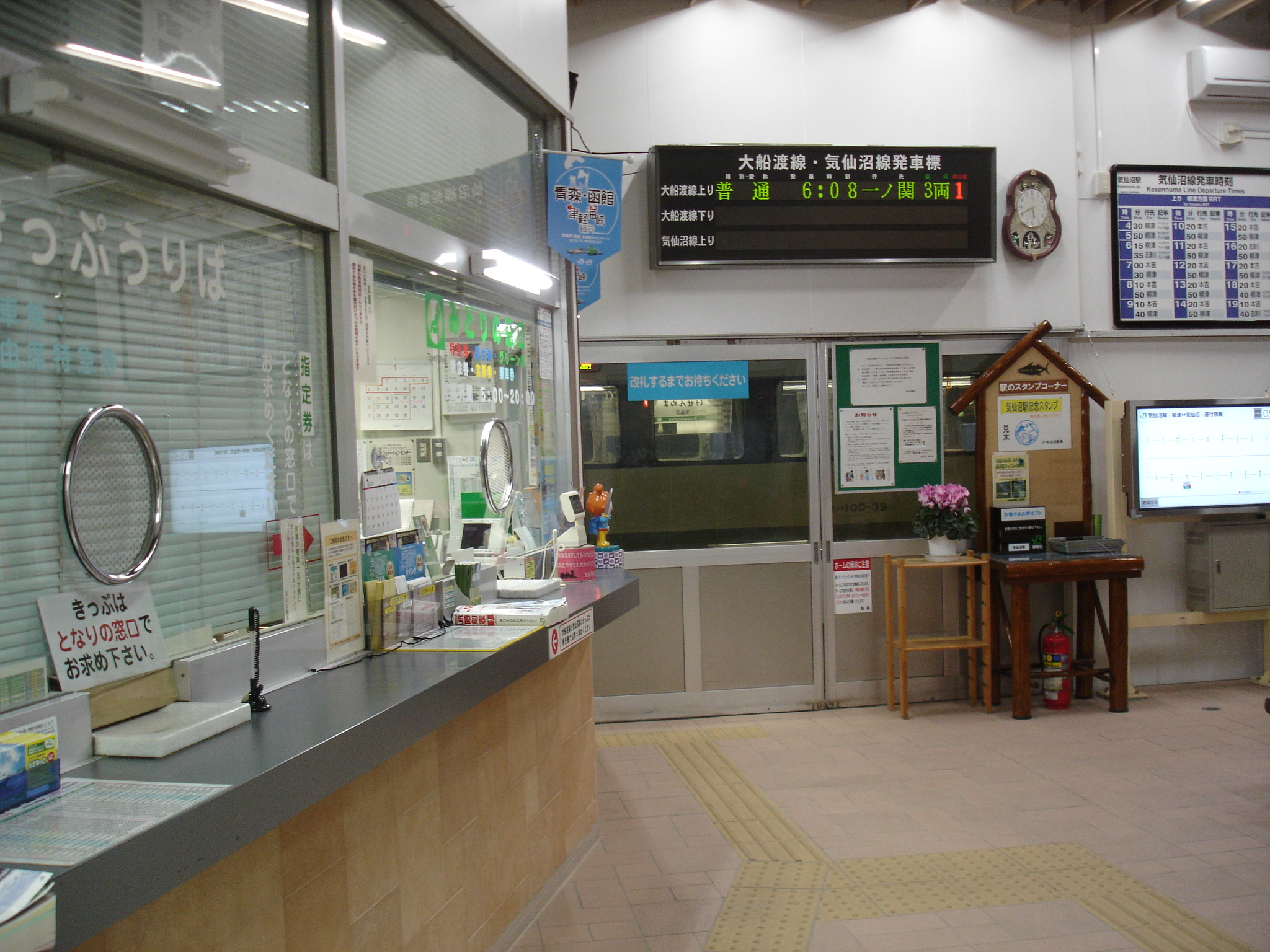
- Shinkansen via Sendai + BRT: Take the Shinkansen to Sendai (about 1.5 hours), then transfer to the Senseki Line to Ishinomaki, and finally the Kesennuma Line BRT (Bus Rapid Transit) to Kesennuma. This route takes around 4 hours total but passes through stunning coastal scenery along the BRT section.
- Highway Bus: Direct overnight buses from Tokyo (Shinjuku) to Kesennuma take about 6–7 hours and cost approximately ¥5,000–¥8,000 ($33–$53) one way. A budget-friendly option if you don’t mind overnight travel.
- Rental Car from Sendai: About 2 hours along the Sanriku Expressway (free in some sections as part of tsunami recovery measures). Driving gives you the most flexibility to explore the rias coastline and is highly recommended if you’re combining Kesennuma with other Sanriku destinations.
The JR Pass covers both Shinkansen segments and the Ofunato Line, making Kesennuma a fully JR Pass-compatible destination from Tokyo.
Kesennuma’s Seafood Markets: Where Japan Eats
The heart of Kesennuma is its fishing port and the morning market culture that surrounds it. Every morning — including weekends — the docks come alive with activity as trawlers and longliners return from the deep. The Kesennuma Central Wholesale Market (気仙沼魚市場) is one of Japan’s most active, handling everything from locally-caught squid to swordfish that have crossed thousands of miles of Pacific ocean.
For visitors, the best entry point is the Kesennuma Pier (気仙沼港) district, rebuilt and modernized after the 2011 disaster but retaining the raw energy of a genuine working port. The Uminoichi Market (海の市) near the waterfront is the ideal starting place — a covered market complex with fresh seafood stalls, a restaurant floor, and an attached shark museum called Sharkfinnia. Arrive by 7 a.m. on a weekday to catch the busiest activity and watch vendors prepare the day’s catch.
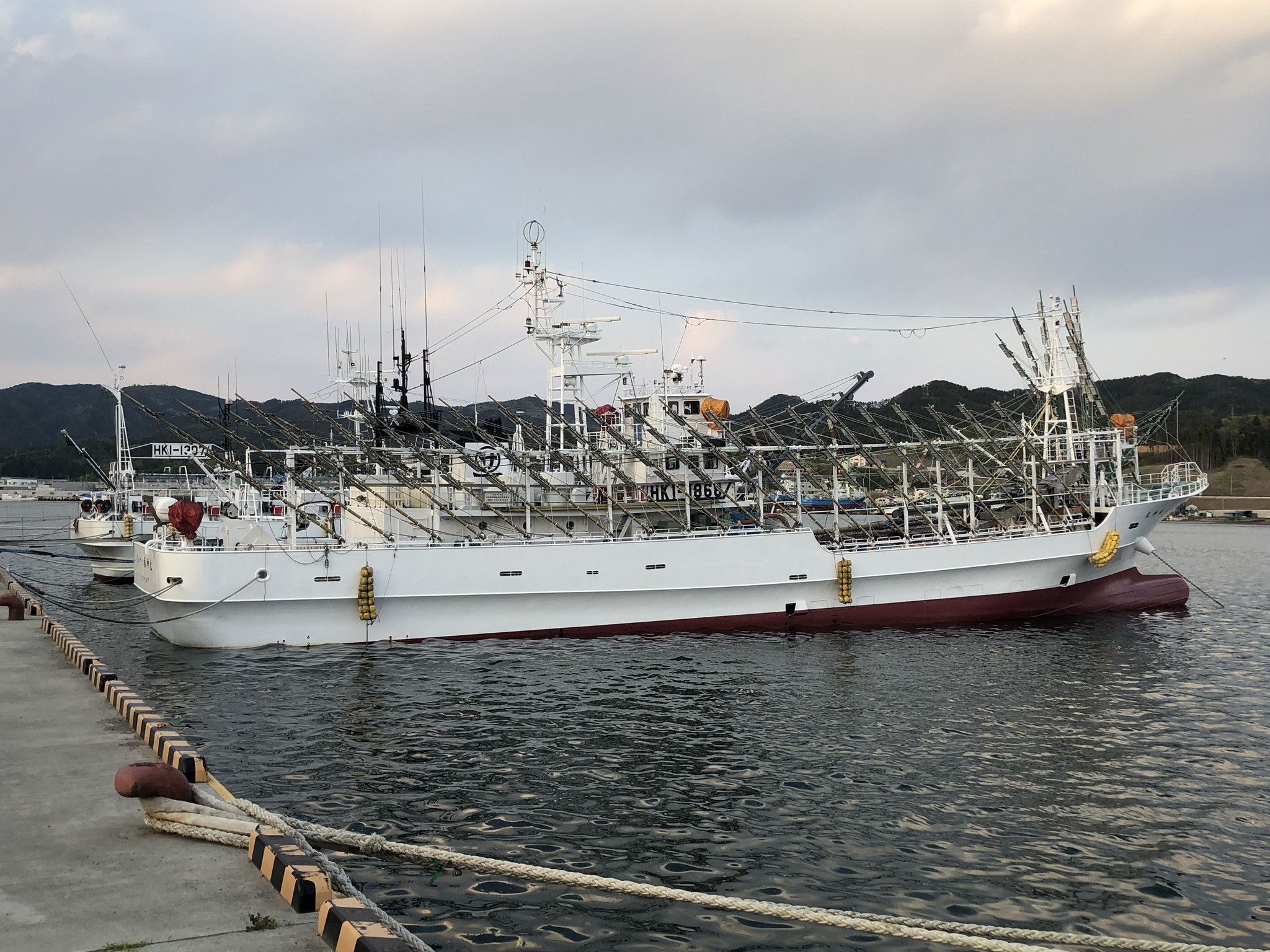
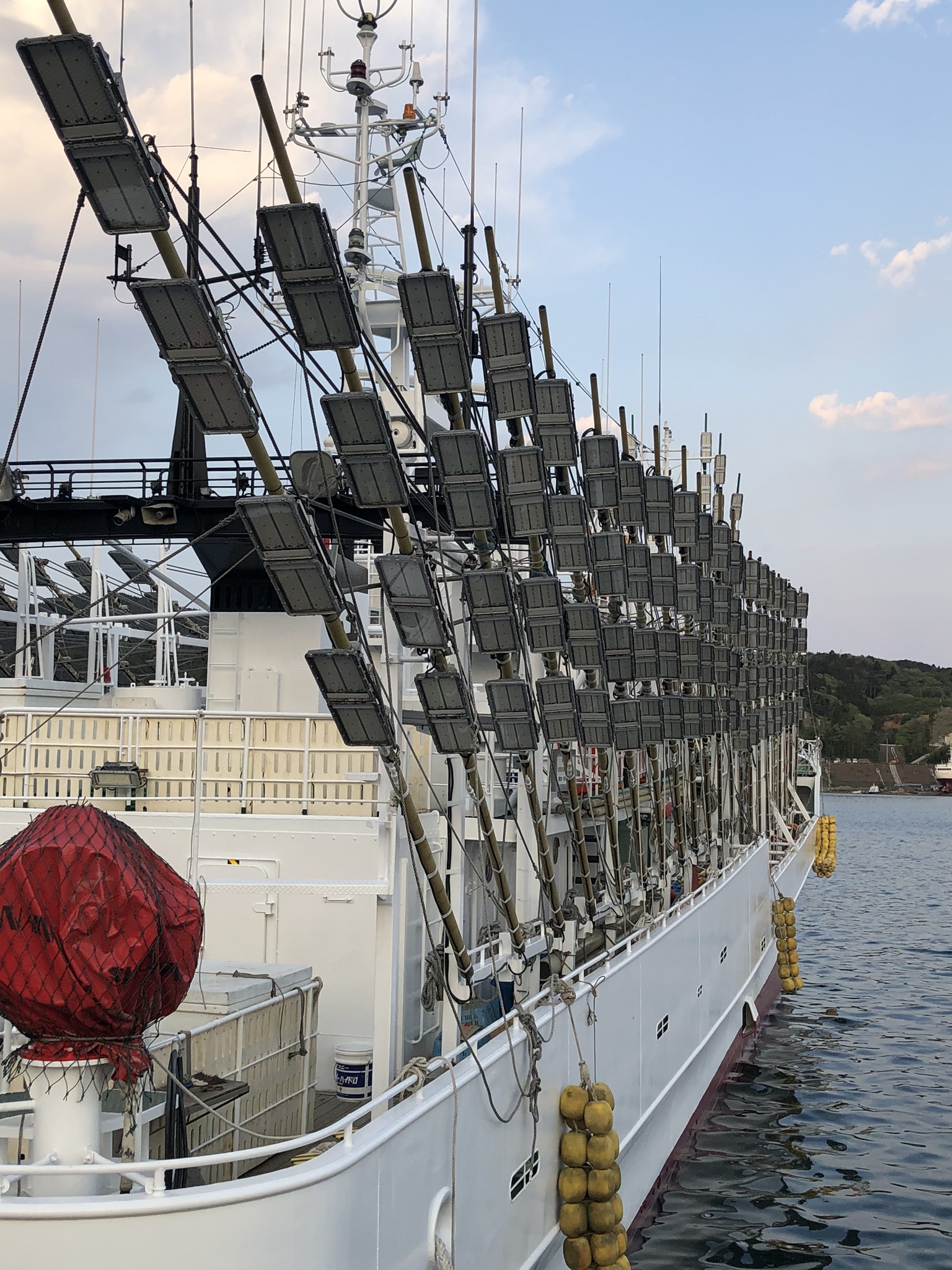
Kesennuma’s most iconic product is its squid (サンマ-level local celebrity here). The city has been Japan’s leading squid-processing city for over a century, and “Kesennuma squid” (気仙沼するめいか) is sold dried, simmered, pickled, and fresh across Japan. During squid season (July–October), the harbor illuminates with the brilliant lights of squid-fishing boats that attract the cephalopods to the surface at night — a sight unlike anything you’ll see anywhere else in the world. From the hillside overlooking the bay, the glowing fleet creates an otherworldly panorama that has been photographed and celebrated by Japanese travel writers for generations.
Alongside squid, you’ll find exceptional oysters from the surrounding bays (at their peak in winter, January–March), fresh skipjack tuna (bonito), swordfish, Pacific bluefin tuna, and abalone. The restaurant at Uminoichi offers all of these in combination kaisendon bowls ranging from ¥1,500–¥3,500 ($10–$24) depending on size and selection — remarkable value for fish of this caliber.
The Resilience Story: Understanding Post-2011 Kesennuma
No visit to Kesennuma is complete without engaging with the history of March 11, 2011. When the magnitude 9.0 earthquake struck and the subsequent tsunami waves — some reaching 10 meters (33 feet) or more — surged inland, they swept away entire neighborhoods, boats, and lives. The city’s fishing infrastructure, which had taken generations to build, was gone in minutes.
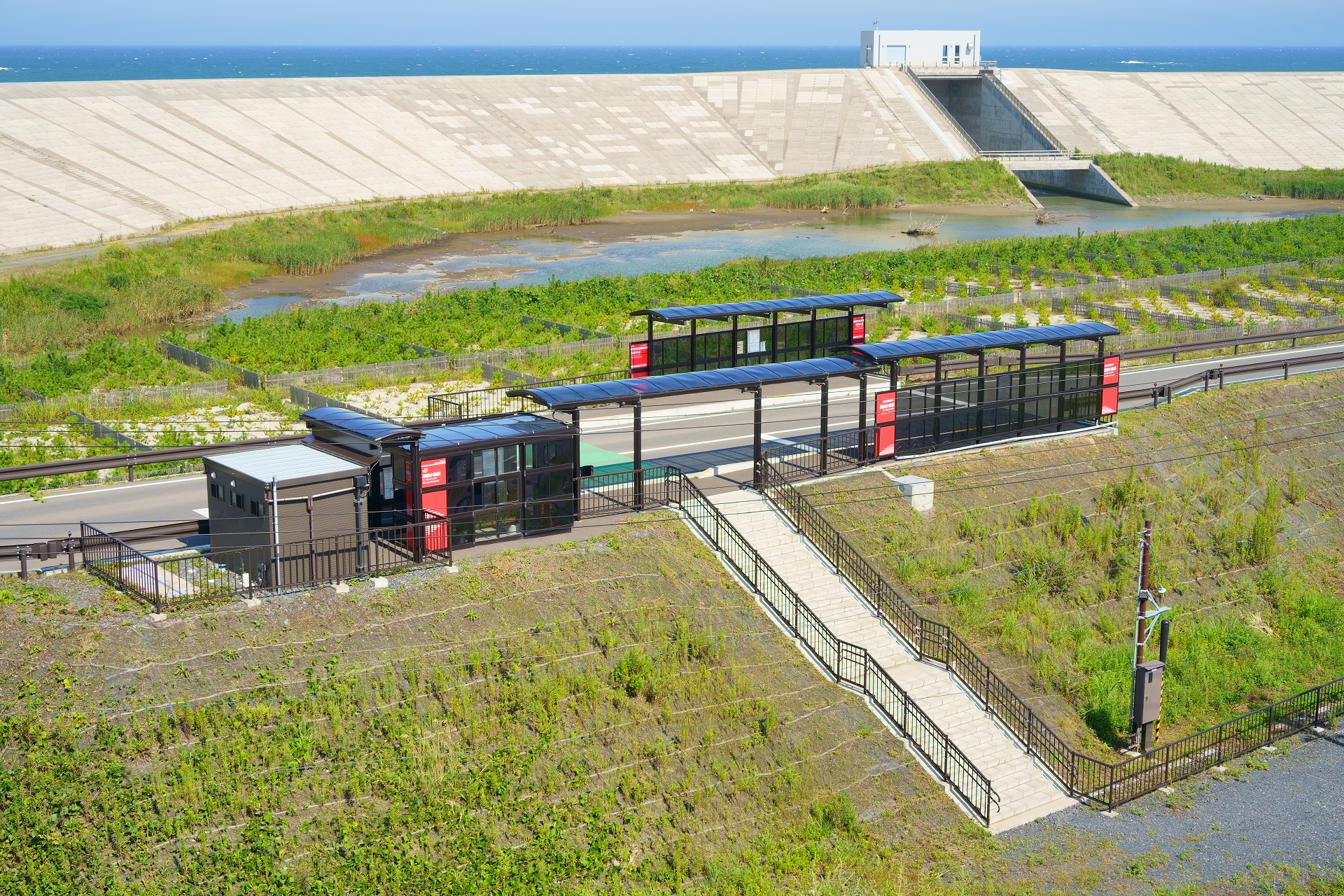
What followed was extraordinary. Rather than simply rebuilding what existed before, Kesennuma rethought itself. The rebuilt waterfront district elevated the land by up to 8 meters (26 feet) in some areas, creating new seawall systems and flood-resistant infrastructure. The fishing industry returned, the market reopened, and new businesses — many led by young entrepreneurs — emerged. Today, Kesennuma is considered one of the most successful rebuilding stories from the 2011 disaster.
The Kesennuma Earthquake Memorial Museum provides deeply moving context for the disaster and recovery, with exhibits in both Japanese and English. Photographs, personal testimonies, and architectural models explain what was lost and what was rebuilt. It’s not a sad place — it’s an inspiring one, filled with evidence of community, cooperation, and hope. Allow at least two hours here, and bring tissues. Many visitors leave with a completely different understanding of disaster preparedness, Japanese community bonds, and the human capacity for rebuilding.
Throughout the city, tsunami markers indicate how high the water reached — sometimes on the second or third floors of surviving buildings. These quiet reminders invite reflection. Walking the reconstructed waterfront, you understand that every modern building you see was built after 2011 — and that the people who built it chose to stay and fight for their city.
Oshima Island: Miyagi’s Largest Island Just 15 Minutes Away
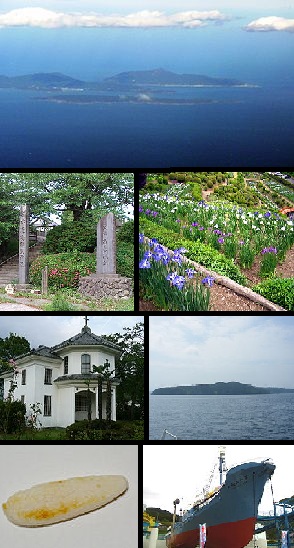
A short ferry ride (about 15 minutes, ¥460 / ~$3 each way) from Kesennuma Port will take you to Oshima Island (大島), the largest island in Miyagi Prefecture and one of the Sanriku coast’s most beautiful natural escapes. With a circumference of about 21 kilometers (13 miles), Oshima is small enough to explore by bicycle (rentals available near the ferry dock) but diverse enough to fill a full day.
The island’s signature attraction is the Kame Rock (亀岩) on the eastern coast — a natural stone formation that resembles an enormous turtle emerging from the sea. The coastal walking path around the island’s perimeter offers dramatic views of the rias coastline, offshore rock formations, and on clear days, views all the way to the mountains of Iwate Prefecture. The island’s interior is covered with camellia trees that bloom spectacularly from February through April, and the famous Camellia Forest Path is worth seeking out even when the flowers aren’t in bloom.
Oshima also has excellent swimming beaches (the water is surprisingly clear for northeastern Japan), small fishing hamlets where time seems to move at a different pace, and a handful of restaurants serving the island’s specialty: grilled oysters fresh from the surrounding bays. In 2019, a new bridge connecting Oshima to the mainland opened — but taking the ferry is much more fun and gives you a better sense of the island’s traditional character.
Best Time to Visit
- Spring (March–May): Camellia season on Oshima peaks in February-March. By late April, cherry blossoms appear throughout the city. Seafood is excellent, with oysters still available through early spring and skipjack tuna arriving in May. Temperatures are mild: 10–18°C (50–64°F). The port begins buzzing with seasonal fishermen.
- Summer (June–August): This is when Kesennuma truly comes alive. July marks the start of squid season, and the illuminated fishing fleet becomes one of Tohoku’s most remarkable summer sights. The annual Kesennuma Port Festival (気仙沼みなとまつり) in August features spectacular fireworks over the harbor. Average temperatures reach 25–28°C (77–82°F) — comfortable by Japanese summer standards. Sea turtle season begins; the Kesennuma Oceanic Museum is at its most active.
- Autumn (September–November): Arguably the best time. Squid season peaks through September, the autumn foliage in the surrounding hills provides beautiful color from October, and the seafood calendar expands to include Pacific saury (sanma) — a Kesennuma specialty that’s celebrated with its own festival. October’s Kesennuma Saury Festival (サンマフェスティバル) is one of Tohoku’s most beloved autumn food events, drawing visitors from across Japan for enormous outdoor grills and spectacular fresh-caught sanma.
- Winter (December–February): The quietest season, but oyster lovers should know: this is peak oyster season. Kesennuma’s oysters — raised in the clean, cold bays surrounding the rias coastline — reach their most concentrated, flavor-packed best from December through March. The city is cold (temperatures drop to 0–8°C / 32–46°F), but the oyster shacks are warm, friendly, and serving up one of Japan’s great winter pleasures.
Where to Eat: Kesennuma Food Guide
Kesennuma is a food city first and foremost. The quality of the seafood here is extraordinary — many of the best sushi restaurants in Tokyo source from Kesennuma — and the local restaurants serve it without ceremony or pretension, just maximum freshness and flavor.
Uminoichi (海の市)
The essential first stop. This combined market and restaurant complex on the waterfront has a restaurant floor where you can assemble your own kaisendon from a rotating selection of the day’s freshest catch. Choose from sushi-grade skipjack, sea urchin, salmon, squid, oysters, and more — the bowls are assembled to order and cost ¥1,500–¥3,500 ($10–$24) depending on your selection. The ground floor market sells dried seafood products, Kesennuma shark fin in various forms, and local snacks ideal for gifts. Opening hours: 9:00–18:00 daily. The restaurant floor opens at 10:00.
Moguran (もぐらん)
A beloved local izakaya near the port that specializes in grilled seafood — particularly squid, oysters, and the seasonal catch — served with cold Miyagi draft beer. The food is simple, generous, and deeply satisfying. Expect to pay ¥2,000–¥4,000 ($13–$27) per person for a full meal with drinks. It’s the kind of place that fills up with fishermen and office workers shoulder-to-shoulder, and where the conversation is lively and the atmosphere warm. No English menu, but pointing works perfectly here — just look at what neighboring tables are eating.
Kesennuma Seafood Restaurants on Hashigui Street
The portside area near the main pier is lined with small restaurants specializing in the city’s signature ingredient: skipjack tuna (katsuobushi). Kesennuma is famous for its bonito tataki — raw or lightly seared skipjack, finished with a flame-charred exterior for a smoky depth that’s unlike anything you’ll taste elsewhere. Prices range from ¥1,000–¥2,500 ($7–$17) for a full tataki set. The staff at most restaurants near the port have some experience with non-Japanese guests, and visual menus with photographs make ordering straightforward.
Saury Season Special: Fresh Grilled Pacific Saury
If you’re visiting in September or October, you must try fresh Pacific saury (sanma, 秋刀魚) in Kesennuma. This oily, rich, intensely flavored fish is grilled whole over charcoal and served with grated daikon radish and a squeeze of lemon — one of Japan’s great autumn dishes. In Kesennuma, where the fish is landed hours before it appears on your plate, it reaches a depth of flavor impossible to replicate anywhere else. Simple portside restaurants serve whole grilled sanma for ¥500–¥800 ($3.50–$5.50) per fish during the season, making it one of Japan’s most extraordinary food experiences at an almost unbelievably low price.
Where to Stay
Budget (Under ¥8,000 / $55 per night)
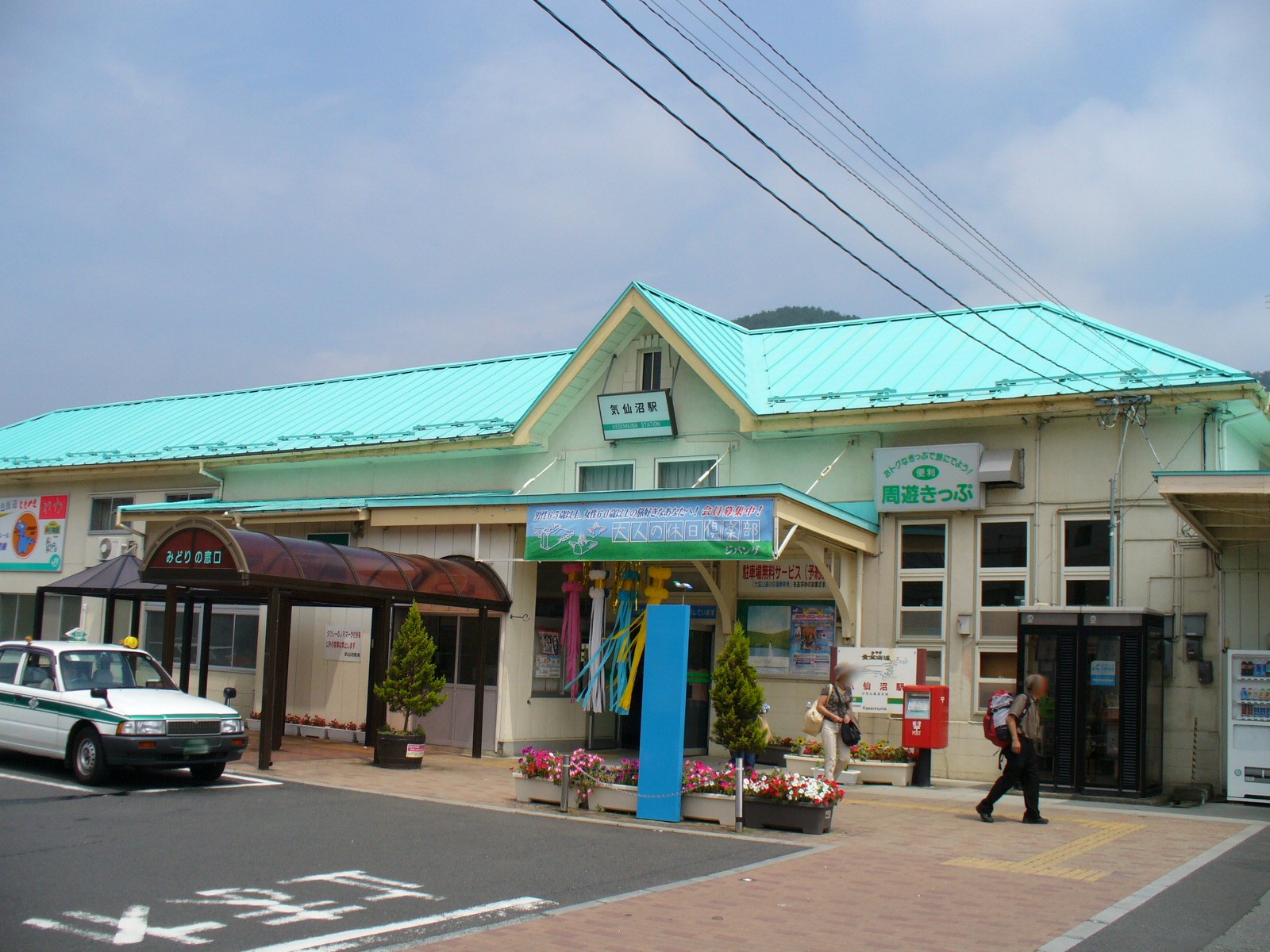
Several guesthouses and simple business hotels near Kesennuma Station offer clean, comfortable accommodation from ¥4,000–¥7,000 ($27–$47) per night. These are excellent options for travelers prioritizing the food and experience over accommodation luxury — which in Kesennuma is the correct priority. The Kesennuma Station area guesthouses are a 5–10 minute walk from the port and market district.
Mid-Range (¥8,000–¥20,000 / $55–$135)
Hotel Kesennuma Hills offers harbor views and comfortable rooms from around ¥10,000–¥15,000 ($67–$100) per night including breakfast. The breakfast features local seafood — a very good reason to stay here over a more budget option. Kangiku Ryokan near the port offers a traditional inn experience with dinner and breakfast included (both featuring fresh local seafood) from ¥15,000–¥20,000 ($100–$135) per person.
Luxury (¥20,000+ / $135+)
For a premium experience, some of the onsen-equipped ryokans in the surrounding mountains — particularly around the Shishiori hot spring area — offer a combination of mountain relaxation and access to Kesennuma’s port cuisine. These properties typically include elaborate kaiseki dinners featuring the day’s catch. Budget ¥25,000–¥40,000 ($167–$267) per person for the full experience.
Practical Tips for Visiting Kesennuma
- Arrive early: The port market is most active between 6:00–9:00 a.m. on weekdays. Arriving late means missing the best activity — and sometimes the best seafood.
- Cash is important: While larger establishments accept credit cards, most port-side market stalls, small restaurants, and ferry services are cash-only. Keep ¥10,000–¥20,000 in cash accessible. The 7-Eleven near the station has an international ATM.
- Seafood allergies: This city lives and breathes seafood. If you have shellfish or fish allergies, Kesennuma will be challenging — notify restaurant staff before ordering, as cross-contamination is virtually guaranteed in this environment.
- English: Limited but improving. The Uminoichi market complex has some English signage, and the Earthquake Memorial Museum has English exhibits. Download the Google Translate app with Japanese camera recognition enabled — it’s invaluable for menus and signs.
- Squid season timing: If the illuminated squid fleet is a priority, visit between July and October. The spectacle is weather-dependent — ask locally which evenings are best for viewing from the hillside.
- Oshima ferry: The ferry runs regularly from Kesennuma Port. Check the schedule on arrival as times vary seasonally. Last ferry back is usually around 5:30–6:00 p.m.
- Combine with Minamisanriku: Just 30–40 minutes south by bus or car, Minamisanriku offers another dimension of the Sanriku tsunami recovery story and excellent seafood. The Saito Fisheries market there is outstanding.
- Saury Festival dates: The Kesennuma Saury Festival typically runs for two days in early October. Check the official city website (Japanese only) or contact Kesennuma City Tourism for exact dates, as they vary year to year.
- Bicycle rentals: Available near the station and on Oshima Island. The port area and city center are flat and very bikeable, making cycling an excellent way to explore at your own pace.
- Photography: The squid boat lights at night are a spectacle — bring a tripod and a wide-angle lens for the best results. Sunrise at the port is also extraordinary, with the fishing boats returning and the mountains in the background turning pink.
Sample 2-Day Kesennuma Itinerary
Day 1: The Port, Markets & Resilience
6:30 a.m.: Arrive at Kesennuma Port to watch the fishing boats return from the night’s work. The energy here in the early morning — the shouts of the dockhands, the smell of fresh fish, the clanking of ice — is extraordinary. 7:30 a.m.: Breakfast at a simple port-side eatery (many open by 7:00 for workers) — a bowl of miso soup with fresh seafood or a katsuobushi donburi. 9:00 a.m.: Uminoichi Market opens — browse the stalls, buy some dried squid or other local products, and plan your kaisendon lunch. 10:00 a.m.: Sharkfinnia Museum inside the Uminoichi complex — an English-friendly introduction to the city’s shark fin industry, sea turtle conservation program, and marine history. 12:00 p.m.: Kaisendon lunch at Uminoichi Restaurant. 2:00 p.m.: Kesennuma Earthquake Memorial Museum — allow 2 hours for a thorough visit. 4:30 p.m.: Walk the reconstructed waterfront, noting the tsunami markers and the modern reconstruction architecture. 6:30 p.m.: Izakaya dinner near the port — grilled squid, oysters, local sake and beer. 8:00 p.m. (July–October): Take a taxi or walk to a hilltop viewpoint to see the illuminated squid fishing fleet on the bay.
Day 2: Oshima Island & Coastal Exploration
8:00 a.m.: Ferry to Oshima Island from Kesennuma Port (15 minutes, ¥460 / ~$3). 8:30 a.m.–12:30 p.m.: Explore Oshima by bicycle — the camellia forest path, the Kame Rock coastal formation, and the eastern walking trail with views across the rias. Stop at a small fishing hamlet for coffee or tea. 12:30 p.m.: Lunch at one of Oshima’s small restaurants — grilled oysters and fresh sashimi with a view. 2:30 p.m.: Return ferry to Kesennuma. 3:00 p.m.: Explore the rebuilt city center and the port wholesale market area — pick up gifts at local shops specializing in Kesennuma marine products. 5:00 p.m.: Relax at your accommodation before a final dinner of the best seafood you’ve had on your entire Japan trip. 8:00 p.m.: Depart or stay a third night — you’ll want to.
Related Articles You Might Enjoy
- Minamisanriku, Miyagi: Japan’s Most Moving Resilience Destination & World-Class Seafood
- Sendai Station Area Food Guide: Beef Tongue, Morning Market & Sushi in Miyagi
- Miyagikyo Distillery: The Complete Guide to Nikka’s Whisky Sanctuary Near Sendai
- Sendai Gyutan: The Complete Guide to Japan’s Most Iconic Beef Tongue Experience
- Vegetarian & Vegan Guide to Eating in Tohoku: Tips, Restaurants & Essential Phrases
Final Thoughts
Kesennuma doesn’t make it easy to find. There’s no bullet train station, no UNESCO heritage site, no towering landmark to draw crowds. What it has instead is something far more valuable: genuine authenticity, extraordinary seafood, and a community whose determination and spirit will genuinely move you. In a Japan increasingly crowded with picture-perfect tourist experiences, Kesennuma feels like a discovery — a place that still belongs to the people who live and work there, and where visitors are welcomed as guests rather than processed as numbers.
Whether you come for the dawn fish market, the illuminated squid fleet, the grilled saury in autumn, or simply to eat the freshest kaisendon of your life on a dock overlooking a rias bay that looks like it fell from a Japanese woodblock print, Kesennuma will give you a story you’ll tell for years. Go. The fish is waiting.
Got questions about planning your Tohoku trip, or spotted something we missed? We’d love to hear from you — drop us a message here.


コメント