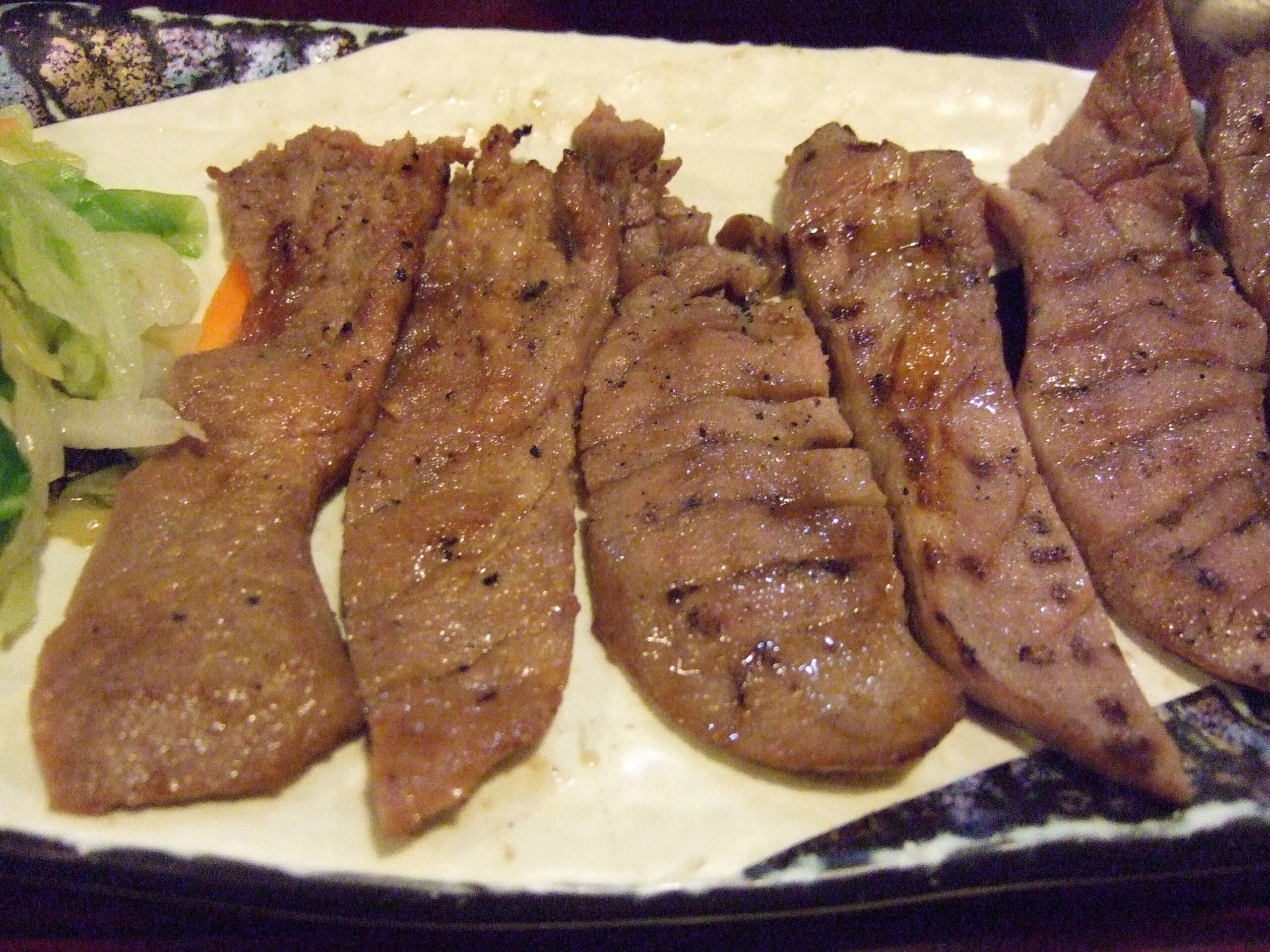
Imagine sitting down to a plate of perfectly charcoal-grilled beef tongue, paper-thin slices sizzling and fragrant, served alongside a rich oxtail soup and a bowl of nutty barley rice. This is gyutan — Sendai’s most beloved culinary gift to the world, and a dish so good that visitors regularly plan entire Japan trips around eating it. If you haven’t tasted gyutan in Sendai, you haven’t truly experienced Tohoku.
Why Sendai’s Beef Tongue Is Unmissable
Gyutan (牛タン) literally means “beef tongue” in Japanese, and while you can find it all over Japan, Sendai is its undisputed capital. The city’s gyutan culture is so deeply embedded in local identity that restaurants devoted to it line entire streets near the train station, and locals get genuinely passionate when comparing their favourite spots. This isn’t just a tourist gimmick — gyutan is a daily comfort food in Sendai, eaten by salary workers on their lunch break and families celebrating special occasions alike.
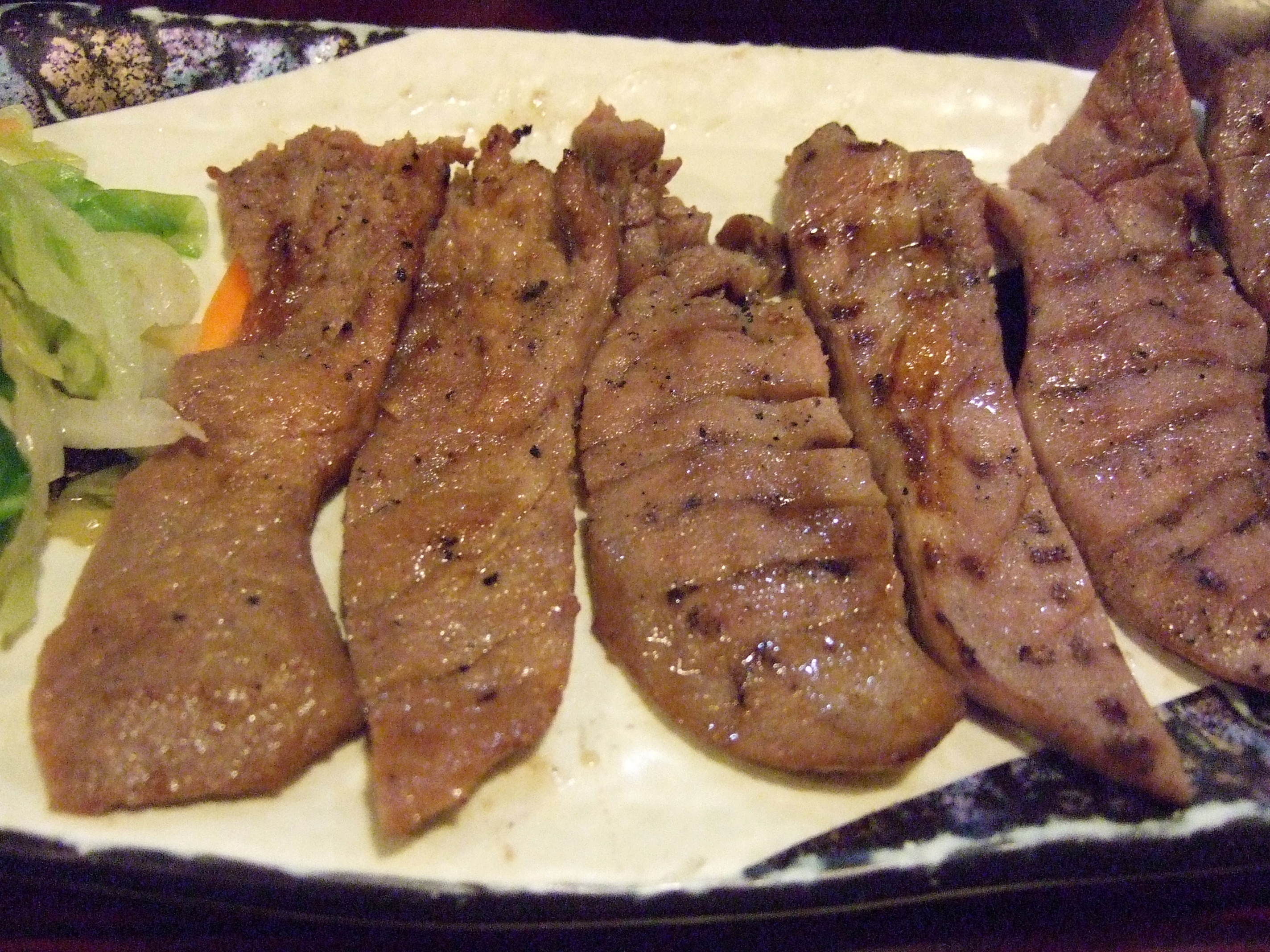
What makes Sendai gyutan so special? It comes down to the cooking technique and the quality of the cut. Sendai chefs select thicker cuts of tongue than you’d find elsewhere, then grill them over high-heat charcoal (bincho-tan) until the outside is perfectly caramelised and the inside remains juicy and tender. The seasoning is deceptively simple — good salt — which lets the natural richness of the beef shine through. The result is nothing like the tough, rubbery tongue you might have encountered elsewhere. This is melt-in-your-mouth, deeply savoury, smoke-kissed perfection.
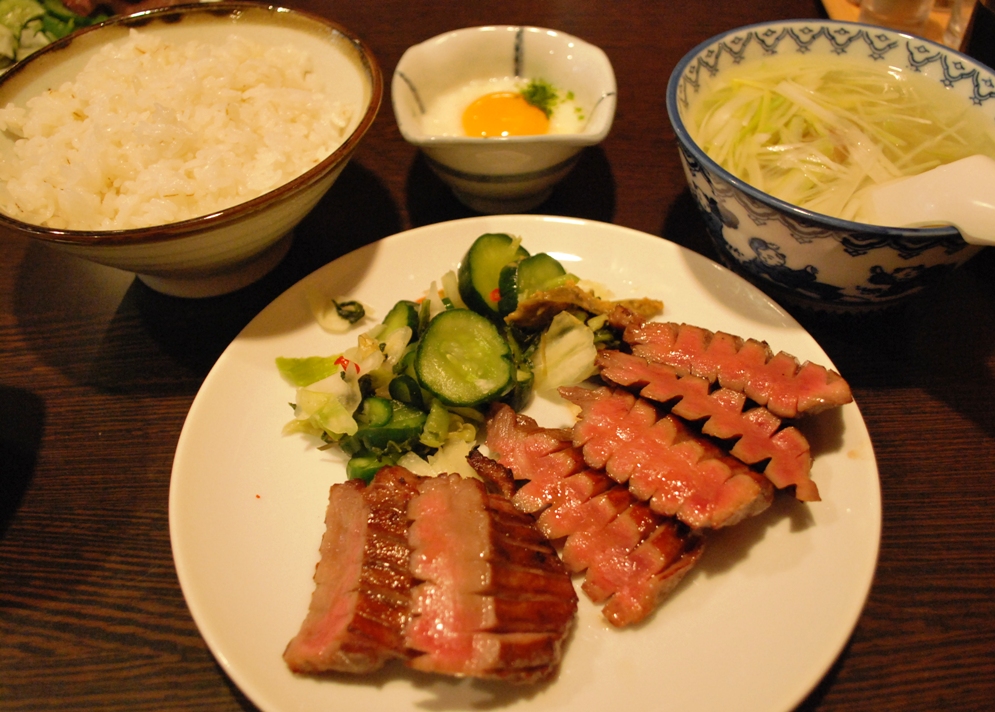
Beyond the flavour, gyutan in Sendai always comes as a carefully balanced meal. The standard teishoku (set meal) includes the grilled tongue, a bowl of kichiku (oxtail and vegetable stew), barley rice (mugimeshi, which adds a pleasant chewiness), and tsukemono (pickled vegetables). Every element serves a purpose. The oxtail soup warms you from the inside. The barley rice provides a textural contrast. The pickles cut through the richness. It’s a complete, satisfying, and profoundly Japanese dining experience.
The Story Behind Sendai’s Most Famous Dish
Every great regional dish has an origin story, and gyutan’s is surprisingly modern. In 1948, just a few years after World War II ended, a chef named Sano Keishiro opened a small yakitori restaurant in Sendai called Tasuke. At the time, Japan was still recovering from wartime food shortages, and resourceful cooks were finding ways to use every part of an animal. Sano noticed that American occupation soldiers were eating the muscle portions of beef but largely ignoring the tongue, which was considered offal by Western diners.
Rather than letting this protein go to waste, Sano experimented with different preparation methods. He tried marinating the tongue in sake and soy, grilling it over charcoal, and pairing it with local accompaniments. What emerged was something entirely new: a dish that drew on Japanese grilling traditions and flavour sensibilities but used an ingredient no Japanese restaurant had featured as a centrepiece before. Word spread quickly. Within years, other restaurants began serving their own versions, and by the 1970s, gyutan had become synonymous with Sendai.
Today, Tasuke still operates in Sendai, making it a pilgrimage destination for gyutan enthusiasts who want to taste where it all began. The restaurant hasn’t changed much — the dark wood interior, the sound of charcoal crackling, the same family recipes passed down through the generations. If you’re serious about gyutan history, start here.
Getting to Sendai from Tokyo
Sendai is one of the most accessible destinations in Tohoku, making it an easy and rewarding addition to any Japan itinerary — even on a tight schedule.
- Shinkansen (bullet train): The Tohoku Shinkansen runs frequently from Tokyo Station directly to Sendai Station. The fastest services (Hayabusa and Komachi) take about 1 hour 30 minutes. The more affordable Yamabiko services take around 1 hour 50 minutes to 2 hours. Fares range from approximately ¥11,000–¥13,500 ($75–$90) one-way. The Japan Rail Pass covers Shinkansen travel, making it excellent value if you’re combining Sendai with other Tohoku destinations.
- Highway bus: Multiple overnight coach services run from Tokyo to Sendai, taking approximately 5–6 hours. These cost around ¥3,000–¥5,000 ($20–$35) one-way and are a popular budget option, especially for overnight travel.
- Rental car: Driving from Tokyo takes around 3.5–4 hours via the Tohoku Expressway. This works well if you plan to explore the wider Tohoku region, but note that parking in central Sendai can be expensive.
Once in Sendai, the best gyutan restaurants are concentrated within a 10-minute walk of Sendai Station, meaning you don’t need any additional transport to start eating well. The famous “Gyutan-dori” (Beef Tongue Street) on the basement floor of the station’s S-PAL shopping complex alone hosts half a dozen excellent gyutan restaurants.
Understanding the Classic Gyutan Set Meal
If you’re new to gyutan dining, understanding what comes on the plate will help you get maximum enjoyment from the experience. Unlike many Japanese dishes, gyutan has a standardised set structure that almost every Sendai restaurant follows, with variations in quality, quantity, and side dishes.
The star of the show is the gyutan itself: grilled beef tongue slices, typically 3–8 slices per serving depending on the restaurant and price tier. The tongue is sliced to a precise thickness — thin enough to cook quickly and evenly over charcoal, but thick enough to maintain juiciness. Most restaurants season simply with salt; higher-end establishments use premium sea salt or rock salt sourced from specific Japanese regions. Some restaurants offer different preparations — milder marinated versions, spicier versions with added togarashi chilli, or thicker “special cuts” at a premium price.
Accompanying the tongue is kichiku or oxtail stew. This is made by simmering oxtail bones for hours until the collagen breaks down into a rich, sticky broth. Vegetables are added and the whole mixture becomes deeply savoury and almost medicinal in its richness. On a cold Tohoku winter day, this soup feels like the most comforting thing in the world.
Mugimeshi (barley rice) completes the set. Pure white rice is perfectly good, but barley rice has a nuttier flavour and pleasant chew that pairs better with the strong flavours of gyutan. Some restaurants mix their barley rice with a small amount of white rice for texture; others serve pure barley. Either way, resist the temptation to mix your sauces into the rice — savour each element separately first.
The Best Gyutan Restaurants in Sendai
Sendai has dozens of excellent gyutan restaurants, and the concentration near the train station means competition keeps quality high across the board. That said, these are the names that locals and experienced food travellers return to again and again.
Tasuke — The Original
The restaurant that started it all is still operating today, and while there are now multiple locations across Sendai, the original branch retains the atmosphere of a postwar izakaya that happened to change Japanese food history. The gyutan here is grilled the same way it has been for generations — over charcoal, seasoned with salt, served with the same oxtail soup recipe. Prices run approximately ¥2,500–¥4,000 ($17–$27) for a standard set. Booking ahead is recommended for dinner on weekends. Located in central Sendai near Kokubuncho, Sendai’s dining and entertainment district.
Rikyu — The Crowd Favourite
Rikyu is arguably the most famous gyutan restaurant chain in Sendai today, with multiple branches including a very convenient location in the basement of Sendai Station. The portions are generous, the quality is consistently excellent, and the wait times — which can stretch to 30 minutes or more at peak times — are widely considered worthwhile. Their signature charcoal-grilled gyutan set (¥2,800–¥4,500 / $19–$30) is a reliable introduction for first-timers. They also sell packaged gyutan for taking home, making Rikyu a popular last stop before the train back to Tokyo.
Date no Gyutan — Sendai Station Convenience
If you’re short on time and want excellent gyutan without leaving the station complex, Date no Gyutan on the B1 floor of Sendai Station is your answer. The name nods to Date Masamune, Sendai’s iconic feudal lord, and the restaurant leans into local pride with traditional decor and high-quality ingredients. Slightly more tourist-oriented than some locals prefer, but the food is genuinely good. Sets from ¥2,200 ($15).
Zen — For the Serious Enthusiast
Zen is where gyutan lovers go when they want the purist experience. This small, reservation-recommended restaurant in central Sendai uses only premium tongue cuts, dry-ages them before grilling, and offers a tasting-style menu that explores different parts of the tongue (the front of the tongue, the back, the root) as separate courses with different seasonings. This isn’t a budget option — sets start at around ¥5,000–¥8,000 ($34–$55) — but for anyone serious about understanding what makes gyutan great at its highest expression, Zen is revelatory.
Kikusui — Local Favourite with History
Not every great gyutan restaurant is near the station. Kikusui, located a short taxi ride from central Sendai, has been serving the same neighbourhood regulars for decades. The atmosphere is more local izakaya than tourist restaurant, and the prices reflect this — sets start at ¥1,800 ($12). This is where you come to understand what gyutan means to Sendai people on an everyday level, not just as a tourist experience.
Beyond Grilled Gyutan: The Full Beef Tongue Menu
While the classic salt-grilled gyutan teishoku is the essential Sendai experience, beef tongue is surprisingly versatile and shows up in other delicious forms around the city.
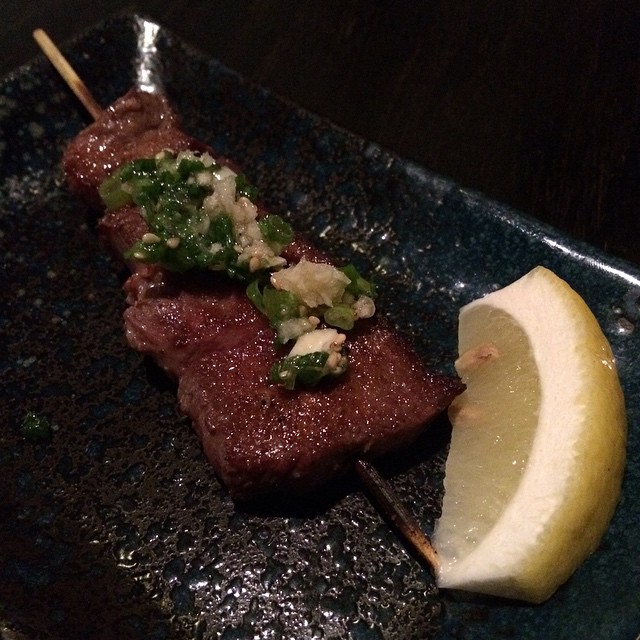
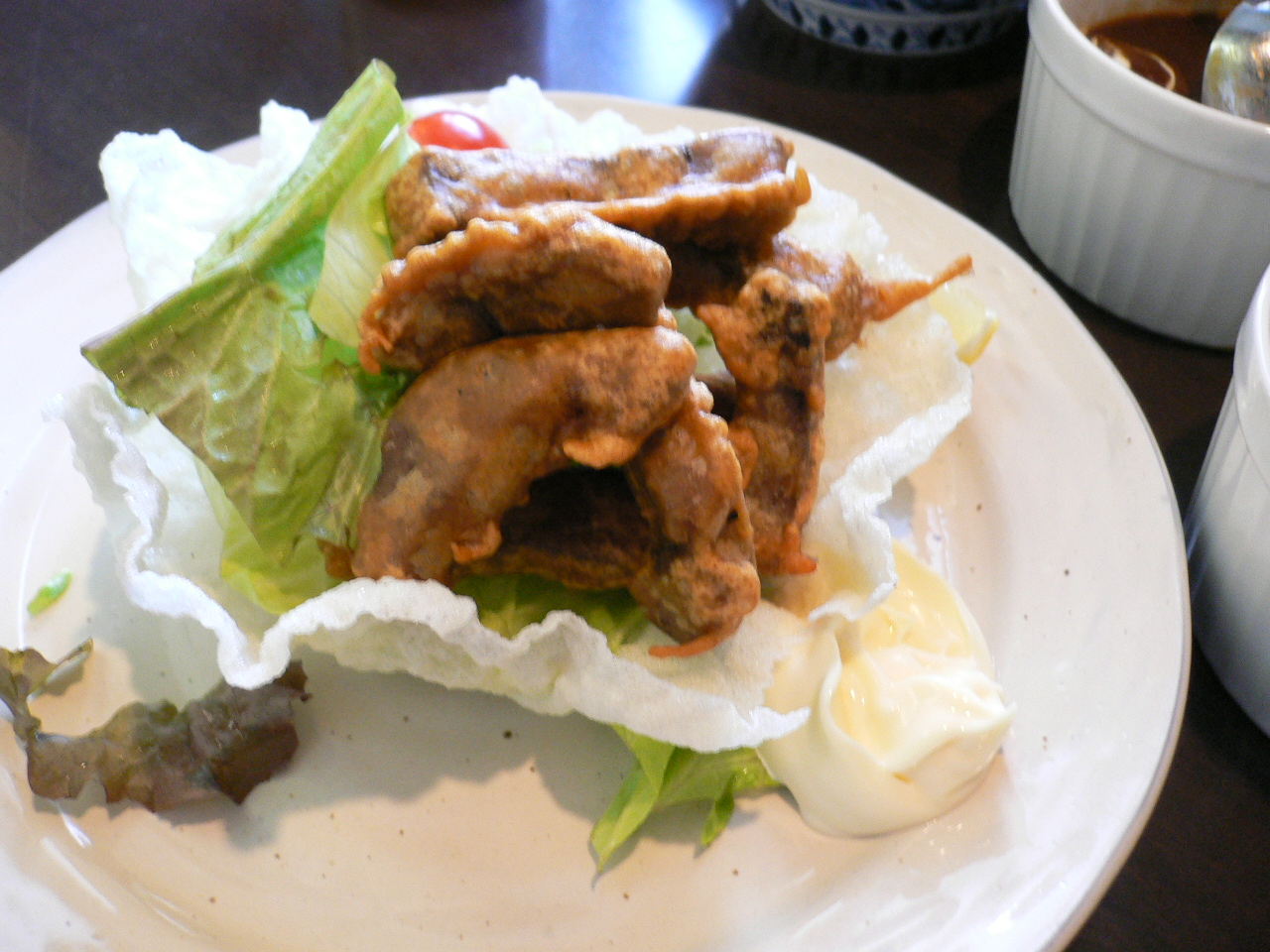
Gyutan karaage is deep-fried beef tongue marinated in a light batter, served as a bar snack or starter at many izakayas. The frying creates a crispy exterior while keeping the interior tender — it’s addictive, especially with cold beer. Gyutan stew appears on some menus as a winter special — braised tongue in a rich demi-glace sauce, served over rice or with bread in Western-influenced restaurants. Gyutan sushi can be found at some creative sushi bars in Sendai, where the tongue is lightly torched before being placed on vinegared rice, giving it a smoky char that works surprisingly well. Gyutan curry is a popular takeaway item in station shops — a rich, slow-cooked curry with sliced tongue that makes an excellent souvenir to bring back to friends at home.
If you visit a traditional gyutan restaurant for dinner rather than lunch, you’ll typically find a much wider menu beyond the set meal. Evening menus often include tongue sashimi (yes, raw tongue, sliced paper-thin and served with ponzu sauce — an acquired taste but highly regarded by connoisseurs), tongue yakiniku (cook-it-yourself style on a tabletop grill), and various tongue-based appetisers. Coming for dinner also means you can pair your meal with local sake or cold beer, which elevates the experience considerably.
Oxtail Soup: The Unsung Hero of Gyutan Culture
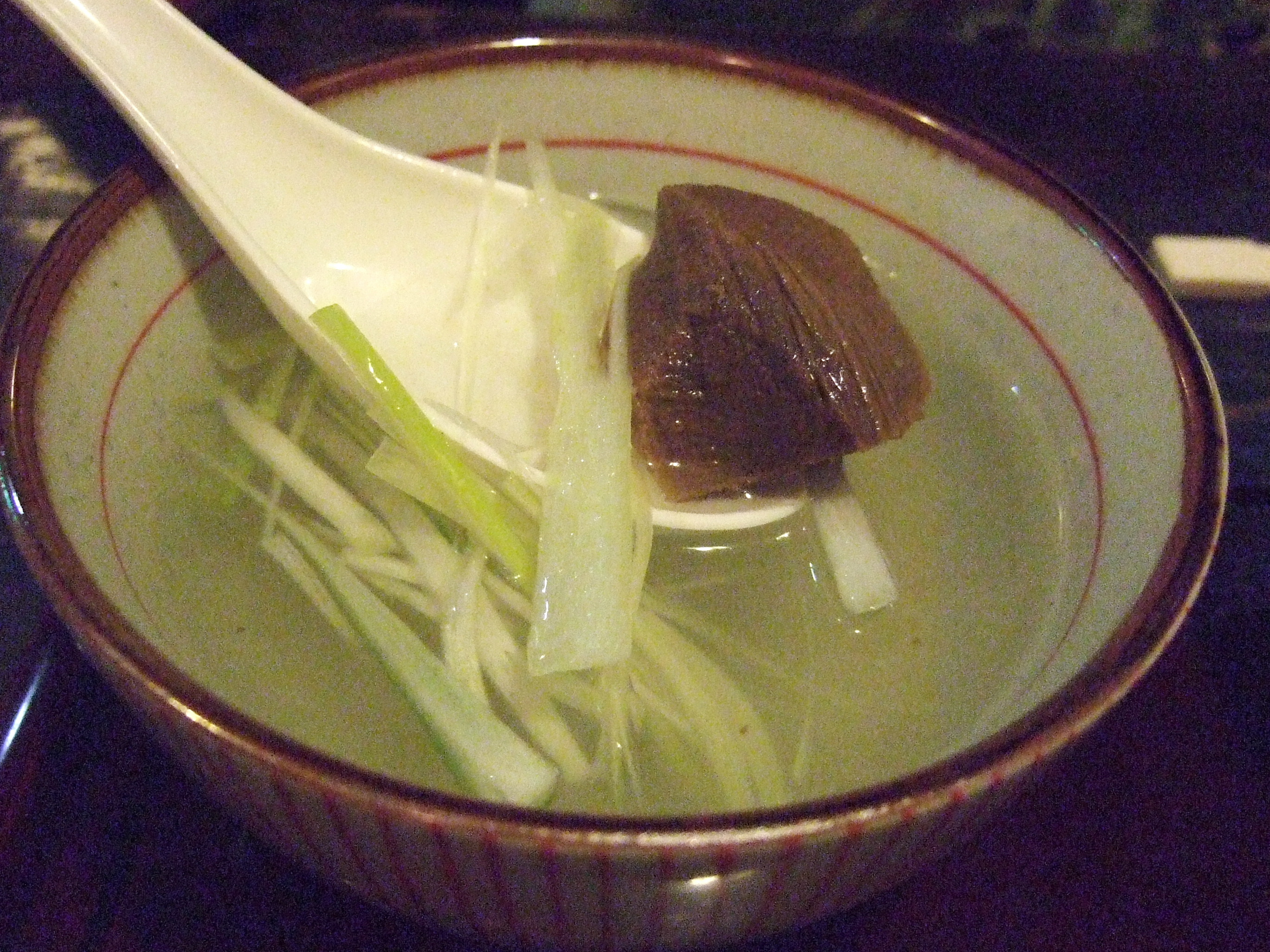
Don’t overlook the oxtail soup (kichiku, or simply “gyutan soup”) that comes with every set. Many visitors focus entirely on the grilled tongue and almost ignore the soup, treating it as an afterthought. This is a mistake. A well-made gyutan oxtail soup is extraordinary — the hours-long simmering process extracts collagen from the bones and creates a broth with a sticky, velvety mouthfeel that no quick-cooked stock can replicate. The flavour is deep and meaty with a natural sweetness from the slow caramelisation of the bone marrow.
At better restaurants, the soup has been simmering for 8 or more hours before service, and the oxtail meat inside falls off the bone at the slightest pressure. Japanese chefs add vegetables like burdock root (gobo), carrot, and daikon, which absorb the beef flavour and add their own earthiness. A sprinkle of green onion on top adds freshness. Drink it slowly, between bites of tongue, and let the combination work together. This is one of Japan’s great forgotten soups.
Sendai’s Wider Food Scene: Beyond Beef Tongue
As brilliant as gyutan is, it would be a shame to visit Sendai and eat nothing else. The city has a remarkably diverse and high-quality food scene for a regional Japanese city, and several other dishes deserve your attention.
Zundamochi is Sendai’s most famous sweet — sticky rice cakes (mochi) coated in a vivid green paste made from edamame soybeans. The colour is striking, the flavour is nutty and subtly sweet, and the texture contrast between chewy mochi and smooth paste is deeply satisfying. You’ll find zundamochi everywhere in Sendai, from traditional confectionery shops to convenience stores, but the best versions come from specialty mochi shops in the Ichibancho shopping arcade. Seafood from nearby Matsushima Bay and the Sanriku Coast is exceptional — Sendai’s fish markets and sushi restaurants serve some of the freshest seafood in Japan, including Pacific oysters, sea urchin, and fresh salmon. The morning market near Sendai Station is an excellent place to explore early in the day. Sendai miso is locally produced and slightly sweeter and milder than the more common Kyoto or Tokyo varieties — you’ll find it used in everything from ramen to marinades to condiments. Look for miso-flavoured snacks and seasonings in the station shops.
When to Visit Sendai for Food Lovers
Sendai’s gyutan restaurants are open year-round, so there’s no bad time to make a dedicated food trip. That said, certain seasons offer additional context and experiences that make the visit even more rewarding.
- Spring (March–May): Cherry blossom season transforms Sendai’s parks and riverbanks into pink-cloud landscapes. The Sakura Festival around Nishi Park and the Hirose River is particularly beautiful. Dining out during this period means enjoying gyutan while cherry blossoms drift past the restaurant windows — a quintessentially Japanese experience. Temperatures range from 5–18°C (41–64°F).
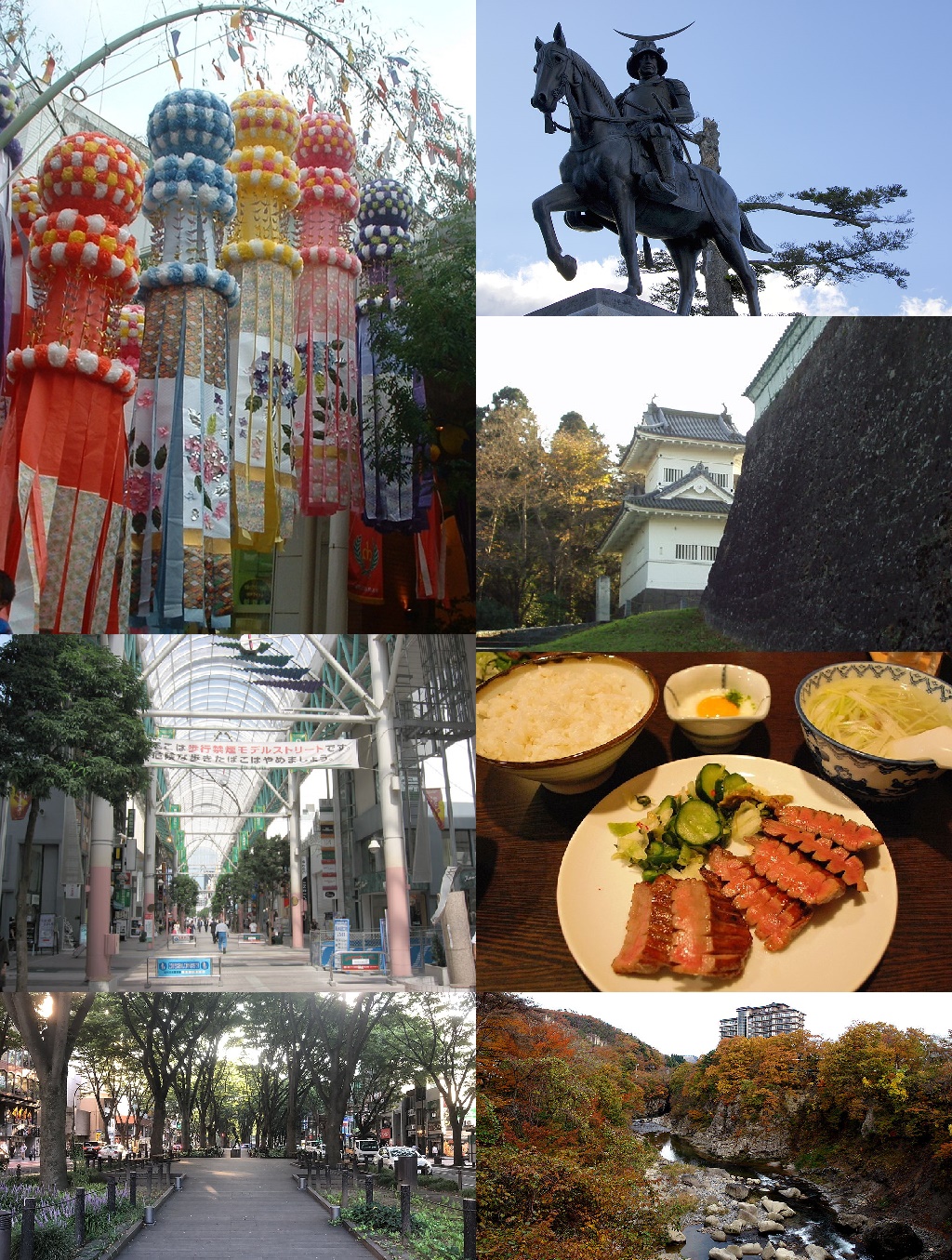
- Summer (June–August): The famous Sendai Tanabata Festival takes place on August 6–8 each year, transforming the city centre into a sea of enormous ornamental streamers (kazari). The celebration draws over 2 million visitors and is one of Japan’s most spectacular summer festivals. Eating gyutan during Tanabata, surrounded by paper decorations and festival crowds, is a genuinely exciting experience. Summer temperatures reach 25–30°C (77–86°F).
- Autumn (September–November): Possibly the best overall time to visit. The foliage is spectacular in nearby Naruko Gorge and along the rivers, crowds are smaller than summer, and the cooler weather makes rich foods like oxtail soup even more satisfying. October is particularly lovely.
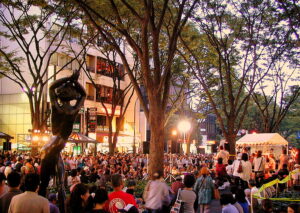
- Winter (December–February): Cold, sometimes snowy, but with a particular charm. The oxtail soup is never more comforting than on a snowy February evening, and winter brings special gyutan stew dishes to many menus. Sendai’s Pageant of Starlight (December) lines the city’s famous zelkova trees with a million LED lights — magical. Temperatures drop to -2–8°C (28–46°F).
Gyutan Shopping: Taking Sendai Home with You
One of the great pleasures of visiting Sendai as a food lover is the wealth of gyutan-related products available to take home. The basement food hall of Sendai Station is essentially a one-stop shop for Sendai’s greatest hits, and gyutan features prominently throughout.
Grilled gyutan packages are vacuum-sealed and refrigerated (some frozen), designed for taking home and reheating. The quality is genuinely restaurant-grade at the better producers. Prices typically range from ¥1,500–¥4,000 ($10–$27) for a portion that serves 1–2 people at home. Most will keep for several weeks refrigerated or longer frozen. Note that taking raw or partially-cooked meat products out of Japan involves customs regulations — check your home country’s biosecurity rules before packing anything in your luggage. Gyutan curry pouches are heat-and-eat packets of braised tongue in curry sauce, perfectly portable and shelf-stable for several months. These make excellent souvenirs for friends who appreciate Japanese food. Gyutan jerky and dried snacks are available at specialty shops and make good shinkansen snacks or airplane snacks. Gyutan seasoning kits — which include the specific salt blends and marinades used by professional gyutan chefs — let adventurous cooks try recreating the experience at home.
Where to Stay in Sendai
Sendai has excellent accommodation options across all price ranges, with the best options for food lovers located within easy walking distance of the main gyutan restaurant districts.
Budget (Under ¥8,000 / $55 per night)
Sendai has several good budget guesthouses and capsule hotels. Khaosan Sendai Hostel and J-Hoppers Sendai are popular with international backpackers and have knowledgeable staff who can direct you to excellent local food spots. Hostel dormitories typically run ¥2,500–¥4,000 ($17–$27) per person, with private rooms available for slightly more.
Mid-Range (¥8,000–¥20,000 / $55–$135)
The area around Sendai Station has several well-located business hotels. Hotel Associa Sendai (connected directly to the station) and Hotel Monterey Sendai (boutique atmosphere, European-influenced design) offer comfortable rooms with excellent location. Booking in advance during Tanabata Festival season (early August) is essential as accommodation fills quickly and prices rise significantly.
Luxury (¥20,000+ / $135+)
Hotel Metropolitan Sendai is the city’s flagship hotel, a five-minute walk from the station with spacious rooms, multiple restaurants (including a gyutan restaurant on site), and the level of service you’d expect from a major Japanese luxury property. The Grand Deluxe rooms with city views justify the premium, especially during cherry blossom or Tanabata season.
Day Trips from Sendai: Maximising Your Tohoku Visit
Sendai’s central location makes it an ideal base for exploring wider Tohoku, and a gyutan-focused visit pairs beautifully with several excellent day trips.
Matsushima Bay (30 minutes by train) is one of Japan’s Three Views — 260 pine-covered islands scattered across a sheltered bay that Japanese painters have celebrated for centuries. It’s genuinely beautiful and absolutely worth the short journey. The seafood in Matsushima — particularly the oysters in winter and spring — rivals anything you’ll eat in Sendai itself. Yamadera Temple (1 hour by JR Senzan Line) is a mountain temple complex that requires climbing 1,000 steps to reach the main hall, but rewards the effort with panoramic views over the Yamagata mountains. In autumn, the surrounding hillsides turn spectacular shades of red and gold. Naruko Gorge (1 hour by train) is one of Tohoku’s most dramatic autumn foliage spots — a narrow ravine with vertical cliff faces covered in crimson and gold maples in October and November. The small town of Naruko is also Japan’s kokeshi doll heartland.
Practical Tips for Your Sendai Gyutan Visit
- Arrive hungry. Standard gyutan sets are generous, and many restaurants offer additional orders of tongue on the side. Coming with a proper appetite lets you try more variety.
- Lunch is often better value. Lunch-time gyutan sets at most restaurants include the same quality food at slightly lower prices than dinner, plus shorter wait times.
- The station’s underground food floor is excellent for quick meals. If you’re passing through on the Shinkansen, the gyutan restaurants in Sendai Station’s basement serve full sets in 15-20 minutes — perfect for a layover visit.
- Eat the barley rice correctly. Don’t mix sauces or soup into the barley rice unless instructed — eat the components separately to appreciate each flavour, then mix at the end of the meal if you wish.
- Bring cash for smaller restaurants. While major chains like Rikyu accept cards, many smaller local gyutan restaurants are still cash-only. Have ¥5,000–¥10,000 ready.
- Queues are common and move quickly. Popular restaurants often have queues at peak hours (11:30am–1pm and 6–8pm). These usually move within 15–30 minutes and are part of the experience.
- Try multiple restaurants if possible. No two gyutan restaurants have exactly the same recipe, seasoning, or cut preference. Eating gyutan at two different restaurants shows you how much variation exists within this seemingly simple dish.
- Vegetarian warning: Gyutan is meat. There are no plant-based versions. If travelling with vegetarian companions, Sendai has excellent alternatives but they’ll be sitting this particular meal out.
- The JR Pass covers your Shinkansen to Sendai. If you have a Japan Rail Pass, your journey from Tokyo is covered, making Sendai an extremely cost-effective addition to a broader Japan itinerary.
- Combine with Yamadera or Matsushima for a perfect day trip. A morning at Matsushima Bay, a late gyutan lunch in Sendai, then the Shinkansen back to Tokyo is a genuinely excellent one-day Tohoku experience.
Sample 2-Day Sendai Food Itinerary
Day 1
Morning (9:00am): Arrive in Sendai by Shinkansen from Tokyo. Check in, then explore the Ichibancho shopping arcade for zundamochi at a traditional confectionery shop. Lunch (12:00pm): Head to Gyutan-dori in Sendai Station’s basement. Rikyu is a reliable choice for first-timers — order the standard charcoal-grilled set and eat slowly, appreciating each component. Afternoon (2:00–5:00pm): Walk to Sendai Castle ruins (Aoba Castle) for panoramic city views, then visit the Osaki Hachimangu Shrine (a National Treasure). Evening (7:00pm): Dinner at Tasuke — the original gyutan restaurant. Order the evening menu for a wider selection. Pair with local sake, then explore the Kokubuncho entertainment district for a nightcap.
Day 2
Morning (8:30am): Take the JR Senseki Line to Matsushima-Kaigan Station (30 minutes) and spend the morning exploring the bay. Eat fresh oysters at the waterfront. Afternoon (1:00pm): Return to Sendai for lunch at a different gyutan restaurant — compare styles and techniques. Shopping (3:00–4:30pm): Browse the basement food hall of Sendai Station for gyutan souvenirs — vacuum-packed tongue, curry pouches, seasoning sets, zundamochi sweets. Departure (5:00pm onwards): Catch the Hayabusa Shinkansen back to Tokyo, arriving around 6:30pm.
Related Articles You Might Enjoy
- Sendai Station Area Food Guide: Beef Tongue, Morning Market & Sushi in Miyagi
- Miyagikyo Distillery: The Complete Guide to Nikka’s Whisky Sanctuary Near Sendai
- Kesennuma City Guide: Miyagi’s Greatest Fishing Port, Fresh Seafood & Resilience Story
- Minamisanriku, Miyagi: Japan’s Most Moving Resilience Destination & World-Class Seafood
- Vegetarian & Vegan Guide to Eating in Tohoku: Tips, Restaurants & Essential Phrases
Final Thoughts
Sendai’s gyutan culture is one of Japan’s great culinary success stories — a dish born from ingenuity and resourcefulness in difficult postwar years that grew into a regional institution beloved by millions. Eating gyutan in Sendai isn’t just a meal; it’s participation in a living food tradition that has remained joyfully unchanged while the world around it transformed. The charcoal smoke, the rich oxtail broth, the chewy barley rice — it all comes together into something that feels profoundly right.
Come for the gyutan. Stay for the city’s warmth, its festivals, its seafood, and its remarkable sense of pride in what it produces. Sendai will win you over completely — and you’ll be dreaming about that first plate of charcoal-grilled tongue long after you’ve returned home.
Got questions about planning your Sendai or Tohoku trip, or have a favourite gyutan restaurant we should add to our list? We’d love to hear from you — drop us a message here.




コメント