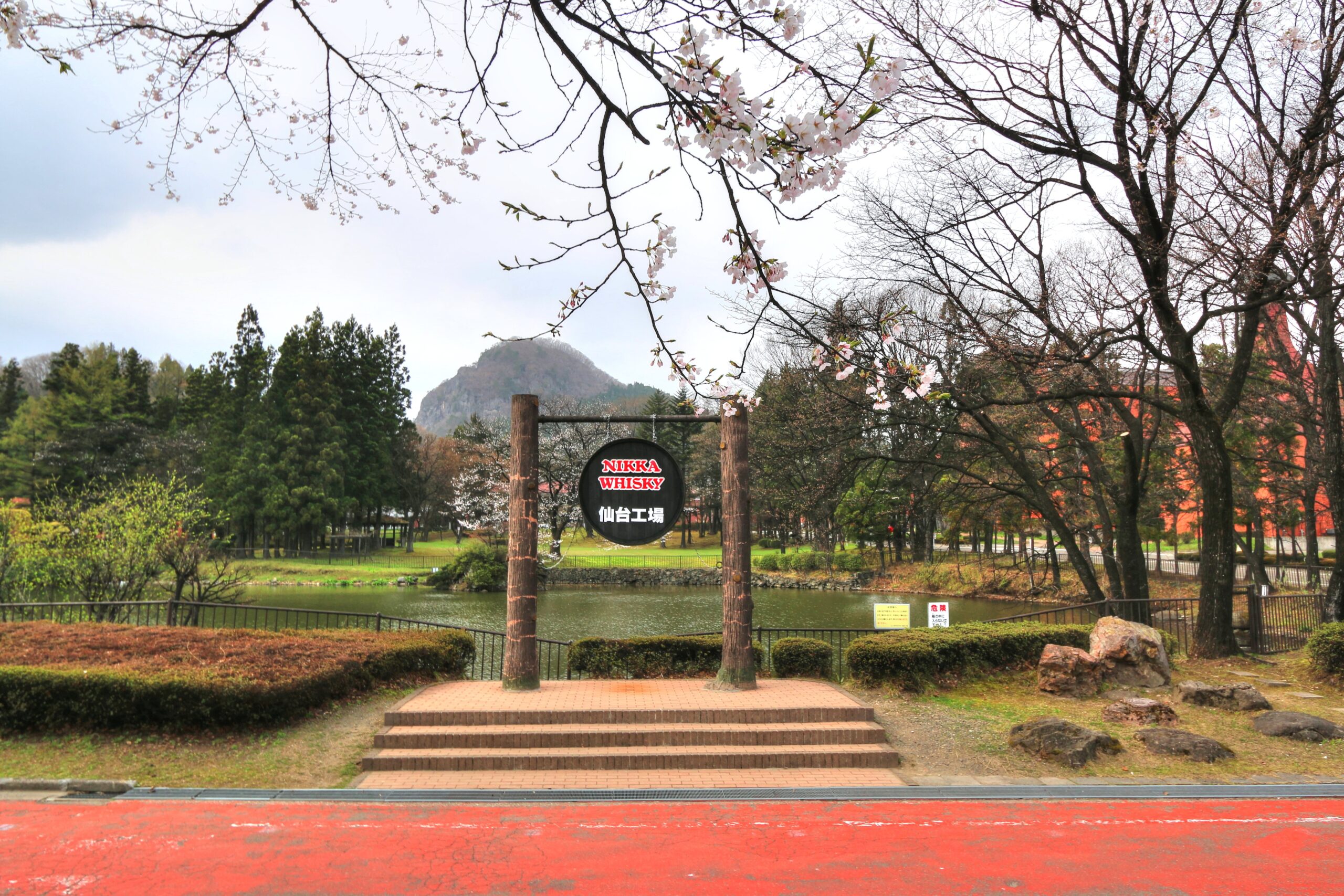
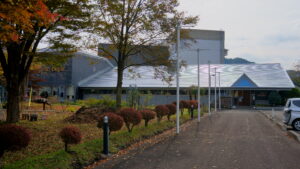
Tucked into a narrow mountain valley where two rivers meet in a spot the distillery’s founder called “the perfect blending ground of Scotland and Japan,” Miyagikyo Distillery is one of the most rewarding — and least crowded — whisky experiences in the entire country. While tour buses line up outside Suntory’s Yamazaki plant near Kyoto, this Nikka-owned distillery just outside Sendai welcomes visitors into working production halls, offers generous tastings, and sends you home having actually understood how Japanese whisky is made. If you love whisky, or you’re simply curious why “Japanese whisky” has become shorthand for some of the best spirits on earth, this is a bucket-list stop.
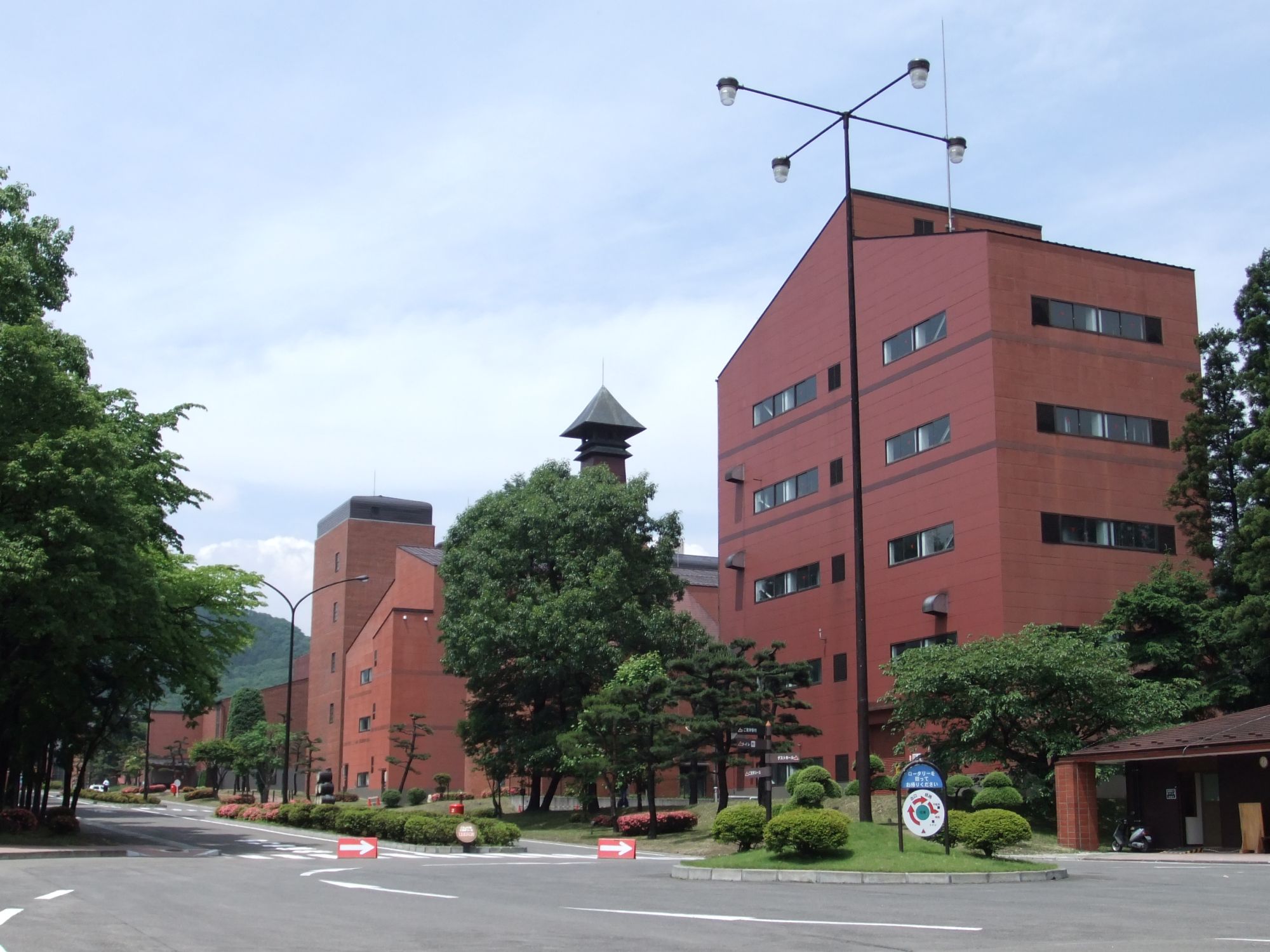
Why Miyagikyo Should Be on Every Whisky Lover’s Japan Itinerary
Most travelers who’ve heard of Japanese whisky know the name Suntory — Yamazaki and Hakushu are the industry’s most famous distilleries, and their tours book out weeks in advance. Fewer people know that Nikka, the country’s other whisky giant, operates two distilleries of its own: Yoichi in Hokkaido, founded by Nikka’s legendary founder Masataka Taketsuru in 1934, and Miyagikyo, which he built in 1969 near Sendai specifically because its climate and water offered something Yoichi couldn’t.
Taketsuru is often called the “father of Japanese whisky.” He traveled to Scotland in 1918 to study organic chemistry and apprenticed at several Scottish distilleries, absorbing techniques that, at the time, no one in Japan had ever seen firsthand. He married a Scottish woman, Rita Cowan, and brought both his new wife and his hard-won distilling knowledge back to Japan, eventually founding Nikka after a stint helping build Suntory’s Yamazaki distillery. Miyagikyo, his second distillery, was where he chased a different, more delicate style of whisky — and it shows in every glass.
What makes a visit here special for foreign travelers is access. Unlike Yamazaki, which limits English-language tours and requires booking months out, Miyagikyo offers free, well-organized English-friendly tours with generous tastings included, set in a genuinely beautiful piece of countryside just 40 minutes from central Sendai. You get world-class whisky education, a gorgeous mountain setting, and zero crowds — a rare combination in Japan’s tourist circuit.
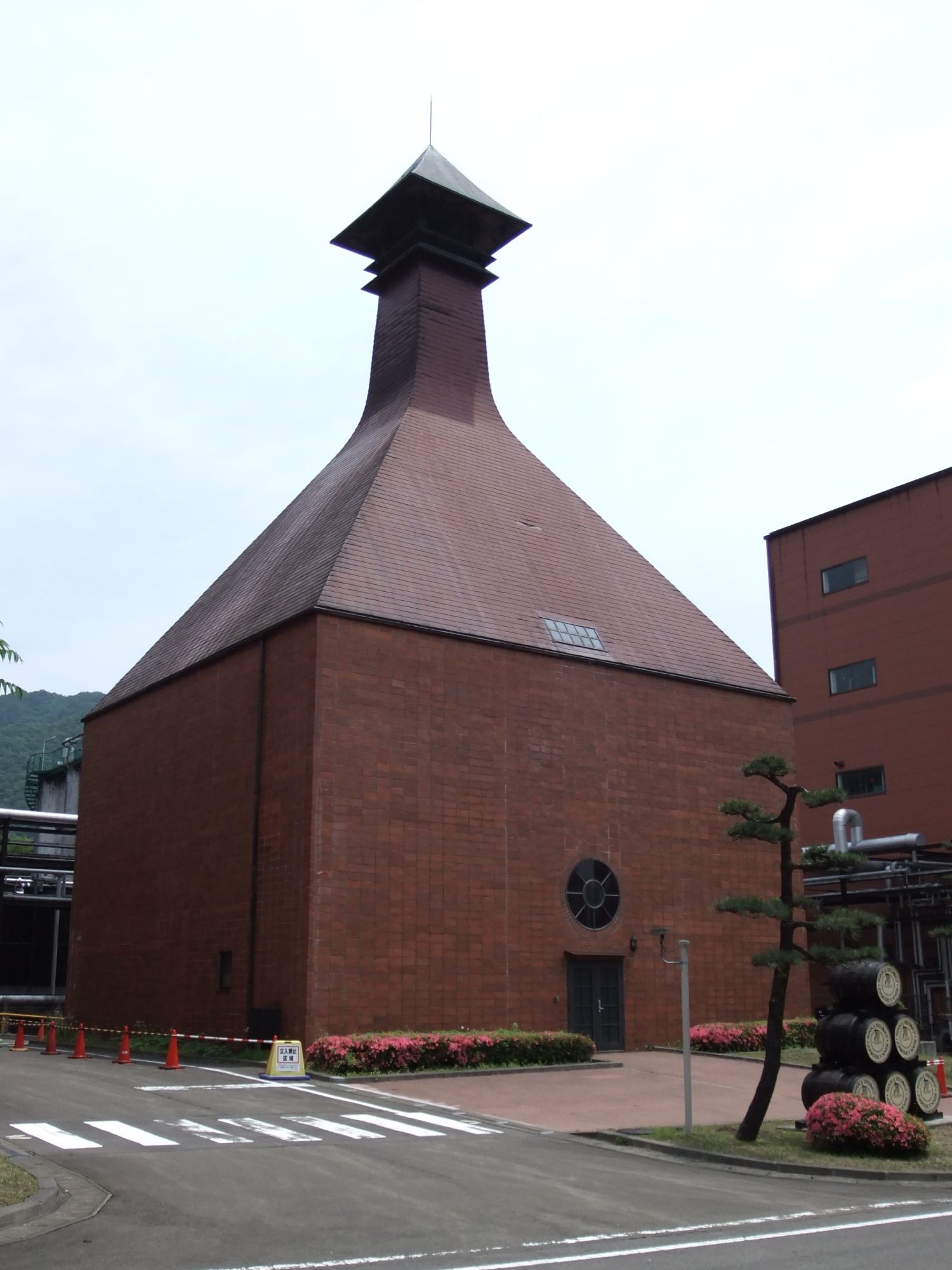
Getting There from Sendai and Tokyo
- From Tokyo: Take the Tohoku Shinkansen from Tokyo Station to Sendai Station (about 1.5–2 hours, ¥11,410–¥11,850 one-way / roughly $75–$80 USD). The JR Pass and the regional JR East–South Hokkaido Pass both cover this route.
- From Sendai to the distillery: Take the JR Senzan Line from Sendai Station to Sakunami Station (about 40 minutes, ¥590 / around $4). From Sakunami Station, it’s a free shuttle bus (roughly 5–10 minutes, runs on a set schedule tied to tour times) or a 20-minute walk to the distillery gates.
- By rental car: About 35–40 minutes from central Sendai via Route 48, following the Hirose River upstream into the mountains. This is a genuinely scenic drive, especially in autumn foliage season (mid-to-late October through early November), and parking at the distillery is free.
Because the shuttle bus schedule is limited, most visitors plan their whole day around a specific tour time — check the current shuttle timetable on the Nikka Miyagikyo website before you go, since it’s synced to English-language tour slots.
The Distillery Tour: What to Expect
Free English-language tours run several times a day (typically around 9:30am, 11am, 1pm, 2:30pm, and 3:30pm, though times shift seasonally — reserve online in advance, as English slots fill up faster than Japanese ones despite the low overall crowds). Tours last about 70–90 minutes and take you through the full production process, from malted barley delivery to the aging warehouses.
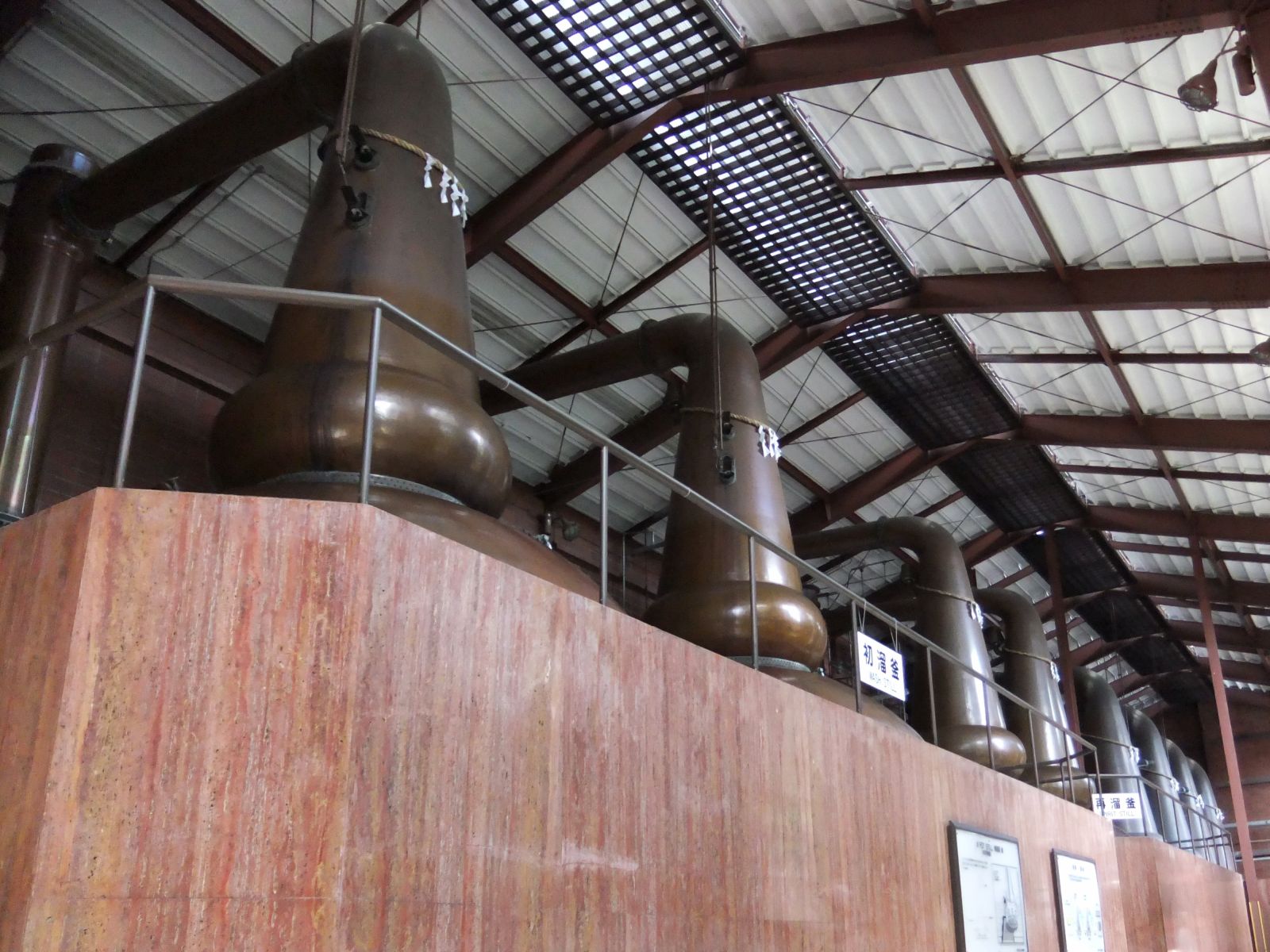
You’ll walk through the mash tun room, where crushed malted barley is mixed with the valley’s naturally soft water to extract fermentable sugars, then into the fermentation hall, where wooden washbacks bubble away with wild and cultured yeast strains that Nikka guards closely — different yeast blends are part of what gives Miyagikyo its distinct character compared to Yoichi. From there, you’ll see the distillery’s pot stills, which are shaped differently from Yoichi’s — taller, with a more gentle reflux — which is a big part of why Miyagikyo’s spirit comes out lighter, fruitier, and more floral than its smoky, robust Hokkaido sibling.
The tour’s highlight for most visitors is the aging warehouse, where thousands of oak casks rest in cool, humid darkness. Guides explain the “angel’s share” — the roughly 2% of spirit lost to evaporation each year — and how Miyagikyo’s specific combination of temperature, humidity, and cask type (a mix of ex-bourbon, sherry, and Japanese Mizunara oak casks) shapes the whisky’s final flavor over years or decades of maturation. Mizunara oak in particular is a distinctly Japanese touch: it’s slow to shape into casks, prone to leaking, and expensive to source, but it imparts incense-like, sandalwood and coconut notes found in almost no other whisky in the world.
The Tasting: What You’ll Actually Drink
Tours end with a tasting session — and this is where Miyagikyo genuinely outshines many Western distillery visits. The standard included tasting usually offers three to four pours: typically the Miyagikyo single malt, a Nikka blended whisky like Nikka From The Barrel or Nikka Coffey Grain (made at Nikka’s other Japanese facility using continuous “Coffey stills,” a rarity worldwide), and sometimes an apple-based product, since the distillery also produces apple wine and brandy using local Miyagi apples — a nod to the region’s fruit-growing heritage.
If you don’t drink alcohol or are the designated driver, non-alcoholic apple juice tastings are available, and no one will make you feel like you’re missing out on the tour itself — the process and history are the main event.
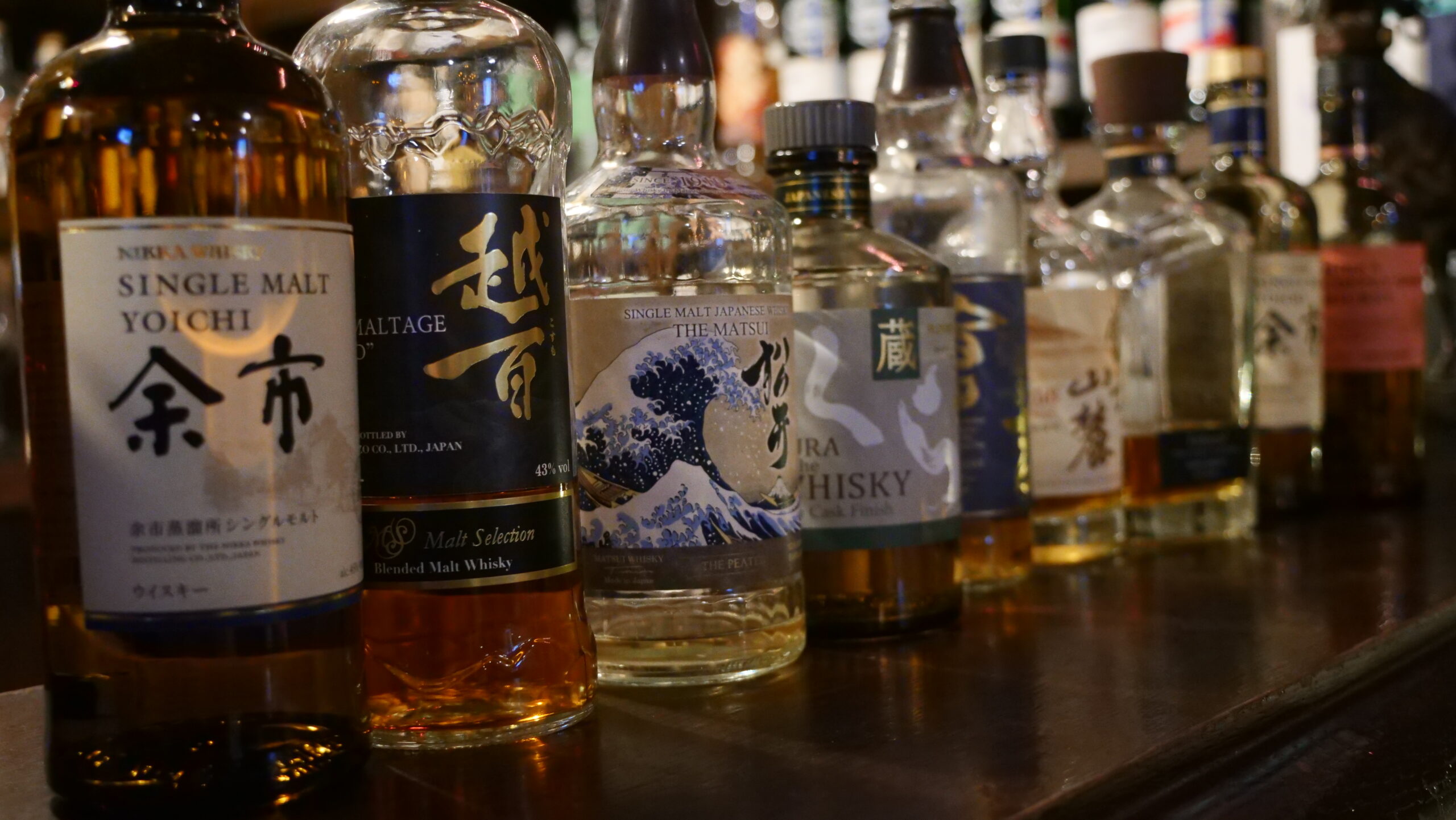
After the formal tasting, the visitor center’s shop and paid tasting bar let you sample (for a fee, typically ¥300–¥1,500 / $2–$10 per pour) rarer and older expressions not included in the free tasting, including limited single-cask bottlings only available on-site. This is genuinely one of the best places in Japan to try whisky you cannot get anywhere else, including duty-free shops at major airports.
Best Time to Visit
- Spring (March–May): Mild weather and blooming cherry blossoms along the Hirose River valley make the drive or train ride especially pretty. Fewer crowds than autumn.
- Summer (June–August): Warm and humid, but the tour itself is indoors and air-conditioned. A good option if you’re combining this with Sendai’s Tanabata Festival in early August.
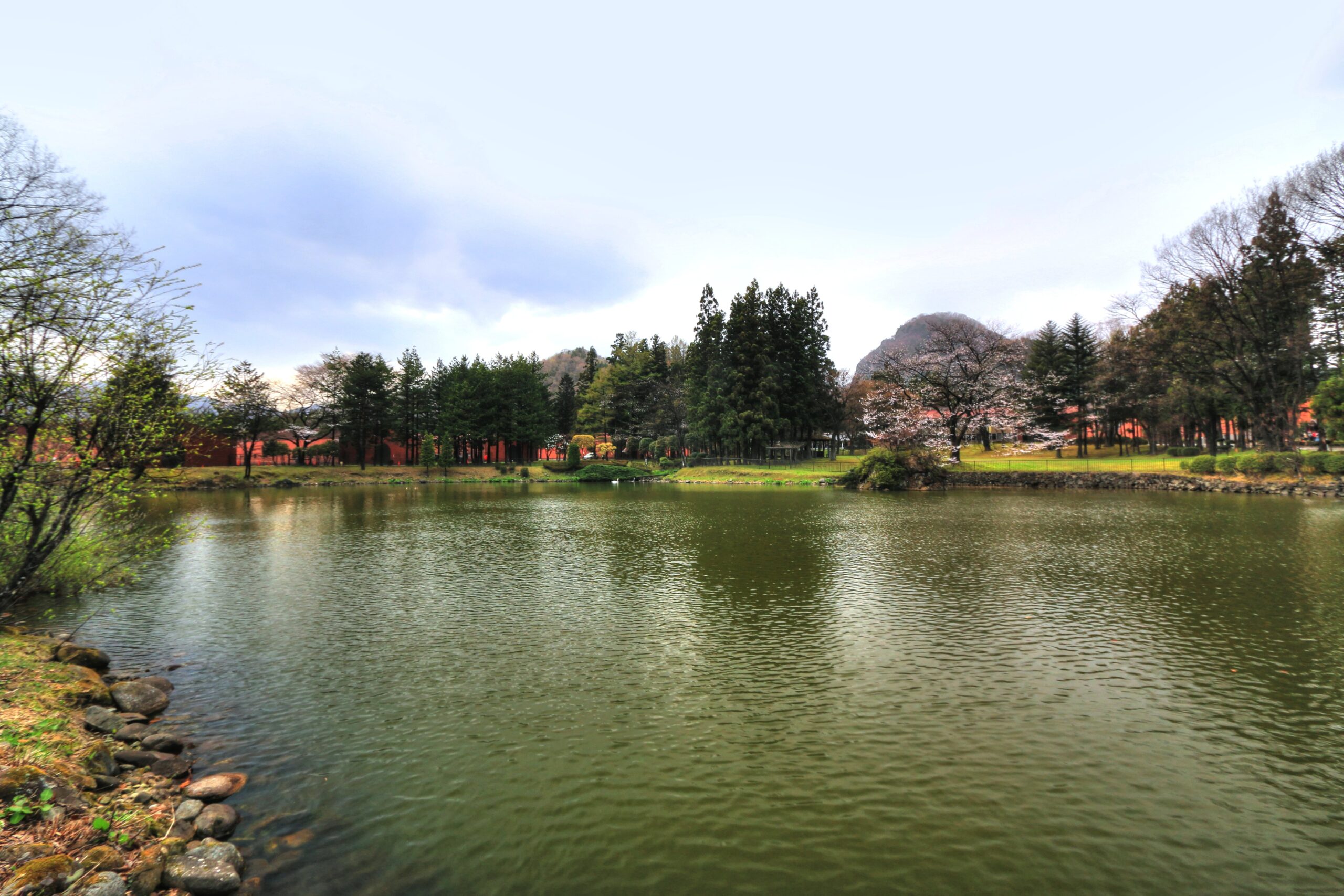
- Autumn (September–November): The best season by far — the mountains around Sakunami turn brilliant red and gold in late October, and the distillery grounds themselves are landscaped with maples. Book tours further ahead during peak foliage weeks.
- Winter (December–February): Quiet and atmospheric, with snow often dusting the valley. Some shuttle schedules are reduced, so double-check timing, and dress warmly for the walk from the station if you skip the bus.
Beyond the Distillery: Sakunami Onsen
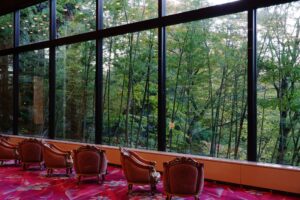
Here’s a detail most whisky tourists miss: the town surrounding Miyagikyo, Sakunami, is also a genuine hot spring resort area, meaning you can turn your distillery visit into an overnight trip without ever leaving the valley. Several ryokan (traditional inns) along the Hirose River offer riverside outdoor baths (rotenburo), making this one of the only places in Japan where you can taste world-class whisky in the afternoon and soak in a mineral hot spring by sunset, all within walking distance.
Sakunami’s onsen water is a simple alkaline type, prized for leaving skin feeling notably soft — locals call it “bihada no yu,” or “beautiful skin water.” If your itinerary allows for a slower pace, staying one night here rather than rushing back to Sendai the same day makes for a far more relaxing, memorable visit.
Where to Eat Nearby
Distillery Café & Restaurant
Miyagikyo has its own on-site restaurant, serving whisky-marinated dishes, curry, and light meals, plus whisky-infused desserts and soft-serve ice cream. Prices are reasonable for a tourist-facing café — around ¥800–¥1,500 ($5–$10) for a meal. It’s a convenient, pleasant lunch stop if you’re spending a few hours on-site.
Sakunami Onsen Ryokan Dining
If you stay overnight, most ryokan include elaborate multi-course kaiseki dinners featuring Miyagi’s famous beef tongue (gyutan), fresh river fish like ayu (sweetfish), and seasonal mountain vegetables (sansai). Expect ¥8,000–¥20,000 per person ($55–$135) as part of a stay package.
Sendai Station, on Your Way Back
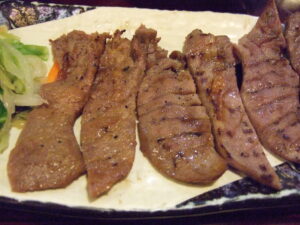
If you’re doing Miyagikyo as a day trip, save your appetite for Sendai’s famous gyutan restaurants clustered around Sendai Station — thick-cut grilled beef tongue served with barley rice and oxtail soup is Sendai’s signature dish, and a perfect way to end a day of whisky touring. Expect ¥1,500–¥3,000 ($10–$20) for a satisfying set meal.
Where to Stay
Budget (Under ¥8,000 / $55 per night)
Stay in central Sendai rather than Sakunami if you’re on a tight budget — hostels and business hotels near Sendai Station, like Sendai International Hostel or budget chains such as Toyoko Inn, offer clean, simple rooms well under this threshold, with easy same-day access to Miyagikyo via the JR Senzan Line.
Mid-Range (¥8,000–¥20,000 / $55–$135)
Sakunami Onsen’s smaller family-run ryokan, such as those offering simple half-board stays with a river-view bath, fall in this range and are a great way to experience the onsen town without paying for the most elaborate kaiseki packages.
Luxury (¥20,000+ / $135+)
Larger Sakunami ryokan with private open-air baths attached to guest rooms, multi-course seasonal dinners, and full spa facilities sit at this price point — worth it if you want a genuine luxury onsen experience paired with your whisky pilgrimage.
Practical Tips for Visiting Miyagikyo
- Book your tour online in advance. While Miyagikyo rarely sells out completely, English-language tour slots are limited and fill up faster during autumn foliage season.
- Bring photo ID. Some tasting sessions may ask to confirm you’re of legal drinking age (20 in Japan).
- Arrange a designated driver or skip driving entirely. If you’re renting a car, remember that Japan enforces a strict zero-tolerance policy on drunk driving — take the train and shuttle bus instead if you plan to drink.
- Check the shuttle bus schedule before you leave your hotel. It’s synced with tour times, and missing it means either a 20-minute walk or a long wait.
- Bring cash. While the shop accepts cards, smaller purchases and vending machines in the area may be cash-only.
- The shop sells bottles unavailable outside Japan, including distillery-exclusive single casks — this is genuinely one of the best whisky souvenir shopping spots in the country. Note that duty-free liquid restrictions apply if you’re flying internationally soon after, so check your airline’s rules.
- Pair it with a Sendai day-trip itinerary. Miyagikyo works well as a half-day addition to a Sendai city visit, or a full day if you linger over the paid tasting bar and lunch.
- Photography is generally allowed in public areas of the distillery, though some production areas restrict flash photography to protect the aging process — your guide will indicate where.
- Visit shoulder season if you dislike crowds entirely. Even in peak autumn, Miyagikyo is dramatically quieter than Suntory’s distilleries, but weekday mornings outside of foliage season are close to empty.
- Combine with Sakunami Onsen for a two-day trip rather than rushing — the valley itself, not just the distillery, is worth the extra night.
Sample 1-Day Itinerary from Sendai
Morning
Take an early JR Senzan Line train from Sendai Station (around 8:30–9am) to Sakunami Station, then catch the shuttle bus or walk to Miyagikyo. Join the 9:30am or 10am English tour, learning the full production process and finishing with the included tasting.
Afternoon
Have lunch at the distillery’s on-site café, then spend an hour at the paid tasting bar sampling rarer expressions, or browse the shop for distillery-exclusive bottles. If time allows, take a short walk along the Hirose River, especially rewarding in autumn.
Evening
Catch the shuttle back to Sakunami Station and the JR Senzan Line back to Sendai, arriving in time for dinner at one of Sendai Station’s famous gyutan (grilled beef tongue) restaurants before heading to your accommodation.
Sample 2-Day Itinerary with Sakunami Onsen
Day 1
Follow the morning and afternoon plan above, but instead of returning to Sendai, check into a Sakunami Onsen ryokan for the evening. Soak in a riverside outdoor bath before an elaborate kaiseki dinner featuring local Miyagi ingredients.
Day 2
Enjoy a leisurely ryokan breakfast, take a morning soak, and explore the quiet onsen town before heading back to Sendai by early afternoon, leaving time to explore central Sendai’s sights before your next destination.
Related Articles You Might Enjoy
- Sendai Gyutan: The Complete Guide to Japan’s Most Iconic Beef Tongue Experience
- Sendai Station Area Food Guide: Beef Tongue, Morning Market & Sushi in Miyagi
- Kesennuma City Guide: Miyagi’s Greatest Fishing Port, Fresh Seafood & Resilience Story
- Minamisanriku, Miyagi: Japan’s Most Moving Resilience Destination & World-Class Seafood
- Vegetarian & Vegan Guide to Eating in Tohoku: Tips, Restaurants & Essential Phrases
Final Thoughts
Miyagikyo doesn’t have the global name recognition of Yamazaki or Hakushu, and that’s exactly its appeal. You get an unhurried, genuinely educational distillery tour, generous tastings included for free, a chance to buy bottles you’ll never see back home, and a gorgeous mountain valley setting that most Sendai day-trippers never discover. Add an overnight stay in Sakunami’s quiet hot spring inns, and you’ve got one of Tohoku’s most rewarding — and most underrated — travel experiences. Whether you’re a serious whisky collector or simply curious why Japanese whisky commands such a devoted global following, Miyagikyo is worth the detour from Sendai.
Got questions about planning your Tohoku trip, or spotted something we missed? We’d love to hear from you — drop us a message here.


コメント