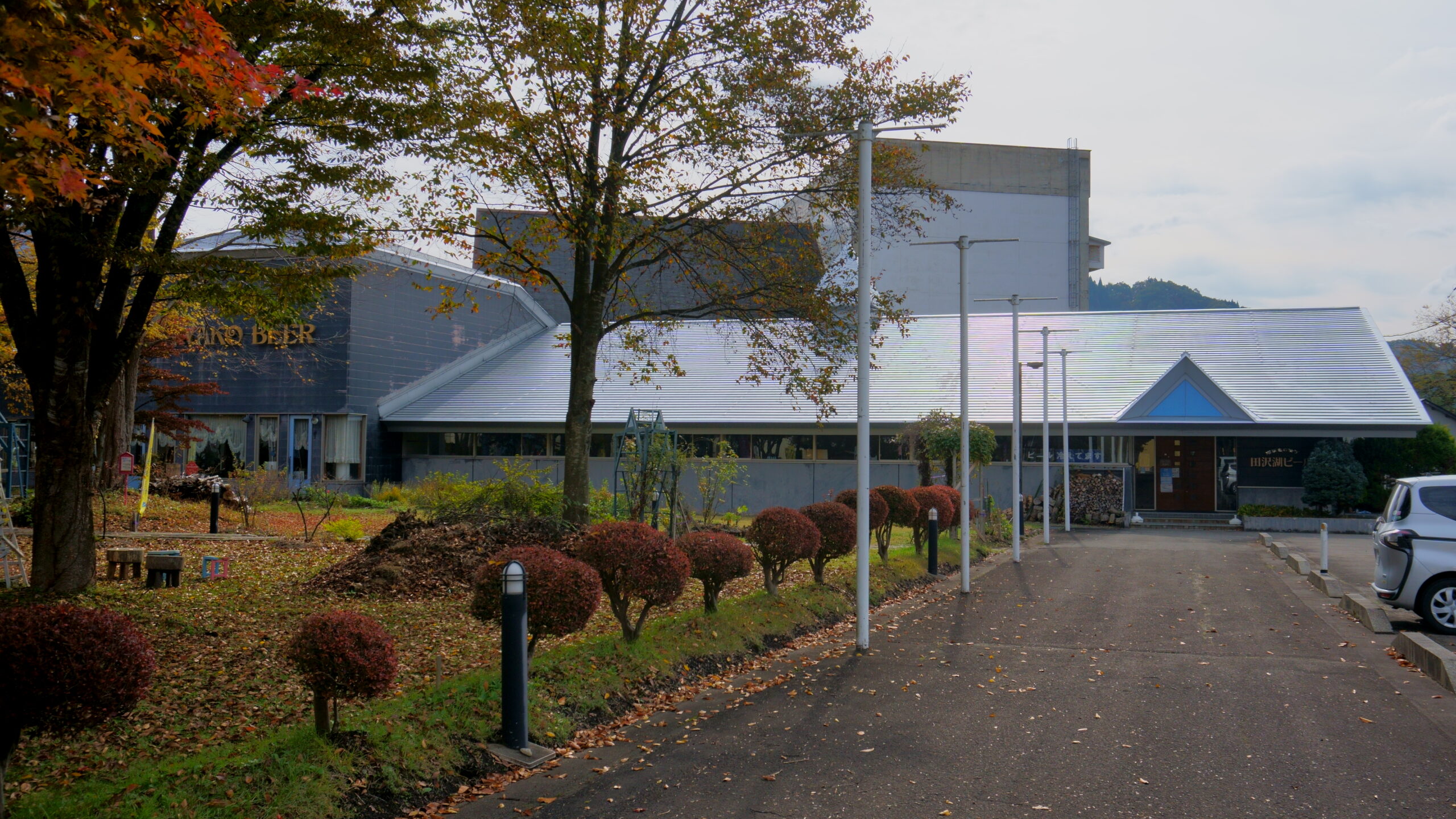
Japan’s craft beer revolution began quietly in 1994, when the government slashed the minimum annual production requirement for beer licenses from 2 million liters to just 60,000 — unleashing an explosion of small-batch, artisan brewing across the country. Three decades later, Tohoku has become one of Japan’s most exciting craft beer destinations, combining ultra-pure mountain water, locally-grown ingredients, a deep brewing culture rooted in centuries of sake production, and a new generation of passionate brewers who are creating beers that genuinely stand alongside the best in the world. Whether you’re a dedicated hop-head tracking down barrel-aged rarities or simply someone who’d like to enjoy a cold, delicious local beer after a long day of sightseeing, this guide to Tohoku’s craft beer scene will point you to the best taprooms, breweries, and beer bars in northeastern Japan.
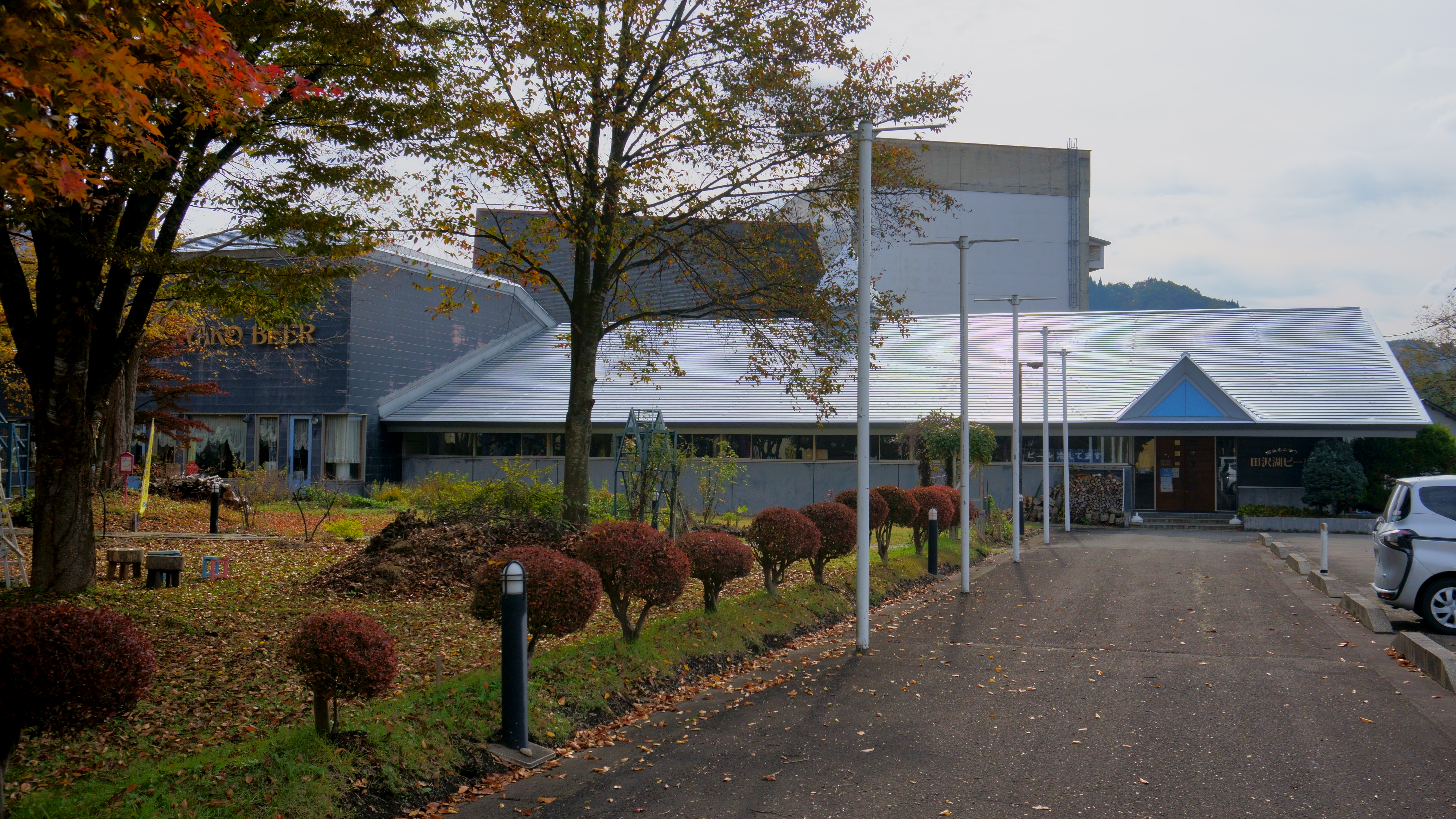
Why Tohoku’s Craft Beer Scene Deserves Your Attention
Most craft beer tourists in Japan head straight to Tokyo, Kyoto, or Osaka — cities with dense bar scenes and well-established reputations. They’re missing something remarkable. Tohoku’s craft beer culture has several advantages that larger cities simply can’t match, starting with the water. The mountains of Iwate, Akita, Aomori, and Yamagata are home to some of Japan’s purest water sources — snow-filtered, mineral-balanced, crystal-clear water that has been the foundation of exceptional sake for centuries. Turn that water loose in a modern craft brewery, and the results are extraordinary.
Tohoku’s brewers also benefit from proximity to quality agricultural ingredients. Barley grown on the plateaus of Iwate Prefecture, hops cultivated in the cool highlands of Yamagata and Akita, and locally-sourced seasonal adjuncts — everything from Yamagata cherries to Sendai miso — give Tohoku beers a distinctive regional character you won’t find anywhere else. Several Tohoku breweries have won national and international recognition at Japanese craft beer competitions, with Tazawako Craft Beer in Akita consistently ranked among the country’s finest microbreweries.
The culture surrounding the craft beer scene is also refreshingly authentic. Tohoku’s beer bars and taprooms aren’t trying to be trendy — they’re simply committed to serving excellent product in comfortable, welcoming environments. You’re as likely to find a retired fisherman discussing the merits of a local wheat beer as a young urban professional. In Tohoku, good beer brings people together across social categories in a way that feels genuinely Japanese and genuinely fun.
Understanding Japanese Craft Beer Culture: A Quick Primer
Before diving into specific breweries and bars, it helps to understand a few things about how craft beer works in Japan — it’s slightly different from Australia or the United States, and knowing the context makes the experience more enjoyable.
Ji-biru (地ビール) vs. Craft Beer: The term “ji-biru” (地ビール, literally “local beer”) was used extensively in the late 1990s and early 2000s when Japan’s first microbreweries opened. Today, younger, more sophisticated breweries prefer the English term “craft beer” to signal a higher emphasis on quality and brewing philosophy rather than just geographic origin. Both terms are used, but craft beer shops tend to attract a more dedicated beer enthusiast crowd.
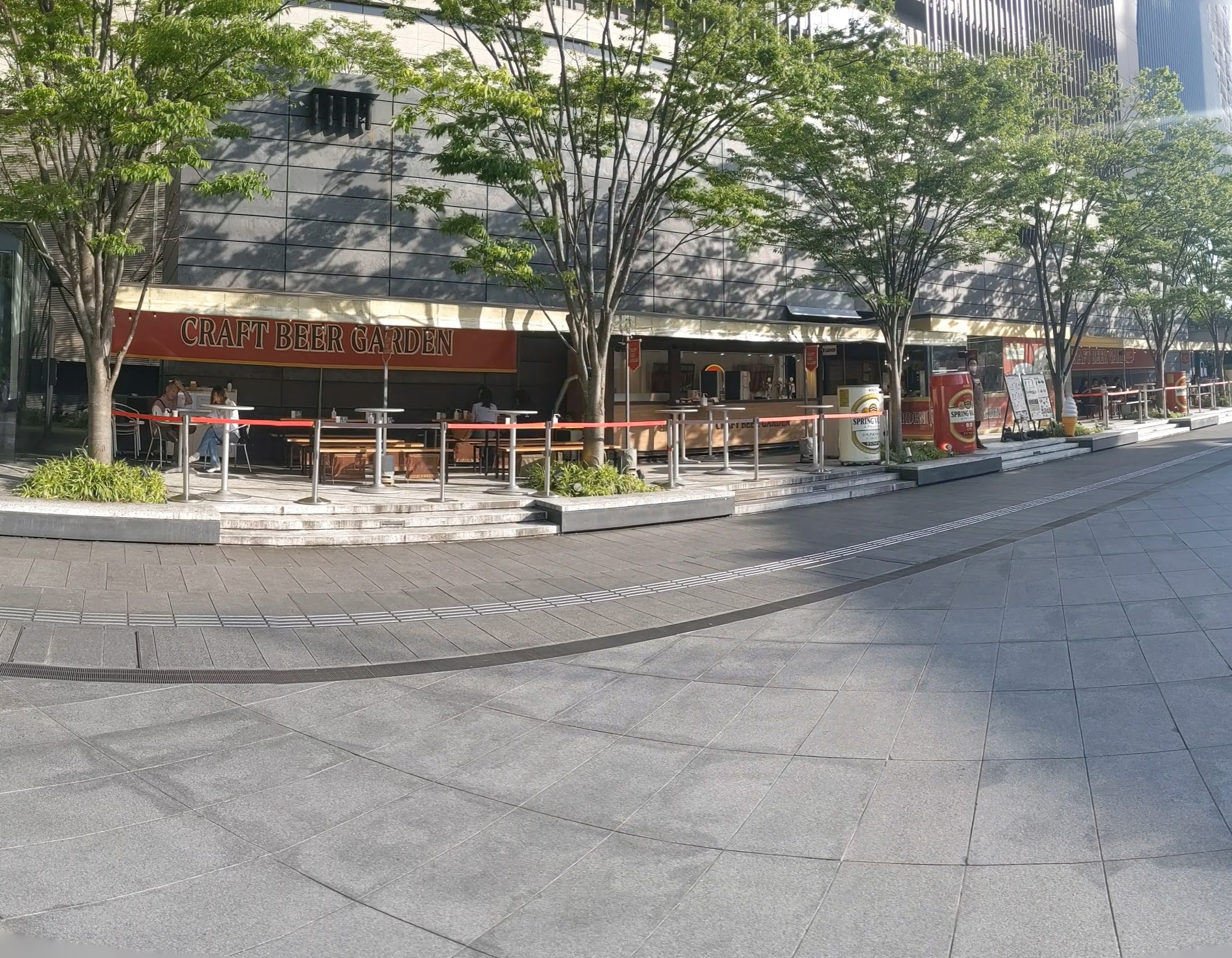
Beer Gardens: From late May through September, Japan’s “beer garden” culture is a beloved institution. Department store rooftops, hotel patios, and riverside parks transform into outdoor drinking venues where you pay a flat fee (typically ¥3,000–¥5,000 / $20–$33) for all-you-can-drink access for a fixed time period. Large commercial beers dominate these events, but craft beer gardens have been appearing in Tohoku cities over the past decade — look for seasonal announcements from local craft breweries.
Ordering: Most craft beer bars in Tohoku will have a chalkboard menu listing current taps (生ビール, nama biru) and bottled selections. Standard pour sizes are 300ml (about 10 oz) or 500ml (about 17 oz). Prices typically run ¥600–¥1,200 ($4–$8) per draft pour, depending on the style and the establishment. Asking for a “osusume” (recommendation) will get you the staff’s current favorite — a good way to discover something unexpected.
Food Pairings: Tohoku’s craft beer bars typically serve food as well as beer, and the food is often exceptional. Grilled meat skewers (yakitori), edamame, gyoza, and hearty stews pair naturally with the robust lagers and ales common in this region. Don’t skip the food — eating while drinking is culturally expected, and the kitchen quality at good craft beer bars is usually surprisingly high.
Tazawako Craft Beer (Akita): Tohoku’s Crown Jewel Brewery
If there’s one craft beer destination in Tohoku that every beer enthusiast absolutely must visit, it’s Tazawako Craft Beer (田沢湖ビール), located in the resort village of Tazawa-Kohan near the spectacular Lake Tazawa in southern Akita Prefecture. Founded in 1995 as one of Japan’s first microbreweries following the 1994 deregulation, Tazawako Craft Beer has had three decades to perfect its craft — and it shows.
The brewery draws its water from the springs of Mount Komagatake, which overlooks Lake Tazawa (Japan’s deepest lake, at 423 meters / 1,388 feet). This extraordinarily pure water, naturally filtered through layers of volcanic rock, produces a brewing base of exceptional clarity and mineral balance. The result is a series of beers with clean, bright flavors that highlight the quality of their ingredients rather than masking them.
Tazawako’s flagship beers include their Altbier — a copper-colored, malty German-style ale with a pleasingly bitter finish — and their Weizen, a Bavarian-style wheat beer with the characteristic banana and clove notes that wheat beer lovers seek. Seasonal releases are particularly exciting: the winter spiced ale, cherry blossom saison in spring, and autumn harvest beers made with local ingredients from the Tazawa basin are all worth seeking out.
The brewery operates an on-site restaurant called Folklore Tazawa where you can pair your beers with local Akita cuisine — kiritanpo (pounded rice on a stick), grilled Hinai-jidori chicken, and traditional Akita mountain vegetable dishes. The setting is beautiful: a log-cabin-style building with views of the lake and surrounding beech forests. Pints run ¥700–¥900 ($4.70–$6) and the brewery set meals (brewer’s lunch) start at ¥2,000 ($13.30).
Getting there: Take the Akita Shinkansen to Tazawako Station, then a local bus (about 20 minutes) to the Tazawa-Kohan resort area. The brewery is a short walk from the lakefront bus stop. Alternatively, it’s an easy stop on a Lake Tazawa day-trip itinerary from Kakunodate or Morioka.
Morioka’s Craft Beer Scene (Iwate)
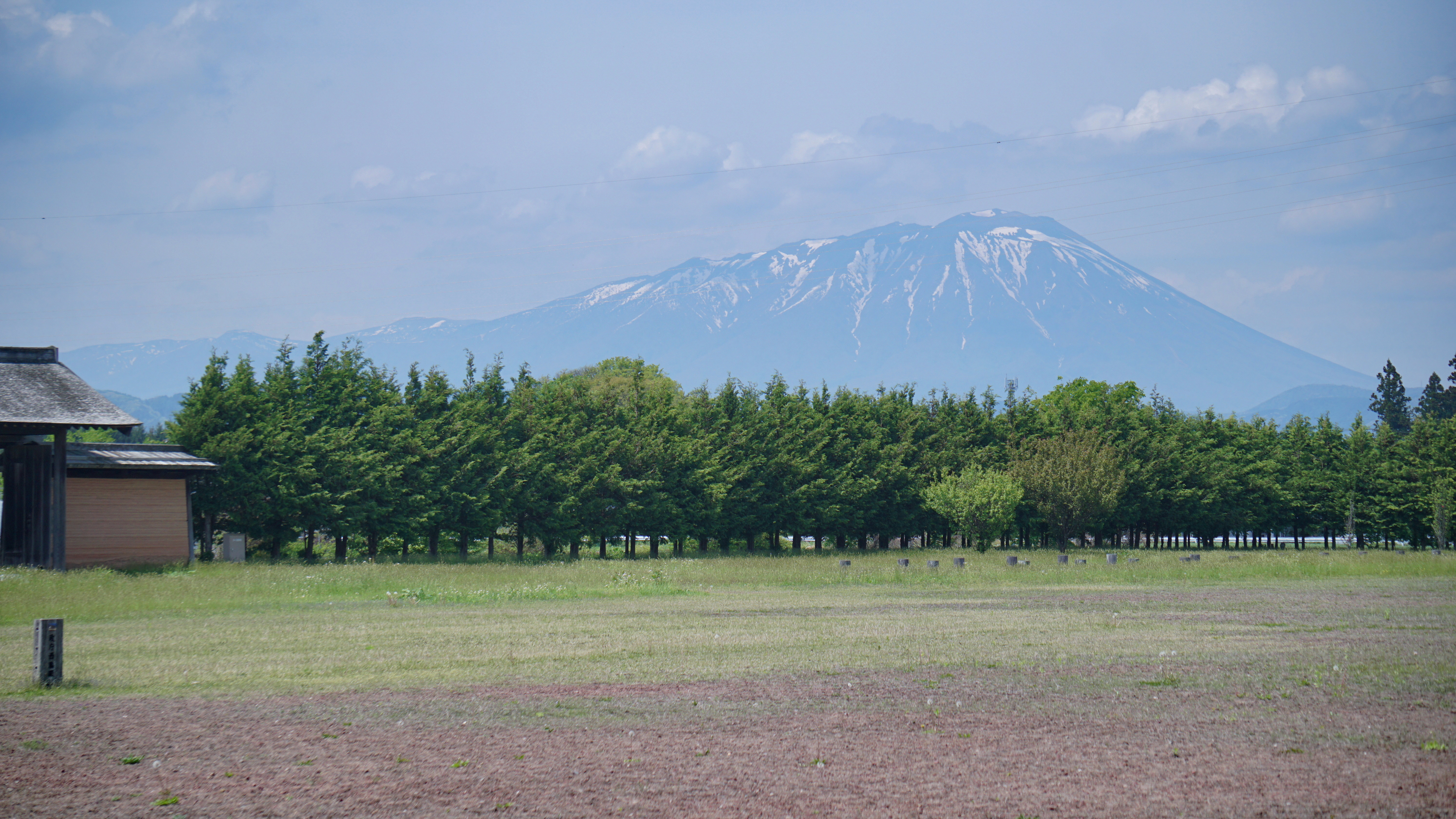
Morioka, Iwate Prefecture’s capital, punches well above its weight for craft beer. A city of about 280,000 people with a lively food and drink culture — it’s famous for three competing noodle dishes (wanko soba, jajamen, and morioka reimen) — Morioka has developed a craft beer scene that perfectly complements its adventurous culinary identity.
Iwate Kura Beer (岩手蔵ビール) is the anchor of Morioka’s craft scene. Located in a converted historic sake warehouse in the Konyamachi area — a street lined with stone-walled traditional buildings that looks like a film set from the Edo period — Iwate Kura Beer has been producing award-winning craft ales and lagers since the late 1990s. Their brewing philosophy draws directly from the sake tradition: extreme attention to water quality, ingredient sourcing, and fermentation control. The result is a lineup of beers with unusual refinement for a small brewery.
Must-try beers from Iwate Kura include their Golden Ale — crisp, floral, and immensely drinkable — and their more adventurous Buckwheat Ale, brewed with locally-grown soba (buckwheat) that gives it a nutty, earthy depth unlike any other beer you’re likely to encounter on your Japan trip. The brewery tap is open on weekends and selected weekdays; call ahead or check local tourism websites for current hours.
Beyond Iwate Kura, Morioka has developed a strip of craft beer bars in the downtown area between Morioka Station and the historic city center. The Odori Park Craft Beer Night during summer evenings is a seasonal event where local breweries set up stands around the park — a perfect introduction to the full range of Iwate craft production. In the Nakanohashi and Odomari districts, you’ll find small craft beer bars serving rotating taps from Iwate and other Tohoku producers alongside izakaya-style food menus.
Sendai’s Craft Beer Bars (Miyagi)
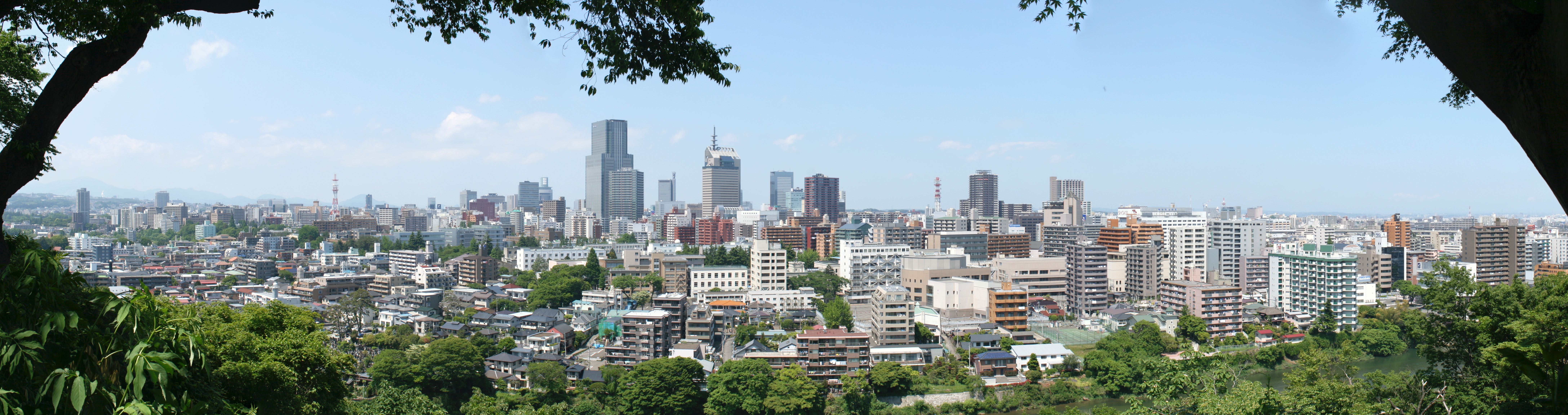
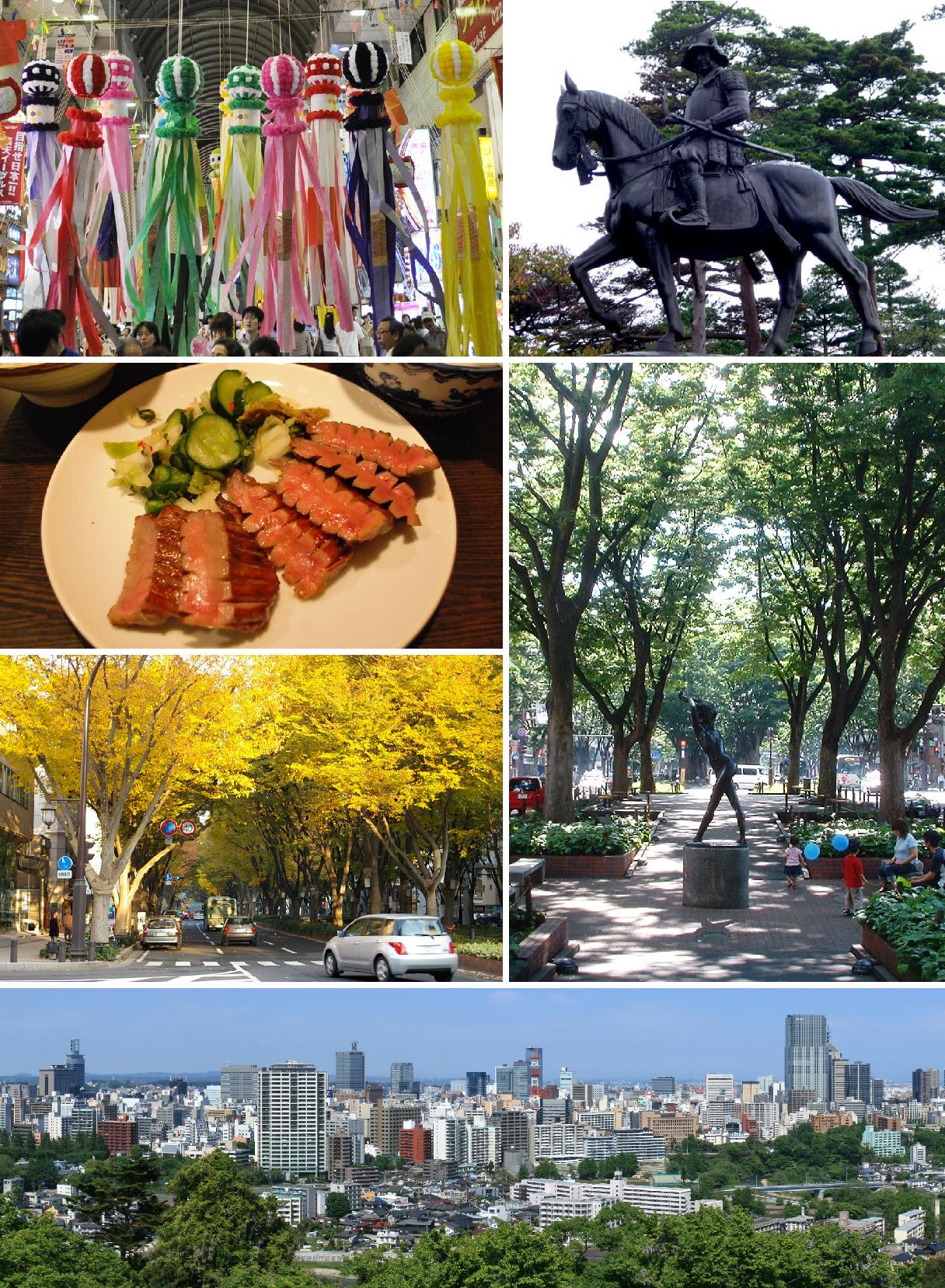
Sendai, Tohoku’s largest city with 1.1 million people, has the region’s most developed craft beer bar scene. The Kokubuncho entertainment district — a dense grid of restaurants, bars, and izakaya just east of Sendai Station — includes several serious craft beer destinations alongside the standard chain bars and karaoke establishments.
Beer Belly Sendai is the city’s most respected craft beer bar, with 20 rotating taps featuring Japanese and imported craft beers. The knowledgeable staff can guide you through the selection, and the food menu (excellent bar snacks including grilled meats, cheese plates, and Sendai-style gyutan appetizers) is designed specifically for beer pairing. The bar stocks a rotating selection of Tohoku craft beers alongside national and international labels, making it an excellent introduction to the regional scene before you venture out to visit individual breweries.
Minami Honcho Beer Bar District: A cluster of small craft beer bars has emerged in the Minami Honcho area south of the shopping district. These intimate venues — typically 10–20 seats — serve curated tap selections with an emphasis on Japanese craft, and the atmosphere is more relaxed and conversation-focused than the large commercial establishments. Perfect for a leisurely evening over three or four carefully-chosen pints.
Seasonal Beer Gardens: From June through September, the rooftop beer gardens above several of Sendai’s department stores (SS30 building, Sendai Mediatheque area) transform into popular outdoor drinking venues. These aren’t craft beer destinations per se, but the atmosphere — warm evenings, city views, cold beer — is quintessentially Japanese summer, and some now include at least one or two local craft options alongside the standard commercial lineup.
Yamagata’s Craft Beer & Beer Culture
Yamagata Prefecture has one of the strongest food cultures in Tohoku — it’s famous for its fruit (Japan’s top cherry production, exceptional peaches and grapes), its sake, and its intensely local culinary traditions. The craft beer scene here is newer and smaller than in Sendai or Akita, but what exists is distinctive and worth seeking out.
Yamagata City has a handful of craft beer bars in the downtown area around Yamagata Station. The Dewa no Yuki Beer Hall serves locally-produced craft ales alongside the prefecture’s famous sake in a relaxed setting that bridges the two cultures beautifully — ordering a tasting flight of both sake and craft beer here is a genuinely revelatory experience, illustrating how both fermentation traditions reflect the same mountain water and same agricultural heritage in very different ways.
The mountain resort town of Higashine (east of Yamagata City, famous for its cherry orchards) has produced one of Tohoku’s most intriguing seasonal beers: a cherry blossom ale brewed from actual Yamagata sakura (cherry blossoms) that is produced in extremely limited quantities each spring. This beer — delicate, floral, with a subtle sweet note — has developed a devoted following among Japanese craft beer enthusiasts and is worth tracking down if you’re visiting in late April or early May.
In the Yamagata wine and beer culture more broadly, there’s a strong tradition of pairing local fermented drinks with the prefecture’s remarkable food. The Yamagata Craft Beer Festival, held annually in Yamagata City (typically in late summer), brings together producers from across Tohoku and beyond for a two-day celebration of regional brewing — one of the best events in the Tohoku craft beer calendar.
Aomori Craft Beer: Northern Frontiers
Aomori Prefecture, at Tohoku’s northern tip, is best known for its apples — it produces more than half of Japan’s annual apple harvest. That apple culture has naturally influenced its craft beer scene, producing some of Japan’s most interesting ciders and apple-adjacent beers alongside more conventional brewing.
Hachinohe Brewery (八戸酒造) in Hachinohe City is one of Aomori’s most innovative producers, combining a centuries-old sake production tradition with experimental craft beer brewing. Their Mutsu Hachi Sengan sake collaboration beers — produced using both yeast strains and brewing techniques from both traditions — are genuinely unlike anything else being brewed in Japan. Hachinohe is accessible from the Shinkansen (Hachinohe is a Shinkansen stop) and the brewery offers tours and tastings on selected days.
In Aomori City, the craft beer scene is still developing but growing quickly. The A-Factory complex near the port — a stylish food hall built in an old warehouse — has become a hub for local producers, including a cider bar that serves locally-made apple ciders alongside Aomori craft beers. Given the area’s apple heritage, the ciders here (light, crisp, apple-forward) are worth prioritizing even for those who primarily drink beer.
Fukushima Craft Beer: Rising Star
Fukushima Prefecture has been working hard to rebuild its reputation since the 2011 nuclear disaster, and its food and drink producers — sake breweries, fruit farmers, and increasingly craft beer makers — have been central to that effort. The craft beer scene here is younger than in other Tohoku prefectures, but the energy is extraordinary.
Aizuwakamatsu’s craft beer scene benefits from the city’s strong sake heritage (there are several highly-regarded sake breweries in the Aizu region) and its position as a hub for the western Fukushima highlands. The water from the Bandai mountain range is exceptionally pure, and new craft breweries are beginning to take advantage of this premium ingredient. The annual Aizu Craft Beer Festival — typically held in summer near Tsurugajo Castle — is a growing event that showcases both established and emerging Fukushima producers.
In Fukushima City (the prefectural capital, not to be confused with the nuclear plant in Futaba county, which is coastal and over 60 kilometers away), the Machi no Shokudo area has several craft-focused establishments that emphasize recovery and local production narratives alongside their beer selection. Drinking Fukushima craft beer is a small but meaningful way to support the prefecture’s ongoing economic revitalization.
Best Time to Visit for Craft Beer Enthusiasts
- Spring (March–May): Cherry blossom season produces limited-edition sakura ales and spring releases at most Tohoku breweries. The Tazawako Craft Beer spring seasonal and Yamagata’s cherry blossom ales are highlights. Outdoor beer gardens are not yet open, but the indoor taprooms are at their most creative.
- Summer (June–August): Peak season for beer gardens, outdoor festivals, and summer seasonal releases. The Yamagata Craft Beer Festival typically runs in late August. Tazawako’s summer ales pair perfectly with Lake Tazawa swimming. Longest days mean longest evening drinking hours at outdoor venues.
- Autumn (September–November): Harvest season brings exceptional food pairings — apple harvest ciders, Yamagata grape harvest ales, and warming amber lagers to match the cooling temperatures. The Oktoberfeststyle seasonal events in Sendai and Morioka run from mid-September through October, bringing German-inspired brewing traditions to a distinctly Japanese setting.
- Winter (December–February): The quietest season for outdoor events, but winter releases at Tohoku breweries tend toward rich stouts, warming spiced ales, and hearty amber lagers perfect for drinking beside a hot pot. Ski resort-adjacent breweries like Tazawako see their heaviest visitor traffic from skiers and snowboarders stopping in after a day on the slopes.
Practical Tips for Craft Beer Touring in Tohoku
- Transportation: Japan’s drink-driving laws are extremely strict (zero tolerance). If you’re visiting multiple breweries or taprooms, rely on trains, buses, taxis, or designated driver services. Most Tohoku craft beer destinations are accessible by public transport.
- Brewery tours: Several Tohoku breweries offer guided tours (sometimes in English on request). Call or email in advance — most require bookings and operate on specific days and times. Google Translate can help with Japanese-language websites and booking forms.
- Language: Beer vocabulary translates surprisingly well across languages — most craft beer bar staff who are passionate about their product will communicate effectively using international beer terminology. Pointing at the beer menu and using numbers works perfectly.
- Prices: Craft beer in Japan is generally priced at ¥600–¥1,200 ($4–$8) per 300ml draft pour — similar to or slightly cheaper than craft beer prices in Australian or American cities. Bottled beers to take home typically cost ¥400–¥700 ($2.70–$4.70) per 330ml bottle.
- Take-home shopping: Most Tohoku craft breweries sell bottles and cans to take home. These make exceptional gifts — far more interesting than the standard Japanese tourist shop fare. Keep in mind that glass bottles are heavy for air travel; cans are lighter and generally acceptable in hand luggage if packed carefully.
- Sake and beer: While beer is the focus of this guide, Tohoku’s sake tradition is equally extraordinary — and several producers now make both. If you’re interested in Japanese fermentation culture more broadly, seek out sake breweries that also produce craft beer (Iwate Kura Beer and Hachinohe Brewery are excellent examples). The parallels between the two traditions are illuminating.
- Food pairing philosophy: Tohoku craft beers are brewed to pair with local food. Lean into this: order the regional specialties alongside your beer and let the pairings develop organically. Sendai gyutan (beef tongue) with a robust amber ale, Akita kiritanpo with a Tazawako wheat beer, Yamagata fruit desserts with a light saison — these are some of the great regional food and drink pairings in Japan.
- Events calendar: The Tohoku craft beer festival calendar changes year to year. Check the Tohoku Tourism website or individual brewery social media accounts (most active Japanese breweries maintain Instagram and Twitter/X accounts) for current event listings.
Sample Craft Beer Itinerary: 3-Day Tohoku Beer Tour
Day 1: Sendai (Base Camp)
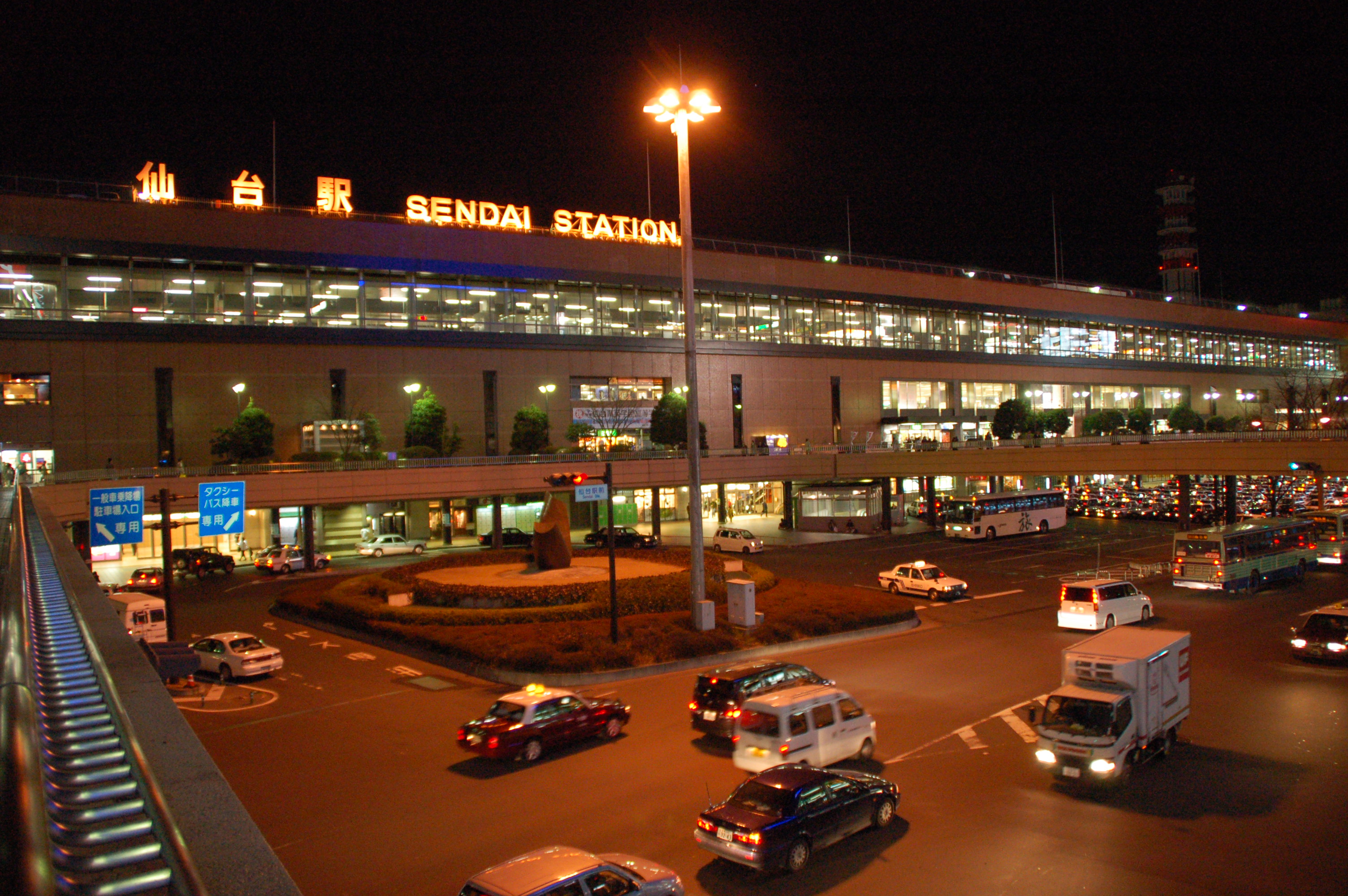
Afternoon: Arrive Sendai by Shinkansen from Tokyo. Drop luggage at your hotel in the station area. Evening: Begin at Beer Belly Sendai in Kokubuncho for an introductory tasting flight of Tohoku craft beers — let the staff guide you through 4–5 regional selections. Night: Move to a second craft bar in the Minami Honcho area for a quieter, more focused beer experience. Pair with local yakitori and gyutan small plates. Budget: ¥5,000–¥8,000 ($33–$53) including food.
Day 2: Morioka Day Trip (Iwate)
Morning: Take the Shinkansen to Morioka (about 35 minutes from Sendai). 10:00 a.m.: Walk through the historic Konyamachi stone-paved street to Iwate Kura Beer — if the tap is open, start with a morning tasting (Japanese drinking culture accepts morning beer with food more readily than Western cultures might expect). Lunch: Wanko soba noodle challenge at a nearby restaurant — fueling up before the afternoon. Afternoon: Explore Morioka’s craft beer bars; check for any active brewery events. Evening: Return to Sendai by Shinkansen. Budget for Morioka: ¥6,000–¥10,000 ($40–$67).
Day 3: Tazawako Craft Beer (Akita)
Morning: Take the Akita Shinkansen from Sendai (or Morioka) to Tazawako Station (about 1.5 hours from Sendai via Morioka). 11:00 a.m.: Bus to Tazawa-Kohan resort area. 11:30 a.m.–3:00 p.m.: Full Tazawako Craft Beer experience — brewery visit, tasting flight of 4–6 beers, lunch at the Folklore Tazawa restaurant featuring Akita cuisine pairings. 3:30 p.m.: Walk along Lake Tazawa’s shores before returning to Tazawako Station. Evening: Shinkansen back toward Sendai, Tokyo, or wherever your journey continues. Budget: ¥8,000–¥12,000 ($53–$80) including transport and food.
Related Articles You Might Enjoy
- Stargazing in Tohoku: Best Dark Sky Spots in Northeast Japan
- Tohoku Travel Budget Guide: How Much Does a Trip to Northeast Japan Really Cost?
- Tohoku Onsen Guide: The Best Hot Springs in Northeast Japan for Foreign Visitors
- Tohoku 7-Day Itinerary: The Perfect First-Timer’s Route Through Northeast Japan
- Best Instagram Spots in Tohoku: 15 Stunning Photo Locations in Northeast Japan
Final Thoughts
Japan’s craft beer scene has matured into something genuinely world-class, and Tohoku’s contribution to that maturity is substantial and growing. From the three-decade legacy of Tazawako Craft Beer beside Japan’s deepest lake, to the historic sake warehouse-turned-taproom in Morioka’s stone-paved merchant quarter, to the emerging recovery breweries of Fukushima, the northeast has produced a beer culture that is both distinctly Japanese and deeply authentic to the specific places it comes from. The clean mountain water, the locally-grown ingredients, the fermentation knowledge passed down through sake traditions — all of it contributes to beers that you simply cannot find anywhere else on earth.
Come for the onsen, come for the festivals, come for the soba and the gyutan — but stay for a cold pint of Tazawako Altbier on a wooden deck overlooking a lake that’s over 400 meters deep, and you’ll understand why Tohoku’s craft beer scene deserves your attention. Kampai!
Got questions about planning your Tohoku trip, or spotted something we missed? We’d love to hear from you — drop us a message here.


コメント