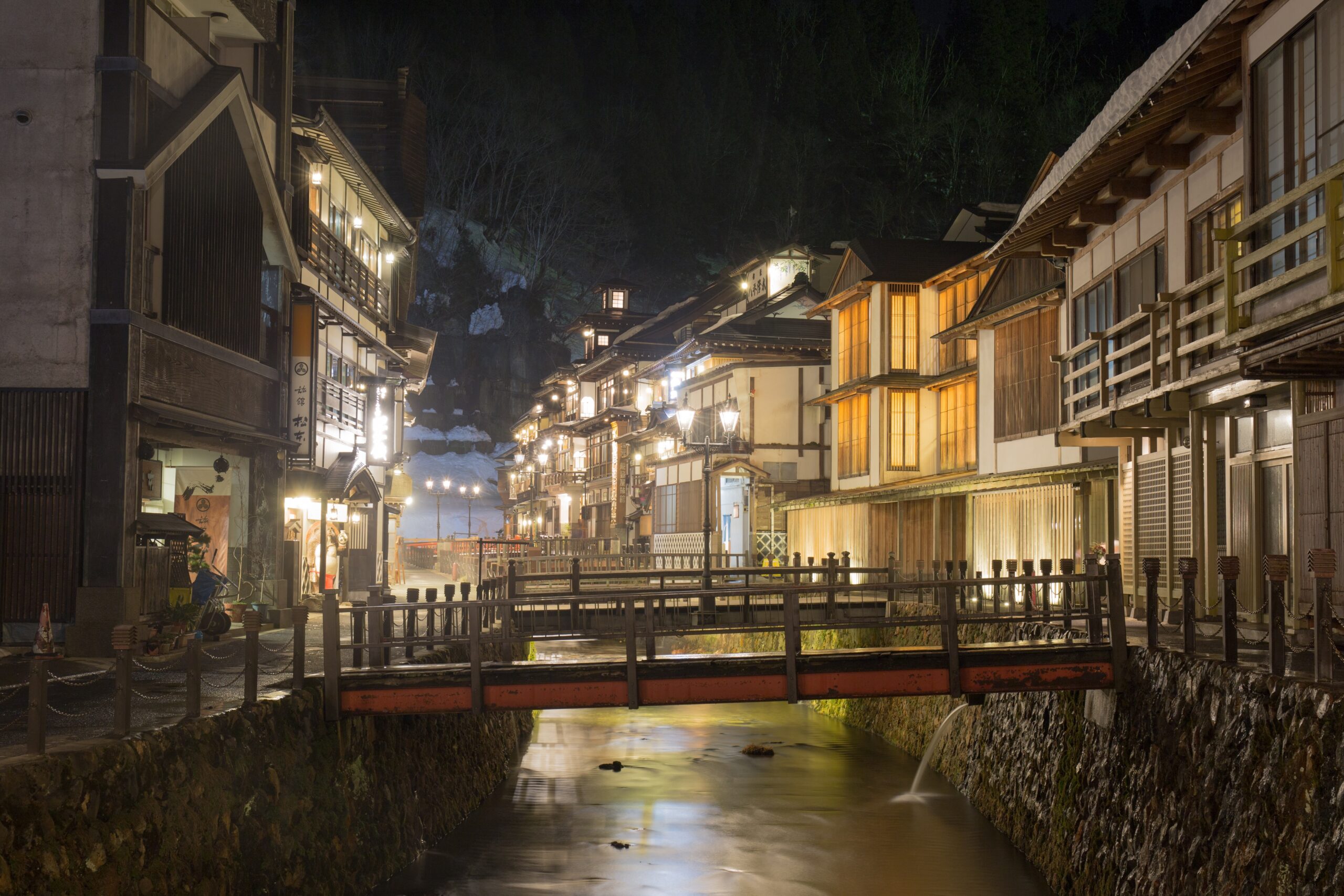
Forget the crowded selfie sticks at Fushimi Inari and the filtered chaos of Arashiyama’s bamboo grove. Northeast Japan’s Tohoku region is where genuinely jaw-dropping photography happens — and where you’ll have those spectacular shots almost entirely to yourself. From ghost-like snow-covered trees rising from volcanic mist to mirror-flat cherry blossom reflections stretching across ancient castle moats, Tohoku offers some of Japan’s most breathtaking imagery with a fraction of the tourist crowds. Here are the 15 most stunning photography locations in Tohoku, with practical tips to help you capture each one at its absolute best.
Why Tohoku is a Photographer’s Dream
Photography is fundamentally about light, geometry, and the absence of clutter. Tohoku excels at all three. Its landscapes shift dramatically with each season — cherry blossoms in April, deep summer greens and festival lanterns in August, fiery autumn foliage from October through November, and the extraordinary snow and ice formations of winter. The region covers six prefectures across Japan’s northeastern Honshu island, each with distinct natural character and cultural traditions.
What makes Tohoku especially valuable for photographers is scale combined with solitude. You can stand in front of scenes that would generate thousands of Instagram posts at Kyoto’s famous sites, yet find yourself nearly alone. Even in peak cherry blossom season, spots like Kakunodate’s samurai district or Kitakami’s river park see a fraction of the crowds found further south. The light is also extraordinary — Tohoku’s clear northern air, especially in autumn and winter, creates the kind of crisp, dramatic illumination that photographers travel the world to find.
This guide covers 15 of the region’s most photogenic locations, organized roughly from most accessible to most remote. For each spot, we’ve included the best time to visit, ideal shooting positions, and practical logistics so you can plan your trip efficiently.
1. Ginzan Onsen, Yamagata — Japan’s Most Magical Hot Spring Village
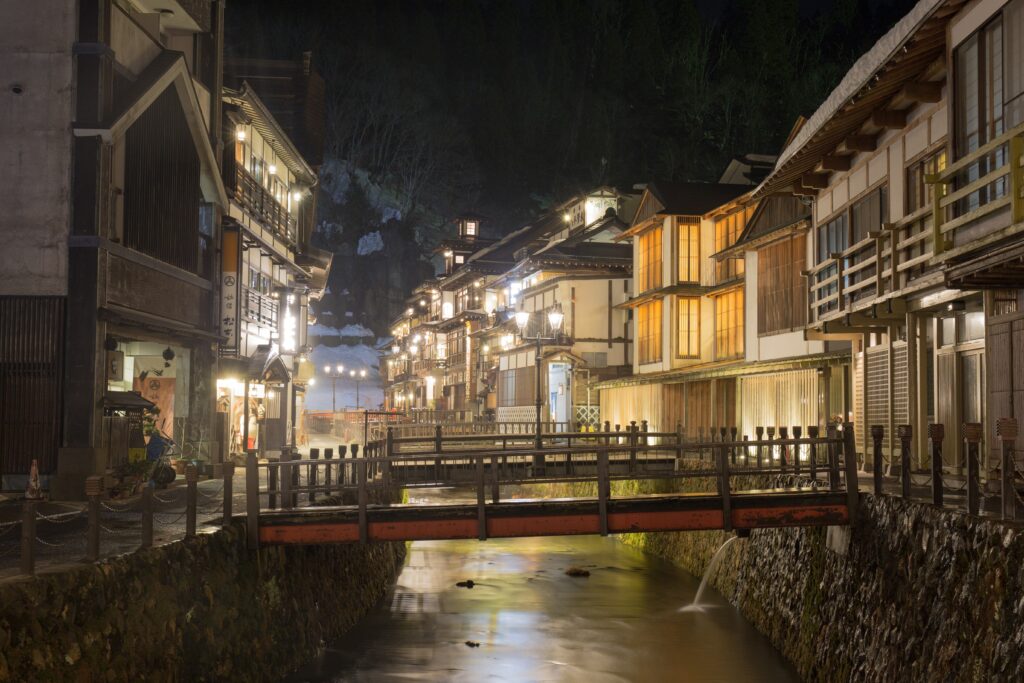
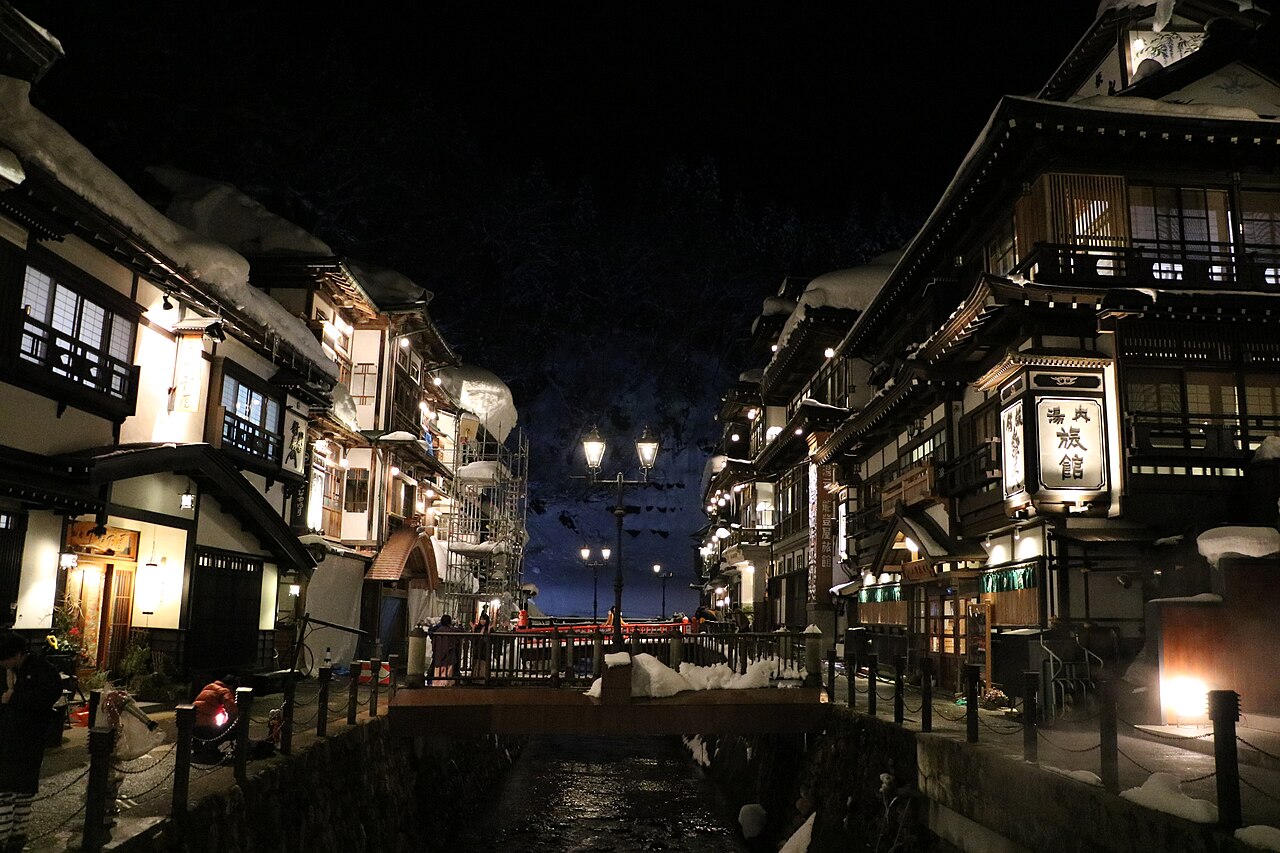
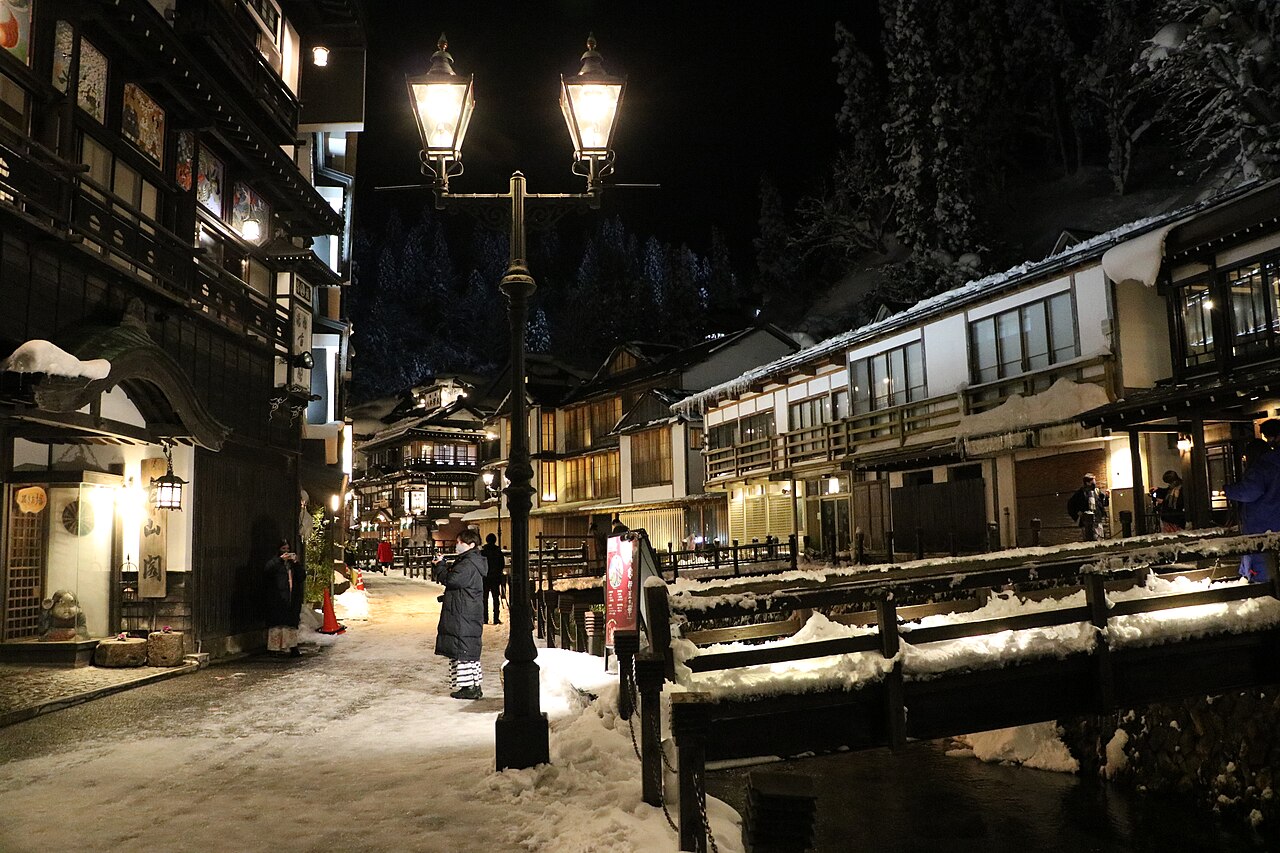
If you’ve seen photos of a snow-draped Japanese hot spring village with wooden ryokan glowing orange against a white landscape, you’ve probably already seen Ginzan Onsen without knowing it. This small onsen village in the mountains of Yamagata Prefecture is consistently ranked among Japan’s most beautiful winter photography subjects — and rightfully so.
The main photographic draw is the row of three- and four-story wooden ryokan lining both banks of the Ginzan River, best captured from the small bridges that cross the narrow gorge. In winter (December through March), the combination of fresh snow, warm ryokan lighting at dusk, and rising steam from the river creates an atmosphere that feels almost fictional. The blue hour just before sunset, when the sky turns deep indigo and the ryokan lights come on, is the single best window for photography — plan to be in position around 4:00–4:30 PM in December and January.
Shooting tips: Arrive at least an hour before sunset to find your ideal angle. The bridge directly in front of the Noto-ya Ryokan is the most popular position, but exploring further upstream reveals less-photographed angles. A tripod is essential for the low-light dusk shots. The village is very small — you can cover it entirely on foot in 20 minutes, so take your time choosing compositions. On weekends in peak winter season, other photographers will be competing for the best spots; arrive early or stay after dinner when day-trippers have departed.
Getting there: Ginzan Onsen is about 3.5 hours from Tokyo by Shinkansen to Yamagata Station (¥13,000–¥15,000 / ~$90–100), then a local bus (~70 min) or taxi (~¥7,000 / ~$47) from Oishida Station. Staying overnight is strongly recommended — it’s too far for a comfortable day trip, and the nighttime and morning photography opportunities are extraordinary. Budget ryokan start around ¥12,000–¥15,000 ($80–100) per person including dinner and breakfast.
2. Hirosaki Castle Cherry Blossoms, Aomori — Japan’s Most Photographed Castle Moat
Japan has hundreds of cherry blossom festivals, but Hirosaki’s stands apart. The combination of 2,600 sakura trees, a castle moat that fills with floating petals, and the backdrop of snow-capped Mount Iwaki creates a scene that regularly tops “most beautiful cherry blossom” lists in both Japanese and international travel media. During peak bloom (late April to early May), the moat becomes a solid carpet of pink petals — a phenomenon called “hanaikada” (flower raft) that is unique to Hirosaki in its scale and beauty.
The castle’s west moat is the primary photography location. At peak bloom, fallen petals completely cover the water surface, creating a reflection-free pink carpet that extends the length of the moat. The small arched bridge that crosses the moat near the castle’s main gate provides the perfect elevated vantage point. For the most dramatic shots, arrive early morning (6–8 AM) before crowds build and when golden-hour light illuminates the petals from the east.
An alternative angle for photographers is the southeast corner of the outer moat at dawn, where mist often lingers over the water and the castle tower rises behind the trees. This is less crowded than the main entrances and produces more atmospheric, less literal images. The park is open 24 hours during festival season (late April through May 5), so night photography with the lantern illuminations is also viable.
Getting there: Hirosaki is about 3 hours from Tokyo by Shinkansen to Shin-Aomori (¥17,000 / ~$115), then 35 minutes by local train. From Sendai, the trip takes about 2.5 hours. Peak bloom usually falls during Golden Week (late April–May 5), which is Japan’s busiest travel period — book accommodation and transport months in advance. Budget accommodation near the park starts around ¥5,000–¥8,000 ($35–55) per night.
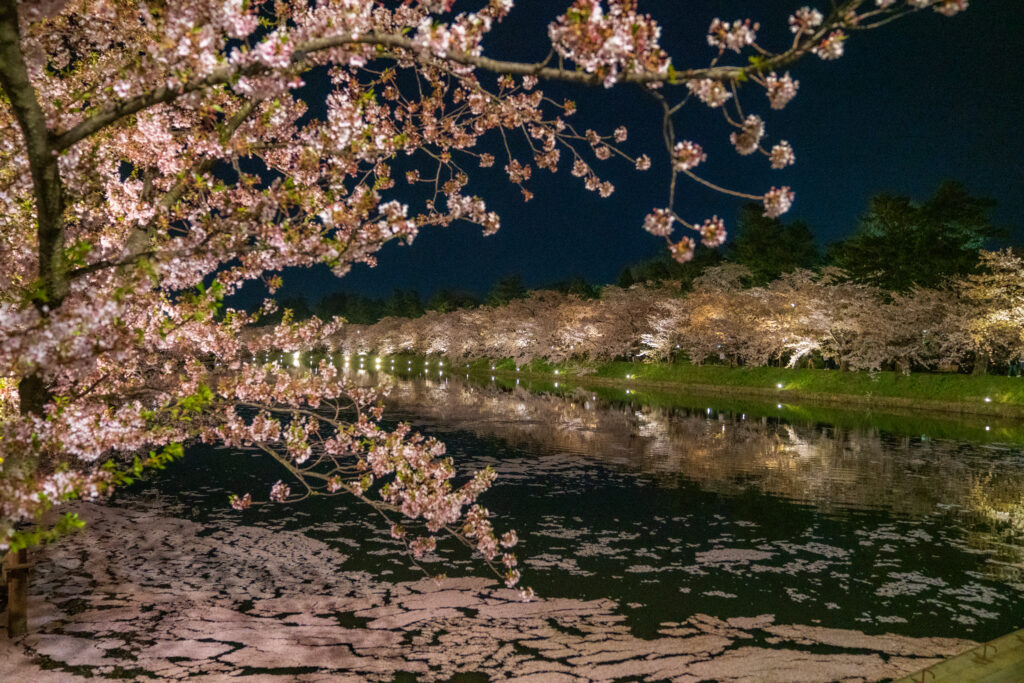 Hirosaki Castle’s moat transforms into a floating carpet of cherry petals during peak bloom — one of Japan’s most spectacular spring photography settings. Credit: mko294 (CC BY 4.0)
3. Matsushima Bay, Miyagi — Pine Islands at Dawn
Traditionally listed as one of Japan’s “three views” (nihon sankei), Matsushima is a bay scattered with approximately 260 pine-covered islands of varying sizes, shapes, and moods. While it’s the most accessible entry on this list — just 40 minutes by train from Sendai — it rewards photographers who approach it with patience rather than the typical quick-boat-tour-and-lunch approach.
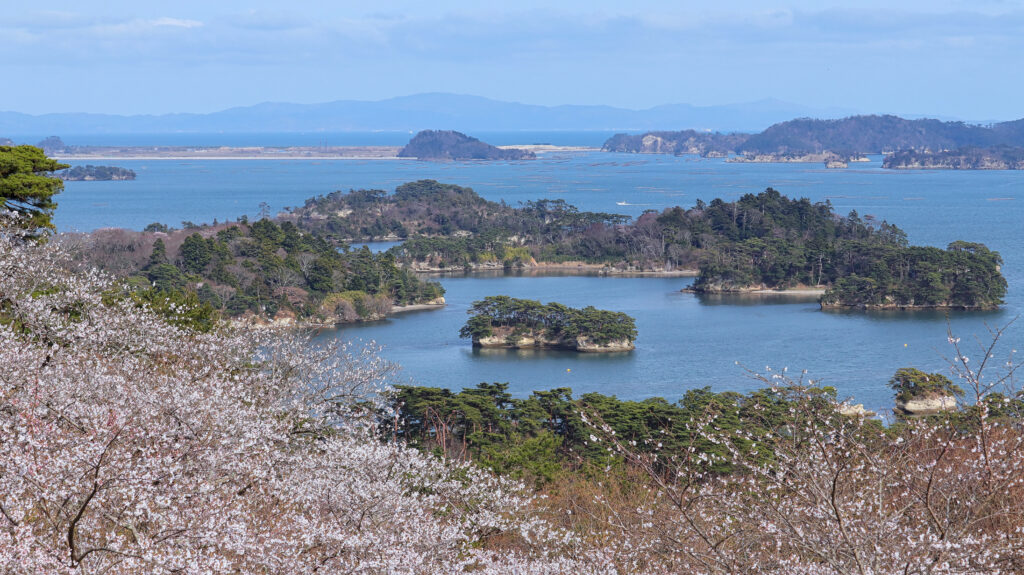
The best photography at Matsushima happens at the edges of the main tourist zone. From the Kanrantei tea pavilion on the hill east of town, you get elevated views of the bay and multiple islands layering into the distance — excellent for wide shots that convey the scale of the landscape. The small Oshima Island, connected by a red bridge walkable from the town center, has rocky viewpoints that look back toward the mainland with pine-covered islets in the foreground.
For cherry blossom season (early to mid-April), the combination of sakura trees, ancient temple buildings, and the scattered islands creates a scene that is almost overwhelming in its beauty. This is also a popular subject, so arrive before 8 AM to photograph before tour buses arrive. In autumn, the maples that line the path to Zuiganji Temple turn brilliant orange and red — late October through early November is excellent for foliage photographers.
Getting there: From Sendai, take the JR Senseki Line to Matsushima-Kaigan Station (about 40 minutes, ~¥540 / $3.60). Alternatively, take a sightseeing boat from Shiogama (50 minutes, ¥1,500 / ~$10) for a completely different perspective — photographing from the water with the islands as your subject. Day trips from Sendai are easy and common.
4. Kakunodate Samurai District, Akita — Weeping Cherries in a Feudal Town
Kakunodate’s samurai district is one of Japan’s best-preserved feudal neighborhoods, with centuries-old buké-yashiki (samurai residences) lining wide earthen roads. In late April, the 150 weeping cherry trees that fill this district’s streets transform it into one of the most surreal spring photography settings in the country — their long pink cascades flowing down from ancient black-walled compounds in a display that evokes feudal Japan far more vividly than anything you’ll find in a museum.
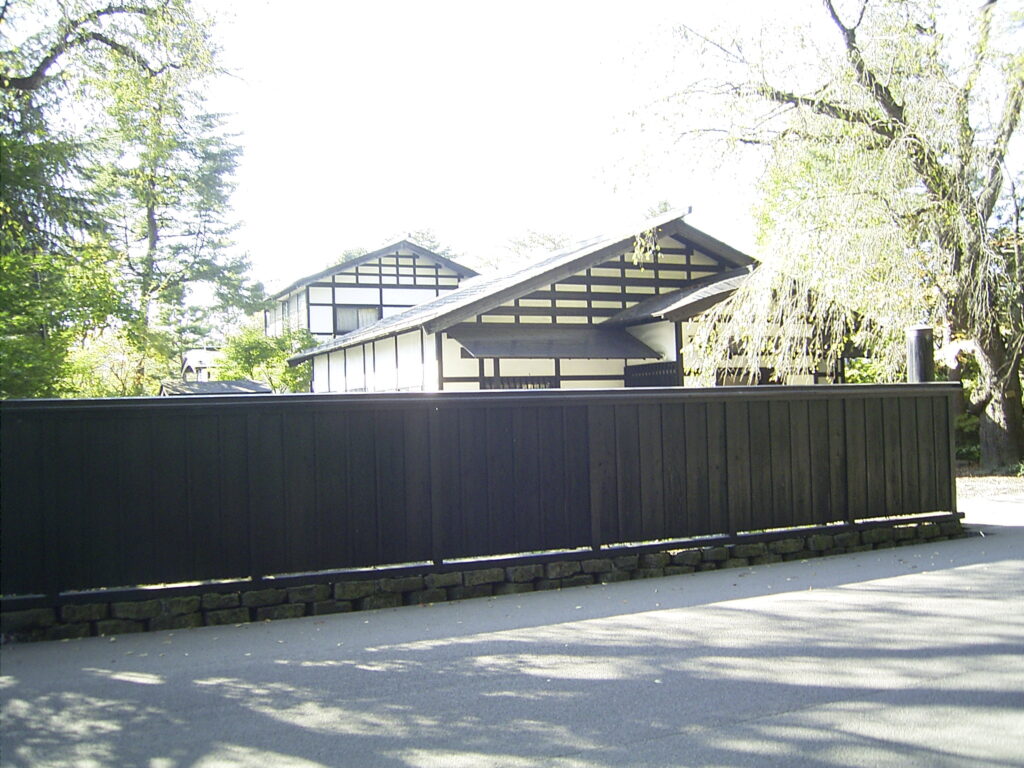
The weeping cherries (shidare-zakura) here are descendants of trees planted by the Date clan, some of which are over 300 years old. The combination of age, scale (some trees are 15 meters / 49 feet across), and architectural setting creates photographs that are unlike any other sakura scene in Japan. The ideal shooting position is looking down Uchimachi Bukeyashiki Street toward the mountains, with the weeping branches creating natural frames on both sides.
Outside cherry blossom season, Kakunodate remains an exceptional photography destination. The preserved architecture photographs beautifully in autumn when the district maples turn, and the stark black-and-white composition of snow-covered samurai residences in winter has a powerful graphic quality. Kakunodate is also well known for Akita cedar crafts — the workshops and galleries along the main street provide interesting documentary photography subjects.
Getting there: Kakunodate is about 3 hours from Tokyo by Shinkansen on the Akita Shinkansen line (¥15,000–¥17,000 / ~$100–115) — the same train that stops at Morioka. It’s also about 40 minutes by Shinkansen from Akita City. Most photographers visit as a day trip from Morioka or Akita, but there are several excellent ryokan in town for overnight stays (¥12,000–¥25,000 per person including meals).
5. Zao Snow Monsters, Yamagata — Otherworldly Winter Wonderland
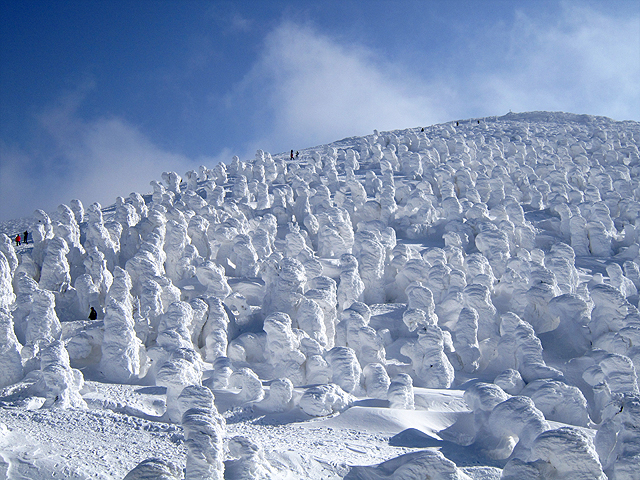
No list of Tohoku photography spots would be complete without the Zao snow monsters — the extraordinary ice formations that appear on Zao Mountain’s forests between January and March. These “juhyo” (ice trees) form when supercooled fog and snowfall accumulate on the mountain’s conifer trees, creating massive rounded white sculptures that look simultaneously prehistoric and extra-terrestrial. At 1,661 meters (5,449 feet) elevation, the juhyo field extends for kilometers across the plateau, with formations growing to 2–3 meters (6–10 feet) tall by peak season in February.
The most convenient photography access is via the Zao Ropeway, which operates year-round and deposits you directly into the juhyo field at the top. The upper ropeway terminal at Jizo-sancho is surrounded by formations and provides immediate photographic access. For the most dramatic shots, look for morning light after a clear night — the blue shadows that fall across the white formations in golden-hour light create compelling contrast. Overcast days often produce a flat, monochrome world that has its own haunting beauty for black-and-white photography.
Practical note: The ropeway costs ¥2,800 (about $19) for a round trip. Dress very warmly — temperatures at the summit frequently drop to -15°C (5°F) or colder, with windchill making it feel much colder. Battery life drops dramatically in extreme cold, so keep a spare battery warm inside your jacket. The juhyo formations are at their best in early to mid-February — early January may be underdeveloped, and March sees melting beginning.
Getting there: Zao Onsen (the base village) is accessible by bus from Yamagata Station (about 40 minutes, ¥970 / ~$6.50). Yamagata is about 1.5 hours from Tokyo by Shinkansen (¥12,500 / ~$85). Staying at Zao Onsen overnight is highly recommended — the village has excellent hot spring baths for warming up after cold-morning photography sessions, and first tracks in the snow before day-trippers arrive are worth the early start.
6. Aoike (Blue Pond), Shirakami-Sanchi, Aomori — Japan’s Hidden Emerald Gem
Deep within the Shirakami-Sanchi UNESCO World Heritage beech forest on the Aomori-Akita border lies one of Japan’s most extraordinary natural photography subjects: Aoike, a small lake whose water shifts between emerald green and vivid cobalt blue depending on cloud cover, season, and angle of light. The submerged dead trees that stand upright in the still water, their bleached trunks reflecting in the perfectly calm surface, create images of striking graphic power.
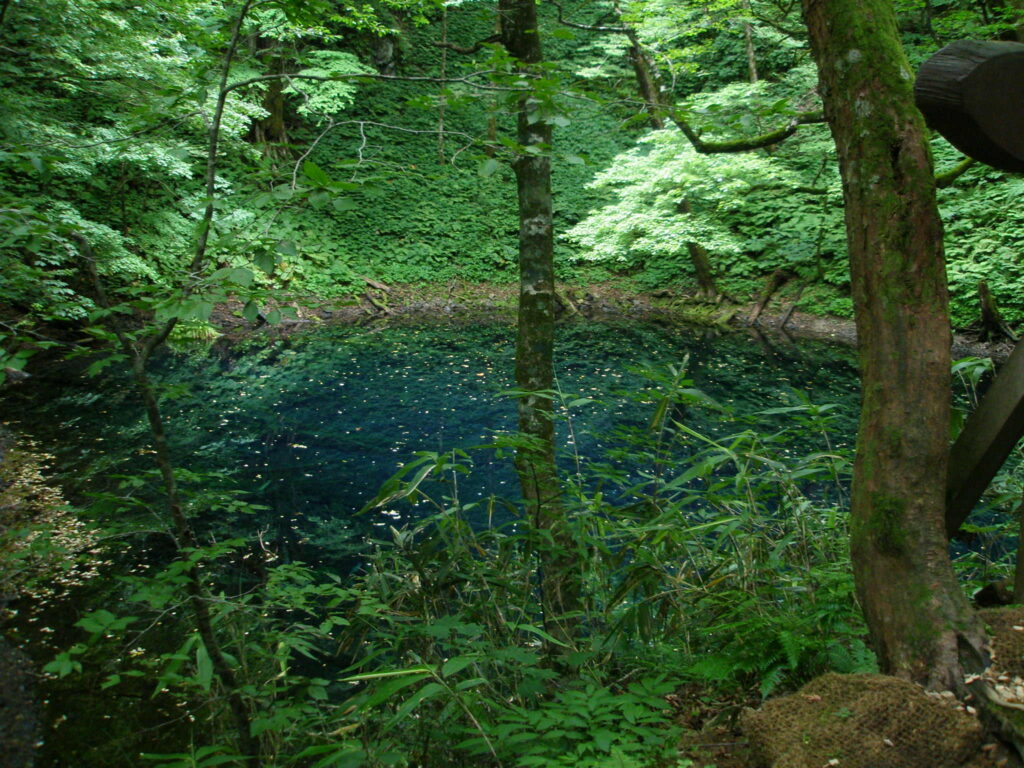
Aoike is part of the Juniko (Twelve Lakes) area, a cluster of forest ponds at varying elevations within the Shirakami-Sanchi. The hiking trail through the area passes several other striking ponds before reaching Aoike, so plan 2–3 hours for the full loop. The color of the water is most vivid on overcast days when direct sunlight doesn’t bleach the surface — the rich blue-green saturation that makes this place so remarkable is actually more visible when skies are cloudy. The best seasons are late spring (May–June), when surrounding beech forest turns fresh green, and October, when autumn colors frame the lake.
Getting there: Juniko Station on the Gonō Line is a 30-minute walk from the trailhead. Trains run from Hirosaki (about 90 minutes) and from Noshiro on the Akita side. A car is more flexible and recommended — the drive from Hirosaki takes about an hour. There are no hotels within the forest itself; base yourself in Hirosaki or coastal towns along the Gonō Line.
7. Yamadera Temple, Yamagata — Cliffside Temples Above the Clouds
Risshakuji Temple — universally called “Yamadera” (mountain temple) by locals — climbs a steep mountain face above the small town of Yamadera, its ancient halls and meditation platforms clinging to sheer rock outcroppings among ancient cedars. The climb involves 1,015 stone steps, which sounds daunting but rewards every photographer with increasingly dramatic compositions as you ascend. At the top, the Okunoin inner sanctum and Godaido viewpoint offer views down into the valley below with rooftops, river, and mountain layered into the distance.
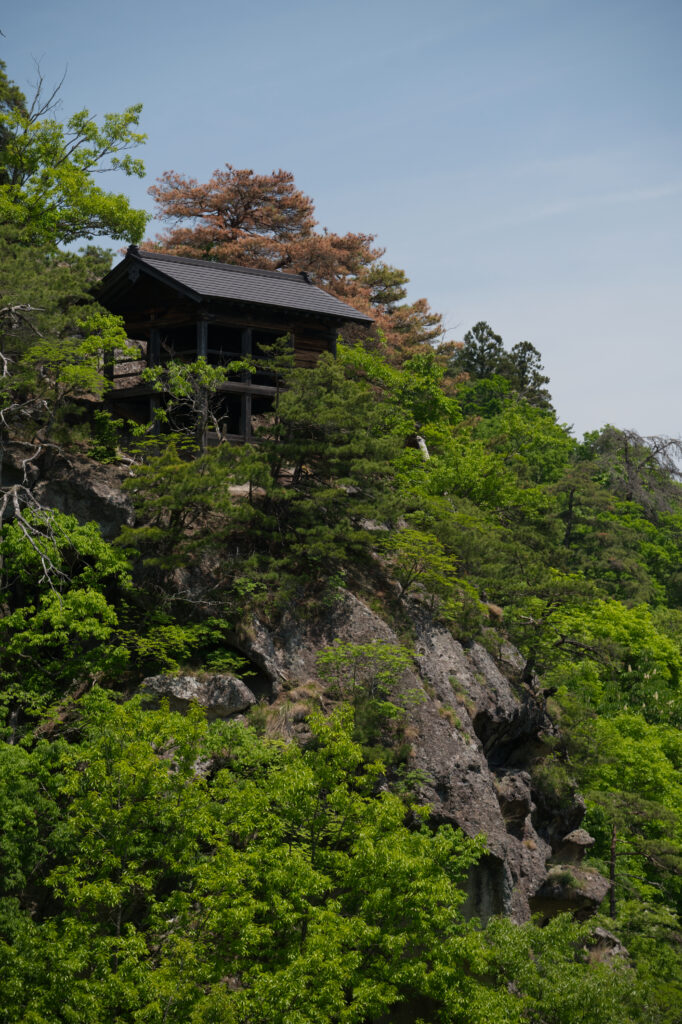
The best photography at Yamadera works at two scales: intimate shots of moss-covered stone steps, ancient wooden halls set against rock faces, and lantern-lit passageways; and expansive wide shots from the summit platforms that show the full drama of the setting. The famous Matsuo Bashō haiku about the silence broken only by the cry of cicadas was composed here in 1689 — the contemplative atmosphere he described is still entirely palpable, especially on weekday mornings before tour groups arrive.
For autumn photography (mid-October to early November), the combination of temple architecture and maple foliage is exceptional. Snow season (January–February) transforms the mountain into a monochromatic masterpiece of white, gray, and black architectural forms. Summer mornings sometimes produce low-lying cloud that fills the valley, making the summit feel like an island above a sea of mist — arrive before 8 AM for the best chance of catching this.
Getting there: Yamadera Station is about 18 minutes by local train from Yamagata Station (¥250 / ~$1.70). From Tokyo, the Yamagata Shinkansen takes about 2.5 hours to Yamagata (¥12,500 / ~$85). Entry to the temple climb costs ¥300 (about $2). The site opens at 8 AM; arriving at opening gives you the first hour largely to yourself before day-trip groups arrive from Yamagata city.
8. Sendai Tanabata Festival, Miyagi — Japan’s Most Spectacular Star Festival Decorations
Every August 6–8, central Sendai transforms into a forest of enormous handmade paper decorations in an explosion of color and craftsmanship that has no real parallel anywhere in Japan. The Tanabata (Star Festival) tradition here is centuries old, and the elaborate streamers — some stretching 3–5 meters (10–16 feet) — are made by neighborhood groups over months of preparation. Photographing within these decorated shopping arcades feels like moving through a surreal, colorful dreamscape.
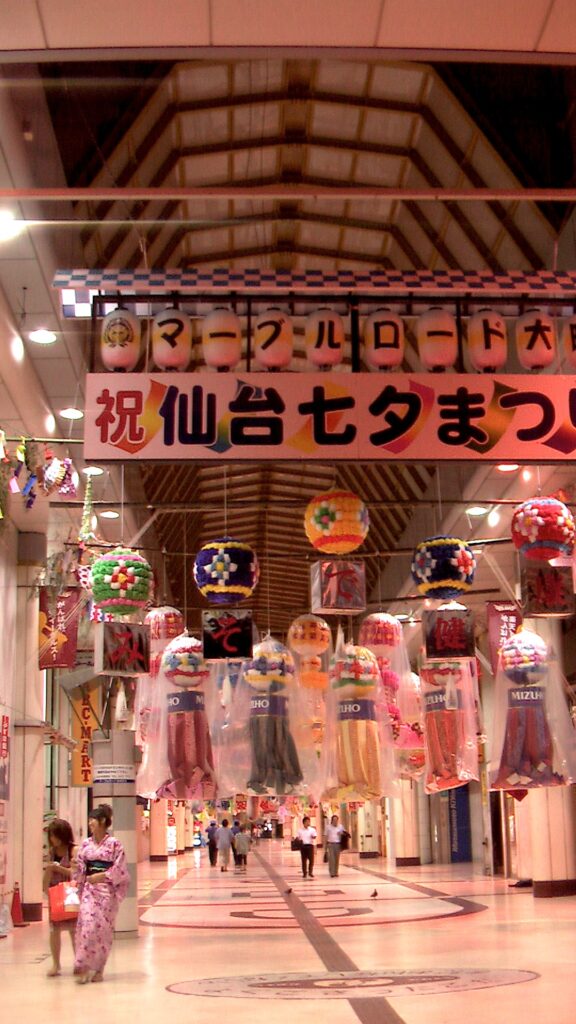
The main decorated arcade runs through the Chuo shopping district near Sendai Station, but the decoration density is highest in the covered arcades of Ichibancho. The best photography is in the early morning (7–9 AM) before the arcades fill with festival crowds — the decorations hang perfectly still in the still morning air, and you can position yourself for long-corridor shots without pedestrian interference. The decorations are so large that a wide-angle lens (14–24mm on full frame) is almost essential for capturing single pieces in their entirety.
The Tanabata Fireworks on August 5 (the evening before the main festival) launch from Nishikōen Park and draw an enormous crowd — arrive early to secure a good shooting position along the riverbank or from higher vantage points in the surrounding hills. The main parade on August 6 is also excellent documentary photography material. Sendai in August can be hot (32°C / 90°F) and humid, so plan photography sessions for early morning and evening.
9. Naruko Gorge, Miyagi — Tohoku’s Most Accessible Autumn Foliage
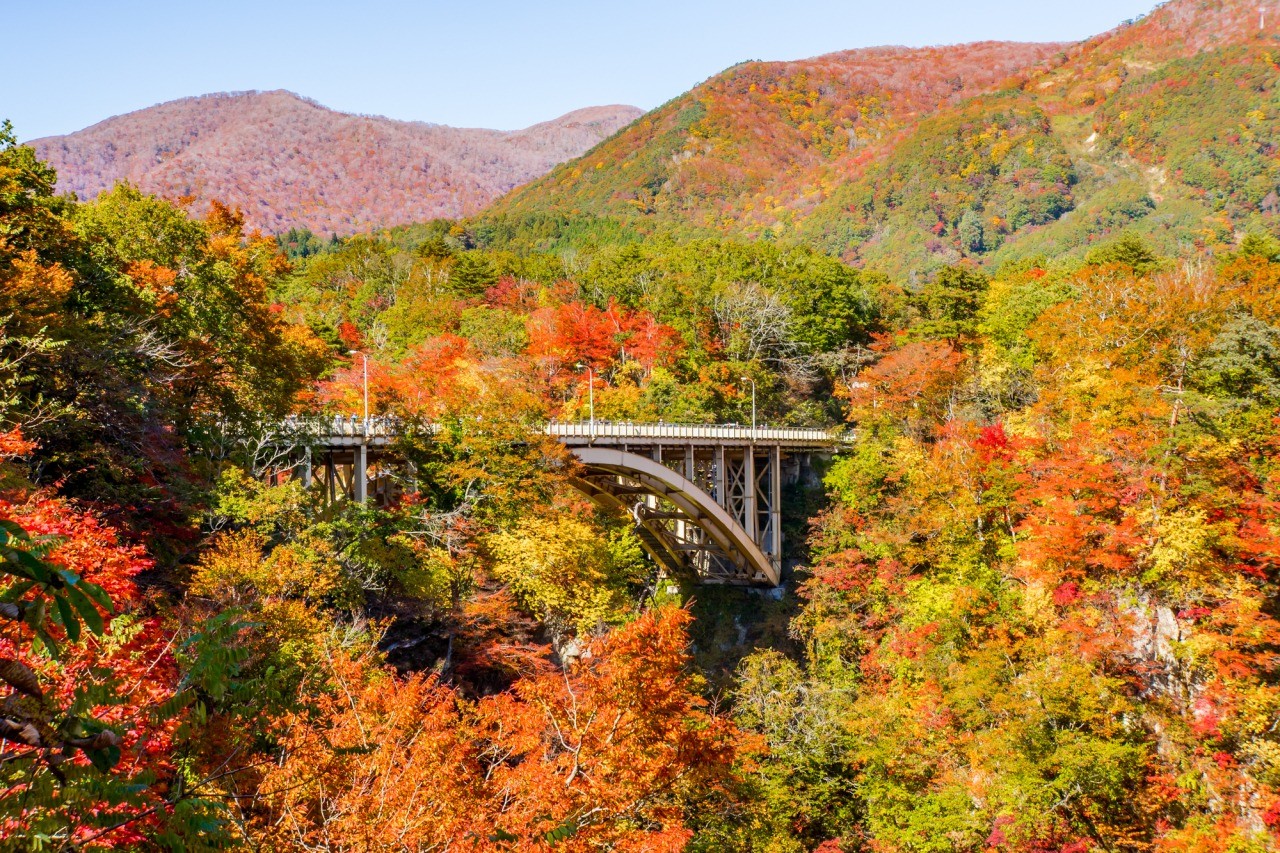
While Tohoku has many excellent autumn foliage destinations, Naruko Gorge in western Miyagi Prefecture stands out for its accessibility (easily reachable by train from Sendai), the intensity of its colors, and the dramatic stone gorge setting. The gorge is about 2 kilometers long with sheer rock walls rising 100 meters (328 feet), and the maples, beeches, and other deciduous trees that line these walls turn exceptional shades of red, orange, and gold in mid-October to early November.
The primary photography viewpoint is from Ofukazawa Bridge, which spans the gorge and provides a long, sweeping view down into the rocky canyon. For higher vantage points, a short hiking trail above the gorge offers perspectives looking down on the color-filled valley. The combination of the autumn foliage, the narrow dark gorge, and the stream far below creates images with tremendous depth and richness.
Naruko Gorge is also a hot spring area (naruko means “creaking floorboards” — a reference to the sound that protected samurai from ninja attack). The town of Naruko has several small public bathhouses perfect for warming up after autumn hiking. The famous Naruko kokeshi dolls are made here — the workshops provide an interesting documentation subject before or after your gorge visit.
Getting there: Naruko-Onsen Station is accessible by JR Rikuu-tō Line from Furukawa, itself a Shinkansen stop (about 3 hours from Tokyo, ¥12,000–¥14,000 / ~$80–95). From Sendai, the journey takes about 2 hours by local train. Peak foliage typically runs from mid to late October — check seasonal reports before planning your trip.
10. Lake Tazawa, Akita — Japan’s Deepest Lake in Autumn
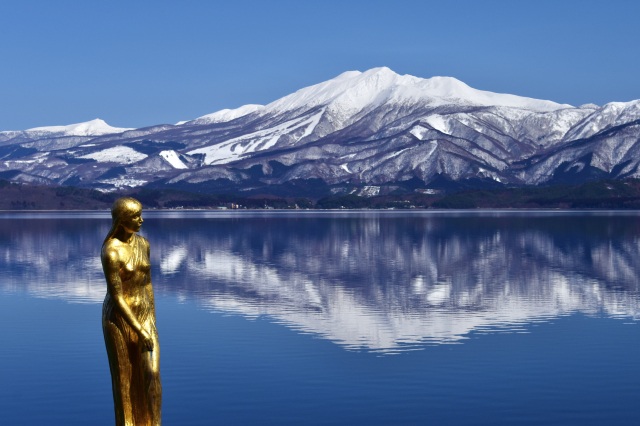
At 423 meters (1,388 feet) deep, Lake Tazawa is Japan’s deepest lake, and its unusual depth means the water remains a remarkable cobalt blue year-round while shallower waters turn green or brown with temperature changes. The lake sits in a caldera on the Akita-Iwate border, ringed by forested mountains that turn brilliant autumn colors in October. The iconic photography subject is the bronze “Tatsuko” statue that stands in the lake near the eastern shore — a young woman in graceful pose partially submerged in the blue water, framed by autumn mountains in the distance.
For the most dramatic lake photography, use the observation platforms on the northern and western shores for morning light, or take a boat tour to get perspectives from the water looking back toward the mountains. The lake circuit road (about 20 km / 12 miles) can be cycled in 1.5–2 hours, passing several excellent viewpoints. In winter, the lake never freezes (too deep), creating interesting compositions of steam rising from the blue water with snow-covered mountains behind.
11. Goshikinuma Five Colored Lakes, Fukushima — Volcanic Crater Ponds
Bandai-Asahi National Park near Urabandai in Fukushima Prefecture contains over 300 lakes and ponds formed by the great volcanic eruption of Mount Bandai in 1888. The most photogenic are the Goshikinuma (“five colored swamps”), a cluster of ponds that display vivid and varying hues — from turquoise to green to cobalt blue to reddish-brown — due to different mineral contents from the volcanic activity. A 3.6-kilometer hiking trail connects all the major ponds for approximately 1.5 hours of walking.
The colors are most vivid in the first hours after dawn, before direct sunlight creates surface glare. The Bishamon-numa pond at the trail’s entrance is the largest and most intensely colored — its turquoise water ringed with reeds and small rowboats for hire creates quintessentially Japanese landscape photography. The smaller Aka-numa (Red Swamp) further along the trail is more richly colored in reddish tones and less photographed. Autumn (mid-October) adds surrounding foliage to the scene. Boardwalks through marshy sections keep your feet dry and reduce impact on the landscape.
12. Geibikei Gorge, Iwate — Serene River Photography from a Boat
Geibikei Gorge offers something unusual in Tohoku photography: the opportunity to photograph from a boat at water level, looking up at sheer rock walls rising 50 meters (164 feet) on both sides of the Satetsu River. The hour-long flat-bottom boat journey (poled by a boatman in traditional fashion) travels 2 kilometers into the gorge and back, and the changing light, reflections, and rock formations provide constantly evolving photography subjects throughout the trip.
The gorge is particularly beautiful in autumn (October–November) when maple trees on the cliff tops create a frame of red and orange above the gray rock walls. In winter, ice formations and snow on the ledges add a stark, monochrome quality. Morning trips have better light than afternoon on the valley floor. The unique photography challenge here is working with moving water, boat motion, and shooting upward into the sky — polarizing filters are useful for managing sky/shadow contrast, and the ability to shoot at 1/500 second or faster helps freeze any boat movement.
13. Kitakami Tenshochi, Iwate — 10,000 Cherry Trees Along a River
The Tenshochi park along the Kitakami River in Iwate Prefecture contains approximately 10,000 cherry trees stretching for 2 kilometers along the riverbank — creating what local tourism calls one of Japan’s best cherry blossom views. Unlike Hirosaki’s castle drama or Kakunodate’s architectural context, Kitakami’s appeal is pure scale: a seemingly endless tunnel of pink along a broad river, with traditional vermilion Makkozan Kōkōzen-ji Temple providing a cultural focal point at the park’s center.
The most photographic elements are the long perspectives along the riverbank path with cherry trees creating a natural tunnel, the traditional pleasure boats (yakatabune) that cruise the river during festival season, and the riverside reflections visible when the wind is calm. The park’s eastern bank is slightly less crowded than the main festival grounds on the west side and provides better light for afternoon photography.
Getting there: Kitakami Station on the Tōhoku Shinkansen (about 2.5 hours from Tokyo, ¥13,000–¥15,000 / ~$90–100) is a 15-minute walk from the park. Peak bloom typically falls in late April — check the annual bloom forecast. The Tenshochi Sakura Festival runs for about two weeks during bloom season.
14. Oga Peninsula, Akita — Dramatic Sea Cliffs and Namahage
The Oga Peninsula juts into the Sea of Japan from Akita’s western coast, featuring dramatic basalt sea cliffs, fishing villages, and a deeply distinctive local culture centered on the Namahage deity. While Oga is often visited for its cultural interest, it’s also an excellent landscape photography destination — the western Kanpū coast has some of the most dramatic coastal scenery in Tohoku, with sheer cliffs dropping to crashing surf and small islands offshore.
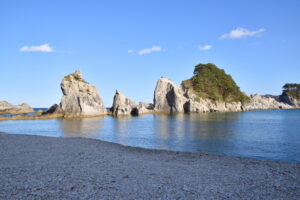
The Gōdo Iwa (five linked rocks) formation near the tip of the peninsula is the most iconic sea cliff subject. Sunrise from the eastern coast and sunset from the western cliffs both offer outstanding light conditions against ocean backdrops. The Namahage Museum outside Oga City documents the region’s extraordinary midwinter tradition and provides interesting portrait and documentary photography opportunities during the Seishin Festival in February.
15. Nyuto Onsen Village, Akita — Steam and Snow in a Mountain Valley
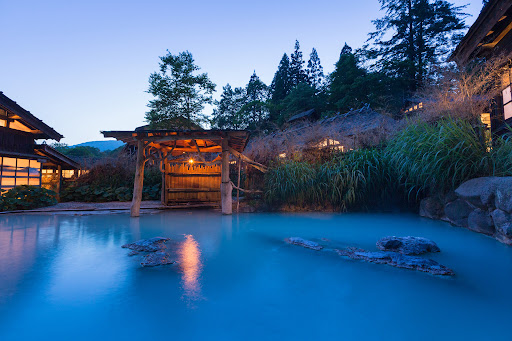
The seven traditional inns of Nyuto Onsen Village, tucked into a remote mountain valley in the Towada-Hachimantai National Park, offer one of Tohoku’s most atmospheric photography settings from November through April. The combination of heavy snowfall, rising steam from outdoor onsen baths, dense forest, and traditional wooden architecture creates an environment that is simultaneously elemental and refined — perfectly suited to moody, contemplative photography.
The iconic outdoor bath at Tsurunoyu Onsen (the oldest inn in the village, operating since the 1600s) is Tohoku’s most photographed onsen scene. The milky white mineral water, wooden enclosure set against snow-laden trees, and rising steam are the core visual elements. Photography from public areas is welcome at Tsurunoyu; for the best bath shots, the inn sells day-use admission to guests who wish to photograph and bathe (¥600 / ~$4 for non-overnight guests during off-peak times). Winter mornings offer the most steam and dramatic light; the bath looks especially striking at around 7–9 AM when cold air maximizes steam rising.
Getting there: Nyuto Onsen is accessible by bus from Tazawako Station (on the Akita Shinkansen) — about 50 minutes and ¥780 ($5.30) one way. Tazawako is about 3 hours from Tokyo by Shinkansen (¥15,000 / ~$100). Overnight stays at Tsurunoyu require advance booking (sometimes months ahead for peak winter weekends); same-day visits for day-use bathing and photography are more accessible but still popular on winter weekends.
Essential Photography Tips for Tohoku
Planning Your Timing
The most critical factor in Tohoku landscape photography is alignment between your visit and the natural phenomenon you’re targeting. Cherry blossoms typically peak in Tohoku 1–3 weeks later than Tokyo — usually late April to early May, compared to Tokyo’s late March. Autumn foliage similarly runs later — mid-October to mid-November for most of Tohoku. Winter phenomena (snow monsters, onsen steam, snow-covered architecture) are best in January–February. Use Japan Meteorological Corporation’s sakura forecast (updated annually from February) and local prefectural tourism sites for the most accurate timing information.
Camera Settings for Key Subjects
- Snow scenes: Expose to +1 to +2 stops above your meter’s suggestion — cameras default to underexposing white snow. Check your histogram and ensure the right edge isn’t clipping.
- Cherry blossoms: Overcast days produce more accurate petal color than direct sun, which creates harsh shadows and bleaches whites. Diffuse light is your friend.
- Onsen steam: Use a fast shutter speed (1/500 sec or faster) to freeze individual steam billows, or slow (1/4 sec or slower) to create silky steam flows — both work for different effects.
- Autumn foliage: The “sunny and cold” combination (low-angle sun after a cold night) produces the most saturated colors. Overcast days are safer for balanced exposure but produce less punchy saturation.
- Blue hour/dawn: Many of Tohoku’s most spectacular shots happen in the 20 minutes around sunrise. Set alarms aggressively — you can sleep when you’re home.
Getting Around with Camera Gear
Tohoku is well-served by Shinkansen along its main corridor, but many of the best photography destinations require a second stage by local train, bus, or rental car. The JR East Pass (Tohoku area) covers both Shinkansen and local JR trains for 5–14 consecutive days (from ¥20,000 / ~$135) and can be excellent value if you’re visiting multiple locations. For areas without good bus service — Goshikinuma, Aoike, coastal driving routes, and rural onsen villages — a rental car is essentially required. International driving permits accepted in Japan are available from your home country’s automobile association.
Respecting Your Subjects
Many of Tohoku’s most photographed locations are active temples, onsen villages, or working communities. Follow posted signage about photography restrictions (particularly inside shrine and temple buildings), ask permission before photographing people at close range, and be mindful of other bathers at onsen who may not wish to be photographed. The solitude that makes Tohoku so attractive for photography depends partly on the region not being overwhelmed with visitor impact — treat these extraordinary places with care.
Sample 10-Day Photography Itinerary
Days 1–2: Sendai Base
Arrive in Sendai. Visit Matsushima on Day 1 afternoon for golden-hour bay photography. Day 2: Sendai city — photograph the Jozenji Street zelkova trees (spectacular in autumn and winter snow), Zuihoden Mausoleum, and evening at Kokubuncho entertainment district for documentary city shots.
Days 3–4: Yamagata Prefecture
Day 3: Yamadera for morning temple photography, then train to Yamagata. Day 4: Bus to Ginzan Onsen, arrive by early afternoon. Scout angles in good daylight, then shoot at dusk/blue hour. Stay overnight.
Days 5–6: Akita Prefecture
Day 5: Train to Kakunodate via Shinkansen from Yamagata to Akita then Akita Shinkansen. Day 6: Morning in Kakunodate, afternoon Shinkansen to Tazawako for Lake Tazawa sunset.
Days 7–8: Aomori Prefecture
Day 7: Train from Tazawako to Hirosaki via Odate (or drive). Hirosaki castle grounds. Day 8: Drive or train to Juniko for Aoike. Return to Hirosaki or continue to Aomori city for overnight.
Days 9–10: Miyagi / Return
Day 9: Naruko Gorge from Sendai by train — half-day excursion, afternoon return. Day 10: Morning at Matsushima or Sendai city, afternoon Shinkansen back to Tokyo.
Related Articles You Might Enjoy
- Stargazing in Tohoku: Best Dark Sky Spots in Northeast Japan
- Tohoku Craft Beer Guide: The Best Microbreweries & Taprooms in Northeast Japan
- Tohoku Travel Budget Guide: How Much Does a Trip to Northeast Japan Really Cost?
- Lake Towada: Complete Guide to Japan’s Most Stunning Caldera Lake
- Tohoku Onsen Guide: The Best Hot Springs in Northeast Japan for Foreign Visitors
Final Thoughts
Tohoku offers photographers something increasingly rare in Japan: spectacular natural and cultural subjects without the infrastructure of mass tourism that has turned Kyoto’s most photogenic spots into a choreographed performance. The solitude available here — at genuinely world-class locations — is a gift that will not last forever as the region develops its tourism industry. Visit now, photograph thoughtfully, and share the images with the note that Tohoku is every bit as beautiful as the places that fill Japan’s international reputation. That, more than any single photograph, is the most valuable thing you can bring back from this extraordinary region.


コメント