Most travelers fly into Tokyo, spend a week in Kyoto, maybe squeeze in a day trip to Nara — and then go home thinking they’ve “done Japan.” But those who make it northeast, into Tohoku’s rugged mountains, ancient temples, and snow-covered landscapes, come back changed. This seven-day route through Japan’s northeast is the trip that converts casual Japan tourists into lifelong devotees.
Why Tohoku Belongs on Your Japan Itinerary
Tohoku — the six prefectures of Aomori, Iwate, Miyagi, Akita, Yamagata, and Fukushima — occupies the northern third of Japan’s main island, Honshu. This is a land where cedar forests tumble into the Pacific, where mountain monasteries cling to sheer cliff faces, where farmers tend some of the world’s finest rice paddies, and where centuries-old festivals fill summer nights with fire and drumbeats so powerful you can feel them in your chest.
Compared to Kyoto or Tokyo, Tohoku sees perhaps one-tenth the foreign visitors. That means shorter queues at temples, more genuine encounters with locals, and a Japan that still feels unhurried and authentic. The shinkansen (bullet train) now connects the region seamlessly — you can be in Sendai from Tokyo in 90 minutes, making Tohoku the rare combination of accessible and off-the-beaten-path.
Seven days is the ideal minimum to see Tohoku’s highlights without feeling rushed. This itinerary is designed for first-time visitors who want a curated “best of” experience: the iconic destinations, the unforgettable food, and enough breathing room to actually enjoy it all. Ready? Let’s go.
Day 1: Sendai — Your Tohoku Home Base
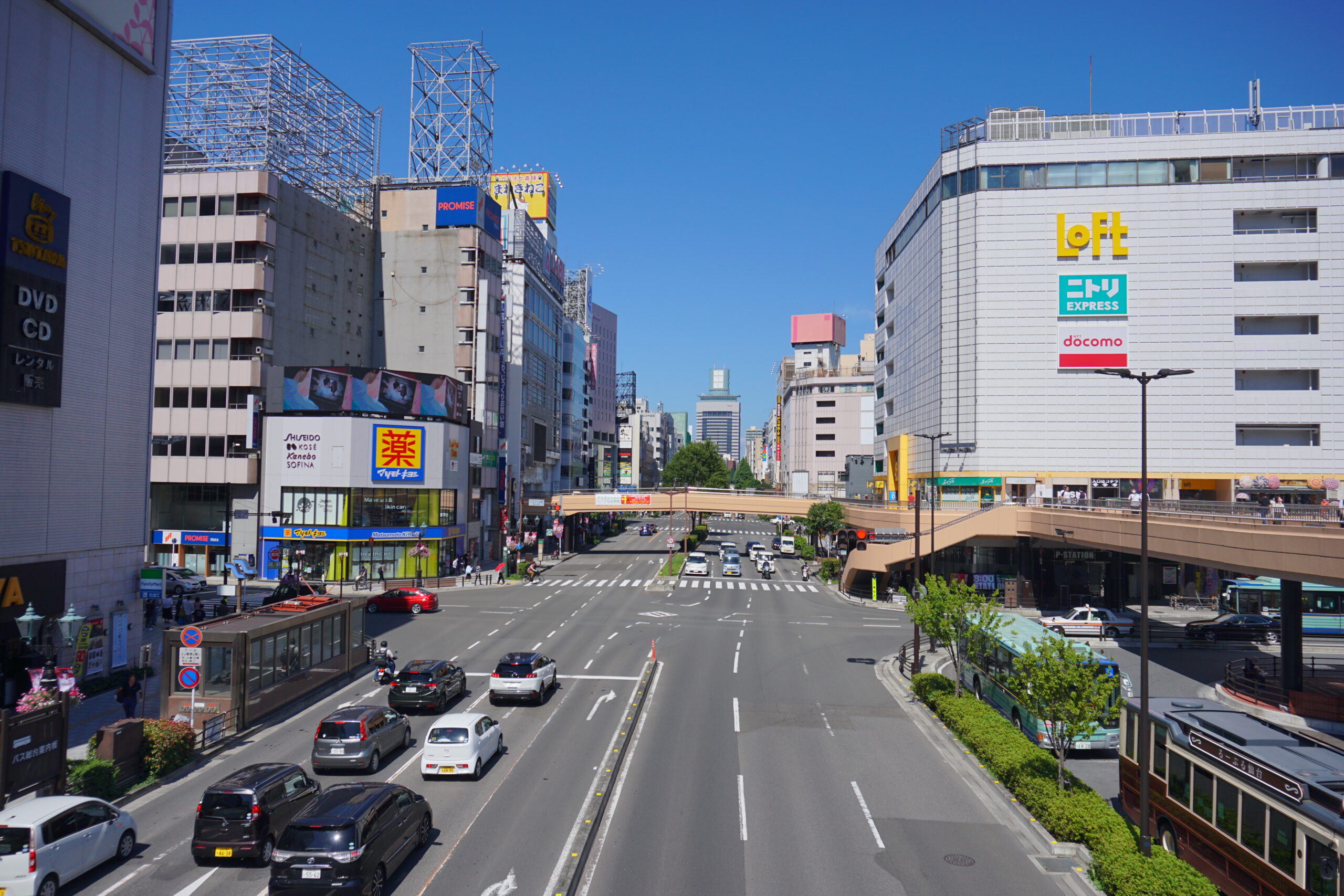
Your Tohoku adventure begins in Sendai, the regional capital and a surprisingly sophisticated city of one million people. Arrive by shinkansen from Tokyo (around 90 minutes, about ¥11,000–¥14,000 / $75–$95 depending on the service and whether you’re using a JR Pass), and spend your first afternoon orienting yourself.
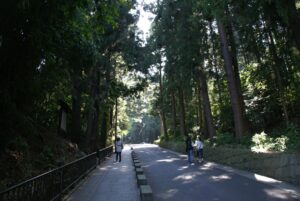
Sendai’s most famous sight is Zuihoden, the elaborately decorated mausoleum of Date Masamune, the “One-Eyed Dragon” who built this city in the 17th century. The main hall is a riot of lacquerwork, gold leaf, and carved phoenixes — stunning proof that samurai-era Japan could rival anything in Europe for ornamentation. From Zuihoden, you can walk through the cedar forest toward Aoba Castle ruins, where the views across the city reveal why Date Masamune chose this hilltop location for his power base.
For dinner, head to the Kokubuncho entertainment district and sample Sendai’s signature dish: gyutan (beef tongue). Grilled over charcoal and served with barley rice and oxtail soup, it’s one of Japan’s most distinctive regional specialties. A proper gyutan set meal costs around ¥2,000–¥3,000 ($14–$20) at places like Tasuke or Rikyu, both easy to find near the central station.
Where to stay in Sendai: The APA Hotel Sendai-Ekimae is clean, central, and affordable (around ¥8,000–¥12,000 / $55–$80 per night). For something more characterful, the Richmond Hotel Sendai Hirose-dori has spacious rooms and a great location. Budget travelers can check into Sendai Hostel Zen.
Day 2: Matsushima — Japan’s Most Scenic Bay
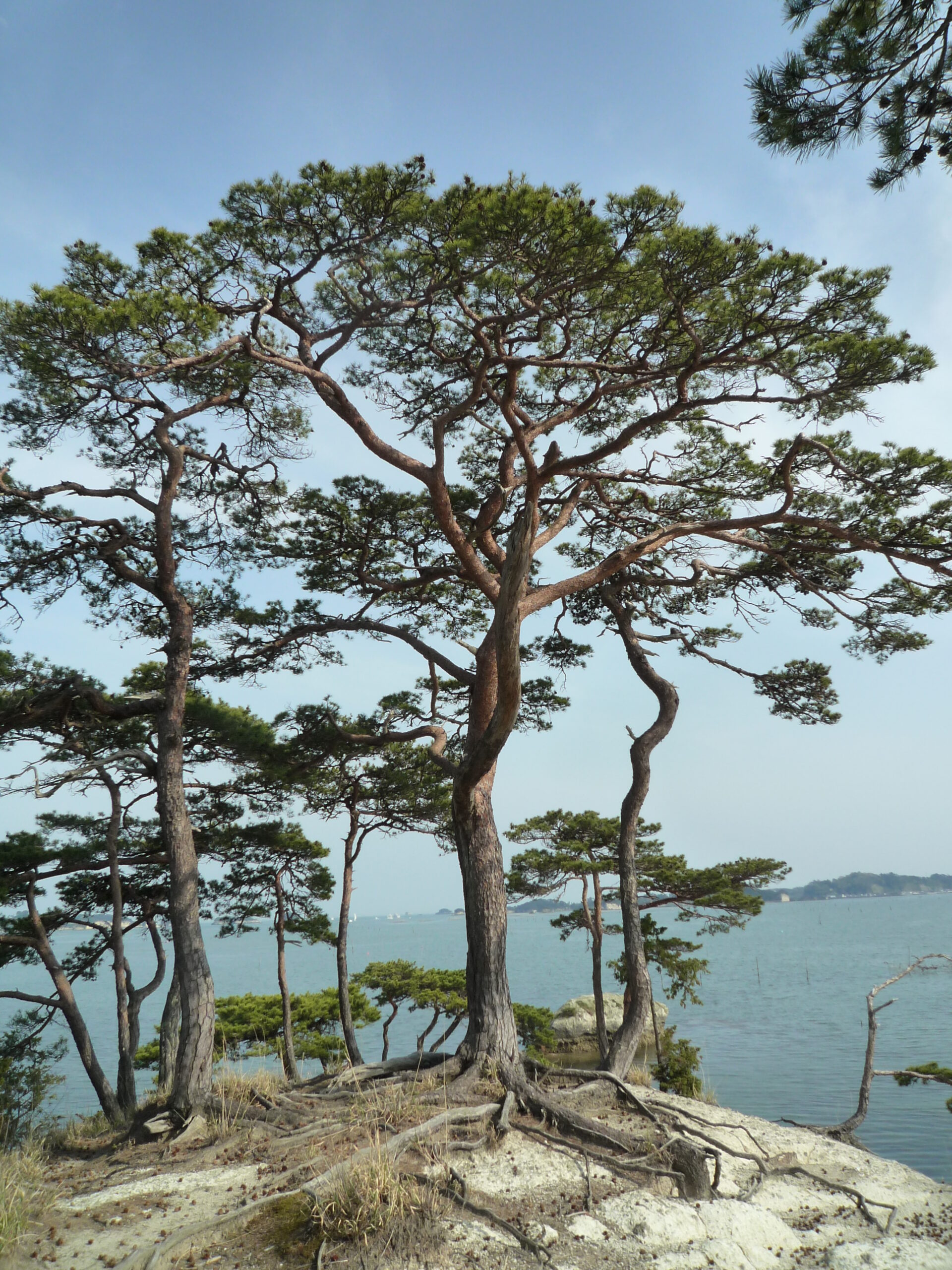
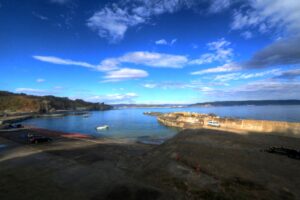
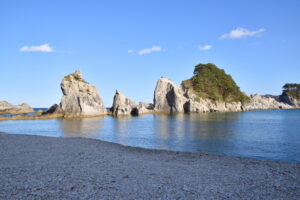
Just 40 minutes by train from Sendai (JR Senseki-Tohoku Line, about ¥420 / $3), Matsushima has been ranked for centuries as one of Japan’s “Three Views” — the three most beautiful natural landscapes in the country. Arriving at the bay and seeing those 260 pine-topped islands scattered across the water is a genuine jaw-dropping moment, even in the age of Instagram.
Start at Godaido Temple, a tiny wooden hall perched on a small island connected to the shore by two bridges. The current structure dates to 1604, built by Date Masamune. From here, walk along the waterfront to Zuiganji Temple, one of the finest Zen temples in the Tohoku region. The approach through a cryptomeria cedar tunnel, with caves carved by monks lining both sides, sets the mood perfectly before you reach the sumptuous main hall with its extraordinary sliding screen paintings.
For the full bay experience, take one of the regular sightseeing cruises from Matsushima Pier (about ¥1,500 / $10 for a 50-minute loop). Gliding between the islands, watching herons pick their way through tidal pools while cormorants dive from the pines above, is one of those travel moments that stops conversation completely.
Back in Sendai for the evening, reward yourself with some of the city’s other culinary highlights: try sakana no karaage (crispy fried fish) at a local izakaya, or pick up some zunda mochi — rice cakes covered in bright-green edamame paste — from one of the shops inside Sendai Station.
Day 3: Yamadera — Climbing to the Cloud Temple
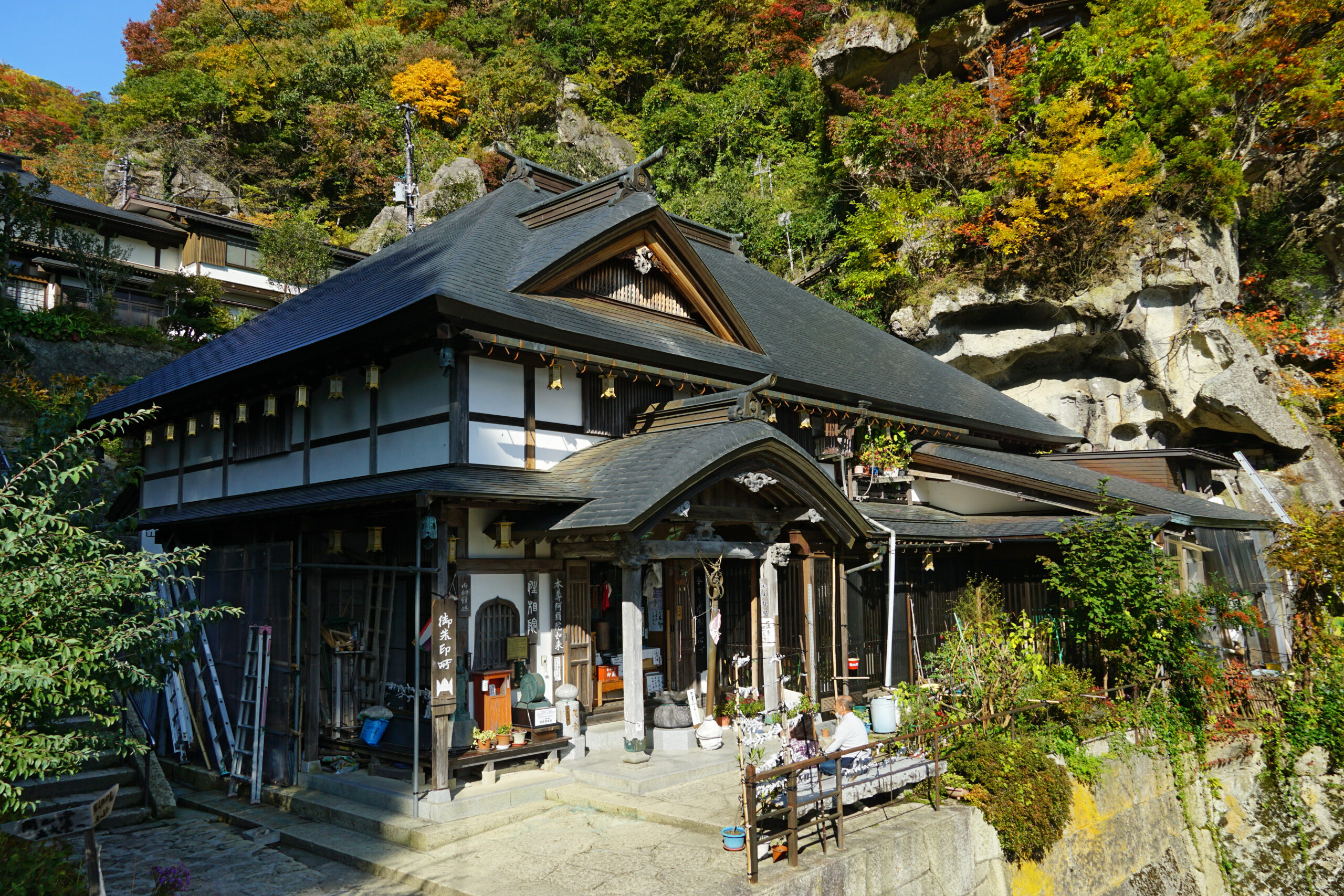
Day 3 involves a transfer to Yamagata Prefecture and one of the most memorable experiences on this entire itinerary: the climb to Yamadera (officially Risshakuji Temple), a mountain monastery founded in 860 CE whose buildings cling to a near-vertical cliff face 300 meters above the valley floor.
Take the Yamagata Shinkansen from Sendai to Yamagata (about 45 minutes, ¥3,360 / $23), then the local Senzan Line train to Yamadera Station (25 minutes, ¥240 / $2). From the station, the temple entrance is a five-minute walk. You’ll pay ¥300 ($2) to enter, then begin the 1,015-stone-step climb through ancient cedar and zelkova trees, past mossy Jizo statues and wooden offering halls, to the summit viewpoint.
At the top, the views are extraordinary: the Tateyama River valley spreads below you, rice paddies and farmhouses arranged in neat rectangles like a textile pattern, while the forested peaks stretch to the horizon in every direction. The haiku poet Matsuo Basho visited in 1689 and wrote his most famous poem here: “Shizukasa ya, iwa ni shimiiru, semi no koe” — roughly, “Such stillness: the cicada’s cry pierces the rocks.” Even now, standing on the same platform Basho stood on, you understand exactly what he meant.
After Yamadera, check into your accommodation in Yamagata City (40 minutes from Yamadera by train) and explore the covered Nanoka-machi shopping arcade’s many small restaurants for dinner.
Day 4: Kakunodate — Japan’s Most Beautiful Samurai Town
Day 4 is a longer travel day with a big reward at the end. Take the Shinkansen from Yamagata to Akita (via Morioka if direct trains aren’t running, total 2–2.5 hours, around ¥6,000–¥8,000 / $40–$55), then the JR Tazawako Line to Kakunodate (about 45 minutes from Akita, ¥750 / $5).
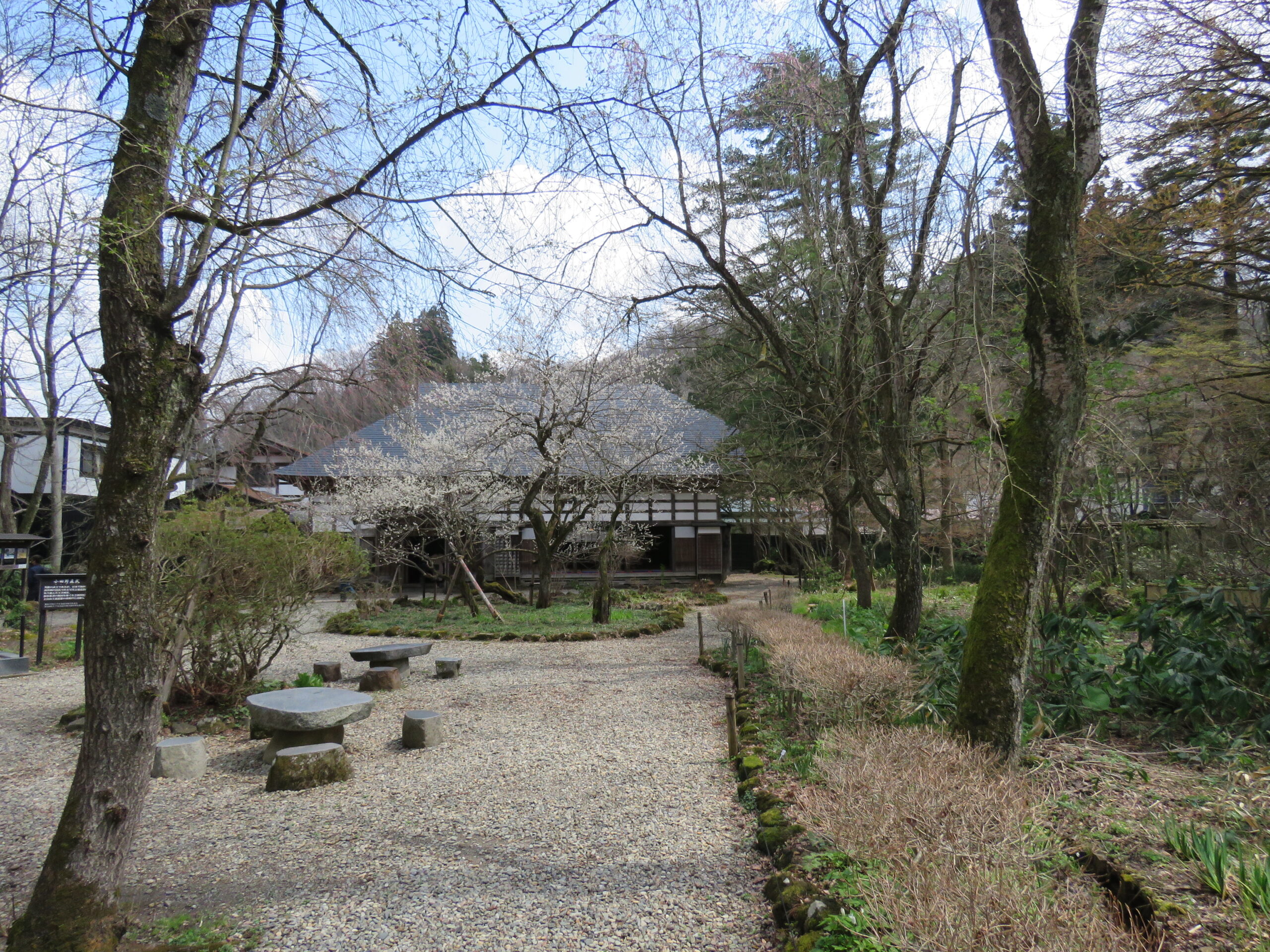
Kakunodate is one of those places that makes you feel you’ve walked into a samurai movie. The bukeyashiki (“warrior’s residence”) district preserves six original samurai houses from the Edo period, complete with their gardens, family archives, and lacquered furniture. Unlike the reconstructed samurai attractions at many other Japanese cities, these are the genuine article — families lived in them until the early 20th century, and several are still owned by descendants of the original samurai clans.
The most impressive is the Aoyagi Samurai House, a sprawling complex with multiple buildings and a wonderful museum of everyday Edo-period life. Admission is ¥500 ($3.50). Equally worth visiting is the Ishiguro residence (the most intact garden) and the Odano residence, famous for its remarkable kabazaiku cherry-bark craft collection — a uniquely Kakunodate art form.
Spend the rest of Day 4 in Kakunodate at a leisurely pace, walking the shidare-zakura (weeping cherry tree) lined streets. A bowl of inaniwa udon — Akita’s famously silky, handmade noodles — makes for a perfect lunch. Then take the late afternoon train to Akita City for the night.
Day 5: Lake Tazawa & Nyuto Onsen — Japan’s Deepest Lake and Most Magical Hot Springs
Day 5 is the most indulgent day on the itinerary. Start with a morning visit to Lake Tazawa (Tazawako), Japan’s deepest lake at 423 meters (1,388 feet) and, on a clear day, an almost impossibly vivid cobalt blue — a color created by the lake’s unusual water chemistry. The statue of the legendary maiden Tatsuko stands at the water’s edge, offering an iconic photo opportunity.
A bus from Tazawako Station (one stop from Kakunodate, ¥180 / $1.20) takes you around the lake’s perimeter. Rent a bicycle at the station for ¥600 ($4) per hour if you want to explore more freely. The full loop is about 20km (12 miles) — a wonderful morning’s exercise with water views the entire way.
After lunch at one of the restaurants near the lake, take the Ugo Kogen Bus from Tazawako Station to Nyuto Onsen Village (about 40 minutes, ¥700 / $5). This remote cluster of seven traditional ryokan inns tucked into a cedar-filled valley is widely considered one of the finest onsen destinations in all of Japan.
The most famous inn is Tsuru-no-Yu (“Crane’s Hot Water”), a collection of thatched-roof buildings dating back to the 17th century. The milky white waters of their outdoor rotenburo (open-air bath) are fed by four different springs, each with a slightly different mineral composition. Soaking in those pools surrounded by snow-dusted cedar trees is an experience that’s essentially impossible to describe to someone who hasn’t done it. Booking a night at Tsuru-no-Yu costs around ¥15,000–¥22,000 ($100–$150) per person including dinner and breakfast, and reservations book out months in advance. Day-use bathing is available for ¥600 ($4) at most village inns.
Day 6: Aomori & Hirosaki — Japan’s Apple Country
Day 6 takes you to Aomori Prefecture, the northernmost stop on this itinerary. Take the Shinkansen from Tazawako or Akita northward to Aomori (1.5–2 hours, about ¥8,000–¥10,000 / $55–$70).
Aomori City is best known for the Nebuta Festival (early August), when enormous illuminated papier-mâché floats are paraded through the streets. Even outside festival season, the NEBUTA Museum WA RASSE offers a stunning close-up look at recent festival floats — these are engineering and artistic masterpieces, lit from within and requiring months to construct. Nearby, the Sannai-Maruyama Site, a remarkably preserved Jomon-period settlement over 5,500 years old, offers a completely different perspective on Japan’s deep past.
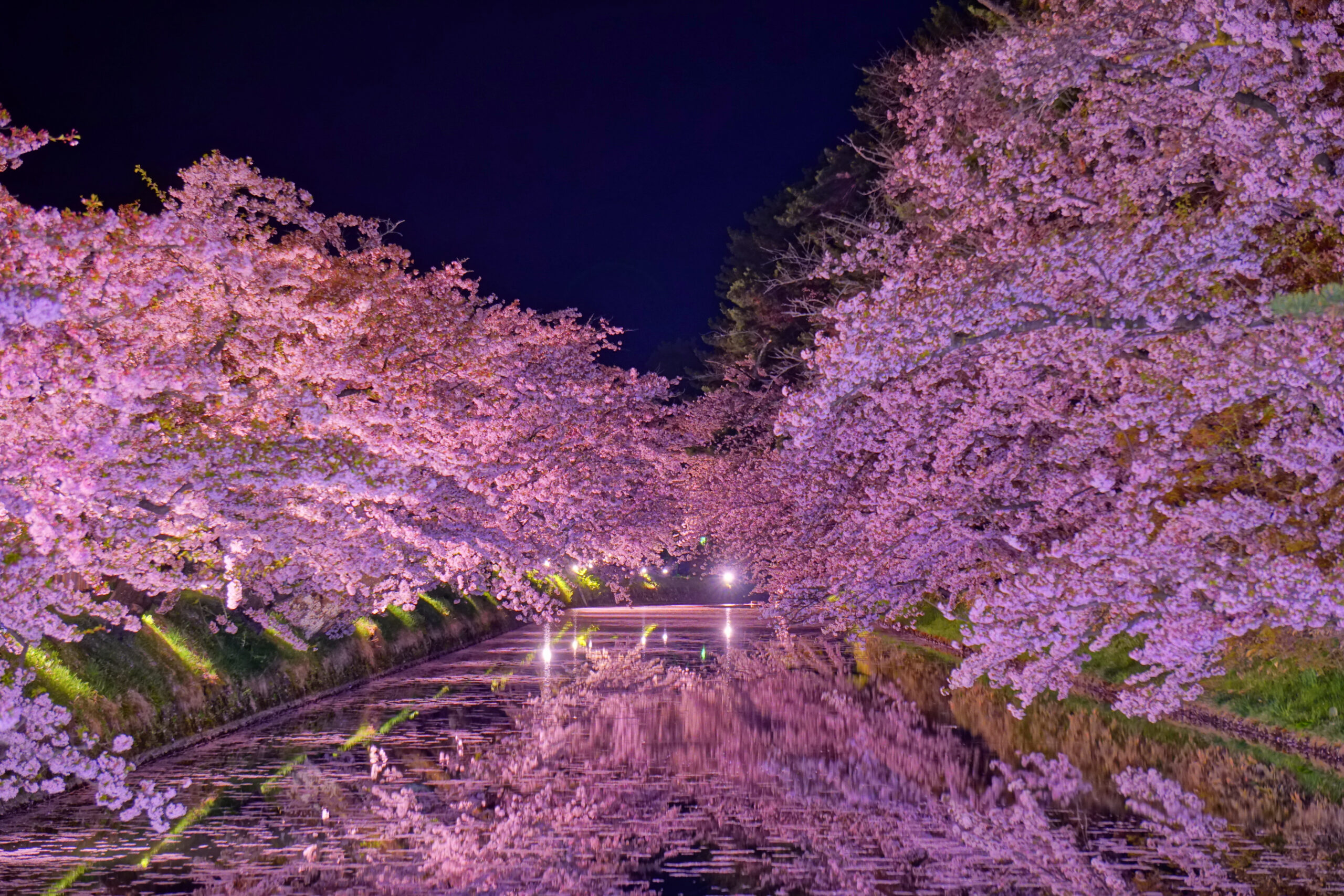
In the afternoon, head to Hirosaki (40 minutes by bus, ¥550 / $4). Hirosaki Castle, originally built in 1611, sits inside a park with over 2,600 cherry trees — arguably Japan’s greatest cherry blossom viewing spot. Even without blossoms, the white castle walls reflected in the wide moat are supremely photogenic.
Walk through Nakamachi and Yorozucho, the well-preserved Meiji-era streets near the castle, and sample Aomori’s legendary apple products — apple juice, apple pie, apple cider, even apple ramen — before the return journey.
Day 7: Zao Snow Monsters & Farewell to Tohoku
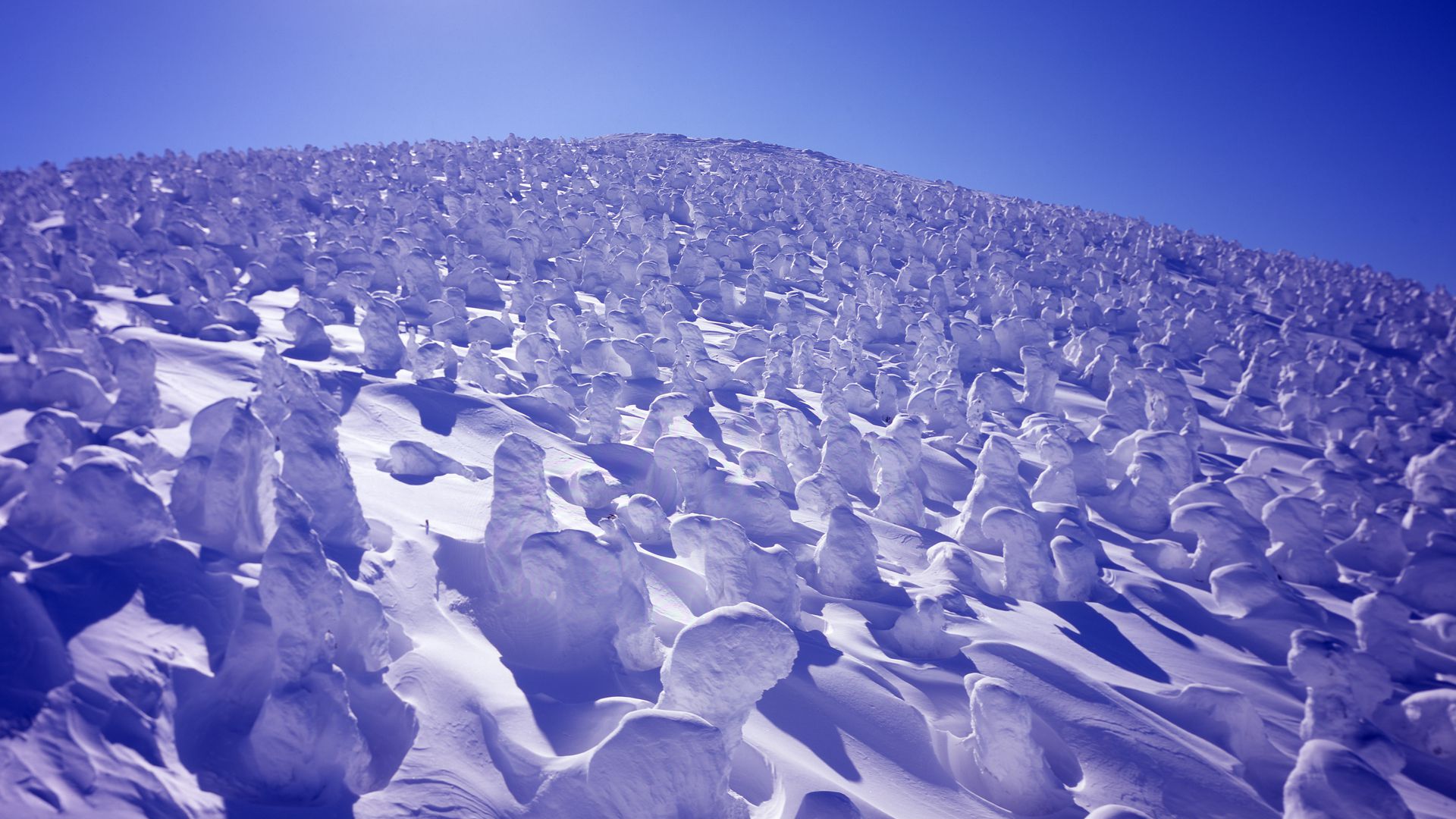
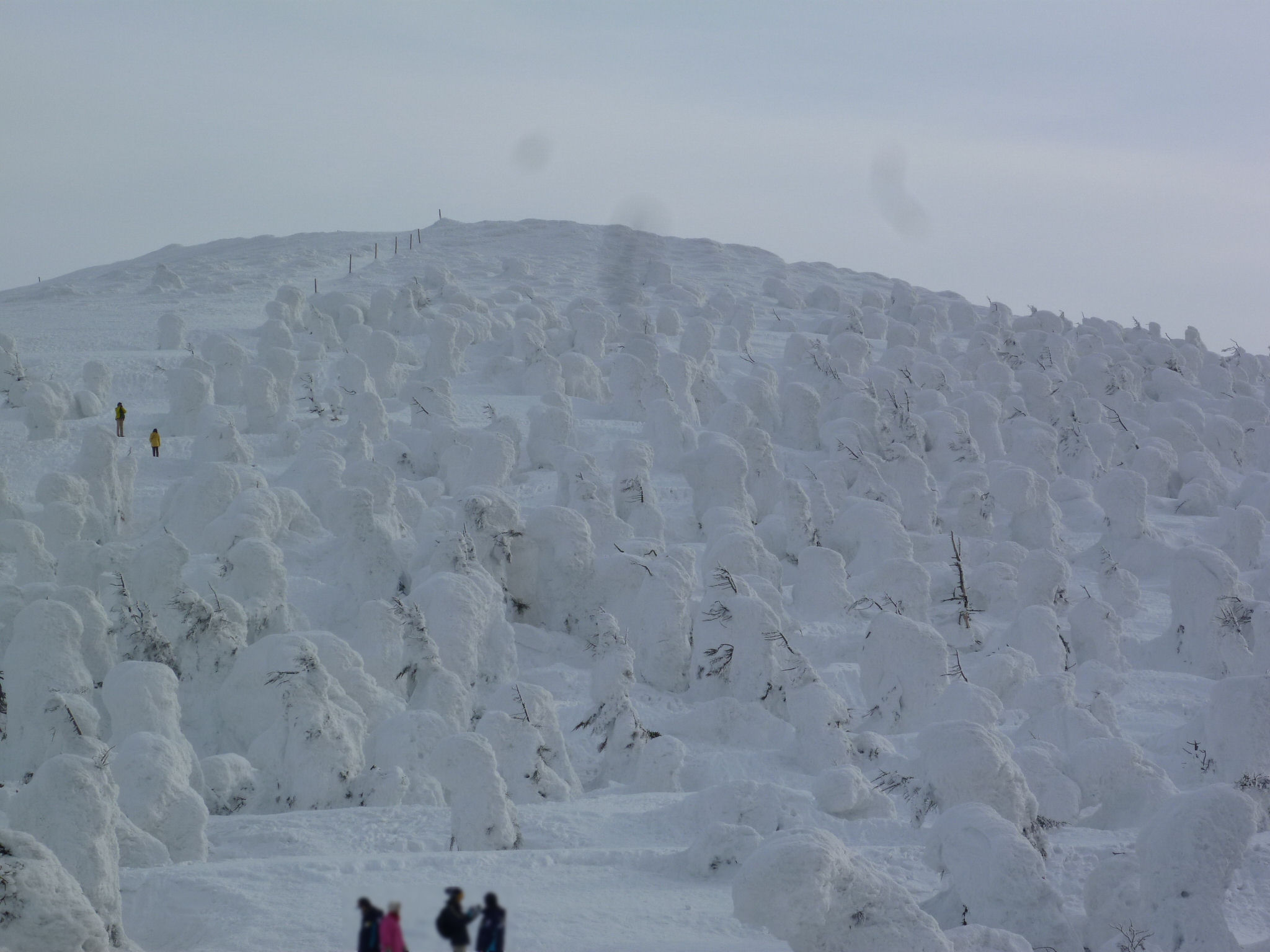
The final day is built around one of the world’s most surreal natural phenomena: the juhyo, or “ice monsters,” of Mount Zao. From mid-December through early March, the trees on Zao’s upper slopes are coated in layer after layer of ice and snow until they become enormous, misshapen white figures — hundreds of them, standing silently in the fog, their outstretched branches frozen into alien gestures.
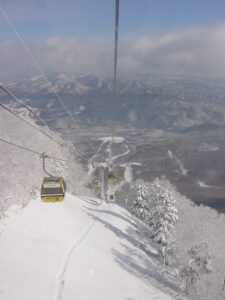
Getting to the ice monsters requires taking the Zao Ropeway from the base of the mountain (about 30 minutes from Yamagata City by bus, ¥1,400 / $10 round trip by bus; ropeway ¥2,000 / $14 round trip). At the summit station (1,660m / 5,446 feet), you’re right in the middle of the ice monster field. The experience changes dramatically with the weather: on clear days the ice glitters blue-white; in fog, the figures materialize from nowhere as you walk toward them. Both are spectacular.
In summer, Zao offers the Okama Crater Lake — a vivid emerald-green lake that steams gently in cool weather and changes color with the light. End your Tohoku adventure with a final night in Yamagata or Sendai, ideally with a proper kaiseki dinner using local mountain vegetables, freshwater fish, and regional wagyu beef. Tomorrow, the shinkansen will have you back in Tokyo in 90 minutes.
Best Time to Visit Tohoku
- Spring (April–May): Cherry blossom season peaks late April. Hirosaki and Kakunodate are world-class. Temperatures: 10–20°C (50–68°F).
- Summer (June–August): Festival season — Sendai Tanabata (Aug 6–8), Aomori Nebuta (Aug 2–7), Akita Kanto (Aug 3–6). 22–30°C (72–86°F).
- Autumn (September–November): Fall foliage rivals spring. Naruko Gorge and Yamadera spectacular. 10–22°C (50–72°F).
- Winter (December–March): Zao ice monsters, Nyuto Onsen in snow. -5 to 5°C (23–41°F) in mountains.
Getting Around Tohoku
The JR Pass is excellent value for this itinerary. A 7-day pass (¥50,000 / $340) easily pays for itself. Alternatively, the JR Tohoku Area Pass (¥20,370 / $140 for 5 days) covers the main shinkansen routes. Local buses fill the gaps for Nyuto Onsen and Mount Zao. Renting a car for the Kakunodate/Lake Tazawa/Nyuto Onsen days gives much more flexibility.
Where to Stay Along the Route
Budget (Under ¥8,000 / $55)
Sendai Hostel Zen (Sendai), Guest House Akita (Akita) — both central, clean, friendly.
Mid-Range (¥8,000–¥20,000 / $55–$135)
Richmond Hotel Sendai (Sendai), Dormy Inn Aomori (Aomori), Ryokan Yama-no-Ie (Kakunodate, ¥12,000 including breakfast).
Luxury (¥20,000+ / $135+)
Tsuru-no-Yu Onsen (Nyuto Onsen, ¥18,000+ per person with meals — book 3–6 months ahead), Hotel Metropolitan Sendai.
Practical Tips for Your Tohoku Trip
- Book Nyuto Onsen well in advance. Tsuru-no-Yu sells out months ahead. Check their website directly.
- Get a Suica IC card. Works on virtually all local buses, trains, and convenience stores. Load ¥5,000–¥10,000 to start.
- Download offline maps. Google Maps offline areas save you when you lose signal in Tohoku’s mountains.
- Pack layers in any season. Even in summer, mountain temperatures drop sharply after sunset. A light packable down jacket is always useful.
- Cash still rules in rural Tohoku. Many smaller restaurants and rural bus operators are cash-only. Keep at least ¥10,000 in notes.
- Festival crowds are real. If your trip overlaps with Nebuta or Tanabata in early August, book 6–12 months in advance.
- The shinkansen is your friend. Tokyo to Shin-Aomori takes just 3 hours 10 minutes.
- Learn basic Japanese pleasantries. Even “sumimasen” (excuse me) and “arigatou gozaimasu” (thank you) go a long way in rural Tohoku, where English is less common than in Tokyo.
Sample 7-Day Schedule
Day 1 — Sendai Arrival
Shinkansen from Tokyo. Zuihoden Mausoleum and Aoba Castle. Gyutan dinner in Kokubuncho.
Day 2 — Matsushima
Train to Matsushima, Godaido Temple, Zuiganji Temple, bay cruise. Evening: zunda mochi and izakaya dinner in Sendai.
Day 3 — Yamadera + Yamagata City
Shinkansen to Yamagata, local train to Yamadera. Temple climb and summit views. Evening: local restaurant exploration.
Day 4 — Kakunodate
Train to Kakunodate. Aoyagi Samurai House, bukeyashiki walking. Evening: Akita City, inaniwa udon dinner.
Day 5 — Lake Tazawa + Nyuto Onsen
Train to Tazawako, lake bicycle loop. Bus to Nyuto Onsen Village. Evening: outdoor hot spring bathing, multi-course ryokan dinner.
Day 6 — Aomori + Hirosaki
Shinkansen to Aomori, NEBUTA Museum. Bus to Hirosaki, castle and historic streets. Stay in Hirosaki or return to Sendai.
Day 7 — Zao + Departure
Bus to Zao Ropeway. Ice monsters (winter) or Okama Crater Lake (summer). Shinkansen back to Tokyo from Yamagata or Sendai.
Related Articles You Might Enjoy
- Zuiganji Temple & Entsuin Mausoleum, Matsushima: The Hidden Soul of Japan’s Most Scenic Bay
- Kinkasan Island, Miyagi: Japan’s Sacred Deer Island — Complete Guide for Foreign Visitors
- Sendai Day Trips: The 10 Best Excursions from Tohoku’s Biggest City
- Tashirojima: Japan’s Famous Cat Island — Complete Guide for Foreign Visitors
- Sendai Daikannon: Inside Japan’s Giant 100-Meter Kannon Statue (A Local’s Guide)
Final Thoughts
Seven days in Tohoku won’t show you everything — this region could fill a month and still leave you with a long list of “next time” destinations. But this itinerary gives you the essential experience: the mountain monasteries, the samurai architecture, the volcanic hot springs, the coastal scenery, and enough of the local food culture to understand why people who know Japan call the northeast the country’s best-kept secret.
Come in any season. Come for one reason or all of them. But come, because Tohoku is the trip that changes how you think about Japan — and perhaps how you think about travel altogether.
Got questions about planning your Tohoku trip, or spotted something we missed? We’d love to hear from you — drop us a message here.


コメント