There are places in Japan that will stop you in your tracks — not because of a glittering temple or a perfect cherry blossom avenue, but because of something far more profound: the sheer force of human resilience. Minamisanriku, a small coastal town in Miyagi Prefecture, is one of those places. On March 11, 2011, a catastrophic tsunami swallowed nearly everything here. Today, it stands rebuilt, defiant, and utterly worth visiting — offering foreign travelers some of the most extraordinary seafood in Japan, a deeply moving memorial experience, and the kind of warm welcome that only comes from a community that has stared into the void and chosen to keep going.
Why Minamisanriku Should Be on Your Japan Itinerary
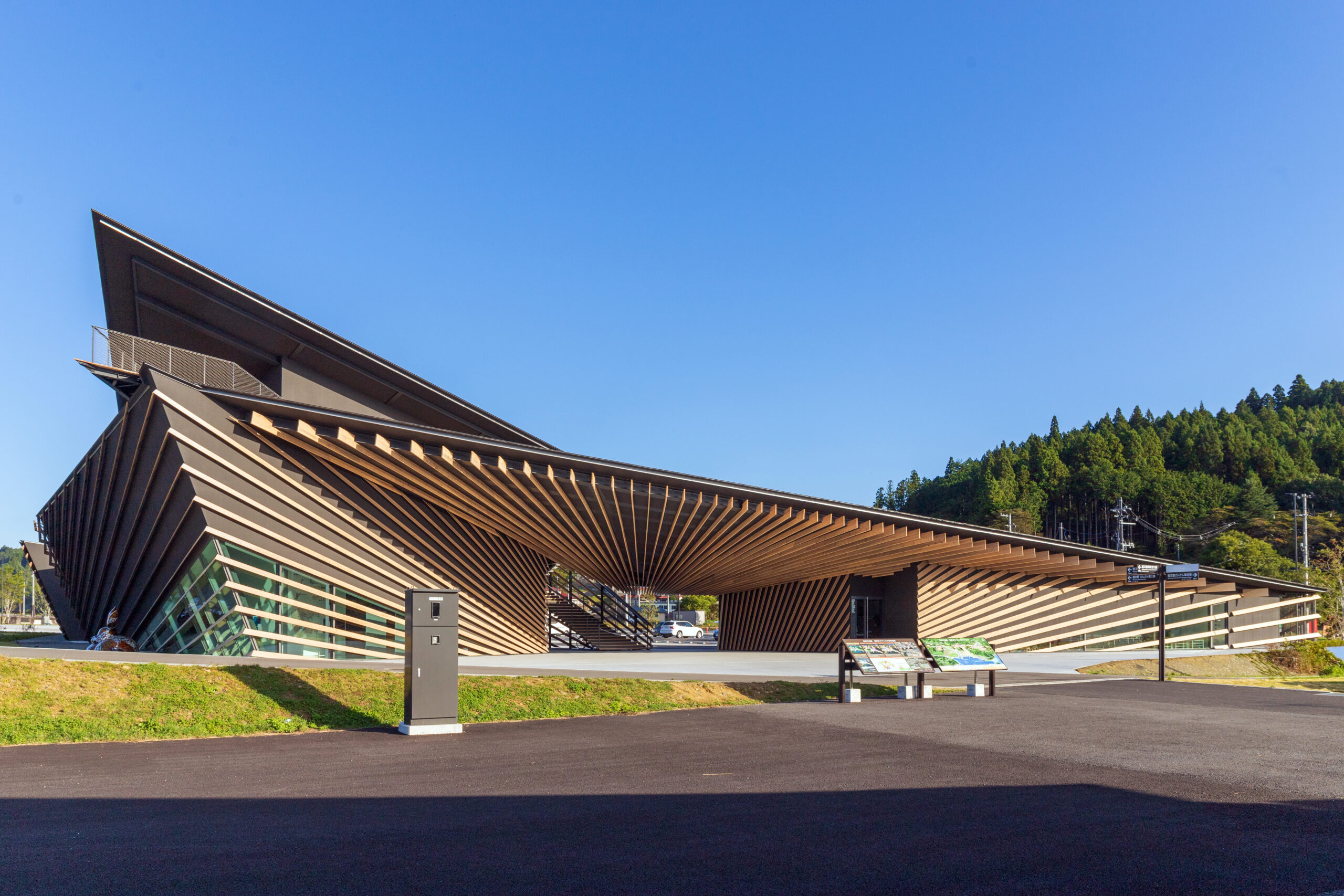
Most English-language travel guides to Japan focus on the golden triangle of Tokyo, Kyoto, and Osaka. Adventurous travelers add Hiroshima, Nara, or maybe Nikko. But Minamisanriku offers something none of those places can: a living history lesson delivered not by a tour guide but by the town itself, still healing, still building, still smiling.
Before March 11, 2011, Minamisanriku was known primarily as a thriving fishing community, producing some of the finest oysters, scallops, and seaweed in Japan. The 9.0 magnitude Great East Japan Earthquake and the tsunami that followed it killed 620 of the town’s residents and swept away approximately 95% of its buildings. The entire coastal area, including the town center, was simply gone.
What has risen in its place is remarkable. Sitting on elevated ground, rebuilt with a mix of community planning and quiet determination, today’s Minamisanriku is a testimony to what humans can rebuild from almost nothing. And the seafood? The Pacific waters of the Shizugawa Bay are as productive as ever — in fact, aquaculture in the area has become a model of sustainable practice, earning international recognition. You will eat some of the most extraordinary oysters, scallops, salmon, and sea urchin of your life here, in a setting that makes every mouthful feel earned.
Western travelers — particularly Americans and Australians — who’ve visited Minamisanriku consistently describe it as one of the most affecting experiences of their time in Japan. This is not “dark tourism” in any morbid sense. It’s a chance to understand a part of modern Japan that doesn’t appear in glossy travel magazines, and to leave a bit of your tourist dollar in a community that genuinely benefits from it.
Getting There from Tokyo and Sendai
Minamisanriku is not the easiest place to reach, which is actually part of its charm — you have to want to go there. But it’s far from inaccessible, and the journey itself offers beautiful coastal scenery.
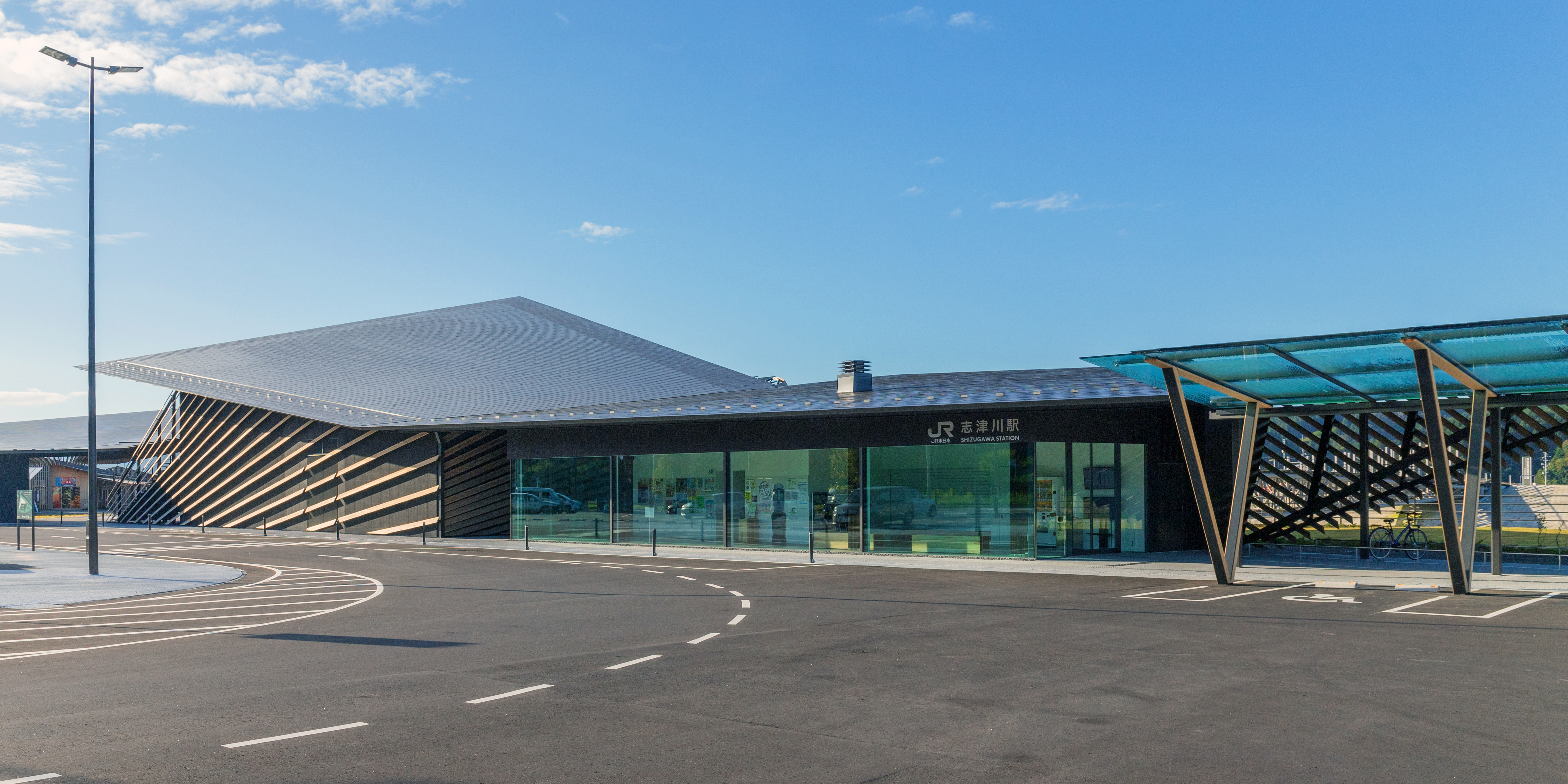
- From Tokyo by Shinkansen + local train: Take the Tohoku Shinkansen from Tokyo to Furukawa (approximately 2 hours, ¥12,000–¥14,000 / ~$80–$95 one way) or to Ichinoseki (slightly longer). From Furukawa, connect to the Rikuu East Line to Maeyachi Station, then take a local bus to Shizugawa (Minamisanriku). Total journey time is around 3.5–4.5 hours. JR Pass holders can use the Shinkansen and Rikuu East Line legs.
- From Sendai by bus: This is the most convenient route for most travelers. Miyagi Transportation runs highway buses directly from Sendai Station (East Exit) to Shizugawa (the bus stop for central Minamisanriku). The journey takes approximately 2 hours and costs around ¥1,500–¥2,000 (~$10–$14). Buses run several times daily. Check the Miyagi Transportation website for current schedules, as they vary by season.
- From Sendai by car: Roughly 2 hours via the Sanriku Expressway (no toll for most sections). This is actually the most practical option if you want to explore the broader Sanriku coastline beyond Minamisanriku itself. Car rental from Sendai Station starts at around ¥5,000–¥7,000 (~$35–$50) per day.
- BRT (Bus Rapid Transit): The JR East BRT service, known as the Sanriku Railway BRT, connects several coastal communities in the area. Shizugawa Station is a key hub. This is a fascinating way to explore the area at a slower pace, and the bright red BRT buses have become something of an icon of the region’s recovery.
Note: If you’re planning a multi-day trip along the Sanriku Coast (highly recommended), Minamisanriku pairs beautifully with nearby Kesennuma (about 40 minutes north) and can be combined with a visit to Matsushima Bay for a classic Tohoku coastal route.
The 311 Memorial Museum (South Sanriku 311 Memorial)
The centerpiece of any visit to Minamisanriku is the 311 Memorial Museum, which opened in 2022 after years of careful planning. Unlike some disaster memorials that can feel clinical or overwhelming, this facility was designed with survivors’ voices at its core. The exhibits are bilingual (Japanese and English), and audio guides are available, making it fully accessible to international visitors.
The museum tells the story of the March 11, 2011 disaster through photographs, artifacts recovered from the tsunami, survivor testimonies, and carefully curated video footage. It does not shy away from the horror of what happened — you will see images and stories that will stay with you. But it frames everything within the context of community, memory, and the ongoing act of rebuilding. Local survivors often volunteer as guides, and if you’re lucky enough to be assigned one, their firsthand accounts are extraordinarily moving.
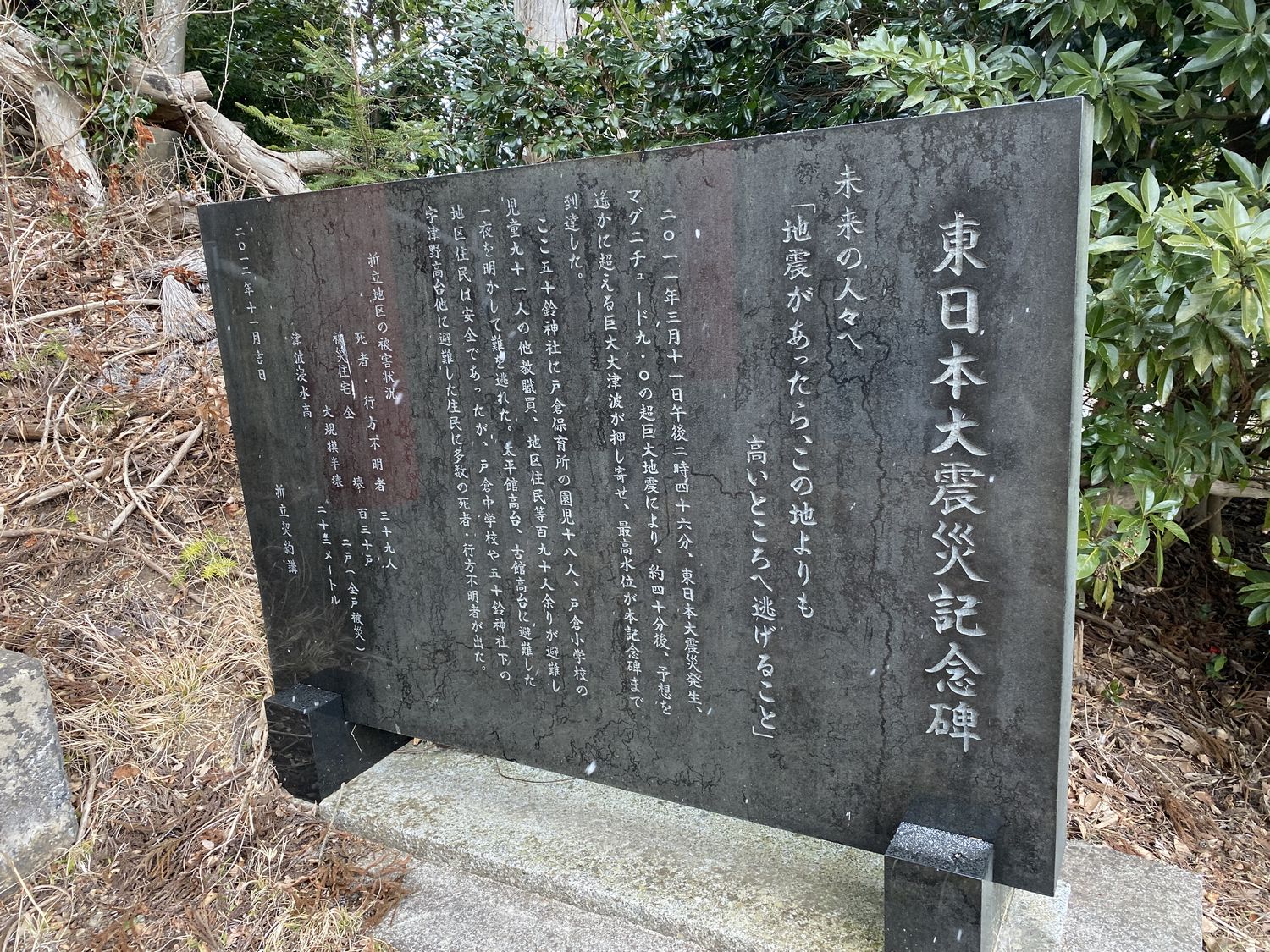
Adjacent to the museum, you’ll find the Shizugawa District Disaster Memorial Park, where the skeletal ruins of the former Emergency Disaster Prevention Center building have been preserved as a permanent memorial. This is the building where town staff broadcast evacuation warnings until the very end — some of them were among the victims. Standing before it is a sobering, humbling experience that no amount of reading can fully prepare you for.
Admission to the 311 Memorial Museum is ¥700 (~$5) for adults. It is open Wednesday through Monday (closed Tuesdays) from 9:30 AM to 5:00 PM. Allow at least 1.5 to 2 hours for a meaningful visit. Photography inside many sections is not permitted, out of respect for survivors and victims.
ShishiOri Bay & the Rebuilt Waterfront
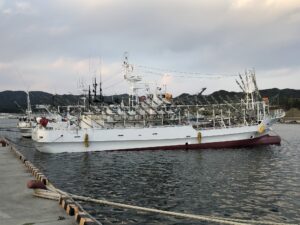
Standing at the rebuilt waterfront of Minamisanriku and looking out over ShishiOri Bay (Shizugawa Bay), it’s almost impossible to imagine the destruction that occurred here just over a decade ago. The bay is breathtakingly beautiful — a deeply indented ria coast, the water an extraordinary shade of blue-green, the forested hills tumbling down to the shoreline on all sides. Oyster and scallop farms dot the bay, their buoys creating a polka-dot pattern on the surface. Fishing boats come and go with a quiet efficiency that speaks to centuries of working the sea.
The waterfront area was entirely razed by the tsunami and was not rebuilt at water level — instead, new commercial and residential areas were constructed on elevated ground, following Japanese disaster prevention principles. What remains along the waterfront itself is a mix of walking paths, small parks, and memorials, all designed to allow the sea to be seen and appreciated while acknowledging its power.
Take time to simply walk along the reconstructed waterfront. The views across the bay are genuinely spectacular, especially at dawn when the fishing boats are heading out, or in the late afternoon when the slanted light turns the water golden. If the tides are right, you may see the seafarers tending their aquaculture rafts — a practice that has been central to life here for generations, and which continues today.
Sansan Minamisanriku: The Seafood Market You Cannot Miss
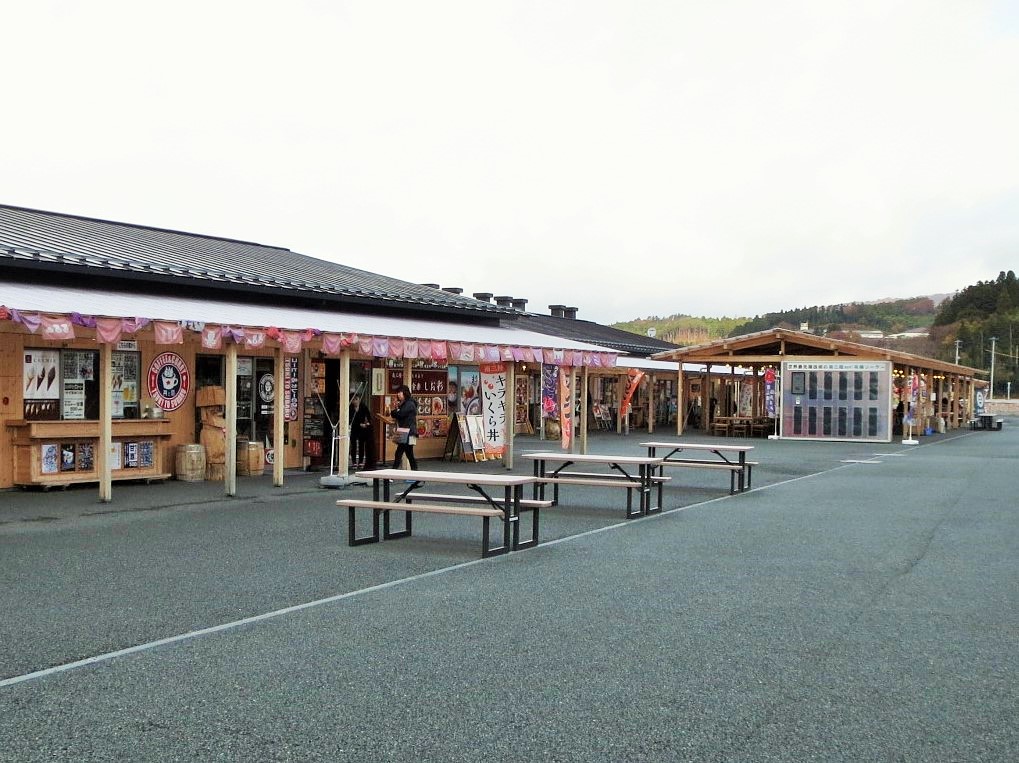
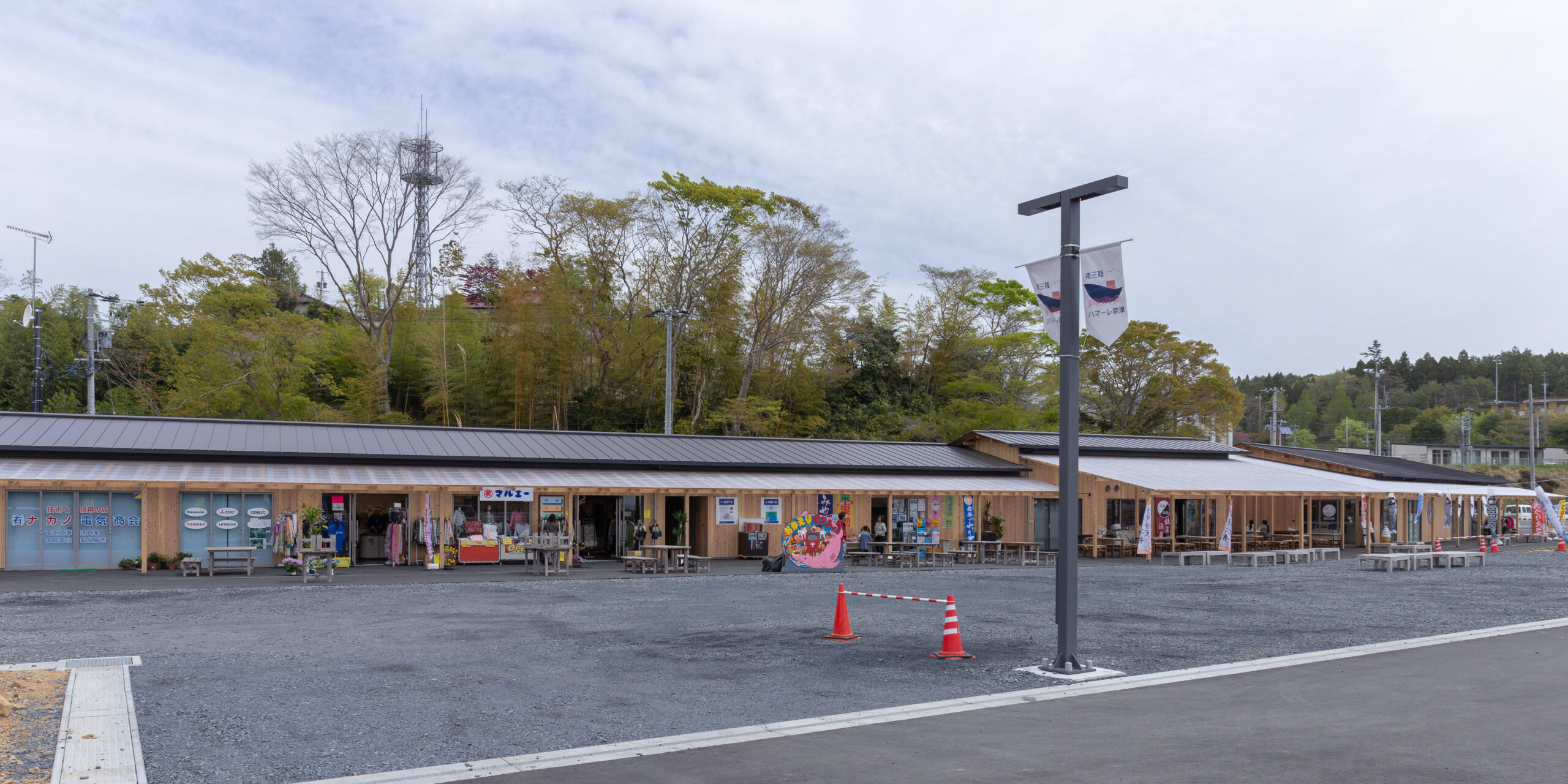
If the memorial represents the heart of Minamisanriku’s story, the Michinoeki (road station) Sansan Minamisanriku represents its soul — and its stomach. This large, purpose-built facility serves as both a transport hub and the town’s primary seafood market, and it is absolutely not to be missed.
The market hall is stocked daily with the produce of ShishiOri Bay’s aquaculture farms: oysters the size of your fist, plump scallops still glistening from the water, great ropes of wakame and kombu seaweed, salt-wind-dried salmon, and various prepared seafood products that make extraordinary gifts to take home. Prices are refreshingly reasonable — you’re buying directly from fishing communities with no middleman markup. A tray of six enormous oysters will cost you around ¥600–¥800 (~$4–$5.50). A bag of fresh scallops to cook yourself might be ¥1,500 (~$10) for a kilogram.
The facility also houses a food court where you can eat on the spot. The kaisen-don (seafood rice bowl) here is one of the best in Tohoku — a mound of gleaming rice topped with your choice of sea urchin, salmon roe, scallop, and whatever is freshest that day. Expect to pay around ¥1,800–¥2,500 (~$12–$17) for a full seafood bowl. There are also oyster BBQ stations where you can grill your own freshly shucked oysters over charcoal — an experience that’s both delicious and deeply satisfying. Trust us on this one: arrive hungry and come back for seconds.
The Minamisanriku Seafood: A Deeper Dive
The waters of ShishiOri Bay are cold, mineral-rich, and fed by multiple rivers carrying nutrients from the surrounding forested mountains. This combination creates exceptional conditions for marine life, and Minamisanriku’s aquaculture industry has taken full advantage. Visiting foreign food enthusiasts — particularly those from Australia and the U.S. Pacific Coast — consistently describe the seafood here as on par with the best they’ve had anywhere in the world.
Kaki (Pacific Oysters)
The oysters of Minamisanriku are cultivated using a method called horizontal cultivation, which allows them to develop slowly in the cold bay water, building up incredibly complex flavor. They are plump, sweet, and briny without being overwhelming — the kind of oyster that converts people who thought they didn’t like oysters. These are not the small, delicate European flat oysters you might know; they’re substantial creatures, often 3–4 inches (7–10 cm) long, with a flavor somewhere between the ocean and a mountain stream. In season (roughly October through April), they are the star attraction of the region. Raw, grilled with butter and soy sauce, or in a classic oyster hotpot — they’re extraordinary in every form.
Hotate (Scallops)
Miyagi Prefecture’s scallops are exported around the world, and for good reason. The ones sold in Minamisanriku are almost embarrassingly fresh — sometimes less than a day out of the water. The adductor muscle (the white, round part that most people in the West think of as “the scallop”) is sweet and tender, but the real treasure is the surrounding orange roe, which has an intense, oceanic richness that you won’t find in frozen scallops. Try them grilled in the half-shell with a drizzle of soy sauce and a knob of butter. This preparation takes about three minutes and produces something close to perfect.
Wakame and Kombu Seaweed
Japan’s most beloved seaweeds — wakame and kombu — are cultivated in abundance in ShishiOri Bay. You’ll find them fresh, dried, salted, and processed into every conceivable form at the Sansan market. If you’re curious about Japanese cooking, bringing home some dried kombu for making dashi broth is one of the best culinary souvenirs you can pack. It’s lightweight, perfectly legal to take through customs (dried seaweed is fine for most countries, but check your home country’s biosecurity rules), and genuinely transforms any dish it touches.
Best Time to Visit Minamisanriku
- Spring (March–May): The hills around the bay burst into cherry blossom color, and the oyster season is at its final, glorious peak through April. March 11 sees commemorative events that are open to the public and deeply meaningful to attend. Expect cool to mild temperatures of 40–65°F (5–18°C).
- Summer (June–August): The bay is beautiful in summer, the seafood market is active, and the surrounding coast is lush and green. Sea urchin comes into season. Temperatures range from 70–82°F (21–28°C). The town is less crowded than in autumn, and coastal driving is spectacular.
- Autumn (September–November): Arguably the most visually stunning season. The hills above the bay turn red and gold, creating a dramatic backdrop for the aquaculture farms below. Oyster season kicks off in autumn, and the days are crisp and clear — perfect for photography. Temperatures: 50–70°F (10–21°C).
- Winter (December–February): Cold and occasionally snowy, but winter sees the absolute peak of the oyster season. The bay is hauntingly beautiful under winter skies, and you’ll have the place largely to yourself. Temperatures drop to 28–45°F (-2–7°C). Dress very warmly if you visit in January or February.
Where to Eat in Minamisanriku
The food scene in Minamisanriku is entirely dominated by the sea, and that’s a very good thing. Don’t arrive expecting a sophisticated restaurant strip — this is a working fishing community, and the best meals are unfussy, direct, and absolutely delicious.
Michinoeki Sansan Minamisanriku Food Court
The food court at the Sansan road station is your first stop. The kaisen-don and grilled seafood offerings here are excellent and reasonably priced. Open daily from approximately 9:00 AM to 5:00 PM (check seasonal hours). No reservations needed — just queue up and order at the counter. Budget ¥1,500–¥2,500 (~$10–$17) per person for a full meal.
Hotel Kanyo Restaurant
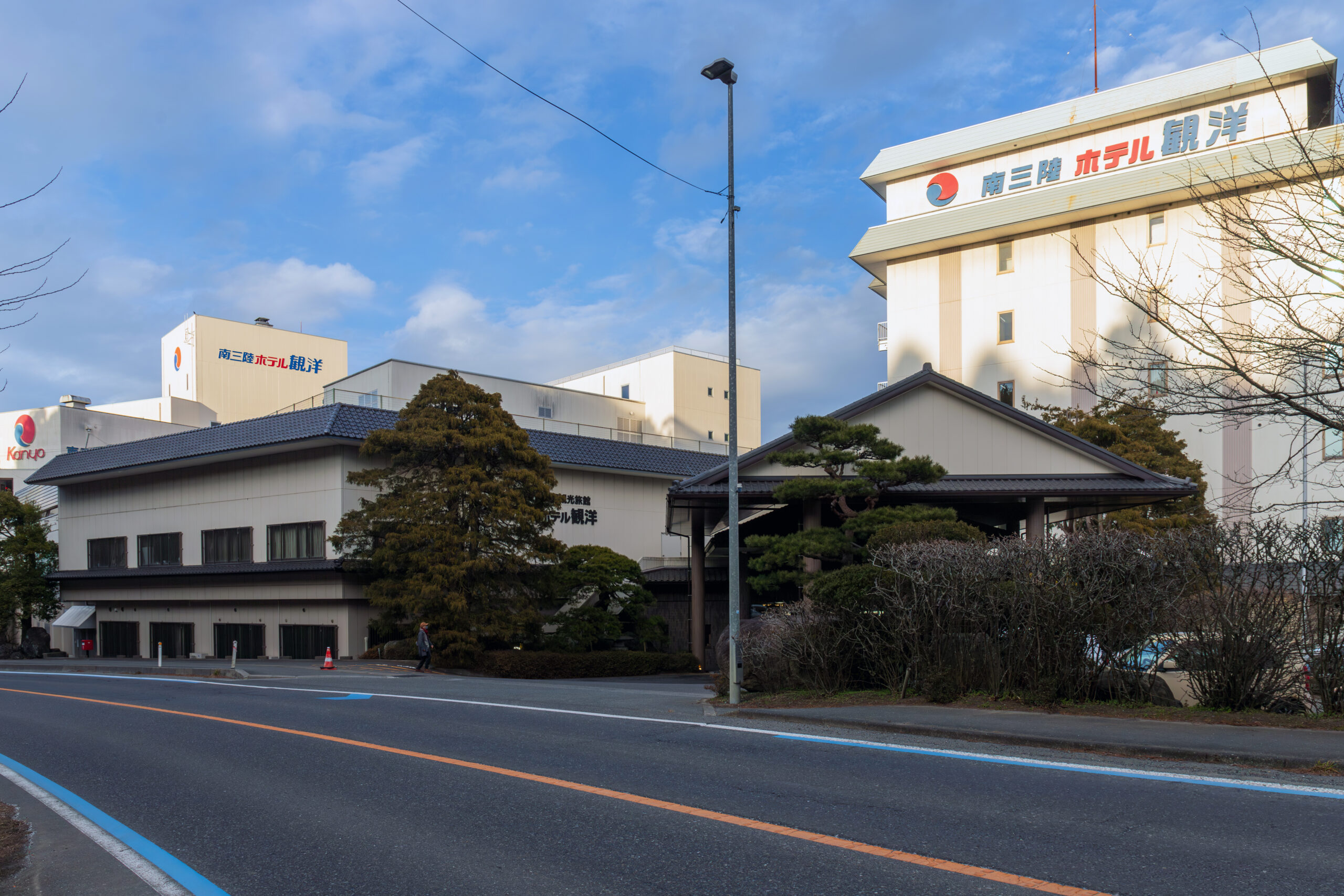
Hotel Kanyo, the largest hotel in Minamisanriku, operates a restaurant that is open to non-guests for dinner service. The kaiseki-style seafood courses here are the most “special occasion” dining option in town — multi-course meals showcasing the best of ShishiOri Bay’s seasonal produce. Expect to pay ¥5,000–¥10,000 (~$35–$68) per person for a dinner course. Reservations recommended, especially in oyster season.
Local Izakayas Around Shizugawa
The rebuilt town center has several small izakayas (Japanese gastropubs) where you can eat like a local. These are perfect for a casual evening of grilled shellfish, sashimi, and cold beer. Typical spend is ¥2,000–¥3,500 (~$14–$24) per person including drinks. Don’t be shy about poking your head in somewhere that looks busy — the locals will be pleased to see a foreign visitor, and the staff will usually manage to communicate the menu’s highlights through pointing and enthusiastic gestures.
Where to Stay in Minamisanriku
Accommodation in Minamisanriku is limited, which is why planning ahead is essential — especially if you’re visiting in oyster season (October–April) or around March 11.
Budget (Under ¥8,000 / $55 per night)
Budget accommodation in Minamisanriku itself is extremely limited. Your best bet if you’re traveling on a tight budget is to base yourself in nearby Kesennuma (about 40 minutes north by BRT) or Ishinomaki (1 hour south), where there are guesthouses and business hotels with lower rates. From either town, Minamisanriku is easily manageable as a day trip.
Mid-Range (¥8,000–¥20,000 / $55–$135)
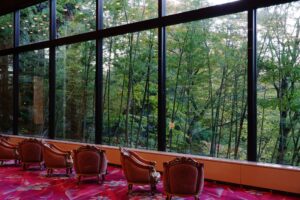
Minamisanriku Hotel Kanyo is the standout option in this category. Rebuilt after the disaster on elevated ground, it commands sweeping views over ShishiOri Bay and has both Western-style and Japanese-style rooms. The onsen (hot spring bath) here uses water from a local source and is genuinely restorative after a day of memorial visits and seafood eating. Rooms start at around ¥12,000–¥15,000 (~$80–$100) per person per night including breakfast and dinner (standard ryokan pricing). The staff speak limited but functional English.
Luxury (¥20,000+ / $135+)
For a more upscale ryokan experience, consider Apa Hotel Minamisanriku Bayside or one of the smaller, independently owned ryokan that have opened in recent years. These typically offer multi-course kaiseki dinners featuring the bay’s best seafood, private onsen baths, and meticulous service. Rates start at around ¥25,000 (~$170) per person per night including meals. The experience is exceptional and directly supports local hospitality businesses that rebuilt from scratch after 2011.
Practical Tips for Visiting Minamisanriku
- Book accommodation well in advance. Minamisanriku’s hotel options are limited, and the good ones fill up quickly, especially October–April and around March 11. Book at least 2–3 months ahead for peak periods.
- Carry cash. While larger facilities like Hotel Kanyo accept credit cards, many smaller restaurants, local shops, and market stalls operate cash-only. ATMs are available at the Japan Post office in Shizugawa.
- Be respectful at memorial sites. The 311 Memorial Museum and the disaster memorial sites are places of genuine grief for local people. Speak quietly, follow posted guidelines about photography, and treat the space with the same respect you’d give a war memorial.
- Try the oysters every which way. Raw, grilled, fried (kaki furai), in soup, on rice — the oysters here are excellent in every preparation. Don’t leave without trying them at least two different ways.
- Ask about aquaculture tours. Some local fishermen and farming cooperatives offer guided tours of their oyster and scallop farms in ShishiOri Bay, by boat. These are not heavily marketed in English, but the staff at Hotel Kanyo or the Sansan visitor center can often make arrangements. Budget around ¥2,000–¥3,000 (~$14–$20) per person.
- Combine with Kesennuma. Just 40 minutes north of Minamisanriku by BRT, Kesennuma is famous for its shark fin and its own remarkable recovery story. Combining both towns makes for an exceptionally meaningful and delicious two-day Sanriku coast itinerary.
- Dress for the weather. The Sanriku coast can be windy and cool even in summer. Bring a windproof layer year-round, and proper winter gear November–March. The bay wind can be significant.
- Check the bus schedule carefully. Services from Sendai are not always frequent, and the last bus back to Sendai may be earlier than you expect. Download the current timetable before you go, or plan to stay overnight.
- The local accent is Tohoku-ben. People in Minamisanriku speak a regional dialect of Japanese that even many Japanese from Tokyo find challenging. Don’t worry if communication is difficult — gestures, smiles, and a few key phrases go a long way, and the locals are extraordinarily warm to foreign visitors.
- Support local businesses intentionally. Every yen you spend in Minamisanriku goes directly to rebuilding a community that has already rebuilt itself once. Buy your seaweed, your oysters, and your meals here rather than picking things up at a convenience store in Sendai. It matters.
Sample 2-Day Minamisanriku Itinerary
Day 1
Morning: Arrive by bus from Sendai (approximately 2 hours). Check in at Hotel Kanyo. Head straight to the Michinoeki Sansan Minamisanriku market — you’ll arrive in time for fresh oysters at the food court. Don’t skip the grilled oysters with butter and soy.
Afternoon: Visit the 311 Memorial Museum. Allow at least 2 hours. The experience will affect you — build in some quiet reflection time afterward. Walk the Shizugawa District Disaster Memorial Park and stand before the preserved ruins of the Emergency Prevention Center.
Evening: Dinner at Hotel Kanyo’s restaurant — a kaiseki course featuring the evening’s freshest catch. Afterward, use the hotel’s onsen. Early to bed.
Day 2
Morning: Rise early and walk down to the waterfront at dawn. The fishing boats heading out in the early light, the bay catching the first sun, and the mountains dark behind — this is one of the most quietly beautiful scenes in Tohoku. Return for hotel breakfast.
Mid-morning: Arrange (through the hotel) a boat tour of the aquaculture farms if available, or take the BRT north to Kesennuma for a few hours to see another town further along the recovery road.
Afternoon: Return to the Sansan market for a final seafood shopping spree. Load up on dried seaweed, canned oysters, and any packaged specialties you can fit in your bag. Catch the afternoon bus back to Sendai, arriving early evening.
Understanding Minamisanriku’s Recovery: What It Means for Visitors
Some travelers hesitate about visiting disaster sites, worried about appearing voyeuristic or exploitative. This is a reasonable concern, and it reflects genuine thoughtfulness. But the situation in Minamisanriku is different from, say, “dark tourism” in the conventional sense — local authorities and community leaders actively encourage visits from foreign travelers, because those visits bring economic vitality to a community that needs it, and because they help ensure that the events of March 11, 2011 are not forgotten by the wider world.
The 311 Memorial Museum was built precisely because survivors wanted their stories told, and they wanted them told to people from everywhere — not just Japan. When you visit, you’re not intruding on grief. You’re answering an invitation. You’re being trusted with something real and important. That’s a privilege, and most visitors leave Minamisanriku treating it accordingly.
Japan has an extraordinary cultural concept called kizuna — bonds, connections, ties between people. In the aftermath of the 2011 disaster, the word became a national rallying cry. Coming to Minamisanriku is a way of participating in that kizuna across cultural and linguistic lines. It is, in the truest sense of the word, meaningful travel.
Related Articles You Might Enjoy
- Kesennuma City Guide: Miyagi’s Greatest Fishing Port, Fresh Seafood & Resilience Story
- Sendai Station Area Food Guide: Beef Tongue, Morning Market & Sushi in Miyagi
- Miyagikyo Distillery: The Complete Guide to Nikka’s Whisky Sanctuary Near Sendai
- Sendai Gyutan: The Complete Guide to Japan’s Most Iconic Beef Tongue Experience
- Vegetarian & Vegan Guide to Eating in Tohoku: Tips, Restaurants & Essential Phrases
Final Thoughts
Minamisanriku will not be the flashiest stop on your Japan itinerary. There are no towering golden pagodas, no dazzling neon arcades, no Instagram-famous flower fields. What there is, instead, is something that many travelers come to Japan seeking and rarely find outside of carefully curated tourist experiences: genuine contact with the country’s reality. The reality of ShishiOri Bay in autumn light. The reality of an oyster pulled from the water that morning. The reality of a community that lost nearly everything and rebuilt it anyway, piece by piece, with their hands and their kizuna.
Come with an open heart. Eat everything. Listen carefully. And leave carrying something that can’t be bought at a souvenir shop.
Got questions about planning your Tohoku trip, or spotted something we missed? We’d love to hear from you — drop us a message here.


コメント