You’ve taken the shinkansen to Sendai, you’ve done Matsushima, maybe you’ve browsed the beef tongue restaurants along Kokubuncho Street — and now you’re wondering what else Miyagi Prefecture has to offer that isn’t already in every guidebook. The answer is about 20 kilometers (12.5 miles) and a 45-minute bus ride southwest of the city: Akiu Onsen, a valley hot spring resort tucked along the Natori River gorge that Sendai residents have been retreating to for over a millennium. Think wooden ryokan overlooking rushing water, volcanic mineral baths that ease every muscle, cascading waterfalls, autumn foliage that rivals anything in Japan, and a craft park where you can spend a morning throwing pottery or hand-making washi paper. This is Sendai’s most lovable secret, and it’s time you knew about it.
Why Akiu Onsen Should Be on Every Tohoku Itinerary
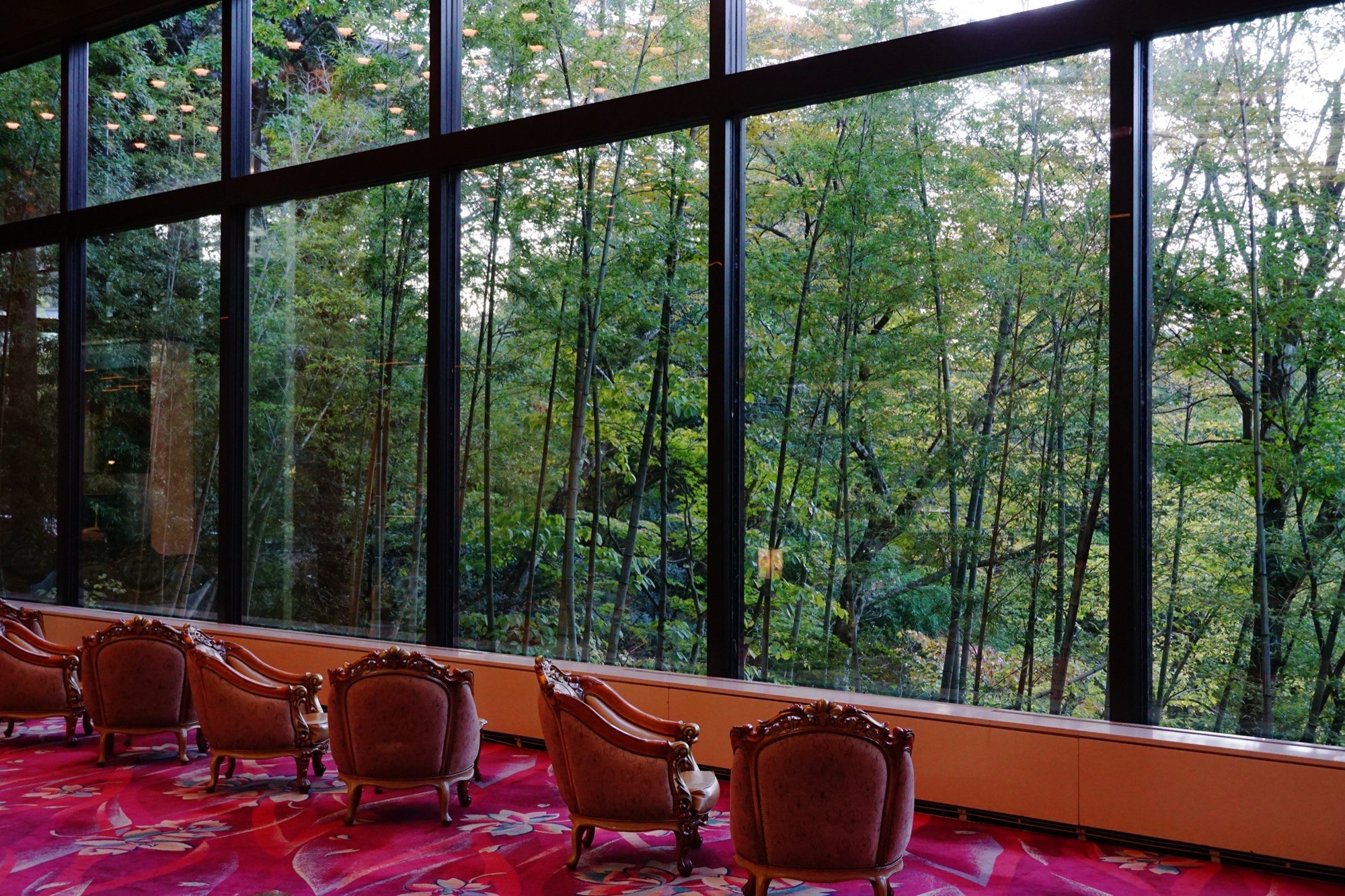
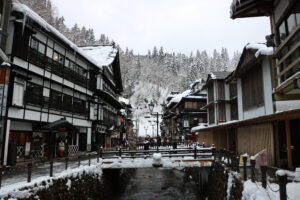
Akiu Onsen (秋保温泉) has been a place of healing and respite since the 6th century, when it was reportedly visited by Emperor Kinmei for its therapeutic waters. Today, it ranks among Tohoku’s most beloved hot spring destinations — though its profile among international visitors remains surprisingly low, which is precisely what makes it so rewarding to visit. While Ginzan Onsen has become famous for its photogenic snowlit streets, and Naruko Onsen draws kokeshi collectors, Akiu combines natural beauty, genuine old-Japan atmosphere, easy accessibility, and remarkable variety into a package that’s hard to match in the region.
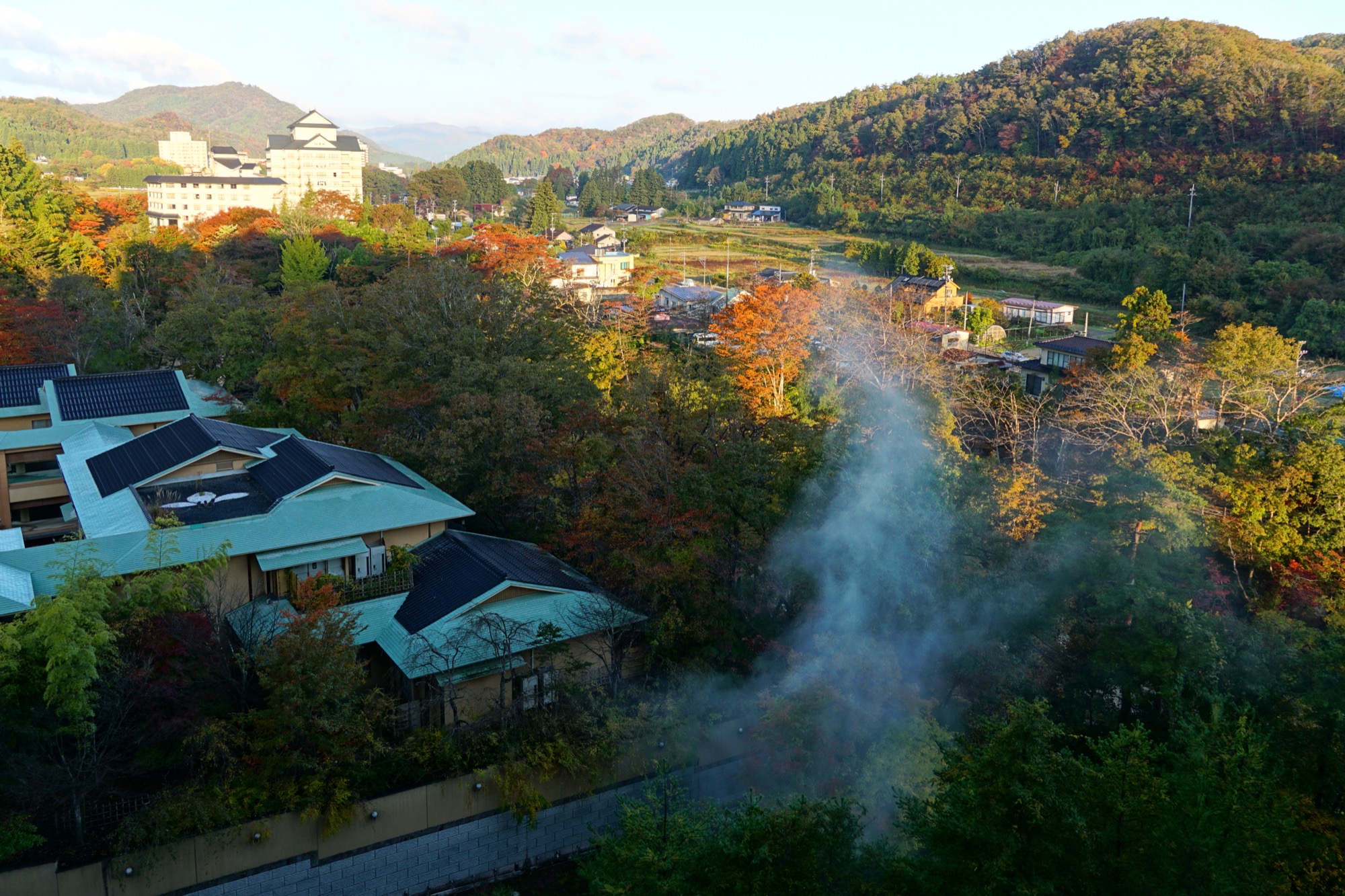
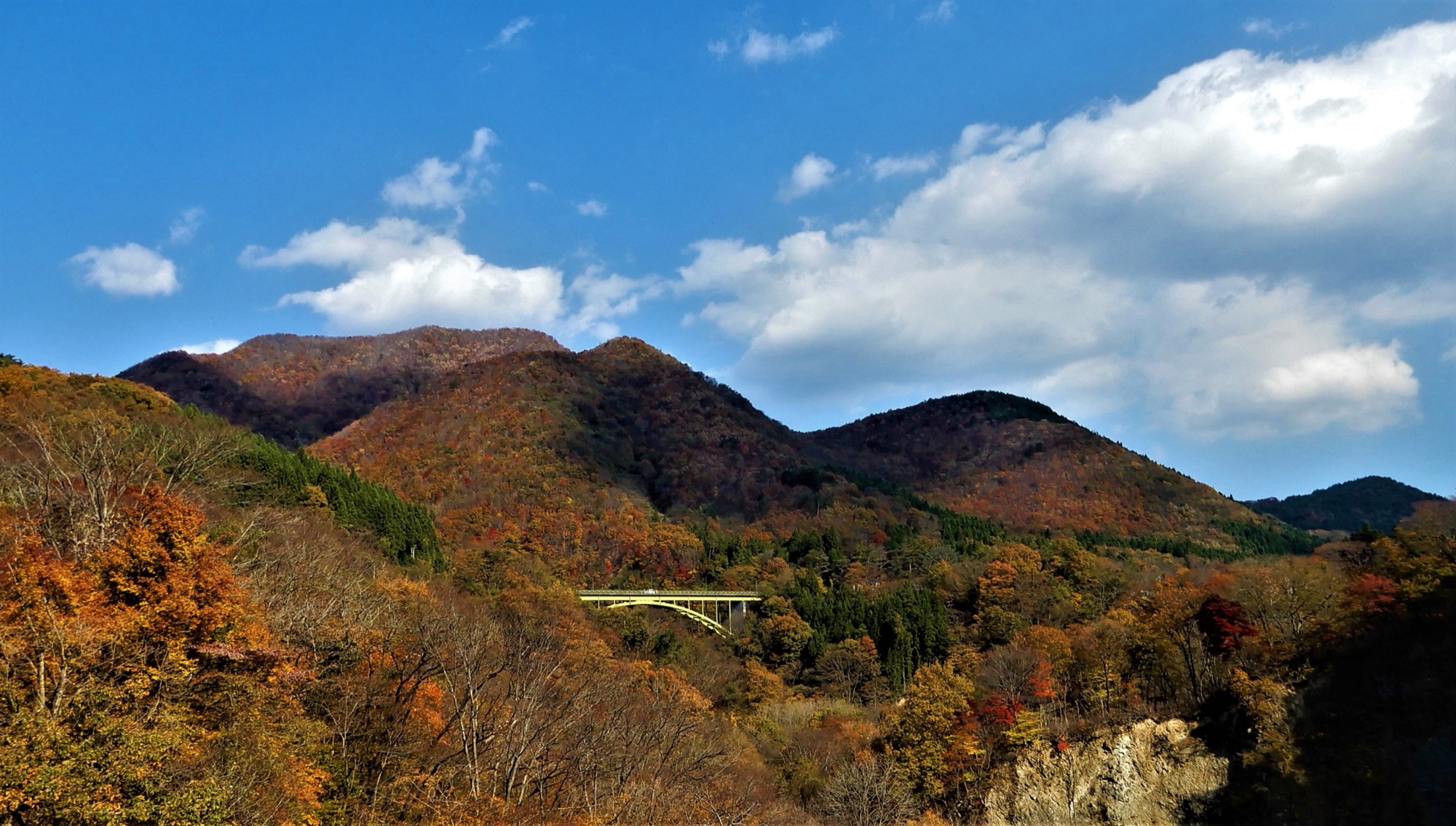
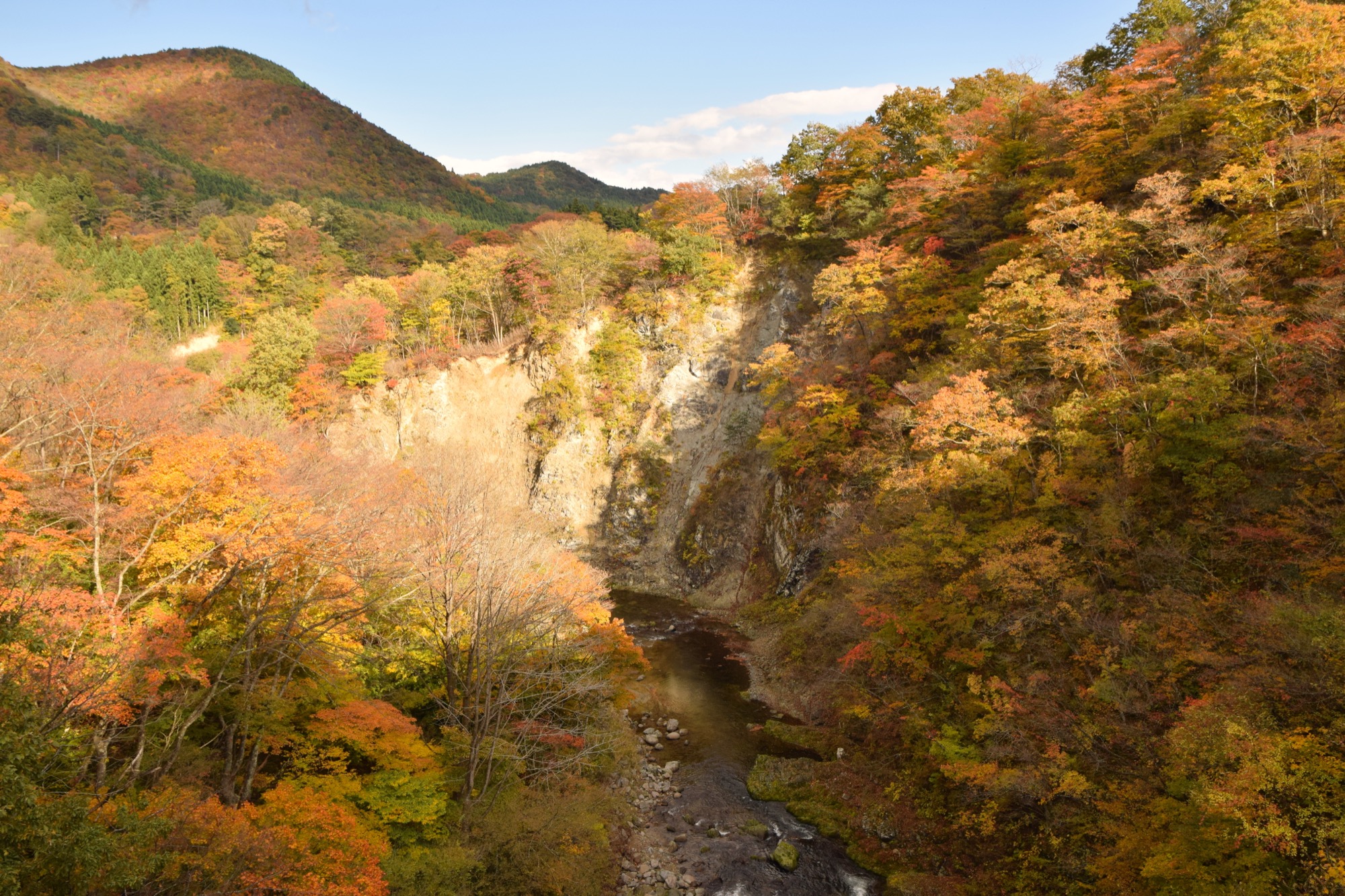
The hot springs here are a sodium chloride type, meaning the water is faintly saline — gentle on the skin, warming deep into the body, and said to improve circulation and soothe muscle aches. Most of the major ryokan maintain multiple bath types: outdoor rotenburo pools cantilevered over the Natori River, indoor tiled baths, and private kashikiriburo (reserved baths) that couples or families can book for a completely private soak. The water temperature typically ranges from 42–46°C (108–115°F) — hot enough to feel genuinely therapeutic, not just warm. Akiu Onsen is ideal for any season, but it reaches a particular zenith in mid-October to early November when the surrounding hills explode in autumn color and the steam rising from outdoor baths mingles with red and gold foliage.
Beyond the baths, Akiu delivers a supporting cast of natural attractions that would make it worth visiting even without the hot springs. The 55-meter (180-foot) Akiu Otaki waterfall is listed among Japan’s 100 Famous Waterfalls, and it thunders with particular force after rains. The Rairaikyo Gorge offers a relatively easy scenic walk along carved river walls. The Akiu Craft Park provides excellent hands-on workshop experiences. And in spring, strawberry farms in the valley open for pick-your-own visits. For Western visitors, Akiu feels like genuine Japanese country life rather than a packaged tourist experience — and that’s exactly its appeal.
Getting There from Tokyo and Sendai
- From Tokyo by Shinkansen + Bus: Take the Tohoku Shinkansen from Tokyo Station to Sendai Station (approximately 1 hour 30–40 minutes, non-reserved seats from ¥11,000/$75, reserved seats from ¥13,320/$91 — JR Pass fully valid). From Sendai Station’s West Exit Bus Pool, board the Miyagi Kotsu Bus No. 14 (秋保温泉行き) bound for Akiu Onsen. The bus ride takes approximately 45–50 minutes and costs ¥760 ($5.20) one way. Buses run roughly every 30–60 minutes throughout the day. Total journey from Tokyo: about 2 hours 30 minutes.
- Direct Seasonal Bus — Akiu-Onsen Liner: During peak seasons (autumn foliage, spring cherry blossom, summer), a direct express bus sometimes operates from Sendai Station to Akiu Onsen with reduced travel time (~35 minutes). Check Miyagi Kotsu’s website for current schedules before your trip.
- By Rental Car: Renting a car from Sendai Station gives you maximum flexibility — the drive to Akiu Onsen takes about 30 minutes on the National Route 48 or via the Sendai-Nishi expressway. Car rental is especially recommended if you want to visit Akiu Otaki Falls and the Rairaikyo Gorge on the same day, as these are spread out along the valley and somewhat inconvenient by bus.
- By Taxi: From Sendai Station, a taxi to Akiu Onsen costs approximately ¥5,000–¥6,500 ($34–$44) one way, taking about 25 minutes. Most ryokan can arrange return taxi pickups — ask reception when you check in.
Note for JR Pass holders: The shinkansen leg from Tokyo to Sendai is fully covered by all JR Passes (Japan-wide pass and JR East Tohoku pass). The local bus to Akiu Onsen is NOT covered by any JR Pass — you’ll need to pay the ¥760 ($5.20) separately. IC cards (Suica, ICOCA) are accepted on the bus.
Soaking in History: Akiu Onsen Bathing Guide
The onsen experience in Akiu is the primary reason most visitors make the journey, and it’s worth understanding a few practicalities before you go. The hot spring waters in Akiu are pumped from multiple sources and vary slightly between establishments, but they share the characteristic sodium chloride composition that gives the water its slightly slippery texture and distinctive mineral warmth. A single long soak — Japanese etiquette suggests at least 15–20 minutes, with short rests between — is said to “boil away” tiredness accumulated over days of city travel.
If you’re staying at a ryokan (highly recommended — more on this below), your accommodation fee will typically include unlimited use of the communal baths during your stay. Morning baths before breakfast are a particular pleasure in Akiu — fewer guests, often morning mist still rising off the river, the sounds of water and birds creating a natural meditation. Most ryokan open baths from around 5:30 or 6 a.m. Some ryokan rotate their multiple bath facilities (separating men’s and women’s baths, switching them between morning and evening), so ask at check-in which baths are available when.
Day-trippers who aren’t staying overnight can access the baths at most ryokan through “日帰り入浴” (higaeri nyuyoku) — day-use bathing packages. These typically cost ¥1,000–¥2,000 ($7–$14) for access to the communal baths for a set time (usually 2–3 hours), with optional add-ons of a light lunch or traditional tea and sweets. Phone ahead or check ryokan websites for day-use hours, as they’re often limited to midday slots (10 a.m. to 3 p.m.) and may require reservation. The largest ryokan — Sakan Hotel (佐勘) and Hotel Kirishima — both offer reliable day-use options.
For solo travelers or budget visitors, the Akiu Onsen public bath (市営秋保温泉日帰り入浴施設) offers barebones communal bathing from ¥300–¥450 ($2–$3) — very traditional, very local, entirely authentic. Bring your own small towel and soap/shampoo (most public baths sell these at vending machines inside, but it’s cheaper to bring your own).
Akiu Otaki: One of Japan’s 100 Famous Waterfalls
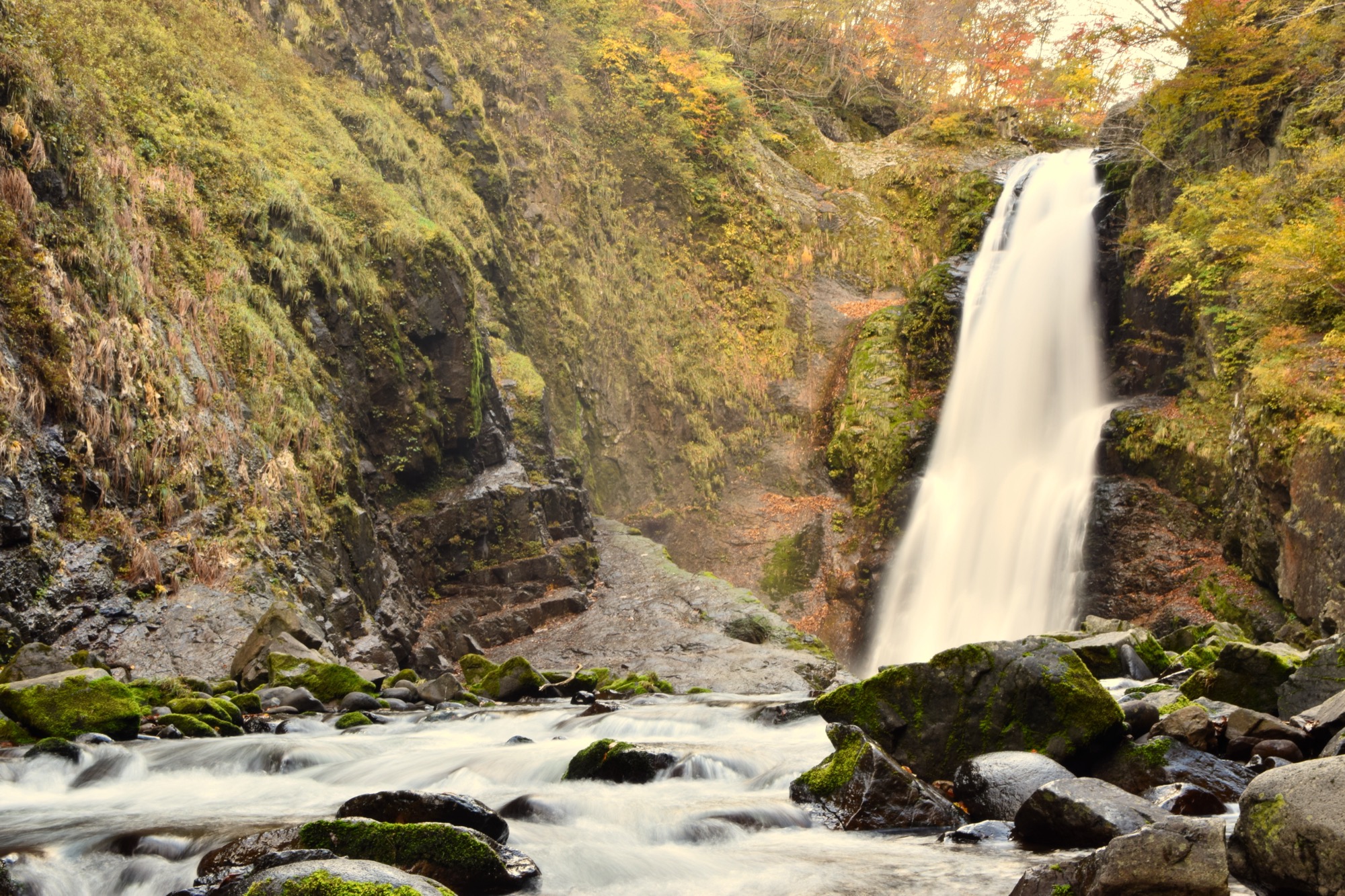
About 8 kilometers (5 miles) upstream from the main onsen district, the Natori River crashes over a basalt ledge in what may be Miyagi Prefecture’s single most dramatic natural spectacle. Akiu Otaki (秋保大滝) drops 55 meters (180 feet) in a single thundering curtain that’s roughly 6 meters (20 feet) wide — it’s listed on the Ministry of the Environment’s “100 Famous Waterfalls of Japan” list, placing it in elite company alongside Nikko’s Kegon Falls and Wakayama’s Nachi Falls.
The falls are visible from an observation deck (free, accessible via a short staircase path from the parking area), but the most impressive views come from walking down to the base via a moderately steep trail — plan on about 15–20 minutes down and 25 minutes back up, wearing decent footwear (the path can be slippery when wet). From the base, the spray and thundering sound create an immersive natural experience that photographs only partially capture. The pool below the falls is a brilliant turquoise-blue on sunny days, carved deep over millennia into the dark rock.
Nearby, Fudoji Temple (不動寺) sits at the falls’ edge, built into the cliff face with the waterfall roaring just meters away. The temple is an active place of worship and adds an atmospheric layer to the visit — rinse your hands at the ritual stone basin and burn some incense if you’re moved to. The surrounding forest includes ancient cedar trees and, in autumn, spectacular maple foliage that frames the falls in scarlet and amber.
Getting to Akiu Otaki: Bus No. 14 from Sendai Station also stops at the falls (terminus), adding about 20 minutes to the journey past the main onsen district. By car, it’s a 10-minute drive from the ryokan area. The parking area is large and free. Plan about 45–60 minutes total for a proper visit including the walk to the base and back.
Rairaikyo Gorge: Akiu’s Riverside Walking Paradise
Between the main onsen village and the waterfall, the Natori River carves through a dramatic gorge known as Rairaikyo (ライライ峡谷). The gorge walls rise steeply on both sides, with curious eroded rock formations, small caves, and patches of ancient forest creating a landscape that feels primordially Japanese. A riverside walking path follows the gorge for approximately 2.5 kilometers (1.5 miles), making for a gentle 60–90 minute round-trip that serves as a perfect complement to a morning of bathing.
The gorge is most beautiful in autumn (mid-October to early November) when maples turn the valley walls in fiery shades of red, orange, and gold, with their reflections shimmering in the green river below. In summer, the cool shade of the gorge provides welcome relief from the humidity — the temperature in the gorge floor can feel 5–8°C (9–14°F) cooler than in open areas. Spring brings fresh green and wildflowers along the riverbanks.
The trailhead is walkable from the main ryokan area (about 10–15 minutes on foot). Proper walking shoes are helpful but not essential — the path is mostly well-maintained. There are several scenic viewpoints with benches along the way, and a small teahouse near the gorge entrance serves local sweets and tea during peak seasons. Admission to the gorge path itself is free.
Akiu Craft Park: Make Something Beautiful
One of Akiu’s most enjoyable and underappreciated attractions is the Akiu Craft Park (秋保工芸の里), a complex of workshop buildings set among greenery about 2 kilometers from the main onsen district. The park brings together artisans in multiple traditional crafts, and crucially, nearly all of them offer hands-on workshops where visitors can try their hand at the craft under guidance.
The most popular workshops include: Washi paper making (和紙漉き体験, approximately ¥800–¥1,200 / $5.50–$8.20, 30–45 minutes) where you create your own sheet of traditional Japanese paper using bamboo frames and pulp; pottery/ceramics (陶芸体験, ¥1,500–¥2,500 / $10–$17, 60 minutes) where you shape a bowl or cup on a wheel, with your finished piece fired and mailed to you later; and glass blowing (ガラス体験, ¥2,000–¥3,000 / $14–$20, 30–45 minutes) creating a small glass vessel.
The park also includes exhibition spaces for local crafts and a café serving simple meals using locally sourced ingredients. It’s particularly good for families — children can participate in most workshops with adult supervision, and the hands-on format keeps everyone engaged. Most workshop staff speak some English or can manage with demonstration-and-gesture communication. The park is about a 5-minute taxi ride from the main ryokan area or a 20-minute walk; there’s also a bus stop nearby.
Seasonal Highlights: When to Visit
Best Time to Visit Akiu Onsen
- Spring (late March–May): Cherry blossoms bloom along the Natori River in early to mid-April, creating beautiful scenes around the ryokan and gorge. Strawberry picking at local farms typically begins in May — call ahead to reserve. The onsen experience is especially pleasant as cherry petals occasionally drift into open-air baths. Temperatures: 50–68°F (10–20°C).
- Summer (June–August): Lush greenery blankets the valley and the gorge is at its coolest and most refreshing. July–August festivals include the Akiu Great Waterfall Fireworks (秋保大滝ふるさとまつり) in August — a relatively intimate local fireworks event set against the gorge backdrop that’s wonderfully un-touristy. Temperatures: 70–86°F (21–30°C), with high humidity in August.
- Autumn (mid-October–early November): This is peak season at Akiu and arguably the most spectacular time to visit. The valley’s maple and beech trees turn in waves of scarlet, amber, and gold, the light is warm and golden, and the combination of steam rising from outdoor baths against colored foliage is one of those Japan moments that stay with you. Book accommodation well in advance — mid-October weekends fill months ahead. Temperatures: 45–65°F (7–18°C).
- Winter (December–February): The quietest and most budget-friendly season. Snow occasionally dusts the valley and ryokan rooftops in January–February, creating a moody, introspective atmosphere. The outdoor baths feel particularly luxurious when snowflakes fall on your shoulders. Crowds are minimal, prices drop significantly, and you may have baths almost entirely to yourself. Temperatures: 25–42°F (-4–6°C) — dress warmly for outdoor exploration.
Where to Eat: Akiu Onsen Food Guide
Dining in Akiu tends to revolve around the ryokan kaiseki dinner and breakfast experience — and if you’re staying overnight, don’t skip it. The multi-course meals prepared by ryokan chefs typically showcase seasonal ingredients from the Natori Valley, the Sendai coast, and the surrounding mountains. Expect carefully arranged small plates: river fish sashimi, mountain vegetable tempura (sansai), local wagyu beef grilled at the table, and house-made tofu that’s silky and deeply flavored. This kind of meal — thoughtful, seasonal, artisan — is one of Japan’s great culinary traditions and Akiu delivers it beautifully.
Ryokan Kaiseki Dinner — The Centerpiece Experience
For guests staying overnight, kaiseki dinner is typically included in room rates. Standard courses run 8–12 dishes over 90–120 minutes, often eaten in your tatami room rather than a communal dining hall (an experience unique to Japan). Seasonal highlights include freshwater iwana (char) and yamame (mountain trout) from local rivers, Sendai miso-marinated pork, and nanbu-style rice from nearby Miyagi farms. Prices (dinner + breakfast + accommodation) typically range from ¥20,000 per person ($136) at mid-range ryokan to ¥45,000+ per person ($308+) at premium establishments.
Roadside Soba and Sansai Restaurants
Several small restaurants along the main road through Akiu serve informal lunches of buckwheat soba noodles, tempura sansai (mountain vegetable fritters), and hearty noodle soups. Prices are very reasonable: ¥800–¥1,500 ($5.50–$10) for a full lunch set. The sansai vegetables — including warabi (bracken), zenmai (flowering fern), and kogomi (fiddlehead) — are harvested locally in spring and served pickled or simmered throughout the year. Ask for a seasonal set (季節のセット) for the best value and most locally representative meal.
Akiu Craft Park Café
The café at Akiu Craft Park serves simple but quality lunches using local produce: Miyagi rice, vegetables from valley farms, and seasonal soups. It’s a good midday option if you’re spending the morning doing workshops. Budget ¥900–¥1,400 ($6–$10) for lunch. Open daily except Tuesdays; closing times vary by season (check at the park entrance).
Strawberry Farms (Spring Only)
From May through June, several farms in the Akiu area open for strawberry picking (いちご狩り). For a flat fee of ¥1,500–¥2,000 ($10–$14) per person, you can spend 30–40 minutes eating as many strawberries as you can manage directly from the plant. The varieties grown here — including Tochiotome and Benihoppe — are notably sweeter and larger than those typically exported. Reserve by phone or email in advance; spaces fill quickly on weekends. Ask your ryokan or Sendai tourist information for the current season’s participating farms.
Where to Stay in Akiu Onsen
Budget Day-Tripping from Sendai (Under ¥8,000 / $55)
If budget is tight, Akiu Onsen makes an excellent day trip from Sendai where accommodation is cheaper and more varied. Combine the bus journey, a few hours of sightseeing, a day-use bath (¥1,000–¥2,000), and lunch for a total spend of around ¥5,000–¥8,000 ($34–$55) per person — excellent value. Consider Sendai’s Dormy Inn or similar business hotels for a comfortable base in the city.
Mid-Range (¥15,000–¥30,000 / $100–$200 per person with 2 meals)
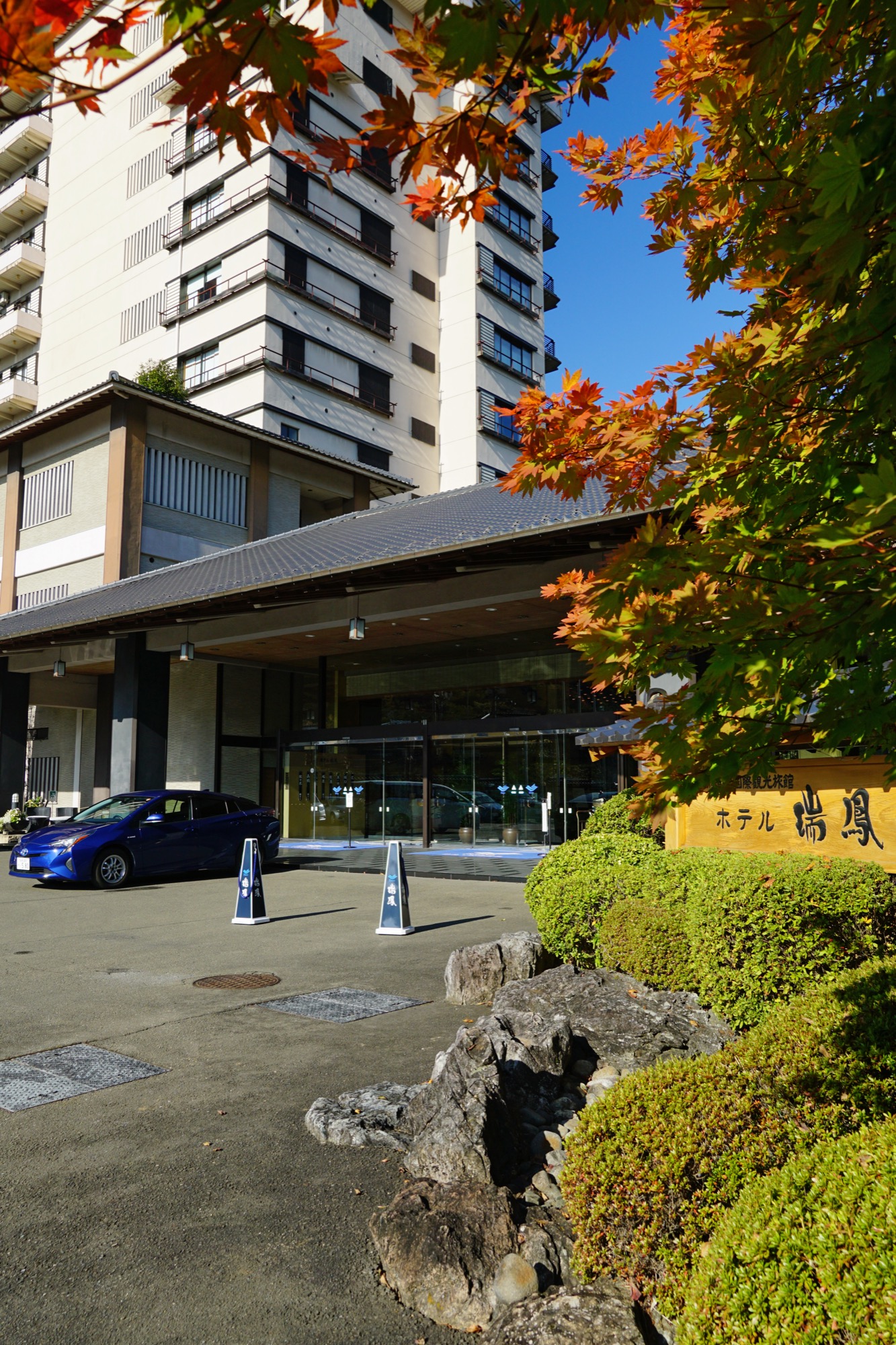
Hotel Sakan (ホテル佐勘): Akiu’s largest and most established ryokan, the Sakan has been welcoming guests since the Edo period, though the current buildings are modern. Multiple indoor and outdoor baths, including riverside rotenburo, make this an excellent choice for onsen enthusiasts. Kaiseki dinners here are reliably good and locally sourced. Per-person rates with two meals from ¥22,000 ($150), rising to ¥35,000+ ($238) on peak weekends.
Ryokan Kirishima: A smaller, more intimate ryokan with excellent personal service and beautifully maintained traditional rooms. The outdoor bath here is among the most scenic in Akiu, perched directly over the river. Per-person rates with meals from ¥18,000 ($123). Particularly recommended for couples and solo travelers who want a quieter experience than the larger establishments.
Luxury (¥35,000+ / $238+ per person with 2 meals)
Banyuzan Iwanuma / Premium Suites at Sakan: For a truly indulgent Akiu experience, several ryokan offer premium suite rooms with private in-room baths (部屋風呂, heya buro) — your own personal hot spring plunge tub filled with onsen water, accessible at any hour. These rooms represent the pinnacle of traditional Japanese luxury travel: a private tatami suite, a personal outdoor bath, and a kaiseki dinner served course by course by a dedicated attendant. Expect to pay ¥45,000–¥80,000 per person ($308–$545) for this experience. Book at least two to three months ahead for autumn season.
Practical Tips for Visiting Akiu Onsen
- Book ryokan well in advance for peak seasons: Autumn foliage season (mid-October to early November) and cherry blossom season (April) fill up fast — 2–3 months advance booking is recommended for weekends. Weekday stays in off-peak periods often have same-week availability.
- Check bus schedules before you go: The No. 14 Miyagi Kotsu bus runs roughly every 30–60 minutes but the last bus back to Sendai is typically around 7–8 p.m. If you’re planning a late dinner at a ryokan without overnight accommodation, confirm return bus times carefully or arrange a taxi back.
- Tattoo policy: Like most traditional onsen, Akiu ryokan generally prohibit visible tattoos in communal baths. If you have tattoos, contact your ryokan ahead of time to discuss options — most can reserve a private kashikiriburo (private bath room) for an extra fee of ¥1,000–¥3,000 ($7–$20) per hour. Private in-room baths at premium ryokan suites also solve this issue completely.
- Onsen etiquette basics: Rinse thoroughly at the shower stations before entering any bath. Don’t bring towels into the water (leave on bath rim or fold on your head). Tie up long hair. No swimming or splashing. Quiet conversation is fine; loud noise is not. Baths are typically separated by gender — look for 男 (men) and 女 (women) signs.
- What to pack for a ryokan stay: Most ryokan provide yukata (casual kimono), slippers, small towel, soap, and shampoo. You don’t need to bring much — just a change of clothes for the journey home, any medications, and personal items. Leave roller luggage at your Sendai hotel if possible; moving large bags on local buses is manageable but awkward.
- The Rairaikyo Gorge path can be slippery: After rain, the riverside rocks are treacherous. Wear shoes with grip and avoid the path in heavy rain or immediately after significant rainfall.
- Combine with a Sendai day: Akiu pairs naturally with a Sendai city visit — spend morning in the city (Zuihoden Mausoleum, Sendai Castle ruins, Loople bus tour), catch an early-afternoon bus to Akiu, soak and dine, then return to Sendai or stay the night. This is the ideal rhythm for a two-day Sendai+Akiu itinerary.
- Cash is essential: Most ryokan accept credit cards, but many smaller restaurants and the public bath do not. Carry ¥10,000–¥20,000 ($68–$136) in cash per day as a comfortable buffer.
- Akiu Craft Park is closed Tuesdays: Plan your craft workshop day accordingly. Advance reservation is recommended for pottery and glass workshops, especially on weekends.
- Check waterfall access in heavy rain: After significant rainfall, the path to the base of Akiu Otaki may close for safety. The observation deck is always accessible, but call the Sendai tourism office (022-224-1919) if you’re planning a base visit after heavy rain.
Sample 1–2 Day Akiu Onsen Itinerary
Day 1 — Arrive, Soak, Explore the Gorge
Morning in Sendai: If coming from Tokyo, arrive at Sendai by 10 a.m. (take the 8:00 or 8:30 a.m. shinkansen from Tokyo). Have a quick coffee and pastry near the station, then board the 10:30 or 11:00 a.m. bus to Akiu Onsen.
Early Afternoon (12:00–2:00 p.m.): Arrive in Akiu and check in at your ryokan (some allow early room access from noon; otherwise, store your bag and start exploring). Grab lunch at one of the roadside soba restaurants — the sansai tempura set is the go-to choice.
Afternoon (2:00–5:00 p.m.): Walk to Rairaikyo Gorge (15 minutes from the main onsen strip) and follow the riverside path through the gorge — allow 60–90 minutes for a leisurely out-and-back. Return to your ryokan, change into your yukata, and head for a pre-dinner bath. This is the ideal time to try the rotenburo if your ryokan has one.
Evening (6:00–9:00 p.m.): Kaiseki dinner in your tatami room — a multi-course feast that typically takes 90 minutes to two hours. Afterward, a late-night bath (many ryokan baths stay open until midnight or later) under quiet skies. An early night after this much hot water and good food is utterly justified.
Day 2 — Waterfall, Crafts & Return to Sendai
Morning (6:00–8:30 a.m.): Morning bath before anyone else is up — steam rising, river murmuring, utterly peaceful. Ryokan breakfast (included in your rate) is a spread of rice, miso soup, grilled fish, pickles, and seasonal vegetables — don’t skip it.
Mid-morning (9:30–11:30 a.m.): Take the bus (or taxi, about ¥1,000 / $7) to Akiu Otaki Falls. Walk down to the base if conditions allow — the full experience takes about 60–70 minutes including the descent and return. The spray is refreshing, the sound is overwhelming in the best possible way.
Afternoon (12:00–3:00 p.m.): Head to Akiu Craft Park for a washi paper or pottery workshop (reserve in advance). Grab lunch at the craft park café. Browse the exhibition galleries and craft shops for quality local souvenirs.
Late Afternoon (3:30 p.m. onward): Return bus or taxi to Sendai. Arrive back in the city by 4:30–5:00 p.m. with time for a final Sendai beef tongue dinner before catching the evening shinkansen back to Tokyo (last fast train typically departs around 9–10 p.m.).
Related Articles You Might Enjoy
- Naruko Onsen Village: Miyagi’s Kokeshi Doll Capital, Healing Hot Springs & Japan’s Best Autumn Foliage
- Miyagikyo Distillery: The Complete Guide to Nikka’s Whisky Sanctuary Near Sendai
- Zuihoden Mausoleum, Sendai: Complete Guide to the Ornate Resting Place of Japan’s Dragon-Eyed Lord
- Sendai Gyutan: The Complete Guide to Japan’s Most Iconic Beef Tongue Experience
- Sendai Jozenji Street Jazz Festival: Japan’s Greatest Free Outdoor Music Festival
Final Thoughts
There’s a particular kind of contentment that comes from sitting in an outdoor hot spring bath, surrounded by autumn maples or drifting snowflakes, with a bowl of sansai soup nearby and nothing on the schedule but another long soak and a quiet tatami room. Akiu Onsen delivers this feeling with remarkable consistency — and it does so without the crowds, the Instagram queues, or the package-tour bustle that characterizes more famous Japanese hot spring destinations.
What makes Akiu special isn’t any single spectacular sight, but the cumulative effect of genuine Japanese country hospitality, extraordinary natural surroundings, and that particular quality of onsen water that seems to dissolve not just physical tension but the accumulated weight of too many cities and too many train schedules. If your Tohoku itinerary currently consists only of Sendai’s city highlights, you owe yourself this extra 45 minutes on a bus. Bring your bathrobe mindset — you won’t regret it.
Got questions about planning your Tohoku trip, or spotted something we missed? We’d love to hear from you — drop us a message here.


コメント