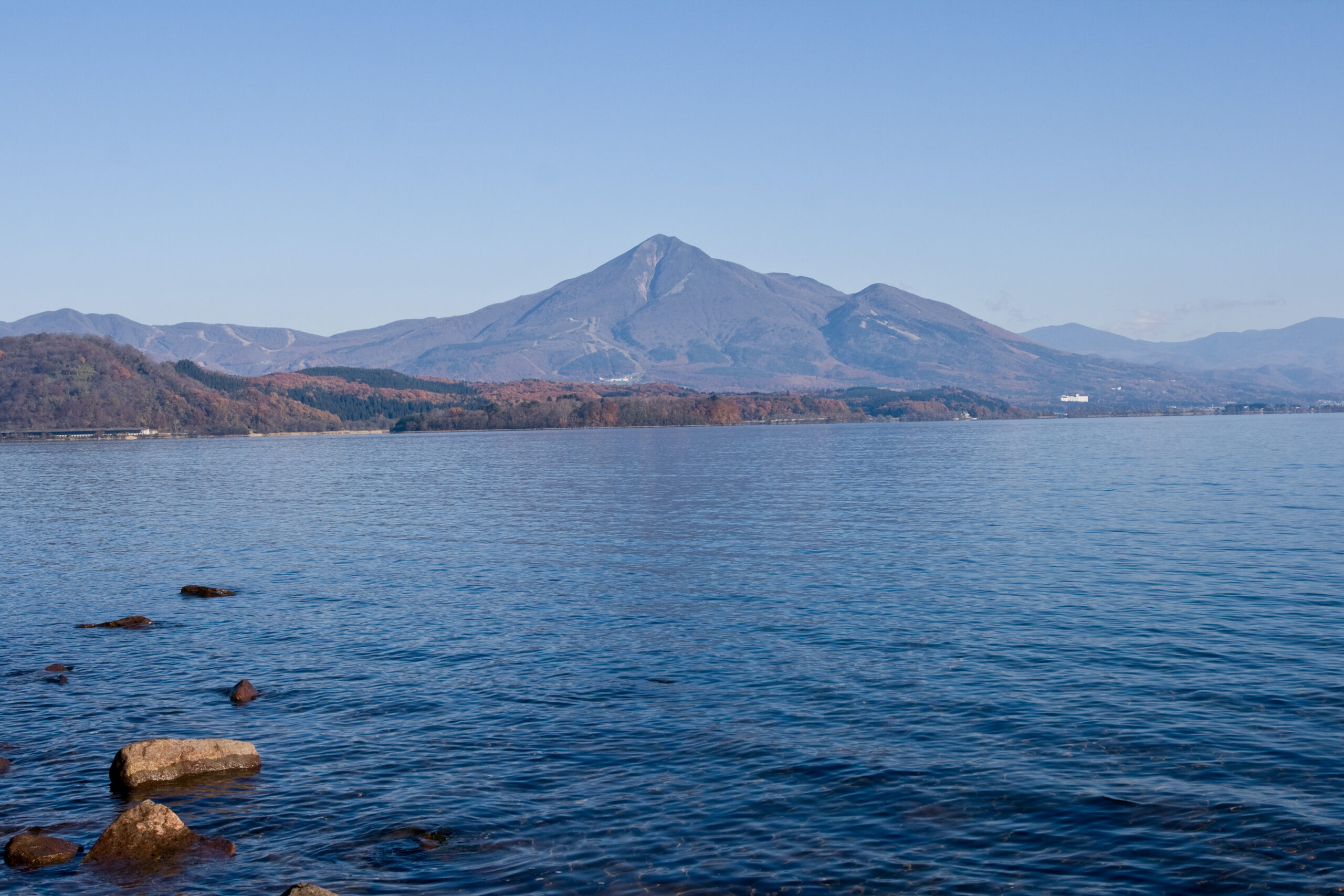
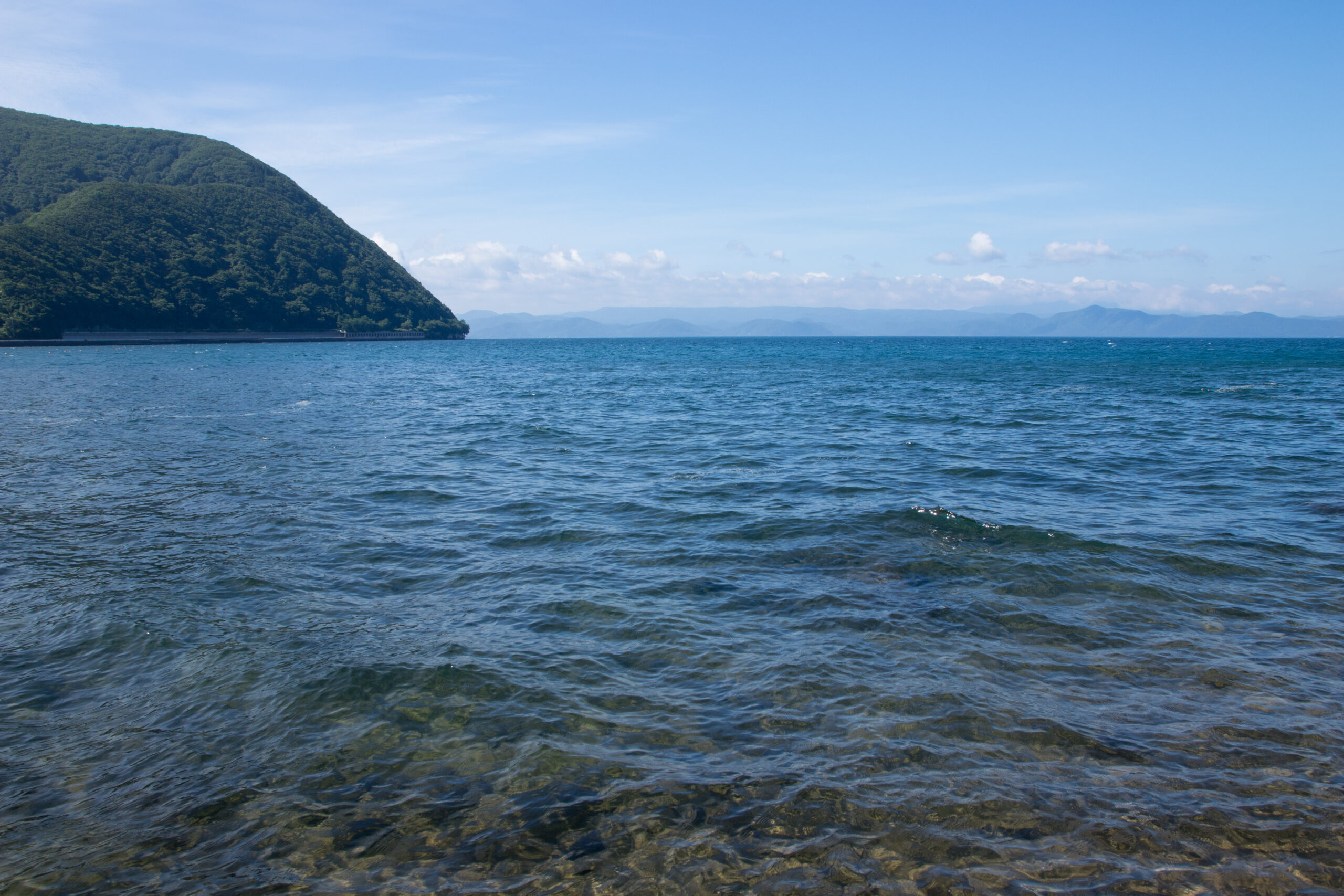
Japan has four great lakes, and three of them are famous. Lake Biwa draws millions of visitors each year. Lake Toya anchors Hokkaido’s resort heartland. Lake Towada is a rising star among international travelers. Then there’s Lake Inawashiro — Japan’s fourth-largest lake, set against the volcanic grandeur of Mount Bandai in Fukushima, a sparkling expanse of water so clear and sky-blue that locals call it Tengyo-ko (天鏡湖), the “Mirror of Heaven.” And almost no foreign tourists know it exists. That’s about to change.
Why Lake Inawashiro Should Be on Every Japan Itinerary
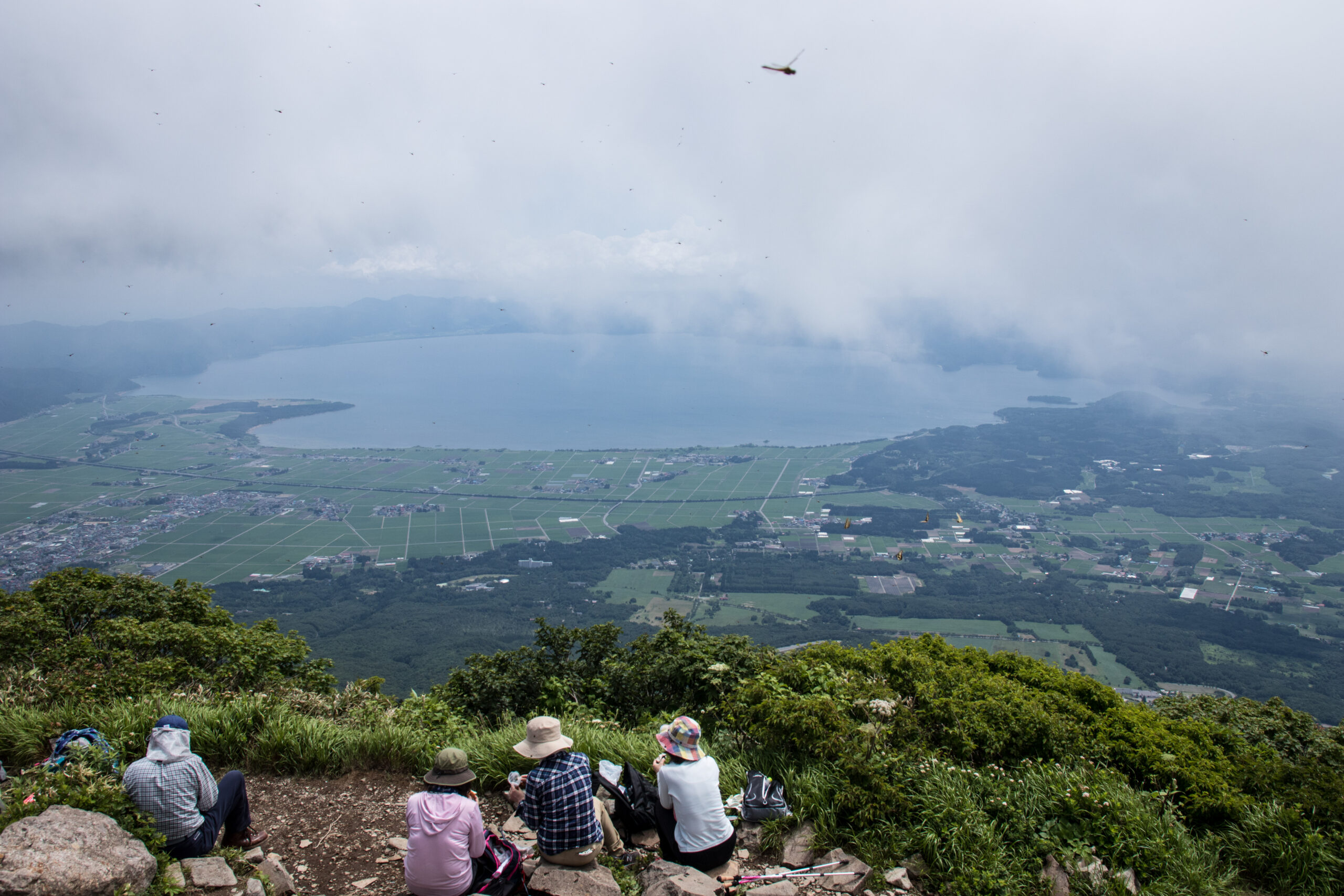
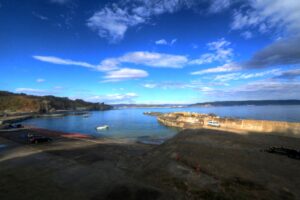
Lake Inawashiro sits at the geographic and spiritual heart of the Aizu region — a stretch of western Fukushima that time has treated gently, preserving samurai castles, traditional craft workshops, feudal town layouts, and a culinary heritage that most of Japan has long since replaced with convenience store culture. The lake itself stretches 103 square kilometers (39.8 square miles), and its waters — fed by snowmelt from Mount Bandai and mineral springs — are so extraordinarily clear that on a still day, the perfectly reflected mountain and sky make it genuinely difficult to tell which way is up.
Mount Bandai itself is the lake’s dramatic backdrop and constant companion. This 1,816-meter (5,958-foot) volcano — one of Japan’s 100 Famous Mountains — erupted catastrophically in 1888, destroying several villages and creating an entirely new landscape of crater lakes, marshes, and forest that is now one of Japan’s most remarkable hiking destinations. The mountain’s asymmetrical profile, rounded by ancient eruptions and scarred by the 1888 collapse, gives it a brooding, distinctive silhouette that dominates every view from the lake’s northern shore.
And then there’s the history. The town of Inawashiro has a claim to fame that might surprise you: it was the birthplace of Noguchi Hideyo (野口英世), the bacteriologist who discovered the cause of yellow fever, pioneered research on syphilis and trachoma, and appears on Japan’s ¥1,000 banknote. A humble farmhouse near the lake marks his birthplace, and the excellent Noguchi Hideyo Memorial Museum tells the story of this remarkable man who rose from extreme rural poverty to become one of the most celebrated scientists of the early 20th century. It’s the kind of story that genuinely moves you — and it adds an unexpected human dimension to what might otherwise be “just” a beautiful lake visit.
Getting There from Tokyo
One of Lake Inawashiro’s great practical advantages is its accessibility from Tokyo — much closer than most of Tohoku, it makes a very achievable weekend trip without eating into travel time.
- Shinkansen + Local Train (easiest route): Take the Tohoku Shinkansen from Tokyo Station to Koriyama (about 80 minutes, ¥7,980–¥9,000 / $54–$61 one-way without JR Pass, fully covered with JR Pass). From Koriyama, transfer to the JR Ban’etsu West Line toward Aizuwakamatsu and ride to Inawashiro Station (about 40 minutes, ¥660 / $4.50). From Inawashiro Station, the lake is about 4 kilometers away — best reached by taxi (¥700–¥1,000 / $5–$7) or bicycle rental at the station.
- Via Aizuwakamatsu: Take the Shinkansen to Koriyama, then the Ban’etsu West Line all the way to Aizuwakamatsu (about 90 minutes total from Koriyama). Aizuwakamatsu is the cultural heart of the Aizu region — samurai castle, lacquerware workshops, and excellent local food — and makes a superb base for exploring Lake Inawashiro by local bus or taxi. Bus journeys to the lake take about 30–40 minutes and cost ¥700–¥900 / $5–$6.
- Rental car (strongly recommended): To truly explore the lake and surrounding Mount Bandai area — including the Goshikinuma Five Colored Ponds and the Bandai-Azuma Skyline road — a rental car is by far the best option. The drive from Tokyo via the Tohoku Expressway takes about 3–3.5 hours. From Koriyama, it’s about 45 minutes to the lake. Rental cars are available at Koriyama Station and Aizuwakamatsu Station from approximately ¥5,000–¥8,000 / $34–$55 per day.
The JR Pass covers the Shinkansen to Koriyama and the Ban’etsu West Line local trains to both Inawashiro and Aizuwakamatsu, making this trip excellent value for rail pass holders. The local trains through the Aizu region are particularly scenic — the Ban’etsu West Line winds through mountain valleys and past traditional farmhouses in a way that feels like time travel.
The Swans of Lake Inawashiro: Japan’s Most Magical Winter Spectacle
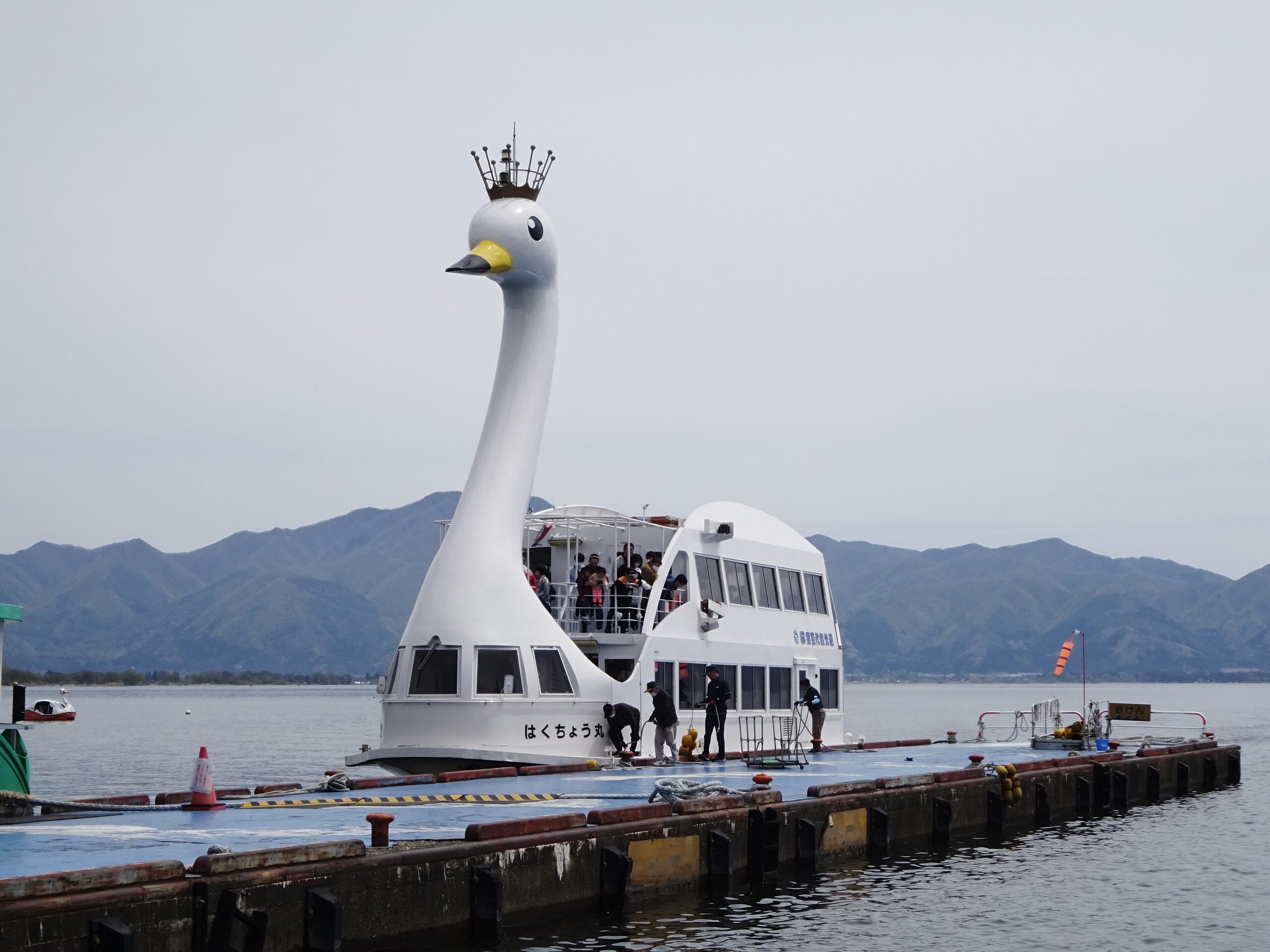
If there is one experience that defines Lake Inawashiro for Japanese visitors, it is the arrival of whooper swans (Cygnus cygnus) each winter. Between October and March, thousands of these large, elegant white birds migrate from their summer breeding grounds in Siberia to spend the winter at Lake Inawashiro, which — thanks to its mineral-rich waters and relatively mild temperatures — remains largely unfrozen even in the depths of winter. At peak season (December–February), the lake hosts over 1,000 individual whooper swans, creating a spectacle of pure white feathers, bugling calls, and graceful movement that is one of the most emotionally affecting wildlife experiences in Japan.
The best spot for swan watching is the Hakuchoura (White Swan) observation area on the lake’s eastern shore, where the birds gather in large flocks close to the bank and are remarkably unafraid of quiet human observers. Arrive at sunrise for the most magical light — the sun rises over the mountains to the east, painting the water gold and pink while hundreds of swans drift through the mist. The birds are also particularly active at dawn as they wake, preen, and begin the day’s feeding. Local volunteers sell bags of corn to feed to the swans (¥100 / $0.70), which is a genuinely delightful experience — particularly for children — though be aware that this can attract large numbers of birds very quickly and get a little overwhelming!
The swans typically arrive in October and begin departing for their northern breeding grounds in February and March. February is the absolute peak month for numbers, and a calm, clear February morning at Lake Inawashiro — with Mount Bandai white with snow behind a lake full of white swans — is one of those genuinely transcendent Japanese travel experiences that photographs barely do justice. If winter travel to Japan appeals to you, this should be on your list.
Mount Bandai & the Goshikinuma Five Colored Ponds
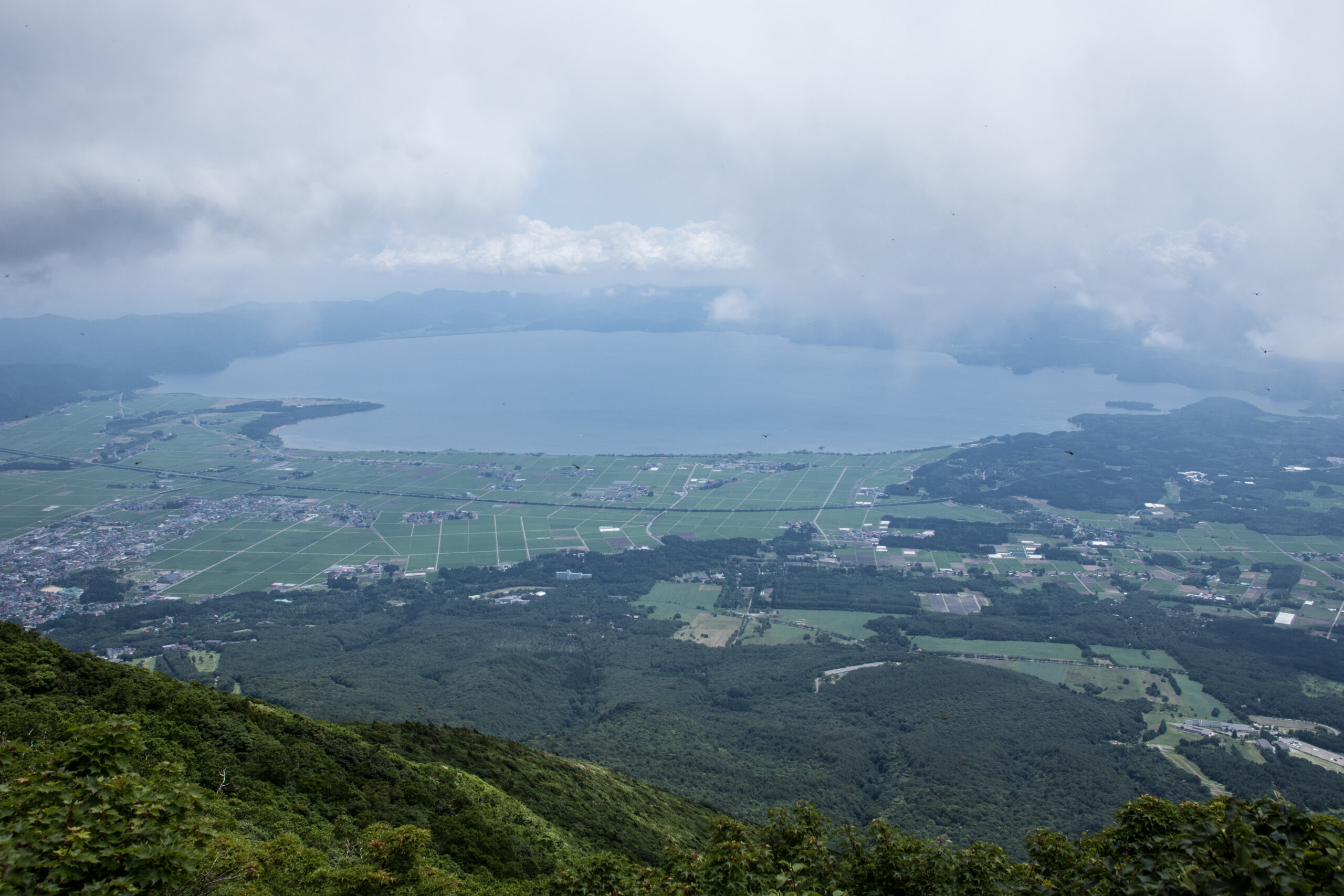
While Lake Inawashiro is magnificent in itself, the real wonder of the surrounding landscape was created by the cataclysmic eruption of Mount Bandai on July 15, 1888. The north side of the mountain collapsed in one of the largest volcanic disasters in modern Japanese history, sending a massive debris avalanche across the surrounding valleys, burying villages, blocking rivers, and creating an entirely new landscape of over 300 small lakes and ponds. Today, this volcanic wilderness — protected as part of Bandai-Asahi National Park — is one of Japan’s most spectacular hiking areas, and the Goshikinuma (五色沼, “Five Colored Ponds”) trail at its heart is one of the most visually extraordinary short hikes in the entire country.
The Goshikinuma trail connects a series of small crater lakes whose waters range in color from deep cobalt blue to turquoise, emerald green, and even milky white — the different colors are caused by varying concentrations of iron, sulfur, and aluminum compounds in the volcanic water. The contrast between the vivid, jewel-like water colors and the surrounding dark forest is almost surreal, like walking through a painting. The main trail runs about 3.6 kilometers (2.2 miles) from Goshikinuma Nature Center to Bandaiko bus stop, taking about 1.5–2 hours at a comfortable pace with stops for photography. It is almost entirely flat and extremely well-maintained, making it suitable for all ages and fitness levels.
The most famous individual pond is Bishamon-numa, the largest, whose water is a deep, otherworldly blue that changes subtly with the light and season. Midoro-numa glows neon green in summer, while Aka-numa (Red Pond) shifts toward turquoise and rust in autumn. Arrive early morning for the best photography conditions — the ponds reflect perfectly on still mornings and the forest light at dawn is extraordinary. The trail is at its most spectacular from late September to early November when the autumn foliage surrounds the vivid water colors with red and gold.
To reach the Goshikinuma from Lake Inawashiro, take the Bandai Tozan bus from Inawashiro Station to Goshikinuma Nature Center (about 25 minutes, ¥550 / $3.75 one-way). By car, the trailhead is about 20 minutes north of Inawashiro Station along Route 459.
The Noguchi Hideyo Memorial Museum
Among the many reasons to linger in Inawashiro, the Noguchi Hideyo Memorial Museum (野口英世記念館) stands out as one of Tohoku’s most compelling cultural stops — and one that many foreign visitors overlook entirely because the name doesn’t ring an immediate bell. Hideyo Noguchi (1876–1928) is one of Japan’s most celebrated scientists: a bacteriologist who worked at the Rockefeller Institute in New York, conducted pioneering research on syphilis and trachoma, and is credited with identifying the agent responsible for yellow fever (later revised, but his work was instrumental). He appears on the ¥1,000 banknote — the bill you will handle most frequently during any cash-based trip to Japan — and in Japan he is a beloved national hero on the level of a Thomas Edison or a Louis Pasteur.
What makes his story particularly moving is where it began: the humble farmhouse, just 10 minutes’ walk from the museum, where Noguchi was born into extreme poverty in 1876. As a toddler, he fell into the hearth fire and suffered severe burns that fused the fingers of his left hand — a disability that initially seemed to mark him for a life of limited prospects in rural Meiji-era Japan. Instead, it sparked his determination to become a doctor. The community of Inawashiro fundraised to pay for his corrective surgery, and that surgery changed the trajectory not just of his life but of medical science.
The museum traces his journey from this remote lakeside village all the way to the Rockefeller Institute, his research expeditions in Africa and South America, and his ultimately fatal decision to travel to Ghana in 1927 to study yellow fever firsthand — he contracted the disease and died there the following year at age 51. The exhibits are well-organized and partially translated into English, with historical photographs, laboratory equipment, and personal letters that bring the man vividly to life. Admission is ¥600 / $4. Allow 1–1.5 hours. The adjacent birthplace farmhouse is free to enter and offers a poignant contrast between the simplicity of his origins and the global scale of his achievements.
Best Time to Visit Lake Inawashiro
- Spring (late April–May): Cherry blossoms bloom around the lake and in nearby Aizuwakamatsu (particularly spectacular at Tsurugajo Castle) from mid-to-late April. The fields around the lake fill with yellow rape flowers, and the landscape is lush and fresh. Excellent weather for cycling and hiking. Average temperatures: 10–18°C (50–64°F).
- Summer (June–August): The lake becomes a water sports hub — windsurfing, kayaking, and stand-up paddleboarding are all popular. The Goshikinuma ponds are at their most vivid green. Families come for camping and swimming (designated areas). Mount Bandai hiking season is at its best. Average temperatures: 22–28°C (72–82°F), though the altitude and lake breeze keep temperatures pleasant.
- Autumn (mid-October–early November): Mount Bandai turns spectacular shades of red and gold, and the combination of colored foliage reflected in the Goshikinuma ponds is extraordinary. Lake Inawashiro itself is still warm enough for outdoor activities, and the first swans often begin arriving in October. One of Tohoku’s finest autumn destinations. Average temperatures: 8–18°C (46–64°F).
- Winter (December–March): This is Lake Inawashiro’s secret weapon. While the rest of the country chases autumn leaves or cherry blossoms, Inawashiro hosts the whooper swans — thousands of them, drifting across misty water against a snow-covered Mount Bandai. It’s cold (temperatures frequently drop below 0°C / 32°F at night), so dress accordingly, but for photography and wildlife watching, winter at Inawashiro is simply extraordinary.
Where to Eat: Lake Inawashiro & Aizu Food Guide
The Aizu region has one of Tohoku’s most distinctive and historic food cultures — a legacy of its long isolation as a feudal domain that developed its own culinary traditions independent of the coastal fish-and-rice cultures to the east and west. The results are deeply satisfying and unlike anything you’ll find elsewhere in Japan.
Kozuyu (こづゆ) — Aizu’s Beloved Ceremonial Soup
The defining dish of Aizu cuisine, kozuyu is a clear soup made with dried scallop dashi, taro, shiitake mushroom, konnyaku (konjac), carrot, and mung bean noodles, traditionally served in small red lacquerware bowls at festivals and celebrations. It’s the edible emblem of Aizu culture — delicate in flavor but rich in local tradition — and you’ll find it at almost every traditional restaurant in the region. Try it at Tagoto Honten (田季野本店) in Aizuwakamatsu, one of the region’s most respected traditional restaurants, where a full Aizu cuisine set including kozuyu costs approximately ¥3,500–¥5,000 / $24–$34.
Wappa Meshi (わっぱめし)
Another Aizu regional specialty, wappa meshi is steamed rice served in a round cedar box (wappa) topped with various seasonal ingredients — fish, vegetables, mountain herbs — that infuse the rice with a subtle woodsy aroma as they cook together. It’s an enormously satisfying dish that tastes of forest and mountain, and the beautiful lacquerware-adjacent presentation makes it feel appropriately ceremonial. Found throughout Aizuwakamatsu and at some restaurants near Inawashiro Station.
Restaurant Lakeside (レストランレイクサイド)
For a lakeside meal with a view to match, Lakeside Restaurant near the Inawashiro shore offers classic Japanese set meals using locally caught fish and seasonal mountain vegetables, with picture windows overlooking the water and Mount Bandai beyond. It’s the kind of restaurant where the view is worth as much as the food — particularly on a clear day when the mountain’s reflection shimmers on the lake. Set meals from ¥1,500–¥2,800 / $10–$19. Open daily late April through November, 11 am–4 pm.
Kitakata Ramen (喜多方ラーメン)
Kitakata City, about 40 kilometers (25 miles) north of Lake Inawashiro, is home to one of Japan’s three great ramen traditions — a light, soy-based broth with thick, flat, curly noodles and simple toppings of chashu pork, bamboo shoots, and green onion. Kitakata has more ramen shops per capita than almost anywhere in Japan, and locals are known for eating ramen for breakfast. If you’re traveling by car, a detour to Kitakata for ramen is one of the great side trips from Lake Inawashiro. The most famous shop, Bannai Shokudo (坂内食堂), opens at 7 am and typically has a queue forming by 7:30 am. A bowl costs ¥750–¥1,000 / $5–$7.
Where to Stay
Budget (Under ¥8,000 / $55 per night)
Inawashiro Youth Hostel: A simple, clean hostel near Inawashiro Station that functions as a hub for hikers heading up Mount Bandai and cyclists exploring the lake. Dormitory beds from ¥3,000 / $20, private rooms from ¥5,500 / $37. The staff can help arrange local transport and activities, and the communal atmosphere is friendly and welcoming. Open year-round.
Mid-Range (¥8,000–¥20,000 / $55–$135)
Inawashiro Onsen Ryokan (Minshuku style): Several small family-run ryokan and minshuku (family guesthouses) are scattered around the lake, particularly in the Inawashiro Onsen hot spring district near the eastern shore. Rates typically run ¥9,000–¥16,000 / $60–$108 per person including breakfast and dinner, which is excellent value considering the quality of the home-cooked meals featuring local Aizu ingredients. Look for properties on Jalan (Japan’s main ryokan booking platform) or Rakuten Travel under “Inawashiro Onsen.”
Hotel Listel Inawashiro: A large, well-appointed resort hotel on the western shores of the lake with Japanese and Western-style rooms, multiple restaurants, a large indoor hot spring bath, and excellent lake and mountain views. Popular with Japanese families and ski groups in winter (the adjacent Bandai ski resort is one of Fukushima’s best). Rates from ¥12,000–¥22,000 / $80–$148 per person including two meals.
Luxury (¥20,000+ / $135+)
Bandaisan Onsen Hotel: The premier luxury option near Mount Bandai, this elegant onsen hotel offers large Japanese suite rooms with private outdoor baths overlooking the mountain, kaiseki multi-course dinners using premium Aizu ingredients, and the kind of service that makes you feel like the hotel staff have been waiting all year specifically for your arrival. The natural hot spring baths are superb — rich, mineral-heavy Aizu onsen water with mountain views. Rates from ¥25,000–¥45,000 / $168–$304 per person including two meals.
Practical Tips for Visiting Lake Inawashiro
- Rent a bicycle. The area around Lake Inawashiro is excellent for cycling. The 31-kilometer (19-mile) lakeside cycle route is well-marked and mostly flat, and rental bicycles are available at Inawashiro Station from approximately ¥1,000–¥1,500 / $7–$10 per day. Cycling is by far the best way to explore the lake at your own pace.
- Combine with Aizuwakamatsu. The samurai castle town of Aizuwakamatsu is only 30 minutes by train from Inawashiro and adds enormous historical depth to a lake visit. Tsurugajo Castle, the Byakkotai (White Tiger Brigade) memorial site, and the lacquerware shops of the old town are all excellent. Plan at least one day in Aizuwakamatsu.
- Don’t miss the Goshikinuma ponds. If you’re visiting in summer or autumn, the Goshikinuma Five Colored Ponds should be non-negotiable. They can be visited as a 3–4 hour day trip from Inawashiro by bus.
- Swan watching etiquette. When visiting the swan area in winter, move slowly and quietly. The swans are wild animals and can be startled by sudden movements or loud noises. Keep a respectful distance and never try to touch or chase the birds.
- Book ski accommodation early. If you’re visiting in winter and plan to ski at Bandai Kogen ski resort, book accommodation at least 2–3 months in advance — particularly for the Christmas–New Year period and February ski peak.
- Try Aizu lacquerware. The Aizu region is famous for its lacquerware (Aizu-nuri), and buying a small piece — a chopstick rest, a sake cup, a small bowl — from one of the workshops in Aizuwakamatsu is one of the most meaningful souvenirs from this region. Look for the blue “traditional craft” certificate that guarantees authenticity.
- The Bandai-Azuma Skyline deserves its own visit. If you have a rental car and are visiting between May and November, the Bandai-Azuma Skyline road (磐梯吾妻スカイライン) — which climbs through volcanic landscapes to over 1,600 meters / 5,250 feet — is one of Japan’s most dramatic drives and connects the Inawashiro area with Fukushima City.
- Cash is king locally. While Aizuwakamatsu city has ATMs accepting international cards, many restaurants, ryokan, and smaller shops around Lake Inawashiro are cash-only. Carry ¥10,000–¥20,000 / $70–$135 in cash when exploring the lake area.
- Check for the Hana-Momiji Festival. In May (cherry blossom) and autumn (foliage), the Aizu region holds various seasonal festivals that add color and atmosphere to a visit. Check the Fukushima Tourism website for current event calendars.
- Respect the volcanic landscape. Some areas near Mount Bandai’s crater are restricted zones due to volcanic activity. Always follow posted signs and stay within designated hiking areas — volcanic conditions can change, and the mountain is still classified as active.
Sample 2-Day Lake Inawashiro Itinerary
Day 1: The Lake, the Swans & Local Culture
Morning (8:00–10:00): Arrive at Inawashiro Station on the Ban’etsu West Line from Koriyama. Pick up a rental bicycle at the station. Ride to the Hakuchoura swan observation area (in winter) or the lake’s northern shore viewpoint for the best early-morning view of Mount Bandai reflected in the water.
Mid-Morning (10:00–12:30): Visit the Noguchi Hideyo Memorial Museum and birthplace farmhouse. Allow 1.5–2 hours to do it properly — it’s genuinely one of Tohoku’s most compelling museums and deserves more time than most visitors give it.
Afternoon (12:30–17:00): Lunch at a lakeside restaurant (try the local fish set or a kozuyu soup if available). Spend the afternoon cycling the lakeside route, stopping at viewpoints and exploring the quieter southern and western shores away from the main tourist area. The reflections of Mount Bandai in the lake from the western shore are particularly spectacular in afternoon light.
Evening (17:00 onward): Check in to your onsen ryokan in the Inawashiro Onsen district and enjoy the hot spring baths before a kaiseki dinner featuring local Aizu cuisine.
Day 2: Mount Bandai & Goshikinuma Ponds
Morning (7:00–9:00): Early morning at the lake (swan watching if winter, or a quiet lakeside walk in other seasons). Breakfast at your hotel.
Mid-Morning to Afternoon (9:00–16:00): Take the Bandai Tozan bus from Inawashiro Station to the Goshikinuma Nature Center (25 minutes). Walk the full Goshikinuma trail (1.5–2 hours), marveling at the multicolored volcanic ponds. Continue to Bandaiko bus stop and take the bus back. If you have a rental car, detour via the Bandai Kogen visitor center and the route around Onogawa-ko (one of the larger volcanic lakes) for even more dramatic scenery.
Late Afternoon (16:00 onward): Return to Inawashiro Station and take the Ban’etsu West Line to Aizuwakamatsu for a final evening in the samurai castle town — including a stroll around Tsurugajo Castle and a dinner of wappa meshi and Aizu sake — before returning to Koriyama for the Shinkansen back to Tokyo.
Related Articles You Might Enjoy
- Ura-Bandai Highlands, Fukushima: Japan’s Most Magical Volcanic Lake District
- Mount Adatara & Dake Onsen, Fukushima: Japan’s Sacred Volcano & Secret Healing Hot Spring
- Tadami Line, Fukushima: Japan’s Most Scenic Hidden Railway Journey
- Fukushima City Guide: Japan’s Most Misunderstood Destination & Why You Need to Visit
- Abukuma Cave, Fukushima: Japan’s Most Spectacular Underground Wonder
Final Thoughts
Lake Inawashiro is the kind of destination that rewards travelers who go looking for it. It doesn’t market itself aggressively, it doesn’t appear on many foreign travel itineraries, and it doesn’t try to compete with Japan’s more famous lakes for Instagram dominance. What it offers instead is something more lasting: a landscape of exceptional beauty, a cultural heritage of extraordinary depth, a winter wildlife spectacle that will stay with you for years, and the particular satisfaction of having discovered something real. Whether you come for the swans, the volcanic ponds, the samurai history, or simply to sit beside a mirror-calm lake and watch Mount Bandai’s reflection shiver in the wind — Inawashiro will give you more than you expected, in the best possible way.
Got questions about planning your Tohoku trip, or spotted something we missed? We’d love to hear from you — drop us a message here.


コメント