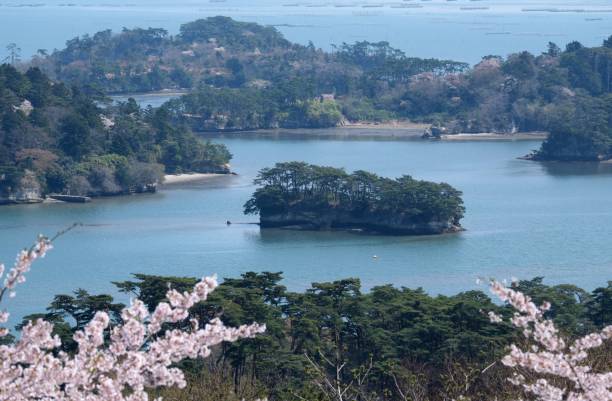
Matsushima Bay, Miyagi: The Ultimate Japan Travel Guide for Foreign Visitors
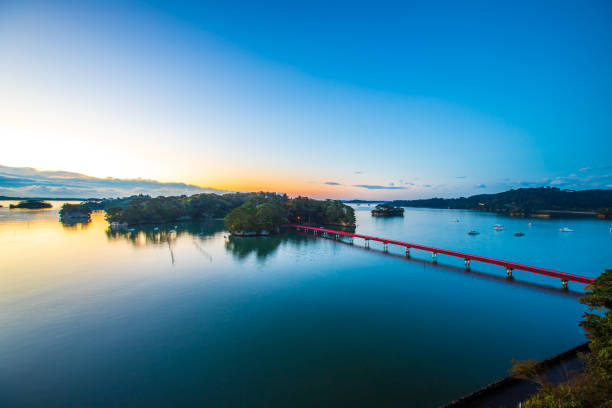
If there is one place in Tohoku that genuinely stops people in their tracks — cameras half-raised, mouths slightly open — it is Matsushima Bay. I have lived in Sendai for years, and I still find myself driving out to the bay on quiet mornings just to sit with the view. For foreign visitors planning a trip to Miyagi, Japan, Matsushima deserves far more than a rushed afternoon stop. This complete Matsushima Bay travel guide will walk you through everything you need to know: what to see, where to eat, how to get there, and the insider tips that most tourists never discover.
Why Matsushima Bay Is One of Japan’s Most Celebrated Landscapes
Matsushima holds an extraordinary distinction in Japanese culture. It is officially recognized as one of the Nihon Sankei — Japan’s Three Views — alongside Amanohashidate in Kyoto Prefecture and Miyajima in Hiroshima. This ranking, formalized in the Edo period, was not handed out lightly. For centuries, poets, painters, and pilgrims made the journey to Miyagi specifically to stand before this bay and feel something shift inside them.
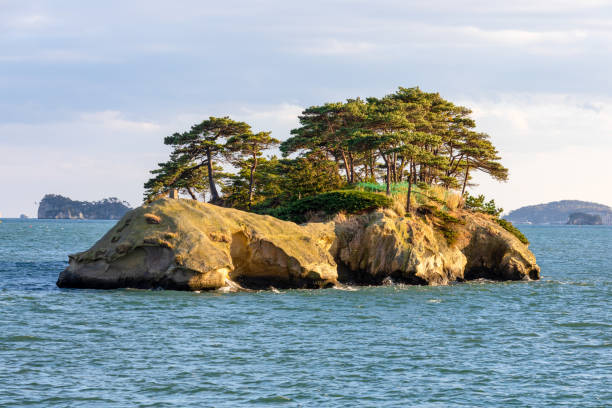
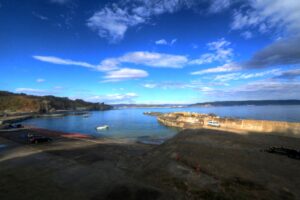
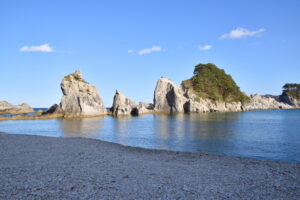
The scenery earns every bit of that reverence. Spread across the calm blue waters of the bay are more than 260 small islands, each one carpeted in dense, dark-green pine trees. The islands vary wildly in size and shape — some are broad and flat, others rise in jagged columns from the sea — and the result is a panorama that feels almost impossibly composed, as though nature spent centuries perfecting the arrangement. For foreign travelers exploring the Tohoku region of Japan, Matsushima Bay in Miyagi is the kind of destination that reframes the entire trip.
Getting to Matsushima from Sendai: Easier Than You Think
One of the best things about Matsushima as a day trip from Sendai is how effortlessly accessible it is. From Sendai Station, take the JR Senseki Line to Matsushima-Kaigan Station, and you will arrive in approximately 40 minutes. The train runs regularly throughout the day, and the fare is very affordable. The station sits just a short walk from the waterfront, so you can be standing at the bay’s edge within minutes of stepping off the train.
If you hold a JR Pass, this journey is fully covered. Alternatively, rental cars are available from Sendai for those who want more flexibility to explore the wider coastline at their own pace. Either way, Matsushima is one of the most rewarding and convenient day trips in all of Miyagi, Japan.
The Best Views in Matsushima Bay: Where to Actually Stand
Saigantoji Temple and the Godaido Pavilion
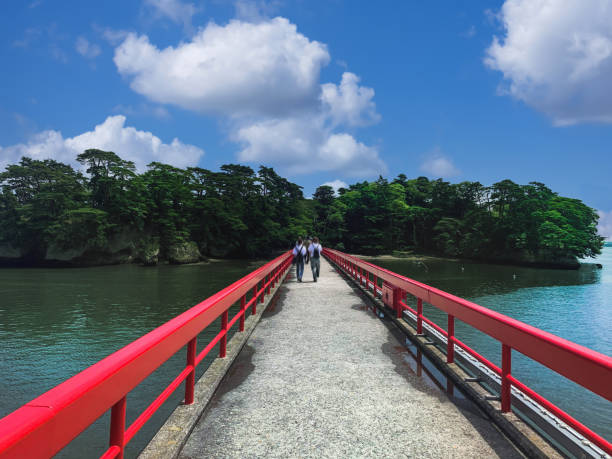
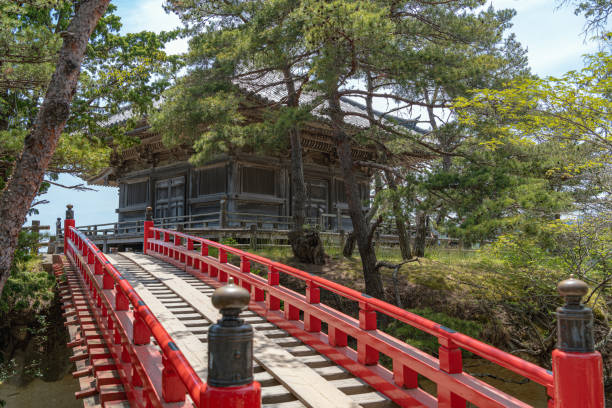
The most iconic and easily accessible viewpoint in Matsushima is the area surrounding Saigantoji Temple. This atmospheric temple sits right on the waterfront, framed by pine trees and old stone lanterns, and the view of the bay from its grounds is the one you have likely seen in photographs. A few steps away stands the vermillion-painted Godaido Pavilion, a small wooden structure perched on a tiny island connected to the shore by two arched bridges. Stepping out onto the Godaido platform puts you directly above the water, with pine-dotted islands stretching in every direction. Admission to the Godaido is free, and it is open year-round.
Matsushima Bay Cruise Boats
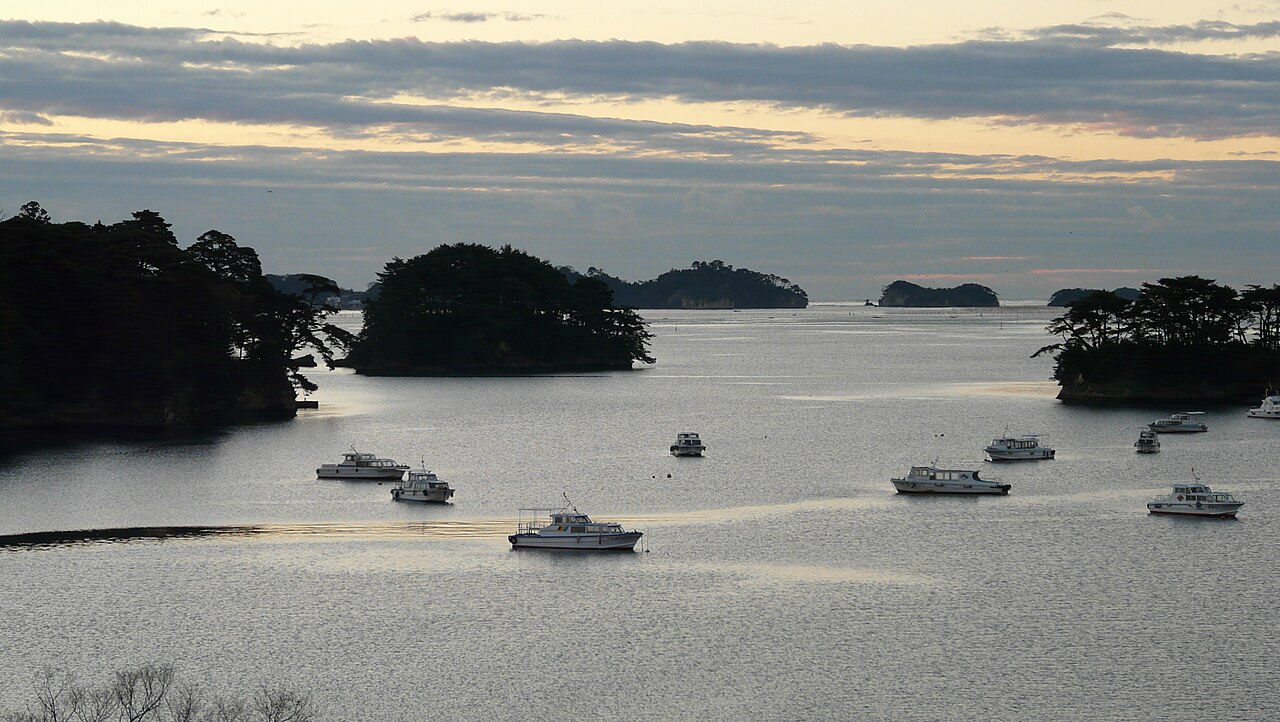
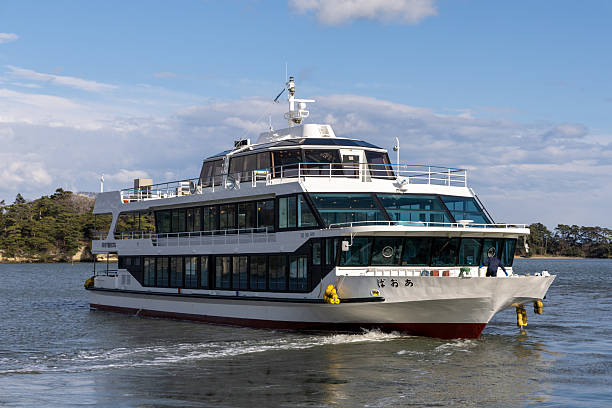
For foreign visitors especially, taking a sightseeing cruise is highly recommended. The boats depart from the pier near Saigan-ji Temple and spend around 50 minutes slowly threading between the islands, revealing views impossible to appreciate from the shore. You drift past jagged rock formations, navigate narrow channels with islands pressing in on both sides, and emerge into the open bay where grand panoramas open before you. Multiple operators run throughout the day, and some boats feature traditional Japanese styling that makes for beautiful photographs in their own right.
Otakamori: The Sunrise Photographer’s Secret
Here is a tip that locals know and most tourists miss entirely. Otakamori Hill, a short drive or taxi ride from the town center, offers an elevated panoramic view over the entire bay that is genuinely breathtaking at sunrise. In the early morning, particularly in spring and autumn, a soft mist settles over the islands and the water takes on a silver, almost otherworldly quality. I have watched the sunrise from Otakamori on more occasions than I can count, and it never loses its magic. If you are serious about photography — or simply want a Matsushima experience that feels genuinely private and profound — set your alarm early and make the climb before the tour buses arrive.
Zuiganji Temple: Matsushima’s Zen Masterpiece
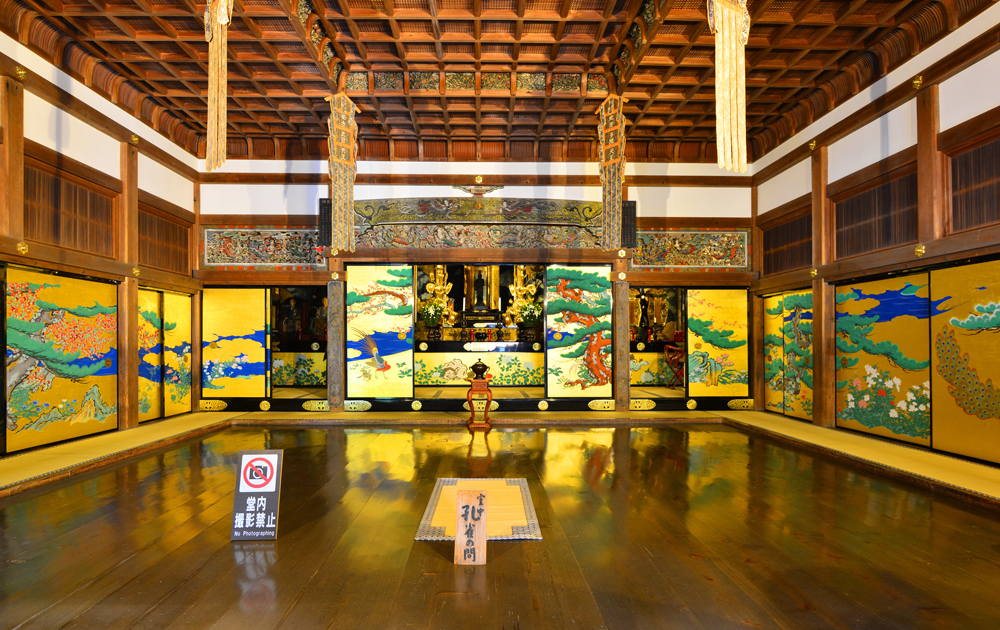
Just a few minutes’ walk from the waterfront stands one of the most remarkable Zen temples in all of northern Japan. Zuiganji Temple was founded in the early ninth century and was extensively rebuilt in the early 1600s under the patronage of Date Masamune, the legendary feudal lord who ruled Sendai and much of Tohoku. The result is a building of extraordinary craftsmanship — its painted sliding doors, carved wooden ceilings, and elegant garden carefully restored and maintained to this day.
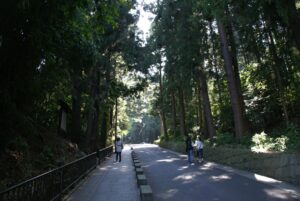
What makes Zuiganji genuinely unique, however, is the approach. The stone pathway leading to the main gate is flanked by ancient cedar trees and, carved directly into the rock cliffs on either side, a series of cave corridors and meditation grottos. These caves were hollowed out by monks centuries ago and contain stone Buddhist figures, memorial tablets, and carved reliefs that seem to emerge from the rock itself. Walking through them is one of the most atmospherically memorable experiences in the Matsushima Bay area, and it is not something you will find replicated anywhere else in Miyagi. Admission is modest, and audio guides are available in English.
Oshima Island: A Hidden Walking Trail Worth Every Step
Connected to the mainland by a small red bridge, Oshima Island is Matsushima’s most accessible island on foot and rewards those who take the time to explore it properly. A walking trail circles the island’s perimeter, winding through pine forest, past more cave grottos used historically by Buddhist monks, and along rocky outcrops above the water. The trail takes roughly 20 to 30 minutes to complete and offers excellent bay views from multiple angles. It is quieter than the main waterfront area, and the combination of forest, rock, and sea gives it a contemplative quality that feels very different from the busier tourist areas nearby.
What to Eat in Matsushima: Fresh Oysters and Seafood
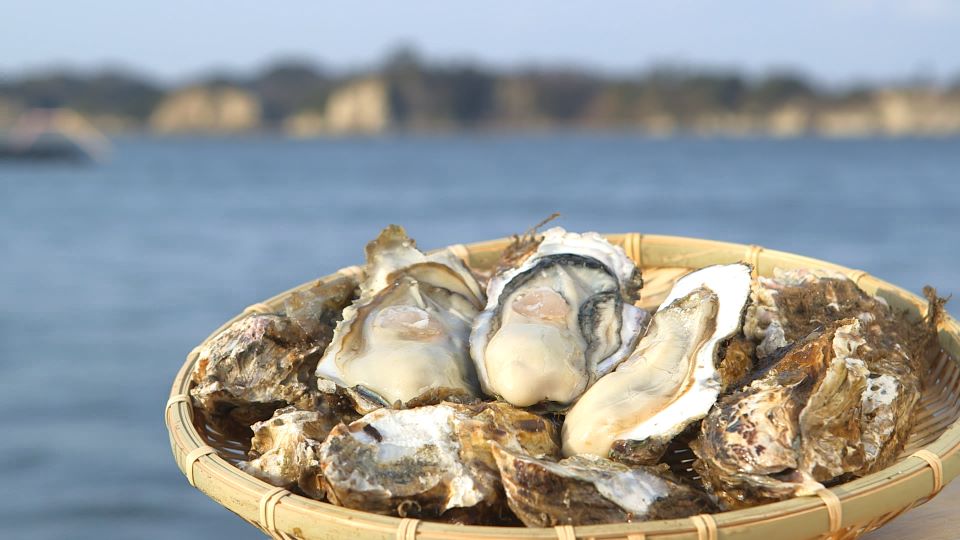
Matsushima Bay is not just a feast for the eyes. The bay’s cold, nutrient-rich waters produce some of the finest oysters in Japan, and eating fresh seafood here is an essential part of the Matsushima experience for any foreign visitor.
Along the main shopping street near the waterfront, you will find numerous small vendors and restaurants serving oysters grilled right in front of you over charcoal, their shells cracking open in the heat to reveal plump, briny meat inside. The combination of sea air, the smell of charcoal smoke, and the taste of an oyster harvested from the very bay you are looking at is something genuinely special. Beyond oysters, look for:
- Kaki-meshi — oyster rice, a beloved local dish served in lacquered bento boxes that make an excellent souvenir container
- Grilled scallops — sweet and smoky, sold by the shell at street stalls
- Fresh sea urchin — seasonal but extraordinary when available
- Anago (conger eel) — another Matsushima specialty, often served over rice
My personal recommendation is to buy a bag of freshly grilled oysters from one of the outdoor vendors, find a bench overlooking the bay, and eat them while watching the boats move between the islands. Simple, local, and completely unforgettable.
Jo’s Local Tips for Visiting Matsushima Bay
After years of visiting Matsushima and guiding friends and visitors through the bay, here are the tips I always share before anyone makes the trip:
- Go early. Matsushima receives a significant number of day-trippers, particularly on weekends and public holidays. Arriving by 8 or 9 a.m. means you will have the waterfront, the temple, and the cave paths largely to yourself — and the morning light on the water is incomparable.
- Visit in shoulder seasons. Spring (late March to May) and autumn (October to November) are the most beautiful times to visit Matsushima Bay. The cherry blossoms in spring frame the pine islands in pink, and the autumn foliage adds warm color to the hillsides. Summer is lively but crowded; winter is cold but hauntingly quiet and atmospheric.
- Allow a full day. If you are combining the cruise, Zuiganji Temple, Oshima Island, and a proper seafood lunch, you will need a full day. Matsushima is easy to underestimate on a map but rich enough to deserve generous time.
- Wear comfortable walking shoes. The cave paths at Zuiganji and the Oshima trail involve uneven stone surfaces.
- Bring cash. Many of the outdoor food vendors and smaller shops in Matsushima do not accept credit cards.
A Final Word from Jo
I want to be honest with you about something. Matsushima appears on almost every Japan travel itinerary these days, and occasionally visitors arrive with expectations calibrated to a famous name rather than a genuine landscape, and leave underwhelmed. Do not let that happen to you. The key to Matsushima Bay is slowing down enough to actually receive what it is offering. Stand at Otakamori in the mist at dawn. Walk the cave corridors at Zuiganji alone. Sit on the cruise deck as the boat idles between two pine-covered islands and let the silence of the water do its work. This is one of the great views of Japan — and it earns that title, every single time, for those who give it the space to do so.
Matsushima Bay in Miyagi is just 40 minutes from Sendai. There is no good reason not to go. And every reason in the world to stay longer than you planned.
—
More Tohoku Travel Guides
- Sendai Daikannon: Japan’s Giant 100-Meter Statue
- Zao Fox Village: Wildlife Sanctuary in Miyagi
- Hitome Senbonzakura: 1,200 Cherry Trees in Miyagi
Related Articles You Might Enjoy
- Zao Fox Village Miyagi Japan Travel Guide for Foreigners: Meet 100+ Wild Foxes in a Snowy Wonderland
- Hitome Senbonzakura: Ogawara’s Breathtaking Cherry Blossom Spectacle in Miyagi
- Sendai Daikannon: Inside Japan’s Giant 100-Meter Kannon Statue (A Local’s Guide)
- Tohoku 7-Day Itinerary: The Perfect First-Timer’s Route Through Northeast Japan


コメント