
Omagari Fireworks Festival Akita Japan: The Ultimate Guide for Foreigners
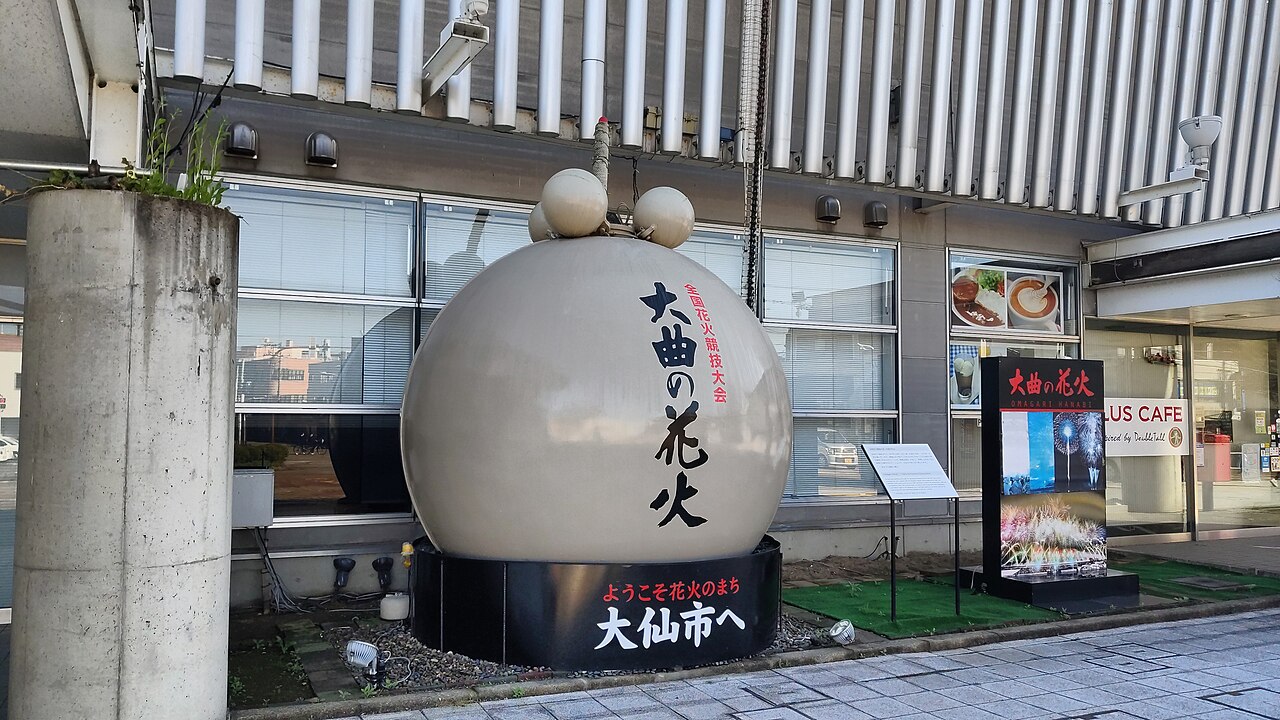
There are fireworks festivals, and then there is Omagari. If you have ever stood beneath a Japanese summer sky and watched light explode into colour above you, you already know the magic. But the Omagari Fireworks Festival in Akita Prefecture is something else entirely — it is the Super Bowl, the World Cup, the Oscars of Japanese pyrotechnics all rolled into one thunderous, heart-stopping August night. I am Jo, and as someone who has called Tohoku home for years, I can tell you with absolute conviction: this is one of the most extraordinary events you will ever witness in Japan. This guide is everything you need to know to experience it without the chaos swallowing you whole.
What Is the Omagari Fireworks Festival?
Most fireworks festivals in Japan are celebrations — summer spectacles designed to dazzle and delight. Omagari is different. Officially known as the Zenkoku Hanabi Kyogikai (全国花火競技大会), which translates as the National Fireworks Competition, this is a fiercely contested professional championship where Japan’s top pyrotechnics teams compete for national glory. Think of it less as a party and more as a gladiatorial arena where the weapons are light, smoke, and sheer artistry.
The festival has been held since 1910, making it one of the oldest fireworks competitions in Japan. Over a century of tradition has elevated it to legendary status. Today, more than 100 competing teams launch over 18,000 fireworks shells in a single evening along the banks of the Omono River in what is now Daisen City — a place most of the world has never heard of, but which every serious fireworks enthusiast knows by heart.
The scale of attendance says everything. Roughly 750,000 visitors descend on this relatively small city on a single Saturday in August. To put that in perspective, that is more people than the entire population of Kyoto showing up for one night. Omagari is not just a festival. It is a phenomenon.
When Is the Omagari Fireworks Festival?
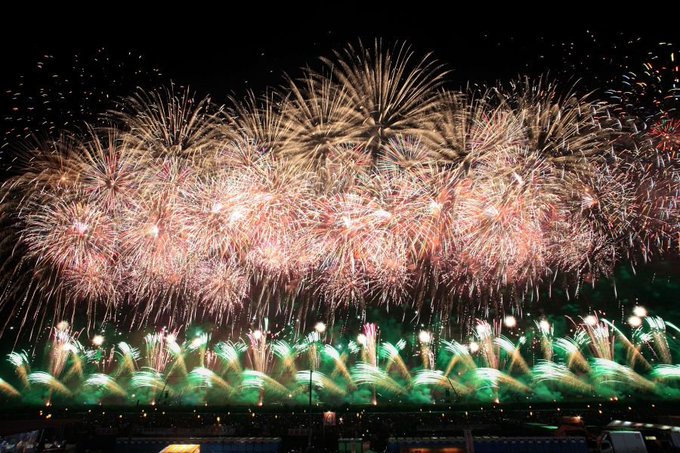
The festival is held on the last Saturday of August every year, without exception. Mark it in your calendar the moment you start planning your Japan trip. The show begins around 6:30pm at dusk and runs for approximately five hours, finishing close to midnight. Those five hours are relentless — a sustained assault of colour, sound and skill that leaves most people genuinely speechless by the end.
What Makes It a Competition?
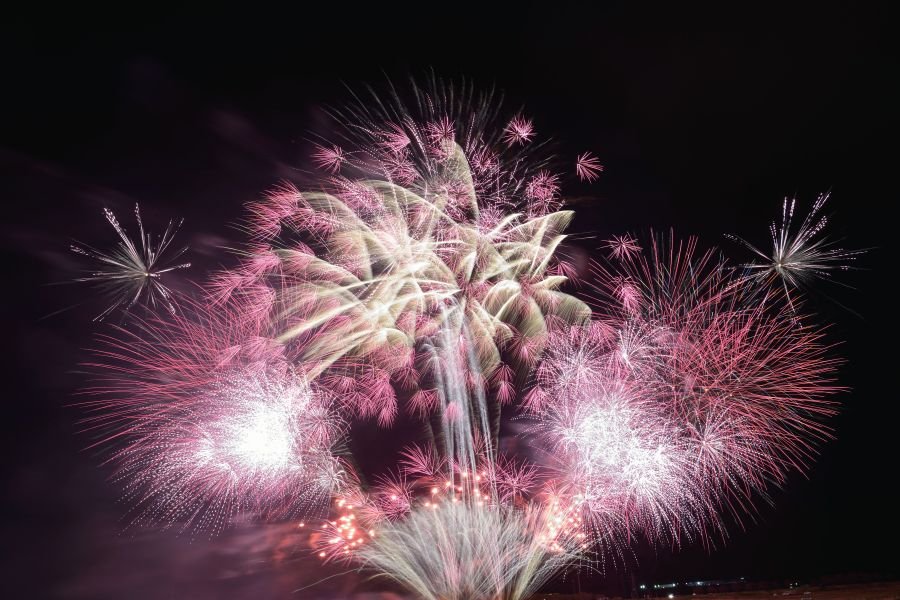
This is the detail that sets Omagari apart from every other fireworks event in Japan. Each competing team is judged by panels of experts on creativity, technical precision, and beauty. There are three main competitive categories that structure the evening’s programme:
- 10-inch shell competition: The prestige category. Teams launch single massive shells and are judged on the perfection of the burst — its shape, symmetry, colour, and the way it fills the sky. These are the fireworks that make your jaw drop and your knees go slightly weak.
- 5-inch shell competition: A tighter, more technical challenge that rewards precision and innovation in a smaller format.
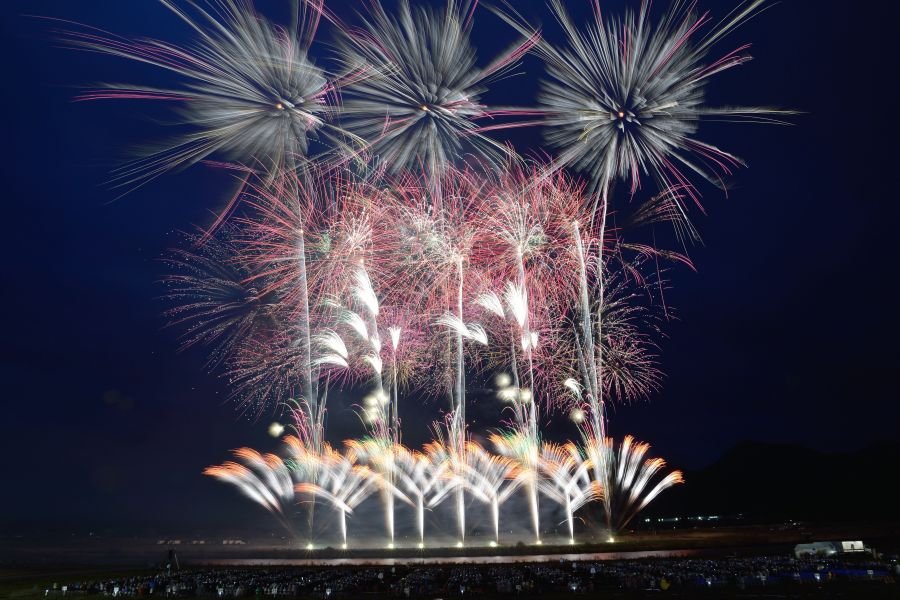
- Creative fireworks (創造花火): The wildcard category where teams are given complete artistic freedom. This is where you see the truly unexpected — fireworks choreographed to music, unconventional colour combinations, and sequences that tell stories or evoke emotions. This is where legends are made.
And then there is the finale — the famous starmine (スターマイン). A starmine is a rapid-fire sequence of shells launched in quick succession, building to an overwhelming crescendo of simultaneous explosions. At Omagari, the closing starmine is so intense that you feel it physically in your chest. The ground vibrates. People around you cry. I have seen it multiple times and it still gets me every single time.
How to Get to Omagari from Tokyo and Sendai
From Tokyo
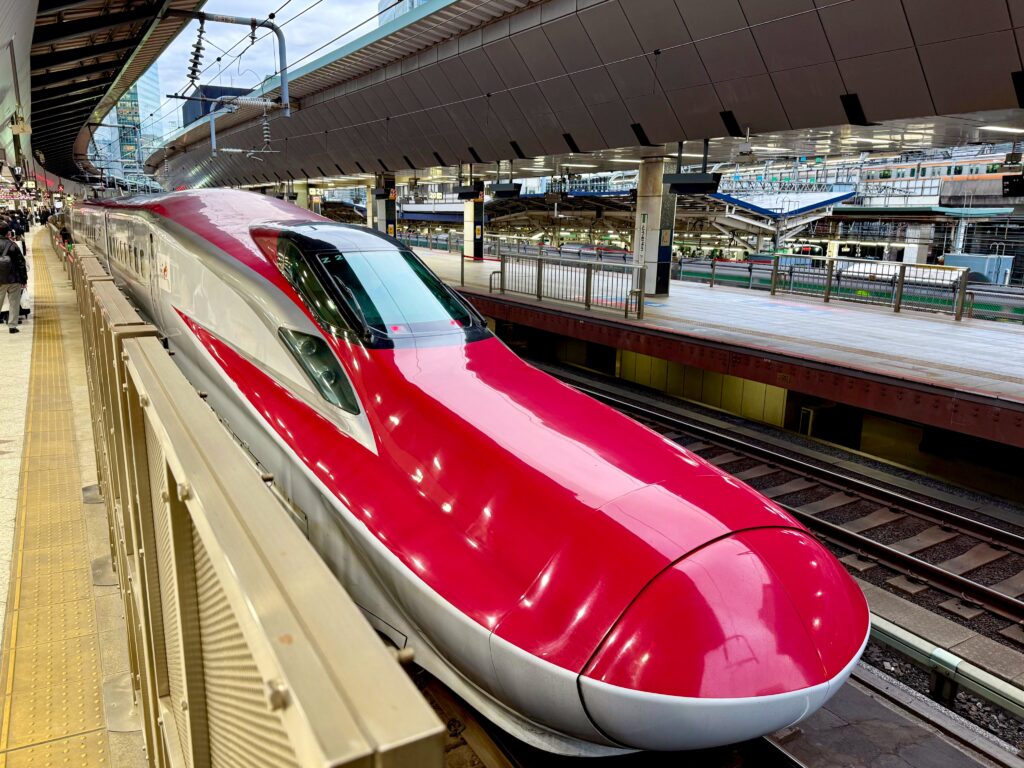
Take the Akita Shinkansen (Komachi) from Tokyo Station directly toward Akita. The journey takes approximately 3 hours. Get off at Omagari Station — yes, there is a direct stop, which is enormously convenient. On festival day, additional trains are added to handle the crowds, but they still fill up rapidly. Book your Shinkansen seats well in advance.
From Sendai
From Sendai, take the Shinkansen toward Akita and change at Omagari, or travel to Akita City and then take a local JR Ou Line train to Omagari — roughly 2 hours total. Alternatively, some visitors take the scenic route via Kakunodate, which allows you to combine the festival with sightseeing (more on that shortly). As a Sendai local, I love that Omagari is close enough to make it a day trip in theory — though I would never recommend that approach on festival day. Stay overnight. You will thank yourself.
Where to Watch: Viewing Options
Free Viewing Areas
The fireworks are launched from the banks of the Omono River, and extensive free public viewing areas line both sides. If you arrive early enough — and I mean genuinely early, by noon or before — you can claim a good spot on a blanket or tarp and settle in for the afternoon. Bring food, drinks, and patience. The atmosphere in the build-up is festive and friendly, with food stalls and the collective anticipation of hundreds of thousands of people creating an energy that is electric even before a single firework is lit.
Paid Reserved Seating
For foreign visitors especially, purchasing reserved seat tickets in advance is strongly recommended. A reserved seat guarantees you an unobstructed view without the stress of arriving early to claim a good spot. Reserved seats sell out remarkably quickly — sometimes within minutes of going on sale. Check the festival’s official website and ticketing platforms regularly, or consider booking through a travel agency offering special packages that bundle accommodation, transport, and tickets. Given how difficult individual tickets can be to obtain, these packages are often well worth the premium.
The Most Important Section: Accommodation
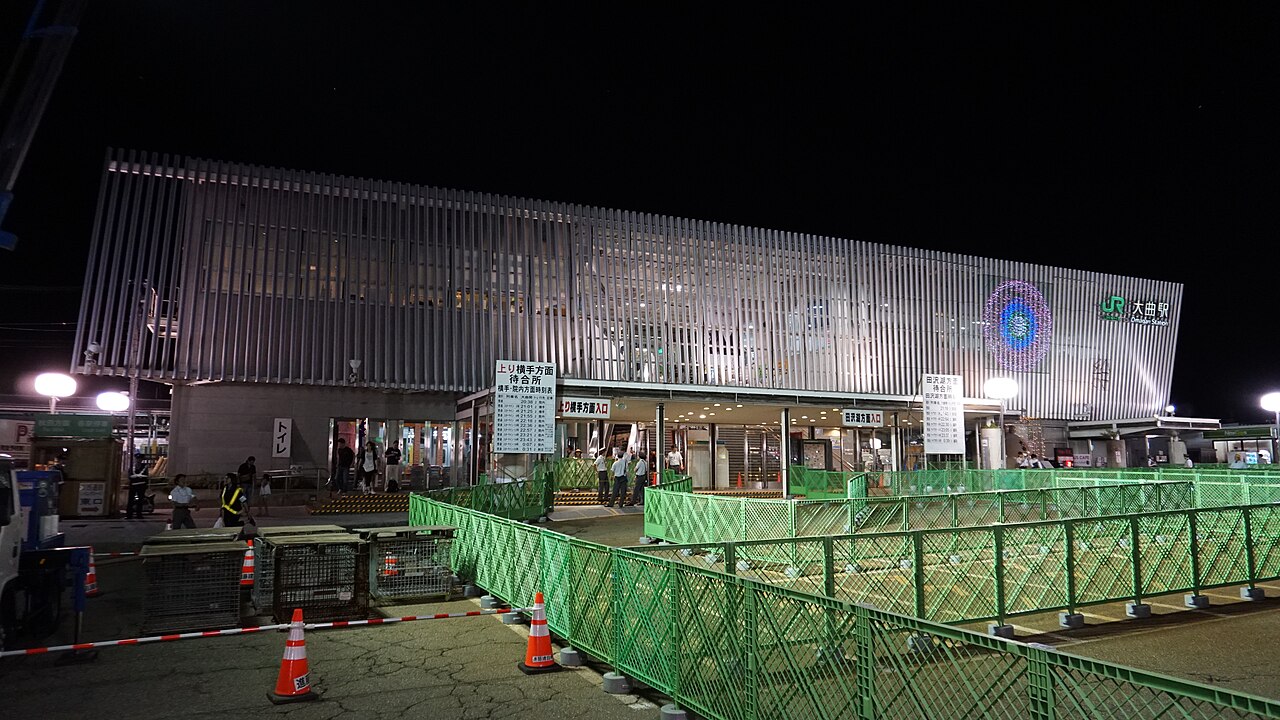
I cannot emphasise this strongly enough. Book your accommodation 6 to 12 months in advance. This is not a suggestion. This is the single most critical piece of advice in this entire guide. Hotels within commuting distance of Omagari sell out within hours — sometimes minutes — of bookings opening. Many visitors, including Japanese locals, resort to sleeping in their cars in designated parking areas or camping along the riverbank. If that sounds adventurous to you, embrace it. If it does not, start booking now.
Jo’s local tip: Rather than scrambling for accommodation in Omagari itself, I always recommend staying in Akita City, which is only about 40 minutes away by local train. Akita City has far more hotel options, a better range of restaurants, and its own considerable charm as a prefecture capital. You can take a train to Omagari for the festival, then return to your hotel in Akita City afterward on the special late-night services that run post-festival. Yes, the trains are packed. Bring your patience and your enthusiasm.
Essential Packing List for Omagari
Late August in Akita means heat, humidity, and insects during the early evening, followed by a cooling breeze as the night deepens. The Omono River adds moisture to the air. Come prepared:
- Bug spray: Non-negotiable. The riverbank mosquitoes are enthusiastic and unimpressed by tourist status.
- Rain poncho: August weather in Tohoku can change quickly. A compact poncho weighs nothing and can save your entire evening.
- Portable battery pack: You will be photographing and filming for five hours straight. Your phone will not survive on a single charge.
- Cash: Almost all food stalls and vendors operate cash only. Bring more than you think you need — you will be there for hours and the food is excellent.
- Tarp or picnic sheet: If using the free viewing areas, a tarp is how you claim and hold your territory. It is also what you sit on for several hours.
- Comfortable layers: Start warm, end cool. Dress accordingly.
- Earplugs: Optional but appreciated during the most intense sequences. The 10-inch shells are physically loud at close range.
Getting Around on Festival Day: Train Survival Tips
The trains serving Omagari on festival day are among the most crowded you will experience anywhere in Japan — and this is Japan, a country that takes crowd management very seriously. Arrive as early as possible. Special train services are added both before and after the event, but demand still exceeds supply. After the midnight finale, expect to queue for trains for a significant period. This is entirely normal and part of the experience. Use the waiting time to talk to fellow spectators, process what you just witnessed, and eat one last cup of yakisoba from a nearby stall.
Combine Your Visit: What to See Nearby
If you are travelling to Omagari from outside Tohoku, it would be a genuine shame not to extend your trip and explore the surrounding region. Akita Prefecture is one of the most beautiful and undervisited parts of Japan, and two must-see destinations sit within easy reach of Omagari:
Kakunodate Samurai District
Just 30 minutes from Omagari by train, Kakunodate is one of Japan’s best-preserved samurai towns. Walking its atmospheric streets of historic bukeyashiki (samurai residences) shaded by weeping cherry trees, it is difficult to believe the 21st century exists. Visit in the days before or after the festival for a perfect contrast — tranquil, ancient beauty bookending one of the loudest, most spectacular nights of your life.
DSC_0657-1024x684.webp)
Lake Tazawa
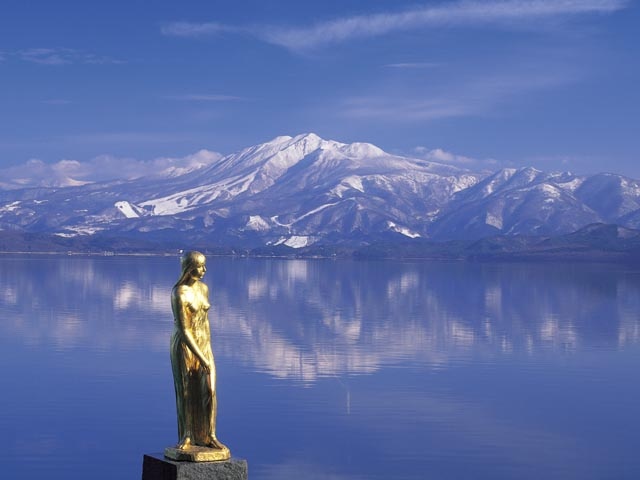
Approximately 40 minutes from Omagari, Lake Tazawa is Japan’s deepest lake and one of its most striking — a caldera lake of impossibly vivid cobalt blue ringed by mountains. The golden statue of the legendary princess Tatsuko standing in the shallows is one of Tohoku’s most iconic images. Add an onsen soak in a lakeside ryokan and you have a perfect complement to the festival madness.
Final Thoughts from Jo: Go. Just Go.
The Omagari Fireworks Festival Akita Japan experience is genuinely difficult to describe to someone who has not seen it. The scale, the skill, the atmosphere of three quarters of a million people united under the same sky watching masters of their craft turn the night into something impossibly beautiful — it is one of those events that recalibrates your sense of what is possible. I have attended world-famous festivals across Japan and beyond, and nothing quite matches the sustained intensity of Omagari at full tilt.
Book early. Prepare thoroughly. Arrive with an open heart. And when that first 10-inch shell blooms silently above the Omono River before the thunder reaches your ears a fraction of a second later, you will understand exactly why people travel from every corner of Japan — and increasingly, every corner of the world — to be there.
See you on the riverbank.
—
More Tohoku Travel Guides
- Ginzan Onsen: The Perfect Tohoku Winter Escape
- Hiraizumi: UNESCO World Heritage in Iwate
- Matsushima Bay: One of Japan’s Three Views
Related Articles You Might Enjoy
- Akita Kanto Festival: Japan’s Most Breathtaking Lantern Festival — Complete Guide
- Nishimonai Bon Odori, Akita: Japan’s Most Mysterious Summer Festival — Complete Guide
- Nishimonai Bon Odori, Akita: Japan’s Most Mysterious Summer Festival — Complete Guide
- Kakunodate Samurai District: Your Complete Akita Japan Travel Guide

コメント