Hirosaki Castle Cherry Blossoms Festival: Your Complete Guide to Japan’s Most Breathtaking Hanami
There are cherry blossoms, and then there is Hirosaki. I’ve chased sakura across Japan for more years than I care to admit — from Kyoto’s iconic Maruyama Park to the wild mountain cherry trees of rural Tohoku — but nothing, and I mean nothing, quite prepares you for the moment you first lay eyes on Hirosaki Castle wrapped in a blizzard of pink blossoms. This, dear traveller, is what bucket lists were made for. If you’re planning a trip to Japan in late April or early May and you visit only one cherry blossom spot in the entire country, make it Hirosaki.
Why Hirosaki Is in a League of Its Own
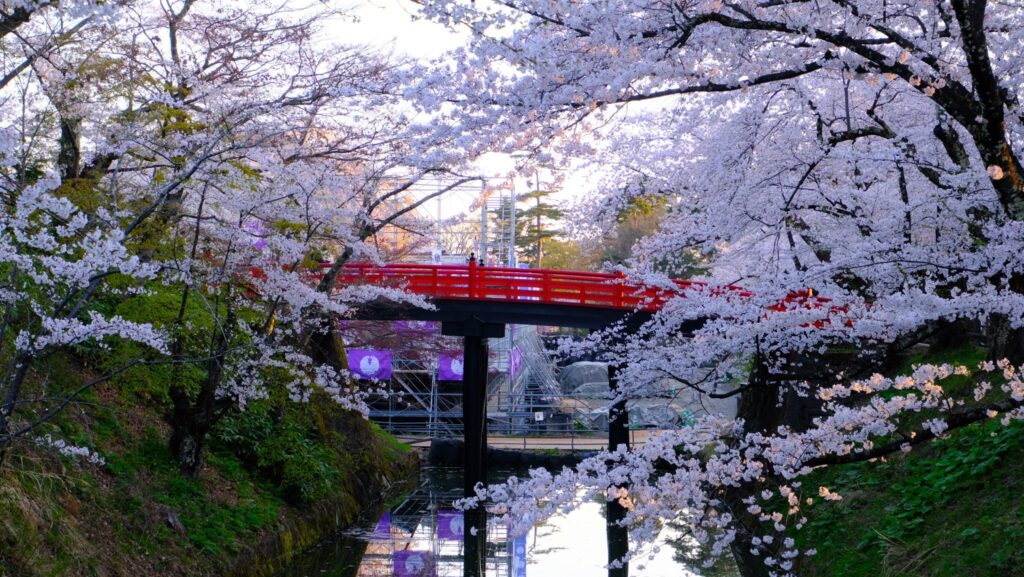
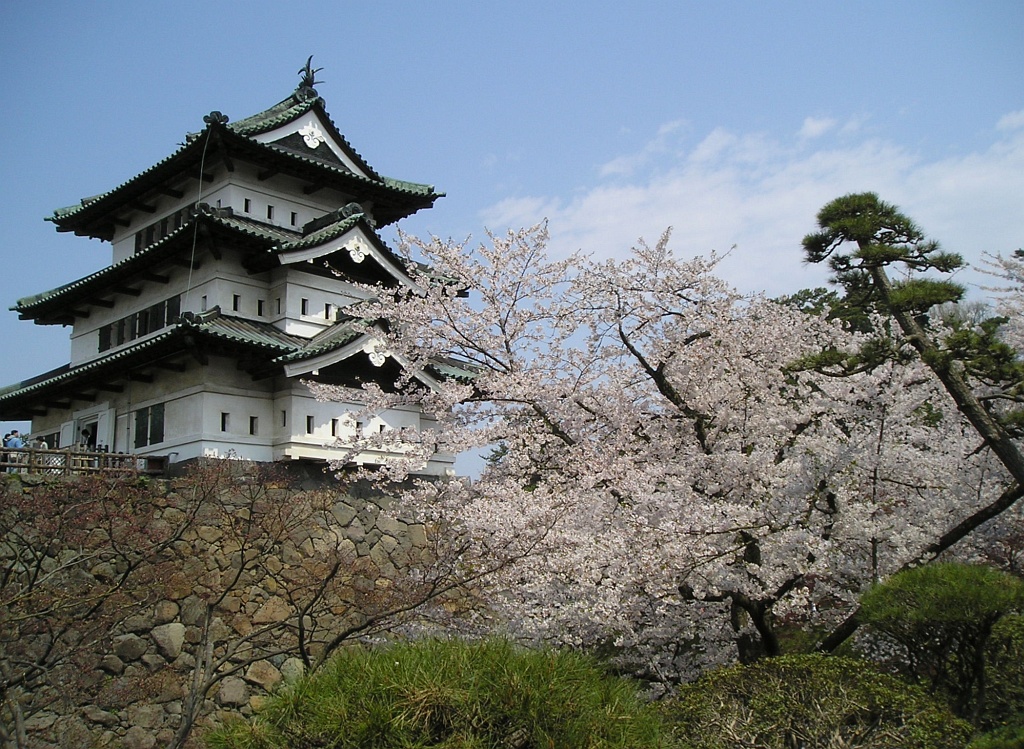
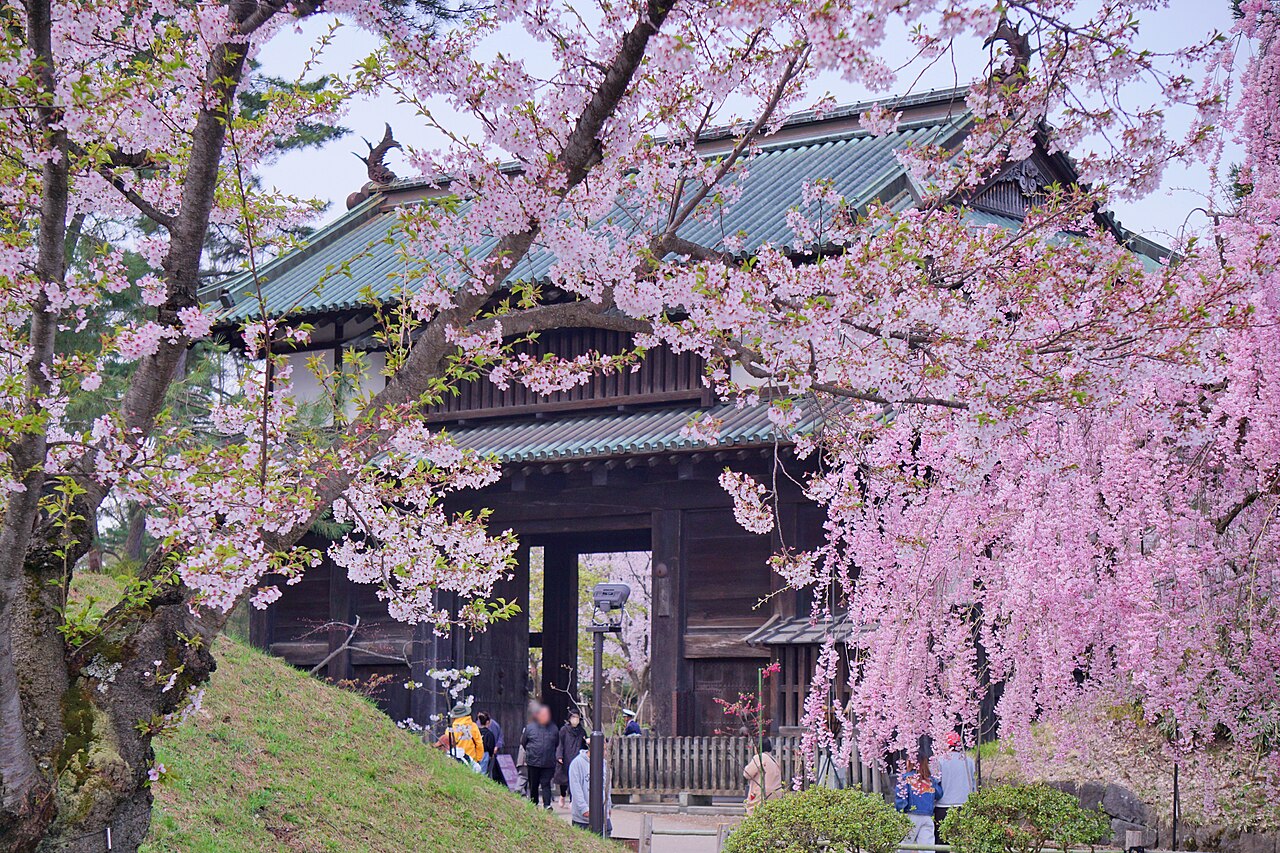
Hirosaki Park (弘前公園) in Hirosaki City, Aomori Prefecture, is widely celebrated as one of Japan’s top three cherry blossom destinations — and once you arrive, you’ll understand why without anyone having to explain it. The park is home to more than 2,600 cherry trees spanning over 50 varieties, creating a layered, almost surreal canopy of colour that shifts from deep magenta to the palest blush depending on which path you wander down. The trees here are old — many are over a century in age — and that maturity gives them a gnarled, sculptural beauty that younger plantings simply can’t replicate. These aren’t just pretty trees. They’re living monuments.
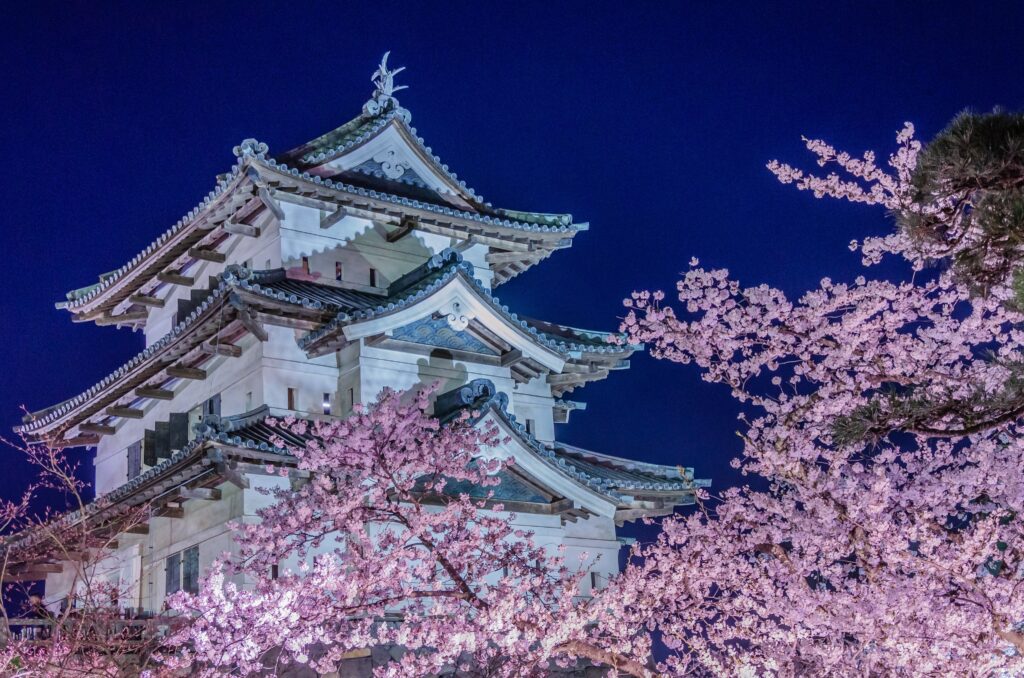
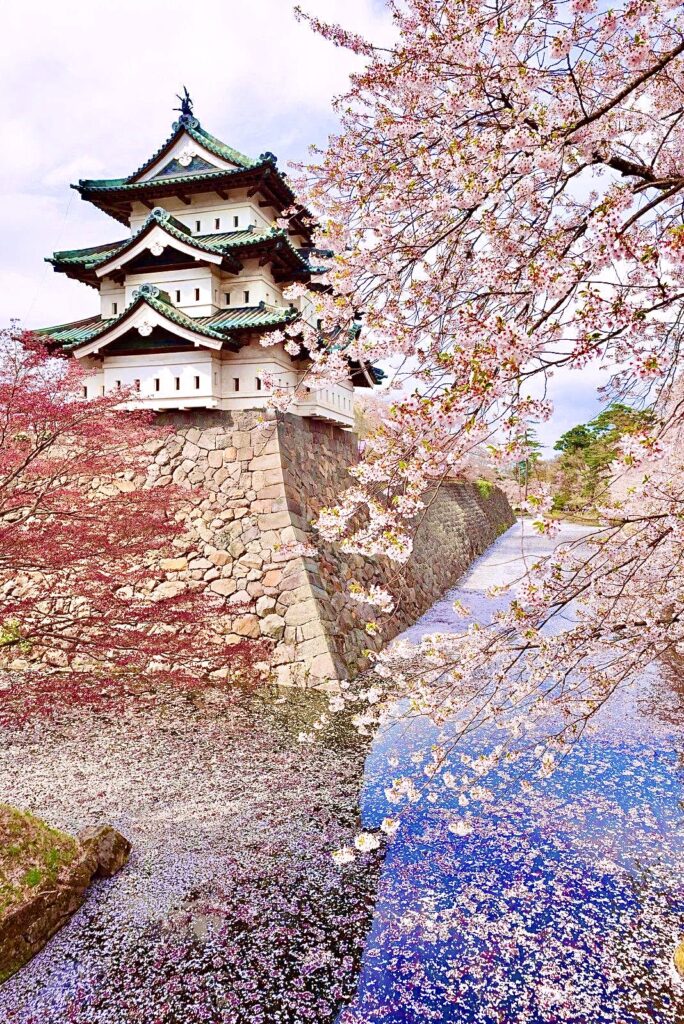
At the heart of it all stands Hirosaki Castle itself, a compact but dignified three-storey keep that has presided over this landscape since the early Edo period. It’s not the largest castle in Japan, but framed by cascading cherry blossoms with the surrounding moat shimmering below, it might just be the most photogenic. That image — the weeping cherry trees (枝垂れ桜) arching gracefully over the water, their reflections trembling in the moat — has become one of the defining photographs of Japanese spring, recognised the world over. Standing in front of it in person is quietly overwhelming.
The Hirosaki Cherry Blossom Festival: What You Need to Know
Festival Dates and Timing
The Hirosaki Cherry Blossom Festival (弘前公園桜まつり) typically runs from late April through to early May — generally around April 23rd to May 5th, though exact peak bloom dates shift each year depending on the weather. Aomori sits in Japan’s far north, which means Hirosaki’s sakura arrives a few weeks after Tokyo’s, giving late-spring travellers a second glorious chance at hanami season. Keep an eye on the city’s official bloom forecast as the season approaches, and build some flexibility into your itinerary if you can.
Admission and Practical Details
The outer areas of Hirosaki Park are free to enter and genuinely spectacular in their own right. To access the inner park and get closest to the castle keep, there’s a modest admission fee of around 320 yen during the festival period — honestly one of the best-value tickets in all of Japan. The park is open from early morning, and I’d encourage you to time your visit accordingly (more on that in a moment).
The Cherry Blossom Raft: Nature’s Most Magical Moment
Here’s something that sets Hirosaki apart even from other world-class sakura spots: the phenomenon known as 花いかだ, or the “cherry blossom raft.” As the blossoms begin to fall — typically in the latter days of the festival — countless petals drift down onto the surface of the moat and gather into dense, dreamy drifts of pink. The still water becomes a floating carpet of fallen flowers, drifting slowly on the current, utterly silent and impossibly beautiful.
Many visitors actually prefer the cherry blossom raft to full bloom. There’s something deeply Japanese about finding beauty in the moment of falling, in impermanence itself. If your timing allows, aim to visit both during peak bloom and a few days later when the petals begin to fall — you’ll experience two completely different but equally stunning spectacles.
Night Illumination: Hirosaki After Dark
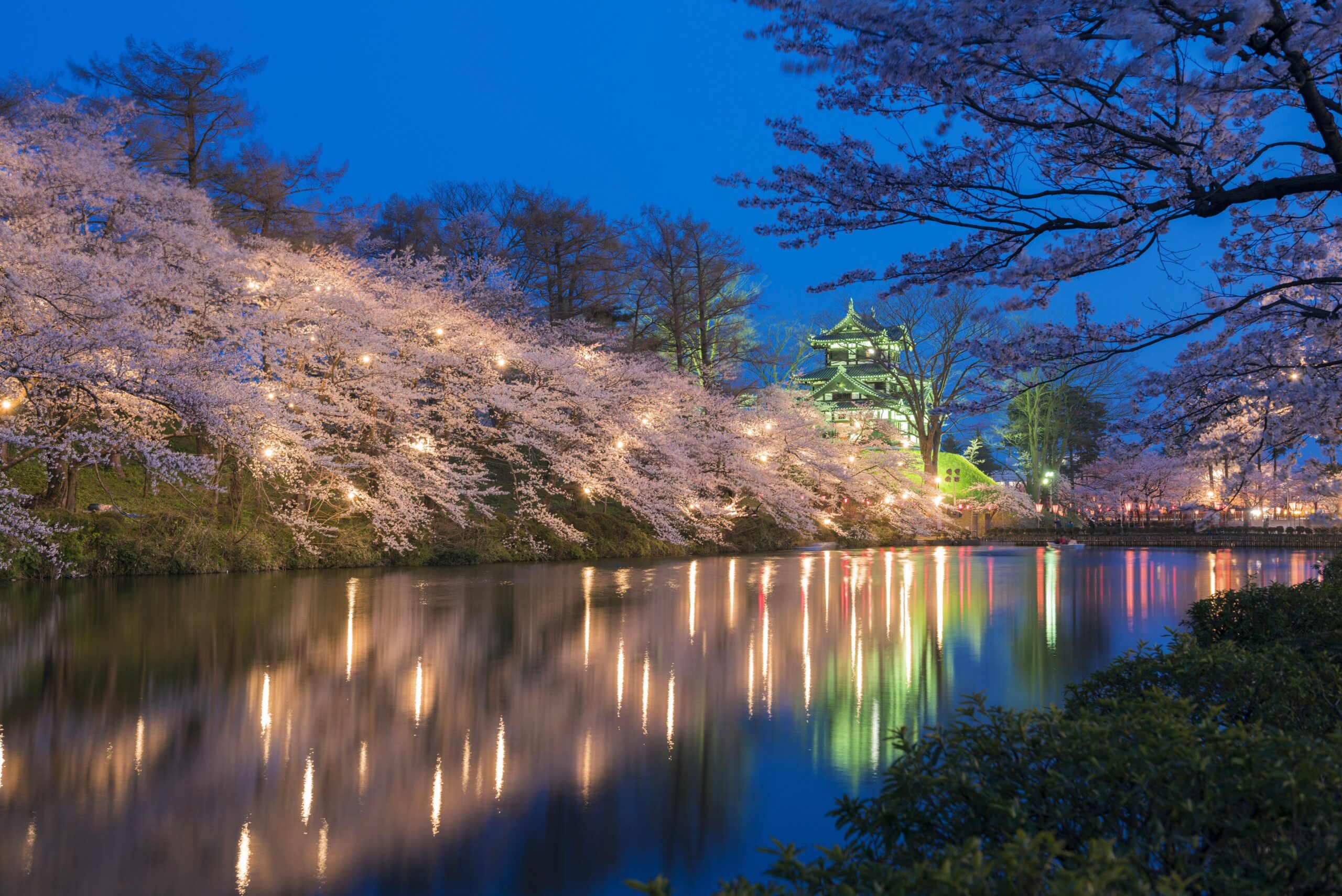
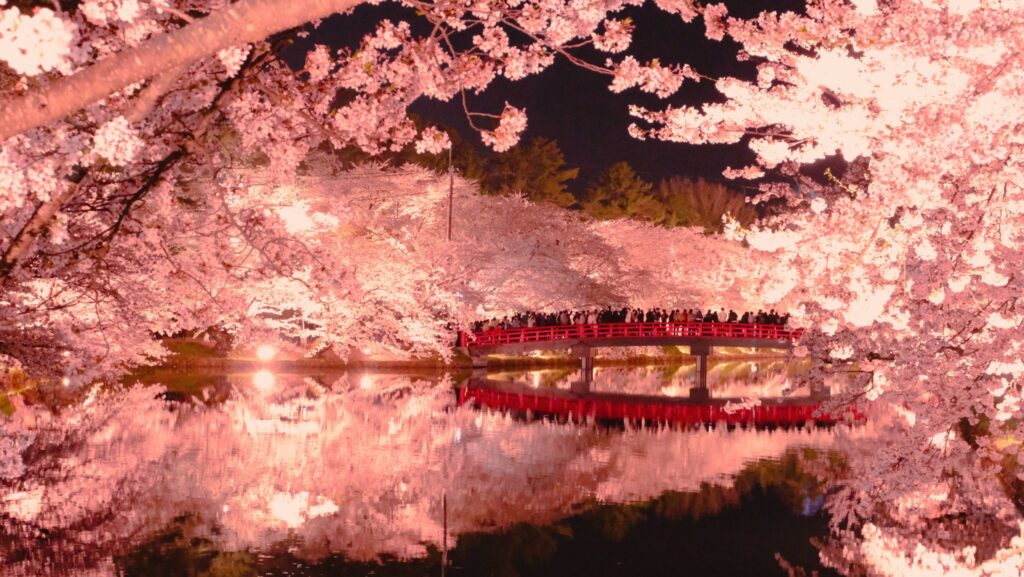
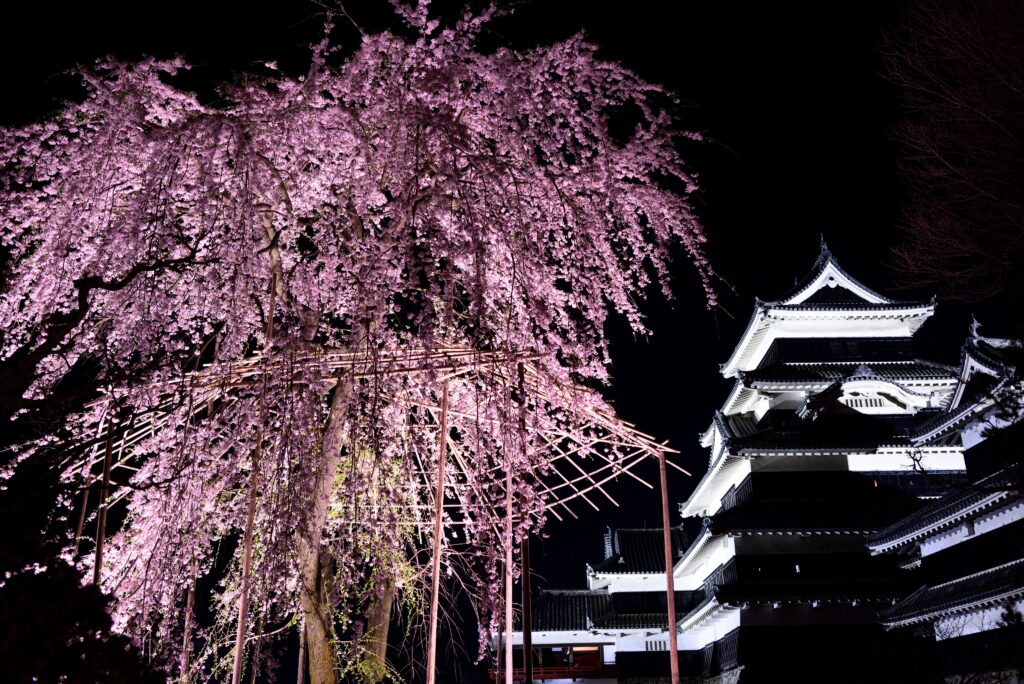
Don’t make the mistake of leaving after the sun goes down. The 夜桜 — night cherry blossoms — at Hirosaki are legendary, and for good reason. As darkness falls over the park, hundreds of lanterns and spotlights transform the trees into something almost otherworldly: warm gold light filtering through petals, the castle glowing softly against the black sky, the moat’s surface alive with reflected colour. The mood shifts completely from the daytime experience — quieter in some ways, more intimate, more charged with atmosphere. Couples wander hand in hand, vendors sell hot drinks and Aomori apple-based treats, and the whole park takes on the quality of a dream.
If you have only one evening in Hirosaki, spend it here. I promise you won’t regret it.

Jo’s Tips for Making the Most of Hirosaki’s Sakura
- Arrive at 7am. The park opens early, and the first couple of hours are transformative. Mist often hangs low over the moat in the early morning, softening everything into a watercolour painting. The crowds haven’t arrived yet, the light is exquisite, and you’ll have the iconic castle-and-moat shot almost to yourself. By 10am, it gets busy. By midday on a weekend, it’s packed.
- Weekdays over weekends. If your schedule allows, visiting Monday to Friday during the festival will give you a dramatically more peaceful experience than a Saturday or Sunday.
- Dress in layers. Aomori is still genuinely cold in late April, especially at dawn. Bring a warm jacket — you’ll thank me when you’re standing by the misty moat at 7am.
- Don’t skip the outer park. Many visitors head straight for the inner castle area, but the outer park’s weeping cherry alleys and hidden corners are equally stunning and far less crowded.
- Come back for the night illumination. Plan to visit both daytime and evening if you possibly can. Two entirely different experiences, both unmissable.
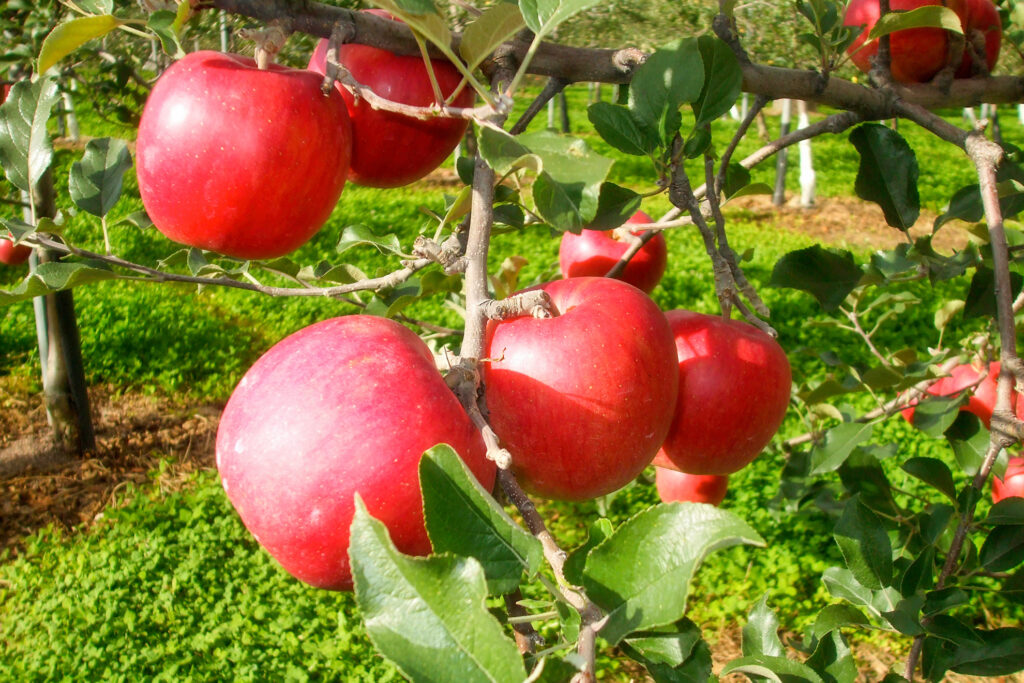
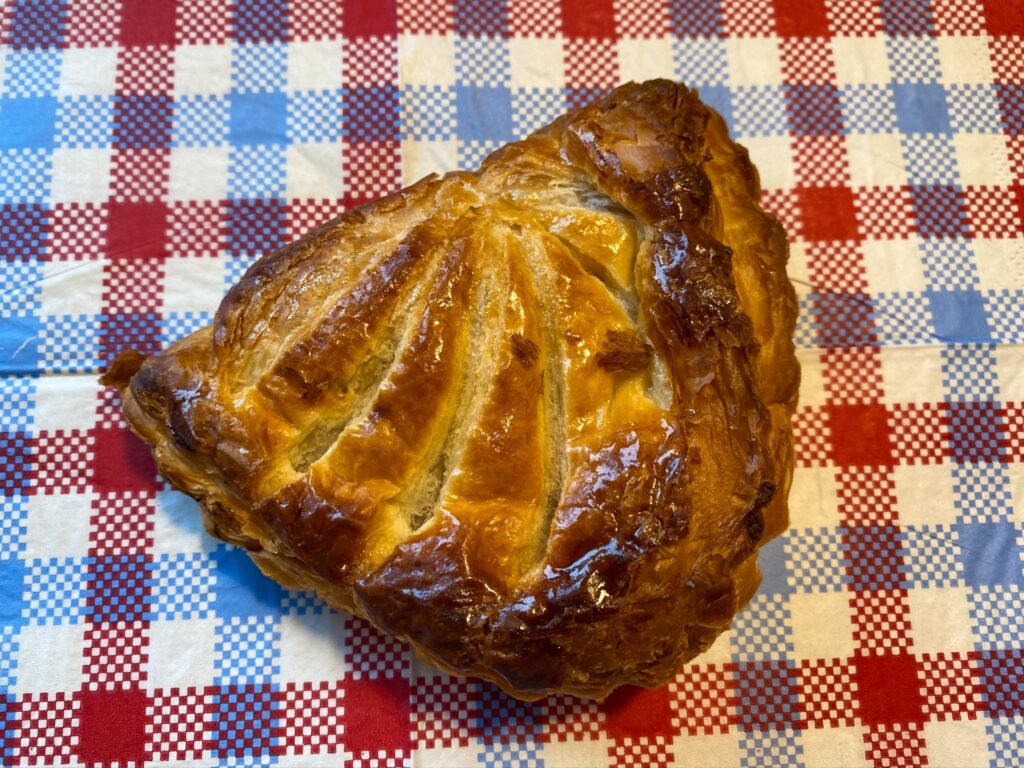
- Try the Aomori apple products. Festival food stalls offer everything from apple cider to apple-filled pastries. Aomori is Japan’s apple capital, and the local vendors here know exactly what they’re doing.
Getting to Hirosaki from Tokyo and Sendai
From Tokyo
Take the Tohoku/Hokkaido Shinkansen from Tokyo Station to Shin-Aomori — the journey takes approximately three hours on the Hayabusa service. From Shin-Aomori, jump on the JR Ou Line to Hirosaki Station, which takes around 40 minutes. The total journey is very manageable, and the whole route is covered by the Japan Rail Pass, making it a cost-effective as well as comfortable journey.
From Sendai
Fellow Tohoku travellers, you’re in luck — Hirosaki is comfortably close. From Sendai Station, take the Shinkansen north to Shin-Aomori (approximately 1 hour 20 minutes), then connect to Hirosaki by local train. Total travel time is around 2.5 hours. I make this trip every spring without hesitation. It’s one of the great day-trip possibilities from Sendai, though staying overnight gives you the best of both the morning mist and the night illuminations.
Getting Around Hirosaki
From Hirosaki Station, the park is about a 20-minute walk or a short bus ride. During the festival season, dedicated shuttle buses operate frequently and are clearly signposted for visitors. The city is also very manageable on foot or by rental bicycle if you want to explore at your own pace.
What Else to See in Hirosaki
If you’re building a longer visit around the festival, Hirosaki has more to offer than you might expect from a small northern city.
- Hirosaki City Apple Park: Aomori produces around 60% of Japan’s total apple harvest, and this park is a wonderful celebration of that legacy. In blossom season (May), the apple trees bloom alongside the cherry trees for a remarkable double display. In autumn, you can pick apples directly from the trees.
- Neputa Village (津軽藩ねぷた村): A fascinating cultural museum dedicated to the Neputa Festival, Aomori’s celebrated summer lantern parade. Even visiting out of season, the enormous hand-painted float displays are spectacular, and you can try your hand at traditional Tsugaru shamisen music and local crafts.
- Hirosaki’s Western Architecture District: The city has a surprising number of Meiji and Taisho-era Western-style buildings, including the striking Hirosaki City Library and several former missionary residences. It makes for an unexpected and charming afternoon walk.
Final Thoughts: Don’t Just Dream About It — Go
I’ve been writing about Tohoku for years, and I’ll be honest with you: I’m genuinely protective of the places I love up here in the north. I don’t recommend things lightly. But Hirosaki Castle’s cherry blossoms are one of those rare experiences that doesn’t just meet the hype — it exceeds it, quietly and completely, in ways that stay with you long after the petals have fallen and the crowds have gone home. The mist on the moat at dawn. The blossom raft drifting in silence. The castle glowing gold at midnight. These are the images that will outlast every photograph you take.
Spring in Tohoku is extraordinary, and Hirosaki is its crown jewel. Go once, and you’ll understand why people come back year after year, drawn north by the memory of something they can’t quite put into words. I’ll see you there at 7am, standing in the mist.
—



コメント