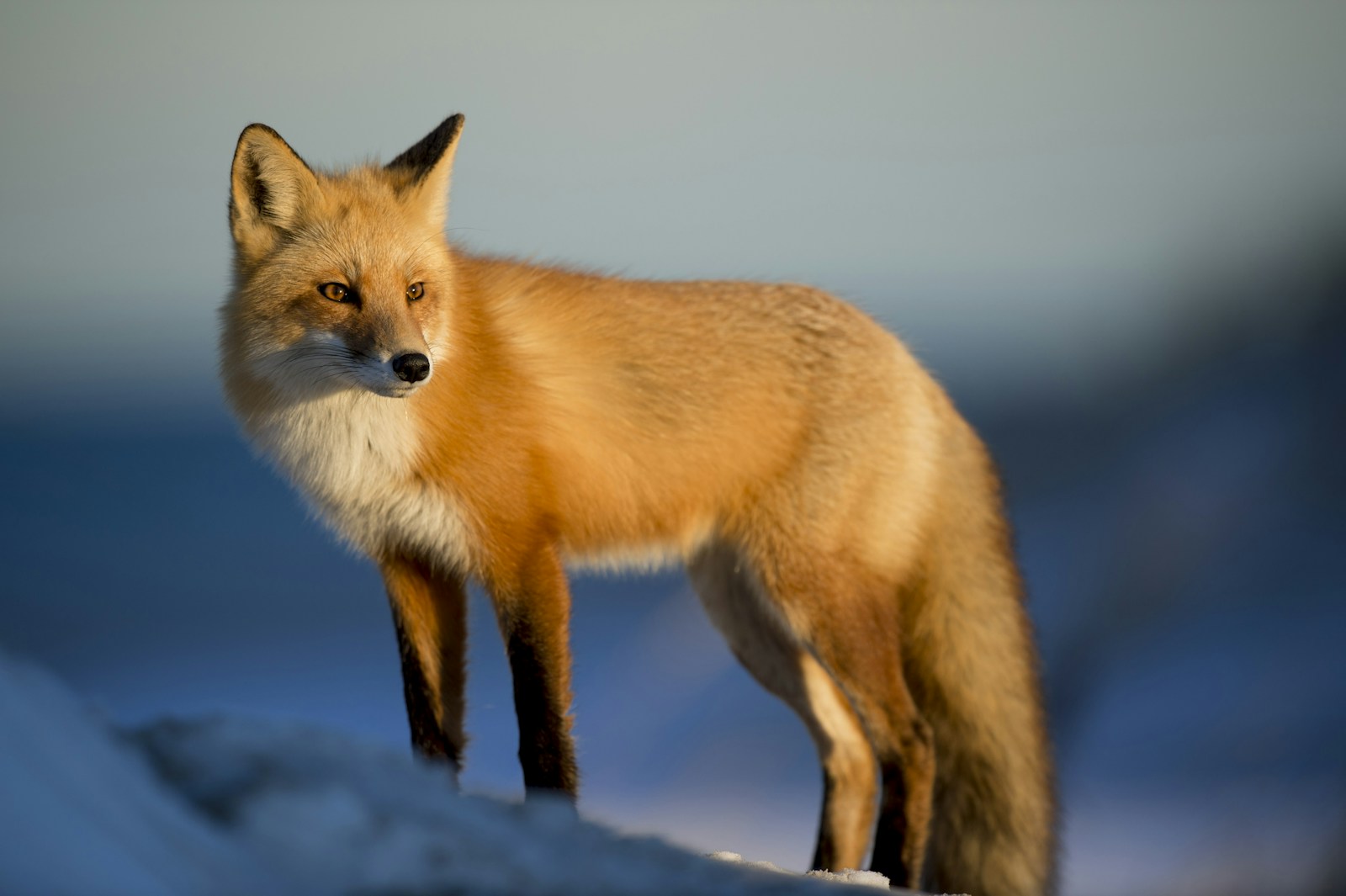
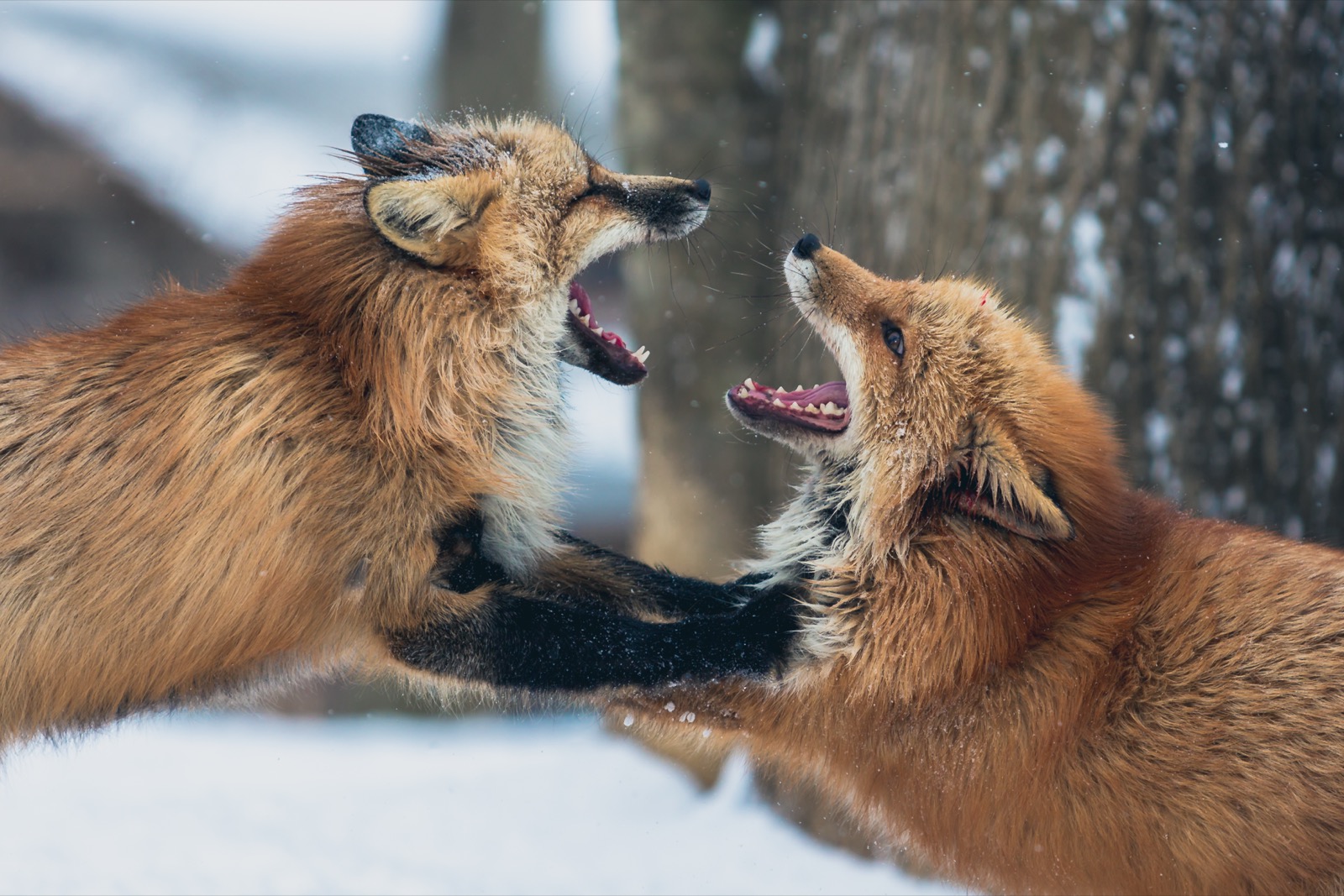
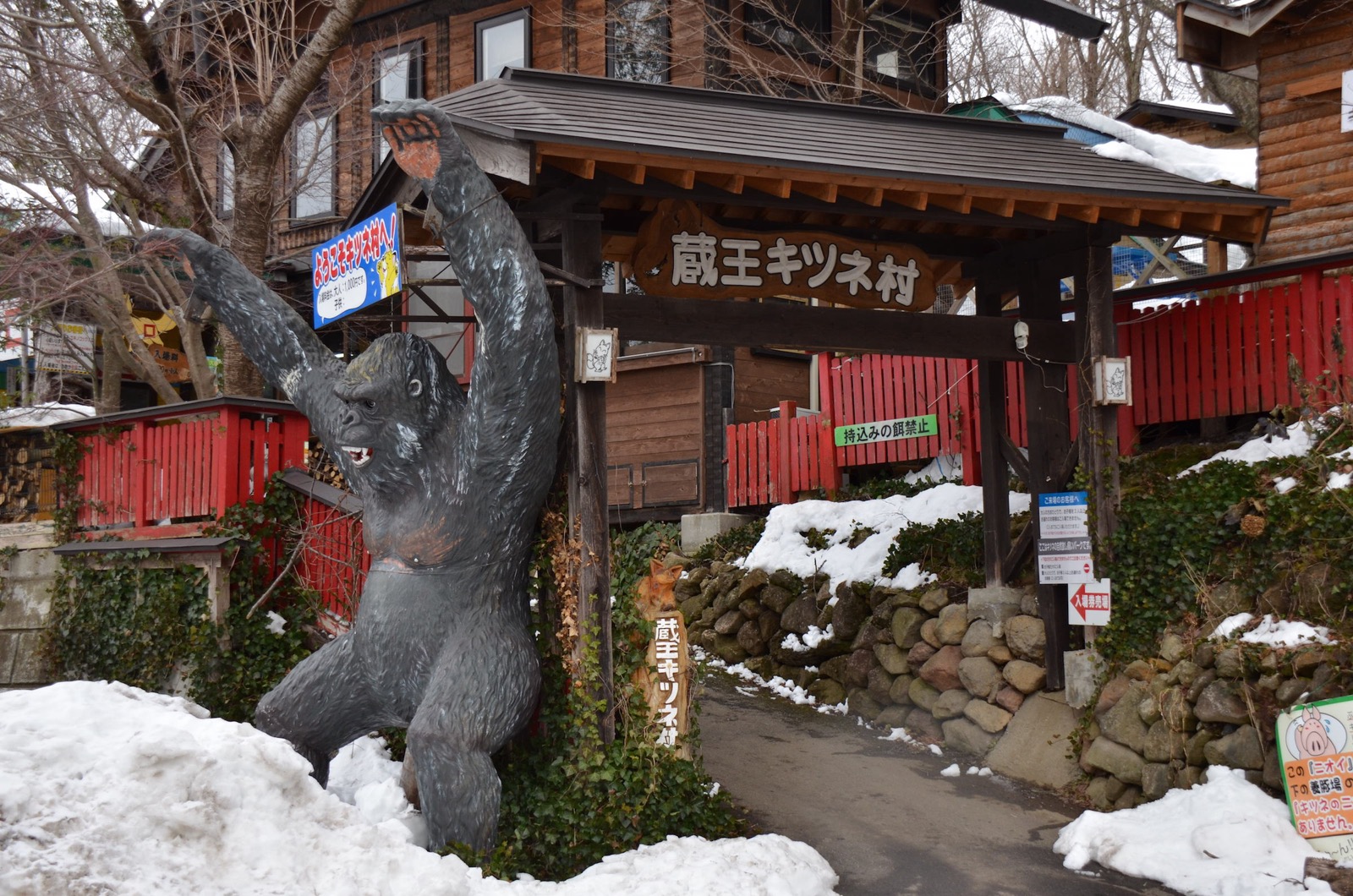
Picture this: you’re standing in a snowy forest clearing in northern Japan, and more than 100 foxes — red, silver, platinum, and even Arctic white — are wandering freely around you, some napping in the sun, some play-fighting, some padding right up to sniff your boots. This isn’t a nature documentary. It’s Zao Fox Village (蔵王きつね村), a real place you can visit in about two hours from Tokyo, and it might just be the most surreal, joy-inducing afternoon of your entire Japan trip.
Why Zao Fox Village Should Be on Every Japan Itinerary
Most first-time visitors to Japan build their itinerary around temples, shrines, and neon-lit cities — and rightly so. But if you’re the kind of traveler who lights up at the words “hands-on animal encounter,” Zao Fox Village deserves a spot on your list right alongside Nara’s bowing deer and Miyajima’s roaming wildlife. Except here, the animals aren’t strolling through a public park — this is a dedicated sanctuary purpose-built for them, tucked into the wooded hills of Shiroishi City in Miyagi Prefecture, about 45 minutes south of Sendai.
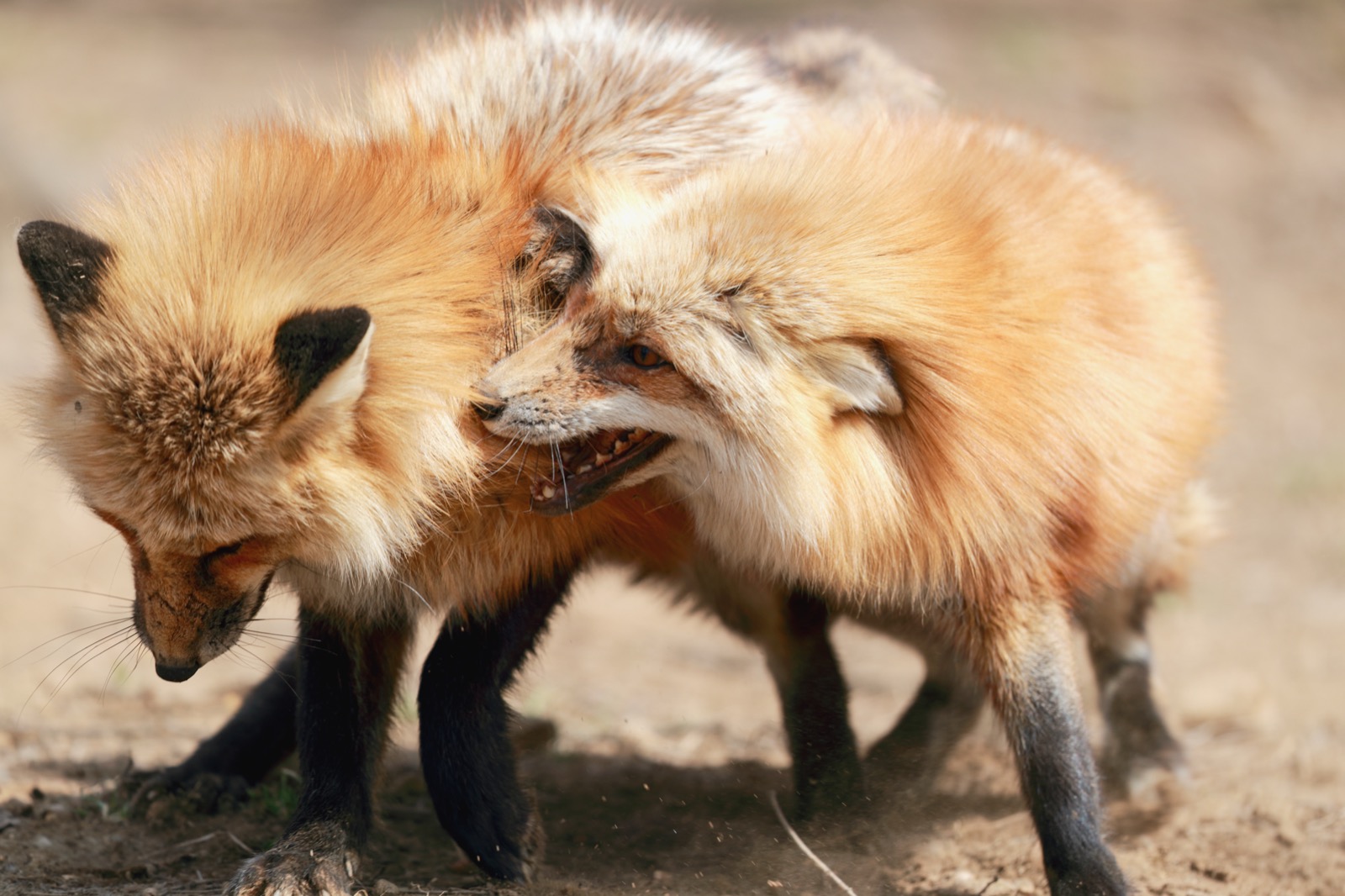
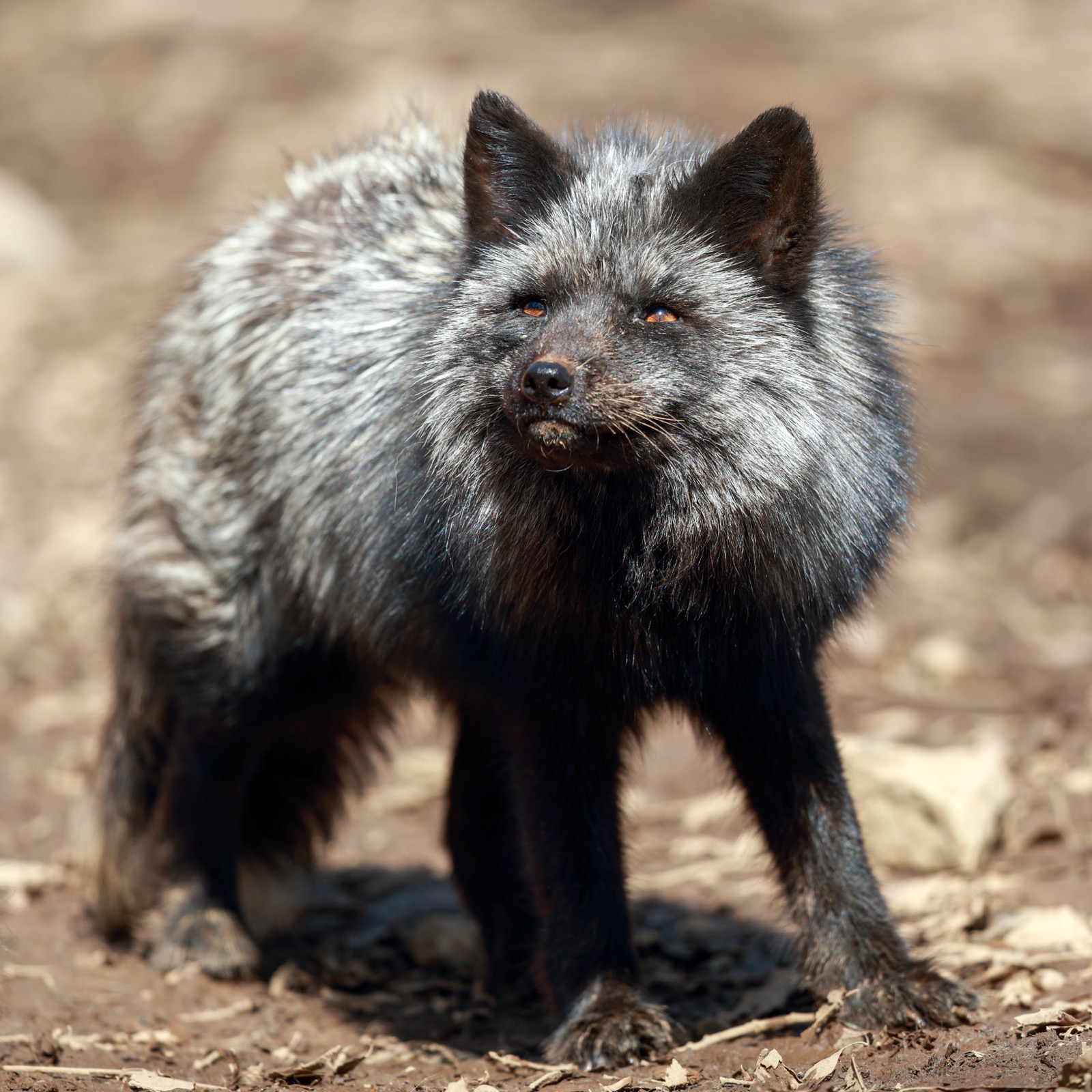
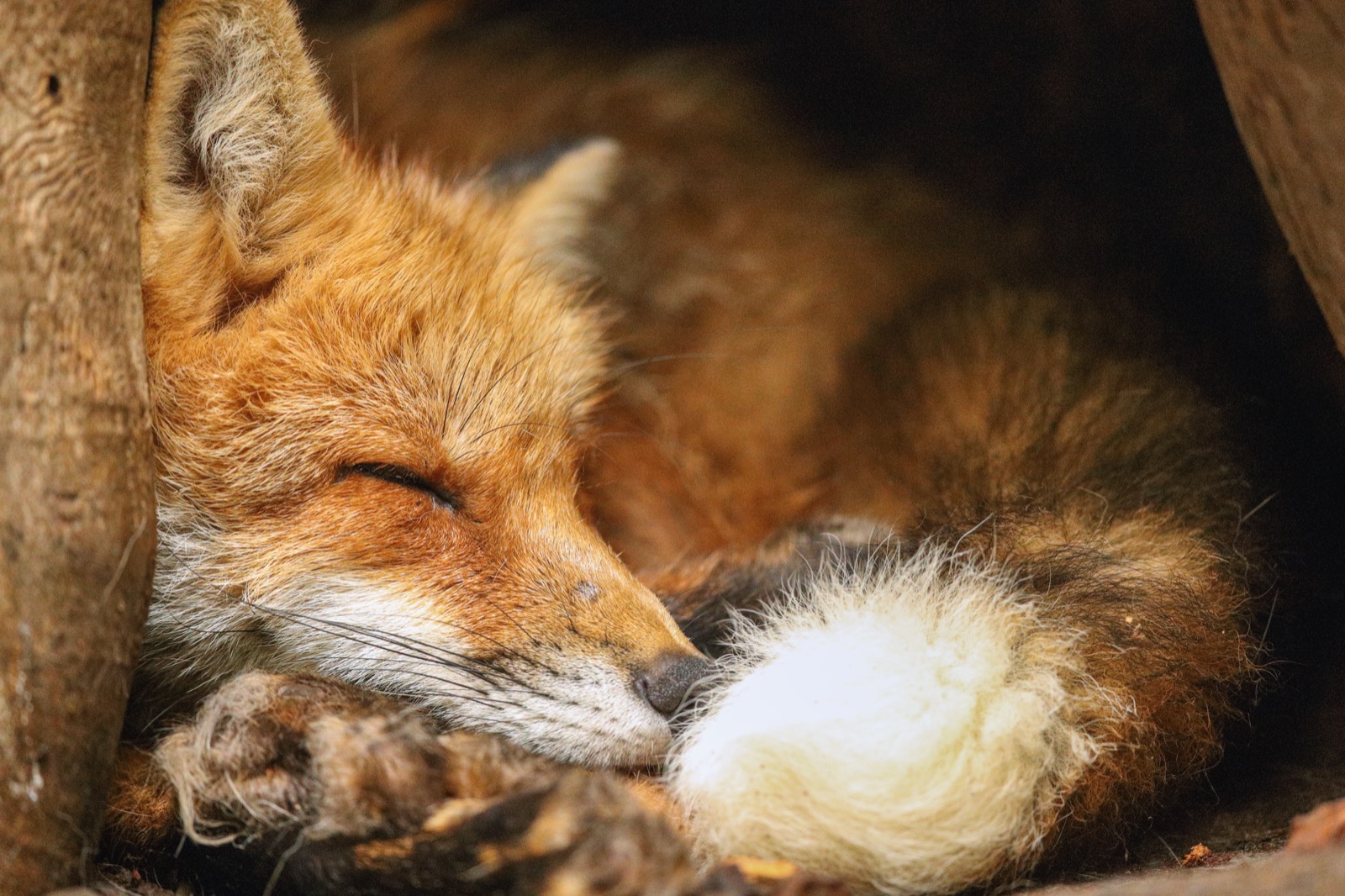
The village is home to roughly 100 to 130 foxes across six different breeds, including the fiery-orange Japanese red fox, the strikingly dark silver fox, the pale “platinum” fox, and the cross fox with its distinctive dark stripe running down its back. Unlike a zoo, most of the property is one large open enclosure where the foxes roam freely among the visitors who walk the designated paths. It’s part petting zoo, part wildlife sanctuary, and entirely unlike anything most Western travelers have ever experienced.
For American and Australian visitors especially, this kind of close, cage-free animal interaction is rare — and it photographs beautifully. Bring your camera fully charged, because between the foxes lounging in fall foliage or bounding through fresh snow, this is one of the most Instagrammable stops in the entire Tohoku region.
Getting There from Tokyo
- Shinkansen: Take the Tohoku Shinkansen from Tokyo Station to Shiroishi-Zao Station (about 2 hours) or to Sendai Station (1 hour 40 minutes) and transfer. A one-way ticket to Shiroishi-Zao runs approximately ¥10,500–11,500 (around $70–77 USD).
- Bus/taxi combo: From Shiroishi-Zao Station, it’s roughly a 15-minute taxi ride (about ¥2,000–2,500 / $13–17) to the fox village. There is no direct public bus, so a taxi or rental car is your best bet for the final leg.
- Rental car: If you’re already road-tripping through Tohoku, driving from Sendai takes about 50 minutes via the Tohoku Expressway. Free parking is available on-site.
Good news for JR Pass holders: the Tohoku Shinkansen leg is fully covered by the Japan Rail Pass and the JR East Tohoku Area Pass, so this trip pairs perfectly with a Sendai or Yamagata-based itinerary.
Meeting the Foxes: What to Expect
Admission is ¥1,500 for adults (around $10 USD) and ¥800 for children. Once inside, you’ll walk a network of dirt paths through a wooded enclosure where the foxes are free to move as they please — which means some days you’ll be greeted by a dozen curious foxes trotting alongside you, and other days (especially in the heat of summer) they’ll mostly be dozing in the shade. Winter, when the ground is blanketed in snow, is widely considered the most magical time to visit, as the foxes’ thick coats fluff out and the white backdrop makes for jaw-dropping photos.
You can purchase small pieces of dried food (¥100 per cup) to hand-feed the foxes from a designated feeding platform — staff are strict about this being the only place feeding happens, both for your safety and the animals’ health. Direct petting isn’t generally permitted outside the small “holding” area near the entrance, where staff sometimes let visitors hold a friendlier fox for a souvenir photo (an extra fee applies, usually around ¥500).
A few important etiquette notes: these are still wild animals, not domesticated pets, so move slowly, don’t chase them, and always follow staff instructions. Bites, while rare, do happen occasionally to visitors who get too handsy, so keep your fingers curled when offering food and never corner a fox for a photo. Store loose scarves, gloves, and dangling jewelry in your bag — foxes are curious and will occasionally nip at shiny objects.
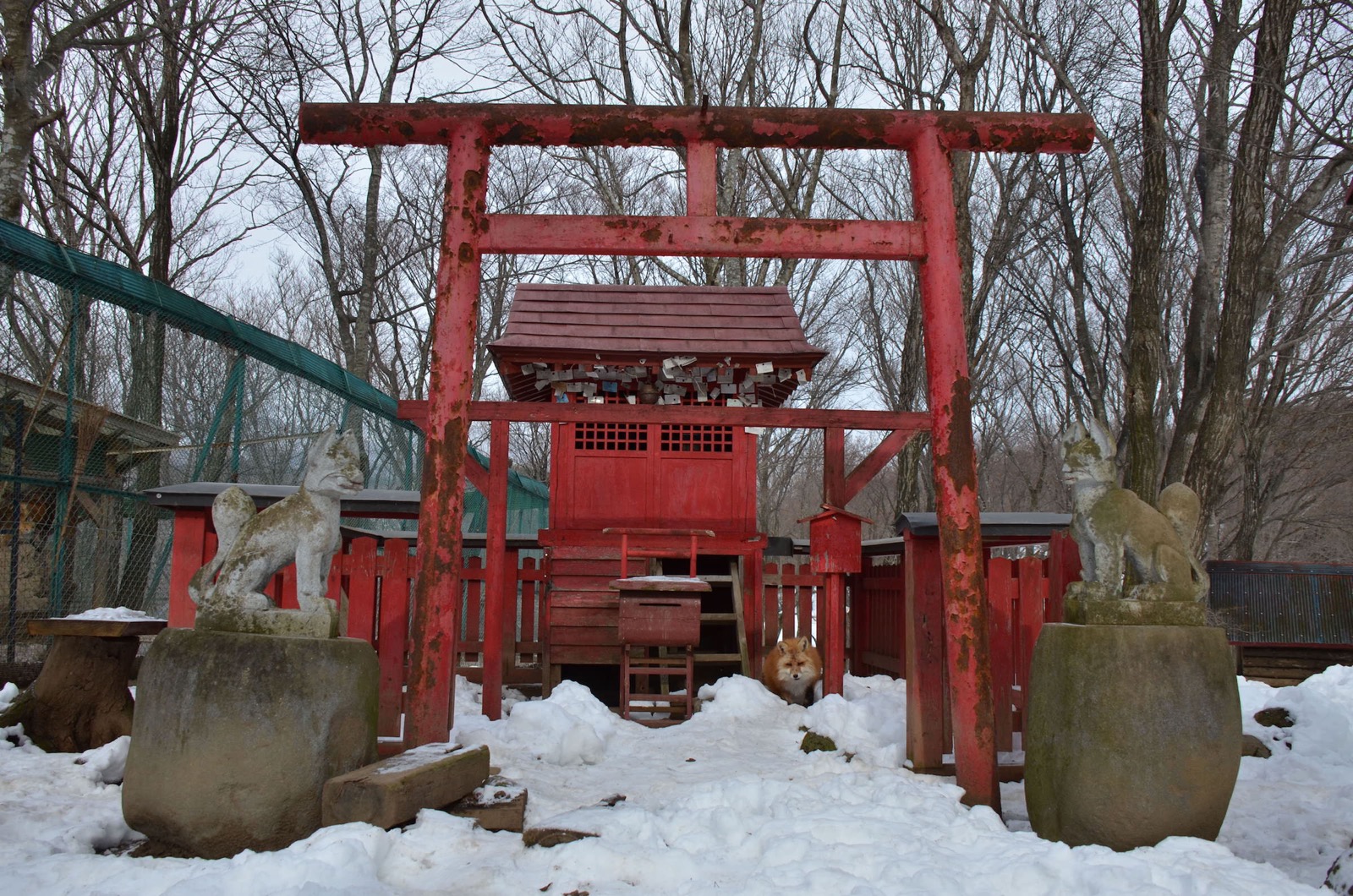
Beyond the main foxes, the village also keeps a handful of other animals, including rabbits, small horses, and — in one of its more unexpected features — a capybara enclosure. There’s also a small shrine on the property dedicated to Inari, the Shinto deity associated with foxes, rice, and prosperity, which adds a lovely cultural layer to the visit.
The Inari Shrine and Sanctuary Grounds
Tucked within the sanctuary is a small torii-gated shrine that’s easy to miss if you’re focused on the foxes (understandably), but worth the extra five minutes. In Japanese folklore, foxes (kitsune) are considered messengers of Inari, the god of rice, agriculture, and business success, and are often depicted as shapeshifting tricksters in classic ghost stories. Seeing dozens of real foxes wandering around a shrine built in their honor is a uniquely Tohoku experience — you won’t find anything quite like it elsewhere in Japan.
The grounds themselves shift dramatically with the seasons. In autumn, the maple trees around the enclosure turn brilliant shades of red and gold, framing the foxes beautifully. In winter, heavy Tohoku snowfall transforms the paths into a genuine winter wonderland (dress warmly — temperatures often sit well below freezing, around 20–25°F / -6 to -4°C). Spring brings a fresh green canopy and newborn kits (fox pups), usually visible from April through early summer, which is an enormously popular time for families and photographers alike.
Pairing Your Visit with Shiroishi Castle
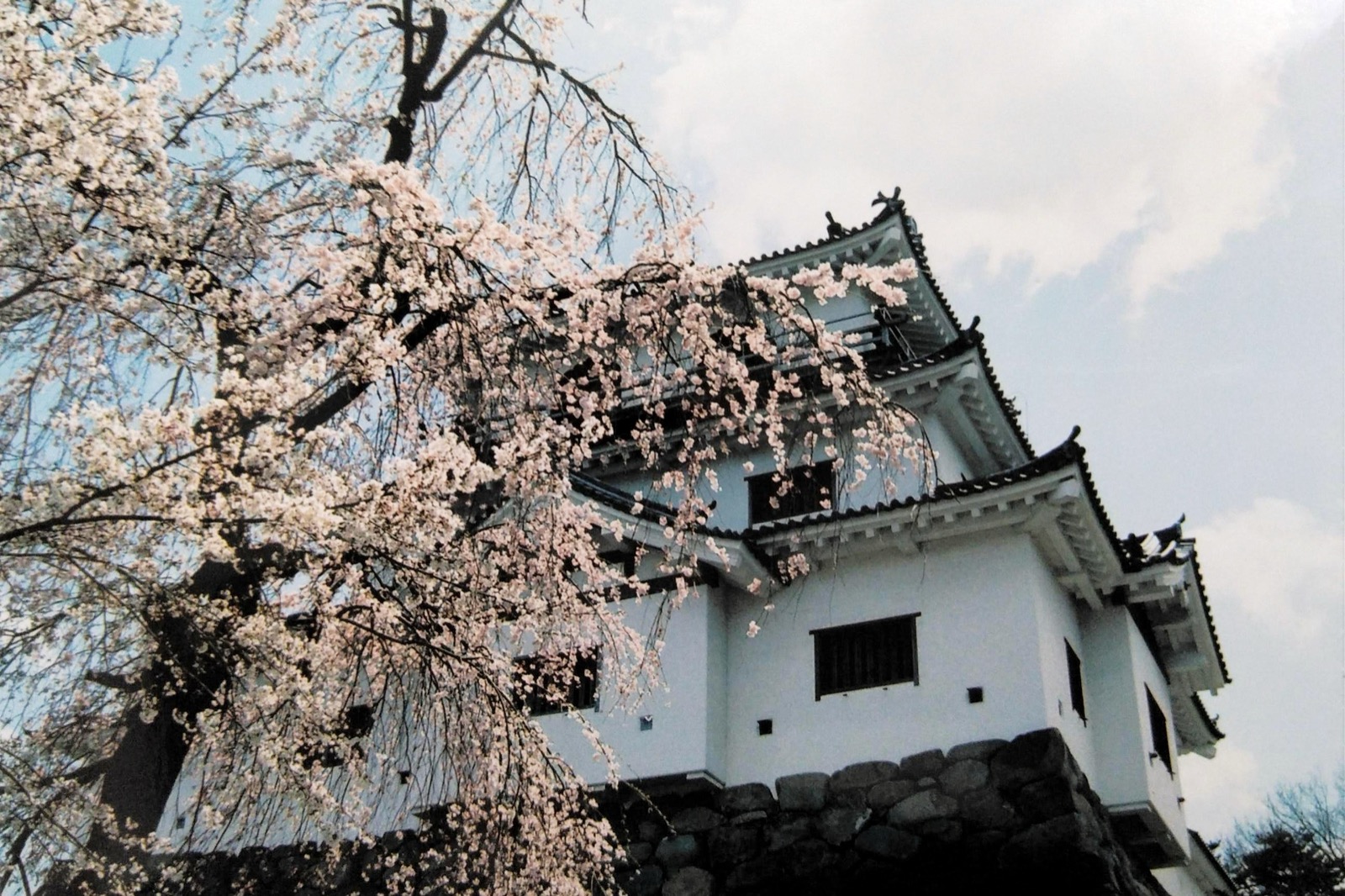
Since you’ll already be in Shiroishi City, don’t skip the chance to visit Shiroishi Castle (Shiroishi-jo), a beautifully reconstructed Edo-period castle about 15 minutes from the fox village by car. The original castle was dismantled after the Meiji Restoration, but in 1995 the city rebuilt the three-story main keep using traditional wooden joinery techniques and centuries-old construction methods — no nails, no modern steel — making it one of the very few authentically reconstructed wooden castles in Japan. You can climb to the top for sweeping views over the Shiroishi basin and, on clear days, the Zao mountain range in the distance.
Admission is a modest ¥400 (about $2.70 USD), and the surrounding park is one of Miyagi’s loveliest cherry blossom spots each April, when hundreds of trees bloom around the castle walls. History buffs will also appreciate that Shiroishi was the seat of the Katakura clan, key retainers of the powerful Date family who ruled the Sendai domain — connecting this quiet town to the broader samurai history of the region.
Best Time to Visit
- Spring (March–May): Fox kits are born and become visible to visitors, and Shiroishi Castle’s cherry blossoms peak in mid-April. Mild, comfortable weather (50–65°F / 10–18°C) makes this an excellent all-around season.
- Summer (June–August): Hot and humid (80s°F / high 20s°C), with foxes often napping in shaded areas during midday. Visit in the early morning or late afternoon for the most active animals.
- Autumn (September–November): Arguably the most photogenic season, with the fox village’s maple canopy turning brilliant red and gold in late October and early November, and comfortable hiking-friendly temperatures.
- Winter (December–February): The signature “snow fox” experience — thick, fluffy winter coats and snow-covered grounds. Bitterly cold (20s°F / -5 to 0°C), so bundle up, but this is when the postcard-perfect photos happen.
Where to Eat: Shiroishi Food Guide
Shiroishi may be a small city, but it has an outsized culinary claim to fame: Shiroishi Umen, a delicate, oil-free wheat noodle that’s been made here for nearly 400 years. Unlike regular somen noodles, umen is made without oil, giving it a lighter, more delicate texture — and legend has it the recipe was originally developed as a nourishing, easily digestible food for a sick samurai. It’s traditionally served either warm in a light dashi broth (kake-umen) in the colder months or chilled with a dipping sauce (zaru-umen) in summer.
Umenya Kyube
A long-standing, family-run umen restaurant near the castle serving generous, home-style bowls for around ¥900–1,200 ($6–8 USD). Simple, unfussy, and exactly what you want after a morning of fox-chasing photography.
Saito Umenten
One of the most historic umen makers in town, with a small shop where you can both eat a bowl on-site and buy dried noodles to take home as a genuinely unique, packable souvenir (a box runs about ¥500–800 / $3–5 USD).
Shiroishi Uiro Sweets
For dessert, track down a piece of uiro, a soft, mochi-like steamed rice cake found throughout Japan but with a beloved local variation here. Look for it at shops near the castle or the train station, typically sold in small individually-wrapped pieces for easy snacking on the go, around ¥150–250 per piece.
Where to Stay
Budget (Under ¥8,000 / $55 per night)
Shiroishi itself has limited hostel options, so budget travelers typically base themselves in Sendai, where guesthouses like Sendai Backpackers or K’s House Sendai offer dorm beds from roughly ¥3,000–4,500 ($20–30 USD), with easy Shinkansen access back out to the fox village.
Mid-Range (¥8,000–¥20,000 / $55–$135)
Comfort Hotel Shiroishi and Hotel Route Inn Shiroishi both offer clean, reliable business-hotel rooms right near Shiroishi-Zao Station, in the ¥8,000–12,000 range ($55–80 USD) — ideal if you want to linger in town rather than day-trip from Sendai.
Luxury (¥20,000+ / $135+)
For a splurge, consider staying at one of the ryokan in nearby Zao Onsen village (about 40 minutes away by car), such as Zao Onsen Daikoku-tenn no Yu, where you can combine your fox village visit with a soak in one of Japan’s most famous acidic hot spring waters, from roughly ¥25,000–40,000 per night including two meals ($170–270 USD).
Practical Tips for Visiting Zao Fox Village
- Wear closed-toe shoes with good grip — the paths are unpaved dirt and can get muddy or icy depending on the season.
- Visit on a weekday if possible; weekends and Japanese holidays (especially Golden Week and New Year) draw large domestic crowds.
- Bring cash — admission, food cups, and the photo-holding fee are cash-only at the entrance gate.
- Keep your camera strap short and secure; foxes are drawn to dangling objects.
- Avoid strong perfumes or scented lotions, which can agitate the animals.
- Budget at least 1.5–2 hours for a relaxed visit — rushing defeats the purpose.
- If traveling with small children, hold their hands near the feeding platform; foxes can be quick and unpredictable around food.
- Check the official Zao Fox Village website or call ahead in extreme weather, as hours can shift seasonally.
- Combine your visit with Shiroishi Castle and a bowl of umen noodles for a full, well-rounded day trip.
- Pack hand warmers if visiting in winter — you’ll want your hands free (and warm) for feeding and photos.
Sample 1-Day Itinerary: Fox Village Day Trip from Sendai
Morning
Catch an early Tohoku Shinkansen from Sendai Station to Shiroishi-Zao Station (about 8 minutes — yes, really, it’s that close). Grab a taxi to Zao Fox Village and arrive by opening time (typically 9:00 AM) to catch the foxes at their most active, before the midday heat or crowds set in.
Afternoon
Spend 1.5–2 hours wandering the enclosure, feeding and photographing the foxes, then taxi back into central Shiroishi for a late lunch of Shiroishi Umen noodles. Walk off your meal with a visit to Shiroishi Castle, climbing the reconstructed keep for panoramic views over the town and surrounding mountains.
Evening
Pick up a box of dried umen noodles or a few pieces of uiro as souvenirs near the station, then hop back on the Shinkansen to Sendai in time for dinner — try Sendai’s famous grilled beef tongue (gyutan) to round out a perfect one-day taste of Miyagi Prefecture.
Related Articles You Might Enjoy
- Hitome Senbonzakura: Ogawara’s Breathtaking Cherry Blossom Spectacle in Miyagi
- Sendai Daikannon: Inside Japan’s Giant 100-Meter Kannon Statue (A Local’s Guide)
- Matsushima Bay, Miyagi: The Ultimate Japan Travel Guide for Foreign Visitors
- Tohoku 7-Day Itinerary: The Perfect First-Timer’s Route Through Northeast Japan
Final Thoughts
Zao Fox Village is the kind of place that sounds almost too whimsical to be real — a hillside sanctuary where dozens of foxes wander freely among wide-eyed visitors — and yet it delivers exactly on that promise. It’s an easy, affordable day trip from Sendai, it pairs beautifully with an authentic reconstructed samurai castle and a bowl of centuries-old noodles, and it rewards visitors in every season with a completely different atmosphere, from snow-dusted winter foxes to spring kits to blazing autumn foliage. If you’re building out a Tohoku itinerary and want one stop that’s guaranteed to make your friends back home say “wait, you did WHAT in Japan?” — this is it.
Got questions about planning your Tohoku trip, or spotted something we missed? We’d love to hear from you — drop us a message here.



コメント