Walk into almost any supermarket anywhere in the world and you’ll likely find a Fuji apple — that crisp, sweet, reddish-purple variety that has conquered global fruit markets since its development in Japan in the 1930s. What far fewer people know is that the Fuji apple comes from Aomori Prefecture, and that Aomori produces approximately half of Japan’s entire domestic apple supply. This is Japan’s apple kingdom, and if you want to understand why Japanese apples are considered among the finest in the world — and why a single Aomori apple can sell for the price of a decent restaurant meal in Tokyo — you have to come here in autumn, when the orchards are laden with fruit and the air smells of fresh apple juice from morning to evening.
Why Aomori Produces Japan’s Finest Apples
The apple story in Aomori begins with geography. The prefecture sits at the northernmost tip of Honshu (Japan’s main island), where the climate combines cold winters and warm, humid summers in exactly the proportion that apple trees love. The Tsugaru Plain, a broad agricultural basin centered on the city of Hirosaki, benefits from the volcanic soils of nearby Mount Iwaki and excellent drainage — conditions that allow apple roots to develop deeply and absorb a rich mineral profile that translates directly into fruit flavor.
The temperature differential between day and night in autumn — warm days that help develop sugar content, cold nights that preserve acidity and develop the vibrant red color of the skin — is a key factor in Aomori apple quality. The prefecture also experiences significant rainfall during the growing season, reducing the need for irrigation, and the latitude (similar to the apple-growing regions of Washington State or the Rhone Valley of France) is ideal for the varieties that perform best here.
Aomori apples began their rise to prominence in the Meiji period (1868-1912), when the prefecture was selected as one of Japan’s experimental sites for apple cultivation. American agricultural experts, invited to Japan as part of the country’s rapid modernization, brought apple varieties and cultivation techniques from the United States, and the Tsugaru Plain’s farmers took to them enthusiastically. Today, Aomori Prefecture grows over 50 varieties of apple commercially, and the annual production runs to approximately 450,000-500,000 tonnes — about 50-60% of Japan’s national apple production.
But it’s not just quantity. Japanese apple cultivation — especially in Aomori — is characterized by an almost obsessive attention to quality. Individual fruits are often hand-polished to achieve a perfect skin sheen. Premium apples may be bagged while still on the tree to protect them from insects, direct sunlight, and develop an even color. Farmers thin their fruit aggressively to ensure that the remaining apples receive maximum nutrients and develop the size, sweetness, and texture that make Aomori apples genuinely world-class.
Getting to Aomori
Aomori is well connected to Tokyo and the rest of Japan via the Tohoku Shinkansen, making it more accessible than many visitors expect. Here’s how to get there:
- Shinkansen from Tokyo: The Hayabusa Shinkansen runs directly from Tokyo Station to Shin-Aomori Station in approximately 3 hours and 10 minutes. The one-way fare is around ¥17,000-¥18,500 ($115-$125). The JR Pass covers this route and is strongly recommended if you’re combining Aomori with other stops on a Tohoku tour.
- To Hirosaki: From Aomori Station (just one stop before Shin-Aomori on the local Ou Line), take the JR Ou Main Line to Hirosaki Station — a 35-minute journey costing around ¥680 ($4.60). Hirosaki is the center of Aomori’s apple country and the city you’ll want as a base for apple picking.
- From Sendai: Hirosaki can be reached from Sendai via Shinkansen to Shin-Aomori, then local train — total journey about 2.5 hours. Alternatively, overnight buses run from Sendai and Tokyo directly to Hirosaki, taking 6-9 hours.
- By rental car: Renting a car in Hirosaki or Aomori gives you much more flexibility for exploring the orchards, which are scattered across the rural Tsugaru Plain. Many of the best farm experiences are difficult to reach by public transport. Budget ¥5,000-¥8,000 ($34-$55) per day for a basic rental, plus fuel.
Apple Picking Season: When to Visit
The apple picking season in Aomori runs from late August through November, but the timing varies by variety. Planning your visit around the specific variety you want to pick — or the most picturesque overall experience — is worth doing in advance:
- Late August to mid-September (Tsugaru variety): The Tsugaru apple, a sweet, mildly acidic variety with a greenish-yellow skin, is the first major harvest of the season. It’s not as internationally famous as the Fuji, but many local farmers consider it the quintessential Aomori apple — intensely flavored and aromatic, best eaten fresh from the tree. Picking experiences in this period are generally less crowded than the peak autumn season.
- Late September to mid-October (Jonagold, Mutsu/Crispin): The Jonagold — a large, sweet-tart variety with distinctive red-green skin — peaks in early October. The Mutsu (also known internationally as Crispin) is a Japanese-bred variety, large and honey-sweet, that performs beautifully in Aomori’s climate. This period coincides with the beginning of the broader autumn foliage season.
- Mid-October to late November (Fuji variety — peak season): The Fuji apple — by far Aomori’s most famous variety and Japan’s most popular apple — reaches its peak harvest in October and November. The orchards are at their most colorful during this period, with the surrounding mountains showing autumn foliage. This is the busiest period for farm visits, but also the most spectacular. True peak: late October.
- December (late-harvest Fuji): Some Fuji apples are harvested as late as December, after the first frosts, when prolonged exposure to cold temperatures concentrates the natural sugars even further. These “frozen Fuji” or “kanro-fuji” are the sweetest of the season and highly prized. A few farms operate apple picking into December.
Best overall recommendation: Late October is the sweet spot — peak Fuji season, autumn foliage at its best, and weather still pleasant enough for comfortable outdoor time.
Where to Pick Apples in Aomori
Hirosaki Apple Park (Ringo Koen)
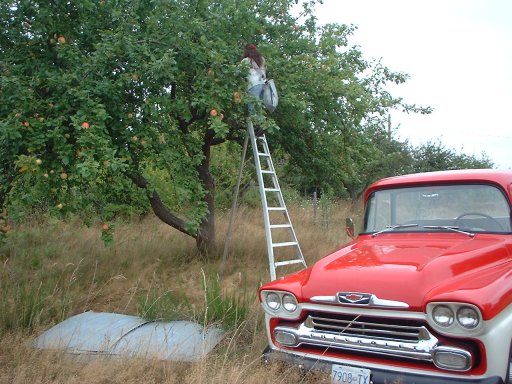
The most accessible and visitor-friendly apple picking destination in Aomori is Hirosaki Apple Park, a 20-hectare public park operated by Hirosaki City on the slopes of Mount Iwaki. The park contains approximately 2,400 apple trees representing over 80 varieties, and it’s open to the general public free of charge — a remarkable fact given the quality and variety of the experience on offer.
During the apple picking season (August through November), visitors can pick apples at designated areas within the park. Prices for the picking experience itself vary by variety and weight but typically run around ¥300-¥500 ($2-$3.50) per 100 grams for premium varieties like Fuji. Most visitors budget ¥1,500-¥3,000 ($10-$20) for a satisfying apple picking session. The park also has excellent facilities including a restaurant, cafe, and shop selling Aomori apple products.
Getting there: From Hirosaki Station, take the Konan Bus toward Ringo-no-Sato (about 20 minutes, ¥350 / $2.40). A taxi from the station costs approximately ¥1,500-¥2,000 ($10-$14) and takes about 10 minutes.
Private Orchards and Farm Stays
For a more authentic experience, several family-owned orchards around the Hirosaki area welcome visitors for apple picking sessions. These farms offer a more intimate experience — the farmer or their family often accompanies visitors through the orchard, explaining the different varieties, demonstrating how to identify the perfect moment of ripeness, and sharing their knowledge of cultivation techniques.
Farm visits typically include free apple juice or cider made on the premises, a comparison tasting of multiple varieties side by side, and the opportunity to purchase apples directly from the farm at prices significantly lower than the supermarket rate. Many farms also offer pressed apple juice and homemade apple preserves for purchase.
Reservations are generally required for private farm visits — ask at the Hirosaki Tourism Information Center (inside Hirosaki Station) for recommended farms, or check with your ryokan or hotel, who can often arrange introductions to nearby family orchards.
Aomori Apple Products: What to Taste and Buy
Apple culture in Aomori extends far beyond fresh fruit. The prefecture has developed an extraordinary range of apple-based products that make excellent gifts, souvenirs, and gastronomic discoveries for visiting food lovers:
Apple Juice
Aomori apple juice is considered the finest in Japan — the fresh-pressed, single-variety juices produced by small farms around Hirosaki are genuinely world-class. These are not the sweetened, concentrated juices sold in convenience stores globally; they’re cloudy, intensely flavored expressions of the individual variety, ranging from the grassy freshness of a Tsugaru to the deep sweetness of a mature Fuji. All Nippon Airways (ANA) has long served Aomori apple juice on its domestic flights as a signature regional product. Look for farm-direct juices at Hirosaki’s specialty shops.
Apple Cider (Cidre)
Aomori has developed a growing craft cider (cidre) industry in recent years, using traditional French and English cider-making techniques applied to local apple varieties. Several producers around Hirosaki make excellent dry ciders, pear-apple blends, and sparkling varieties that are impossible to find outside the prefecture. The Tsugaru Cider brand is the most widely available, but boutique producers near Hirosaki Apple Park are worth seeking out.
Apple Pie — The Hirosaki Route
Hirosaki has turned its apple heritage into a culinary tourism attraction with the Ringo-no-Michi Apple Pie Route — a loose network of cafes and bakeries throughout the city, each offering their own interpretation of apple pie. The varieties range from traditional deep-dish American-style pies to delicate Japanese patisserie-style tarts with paper-thin pastry and perfectly arranged apple slices. The Hirosaki Tourism Association produces a map of participating establishments that makes a wonderful way to spend a morning or afternoon exploring the city on foot.
Apple-Flavored Local Products
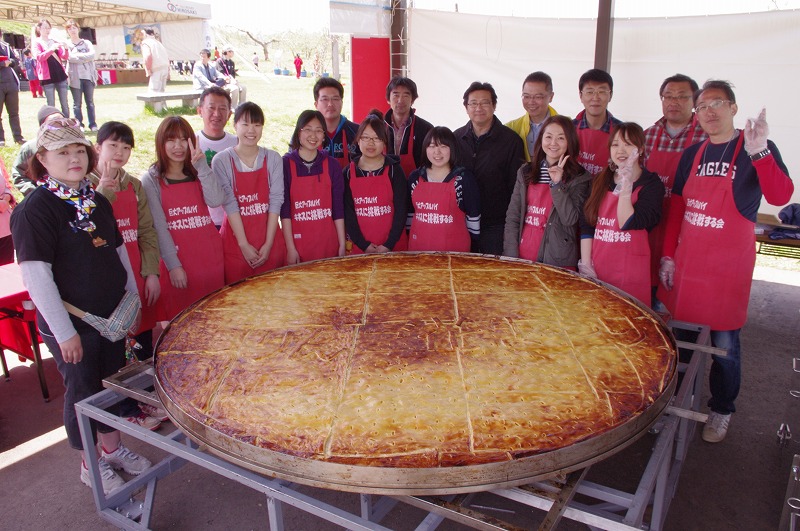
Aomori’s apple creativity extends to some genuinely surprising products. Apple miso — sweet fermented miso paste blended with apple — is one of the most interesting condiments you can bring home. Apple ramen (available at several Hirosaki restaurants) uses an apple-based broth that sounds bizarre and tastes extraordinary. Apple-filled gyoza (dumplings) is another distinctly Aomori invention. Apple ice cream, apple soft serve, and apple-flavored Kit Kat chocolates (Japan’s famous regional Kit Kat range) are all widely available and make great gifts.
Beyond Apples: Other Things to Do in Aomori
Hirosaki Castle
Hirosaki Castle is one of the most important historical sites in Tohoku and one of only twelve original castle towers surviving in Japan. The small, beautiful tower — three stories, perfectly proportioned — sits within extensive castle grounds that include over 2,600 cherry trees, making Hirosaki one of Japan’s most celebrated cherry blossom destinations in spring. In autumn, the same grounds are decorated with the changing colors of maple trees and the apple trees that line the castle moat. Entry to the castle park costs ¥320 ($2.20) for adults; the castle tower itself is an additional ¥310 ($2.10).
The Neputa and Nebuta Festivals
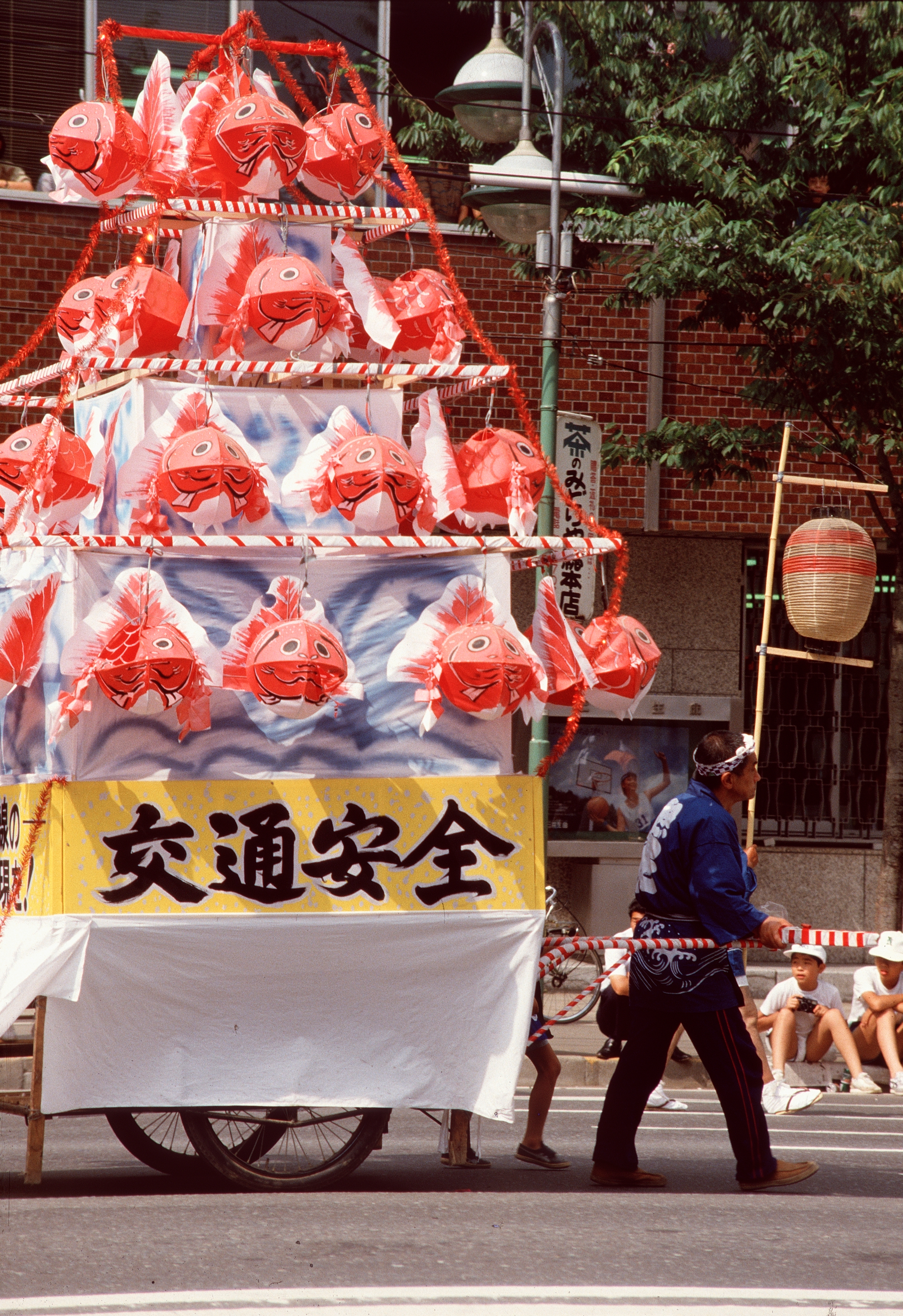
Aomori Prefecture hosts two of Japan’s most spectacular summer festivals, held in August. Aomori City’s Nebuta Festival (August 2-7) features enormous three-dimensional illuminated paper floats — some towering 5 meters tall and 9 meters wide — depicting gods, samurai, and mythological figures. The floats are pulled through the streets at night to a thunderous accompaniment of drums, flutes, and singing. A million and a half people attend over the festival period. Hirosaki’s Neputa Festival (August 1-7) has its own distinct style — flatter, fan-shaped floats illuminated from within — and a more intimate, small-city atmosphere. Both festivals represent Tohoku culture at its most intense and magnificent.
Aomori Museum of Art and Towada Art Center
Aomori has an unexpectedly strong contemporary art scene, anchored by the Aomori Museum of Art (Aomuseum), which houses an internationally significant collection including work by Marc Chagall (a famous set of murals created for a Chagall ballet) and major works by Yoshitomo Nara — arguably Japan’s most internationally recognized contemporary artist and an Aomori native. The related Towada Art Center, in the city of Towada about 90 minutes away, occupies an entire city block with outdoor and indoor installations by leading contemporary artists. Art-minded visitors could easily spend two days on Aomori’s arts circuit.
Shirakami-Sanchi UNESCO World Heritage Forest
The Shirakami-Sanchi is a vast area of virgin beech forest on the Aomori-Akita border, designated as a UNESCO World Heritage Site in 1993 — one of Japan’s first natural World Heritage sites. The forest is one of the last remaining large-scale beech forests in East Asia and home to black bears, golden eagles, and the Japanese serow (a goat-antelope). Hiking trails penetrate the forest’s edges, and the area is famous for its crystal-clear streams and blue pond-like pools. The bright blue Aoike pond near Ajigasawa is one of the most stunning natural attractions in Tohoku.
Best Time to Visit Aomori
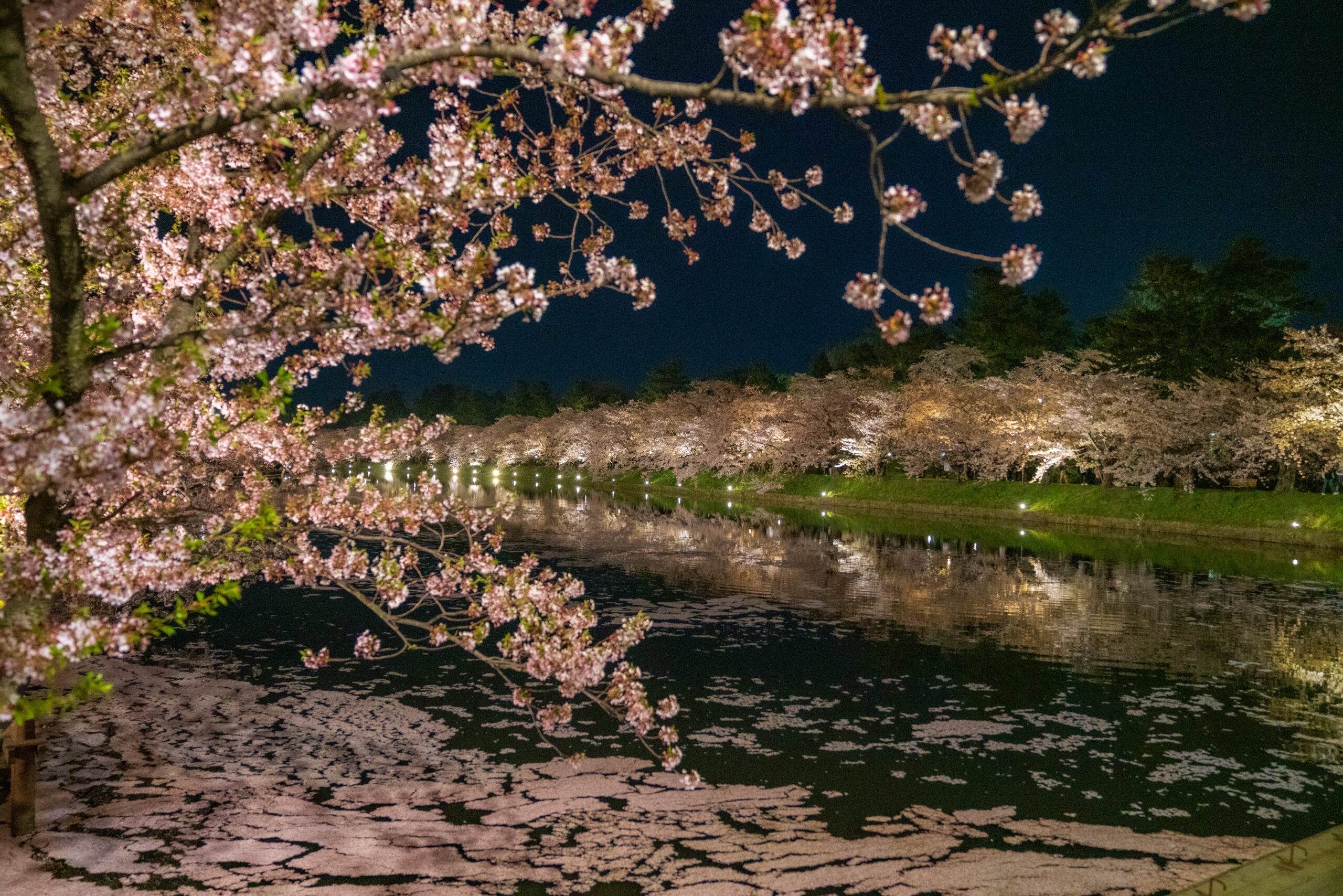
- Spring (late April to early May): Hirosaki’s cherry blossom season is one of the most spectacular in Japan — not just because of the sheer number of trees, but because the castle grounds, the moat, and the surrounding mountains create a setting of extraordinary beauty. The famous “pink carpet” effect (hanafubuki — cherry petal snowfall) when petals fill the moat is a bucket-list experience. Cherry blossoms and apple blossoms often coincide, giving the Hirosaki area an extraordinary delicacy of bloom and fragrance.
- Summer (August): The Nebuta and Neputa festivals dominate August, making this the most exciting time to be in Aomori from a cultural perspective. The festivals themselves are genuinely unmissable — but accommodation books out months in advance, so plan well ahead.
- Autumn (late September to November): Peak apple picking season, combined with some of Japan’s finest autumn foliage in the mountains around Hirosaki. Late October is the sweet spot — Fuji apples at their best, leaves turning gold and red, crisp and clear mountain air. The most culinarily rewarding time of year.
- Winter (December to March): Aomori is one of the snowiest cities in Japan — it regularly records among the highest snowfall totals of any city in the world. The Hakkoda mountains near Aomori City get extraordinary powder snow and host excellent skiing. Sukayu Onsen (one of Japan’s most famous onsen) is nearby. The Hirosaki Snow Lantern Festival in February is a beautiful, quieter counterpart to the summer Neputa festival.
Where to Eat in Hirosaki
Apple-Focused Restaurants
Hirosaki’s restaurant scene has embraced the apple theme wholeheartedly. Several restaurants in the old town center specialize in apple-themed menus: apple ramen at Kikusuian (a soup base made with pressed apple juice mixed with chicken and pork broth — genuinely delicious and not at all sweet in the way you might fear), apple-glazed pork dishes, and apple dessert courses. Look for restaurants along the Shimmachi Dori street near the castle for the highest concentration of apple-themed options.
Seafood from Mutsu Bay
Aomori’s inland apple fame overshadows its extraordinary seafood, but the prefecture’s coastline — particularly Mutsu Bay and the Pacific coast near Hachinohe — produces some of Japan’s finest. Mutsu Bay scallops (hotate) are harvested at such a scale and quality that they’re regarded as among the best in Japan. Fresh sea urchin (uni) from the Sea of Japan coast of Aomori is a delicacy served at the finest sushi restaurants. Hachinohe, an hour east of Aomori, is famous for its fresh tuna and the Hachinohe Morning Market — one of Japan’s liveliest early morning fish markets.
Hirosaki’s Cafe Culture
Hirosaki has a surprising density of excellent independent cafes, a tradition said to date from the many foreign advisors and teachers who worked in the city during Japan’s Meiji-era modernization and developed a coffee culture. Many of these cafes serve homemade apple sweets alongside specialty coffee — the combination of a well-made pour-over coffee with a freshly baked apple tart in a century-old wooden building is one of Hirosaki’s most distinctive pleasures.
Where to Stay
Budget (Under ¥8,000 / $55 per night)
Hirosaki has a growing number of guesthouses and budget hotels catering to travelers exploring Aomori’s apple country. Ishiba Guesthouse in the city center has dormitory and private room options from around ¥3,000-¥5,000 ($20-$34) per person, with helpful English-speaking staff who can advise on farm visits and orchard access.
Mid-Range (¥8,000 to ¥20,000 / $55 to $135)
Hotel New Castle Hirosaki is a reliable, comfortable city hotel close to the castle grounds, with rates from around ¥8,000-¥12,000 ($55-$80) per night. The location is excellent for walking to both the castle and the main restaurant district. Several mid-range ryokan in Hirosaki offer onsen facilities along with traditional Japanese-style rooms.
Luxury (¥20,000+ / $135+)
For the most atmospheric high-end option, consider staying at one of the ryokan in the Tsuta Onsen area (about 1.5 hours south of Aomori City, on the route to Oirase Gorge) — a UNESCO World Heritage Beech Forest area with extraordinary scenery. Tsuta Onsen Ryokan is a historic inn with natural hot spring baths and exceptional cuisine featuring local mountain vegetables and Aomori seafood.
Practical Tips for Visiting Aomori and Apple Country
- Time your visit for the variety you want. Check ahead with the Hirosaki Tourism Information Center for current harvest conditions, which can vary by a week or two depending on the year’s weather. The center can also recommend specific farms that are accepting visitors during your travel dates.
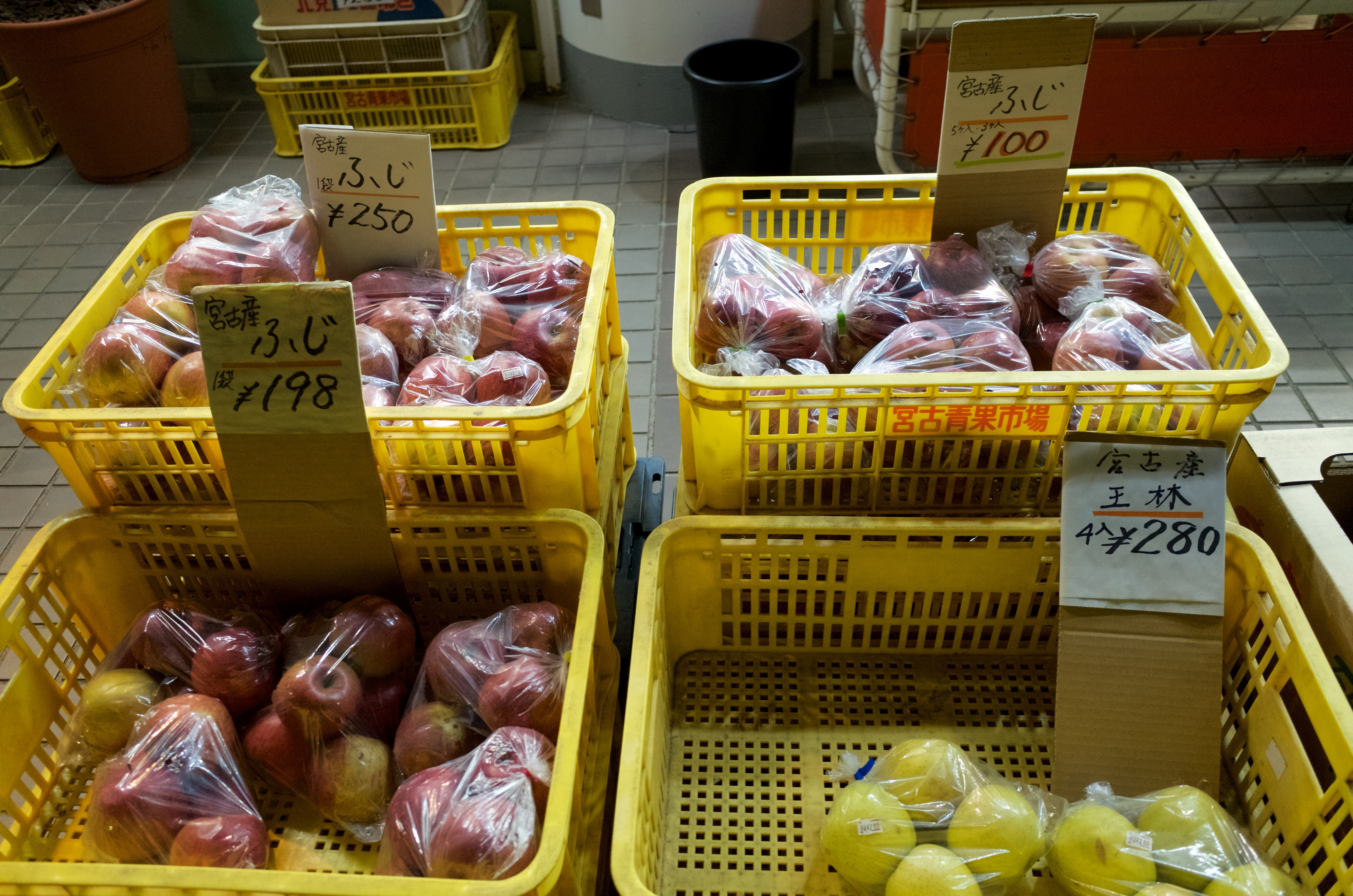
- Buy apples at the source. Supermarket apples in Tokyo cost several times more than buying direct from Aomori farms. If you have a cooler bag or are traveling on to a fixed base, buying a case of apples at the farm gate is excellent value — ¥1,500-¥3,000 ($10-$20) for 5-7 kilos of premium fruit.
- Try before you buy. Reputable farms encourage tasting before purchase, and many offer side-by-side comparisons of different varieties. Don’t be shy about tasting — it’s expected and appreciated.
- Use the Konan Bus network. Hirosaki’s Konan bus system covers most of the key attractions including Apple Park. A one-day pass (¥800 / $5.50) offers good value if you’re visiting multiple sites by public transport.
- Visit the Hirosaki City Apple Museum. A small but excellent facility dedicated to the history and science of Aomori apple cultivation, with multilingual exhibits. Free admission. Located inside Hirosaki Apple Park.
- Bring a sturdy bag. If you’re planning to buy significant quantities of apples, a strong canvas bag or backpack is essential. Apples bruise easily and paper shopping bags are not adequate for carrying more than a few.
- Book accommodation for the Nebuta Festival early. If you’re combining an apple trip with the August festivals, note that accommodation in Aomori City during Nebuta (August 2-7) needs to be booked months in advance.
- Weather in October: Aomori’s autumn weather is generally clear and crisp, but prepare for rain and bring a warm jacket — temperatures can drop to single digits Celsius (around 40 degrees Fahrenheit) at night.
Sample 2-Day Itinerary for Apple Country
Day 1: Hirosaki Castle and Apple Park
Morning (9:00-12:00): Take the JR train from Aomori to Hirosaki (35 minutes). Walk from Hirosaki Station to Hirosaki Castle — a pleasant 20-minute walk through the city. Explore the castle grounds, including the moat and the small but excellent castle tower (if it’s open — note that during restoration work, the tower may be relocated within the grounds). In October, the maple foliage in the castle grounds is spectacular.
Afternoon (12:30-17:00): Take the bus from Hirosaki Station to Hirosaki Apple Park (20 minutes). Spend 2-3 hours exploring the orchard, picking apples (pay by weight at the exit), tasting multiple varieties at the demonstration area, and browsing the park’s shop for apple products. Return to the city in the late afternoon.
Evening: Dinner in Hirosaki’s old town — try apple ramen or fresh scallop sashimi at one of the restaurants near Shimmachi Dori. Walk the atmospheric old merchant district after dinner.
Day 2: Private Farm Visit and Blue Pond
Morning (9:00-12:00): Join a guided farm visit to a family orchard (arranged through your hotel or the tourism center). Spend 2 hours learning about Fuji apple cultivation, picking fruit with the farmer’s guidance, and tasting fresh-pressed juice. Buy a selection of apples and juice to take with you.
Afternoon (13:00-17:00): Drive (or take a bus) west toward Shirakami-Sanchi and the famous Blue Pond (Aoike) near Ajigasawa. The 45-minute drive takes you through apple orchard country and into the beech forest foothills. The Blue Pond is a genuinely extraordinary natural phenomenon — a pond of impossibly vivid blue water fed by mineral-rich springs. Return to Hirosaki or continue onward to Aomori City for the night.
Related Articles You Might Enjoy
- Hirosaki City Guide: Apple Capital, Neputa Festival & Aomori’s Most Historic Castle Town
- Hachinohe Enburi Festival, Aomori: Japan’s Ancient Horse-Spirit Dance to Welcome Spring
- Sannai-Maruyama Archaeological Site, Aomori: Japan’s Most Spectacular 5,500-Year-Old UNESCO Jomon Settlement
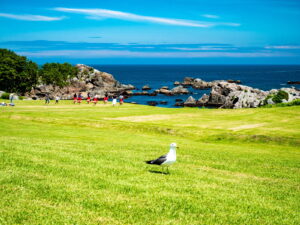
- Tanesashi Coast & Kabushima Island, Aomori: Japan’s Most Dramatic Coastal Walk & Seabird Sanctuary
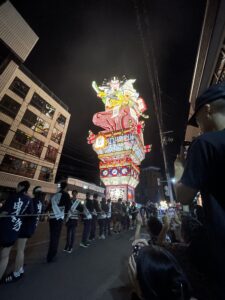
- Goshogawara Tachineputa Festival, Aomori: Japan’s Most Spectacular Tower Float Festival
Final Thoughts
Aomori’s apple culture is a perfect example of what happens when a country applies its intense dedication to craftsmanship and quality to something as simple as growing fruit. The apples here aren’t just better — they’re a revelation. If you’ve grown up eating supermarket fruit and never tasted an apple picked directly from the tree at the moment of perfect ripeness, Aomori will change your relationship with food in a way that’s difficult to overstate.
But the apple picking itself is just the entry point to a wider Aomori experience — the castle, the festivals, the seafood, the mountains, the art, the hot springs. Aomori is one of Tohoku’s most multifaceted destinations, and it rewards curiosity and time. Come in autumn, eat an apple warm from the tree, and stay for everything else.
Got questions about planning your Tohoku trip, or spotted something we missed? We’d love to hear from you — drop us a message here.


コメント