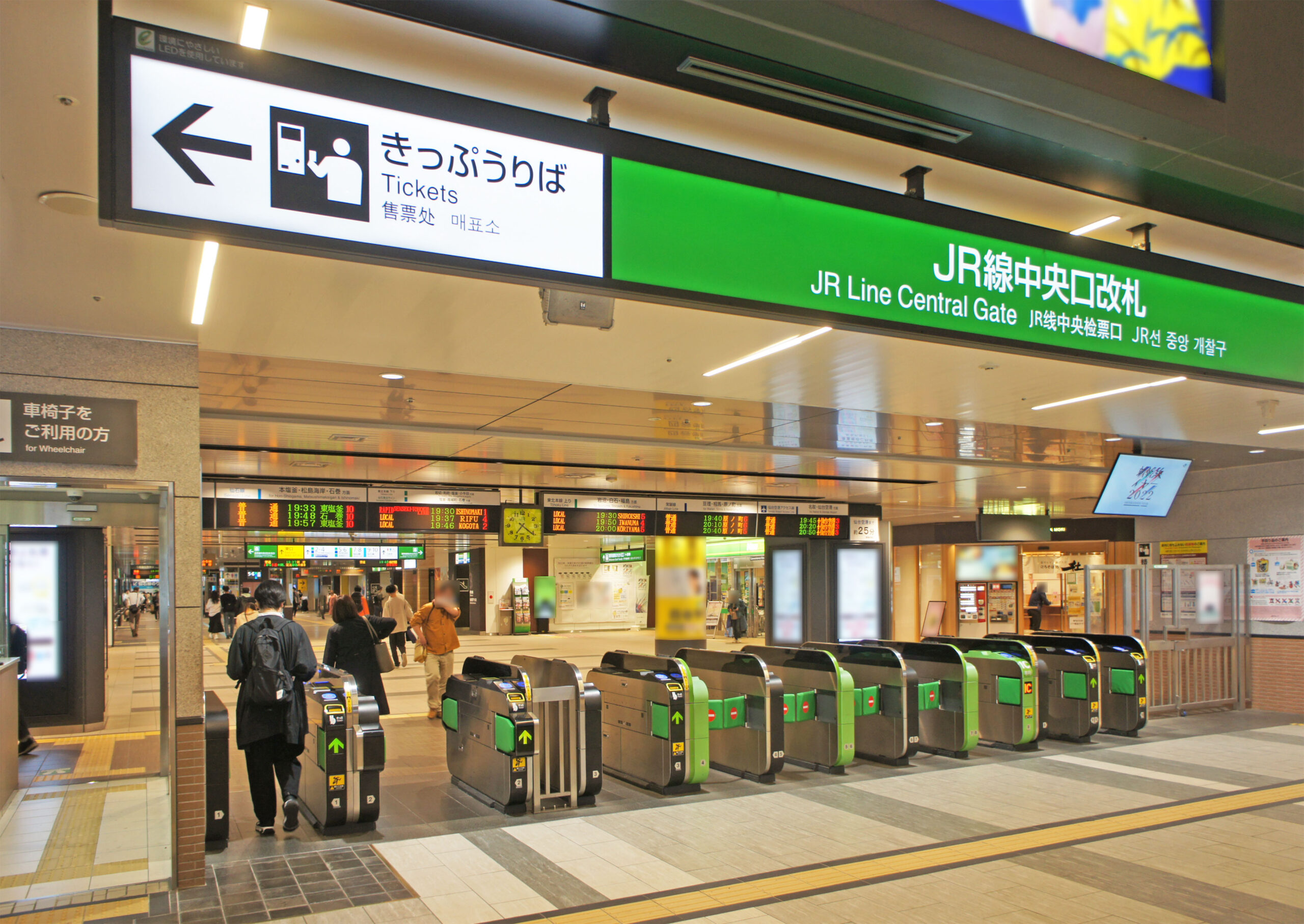
You’ve just stepped off the shinkansen at Sendai Station, bags in hand, ready to explore Tohoku. But wait — do you need cash? Can you tap your way onto local buses? Will your Australian Visa card work at that tempting ramen spot? Japan’s relationship with payments is more nuanced than most countries, and getting your cashless strategy right before you arrive can make a huge difference to the smoothness of your trip. Here’s everything you need to know about paying for things in Tohoku.
Japan’s Payment Landscape: More Complex Than You Might Expect
Japan has a fascinating and somewhat paradoxical payment culture. On one hand, it’s one of the most technologically advanced nations on Earth, with a mature and sophisticated digital payment ecosystem. On the other hand, Japan remains more cash-dependent than most comparable economies — a legacy of deep cultural trust in physical currency and very low crime rates. In Tohoku specifically, you’ll encounter a fascinating mix: ultra-modern IC card readers at every train station alongside rural ryokan that have accepted only cash for generations.
The bottom line for travelers: carry both cash and at least one IC card. The IC card handles transit and many convenience store purchases beautifully; cash covers the gaps. You cannot rely on credit cards alone in Tohoku, particularly once you leave the main cities. But with the right preparation, you can minimize how much cash you actually need to handle day-to-day.
IC Cards: Your Most Important Payment Tool in Tohoku
The single most important payment tool for any traveler in Tohoku is an IC card (IC = Integrated Circuit). These rechargeable smart cards are used to pay for train and bus fares by simply tapping on a card reader at the gate — no tickets needed, no fumbling for change. But their usefulness extends far beyond transit: IC cards are accepted at convenience stores, vending machines, some restaurants, lockers, and an increasing number of small shops throughout Japan.
If you do nothing else to prepare for cashless travel in Tohoku, get an IC card. It will save you enormous hassle, especially on buses (where exact fare is otherwise required).
Suica: The Card to Get
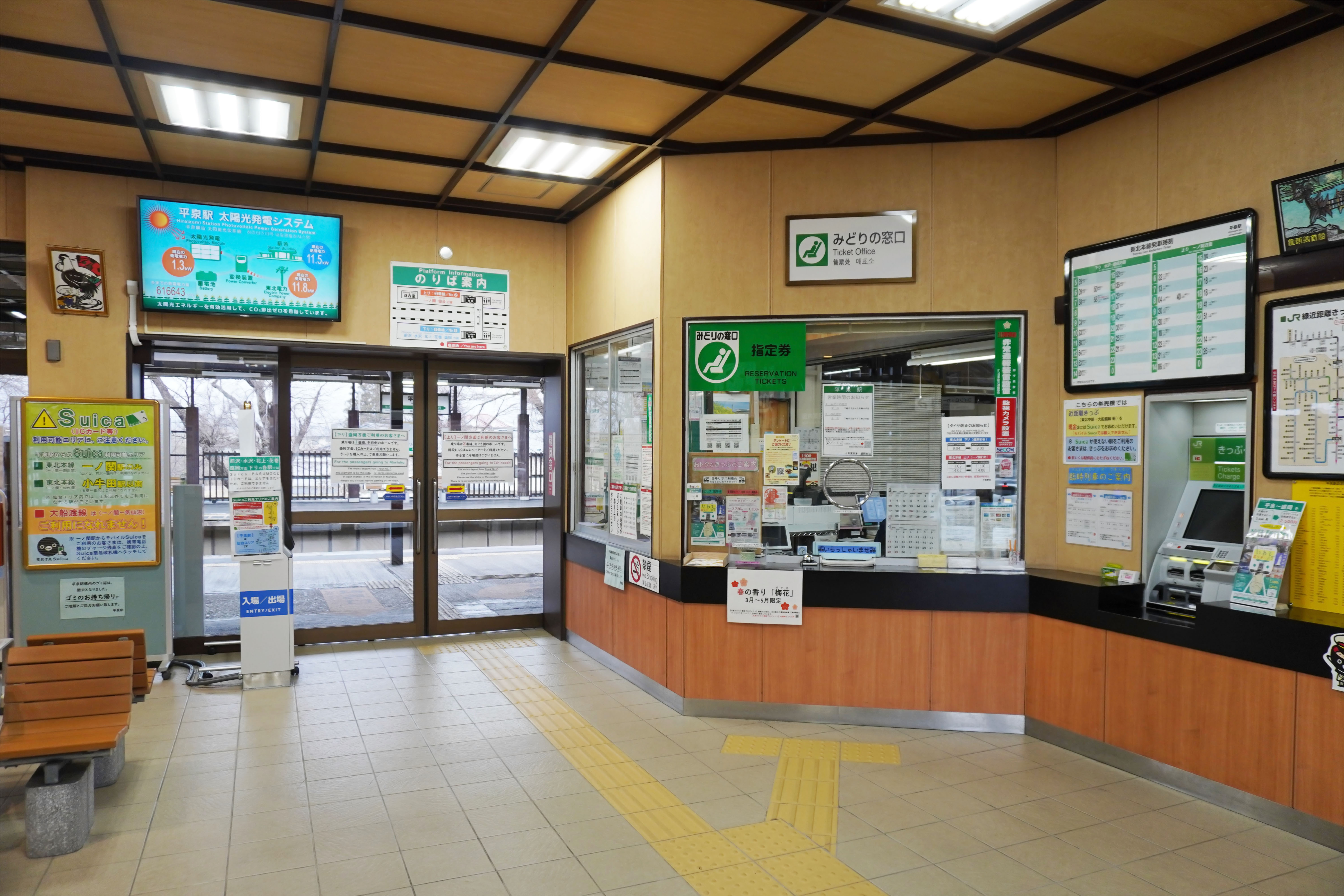
Japan has several IC card brands (Suica, PASMO, Kitaca, Toica, Manaca, ICOCA, nimoca, Hayakaken, and more), but they are all mutually compatible across Japan. You can use any of them anywhere. For tourists, Suica (issued by JR East) is by far the most convenient to obtain, and it’s the card you’ll most commonly see in Tohoku since JR East operates the region’s main rail network.
There are two main types of Suica available to tourists:
1. Mobile Suica (Apple Pay / Google Pay)
If your smartphone supports NFC payments (iPhone 8 or later, or NFC-enabled Android), this is the most convenient option. Add a Mobile Suica card directly to your Apple Wallet or Google Wallet — no physical card needed. Tap your phone on the IC reader at the gate, just like tapping a card. Reload via any linked credit card, any time, anywhere with a mobile connection. Mobile Suica works beautifully throughout Tohoku and has no ¥500 deposit to worry about.
One important note: Mobile Suica is available to non-Japanese credit cards, but compatibility can vary. Visa, Mastercard, and American Express from major international banks generally work. If you have a Japanese credit card, setup is guaranteed. Test this before your trip.
2. Physical Suica Card
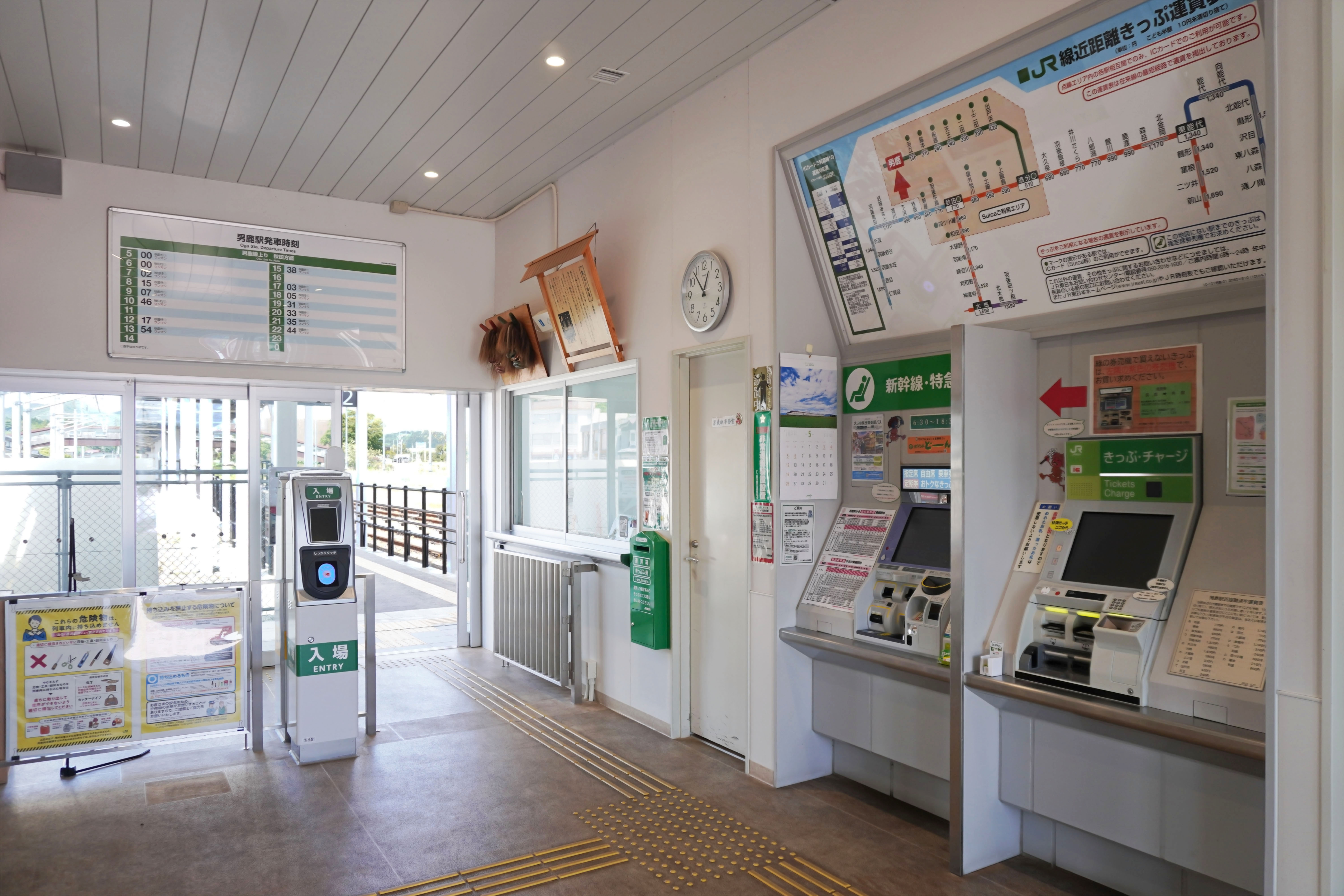
Available at JR East ticket machines at airports and major stations (Narita, Haneda, Tokyo, Sendai, Morioka, Aomori, and others). Look for the green Suica penguin logo on the machine. The process:
- Select “Suica” on the touchscreen
- Choose your initial load amount (¥500–¥10,000)
- Pay the ¥500 deposit (refunded when you return the card at the end of your trip)
- Tap the card on readers going forward
A physical Suica card is also a lovely travel souvenir — many visitors keep theirs for return trips.
The Welcome Suica (Tourist-Only Card)
JR East also offers a “Welcome Suica” specifically for foreign visitors at Narita and Haneda airports. These cards have no deposit requirement but expire after 28 days and are non-refundable. They work identically to a regular Suica everywhere. If you’re on a shorter trip and don’t want to worry about getting a refund, this is a good option.
Charging (Reloading) Your IC Card in Tohoku
Keep your IC card topped up. Running out of balance mid-journey means you’ll need to pay a small “adjustment fee” at the exit gate, which requires finding a station staff member or the special adjustment machine. Avoid the hassle — load ¥2,000–¥3,000 at a time and check the balance at any ticket machine.
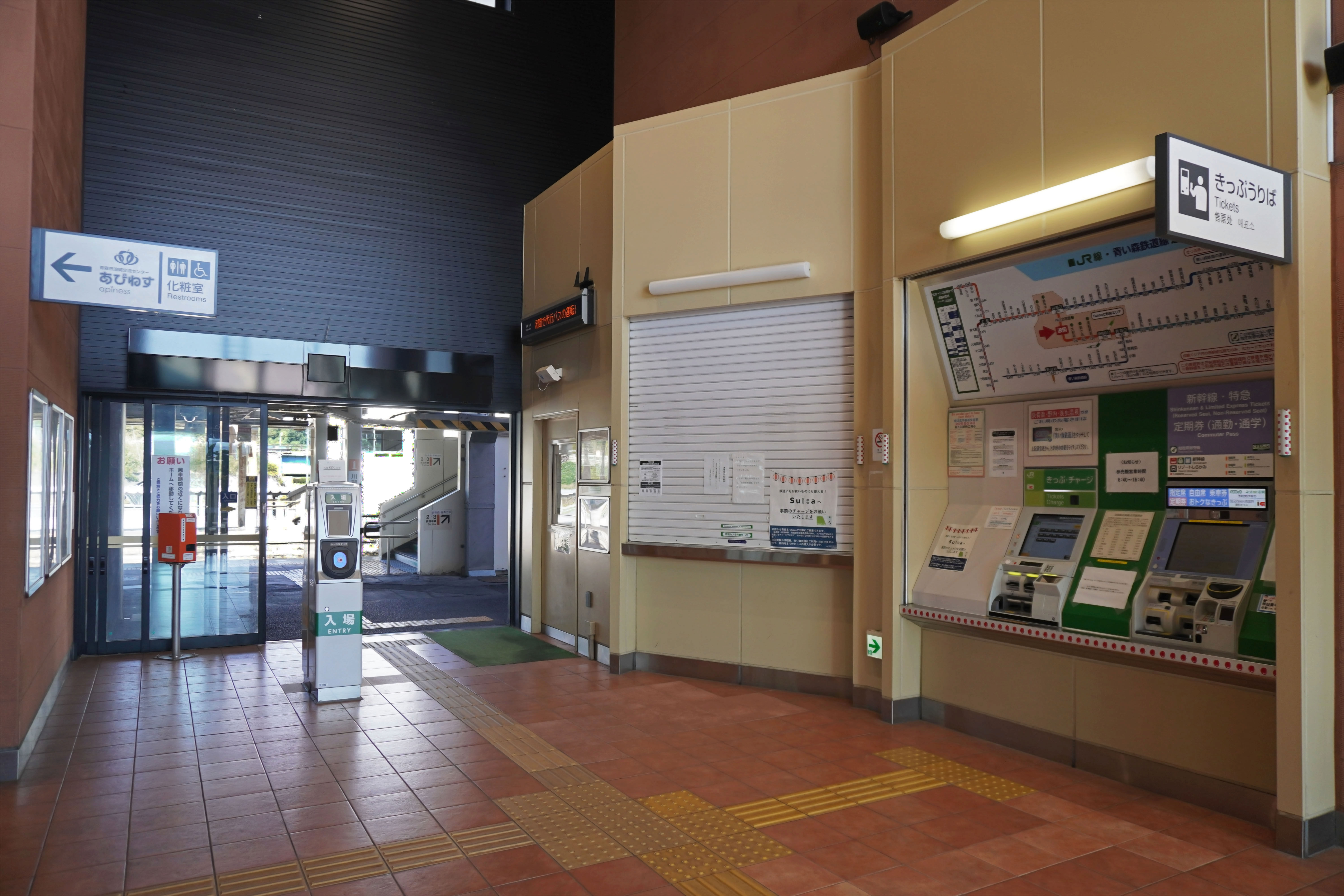
You can add money to a physical Suica card at:
- Any JR East ticket machine (throughout Tohoku — just tap your card on the reader and load with cash or in some machines, credit card)
- Convenience stores (7-Eleven, Lawson, FamilyMart — give the card to the clerk and ask them to charge it: “Suica ni charge, onegaishimasu” with the amount you want)
- Some ATMs (Seven Bank ATMs in 7-Eleven locations can top up Suica)
Mobile Suica users can reload anytime via the linked credit card directly in Apple Wallet or Google Wallet — no need to find a machine.
Where Can You Use an IC Card in Tohoku?
Transit (Trains and Buses)
IC cards work on virtually all transit in Tohoku, including:
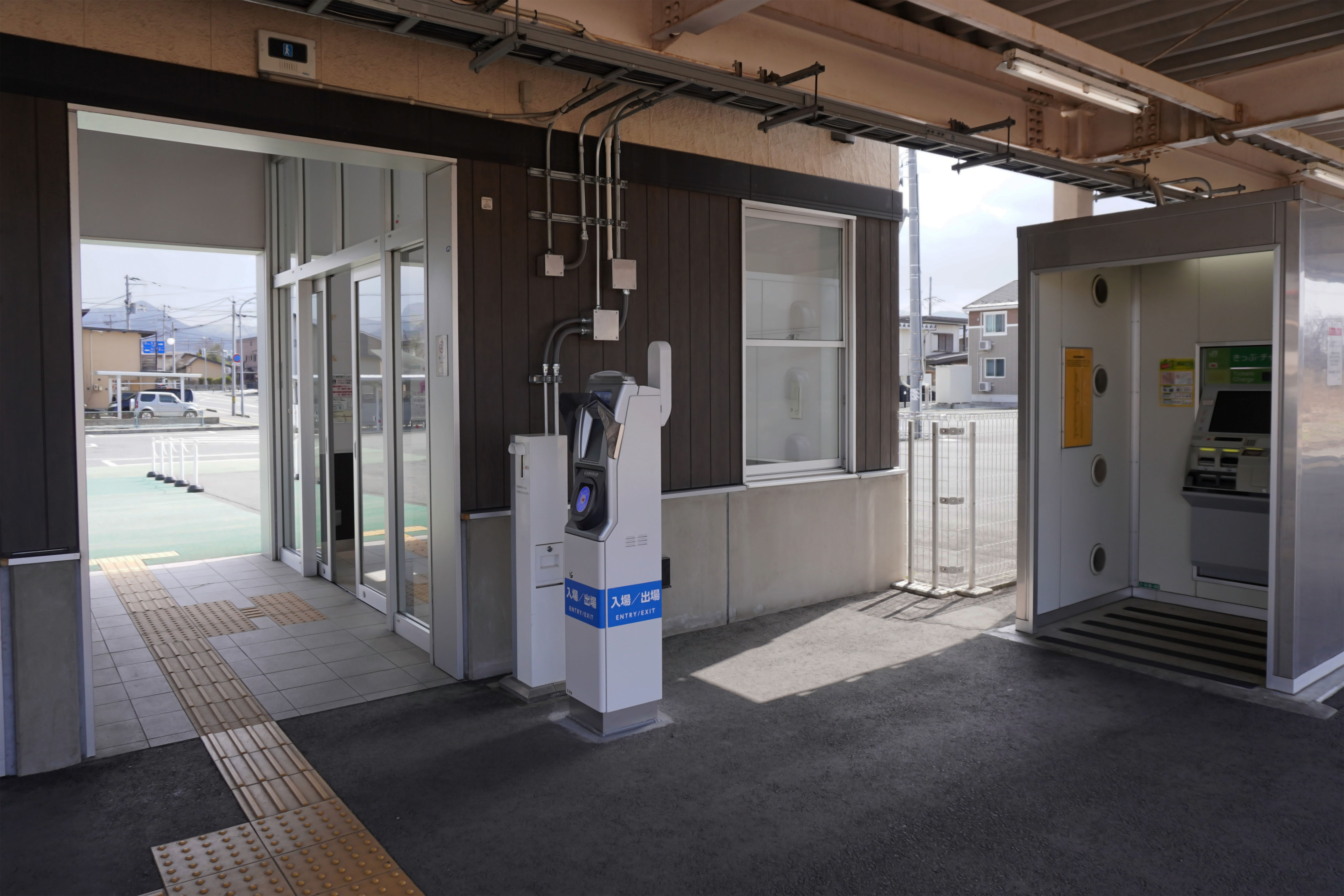
- JR East trains: Shinkansen does NOT accept IC card (you need a reserved ticket or JR Pass), but all local and rapid JR trains throughout Miyagi, Iwate, Aomori, Akita, Yamagata, and Fukushima accept IC cards
- Sendai subway: Full IC card acceptance
- Sendai loopline bus: IC card accepted
- Most city buses in Sendai, Morioka, Aomori city, Akita city: IC card accepted at the reader near the driver when you exit (or enter, depending on the system)
- Rural bus routes: Less consistent — some rural routes in Iwate, Yamagata, and Akita remain cash-only. Always have ¥500–¥1,000 coins as backup on rural routes
Convenience Stores
Every major convenience store chain in Tohoku (7-Eleven, Lawson, FamilyMart, Mini Stop) accepts IC card payments at the register. This is extremely handy — buy onigiri, coffee, snacks, and even hot meals by simply tapping your card. Convenience stores are everywhere in Tohoku, including some surprisingly remote locations.
Vending Machines
Most modern vending machines in Tohoku (drinks, hot beverages, ice cream) have an IC card reader panel. This is one of the great small pleasures of traveling Japan — tap your Suica and get a perfectly brewed canned coffee for ¥110–¥160 without touching your wallet. Look for the IC card symbol (usually a rounded square with waves) on the machine.
Coin Lockers
Most station coin lockers in Tohoku now accept IC card payment in addition to cash. This is incredibly convenient — store your bags at Sendai Station without hunting for exact change.
Restaurants and Shops
IC card acceptance at restaurants and retail shops is growing but not universal. Most chain restaurants (Matsuya, Yoshinoya, Sukiya, Mos Burger) accept Suica. Many 7-Eleven meal items and prepared foods are IC-compatible. However, independent restaurants — especially traditional ramen shops, izakaya, and ryokan — often do not accept IC cards. Always check before ordering.
Credit Cards in Tohoku: What to Expect
Credit card acceptance in Tohoku has improved dramatically in recent years, driven in part by Japan’s push to increase cashless payments ahead of the Tokyo 2020 Olympics. In Sendai and other major cities, you’ll find widespread credit card acceptance. As you venture into smaller towns and rural areas, cash becomes more important.
Where Credit Cards Work Well in Tohoku
- Hotels and ryokan (virtually all accept Visa and Mastercard; many also take Amex and JCB)
- Department stores (Fujisaki in Sendai, Ito-Yokado throughout the region)
- Major supermarkets (Aeon, Maruetsu, York Benimaru)
- Chain restaurants and family restaurants
- Tourist sites and museums in major cities
- Major souvenir shops at stations and airports
- 7-Eleven, Lawson, FamilyMart convenience stores (all accept credit cards)
Where You’ll Need Cash in Tohoku
- Small local restaurants and ramen shops
- Traditional market stalls and morning markets (e.g., Furukawa Market in Aomori, Asa-ichi markets in Akita)
- Rural bus routes
- Small onsen entry fees (many smaller public bath facilities are cash only)
- Temple and shrine entry fees outside major tourist sites
- Vending machines (though IC card covers most)
- Coin-operated parking lots
- Very small local shops and farmstands along driving routes
Foreign Transaction Fees and Best Cards to Use
Most standard Visa and Mastercard credit and debit cards work in Japan. Be aware:
- Always choose to be charged in Japanese Yen (JPY) when prompted — choosing your home currency activates the merchant’s exchange rate, which is typically far worse than your card issuer’s rate
- Travel credit cards with no foreign transaction fees save you 2–3% on every purchase — worth getting before a Japan trip
- American travelers: Charles Schwab, Chase Sapphire, and Capital One Venture are all excellent no-fee travel cards in Japan
- Australian travelers: 28 Degrees Mastercard and Bankwest Zero Mastercard have no foreign transaction fees and are widely used by Japan travelers
Getting Cash in Tohoku: ATMs for Foreign Cards
Even with careful preparation, you’ll need some cash for Tohoku. Here’s where to reliably get it.
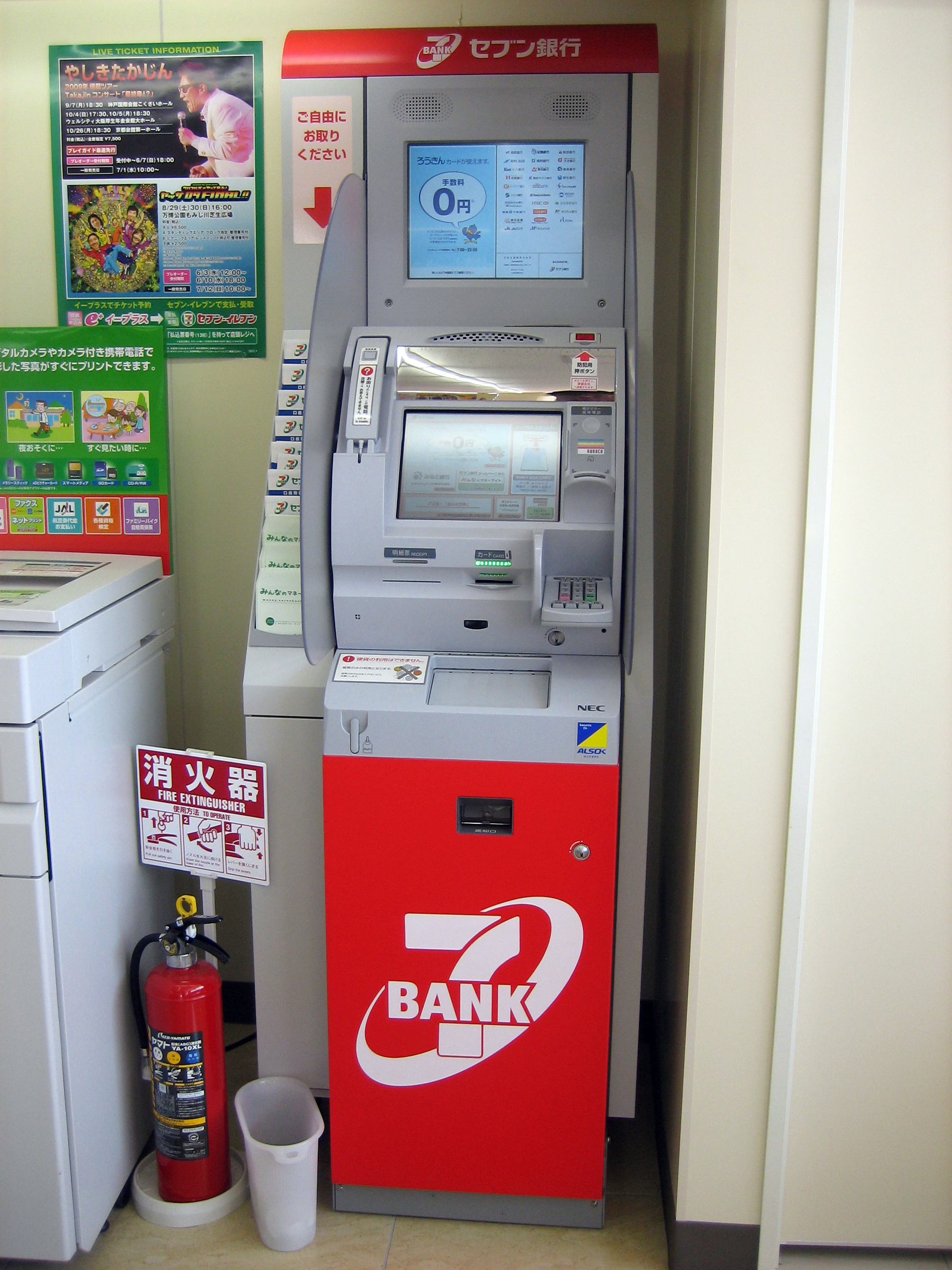
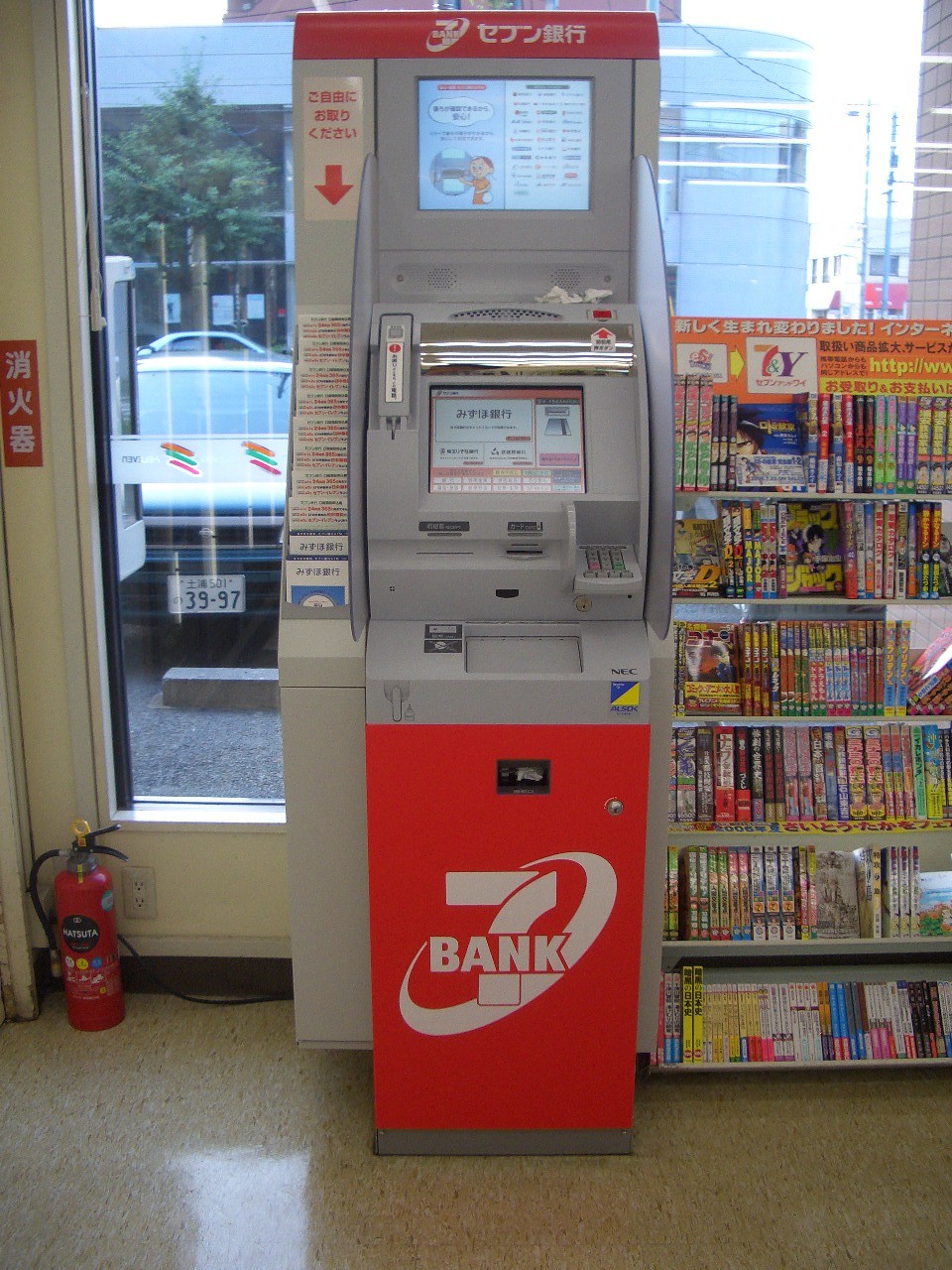
Seven Bank ATMs (The Gold Standard)
Seven Bank ATMs, found inside virtually every 7-Eleven convenience store in Japan, are by far the most reliable ATMs for foreign cards. They accept Visa, Mastercard, American Express, Cirrus, Plus, and most international networks. The interface has English-language options. Withdrawals are available in amounts from ¥10,000 to ¥300,000 per transaction.
7-Eleven locations are everywhere in Tohoku — in every major city, most medium-sized towns, many highway service areas, and even some smaller rural communities. If you need cash, find a 7-Eleven.
Japan Post Bank ATMs
Japan Post (郵便局) ATMs reliably accept international Visa and Mastercard cards and are found at post offices throughout Tohoku, including in smaller towns where 7-Eleven may not be present. Hours are sometimes restricted (typically 7:00 AM to 11:00 PM weekdays, shorter hours on weekends), so don’t rely on them late at night.
JP Bank ATMs and AEON Bank ATMs
JP Bank (JA Bank) ATMs are found at agricultural cooperative branches throughout rural Tohoku and accept most international cards. AEON Bank ATMs in AEON supermarkets are also foreign-card friendly and often have extended hours.
ATMs to Avoid
Standard Japanese bank ATMs from major banks like Mitsui Sumitomo, Mizuho, and Resona often do NOT accept foreign cards, or only accept foreign cards during limited hours. Don’t rely on these. Stick to 7-Eleven (Seven Bank), Japan Post, or AEON Bank.
How Much Cash to Carry
For a typical day of sightseeing in Tohoku outside Sendai, budget ¥5,000–¥10,000 ($35–$65) in cash per person. This covers transportation gaps, small local eateries, temple/shrine entry, and rural snacks. In cities like Sendai or Morioka, you can get by with ¥2,000–¥3,000 on most days if you use IC card and credit card strategically.
QR Code Payments: PayPay and Japan’s Digital Wallet Revolution
Japan has embraced QR code-based payments with remarkable speed in recent years. PayPay (ペイペイ) dominates the market with over 60 million users, and its distinctive blue and red QR codes can be found at convenience stores, restaurants, pharmacies, vending machines, and even some temple gift shops throughout Tohoku.
Can Foreigners Use PayPay?
Yes — PayPay can be registered with a foreign phone number and a Visa or Mastercard credit card. However, the setup process has historically been inconsistent for non-Japanese users (the app is primarily in Japanese, and some verification steps can be tricky). If you’re tech-savvy and want to give it a try, PayPay registration guides in English are widely available online.
PayPay is particularly useful at smaller local restaurants and shops that don’t accept credit cards but have adopted QR payment as a modern cashless alternative to cash. You’ll see PayPay stickers at many places that would otherwise be cash-only. Having it set up is genuinely handy in Tohoku.
Other QR Payment Options
LINE Pay, d払い (d-Barai), au PAY, and Rakuten Pay all operate in Japan, but these are primarily targeted at Japanese residents. As a short-term visitor, don’t bother with anything other than PayPay if you want to try QR payments.
IC Cards on Tohoku’s Scenic Local Buses
One area where IC card preparation makes a particularly big difference is on Tohoku’s local bus networks, which connect the major cities with outlying attractions and rural areas. Here’s what to expect region by region:
Miyagi (Sendai)
Sendai’s bus network is extensive and IC cards are accepted on all city bus routes. The Loople Sendai sightseeing loop bus also accepts IC cards. This makes exploring Sendai’s major sights — Zuihoden Mausoleum, Aoba Castle, Osaki Hachimangu Shrine — completely frictionless from a payment standpoint.
Iwate (Morioka, Tono, Hiraizumi)
Iwate Prefecture Bus (岩手県交通) accepts IC cards on routes serving Morioka city. Bus routes to outlying destinations like Hiraizumi and Tono may be cash-only — carry ¥500–¥1,000 coins for exact fare. The “100 Yen Bus” (100円バス) in Morioka’s central area accepts coins and IC cards.
Aomori
Aomori City’s bus network accepts IC cards. Buses to Aomori Airport also accept IC cards. However, buses into the Shirakami-Sanchi mountains and some Shimokita Peninsula routes are cash-only.
Akita
Akita City’s bus system accepts IC cards. Buses to Nyuto Onsen from Tazawako Station on certain routes accept IC cards, but confirm when booking — some services require advance reservation and payment at the onsen directly.
Yamagata
Yamagata City’s loop bus accepts IC cards. Buses to Yamadera (Risshakuji Temple) accept IC cards. Many rural Yamagata bus routes however are cash-only.
Practical Tips for Cashless Travel in Tohoku
- Set up Mobile Suica before you leave home: If your phone supports it, adding Mobile Suica to Apple Wallet or Google Wallet before you fly eliminates the need to find a ticket machine on arrival. You can add funds with a credit card from the app.
- Always carry ¥5,000–¥10,000 in cash: Even with perfect cashless preparation, unexpected cash-only situations arise in rural Tohoku. Don’t get caught without it.
- Keep ¥100 coins for vending machines and coin lockers: Some older vending machines and lockers are coin-only. A small stash of ¥100 coins is always useful.
- 7-Eleven ATMs are open 24 hours: If you need emergency cash at 2 AM, the Seven Bank ATM in any 7-Eleven will reliably accept your foreign card.
- Never let your Suica balance drop to zero: You’ll need to use the special adjustment machine if you exit a gate with insufficient balance. Keep at least ¥500 as a buffer.
- Check bus fare in advance for rural routes: Before boarding a rural bus, check the route map on the sign beside the driver to see the fare for your destination. Have exact change or your IC card ready.
- Ryokan payments are usually at checkout, not arrival: Traditional ryokan in Tohoku typically collect payment upon checkout, not check-in. Confirm whether credit cards are accepted when you book — call ahead if the website isn’t clear.
- Credit card authorization holds are common: Hotels and ryokan may place an authorization hold on your credit card equal to the total estimated stay. This is temporary and is released at checkout. Ensure your card has enough headroom.
- PayPay stickers mean cashless is possible: If you see a PayPay QR code sticker at a small shop or restaurant that you assumed was cash-only, that means they accept digital payment — worth having the app set up.
- Keep Suica topped up in cities where you can: Reload before heading into more rural areas. Once you’re in the mountains or on a remote coastal road, IC card reloading opportunities may be limited.
The Cashless Travel Budget: How Much to Prepare
Here’s a practical daily cash budget for different scenarios in Tohoku:
Urban (Sendai, Morioka, Aomori city)
- IC card on Suica: ¥800–¥1,500/day for local transit
- Cash needed per day: ¥1,000–¥3,000 (small restaurants, temples, markets)
- Credit card handles: hotels, department stores, chain restaurants
Mixed Urban/Rural (e.g., exploring from a base city)
- IC card: ¥1,000–¥2,000/day (some bus routes cash only)
- Cash needed per day: ¥3,000–¥6,000 (rural buses, farmstands, local onsen entry, small eateries)
- Credit card handles: hotel, main meals in larger towns
Fully Rural (Onsen ryokan, mountain towns)
- IC card: minimal (rural transit often cash)
- Cash needed per day: ¥5,000–¥10,000 (many smaller ryokan, local transport, rural markets)
- Credit card: check in advance whether your ryokan accepts it
Related Articles You Might Enjoy
- Tohoku Travel Budget Guide: How Much Does a Trip to Northeast Japan Really Cost?
- Lake Tazawa Akita: Complete Travel Guide to Japan’s Deepest & Most Magical Lake
- Ryusendo Cave, Iwate: Japan’s Most Spectacular Underground Lakes — Complete Travel Guide
- Mount Adatara & Dake Onsen, Fukushima: Japan’s Sacred Volcano & Secret Healing Hot Spring
- Appi Kogen, Iwate: Japan’s Premier Powder Ski Resort — Complete Guide for Foreign Visitors
Final Thoughts
Navigating payments in Tohoku is genuinely straightforward once you understand the system. The IC card (ideally Mobile Suica on your phone) handles most of your daily transit needs, Seven Bank ATMs in 7-Elevens keep your cash supplied, and a no-fee international credit card covers hotels and larger purchases. The remaining gaps — rural buses, tiny onsen entry fees, that perfect bowl of handmade soba at a country roadside restaurant — are what the cash in your pocket is for. Embrace the mix, and you’ll find Japan’s payment culture surprisingly graceful and efficient. Now go catch that train — just tap your Suica on the way through.


コメント