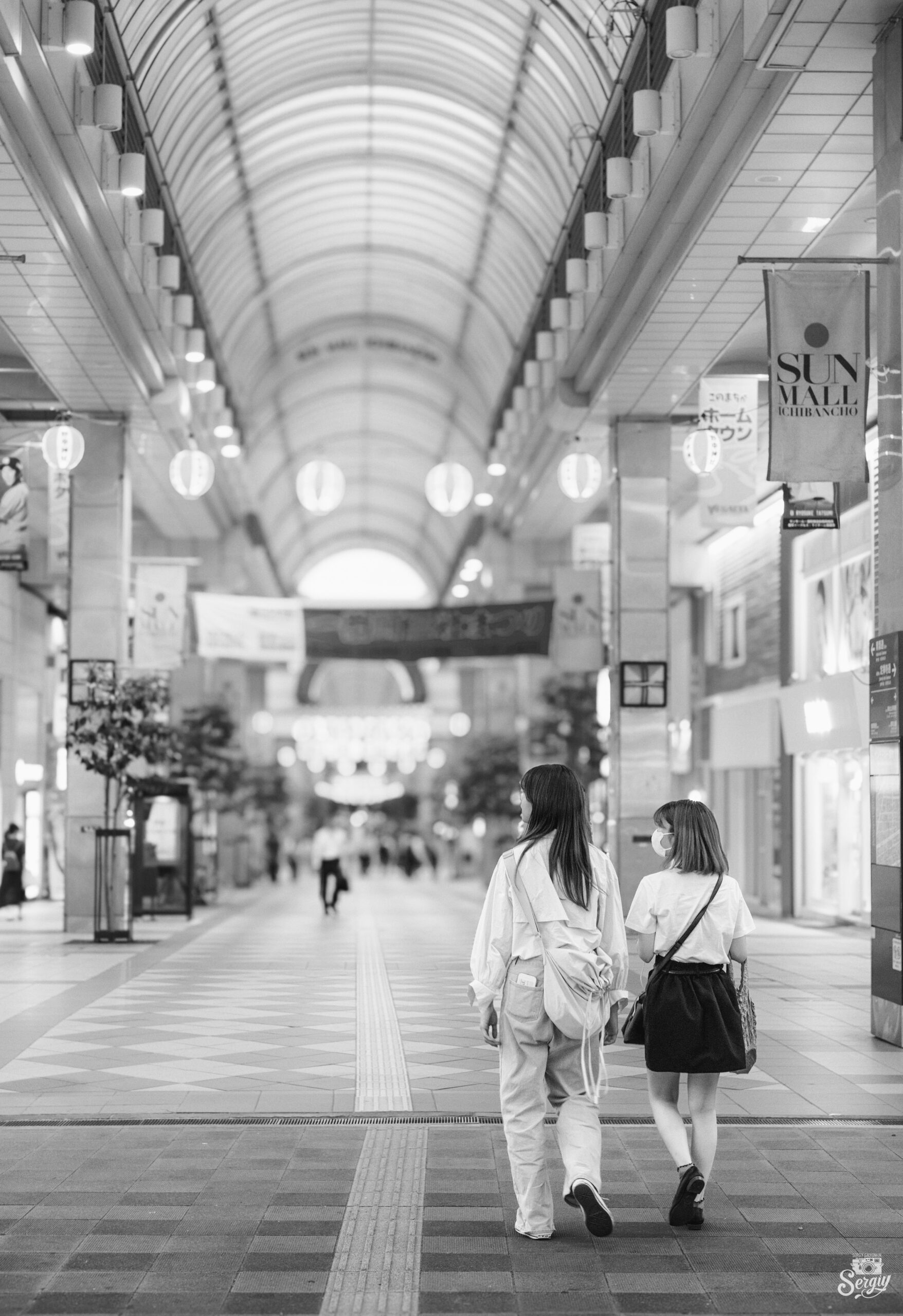
You don’t need to speak Japanese to have a fantastic trip to Tohoku. Millions of visitors navigate Japan every year without a word of the language. But here’s the thing: even a handful of basic Japanese phrases — attempted with genuine effort and a smile — will transform your experience in ways that are hard to overstate. In rural Tohoku especially, where foreign tourists are still a relative rarity and locals may have limited English, a few words of Japanese opens doors, generates warm smiles, and creates the kind of genuine cultural exchange that no tour bus can replicate. This guide gives you exactly what you need, nothing more.
How Japanese Pronunciation Actually Works
Before we dive into specific phrases, a quick pronunciation primer will make everything else make sense. Japanese pronunciation is actually very regular — unlike English, words sound almost exactly as they’re spelled in romaji (the Latin alphabet rendering of Japanese). Master five vowel sounds and you’re most of the way there:
- A = “ah” (like the ‘a’ in “father”) — sakura = sah-koo-rah
- I = “ee” (like “meet”) — sushi = soo-shee
- U = “oo” (like “flute”) — futon = foo-tohn
- E = “eh” (like “bed”) — sake = sah-keh
- O = “oh” (like “go”) — onsen = ohn-sehn
There are no silent letters in Japanese. Every syllable gets equal stress — Japanese doesn’t have the strong stress patterns of English (compare “Japan” where you stress the second syllable versus Japanese: Ja-PA-n becomes ja-pa-n, perfectly even). Consonants are mostly similar to English except:
- R is somewhere between an English ‘r’ and ‘l’ — a gentle flap of the tongue. Don’t roll it like Spanish.
- G is always hard (like “get”), never soft (like “gentle”)
- Double consonants (like the “pp” in “Sapporo”) represent a brief pause — sah-PO-ro with a tiny stop
Long vowels are sometimes marked with a macron (ō, ū) — hold these a beat longer than normal. Ohayo (good morning) is oh-ha-yoh, not oh-hai-oh.
The Magic Words: Greetings and Politeness
These phrases alone will earn you enormous goodwill throughout Tohoku. Japanese culture places tremendous value on politeness and social harmony (called wa), and even clumsy attempts at the language are deeply appreciated.
| Japanese | Romaji | Meaning | When to Use |
|---|---|---|---|
| ありがとうございます | Arigatou gozaimasu | Thank you very much | Any time someone helps you, serves you, or does something kind |
| すみません | Sumimasen | Excuse me / I’m sorry | Getting someone’s attention, apologizing, squeezing past people |
| おはようございます | Ohayou gozaimasu | Good morning | Before about 10:00 AM; always greet your ryokan staff this way |
| こんにちは | Konnichiwa | Hello / Good afternoon | General daytime greeting |
| こんばんは | Konbanwa | Good evening | Evening greeting |
| おやすみなさい | Oyasumi nasai | Good night | Before going to sleep at your ryokan or hotel |
| はい | Hai | Yes | Agreement, acknowledgment |
| いいえ | Iie | No | Disagreement (use gently — direct “no” can feel abrupt in Japanese culture) |
| わかりません | Wakarimasen | I don’t understand | When someone speaks Japanese you can’t follow |
| 英語を話せますか | Eigo wo hanasemasu ka? | Do you speak English? | In shops, restaurants, tourist offices |
| ゆっくり話してください | Yukkuri hanashite kudasai | Please speak slowly | When someone is speaking too fast |
| もう一度お願いします | Mou ichido onegai shimasu | Please say that again | When you missed something |
Pro tip: “Sumimasen” (excuse me) is one of the most useful words in Japan. Use it to flag down a server at a restaurant, ask someone in the street for directions, or apologize when you bump into someone. It works in nearly every situation where you need to initiate an interaction.
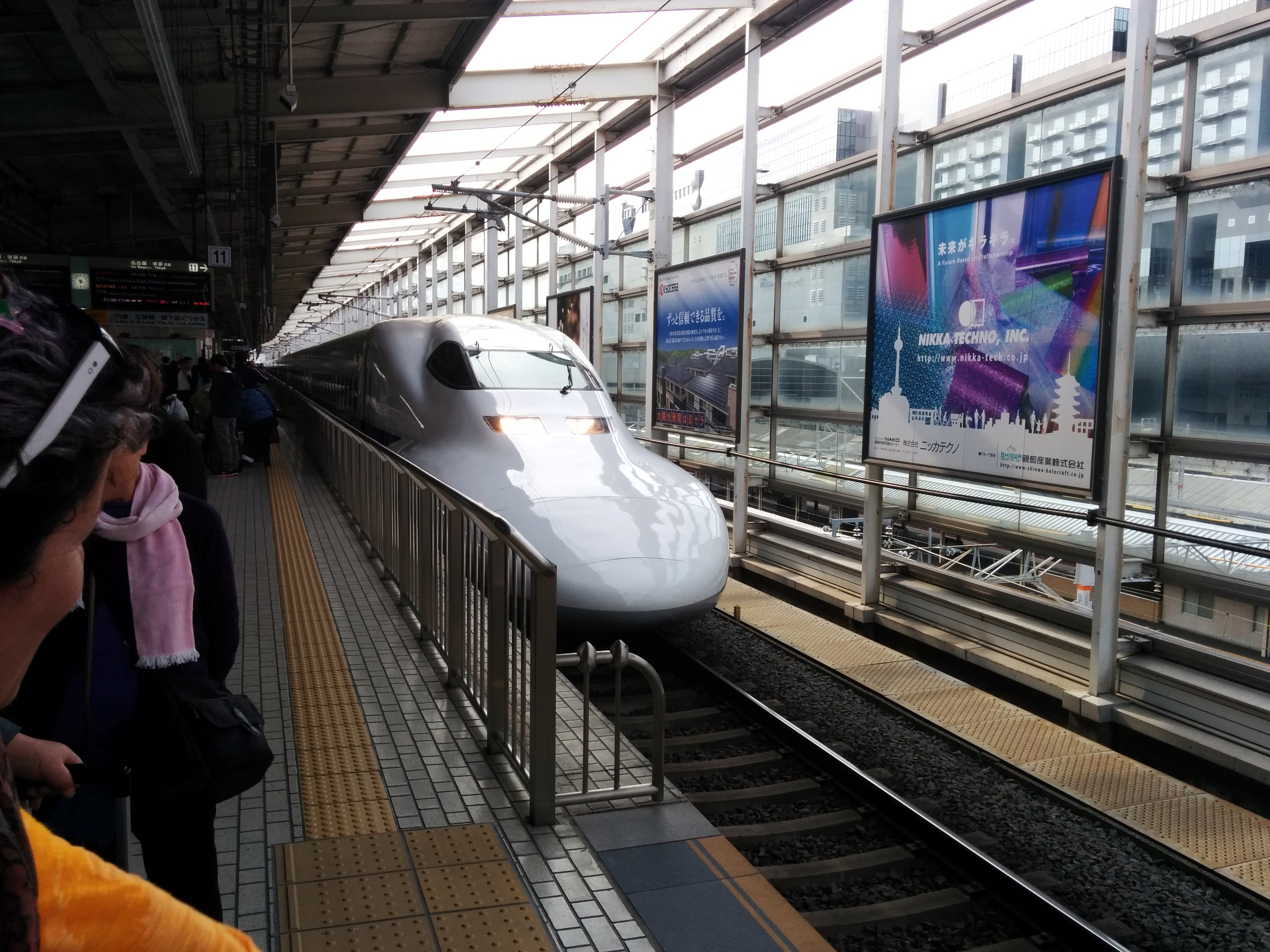
Getting Around: Essential Transport Phrases
Tohoku’s train network is excellent and most station signage is bilingual, but these phrases will help you navigate when things get confusing — or when you need to ask a human for help.
| Romaji | Meaning | Usage |
|---|---|---|
| 〜はどこですか? (~wa doko desu ka?) | Where is ~? | [Place name] wa doko desu ka? — “Where is [place]?” |
| 〜に行きたいです (~ ni ikitai desu) | I want to go to ~ | Tell a taxi driver or station staff your destination |
| 〜まで一枚ください (~ made ichimai kudasai) | One ticket to ~, please | Buying a train ticket at the window |
| この電車は〜に止まりますか? (Kono densha wa ~ ni tomarimasu ka?) | Does this train stop at ~? | Confirming you’re on the right train |
| 次は何番線ですか? (Tsugi wa nanbansen desu ka?) | Which platform is next? | When you’re confused about platforms |
| 〜はここですか? (~ wa koko desu ka?) | Is this ~? / Is this the right place? | Confirming a location |
| タクシーを呼んでください (Takushii wo yonde kudasai) | Please call a taxi | Asking your hotel/ryokan to arrange a taxi |
| 領収書をください (Ryoushuusho wo kudasai) | Please give me a receipt | In taxis or shops when you need a receipt |
| まっすぐ (Massugu) | Straight ahead | Giving/understanding directions |
| 右 (Migi) / 左 (Hidari) | Right / Left | Essential for following directions |
| バス停はどこですか? (Basutei wa doko desu ka?) | Where is the bus stop? | Finding bus stops, very useful in Tohoku’s smaller towns |
Taxi tips: Japanese taxis are immaculately clean and drivers are unfailingly honest — you never need to worry about being overcharged or taken a roundabout route. If you don’t speak Japanese, show the driver the address or name of your destination on your phone (Japanese address, not just English). Google Maps address copy works well. Doors open and close automatically — never grab them yourself.
At the Restaurant: Phrases for Eating in Japan
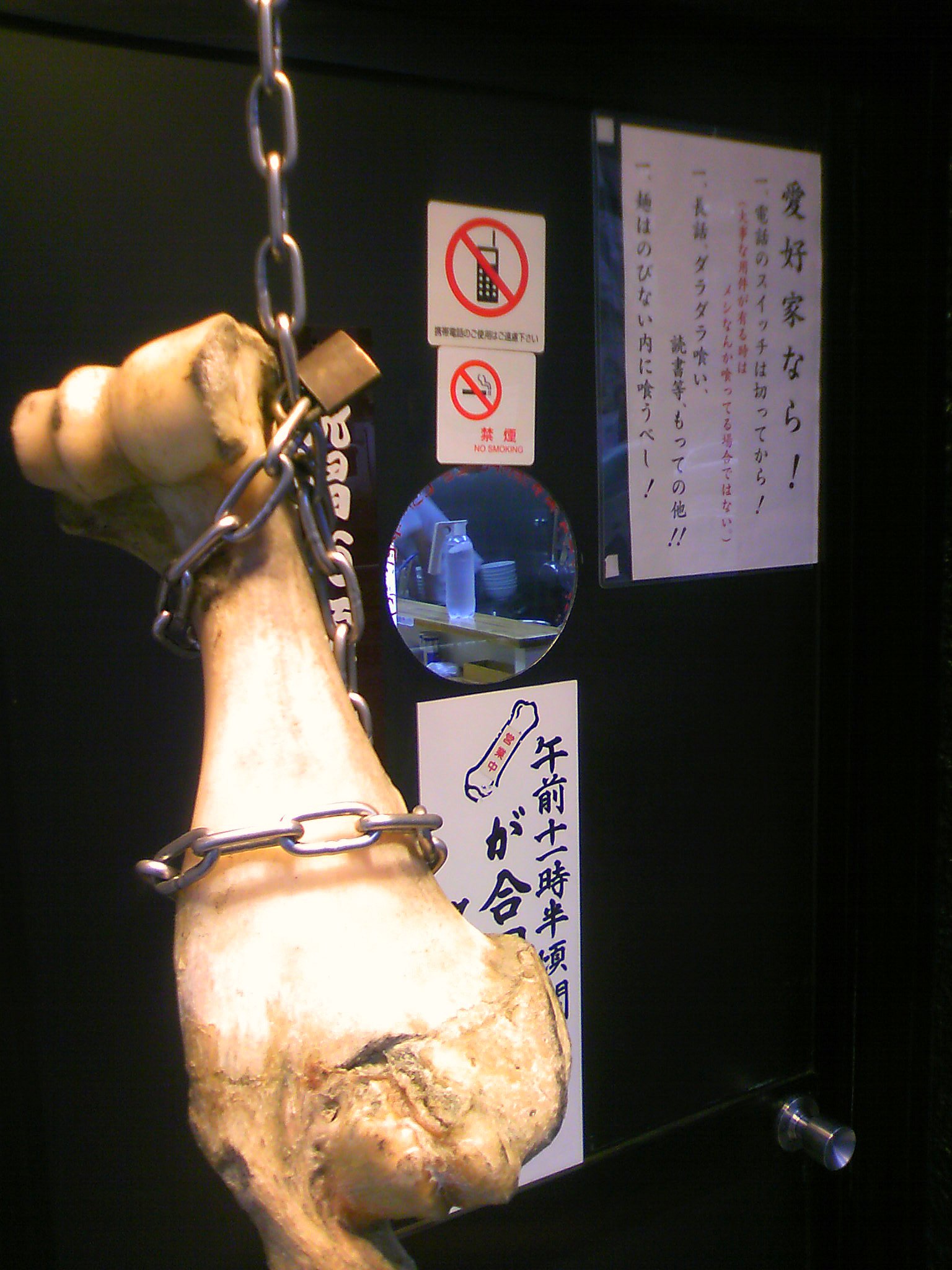
Dining in Japan, especially at local Tohoku restaurants, is one of the great pleasures of travel — and these phrases will make every meal smoother and more fun.
Getting a Table and Ordering
| Romaji | Meaning |
|---|---|
| 〜名です (~ mei desu) | “(Number) people” — tell the host your group size. One person = hitori, two = futari, three = sannin |
| いただきます (Itadakimasu) | The traditional expression before eating — literally “I humbly receive.” Say it before your first bite; it’s deeply culturally valued |
| ごちそうさまでした (Gochisousama deshita) | Said after finishing a meal — “it was a feast.” Say this as you leave; the staff will light up |
| これをください (Kore wo kudasai) | “This, please” — point at the menu picture or a neighboring table’s dish |
| おすすめは何ですか? (Osusume wa nan desu ka?) | “What do you recommend?” — often gets enthusiastic responses and the best dish on the menu |
| お水をください (Omizu wo kudasai) | “Water, please” — water in Japanese restaurants is free and usually served automatically, but this is useful |
| おかわりください (Okawari kudasai) | “Another serving, please” — for rice, soup, or drinks |
| 辛くないものはありますか? (Karaku nai mono wa arimasu ka?) | “Do you have anything not spicy?” — useful if you have dietary preferences |
| アレルギーがあります (Arerugii ga arimasu) | “I have an allergy” — follow with the allergen: “ebi arerugii” (shrimp allergy), “nattou arerugii” (fermented soy allergy) |
| お会計をお願いします (Okaikei wo onegai shimasu) | “Check, please” — saying this or writing in the air (the universal check-signing gesture) gets the bill |
| カードで払えますか? (Kaado de haraemasuka?) | “Can I pay by card?” — always worth checking before you order if you’re low on cash |
| おいしい! (Oishii!) | “Delicious!” — one of the most genuinely useful words you’ll say. Say it after your first bite of something excellent |
At the Conveyor Belt Sushi (Kaiten-Zushi)
Conveyor belt sushi restaurants are common and excellent in Sendai and other Tohoku cities. You generally just take plates as they pass — no ordering needed. But:
- Neta wa nan desu ka? — “What is this topping/fish?” (pointing at a plate)
- Ocha wo kudasai — “Green tea, please” (usually free at sushi restaurants)
- Hot green tea is made from powder or bags at your table — look for the hot water tap
Ordering Specific Tohoku Dishes
Knowing these Tohoku specialties by name means you can seek them out actively:
- 牛タン (Gyuutan) — Sendai’s famous grilled beef tongue. Say “gyuutan set” to get the classic combo with barley rice and oxtail soup
- じゃじゃ麺 (Jajamen) — Morioka’s flat noodles with miso meat sauce. One of Iwate’s most beloved dishes
- 冷麺 (Reimen) — Morioka cold noodles, a refreshingly chewy dish with spicy broth, watermelon, and pear
- わんこそば (Wanko soba) — Iwate’s famous endless tiny-bowl soba noodles. Brace yourself
- 芋煮 (Imoni) — Yamagata’s autumn potato and meat stew, cooked outdoors in huge pots
- ずんだ餅 (Zunda mochi) — Sendai’s beloved green edamame sweet rice cake
- きりたんぽ (Kiritanpo) — Akita’s grilled rice-on-a-stick, often served in hot pot
Shopping: Buying Things in Japan

| Romaji | Meaning |
|---|---|
| これはいくらですか? (Kore wa ikura desu ka?) | “How much is this?” — point at the item |
| 〜をください (~ wo kudasai) | “Please give me ~” — the most useful shopping phrase. Point or show the item |
| 袋は要りません (Fukuro wa irimasen) | “I don’t need a bag” — Japan uses a lot of plastic bags; saying this is both eco-friendly and often appreciated |
| 試着できますか? (Shichaku dekimasu ka?) | “Can I try this on?” — for clothing |
| 大きいサイズはありますか? (Ookii saizu wa arimasu ka?) | “Do you have a bigger size?” |
| 別々に包んでください (Betsubetsu ni tsutsunde kudasai) | “Please wrap them separately” — for gifts |
| 領収書をください (Ryoushuusho wo kudasai) | “Please give me a receipt” |
| 免税はできますか? (Menzetsu wa dekimasu ka?) | “Can I get tax-free?” — for purchases over ¥5,000 in participating shops; you need your passport |
| ちょっと見てもいいですか? (Chotto mite mo ii desu ka?) | “Is it okay if I just look?” — polite way to browse without feeling obligated to buy |
At the Convenience Store
Japanese convenience stores (コンビニ/konbini) — 7-Eleven, Lawson, FamilyMart — are genuinely remarkable: clean, efficient, and stocked with excellent food. At the register:
- Staff will ask if you want items heated: “Atatamemasu ka?” — just say “hai” (yes) or “kekkou desu” (no thank you)
- They’ll ask about bags: “Fukuro wa yoroshii desu ka?” — say “irimasen” if you don’t want one
- They’ll ask about a loyalty point card: “Pointo kaado wa?” — just say “moite imasen” (I don’t have one)
At the Onsen and Ryokan
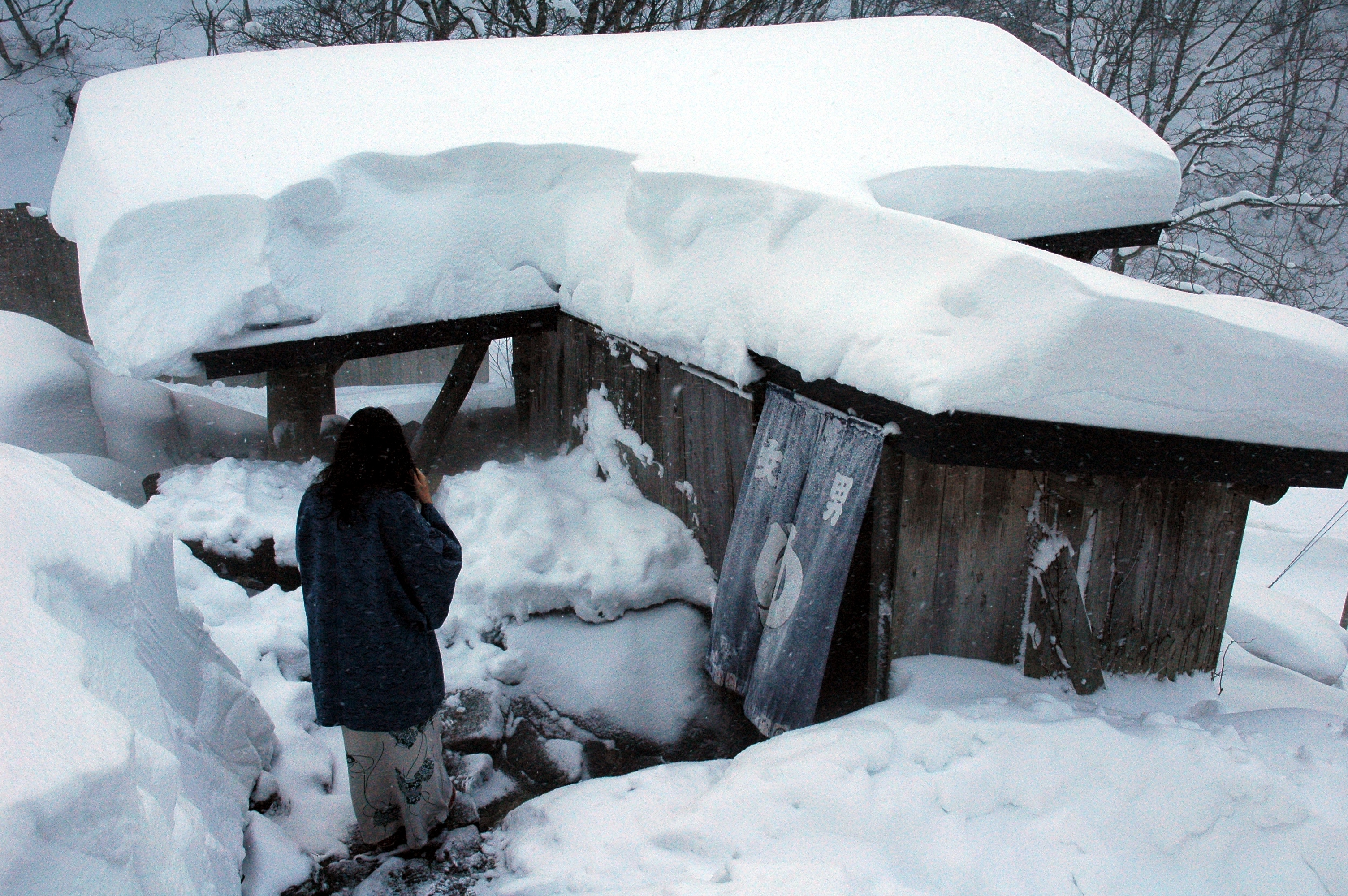
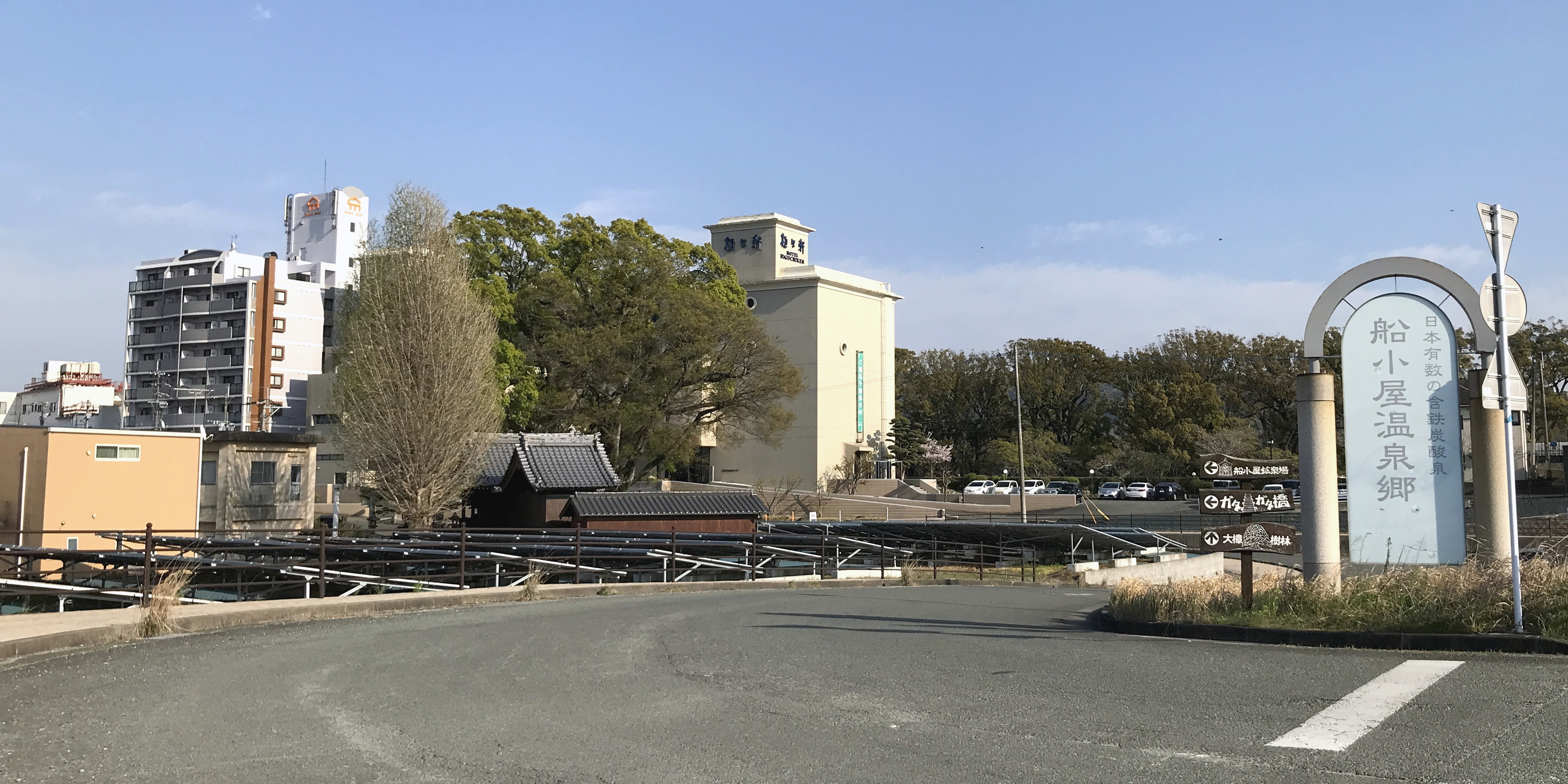
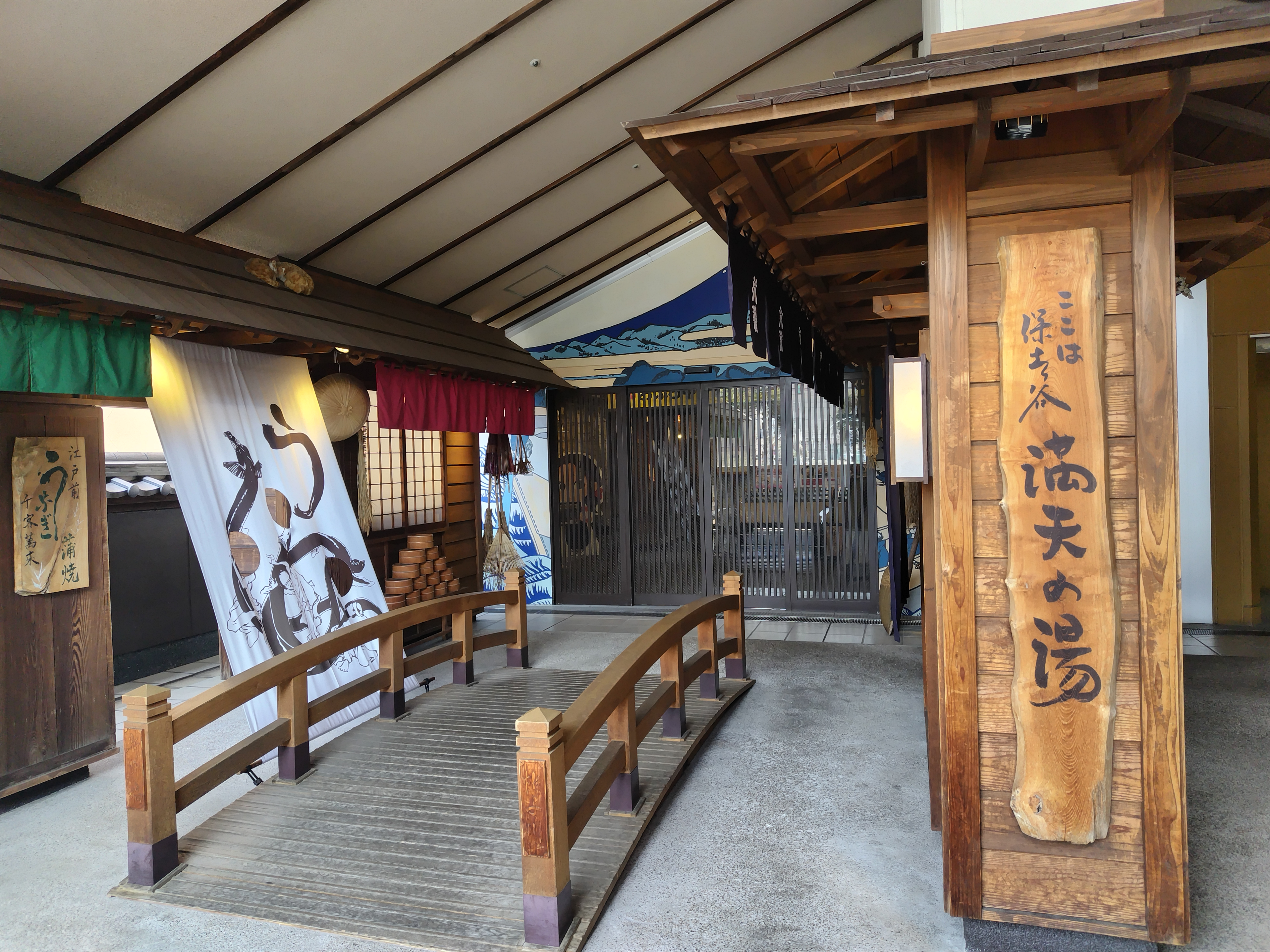
Onsen (hot springs) and ryokan (traditional inns) are central to any Tohoku experience — Akita’s Nyuto Onsen, Miyagi’s Naruko Onsen, and countless others. These phrases help you navigate the experience.
| Romaji | Meaning |
|---|---|
| チェックインをお願いします (Chekkuin wo onegai shimasu) | “Check-in, please” — say this when arriving at your ryokan |
| 予約したです (Yoyaku shita desu) | “I have a reservation” |
| 〜と申します (~ to moushimasu) | “My name is ~” — a polite way to give your name at check-in |
| お風呂はどこですか? (Ofuro wa doko desu ka?) | “Where is the bath?” — at a ryokan with shared onsen |
| 男湯 (Otoko yu) / 女湯 (Onna yu) | Men’s bath / Women’s bath — look for these signs (also often marked 男/女 or with pictograms) |
| タオルはありますか? (Taoru wa arimasu ka?) | “Do you have a towel?” — some onsen rent towels; others provide them |
| 入浴前に体を洗ってください (Nyuyoku mae ni karada wo aratte kudasai) | “Please wash your body before entering the bath” — this rule is always followed; your staff may say this |
| 食事は部屋でできますか? (Shokuji wa heya de dekimasu ka?) | “Can I eat in my room?” — ryokan dinners are often served in-room |
| 朝食は何時ですか? (Choushoku wa nanji desu ka?) | “What time is breakfast?” — essential at any ryokan |
| チェックアウトは何時ですか? (Chekkuauto wa nanji desu ka?) | “What time is checkout?” |
| 浴衣の着方を教えてください (Yukata no kikata wo oshiete kudasai) | “Please teach me how to wear the yukata” — ryokan staff love helping with this |
Onsen Etiquette Phrases You’ll Hear
At any onsen, you may hear:
- Kake yu wo kakete kudasai — “Please pour water over yourself first” (to rinse before entering the main bath)
- Taipai (タイパイ/大判) — a large modesty towel some onsen provide
- Taoru wo yu ni ireru na — “Don’t put the towel in the bath water” (a common sign)
Numbers: Quick Reference
Numbers in Japanese are used constantly — for ordering quantities, asking prices, and giving room numbers. Here are the basics:
| Number | Romaji |
|---|---|
| 0 | Zero / Rei |
| 1 | Ichi |
| 2 | Ni |
| 3 | San |
| 4 | Shi / Yon |
| 5 | Go |
| 6 | Roku |
| 7 | Nana / Shichi |
| 8 | Hachi |
| 9 | Ku / Kyuu |
| 10 | Juu |
| 100 | Hyaku |
| 1,000 | Sen |
| 10,000 | Ichi-man (one ten-thousand) |
Prices in Japan frequently involve large numbers. ¥1,500 is “sen go-hyaku en.” The 10,000-yen note (ichi-man en satsu) is the most common large bill. If someone shows you a price on a calculator (very common when there’s a language barrier), just confirm by nodding.
Emergency Phrases
Hopefully you’ll never need these — but have them somewhere easily accessible:
| Romaji | Meaning |
|---|---|
| 助けてください! (Tasukete kudasai!) | “Please help me!” |
| 救急車を呼んでください (Kyuukyuusha wo yonde kudasai) | “Please call an ambulance” |
| 警察を呼んでください (Keisatsu wo yonde kudasai) | “Please call the police” |
| ここが痛いです (Koko ga itai desu) | “It hurts here” — point to the affected area |
| 病院はどこですか? (Byouin wa doko desu ka?) | “Where is the hospital?” |
| 薬局はどこですか? (Yakkyoku wa doko desu ka?) | “Where is the pharmacy?” |
| 財布を盗まれました (Saifu wo nusumaremashita) | “My wallet was stolen” |
| 道に迷いました (Michi ni mayoimashita) | “I’m lost” |
| 日本語があまりわかりません (Nihongo ga amari wakarimasen) | “I don’t understand much Japanese” — said gently, this often gets you immediately switched to English or simplified speech |
Emergency numbers in Japan:
- 110 — Police (call for theft, accidents, any non-medical emergency)
- 119 — Ambulance and Fire
- Both numbers are free from any phone including foreign SIMs
- Operators may not speak English, but stay calm and say “Eigo ga hanaseru hito wo yonde kudasai” (Please get someone who can speak English)
The Most Important Phrase in Japan: “Onegaishimasu”
If there’s one phrase to commit to memory above all others, it’s this one:
お願いします — Onegaishimasu
Roughly translated as “please” or “I request,” onegaishimasu is attached to almost any request to soften it and make it polite. Point at something on a menu and say “kore, onegaishimasu.” Hand over cash and say “onegaishimasu.” Ask for help by saying the request and finishing with “onegaishimasu.” It signals respect and genuine communication effort. Japanese people will understand, appreciate, and help. It may be the single word that most reliably generates kindness toward you throughout Tohoku.
Quick Communication Hacks When Words Fail
Beyond specific phrases, here are a few communication strategies that work beautifully in Japan:
- Point and show: Japanese culture has long accommodated pointing at food items, menus, and maps. It’s not rude — it’s efficient. Point clearly at what you want.
- Google Translate camera mode: Download Japanese for offline use. Hold your phone camera over a menu or sign and watch the translation appear in real time. Wildly useful at restaurants without picture menus.
- Calculator / show the number: For prices, quantities, or times, showing a number on your phone calculator bridges the gap instantly. Japanese people use this communication method too.
- Write it down: If you have an address or destination in kanji (Japanese characters), showing it on your phone is the most reliable way to communicate it. Google Maps in Japanese is perfectly readable by station staff.
- Smile and bow slightly: A small head bow (not a deep formal bow — just a gentle forward nod) communicates respect and acknowledgment in almost every situation. It pairs beautifully with “arigatou gozaimasu” and signals that you’re a thoughtful visitor, not just a tourist.
Tohoku’s Dialects: What to Know
Tohoku has strong regional dialects (方言/hougen) — particularly Tsugaru dialect in Aomori, Akita dialect, and various Tohoku variants that differ significantly from standard Tokyo Japanese. Older people in rural Tohoku may speak with accents thick enough that even standard Japanese speakers struggle. Don’t be alarmed if you understand something in one city and nothing in a rural village — it happens to everyone. Your standard Japanese phrases will still be understood, even if the replies are in heavy dialect.
Final Thoughts: The Joy of Trying
Here’s the secret that no phrase book fully conveys: in Japan, it is the attempt that matters most, not the perfection. A warmly delivered “arigatou gozaimasu” after a meal, an “oishii!” after the first bite of Sendai gyuutan, a “sumimasen” before asking for directions — these small gestures communicate that you respect the culture you’re visiting. The response you get in return, throughout Tohoku’s deeply welcoming towns and villages, will be one of the most consistently warm and generous experiences of your travel life. Start with these phrases, and let the rest of the language reveal itself one amazing meal, one onsen, one Tohoku mountain village at a time.
Related Articles You Might Enjoy
- Appi Kogen, Iwate: Japan’s Premier Powder Ski Resort — Complete Guide for Foreign Visitors
- Tohoku Onsen Guide: The Best Hot Springs in Northeast Japan for Foreign Visitors
- Kinkasan Island, Miyagi: Japan’s Sacred Deer Island — Complete Guide for Foreign Visitors
- Tashirojima: Japan’s Famous Cat Island — Complete Guide for Foreign Visitors
- Tohoku by Shinkansen: The Ultimate Bullet Train Guide for Foreign Visitors


コメント