In western Aomori, every August, something remarkable happens: three giant figures — as tall as a seven-story building — slowly emerge from the doors of a museum and begin moving through the streets. These are the Tachineputa floats of Goshogawara, and if you’ve never heard of them, you’re not alone. Most international visitors know about Aomori’s famous Nebuta Festival, but the Goshogawara Tachineputa Festival is something else entirely — taller, more dramatic, and somehow even more magnificent. This is Japan’s most spectacular tower float festival, and it’s one of Tohoku’s greatest hidden treasures.
Why Goshogawara’s Tachineputa Should Be on Every Japan Festival Itinerary
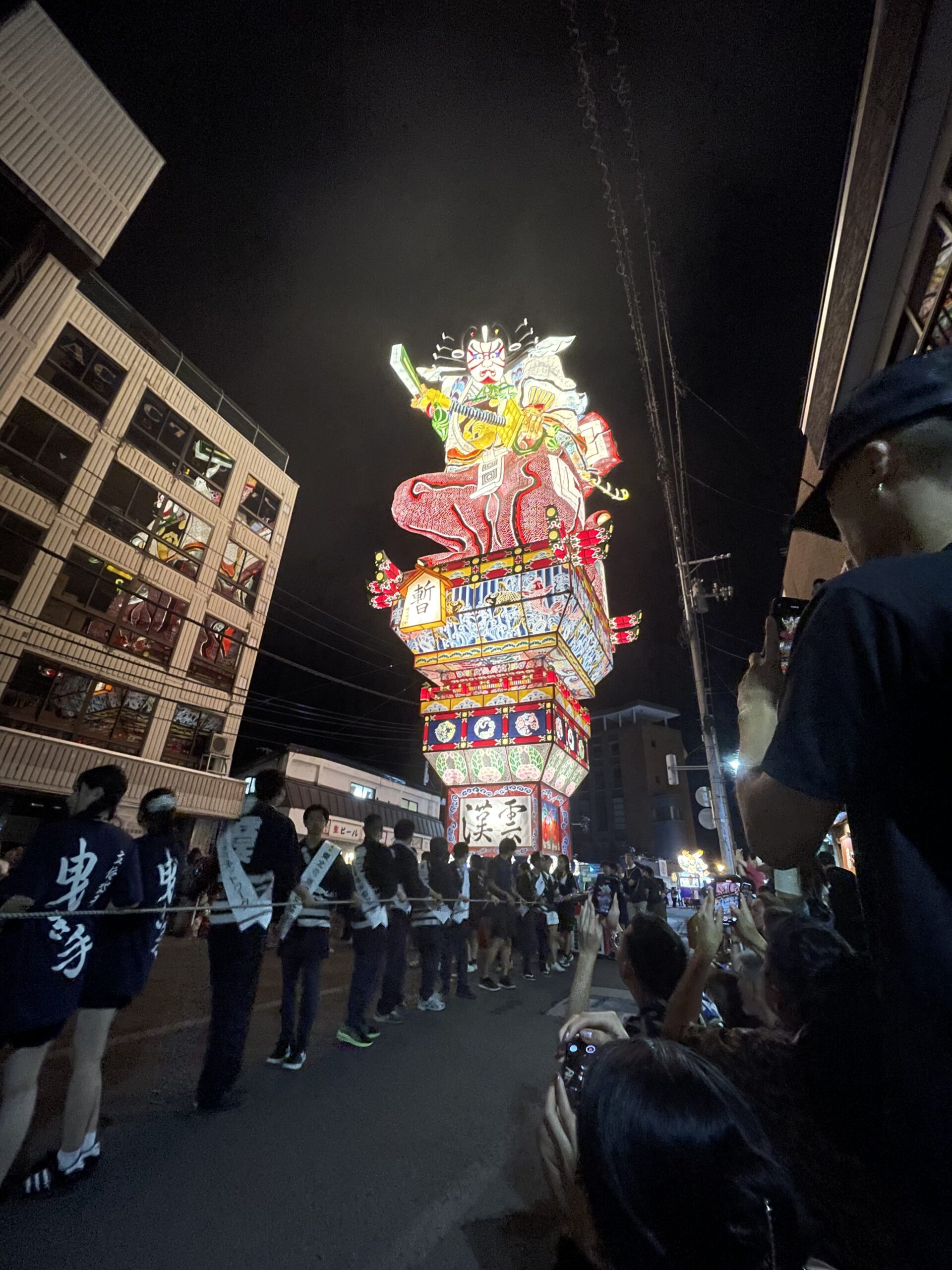
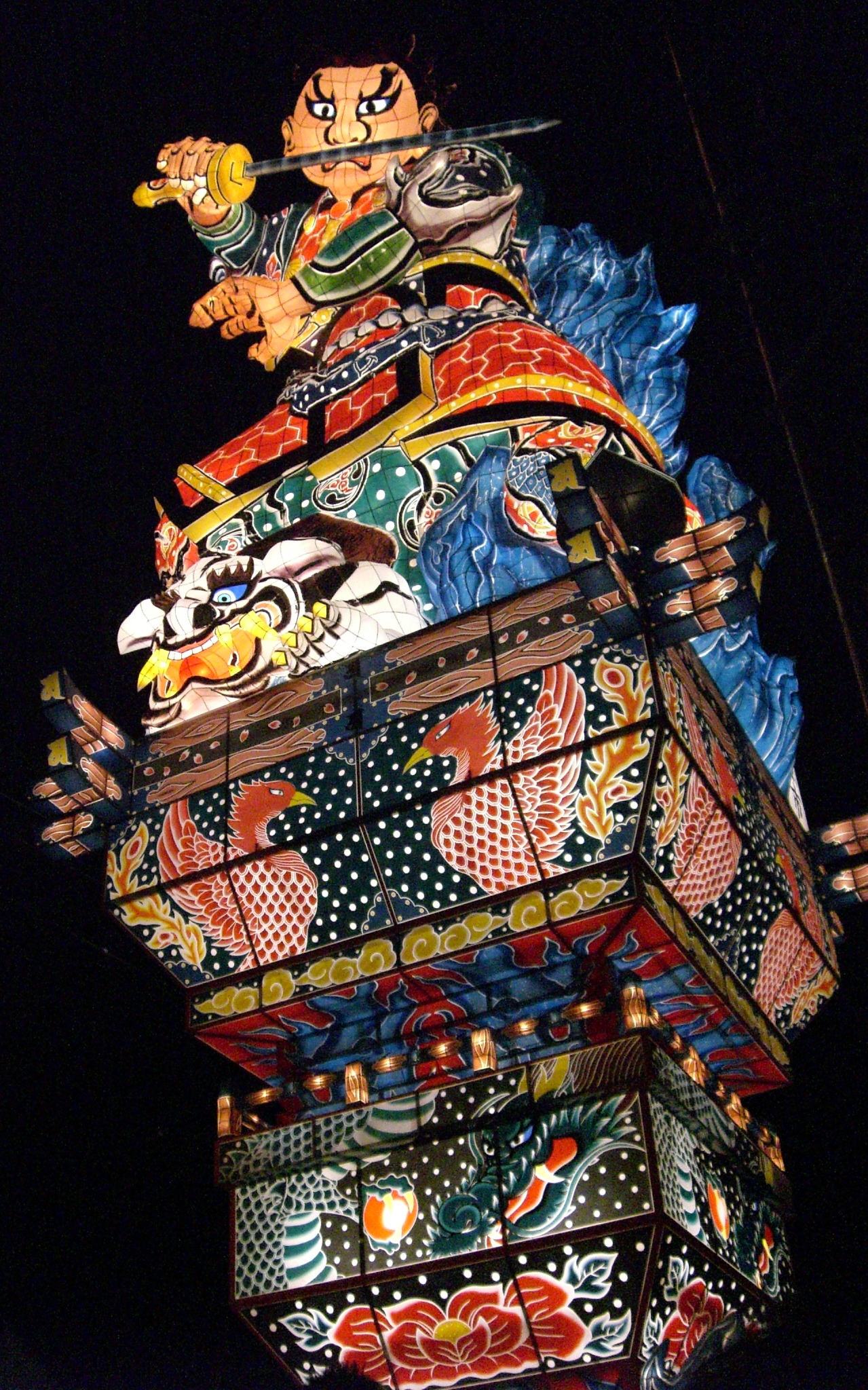
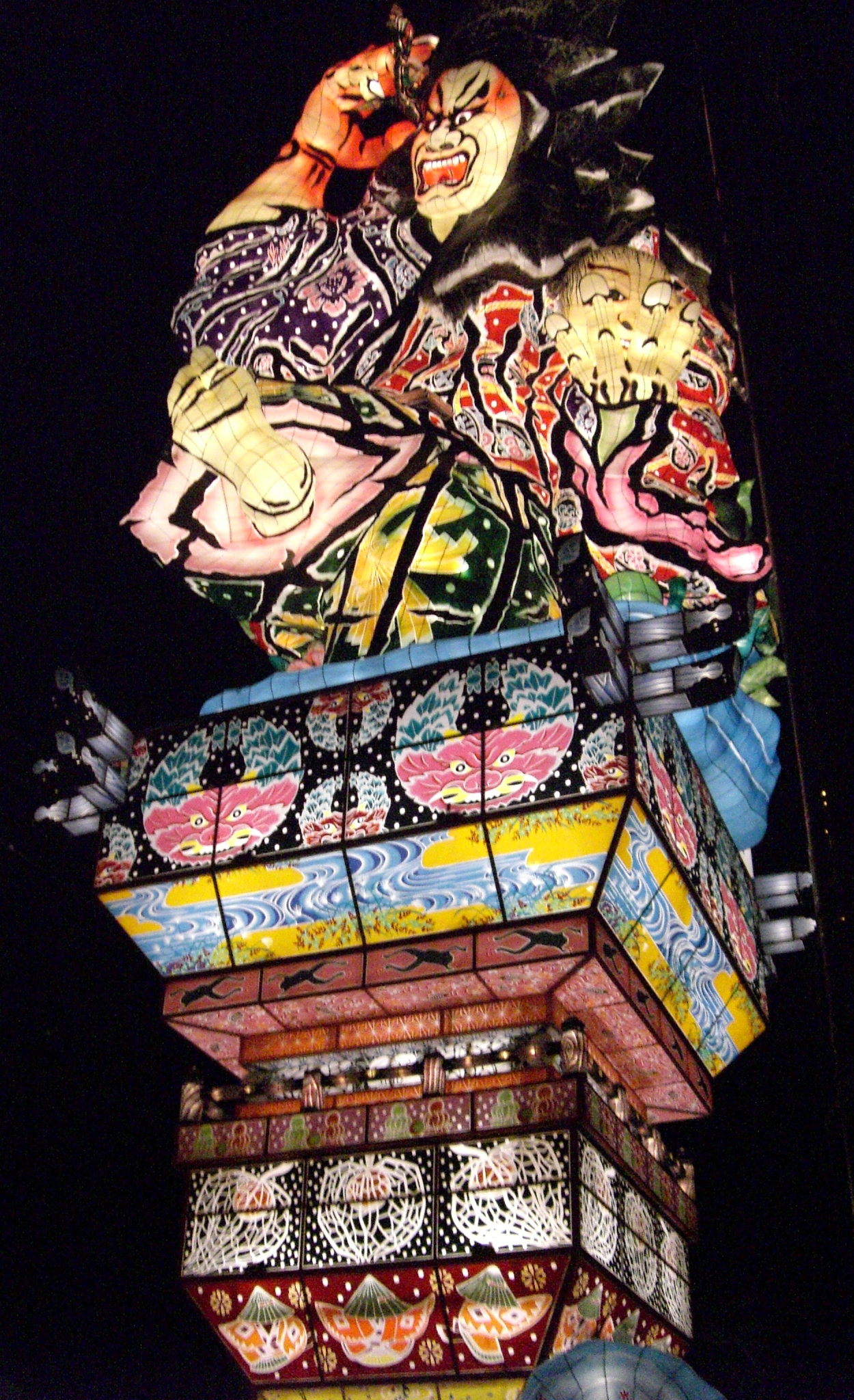
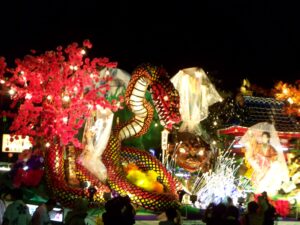
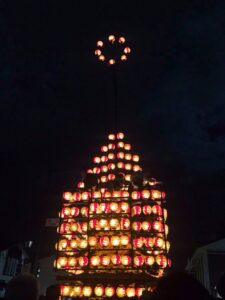
Japan is a country of extraordinary festivals, but even by that standard, the Goshogawara Tachineputa stands apart. The word “tachineputa” means “standing neputa” — and standing is exactly what these floats do, towering up to 23 meters (75 feet) into the night sky above the city streets. Constructed from thousands of hand-painted washi paper panels stretched over intricate steel and bamboo frames, each float takes a year to build and represents legendary warriors, deities, and heroes from Japanese mythology and history.
When the music starts — a pounding taiko drum rhythm and the haunting, chanted cry of “ra-sse-ra, ra-sse-ra” — and the first giant float turns the corner of the main street illuminated from within like a massive lantern, the effect is physically overwhelming. International visitors often describe it as one of the most viscerally exciting experiences of their time in Japan. The floats are so tall that their tops pass through specially widened sections of street and are carefully maneuvered under power lines by teams of guides — the engineering challenge alone is remarkable.
What makes Goshogawara’s festival particularly special for adventurous travelers is that it remains largely off the standard tourist circuit. While Aomori City’s Nebuta Festival attracts over 3 million visitors and sells out hotels a year in advance, Goshogawara’s Tachineputa draws around 180,000 visitors over its five days — meaning you can experience a festival of equal grandeur with a fraction of the crowds. Finding accommodation with a few weeks’ notice is usually possible, and you can stand right at the edge of the parade route without fighting through wall-to-wall crowds.
The History Behind the Giant Floats
Neputa festivals have been celebrated throughout the Tsugaru region of western Aomori for centuries. The word “neputa” comes from the ancient Japanese verb “neyuru” (to sleep/doze), and one traditional explanation holds that the festivals were a way of driving away the sleepiness that descended on rice farmers during the intensive summer growing season — the floats and their music were meant to stir energy and ward off lethargy before the autumn harvest.
Goshogawara’s Tachineputa tradition traces its roots to the late Edo and Meiji periods, when local craftsmen began competing to build taller and more elaborate standing floats. By the late Meiji era, the floats had grown to extraordinary heights — but this very height eventually led to their demise. As Goshogawara modernized in the early 20th century and electricity lines were strung across the streets, the towering floats could no longer parade safely, and the tradition gradually died out.
For over 70 years, the giant Tachineputa existed only in old photographs and the memories of the elderly. Then, in the early 1990s, a local community campaign began to revive the tradition. Historical photographs and detailed records were studied, craftsmen trained, and in 1996 — after years of reconstruction effort — the first modern Tachineputa floats paraded through Goshogawara’s streets again. The city erupted in celebration, and the festival has grown every year since.
Today the Tachineputa Festival is recognized as one of Aomori Prefecture’s most important cultural properties, and the museum built to house the floats year-round has become the city’s most visited attraction. The revival is considered one of Japan’s great cultural success stories — proof that even traditions that disappeared for generations can be brought back to life when a community believes in them deeply enough.
Getting There from Tokyo & Aomori City
Goshogawara is located in western Aomori Prefecture, in the heart of the Tsugaru region. It takes a bit more effort to reach than Aomori City, but the journey itself is part of the experience — especially if you take the Tsugaru Railway.
- From Tokyo (Shinkansen + local train): Take the JR Tohoku/Hokkaido Shinkansen to Shin-Aomori Station (approx. 3 hours 10 minutes, ¥18,000–¥20,500 / $122–$139), then transfer to the JR Gono Line toward Goshogawara Station (about 60 minutes, ¥1,100 / $7.50). Total journey: approximately 4.5 hours.
- From Aomori City: JR Gono Line from Aomori Station to Goshogawara Station, approximately 60 minutes, ¥1,100 / $7.50. Trains run roughly every 1–1.5 hours.
- By bus from Hirosaki: Highway bus from Hirosaki Bus Terminal to Goshogawara, approximately 40 minutes, ¥730 / $5. Several buses daily. This is the most convenient option if you’re also visiting Hirosaki (highly recommended).
- By rental car: About 30 minutes from Hirosaki, 50 minutes from Aomori City via the Tsugaru Expressway. Parking is plentiful in Goshogawara. During the festival, shuttle buses run from dedicated festival parking areas.
Note: The JR Pass covers the Shinkansen and the JR Gono Line to Goshogawara, making it excellent value for rail pass holders. The Tsugaru Railway (a private line) is not covered by the JR Pass but is worth the modest extra fare for the experience.
Tachineputa no Yama: The Museum That Brings the Festival to Life Year-Round
Even if you can’t visit during the festival (held August 4–8 each year), Goshogawara is worth visiting year-round for Tachineputa no Yama (立佞武多の館) — the museum purpose-built to store and display the actual festival floats between festivals. The building itself is extraordinary: a six-story steel and glass structure with a soaring atrium tall enough to accommodate the 23-meter floats standing upright.
Inside, you’ll find three current Tachineputa floats on permanent display in the main atrium, rotating with new floats built for each year’s festival. The floats are jaw-dropping close up — the detail of the hand-painted faces, the layered washi paper panels, the intricate wire armatures visible where panels have been left open — gives you a real appreciation for the craftsmanship involved. Each float represents a different legendary figure or battle scene, and the poses are dramatic: warriors mid-strike, gods emerging from clouds, mythological creatures in full roar.
The museum also has an excellent English-language exhibition on the festival’s history (including those crucial historical photographs from the Meiji era that helped preserve the tradition’s memory) and a craft workshop where visitors can try hand-painting washi paper in the Tachineputa style. During the spring and early summer months, you can watch craftsmen constructing new floats in the workshop space — one of the most fascinating craft demonstrations anywhere in Japan.
Museum admission: ¥600 / $4 adults, ¥350 / $2.50 children. Open daily 9:00 AM–5:00 PM (7:00 PM during festival season). The museum shop sells excellent Tachineputa-themed souvenirs, art prints, and local Tsugaru craft goods.
The Festival Experience: What to Expect During August 4–8
The Goshogawara Tachineputa Festival runs for five days every year from August 4 to August 8. The evening parades (kanko) are the main event, running from approximately 7:00 PM to 9:30 PM each night, but the daytime activities are worth attending as well.
The parade route: The floats parade through central Goshogawara along a roughly 800-meter circuit route in the city center. The main viewing area is along Midoricho Street near the Tsugaru Expressway intersection. Paid grandstand seating is available (book in advance through the festival’s official website) — worth every yen for the elevated perspective. Free standing areas along the route fill up by 6:00 PM, so arrive early.
The sound: No description of the Tachineputa is complete without talking about the sound. As each float approaches, you hear it before you see it — the deep, insistent pounding of taiko drums, the clash of cymbals, the eerie high-pitched wail of the hayashi flute, and above all the rhythmic chanting of “ra-sse-ra, ra-sse-ra” from hundreds of dancers in happi coats who dance around and in front of the floats. When the sound and the sight of a 23-meter illuminated giant rounding a corner hit you simultaneously, it’s an overwhelming sensory experience.
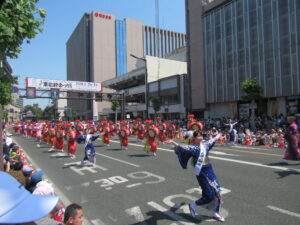
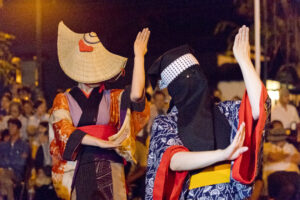
The haneto dancers: Like Aomori’s Nebuta Festival, Tachineputa has its own style of communal dancing. Festival-goers wearing traditional happi coats and carrying colorful fans dance in the parade alongside the floats. Visitor participation is actively encouraged — renting a happi coat set (¥2,000–¥3,000 / $14–$20, available at the museum and nearby shops) and joining the dancers is one of the most joyful ways to experience the festival. No dance skill is required; the steps are simple and fellow dancers will teach you.
Food and drink: The streets around the parade route fill with food stalls (yatai) offering festival classics: grilled corn, takoyaki (octopus balls), yakisoba (fried noodles), karaage (fried chicken), and cold beer. Prices at festival stalls are modest: ¥500–¥800 / $3.50–$5.50 per item. Try to also find a stall selling locally produced Tsugaru apple cider — this region is Japan’s apple kingdom, and the fresh-pressed cider during summer is extraordinary.
Daytime events (August 4–8): While the evening parades are the main attraction, daytime events include traditional Tsugaru shamisen performances, craft demonstrations, and a popular children’s Tachineputa procession during the afternoon hours. The shamisen performances are particularly worth seeking out — Tsugaru shamisen is Japan’s most intense and virtuosic shamisen tradition, and hearing it live in its home region is a special experience.
August 7 (main night): The festival’s biggest night, with the largest crowds and the most elaborate parade. If you can only attend one evening, make it August 7. Accommodation in Goshogawara is essentially impossible to find on this night — book months in advance or plan to stay in Hirosaki or Aomori City.
Best Time to Visit Goshogawara
- Festival season (August 4–8): The obvious best time. Book accommodation at least 2–3 months in advance for Goshogawara itself; Hirosaki and Aomori City (both within 40–60 minutes) have more options. Late July is also a lovely time to visit the museum and see float construction underway.
- Spring (April–May): Goshogawara is surrounded by rice paddies and apple orchards that bloom beautifully in spring. The area around Lake Juniko (part of Shirakami-Sanchi UNESCO World Heritage Forest, 45 minutes west) is spectacular in May.
- Autumn (September–November): Apple harvest season — western Aomori produces some of Japan’s finest apples, and the orchards around Tsugaru turn golden and red. Apple picking tours are available from late September. Foliage around Shirakami-Sanchi is outstanding in October.
- Winter (December–February): Goshogawara experiences heavy snowfall — this is real snow country. The landscape is beautiful but getting around requires care. The Tsugaru Railway runs its famous steam train service on winter weekends — one of Tohoku’s most romantic rail experiences.

The Tsugaru Railway: Japan’s Most Charming Local Train
One of western Aomori’s greatest pleasures is riding the Tsugaru Railway, a 20.7 km private railway line running north from Goshogawara Station to Tsugaru-Nakasato Station. This is not a high-speed line — it trundles through apple orchards, rice paddies, and small fishing villages at a relaxed pace — and that is precisely why it’s worth riding.
The Tsugaru Railway is famous for its seasonal special train services. In winter (December–March), a vintage steam locomotive hauls heated, lantern-lit passenger cars through snowy landscapes — a truly magical experience. In summer (late July–August), a “wind chime train” (Furin Ressha) runs with hundreds of glass wind chimes hanging inside the carriages, chiming gently as the train moves through the summer heat. In autumn, a “kotatsu train” runs, serving hot sake and oden in old-fashioned low table cars.
These seasonal trains require advance reservation through the Tsugaru Railway office and cost ¥1,000–¥2,000 / $7–$14 in addition to the basic fare (not covered by JR Pass). For photography enthusiasts and train lovers, this is one of the most rewarding railway experiences in Tohoku.
The regular Tsugaru Railway service to Tsugaru-Nakasato costs ¥760 / $5 one way and takes about 40 minutes. The ride through flat Tsugaru rice paddies, with Mount Iwaki visible in the distance on clear days, is beautiful in its own understated way.
Where to Eat in Goshogawara
Goshogawara is not a major culinary destination, but its local food scene is genuine, affordable, and deeply regional — far more representative of everyday Aomori food culture than the tourist-oriented restaurants of Aomori City.
Tsugaru-Style Dishes
Look for restaurants serving the regional Tsugaru cuisine: rich miso-based hot pots, hearty fish dishes using local sea bream and flounder from the Sea of Japan, and the local comfort food called “kenoshiru” — a thick vegetable and tofu soup traditionally eaten during the winter cold. A good bowl of kenoshiru with rice is the most authentic Tsugaru meal experience you can have.
Tsugaru Soba
Several small soba restaurants near Goshogawara Station serve handmade Tsugaru-style soba — slightly thicker and more rustic than the refined soba of Tokyo, served in a punchy dashi with local seasonal toppings. Lunches from ¥900–¥1,400 / $6–$10.
Apple Desserts
Western Aomori’s apple culture is omnipresent. Local bakeries and sweets shops sell apple strudels, fresh apple juice, apple vinegar drinks, and apple-based wagashi sweets that are unlike anything you’ll find in the rest of Japan. The apple soft-serve ice cream (ringo sofuto) sold near the station and festival grounds is outstanding: ¥350 / $2.50 for a generous cone.
Festival Food Stalls
During the festival itself (August 4–8), the festival food stalls are an attraction in themselves. Beyond the standard yakisoba and takoyaki, look for stalls selling Aomori-specific items: hotate (scallop) grilled in shell with butter, chestnut dumplings, and festival-specific dango skewers. Budget ¥2,000–¥3,000 / $14–$20 for a thorough street food tour.
Tsugaru Traditional Crafts: What to Bring Home
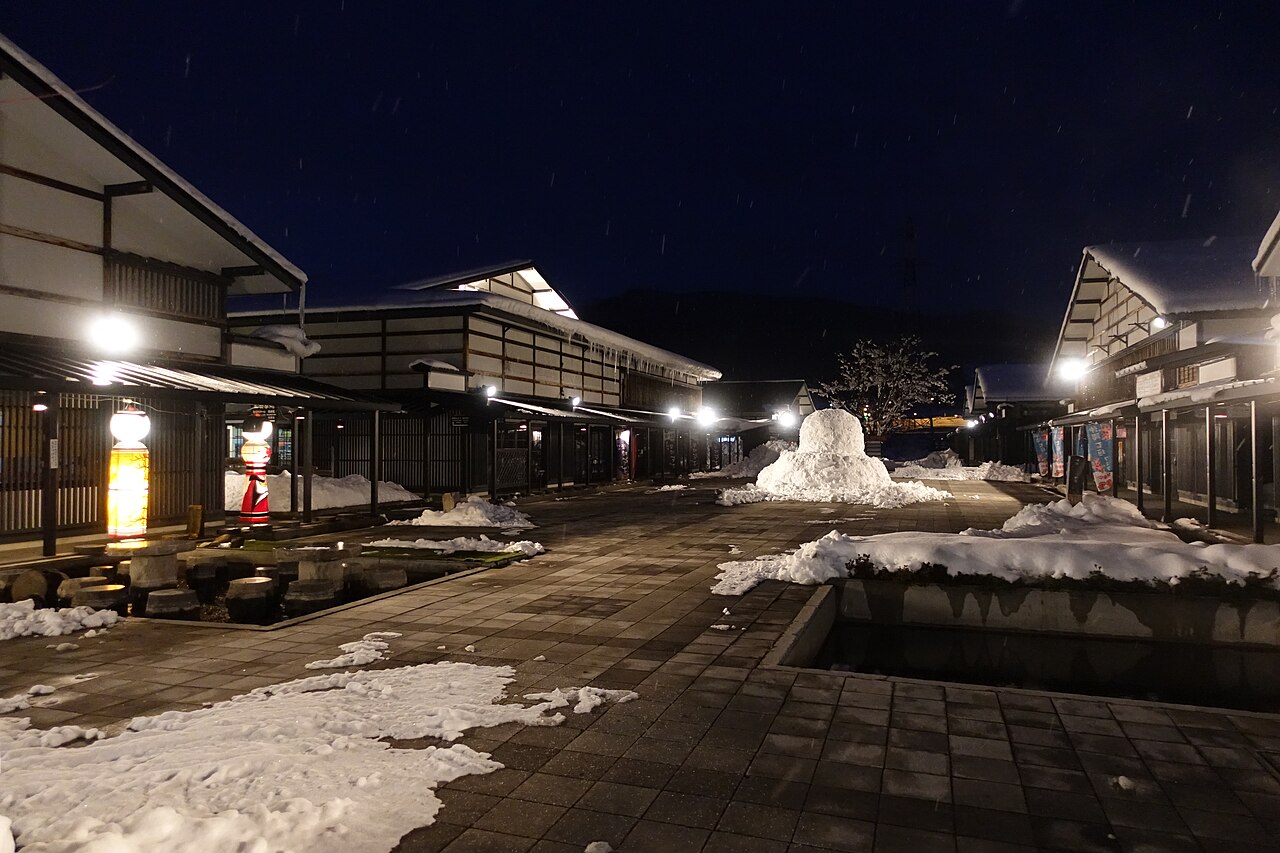
The Tsugaru region of western Aomori is home to some of Japan’s most distinctive traditional crafts, and Goshogawara and its surroundings are excellent places to shop for authentic pieces.
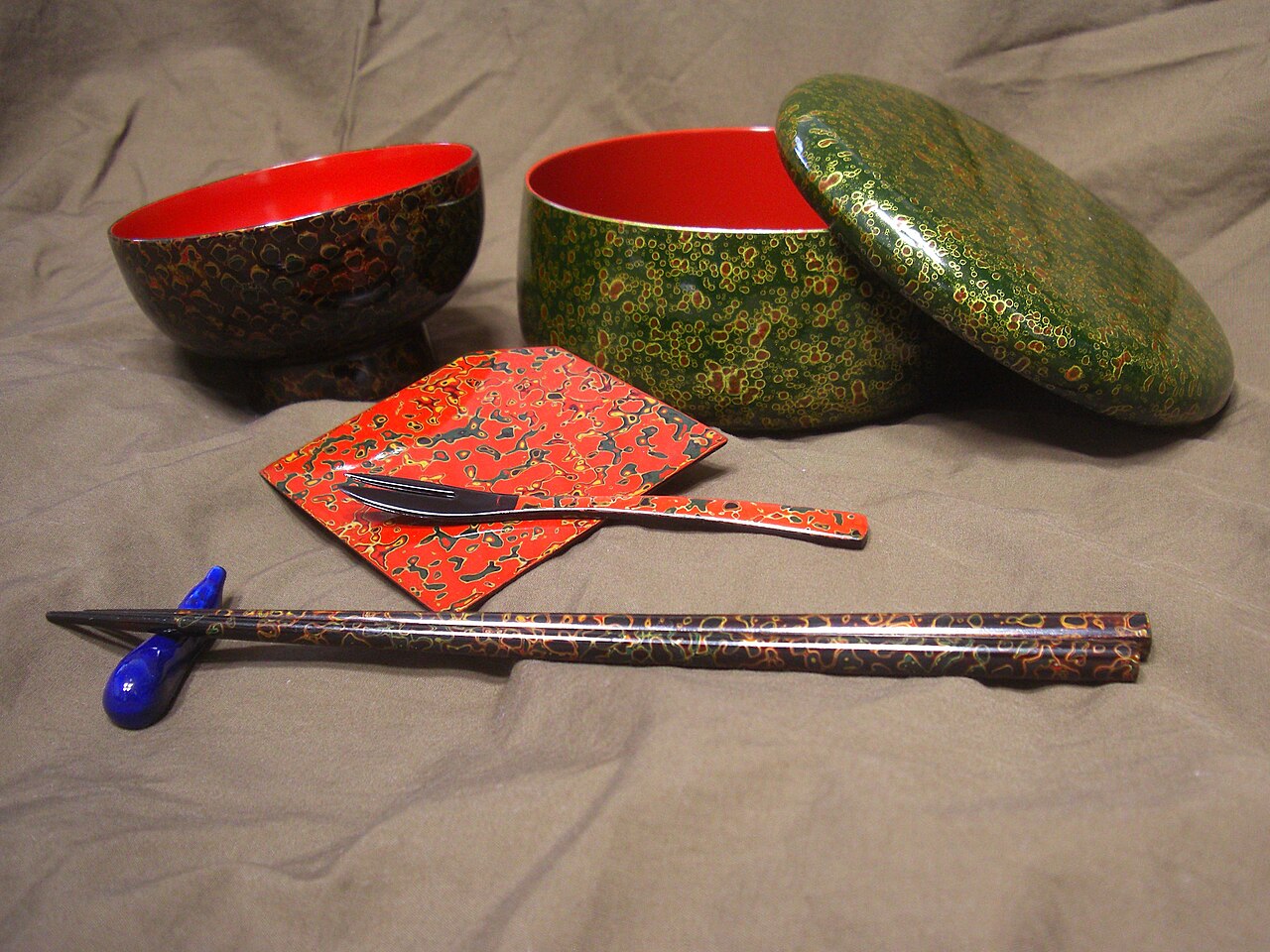
Tsugaru lacquerware (Tsugarunuri): One of Japan’s most celebrated regional lacquerware traditions, characterized by its extraordinarily thick layers (up to 50 layers of lacquer) and distinctive mottled pattern that looks almost like tortoiseshell. The technique involves applying and sanding back dozens of layers of lacquer in different colors to reveal the final design — a process that takes months. Bowls, trays, and chopstick sets are popular souvenirs. Prices range from ¥2,000 / $14 for a small item to ¥50,000+ / $340+ for a handcrafted set. The Tsugaru Traditional Crafts Center near Goshogawara has excellent demonstrations and a good range of pieces for sale.
Tsugaru kites (Tsugaru-dako): Brightly painted traditional wooden kites decorated with bold warrior and demon imagery. More of a wall decoration than a flying toy (though they can fly!), these make dramatic and distinctly Tohoku souvenirs. Available at the crafts center and at the festival stalls during August.
Neputa dolls (Neputa-ningyo): Miniature replicas of the Tachineputa floats in papier-mâché, painted by hand. The museum shop sells beautifully crafted versions in various sizes (¥1,500–¥8,000 / $10–$54), and watching craftspeople paint them in the workshop is one of the best free demonstrations at the museum.
Tsugaru shamisen recordings: If the shamisen performances move you (they will), pick up a CD or ask about live recordings at the music shops near the station. Tsugaru shamisen masters like the legendary Takahashi Chikuzan recorded many classic albums, and listening to these at home will bring your Goshogawara memories rushing back.
Where to Stay in Goshogawara
Budget (Under ¥8,000 / $55 per night)
Goshogawara is a working city without a developed tourism infrastructure, which means accommodation options are limited — but the business hotels near the station are excellent value. Look for Toyo Inn Goshogawara (from ¥5,500–¥7,500 / $37–$51 per night) or similar business hotels near the station center. Clean, well-maintained, and convenient for the festival parade route.
Mid-Range (¥8,000–¥20,000 / $55–$135)
For a more comfortable experience during the festival, consider staying in nearby Hirosaki (40 minutes by bus/car). Dormy Inn Hirosaki: Modern hotel with an excellent onsen on the top floor, from ¥8,000–¥14,000 / $54–$95 per night. Richmond Hotel Hirosaki: Smart business hotel in the center of Hirosaki, convenient for both city sightseeing and day trips to Goshogawara. From ¥9,000–¥15,000 / $61–$102.
Luxury (¥20,000+ / $135+)
For a premium experience in the region, consider Aoni Onsen (approximately 70 minutes from Goshogawara) — a legendary lamp-lit ryokan deep in the mountains, where no electricity is used and the baths are fed by pure spring water. A completely unique experience in a class of its own. From ¥30,000+ / $200+ per person including meals. Book months in advance for peak season; see our dedicated Aoni Onsen guide for full details.
Day Trips from Goshogawara
Goshogawara sits in the heart of the Tsugaru region, within easy reach of some of western Aomori’s most spectacular natural and cultural attractions.
Shirakami-Sanchi UNESCO World Heritage Beech Forest (45 min): Japan’s largest primary beech forest with the mysterious Juniko Lakes (12 turquoise lakes hidden in the forest) and the dramatic Anmon Falls. Best in late May (fresh green beech leaves) and October (golden autumn foliage). See our Shirakami-Sanchi guide.
Hirosaki Castle & City (40 min): Japan’s finest surviving castle surrounded by Japan’s largest castle moat. Famous for cherry blossoms in late April and its outstanding apple festival in autumn. A full-day destination in its own right. See our Hirosaki guide.
Resort Shirakami Scenic Train: A sightseeing train running through the dramatic Sea of Japan coastline between Aomori and Akita. Catch it at Ajigasawa (30 minutes west of Goshogawara by car) or at Aomori City. See our Resort Shirakami guide.
Sukayu Onsen & Hakkoda Mountains (90 min): One of Japan’s most legendary hot springs, a massive wooden bath house (sennin-buro) accommodating a thousand bathers at once, hidden in the volcanic Hakkoda Mountains. See our Sukayu Onsen guide.
Practical Tips for Visiting Goshogawara & the Tachineputa Festival
- Festival ticket strategy: Paid grandstand seating for the evening parade sells out quickly — book as early as possible through the Goshogawara Tachineputa Festival official website (Japanese only; use Google Translate or have a Japanese-speaking friend help). Standing spots along the route are free but fill up by 6:00 PM.
- Join the haneto dancers: Renting a happi coat and participating in the parade dancing is the best way to experience the festival. Rental shops near Tachineputa no Yama Museum open from late July. Bring cash — most rental shops don’t accept cards.
- Book accommodation early for festival season: If you want to stay in Goshogawara itself for August 4–8, book at least 3 months in advance. For August 7 (the biggest night), staying in Hirosaki and taking the evening bus or taxi is more realistic.
- Arrive in daylight: The museum, the city, and the surrounding area are worth exploring before the evening parade. Arrive by 2:00 PM to have time to visit Tachineputa no Yama Museum before the festival food stalls open at 5:00 PM.
- Bring yen in cash: Festival food stalls and many local shops are cash-only. The nearest 7-Eleven ATM (which accepts foreign cards) is near the station.
- Weather: Goshogawara in August is hot and humid — temperatures typically reach 28–32°C (82–90°F) during the day. Light, breathable clothing is essential. A small folding fan (sold at the festival stalls) is a very Japanese way to cope with the heat.
- Photography: The festival parades are photography-friendly. A telephoto lens (70–200mm) works well for float details; a wide-angle lens captures the towering scale. The floats are illuminated from within, so ISO 1600–3200 gives good results without flash.
- Language: Goshogawara sees very few international tourists and English is rarely spoken. Having Google Translate on your phone is essential. The museum has English materials, but most restaurants and shops do not.
- Combination trip: Goshogawara pairs perfectly with Hirosaki (day trip or overnight), Aomori City’s Nebuta Festival (if visiting in early August), and Shirakami-Sanchi (a full-day nature excursion west of the city).
- Getting around: Goshogawara city center is walkable for the festival, but a rental car is strongly recommended for visiting the surrounding region. Car rentals are available at Toyota and Nippon Car Rental near the station.
Sample 2-Day Goshogawara Itinerary (Festival Season)
Day 1
10:00 AM: Arrive in Goshogawara. Check into accommodation or leave luggage at station lockers. Visit Tachineputa no Yama Museum from 10:00 AM–12:00 PM — spend time in the float atrium, watch the historical exhibition, and try the washi painting workshop (45 minutes, extra ¥500 / $3.50).
Afternoon: Lunch at a local soba restaurant near the station. Explore the city center and the Tsugaru Traditional Crafts Center to see lacquerware and kite demonstrations. By 4:00 PM, rent a happi coat for the festival parade. Head to the parade viewing area by 5:30 PM to secure a good spot and explore the food stalls.
Evening: Experience the Tachineputa parade (7:00–9:30 PM). After the parade, explore the festival food stalls and cap the night with a cold local beer or apple cider.
Day 2
Morning: Early start for a day trip to Shirakami-Sanchi (45 minutes west by car) or Hirosaki (40 minutes east). For nature lovers, the Juniko Lakes trail is one of Tohoku’s most stunning walks (allow 3–4 hours). For castle enthusiasts, Hirosaki Castle is superb in any season.
Afternoon: Return to Goshogawara by 4:00 PM. Optional: ride the Tsugaru Railway north to Tsugaru-Nakasato and back — the round trip takes about 90 minutes and gives you a beautiful view of the Tsugaru countryside.
Evening: Second night of the Tachineputa parade. By now you’ll know the route and the rhythm — head back with the happi coat, find a great viewing spot, and enjoy the full experience with more confidence than the first night.
Related Articles You Might Enjoy
- Hachinohe Enburi Festival, Aomori: Japan’s Ancient Horse-Spirit Dance to Welcome Spring
- Sannai-Maruyama Archaeological Site, Aomori: Japan’s Most Spectacular 5,500-Year-Old UNESCO Jomon Settlement
- Hirosaki City Guide: Apple Capital, Neputa Festival & Aomori’s Most Historic Castle Town
- Tanesashi Coast & Kabushima Island, Aomori: Japan’s Most Dramatic Coastal Walk & Seabird Sanctuary
- Tohoku Cherry Blossom Season: The Complete Guide to Japan’s Most Spectacular Spring Blooms
Final Thoughts
Goshogawara’s Tachineputa Festival is one of Japan’s genuine hidden treasures — a festival of breathtaking scale and passionate local community spirit, virtually unknown outside Japan and even within it. When a 23-meter painted figure comes swaying around a street corner toward you, drums pounding and hundreds of dancers chanting, you understand something important about the depth of Japanese cultural life beyond Tokyo and Kyoto. The floats are made by local craftsmen who dedicate a year of their lives to the work. The dancers are accountants and farmers and shop owners who clear their calendars for five nights every August. This is not a performance for tourists — it’s an act of collective devotion, and you’re welcome to be part of it.
Plan your Tohoku trip around early August, add a couple of days either side for Hirosaki and Shirakami-Sanchi, and you’ll have one of the most remarkable weeks available anywhere in Japan. Few destinations reward the effort of getting there as richly as Goshogawara in festival season.
Got questions about planning your Goshogawara trip, or spotted something we missed? We’d love to hear from you — drop us a message here.


コメント