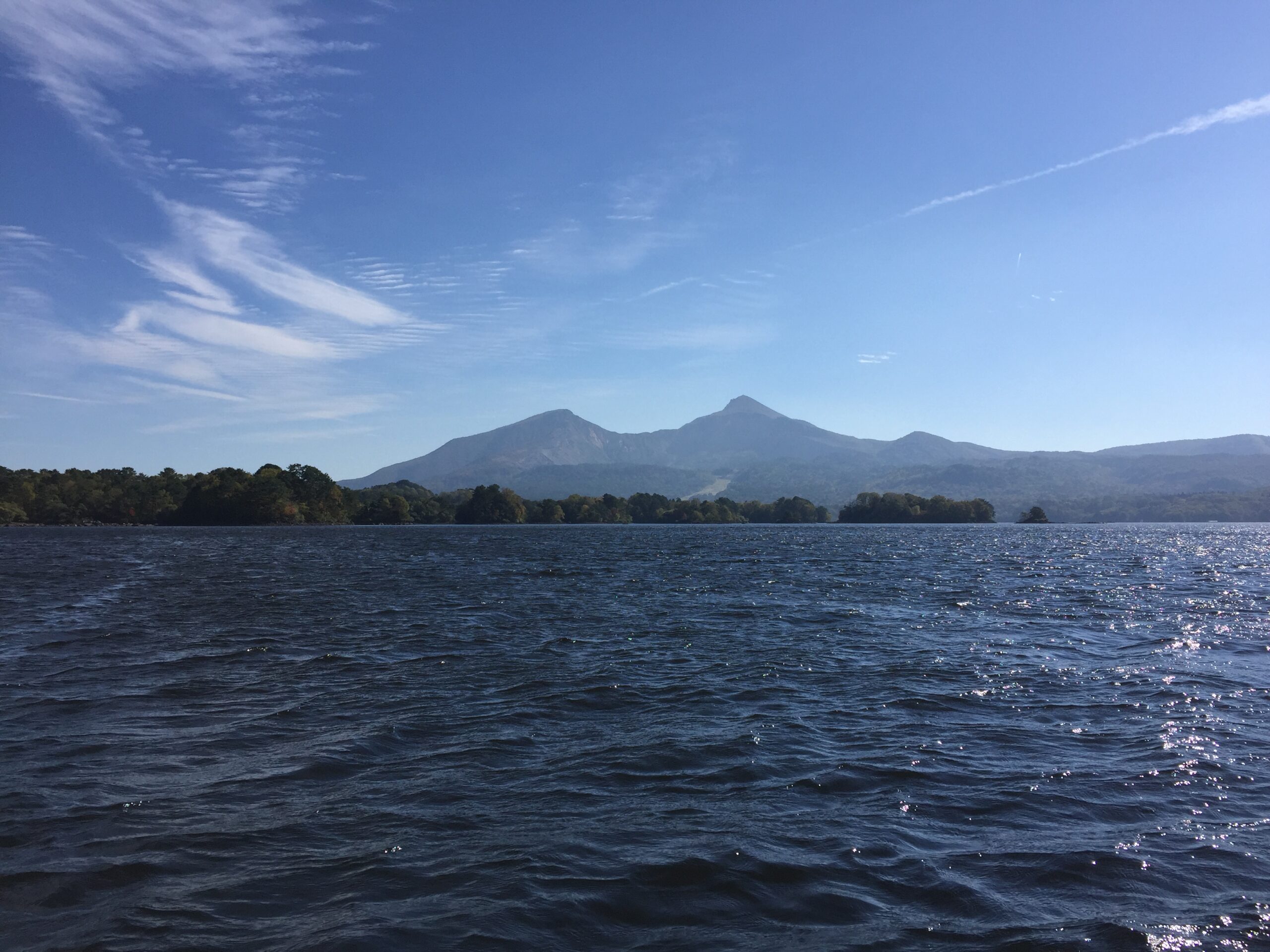
Deep in the mountains of Fukushima Prefecture, on the northern slopes of the volcano that changed everything, lies one of Japan’s most extraordinary hidden landscapes: Ura-Bandai, a highland wilderness of over 300 emerald ponds, mist-draped hiking trails, and mirror-still lakes born from a catastrophic eruption more than a century ago. This is Tohoku at its most wild, most beautiful, and — remarkably — most accessible.
Why Ura-Bandai Should Be on Every Japan Itinerary
Most international visitors who make it to Fukushima Prefecture head straight to Aizuwakamatsu’s samurai castle or the preserved post town of Ouchi-juku. Fewer discover Ura-Bandai, which is a shame — because this highland plateau offers scenery unlike anything else in Japan, and arguably in all of East Asia.
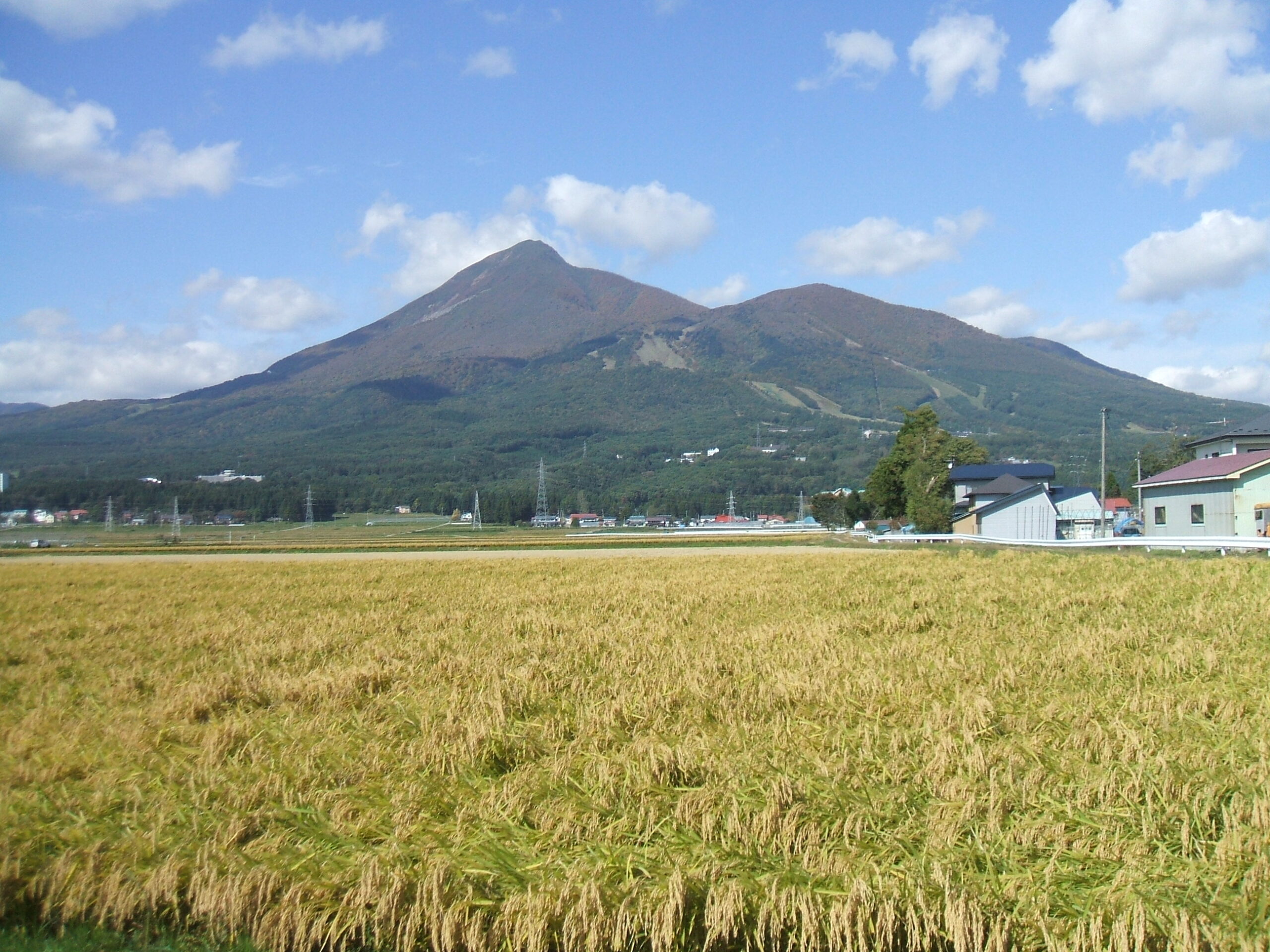
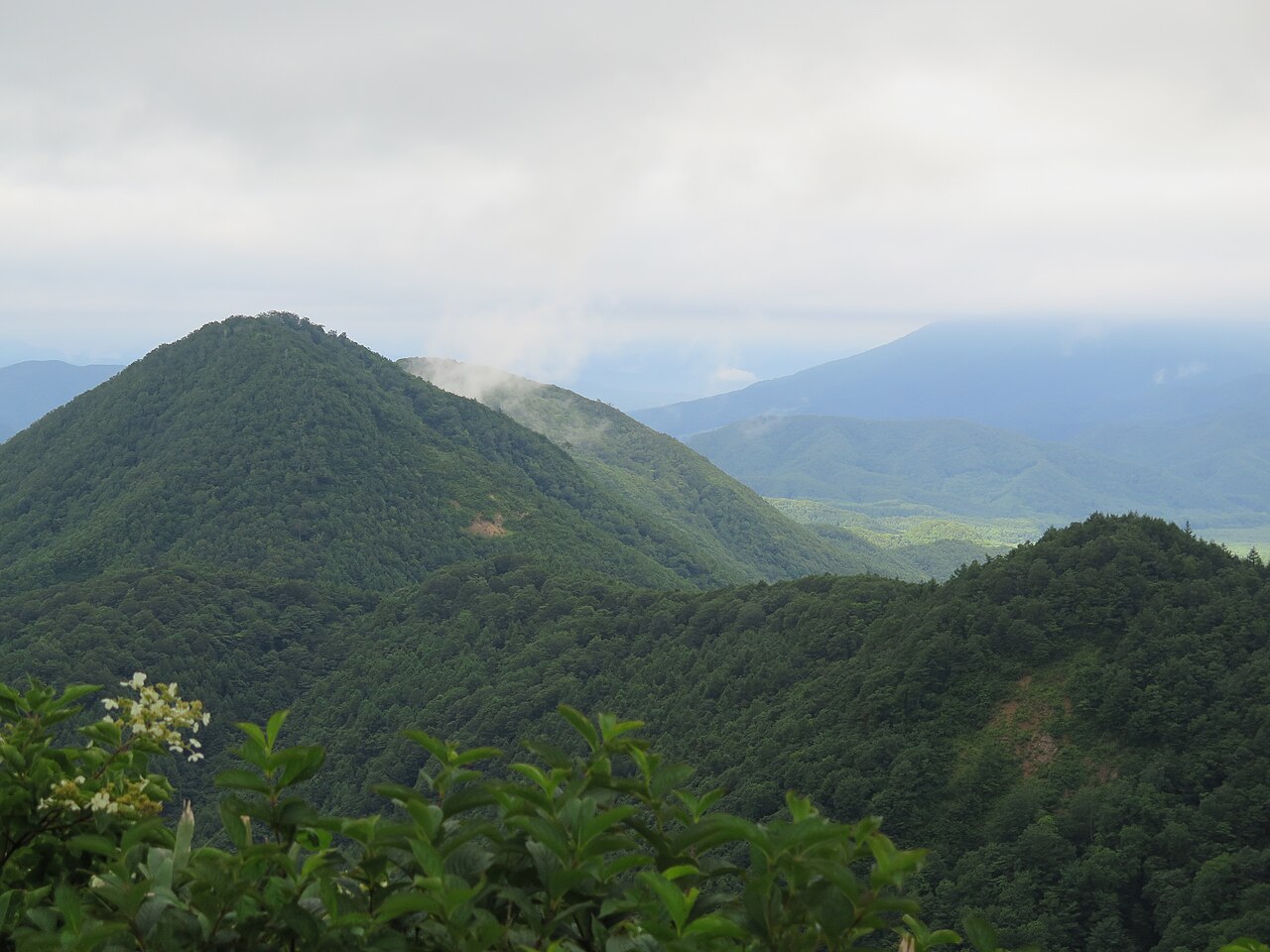
The name “Ura-Bandai” literally means the “backside of Bandai” — the north face of Mount Bandai, a dormant stratovolcano that dominates the Fukushima skyline. On July 15, 1888, the volcano experienced a massive phreatic eruption (a steam explosion rather than a magma eruption) that blew away the northern flank of the mountain and deposited enormous quantities of volcanic rock and debris across the landscape. Rivers were dammed, valleys were filled, and within hours, over 300 new ponds and lakes had formed across the highland plateau.
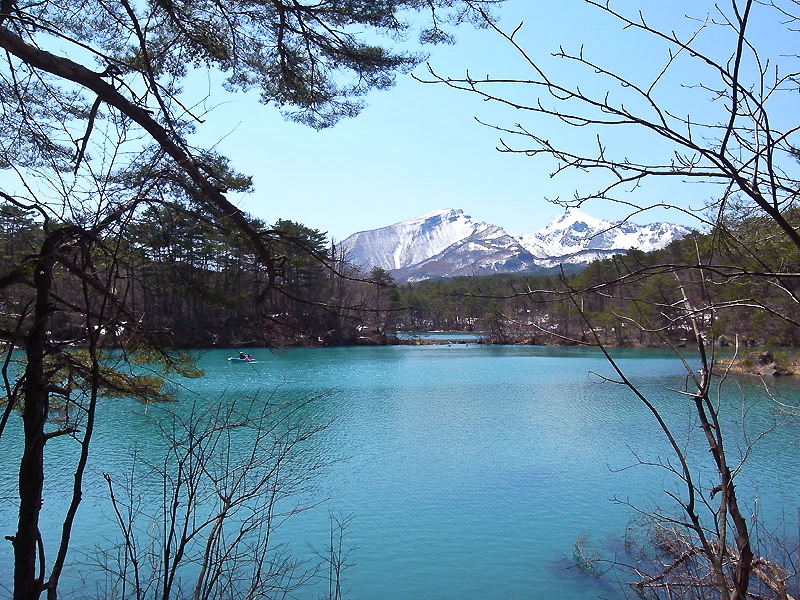
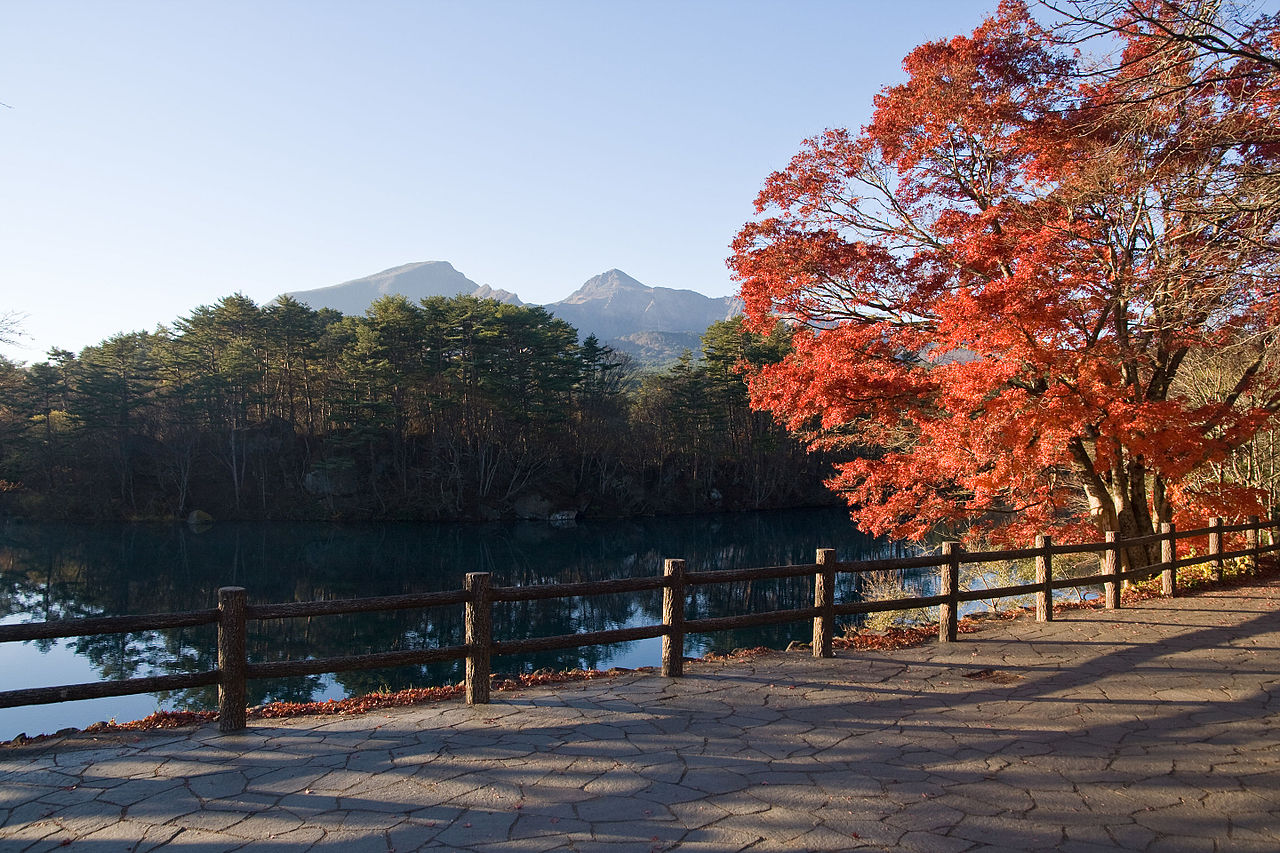
This geological catastrophe — which killed around 460 people and destroyed multiple villages — inadvertently created one of Japan’s most beautiful natural environments. Today, the ponds and lakes of Ura-Bandai shimmer in shades of vivid turquoise, deep forest green, and silver-grey depending on the mineral content of the water, the angle of light, and the season. The Five Colored Ponds (Goshikinuma) are the most famous: a cluster of small ponds within a 3.6-kilometer walking trail that change color as you move from one to the next, as if someone had spilled a painter’s palette across the mountain.
American and Australian visitors who love outdoor adventure will find Ura-Bandai particularly compelling. Imagine a destination with the geological drama of Yellowstone, the autumn foliage of Vermont, the crystal-clear mountain lakes of the Swiss Alps, and the cultural depth of traditional Japan — all within a 2.5-hour shinkansen ride from Tokyo.
Getting to Ura-Bandai from Tokyo
Ura-Bandai sits in a relatively remote highland area, but it’s well-connected to the main Tohoku shinkansen line at Koriyama. Planning your transport in advance is essential, particularly for day trips.
- Shinkansen to Koriyama: From Tokyo Station, take the Tohoku Shinkansen to Koriyama (approximately 1 hour 10 minutes). One-way fare is around ¥7,000–¥8,500 ($48–$58 USD). JR Pass holders travel free on this route.
- Koriyama to Inawashiro by local train: From Koriyama Station, take the Banetsu West Line (磐越西線) to Inawashiro Station (approximately 50 minutes, ¥740 / ~$5 USD). Inawashiro is the main gateway town to the Bandai region.
- Bus from Inawashiro to Ura-Bandai: Seasonal buses connect Inawashiro Station to the Goshikinuma trailhead and Bandai Kogen area (approximately 40–50 minutes). Services are more frequent April through November; check current schedules at Inawashiro Station. Fare is approximately ¥800 ($5.50 USD) one-way.
- By Car (Recommended): Ura-Bandai is best explored by rental car. From Inawashiro Station, the drive to Goshikinuma takes about 25 minutes. From Koriyama, allow 1 hour. A rental car gives you the freedom to explore the network of highland roads that connect Ura-Bandai’s many scenic spots, and is especially valuable for accessing the Bandai-Azuma Skyline (see below).
- Direct Bus from Tokyo (Seasonal): Highway buses run from Tokyo’s Shinjuku or Tokyo Stations to Bandai Kogen during peak autumn and summer seasons. The journey takes approximately 4.5–5 hours and costs around ¥3,500–¥5,000 ($24–$34 USD) one-way — a budget-friendly option for those willing to travel overnight.
Goshikinuma: The Five Colored Ponds
The Goshikinuma walking trail is Ura-Bandai’s single most popular attraction, and with good reason. The 3.6-kilometer (2.2-mile) nature path connects a series of volcanic ponds whose colors range from vivid turquoise to deep cobalt blue, jade green, and milky white — all within a few hundred meters of each other.
The color variations result from the different mineral content dissolved in each pond. Water percolating through volcanic rock picks up varying concentrations of iron, sulphur, aluminium, and other minerals, each of which absorbs and reflects sunlight differently. The result is a natural color palette that shifts dramatically between ponds — and even within the same pond depending on the weather and time of day.
The most photographed pond is Bishamon Pond, whose brilliant turquoise water contrasts spectacularly with the surrounding dark evergreens. Aka Pond (Red Pond) appears a rusty brown-red in sunlight. Benten Pond glows a deep, saturated cobalt blue on clear days. Walking the trail on a sunny autumn morning, when the surrounding maples and beeches are blazing red and orange above the colored water, is an experience that’s genuinely difficult to describe — you’ll spend more time standing still with your jaw open than actually walking.
The Goshikinuma trail starts from the Goshikinuma Visitor Center (a 5-minute bus ride or 15-minute drive from the main Bandai Kogen village). Walking one-way from north to south takes about 60–90 minutes; most visitors take the trail to the southern end near Bishamon Pond and return the same way, or arrange a return bus from the far end. Entrance to the trail is free; bring waterproof shoes as the path can be muddy.
Lake Hibara: The Jewel of Ura-Bandai
Lake Hibara (桧原湖) is the largest of the Ura-Bandai lakes, stretching for about 10 kilometers (6 miles) with irregular, deeply indented shores that were created when volcanic debris dammed the ancient valley river. The lake’s Japanese name is read “Hibara” but the characters (桧原) mean “cypress plain” — a reference to the forests of Hinoki cypress that once covered these slopes before the 1888 eruption.
Today, Lake Hibara is a hub for outdoor activities throughout the year. In summer, canoes, kayaks, and stand-up paddleboards are available for rent from several outfitters along the shoreline, and the lake’s calm morning waters are particularly magical for paddling in the mist. Fishing is popular (rainbow trout, landlocked salmon, and Japanese char are the target species), and boat rental for fishing is available from lakeside shops from spring through autumn. A half-day fishing boat rental runs approximately ¥3,000–¥5,000 ($21–$34 USD).
In winter, Lake Hibara freezes over, and ice fishing becomes the activity of choice. Drilling through the ice and dropping lines for wakasagi (Japanese pond smelt) is a traditional winter activity that local guides offer as a memorable experience for visitors — a full ice fishing half-day with equipment, bait, and cooking of your catch costs around ¥4,000–¥6,000 ($28–$41 USD) per person and includes the satisfying reward of eating the tiny fish you caught, lightly fried and delicious.
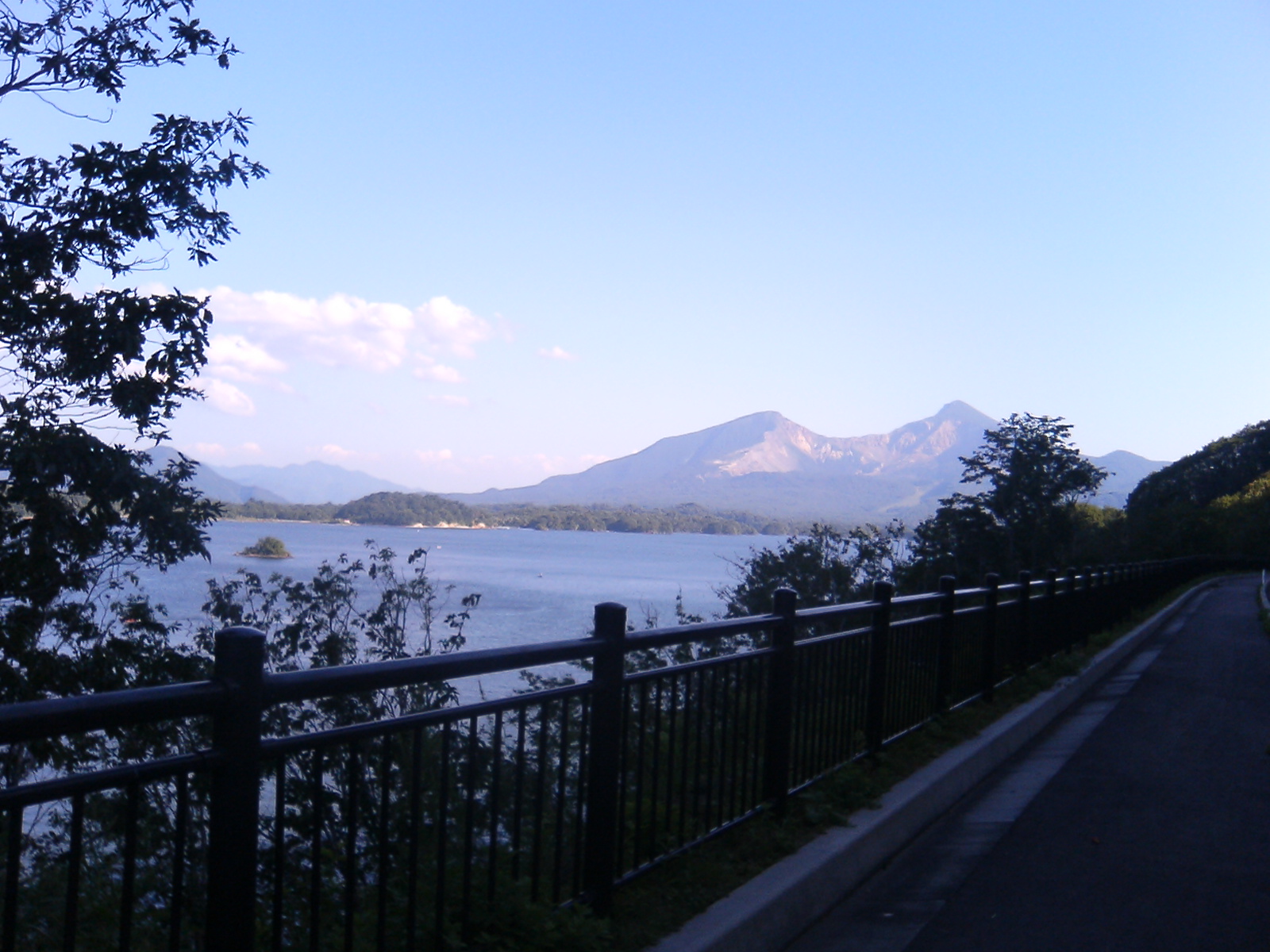
The classic view of Lake Hibara is from the hillside road above the eastern shore, where Mount Bandai’s volcanic cone rises beyond the lake’s northern end. This view — particularly spectacular in autumn when the surrounding forests flame red and gold — is one of those images that defines Fukushima’s natural beauty. Several scenic overlooks along Route 459 offer pulloff areas for photography.
Hiking Ura-Bandai: Trails for Every Level
Ura-Bandai has excellent hiking options ranging from flat, paved lakeside strolls to full-day mountain ascents. Trail conditions and signage have improved significantly in recent years, and many trails are accessible to international visitors without a guide.
Goshikinuma Nature Trail (Easy, 3.6km, 60–90 min)
The flat, well-maintained trail connecting the colored ponds is suitable for all fitness levels and ages, including families with young children. Parts of the path are accessible to strollers in dry weather. This is the single best introduction to Ura-Bandai’s landscapes.
Lake Hibara Circumnavigation (Moderate, 23km, 6–7 hours)
For experienced hikers, a full circuit of Lake Hibara combines woodland paths, shoreline trails, and rural roads. The route passes through several small hamlets, abandoned farmsteads, and viewpoints not accessible by road. Best done in summer or early autumn; some sections can be wet and require waterproof hiking boots.
Mount Bandai Summit Hike (Challenging, 8km round trip, 5–6 hours)
Climbing to the summit of Mount Bandai (1,816 meters / 5,958 feet) offers panoramic views across Fukushima Prefecture, including the entire Ura-Bandai highland plateau and — on clear days — as far as the Pacific Ocean. The most popular route ascends from the Yachidate cable car base station (cable car available in summer) and returns the same way or via a longer ridge traverse. Only attempt the summit on clear days and in suitable footwear; the volcanic summit area is exposed and conditions change rapidly.
Onogawa Lake Circuit (Easy-Moderate, 4.5km, 1.5–2 hours)
A beautiful lesser-visited loop around the small Onogawa Lake, through beech and maple forest. Particularly stunning in mid-October when autumn color peaks. Minimal signage but the trail is clear; pick up a map from the Bandai Kogen visitor center.
Bandai-Azuma Skyline: A Drive Above the Clouds
The Bandai-Azuma Skyline is one of Japan’s finest scenic driving routes, traversing a ridge between Mount Adatara and the Azuma volcano group at elevations of 1,350–1,622 meters (4,430–5,321 feet). The road offers panoramic views of the Ura-Bandai highlands, the Azuma caldera lake (Issaikyo), and on exceptionally clear days, Mount Fuji to the southwest and distant Pacific coastline.
The skyline road is open from mid-April (after snow clearing) to late November, and is particularly spectacular in May (lingering snow on high ridges above brilliant green new growth), October (autumn foliage at its peak), and early winter just before closure. Access is by car only; there are no scheduled buses along the route. The road is toll-free and takes about 45 minutes to drive end-to-end from Tsuchiya to Takayu, with multiple pulloffs for viewing and photography.
The most dramatic viewpoint is Jododaira, a crater plateau near the road’s highest point where volcanic fumaroles still hiss and steam. A short walking trail (30 minutes round trip) from the Jododaira parking area leads to the crater rim of the Issaikyo volcano — an otherworldly landscape of bare rock and steaming vents with views across the entire region. This is one of the most dramatic accessible volcanic landscapes in Japan, rivaling anything in Iceland or New Zealand for raw geological drama.
Best Time to Visit Ura-Bandai
- Spring (May–June): The snow clears and the highland plateau emerges with brilliant spring greenery. Mountain wildflowers bloom across the hiking trails. Temperatures are cool and pleasant: 50–65°F (10–18°C). This is a quieter period with fewer crowds than summer or autumn.
- Summer (July–August): Warm days (65–75°F / 18–24°C), comfortable for hiking and water sports. Peak season for Japanese domestic tourism — accommodation fills quickly during school holidays in August. The colored ponds are vivid and the lakes are excellent for swimming and paddling.
- Autumn (Mid-October to Early November): Widely considered the best season. Ura-Bandai’s autumn foliage is extraordinary — the surrounding beech, maple, and birch forests light up in shades of scarlet, gold, and amber that perfectly complement the colored ponds. This is the most popular period; book accommodation months in advance.
- Winter (December–March): Cold (15–30°F / -9–-1°C) with heavy snowfall. The region becomes a cross-country skiing and snowshoe destination. Ice fishing on Lake Hibara begins in late December. A magical, quiet season for those prepared for serious cold weather.
Where to Eat in Ura-Bandai
The Bandai Kogen village area at the heart of Ura-Bandai has a cluster of restaurants, cafes, and souvenir shops catering to visitors. Options are more limited than in a city, so plan ahead and eat a proper meal before long hikes.
Soba and Local Noodles
Several restaurants in the Bandai Kogen area specialize in handmade soba noodles using locally grown buckwheat. A bowl of hot soba with mountain vegetable tempura (sansai tempura soba) costs around ¥1,200–¥1,800 ($8–$12 USD) and is the perfect mountain hiking fuel. Look for restaurants with hand-lettered signs indicating “teuchi soba” (hand-cut soba) — these are the real deal.
Aizuwakamatsu Cuisine
The nearby city of Aizuwakamatsu (40 minutes by car) is the cultural and gastronomic heart of western Fukushima. If you’re based in the region for more than a day, an evening dinner in Aizuwakamatsu is strongly recommended. Must-try dishes include: kozuyu (a clear, delicate soup with scallop, dried vegetables, and noodles — unique to the Aizu region), nishin no sanshoyu (herring simmered in sansho pepper sauce), and wappa meshi (seasoned rice steamed in a cedar box). A full traditional Aizu dinner at a good restaurant costs ¥3,500–¥6,000 ($24–$41 USD) per person.
Mountain Vegetables and Foraged Foods
In spring and summer, Ura-Bandai’s forest restaurants serve dishes based on locally foraged sansai (mountain vegetables) — bracken fern, kogomi (ostrich fern), fukinoto (butterbur shoots), and wild garlic. These seasonal greens, simply prepared with salt, soy, and sesame, represent Japanese countryside cooking at its honest best. A sansai set meal with rice and soup runs ¥1,500–¥2,500 ($10–$17 USD).
Smoked Trout and Lake Hibara Fish
Several shops near Lake Hibara sell locally smoked fish products — rainbow trout, char, and carp — that make excellent picnic food or packaged souvenirs. A smoked trout vacuum-packed for travel costs around ¥1,000–¥1,500 ($7–$10 USD) and travels well in checked luggage.
Where to Stay in Ura-Bandai
Staying overnight in the highlands is strongly recommended — it allows you to experience the colored ponds in early morning mist and late afternoon golden light, both dramatically different from midday. Options range from affordable guesthouses to full-service hot spring ryokan.
Budget (Under ¥8,000 / $55 per person)
Several minshuku (family-run guesthouses) and camping facilities operate in the Bandai Kogen area. The campgrounds near Onogawa Lake offer basic facilities at around ¥1,500–¥3,000 ($10–$21 USD) per tent site and are popular with Japanese outdoor enthusiasts. Minshuku with two meals (dinner and breakfast) typically run ¥6,000–¥7,500 ($41–$51 USD) per person.
Mid-Range (¥8,000–¥20,000 / $55–$135 per night)
The Bandai Kogen area has several well-maintained ryokan and lodge-style hotels with onsen (hot spring baths), serving multi-course dinners featuring local mountain cuisine. The setting — waking to views of forested mountains and mist-covered ponds — justifies the mid-range premium. Expect to pay ¥10,000–¥16,000 ($68–$110 USD) per person with two meals.
Luxury (¥20,000+ / $135+ per person)
For a premium experience, some high-end ryokan near Lake Hibara offer private outdoor baths overlooking the lake, exceptional kaiseki multi-course dinners featuring local ingredients, and personalized service that represents traditional Japanese hospitality at its finest. Rates from ¥25,000–¥45,000 ($170–$307 USD) per person with dinner and breakfast — an unforgettable splurge for special occasions.
Practical Tips for Visiting Ura-Bandai
- Rent a car if possible: Public transport to Ura-Bandai is limited and infrequent. A rental car from Koriyama or Inawashiro gives you complete freedom to explore the full range of highland attractions, including the Bandai-Azuma Skyline.
- Autumn bookings fill months early: October is Ura-Bandai’s peak season, and good accommodation sells out 2–3 months in advance. Book early or visit in spring/summer for a more relaxed experience.
- The Visitor Center is excellent: The Goshikinuma Visitor Center (free entry) has bilingual English exhibits on the 1888 eruption and the ecology of the highland ponds. It’s a worthwhile 30-minute stop before hitting the trail.
- Wear waterproof footwear: Trails around the ponds and through the beech forest are often wet and muddy, even in summer. Trail runners or light hiking boots with waterproofing are strongly recommended over sneakers.
- The ponds are best in morning light: The colored ponds appear most vivid in direct sunlight. Overcast days mute the colors significantly. Early morning, when mist rises from the water, is particularly atmospheric even if colors are less saturated.
- Combine with Aizuwakamatsu: The samurai city of Aizuwakamatsu is only 40 minutes by car from Ura-Bandai and makes an excellent complement — volcanic nature by day, castle history and sake by night.
- Mosquitoes in summer: The wetland areas around the ponds can have significant mosquito populations in July and August. Bring repellent and consider long sleeves for evening walks.
- Bandai-Azuma Skyline can be crowded in October: On peak foliage weekends, the parking areas fill by 9am. Arrive before 8am or after 3pm for the best experience.
Sample 2-Day Ura-Bandai Itinerary
Day 1: Arrival & the Colored Ponds
Morning: Travel from Tokyo by shinkansen to Koriyama, transfer to Banetsu West Line to Inawashiro, then bus or taxi to Bandai Kogen. If arriving by noon, walk the Goshikinuma trail in afternoon light — allow 2–3 hours including stops for photography.
Evening: Check into your ryokan or guesthouse for a traditional multi-course dinner. If your accommodation has an outdoor onsen bath, this is the perfect setting for a soak under the highland stars.
Day 2: Lake Hibara and the Skyline
Early Morning: Wake early for mist photography on Lake Hibara — the lake is at its most beautiful in the first 2 hours after sunrise. Rent a rowboat or kayak if conditions allow.
Late Morning (10:00am–1:00pm): Drive (or take a taxi if without a car) the Bandai-Azuma Skyline. Stop at Jododaira crater for the short volcanic landscape walk. Views permitting, this is one of Tohoku’s most extraordinary panoramas.
Afternoon: Return to Bandai Kogen for a leisurely lunch of handmade soba, then explore the area around Onogawa Lake before heading back to Inawashiro and onward to your next destination.
Related Articles You Might Enjoy
- Lake Inawashiro, Fukushima: Complete Guide to Japan’s Mirror of Heaven
- Goshikinuma & Bandai-Azuma Skyline: Fukushima’s Five Colored Lakes Complete Guide
- Mount Adatara & Dake Onsen, Fukushima: Japan’s Sacred Volcano & Secret Healing Hot Spring
- Tadami Line, Fukushima: Japan’s Most Scenic Hidden Railway Journey
- Fukushima City Guide: Japan’s Most Misunderstood Destination & Why You Need to Visit
Final Thoughts
Ura-Bandai is one of Japan’s great outdoor secrets — a destination that rewards travelers who venture beyond Nikko or Aomori to find something genuinely different. The Five Colored Ponds alone justify the journey, but it’s the combination of volcanic drama, highland hiking, stunning lakes, and authentic rural hospitality that makes this corner of Fukushima so memorable.
Whether you come in spring for the misty green mornings, summer for the outdoor adventures, autumn for the fiery foliage that turns these landscapes into something from a dream, or winter for the snow-blanketed silence of the highland plateau — Ura-Bandai will leave you wondering why no one told you about it sooner. Now you know. Go.
Got questions about planning your Tohoku trip, or spotted something we missed? We’d love to hear from you — drop us a message here.


コメント