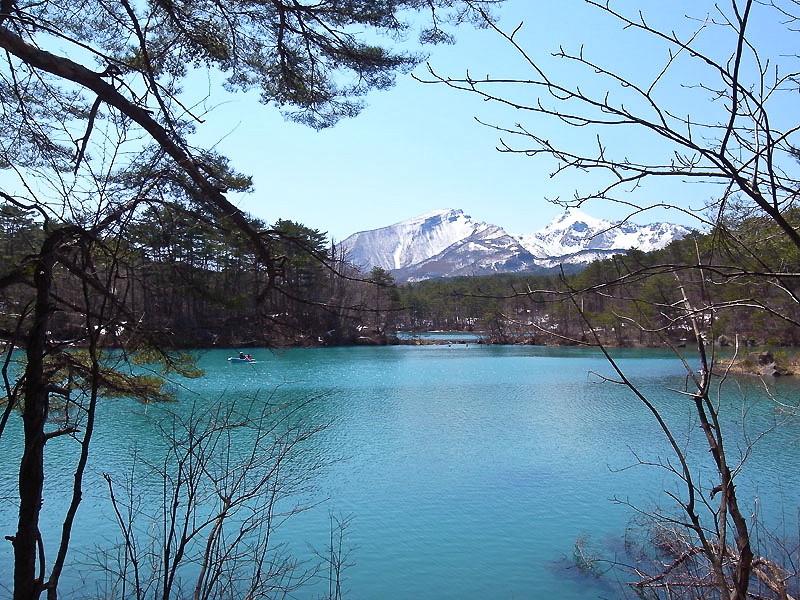
In a country that knows a thing or two about natural beauty, the Five Colored Lakes of Fukushima’s Ura-Bandai region might be the most surreal landscape in all of Japan. Imagine a walking trail winding past a dozen interconnected ponds, each one a different impossible shade — turquoise, emerald, cobalt, milky white, deep black — glowing like jewels scattered at the foot of a volcano that still occasionally breathes smoke. This is Goshikinuma, and combined with the dramatic alpine highway of the Bandai-Azuma Skyline, it makes Fukushima one of the most photogenic and undervisited destinations in Tohoku.
Why the Five Colored Lakes & Bandai Should Be on Your Japan Itinerary
Fukushima Prefecture tends to be overlooked in favor of its northern neighbors, still carrying the weight of associations with the 2011 nuclear incident near its coastal city of Futaba. But western Fukushima — centered on the Ura-Bandai region in the mountains inland — tells a completely different story, one of extraordinary natural landscapes shaped not by human tragedy but by volcanic geological force. Mount Bandai, a stratovolcano rising to 5,965 feet (1,818 meters), erupted catastrophically in 1888, sending a massive debris avalanche that blocked rivers and created the cluster of lakes, ponds, and marshes that now define the region. What looks like a series of impossibly colored swimming pools is actually a complex ecosystem born from volcanic minerals — iron, sulfur, aluminum — that give each pond its unique hue based on its specific chemical composition and the angle of the light.
The Goshikinuma Nature Trail connects about a dozen of the most dramatic ponds in a gentle 3.7 km (2.3 mile) walk that takes roughly 1 hour at a casual pace. Unlike many of Japan’s “hidden gems” that require serious hiking, this is accessible to virtually everyone — families with young children, older travelers, anyone with decent walking shoes. The payoff-to-effort ratio is almost unfair. You’re strolling through what looks like a fantasy landscape, past ponds that seem digitally enhanced by some Instagram filter, with Mount Bandai looming above and the surrounding wetlands humming with wildlife. In autumn, the trail blazes with crimson and gold foliage. In winter, the frozen ponds develop abstract patterns of ice and snow that photographers travel from across Japan to capture.
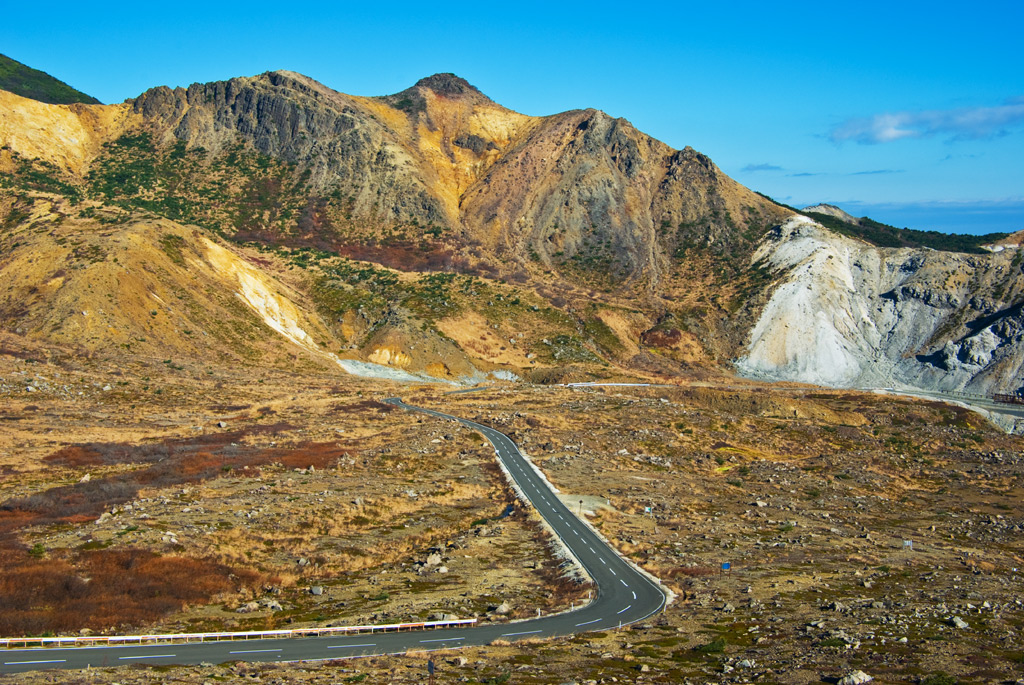
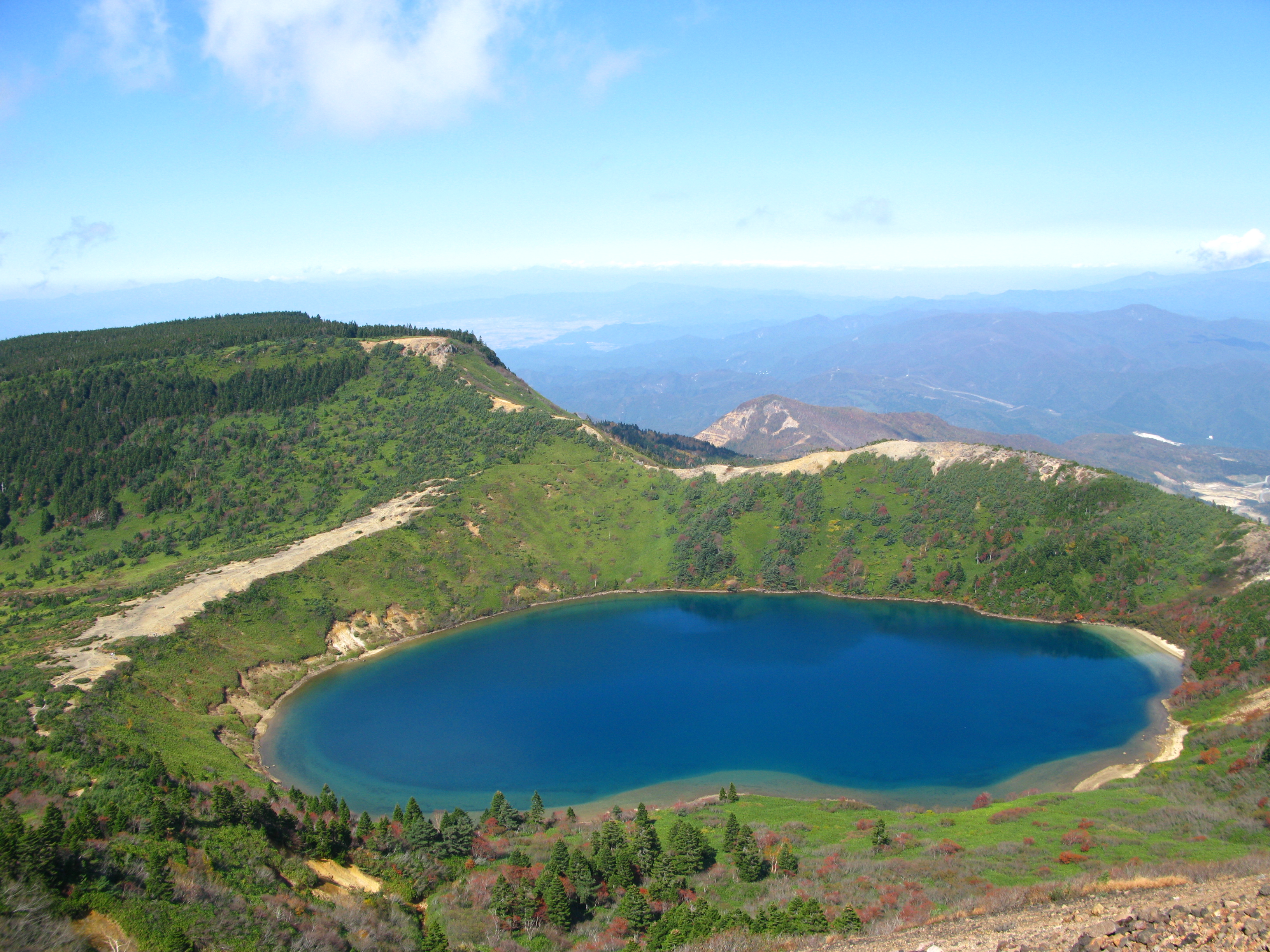
And then there’s the Bandai-Azuma Skyline — a 29 km (18 mile) toll road climbing to 5,446 feet (1,660 meters) above sea level through what looks like a Martian lava field. The road passes directly through the volcanic crater zone of Mount Azuma, where you can park and walk to fumaroles (volcanic vents) still actively steaming from the earth. The views on a clear day encompass a sea of mountains stretching to the Pacific — on the very best days, you can see as far as the Ou Mountain Range and the coastal plains of Miyagi. This is the kind of drive that makes you stop every 200 meters because each new pull-off has a better view than the last.
Getting There from Tokyo
The Ura-Bandai region is a bit more involved to reach than some Tohoku destinations, but it’s entirely manageable by public transport, and the journey through Fukushima’s countryside is beautiful in its own right.
- Shinkansen + Bus (Best Public Transport Option): Take the Tohoku Shinkansen from Tokyo Station to Koriyama Station (about 1 hour 10 minutes, approximately ¥7,000–¥8,500 / $48–$58 one way). From Koriyama, transfer to the JR Ban-etsu West Line toward Aizu-Wakamatsu (about 1 hour 20 minutes, ¥1,170 / $8) and get off at Inawashiro Station or Bandai-Atami Station. From there, take a seasonal bus (runs April–November) directly to the Goshikinuma area — about 40 minutes, ¥770 ($5.30). Total travel time from Tokyo: about 3.5–4 hours.
- Alternative: Tohoku Shinkansen to Fukushima Station + Bus: During peak seasons (late spring through early autumn), highway buses run directly from Fukushima Station (reachable in about 1 hour 40 minutes from Tokyo by Shinkansen) to the Bandai-Azuma Skyline area. Check schedules with Fukushima Kotsu bus company.
- Rental Car (Strongly Recommended): To fully experience both the Five Colored Lakes and the Bandai-Azuma Skyline — plus the surrounding lake district — a rental car is ideal. Drive from Tokyo: about 3.5 hours via the Tohoku Expressway. From Sendai: about 2 hours. From Aizu-Wakamatsu: about 50 minutes. Car rental is available in Koriyama, Fukushima City, and Aizu-Wakamatsu.
- Bandai-Azuma Skyline (Toll Road): The toll is ¥570 ($3.90) per car. The road is typically open from late April/early May to late November, weather permitting. It closes in winter due to snow. Always check road conditions before driving — the weather at altitude can change rapidly even in summer.
JR Pass Note: The Shinkansen and Ban-etsu West Line are covered. The seasonal buses to Goshikinuma are not covered by JR Pass but are very affordable. The Bandai-Azuma Skyline toll road obviously requires payment regardless of rail pass.
The Five Colored Lakes: The Goshikinuma Trail
The trail begins at the Goshikinuma Visitor Center, where you can pick up a free English-language map and learn about the geological history of the volcanic eruption that created the lakes. The center also has restrooms — use them before you set off, as facilities along the trail are limited.
The walk proceeds at a gentle gradient through a beautiful mixed forest of beech, maple, and birch trees, following a well-maintained boardwalk and gravel path past the major ponds. Each pond is dramatically different from the last:
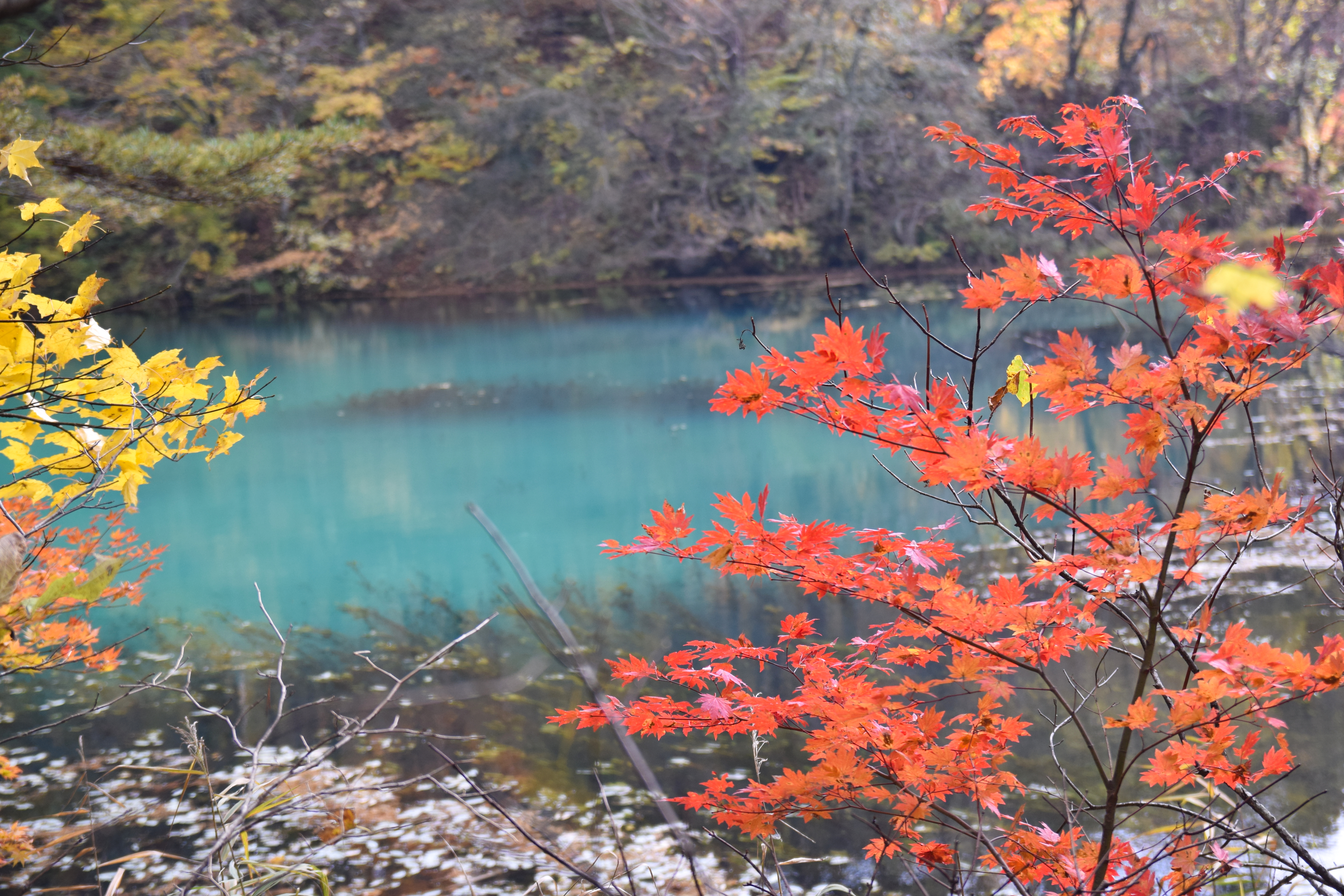
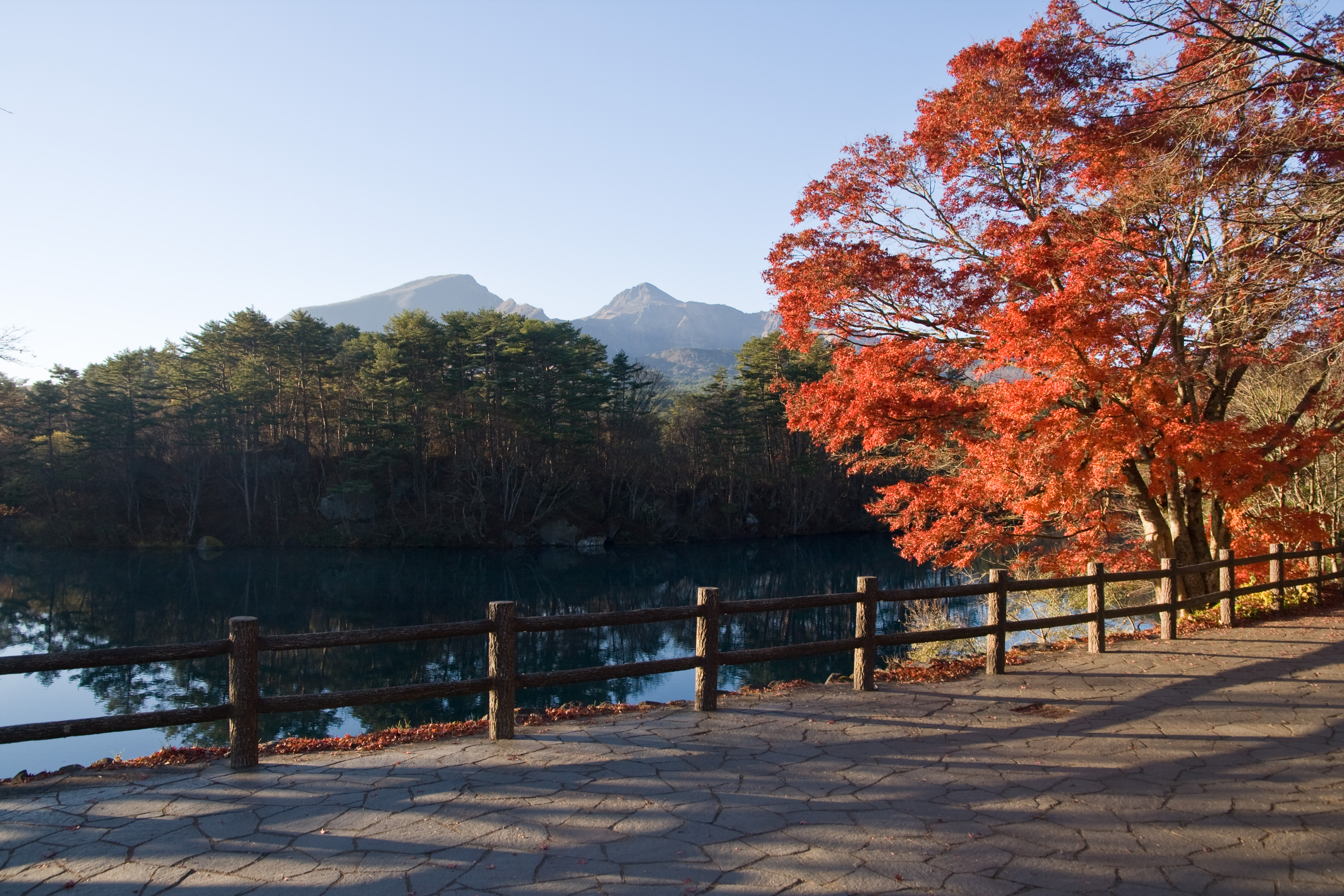
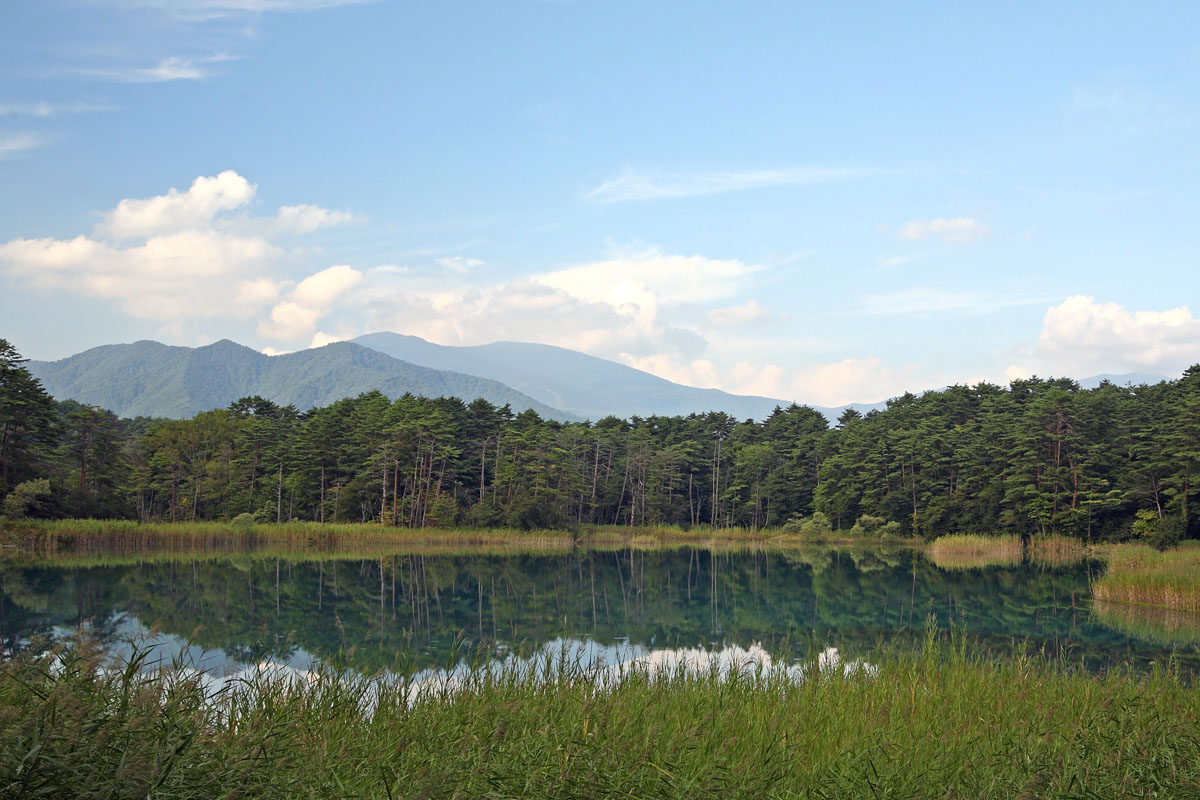
Bishamon-numa: The largest and most visually dramatic pond on the trail, Bishamon-numa is a deep, luminous blue-green surrounded by low hills. Paddle boats are available for rental (¥700–¥1,000 / $4.80–$6.80 for 30 minutes), and early morning visits often reward with perfectly still water that mirrors the surrounding mountains and sky like a mirror. The colors shift throughout the day — deep teal in morning shadow, brilliant turquoise in afternoon sun, silvery lavender at dusk.
Aka-numa (Red Pond): As the name suggests, this pond has a distinctly reddish-brown hue from iron oxide in the water. Seen in late October when the surrounding maples are at peak crimson, the overall effect is almost monochromatic — red water, red leaves, red reflected sky. Extraordinary.
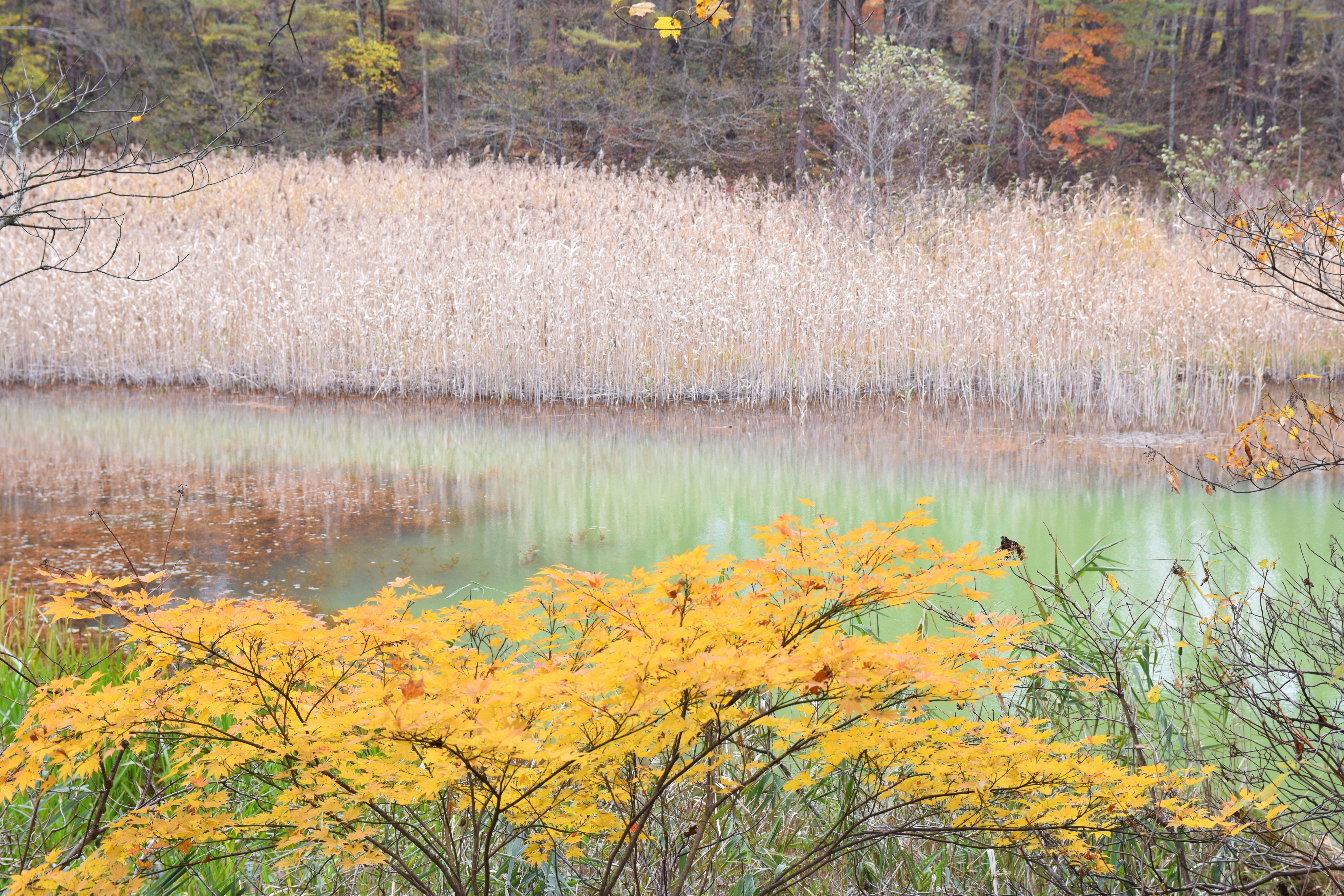
Midoro-numa: A smaller, shallower pond with an eerie milky-green color from high concentrations of aluminium sulfate. Dragonflies and water striders skim the surface on warm summer afternoons, and the surrounding reeds attract a variety of water birds.
Benten-numa: A deep, intensely blue pond named for the goddess Benzaiten. The color here is the most photographed in the entire Goshikinuma area — on a clear day, it appears almost artificially vivid, like someone poured food coloring into the water. It’s not a filter; that’s just the sulfur content doing its work.
Ruri-numa and Ao-numa: Two smaller ponds with particularly vivid blue-green (“ruri” means lapis lazuli in Japanese) coloration. The short path between them is lined in autumn with blazing yellow ginko and orange maple, making the contrast with the jewel-blue water almost hallucinogenic.
The trail ends (or begins, depending on your direction) at Goshikinuma Iriguchi bus stop. You can walk it in either direction — most people walk from the visitor center end to the bus stop end, since the most dramatic ponds (Bishamon and Benten) are at the far end. If you walk the other direction first, you build to a climax. Both work beautifully.
The Bandai-Azuma Skyline Drive
Even if you don’t have a car, consider hiring a taxi for the Bandai-Azuma Skyline portion of your trip — it’s that spectacular. The road climbs from the town of Takayu Onsen (a pleasant hot spring resort town) through multiple climate zones as you gain altitude, eventually cresting above the treeline into a landscape that looks genuinely extraterrestrial.
The most dramatic section passes through the Jododaira volcanic plateau, where the road runs through a moonscape of volcanic rock, sparse alpine vegetation, and fumaroles steaming from the ground. You’ll smell the sulfur before you see it — a sharp, pungent reminder that you’re driving across an active volcanic field. The largest fumarole area can be seen from a short walking path off the main parking area (about 10 minutes round trip), where you can get close enough to feel the heat and see the bright yellow sulfur deposits building up around the vents.
The Azuma-Kofuji peak (8,858 feet / 2,700 meters) is visible from the road and can be climbed by a moderate hiking trail — it’s a challenging but rewarding 2–3 hour round trip from the Jododaira visitor center. The crater rim views on clear days are stunning, but this is mountain hiking with corresponding risks — check the weather forecast, bring layers, and don’t attempt in poor visibility.
Pull-offs along the skyline offer extraordinary views in multiple directions. On one side, the volcanic plateau stretches to the horizon with Mount Bandai visible in the distance. On the other, the mountains drop away to reveal the Fukushima City basin and, on exceptionally clear days, the Pacific coast. Sunrise and sunset here are deeply rewarding if you’re willing to make the early or late drive.
Best Time to Visit
- Spring (Late April–May): The Bandai-Azuma Skyline opens in late April (usually late April/early May, weather permitting), and the surrounding areas burst with cherry blossoms and fresh green leaves. Snow still caps the higher elevations, creating dramatic contrasts. The lakes are clear and vivid, and crowds are moderate. Temperatures at altitude can still drop to 32–41°F (0–5°C), so pack layers even if the valley is warm.
- Early Summer (June): Fresh greenery, fewer crowds, and the ponds at their deepest, most saturated colors as summer light angles through clear water. Water lilies begin blooming in some ponds. Rainy season (tsuyu) can bring overcast skies mid-June through mid-July, but misty conditions at the skyline create their own dramatic atmosphere.
- Summer (July–August): The most popular season, with families taking advantage of the school holidays. Paddle boats at Bishamon-numa are in full operation. Wildflowers carpet the Jododaira plateau. The heat of the lowlands makes the cool alpine air of the Skyline especially welcome — temperatures at altitude stay around 59–68°F (15–20°C) even when Fukushima City bakes at 86–95°F (30–35°C). Book accommodation well in advance for August.
- Autumn (Late September–November): The absolute peak season for beauty. The Goshikinuma trail during koyo (peak foliage) — typically the third to fourth week of October — combines the lake colors with blazing autumn leaves in a combination that’s genuinely breathtaking. This is also the most crowded period; expect waits for parking at the major viewpoints. The Skyline closes in late November as snow begins to fall.
- Winter (December–March): The Bandai-Azuma Skyline closes completely. However, the Goshikinuma ponds remain accessible (with appropriate footwear and caution on icy paths) and are magnificent in snow — the frozen surfaces develop abstract ice patterns, and the surrounding white silence is complete. The lakeside area around Lake Hibara is particularly beautiful in snow and sees very few visitors. Aizu-Wakamatsu (40 minutes away) is well worth combining as a winter destination.
Where to Eat: Ura-Bandai & Aizu Food Guide
The Ura-Bandai area itself is light on restaurants (it’s primarily a nature destination), but the surrounding region — especially Aizu-Wakamatsu — is a fantastic food destination.
Kirara Terrace (Goshikinuma Visitor Center Area)
The small cluster of shops and a restaurant near the Goshikinuma Visitor Center offers light meals and snacks perfect for before or after the trail walk. The menu leans toward set lunches (¥900–¥1,400 / $6–$9.50) with local rice, miso soup, and seasonal vegetables, as well as soft serve ice cream and warm corn soup in colder months. Nothing spectacular, but convenient and tasty enough after a morning of walking. The local specialty here is “sanzoku yaki” — crispy fried chicken with a garlicky soy glaze, available as a snack skewer for about ¥400 ($2.70).
Aizu Local Cuisine: Kozuyu
If you extend your trip to Aizu-Wakamatsu (strongly recommended — see our separate guide), look for “kozuyu,” a traditional Aizu clear soup made with dried scallop broth, vegetables, and colorful fu (wheat gluten cakes). It’s served as part of the “shippoku” banquet meal at traditional ryokan and restaurants throughout Aizu. Elegant, subtle, and distinctly local. A traditional shippoku meal runs ¥2,500–¥4,000 ($17–$27) per person at mid-range restaurants.
Horsemeat (Basashi) in Aizu
Aizu-Wakamatsu is one of the few places in Japan where horse meat is a celebrated local delicacy. “Basashi” (raw horse sashimi) is served thinly sliced with soy sauce and ginger — it’s dark red, tender, and surprisingly mild, with none of the gaminess one might expect. Sakura-niku (horse meat, literally “cherry blossom meat” for its color) is also served cooked, hot-pot style. A platter of basashi sashimi at an izakaya in Aizu typically costs ¥1,000–¥1,800 ($6.80–$12.30). If you’re feeling adventurous, this is a genuinely authentic regional experience.
Sauce Katsu-don (Aizu Style)
The Aizu-Wakamatsu region’s version of katsu-don is a departure from the standard Tokyo style — instead of the usual egg-and-onion simmered sauce, Aizu katsu-don features thin, crispy pork cutlets layered over rice and doused in a deep, sweet Worcestershire-style sauce. It’s messier and more intensely flavorful than the standard version, and locals are intensely proud of it. Order it at virtually any diner or restaurant in Aizu for ¥800–¥1,200 ($5.50–$8.20).
Where to Stay
Budget (Under ¥8,000 / $55 per night)
Campgrounds in the Ura-Bandai Area: The national recreation area surrounding Lake Hibara and the Five Colored Lakes has several well-maintained campgrounds open May–October. Tent sites run ¥500–¥1,000 ($3.40–$6.80) per person. Waking up by the lake shore with morning mist rising off the water is a genuinely magical experience, and the dark skies here offer excellent stargazing. Camping gear can be rented at some sites for an additional fee.
Minshuku in Urabandai Village: A scattering of family-run guesthouses in the small resort villages around the lake district offer simple Japanese-style rooms for ¥6,000–¥8,000 ($41–$55) per person, sometimes including a home-cooked dinner and breakfast.
Mid-Range (¥8,000–¥20,000 / $55–$135)
Urabandai Highland Hotel: A pleasant resort hotel in the heart of the lake district, about 5 minutes drive from the Goshikinuma trailhead. Western and Japanese-style rooms, an indoor hot spring bath, and a restaurant serving local Aizu cuisine. Rates range from ¥10,000–¥18,000 ($68–$123) per person with two meals. The hotel can arrange rental bicycles for exploring the lake area, which is highly recommended in fine weather.
Takayu Onsen Ryokan: The hot spring town of Takayu, at the western end of the Bandai-Azuma Skyline, has several lovely onsen ryokan with sulfurous, milky-white waters known for their skin-softening properties. Rates typically run ¥12,000–¥22,000 ($82–$150) per person including dinner and breakfast. The dramatic nighttime views from some ryokan’s open-air baths — overlooking volcanic mountains under a blaze of stars — are unforgettable.
Luxury (¥20,000+ / $135+)
Ookawaso (大川荘), Aizu-Nishigawa: About an hour from the Goshikinuma area, this spectacular ryokan built over a river gorge is frequently cited as one of Japan’s most beautiful hot spring inns. The main building’s dramatic wooden interior overlooks a forested canyon, and the multi-course kaiseki dinners featuring Aizu local produce are exceptional. Rates run ¥35,000–¥60,000 ($240–$410) per person, with meals. If you’re going to splurge on one ryokan night in Tohoku, make it here.
Practical Tips for Visiting Goshikinuma & Bandai-Azuma
- Go in the morning. The Five Colored Lakes are at their most beautiful in morning light, which catches the colors at their most saturated. By midday on busy autumn weekends, the main ponds can be crowded.
- The Bandai-Azuma Skyline closes seasonally. It typically runs late April/early May through late November. Always check the official Fukushima Prefecture road website before planning your drive — the road can close on short notice for high winds or volcanic activity warnings.
- Check volcanic activity advisories. Mount Azuma and Mount Bandai are active volcanoes. Japan Meteorological Agency (jma.go.jp) publishes real-time volcanic alerts. At the time of writing, both have been at normal activity levels, but conditions can change. The hiking routes near active fumaroles may be restricted during elevated alert levels.
- Walking shoes are essential. The Goshikinuma trail is easy, but the boardwalk sections can be muddy or slippery after rain. Waterproof walking shoes or light hiking boots are strongly recommended. Flip-flops will make you miserable.
- Bring cash. The Ura-Bandai area has limited ATMs. The convenience stores in Kitashiobara village (about 10 minutes drive) have ATMs, but stock up on cash in Koriyama or Aizu-Wakamatsu before heading to the lakes.
- Combine with Lake Inawashiro. Lake Inawashiro is the fourth-largest lake in Japan, about 20 minutes from Goshikinuma by car, with excellent views of Mount Bandai. The Ueno Rinnosuke Memorial Museum (birthplace of the “Wild Geese” author Mori Ogai) is also on the lake’s shore and makes a pleasant cultural addition to a nature day.
- Rental bicycles. Several guesthouses and the main visitor area rent bicycles for exploring the lake district. The cycling paths around Lake Hibara are excellent and allow you to cover much more ground than walking, with minimal elevation change.
- Wildlife spotting. The Ura-Bandai wetlands are a significant habitat for migratory birds. Bring binoculars in spring (May) and autumn (October) — you may see white-tailed eagles, black storks, and various waterfowl on and around the lakes.
- The toll road is one way. The Bandai-Azuma Skyline runs east-west, but you can drive it in either direction. The eastern (Tsuchiyu Onsen) end and western (Takayu Onsen) end both offer access. If driving from Fukushima City, enter from the Tsuchiyu side and exit toward Takayu for the classic experience.
- Radiation note: Visitors to Fukushima often ask about radiation safety. The Ura-Bandai/Bandai-Azuma area is in western Fukushima, far from the coastal areas affected by the 2011 nuclear incident. Radiation levels here are entirely normal — equivalent to or lower than many major international cities. The area has been continuously monitored and independently verified as safe. Don’t let misinformation keep you from one of Japan’s most spectacular landscapes.
Sample 2-Day Itinerary: Tokyo to Ura-Bandai
Day 1: Arrival and the Five Colored Lakes
8:00 AM: Depart Tokyo Station on Tohoku Shinkansen toward Koriyama. Travel time: about 1 hour 10 minutes.
9:15 AM: Arrive Koriyama. Transfer to Ban-etsu West Line (platform 5 or 6) toward Aizu-Wakamatsu. Board the 9:45 AM train.
11:00 AM: Arrive Inawashiro Station. Take the seasonal bus (or taxi) to the Goshikinuma Visitor Center.
11:45 AM: Begin the Goshikinuma trail from the visitor center end. Walk at a leisurely pace, stopping at each pond for photography. The trail to the Goshikinuma Iriguchi end takes 1–1.5 hours.
1:30 PM: Lunch at the visitor center area restaurant. Rest your feet. Buy some locally made jam or volcanic mineral snacks.
2:30 PM: Rent a paddle boat at Bishamon-numa for 30 minutes — the on-water perspective of the lake is completely different from the shore.
4:00 PM: Check in to your guesthouse or resort hotel in the Ura-Bandai area. Hot spring bath before dinner.
7:00 PM: Dinner at your accommodation. If staying at a ryokan, the multi-course meal using local Aizu produce is the highlight of the evening.
Day 2: Bandai-Azuma Skyline and Fukushima City
6:30 AM: If the sky is clear, make the early drive up the Bandai-Azuma Skyline for sunrise conditions at Jododaira. The morning light on the volcanic plateau is stunning, and you’ll have the viewpoints virtually to yourself.
8:00 AM: Explore the fumarole walking path at Jododaira (about 30 minutes). Smell the sulfur, feel the heat, see the yellow mineral deposits. This is genuinely other-worldly.
9:30 AM: Continue driving the Skyline east toward the Tsuchiyu Onsen exit. Pull off at the best viewpoints — each one seems to improve on the last.
10:30 AM: Arrive in Fukushima City. Have a proper breakfast or late morning coffee at a local cafe in the Nakamachi shotengai (covered shopping arcade).
12:00 PM: Lunch in Fukushima City — try a set meal featuring local specialties. The city’s covered arcade has several excellent ramen shops; “Fukushima ramen” features a soy-based clear broth with curly noodles.
2:00 PM: Fukushima Station — board the Tohoku Shinkansen back toward Tokyo. Travel time: about 1 hour 45 minutes.
3:45 PM: Arrive Tokyo with vivid memories of colored lakes, volcanic landscapes, and the finest hot spring bath you’ve had all year.
Related Articles You Might Enjoy
- Ura-Bandai Highlands, Fukushima: Japan’s Most Magical Volcanic Lake District
- Mount Adatara & Dake Onsen, Fukushima: Japan’s Sacred Volcano & Secret Healing Hot Spring
- Tadami Line, Fukushima: Japan’s Most Scenic Hidden Railway Journey
- Fukushima City Guide: Japan’s Most Misunderstood Destination & Why You Need to Visit
- Abukuma Cave, Fukushima: Japan’s Most Spectacular Underground Wonder
Final Thoughts
The Five Colored Lakes and Bandai-Azuma Skyline offer something genuinely rare in heavily-traveled Japan: the sensation of discovery. You’ll meet far fewer foreign visitors here than at the famous sights of Kyoto or Nikko, which means you get to experience these extraordinary landscapes with a degree of peace and authenticity that’s increasingly hard to find. Fukushima has a complex story, but the mountains and lakes of the Ura-Bandai region are as pristine, as wild, and as beautiful as anything in the Japanese archipelago. Come for a day, stay for two, and you’ll leave already planning the season when you’ll return. Autumn is the obvious answer — but honestly, any season will do just fine.


コメント