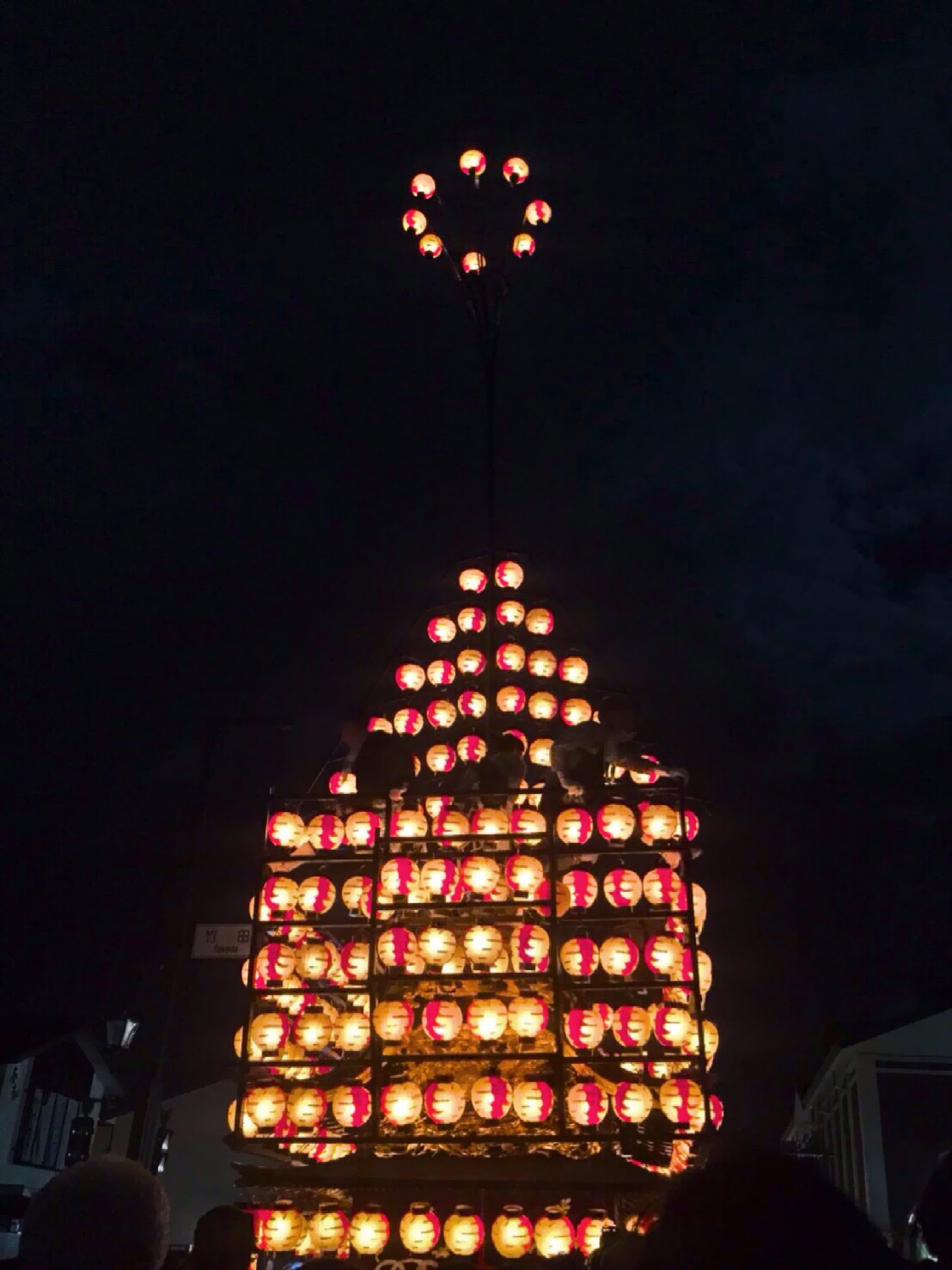
Picture a mountain town where 300 wheeled lantern towers, each one lit by open flame and carried by dozens of chanting men, come crashing together in the streets after dark — while just up the hill, a reconstructed feudal castle watches over rice fields that turn gold in October. That’s Nihonmatsu, a small city in central Fukushima Prefecture that most first-time visitors to Japan have never heard of, and that most seasoned Japan travelers wish they’d discovered sooner.
Why Nihonmatsu Should Be on Every Japan Itinerary
Nihonmatsu is one of those places that Japanese domestic tourists have quietly treasured for centuries while it stays almost completely off the radar for international visitors. It sits in the Naka-dori (central corridor) region of Fukushima Prefecture, about 90 minutes north of Tokyo by Shinkansen, yet it feels a world away from the crowds of Kyoto or the neon of Osaka. This is castle-town Japan the way it actually looks in most of the country: quiet lanes, family-run soba shops, a 500-year sake brewery still using wooden vats, and a mountain — Mount Adatara — rising green and blue on the horizon.
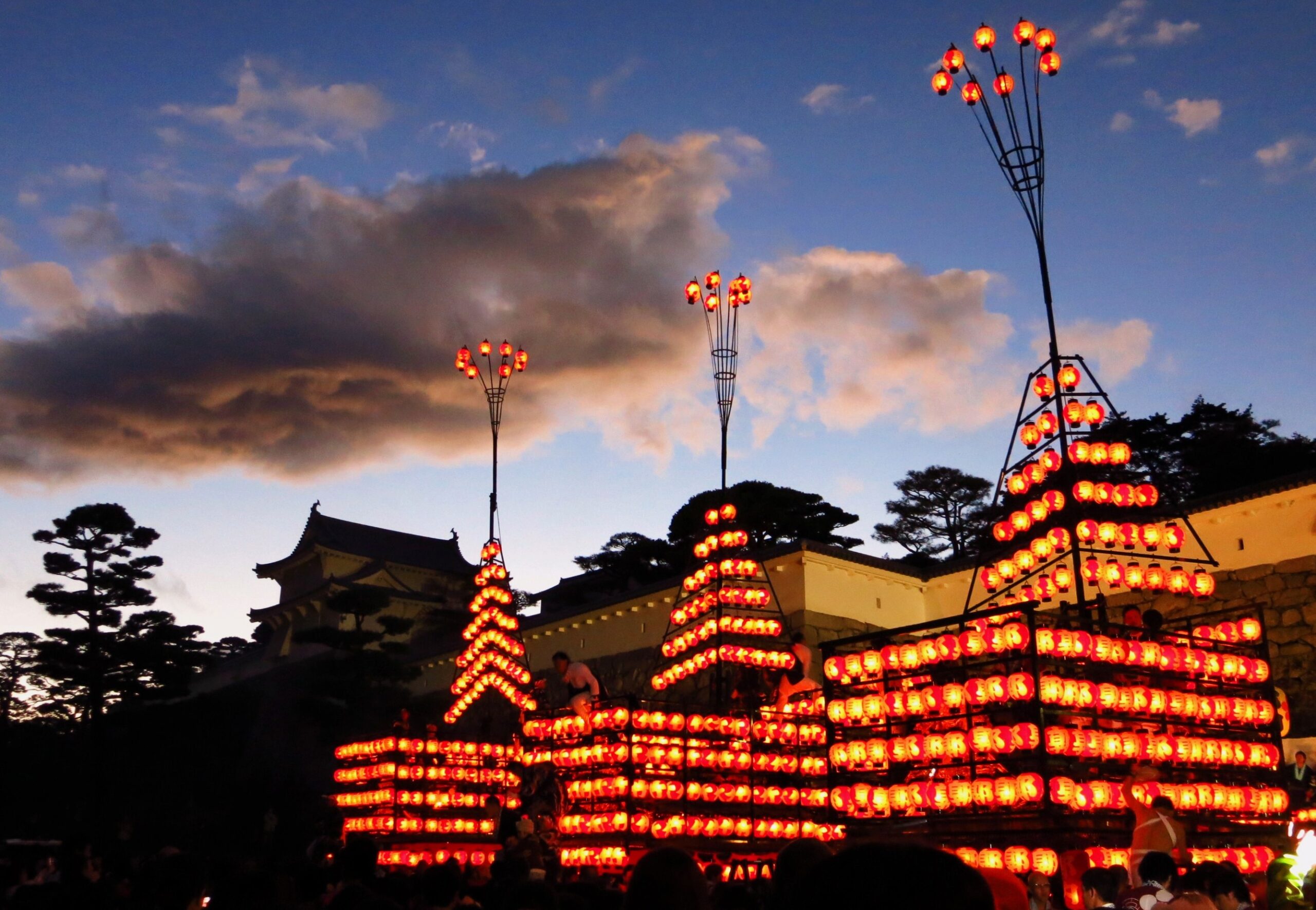
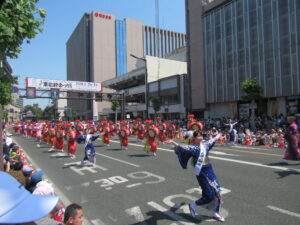
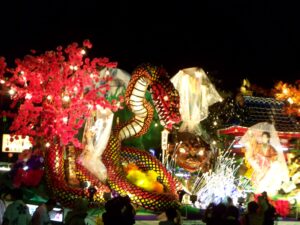
What makes Nihonmatsu genuinely special, though, is its festival calendar. The Nihonmatsu Chochin Matsuri (提灯祭り), held every October, is officially recognized as one of Japan’s “Three Great Lantern Festivals,” alongside Akita’s Kanto Matsuri and Owari’s Owari Tsushima Tenno Festival. Unlike the Kanto Festival, where performers balance towering bamboo poles on their palms, Nihonmatsu’s festival is a full-contact street parade: seven neighborhood floats, each stacked with roughly 300 paper lanterns and pulled by teams of chanting locals, converge in the town center and literally crash into one another in a display of good-natured rivalry that dates back over 350 years. If you’re picturing a polite, orderly procession, throw that image out — this is loud, physical, and unlike anything most Western travelers have seen.
Layer onto that a beautifully reconstructed samurai castle with one of Tohoku’s best cherry blossom displays, an autumn Chrysanthemum Doll Festival that turns life-size figures into walking flower gardens, and a 300-year-old sake brewery that still makes some of the most respected junmai daiginjo in Japan, and you have a destination that rewards exactly the kind of curious, off-the-beaten-path traveler this blog is written for.
Getting There from Tokyo
- Shinkansen: Take the Tohoku Shinkansen from Tokyo Station to Nihonmatsu Station (郡山 Koriyama, then a short local train, or via Fukushima Station). The fastest route is Tokyo → Koriyama (about 80 minutes on the Yamabiko or Nasuno service), then transfer to the JR Tohoku Main Line for the 15-minute ride to Nihonmatsu Station. Total travel time is roughly 100–110 minutes. Cost is approximately ¥9,500–¥10,500 (about $63–$70 USD) one way for an unreserved Shinkansen seat plus local transfer.
- Bus: Highway buses run from Tokyo’s Shinjuku or Tokyo Station area to Fukushima or Koriyama, taking 4–5 hours and costing around ¥4,000–¥5,500 ($27–$37). This is a budget option but far slower than the train.
- Rental car: Driving from Tokyo takes about 3–3.5 hours via the Tohoku Expressway. This is a great option if you’re combining Nihonmatsu with nearby Bandai-Azuma or Aizuwakamatsu, since public transit between those smaller towns can be infrequent.
The JR Pass (both the nationwide pass and the JR East Tohoku Area Pass) fully covers the Shinkansen and local train legs of this trip, making Nihonmatsu an easy and essentially “free” add-on if you already hold one. From Sendai, the trip is even shorter — about 45 minutes on the Tohoku Shinkansen to Fukushima Station, then a further 30 minutes on the local line to Nihonmatsu.
The Nihonmatsu Chochin Matsuri (Lantern Festival)
This is the reason to build your Tohoku itinerary around a specific date. Held annually on the first Saturday, Sunday, and the preceding Friday of October, the Chochin Matsuri transforms this sleepy castle town into one of the most electric festival scenes in northern Japan. Seven ornate wooden floats (called taiko-tai), each representing a different neighborhood, are decked out with roughly 300 hand-painted paper lanterns apiece — around 2,000 lanterns total across the festival — and pulled through the streets by teams of men in traditional happi coats, chanting in unison and beating drums mounted on the floats themselves.
The festival’s origins trace back to 1667, when the town’s feudal lord ordered a harvest celebration to boost morale after a period of hardship. Today it retains that same spirit: this is a community festival first, a tourist attraction second, and that authenticity is exactly what makes it worth experiencing. On the final night, the floats gather in front of Nihonmatsu Station and the local shrine for a dramatic finale where teams compete to pull their float fastest through a set course — sparks occasionally fly (literally, from the candle flames) and it’s genuinely thrilling to watch up close.
Practical tips for the festival: Arrive by mid-afternoon to walk the parade route before crowds build, and stake out a spot near the finale area by early evening if you want a close view of the float convergence. Hotels in Nihonmatsu itself are limited and book up fast for festival weekend — consider staying in Koriyama or Fukushima City (both 15–30 minutes away by train) and taking a short evening trip in. Street food stalls (yatai) line the main routes selling yakitori, takoyaki, and the classic festival treat kakigori (shaved ice), so you won’t go hungry.
Nihonmatsu Castle (Kasumigajo)
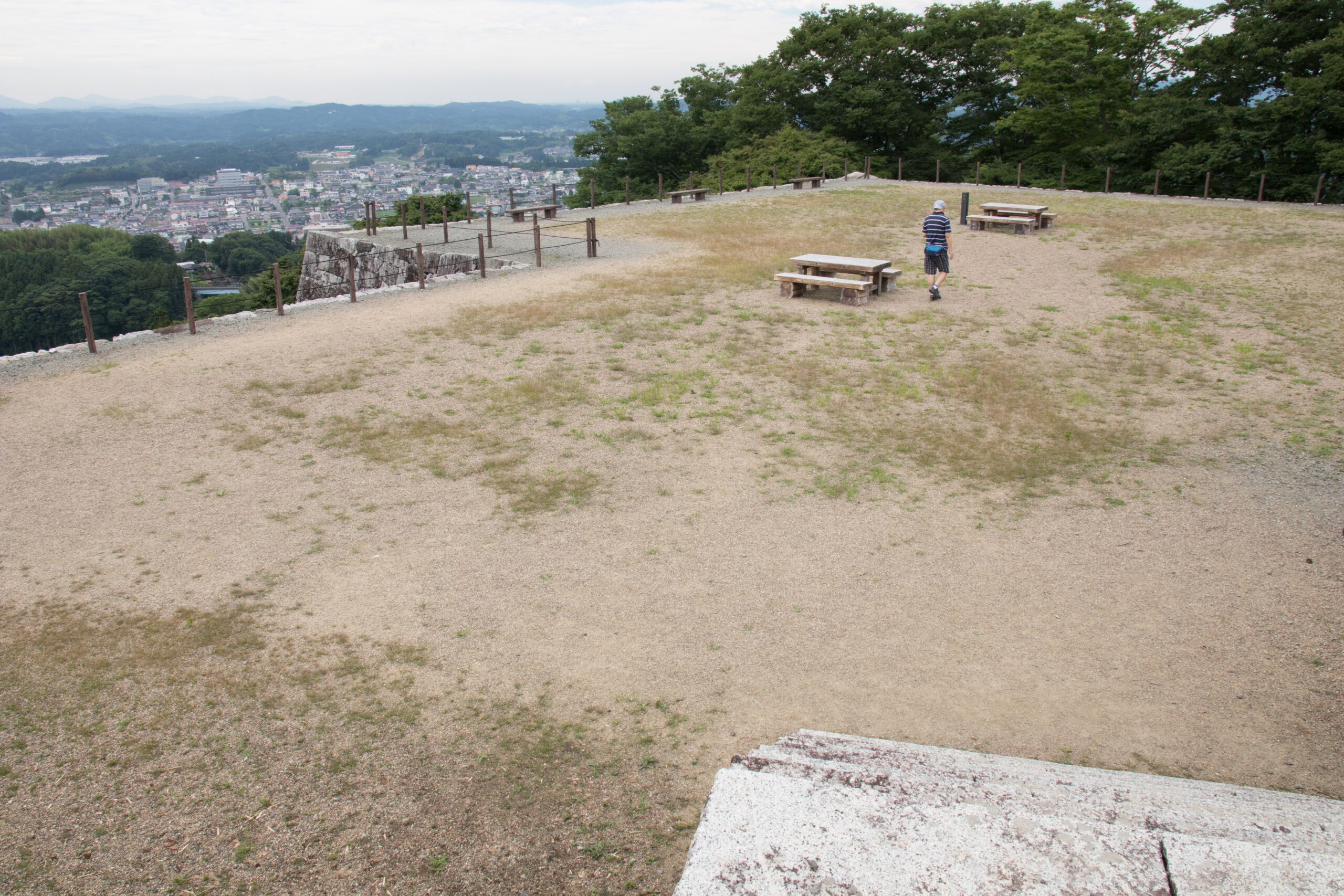
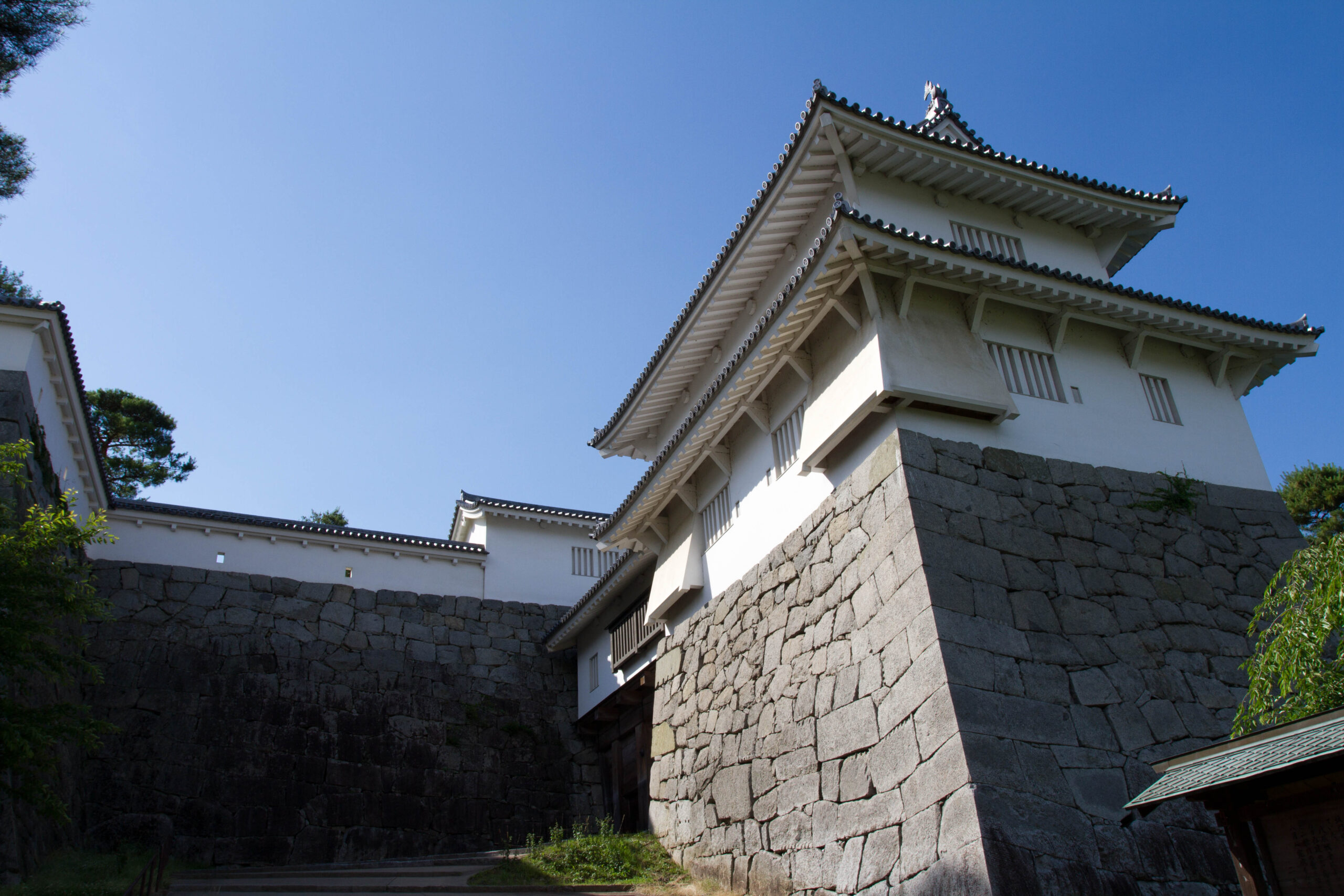
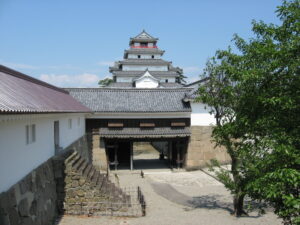
Long before the lantern festival made Nihonmatsu famous, this was a serious feudal stronghold. Nihonmatsu Castle, poetically nicknamed Kasumigajo (“Mist Castle”) for the way morning fog often wreathes its hilltop position, was the seat of the Niwa clan for over 200 years during the Edo period. Like so many Tohoku castles, it played a tragic role in the Boshin War of 1868, when Nihonmatsu’s forces — including a unit of boy soldiers as young as 12, the Nihonmatsu Shonentai — fought and died defending the castle against imperial troops. The main keep was destroyed in that conflict and never rebuilt, but the castle’s extensive stone walls, gates, and the beautifully restored Minowa Gate survive, along with a partially reconstructed turret.
What makes a visit worthwhile today isn’t a soaring five-story keep — there isn’t one — but the atmosphere and the views. The climb through the castle grounds passes moss-covered stone ramparts, quiet groves, and multiple viewpoints looking out over the Nihonmatsu basin toward Mount Adatara. In spring, over 1,700 cherry trees bloom across the castle park, making it one of the “Top 100 Japanese Castles” recognized by the Japan Castle Foundation and one of the “Top 100 Cherry Blossom Spots in Japan” simultaneously — a rare double honor. Entry to the castle grounds is free, and the walk from the base to the highest viewpoint takes about 45–60 minutes round trip at an easy pace.
The Chrysanthemum Doll Festival (Kikuningyoten)
Every autumn, from mid-October through late November, the castle park hosts one of the most unusual sights in Japanese festival culture: the Nihonmatsu Kikuningyoten, or Chrysanthemum Doll Festival. Local growers spend the entire year cultivating chrysanthemum plants trained onto wire-frame armatures shaped like human figures, so that by festival time, entire life-size scenes — samurai in battle, kabuki actors mid-performance, historical tableaux — are “dressed” head to toe in thousands of individually placed living chrysanthemum blooms. It’s part horticulture, part sculpture, part theater, and it’s been a Nihonmatsu tradition for well over a century.
The display typically features 15–20 elaborate doll scenes alongside massive chrysanthemum topiaries and cascading flower arrangements, all set within the castle grounds so you can combine the festival with your castle visit in a single stop. Admission runs around ¥700–¥800 ($5) for adults during the festival period. Go on a clear afternoon if you can — the combination of fall foliage on the castle grounds’ maple trees with the chrysanthemum colors is spectacular, and considerably less crowded than similar events in bigger cities.
Mount Adatara & Dake Onsen
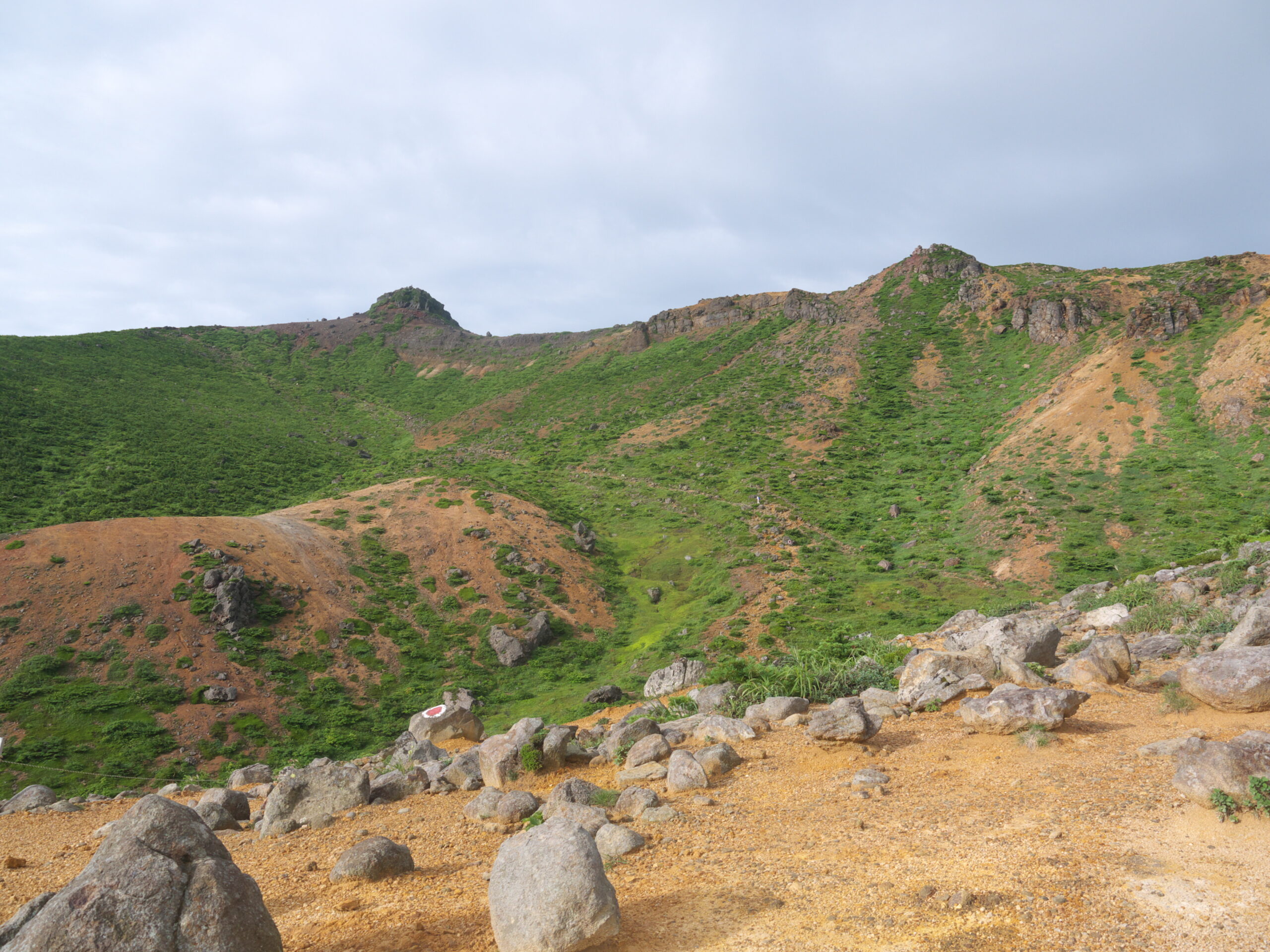
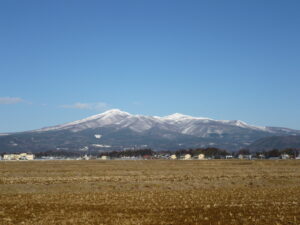
Rising to 1,700 meters (5,577 feet) just west of town, Mount Adatara is one of Fukushima’s most beloved peaks and a designated Japanese “100 Famous Mountains.” It’s an active volcano with a striking, otherworldly crater called Numanotaira, and a ropeway (the Adatara Kogen Ski Resort gondola) whisks hikers most of the way up, leaving a manageable 90-minute-to-2-hour hike to the summit for reasonably fit visitors. The views from the top stretch across the entire Fukushima basin on a clear day, and in early-to-mid October the mountain’s autumn foliage — a cascade of red, orange, and gold beech and maple — is considered among the best in Tohoku.
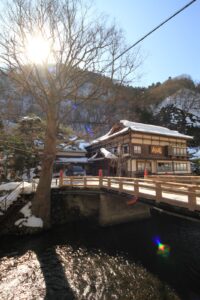
At the mountain’s base sits Dake Onsen, a hot spring village with roots going back over 400 years, known for its strongly acidic, sulfurous white waters that are said to be excellent for skin conditions. Several ryokan here offer day-bathing (higaeri onsen) for around ¥700–¥1,000 ($5–$7), making it an easy add-on to a Nihonmatsu day trip if you have a rental car or don’t mind a short taxi ride from the station.
Daishichi Sake Brewery & Nihonmatsu’s Sake Culture
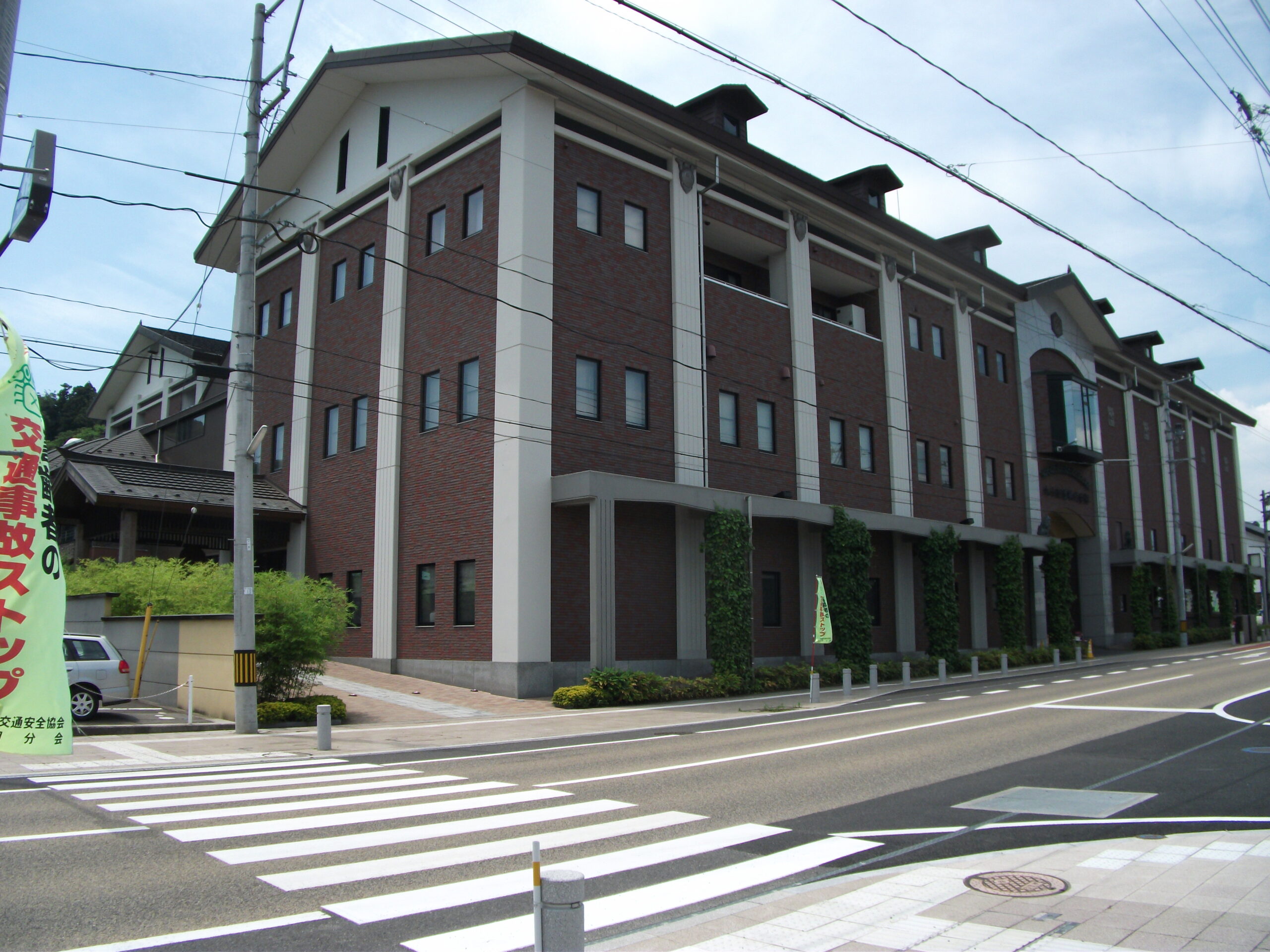
Nihonmatsu’s clean mountain water and cold winters have made it a sake-brewing town for centuries, and the crown jewel is Daishichi Shuzo, founded in 1752 and still run by the same family, now in its 10th generation. Daishichi is internationally respected among sake connoisseurs for being one of the very few breweries in Japan that still uses the labor-intensive kimoto method exclusively — a traditional, centuries-old technique for building the fermentation starter by hand that most modern breweries abandoned decades ago in favor of faster methods. The result is a fuller-bodied, more complex style of sake that pairs beautifully with rich, umami-forward food.
Daishichi welcomes visitors for tours and tastings (reservations recommended, available in English through their website), and the brewery’s traditional kura (storehouse) architecture is worth photographing even if sake isn’t your thing. Tastings typically run ¥500–¥1,500 ($3–$10) depending on how many premium labels you sample, and bottles make an excellent, genuinely unique souvenir — look for the Minowamon or Kimoto Junmai Daiginjo labels if you want to bring home what critics consider Fukushima’s finest.
Best Time to Visit
- Spring (March–May): Cherry blossoms peak at Nihonmatsu Castle in mid-to-late April, roughly a week or two after Tokyo, making it a great option if you missed peak bloom further south. Mild, comfortable temperatures around 50–68°F (10–20°C).
- Summer (June–August): Hot and humid, typically 75–86°F (24–30°C), with a rainy season in June. Good for hiking Mount Adatara before the heat peaks, less ideal for extended walking around town midday.
- Autumn (September–November): The best season to visit, hands down. The Chochin Matsuri lantern festival (early October), Kikuningyoten chrysanthemum festival (mid-October to late November), and Mount Adatara’s fall foliage all overlap, with pleasant daytime temperatures of 55–70°F (13–21°C).
- Winter (December–February): Cold, with occasional snow, temperatures often 25–40°F (-4–4°C). Dake Onsen is especially atmospheric with snow on the ground, and nearby Adatara Kogen becomes a modest ski resort.
Where to Eat: Nihonmatsu Food Guide
Fukushima’s food culture leans hearty and comforting — mountain vegetables, freshwater fish, and rich noodle dishes that reflect the region’s cold winters. Nihonmatsu is small, so don’t expect a huge dining scene, but what’s here is honest and good.
Nihonmatsu Soba
The area around Nihonmatsu and neighboring Adatara-machi is known for excellent handmade soba noodles, thanks to the cool climate that’s ideal for growing buckwheat. Small family-run soba shops near the station and castle serve zaru soba (cold, dipped noodles) for around ¥800–¥1,200 ($5–$8) — look for shops with a wooden noren curtain and a queue of locals at lunchtime, always a good sign.
Nihonmatsu Yakitori Alley (Nikka-dori)
The streets near Nihonmatsu Station have a cluster of small, smoky yakitori joints that come alive in the evening, serving grilled chicken skewers alongside cold Daishichi or Ninki-ichi sake by the glass. Expect ¥1,500–¥3,000 ($10–$20) for a satisfying meal with a few drinks — this is where to sit at the counter and practice your Japanese with the locals.
Fukushima Prefecture Comfort Food
If you’re passing through Fukushima Station on your way in or out, try Kitakata ramen (thin, flat, curly noodles in a light soy broth) or enban gyoza, Fukushima City’s famous circular arrangement of pan-fried dumplings served with a distinctive miso-based dipping sauce found almost nowhere else in Japan.
Where to Stay
Budget (Under ¥8,000 / $55 per night)
Nihonmatsu itself has limited budget accommodation, but Koriyama, just 15 minutes away by train, has business hotels like Toyoko Inn Koriyama and APA Hotel Koriyama-eki with clean, simple rooms from around ¥6,000–¥7,500 ($40–$50).
Mid-Range (¥8,000–¥20,000 / $55–$135)
Dake Onsen’s ryokan offer a proper hot spring experience with dinner and breakfast included, typically ¥10,000–¥16,000 ($68–$110) per person — Yumoto Goemon and Dakekan are both well-regarded, welcoming options with English-speaking staff comfortable with foreign guests.
Luxury (¥20,000+ / $135+)
For a higher-end ryokan experience, several properties in the greater Bandai-Adatara onsen region offer premium kaiseki dinners and private open-air baths, running ¥25,000–¥40,000+ ($170–$270+) per person per night — a memorable splurge if you’re combining Nihonmatsu with a wider Fukushima itinerary.
Practical Tips for Visiting Nihonmatsu
- Nihonmatsu Station has coin lockers, but they’re limited in number — arrive early if you’re storing luggage for a day trip, especially during festival season.
- Very little English is spoken outside of major hotels and Daishichi’s tasting room, so download a translation app before you arrive.
- The castle grounds involve a genuine uphill walk with some stairs — wear comfortable shoes, especially if you’re also planning to hike partway up Mount Adatara the same trip.
- If you’re visiting for the Chochin Matsuri, book accommodation in Koriyama or Fukushima City at least 2–3 months in advance; rooms in Nihonmatsu itself sell out even earlier.
- Cash is still king at small soba shops and yatai food stalls — bring enough yen, as card and IC card (Suica/Pasmo) acceptance is inconsistent outside train stations.
- Combine Nihonmatsu with nearby Bandai-Azuma Skyline, Goshikinuma’s Five Colored Lakes, or Aizuwakamatsu for a fuller 2–3 day central Fukushima itinerary.
- The Chrysanthemum Doll Festival and fall foliage on Mount Adatara overlap almost perfectly in mid-to-late October — this is the single best two-week window to visit if your dates are flexible.
- Daishichi’s tasting room can get busy on weekends; reserve ahead through their English-language contact form if you want a guided tour rather than just a self-guided tasting.
Sample 1-Day Itinerary
Morning
Arrive at Nihonmatsu Station by mid-morning. Walk (or take a short taxi) up to Nihonmatsu Castle and spend 60–90 minutes exploring the grounds, ramparts, and viewpoints — if visiting in October/November, budget extra time for the Kikuningyoten chrysanthemum doll displays.
Afternoon
Head back into town for a soba lunch, then walk to Daishichi Shuzo for a brewery tour and tasting. If time and energy allow, take a taxi out to Dake Onsen for a relaxing day-bath session with mountain views.
Evening
If your visit lines up with the Chochin Matsuri (first weekend of October), stay for the evening parade and float finale near the station — otherwise, grab yakitori and a final glass of local sake near Nihonmatsu Station before heading on to your next stop, whether that’s Fukushima City, Koriyama, or back toward Sendai.
Related Articles You Might Enjoy
- Tsurugajo Castle (Aizuwakamatsu): Complete Guide to Fukushima’s Iconic Samurai Fortress
- Mount Adatara & Dake Onsen, Fukushima: Japan’s Sacred Volcano & Secret Healing Hot Spring
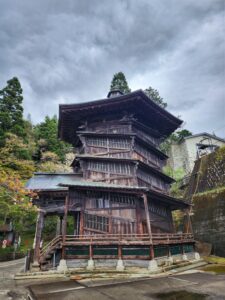
- Iimoriyama & Sazaedo, Aizuwakamatsu: Fukushima’s Samurai Tragedy Hill and Japan’s Only Double-Helix Pagoda
- Higashiyama Onsen, Aizuwakamatsu: Fukushima’s 1,300-Year-Old Samurai Hot Spring Town
- Tadami Line, Fukushima: Japan’s Most Scenic Hidden Railway Journey
Final Thoughts
Nihonmatsu won’t appear on many “Top 10 Japan” lists, and that’s precisely its appeal. This is a town that has spent centuries perfecting its own traditions — a lantern festival that predates the United States, a sake brewery still doing things the hard way by choice, a castle that tells an unvarnished story of Tohoku’s turbulent history — without ever needing outside validation. Spend a day here, especially during festival season, and you’ll come away with the kind of story that no amount of scrolling through someone else’s Kyoto photos can give you: something you found yourself, in a small Fukushima castle town that’s still, gloriously, doing its own thing.
Got questions about planning your Tohoku trip, or spotted something we missed? We’d love to hear from you — drop us a message here.

コメント