
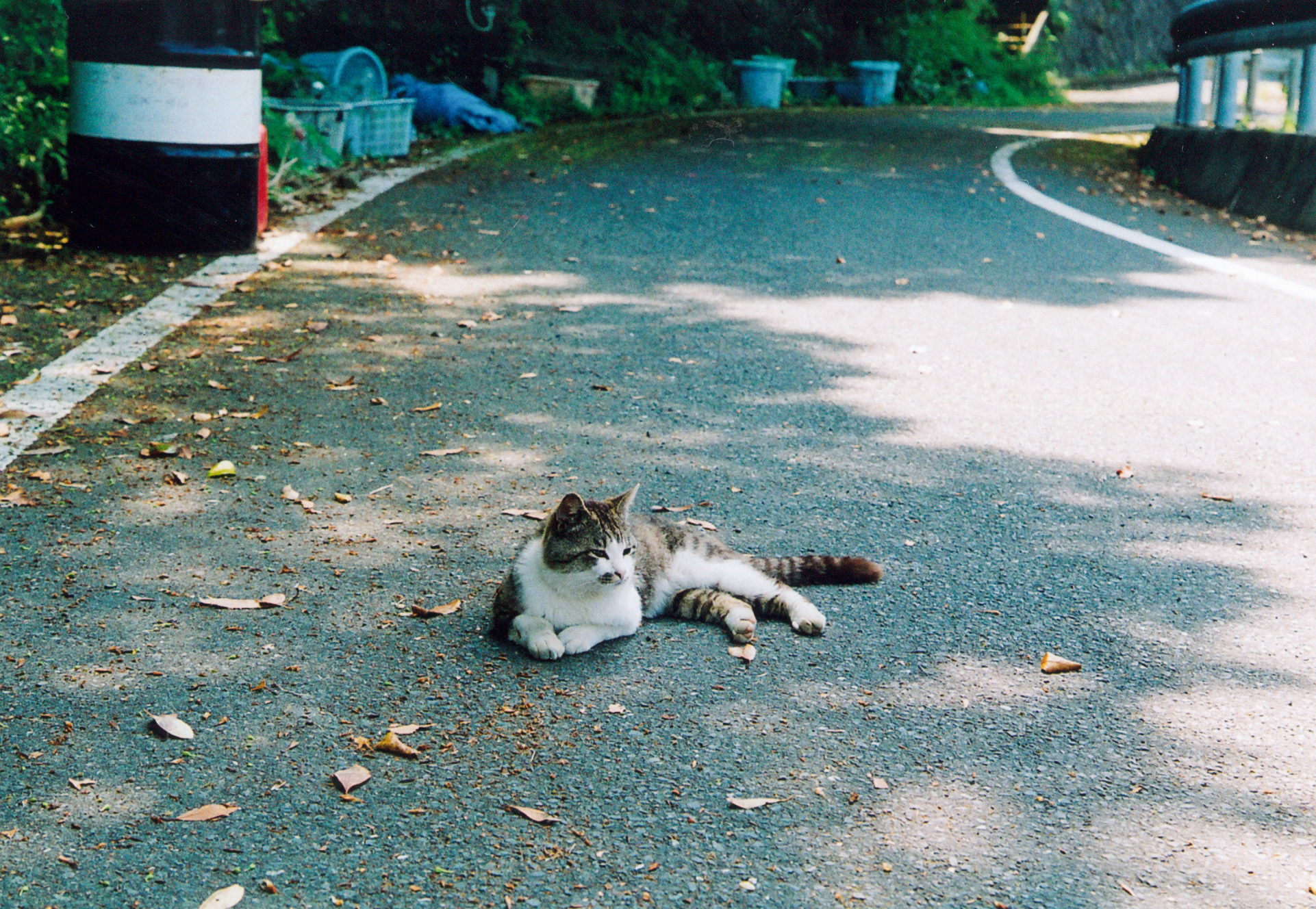
Imagine stepping off a ferry onto a small Japanese island where cats outnumber humans — where felines roam the harbor, sleep on fishing boats, and sun themselves on stone walls without a care in the world. That island is Tashirojima, Miyagi Prefecture’s extraordinary “Cat Island,” and it is one of the most uniquely delightful travel experiences in all of Northeast Japan.
Why Tashirojima Should Be on Every Japan Itinerary
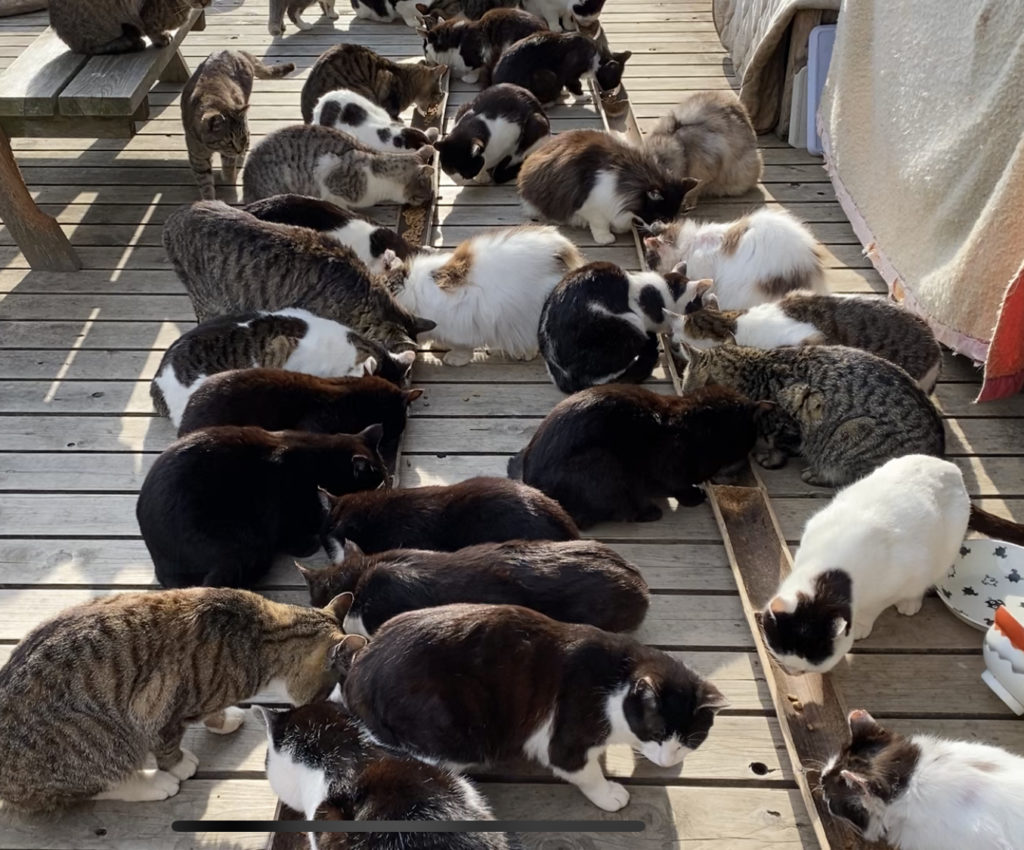
There are cat cafés scattered across Japan’s cities, but Tashirojima offers something no café ever could: an entire island where cats live freely, on their own terms, as honored residents. With a human population of around 50 to 70 mostly elderly residents, cats outnumber people by a considerable margin. Estimates put the island’s feline population at several hundred, though the exact number shifts season to season.
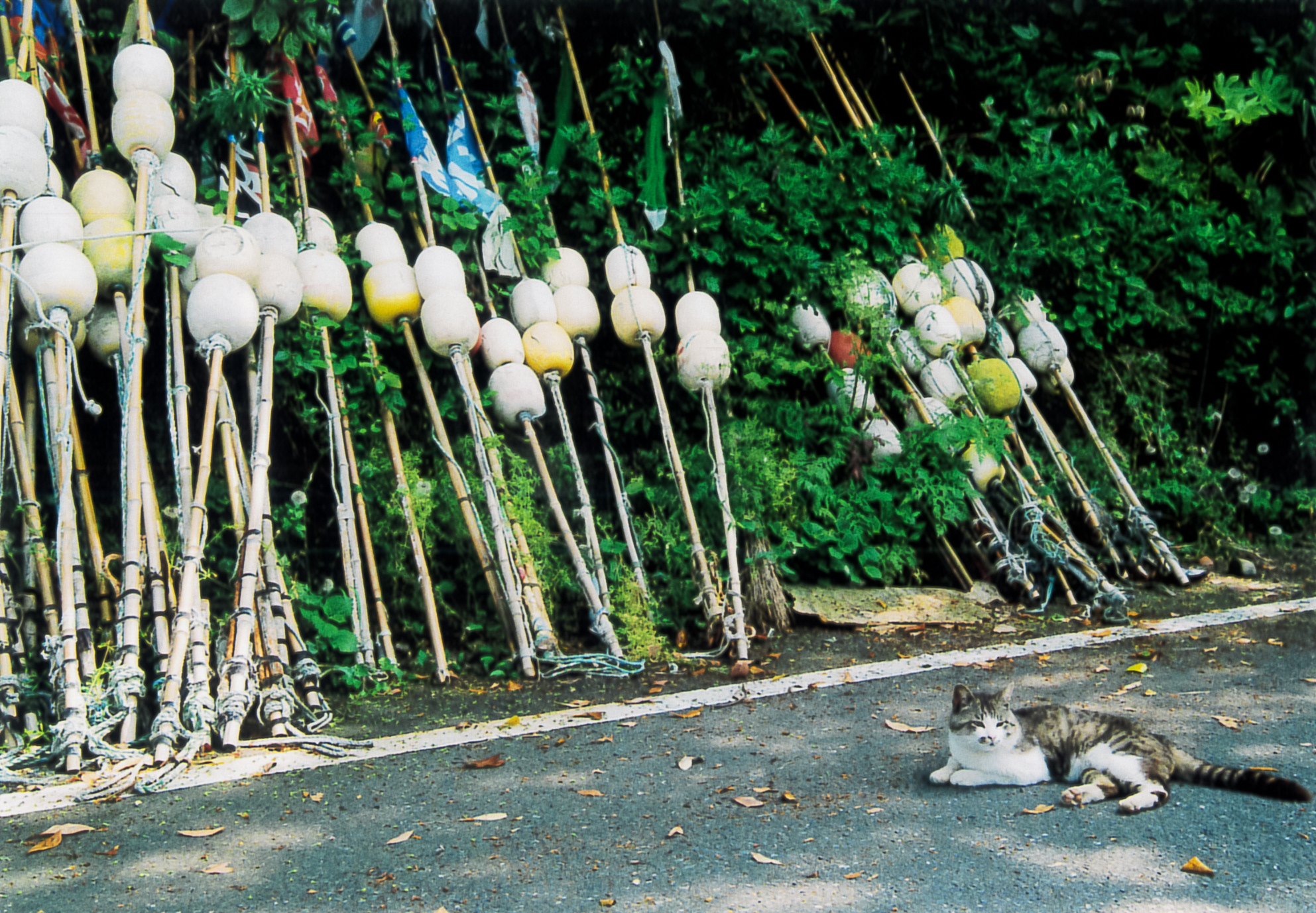
What makes Tashirojima especially compelling for international visitors is the deep cultural and historical reason behind the cats’ privileged status. For generations, the island’s fishermen believed that cats brought good fortune from the sea. Cats were welcomed aboard boats and into fishing sheds, where they kept rats away from the valuable fishing nets. Over time, this practical relationship evolved into something almost sacred. Today, a small Shinto shrine in the center of the island — Ne-no-ie (猫神社, “Cat Shrine”) — is dedicated entirely to cats, and the islanders maintain a strict tradition: no dogs are permitted on Tashirojima.
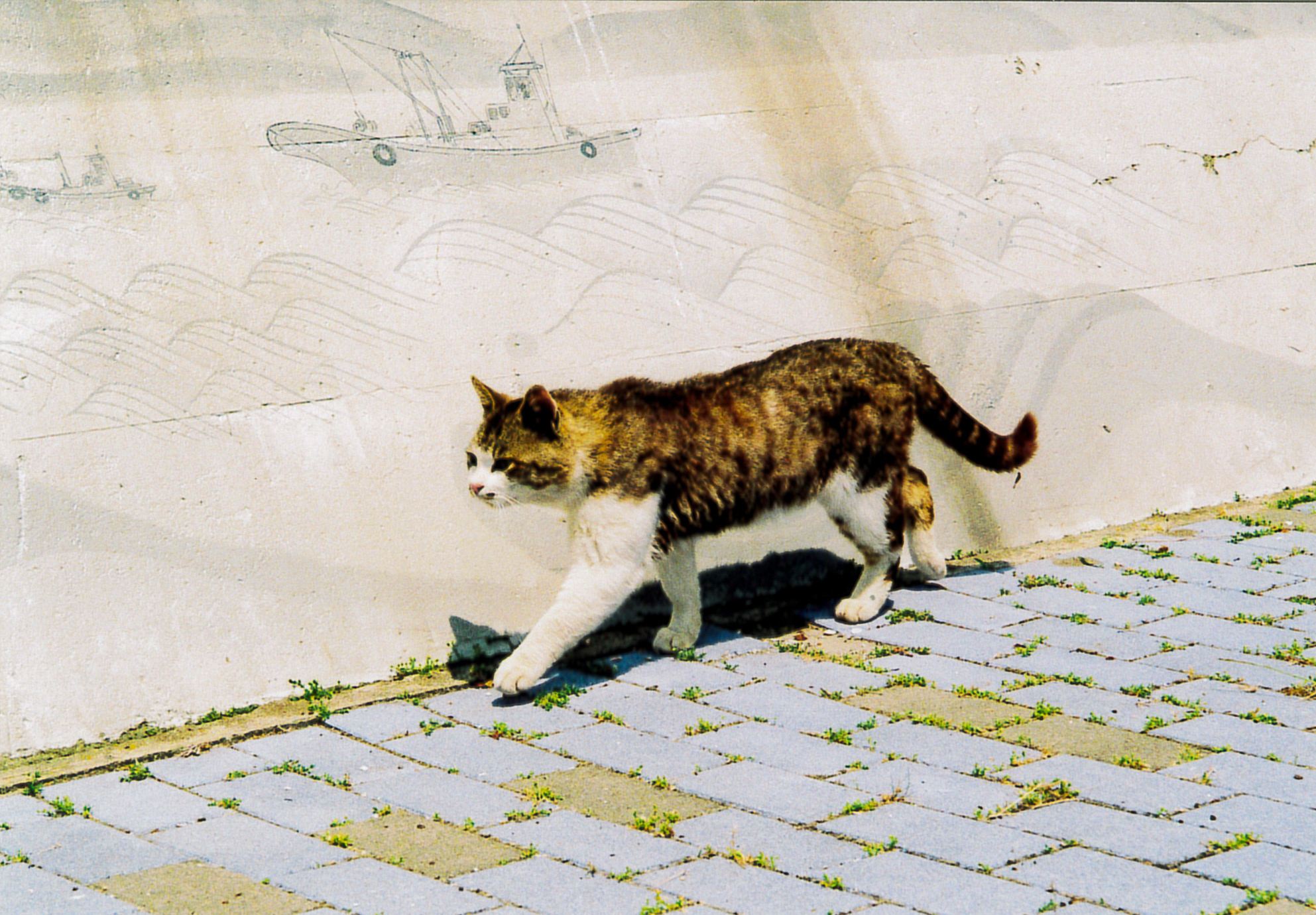
For American and Australian visitors, this is the kind of authentic, quirky Japanese experience that travel articles endlessly promise but rarely deliver. Tashirojima delivers. The cats here are not pets in the conventional sense — they are free-ranging, community-kept animals that have lived alongside humans for generations. You will see tabbies lounging in doorways, kittens chasing each other through alleyways, and wise old cats presiding over the harbor from perches on the stone seawall. It is utterly charming, completely genuine, and unlike anything you will find in the more-visited parts of Japan.
Getting to Tashirojima from Sendai and Tokyo
Tashirojima sits roughly 14 kilometers (about 9 miles) offshore in Ishinomaki Bay, accessible only by ferry from Ishinomaki, a coastal city in Miyagi Prefecture. Getting there requires a bit of planning, but the journey is straightforward once you know the route.
- From Tokyo by Shinkansen: Take the Tohoku Shinkansen from Tokyo Station to Sendai (approximately 1.5 to 2 hours, ¥11,000–¥13,500 / approximately $75–$90). From Sendai Station, transfer to the JR Senseki-Tohoku Line (仙石東北ライン) to Ishinomaki Station (approximately 60–75 minutes, ¥840 / about $6). Note: JR Pass holders can use this entire route.
- From Sendai Station: The JR Senseki-Tohoku Line runs directly to Ishinomaki, making the trip roughly one hour. This is the most convenient option for visitors based in Sendai.
- Ferry from Ishinomaki: From Ishinomaki Station, it is a 5–10 minute taxi ride (or a 20-minute walk) to the Ishinomaki Municipal Port (石巻市かねいち港). Ferries are operated by Ajishima Line (網地島ライン), which also serves Ajishima Island. The crossing to Tashirojima takes approximately 50 minutes to the closer Nitoda Port or around 70 minutes to Odomari Port on the far end of the island. One-way ferry fares are approximately ¥1,500–¥2,000 (around $10–$14).
- Ferry schedule: Ferries typically depart twice daily — once in the morning (around 9:00–9:30 AM) and once in the early afternoon (around 12:30–14:00). Return ferries operate similarly. The schedule changes seasonally, so always check the Ajishima Line website or call ahead before visiting. Missing the last ferry back means spending the night on the island — which is not a problem if you have accommodation booked, but can be a serious issue for day-trippers.
The JR Pass covers the Shinkansen and the Senseki-Tohoku Line to Ishinomaki, making this trip very economical for foreign visitors on a rail pass. The ferry itself is not covered and must be purchased separately.
Arriving at the Island: First Impressions
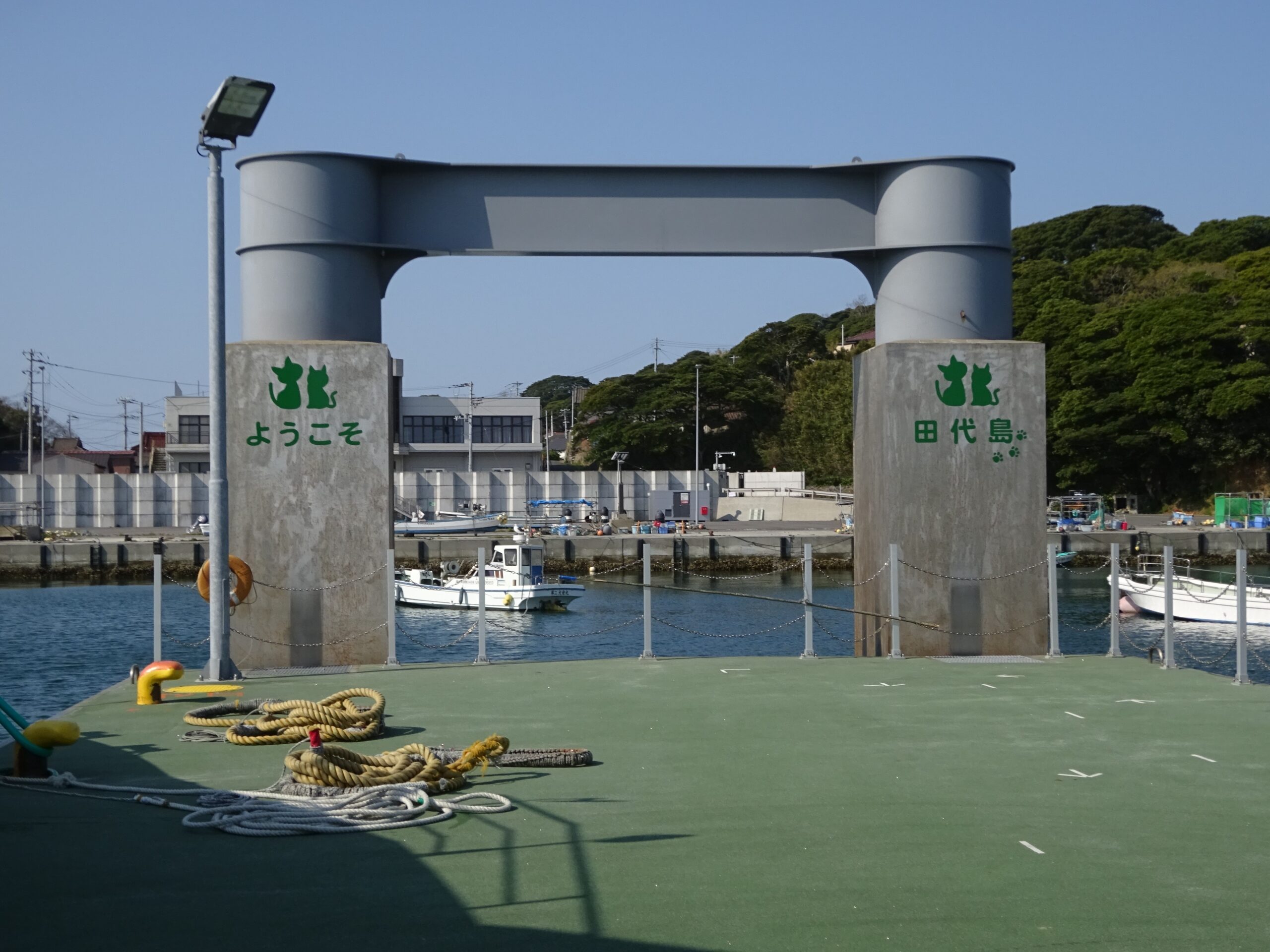
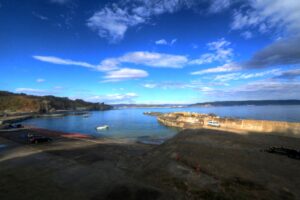
When your ferry docks at Nitoda Port, you will understand immediately why Tashirojima has captured the hearts of animal lovers around the world. Before you have even stepped off the gangway, you will likely see cats — watching you from the dock, stretching beside the harbor shed, or simply walking past with the unhurried confidence of creatures who own this place, which they effectively do.
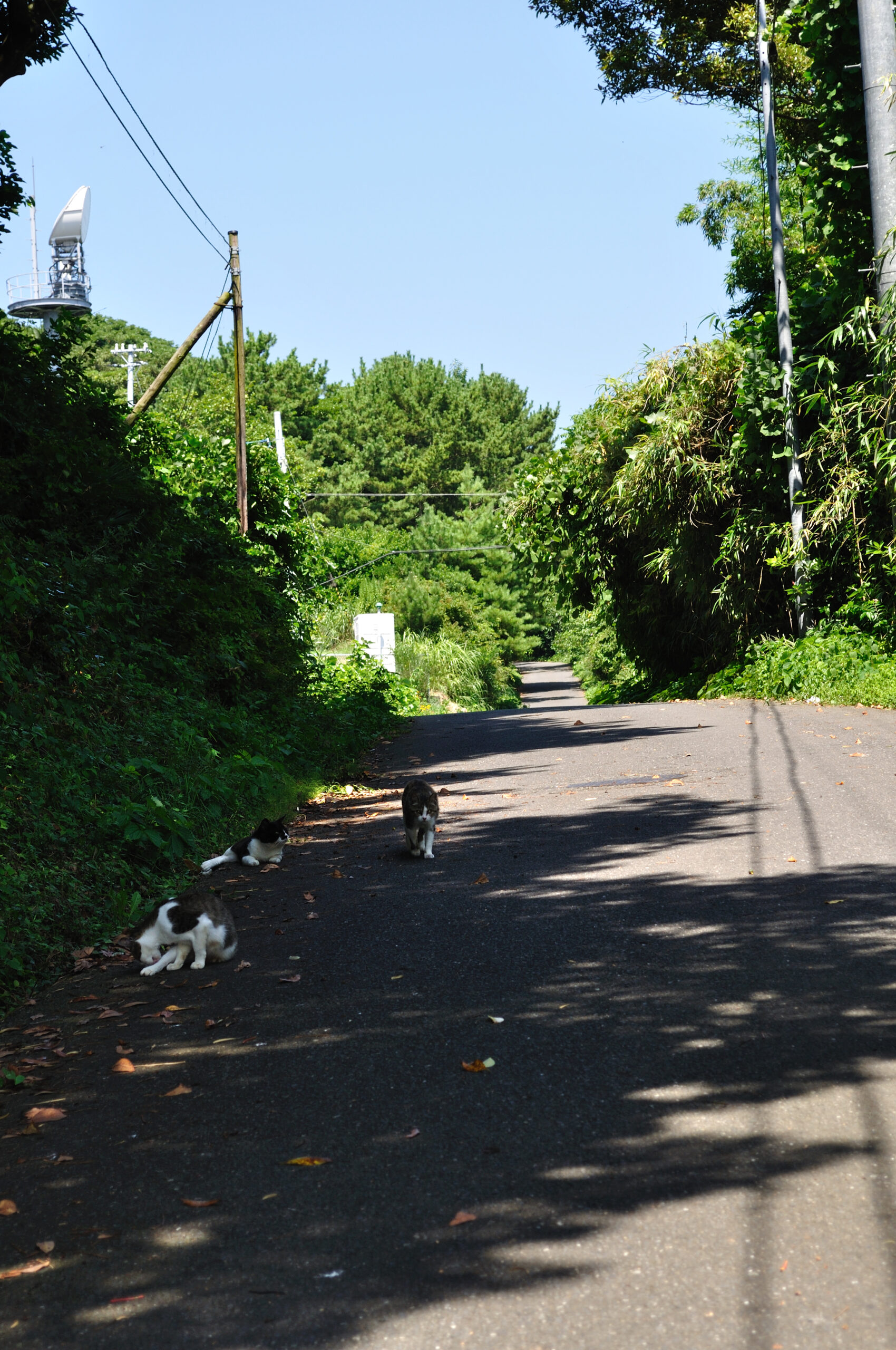
The island itself is small: roughly 3 kilometers (about 2 miles) long and 1.5 kilometers (just under a mile) across at its widest point. There are no cars for public use — the narrow lanes that connect the harbor settlements are paths for walking, with the occasional agricultural vehicle passing slowly. This gives the island a wonderfully peaceful quality. Even on weekends during peak season, the atmosphere feels serene compared to Japan’s famous tourist destinations.
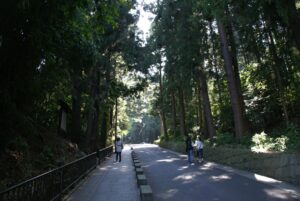
The two main population areas are Nitoda in the north and Odomari in the south. Most day visitors arrive at Nitoda, where there is a small cluster of shops, vending machines, and a public restroom. From here, a walking path runs across the island toward Odomari, passing through forested hillside terrain and past the Cat Shrine. The round trip takes roughly 2–3 hours at a comfortable pace, which makes a day trip very feasible.
Ne-no-ie: The Cat Shrine
Located near the center of the island, Ne-no-ie (猫神社) is one of Tashirojima’s most distinctive landmarks. The shrine is small and weathered, but its significance to the local culture is profound. According to the island’s legend, a boulder fell and accidentally killed a cat while fishermen were working at a quarry. In remembrance, and to honor the spirit of the cat and ensure continued good fortune at sea, the fishermen built this shrine.
The story reflects a broader cultural tradition in Japan of venerating the spirits of animals, particularly those connected to livelihood and everyday survival. Cats at sea were believed to predict weather changes based on their behavior, and a cat that died in service of the fishermen’s work was thought to deserve proper spiritual recognition. Today, the shrine attracts cat-loving visitors who leave small offerings, cat-shaped trinkets, and hand-written wishes beside the stone altar.
The shrine area is also an excellent spot for cat encounters. The trees and stone walls surrounding the small structure seem to attract a disproportionate number of the island’s feline residents, who lounge in the shade or watch curiously from elevated perches. Sit quietly for a few minutes and you will likely find yourself surrounded by four or five cats with varying degrees of social curiosity.
Nearby, you will also notice a small collection of cat-themed artwork and decorations. Many have been contributed by visitors over the years, creating a kind of informal outdoor gallery dedicated to the island’s unofficial mascots. It is folksy and heartfelt — exactly the kind of community expression that feels authentic rather than staged.
Manga Island Village: Post-2011 Recovery and Creativity
Tashirojima was significantly affected by the devastating 2011 Great East Japan Earthquake and tsunami, which caused widespread destruction across the Sanriku and Miyagi coastlines. In the aftermath, the island participated in a remarkable recovery initiative that brought a group of manga artists together to design a small cluster of buildings that now forms what is sometimes called the “Manga Island Village” (まんが島 in Japanese).
This project reflects Ishinomaki’s strong connection to manga culture. The city is the birthplace of the legendary artist Shotaro Ishinomori (石ノ森章太郎), creator of Kamen Rider, Cyborg 009, and many other iconic characters. The manga-themed recovery initiative on Tashirojima honored this heritage while bringing creative energy and outside attention to a community facing enormous challenges.
The cottages and structures built as part of this project are cat-themed in their design — their architecture includes playful cat-ear motifs and feline-inspired shapes. Several have been converted into simple accommodation that visitors can rent overnight. Even if you are not staying over, walking through this small development offers a fascinating glimpse of how communities respond to disaster with creativity and cultural pride rather than simply rebuilding what was lost.
For visitors who grew up reading translated Japanese manga or who are fans of anime culture, this aspect of Tashirojima adds an extra dimension of meaning beyond the obvious charm of wandering among friendly cats. The island becomes a place where cultural resilience, community, and love of animals all intersect in genuinely moving ways.
Best Time to Visit Tashirojima
- Spring (March–May): One of the best times to visit. Temperatures are mild (50–65°F / 10–18°C), the island’s greenery is fresh and bright, and cats are very active in the pleasant weather. Spring can be slightly rainy, but the misty coastal atmosphere adds a moody beauty to the island’s scenery.
- Summer (June–August): Warm and lush, with temperatures reaching 77–86°F (25–30°C). This is peak season for visitors, especially Japanese tourists during summer holidays. The island can feel busier on weekends in August, though “busy” on Tashirojima is still remarkably peaceful by any mainland standard. Cats tend to seek shade during the hottest midday hours.
- Autumn (September–November): Arguably the most beautiful season. Autumn foliage provides warm orange and red tones across the island’s hillside forests, temperatures are comfortable (55–72°F / 13–22°C), and visitor numbers are lower than peak summer. Cats seem particularly content in the mild autumn air.
- Winter (December–February): Cold (32–45°F / 0–7°C) and sometimes windy at sea. Ferry cancellations due to rough weather are more common in winter. However, if you can visit on a calm winter day, the island takes on a quiet, almost otherworldly atmosphere. Fewer visitors mean more one-on-one time with the cats, who tend to cluster together for warmth in charming cat piles around the harbor.
Regardless of season, aim to catch the morning ferry. Cats are most active in the early hours, and arriving early gives you more time before the afternoon return ferry. There is no advantage to arriving later in the day on a day trip.
What to Eat on Tashirojima
The island is not a food destination in the conventional sense, but the limited dining options are genuine and often excellent. The surrounding Ishinomaki Bay is famous for its shellfish, particularly oysters, and the fishing culture of the island means that fresh-caught seafood occasionally appears on the menu at local guesthouses and small eateries.
Minshuku and Guesthouse Meals
The most reliable way to eat well on Tashirojima is to stay overnight at one of the island’s few minshuku (Japanese-style guesthouses). These family-run establishments typically include breakfast and dinner in the accommodation price, and the evening meal often features locally caught fish, grilled or simmered in classic Japanese style. Expect dishes like grilled mackerel, miso soup with clams, pickled vegetables, and rice — simple, fresh, and deeply satisfying.
Vending Machines and Self-Catering
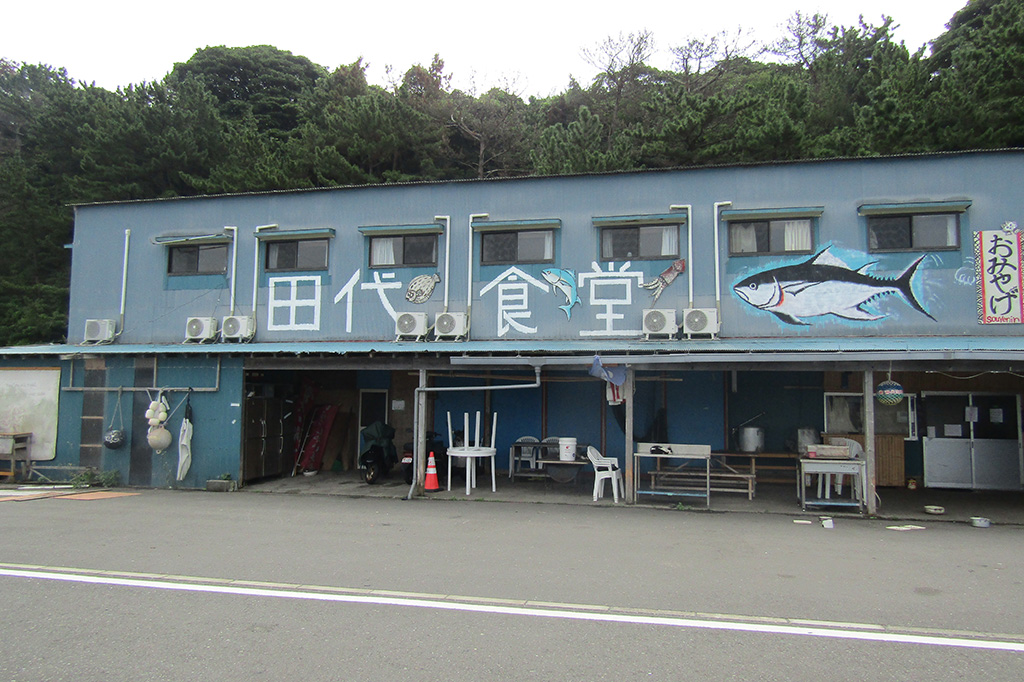
Day visitors should be aware that food options are very limited on Tashirojima. There are a small number of vending machines near the Nitoda port area, but no restaurants with regular hours that cater to tourists. The strongly recommended approach is to bring lunch from Ishinomaki before boarding the ferry. Ishinomaki has a good food culture: its fish market area near the port offers fresh seafood bento boxes, grilled fish, and local specialties. Buying food in Ishinomaki and picnicking on Tashirojima is genuinely one of the better travel experiences in Miyagi Prefecture.
Ishinomaki’s Food Scene (Pre-Ferry)
Before catching your morning ferry, consider breakfast or a meal in Ishinomaki. The city is known for “Ishinomaki Ramen” — a distinctive style featuring a light clear broth with medium-thick noodles that differs from the richer broths found elsewhere in Tohoku. Local seafood, particularly oysters during the colder months, is also excellent. The Ishinomaki Mangattan Museum area near the harbor has cafés and small restaurants convenient for pre-ferry stops.
Where to Stay on Tashirojima
Staying overnight on Tashirojima is a genuinely special experience. With the day visitors gone, the island falls into a deep quiet after sunset that feels unlike anywhere else in Japan. The cats come out in full force in the evening, and the star-filled sky over the island is spectacular on clear nights.
Budget and Mid-Range (¥6,000–¥15,000 / $40–$100 per person with meals)
Most accommodation on Tashirojima is in the form of minshuku — small, family-operated Japanese guesthouses. Rooms are typically tatami mat style, and the price generally includes two meals. One of the most well-known options is Minshuku Miraikan, which has welcomed island visitors for years and offers a warm, home-like atmosphere. Cat-themed cottages associated with the Manga Village recovery project are also available for rental, offering a unique design experience alongside the standard island atmosphere. Book well in advance, as capacity is extremely limited — the island can only accommodate a small number of overnight guests total.
Day Trip Option
Many visitors experience Tashirojima as a day trip from Ishinomaki or Sendai, and this is perfectly feasible. A day trip allows you to spend 4–6 hours on the island, walk the central path, visit the Cat Shrine, and enjoy long stretches of quiet time among the cats before catching the afternoon return ferry. For visitors with limited time, the day trip option is entirely sufficient.
For overnight visitors, Ishinomaki city itself offers a wide range of accommodation at all price points, from budget business hotels (¥5,000–¥8,000 / $35–$55) near the station to nicer mid-range hotels closer to the port area (¥10,000–¥20,000 / $70–$135). This is particularly useful if you miss a ferry or want to spend more time exploring Ishinomaki’s manga culture and fishing harbor.
Practical Tips for Visiting Tashirojima
- Check the ferry schedule before you go. The Ajishima Line ferry does not run in severe weather, and schedules change seasonally. Confirm departure times by checking the Ajishima Line website or calling their Ishinomaki office before your visit.
- Bring cash. There are no ATMs on Tashirojima. The island operates on a cash-only basis, and even the limited shops only accept cash. Withdraw yen in Ishinomaki (or Sendai) before taking the ferry.
- No dogs allowed. The island strictly prohibits dogs. If you are traveling with a canine companion, you will need to leave them behind for this day trip.
- Respect the cats — do not chase or pick up cats that do not approach you. The cats of Tashirojima are community cats, not pets, and not all of them are socialized to enjoy being handled. Many will approach you for attention; others prefer to maintain distance. Let the cats set the terms.
- Bring food and water. As noted above, food options on the island are very limited. Pack a picnic lunch, snacks, and at least 1–2 liters of water per person.
- Wear comfortable walking shoes. The path across the island involves some inclines and uneven stone and dirt surfaces. Comfortable footwear is essential, especially if you plan to walk the full length of the island.
- The island has no convenience stores. This is not Tokyo or Sendai. If you have specific dietary needs or requirements, bring everything from the mainland.
- Photography etiquette. The cats are remarkably patient subjects, but avoid using flash photography and do not use loud shutter sounds that startle them. Many photographers find that simply sitting quietly and letting the cats approach yields far better photos than chasing them.
- Early morning arrival is best. The morning ferry gives you the longest possible time on the island and catches the cats at their most active. Plan to take the first ferry of the day.
- Consider pairing with Ishinomaki’s manga attractions. Ishinomaki has a charming “Manga Road” (まんがロード) lined with statue characters from Ishinomori’s works, and the Ishinomori Manga Museum is excellent. Spending a morning in Ishinomaki before the noon ferry, or an afternoon there after returning, creates a full and satisfying day itinerary.
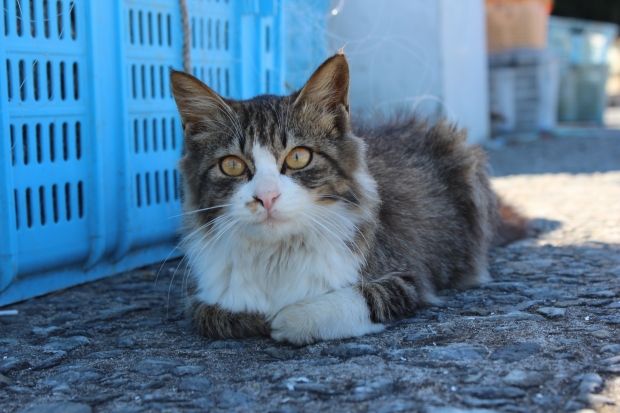
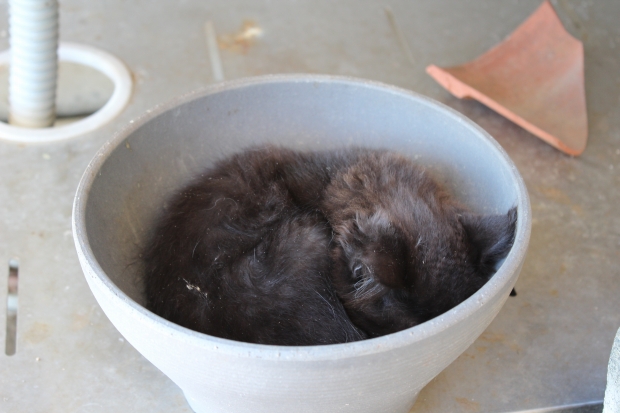
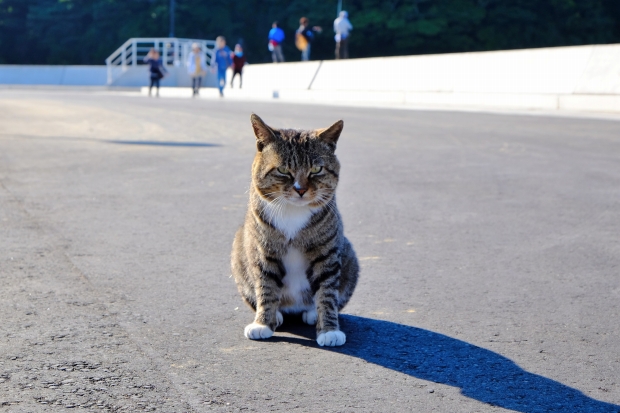
Tashirojima’s cats in 2024 — Credit: Maarten Heerlien (CC BY 2.0)
Sample Day Trip Itinerary: Tashirojima from Sendai
Morning
7:00 AM — Depart Sendai Station on the JR Senseki-Tohoku Line. The journey to Ishinomaki takes approximately 65–75 minutes. Enjoy the view as the urban landscape transitions to coastal countryside.
8:15–8:30 AM — Arrive at Ishinomaki Station. Walk or take a short taxi to the Ishinomaki Municipal Port. Pick up breakfast or a bento lunch from a nearby convenience store or the market area near the port.
9:00 AM — Board the Ajishima Line ferry to Tashirojima. The morning crossing to Nitoda Port takes approximately 50 minutes. On clear days, the views of the coastline and open sea are excellent.
9:50 AM — Arrive at Nitoda Port, Tashirojima. Cats will greet you immediately. Spend the first 30 minutes exploring the harbor area and getting your first cat photographs.
Midday
10:30 AM — Begin the walking path toward the center of the island. The path rises gently through light forest and opens to views over the bay. Look for cats sunning themselves on the stone walls along the route.
11:15 AM — Arrive at Ne-no-ie Cat Shrine. Spend time at the shrine, observe the offerings left by previous visitors, and enjoy the particularly high concentration of cats in this area. This is a great spot for photography.
12:00 PM — Picnic lunch on the island. Find a scenic spot near the shrine or along the path. Cats may well join you for lunch.
Afternoon
1:00 PM — Continue toward the Odomari settlement, or return via the Manga Village to see the cat-themed cottages. If you have extra time, the southern tip of the island offers excellent coastal views.
2:00–2:30 PM — Make your way back to Nitoda Port. A final 30 minutes of harbor cat-watching before your ferry.
3:00–3:30 PM — Board return ferry to Ishinomaki. Arrive back in the early evening, leaving time for Ishinomaki’s Manga Road or a seafood dinner before catching the train back to Sendai.
6:00–7:00 PM — Return to Sendai. The day trip is compact but highly satisfying.
Tashirojima and the Recovery Story
For visitors interested in Japan’s recovery from the 2011 disaster, Tashirojima is part of a larger story of coastal Miyagi resilience that is deeply moving. The Oshika Peninsula and surrounding islands were severely affected by the tsunami, and many communities spent years rebuilding physically and economically. Tashirojima’s relative isolation and the decline of its traditional fishing economy were challenges that preceded the earthquake, but the disaster accelerated the need for the community to think creatively about its future.
The Manga Village project, community cat care, and growing eco-tourism have all contributed to keeping the island alive and known internationally in the post-2011 years. Visiting Tashirojima is, in a small but meaningful way, participating in that recovery story. The islanders value the attention and gentle tourism that cat-loving visitors bring — it is genuinely appreciated and matters to the community’s continued survival.
Related Articles You Might Enjoy
- Kinkasan Island, Miyagi: Japan’s Sacred Deer Island — Complete Guide for Foreign Visitors
- Zuiganji Temple & Entsuin Mausoleum, Matsushima: The Hidden Soul of Japan’s Most Scenic Bay
- Tohoku 7-Day Itinerary: The Perfect First-Timer’s Route Through Northeast Japan
- Sendai Day Trips: The 10 Best Excursions from Tohoku’s Biggest City
- Sendai Daikannon: Inside Japan’s Giant 100-Meter Kannon Statue (A Local’s Guide)
Final Thoughts
Tashirojima is not Japan’s most dramatic destination. There are no ancient castles, no UNESCO-listed temples, no world-famous festivals. What it offers instead is something rarer: genuine quiet, unhurried time, and the simple pleasure of being surrounded by animals that have lived alongside humans for centuries in a relationship of genuine mutual benefit. In a world of increasingly curated travel experiences, the cats of Tashirojima are spectacularly real.
If you are traveling through Tohoku and are based in Sendai, a day trip to Tashirojima is an easy and deeply rewarding addition to your itinerary. If you are a cat person, it will likely become one of your most treasured Japan memories. Plan your ferry times carefully, bring your lunch, and let the cats of Tashirojima work their quiet magic on you. They have been doing it for generations.



コメント