Sendai is one of Japan’s most underrated big cities — a vibrant, livable metropolis of one million people that combines excellent food, a relaxed pace, and perhaps the most spectacular collection of day-trip destinations of any city outside Tokyo and Osaka. Within a two-hour radius of Sendai Station, you can float above some of Japan’s most celebrated bay scenery, climb ancient stone steps to mountain temples that inspired haiku poetry, pet Arctic foxes at a wildlife sanctuary unlike anything in the Western world, and explore samurai districts frozen perfectly in time. This is the ultimate guide to Sendai’s best day trips — and trust us, you’ll want to extend your stay.
Why Use Sendai as Your Tohoku Base?
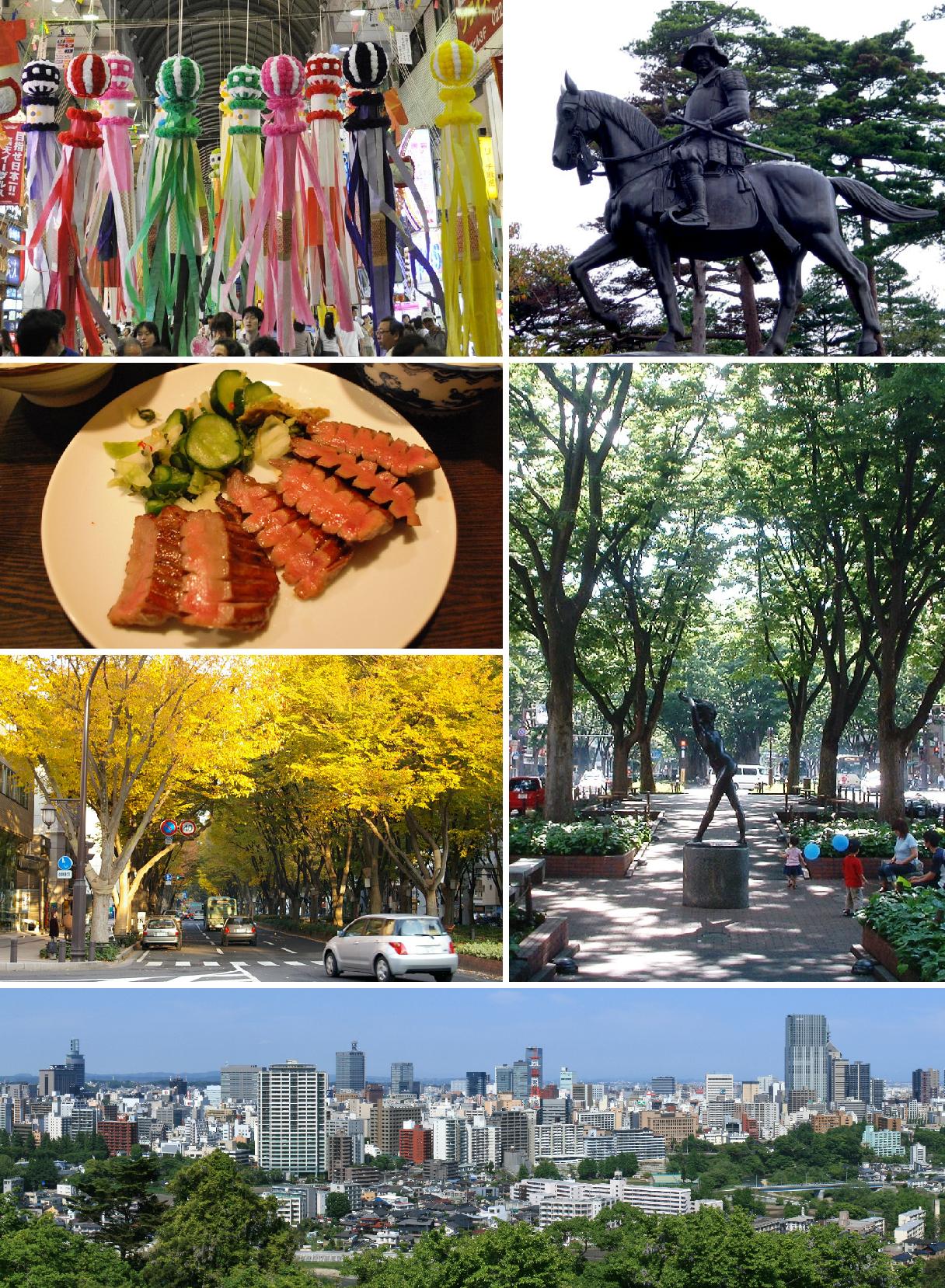
Sendai (仙台市) is the capital of Miyagi Prefecture and the largest city in the Tohoku region, sitting roughly in the middle of northeastern Japan on the Pacific Coast. With direct shinkansen connections to Tokyo (just 90 minutes away on the Hayabusa) and Shin-Aomori in the north, it’s the natural gateway for any Tohoku itinerary. But unlike many “gateway cities,” Sendai is genuinely worth your time in its own right — famous for gyutan (grilled beef tongue), the spectacular Sendai Tanabata festival, the vast Sendai Daikannon statue, and a thriving craft beer and whisky scene.
The real magic, however, lies in what surrounds Sendai. The city is nestled between the Pacific Ocean and a series of mountain ranges, giving it access to coastal scenery, highland hot springs, and ancient cultural sites all within easy reach. Whether you have a single free day or a full week, Sendai’s day trip roster will keep you busy.
For visitors following the classic Tokyo–Kyoto tourist circuit, Sendai represents a remarkable upgrade in authenticity. You’ll rarely queue for more than a few minutes at even the most popular sites (outside of autumn foliage and cherry blossom peak weekends), prices are noticeably lower than in the tourist-saturated west, and the warm, curious welcome from locals who rarely see Western faces adds something genuinely special to every encounter.
Day Trip 1: Matsushima Bay — Japan’s Most Celebrated Coastal Scenery
Distance from Sendai: 16 miles (25 km) northeast | Travel time: 40–60 minutes by train | Recommended time: Half day to full day
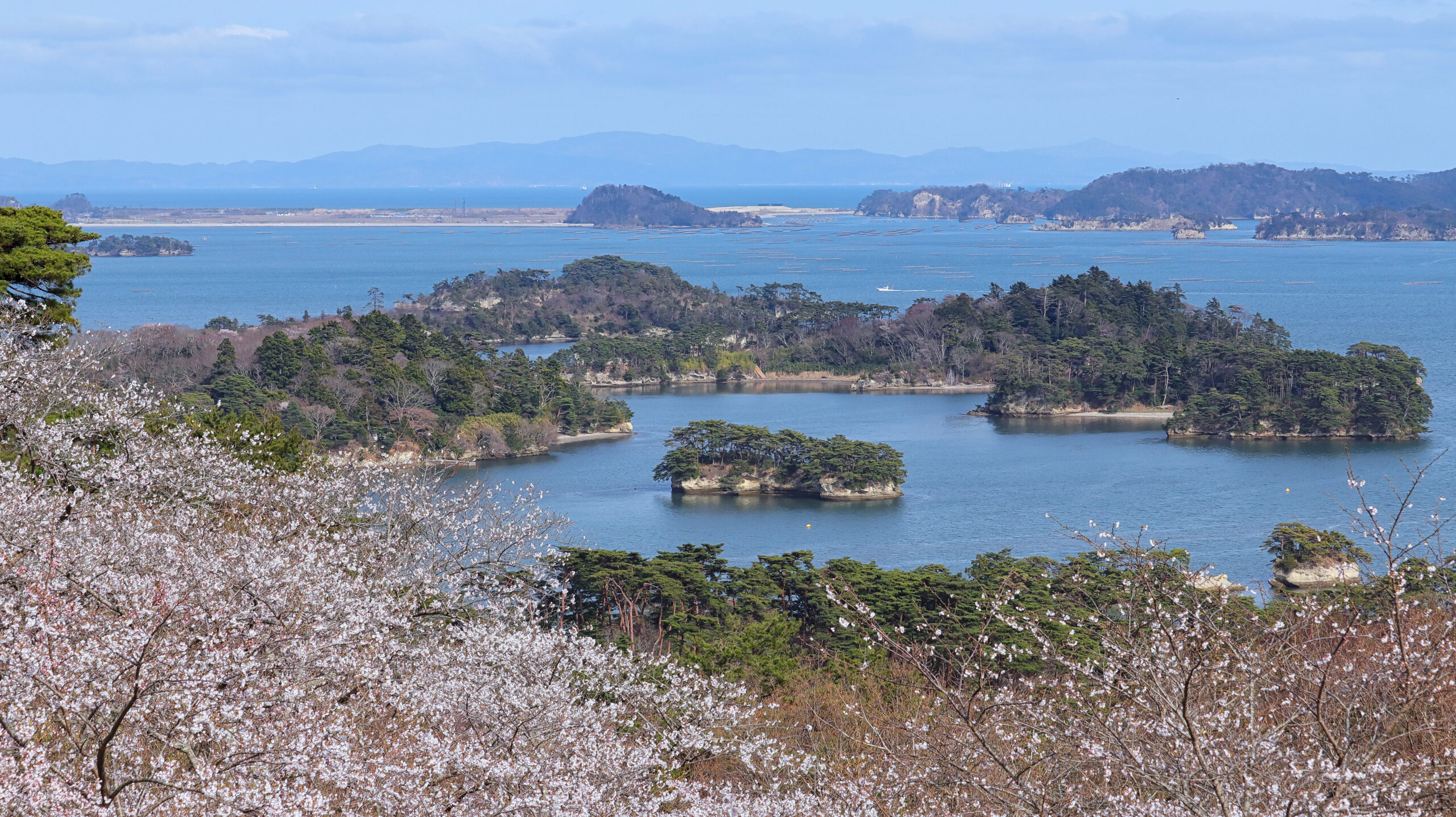
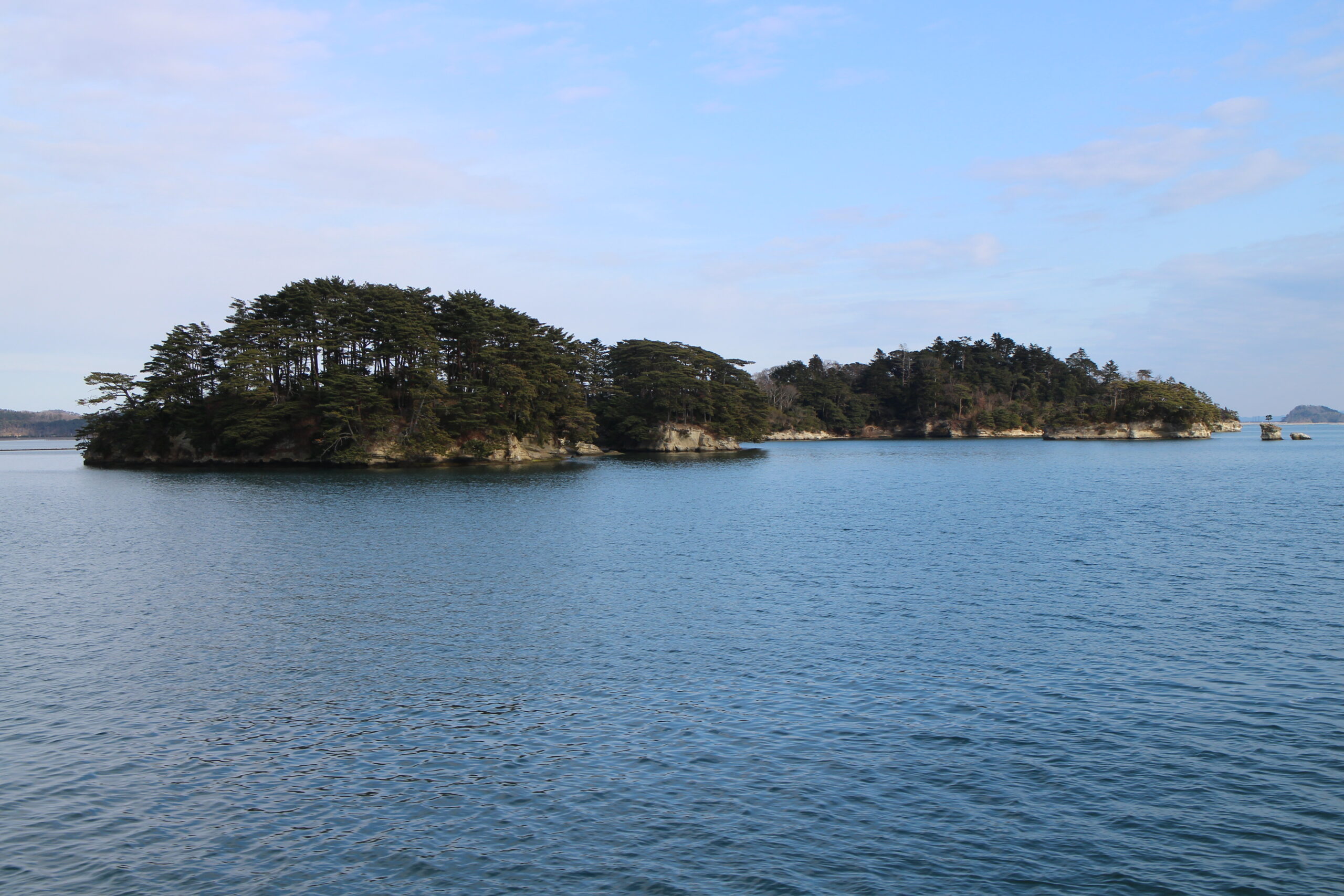
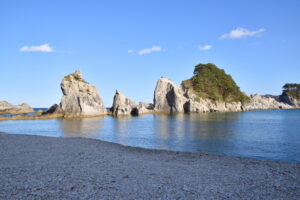
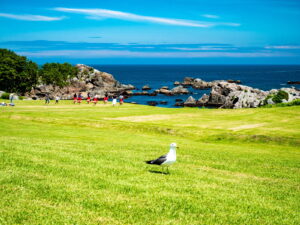
Matsushima (松島) is consistently ranked as one of Japan’s three most scenic views (nihon sankei), alongside Amanohashidate in Kyoto Prefecture and Miyajima near Hiroshima. The landscape consists of Matsushima Bay — a sheltered inlet of the Pacific — dotted with approximately 260 small pine-covered islands of every shape and size, from tiny rocky outcrops to larger forested islets. The effect is painterly, especially at dawn and dusk when the light turns the water gold and the pine islands cast long reflections.
The great haiku poet Matsuo Bashō visited Matsushima in 1689 during his famous journey through the north of Japan (recorded in “Oku no Hosomichi” / “The Narrow Road to the Deep North”) and was so overwhelmed by the beauty that he reportedly could not compose a poem — his silence was itself the verse.
From Sendai, take the JR Senseki Line from Sendai Station to Matsushima-Kaigan Station (approximately 40 minutes, ¥430 / $3). Alternatively, take the more scenic route via Sakunami or hop on one of the tourist boat services from Shiogama Port.
Once you arrive, the main sights are walkable within 2–3 hours:
- Fukuurajima Island: A 5-minute walk from the shore via a 656-foot (200m) vermilion bridge, Fukuurajima is covered in natural forest with meandering trails. Entry ¥200 ($1.35).
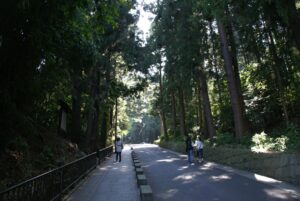
- Zuiganji Temple (瑞巌寺): A magnificent Zen temple founded in 828 CE and rebuilt in its current form in 1609 by the powerful daimyo Date Masamune. The approach through a tunnel of ancient cedar trees is unforgettable. Entry ¥700 ($4.75).
- Kanrantei Teahouse: A historic teahouse where you can enjoy matcha while gazing out over the bay. The veranda view is quintessentially Japanese. Entry ¥700 ($4.75).
- Boat cruises: 50-minute boat tours depart regularly and give the best perspective on the island formations. Tickets approximately ¥1,500 ($10).
Don’t miss the seafood here. Matsushima is famous for its oysters (kaki) — large, briny, exceptionally fresh Pacific oysters that are grilled, served raw, or eaten in miso soup. Several stalls near the main beach serve oysters for ¥200–¥400 ($1.35–$2.70) each. In early spring, the bay views are framed by cherry blossoms; in autumn, the maple-clad hillsides behind the town glow red and orange.
Day Trip 2: Yamadera (Risshakuji Temple) — Clinging to Cliff Faces in Yamagata
Distance from Sendai: 50 miles (80 km) west | Travel time: 75–80 minutes by JR Senzan Line | Recommended time: Half day
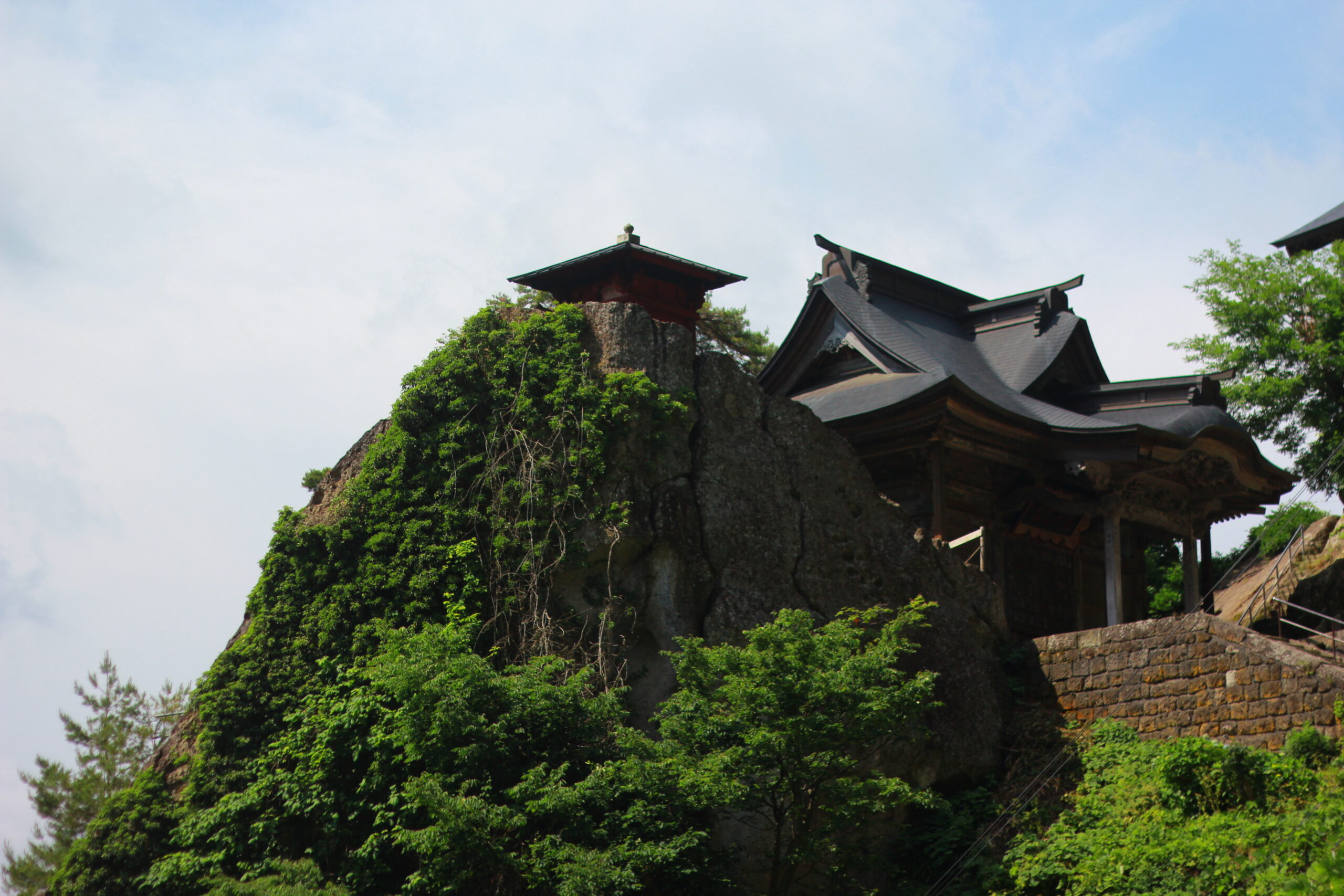
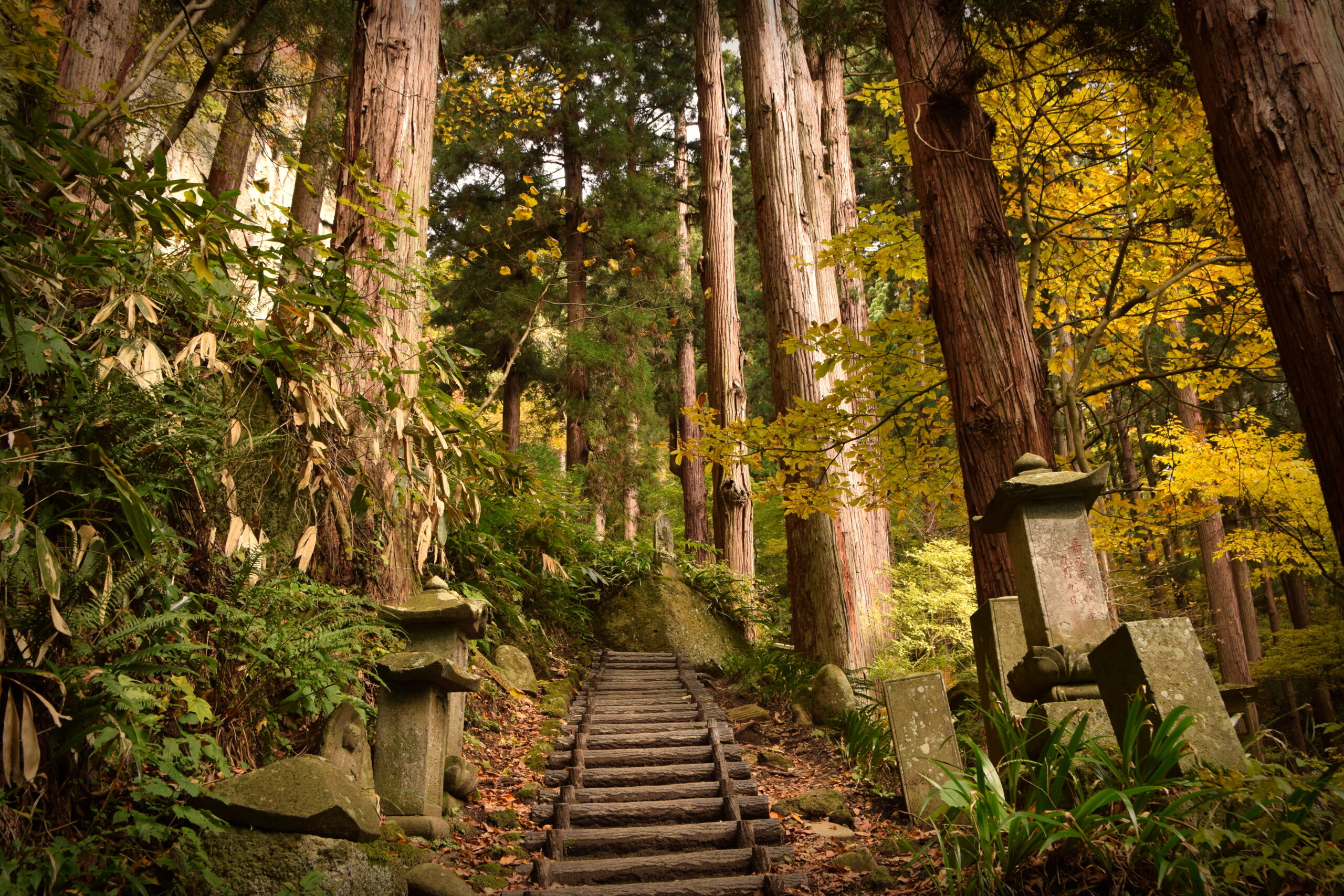
If there’s one image that captures the spiritual mystique of Tohoku, it might be Yamadera — formally known as Risshakuji Temple (立石寺) — a complex of temple buildings and worship halls built directly into and onto the sheer face of a granite cliff rising 820 feet (250 meters) above the valley floor. Founded in 860 CE by the monk Jikaku Daishi, Yamadera is one of the most dramatically situated temple complexes in all of Japan.
The approach requires climbing 1,015 stone steps carved into the cliff face — a journey that takes approximately 30–45 minutes and rewards you with increasingly spectacular views over the cedar forest, the town below, and the surrounding mountain valley. The stone steps are well-maintained and manageable for anyone in reasonable fitness; take your time, listen to the deep quiet broken only by birdsong and the wind, and you’ll understand why Bashō wrote one of his most famous haiku here: “The stillness — the sound of the cicadas sinking into the rocks.”
At the summit, the Godaido observation hall juts out over the cliff face on wooden supports, offering a vertiginous view that makes for one of the great photo opportunities in Tohoku. The temple grounds include multiple halls, a bell tower, and the Nio Gate guarded by fierce wooden guardian figures. Entry to the climbing course costs ¥300 ($2). Wear comfortable shoes — the steps can be slippery in wet weather.
The Yamadera area is served by the JR Senzan Line from Sendai Station, which runs through beautiful mountain valleys en route — the train journey itself is worth the trip. Combined return fare from Sendai: approximately ¥2,000–¥2,400 ($13.50–$16.50). JR Pass holders travel free.
Day Trip 3: Zao Fox Village — Japan’s Most Magical Wildlife Experience
Distance from Sendai: 37 miles (60 km) south | Travel time: 50–70 minutes by bus/car | Recommended time: Half day
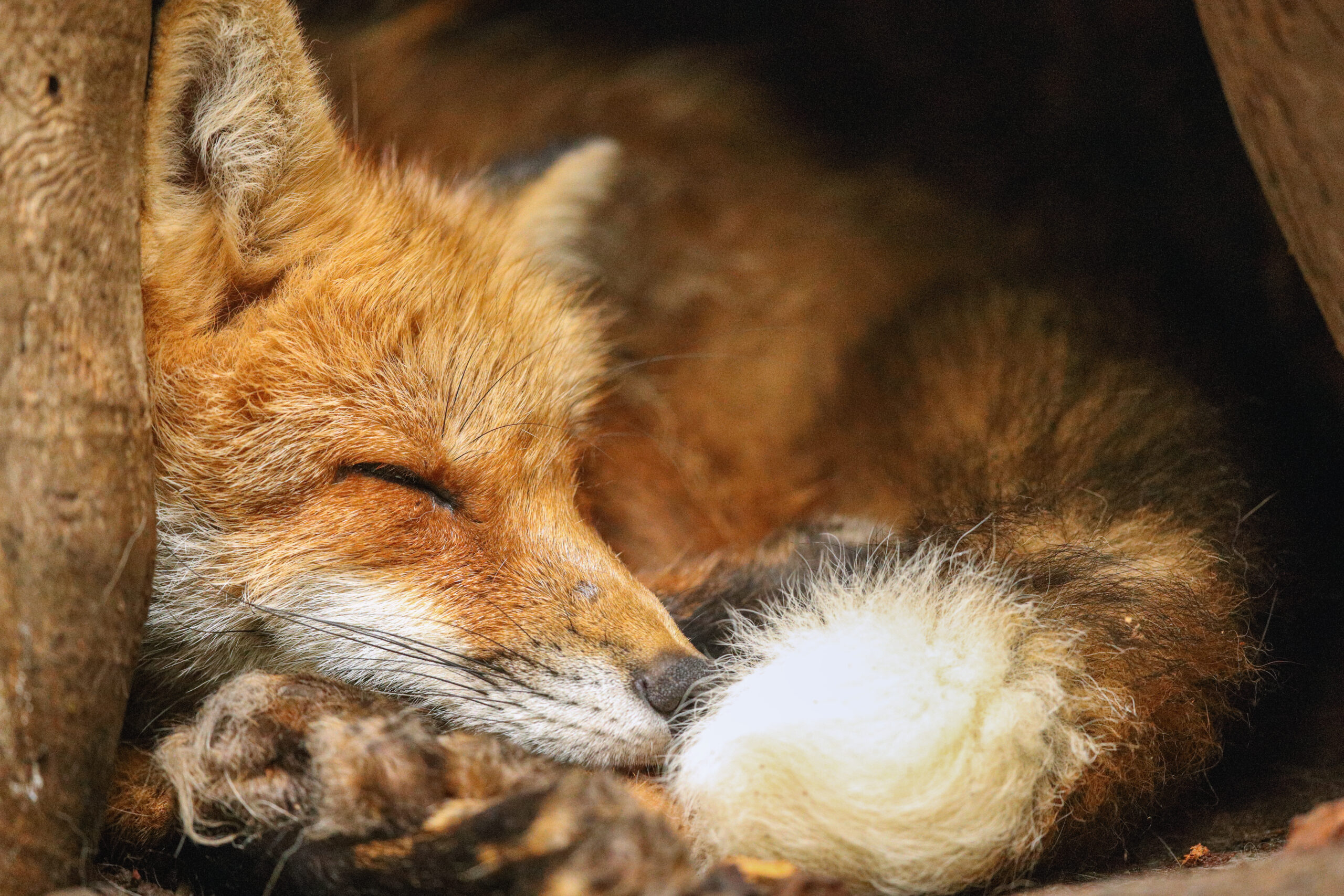
Few travel experiences in Japan are as purely joyful as visiting Zao Fox Village (蔵王きつね村, Zao Kitsune Mura). This extraordinary sanctuary in the mountains near Shiroishi City is home to over 100 free-roaming foxes of six different species — red fox, silver fox, cross fox, white fox, platinum fox, and Arctic fox — all wandering at liberty through a large, forested enclosure while visitors walk among them.
Foxes hold a special place in Japanese mythology and folklore as the messengers of Inari, the Shinto deity of rice, commerce, and prosperity. They are considered magical, mischievous, and sacred all at once — the sight of dozens of them sleeping in the sun, playing with each other, or waddling up to investigate visitors is genuinely enchanting. The Arctic foxes in their fluffy white winter coats are particularly irresistible.
The sanctuary operates year-round, and different seasons offer different experiences. Winter is the most spectacular — the foxes grow their fullest coats in the cold months, and the snow-covered landscape makes for extraordinary photographs. Autumn brings beautiful foliage as a backdrop. Spring is baby fox season, when cubs make their first appearances. Entry costs ¥1,000 ($6.80) for adults. Feeding sessions are available for ¥100 ($0.70) extra.
Getting there: Zao Fox Village has no direct public transit connection from Sendai. The most practical options are: (1) Rent a car from Sendai Station (approximately 50 minutes drive), (2) Take a tourist bus from Sendai (operated seasonally — check current schedules at Sendai Station Tourist Information), or (3) Take the JR Tōhoku Line to Shiroishi Station and arrange a taxi (approximately 20 minutes, ¥3,500–¥4,500 / $24–$30 each way). Many visitors combine Zao Fox Village with Zao Onsen or the Zao Snow Monster area for a full-day mountain excursion.

Day Trip 4: Shiogama — Sushi Paradise & Sacred Shrine
Distance from Sendai: 11 miles (18 km) northeast | Travel time: 20 minutes by JR Senseki Line | Recommended time: 3–4 hours
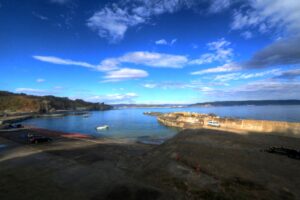
Shiogama (塩竈) is technically just a 20-minute train ride from Sendai, but this small port city deserves its own entry on any Tohoku itinerary. Long considered one of Japan’s finest fishing ports, Shiogama is the place where the fish that becomes Sendai’s sushi is landed — and eating directly at the source is a revelation. The Shiogama Morning Market (Shiogama Marisea Market) is one of the liveliest in the region, with tuna, fresh oysters, sea urchin (uni), and Sanriku seafood sold directly from vendors.
The real sushi action happens along Shiogama’s Sushi Street (Hon-machi) — a stretch of over 30 sushi restaurants where local tuna wholesalers, fishmongers’ families, and dedicated sushi masters have operated for generations. Lunches here can be extraordinary value: a full omakase tasting menu of 10–15 pieces of the day’s finest local catch for ¥3,000–¥6,000 ($20–$40).
Don’t leave without visiting Shiogama Shrine (塩竈神社), one of the most important Shinto shrines in Tohoku and the guardian deity of fishing and safe passage at sea. The shrine complex sits on a forested hillside overlooking the port and is approached via a dramatic flight of 202 stone steps — far fewer than Yamadera, but with sweeping views over the harbor and islands of Matsushima Bay in the distance. The shrine’s annual Shinto boat procession festival (Shiogama Minato Festival) in late July is one of Tohoku’s great summer spectacles.
Day Trip 5: Hitome Senbonzakura — 1,200 Cherry Trees Along the River
Distance from Sendai: 22 miles (35 km) south | Travel time: 35 minutes by JR Tōhoku Line | Recommended time: 2–4 hours (during cherry blossom season only)
The name “Hitome Senbonzakura” (一目千本桜) means “a thousand cherry trees at a glance,” and while the reality is actually closer to 1,200 trees lining a 5-mile (8 km) stretch of the Shiroishi River in Ogawara, Miyagi, the name doesn’t exaggerate the impact. In late April, this riverbank transforms into one of the most spectacular cherry blossom viewing sites in all of Japan — not because of the density of a single location, but because of the sheer length of the pink corridor stretching into the distance, with snow-capped Mount Zao rising in the background.
What makes Hitome Senbonzakura special compared to more famous cherry spots is the framing: the riverbank is wide and flat, the Shiroishi River reflects the blossoms in mirror-like calm on still days, and Mount Zao provides a dramatic white backdrop that you won’t find at any of the more celebrated viewing spots. Local food stalls line the riverbank during blossom season, serving grilled food, onigiri, and sake. The site is free to enter.
Take the JR Tōhoku Line to Ōgawara Station (35 minutes from Sendai, ¥680 / $4.60) and walk 15 minutes to the riverside. Timing is everything — peak blossom typically falls in the third or fourth week of April, but this varies by year. Check the Japan Meteorological Corporation’s sakura forecast (jmc.co.jp) in March for that year’s prediction.
Day Trip 6: Naruko Gorge — Tohoku’s Most Dramatic Autumn Foliage Canyon
Distance from Sendai: 50 miles (80 km) northwest | Travel time: 75–90 minutes by JR + local bus | Recommended time: Half day to full day
Naruko Gorge (鳴子峡) is a 1.2-mile (2 km) canyon cut by the Naruko River through volcanic rock, its steep walls draped in deciduous forest that turns a jaw-dropping combination of crimson, orange, and gold in mid-October. The gorge is accessed from the Ofukazawa Bridge, where a viewing platform offers the classic “postcard” shot — the red iron bridge in the foreground, the canyon twisting away behind it, all under the canopy of autumn color.
Naruko is also famous for its kokeshi doll (traditional wooden dolls) crafting tradition — more than a dozen workshops in the town offer demonstrations and workshops where you can paint your own kokeshi. The Naruko Onsen area has a dozen or more hot spring facilities, with the famous sulfurous “milky” waters that are believed to be particularly good for skin.
From Sendai, take the JR Rikuu-East Line from Furukawa Station (transfer at Kogota) or take the local bus. The journey involves a connection but is manageable. Naruko Onsen Station is the hub for buses to the gorge viewpoints.
Day Trip 7: Zao Onsen — Mountain Hot Springs Above the Clouds
Distance from Sendai: 56 miles (90 km) southwest | Travel time: 100 minutes by bus | Recommended time: Full day or overnight
Zao Onsen (蔵王温泉) is one of Tohoku’s most celebrated hot spring resorts — a mountain village at 2,625 feet (800 meters) altitude that transforms into a snow-draped winter wonderland from December to March, and a walking and hiking paradise in the warmer months. The town itself is charming: narrow lanes lined with timber-framed ryokan, izakaya restaurants serving yakitori and local sake, and outdoor foot-bath (ashiyu) spots where you can rest tired feet in sulfurous hot water for free.
The hot springs here are famously acidic — the water is pH 1.2, making it among the most acidic in Japan, with powerful effects on skin and muscles. The large public bath (Zao Onsen Dai Rotenburo) is a wonderful open-air pool where you bathe surrounded by stone walls while looking out over the mountain forests. Entry approximately ¥600 ($4).
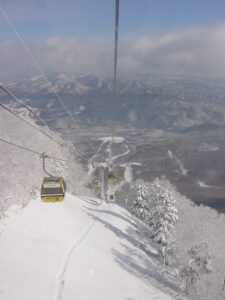
In winter, the ski slopes above Zao Onsen are home to the famous “Snow Monsters” (juhyo) — pine trees so heavily coated in snow and ice by the extraordinary winter conditions that they transform into fantastical creatures that line the ridgeline like an army of ghosts. The cable car runs year-round: in winter for skiing and Snow Monster viewing, in summer for alpine wildflower walks and the spectacular Okama Crater Lake — an emerald-green volcanic lake that changes color based on the angle of the sun.
From Sendai, direct buses run to Zao Onsen Bus Terminal (approximately 100 minutes, ¥1,130 / $7.70 each way). The buses are operated by Miyagi Kotsu and are not covered by the JR Pass. Reserve seats in advance during peak foliage and snow seasons.
Day Trip 8: Sendai Daikannon — The 100-Meter White Goddess
Distance from Sendai Station: 6 miles (9 km) | Travel time: 30 minutes by bus/taxi | Recommended time: 1–2 hours
Standing in the hills west of Sendai city center, the Sendai Daikannon is a white concrete observation tower in the form of the Buddhist goddess Kannon — at 328 feet (100 meters), she’s one of the tallest statues in the world, and genuinely startling when she appears above the treeline. The statue is hollow: 27 floors of internal viewing decks with small Buddhist shrines on each level, culminating in a balcony in the crown of the figure’s head with panoramic views over the Sendai basin, the coastline, and on clear days, the Zao and Ou mountain ranges to the west.
The Daikannon is an unusual, somewhat kitschy attraction that somehow transcends its kitschiness to become genuinely impressive. The scale is vertiginous, the interior shrines are atmospheric, and the views from the crown are legitimately spectacular. Entry ¥800 ($5.40). Access by taxi from central Sendai (approximately ¥1,500 / $10) or by bus from Sendai Station.
Day Trip 9: Kakunodate Samurai District
Distance from Sendai: 93 miles (150 km) north | Travel time: 60–70 minutes by shinkansen to Tazawako, then bus | Recommended time: Half day to full day
Technically a stretch to call this a “day trip” from Sendai, but Kakunodate (角館) in Akita Prefecture is so remarkable that it earns a place on this list. This beautifully preserved samurai town has a historic district (Bukeyashiki) where six original samurai mansions open their gates to the public — complete with gardens, cultural artifacts, craft workshops, and in cherry blossom season, hundreds of weeping cherry trees (shidarezakura) that hang over the earthen walls like pink waterfalls.
Kakunodate is often called the “Little Kyoto of Tohoku” — a comparison that does it a disservice. Where Kyoto’s historic sites are crowded and commercialized, Kakunodate feels genuinely alive and authentic. Local families still live in the historic district; craftspeople still make Kabazaiku (cherry bark craft) in workshops you can watch for free; and the narrow lanes are lined with century-old black-walled storehouses (kura) that now house cafes, sake sellers, and small museums.
By shinkansen: Take the Komachi from Sendai to Tazawako Station (approximately 55 minutes, ¥6,270 / $42 without JR Pass — JR Pass holders travel free). Then hop on a bus or taxi to Kakunodate town center (about 15 minutes, ¥340 by bus). Return by 5pm to reach Sendai by 7–8pm. A long day, but worth every minute.
Best Time to Visit for Day Trips
- Spring (Late March – May): Cherry blossom season transforms Hitome Senbonzakura and Kakunodate. Matsushima’s cherry-lined hills are stunning. Zao Fox Village sees the first baby fox cubs. Ideal weather for Yamadera climbing.
- Summer (June – August): Sendai Tanabata Festival (August 6–8) — one of Japan’s three great tanabata festivals, worth planning your entire Sendai stay around. Zao Onsen hiking season; Naruko Gorge is lush and green. Hot and humid at sea level, but refreshingly cool at altitude.
- Autumn (September – November): Peak autumn foliage — arguably the best season for day trips. Naruko Gorge peaks mid-October. Yamadera is magnificent with color. Matsushima’s hillsides blaze red. Kakunodate’s black walls contrast beautifully against the golds and reds.
- Winter (December – February): Zao Fox Village foxes look their most spectacular. Zao Snow Monsters are the headline attraction. Matsushima is beautiful in the snow. Some destinations have reduced access but make up for it with atmosphere and near-zero crowds.
Practical Tips for Sendai Day Trips
- IC Card: Load an IC card (Suica or Pasmo) before leaving Tokyo — it works on all Sendai JR and subway lines, buses, and convenience stores. Avoids the need to buy individual tickets constantly.
- Start early: Sendai-area attractions can get busy on weekends (especially Matsushima). Arriving at 9–10am before tour buses puts you ahead of the crowds at most sites.
- Car rental advantage: For Zao Fox Village, Naruko Gorge, and multi-site days, renting a car from Sendai Station gives you dramatically more flexibility. Traffic outside the city is light and roads are excellent. Budget approximately ¥7,000–¥10,000 ($47–$68) per day.
- JR Pass value: If you have a JR Pass, the Yamadera day trip (Senzan Line), Shiogama/Matsushima trip (Senseki Line), Kakunodate trip (Komachi shinkansen), and Naruko trip (Rikuu-East Line connections) are all fully or partially covered — excellent value.
- Weather backup plan: Tohoku weather can be unpredictable. On a rainy day, swap outdoor sites for covered alternatives: Shiogama sushi streets, Matsushima’s Zuiganji temple interiors, Naruko kokeshi workshops, or Sendai’s excellent museums.
- Lunch planning: Many rural day-trip areas have limited food options outside of peak season. Either eat lunch before leaving Sendai or research specific restaurants at your destination — the tourist offices at Sendai Station have English-language maps with restaurant recommendations for each area.
- Timing Matsushima vs Sendai Tanabata: If visiting in early August, consider spending an extra day in Sendai city for the Tanabata festival, which runs August 6–8 and features enormous, spectacular hanging ornament displays throughout the shopping arcades near the station.
Sample Day-by-Day Sendai Itinerary (4 Days)
Day 1: Arrival + Sendai City
Morning: Arrive at Sendai via shinkansen from Tokyo (90 min). Deposit luggage at hotel, walk Jozenji-dori (the tree-lined central boulevard).
Afternoon: Sendai Castle ruins (Aoba-jo) for panoramic city views, then stroll through the Kokubuncho entertainment district.
Evening: Dinner at a gyutan (beef tongue) restaurant — try Tasuke or Kisuke near Sendai Station. Budget ¥2,500–¥4,000 ($17–$27) per person.
Day 2: Matsushima + Shiogama
9am: Train to Matsushima-Kaigan (40 min). Boat cruise around the bay islands (50 min, ¥1,500).
11am: Visit Zuiganji Temple, Kanrantei teahouse, and oyster stalls.
1:30pm: Train to Shiogama (20 min). Sushi lunch on Sushi Street — splurge a little, it’s worth it.
3:30pm: Visit Shiogama Shrine.
5pm: Return to Sendai.
Day 3: Yamadera Day Trip
8:30am: Train to Yamadera Station (Senzan Line, 75 min).
10am: Climb the 1,015 steps to the summit temples. Take your time — 1.5–2 hours up and down.
12pm: Lunch at one of the soba restaurants near the station (try cold soba with mountain vegetable tempura, ¥1,200–¥1,800 / $8–$12).
2pm: Train back to Sendai via the Ou Main Line through the mountains.
Evening: Browse Sendai’s craft beer bars (Sendai has a thriving microbrewery scene — try Sendai Beer Stand near the AER building).
Day 4: Zao Fox Village (+ Optional Zao Onsen)
9am: Rent a car or take a tourist bus to Zao Fox Village (50–70 min).
10am–12:30pm: Fox Village — budget 2+ hours to fully appreciate the animals and take photographs.
1:30pm: Drive to Zao Onsen (40 min). Lunch at a mountain restaurant (try bear or venison dishes — a local specialty).
3pm: Bathe at the Zao Onsen Dai Rotenburo outdoor bath.
5pm: Return to Sendai for final evening.
Evening: Farewell dinner — try kaki (oyster) dishes or a full Tohoku kaiseki tasting menu.
Related Articles You Might Enjoy
- Sendai Daikannon: Inside Japan’s Giant 100-Meter Kannon Statue (A Local’s Guide)
- Zuiganji Temple & Entsuin Mausoleum, Matsushima: The Hidden Soul of Japan’s Most Scenic Bay
- Tohoku 7-Day Itinerary: The Perfect First-Timer’s Route Through Northeast Japan
- Kinkasan Island, Miyagi: Japan’s Sacred Deer Island — Complete Guide for Foreign Visitors
- Tashirojima: Japan’s Famous Cat Island — Complete Guide for Foreign Visitors
Final Thoughts
Sendai’s day trip roster is, quite simply, one of the finest in Japan. Whether you’re drawn by the elegance of Matsushima Bay, the spiritual vertigo of Yamadera’s cliff-face temples, the peculiar joy of walking among free-roaming Arctic foxes at Zao, or the samurai grandeur of Kakunodate, this region offers a depth and variety of experience that stands comparison with anywhere in the country — and does so without the queues, the crowds, and the inflated prices that have become synonymous with Japan’s most famous tourist destinations.
The secret is starting to get out — but only slowly. Spend a few days based in Sendai, explore these extraordinary destinations radiating out from it, and you’ll return home with memories of Japan that most visitors never get to make. That’s precisely what Tohoku Hidden Gems is all about.


コメント