Ask most travelers to name a Japanese mountain and you’ll hear “Fuji” before anything else. But two hours north of Tokyo, in a prefecture most foreign visitors skip entirely, stands a volcano that inspired one of Japan’s most famous love poems, feeds a 1,300-year-old hot spring village through an 8-kilometer bamboo-and-pipe aqueduct, and offers a crater landscape so otherworldly that local guides call it “the moon on Earth.” This is Mount Adatara, and it’s one of Tohoku’s most rewarding — and least crowded — day trips.
Why Mount Adatara Should Be on Every Japan Itinerary
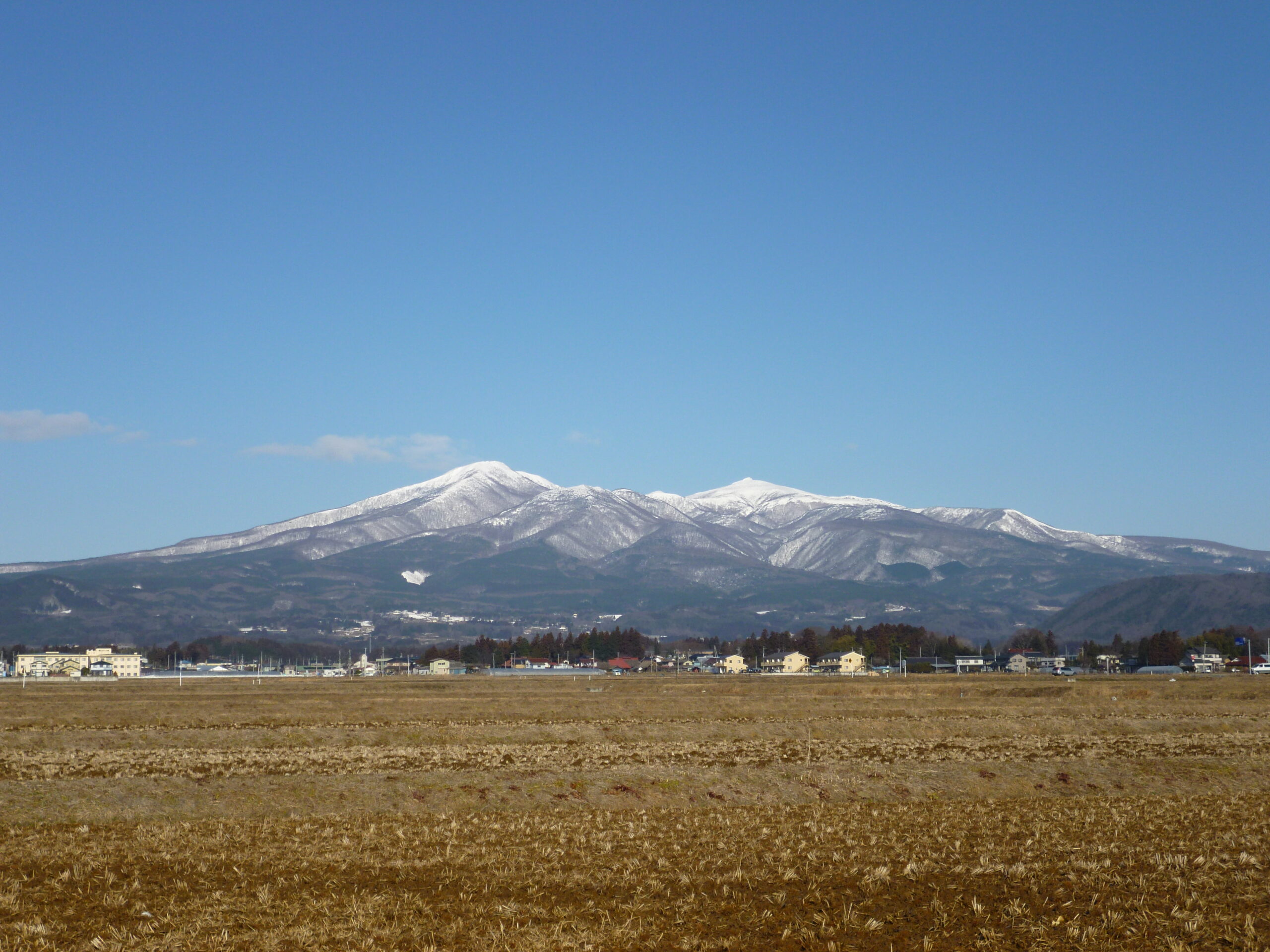
Mount Adatara (安達太良山, “Adatara-yama”) is a 1,700-meter active volcano rising above Nihonmatsu City in central Fukushima Prefecture. For Japanese travelers, it’s a beloved name — thanks largely to poet Takamura Kotaro, who wrote in his 1941 collection Chieko-sho that his wife Chieko, a Nihonmatsu native, used to say “the real sky is here” whenever she gazed up at Adatara’s ridgeline. That line is now etched onto monuments across the region, and the mountain is sometimes still called “Chieko’s sky” by Japanese hikers. For English-speaking visitors, though, Adatara remains almost entirely off the radar — which is exactly why it belongs on your list.
What makes Adatara special isn’t just the summit views (though on a clear day you can see across the Fukushima Basin to the Bandai mountain range and, in winter, all the way to the Pacific). It’s the combination: a genuinely dramatic volcanic crater you can walk right up to, a gondola that makes the mountain accessible to casual hikers as well as serious ones, and — waiting at the base — one of Japan’s most characterful old hot spring towns, fed by water piped down the mountainside for well over a millennium.
Compare it to something like Mount Rainier or the crater rim trails in Hawaii Volcanoes National Park, but shrunk down to a half-day outing and paired with a proper Japanese onsen soak afterward. That’s Adatara.
Getting There from Tokyo
- Shinkansen: Take the Tohoku Shinkansen from Tokyo Station to Nihonmatsu Station or Koriyama Station (both work; Nihonmatsu is closer). Nihonmatsu takes about 1 hour 40 minutes on the fastest Yamabiko services (around ¥10,500 / $70 one-way, unreserved seat), with a transfer at Fukushima or Koriyama depending on the train.
- From Nihonmatsu Station: A local bus (about 30 minutes, ¥800 / $5.50) or taxi (around 20 minutes, roughly ¥4,000 / $27) takes you up to the Adatara Kogen gondola base station.
- Rental car: Driving from Tokyo takes about 3 hours via the Tohoku Expressway; from Sendai it’s just over an hour. A car is the most convenient option if you’re combining Adatara with nearby Bandai-Azuma Skyline or the Goshikinuma Five Colored Lakes.
The JR Pass and the JR East Tohoku Area Pass both cover the Shinkansen portion of this trip, making it an easy add-on if you’re already exploring Fukushima or Yamagata.
Riding the Gondola and Hiking to the Crater Rim
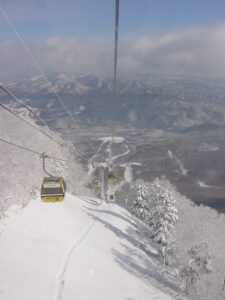
The easiest way onto Adatara is the Adatara Kogen Ropeway, nicknamed the “Mount Express.” The gondola cabin climbs from the base station (about 950 meters elevation) to Yakushidake Station at roughly 1,350 meters in around 10 minutes, saving you a couple of hours of forest walking. A round-trip ticket costs about ¥3,000 ($20) for adults; one-way is available if you plan to hike down instead.
From the top gondola station, a short five-minute walk brings you to Yakushidake Panorama Park, a viewing platform where — on a clear day — you can see Mount Bandai, the city of Fukushima, and on the best winter days, the Pacific coastline nearly 60 kilometers away. Most casual visitors stop here, snap photos, and ride the gondola back down. It’s a completely legitimate way to experience Adatara if you’re short on time or traveling with young kids.
If you want the real payoff, though, continue on foot. The trail from Yakushidake Station to the summit (called Minowa-yama or Adatara-san proper) is about 90 minutes each way, climbing through subalpine shrubs and exposed volcanic rock. The trail is well-marked and doesn’t require technical climbing gear — sturdy hiking shoes and trekking poles are enough for most fit travelers — but there’s minimal shade, so bring sun protection and at least 1 liter of water per person.
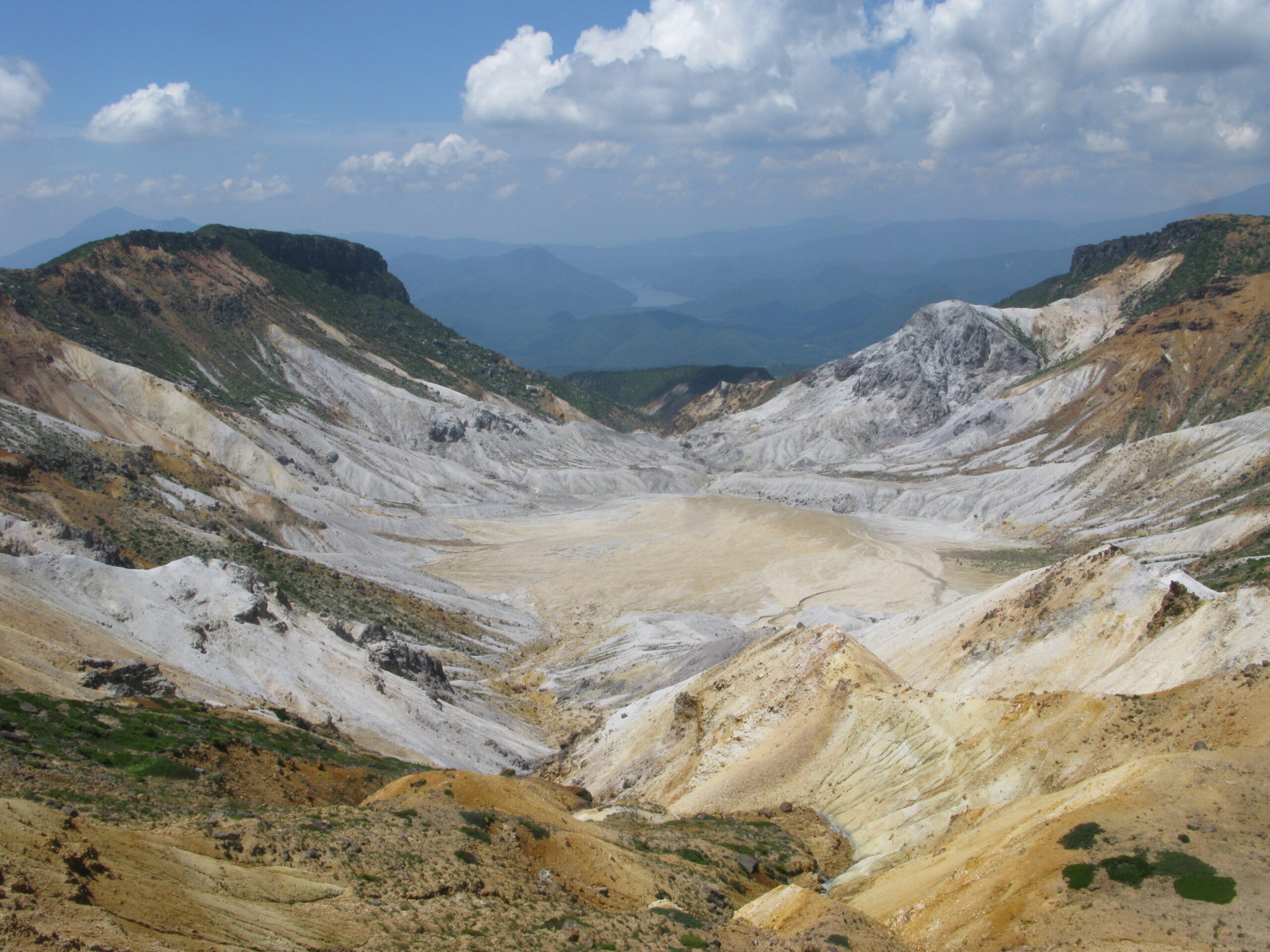
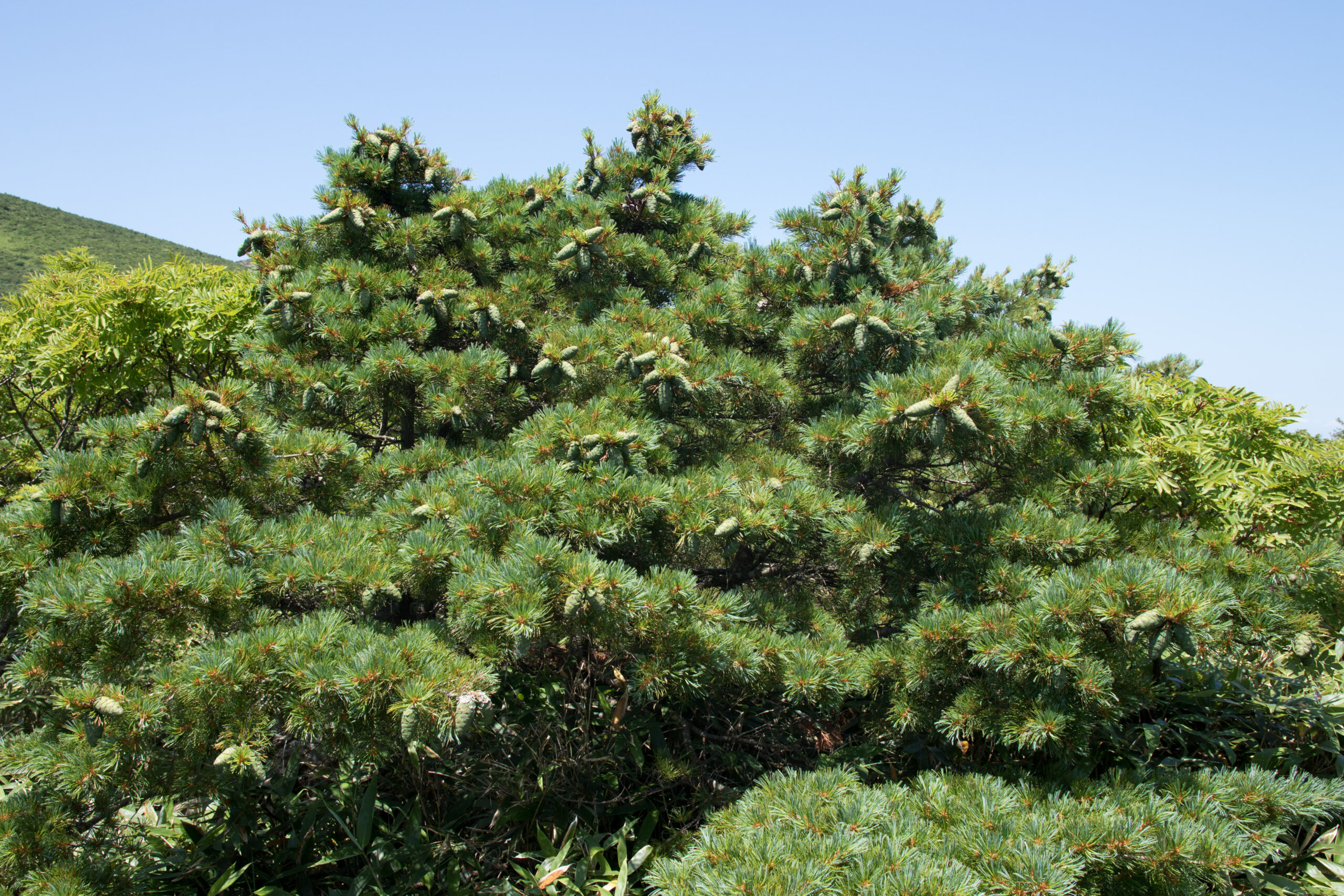
The reward is Numanotaira, Adatara’s active crater: a wide, barren amphitheater with steaming vents and rock stained in streaks of yellow sulfur, ochre, and grey. It looks less like anywhere else in Japan and more like a scene from a nature documentary about Yellowstone or Iceland. You can’t (and shouldn’t) descend into the crater itself due to toxic volcanic gas, but the rim trail gives you a front-row view that most visitors to Japan never see. Alpine flora — including dwarf stone pine (haimatsu) at higher elevations — clings to the exposed rock, adding a splash of green against the volcanic grey.
Serious hikers can continue along the ridge to Mount Adatara’s official highest point (1,700 meters) and beyond toward Mount Kurogane, turning the day into a proper 5-6 hour traverse with an overnight option at Kurogane-goya mountain hut. For most travelers, though, the gondola-plus-crater-rim round trip (about 3-4 hours total, including gondola rides) is the sweet spot.
Dake Onsen: The Hot Spring Village That Moved Eight Times
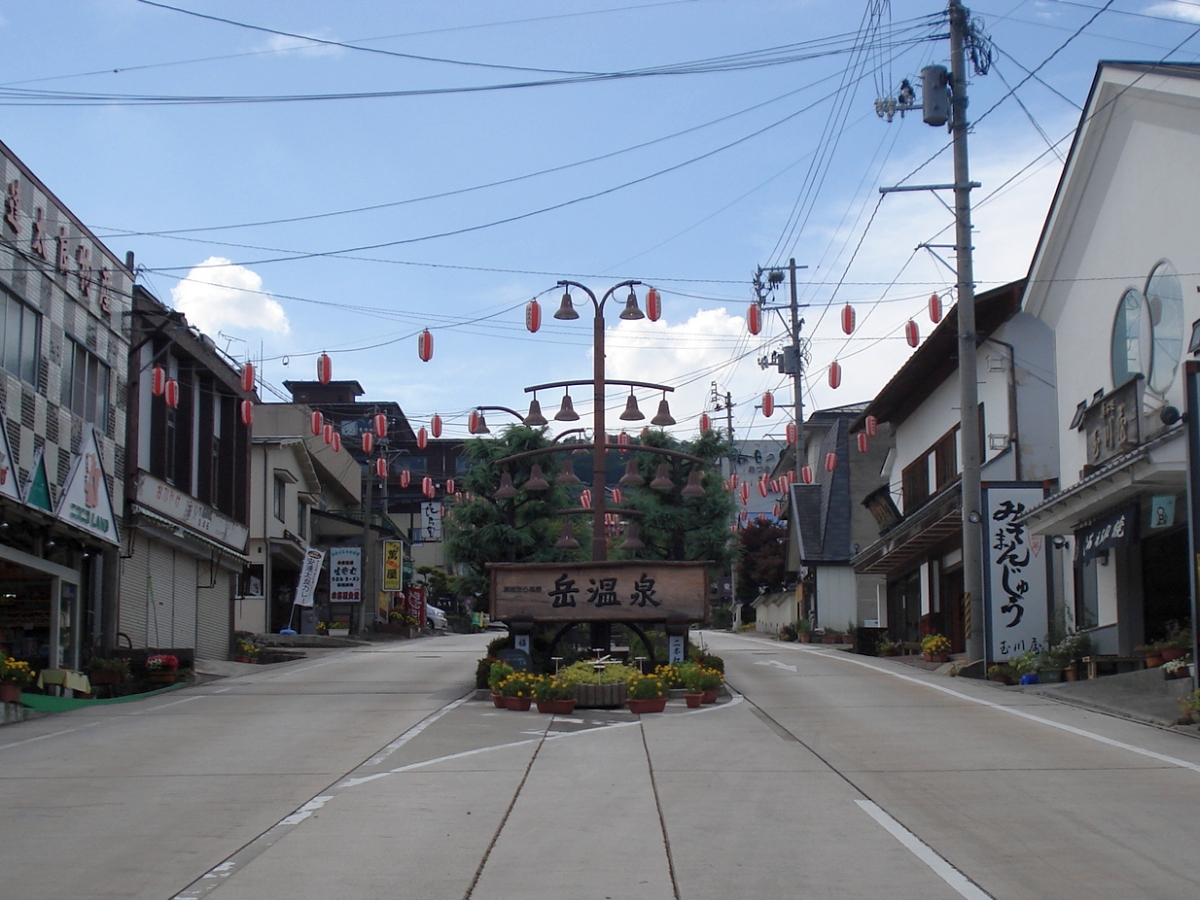
At the foot of the mountain sits Dake Onsen (岳温泉), one of Fukushima’s oldest and most characterful hot spring towns — and the perfect place to soak your legs after the hike. Local records trace the spring’s discovery back roughly 1,300 years, but its more remarkable story is more recent: over its history, flooding, landslides, and volcanic activity forced the entire village to relocate no fewer than eight times before finally settling at its current location in the early 20th century.
Because the actual hot spring source sits high on the mountainside, near the site of one of the old village locations, the water is piped roughly 8 kilometers down to the current town through an aging wooden and steel pipeline — one of the longest hot spring transport systems in Japan. Locals proudly call it the “onsen pipeline that carries hot water down the mountain like a river,” and several ryokan display cutaway sections of the old wooden pipes in their lobbies.
The water itself is a milky, slightly acidic sulfur spring (a type Japanese onsen classification calls “acid sulfur spring”), prized for skin conditions and said to be gentle enough to bathe in daily. Unlike some of Tohoku’s more famous but crowded onsen towns, Dake Onsen sees relatively few foreign visitors, which means you can usually book a same-day soak or room without the reservation scramble you’d face in a place like Ginzan Onsen.
Several ryokan offer day-use bathing (higaeri onsen) for visitors who aren’t staying overnight — typically ¥700-¥1,200 ($5-$8) for a couple of hours’ access to indoor and outdoor baths. This is the ideal way to end an Adatara hike: sore legs, milky white water, and mountain air.
Okitsushima Shrine and Nihonmatsu Castle
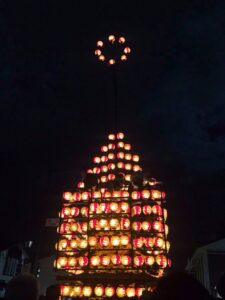
If you have an extra half-day, the nearby castle town of Nihonmatsu rewards a short detour (we’ve covered it in full in our separate Nihonmatsu city guide, including its famous Lantern Festival). Two spots pair especially well with an Adatara day trip:
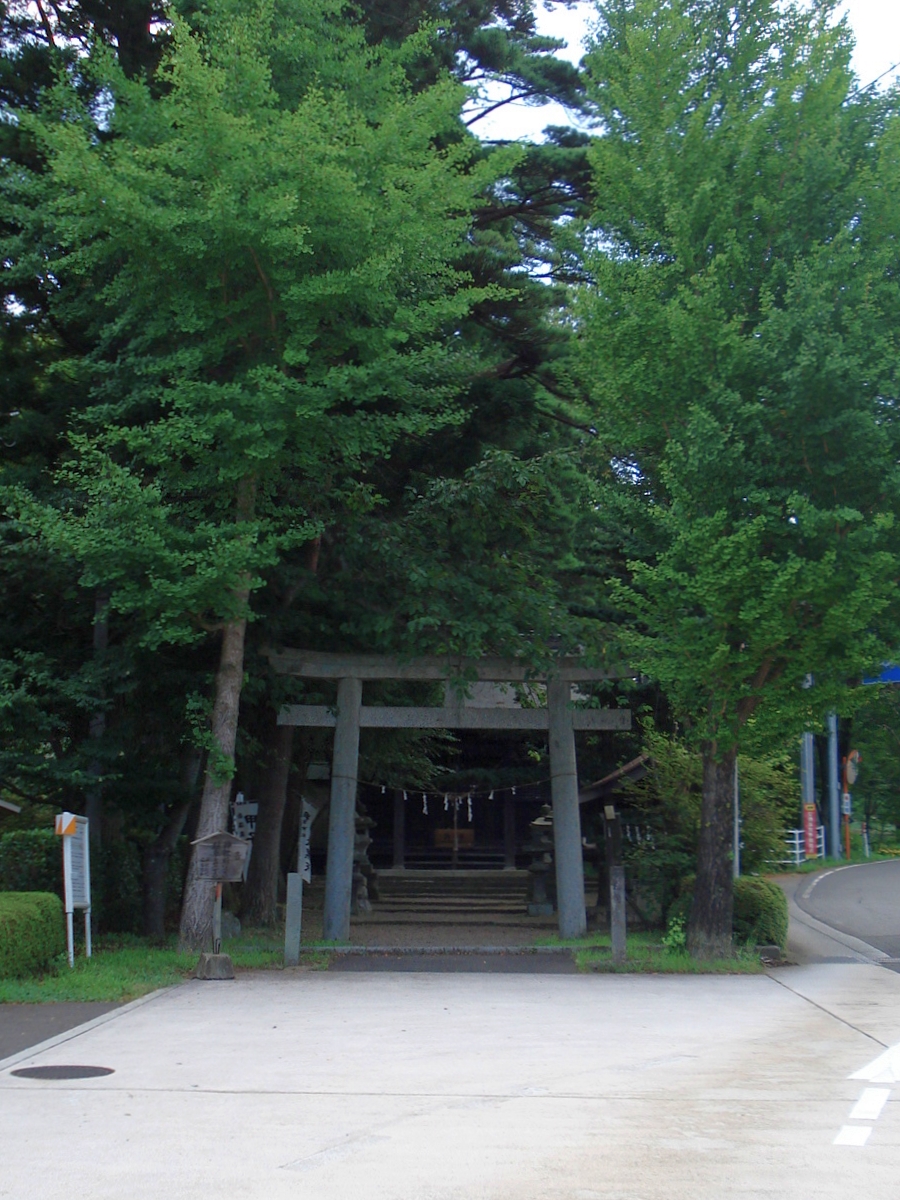
Okitsushima Shrine sits on a small forested hill on the edge of Nihonmatsu, reached by a stone staircase lined with stone lanterns and a classic vermillion torii gate. It’s a quiet, uncrowded spot for photos and a nice contrast to the volcanic starkness of the crater you may have just visited — dense cedar forest, moss-covered stone, and the particular hush of a small Shinto shrine that sees more local worshippers than tourists.
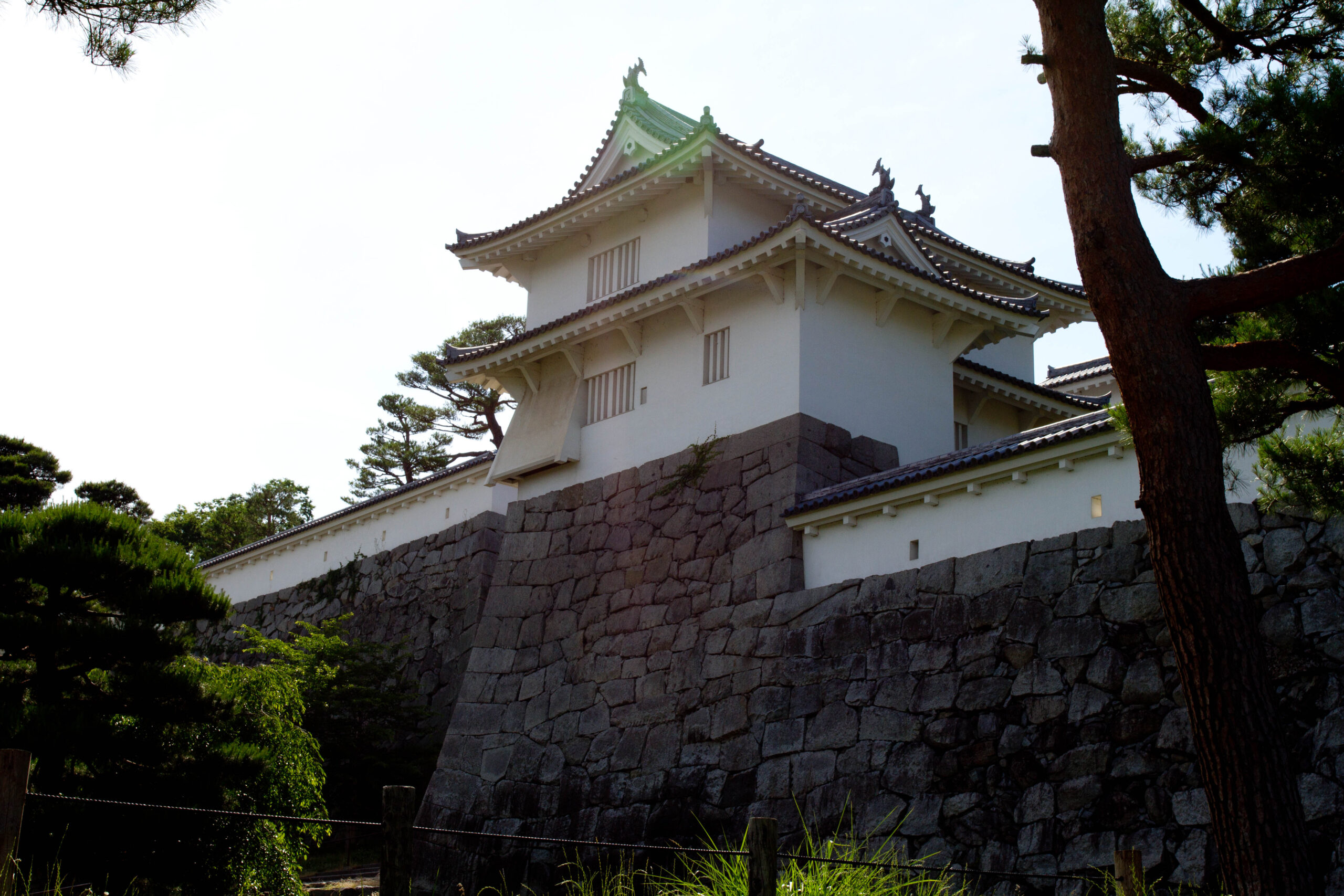
Nihonmatsu Castle (Kasumigajo), a short drive or bus ride from the station, was one of the sites of fierce fighting during the 1868 Boshin War, when teenage members of the Nihonmatsu domain’s boys’ brigade (the Nihonmatsu Shonentai) died defending the castle. Little remains of the original structure beyond stone walls and reconstructed gates like the Minowa Gate, but the grounds are free to enter, and the hilltop offers a good long-range view back toward Adatara — a nice way to complete the loop.
Best Time to Visit
- Spring (April–May): Snow lingers on the upper slopes into late April, but the gondola runs and lower trails clear early. Wildflowers begin appearing on the lower mountain by May, and Nihonmatsu’s cherry blossoms overlap with the start of hiking season.
- Summer (June–August): The main hiking season. Expect daytime highs around 75-82°F (24-28°C) at the base, noticeably cooler at the summit — pack a light jacket even in August. Morning starts are best to avoid afternoon cloud buildup that can obscure the crater views.
- Autumn (late September–early November): The single best time to visit. Adatara’s slopes turn brilliant red and gold roughly 2-3 weeks before Nihonmatsu’s lowlands do, typically peaking in the first half of October at higher elevations. The gondola essentially becomes a moving viewing platform over the foliage.
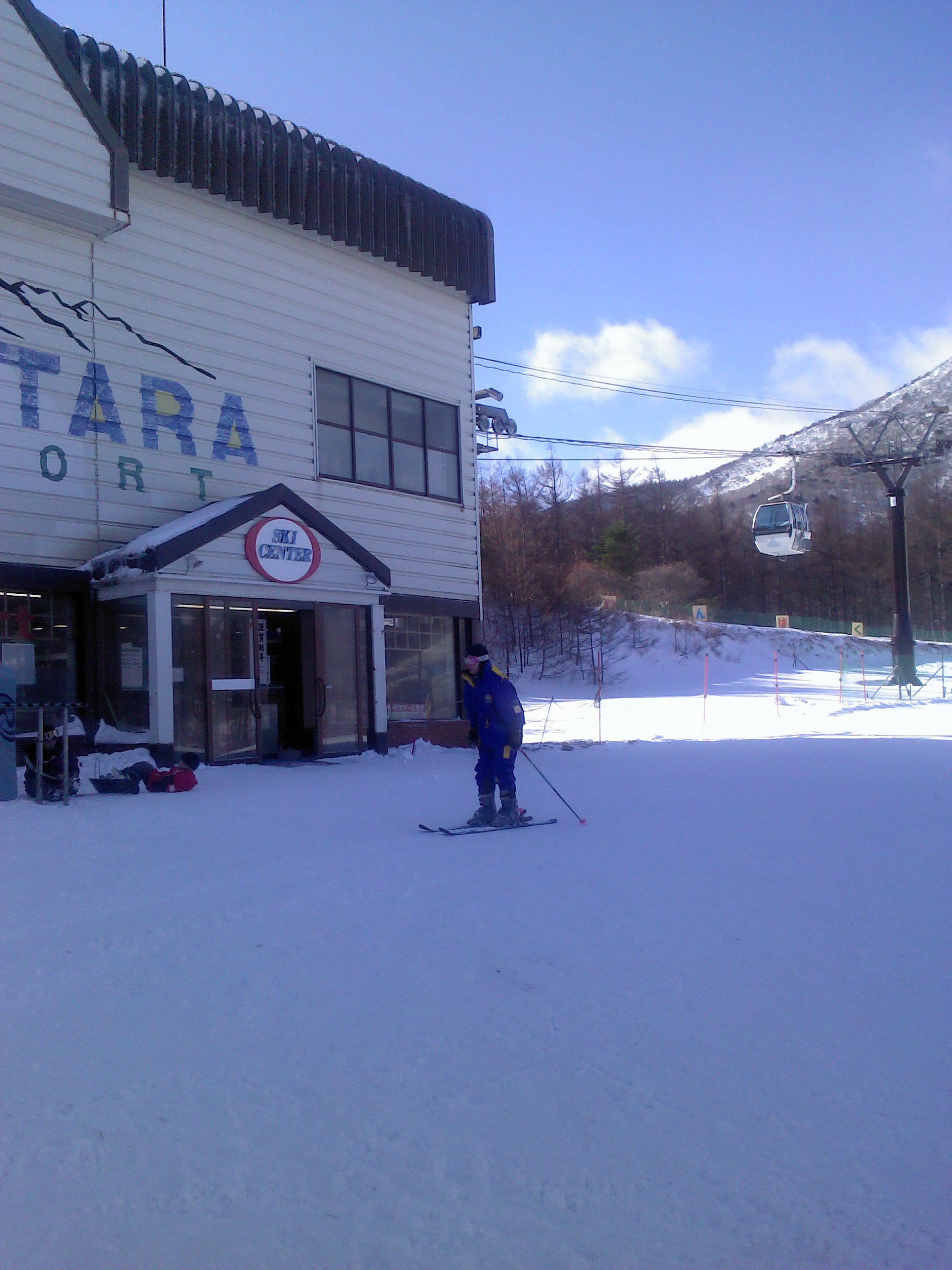
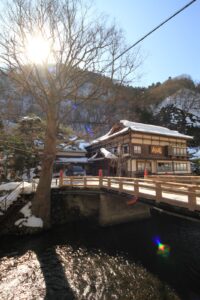
- Winter (December–March): The gondola switches to serving Adatara Kogen Ski Resort, one of Fukushima’s better-regarded ski areas, with reliable powder and views back toward the crater rim (closed to hikers in winter conditions). Dake Onsen is at its most atmospheric with snow on the ryokan roofs.
Where to Eat: Nihonmatsu & Dake Onsen Food Guide
This is Fukushima, so expect excellent rice, mountain vegetables, and some genuinely distinctive local specialties.
Nihonmatsu Chinese-Style Cold Noodles (Nihonmatsu Reimen)
A regional variation on cold ramen, served with a tangy, slightly sweet sesame-soy broth, thin cucumber and ham strips, and a boiled egg. Several noodle shops around Nihonmatsu Station serve it for around ¥800-¥1,000 ($5.50-$7). Look for shops with a “冷麺” (reimen) noren curtain out front.
Ryokan Kaiseki at Dake Onsen
Most ryokan in Dake Onsen serve multi-course kaiseki dinners built around Fukushima specialties — Aizu-style marinated beef, mountain vegetables (sansai), river fish, and seasonal mushrooms. Staying overnight typically includes dinner and breakfast in the room rate; day-trippers can sometimes arrange a lunch set (¥2,500-¥4,000 / $17-$27) at ryokan that offer it.
Ninjin (Carrot) Soft Serve and Mountain Snacks
Fukushima’s Adachi district, around Nihonmatsu, is known for carrot farming, and you’ll find carrot soft-serve ice cream and carrot juice at rest stops and the gondola base station café — a small, sweet, slightly surprising local specialty worth trying (around ¥400 / $2.70).
Where to Stay
Budget (Under ¥8,000 / $55 per night)
Business hotels near Nihonmatsu or Koriyama Station offer simple, clean rooms in this range — a practical base if you’d rather skip a traditional ryokan stay and just do Adatara as a day trip.
Mid-Range (¥8,000–¥20,000 / $55–$135)
Several family-run ryokan in Dake Onsen fall in this range, typically including dinner and breakfast, with both indoor and rotenburo (outdoor) baths fed by the milky spring water. This is the sweet spot for most travelers wanting the full onsen-town experience.
Luxury (¥20,000+ / $135+)
The larger hot spring resorts in Dake Onsen offer private open-air baths attached to guest rooms, more elaborate kaiseki dinners, and mountain-view rooms — a comfortable splurge after a day on the crater trail.
Practical Tips for Visiting Mount Adatara
- Check the gondola operating schedule before you go — it typically closes for maintenance for a period in late autumn/early winter between hiking and ski seasons.
- The crater area can have volcanic gas advisories; check current conditions at the gondola base station or with the Nihonmatsu tourism office before hiking to Numanotaira.
- Bring layers — temperatures at the 1,350-meter gondola station can be 10-15°F (6-8°C) cooler than at the base, even in summer.
- Trail signage is in Japanese and English at major junctions, but download an offline map (Adatara is well-covered on Japanese hiking app YAMAP) as a backup.
- Cell service is patchy to nonexistent past the gondola station — let someone know your planned route and return time.
- Tattoos are generally fine at Dake Onsen’s smaller family baths, but call ahead to confirm at larger ryokan, as policies vary.
- Coin lockers are available at the gondola base station for day-trippers who don’t want to carry bags up the mountain.
- Combine this trip with the Bandai-Azuma Skyline scenic drive or the Goshikinuma Five Colored Lakes (about 45 minutes away by car) for a fuller day if you have a rental car.
- The last gondola down is typically mid-to-late afternoon (check the current schedule) — don’t push your summit attempt too late in the day.
- Vending machines and a small café exist at the gondola base and Yakushidake stations, but there’s no food available on the crater rim trail itself — pack snacks.
Sample 1-Day Itinerary
Morning
Take an early Shinkansen from Tokyo (or start from Fukushima/Koriyama if you’re already in Tohoku) to arrive at Nihonmatsu Station by mid-morning. Bus or taxi to the Adatara Kogen gondola base station, and ride up to Yakushidake Station by around 10:30am.
Midday
Hike from Yakushidake Station to the Numanotaira crater rim (about 90 minutes each way). Have lunch or a snack at the crater viewpoint or back at the gondola station café, weather depending.
Afternoon
Ride the gondola back down by mid-to-late afternoon, then head to Dake Onsen for a day-use soak (higaeri onsen) at one of the ryokan — a perfect way to ease hiking-tired legs.
Evening
If staying overnight, settle into your ryokan for a kaiseki dinner. If heading back to Tokyo or on to your next stop, grab Nihonmatsu reimen near the station before your evening Shinkansen.
Related Articles You Might Enjoy
- Tadami Line, Fukushima: Japan’s Most Scenic Hidden Railway Journey
- Fukushima City Guide: Japan’s Most Misunderstood Destination & Why You Need to Visit
- Abukuma Cave, Fukushima: Japan’s Most Spectacular Underground Wonder
- Lake Inawashiro, Fukushima: Complete Guide to Japan’s Mirror of Heaven
- Ura-Bandai Highlands, Fukushima: Japan’s Most Magical Volcanic Lake District
Final Thoughts
Mount Adatara isn’t trying to be Fuji, and that’s precisely its appeal. It’s a volcano you can genuinely climb in an afternoon, a crater that looks like nowhere else in Japan, and a hot spring town with a stranger, more interesting backstory than most destinations twice its size. Fukushima Prefecture still carries an outdated reputation problem among some overseas travelers — one more reason to come see for yourself what a beautiful, welcoming, and quietly spectacular corner of Tohoku it actually is.
Got questions about planning your Tohoku trip, or spotted something we missed? We’d love to hear from you — drop us a message here.


コメント