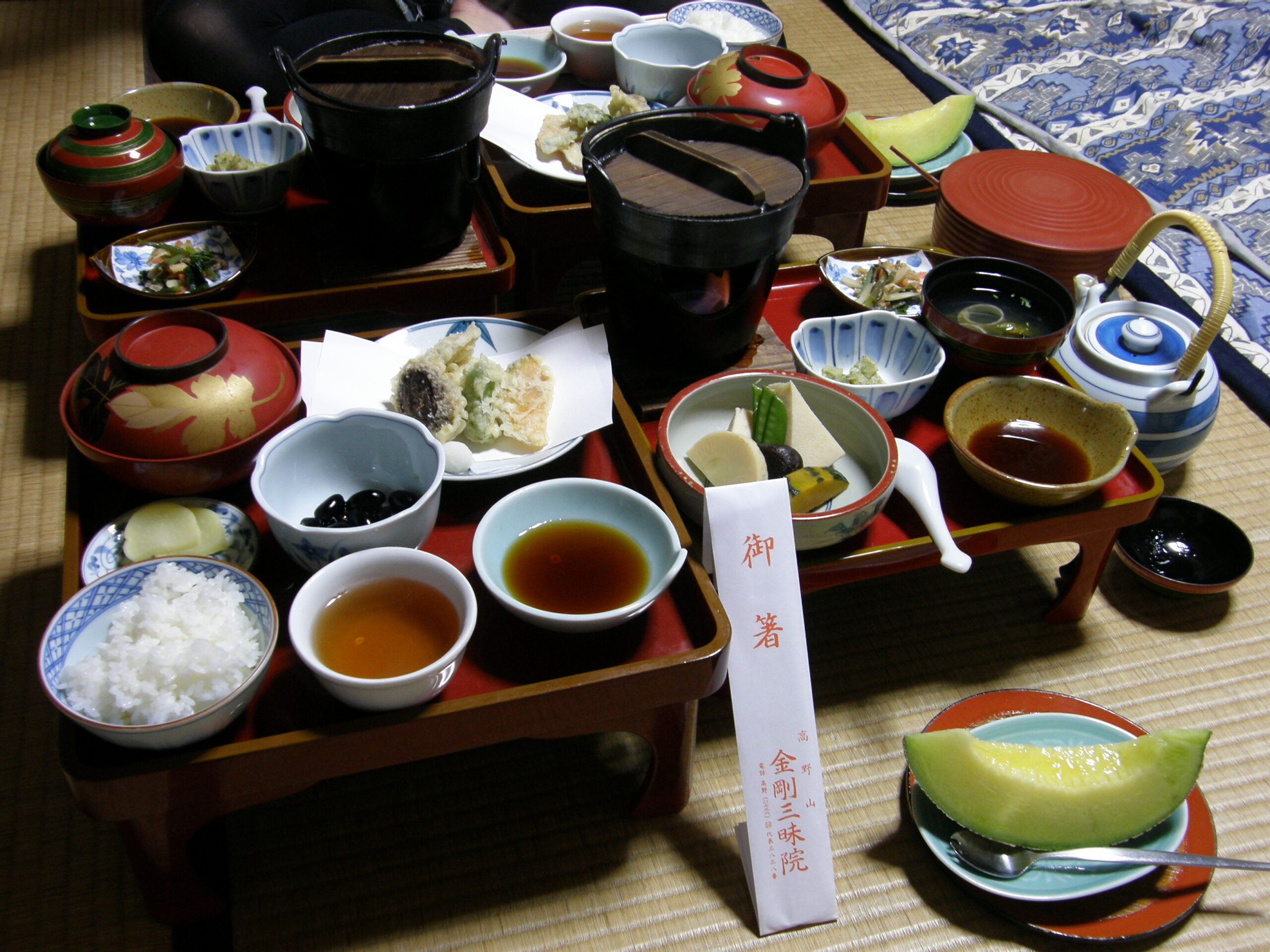
Here’s a secret that most travel blogs won’t tell you: eating as a vegetarian or vegan in Tohoku can actually be one of the most rewarding culinary experiences in Japan — if you know where to look. Yes, hidden fish stock lurks in broths you’d never suspect, and plant-based menus aren’t splashed across restaurant windows. But Tohoku is home to some of Japan’s most profound Buddhist food traditions, abundant mountain vegetables, and a growing number of cafés and restaurants catering to plant-based diners. With the right knowledge, you can eat extraordinarily well — and discover a side of Japanese food culture that most visitors miss entirely.
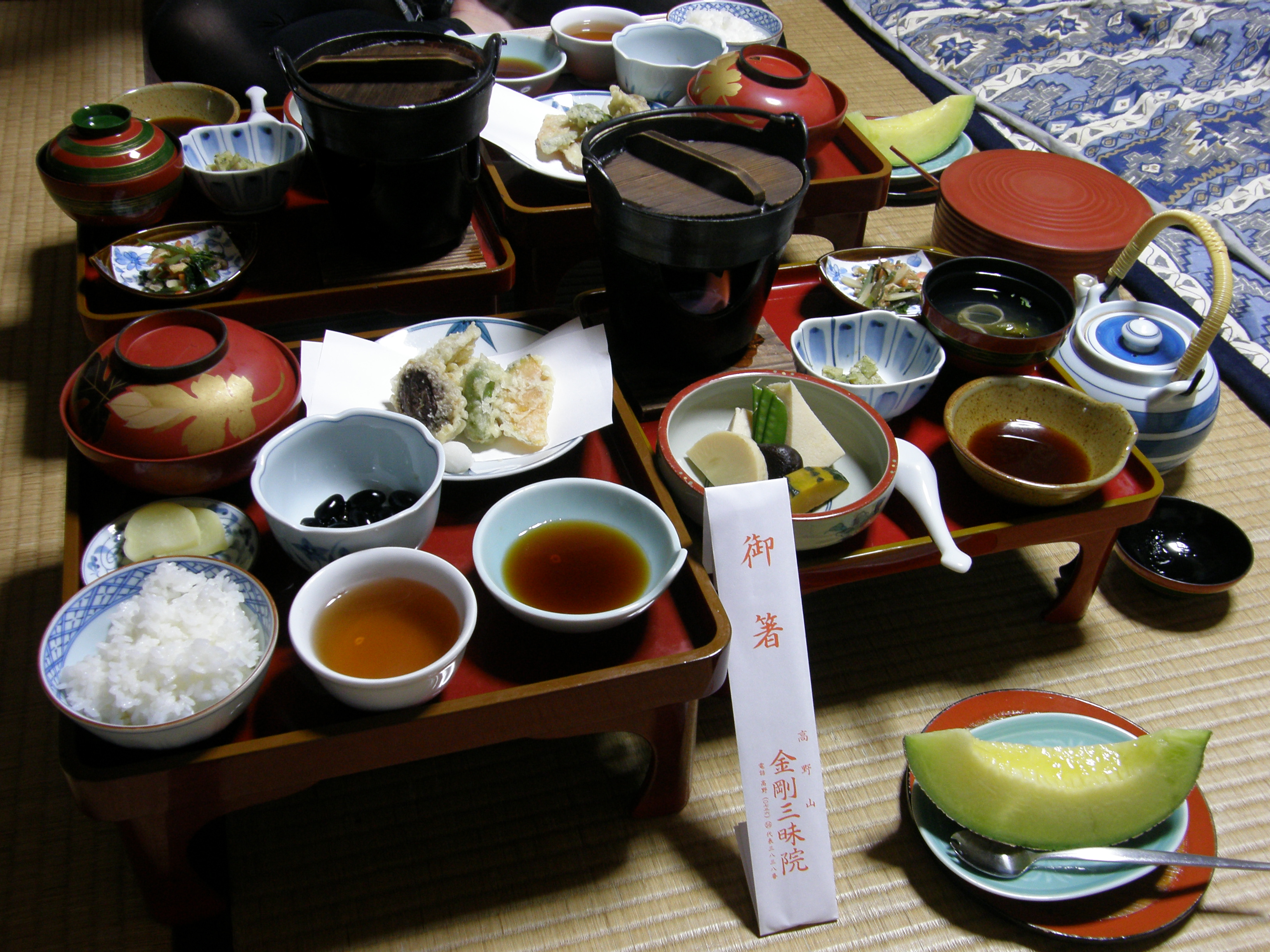
The Reality of Being Vegetarian or Vegan in Tohoku
Let’s be honest upfront: Japan was not historically designed with vegetarians and vegans in mind, and Tohoku is no exception. Traditional Japanese cooking relies heavily on dashi — a stock made from dried bonito fish flakes (katsuobushi) and kombu seaweed — as its fundamental flavor base. This stock finds its way into miso soup, ramen broths, noodle sauces, simmered vegetables, and countless dishes that look vegetarian on the surface but absolutely are not.
Meat is less common in traditional Tohoku home cooking than you might expect — the region’s Buddhist heritage means that vegetable-forward meals have deep roots — but that invisible layer of fish and seafood flavoring is everywhere. Even tofu dishes, which seem obviously plant-based, are often simmered in dashi or served with bonito flakes sprinkled on top. Green onion miso soup, apparently the simplest dish in the world, almost certainly contains fish stock.
That said, the situation has improved dramatically in recent years. Sendai, Morioka, Aomori, and other Tohoku cities now have dedicated vegetarian and vegan restaurants. International tourism awareness has pushed many traditional restaurants to accommodate dietary requests. Buddhist temple lodges (shukubo) have always served plant-based meals. And with a little preparation — including some key Japanese phrases — you can navigate Tohoku’s food scene with confidence and pleasure.
This guide is your complete roadmap. We’ll cover the best plant-based foods, where to eat in each major city, what to do at convenience stores and supermarkets, essential phrases to communicate your needs, and how to experience Japan’s extraordinary Buddhist cuisine tradition firsthand.
Understanding the Dashi Problem — and How to Work Around It
The single biggest challenge for vegetarians and vegans in Japan is dashi. This stock is so fundamental to Japanese cooking that many chefs don’t even think of it as an “ingredient” — it’s simply the medium in which food is cooked, the way water or olive oil might be in Western kitchens. Asking if something “contains fish” at a traditional restaurant may get a confused negative response, because the chef genuinely doesn’t consider their broth to be “fish.”
There are workarounds. The most reliable is to ask specifically about katsuobushi (dried bonito flakes) and niboshi (dried sardines) in addition to asking about fish and meat. The phrase “sakana no dashi wa haitte imasuka?” (Does this contain fish stock?) is enormously helpful. Many modern restaurants, especially in cities, have started labeling their dashi or offering vegetarian alternatives.
A few naturally safe bets: plain white rice (gohan) is always vegan. Pickled vegetables (tsukemono), while occasionally made with fish sauce, are often fermented in salt or rice bran and are frequently vegan-friendly. Agedashi tofu at dedicated tofu restaurants sometimes uses kombu-only dashi rather than fish dashi — worth asking. And edamame, that classic bar snack, is always vegan.
The other key thing to understand: vegetarian-friendly in Japan often still means egg and dairy are acceptable, while strict vegans need to be extra vigilant. Japanese “vegetarian” (bejitarian) doesn’t have the same standardized meaning as in Western countries. Always specify “vegan” (biigan) separately if needed.
Shojin Ryori: Japan’s Greatest Contribution to Vegetarian Cuisine
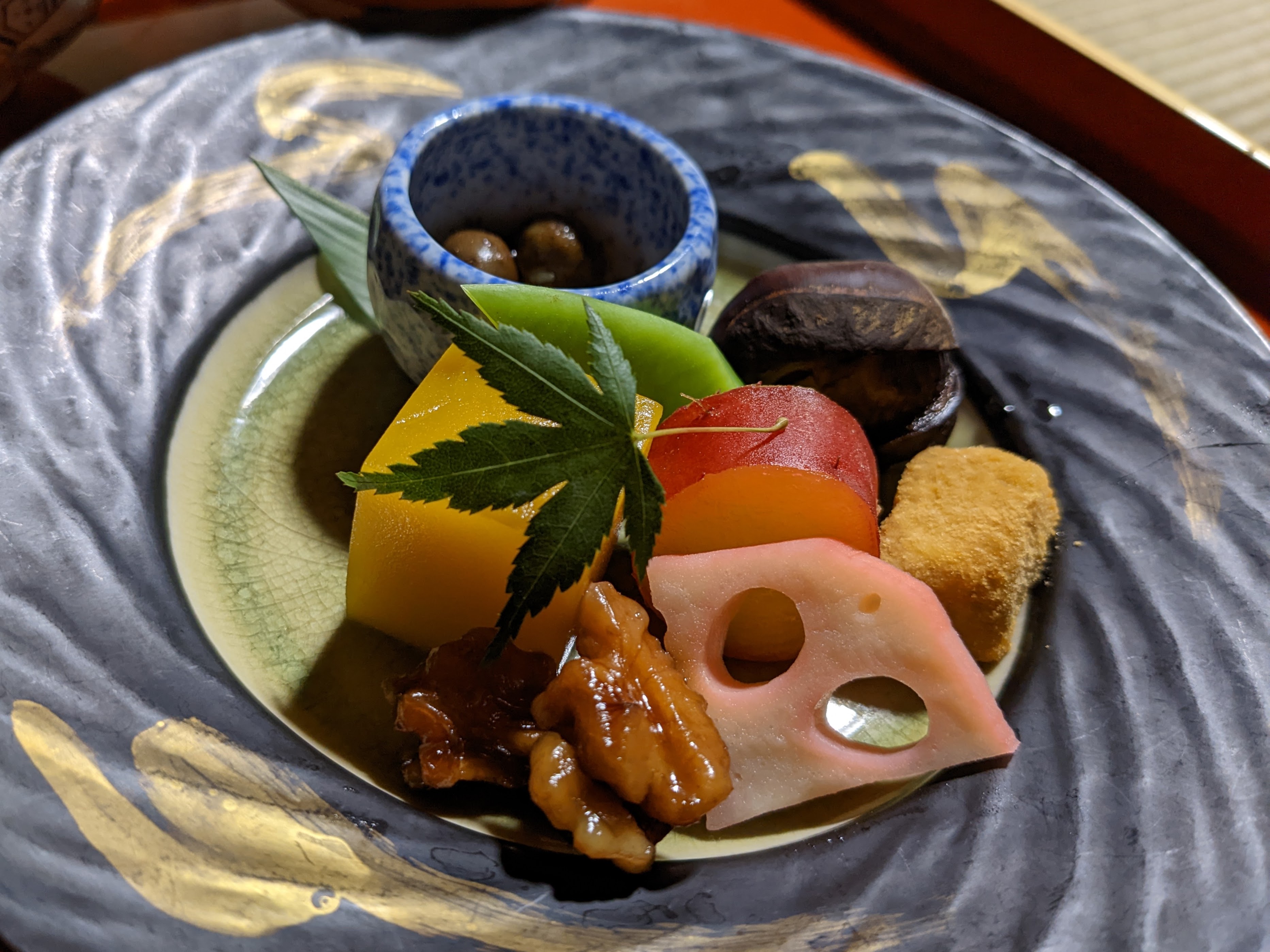
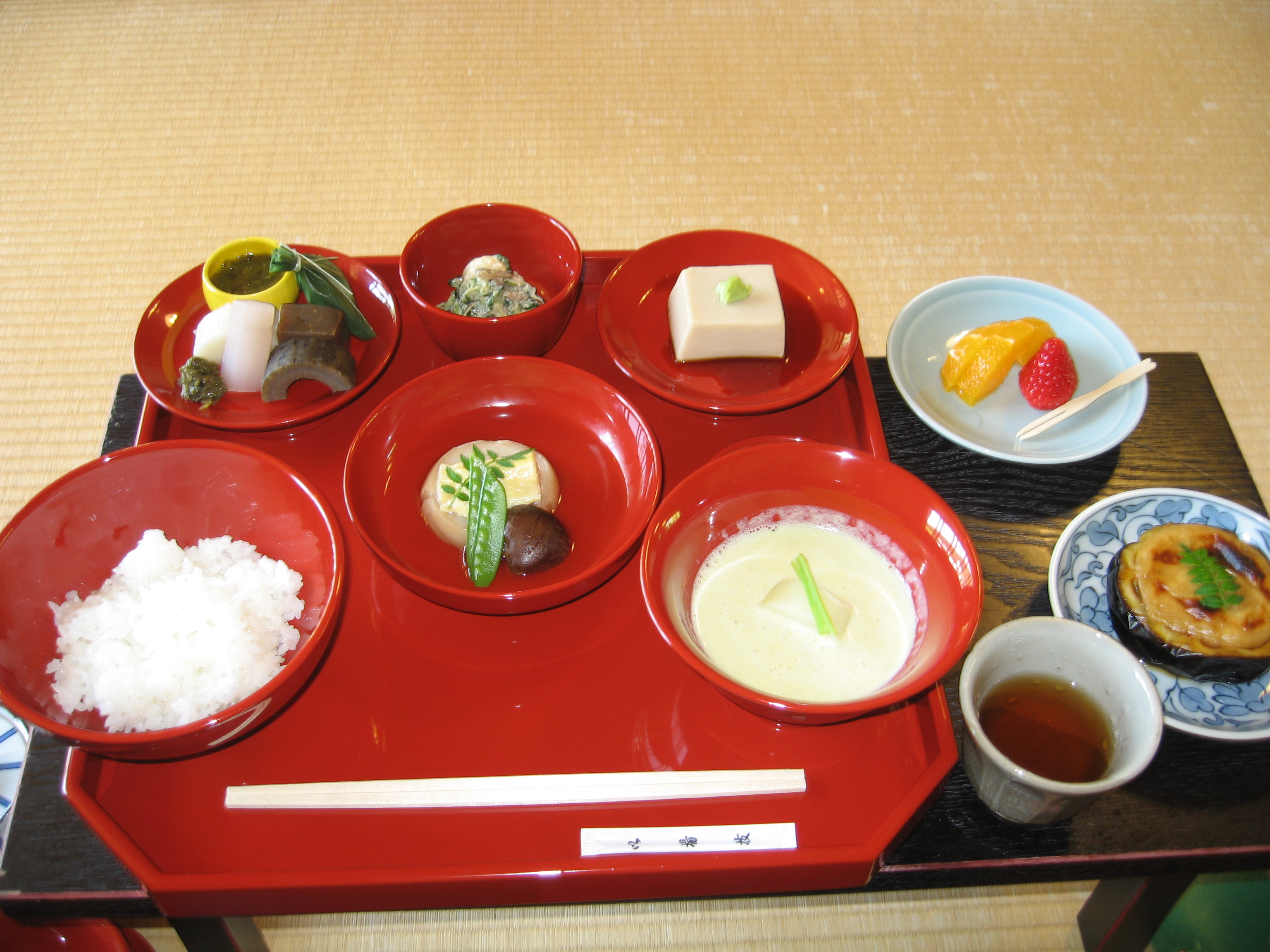
If there’s one food experience that every vegetarian and vegan visitor to Japan must have, it’s shojin ryori — the ancient Buddhist temple cuisine that has been refined over 1,300 years into one of the world’s most sophisticated plant-based food traditions. This isn’t rabbit food or compromise cooking. Shojin ryori is a deeply intentional, extraordinarily beautiful cuisine that treats humble vegetables, tofu, and grains with the reverence that other cultures reserve for prime cuts of meat.
The word “shojin” literally means “devotion” or “spiritual endeavor,” and the cuisine was developed by Buddhist monks following the precept of non-violence (ahimsa). No meat, no fish, no animal products — not even pungent root vegetables like garlic, onion, or leeks, which were traditionally considered too stimulating for meditation. What remains is a cuisine of extraordinary restraint and creativity: seasonal vegetables prepared with techniques developed over centuries, silky tofu in a dozen different forms, wheat gluten (fu) shaped and seasoned to astonishing complexity, mushrooms that add umami depth without any fish stock.
A traditional shojin ryori meal typically arrives as a series of small dishes arranged on a lacquered tray: perhaps a clear soup with delicate fu and seasonal greens, a bowl of sesame-dressed mountain vegetables (sansai), simmered root vegetables in a rich kombu broth, silky chilled tofu with grated ginger, pickled plum (umeboshi) alongside perfectly steamed rice, and perhaps a sweet made from adzuki beans for dessert. Each dish is simple individually but extraordinary in combination — a lesson in how restraint can produce abundance.
In Tohoku, shojin ryori connects deeply to the region’s powerful Buddhist heritage. The Dewa Sanzan mountains in Yamagata Prefecture are one of Japan’s most important mountain worship sites, and temple lodges there have been serving shojin ryori to pilgrims for over a millennium. Yamadera temple (Risshakuji) in Yamagata and various temples along the Michinoku Pilgrimage route also offer versions of this tradition.
Staying at a shukubo (temple lodging) is the ideal way to experience authentic shojin ryori. Prices typically run ¥10,000–¥20,000 per person per night ($68–$135 USD), including two meals. The breakfast especially is unforgettable — eaten in silence with monks in the early morning light, it’s a genuinely transformative experience that has nothing to do with ordinary tourism.
The Best Naturally Vegetarian and Vegan Foods in Tohoku
Beyond formal shojin ryori, Tohoku’s food culture is full of dishes that are naturally plant-based or easily modified. Here’s what to look for:
Soba Noodles (Buckwheat Noodles)
Soba is one of Japan’s most beloved noodles, made from buckwheat flour with a distinctive nutty flavor. Plain cold soba (zaru soba) — noodles served on a bamboo tray with a dipping sauce — can be vegan-friendly, though the dipping sauce (tsuyu) is almost always made with fish stock. Ask if the restaurant can prepare the sauce with kombu-only dashi, or bring your own seasoning. Wanko soba in Morioka, Iwate — the refillable bowl tradition — uses a communal broth that isn’t vegan, but you can sometimes request to eat the noodles dry or with separate vegetarian condiments.
Sansai (Mountain Vegetables)
This is Tohoku’s greatest gift to vegetarian travelers. Sansai — literally “mountain vegetables” — refers to dozens of wild-foraged greens, ferns, and fungi harvested from Tohoku’s forested mountains throughout spring and summer. You’ll encounter warabi (bracken fern), zenmai (royal fern), kogomi (ostrich fern), taranome (angelica tree shoots), and countless regional varieties. These are sautéed with sesame oil, dressed with miso and sesame, preserved in salt, or tempura-fried. Even when dressed in dashi-based sauces, the vegetables themselves are always plant-based and worth seeking out.
Tofu in All Its Forms
Tohoku produces some of Japan’s finest tofu, particularly in cold mountain regions where the pure water makes for exceptionally silky results. Look for “momen” (firm tofu), “kinugoshi” (silken tofu), “yaki tofu” (grilled), “agedashi tofu” (deep-fried in broth — ask about the dashi), and specialty varieties like Akita’s “jizake tofu” (sake-marinated). In Sendai, there are dedicated tofu restaurants where tofu is the centerpiece of multi-course meals, many of which can be prepared without fish stock on request.
Zunda (Edamame Paste)
Sendai’s most famous sweet is zunda — a vibrant green paste made by crushing edamame (fresh soybeans) and sweetening them with sugar and salt. Used as a mochi filling, an ice cream flavor, a smoothie base, and a sauce for cold soba, zunda is always vegan and absolutely delicious. The bright green color comes purely from the edamame, and the flavor is sweet, nutty, and distinctly Japanese. Stock up at Sendai Station’s souvenir shops: zunda mochi and zunda products make excellent vegan-friendly gifts.
Onigiri (Rice Balls)
Convenience store onigiri — rice balls wrapped in crisp nori seaweed — are a vegetarian’s best friend when traveling in Japan. The safest vegan fillings include umeboshi (pickled plum), konbu (seasoned kelp), and plain salt. Avoid tuna, salmon, and other seafood varieties. The seaweed wrapper itself is always vegan. In Tohoku, regional convenience stores like Yamazaki or local supermarkets sometimes stock unusual local fillings — Sendai miso flavor, Akita sansai varieties — that are worth investigating.
Tempura (When Vegetable-Only)
Tempura vegetables — sweet potato, pumpkin, eggplant, shiso leaf, lotus root — are delicious and technically vegan if the batter is egg-free (traditional tempura batter does contain egg, so vegans should ask). Vegetable-only tempura sets exist at many restaurants, and the dipping sauce issue applies again. Tempura as a style is worth exploring even with these caveats, as the light, airy batter showcases vegetables beautifully.
Vegetarian and Vegan Restaurants by City
Sendai — Tohoku’s Most Accessible Food Scene
Sendai, as Tohoku’s largest city, has the region’s most developed vegetarian and vegan restaurant scene. The city is increasingly international-minded, and plant-based options have proliferated in recent years.
Natural food cafés: Sendai has a small but dedicated natural foods community. The area around Tohoku University tends to have more health-conscious options including vegetarian sandwiches and grain bowls. Ask at your hotel for current recommendations, as this scene evolves rapidly.
Sendai Citizen’s Market area: The covered shopping arcade near the city center has several lunch spots that offer Buddhist-inspired vegetable-heavy sets. Look for kaishoku-style lunch counters where you can see and point to the dishes — visual ordering solves language barriers instantly.
Supermarket strategy: York Benimaru and Maruzen supermarkets in Sendai have excellent prepared food sections (sozai) with clear labeling. Look for vegetable-only miso soup, pickled vegetables, seasoned rice, and tofu salads. These make excellent self-catering options.
Morioka, Iwate — Gateway to Mountain Sansai
Morioka’s food culture is deeply tied to Iwate’s mountains and rivers. While the city is famous for three noodle dishes — Wanko soba, Morioka reimen (cold noodles), and Jajamen — the surrounding mountain culture means sansai is everywhere in season.
Sansai specialty restaurants: Several restaurants near Morioka’s traditional shopping areas specialize in mountain vegetable cuisine during spring (March–June). Look for “sansai ryori” signs and prepare for elaborate multi-dish meals featuring a dozen different wild greens. Many of these meals can be made fish-stock-free with advance notice.
Yamagata City — Home of Shojin Ryori
Yamagata Prefecture’s connection to Dewa Sanzan and its Buddhist mountain worship culture makes it arguably the best place in all of Tohoku for vegetarian dining rooted in tradition.
Dewa Sanzan Shukubo: From Yamagata City, temple lodges on Mount Haguro provide access to genuinely extraordinary shojin ryori. Prices from ¥12,000 ($82 USD) per person. Advance booking essential; some lodges take reservations in English via email.
Yamadera Temple Area: The approach to Yamadera temple (Risshakuji) has several traditional restaurants and tea houses offering vegetarian-friendly sets — soba, sansai, pickled vegetables, tofu — in a stunning forested setting. Most lunch sets ¥800–¥1,500 ($5–$10 USD).
Aomori City — Fresh Vegetables and Apple Country
Aomori is Japan’s largest apple-producing prefecture, and the abundance mindset extends to vegetables. The prefecture’s farmers’ markets — particularly the famous morning market (Asa-ichi) — overflow with seasonal produce.
A-Factory Aomori: The stylish A-Factory complex near Aomori Station has a cidery, bakery, and food hall focusing on Aomori’s agricultural produce. Many items are vegetarian-friendly, and the apple cider is exceptional.
Navigating Convenience Stores and Supermarkets
Japan’s convenience stores — 7-Eleven, FamilyMart, and Lawson — are not just emergency food stops. They’re genuinely good sources of vegetarian and vegan food when you know what to look for. This is especially important in rural Tohoku, where dedicated plant-based restaurants may not exist in smaller towns.
Safe Convenience Store Picks
- Onigiri with umeboshi, konbu, or plain salt — always check the label, but these are reliably vegan
- Plain steamed rice (gohan) — always vegan
- Natto (fermented soybeans) — the sticky, pungent superfood is always vegan and enormously nutritious
- Edamame — sold frozen or refrigerated, always vegan
- Fruit cups and fruit packs — widely available at Japanese convenience stores, always vegan
- Yakimo (roasted sweet potato) — sold warm at the deli counter at many stores, always vegan
- Soy milk (tonyu) — widely available; oat milk is becoming more common at supermarkets
Supermarket Strategy
Large supermarkets in Tohoku cities have prepared food sections (sozai) that offer an enormous range. Look for: tofu in all forms, aburage (deep-fried tofu pouches), vegetable pickles (tsukemono), inari zushi (sweetened rice in tofu pouches), vegetable-only miso soup packs, and mushroom dishes. Tohoku’s mushrooms (particularly nameko and maitake) are spectacular.
Essential Japanese Phrases for Vegetarians and Vegans
Basic Communication
- “Bejitarian desu” — I am vegetarian
- “Biigan desu” — I am vegan
- “Niku wa taberaremasen” — I cannot eat meat
- “Sakana mo taberaremasen” — I cannot eat fish either
- “Tamago mo daijyobu desu” — Eggs are okay (for vegetarians who eat eggs)
The All-Important Dashi Question
- “Kono ryouri ni katsuobushi no dashi wa haitte imasuka?” — Does this dish contain bonito fish stock?
- “Niboshi no dashi wa haitte imasuka?” — Does this contain dried sardine stock?
- “Dashi nuki ni dekimasuka?” — Can you make it without dashi?
- “Kombu dashi wa daijyobu desu” — Kombu (seaweed) stock is fine with me
Other Useful Phrases
- “Bejitarian menyu wa arimasuka?” — Do you have a vegetarian menu?
- “Nyu-seihin wa taberaremasen” — I cannot eat dairy products
- “Arugii ga arimasu” — I have an allergy
Pro tip: Download the Happy Cow app before you travel — it’s the world’s best database of vegetarian and vegan-friendly restaurants, with solid coverage of major Japanese cities including Sendai, Morioka, and Aomori.
Best Time to Visit for Vegetarian Travelers
- Spring (March–June): The golden season for sansai (mountain vegetables). Wild ferns, shoots, and greens flood markets and restaurant menus. Temple shojin ryori is at its most spectacular with tender spring greens.
- Summer (July–August): Corn, tomatoes, cucumbers, and Aomori’s celebrated vegetables are at their peak. Festival season means street food stalls with corn-on-the-cob, sweet potato, and grilled vegetables.
- Autumn (September–November): Mushroom season — Tohoku’s forests produce an extraordinary range including matsutake, which appear in high-end restaurant menus. Apple picking season in Aomori.
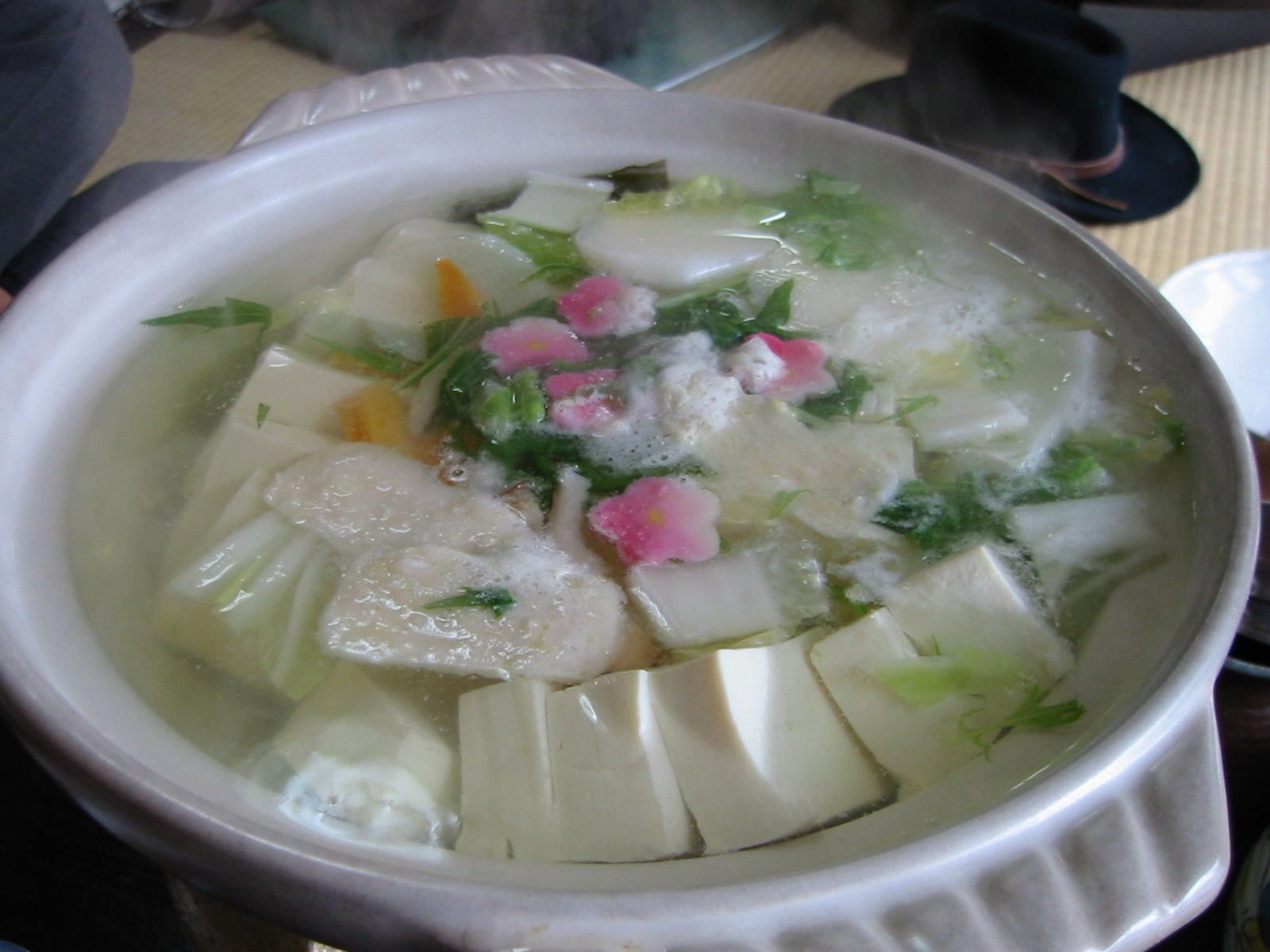
- Winter (December–February): Nabe (hot pot) season, which can be vegetarian with kombu-based broth. Root vegetables — burdock (gobo), lotus root, daikon — are at their most flavorful.
Vegetarian-Friendly Accommodation Tips
Staying at a ryokan (traditional Japanese inn) is one of Japan’s great pleasures, but the traditional multi-course dinner (kaiseki ryori) is almost never vegetarian-friendly without advance request. Here’s how to navigate this:
- Book directly and mention dietary requirements at reservation — not as an afterthought on arrival. Email or call ahead.
- Use the phrase “shojin ryori de onegaishimasu” — asking for Buddhist-style cuisine signals clearly that you want a fully plant-based meal.
- Temple lodges (shukubo) are your easiest option — shojin ryori is simply what they do, so no special negotiation is needed.
- Business hotels with breakfast buffets — these are often the most vegetarian-friendly accommodation option, as buffets include plain rice, miso soup, pickles, salads, and fruit.
- Guesthouses with kitchens — self-catering is always easiest. Several guesthouses in Sendai, Morioka, and Aomori offer shared kitchen access.
Practical Tips for Vegetarian and Vegan Travel in Tohoku
- Download a translation app — Google Translate’s camera feature lets you photograph menus and read ingredients in real time. Invaluable for ingredient checking in supermarkets.
- Carry a dietary card in Japanese — print a card explaining your dietary requirements. Japanese vegan websites provide printable cards ready to show at restaurants.
- Don’t be afraid to ask — Japanese hospitality (omotenashi) means staff genuinely want to help you eat well. Politely explaining your needs is almost always received positively.
- Indian and other international restaurants — in Sendai especially, Indian, Thai, and Italian restaurants offer reliable vegan and vegetarian options that require no special negotiation.
- Ramen requires research — most Tohoku ramen broths are pork, chicken, or fish-based. A few restaurants now offer vegetable ramen, but check in advance.
- Sushi can work — kappa maki (cucumber roll), oshinko maki (pickled radish), and avocado rolls are usually vegan-friendly at sushi restaurants.
- Be flexible at rural locations — in smaller towns, options may be limited. Carry protein bars or nuts as backup so you’re never in a bind.
- Ask your accommodation for help — hotel staff, especially at places accustomed to international guests, are often excellent at recommending vegetarian-friendly nearby options.
- Miso paste itself is vegan — Sendai miso (akamiso) is one of Japan’s great fermented foods and is always plant-based. When incorporated into dishes, however, the accompanying dashi broth may not be.
- Plan a few meals around cultural experiences — a shojin ryori lunch at Yamadera, a temple lodge dinner in Dewa Sanzan, a sansai dinner in Morioka — these are specifically designed around plant-based eating and are genuinely extraordinary.
Sample 3-Day Vegetarian Itinerary for Tohoku
Day 1 — Sendai Arrival and City Exploration
Morning: Arrive in Sendai by Shinkansen from Tokyo (90 minutes, approximately ¥11,200 / $76 USD one-way). Check in, then head to Sendai’s Ichibancho shopping arcade for lunch. Look for a natural food café or set-lunch restaurant with visible vegetable dishes.
Afternoon: Explore Sendai’s Jozenji-dori boulevard and city center. Stop at a York Benimaru supermarket to pick up zunda mochi, natto, and edamame snacks for the road.
Evening: Dinner at a tofu restaurant or vegetarian-friendly café. If you’re a sake drinker, Sendai’s sake bars often have excellent vegetable accompaniments (tsumami) that are naturally more plant-based than full restaurant meals.
Day 2 — Yamadera Day Trip
Morning: Take the train toward Yamagata (45 minutes, change at Yamagata for the Senzan Line to Yamadera Station, about 25 more minutes, total around ¥1,800 / $12 USD). Climb the extraordinary stone steps of Risshakuji Temple through cedar forest with stunning views.
Lunch: The restaurants near the temple base specialize in traditional food: soba, sansai, pickled vegetables. This is excellent vegetarian territory with lovely mountain views.
Afternoon: Return to Yamagata City, explore the local market, then Shinkansen or local train back to Sendai or onward to your next destination.
Day 3 — Dewa Sanzan Shojin Ryori Experience
Full day: From Yamagata, buses reach Mount Haguro (allow 2–3 hours total travel time). Pre-booked shukubo (temple lodge) stay delivers the full experience: afternoon arrival, shojin ryori dinner in your room, early morning temple ceremonies, and an extraordinary plant-based breakfast before departure. This requires advance planning but delivers something unlike anything else in Japan — worth every bit of effort.
Related Articles You Might Enjoy
- Miyagikyo Distillery: The Complete Guide to Nikka’s Whisky Sanctuary Near Sendai
- Kesennuma City Guide: Miyagi’s Greatest Fishing Port, Fresh Seafood & Resilience Story
- Sendai Gyutan: The Complete Guide to Japan’s Most Iconic Beef Tongue Experience
- Minamisanriku, Miyagi: Japan’s Most Moving Resilience Destination & World-Class Seafood
- Sendai Station Area Food Guide: Beef Tongue, Morning Market & Sushi in Miyagi
Final Thoughts
Being vegetarian or vegan in Tohoku requires a little more preparation than eating omnivorously — but that preparation pays off with access to some of the most profound and beautiful food experiences Japan has to offer. Shojin ryori at a Dewa Sanzan temple lodge is not just a meal; it’s an encounter with 1,300 years of Buddhist tradition expressed through food. The spring sansai spread at a Morioka mountain restaurant is not just vegetables; it’s a celebration of a landscape and a season that most tourists never witness.
Tohoku’s food culture is not fundamentally hostile to plant-based eating — it’s just that you need to understand its logic and speak its language. With the phrases, recommendations, and strategies in this guide, you’re more than equipped to eat extraordinarily well across the region. Come hungry, come curious, and come ready to discover that Japan’s most extraordinary vegetarian cuisine is not in Tokyo’s trendy vegan cafés but in the ancient temples and misty mountains of the northeast. You won’t be disappointed.



コメント