Just steps away from Matsushima Bay’s famous pine-dotted islands lies one of Japan’s most magnificent Zen temples — a place so awe-inspiring that even the great haiku poet Matsuo Basho fell silent upon arriving. Zuiganji Temple, together with its enchanting neighbor Entsuin Mausoleum Garden, offers a deeper, quieter, and profoundly more spiritual experience than the bay views most tourists come for. If you visit Matsushima and skip these two, you’ve missed the soul of the place.
Why Zuiganji & Entsuin Should Be on Every Japan Itinerary
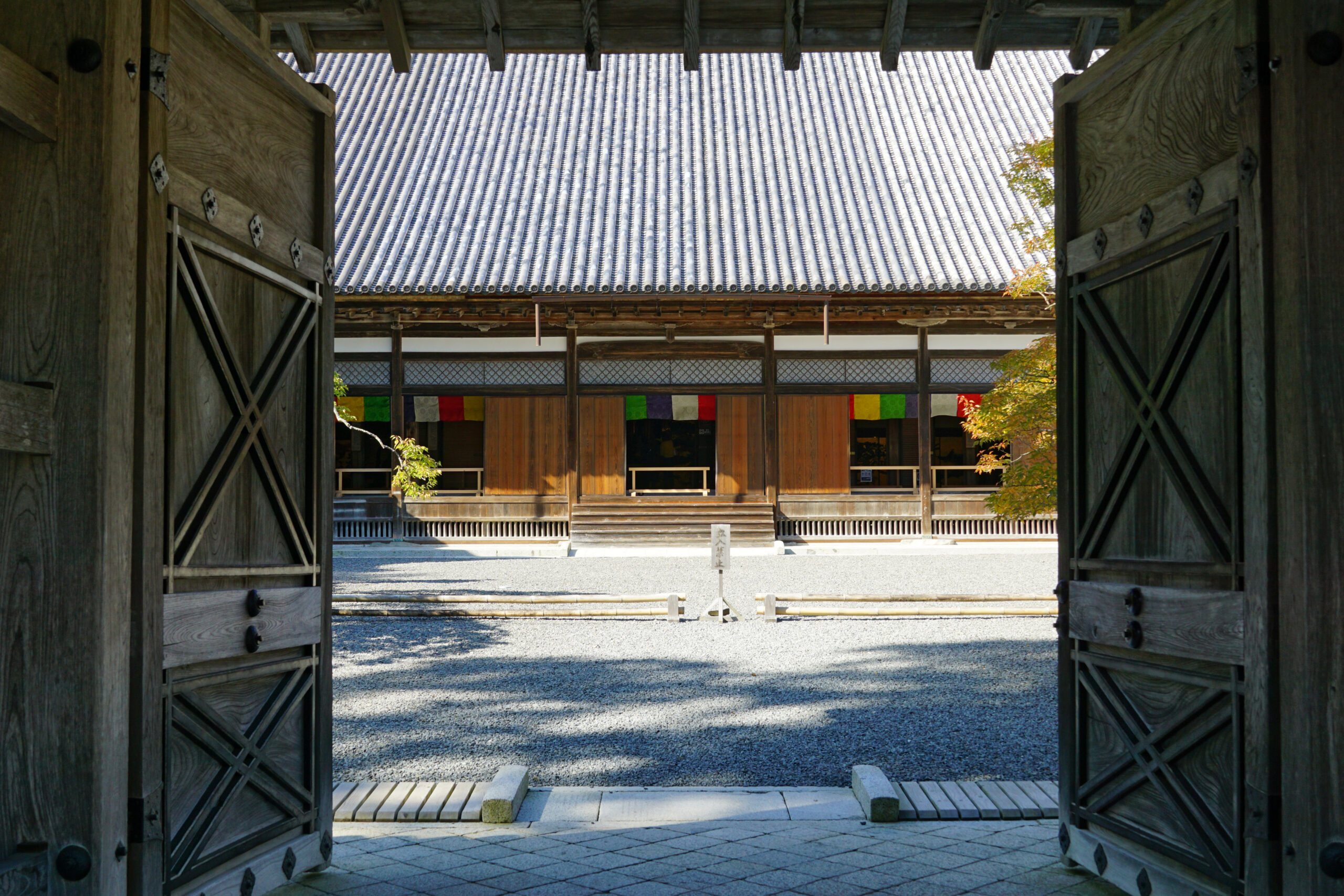
Most travelers heading to Matsushima are drawn by the bay’s celebrated scenery — ranked one of Japan’s “Three Views” for centuries alongside Miyajima and Amanohashidate. But while the islands are beautiful, the real hidden treasures of Matsushima are its ancient temples. Zuiganji (瑞巌寺) is a National Treasure of Japan, a Rinzai Zen temple with over 1,200 years of history, rebuilt to its current glorious form by the warlord Date Masamune in 1609. Its architecture is breathtaking: sweeping cypress halls decorated with carved panels of hawks, peacocks, and peonies — all in the bold, confident style of the Azuchi-Momoyama period.
Entsuin (円通院), meanwhile, is a secret garden that time forgot. Built as a mausoleum for Date Mitsumune, the young grandson of Date Masamune who died at just 19, the garden is a masterpiece of Japanese landscape design. In autumn, its maple trees blaze with some of the most photogenic foliage in all of Tohoku. By night during the autumn illumination period, it looks like a painting from another world. Think of it as Japan’s answer to a European palace garden — except quieter, older, and more meditative.
Together, these two temples form a half-day (or full-day, if you’re a culture lover) itinerary that pairs perfectly with a morning boat cruise on the bay. For Western visitors accustomed to Kyoto’s packed temple streets, Matsushima offers the same quality of historical experience with a fraction of the crowds — especially outside of spring and autumn peak seasons.
Getting There from Tokyo & Sendai
Matsushima is one of the easiest day trips from both Sendai and Tokyo, making it highly accessible for first-time Tohoku travelers.
- From Tokyo (Shinkansen): Take the JR Tohoku Shinkansen to Sendai (approx. 100 minutes, ¥11,000–¥14,000 / $75–$95), then a local train to Matsushima Kaigan Station (approx. 25 minutes, ¥420 / $3). Total door-to-temple time: under 2.5 hours.
- From Sendai by train: Take the JR Senseki Line from Sendai to Matsushima Kaigan Station — about 40 minutes, ¥420 / $3. Trains run every 20–30 minutes.
- From Sendai by sightseeing boat: Seasonal pleasure boats run from Shiogama Port to Matsushima Kaigan Pier (50 minutes, ¥1,600 / $11). This is a fantastic way to arrive — you’ll glide past the famous pine islands before stepping ashore at the temples.
- Rental car: About 40 minutes from central Sendai via Route 45. Parking is available near the temples (¥500 / $3.50 for 2 hours).
Note: The JR Pass covers the Sendai–Matsushima Kaigan local train fare, making it excellent value for rail pass holders. The sightseeing boat is not covered.
Zuiganji Temple is just a 5-minute walk from Matsushima Kaigan Station; Entsuin is adjacent to Zuiganji, about 2 minutes on foot.
Zuiganji Temple: Japan’s Most Magnificent Zen Sanctuary
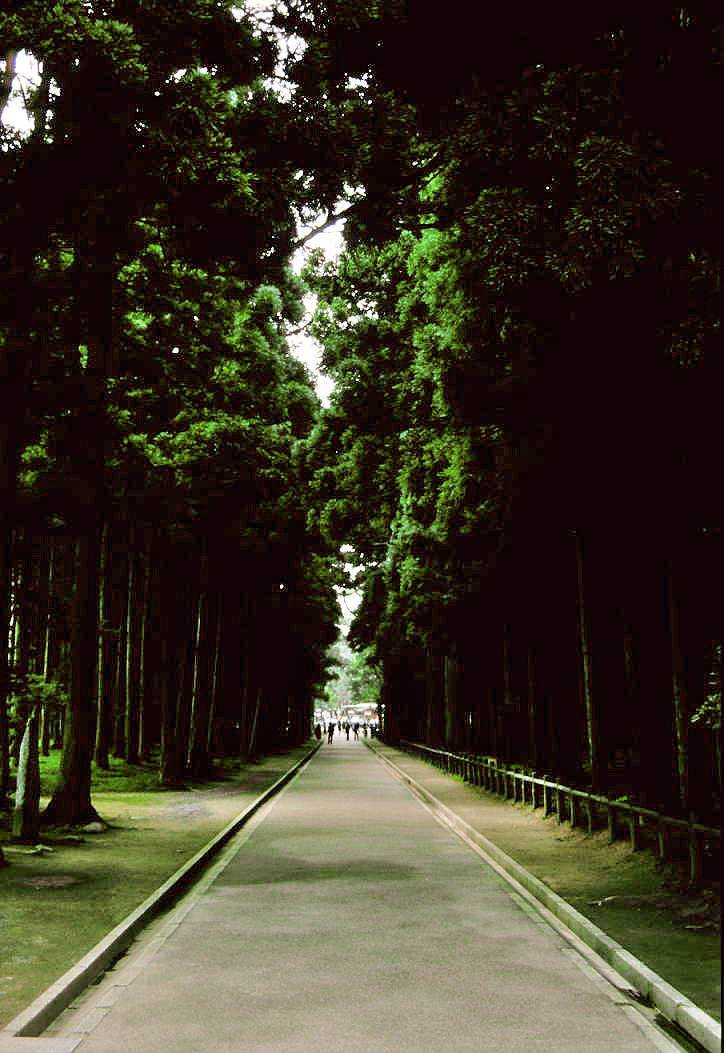
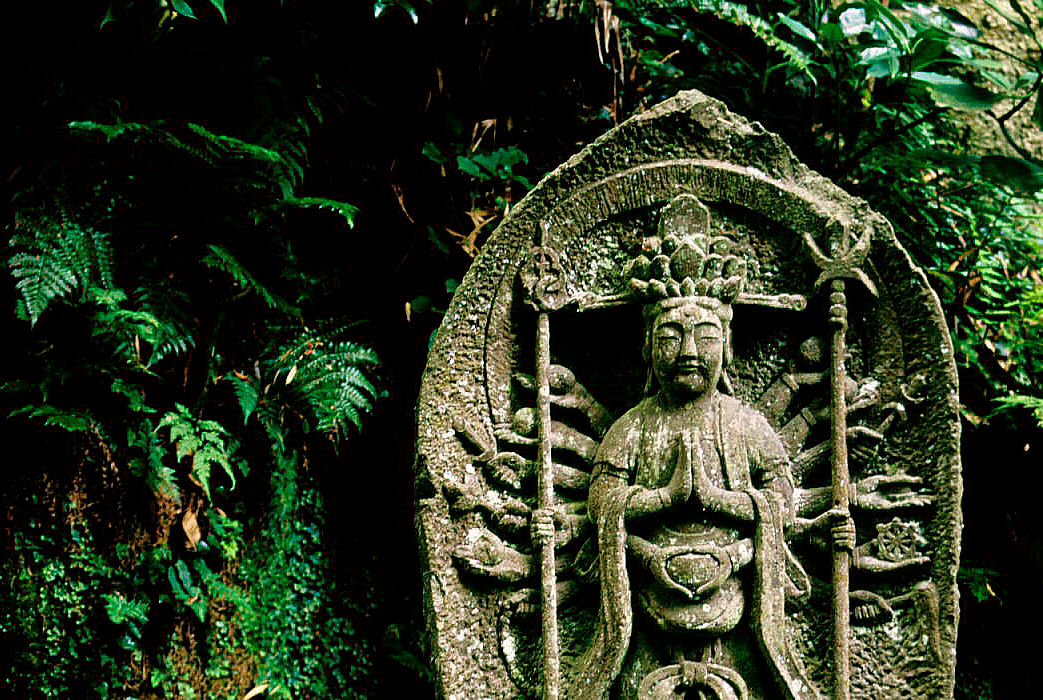
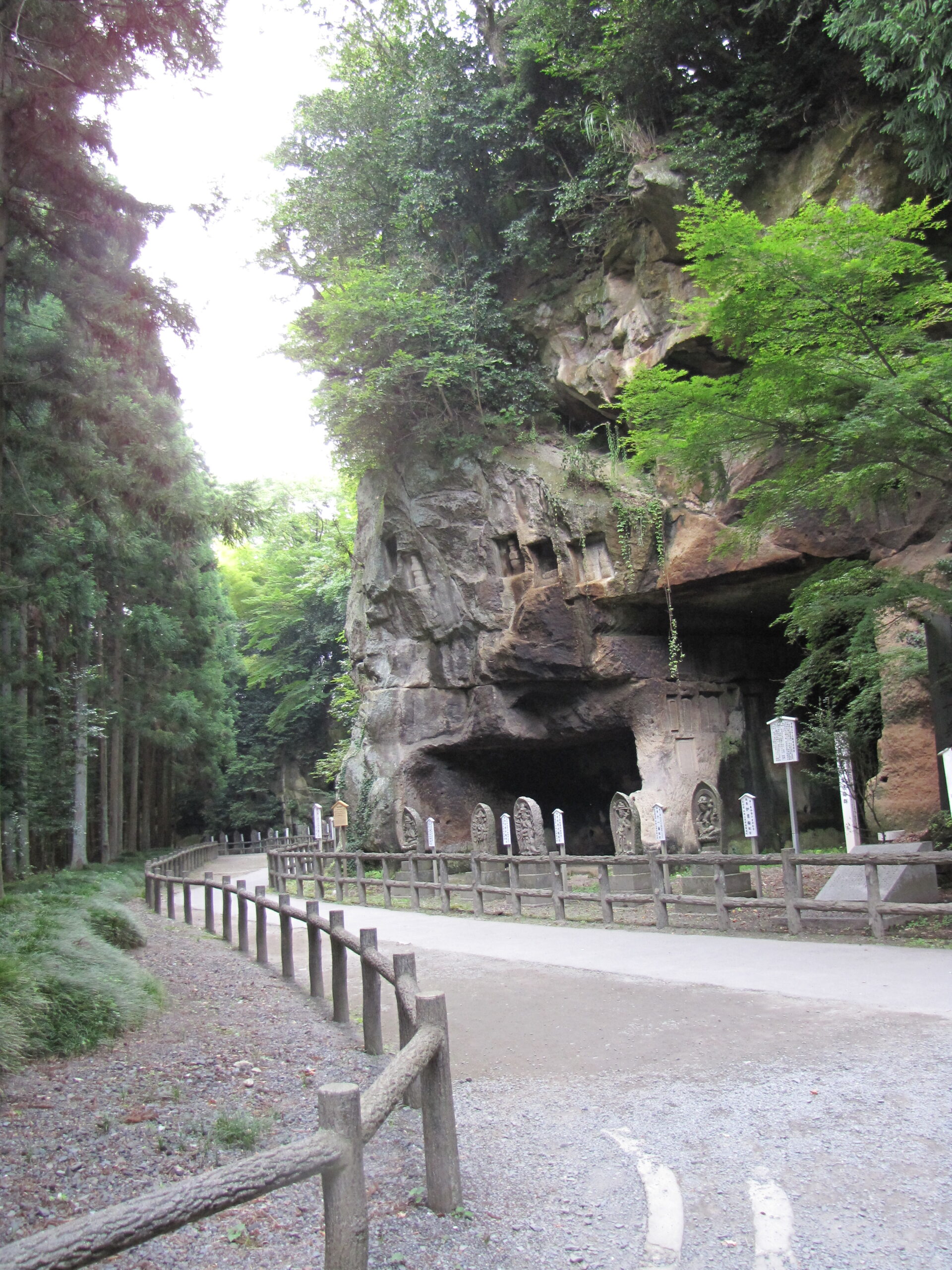
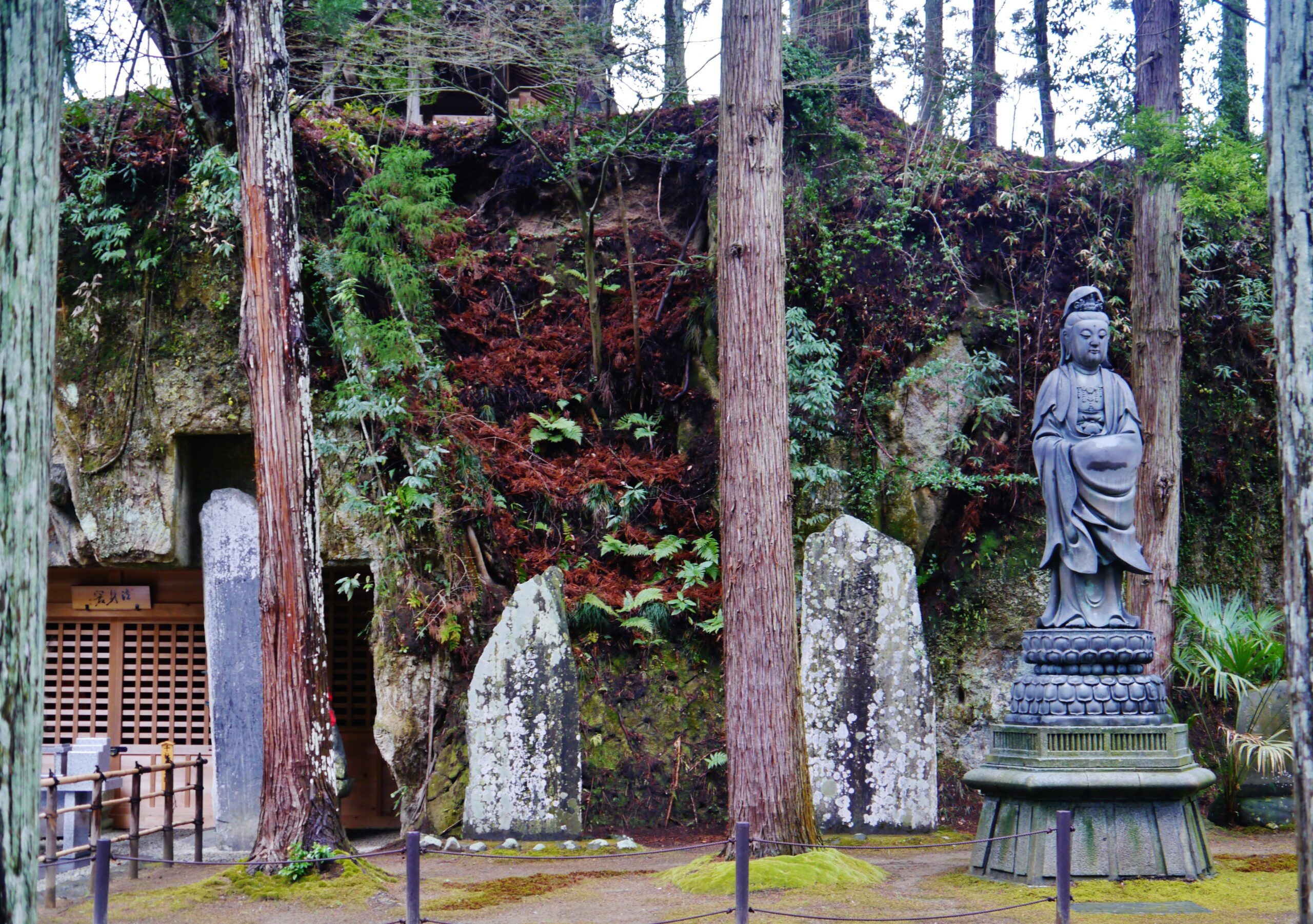
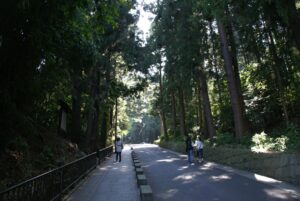
As you walk through Zuiganji’s cedar-lined approach, you’ll first notice the cave hermitages (sotozura iwa) carved into the rock face on both sides of the path. These ancient sanctuaries — some dating to the 9th century — were used by Buddhist monks for meditation and prayer. Stone Jizo statues peer out from the shadows, adorned with red bibs and tiny offerings left by devoted visitors. It’s eerie, atmospheric, and unlike anything you’ll see at Kyoto’s manicured temple complexes.
The main temple hall (hondo) is a masterpiece of early Edo-period Zen architecture. Date Masamune employed the finest craftsmen in Japan to create it between 1604 and 1609, and the result is extraordinary. The painted fusuma (sliding door) panels inside depict peacocks, tigers, cherry blossoms, and maple trees in vivid mineral pigments — all crafted by the Kano School artists who also decorated Kyoto’s imperial palaces. Photography of the interior is unfortunately prohibited, but you can spend a long time simply absorbing the space.
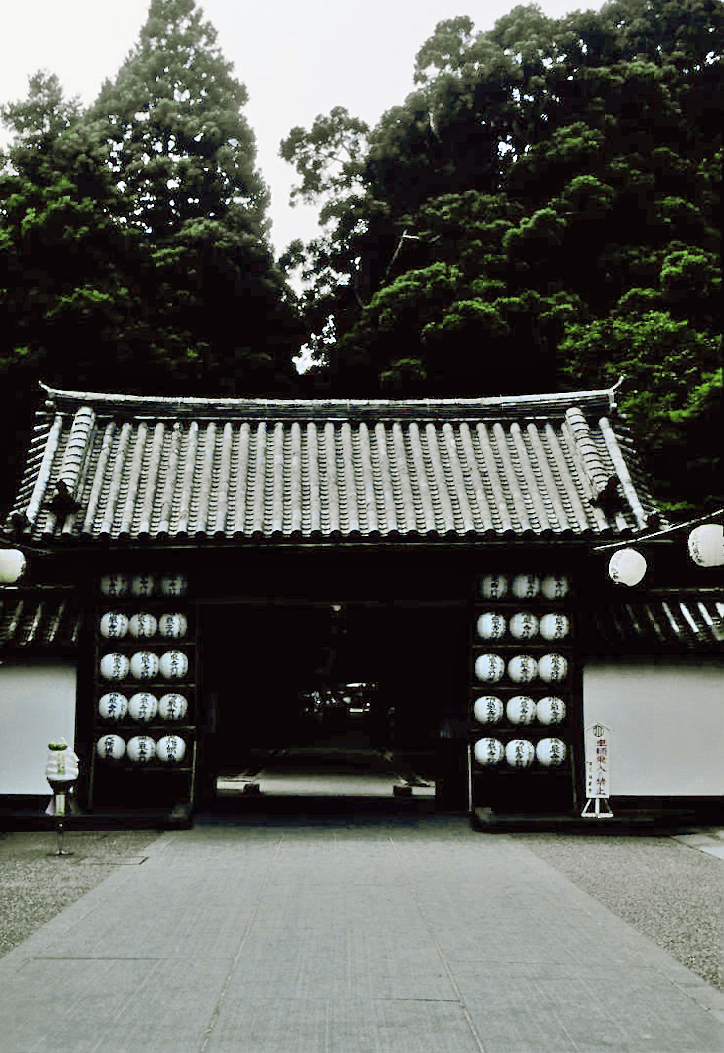
Behind the main hall is Seiryu-den, a smaller shrine building housing sacred statues. And adjacent to the main compound is Omotemon, the distinctive gate whose thick tiled roof and bold proportions feel almost Chinese in influence — a reminder of the international cultural exchange that shaped the Date clan’s worldview. Date Masamune himself sent an embassy to Rome in 1613, making him one of the most cosmopolitan daimyo of his era.
Admission to Zuiganji is ¥700 / $5 for adults (as of 2025). Combined tickets with the Seiryu-den treasure hall are ¥1,100 / $7.50. Open daily 8:00 AM–5:00 PM (March–October), 8:00 AM–4:00 PM (November–February). Allow at least 60–90 minutes.
Entsuin: The Secret Garden of the Date Clan
If Zuiganji is Matsushima’s most famous temple, Entsuin is its best-kept secret. Just a two-minute walk from Zuiganji, this small but exquisite Zen garden complex is where Date Mitsumune, the 19-year-old grandson of Date Masamune, was laid to rest in 1646. The mausoleum — a lacquered black shrine within the main hall — is remarkably intimate, and the story behind it is genuinely moving.
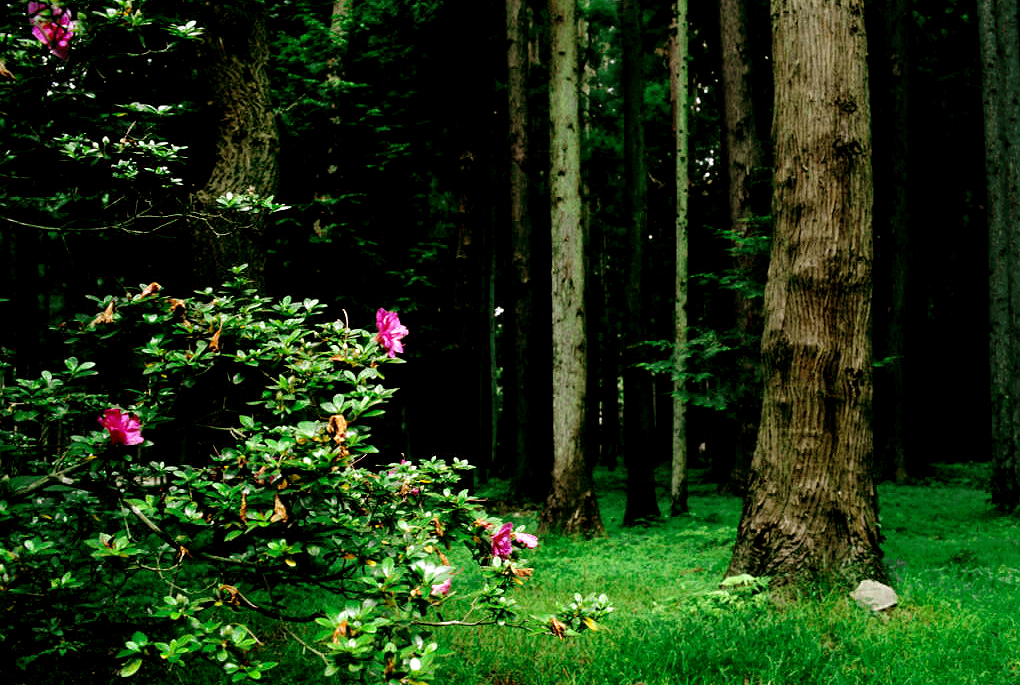
But the true showpiece of Entsuin is the “Three Gods Garden” (Sankeiden), a tranquil landscape garden that has been tended for over 350 years. Stone lanterns peek through moss-covered rocks, and in autumn, the garden fills with the most vibrant maple foliage imaginable. Reds, oranges, and golds reflect in the garden’s ponds, creating a scene that feels almost impossibly beautiful. Local photographers queue here at dawn during peak koyo (autumn foliage) season, typically from late October to mid-November.
What makes Entsuin special for Western visitors is its human scale. Unlike the grand halls of Zuiganji, here you feel truly alone with history. You can sit on the engawa (wooden veranda) of the main hall and look out over the garden in complete silence. On weekday mornings in shoulder season, you may have the garden almost entirely to yourself.
Entsuin also holds a remarkable Western secret: hidden inside the carved decoration of Mitsumune’s bronze horse statue is a tiny image of a Christian cross, a heart, and a spade — symbols of the forbidden Christian faith that had recently been outlawed in Japan. Whether these were included deliberately or accidentally remains disputed, but the mystery adds an extra layer of intrigue to an already fascinating visit.
Evening illumination events are held during the cherry blossom season (April) and the autumn foliage season (October–November), when the garden is lit with soft lanterns after dark. This is one of the most romantic experiences in all of Tohoku — highly recommended for couples and photographers alike. Admission: ¥500 / $3.50 adults. Open 8:30 AM–5:00 PM (April–November), 9:00 AM–4:00 PM (December–March). Nighttime illumination events: from sunset until 9:00 PM.
The Cave Hermitages: Matsushima’s Most Atmospheric Hidden Gem
One of Matsushima’s most underrated experiences is exploring the sutra mound caves (kyozuka) carved into the hillside along and around Zuiganji’s approach. These rock-cut sanctuaries — dozens of them — were excavated by monks during the Heian and Kamakura periods (9th–14th centuries) as meditation chambers, ossuaries for ashes, and prayer alcoves. Each one shelters Jizo statues, memorial stones, and small wooden prayer tablets.
Walking past these caves in the early morning, when mist drifts between the cedar trunks and the light is soft and golden, feels like stepping into a completely different century. It’s the kind of experience that doesn’t exist anywhere in Europe or North America — ancient sacred geography preserved almost perfectly in an ordinary Japanese seaside town.
You can wander among the caves freely as part of your approach to Zuiganji. Some are accessible at close range; others are roped off for preservation. Look for the larger chambers — some can fit two or three people standing — and notice the wooden boards with Buddhist texts hung inside as offerings. Local visitors leave coins and incense sticks at the altars.
Best Time to Visit Zuiganji & Entsuin
- Spring (March–May): Cherry blossoms bloom in late March to mid-April, transforming the temple grounds into a pink dreamscape. The Entsuin illumination events during cherry blossom season are not to be missed. Crowds are moderate — busy on weekends but manageable on weekdays.
- Summer (June–August): Verdant and lush, with the cedar approach a cool green tunnel. Fewer tourists than in autumn, and the bay cruises are at their most enjoyable. Temperatures reach 28–32°C (82–90°F). Humidity can be high in late July and August.
- Autumn (September–November): Peak season and the absolute best time to visit Entsuin’s garden. Foliage typically peaks in late October to early November. The evening illumination at Entsuin is one of Tohoku’s most magical seasonal experiences. Book accommodation well in advance.
- Winter (December–February): Quiet, atmospheric, and occasionally dusted with snow. The temples look stunning in winter light, and you’ll often have them almost to yourself. Temperatures average 0–5°C (32–41°F). The evening illumination does not run in winter.
Where to Eat: Matsushima Food Guide
Matsushima is famous for its oysters — this is one of Japan’s premier oyster-producing regions, and the cold, nutrient-rich waters of the bay produce some of the country’s best. Beyond oysters, the local seafood is extraordinary: fresh uni (sea urchin), hairy crabs, scallops, and seasonal fish served in a variety of styles.
Restaurants Near the Temples
The small restaurant street between Matsushima Kaigan Station and the temple complex has around 20 eateries catering to all budgets. Arrive before 11:30 AM to beat the lunch rush on weekends.
Matsushima Oysters (Kaki)
In season (September–April), you can eat freshly grilled oysters at roadside stalls for just ¥500–¥600 ($3.50–$4) per shell — one of the most extraordinary food experiences in Japan. The plump, briny oysters are grilled right in front of you over charcoal and served with a squeeze of lemon or ponzu. Try Kaki no Ie (Oyster House), a beloved local institution near the pier: oysters from ¥550 / $4 per piece, all-you-can-eat sets from ¥3,000 / $20 (seasonal). Open October–March, Tuesday closed.
Kaisendon (Seafood Rice Bowls)
Several restaurants on the main strip serve gorgeous kaisendon — huge bowls of rice topped with sashimi, uni, scallops, and salmon roe. Prices typically range from ¥2,500–¥4,500 / $17–$30. Look for the set lunch menus that include miso soup and small sides — often excellent value at around ¥1,800 / $12.
Matsushima Soba
For a lighter meal, try one of the soba noodle shops near Entsuin. Hand-rolled buckwheat noodles in a delicate dashi broth, served with grated daikon and tempura on the side, make for a perfect post-temple lunch. Prices: ¥900–¥1,500 / $6–$10.
Sweet: Local Confectionery
Small sweets shops near the station sell Matsushima’s signature wagashi (traditional Japanese sweets): pine island-shaped mochi, anko (red bean paste) cakes decorated with temple motifs, and seasonal specialties. Perfect for souvenirs. Most sweets ¥300–¥600 / $2–$4.
Where to Stay Near Matsushima
Budget (Under ¥8,000 / $55 per night)
Matsushima has limited true budget options, but nearby Sendai (30 minutes by train) has an excellent range of affordable guesthouses and business hotels. From Sendai, the temples are an easy day trip. In Matsushima itself, a few minshuku (family-run guesthouses) offer simple tatami rooms with meals from ¥7,000–¥9,000 / $47–$60 per person including dinner and breakfast.
Mid-Range (¥8,000–¥20,000 / $55–$135)
Hotel Matsushima Taikan-so: A classic Japanese hotel on the water’s edge with great bay views from many rooms. Traditional Japanese rooms available; dinner often features local seafood. From ¥12,000–¥18,000 / $82–$122 per person with two meals included.
Hotel Ichinobou: A well-regarded mid-range ryokan with private onsen baths available. Excellent seafood dinners; some rooms have bay views. From ¥16,000–¥22,000 / $108–$148 per person with meals.
Luxury (¥20,000+ / $135+)
Matsushima Century Hotel: The most prestigious address in Matsushima, with panoramic bay views, a full onsen floor, and exceptional multi-course kaiseki dinners featuring the freshest local seafood. From ¥30,000–¥55,000 / $200–$370 per person per night with meals. Book well in advance for autumn season.
Practical Tips for Visiting Zuiganji & Entsuin
- Get there early: Matsushima sees large crowds in peak season. Arriving before 9:00 AM gives you the temples largely to yourself and better light for photography.
- Combine your visit: Zuiganji + Entsuin + the cave hermitages + a bay cruise makes a perfect full-day itinerary. Start with Zuiganji, walk to Entsuin, then take the noon boat cruise before lunch.
- Purchase the combo ticket: At Zuiganji, the ¥1,100 / $7.50 combined ticket (main hall + Seiryu-den treasure hall) is worth it for the detailed English explanations inside the treasure hall.
- Photography rules: Outdoor photography is freely permitted throughout both temples. Interior photography inside Zuiganji’s main hall is not allowed; Entsuin’s garden can be photographed freely.
- Respect the meditation spaces: The cave hermitages are active sacred sites. Speak quietly, don’t touch the statues, and dress modestly (avoid shorts and sleeveless tops for the main temples).
- English information: Both temples have English explanatory signs and brochures. Staff at the entrance gates can answer basic questions in English.
- Footwear: You’ll need to remove shoes to enter some areas of the main halls. Slip-on shoes make this easier.
- IC Card: Bring a Suica/PASMO IC card for the train from Sendai — much faster than buying tickets at the machine.
- Storage: Small coin lockers are available at Matsushima Kaigan Station (¥300 / $2). Leave your large backpack here before exploring the temples.
- Oyster season: Oyster grilling stalls are only open when oysters are in season (roughly October–April). Visiting outside this window means missing this highlight — plan accordingly if oysters are a priority.
Sample 1-Day Matsushima Temple Itinerary
Morning
8:00 AM: Arrive at Matsushima Kaigan Station on the first or second morning train from Sendai. Walk directly to Zuiganji Temple — the gates open at 8:00 AM and you’ll have the cave hermitages and main hall to yourself for at least 30 minutes before the crowds arrive.
8:00–9:30 AM: Explore Zuiganji: walk the cedar approach, visit the cave hermitages, enter the main hall, and spend time in the Seiryu-den treasure hall.
9:30–10:30 AM: Walk two minutes to Entsuin. Stroll the Three Gods Garden, visit the mausoleum shrine, and linger on the veranda for tea (available seasonally at a small teahouse inside the garden).
Late Morning
10:30 AM–12:00 PM: Walk along the Matsushima waterfront toward Kanrantei Pavilion — a beautiful historic tea house built for Date Masamune, with panoramic views over the bay.
12:00–1:00 PM: Lunch at one of the bay-front restaurants. Prioritize fresh oysters if in season (October–April), or a kaisendon seafood rice bowl year-round.
Afternoon
1:00–2:00 PM: Take the 50-minute pleasure boat cruise around the islands of Matsushima Bay (¥1,600 / $11 for the standard course).
2:30–4:00 PM: Explore Fukuurajima Island (¥200 / $1.50 toll bridge) — a small wooded island accessible on foot via a long red bridge, with walking paths through moss-covered forest and views back toward the temples and bay.
4:00 PM: Return to Matsushima Kaigan Station and catch a train back to Sendai in time for dinner.
Optional evening: If staying overnight, return to Entsuin at dusk during cherry blossom or autumn foliage illumination season — the garden lit by paper lanterns is one of Japan’s most beautiful nocturnal experiences.
Beyond the Temples: Other Matsushima Highlights
Godaido Hall (五大堂): A tiny hexagonal hall standing on a small island connected to the shore by two short bridges. Dating to 1604, it’s one of the oldest wooden structures in Tohoku and makes for a beautiful photograph from the waterfront path. Free to view from outside.
Kanrantei Pavilion (観瀾亭): A small tea house moved here from Fushimi Momoyama Castle in Kyoto by Date Masamune. It sits on a gentle hill above the bay with one of Matsushima’s finest views. Admission ¥200 / $1.50.
Shiogama Shrine & Sushi: Only 20 minutes further toward Sendai, Shiogama is famous for its towering seafront shrine and Japan’s highest concentration of sushi restaurants per capita. Worth combining with Matsushima on a longer day trip — see our dedicated Shiogama guide for details.
Related Articles You Might Enjoy
- Tohoku 7-Day Itinerary: The Perfect First-Timer’s Route Through Northeast Japan
- Kinkasan Island, Miyagi: Japan’s Sacred Deer Island — Complete Guide for Foreign Visitors
- Sendai Day Trips: The 10 Best Excursions from Tohoku’s Biggest City
- Tashirojima: Japan’s Famous Cat Island — Complete Guide for Foreign Visitors
- Sendai Daikannon: Inside Japan’s Giant 100-Meter Kannon Statue (A Local’s Guide)
Final Thoughts
Matsushima is often reduced to a postcard view of pine islands in a misty bay, but the real Matsushima — the one that will stay with you long after you’ve left — is found in the quiet cedar approaches, the cave-carved altars, the secret garden of Entsuin, and the soaring cedar hall of Zuiganji. These are places that took centuries to build and are designed to last centuries more. Stand quietly in the main hall of Zuiganji at 8:00 AM, when incense smoke drifts through the carved peacock panels and the first light filters through shoji screens, and you’ll understand exactly why Basho chose silence. Some places are beyond poetry.
Matsushima, Zuiganji, and Entsuin are each just 90 minutes from Tokyo on the Shinkansen. There is no good reason not to go.
Got questions about planning your Matsushima temple visit, or spotted something we missed? We’d love to hear from you — drop us a message here.


コメント