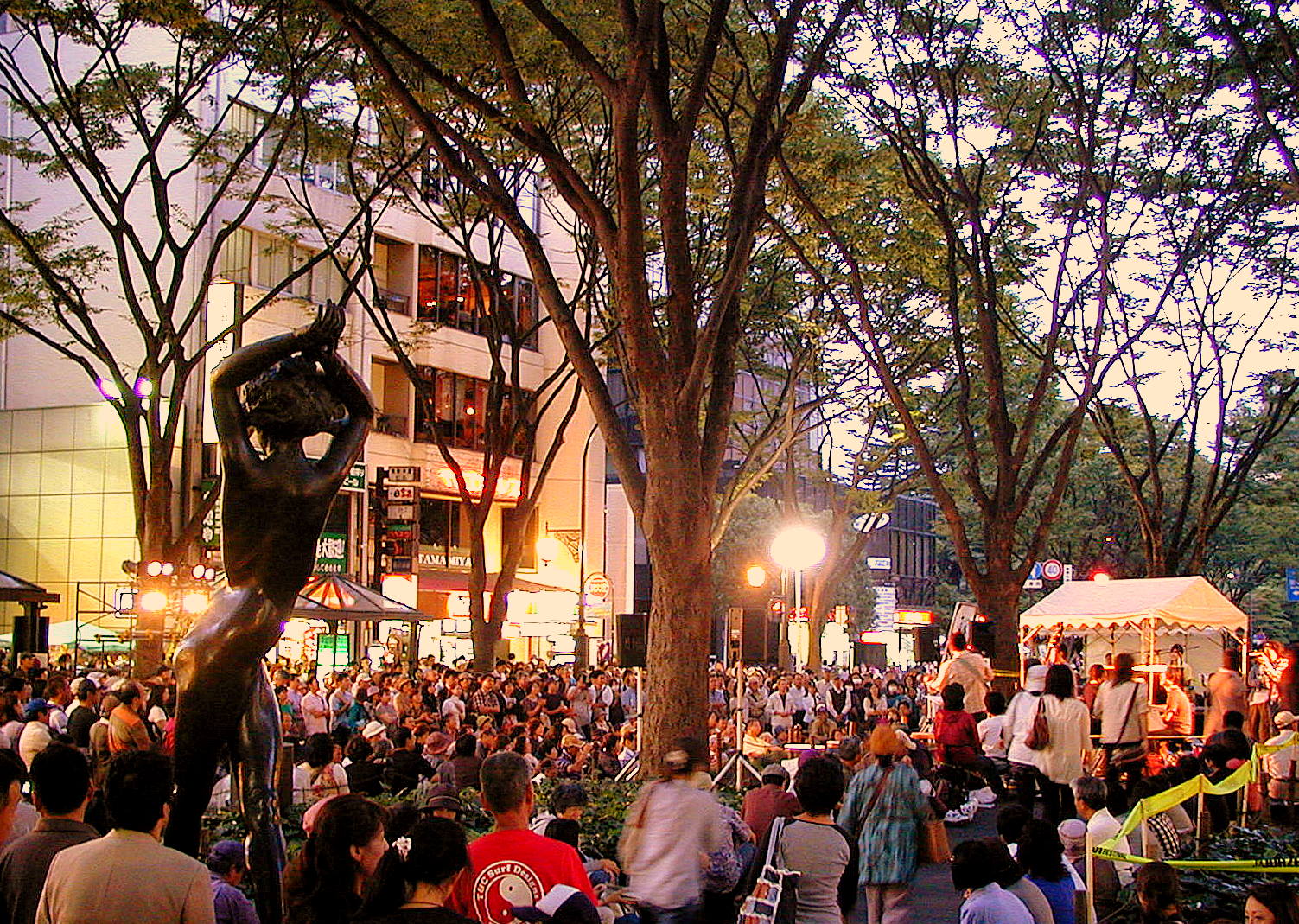
Every September, something magical transforms one of Japan’s most livable cities. Sendai’s tree-lined Jozenji-dori Avenue — a broad boulevard shaded by twin rows of towering zelkova trees — becomes the stage for one of Asia’s finest outdoor music festivals, drawing nearly 200,000 visitors over two weekends with a lineup that spans jazz, blues, soul, bossa nova, Latin, and everything in between. The Jozenji Street Jazz Festival (定禅寺ストリートジャズフェスティバル) is free to attend, entirely outdoors, and impossible to forget — exactly the kind of event that turns a casual visit to Tohoku into something that makes you rebook tickets for next year before you’ve even left the city.
Why the Jozenji Street Jazz Festival Belongs on Every Music Lover’s Bucket List
The Jozenji Street Jazz Festival was born in 1991, founded by a group of Sendai citizens who wanted to bring the energy and accessibility of street music culture to Tohoku’s largest city. Over three decades, it has grown into one of the premier outdoor music events in all of East Asia — yet it has retained the grassroots spirit that made it special from the beginning. No corporate stages with expensive tickets and numbered seats here. Instead, you wander between dozens of performance spots spread across the center of the city, discovering musicians by the sound of their music drifting between the zelkova trees.
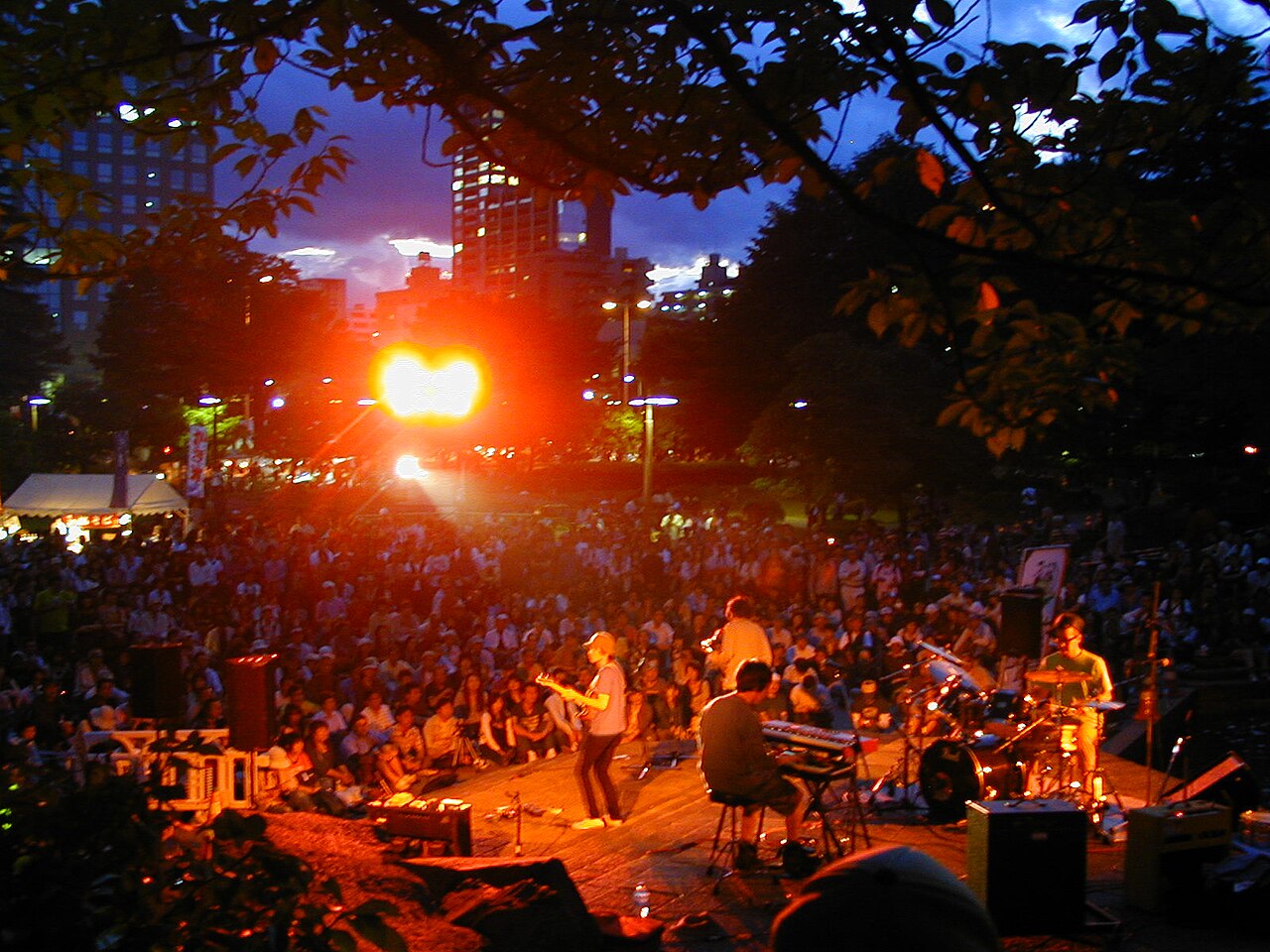
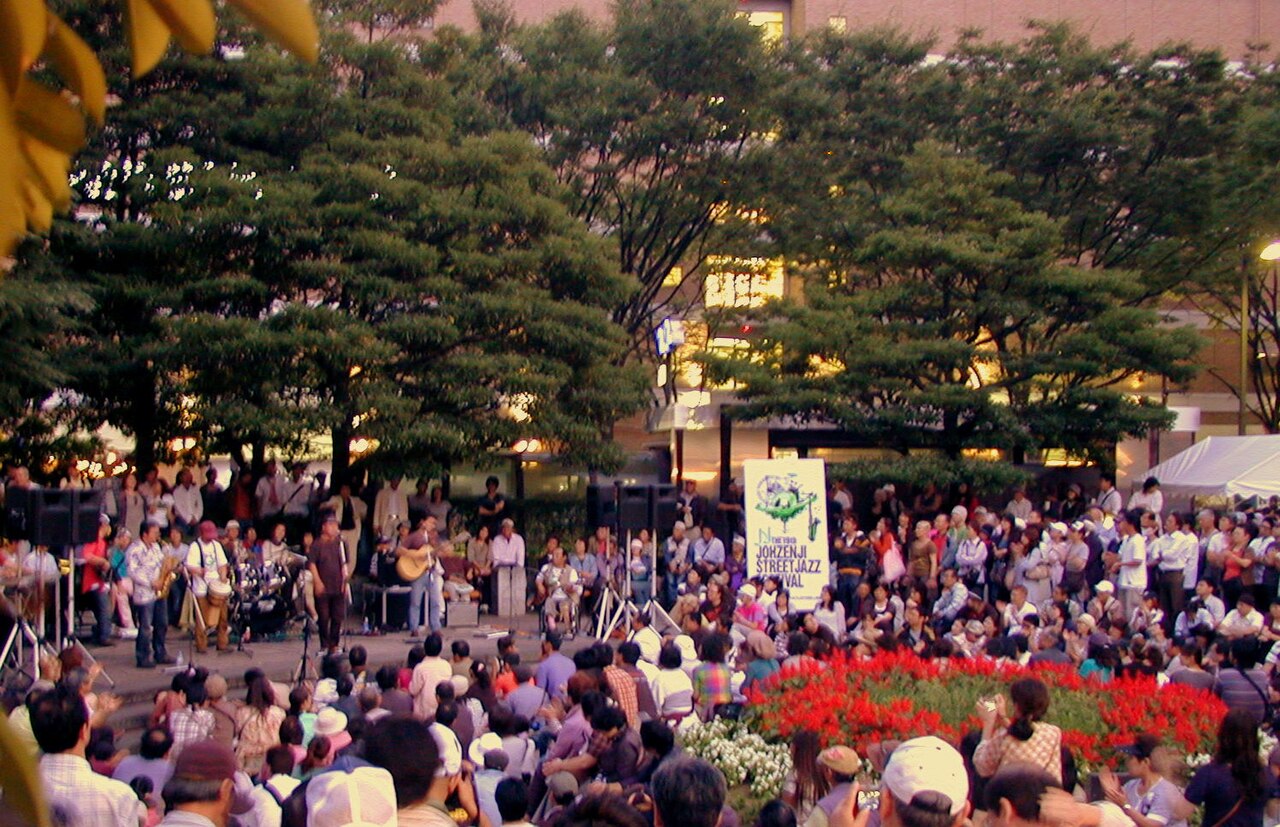
What makes the festival truly remarkable is its range. On any given afternoon you might pass a high school brass band playing their hearts out at one corner, turn to find a professional jazz quartet swinging hard in the shadow of the trees, then follow your ears to an outdoor café terrace where a Brazilian bossa nova duo is playing to rapt listeners nursing cold beers. The festival features approximately 700 groups and solo artists in total, performing across 150+ stages and spots throughout the city center. About 60% of performers are amateur musicians — students, office workers, retired teachers — which gives the whole event an inclusive, community-owned feeling that big commercial festivals rarely achieve.
The location is perfect for it. Jozenji-dori — named after the Buddhist temple that once stood where the zelkova trees now grow — is one of Japan’s most beautiful urban boulevards, a 300-meter-long green corridor through the heart of Sendai that locals call “the city’s living room.” In September, the trees are at their full summer lushness before the first autumn colors arrive, creating a natural canopy that softens the sounds and dapples the stages in green light. The avenue has been designated a National Scenic Treasure precisely because of those trees, and performing beneath them feels like music in the most natural setting imaginable.
Getting to Sendai from Tokyo
- Shinkansen: The Tohoku Shinkansen runs directly from Tokyo Station (or Ueno) to Sendai Station in approximately 1.5 hours on the Hayabusa/Komachi express services. Reserved seats cost approximately ¥11,000–¥13,000 (~$75–$90) one way. The JR Pass covers this route — Sendai is one of the most convenient Shinkansen destinations in all of Tohoku for JR Pass holders.
- Willer Express / Highway Bus: Night buses from Tokyo (Shinjuku, Ikebukuro) to Sendai take about 5–6 hours and cost approximately ¥3,500–¥5,000 (~$24–$34). A budget option if you book early, and you arrive in time for festival doors.
- Flights: JAL and ANA operate flights between Tokyo Haneda and Sendai Airport in approximately 55 minutes. Prices vary wildly — book 3–4 weeks ahead for reasonable fares (~¥8,000–¥15,000 / $55–$100 one way). The Sendai Airport Access Line connects the airport to Sendai Station in about 25 minutes (¥660 / ~$4.50).
Within Sendai during the festival: The entire festival area is walkable from Sendai Station in about 10–12 minutes. The subway (Namboku and Tozai lines) covers the wider festival footprint efficiently. The city is compact and extremely easy to navigate — even first-time visitors tend to figure it out quickly with the help of the free festival map distributed at information booths.
The Festival Experience: What to Expect Day by Day
The Jozenji Street Jazz Festival typically runs across two consecutive weekends in September — usually the second and third weekends of the month (Saturday and Sunday each weekend). Check the official festival website each year for exact dates, as they shift slightly depending on the calendar. The festival runs from approximately 10:00 AM to 8:00 PM each day, with many of the best performances happening in the mid-afternoon heat of the day and the atmospheric evening slots.
The Main Stage at Jozenji-dori Central Plaza hosts the festival’s headline acts — often professional jazz musicians from across Japan and occasionally international guests. These performances draw the largest crowds, and if there’s a headliner you particularly want to see, arrive 30–45 minutes early to claim a good spot. The central zelkova trees create extraordinary acoustics, amplifying sound in unexpected ways and making even modest sets feel larger than life.
The “discovery” performances scattered throughout the side streets and parks around Jozenji-dori are, for many festival-goers, the real heart of the event. Stumbling across a jazz trio playing in a park alcove, or a young woman singing bossa nova from the steps of a historic building, or a wild New Orleans-style brass band processing down a side street — these spontaneous encounters are what give the festival its electric, unpredictable energy. Build plenty of unplanned time into your festival day specifically for wandering.
The food and drink scene during the festival is genuinely excellent. Sendai’s restaurants and cafés set up outdoor terraces along the festival route, and temporary food stalls line the side streets. You’ll find cold craft beers from local Miyagi breweries, Sendai’s famous gyutan (grilled beef tongue) being served from festival stands, fresh-cut fruit, seasonal sweets, and the full range of modern Japanese street food. Budget approximately ¥1,500–¥3,000 (~$10–$20) for a casual afternoon of snacking and drinking while music floats around you.
Sendai Beyond the Jazz Festival
The Jozenji Street Jazz Festival makes September an obvious peak time to visit Sendai, but the city rewards exploration regardless of when you arrive. As Tohoku’s largest city, Sendai functions as both a comfortable base for exploring the region and a destination in its own right, with a distinctive culture, excellent food scene, and several fascinating attractions.
Zuihoden Mausoleum is one of Sendai’s most powerful historical sites — the elaborate mausoleum of Date Masamune, the One-Eyed Dragon of Oshu, Sendai’s founding feudal lord and one of the most colorful figures in Japanese history. The building is a masterpiece of Azuchi-Momoyama architectural excess: vivid lacquerwork, gilded carvings, and intricate textile patterns that feel almost baroque in their extravagance. It was destroyed in World War II and reconstructed in 1979 based on photographs and historical records, but the quality of the restoration is stunning. Entry ¥570 (~$4).
Sendai City Museum offers a deep dive into the city’s history as the capital of the Date clan domain, including artifacts from Date Masamune’s famous diplomatic mission to Europe in 1613 — when he sent his envoy Hasekura Tsunenaga to meet both the Pope and the King of Spain in one of the most remarkable intercultural encounters of the early modern period. The museum is well-labeled in English and an excellent introduction to the city’s historical depth.
Gyutan (Beef Tongue) Dining is a sacred Sendai experience that has no real equivalent anywhere else in Japan. Sendai’s specialty is grilled beef tongue — sliced thick, seasoned simply with salt and lemon, grilled over charcoal until slightly charred on the outside and tender within, and served with barley rice (mugimeshi) and oxtail soup. The dish was originally created in the post-war period by a Sendai chef experimenting with ingredients that Western occupying forces weren’t using — and it has become one of the defining flavors of Tohoku. Budget ¥1,500–¥3,000 (~$10–$20) for a set meal at one of the gyutan specialists near Sendai Station.
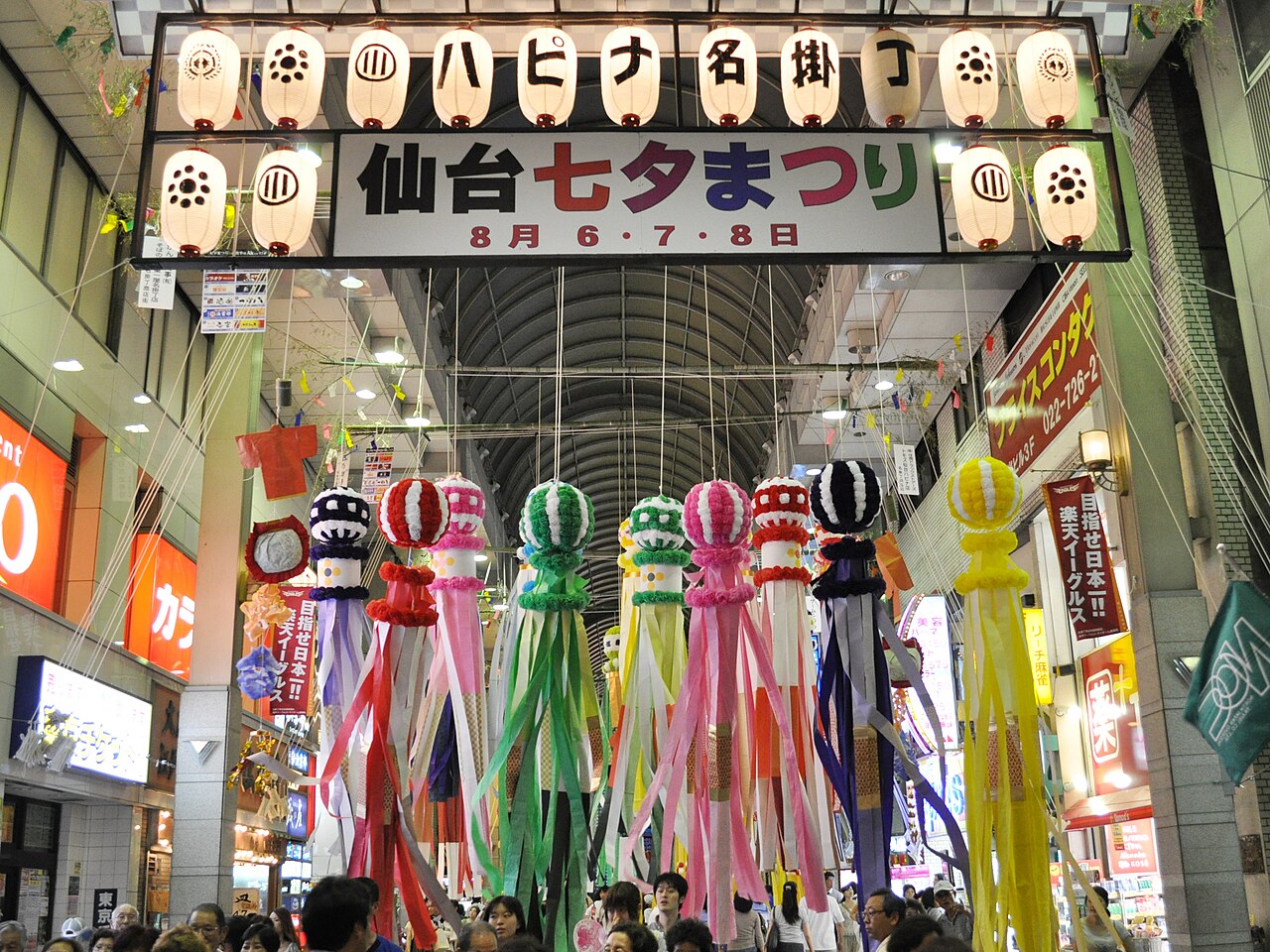
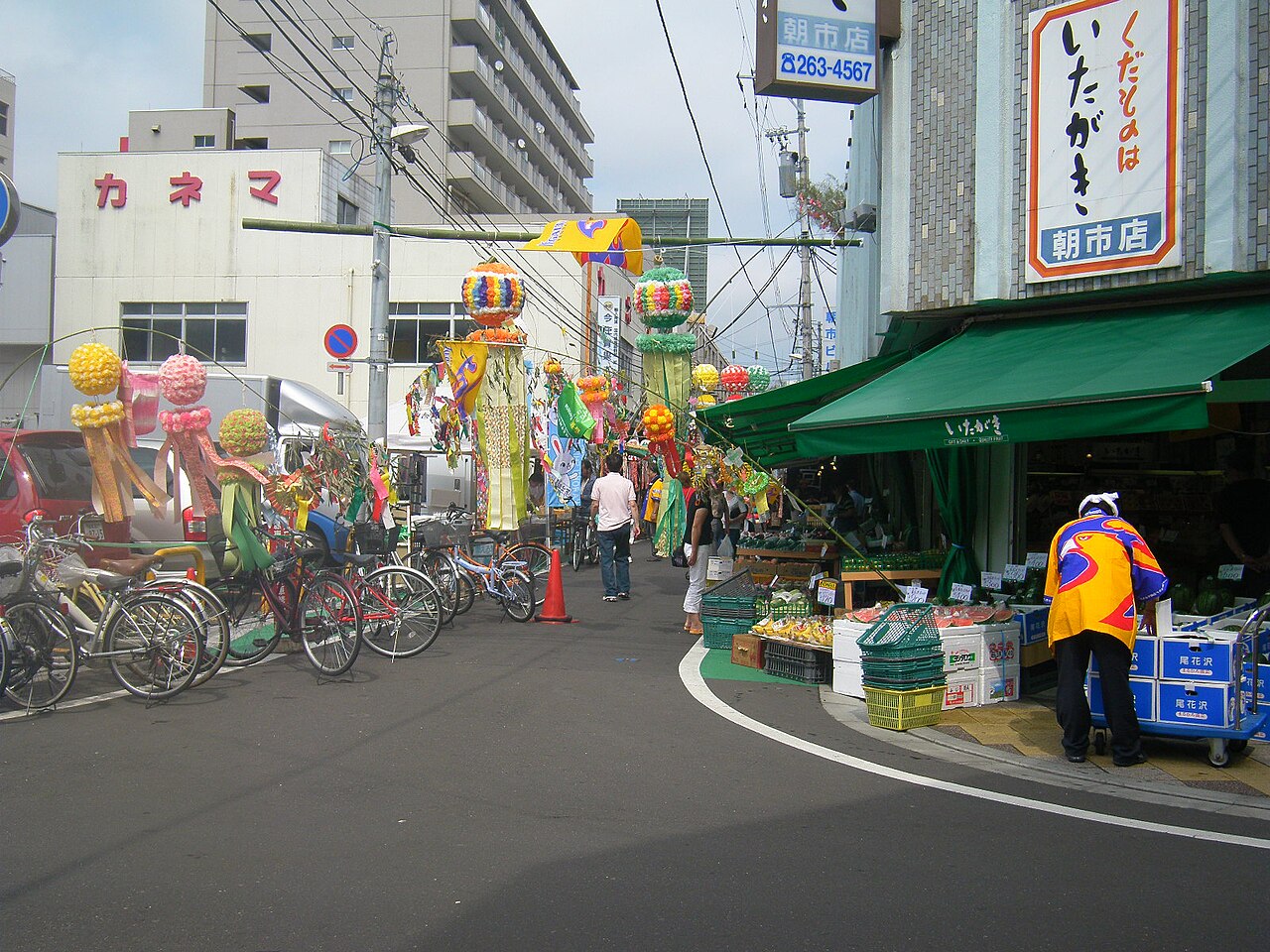
Sendai Tanabata Festival (held August 6–8 each year) is the city’s other great festival — actually one of the three major Tanabata festivals in Japan. The central shopping arcades fill with enormous, elaborately crafted paper decorations that hang from the ceiling in cascading waves of color. If you’re planning a Tohoku trip that includes multiple festivals, consider combining the August Tanabata with a September return trip for the Jazz Festival.
Best Time to Visit Sendai (Year-Round Guide)
- Spring (March–May): Cherry blossom season brings Sendai’s parks to life, particularly Nishi Koen and Tsutsujigaoka. The nearby Hitome Senbonzakura cherry blossom festival at Shiroishi River (about 30 minutes south of Sendai) draws enormous crowds in late April. Comfortable temperatures: 8–18°C (46–64°F).
- Summer (June–August): Sendai Tanabata Festival in August is unmissable. The city hosts several other summer events, including the Aoba Festival in May. Summers are milder than Tokyo — 22–28°C (72–82°F) with less humidity. The sea breeze from Matsushima Bay keeps things pleasant.
- Autumn (September–November): Jazz Festival season in September, then beautiful fall foliage through October–November. Sendai’s zelkova trees turn brilliant gold in late October. This is arguably the best season to visit. Temperatures: 8–22°C (46–72°F).
- Winter (December–February): Sendai’s Pageant of Starlight in December illuminates the city’s zelkova trees along Jozenji-dori with millions of LED lights — a popular winter event. Snowfall is possible but less severe than in northern Tohoku. Temperatures: -2–7°C (28–45°F).
Where to Eat: Sendai Food Guide
Sendai is one of the best food cities in Tohoku, with a culinary identity centered around beef tongue, fresh Sanriku Coast seafood, and zunda (edamame paste) sweets.
Gyutan: Sendai’s Legendary Beef Tongue
The main concentration of gyutan restaurants is found on “Gyutan Alley” inside Sendai Station’s Eki-naka dining area, and in the dedicated Gyutan Yokocho side street a few minutes’ walk from the station. Top-rated spots include Kisuke, Rikyu, and Negishi. Set meals (teishoku) with salted tongue, barley rice, and oxtail soup cost ¥1,500–¥3,000 (~$10–$20). Expect a short wait at peak mealtimes — the quality is absolutely worth it.
Zunda Mochi & Sendai Sweets
Zunda mochi — sticky rice cakes coated in sweet edamame (soybean) paste — is Sendai’s most beloved local sweet, sold at stalls throughout the city and particularly at Sendai Station. The flavor is difficult to describe: somewhere between green tea and sweet pea, gently savory underneath the sweetness. Zunda Saryo near Sendai Station offers a beautiful zunda mochi parfait and traditional tea service. Mochi sets from approximately ¥600–¥900 (~$4–$6).
Fresh Seafood from Matsushima
Sendai sits just 30 minutes from Matsushima Bay — one of Japan’s Three Views and a world-class oyster growing area. Several izakayas and seafood restaurants in central Sendai serve raw oysters, boiled geoduck, uni (sea urchin), and the freshest sashimi sets, all sourced from the bay’s cold Pacific waters. The Sendai Asaichi (morning market) near the station has stalls serving fresh seafood from 6:00 AM — a perfect breakfast for early risers. Seafood sets at dinner approximately ¥2,000–¥5,000 (~$14–$34).
Where to Stay in Sendai
Sendai has excellent accommodation for all budgets. Stay within 10 minutes of Sendai Station for the best access to both the Jazz Festival grounds and day trips around the region.
Budget (Under ¥8,000 / $55 per night)
Sendai Guest House Tour to and several other small guesthouses and hostels operate in central Sendai, offering dorm beds from approximately ¥3,500–¥5,500 per person (~$24–$37) and private rooms from ¥6,000–¥8,000 (~$41–$55). Book well ahead for Jazz Festival weekends — even budget accommodation fills up months in advance.
Mid-Range (¥8,000–¥20,000 / $55–$135)
Hotel Monterey Sendai and Dormy Inn Sendai are consistently well-reviewed mid-range options within 5–10 minutes of the station and festival grounds. Both offer on-site onsen baths — a great way to rest your feet after a full day of wandering between stages. Rates ¥9,000–¥15,000 per room per night (~$61–$100).
Luxury (¥20,000+ / $135+)
Westin Sendai occupies the upper floors of the Sendai Trust Tower with sweeping views over the city and the Pacific Ocean beyond. It’s a genuinely luxurious option with a world-class spa and multiple dining outlets. Rates from approximately ¥25,000–¥45,000 per room (~$170–$305).
Practical Tips for the Jozenji Street Jazz Festival
- It’s completely free: The festival itself costs nothing to attend. Your only expenses are food, drinks, and any merchandise you buy from performers. This makes it one of the best-value major music festivals anywhere in Asia.
- Get the festival map: Pick up the free official festival pamphlet and stage map at Sendai Station’s tourist information center or at the information booths along Jozenji-dori. This lists all performing groups, stage times, and locations.
- Start midday, stay until evening: The festival typically peaks in energy between 1:00 PM and 7:00 PM. The evening slots have a more intimate, atmospheric quality as the light fades under the zelkova trees.
- Wear comfortable shoes: You’ll walk 5–10 km during a full festival day on paved sidewalks. Stylish-but-comfortable footwear is the right call. Leave the heels at the hotel.
- Accommodation books out fast: Sendai hotels during the Jazz Festival weekends are consistently sold out months in advance. Book your accommodation at least 4–6 months ahead if you’re planning specifically for the festival. Alternatively, consider staying in nearby Matsushima (30 min by train) or Yamagata (50 min by shinkansen) and commuting in.
- The festival is rain-or-shine: Unlike many outdoor Japanese festivals, the Jozenji Jazz Festival runs even in rain (performers adapt or relocate to covered spaces). Pack a compact umbrella, which you’ll likely use as a sunshade on clear September afternoons in any case.
- Arrive weekday-adjacent if possible: If you can visit on a Sunday rather than Saturday, crowds are slightly thinner in the morning and early afternoon. The energy is comparable — just a bit more room to move.
- Day trips from Sendai are easy: The festival runs all day, but if you want to split a Jazz Festival trip with day trips, Matsushima (30 min), Yamadera (1 hr), and Zao Fox Village (1 hr) are all very doable before or after a festival afternoon.
- Support the performers: Many amateur musicians sell CDs, stickers, or other merchandise at their performance spots. Buying something is a lovely way to connect with performers and take home a genuine piece of the festival.
- Camera settings: Under the zelkova trees, light can be tricky — dappled sunlight creates high contrast. In the evenings, stage lighting makes for dramatic portraits. A versatile lens (24–70mm equivalent) handles most situations well.
Sample 2-Day Sendai Jazz Festival Itinerary
Day 1: Festival Day
9:30 AM: Arrive at Sendai Station. Quick breakfast at Asaichi morning market (fresh seafood and local produce). 10:30 AM: Pick up the official festival map at the tourist information center. Walk to Jozenji-dori (10 minutes). 11:00 AM–1:00 PM: Explore the festival’s side-stage performances — the smaller spots where amateur musicians perform. Look for the student jazz clubs from Tohoku University — consistently impressive. 1:00 PM: Lunch at one of the outdoor restaurant terraces along the festival route. 2:00 PM–6:00 PM: Wander freely between the main stages and discovery performances. Follow your ears. 6:30 PM: Evening set at the main stage — often the best performances of the day as the light fades and the city lights come up through the trees. 8:00 PM: Dinner at a gyutan restaurant near Sendai Station.
Day 2: Sendai Exploration
9:00 AM: Visit Zuihoden Mausoleum (30–45 minutes). The approach through the cedar forest is magnificent even before you reach the building. 11:00 AM: Sendai City Museum — explore the Date clan’s extraordinary history and the 1613 diplomatic mission to Europe. 1:00 PM: Lunch at Gyutan Yokocho or the Eki-naka restaurant area. 2:30 PM: If there’s a second festival weekend, return to Jozenji-dori. If it’s your last day, explore Sendai’s elegant shopping arcade, pick up zunda mochi souvenirs at the station. 5:00 PM: Head toward the station for your return journey to Tokyo or onward to another Tohoku destination.
Related Articles You Might Enjoy
- Sendai Tanabata Festival Japan: The Complete Guide for Foreigners
- Miyagikyo Distillery: The Complete Guide to Nikka’s Whisky Sanctuary Near Sendai
- Zuihoden Mausoleum, Sendai: Complete Guide to the Ornate Resting Place of Japan’s Dragon-Eyed Lord
- Kesennuma City Guide: Miyagi’s Greatest Fishing Port, Fresh Seafood & Resilience Story
- Sendai Gyutan: The Complete Guide to Japan’s Most Iconic Beef Tongue Experience
Final Thoughts
The Jozenji Street Jazz Festival is one of those events that reminds you why travel matters. It’s free, it’s open to everyone, it happens in one of Japan’s most pleasant cities, and it showcases something genuinely special — the idea that music belongs on the street, shared between performers and audience without velvet ropes or corporate branding. Whether you’re a jazz aficionado who tracks festival lineups across three continents, or someone who just happened to wander into Sendai in September and stumbled into an unexpected afternoon of extraordinary music, the Jozenji experience delivers. Add it to your Tohoku itinerary. Let the zelkova trees be your concert hall. And bring enough cash for several rounds of gyutan and cold Miyagi craft beer — you’re going to need the sustenance.
Got questions about planning your Tohoku trip, or spotted something we missed? We’d love to hear from you — drop us a message here.


コメント