What if we told you that one of Japan’s most exciting contemporary art destinations isn’t in Tokyo, Osaka, or Kyoto — but tucked away in a quiet regional city in Aomori Prefecture, surrounded by some of Tohoku’s most breathtaking wilderness? Towada Art Center (十和田市現代美術館) is exactly that kind of extraordinary secret, and once you experience its open-air sculptures, boundary-pushing installations, and immersive gallery spaces, you’ll understand why art lovers are making the pilgrimage to this corner of northern Japan. Pair it with the legendary Oirase Gorge and the shimmering caldera of Lake Towada, and you have the ingredients for one of the most memorable and unexpected itineraries in all of Japan.
Why Towada Art Center Should Be on Every Japan Itinerary
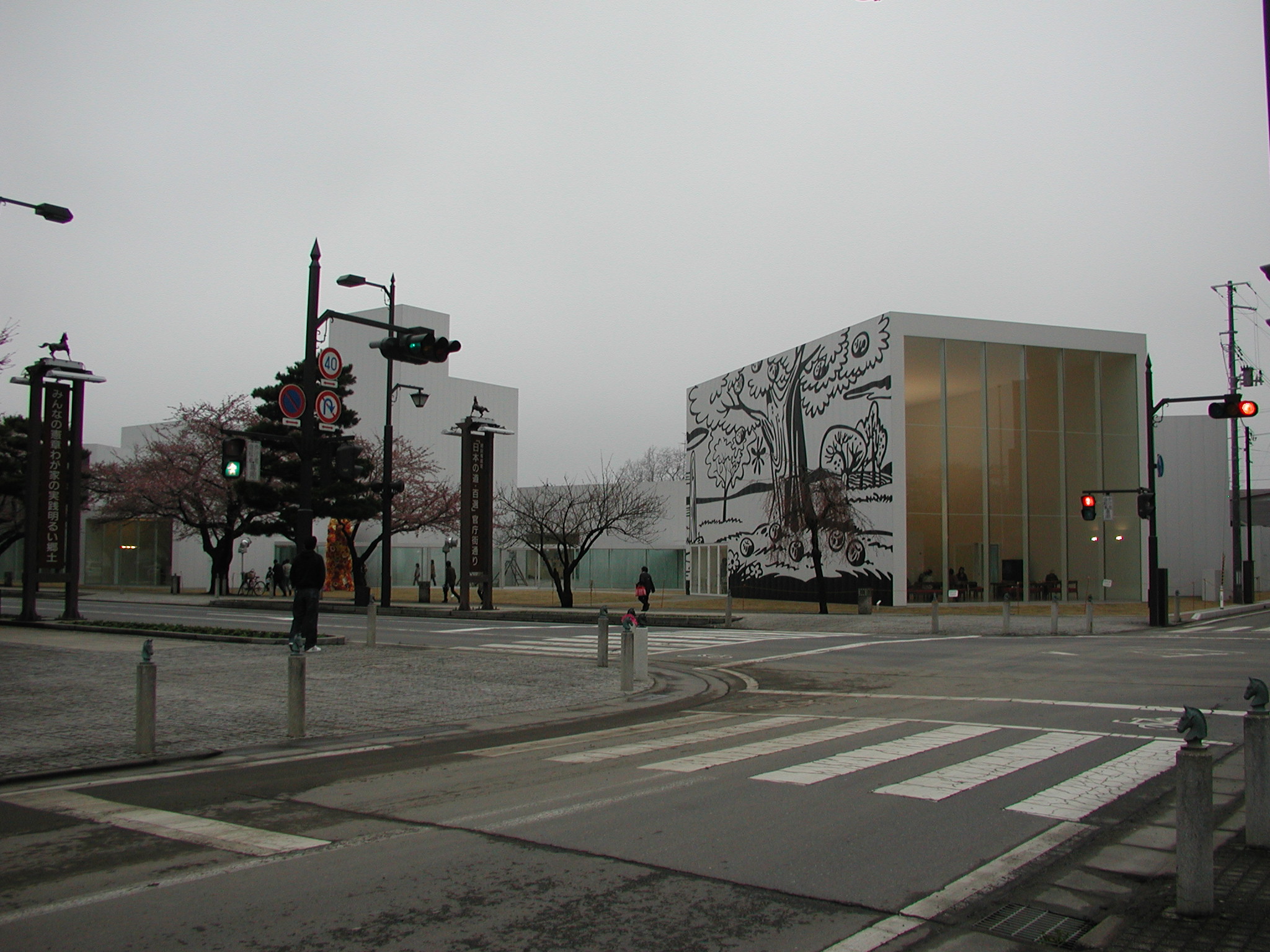
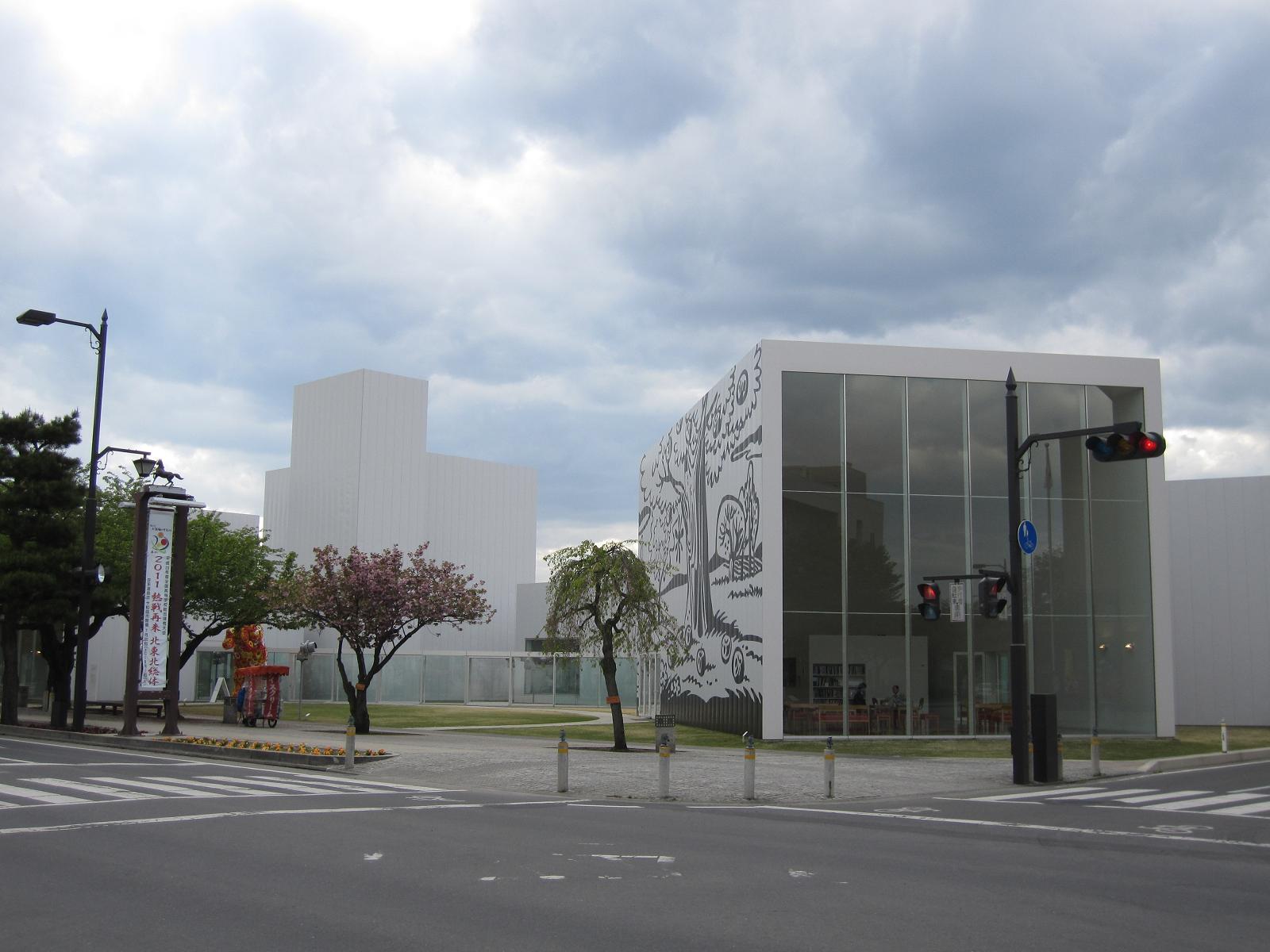
Towada Art Center opened in 2008 as a centerpiece of the city’s ambitious urban regeneration project, and it has punched far above its weight ever since. The museum was designed by acclaimed architect Ryue Nishizawa of the Pritzker Prize-winning SANAA studio — the same duo behind New York’s New Museum and the Glass Pavilion at the Toledo Museum of Art. The building itself is a work of art: a series of interconnected white cubes that seem to float above the streetscape, their clean geometry contrasting beautifully with the blue Aomori sky.
What sets Towada Art Center apart from typical Japanese museums is its philosophy: rather than isolating art behind velvet ropes in hushed gallery halls, the museum spills outward into the streets of Towada City. A dedicated Arts Towada outdoor sculpture trail runs for roughly 1 kilometer (0.6 miles) along Route 102, Towada’s main boulevard, transforming the city into an open-air gallery. You don’t even need to buy a ticket to enjoy many of the works — they’re simply there, for everyone, woven into daily life in a way that feels genuinely democratic and joyful.
The permanent collection includes major commissions by some of the world’s most celebrated contemporary artists. Yayoi Kusama’s Love Forever, Singing in Towada anchors the outdoor plaza with its signature polka-dot pumpkin energy. Ron Mueck’s hyper-realistic In Bed fills an entire room with a giant sleeping woman rendered in uncanny detail. Yoshitomo Nara — Aomori Prefecture’s most famous son — contributed a large outdoor sculpture that has become one of the most photographed public artworks in all of Tohoku. Whether you’re a dedicated art enthusiast or someone who “doesn’t really get contemporary art,” Towada Art Center has a way of surprising and delighting in equal measure.
Getting There from Tokyo
- Shinkansen + Bus: Take the Tohoku Shinkansen (bullet train) from Tokyo to Hachinohe Station (~3 hours, ~¥16,000–¥18,000 / ~$110–$125 with reserved seat). From Hachinohe, take the JR bus toward Lake Towada (~2 hours, ~¥1,800 / ~$12). Get off at Towada-shi (Towada City) — the museum is a 5-minute walk from the bus stop. Total journey: approximately 5–5.5 hours one way. JR Pass is valid for the shinkansen portion.
- Shinkansen + Local Train: From Tokyo, take the Tohoku Shinkansen to Shichinohe-Towada Station on the Hokkaido Shinkansen line (~2.5 hours, ~¥17,000 / ~$115). From there, take a taxi or bus to Towada City (~40 min by bus, ~¥900 / ~$6).
- From Aomori City: Take the JR bus from Aomori Bus Terminal toward Lake Towada (~2 hours, ~¥2,000 / ~$14). This is a scenic route through the Towada-Hachimantai National Park.
- Rental Car: Strongly recommended if you plan to also visit Oirase Gorge and Lake Towada. From Hachinohe Station, the drive takes about 1 hour 15 minutes. Having a car gives you complete flexibility along the gorgeous Oirase stream road and around the lake.
Practical note: Towada is a bit off the beaten path compared to Japan’s big-city destinations, but that’s precisely what makes it so special. Most international visitors fly into Tokyo or Aomori (with connections via Haneda or Narita), and combining Towada with a broader Aomori itinerary — including Hirosaki Castle, Oirase Gorge, and the Nebuta Festival if you’re there in summer — makes for an incredible week in the north.
Inside the Museum: Permanent Collection Highlights
The museum’s permanent collection is thoughtfully curated around site-specific commissions — every work was made for Towada and exists nowhere else in the world. This gives the entire experience a sense of place and intentionality that you simply don’t get from institutions built on traveling exhibitions. Budget at least 2 hours to do the collection justice, and more if you’re the type who lingers over a single artwork for twenty minutes (no judgment — some of these pieces reward exactly that kind of attention).
Ron Mueck’s “In Bed” is probably the most talked-about piece in the collection. Mueck is an Australian sculptor famous for his hyper-realistic human figures rendered at unexpected scales, and In Bed depicts a woman lying under covers at roughly four times human scale. The work is both oddly intimate and profoundly unsettling — you find yourself reading her expression, wondering what she’s thinking, whether she’s ill or simply tired. Her scale makes you feel like a child, and there’s something both humbling and tender about that shift in perspective.
Yayoi Kusama’s outdoor works greet you before you’ve even paid your admission. The outdoor plaza features her signature spotted sculptures, bursting with that very particular combination of joy and obsession that defines Kusama’s entire career. If you’ve been to the Kusama Museum in Tokyo or seen her Infinity Mirror Rooms, the Towada pieces feel like seeing a beloved artist in a more informal, sunlit setting — freed from the hushed reverence of a traditional gallery.
Yoshitomo Nara’s contribution reflects the deeply personal connection the artist has with Aomori. Nara was born in Hirosaki and his work frequently draws on his memories of growing up in the rural north of Japan. His piece at Towada feels both autobiographical and universal — a reminder that the best art travels between the intensely personal and the broadly human without ever losing touch with either.
Inges Idee’s “Ghost” and the building installation by R&Sie(n) round out a collection that covers the spectrum from warmly accessible to genuinely challenging. Don’t rush through the challenging parts — often those are where the most interesting experiences happen, especially when you go back and forth between artworks and let them speak to each other across the space.
The Arts Towada Street Trail
Step outside the museum building and the art experience continues. The Arts Towada outdoor trail is one of the most charming aspects of the whole Towada experience — a roughly 1-kilometer stretch of Route 102 that has been transformed into a public art corridor. Giant sculptures stand on sidewalks, art installations occupy vacant lots, and murals turn utility buildings into visual conversation pieces.
Pick up a free trail map at the museum welcome desk. The full trail takes about 45 minutes at a leisurely walking pace (or longer if you stop to photograph everything, which you absolutely will). The trail is free to walk — you only pay admission for the main museum building itself. This open-access philosophy means that Towada’s art belongs genuinely to the community, not just to the tourists who know to look for it.
The trail is best walked in the late afternoon, when the low northern Japanese sunlight catches the sculptures at dramatic angles. In autumn (late September through November), the Japanese maples and ginkgo trees along the boulevard turn extraordinary shades of gold and crimson, creating a backdrop that makes every photograph look almost too beautiful to be real.
Pairing Towada Art Center with Oirase Gorge & Lake Towada
The real magic of visiting Towada Art Center is how naturally it pairs with two of Japan’s most spectacular natural wonders — Oirase Gorge and Lake Towada — both within easy distance by car or bus.
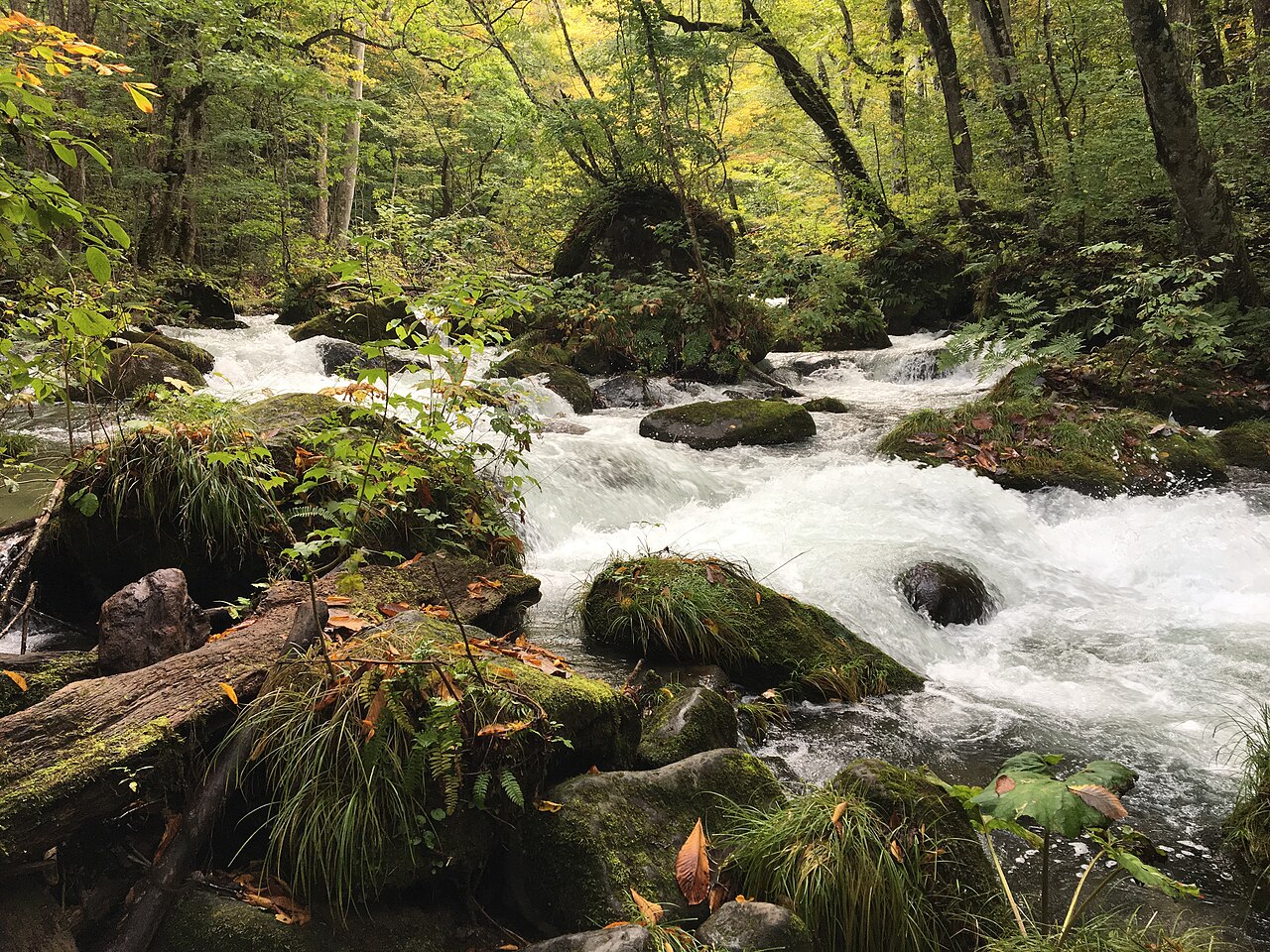
Oirase Gorge (奥入瀬渓流) is a 14-kilometer (8.7-mile) mountain stream that flows from Lake Towada through a forest of ancient cedar, beech, and maple trees. The stream tumbles over mossy rocks and under natural arches, with dozens of waterfalls cascading down the gorge walls. The hiking trail along the stream is one of the most beautiful walks in Japan — walkable in a single long morning or afternoon, or as a full day if you want to photograph every waterfall and fern. In spring, fresh green leaves fill the canopy; in autumn, the entire gorge blazes with fall color; in winter, ice formations crystallize around the waterfalls in otherworldly patterns.
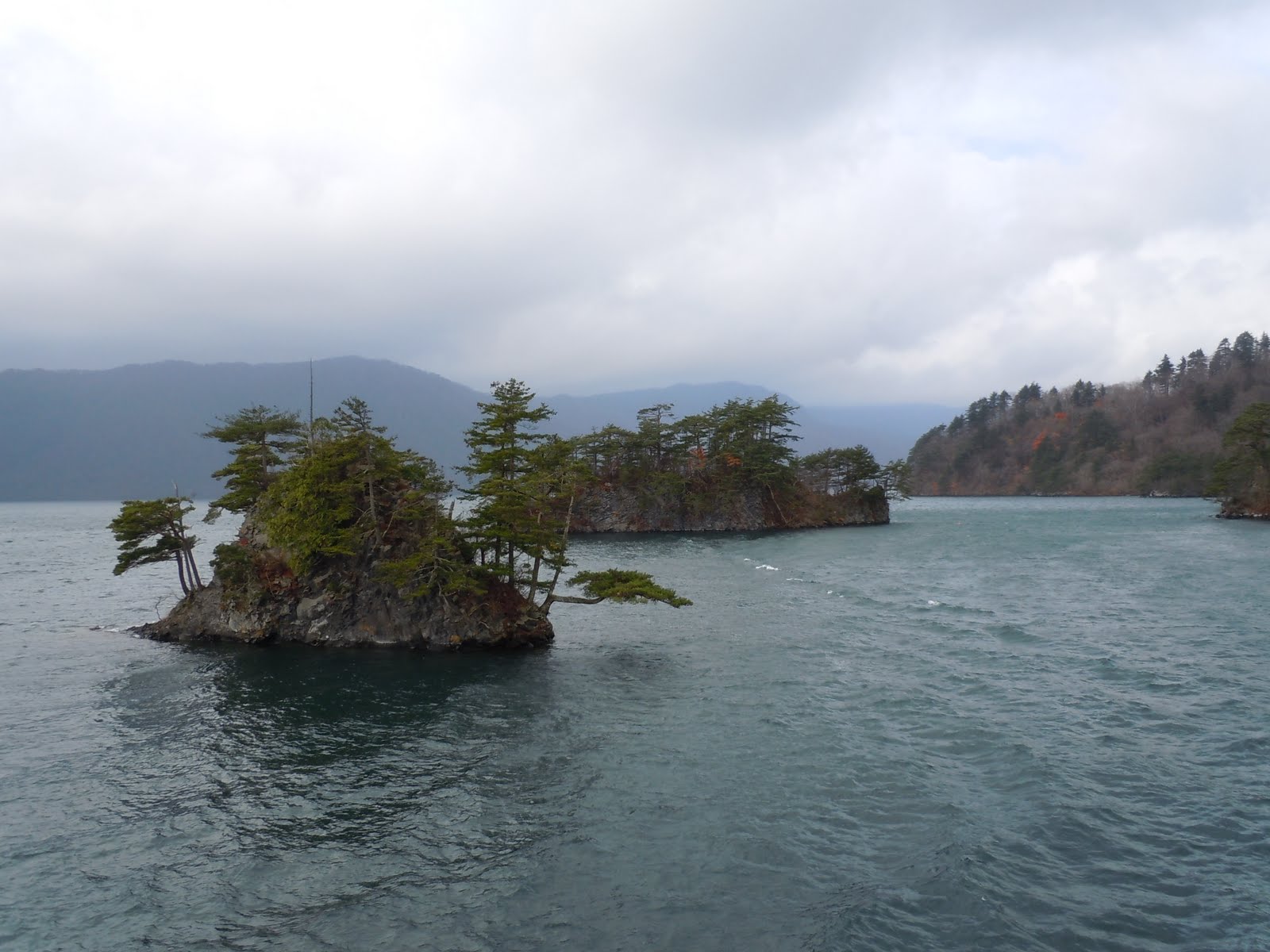
Lake Towada (十和田湖) sits at the top of the gorge — a stunning caldera lake formed by volcanic activity, with water so clear it appears almost luminescent in different light conditions. Boat tours depart from Yasumiya pier and take you around the lake’s most scenic points. The lakeside forest provides excellent hiking opportunities, and the views from Ohanabe lookout — where the twin calderas meet — are genuinely breathtaking on clear days. On autumn weekends, the lake is surrounded by visitors who come specifically for the fall foliage, which rivals anywhere in Japan.
A well-organized day from Towada City: visit the Art Center and outdoor trail in the morning (2–3 hours), have lunch at one of the city’s excellent restaurants, then drive or bus to Oirase Gorge for an afternoon walk, arriving at Lake Towada by late afternoon for the sunset. Stay overnight at a lakeside ryokan to catch the lake at dawn, when mist rolls off the water and the forest is at its most primordial.
Best Time to Visit
- Spring (April–May): Cherry blossoms in Towada City (usually late April) add a delicate layer of beauty to the Arts Towada street trail. The city is quiet and relatively uncrowded. Snow may linger in Oirase Gorge into early April — sometimes adding surreal ice sculptures to the waterfalls. Temperatures in April: 5–15°C (41–59°F).
- Summer (June–August): Long daylight hours mean you can squeeze in both the Art Center and a full Oirase hike in a single day. The gorge is at its lushest, dense with greenery. Note that August sees more visitors, particularly Japanese families on summer vacation. Temperatures: 20–27°C (68–81°F).
- Autumn (late September–November): Widely considered the best season. The fall foliage in Oirase Gorge and around Lake Towada is spectacular — arguably some of the best in all of Japan. Peak color usually hits in mid-to-late October. Book accommodation at least 6–8 weeks in advance for the peak foliage weeks. Temperatures: 5–18°C (41–64°F).
- Winter (December–March): Lake Towada and Oirase Gorge become an ice-and-snow wonderland. The waterfalls in the gorge partially freeze into enormous curtains of ice, and the silence of the snow-covered forest is something you’ll remember for the rest of your life. Some lakeside accommodations operate winter-only rates. Temperatures: -5–3°C (23–37°F); dress in serious layers.
Where to Eat: Towada & Surrounding Area Food Guide
Towada City’s food scene is quietly excellent, with particular strengths in locally sourced Aomori ingredients — fresh mountain vegetables, outstanding apples, highland beef, and Aomori garlic (the prefecture produces about 70% of Japan’s garlic crop). Don’t underestimate the food here.
Towada Barayaki (ばら焼き)
Towada’s signature dish is barayaki — thinly sliced beef short rib (bara) stir-fried with large slices of Towada’s famous sweet onions, seasoned with soy sauce and mirin. The dish has the same essential simplicity and satisfaction as the best Korean BBQ, but with distinctly Japanese flavors. You’ll find it at several restaurants near the Art Center, with prices typically ranging from ¥900–¥1,500 per serving (~$6–$10). Look for the Barayaki Street area downtown, where a cluster of restaurants specializing in the dish have organized into a food destination.
Café & Restaurant at Towada Art Center
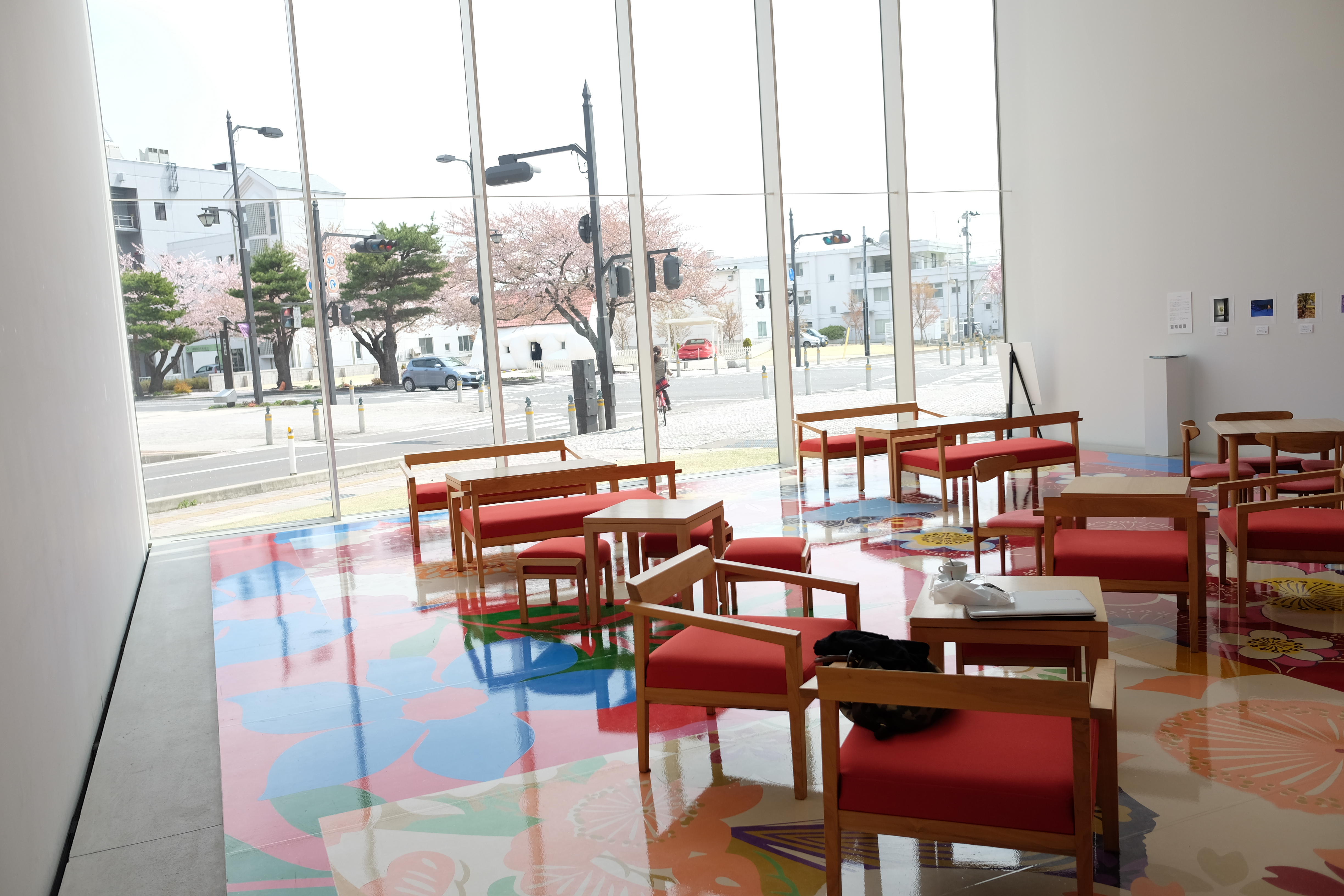
The museum has its own café-restaurant, which serves lunch sets featuring local Aomori ingredients paired with coffee and seasonal desserts. It’s a civilized spot for a midday break, with views into the sculpture garden. Lunch sets run approximately ¥1,200–¥2,000 (~$8–$14). The café is open during museum hours and doesn’t require a museum ticket for entry.
Oirase Brewery Beer Garden (奥入瀬麦酒館)
Located at Towada Lake’s Nenokuchi area, the Oirase Brewery is a charming craft beer operation using pure spring water from the Hachimantai mountains. Their signature ales pair beautifully with Aomori venison burgers, local sausages, and apple-based desserts. A meal with 2–3 craft beers runs approximately ¥2,500–¥4,000 per person (~$17–$27). Seasonal hours apply; check ahead in winter months.
Where to Stay
Budget (Under ¥8,000 / $55 per night)
Towada City Center Guesthouses: A handful of small guesthouses operate in downtown Towada within walking distance of the Art Center. Check booking platforms like Booking.com for current options; availability can be limited, so book early in autumn. Rates typically ¥5,000–¥7,500 per night (~$34–$51).
Mid-Range (¥8,000–¥20,000 / $55–$135)
Hotel Towada: A solid business hotel in Towada City with comfortable rooms and an on-site restaurant. Close to the Art Center and Arts Towada trail. Rates from approximately ¥9,000 per night (~$61).
Nenokuchi Lake Towada Accommodations: Several lakeside guesthouses and small ryokan operate at Nenokuchi, the northern access point for Oirase Gorge. Staying here puts you at the trailhead and lets you experience the gorge in the early morning before day-trippers arrive. Rates ¥10,000–¥18,000 per person with two meals (~$68–$122).
Luxury (¥20,000+ / $135+)
Oirase Keiryu Hotel: This stunning resort sits directly beside the Oirase stream, with rooms and common areas designed to frame the gorge’s water and forest. The onsen baths overlook the stream, and the Japanese cuisine dinner focuses on Aomori mountain ingredients. This is a genuinely special place that earns its price tag — rates from ¥30,000 per person with two meals (~$200+).

Practical Tips for Visiting Towada Art Center
- Museum hours: Open Tuesday–Sunday, 9:00 AM–5:00 PM (last entry 4:30 PM). Closed Mondays (or the following Tuesday if Monday is a public holiday). Always check the official website for seasonal variations before you go.
- Admission: General admission ¥1,800 (~$12) for adults. Combination tickets with temporary exhibitions are available. The outdoor trail is free.
- Photography: Photography is permitted in most areas of the museum, including the outdoor installations. A few specific permanent works may have restrictions — signage is clear. Tripods are generally not permitted inside.
- English resources: The museum provides English-language audio guides and brochures. Staff are accustomed to international visitors and the permanent collection has strong English labeling.
- Combine with Hirosaki: Towada is roughly 1.5 hours from Hirosaki by road — Japan’s apple capital, home to a stunning castle and cherry blossom park. A two-day Aomori loop covering Hirosaki, Towada Art Center, and Oirase Gorge is an excellent itinerary.
- Car rental is recommended: While bus connections to Oirase and Lake Towada exist (seasonal), renting a car from Hachinohe or Aomori gives you enormous flexibility, especially for the Oirase Gorge where traffic can restrict access to specific scenic turnoffs.
- Autumn booking: If you’re visiting during peak fall foliage (mid-October to early November), book accommodation and rental car at least 2 months in advance. Demand significantly outstrips supply during this period.
- Dress appropriately: The outdoor sculpture trail involves walking on city sidewalks — comfortable walking shoes are fine in spring and summer. In autumn, a warm layer for evenings. In winter, serious cold-weather gear is essential, particularly if you’re hiking in Oirase Gorge.
- Art Center Shop: The museum shop sells excellent Yoshitomo Nara merchandise, locally designed craft objects, and art books — a good place for thoughtful souvenirs that you won’t find in Kyoto gift shops.
- Photography tip: The best light for photographing the outdoor sculptures hits in the mid-morning (around 9:00–11:00 AM) and late afternoon (4:00–5:30 PM in summer). Overcast days produce beautiful even light that works particularly well for white sculptures.
Sample 2-Day Towada Itinerary
Day 1: Art & City
9:00 AM: Arrive at Towada Art Center when the doors open. Start with the permanent collection inside the museum — allow 1.5–2 hours. 11:00 AM: Walk the Arts Towada outdoor sculpture trail at a leisurely pace (1 km, approximately 45–60 minutes). 12:30 PM: Lunch at the museum café or one of the barayaki restaurants nearby. 2:00 PM: Explore more of Towada City — the Kanchogai shopping arcade, local craft shops, and the historic city hall area. 4:30 PM: Check in to your accommodation. 7:00 PM: Dinner featuring barayaki at one of downtown Towada’s specialist restaurants.
Day 2: Oirase & Lake Towada
7:00 AM: Early start. Drive or take the bus to Yakeyama, the starting point of the Oirase Gorge trail. 7:30 AM–12:00 PM: Walk the full 14-km Oirase Gorge trail upstream toward Lake Towada — one of the most beautiful walks in Japan. The trail follows the stream closely, passing dozens of named waterfalls and moss-covered rock formations. 12:30 PM: Arrive at Nenokuchi (Lake Towada north shore). Lunch at the Oirase Brewery. 2:00 PM: Take the boat tour around Lake Towada for spectacular views of the caldera. Alternatively, hike the Ohanabe trail to the viewpoint overlooking the twin craters. 4:30 PM: Drive back to Towada City, or continue around the lake to Yasumiya and catch the bus back. 5:30 PM: Begin return journey toward Hachinohe or Aomori for your onward connections.
Related Articles You Might Enjoy
- Hirosaki City Guide: Apple Capital, Neputa Festival & Aomori’s Most Historic Castle Town
- Lake Towada: Complete Guide to Japan’s Most Stunning Caldera Lake
- Hachinohe, Aomori: Complete Guide to Japan’s Most Underrated Northern City
- Tanesashi Coast & Kabushima Island, Aomori: Japan’s Most Dramatic Coastal Walk & Seabird Sanctuary
- Tohoku Cherry Blossom Season: The Complete Guide to Japan’s Most Spectacular Spring Blooms
Final Thoughts
Towada Art Center is one of those places that quietly rewires your sense of what a Japanese trip can be. Most visitors to Japan follow a well-worn path between Tokyo, Kyoto, Osaka, and perhaps Hiroshima — and there’s nothing wrong with that path. But if you’re the kind of traveler who wants to discover something that isn’t in every guidebook, something that feels like a genuine find, Towada is exactly that. The combination of world-class contemporary art, extraordinary natural beauty in Oirase Gorge and Lake Towada, and the warmth of a small Japanese city that has invested deeply in culture — it all adds up to an experience that stays with you long after you’ve returned home. Go in autumn if you can. Stay two nights. Walk slowly through the gorge in the morning mist. And trust us: the barayaki is excellent.
Got questions about planning your Tohoku trip, or spotted something we missed? We’d love to hear from you — drop us a message here.


コメント