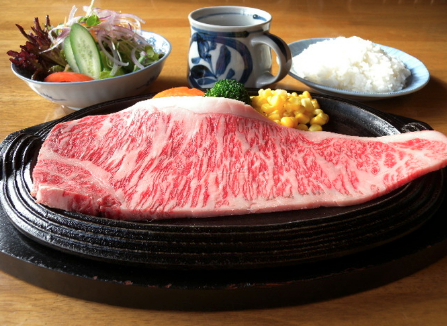
Imagine sitting down to a perfectly marbled steak that melts on your tongue before you’ve even finished chewing — a flavor so rich and complex it seems to rewrite your understanding of what beef can be. That’s the promise of Yonezawa beef (米沢牛), Yamagata Prefecture’s legendary wagyu, which stands alongside Matsusaka and Kobe as one of Japan’s three greatest beef brands. If you’re planning a trip to Tohoku and you have any love of exceptional food, Yonezawa beef is non-negotiable.
Why Yonezawa Beef Is One of Japan’s Greatest Wagyu Brands
Japan’s wagyu landscape is fiercely competitive, and the debate over which brand reigns supreme is a passionate one among food enthusiasts. But Yonezawa beef occupies a singular place in the conversation. Aficionados often describe it as the most complex of the three great wagyu brands — possessing the extraordinary marbling of Kobe while adding layers of flavor that connoisseurs attribute to the cold mountain climate and pristine river water of the Yonezawa basin.
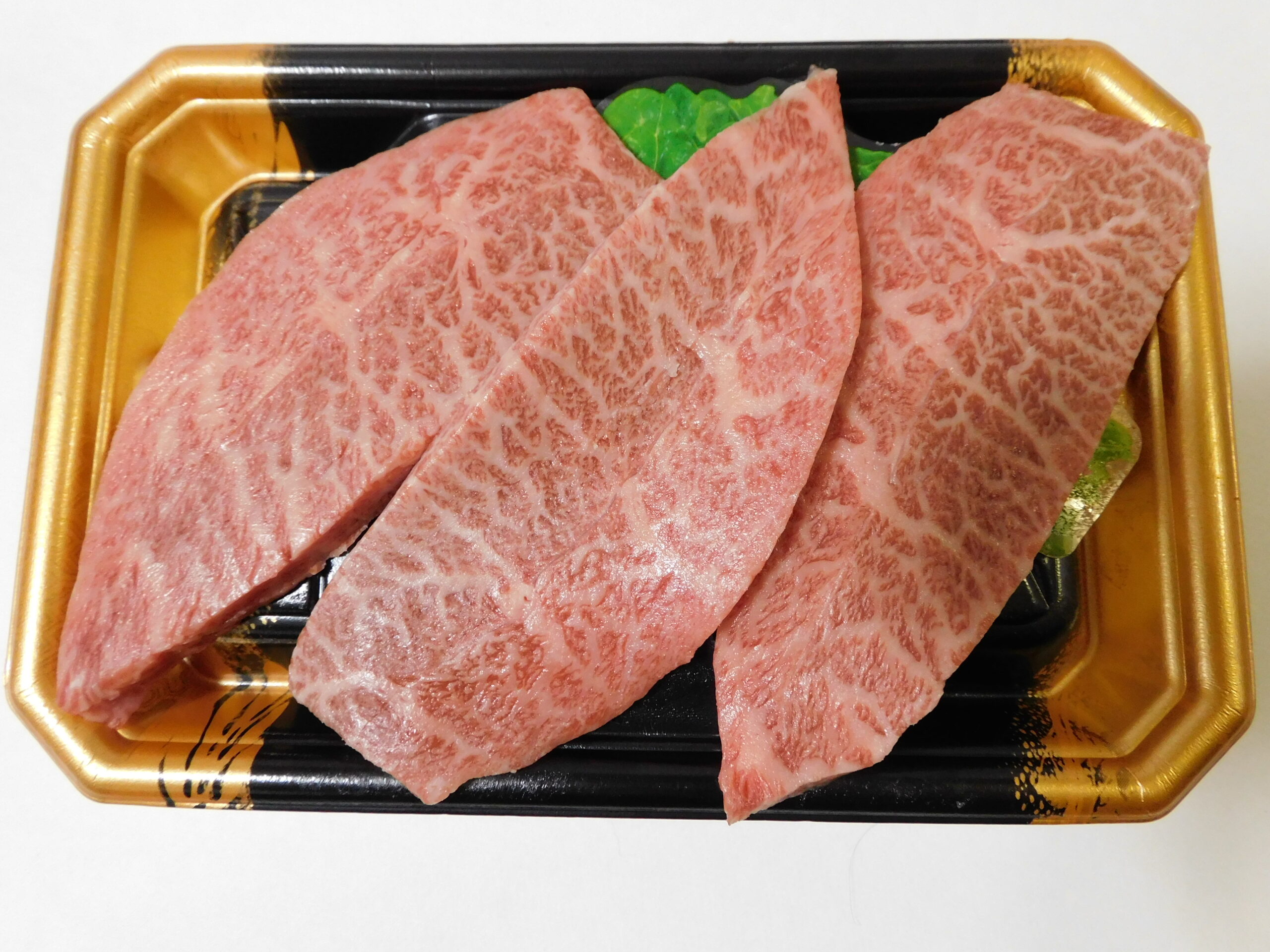
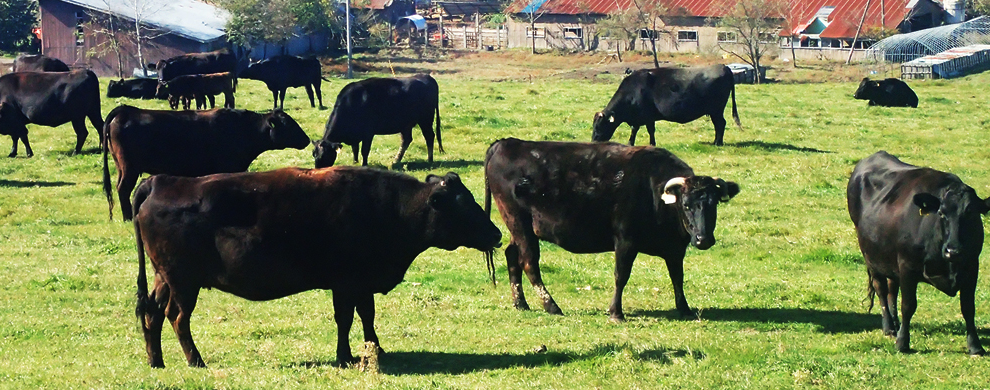
What sets Yonezawa beef apart? The cattle — Japanese Black (黒毛和種) — are raised for a minimum of 32 months, considerably longer than conventional beef. They graze in the shadow of the Dewa Sanzan mountains, drink mineral-rich spring water from the Mogami River watershed, and are fed a carefully formulated diet that includes locally grown rice straw and corn. The result is beef with a marbling score (BMS) of 8–12, producing the characteristic white lace of fat interspersed through deep crimson muscle that makes wagyu so visually striking.
The flavor profile is extraordinary: a buttery richness that carries notes of sweetness, umami depth, and a clean finish that leaves you reaching for the next bite. Unlike some heavily marbled wagyu that can feel overwhelming, Yonezawa beef is described by chefs as “elegant” — the fat distribution is so fine and even that it integrates seamlessly with the meat rather than pooling. If Kobe beef is the pop star of wagyu, Yonezawa beef is the jazz musician: sophisticated, nuanced, and deeply rewarding for those who pay attention.
A Brief History: From Scottish Advisor to National Treasure
Yonezawa beef’s origin story is one of the most surprising in Japanese culinary history. The credit for introducing Western cattle-raising techniques to the Yonezawa region goes to a young Scottish agricultural advisor named Charles Henry Dallas. In 1879, Dallas arrived in Japan as part of the Meiji government’s push to modernize agriculture. He noticed the potential of the local cattle in Yonezawa and began cross-breeding practices that laid the foundations for what would become one of Japan’s most celebrated beef traditions.
The city of Yonezawa had long been known as a cultural center — it was home to the powerful Uesugi clan, whose samurai ethos emphasized self-sufficiency and craftsmanship. That same meticulous attention to quality became the guiding principle for Yonezawa’s cattle farmers. By the early 20th century, Yonezawa beef had earned its reputation as imperial-quality meat, and it remains today under strict certification standards: only cattle born, raised, and slaughtered within the Yonezawa area can bear the Yonezawa beef name.
There are strict regulations too: certified Yonezawa beef must meet high marbling standards and pass inspection by the Yonezawa Beef Standards Authority. Roughly 3,000 head of cattle are certified each year — an intentionally limited supply that keeps quality exceptionally high and makes each meal feel like a special occasion.
How to Eat Yonezawa Beef: The Different Styles
One of the joys of visiting Yonezawa is that you’re not limited to a single way of experiencing the beef. Restaurants throughout the city specialize in different cooking styles, each of which reveals different qualities of this extraordinary meat.
Steak (ステーキ)
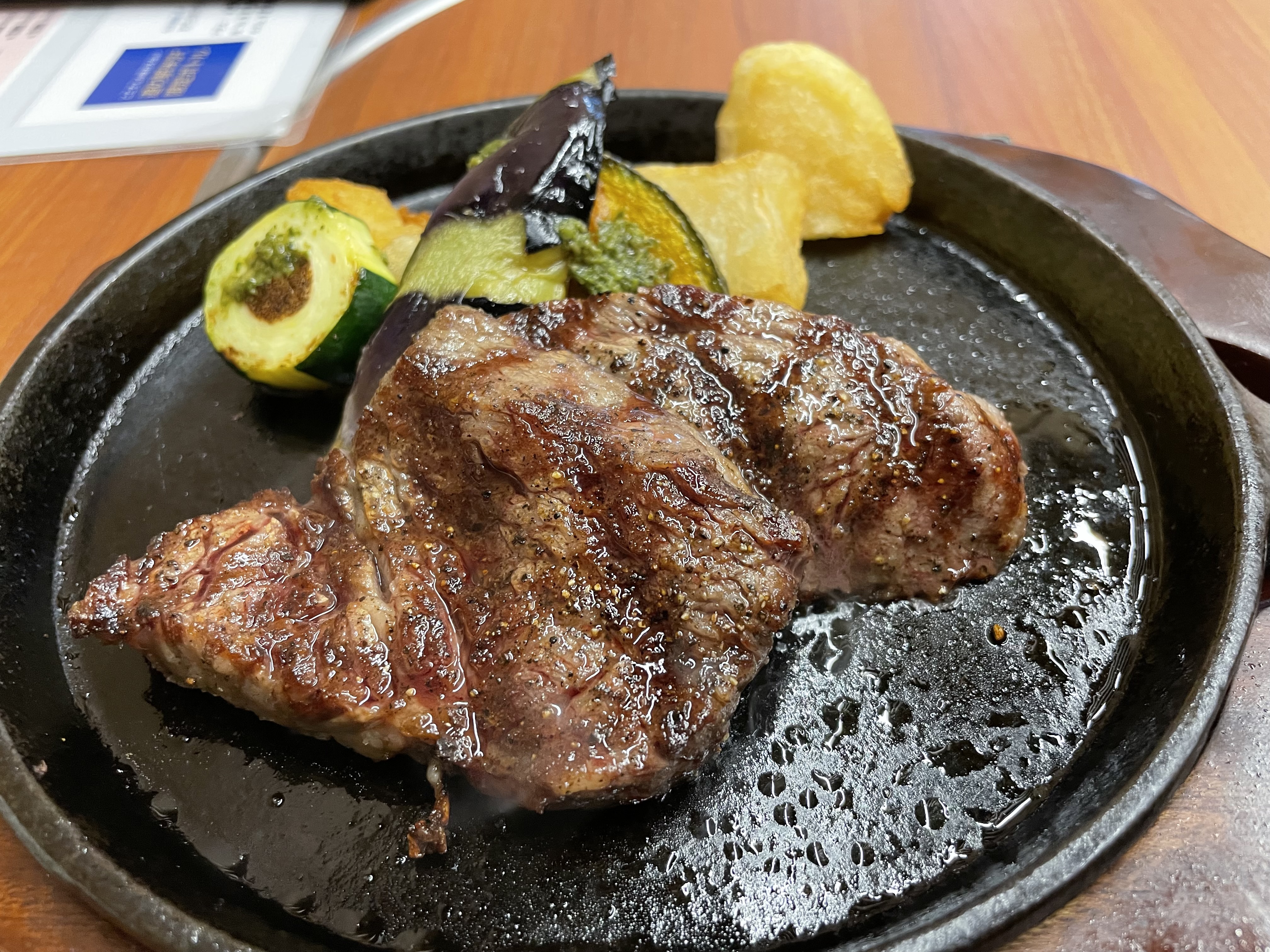
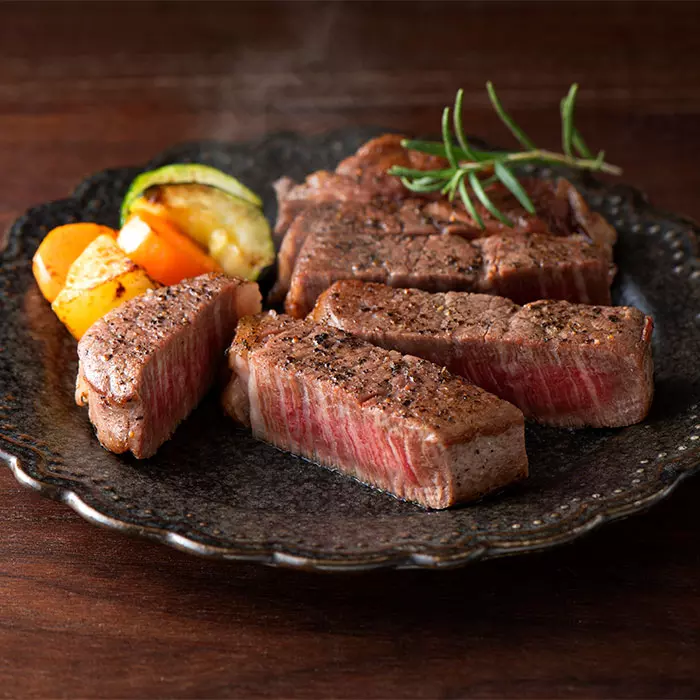
The classic approach. A thick-cut Yonezawa beef sirloin or tenderloin, seared on a cast-iron teppan (iron plate) at the table by a skilled chef. You’ll watch the fat render and caramelize before your eyes, the kitchen filling with an intoxicating aroma. Most restaurants serve it medium-rare to preserve the delicate fat structure — trust the chef on this. Prices typically range from ¥8,000–¥25,000 ($55–$170) depending on cut and grade.
Sukiyaki (すき焼き)
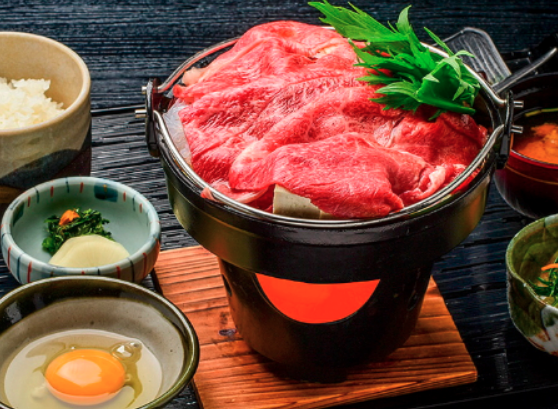
For many visitors, sukiyaki is the quintessential Yonezawa beef experience. Paper-thin slices of highly marbled beef are briefly cooked in a sweet soy and mirin broth alongside tofu, shirataki noodles, spring onions, and chrysanthemum greens. You dip each piece in a raw egg before eating — the egg coating the beef in a silky richness that softens the sweetness of the sauce. It’s a communal, warming dish perfect for Yamagata’s cold winters. Sukiyaki sets in Yonezawa run ¥5,000–¥15,000 ($35–$100) per person.
Shabu-Shabu (しゃぶしゃぶ)
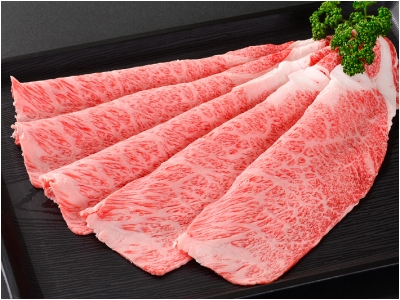
Even more delicate than sukiyaki, shabu-shabu involves swishing ultra-thin beef slices through a light dashi or kelp broth for mere seconds before eating. With Yonezawa beef, the fat dissolves almost instantly in the hot broth, and the meat takes on a silky, almost liquid quality. You dip it in ponzu (citrus soy) or sesame sauce and marvel at how something so thin can carry such intense flavor. Shabu-shabu sets begin around ¥6,000 ($40) per person.
Yakiniku (焼き肉)
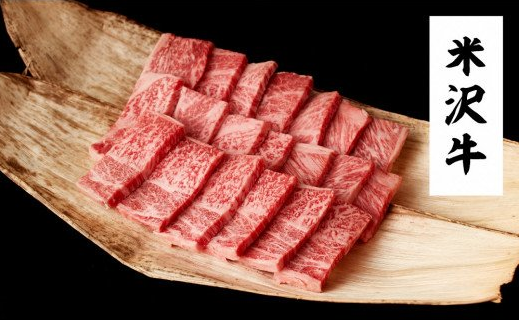
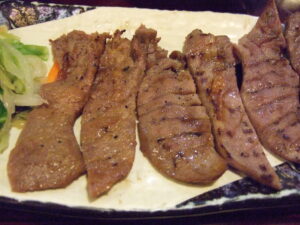
Grilling your own beef over a charcoal or gas grill at the table is a beloved Japanese dining ritual, and with Yonezawa beef it reaches new heights. Different cuts are served — fatty kalbi ribs, lean rosu (loin), tongue, and more — and you control the doneness. The smoky char that develops on the fat edges is spectacular. Many yakiniku restaurants offer combination sets around ¥4,000–¥10,000 ($28–$70) per person.
Getting to Yonezawa from Tokyo
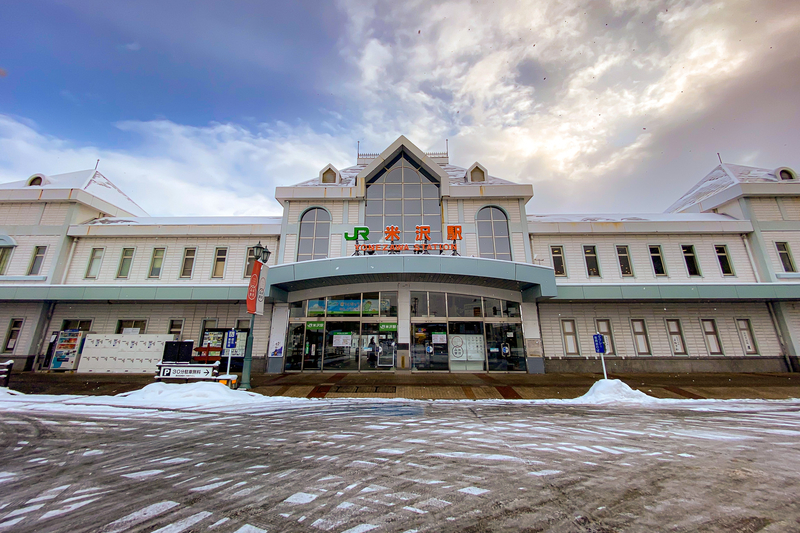
Yonezawa is easily accessible by shinkansen, making it a practical destination for visitors based in Tokyo or traveling through Tohoku. The journey is part of the pleasure — as you ride through the mountains into Yamagata Prefecture, the landscape transforms from urban sprawl into snow-capped peaks and rice paddies.
- Shinkansen (bullet train): Take the JR Yamagata Shinkansen (Tsubasa) from Tokyo Station directly to Yonezawa Station. Journey time: approximately 2 hours 15 minutes. Cost: ¥9,000–¥11,000 ($62–$75) one way. The JR Pass covers this route.
- Via Fukushima: Alternatively, take the Tohoku Shinkansen to Fukushima, then switch to the Ou Main Line to Yonezawa (about 45 minutes). This can be cheaper on some passes.
- Highway Bus: Direct buses run from Shinjuku Bus Terminal to Yonezawa, taking about 4 hours and costing approximately ¥3,500–¥5,000 ($24–$35) one way. Good budget option if you’re flexible on time.
- Rental Car: From Tokyo, the drive is approximately 3 hours via the Tohoku Expressway. A rental car gives you flexibility to explore the Yonezawa basin and nearby mountain areas.
Within Yonezawa, the city center is compact enough to walk. A rental bicycle (available near Yonezawa Station for about ¥500–¥1,000/day) is perfect for reaching the main sights including Uesugi Shrine and the samurai district.
Where to Eat Yonezawa Beef: A Restaurant Guide
Yonezawa has dozens of restaurants specializing in its famous beef, ranging from century-old institutions to modern interpretations. Here are the can’t-miss options.
Kanesei (かねせい) — The Classic Sukiyaki Experience
Established in 1921, Kanesei is one of Yonezawa’s most storied beef restaurants and the place many locals take visitors for a special occasion. The sukiyaki here uses century-old family recipes for the sweet soy sauce base, and the aged tatami dining rooms create an atmosphere that transports you back to Meiji-era Japan. The beef is certified A5 grade — the highest available — and the marbling is extraordinary. Expect to pay ¥10,000–¥18,000 ($70–$125) per person for a full sukiyaki course. Reservations are strongly recommended, especially on weekends. Located a 10-minute walk from Yonezawa Station.
Kiriya Beef Restaurant (牛鍋 桐屋) — For Steak Devotees
If steak is your priority, Kiriya is the destination. A more contemporary space than some of Yonezawa’s traditional restaurants, Kiriya focuses entirely on showcasing the beef’s natural qualities with minimal interference. The teppanyaki steak courses here are extraordinary, and the staff speak some English and are happy to explain the different cuts and grades. Steak courses run ¥12,000–¥22,000 ($82–$150) per person. Located near Uesugi Shrine.
Yonezawa Steak Matsukawa (松川) — Budget-Friendly Quality
Not every Yonezawa beef meal needs to break the bank. Matsukawa offers excellent certified Yonezawa beef at more accessible prices — lunch sets with beef rice bowls or mini steak courses start around ¥2,500–¥4,000 ($17–$28). This is the place to go if you want to taste the real thing without a full kaiseki-style commitment. Popular with locals and visitors alike.
Yonezawa Beef Yakiniku Gyuya (焼肉牛家) — The Yakiniku Option
For the interactive grilling experience, Gyuya is a local favorite with a casual, convivial atmosphere. Different cuts of Yonezawa beef are served at the table with accompanying vegetables, and you grill everything yourself over a built-in charcoal grill. The kalbi (short rib) here is particularly praised for its fat-to-lean ratio. Yakiniku sets from ¥3,500–¥8,000 ($24–$55) per person.
Beyond Beef: What to See and Do in Yonezawa
Yonezawa is much more than a beef pilgrimage destination. The city carries a deep samurai legacy that rewards curious visitors who look beyond the restaurant menus.
Uesugi Shrine (上杉神社)
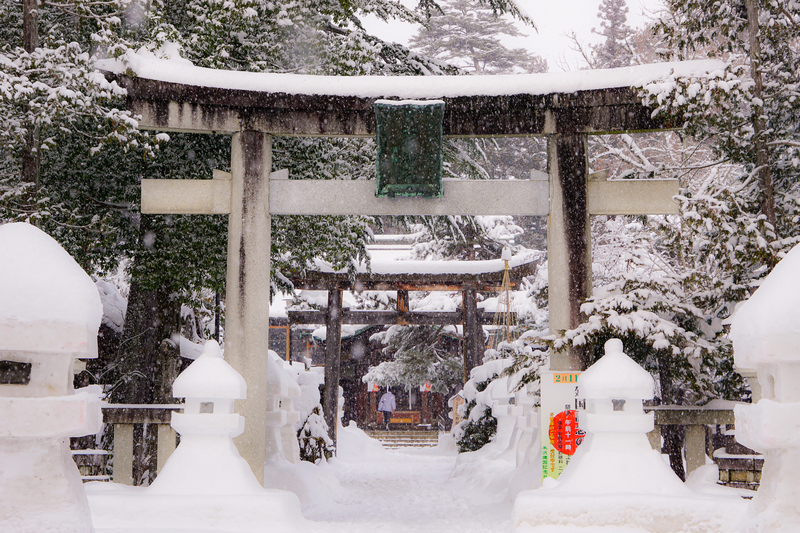
The spiritual heart of Yonezawa, Uesugi Shrine is dedicated to Uesugi Kenshin, one of Japan’s most celebrated warlords and a hero of the Sengoku period. The shrine sits within a forested park, surrounded by ancient cedar trees and accessed through sweeping stone paths. In spring, the shrine grounds transform into one of Japan’s most beautiful cherry blossom spots, drawing thousands of visitors for the annual Uesugi Matsuri festival. The attached treasure museum holds genuine samurai armor, swords, and historical artifacts from the Uesugi clan’s four centuries of rule. Admission ¥400 ($3).
Yonezawa Castle Ruins (松岬公園)
Adjacent to Uesugi Shrine, the remains of Yonezawa Castle stand within Matusgasaki Park. While only the castle moat and earthworks survive — the main structure was demolished during the Meiji era — the site has a melancholy grandeur that hints at the city’s former power. A statue of Uesugi Kenshin on horseback presides over the grounds, and cherry blossoms in spring create unforgettable photographs.
Uesugi Museum (上杉博物館)
This excellent local history museum chronicles the Uesugi clan’s legacy with high-quality displays that include genuine period armor, letters, and artifacts. One highlight is a stunning folding screen depicting the Battle of Kawanakajima, where Uesugi Kenshin and Takeda Shingen clashed in legendary combat. The museum also covers Yonezawa’s silk weaving tradition (Yonezawa silk, or Yonezawa-ori, is another local specialty). Admission ¥410 ($3).
Shirataka Onsen Area
Just 30 minutes by car from Yonezawa, the Shirataka onsen area offers traditional hot springs in a quiet mountain setting. A perfect way to unwind after a beef feast. Day-use bathing starts around ¥600 ($4) per person.
Best Time to Visit Yonezawa
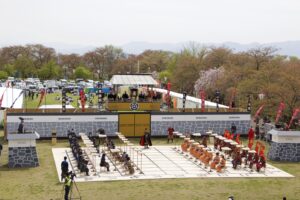
- Spring (late April – May): Cherry blossom season transforms Uesugi Shrine and the castle grounds into a pink paradise. The annual Uesugi Festival (third weekend of April) is one of Yamagata’s most dramatic events, featuring a full-scale reenactment of a Sengoku-era battle complete with period costumes, cavalry, and thousands of participants. Book accommodation months in advance for this period.
- Summer (June – August): Comfortable temperatures for sightseeing (70s–80s°F / 22–28°C), though humid. The surrounding mountains offer excellent hiking and the Yonezawa basin’s rice paddies are a deep, lush green.
- Autumn (September – November): The mountain foliage around Yonezawa turns spectacular shades of red and gold from mid-October. Sake breweries are at their busiest with new rice harvests, and the cooler temperatures make the beef experience even more satisfying.
- Winter (December – February): Snow transforms Yonezawa into a serene winter landscape. This is arguably the best time to eat sukiyaki — warming your hands on the communal pot while snow falls outside is a quintessentially Japanese winter experience. Nearby Yonezawa Ski Resort is a bonus for snow sports enthusiasts.
Yonezawa beef is available year-round, but the atmosphere of eating it varies dramatically by season. Many visitors plan their trips specifically for the sakura festival in spring or the autumn foliage, combining the natural spectacle with the culinary experience.
Where to Stay in Yonezawa
Budget (Under ¥8,000 / $55 per night)
Yonezawa has limited budget accommodation, but several business hotels near the station offer clean, comfortable rooms at reasonable prices. Hotel New Western Yonezawa is a reliable option with free breakfast, located a 5-minute walk from Yonezawa Station, with rates starting around ¥6,000–¥8,000 ($40–$55) for a single room.
Mid-Range (¥8,000–¥20,000 / $55–$135)
Toyo Inn Yonezawa and Dormy Inn-style hotels offer comfortable rooms with in-house onsen baths — a luxury at a moderate price. Rates typically range from ¥8,000–¥15,000 ($55–$102) per person including breakfast. Many include a small communal bath using local mineral water. These are ideal if you want a combination of comfort and traditional amenities without the full ryokan commitment.
Luxury (¥20,000+ / $135+)
For the full Yonezawa experience, book a stay at a traditional ryokan such as Gyokusho-en, where you’ll sleep on futons in tatami rooms, soak in private outdoor baths, and be served a multi-course dinner featuring Yonezawa beef kaiseki cuisine. These experiences run ¥25,000–¥45,000 ($170–$305) per person with two meals, but they represent an authentic immersion in Japanese hospitality that’s difficult to replicate elsewhere.
Practical Tips for Visiting Yonezawa
- Make reservations in advance: The most respected Yonezawa beef restaurants are small and fill up quickly, especially on weekends and holidays. Email or ask your hotel concierge to call ahead at least 2–3 days in advance. Some restaurants have English-language online booking systems.
- Beef quality certifications: Look for the Yonezawa Beef Certification mark (米沢牛証明書) when ordering. Certified establishments will often display a certificate at the entrance or show you the cattle registration paperwork — this is your guarantee of authenticity.
- Lunch is more affordable: Many premium Yonezawa beef restaurants offer lunch menus at significantly lower prices than dinner. A lunch set with beef sukiyaki or a small steak can be ¥2,000–¥5,000 ($14–$34) versus dinner courses starting at ¥8,000+.
- Take-home options: Multiple shops near Yonezawa Station sell vacuum-sealed Yonezawa beef for home cooking — excellent souvenirs for food-loving friends or for cooking yourself. Expect to pay ¥3,000–¥10,000 ($20–$70) for 200–400g of certified beef.
- Cash is still common: While many restaurants now accept credit cards, some traditional establishments remain cash-only. Have ¥20,000–¥30,000 ($135–$205) in cash available if you’re planning a high-end dinner.
- English menus: The most tourist-oriented restaurants have English menus or photos, but in smaller traditional places you may need to point at a display model or use translation apps. Google Translate’s camera function works well for Japanese menus.
- Combine with Zao: Yonezawa is well-positioned for a combined trip with Zao Onsen (90 minutes north by car or bus), which offers spectacular snow monsters in winter and excellent skiing.
- Yamagata Prefecture food passport: Some visitors use a regional food passport app that offers discounts at participating restaurants — check if this is available during your visit.
- Dietary restrictions: Pure Yonezawa beef preparations are of course not vegetarian, and halal options are limited. If you have dietary restrictions, contact restaurants in advance to discuss options.
- Festival timing: The Uesugi Festival (usually third week of April) is extraordinary but brings large crowds. Book accommodation 3–4 months ahead if you want to visit during this period.
Sample 1-Day Yonezawa Itinerary
Morning (9:00 AM – 12:00 PM)
Arrive at Yonezawa Station on the morning shinkansen from Tokyo. Rent a bicycle from the station area (¥500–¥1,000/day) and head directly to Uesugi Shrine and the castle ruins — these are beautiful in the morning light and the grounds are less crowded early. Visit the Uesugi Museum to understand the city’s samurai history (allow 60–90 minutes). Walk through the forested shrine grounds to the inner sanctuary and take in the peaceful atmosphere.
Lunchtime (12:00 PM – 2:00 PM)
Head to your reserved restaurant for a Yonezawa beef lunch. First-time visitors often find the beef rice bowl (gyudon) or mini sukiyaki lunch sets to be excellent value and a perfect introduction to the flavor profile. Budget ¥2,500–¥5,000 ($17–$34) per person for lunch. Allow 90 minutes — savor every bite.
Afternoon (2:00 PM – 5:00 PM)
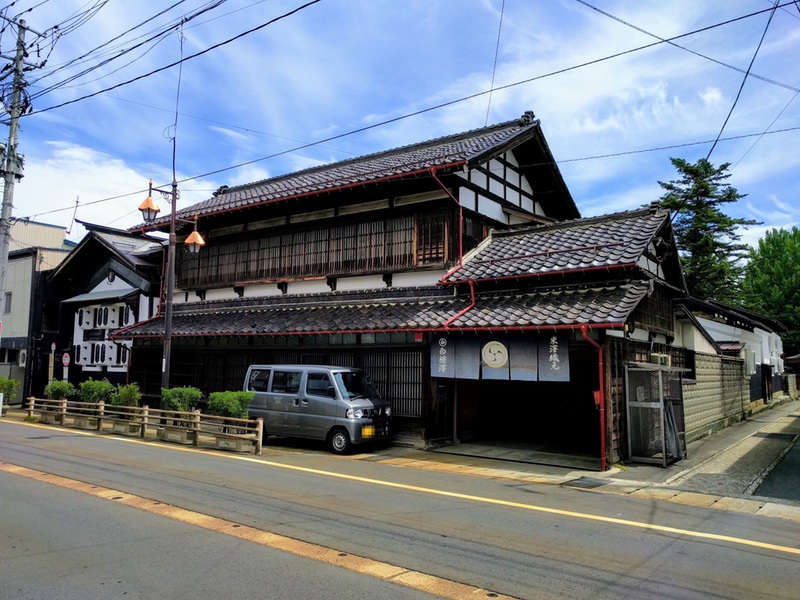
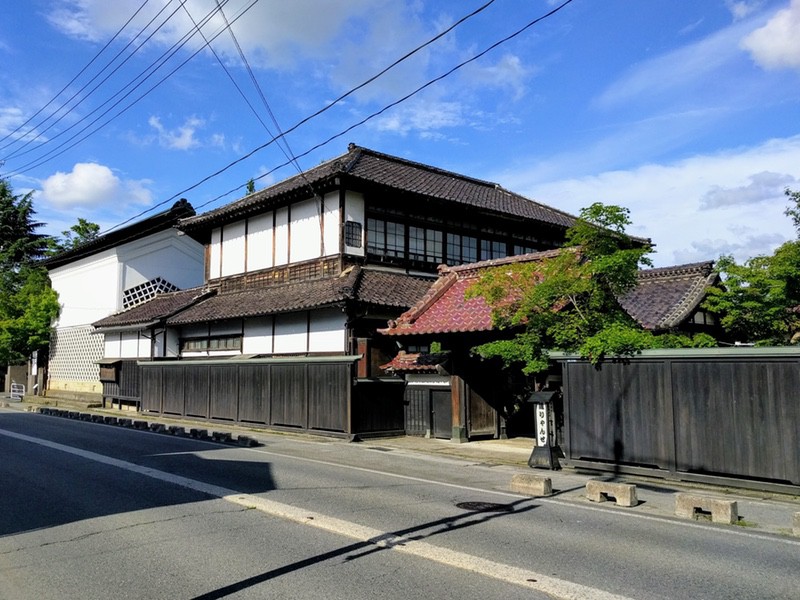
Browse the shops around Uesugi Shrine for local crafts, Yonezawa silk products, and vacuum-packed take-home beef. Visit the samurai residence district (buke yashiki) if time permits. If you’re visiting in spring, the castle park cherry blossoms demand extended time. Consider a short trip to the Uesugi Clan Cemetery, which holds the remains of the clan’s 13 lords in a hauntingly atmospheric cedar grove.
Evening (6:00 PM – 9:00 PM)
Return to your restaurant reservation for the main event: a full Yonezawa beef sukiyaki or teppan steak dinner course. This is the meal you came for — take your time, appreciate the ritual of the preparation, and don’t rush. Afterwards, a short walk to a local sake bar for Yamagata’s excellent rice wine (try Dewazakura or Kokuryu labels) rounds out a perfect Yonezawa day. Return to your hotel or take an evening shinkansen back to Tokyo.
Yonezawa Beef vs. Kobe Beef: Which Should You Eat?
Many first-time visitors to Japan face this choice. If you’re already planning a Tohoku trip, the answer is simple: eat Yonezawa beef in Yonezawa. Not only is this where it’s freshest and cheapest relative to its quality, but eating it in the city of its origin adds an irreplaceable context and flavor of place.
Kobe beef is famous worldwide and excellent, but it’s also more expensive, more heavily marketed (some Kobe beef restaurants serve substandard product to tourists), and harder to access in an authentic setting without careful research. Yonezawa beef, by contrast, is a genuine culinary secret outside of Japan — you’ll return home able to say you ate one of Japan’s greatest wagyu brands at source, in a city where samurai once walked. That’s a story worth telling.
Final Thoughts: Make Yonezawa a Destination, Not a Detour
Yonezawa deserves to be on the itinerary of every serious food traveler visiting Japan. It combines world-class wagyu beef with a rich samurai history, a charming small-city atmosphere, and the deep beauty of the Yamagata mountain landscape. Unlike the heavily visited tourist routes of Kyoto or Tokyo, Yonezawa remains authentically Japanese — the kind of place where you’ll be the only foreigner in the restaurant, where the staff communicate through gestures and shared enthusiasm for extraordinary food, where the journey is as memorable as the meal.
Whether you come for a single lunch stop on a Tohoku road trip or build a full overnight stay around the beef experience, Yonezawa will exceed your expectations. Japan has many great food destinations, but few can match the combination of culinary heritage, natural beauty, and cultural depth that makes a meal of Yonezawa beef feel like something truly irreplaceable. Book that restaurant. Make the journey. You won’t regret a single bite.
Related Articles You Might Enjoy
- Yamagata Cherry Picking: Japan’s Cherry Capital — A Complete Guide for Foreigners
- Ginzan Onsen Winter Travel Guide for Foreigners: Your Complete Guide to Japan’s Most Enchanting Hot Spring Village
- Kamo Aquarium Tsuruoka: The World’s Best Jellyfish Aquarium in Tohoku Japan
- Imoni Festival: Yamagata’s Great Autumn River Pot — A Unique Japanese Outdoor Tradition

コメント