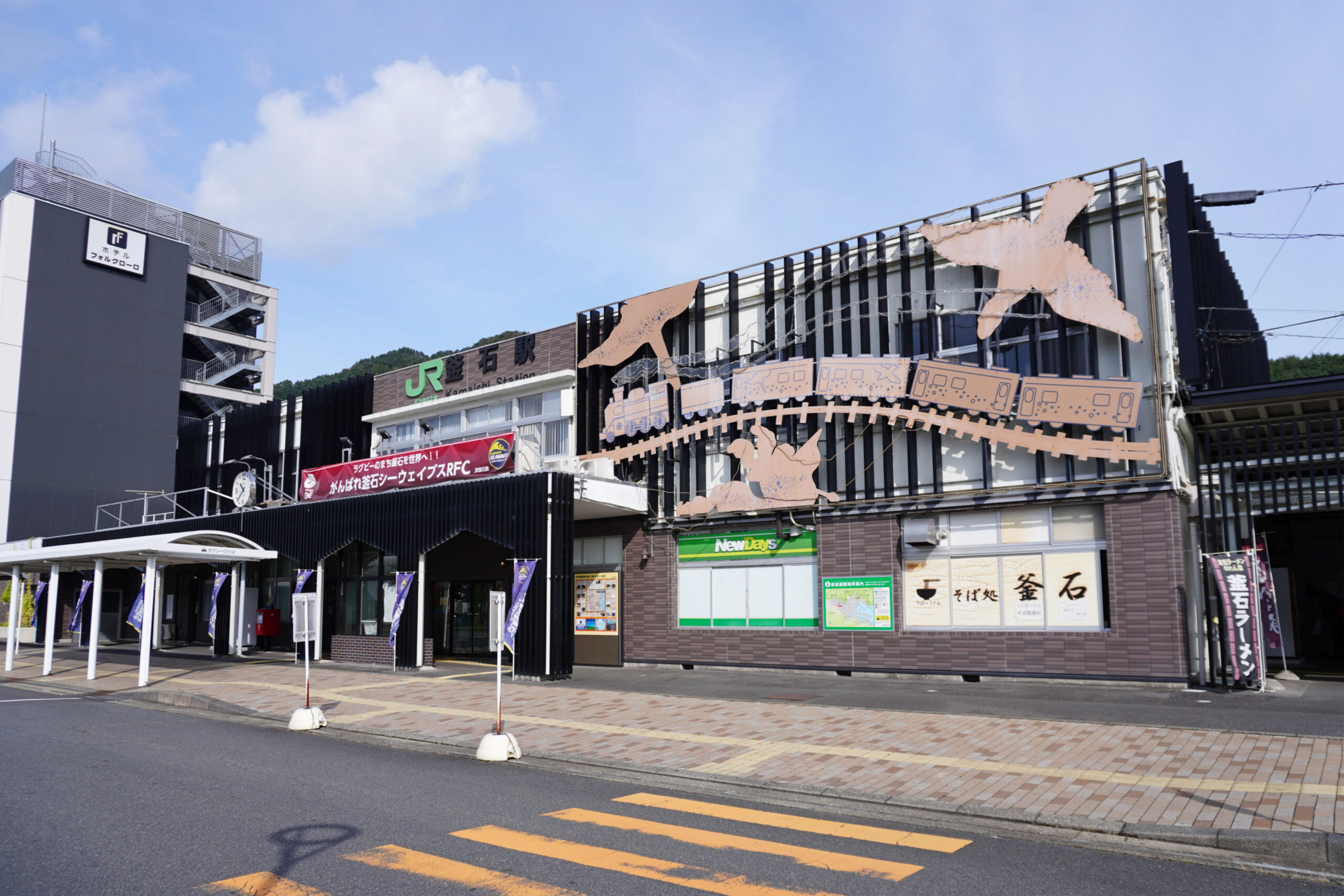
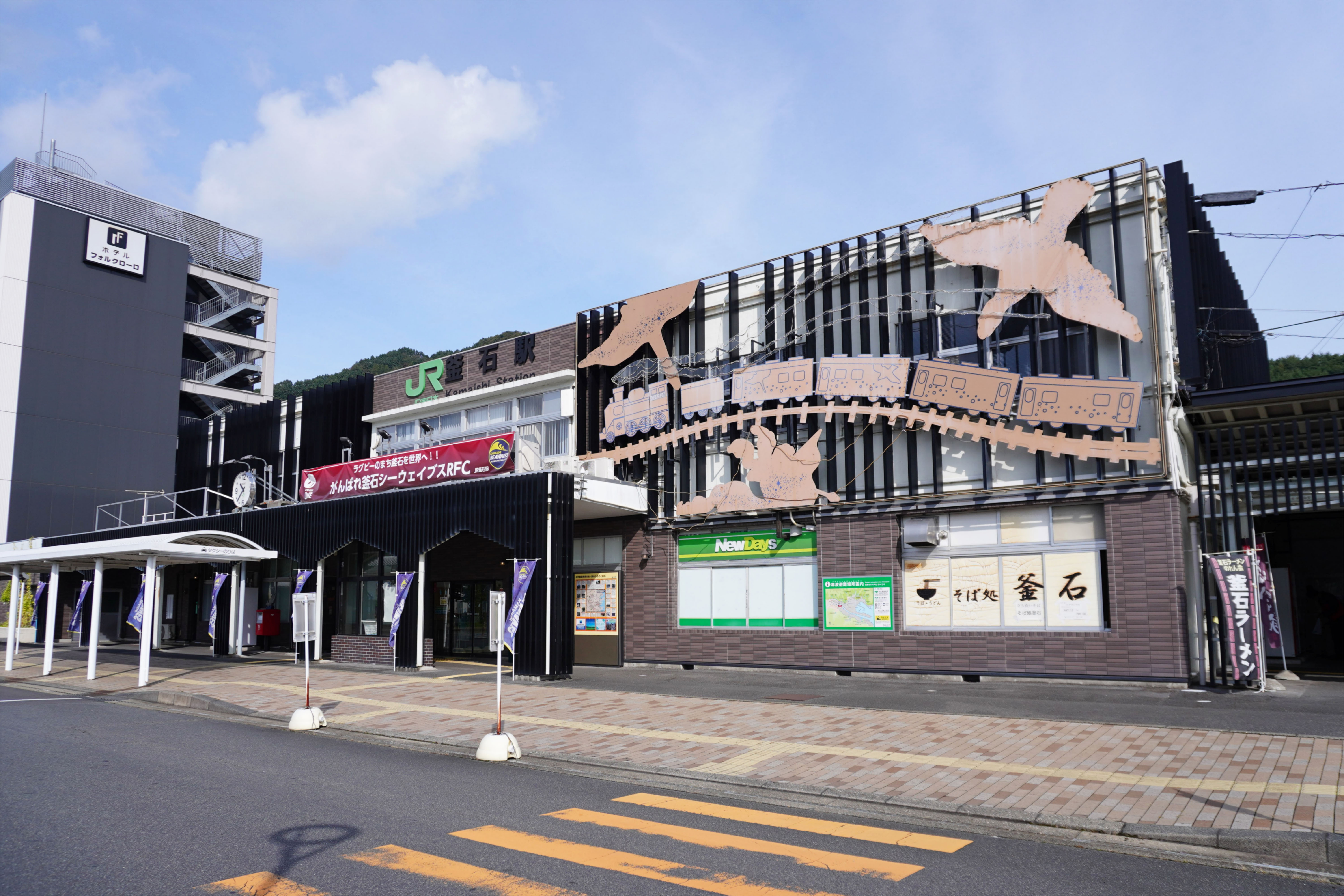
When the Rugby World Cup came to Japan in 2019, Kamaishi — a small coastal city of around 33,000 people in Iwate Prefecture — became one of the competition’s most extraordinary stories. Just eight years after the devastating 2011 Great East Japan Earthquake and tsunami had killed over 1,000 of its residents and wiped out entire neighborhoods, this city stood before the world as a symbol of human resilience, community spirit, and the power of rebuilding. But Kamaishi’s story goes far deeper than rugby and recovery. This is a city with 150 years of steel-making history, a dramatic position on the Sanriku coast, exceptional seafood, and a sense of authentic local life that has been almost entirely untouched by international tourism.
Why Kamaishi Should Be on Every Japan Itinerary
Most travelers who venture to the Sanriku coast make a beeline for Matsushima, Jodogahama, or the cat islands. Kamaishi, located roughly midway along the Sanriku coast in southern Iwate, rarely appears on international itineraries — and yet it offers something that very few Japanese destinations can match: an authentic, unfiltered encounter with a community that has genuinely overcome something catastrophic.
The 2011 tsunami that hit Kamaishi was one of the most powerful in Japan’s recorded history. Waves over 10 meters (33 feet) high — in some locations much higher — overwhelmed even the world’s then-largest breakwater, a structure that had taken 30 years and ¥130 billion ($880 million) to build. The city center, which sits in a narrow valley opening onto the Pacific, was devastated. Yet within a decade, Kamaishi had rebuilt its breakwater (now a UNESCO World Heritage Site candidate alongside other 2011 coastal reconstruction works), developed a sophisticated disaster preparedness program that is taught to local schoolchildren, hosted two Rugby World Cup matches, and rebuilt much of its infrastructure.
To visit Kamaishi is to witness Japanese resilience not as a concept but as a lived, tangible reality. You’ll see the rebuilt city alongside monuments to what was lost, talk to locals who have chosen to stay and rebuild rather than leave, and understand why this stretch of Pacific coast has always demanded both respect and love from the people who live beside it. And in between the meaningful, sometimes heavy history, you’ll eat extraordinary seafood, hike dramatic coastal headlands, and feel something that sophisticated urban Japan rarely offers: genuine community.
Getting to Kamaishi from Tokyo
Kamaishi is accessible by train, though it requires a connection and some patience:
- Shinkansen + Limited Express: Take the Tohoku Shinkansen from Tokyo to Shin-Hanamaki (about 2.5 hours, ¥13,500 / $92 with JR Pass). Transfer to the Kamaishi Line limited express to Kamaishi (about 1 hour 40 minutes, ¥1,500 / $10). Total journey: approximately 4–4.5 hours. This is the most direct option.
- Shinkansen to Shin-Hanamaki + Kamaishi Line: The Kamaishi Line winds through spectacular mountain scenery, including a famous loop — a spiraling section of track that climbs a steep hillside by making a complete circle — so the train journey is worthwhile in itself.
- Sanriku Railway: Kamaishi is also served by the Sanriku Railway, which runs along the entire Pacific coast from Miyako in the north to Sakari in the south. This scenic coastal railway offers one of the most beautiful train rides in Japan. Traveling to or from Kamaishi along the coast (to Miyako or toward Ofunato) is highly recommended.
- Car rental: Kamaishi is about 4.5 hours from Tokyo by car, largely via expressway. The Sanriku Expressway now extends close to Kamaishi, making driving comfortable. A rental car is excellent for exploring the surrounding coastal headlands and nearby villages.
JR Pass validity: The Kamaishi Line is JR-operated and covered by the JR Pass. The Sanriku Railway is a third-sector railway and not covered by the national JR Pass, though it’s reasonably priced (approximately ¥200–¥400 / $1.50–$3 per journey).
The Rugby World Cup Legacy: Kamaishi Recovery Memorial Stadium
The site of Kamaishi’s Rugby World Cup matches — Kamaishi Recovery Memorial Stadium (釜石鵜住居復興スタジアム) — is perhaps the most powerful place in the city to visit. Built on the site where the tsunami leveled everything, including the old Unosumai Elementary School and Kamaishi East Junior High School where children evacuated to higher ground before the waves arrived, the stadium was completed specifically for the 2019 World Cup.
On September 25, 2019, Fiji defeated Uruguay 30–27 here in a match watched worldwide not just for the rugby but for its emotional setting. Fans from countries with no particular connection to Japan wept in the stands, moved by the story of what this patch of ground had survived. Even in normal times, with no match scheduled, standing in this stadium carries a quiet weight that is hard to describe. It’s been compared to standing at a war memorial — a place where joy has been built deliberately on top of profound grief, as an act of defiance and hope.
The stadium is open to visitors (free entry when not in use for events). A small memorial section at the entrance commemorates the tsunami victims and the story of the schoolchildren who evacuated successfully. English signage is limited but the Kamaishi City tourism office can provide materials. We recommend visiting early morning when the stadium is quiet and the reflection it invites is uninterrupted.
For rugby fans specifically: Kamaishi has a deep connection to the sport going back decades. The Nippon Steel Kamaishi RFC won the national rugby championship seven consecutive times in the 1970s and 1980s, a dynasty that made the city famous across Japan. The team was reconstituted after the tsunami as a community-based club, and local matches still draw deeply loyal crowds. If you can time your visit to coincide with a home game, the atmosphere is electric in a way that has nothing to do with international spectacle.
Kamaishi Daikannon: The Guardian of the Harbor
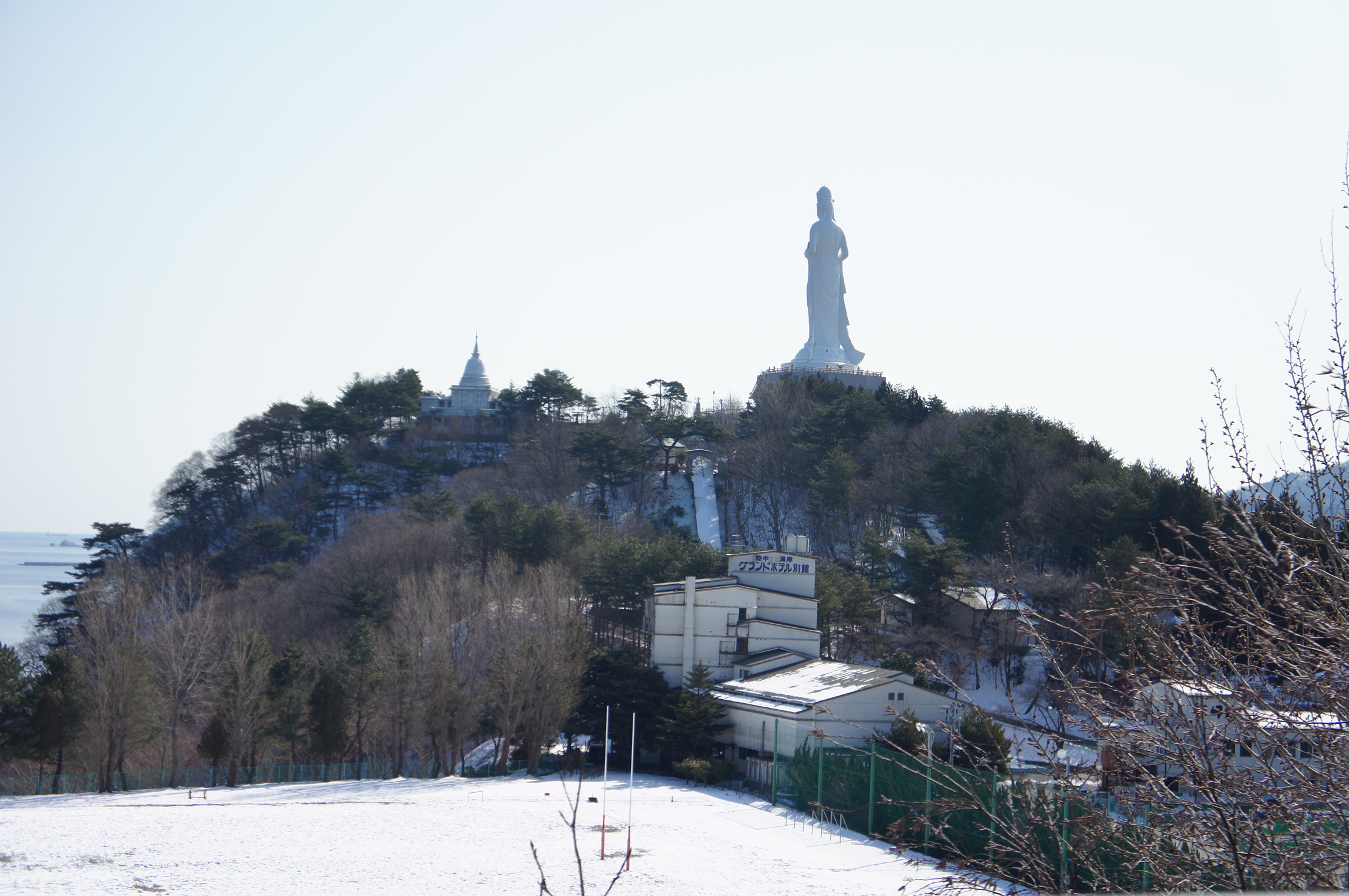
High above the city, visible from almost anywhere in Kamaishi, stands the Daikannon — a 48.5-meter (159-foot) concrete statue of the Buddhist bodhisattva Kannon, goddess of mercy. Completed in 1970, the Kamaishi Daikannon was built as a symbol of the city’s seafaring heritage and the protection of fishermen who headed out into the often treacherous Pacific. The base of the statue contains nine floors of religious exhibits, and you can climb to the head of the figure for panoramic views over the city, harbor, and coastline.
The statue is operated by a nearby Buddhist temple (Reisenji) and entry costs around ¥500 / $3.50. The climb through the interior is dim and atmospheric — each floor contains religious artworks, wooden deity carvings, and photographs documenting the statue’s construction. Reaching the viewing platform at the top, with the city spread below you and the Pacific glittering beyond, is a genuinely memorable experience. The statue is about a 20-minute walk from Kamaishi Station, or a short taxi ride.
One detail that strikes many visitors: the Daikannon’s feet are at roughly the same level as the tsunami inundation line in 2011. The waves reached the base of the hill on which the statue stands. The goddess of mercy, in other words, watched over the city as the disaster unfolded below. Many locals regard this as profoundly significant.
The Hashino Iron Mining and Smelting Site
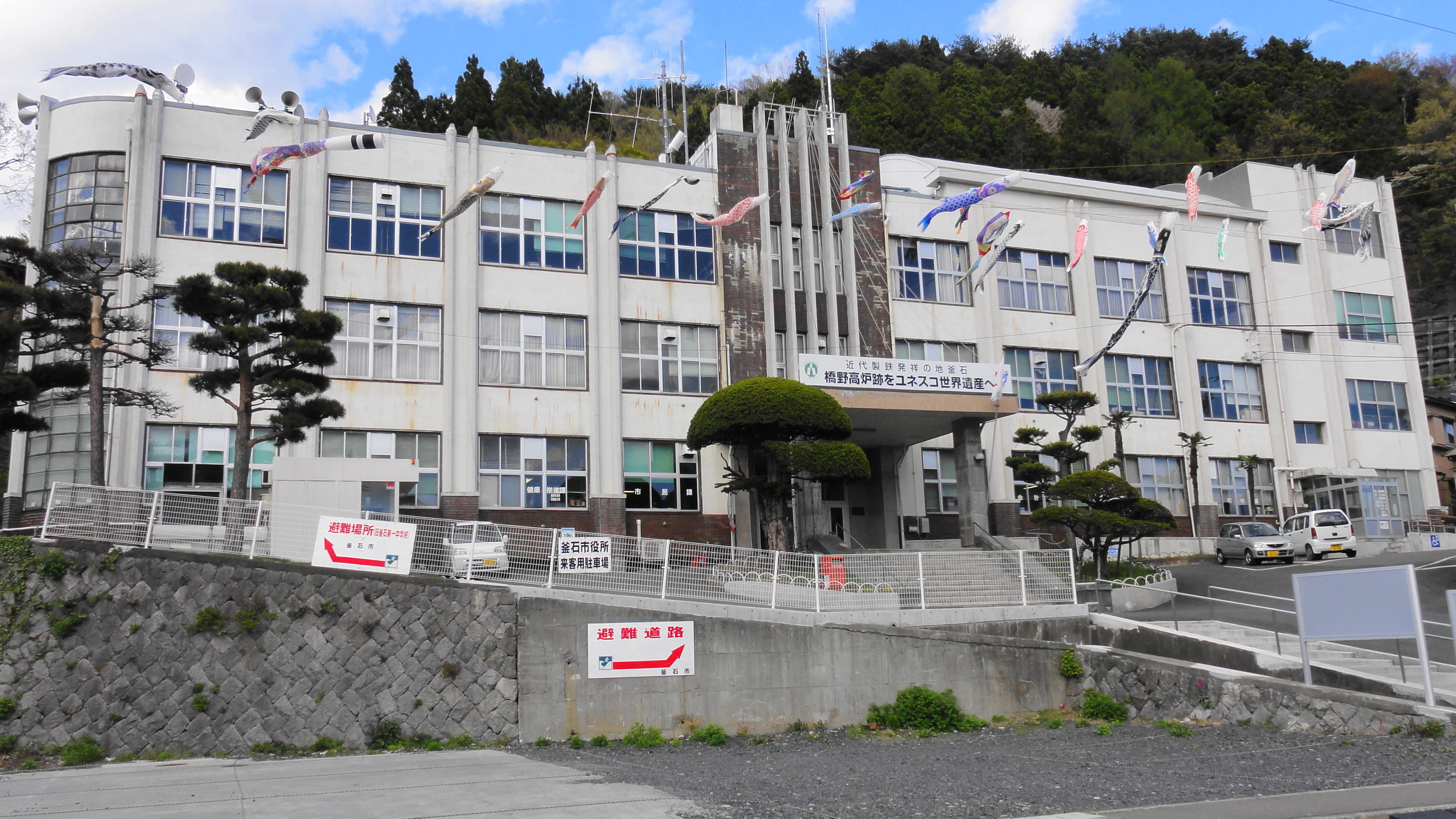
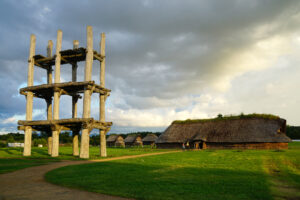
Kamaishi’s industrial heritage is as significant as its natural scenery. In 1857, just before the Meiji Restoration, Japan’s first Western-style blast furnace was constructed in Hashino, a small valley about 7 kilometers (4.5 miles) from central Kamaishi. This was a radical moment in Japanese history: a country that had been closed to foreign influence for over 200 years was secretly adopting Western steel-making technology. The Hashino Iron Mining and Smelting Site is now designated as a component of the Meiji Industrial Revolution World Heritage Site, inscribed by UNESCO in 2015.
The Hashino site consists of three preserved blast furnace ruins in a forested valley, along with explanatory displays (Japanese only, but the ruins are striking enough to be worthwhile regardless). The ironwork tradition that began here eventually evolved into the massive Nippon Steel works that once dominated Kamaishi’s harbor — and into the steel company that sponsored the dominant rugby team. Understanding this connection between the 19th-century ironworks, 20th-century industrial identity, and 21st-century community resilience gives the city a coherence that rewards a curious visitor.
Entry to the Hashino site is free. A small museum nearby (modest entry fee of ¥300 / $2) has displays on the site’s history and significance. Access by car is straightforward; public transport is very limited.
The Sanriku Coast: Seafood, Coastlines & the Scenic Railway
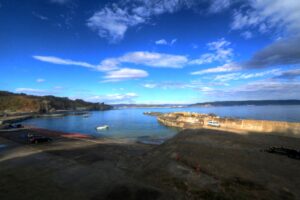
Kamaishi sits at the heart of the Sanriku coast — one of the most ecologically productive and visually dramatic stretches of Pacific coastline in the world. The jagged rias (flooded valleys) that characterize this coast create sheltered bays and inlets where cold, nutrient-rich Oyashio currents meet warmer waters from the south, producing exceptional conditions for seafood: urchin, abalone, oysters, sea cucumber, and some of the finest scallops in Japan.
Local fishing boats land their catch at Kamaishi’s fish market (Kamaishi Uoichiba), and a cluster of restaurants near the harbor serve breakfast-and-lunch kaisendon (seafood rice bowls) that are as good as anything you’ll eat on this coast. A generous seafood bowl costs around ¥2,000–¥3,500 / $14–$24. The uni (sea urchin) season runs roughly June through August — if you’re visiting in summer, this is mandatory eating.
For coastal exploration beyond the city, the Sanriku Railway offers one of the most rewarding train journeys in Tohoku. The tracks hug the clifftops, dive into tunnels, and emerge over dramatic viaducts above the Pacific — providing views that are simply not accessible by road. A one-way trip north to Miyako (passing Jodogahama Beach along the way) or south to Sakari takes 1–2 hours and is worth doing purely for the scenery. Window seats on the ocean side fill up quickly on weekends.
Disaster Prevention Learning (Tsunami Awareness Tourism)
Kamaishi has developed a form of tourism that is unique in Japan and genuinely important: structured visits to learn about tsunami preparedness, recovery, and the community’s response to the 2011 disaster. This isn’t disaster tourism in a voyeuristic sense — it’s a thoughtfully designed educational program that has been recognized internationally for the lives it may save in the future.
The “Kamaishi’s Miracle” — the successful evacuation of nearly all 3,000 students from local schools during the disaster — has been studied by emergency management professionals worldwide. The children acted on their training instinctively, helping elderly neighbors and leading younger students to higher ground without waiting for instructions. The program that saved those children is now documented at the Recovery Memorial Stadium and taught in schools across Japan and internationally.
Several local organizations offer guided tours that include visits to tsunami markers (stone monuments indicating the height of historic and 2011 waves), the stadium memorial area, rebuilt neighborhoods, and conversations with community members who experienced the disaster. These tours (typically ¥2,000–¥4,000 / $14–$27 per person, usually in Japanese but with advance notice some operators can accommodate English-speakers) provide context that transforms a pleasant coastal visit into something much more meaningful. Contact the Kamaishi City Tourist Association for current operators.
Best Time to Visit Kamaishi
- Spring (April–May): Cherry blossoms arrive in Kamaishi in mid-April, and the hillsides above the city bloom beautifully. The sea is still cold but fishing is active. May is ideal — warm enough to be comfortable (15–20°C / 59–68°F), crowds are minimal, and the coastal scenery is at its most vibrant.
- Summer (June–August): The best season for sea urchin and other shellfish. Temperatures are mild (20–28°C / 68–82°F) compared to inland Japan, as the Pacific moderates the heat. The Sanriku Railway runs extra scenic services. Late August brings local summer festivals.
- Autumn (September–November): Forest colours peak in mid-October, particularly spectacular on the hillsides above the Kamaishi Line railway. Fishing is excellent through October. The weather is cool and clear — ideal for coastal hiking.
- Winter (December–February): Cold (3–10°C / 37–50°F) with occasional snow, but the Pacific coast rarely sees the heavy snowfall that blankets the interior. Winter is oyster season — local oysters are exceptional in November through February. Fewer tourists, very authentic atmosphere.
Where to Eat: Kamaishi Food Guide
Seafood Rice Bowls (Kaisendon) near the Harbor
Several restaurants near Kamaishi Port serve fresh morning kaisendon — generously piled rice bowls topped with seasonal seafood. Hamachidori (浜千鳥) near the fish market is popular with local fishermen for its affordable and generous sets (from ¥1,500 / $10). Sea urchin, salmon roe, and local white fish are typical ingredients. Open from 7am, closes when sold out.
Kamaishi Ramen
Kamaishi has its own local ramen style — a clear, slightly soy-based broth with thin noodles and a simple arrangement of chashu pork and menma (bamboo shoots). It’s not as famous as Kitakata or Sapporo ramen, but genuinely good and deeply local. Oishii Ramen near the station area serves reliable bowls from ¥700 / $5. The broth reflects the same clean, umami-rich flavors that define Sanriku coast cooking.
Fresh Oysters at Kamaishi Fish Market
The Kamaishi fish market occasionally holds public sales and tasting events, particularly in winter oyster season. Local oysters, plump and rich from the cold Pacific waters, are sold for ¥500–¥1,000 / $3.50–$7 per set of 5–6 pieces. Check the Kamaishi tourist association for event schedules.
Local Sake
Iwate Prefecture produces excellent sake, and Kamaishi has its own local brewery (check for current operating sake bars and restaurants in the city center — the scene has evolved significantly since the 2011 reconstruction). Pair a local Iwate junmai with fresh uni or oysters for the quintessential Sanriku dinner.
Where to Stay
Budget (Under ¥8,000 / $55 per night)
Kamaishi Tsurukami-so and similar small guesthouses offer basic but comfortable accommodation close to the station for around ¥4,000–¥6,000 / $27–$40 per person including breakfast. These family-run properties often serve excellent home-cooked seafood meals. Ask at the tourist office for current operating guesthouses, as the accommodation scene has changed since reconstruction.
Mid-Range (¥8,000–¥20,000 / $55–$135)
Kamaishi Daikwannon Hotel and Business Hotel Kamaishi offer reliable mid-range accommodation near the station, with Western and Japanese-style rooms, free Wi-Fi, and helpful staff. Rates approximately ¥7,000–¥12,000 / $48–$82 per night. Ask at check-in about current tsunami memorial tour operators and local restaurant recommendations.
Luxury (¥20,000+ / $135+)
High-end accommodation in Kamaishi itself is limited, but the Sanriku coast has several exceptional ryokan in neighboring towns. Consider basing yourself at a premium ryokan in Rikuzentakata (30 minutes south, famous for the Miracle Pine) or Miyako (1 hour north), both of which offer kaiseki dinners featuring premium Sanriku seafood, proper rotenburo (outdoor hot spring) baths, and stunning coastal views.
Practical Tips for Visiting Kamaishi
- English signage is limited: More so than in major Tohoku cities. Download translation apps before visiting, and if you want to book disaster prevention tours or learn more about the 2011 history, contact the Kamaishi City Tourist Association in advance (some staff speak English).
- Respect the memorial sites: The city is a living memorial. At tsunami markers, the Recovery Memorial Stadium, and other sites connected to 2011, quiet and respectful conduct is important. Photography is generally permitted but be sensitive — this is not ancient history for local residents.
- The Kamaishi Line is spectacular: Don’t just pass through Kamaishi on this railway — sit by a window and watch. The mountain loop section (Dōnaru Loop) is a genuine engineering wonder and one of the most memorable train experiences in Japan.
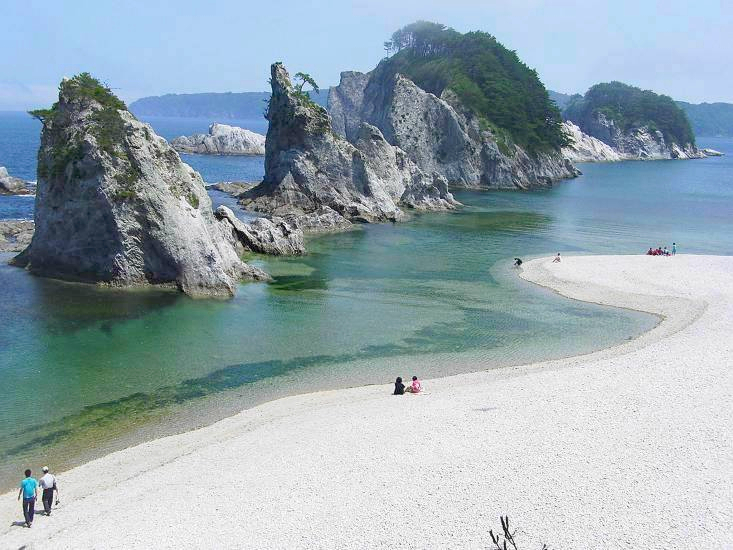
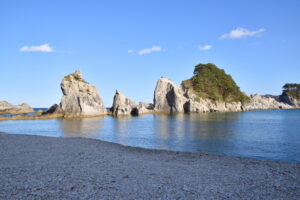
- Combine with Jodogahama: Jodogahama Beach near Miyako (1 hour north by Sanriku Railway) is one of the most beautiful beaches in Tohoku — brilliant white rhyolite stone, emerald water, and dramatic sea stacks. It makes an excellent day trip from Kamaishi or a natural next stop on a coastal journey.
- Tide times matter for seafood activities: If you’re planning to visit the fish market or local fishing facilities, morning is essential — by noon, the action is largely over.
- Car travel is highly recommended: To reach the Hashino ironworks, explore rural coastal villages, and access viewpoints above the city, a rental car is very useful. Pick up from Shin-Hanamaki or Morioka and drive to Kamaishi via the scenic Kamaishi Expressway or inland mountain roads.
- Check ahead for rugby matches: If you’re a rugby fan, check whether Kamaishi RC (the reconstructed local team) has a home match during your visit. The atmosphere at local matches is extraordinary — fiercely loyal local support and a deep emotional connection to the sport.
- Tsunami warning drill: Kamaishi holds regular community tsunami drills. If you happen to be in the city when a drill is announced (via loudspeaker in Japanese), follow the same evacuation routes to higher ground. The city takes these drills very seriously — don’t be surprised or alarmed.
Sample 2-Day Kamaishi Itinerary
Day 1: Recovery, History & the Rugby Legacy
Morning: Arrive by Kamaishi Line from Shin-Hanamaki. Walk to the harbor fish market area for a fresh seafood breakfast bowl (7–9am). Pick up a rental car if planned.
10:00am: Visit the Kamaishi Recovery Memorial Stadium. Spend 1.5 hours at the stadium memorial section, reading about “Kamaishi’s Miracle” and the stories of the people who rebuilt this community around this ground.
12:00pm: Lunch at a harbor-front seafood restaurant. Uni don if in season (June–August), oysters if in winter (November–February).
2:00pm: Drive or taxi to the Kamaishi Daikannon. Climb through the statue’s interior floors, emerge at the viewing level, and look out over the city and Pacific.
4:00pm: Walk through the rebuilt city center. Visit local shops and the tsunami marker stones that show the 2011 wave heights alongside historic markers from earlier disasters. The comparison is sobering and instructive.
7:00pm: Dinner at a restaurant serving Kamaishi ramen and local sake.
Day 2: Industrial Heritage, Coastline & Scenic Railway
8:30am: Drive to the Hashino Iron Mining and Smelting Site (about 20 minutes by car). Explore the blast furnace ruins and UNESCO World Heritage Site component. Allow 1–1.5 hours.
10:30am: Return to Kamaishi Station. Board the Sanriku Railway northbound toward Miyako. Ride to Jodogahama Beach (approximately 1 hour) and spend 2 hours exploring this extraordinary white-stone beach. Swim in summer; walk the trails in spring and autumn.
1:30pm: Lunch in Miyako (seafood rice bowl at a local restaurant near Jodogahama).
3:00pm: Return by Sanriku Railway to Kamaishi, appreciating the coastal scenery from the opposite window. Depart by Kamaishi Line toward Shin-Hanamaki for shinkansen connection back to Tokyo.
Related Articles You Might Enjoy
- Rikuzentakata, Iwate: The Miracle Pine, Japan’s Tsunami Memorial & a Story of Extraordinary Resilience
- Hiraizumi UNESCO World Heritage Guide: Iwate’s Golden Ancient Capital
- Nanbu Tekki: The Complete Guide to Morioka’s Traditional Iron Casting Experience
- Sanriku Coast: Tohoku’s Dramatic Pacific Coastline, Seafood & Stories of Resilience
- Tohoku’s Pacific Coast Road Trip: The Ultimate Sanriku Rias Coast Drive
Final Thoughts
Kamaishi won’t dazzle you with ancient temples or neon-lit streets. It won’t offer the manicured perfection of Kyoto or the buzzing energy of Tokyo. What it will give you is something harder to find and ultimately more valuable: genuine human connection, authentic community, and the profound experience of seeing what people can build when they refuse to accept defeat.
This city has earned its story many times over. The ironworkers who built Japan’s first Western furnace here in 1857, the rugby players who became national champions while representing a steel town in the 1980s, the schoolchildren who saved themselves and their neighbors in 2011, the thousands of residents who chose to stay and rebuild — all of them have contributed chapters to a story that is still being written. When you visit Kamaishi, you become a small part of that story too. That connection is worth a lot.
Got questions about planning your Tohoku trip, or spotted something we missed? We’d love to hear from you — drop us a message here.

コメント