If you’ve ever wrapped your hands around a heavy iron teapot and felt an almost meditative calm wash over you, you already understand why Nanbu Tekki has captured hearts around the world. Made in Morioka, the charming castle town that anchors Iwate Prefecture in northern Japan, these cast-iron masterpieces are not just kitchenware — they are 400-year-old living art that you can actually use every single day.
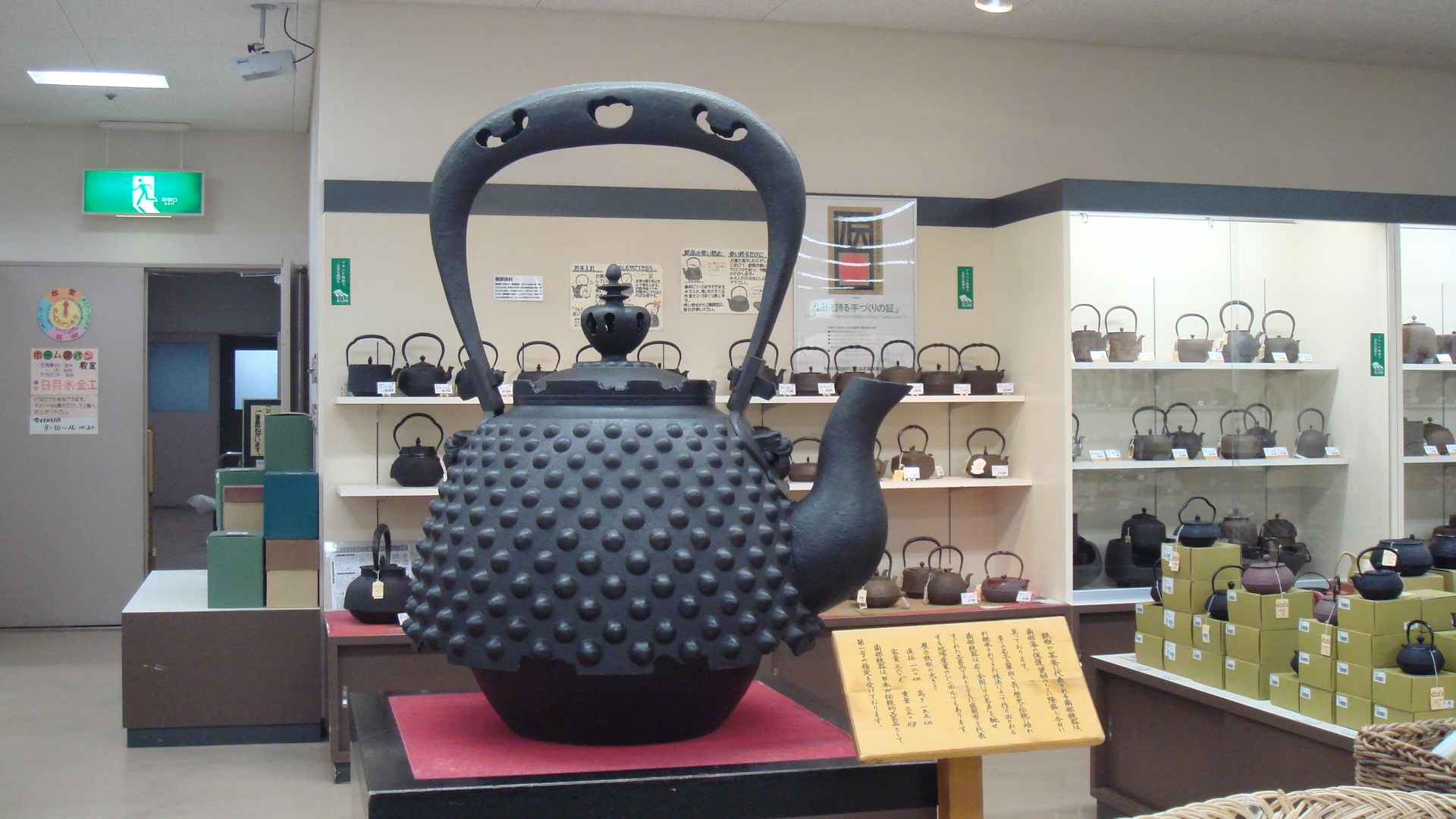
Why Nanbu Tekki Should Be on Every Japan Itinerary
There is something profoundly satisfying about holding a piece of Nanbu Tekki. The weight is reassuring. The texture — a carefully worked pattern of tiny bumps and ridges — is tactile in a way no modern product quite matches. And the knowledge that the craftsperson who made it trained for years, perhaps decades, to achieve that level of precision adds a layer of meaning that mass-produced goods simply cannot replicate.
Nanbu Tekki (南部鉄器) literally translates as “Southern-clan ironware,” named for the Nanbu clan who ruled over this region for centuries. Today it is one of Japan’s most recognizable traditional crafts, recognized as a national traditional craft product (densan) and exported to over 40 countries. You will find Nanbu Tekki teapots in the kitchens of Michelin-starred restaurants in Paris, in the studios of design-conscious New Yorkers, and — if you visit Morioka — being demonstrated by craftspeople who have devoted their lives to this ancient art.
For Western travelers, the appeal goes beyond aesthetics. Nanbu Tekki tetsubin (iron kettles) actually improve your water quality: the iron leaches trace amounts of ferrous iron into your tea water, giving it a slightly rounder, smoother taste. Serious tea enthusiasts in Japan have known this for centuries. Now the rest of the world is catching on. Coming to Morioka to buy directly from artisans — or even participate in a casting workshop — puts you at the source of something genuinely special.
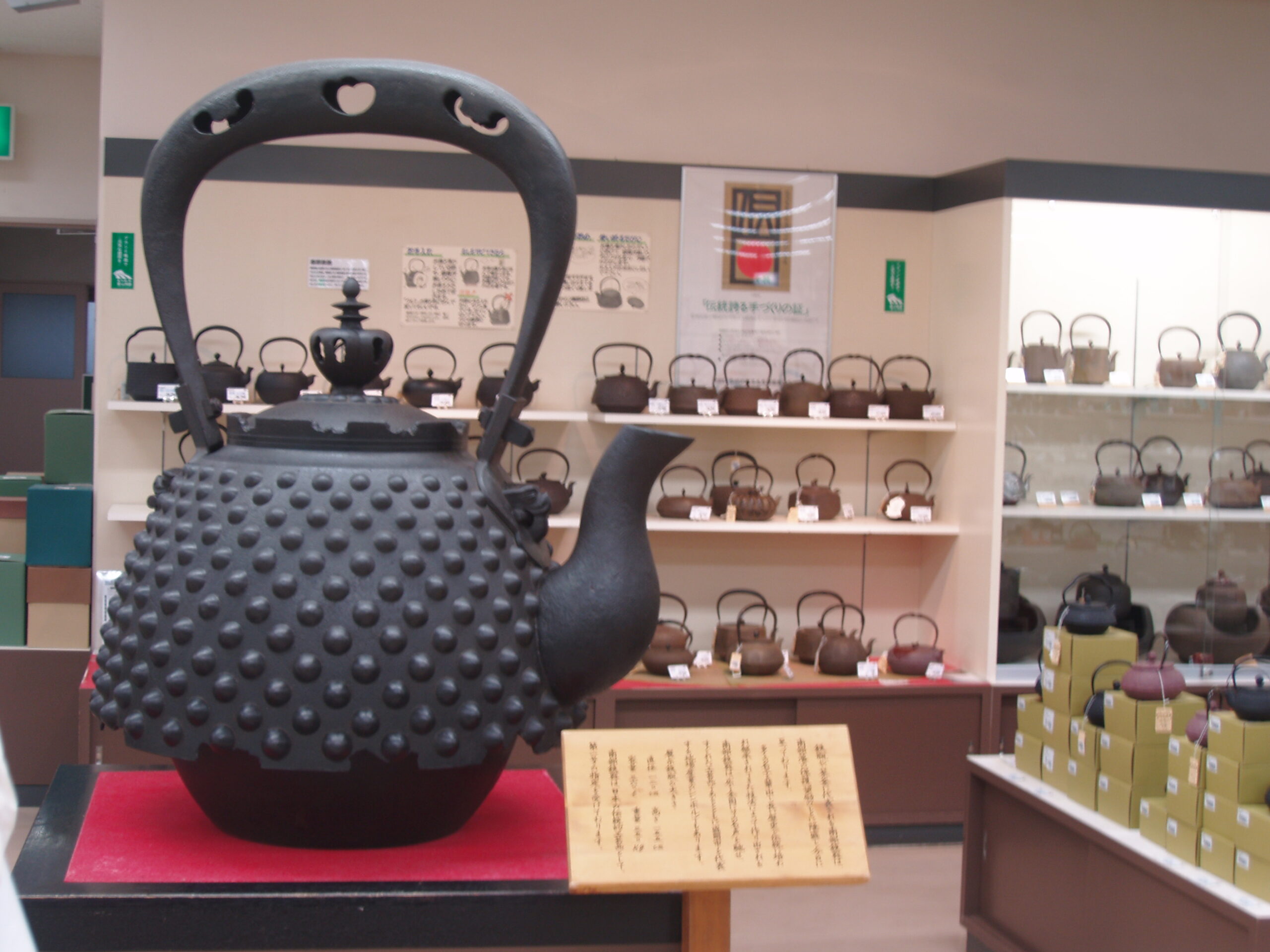
The 400-Year Story of Nanbu Tekki
The story of Nanbu Tekki begins in 1659, when the second lord of the Nanbu clan — Naohiro Nanbu — invited a famous kettle craftsman from Kyoto to Morioka to create ceremonial tea utensils for his court. Tea ceremony was high art in Edo-period Japan, and only the finest equipment would do for a powerful daimyo. The craftsman settled in Morioka, and the tradition he started has continued unbroken for over 360 years.
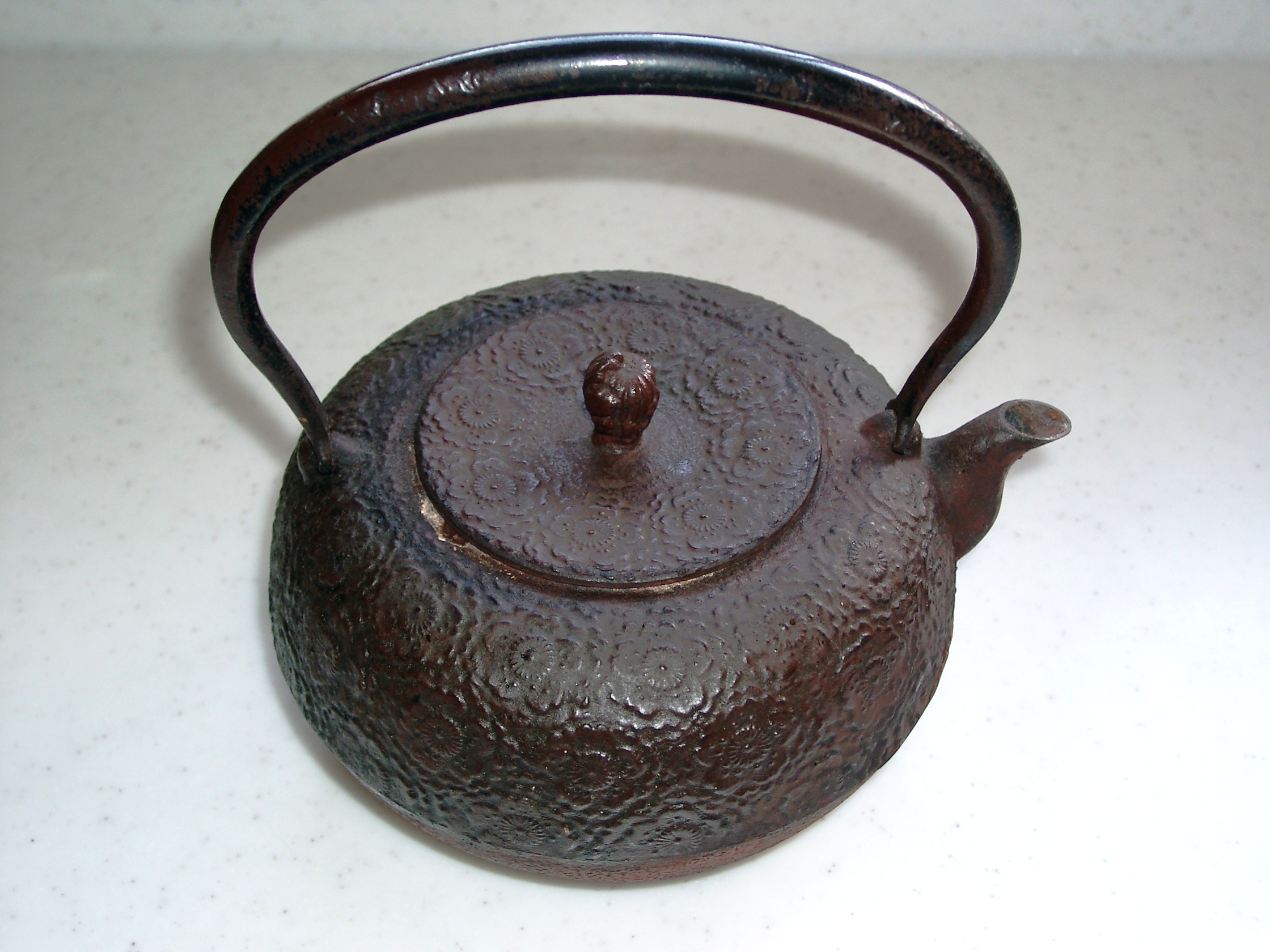
By the 18th century, Morioka’s ironworkers had developed a distinctive style: intricate surface patterns (known as kime) achieved through the careful preparation of the mold, a deep black finish produced by a lacquering and firing process, and a heaviness and solidity that signaled permanence. The most traditional patterns include arare (a hailstone-dot pattern), nambu arare, and more elaborate designs featuring pine needles, chrysanthemums, and dragonflies.
Alongside tetsubin, craftspeople made cast-iron pots (tetsu-nabe) for cooking, wind chimes, lanterns, and decorative items. The tradition split between Morioka and Mizusawa (now part of Oshu City further south in Iwate), with each developing slight regional variations. Today, pieces made in both locations are considered authentic Nanbu Tekki and bear the government’s certification mark.
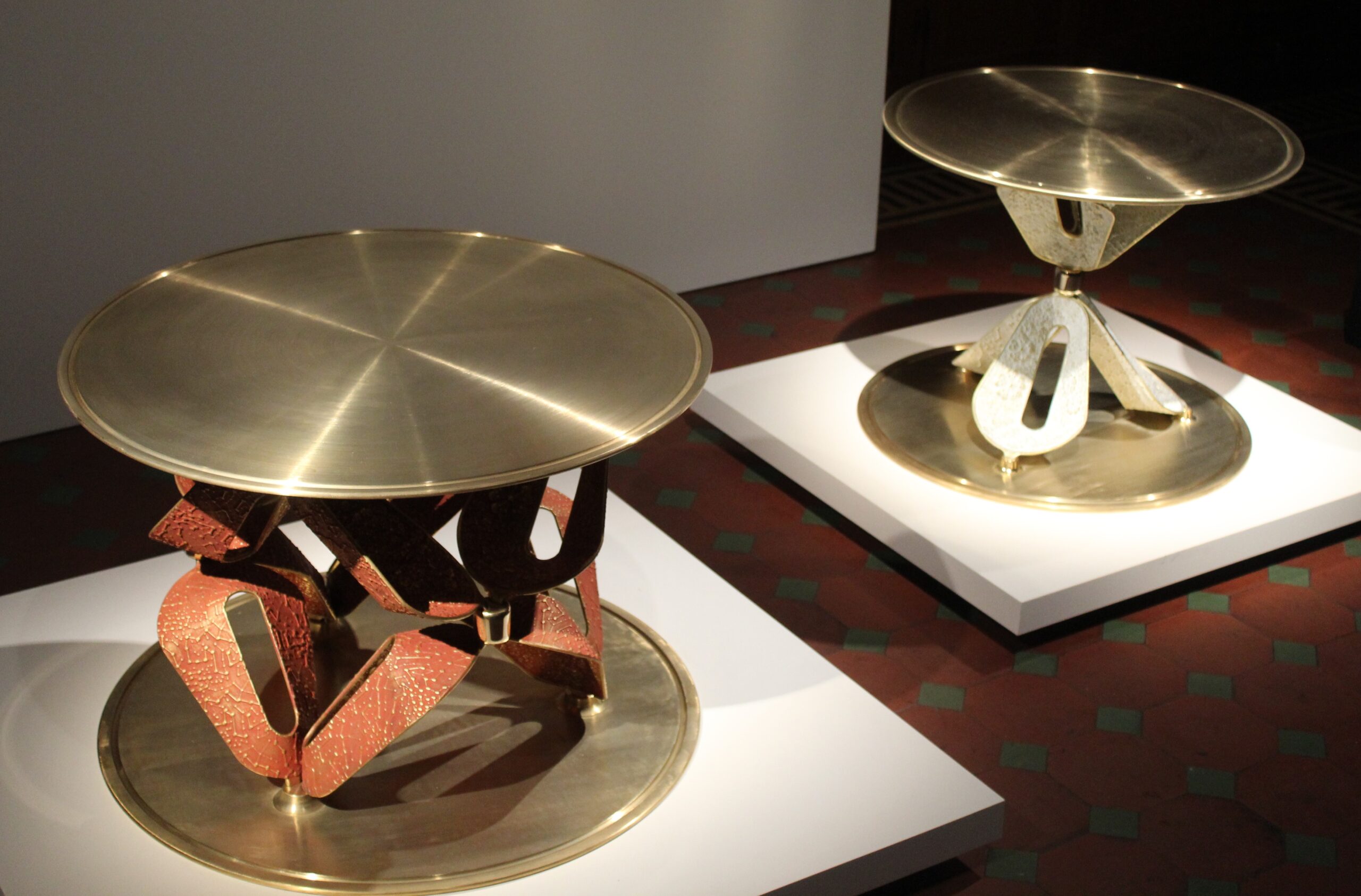
The 20th century brought challenges: cheaper aluminum cookware flooded the market, young people migrated to cities, and the painstaking apprenticeship system that produced master craftspeople began to thin. But the craft survived, partly through government recognition as a national traditional craft in 1975, and partly through an unlikely global moment in the 2000s when design-conscious buyers in Europe and North America began importing Nanbu Tekki teapots as luxury kitchen objects. Today, forward-thinking workshops collaborate with international designers — like the striking Blossom Links collection created with designer Michael Young — while maintaining their traditional techniques.
Getting to Morioka
- Shinkansen from Tokyo: The Tohoku Shinkansen (Hayabusa or Hayate service) runs directly to Morioka Station in just 2 hours and 10 minutes. Tickets cost around ¥15,000–¥17,000 ($100–$115) one way; a JR Pass covers this route entirely, making Morioka one of the best-value JR Pass destinations in Tohoku.
- Shinkansen from Sendai: If you are already in Sendai, a shinkansen to Morioka takes about 35 minutes and costs roughly ¥6,000 ($40). Very easy half-day or day trip.
- Highway bus from Tokyo: Overnight buses depart from Shinjuku and arrive at Morioka Bus Center the next morning. Expect to pay ¥4,000–¥8,000 ($27–$55) depending on the season and seat type. The 6–7 hour journey is a budget-friendly option if you are comfortable sleeping on a bus.
- Rental car: Driving from Tokyo takes about 6–7 hours via the Tohoku Expressway. Within Morioka itself, most Nanbu Tekki shops and workshops are walkable from the city center, so a car is useful mainly for combining with other Iwate destinations.
The JR Pass is excellent value for a Tohoku trip that includes Morioka. If you are combining Morioka with other shinkansen destinations like Hiraizumi, Sendai, or Aomori, the pass quickly pays for itself.
Where to Experience and Buy Nanbu Tekki in Morioka
Morioka has several places where you can see, buy, and even make Nanbu Tekki — here is a breakdown of the best options depending on your interests and budget.
Morioka Handi-Works Square (盛岡クラフト村 / Morioka Handwork Square)
This is your single most important destination for Nanbu Tekki in Morioka. Located about 10 minutes by taxi from Morioka Station (around ¥1,500 / $10), the complex houses multiple craft studios and workshops. You can watch ironworkers casting and finishing pieces in real time, browse an enormous selection of finished products from dozens of artisans, and pick up pieces at prices ranging from ¥2,000 ($14) for small accessories to ¥80,000 ($550) or more for large ceremonial tetsubin. The knowledgeable staff at the sales floor can explain the difference between Morioka and Mizusawa styles, help you understand surface patterns, and advise on care and seasoning of your pieces. Open daily from around 9:00 am to 5:30 pm. Admission is free.
Nanbu Tekki Center (南部鉄器センター)
Located in central Morioka near the Old Prefectural Government Building, this is a more compact showroom focused on high-quality Nanbu Tekki. It is an excellent first stop to understand what you are looking at before you commit to buying anything. The center carries works from the major certified workshops and can provide authenticity certificates for pieces purchased as gifts or for export. Prices here tend to reflect the premium certified artisan workshops rather than the full range of the market.
Individual Studio Workshops
Morioka has several independent ironworking studios where you can visit and make purchases directly from the craftspeople. Two names to look for are Iwate Kenmoku (岩手県目工) and the family-run workshops in the Konyacho and Teramachi districts of old Morioka. Walking through these historic merchant districts with their stone walls, tiled rooftops, and craft signs is one of Morioka’s great pleasures.
Nanbu Tekki Workshop Experiences
One of the most memorable things you can do in Morioka is actually participate in an ironworking experience. These range from simple painting-and-finishing sessions suitable for children to more involved casting experiences for serious craft enthusiasts.
Iron Wind Chime Painting Experience (鉄風鈴絵付け体験)
The most popular entry-level experience: you take a pre-cast iron wind chime and paint it with traditional Japanese motifs — cherry blossoms, dragonflies, geometric patterns. Takes about 45 minutes, costs ¥1,500–¥2,500 ($10–$17), and you take your creation home (allow 30 minutes drying time). Widely available at the Morioka Handi-Works Square. No reservation required for most days; weekends and holidays can get busy, so arrive early.
Iron Casting Workshop (鋳物体験)
For a more immersive experience, the actual casting workshops allow you to pour molten iron into a mold and create a small piece — typically a netsuke charm, a small dish, or a decorative item. These experiences take 1.5–2 hours, cost ¥4,000–¥8,000 ($27–$55), and need advance booking. Your piece will be finished and ready to take home the same day (after cooling and a brief finishing process). Check with the Morioka tourist information office at the station for current workshop schedules, as operating days vary by workshop and season.
Craft Tourism Experiences
Some workshops offer multi-hour immersive experiences where you learn about the full production process — mold preparation, casting, polishing, lacquering — and leave with a deeper appreciation of why these objects are so highly prized. These are best arranged in advance through Morioka tourism operators and typically run ¥10,000–¥15,000 ($68–$102) per person. If you have a genuine interest in Japanese craftsmanship, this is one of the most memorable ways to spend an afternoon in Tohoku.
Understanding Nanbu Tekki: A Buyer’s Guide
Before you spend ¥20,000 ($135) on a teapot, it helps to understand what you are looking at. Here are the key things to know when shopping for Nanbu Tekki.
Tetsubin vs. Kyusu: Know the Difference
A tetsubin is a kettle for boiling water directly over a heat source (traditionally charcoal, today a gas or IH stovetop). It has no interior enamel coating, because the iron oxidizes over time to create a natural mineral coating that prevents rust. You boil water in a tetsubin to make tea in a separate teapot. Kyusu (急須) are iron teapots that come with an interior enamel coating and a stainless steel strainer. You pour hot water into a kyusu to brew tea directly inside it, and you never put a kyusu on a heat source. Both are authentic Nanbu Tekki — just for different purposes. Most Western buyers end up preferring a kyusu for its convenience.
Surface Patterns and What They Mean
The most iconic pattern is arare (霰), the tiny dome pattern that looks like a hailstorm frozen in iron. It is created by pressing rice husks into the clay mold before casting, leaving an impression that transfers to the iron surface. Other traditional patterns include nambu arare (slightly larger dots), matsukawa (pine bark), kikko (hexagonal tortoiseshell), and elaborate relief patterns featuring cranes, plum blossoms, or dragonflies. Each pattern is associated with different wishes — cranes for longevity, pine for resilience — though most buyers today simply choose what appeals to them visually.
Colors and Finishes
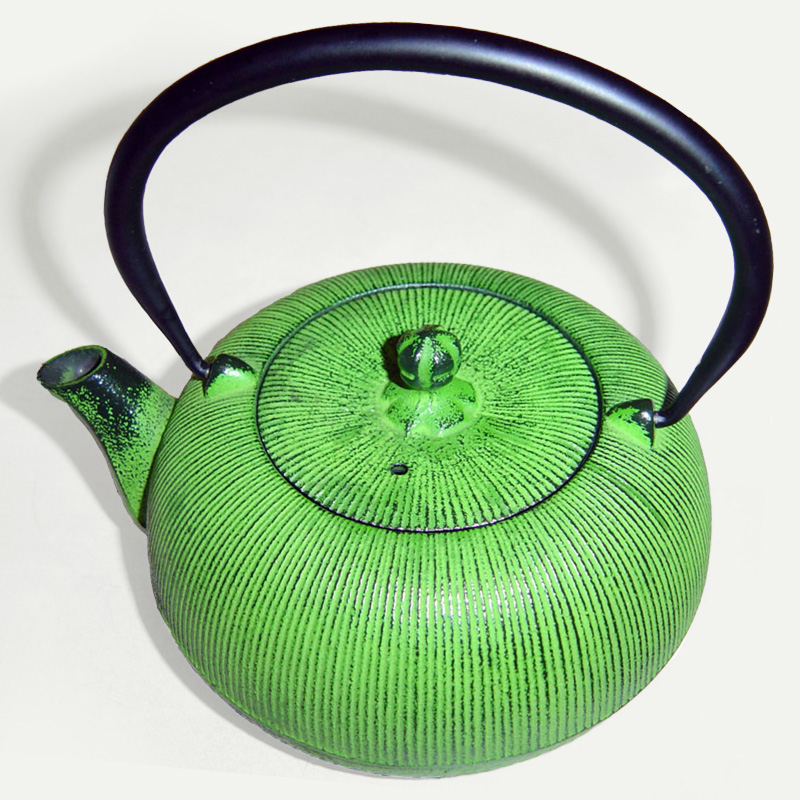
Traditional Nanbu Tekki is finished in matte black or deep charcoal using a combination of urushi lacquer and high-heat treatment. Many contemporary pieces come in red (via iron oxide processes), dark green, brown, and even bright colors for the export market. The matte black finish is the most traditional and most durable. Colored pieces may have slightly different care requirements — check with the seller.
How to Care for Your Nanbu Tekki
A tetsubin needs to be seasoned when new: fill it with water and bring it to a boil three to five times, discarding the water each time. This removes any manufacturing residue and begins building the protective mineral lining. After each use, dry the tetsubin completely over low heat before storing — any remaining water will cause rust on an uncoated tetsubin. Never use detergent inside a tetsubin or kyusu. If you see a little rust, a quick scrub with a soft brush and boiling water usually fixes it. A well-maintained Nanbu Tekki piece will outlast its owner.
Beyond Nanbu Tekki: What Else to Do in Morioka
Morioka is one of Tohoku’s most livable and appealing small cities, and you will want to allow at least one full day here beyond your Nanbu Tekki shopping.
The Famous Noodle Challenge
Morioka is Japan’s most famous noodle city, with three entirely distinct noodle traditions that are worth sampling in a single day. Wanko soba is the theatrical all-you-can-eat experience: servers keep refilling your tiny bowl of soba noodles until you place the lid on your bowl to stop them. The record is over 500 servings! Jajamen are thick, wide noodles served with a savory pork-miso topping and diced cucumber — warming, rich, and completely addictive. Morioka Reimen (cold noodles) are a Korean-influenced chewy noodle dish served in a beef broth with watermelon, kimchi, and boiled egg — extraordinary in summer. The central Morioka district around Yanagimachi and Nakanohashi has multiple restaurants serving all three.
Morioka Castle Ruins (盛岡城跡公園)
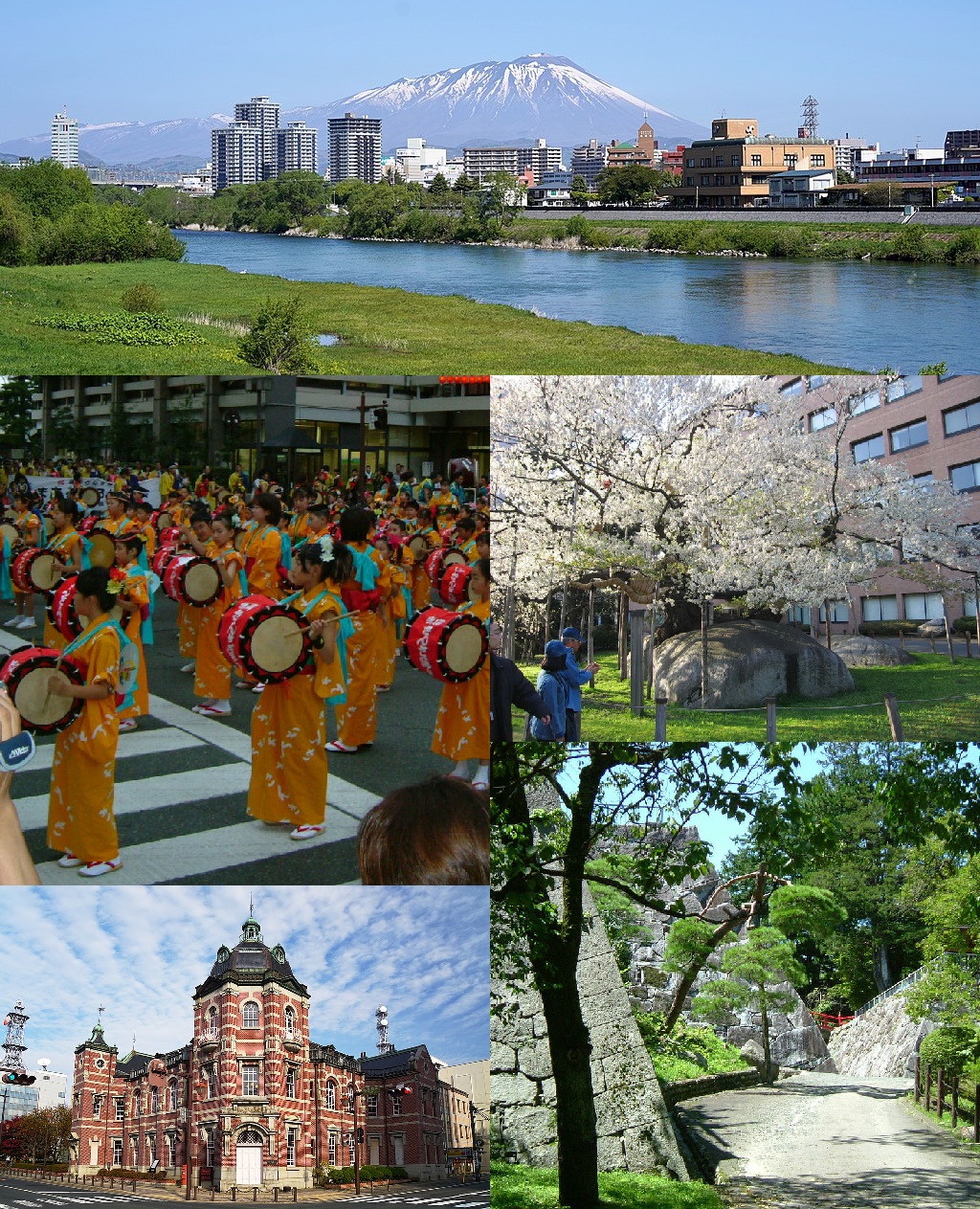
The remains of Morioka Castle — once the seat of the Nanbu clan — sit on a rocky promontory called Kaiganji hill right in the city center, now part of Iwate Koen Park. The castle tower is gone (demolished during the Meiji-era westernization push), but the massive granite walls remain intact and are genuinely impressive, especially when cherry blossoms bloom in April and early May. Free to visit and wonderfully peaceful.
Iwate Museum and Historic Districts
The Iwate Prefectural Museum, about 10 minutes by bus from the station, covers everything from the region’s geological formation through the Jomon period to modern times. The old merchant districts — Konyacho, Zaimokucho, Teramachi — are perfect for slow walking, with traditional townhouse architecture, craft shops, and excellent cafes tucked between the stone walls.
Best Time to Visit Morioka for Nanbu Tekki
- Spring (March–May): Cherry blossom season peaks in late April, and the contrast of pink blossoms against Morioka Castle’s dark stone walls is extraordinary. Workshop experiences tend to be very popular during Golden Week (late April to early May), so book in advance. The Handi-Works Square is fully operational.
- Summer (June–August): Morioka’s heat is milder than Tokyo — typically 25–30°C (77–86°F) — making it a pleasant summer destination. The Sansa Odori Festival in early August fills the streets with drumming, flute-playing, and elaborate costumes. Workshop availability is best in summer.
- Autumn (September–November): Arguably the most beautiful season, with spectacular foliage around Morioka Castle and in the surrounding mountains. The atmosphere in the craft districts is excellent — cool enough for slow wandering, warm enough for outdoor dining.
- Winter (December–February): Cold (often below freezing, sometimes -10°C / 14°F), but magical when snow covers the city. Nanbu Tekki makes wonderful winter gifts. Some outdoor activities are limited, but the craft shops and workshops remain fully open. A hot tetsubin of tea after a snowy walk through the old districts is one of Japan’s great pleasures.
Where to Eat in Morioka
Azumaya (あずまや) — Wanko Soba
The most famous wanko soba restaurant in Morioka, operating since 1907 in a beautiful old building near Morioka Station. The all-you-can-eat wanko soba experience costs around ¥3,800 ($26) per person and typically lasts 20–30 minutes. They also offer set meals with regular-portion soba at ¥1,200–¥2,000 ($8–$14) if you want the experience without the competitive eating pressure. Reservation recommended for weekends.
Pairon (パイロン) — Jajamen
The originator of jajamen noodles and still regarded as the gold standard. Located in the Zaimokucho old town area, near the stone wall cherry tree. A bowl of jajamen costs around ¥700–¥1,000 ($5–$7) and the portions are generous. Ask for “chitan” at the end — the staff will add egg and broth to the sauce at the bottom of your bowl to make a warming soup.
Pyon Pyon Sha (ぴょんぴょん舎) — Morioka Reimen
The definitive Morioka Reimen experience, operated by a Korean-Japanese family since the 1970s. The chewy noodles in cold beef broth with watermelon or Asian pear, kimchi, and a soft-boiled egg are revelatory in summer. Main dishes run ¥1,100–¥1,800 ($7–$12). The flagship location is near Morioka Station.
Nanbu Sembei Okina (南部煎餅翁) — Traditional Snacks
No visit to Morioka is complete without Nanbu Sembei — thin, crispy crackers made with sesame seeds or peanuts that are Iwate’s most iconic snack. This famous shop sells them fresh and offers gift-wrapped boxes perfect for souvenirs. A bag of mixed sembei costs ¥600–¥1,500 ($4–$10).
Where to Stay in Morioka
Budget (Under ¥8,000 / $55 per night)
Morioka has several well-reviewed business hotels and guesthouses near the station. Toyoko Inn Morioka Ekimae is a reliable chain option at ¥5,500–¥7,500 ($37–$51) per room, with an included Japanese breakfast. Morioka Youth Hostel offers dormitory beds from ¥3,200 ($22) and is conveniently located near the castle.
Mid-Range (¥8,000–¥20,000 / $55–$135)
Hotel Metropolitan Morioka is attached to Morioka Station and offers comfortable rooms from ¥12,000 ($82) per night, with excellent views of the surrounding mountains in the higher floors. Dormy Inn Morioka is another solid mid-range option with a natural onsen bath on the premises — after a day of craft shopping, soaking in hot spring water is exactly what you need.
Luxury (¥20,000+ / $135+)
Hotel Metropolitain Morioka New Wing offers superior rooms with mountain views from ¥22,000 ($150) per night. For a truly local luxury experience, some traditional ryokan (Japanese inns) in the Hanamaki Onsen district (about 45 minutes by train from Morioka) offer kaiseki meals and open-air hot spring baths for ¥30,000–¥50,000 ($200–$340) per person including dinner and breakfast.
Practical Tips for Visiting Morioka
- How to get around: Morioka’s central area is very walkable. The Morioka City Loop Bus (“Denden Mushi”) circles the main tourist sites every 20–30 minutes for ¥130 ($0.90) per ride or ¥500 ($3.40) for a day pass. Taxis are affordable by Japanese standards.
- Shipping your Nanbu Tekki home: Every serious Nanbu Tekki shop will offer international shipping — important since tetsubin are heavy and fragile. Expect to pay ¥2,000–¥6,000 ($14–$41) for shipping to North America or Australia depending on weight. Ask about EMS (Japan Post Express Mail Service) for tracking and speed.
- Tax-free shopping: As a foreign visitor, you qualify for consumption tax exemption (currently 10%) on purchases over ¥5,000 ($34) at participating shops. You will need to show your passport. Most Nanbu Tekki shops participate in the tax-free program.
- Authenticity certificates: For high-end purchases, ask for a certificate of authenticity (chosaijo) from the Japan Nanbu Tekki Cooperative. This documents the craftsperson’s name, workshop, and pattern, and adds value if you ever wish to sell or gift the piece.
- English signage: Morioka has improved its English-language tourism significantly in recent years. The main Nanbu Tekki shops all have at least some English-speaking staff or translated product descriptions. The tourist information center at Morioka Station has English maps and can help arrange workshop bookings.
- Combining with Hiraizumi: The UNESCO World Heritage site at Hiraizumi — Japan’s “Northern Kyoto” with its spectacular gilded temple Konjikido — is just 45 minutes south of Morioka by shinkansen. An excellent two-day itinerary combines Morioka (crafts and noodles) with Hiraizumi (history and temples).
- Card payments: Major Nanbu Tekki shops accept Visa and Mastercard, and some accept WeChat Pay and Alipay. Smaller workshops may be cash only, so carry some yen. Morioka Station has an ATM that accepts international cards.
- Time to allow: Allow at least half a day for serious Nanbu Tekki shopping and a workshop experience. Most visitors find they spend more time than planned — once you start talking to the craftspeople about their work, hours pass quickly.
Sample One-Day Morioka Itinerary (Focused on Nanbu Tekki)
Morning
Arrive at Morioka Station on the morning shinkansen from Tokyo (depart around 7:00 am, arrive around 9:15 am). Pick up a tourist map from the information center and take the loop bus or a short taxi to the Morioka Handi-Works Square for 9:30 am opening. Spend 1–2 hours browsing the showroom, talking to craftspeople, and watching demonstrations. Choose your Nanbu Tekki pieces (budget ¥10,000–¥30,000 / $68–$205 for a quality tetsubin or kyusu).
Midday
Back to the city center by noon. Stop at the stone wall cherry tree (if visiting in April–May) for photos — a massive cherry tree growing straight through the stone wall of the former Nanbu clan merchant bank, one of Morioka’s most photographed spots. Lunch at Pairon for jajamen noodles (¥700 / $5). If you pre-booked, join an afternoon iron casting workshop (1:30 pm–3:30 pm).
Afternoon
Walk through the Konyacho and Zaimokucho historic districts for craft shops, small galleries, and coffee. Visit Morioka Castle Ruins (free) for views over the city and river. Optional: stop at the Nanbu Tekki Center for last-minute shopping or certified gift pieces.
Evening
Dinner at Pyon Pyon Sha for Morioka Reimen cold noodles (¥1,500 / $10). Catch the early evening shinkansen back to Tokyo (arriving around 10 pm), or check into your Morioka hotel for a well-earned rest.
Related Articles You Might Enjoy
- Rikuzentakata, Iwate: The Miracle Pine, Japan’s Tsunami Memorial & a Story of Extraordinary Resilience
- Kamaishi, Iwate: Rugby, Resilience & the Sanriku Coast — Complete Travel Guide
- Hiraizumi UNESCO World Heritage Guide: Iwate’s Golden Ancient Capital
- Wanko Soba Challenge in Morioka: Japan’s Most Entertaining Food Experience & the City’s Three Great Noodles
- Morioka Sansa Odori Festival: Japan’s Largest Taiko Drum Festival — Complete Guide for Foreigners
Final Thoughts
Nanbu Tekki is one of those rare things in travel — an authentic encounter with a living tradition that is neither a tourist performance nor a museum exhibit. The craftspeople in Morioka still wake up every morning and do exactly what their predecessors did 350 years ago, because the work is beautiful, the product is meaningful, and someone needs to keep this knowledge alive. Coming to Morioka to buy directly from them — or better yet, to try casting iron yourself — is as close as a traveler gets to truly touching the past.
Take your time. Handle every teapot that appeals to you. Ask the craftspeople about their work. And when you finally carry your Nanbu Tekki purchase home and use it for the first time, you will understand exactly why people have been willing to travel this far, for this long, for a cast-iron kettle.
Got questions about visiting Morioka or planning your Tohoku trip? We would love to help — drop us a message here.

コメント