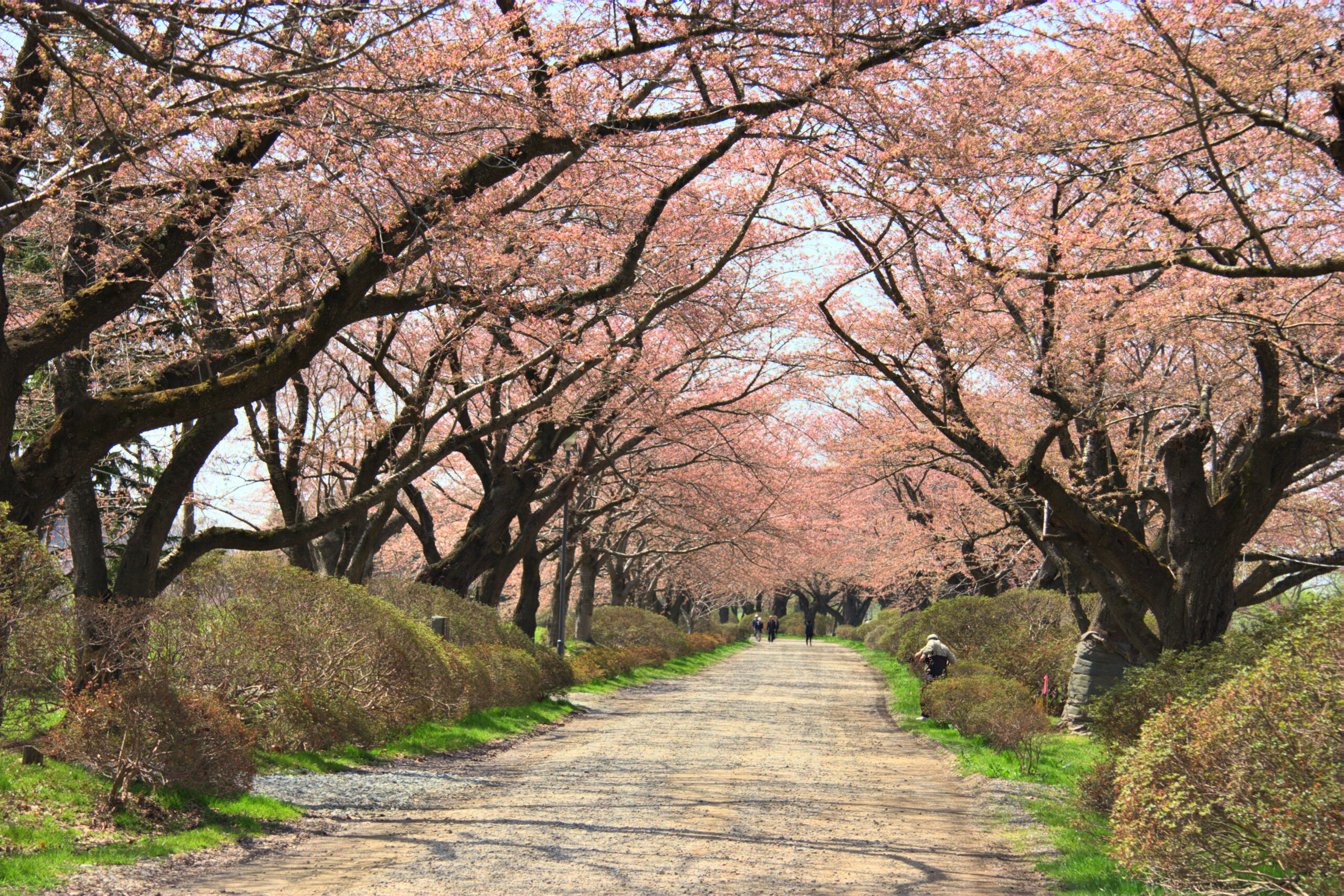
Imagine walking beneath a canopy of 10,000 cherry trees in full bloom, their pale pink petals drifting down like snow onto the glistening waters of the Kitakami River below. Tenshochi Park in Kitakami, Iwate Prefecture, is one of Japan’s most breathtaking — and most overlooked — cherry blossom destinations, offering an intimate, crowd-free alternative to the famous parks of Tokyo and Kyoto that will leave you completely spellbound.
Why Tenshochi Should Be on Every Japan Itinerary
Every year, millions of travelers flock to Ueno Park in Tokyo or Maruyama Park in Kyoto to see Japan’s iconic sakura. But here’s the truth that seasoned Japan travelers know: the best cherry blossom experiences are often found far from the crowds, in places where you can hear the petals falling rather than the chatter of tour groups. Kitakami’s Tenshochi is one of those places.
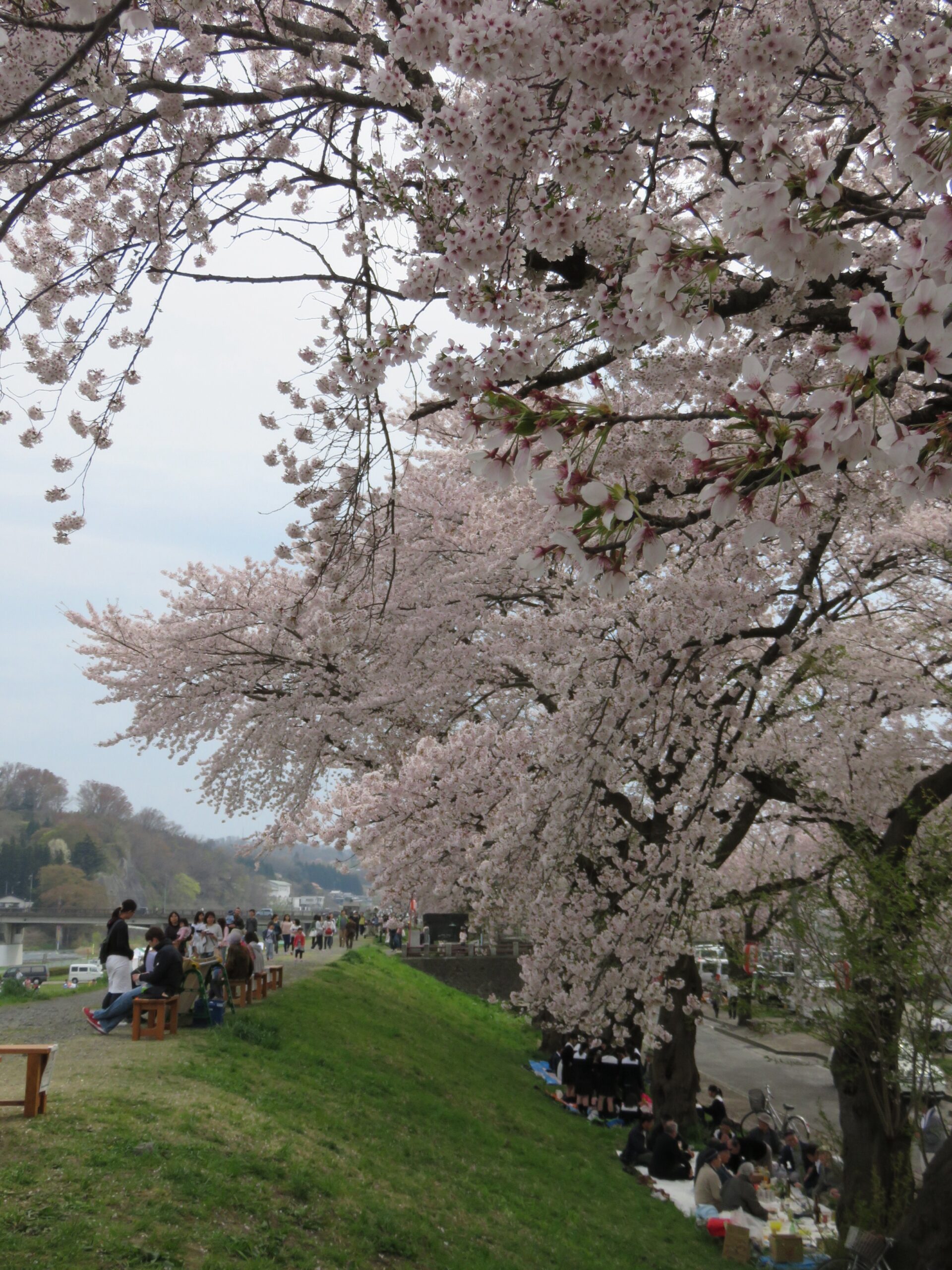
Stretching for approximately 2 kilometers (1.2 miles) along the western bank of the Kitakami River, Tenshochi Park is home to over 10,000 cherry trees, predominantly the classic Somei Yoshino variety. When these trees reach full bloom — typically in late April to early May in this northern latitude — the visual effect is nothing short of magical. The trees form a near-continuous tunnel of blossom along the river, their branches intertwining overhead to create a cathedral of pink and white flowers.
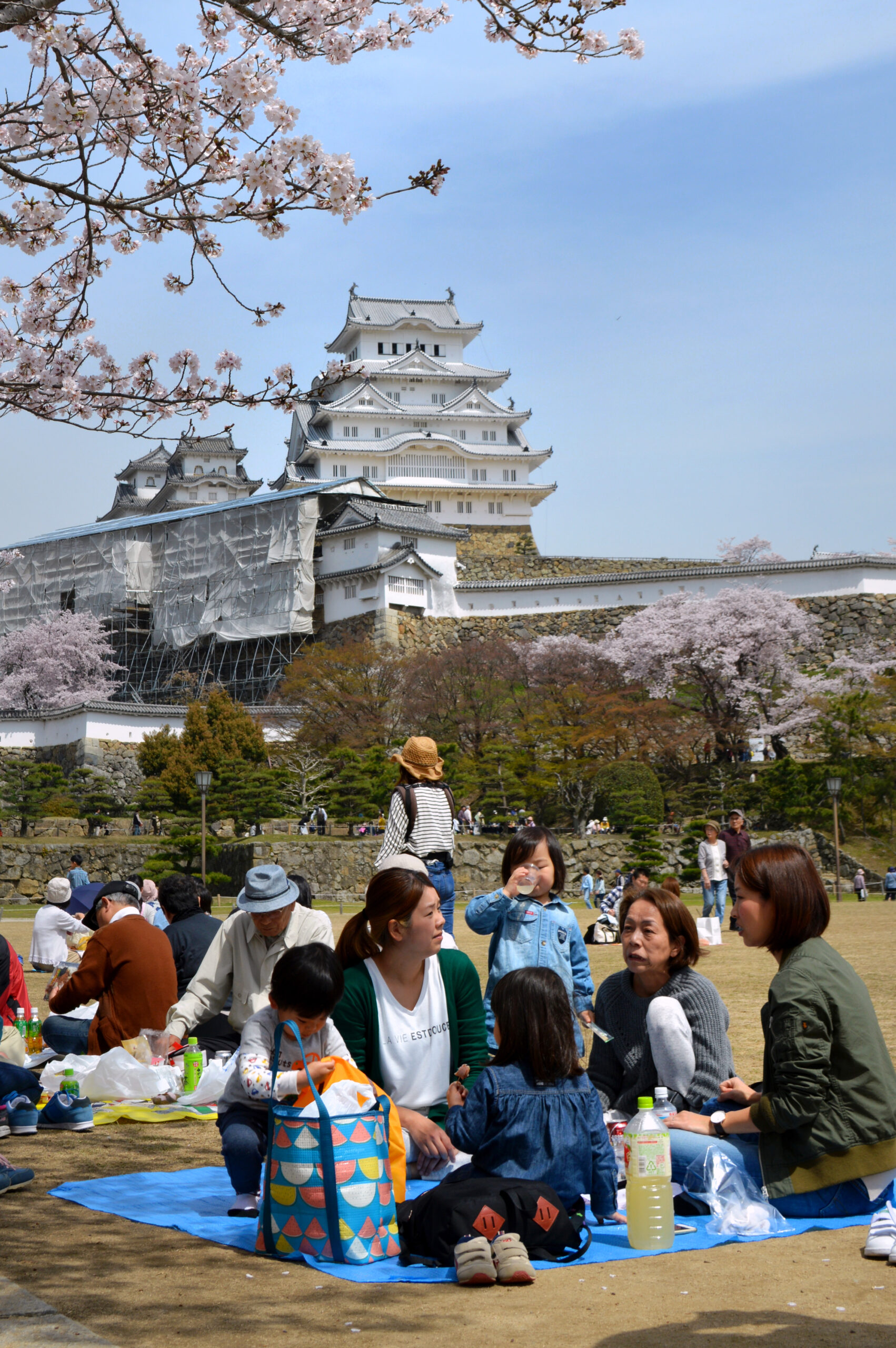
What truly sets Tenshochi apart is its atmosphere. Unlike the heaving crowds of Tokyo’s cherry blossom spots, this park maintains a relaxed, festival-like mood that feels quintessentially Japanese. Local families spread out under the trees for hanami (flower-viewing picnics), vendors sell grilled corn and taiyaki (fish-shaped cakes), and the laughter of children mingles with traditional folk music from nearby stages. For international visitors who want to experience authentic Japanese spring culture — not just photograph it — Tenshochi delivers in ways that the famous spots simply cannot.
Japan’s Tohoku region blooms later than central Japan, which means Tenshochi offers a second-chance window for travelers who missed cherry blossoms in Tokyo or Kyoto. If you’re visiting Japan in late April or early May, heading north to Kitakami could save your sakura season entirely.
Getting to Kitakami from Tokyo
Kitakami is remarkably easy to reach from Tokyo thanks to the Tohoku Shinkansen, making it an ideal addition to any northern Japan itinerary.
- Shinkansen (Bullet Train): Take the Tohoku Shinkansen from Tokyo Station toward Morioka. You can ride directly to Kitakami Station on some Hayabusa or Yamabiko services — the journey takes approximately 2 hours 30 minutes to 2 hours 50 minutes, depending on the service. One-way fare is around ¥12,000–¥14,000 (roughly $85–$100 USD). The JR Pass covers this route.
- Via Morioka: If your shinkansen doesn’t stop at Kitakami, travel to Morioka Station (about 2 hours 10 minutes from Tokyo) and transfer to a local JR Tohoku Main Line train south to Kitakami (30–40 minutes, ¥840 / ~$6 USD).
- From Sendai: Kitakami is about 45–60 minutes from Sendai by Shinkansen, or around 1.5–2 hours by express bus. This makes it perfect as a day trip from Sendai during cherry blossom season.
- By Car: Kitakami is accessible via the Tohoku Expressway. From Sendai, driving time is approximately 1.5 hours; from Tokyo, allow 5–6 hours via expressway. During cherry blossom season, parking near Tenshochi fills quickly — arrive early or use park-and-ride options.
Tenshochi Park is a 20-minute walk west from Kitakami Station, or a 5-minute taxi ride. You can also rent a bicycle at the station for a pleasant ride through the riverside town.
Tenshochi Park: What to Expect
Tenshochi Park is free to enter and open year-round, though it truly comes alive during the cherry blossom season, which typically runs from mid-April to early May (the exact dates vary by year depending on temperatures). During the Tenshochi Cherry Blossom Festival, which officially runs for about three weeks, the park is illuminated at night with warm light — the so-called “yozakura” (night cherry blossoms) — creating a completely different and equally beautiful atmosphere after dark.
Walking the full 2-kilometer riverside path takes about 30–45 minutes at a leisurely pace, with photographers stopping every few meters to capture the perfect shot. The combination of the flowering trees, the wide Kitakami River, and — on clear days — the distant mountains of the Kitakami Highlands creates a backdrop that feels almost surreal in its beauty. The best viewing spots are along the main riverside promenade and at the small shrine area in the center of the park, where older trees have developed particularly dramatic shapes.
During peak season, food stalls line the park perimeter selling a range of local and festival foods. Look out for jindaiko (grilled rice cakes on skewers), yakisoba noodles, and roasted corn. Craft beer and local sake are also available, making a leisurely afternoon picnic under the blossoms an entirely achievable — and thoroughly enjoyable — plan.
Practical tip: Weekends during peak bloom are busiest, especially in the afternoon. For a quieter experience, visit on a weekday morning between 7–10am, when early light illuminates the blossoms beautifully and crowds are minimal. The park begins to fill noticeably from 10am onward during festival season.
The Koinobori Festival: A Colorful Companion to Cherry Blossoms
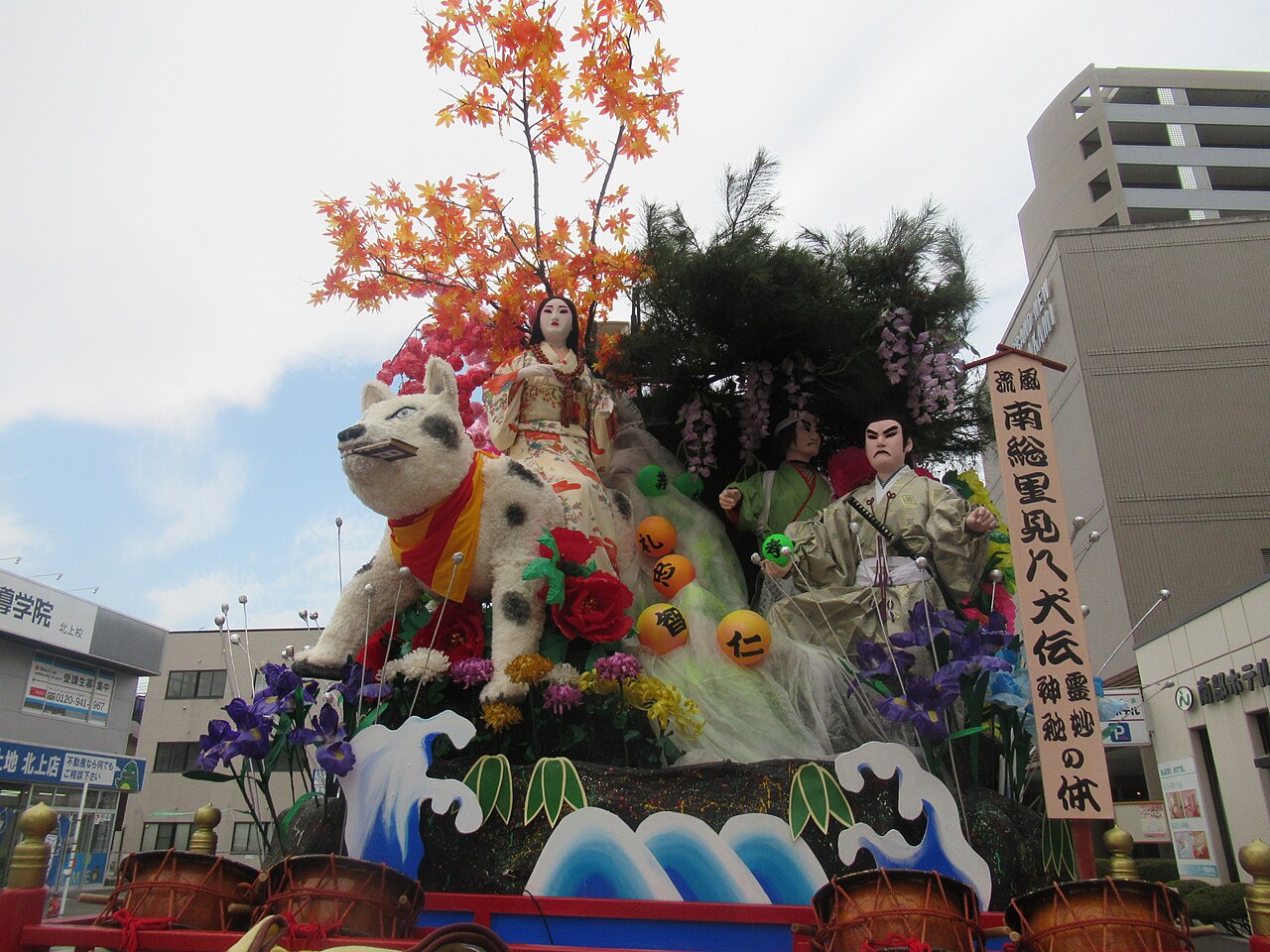
One of Kitakami’s most charming spring traditions overlaps perfectly with cherry blossom season: the koinobori (carp streamer) display. Hundreds of colorful koinobori — traditional Japanese decorations shaped like carp, symbolizing strength and good health for children — are strung across the river and throughout the park on long cables, flying proudly in the spring breeze.
The sight of bright red, blue, and black carp streamers fluttering above the pale pink cherry blossoms, with the Kitakami River glittering below, is one of those quintessential Japan moments that stops you in your tracks. This combination of sakura and koinobori is unique to northern Japan’s spring festival culture and represents traditions that have been maintained for generations.
The koinobori display is typically set up in late April and remains through Golden Week (late April to early May), Japan’s busiest holiday period. If you’re planning to visit during Golden Week, Tenshochi is a far better choice than Tokyo’s parks — the festival spirit is just as festive, but the scale remains human.
Beyond Cherry Blossoms: Tenshochi Year-Round
While spring is undeniably Tenshochi’s peak season, the park has something to offer throughout the year, making Kitakami worth visiting even when the sakura are gone.
Summer brings the park’s other celebrated event: the Michinoku Geijutsusai (Michinoku Arts Festival), held in August. This regional folk arts festival draws performing groups from across the Tohoku region, showcasing traditional dance, music, and costume performances that have been passed down for centuries. It’s a fantastic way to experience living Japanese cultural heritage.
Autumn transforms Tenshochi into a tapestry of red, orange, and gold as the cherry trees and surrounding hardwoods change color. The park is particularly lovely in October and November, when autumn foliage peaks. Far fewer tourists visit at this time, meaning you can have the riverside paths almost to yourself.
Winter in Kitakami is cold and often snowy — temperatures regularly drop below freezing (32°F / 0°C) — but the snow-covered park has a quiet beauty of its own. Snow festivals in the surrounding Kitakami Highlands region make for excellent day trips in February and March.
Day Trips from Kitakami
Kitakami makes an excellent base for exploring southern Iwate Prefecture. Several unmissable attractions are within easy reach:
Geibikei Gorge (30 minutes away)
One of Japan’s most serene natural wonders, Geibikei Gorge offers flat-bottomed boat rides through dramatic limestone cliffs rising 50 meters (165 feet) above the Satetsu River. The gorge is particularly beautiful in autumn but offers year-round appeal. Access is by local bus or taxi from Geibikei Station (JR Ofunato Line from Kitakami, approximately 25 minutes).
Hiraizumi UNESCO World Heritage Site (40 minutes away)
The ancient capital of the northern Fujiwara clan, Hiraizumi contains Japan’s most significant collection of Buddhist art and architecture outside of Kyoto. The gilded Konjikido (Golden Hall) at Chusonji Temple is a national treasure and UNESCO World Heritage Site. Access is by JR Tohoku Main Line from Kitakami Station (approximately 30 minutes).
Esashi (Oshu) Castle Town (20 minutes away)
The nearby town of Oshu (formerly Esashi) preserves a charming collection of traditional merchant buildings and samurai residences from the Edo period. The Esashi Oiwake folk song tradition — recognized as an Important Intangible Cultural Property — can sometimes be heard at local events. A pleasant half-day trip from Kitakami.
Kitakami Highlands Ski Area (45 minutes away)
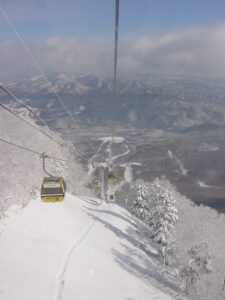
For winter visitors, the Kitakami Highlands offer good intermediate skiing and snowboarding with excellent powder conditions from December through March. Lift tickets are typically ¥4,000–¥5,000 ($28–$35 USD) per day — significantly cheaper than major Honshu resorts.
Best Time to Visit Kitakami
- Spring (Late April to Early May): Peak cherry blossom season. Tenshochi Festival runs for approximately three weeks. Crowds are present but manageable on weekdays. Average temperatures range from 45–65°F (7–18°C). Pack layers — spring evenings can be surprisingly cool.
- Summer (June–August): Warm and humid, with temperatures reaching 75–85°F (24–30°C). The Michinoku Arts Festival in August is the summer highlight. Evenings can be pleasant for riverside walks.
- Autumn (October–November): Beautiful foliage, fewer tourists, crisp weather (40–65°F / 5–18°C). The best season for photography in the Kitakami Highlands region.
- Winter (December–March): Cold (25–40°F / -4–5°C) with significant snowfall. Skiing in the highlands, snow-covered landscapes, and traditional winter festivals. Not recommended for first-time visitors to Tohoku.
Where to Eat in Kitakami
Kitakami’s food scene reflects its position at the heart of Iwate’s agricultural region — expect hearty, honest cooking that showcases local rice, river fish, and seasonal mountain vegetables. The city has a compact downtown area with a good range of restaurants within walking distance of the station.
Wanko Soba and Morioka-Style Noodles
Iwate is famous for its noodle culture, and Kitakami has several good establishments serving wanko soba (all-you-can-eat small bowls of buckwheat noodles), jajamen (flat wide noodles with meat miso sauce), and cold reimen (buckwheat noodles in clear broth). A proper wanko soba meal at a dedicated restaurant costs around ¥2,500–¥3,500 ($17–$24 USD) and is an unmissable culinary experience — be prepared to eat far more than you expect. Look for noodle restaurants near the covered shopping arcade one block west of the station.
Locally Raised Beef
Iwate Prefecture is a major cattle-raising region, and Kitakami’s yakiniku (Japanese BBQ) and steak restaurants feature well-marbled local beef at prices significantly below what you’d pay in Tokyo. A satisfying yakiniku dinner with rice, sides, and beer typically runs ¥3,000–¥5,000 ($21–$35 USD) per person. Several well-regarded yakiniku restaurants are clustered near the station and along the main shopping street.
Mochi and Traditional Sweets
Iwate has a deep mochi (sticky rice cake) culture, and traditional confectionery shops near Tenshochi sell freshly made mochi in a variety of flavors — sweet red bean, sesame, walnut — perfect for a snack during cherry blossom viewing. A small assortment typically costs ¥500–¥800 ($3.50–$5.50 USD).
Sake and Local Craft Beer
The Kitakami River region has excellent water quality, which supports a tradition of good sake production. Several local sake breweries welcome visitors and sell their products at farm-direct prices. Craft beer has also arrived in Kitakami — a small craft brewery near the station serves locally inspired seasonal brews that pair beautifully with the region’s food. A glass of draft beer runs ¥600–¥800 ($4–$5.50 USD).
Where to Stay in Kitakami
Kitakami has a solid range of accommodation options, concentrated near the JR station. During cherry blossom season, book at least 2–3 months in advance as the best options fill quickly.
Budget (Under ¥8,000 / $55 per night)
Kitakami has several business hotels near the station offering clean, functional rooms at affordable prices. The Kitakami Plaza Hotel and similar properties provide comfortable overnight stays with reliable wifi, air conditioning, and easy access to Tenshochi Park. Expect standard single rooms from ¥4,500–¥6,500 ($31–$45 USD) per night.
Mid-Range (¥8,000–¥20,000 / $55–$135 per night)
For a more comfortable stay, several mid-range hotels near the station offer spacious rooms, on-site restaurants, and amenities suitable for a multi-night base. The Hotel Route-Inn Kitakami Ekimae is consistently well-reviewed for its location, breakfast quality, and on-site hot spring bath — an excellent choice for cherry blossom season visits. Rates typically run ¥9,000–¥14,000 ($62–$96 USD) per night.
Luxury (¥20,000+ / $135+ per night)
For a traditional ryokan experience near Kitakami, consider staying in the nearby Yuda Onsen area (accessible by local bus), where small ryokan offer formal multi-course kaiseki dinners, yukata (cotton robes), and communal hot spring baths. A full-board ryokan night costs ¥25,000–¥40,000 ($170–$270 USD) per person and represents an authentic introduction to Japan’s traditional inn culture.
Practical Tips for Visiting Tenshochi
- Bloom timing varies by year: Cherry blossom season in Kitakami typically falls between mid-April and early May, roughly 1–2 weeks later than Tokyo. Check Japan Meteorological Corporation’s sakura forecast (available in English) for the current year’s bloom prediction.
- Night illumination runs daily: During the festival period, the park is lit from sunset until approximately 10pm. Night cherry blossoms are stunning — allocate time for an evening visit.
- The park is free: There’s no admission charge to enter Tenshochi Park. Food, drinks, and souvenir stalls are plentiful inside.
- Rent a bicycle: Bicycles are available for rent at Kitakami Station. Cycling the full riverside path and exploring the surrounding neighborhoods adds a lovely dimension to the visit.
- Bring cash: While convenience stores and hotels accept cards, many of the food stalls and smaller restaurants in Kitakami are cash only. Carry ¥5,000–¥10,000 in small bills.
- Weather can be unpredictable: Spring in Tohoku means changeable weather. Rain and wind can strip the blossoms quickly — if you’re visiting specifically for cherry blossoms, build a flexible itinerary with at least 2–3 days in the region.
- Golden Week crowds: If your visit falls during Golden Week (late April to early May), expect larger crowds. However, Tenshochi remains noticeably less crowded than famous cherry blossom spots in central Japan.
- Combine with Hiraizumi: The UNESCO World Heritage temples of Hiraizumi are only 30 minutes away by train and make an ideal half-day addition to your Kitakami visit.
Sample 2-Day Kitakami Itinerary
Day 1: Tenshochi in Full Bloom
Morning (7:00–10:00am): Arrive at Tenshochi early for the best photography light and smallest crowds. Walk the full riverside path from north to south, pausing at the shrine area midway. The morning light on the blossoms and the misty river is extraordinary.
Late Morning (10:00am–12:00pm): Return to central Kitakami and explore the covered shopping arcade. Sample mochi from a traditional confectionery shop and browse local craft shops.
Lunch (12:00–1:30pm): Try wanko soba at one of Kitakami’s dedicated noodle restaurants. If you’re competitive by nature, challenge yourself to a proper wanko soba competition — the record is over 500 bowls.
Afternoon (1:30–5:00pm): Return to Tenshochi for the afternoon, when the light is warm and golden. Join locals for hanami under the trees. If the koinobori streamers are flying, this is a great time to photograph them against the blossoms.
Evening (5:00pm onward): Return to Tenshochi for the night illumination. Grab yakitori and a beer from a festival stall, find a bench near the river, and let the evening unfold. This is Japan at its most quietly beautiful.
Day 2: Hiraizumi and the Gorge
Morning (9:00am–12:00pm): Take the JR Tohoku Main Line south to Hiraizumi Station (30 minutes). Visit Chusonji Temple’s golden Konjikido — allow 2 hours minimum to fully explore the UNESCO World Heritage Site.
Afternoon (12:30–4:00pm): Continue by bus or taxi to Geibikei Gorge for a flat-bottomed boat ride through the spectacular limestone cliffs. The boat journey takes about 30 minutes each way and is available year-round.
Late Afternoon: Return to Kitakami by local train. Optional: evening sake tasting at a local brewery or dinner at a riverside restaurant overlooking the Kitakami River.
Related Articles You Might Enjoy
- Kitakami Tenshochi: Iwate’s 10,000 Cherry Blossom River Park — A Hidden Sakura Paradise
- Geibikei Gorge Iwate: Japan’s Most Serene River Boat Journey Through Ancient Rock
- Ryusendo Cave, Iwate: Japan’s Most Spectacular Underground Lakes — Complete Travel Guide
- Appi Kogen, Iwate: Japan’s Premier Powder Ski Resort — Complete Guide for Foreign Visitors
- Kuji, Iwate: Japan’s Northernmost Ama Divers & Hidden Amber Museum
Final Thoughts
Kitakami’s Tenshochi Park represents everything that’s best about exploring Japan beyond the beaten path. It offers one of the country’s most spectacular cherry blossom displays in a setting that feels genuinely local and unhurried — no selfie stick brigades, no influencer-clogged viewpoints, just thousands of beautiful trees, a wide river reflecting pink skies, and the quiet pleasure of being somewhere that rewards the traveler who ventures a little further north.
If you’re planning a Japan trip for spring and want to see sakura at their most soul-stirring best, add Kitakami to your itinerary. Whether you come for a day trip from Sendai or use it as a base for exploring southern Iwate, Tenshochi will almost certainly become one of the defining memories of your time in Japan.
Got questions about planning your Tohoku trip, or spotted something we missed? We’d love to hear from you — drop us a message here.


コメント