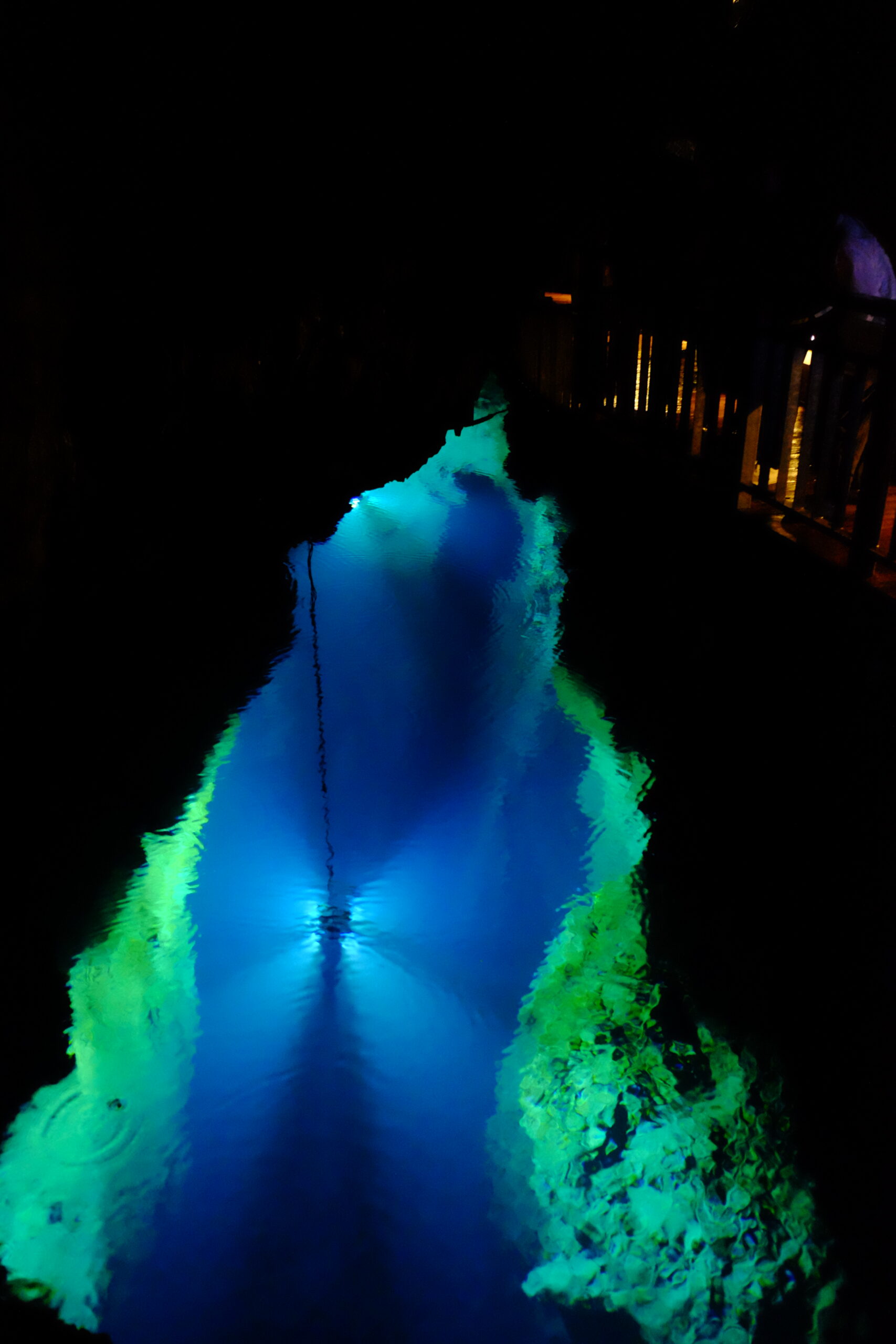
Deep inside a mountain in rural Iwate, the flashlights cut out and utter darkness swallows everything — except for one impossibly clear underground lake that glows electric blue even without any light source, its water so transparent you can see 41 meters (135 feet) straight down to the bottom. This is Ryusendo Cave (龍泉洞), one of Japan’s three greatest limestone caves, and it might be the most visually stunning hour you spend in all of Tohoku. The fact that most overseas visitors have never even heard of it only makes it sweeter.
Why Ryusendo Cave Should Be on Every Japan Itinerary
Japan has been ranked by speleologists (cave scientists) as having some of the world’s most spectacular limestone cave systems, and Ryusendo (龍泉洞) — along with Akiyoshi-do in Yamaguchi and Ryuga-do in Kochi — represents the absolute pinnacle of Japanese cave tourism. Yet while Akiyoshi-do gets coach tours from across Kyushu, Ryusendo sits in the remote Sanriku hinterland of Iwate Prefecture, attracting a fraction of the attention it deserves from international visitors.
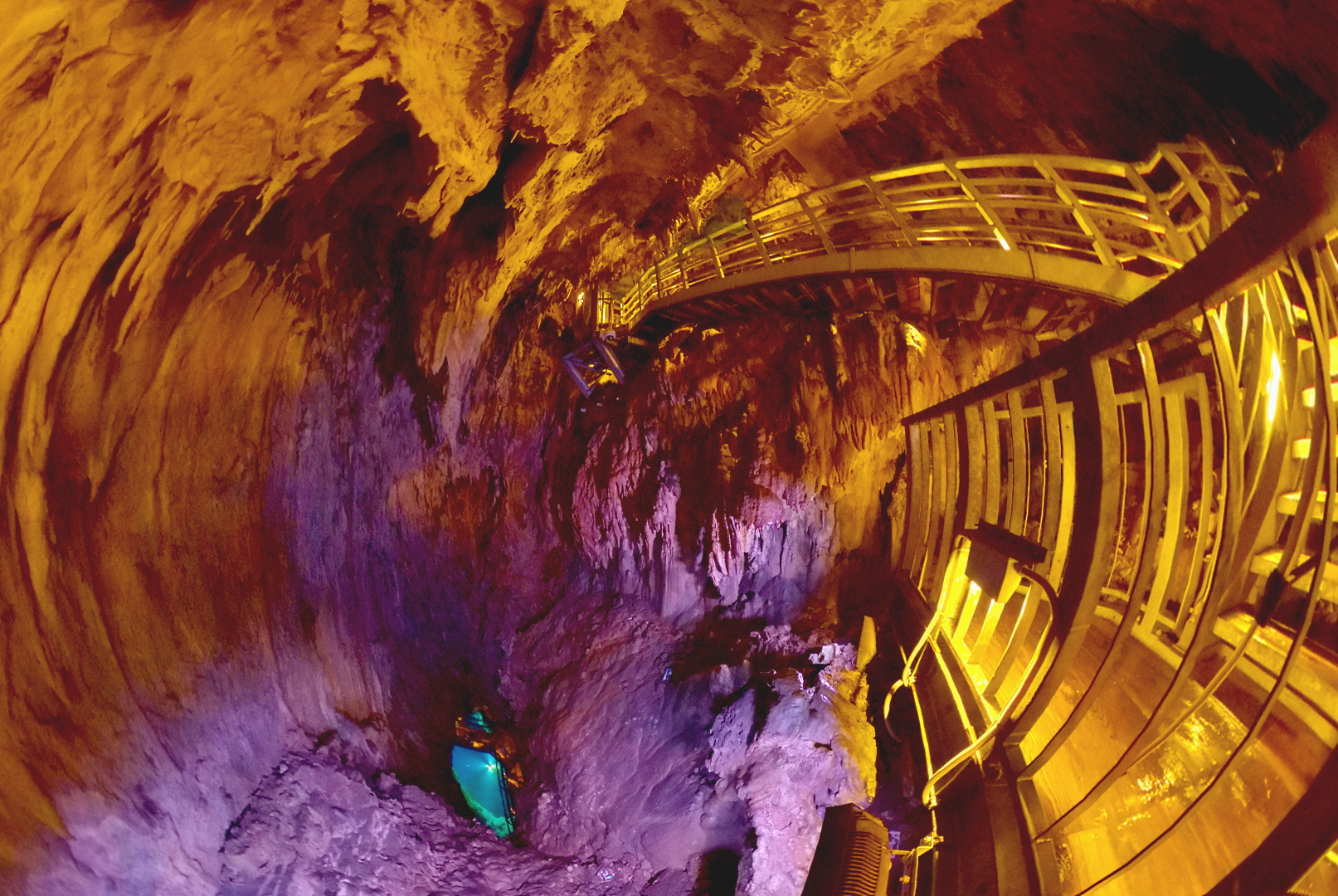
The cave’s total length is estimated at over 2.1 miles (3.4 km), though only about 0.44 miles (700 meters) is open to the public. Within that accessible section, the cave presents a succession of geological wonders: forests of stalactites, impossibly tall columns where stalactite met stalagmite over tens of thousands of years, chambers big enough to park a fleet of buses, and — most dramatically — three magnificent underground lakes of supernatural clarity.
That clarity is the cave’s calling card. The third underground lake (第三地底湖) has been measured at 41.5 meters (136 feet) of visibility — making it clearer than most snorkeling destinations in the world. The water isn’t treated or filtered; it’s simply ancient rainwater that has percolated through hundreds of meters of limestone, leaving behind every mineral impurity over the course of centuries. The result is water so pure it looks like liquid crystal, and when the cave lighting hits it from below, the color is an otherworldly blue that photographers struggle to capture accurately because the human eye barely believes it.
Getting There from Tokyo and Morioka
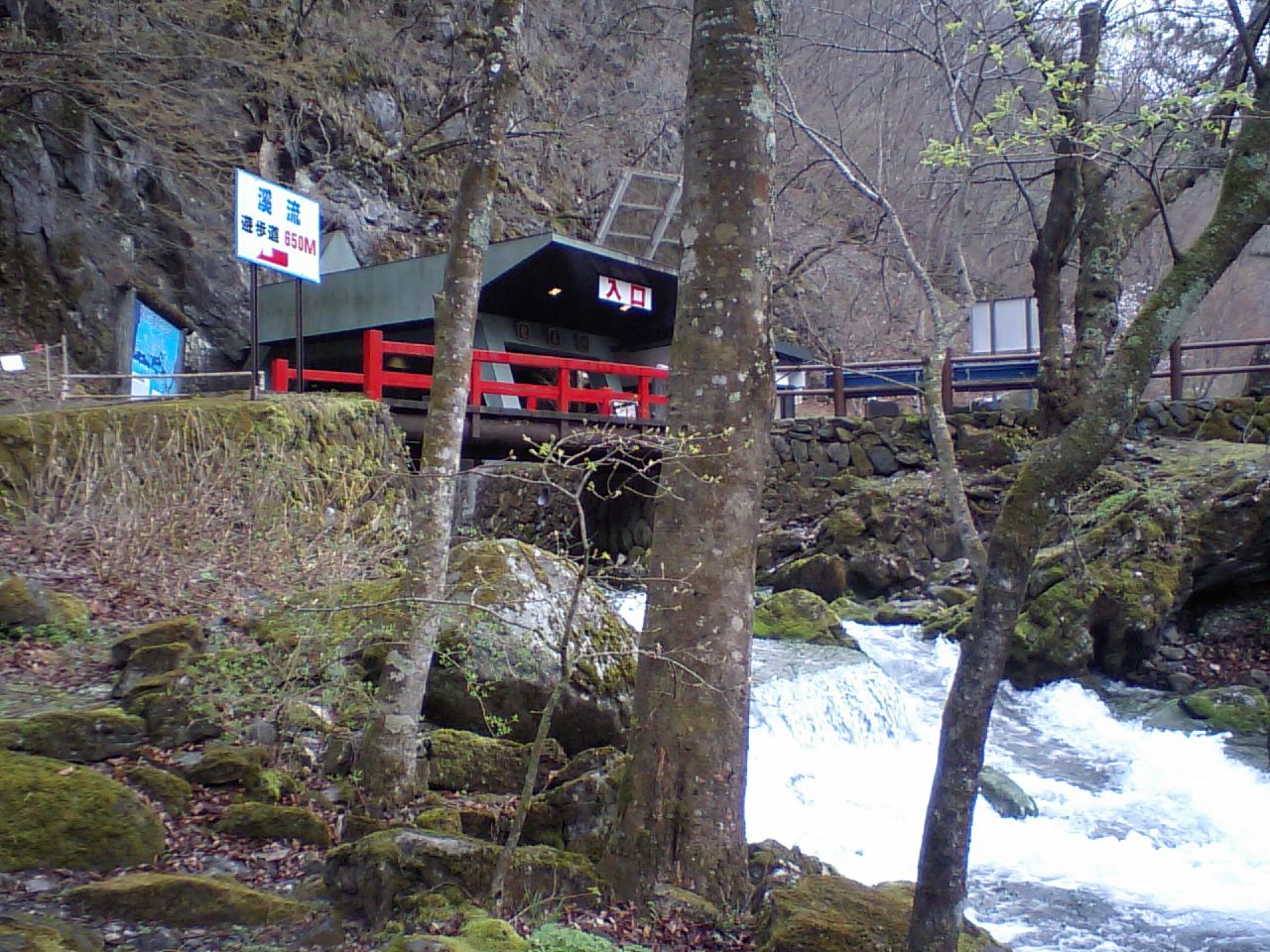
Ryusendo Cave sits in Iwaizumi Town (岩泉町), a remote mountain municipality about 62 miles (100 km) east of Morioka. The remoteness is both a challenge and a feature — it’s part of why the area feels so pristine and untouched.
- By Car from Morioka (Strongly Recommended): Drive east from Morioka on Route 455 through mountain scenery — about 1.5–2 hours. This route passes through some of Iwate’s most dramatic inland landscape, including the Nishiiwai Valley gorge. A rental car from Morioka or Morioka Shinkansen station is by far the most practical way to visit.
- By Car from Tokyo: Drive north on the Tohoku Expressway to Morioka, then continue east on Route 455. Total driving time from Tokyo: about 6–7 hours. Consider breaking the journey with an overnight in Morioka.
- By Shinkansen + Local Bus: Take the Tohoku Shinkansen to Morioka (about 2 hours 20 minutes from Tokyo, ¥13,000 / ~$87). From Morioka, there are infrequent buses to Iwaizumi Town — journey about 2.5 hours, ¥1,500–2,000 / ~$10–14 one-way. Bus schedules are limited; check the Iwaizumi Town website before traveling. The bus option requires careful planning to avoid being stranded.
- By Train to Iwaizumi: The Sanriku Railway (三陸鉄道) formerly ran to Iwaizumi Station via its Miyako North Line, but service changes have affected this route. Check current schedules — if trains are running, it’s a scenic alternative that combines with a Sanriku coastal journey.
Practical note: Ryusendo Cave is best visited as part of a broader Iwate road trip combining Morioka, the Sanriku Coast, and perhaps Hiraizumi — rather than as a standalone day trip from Tokyo. The surrounding Iwaizumi area rewards slower exploration.
Exploring the Cave: What to Expect Inside
The visitor experience at Ryusendo is carefully managed to preserve the cave’s ecosystem while offering genuinely awe-inspiring access to its geological wonders. Here’s what you’ll encounter on the approximately 60–90 minute self-guided tour:
The Cave Entrance and First Chamber
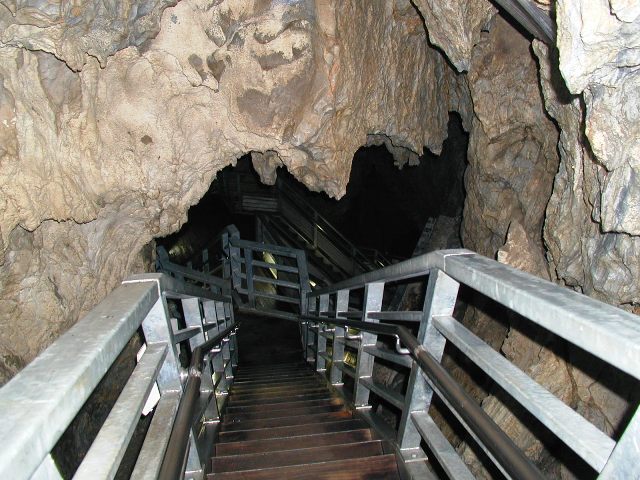
The cave opens through a low, narrow passage — you’ll need to duck slightly — into the first chamber. The temperature immediately drops to a constant 9°C (48°F) regardless of the season outside. This means summer visitors are often shocked by how cold it feels, and winter visitors find the cave strangely warmer than the air outside. Always bring a jacket, even on the hottest summer day — you’ll be grateful for it within the first five minutes.
The first sections of the cave are characterized by impressive stalactite formations and the sound of dripping water. The cave is alive in the most literal sense: water is still actively depositing calcium carbonate, meaning every stalactite is still growing (at roughly 1 cm per century). The oldest formations in the cave are estimated to be around 350,000 years old.
The Bat Zone
Ryusendo Cave is home to one of Japan’s largest bat colonies — specifically the Japanese little horseshoe bat (コキクガシラコウモリ, Rhinolophus cornutus), a nationally protected species. During summer months (June–October), you may see hundreds of bats clustered on the cave ceiling in their daytime roost. They’re entirely harmless and remarkable to observe — their tiny folded wings and distinctive horseshoe-shaped noses are visible if you look carefully with the cave lighting. Photography is permitted but without flash, both to protect the bats and because flash rarely improves cave photography anyway.
The First Underground Lake (第一地底湖)
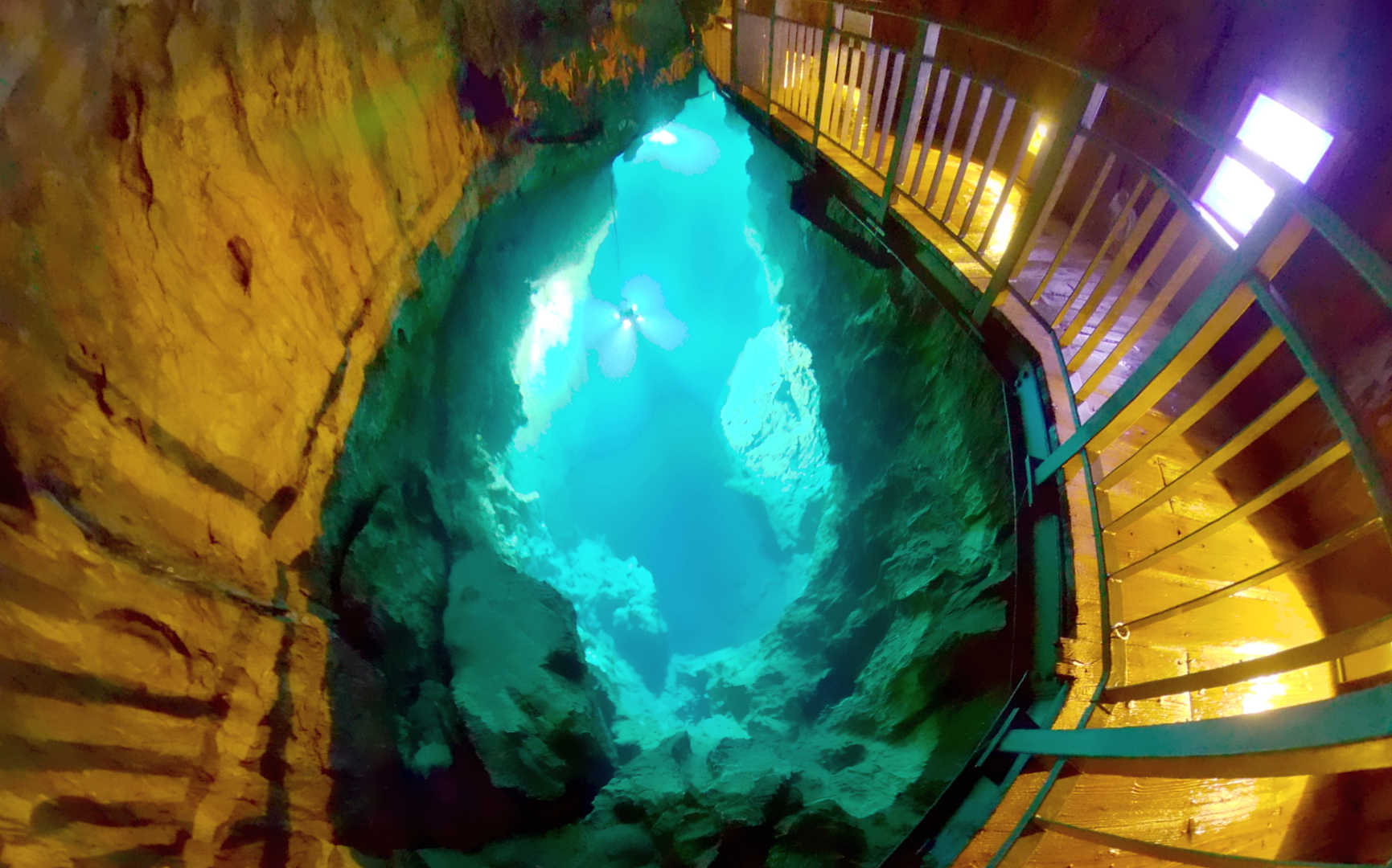
The first underground lake appears about 10 minutes into the cave walk. Even after seeing photographs, the actual experience stops most visitors in their tracks. The lake sits in a chamber where the walkway ends at a viewing platform directly over the water, and in the cave lighting — a careful combination of blue and white LEDs — the water glows with an impossible clarity. The floor of the lake is perfectly visible at depths of 14 meters (46 feet), with every pebble and crystal formation crisp as if viewed through the clearest glass.
The scale of the chamber is also startling — the ceiling vaults upward 30–40 meters above the lake surface, and when you realize that this space has been filling with water for thousands of years, the cave’s ancient geology suddenly becomes tangible rather than abstract.
The Second Underground Lake (第二地底湖)
The path continues deeper into the mountain, climbing and descending through passages adorned with curtain formations, flowstones, and columns. The second lake is deeper and larger than the first, with the cave’s signature blue-green color even more vivid due to the greater water depth. At this point, many visitors pause simply to listen — the cave’s sound is extraordinary: drips echo, water moves invisibly through cracks, and the ambient noise of the outside world has completely disappeared.
The Third Underground Lake and the Deepest Point
The third lake is the climax of the standard cave tour and the one most commonly photographed. From the observation platform, you look down through water of almost inconceivable clarity to the rocky lake bed 41.5 meters (136 feet) below. The color — a deep, saturated blue-green that seems to generate its own light — is unlike anything found in the natural world at the surface. This is the image that appears in every Ryusendo brochure, and seeing it in person is genuinely astonishing.
The third lake reportedly continues considerably further into the mountain — cave divers have explored substantial distances beyond what visitors can see — but the full extent of the cave system remains only partially mapped. There’s something wonderfully mysterious about that: this mountain is still giving up its secrets.
The Return Journey
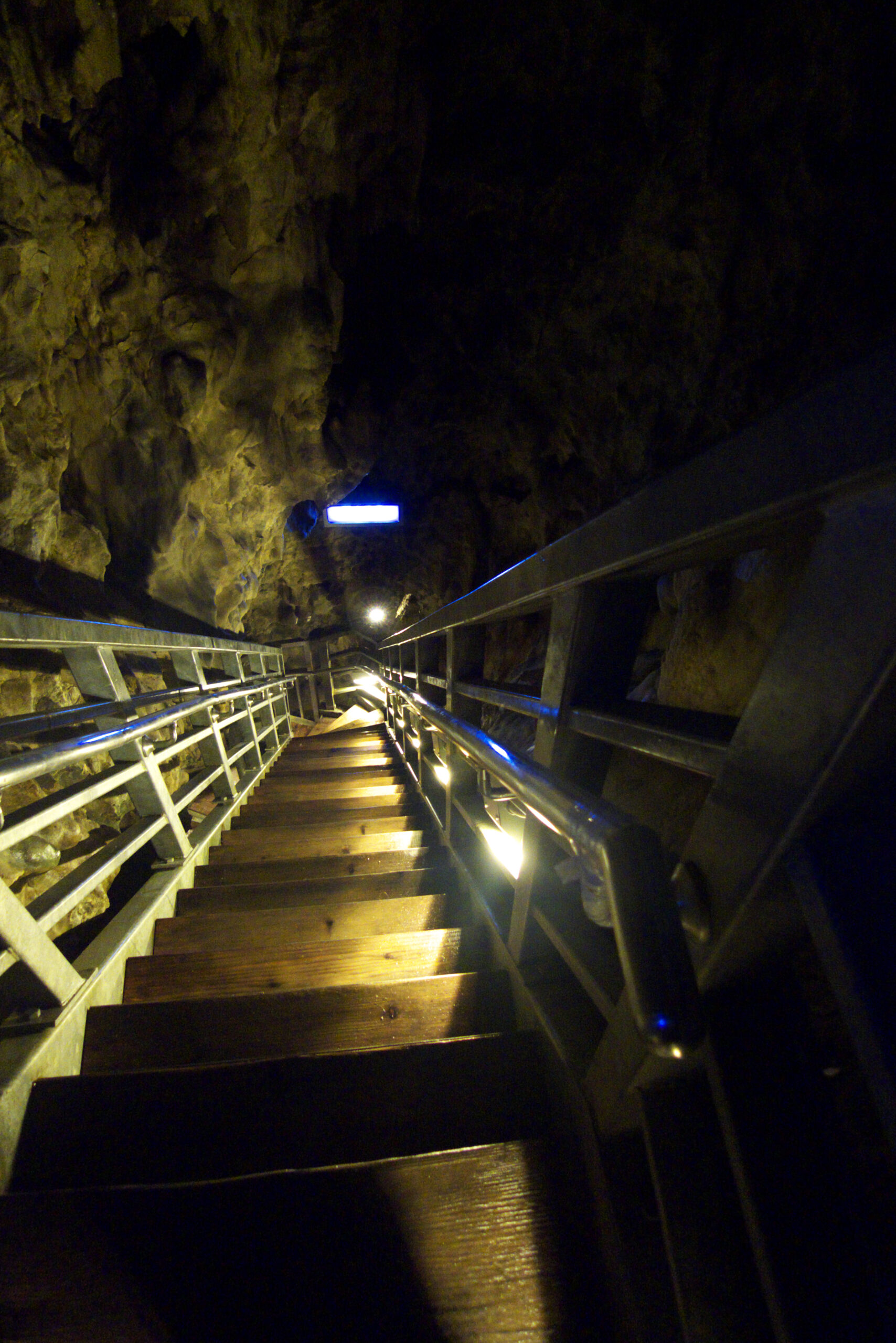
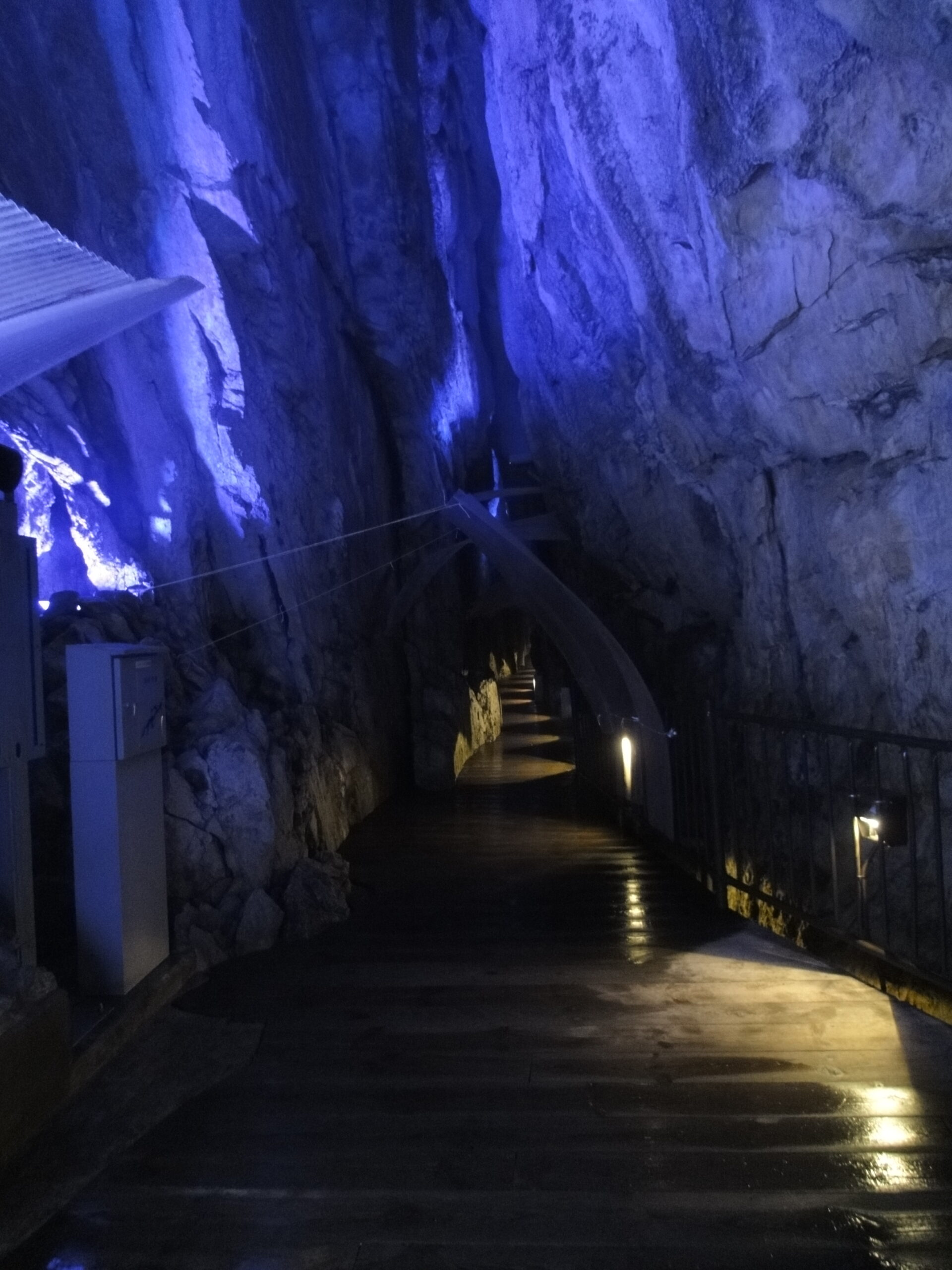
The cave tour is a there-and-back route — you return via the same passage. This actually works well, because formations you passed quickly on the way in are worth a second look with fresh eyes. The lighting is also subtly different from the opposite direction. Budget about 60–90 minutes total for the cave visit. The walkway is well-maintained with metal handrails and non-slip surfaces, though some sections require ducking or careful footing. The cave is generally accessible for visitors of average mobility but would be challenging for wheelchairs or those with significant mobility limitations.
Ryusendo Shin-do Cave: The New Discovery
Adjacent to Ryusendo Cave, and included in a combined ticket, is Ryusendo Shin-do (龍泉新洞) — a separate cave system discovered in 1967 that has been developed as a complementary scientific exhibit. Where the main cave focuses on the dramatic experience of the underground lakes, Shin-do is more of a geological and archeological exhibit: it contains important excavated artifacts from the cave’s long human history (animal bones dating back 10,000 years, pottery fragments from various periods) and displays explaining the limestone cave formation process in considerable detail.
Shin-do lacks the dramatic visual spectacle of the main cave, but for visitors interested in geology or Japanese prehistory, it adds substantial context to the overall experience. The combined ticket (¥1,500 / ~$10 for adults) is worth it if you have time; the Shin-do visit adds about 30–40 minutes.
Best Time to Visit Ryusendo Cave
- Spring (April – June): The surrounding landscape of Iwaizumi is vividly green, and mountain snowmelt swells the cave’s water table, making the underground lakes particularly dramatic. Temperatures outside are pleasant for the drive. Bat numbers in the cave begin increasing in June.
- Summer (July – August): The most popular season. The contrast between summer heat outside and cave cool (9°C/48°F) makes the experience particularly refreshing. Bat colony is at full size. Surrounding forests are lush. Book accommodation in Iwaizumi area in advance.
- Autumn (September – November): Arguably the best overall season. Autumn foliage along Route 455 from Morioka is spectacular, the Sanriku Coast is beautiful, and cave crowds thin considerably after the summer rush. The approach through Nishiiwai Valley gorge in October colors is extraordinary.
- Winter (December – March): The quietest season. Cold and snowy outside, but the cave remains its constant 9°C. Road conditions on Route 455 can be challenging in heavy snow — check conditions before driving. The benefit: you may have the cave almost to yourself, which is a remarkable experience in a place of this quality.
Where to Eat Near Ryusendo Cave
Iwaizumi is a small, rural town and dining options are more limited than in Morioka or along the coast, but there are worthwhile local food experiences.
Cave Restaurant Ryusendo (龍泉洞食堂)
The restaurant and food vendors at the cave complex itself serve local Iwate specialties. The standout is wild boar curry (イノシシカレー) — made with wild boar hunted in the surrounding mountains, it’s rich, earthy, and genuinely delicious. Also worth trying: maitake mushroom tempura and local mountain vegetable dishes. Prices ¥800–1,500 / ~$5–10.
Salmon Cuisine in Iwaizumi
Iwaizumi Town is famous throughout Iwate for its salmon — the Iwaizumi Salmon Hatchery (岩泉町サケのふるさと龍泉洞水族館) is one of Japan’s major salmon research and breeding facilities. Local restaurants specialize in salmon preparations: sake-jiru (salmon and vegetable miso soup), grilled salmon with rice, and salmon sashimi. Look for small restaurants along the main street of Iwaizumi town, about 2 km from the cave. Expect to pay ¥1,500–2,500 / ~$10–17 for a full salmon set meal.
Soba at Mountain Restaurants
The mountainous interior of Iwate is excellent buckwheat country, and small soba restaurants dot the route between Morioka and Iwaizumi. If you’re driving, watch for roadside “手打ちそば” signs — hand-rolled soba in rustic mountain settings. Prices typically ¥900–1,400 / ~$6–9.
Where to Stay
Budget (Under ¥8,000 / $55 per night)
Simple minshuku (family-run guesthouses) are available in Iwaizumi town, offering basic Japanese-style rooms with dinner and breakfast. These often provide the most authentic local experience. Ask at the cave’s tourist information desk for recommendations. Rates typically ¥6,000–8,000 / ~$40–55 per person including two meals.
Mid-Range (¥8,000–¥20,000 / $55–$135)
Hotel Iwaizumi (ホテルいわいずみ) is the main hotel in Iwaizumi Town, offering comfortable Western and Japanese-style rooms, a restaurant with local cuisine, and helpful staff. Rates from ¥9,000 / ~$60 per person with breakfast. For a more scenic option, consider staying along the Sanriku Coast (30–45 minutes by car) in Miyako city, which has a broader range of hotels including some with ocean views.
Ryokan with Onsen (¥15,000–¥25,000 / $100–$167)
For a proper hot spring ryokan experience, the Onsen Ryokan Katami (片見温泉旅館) and similar establishments in the Iwaizumi area offer traditional Japanese inn accommodation with natural onsen baths. This is particularly appealing in winter — soaking outdoors in a rotemburo (outdoor bath) after a day in the cold mountain air is a genuine pleasure. Rates typically ¥15,000–20,000 / ~$100–135 per person including kaiseki dinner and breakfast.
Combining Ryusendo with the Sanriku Coast
The truly optimal way to experience Ryusendo is as part of a 2–3 day Sanriku coastal road trip from Morioka. The Sanriku Coast — with its dramatic sea cliffs, fishing villages, fresh seafood, and remarkable story of recovery from the 2011 tsunami — is one of Tohoku’s most underrated destinations for foreign visitors, and Ryusendo lies almost exactly between Morioka and the coast.
A suggested route: Morioka → Ryusendo Cave (1–1.5 hours, explore cave) → Iwaizumi salmon facilities (30 minutes) → Miyako City on the Sanriku Coast (45 minutes, visit Jodogahama Beach, eat fresh seafood) → continue south along the coast the following day through Kamaishi and Kesennuma. This route combines mountain geology, traditional rural Japan, and dramatic coastline in a way that’s genuinely unique in Tohoku.
Practical Tips for Visiting Ryusendo Cave
- Admission: Main cave only ¥1,100 / ~$7.50 for adults, ¥550 / ~$3.70 for children. Combined ticket (main cave + Shin-do) ¥1,500 / ~$10 for adults. Opening hours: 8:30 AM – 5:00 PM (last entry 4:30 PM), year-round.
- Dress for Cold: The cave is 9°C (48°F) year-round. In summer, visitors often arrive in shorts and t-shirts and immediately regret it. A light jacket or hoodie at minimum — a warm fleece if you tend to run cold.
- Photography: Excellent photography opportunities throughout, but flash photography is discouraged (especially in the bat zone). A phone camera performs surprisingly well in the cave’s lighting. Bring a camera with good low-light capability for the underground lakes.
- Crowds: Ryusendo is most crowded on summer weekends (July–August) and during Golden Week (late April–early May) and Silver Week (mid-September). Weekday mornings are significantly quieter and more atmospheric.
- Accessibility: The main cave walkway is generally accessible for visitors without mobility issues. Some sections have steps and low ceilings. It is not wheelchair accessible beyond the first chamber. Contact the cave management in advance if you have specific accessibility questions.
- Getting Back to Morioka: If you’re not spending the night, budget about 2–2.5 hours total for the cave visit (including Shin-do) and allow 2 hours return to Morioka — longer if you make any detours or stop for food.
- Nearby Aquarium: The Ryusendo Aquarium (龍泉洞水族館), adjacent to the cave, focuses on freshwater fish species native to Iwate’s rivers and caves. It’s modest but charming for families with children — admission ¥400 / ~$2.70.
- Cash: Bring yen — the area around the cave is largely cash-only. ATMs are available at the Japan Post office in Iwaizumi town.
Sample Day Trip Itinerary from Morioka
7:30 AM: Depart Morioka by rental car on Route 455 heading east. The drive takes you through forested mountain scenery, past traditional farmhouses and river valleys. Stop at a roadside rest area for coffee.
9:30 AM: Arrive at Ryusendo Cave (about 2 hours from Morioka, allowing for scenic stops). Buy your tickets and enter — aim to start the cave tour when it opens to beat tour groups.
9:30 – 11:00 AM: Explore Ryusendo Cave main gallery. Take your time at each underground lake. Don’t rush — the third lake in particular deserves 10–15 minutes of quiet observation.
11:00 – 11:45 AM: Visit Ryusendo Shin-do (the science cave), especially if geology or prehistory interests you.
12:00 PM: Lunch at the cave restaurant — wild boar curry is the recommendation. Or drive 2 km to Iwaizumi town center for salmon cuisine.
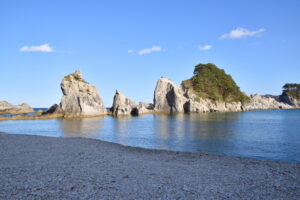
1:30 PM: If time permits and you have a car, make the 45-minute drive to Jodogahama Beach in Miyako — one of the most stunning stretches of the Sanriku coastline, with white quartzite rocks and clear blue water. Worth the detour.
4:00 PM: Begin the return drive to Morioka, arriving around 6:00 PM. Stop for dinner in Morioka — wanko soba or jajamen are the local specialties.
Final Thoughts: Why Ryusendo Cave Belongs on Your Japan Bucket List
There’s a particular kind of travel experience where you arrive somewhere genuinely world-class and find you have it largely to yourself — where the absence of tour buses and Instagram crowds actually heightens rather than diminishes the experience. Ryusendo Cave, on a quiet weekday morning in autumn, is exactly that kind of experience.
The cave is objectively spectacular. Those underground lakes — with their uncanny clarity, their electric color, their absolute stillness — are unlike anything else accessible to the ordinary tourist in Japan. The fact that the cave is surrounded by pristine Iwate mountain forest, connected to wild coastline, and set in a rural community that feels entirely authentic rather than tourist-polished: all of this makes Ryusendo not just a cave to tick off a list, but a destination worth organizing a Tohoku trip around.
If you’re planning a journey through Iwate Prefecture — visiting Morioka’s noodles, Hiraizumi’s golden temples, or the Sanriku coast — Ryusendo deserves a full day in your itinerary. Drive those mountain roads, feel the cold hit you at the cave entrance, stand at the edge of that impossible blue lake, and let Japan surprise you one more time. It will.
Ready to plan your Iwate itinerary? Check out our guides to Morioka’s food and culture, Hiraizumi UNESCO Heritage Site, and the Sanriku Coast for a complete Iwate adventure.
Related Articles You Might Enjoy
- Kitakami Tenshochi Cherry Blossoms, Iwate: Japan’s Most Spectacular River of 10,000 Sakura
- Appi Kogen, Iwate: Japan’s Premier Powder Ski Resort — Complete Guide for Foreign Visitors
- Kuji, Iwate: Japan’s Northernmost Ama Divers & Hidden Amber Museum
- Genbikei Gorge, Iwate: Japan’s Flying Dango Gorge & Ichinoseki’s Hidden Natural Wonder
- Mount Iwate: Complete Hiking Guide to Tohoku’s Sacred Volcano & the Nanbu Fuji


コメント