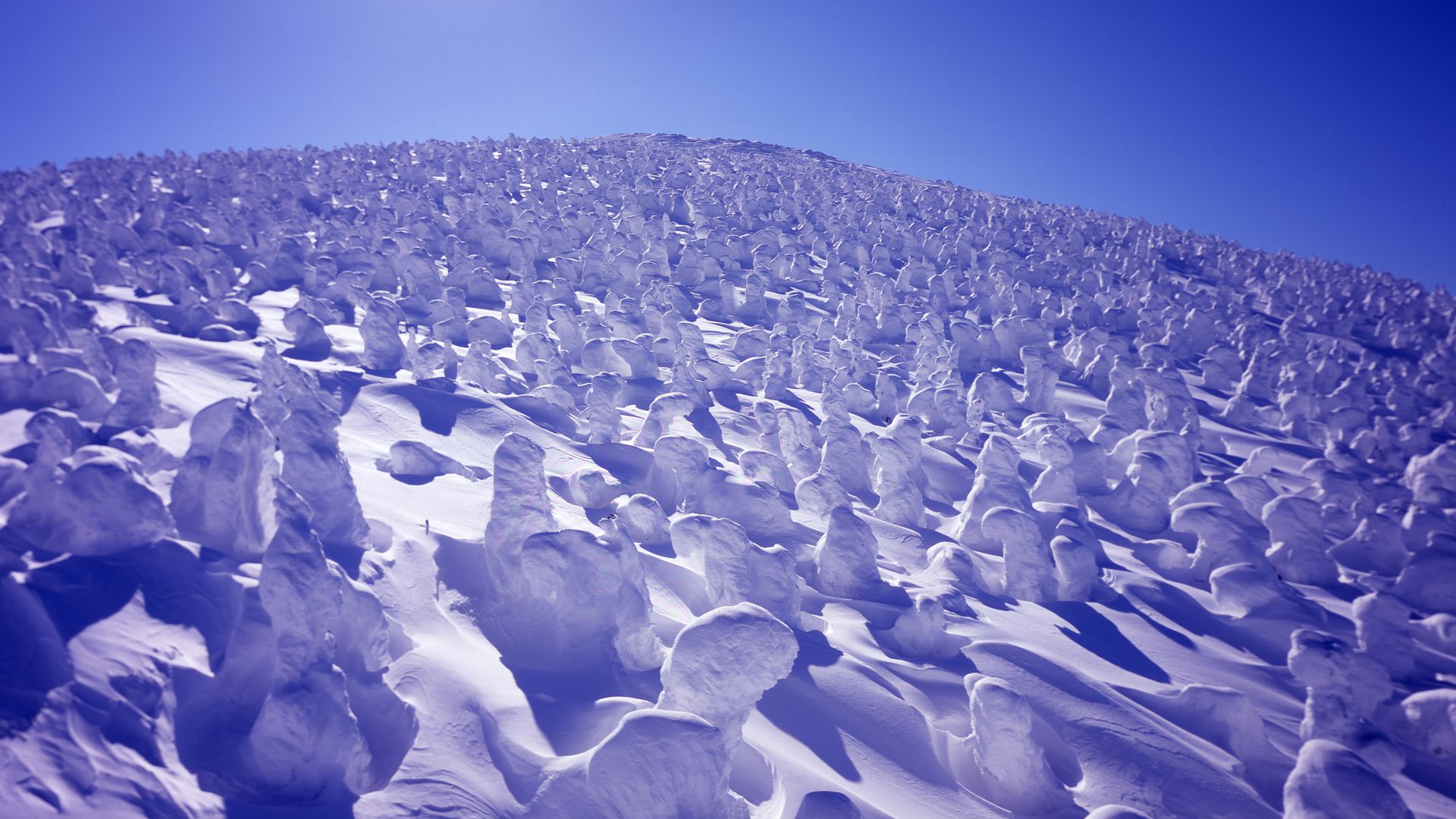
Imagine skiing through a forest of alien ice sculptures, each tree coated in thick white fur by Siberian winds so cold they turn snowflakes into frost the moment they land. This is Tohoku in winter — a ski destination so extraordinary that once you’ve seen the famous juhyo (snow monsters) of Zao, no other ski resort will ever look quite the same. And yet, remarkably, northeast Japan remains one of the world’s most underrated skiing destinations, with world-class powder, cultural depth, and prices that will make Alpine resort veterans gasp.
Why Tohoku is Japan’s Best-Kept Skiing Secret
Japan has long been celebrated as a premier ski destination among those in the know — the legendary “JaPow” (Japan powder) that falls in abundant, dry, feather-light drifts has earned the country a devoted following among serious skiers from Australia, North America, and Europe. But while Niseko in Hokkaido has become famous enough to feel crowded on peak weekends, and Nagano’s resorts are well-trodden by visitors from Tokyo, Tohoku’s ski areas remain blissfully off the international radar.
The numbers alone make the case: Zao Onsen Ski Resort in Yamagata Prefecture receives an average of 8 to 10 meters (26 to 33 feet) of snowfall per season, making it one of the snowiest ski destinations in the world. Appi Kogen in Iwate Prefecture regularly records temperatures of minus 20°C (-4°F) in deep winter, creating powder conditions that would make Colorado skiers weep with envy. And all of this comes packaged with the quintessential Japanese ski experience: hot springs waiting at the bottom of the slopes, steaming bowls of ramen in the lodge, and the kind of mountain hospitality that makes you feel like a guest rather than a customer.
For English-speaking visitors, Tohoku’s ski resorts offer something else invaluable: authenticity. You’ll share the gondola with Japanese ski clubs, eat lunch in cafeterias serving genuine regional cuisine, and stay in ryokan (traditional inns) where the family has been welcoming guests for generations. This is skiing as the Japanese do it — and it’s wonderful.
Getting to Tohoku’s Ski Resorts from Tokyo
One of the great advantages of Tohoku skiing over Hokkaido is proximity to Tokyo. You can be on the slopes in under three hours — shorter than flying to Sapporo and then transferring to Niseko. Here’s how to reach the main resorts:
Zao Onsen Ski Resort (Yamagata)
- Shinkansen + Bus: Take the Yamagata Shinkansen from Tokyo Station to Yamagata Station (approximately 2 hours 30 minutes, around ¥11,000 / $75 one way). From Yamagata Station, buses run directly to Zao Onsen village, taking about 40 minutes and costing ¥1,100 ($7). During ski season (typically December to April), additional express buses operate on weekends and holidays.
- Highway Bus: Overnight highway buses run from Tokyo’s Shinjuku Bus Terminal to Zao Onsen, taking about 5-6 hours and costing ¥4,000-6,000 ($27-40). This is a budget-friendly option if you don’t mind sleeping on the bus.
- Rental Car: From Tokyo, it’s roughly 330 km (205 miles) to Yamagata via the Tohoku Expressway, taking about 4 hours without stops. Renting a car gives you flexibility to combine Zao with other Tohoku destinations, but you’ll need snow tires — confirm with your rental company that the vehicle is equipped for winter driving.
- JR Pass Note: The Yamagata Shinkansen is covered by the JR Pass, making it extremely good value for pass holders.
Appi Kogen (Iwate)
- Shinkansen + Shuttle: Take the Tohoku Shinkansen from Tokyo Station to Morioka Station (approximately 2 hours 10 minutes, around ¥14,000 / $95 one way). From Morioka, Appi Kogen Resort operates free shuttle buses from the station — check the resort’s website for the current season schedule, as times change annually.
- Rental Car: From Morioka Station, Appi Kogen is about 45 km (28 miles) east, taking roughly 1 hour on Route 282. The mountain road approach is well-maintained but requires caution in heavy snowfall.
- Direct Bus: During peak season, direct highway buses run from Tokyo Station to Appi Kogen, taking about 6 hours and costing approximately ¥5,000-7,000 ($34-47).
Zao Onsen Ski Resort: The Crown Jewel of Tohoku Skiing
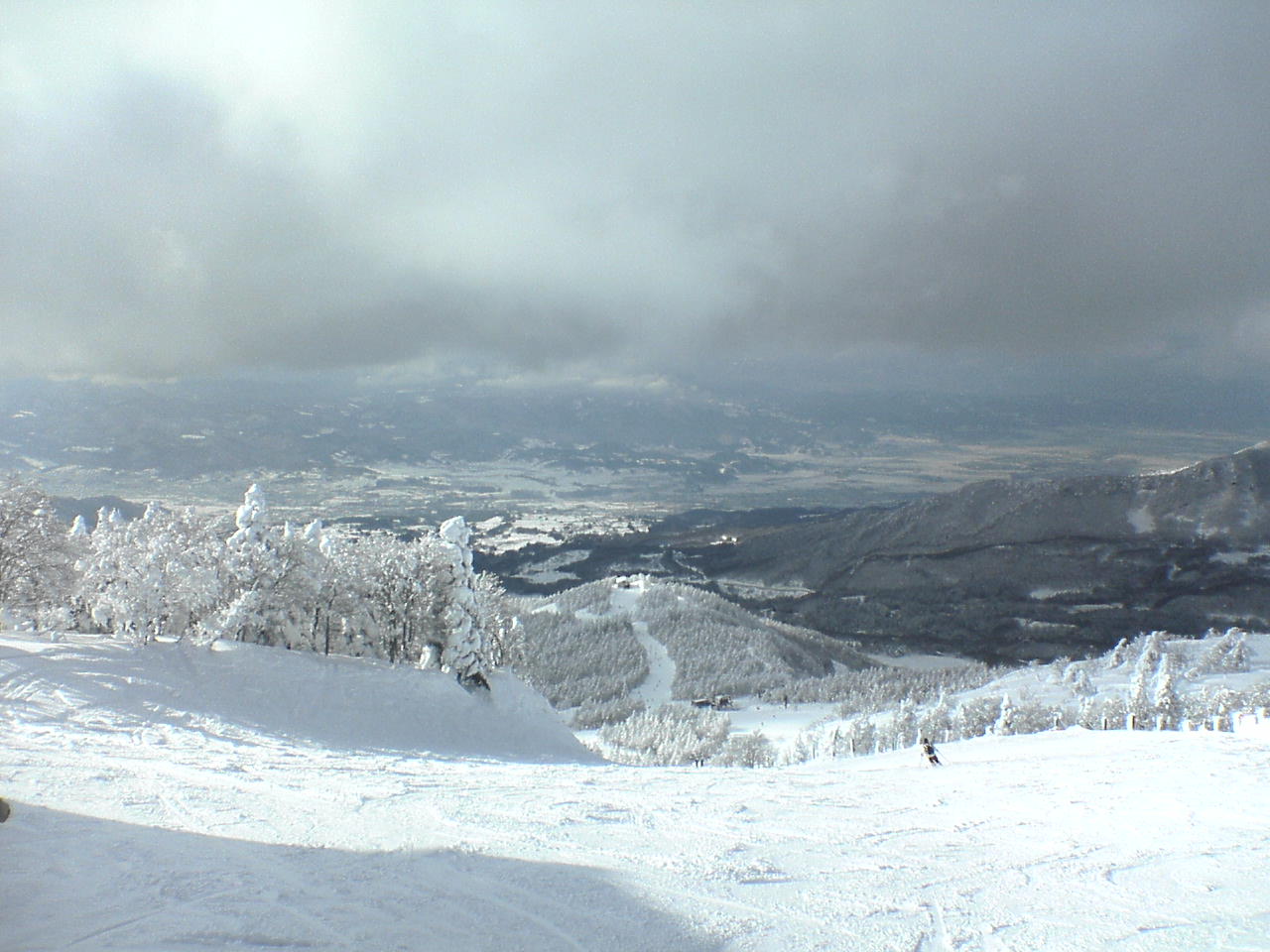
Straddling the border between Yamagata and Miyagi Prefectures, Zao Onsen Ski Resort is the largest ski resort in eastern Japan and one of the most beloved in the entire country. With 36 courses, 17 lifts, and a vertical drop of 880 meters (2,887 feet), it caters to everyone from beginners making their first tentative turns to experts seeking long, challenging descents through natural powder fields.
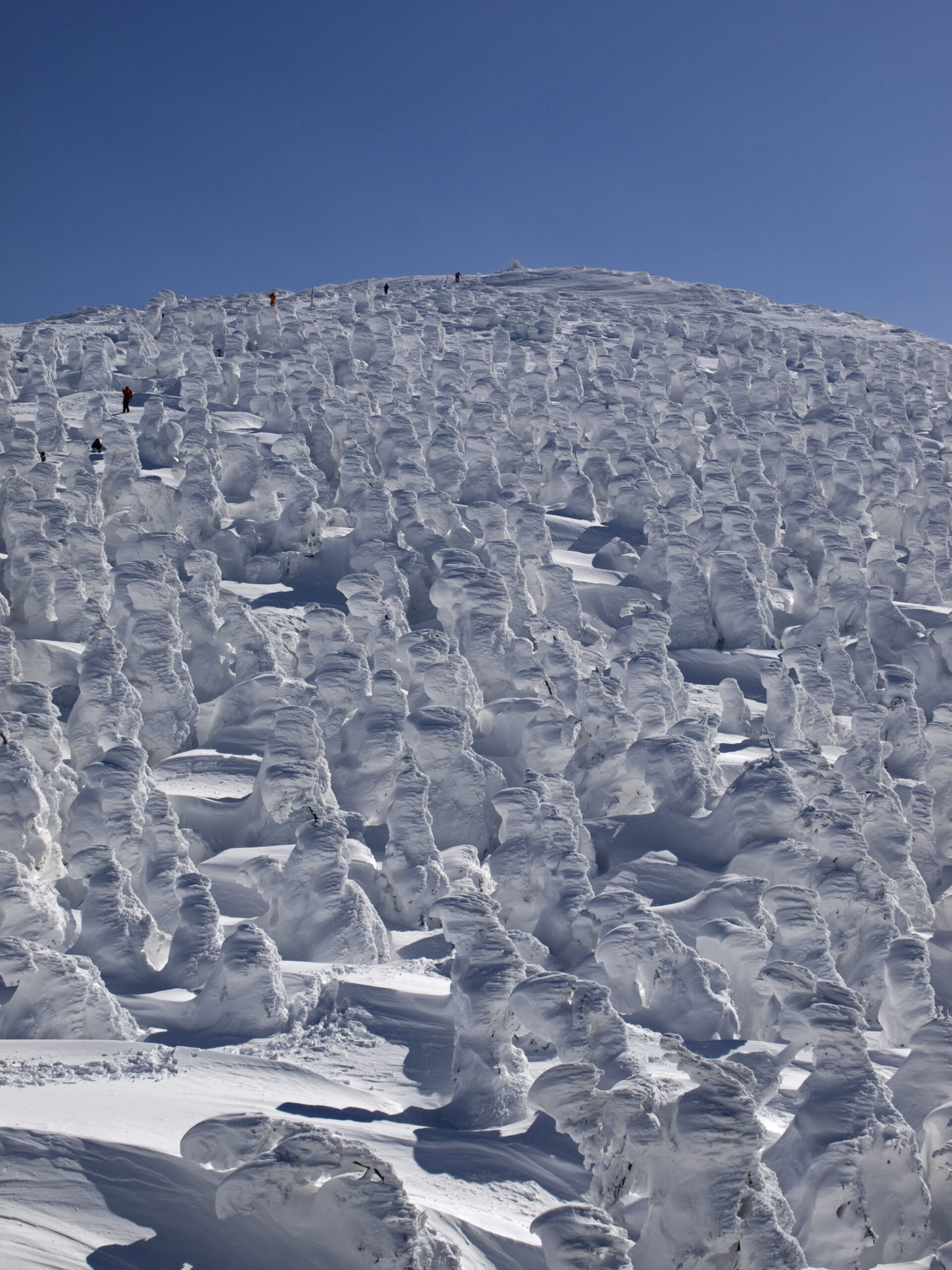
The resort sits at elevations ranging from 730 to 1,661 meters (2,395 to 5,449 feet) above sea level. The upper mountain is where the magic happens: bitter Siberian winds blow in off the Sea of Japan laden with moisture, and when they hit the cold mountain air, they deposit thick layers of rime ice on every surface. The result is the juhyo — “ice trees” or, as locals have come to call them for marketing purposes, the “Snow Monsters.”
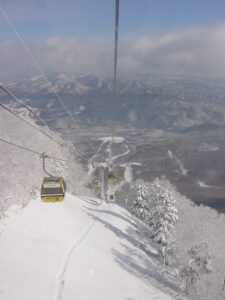
The upper mountain gondola (¥1,200 / $8 return) takes you to the monster zone even if you’re not skiing — and many visitors come just to walk among the creatures. On a clear day, the panorama from the summit extends across the mountains of Yamagata and Miyagi, with the faint outline of Sendai visible in the distance. But the real experience is being up here in the mist, surrounded by the silence of the snow, with the ice trees looming around you like something from a Tolkien novel.
Skiing and Snowboarding at Zao
For those actually here to ski, Zao delivers in every department. The resort divides into several interconnected zones, each with its own character:
Juhyo Course Area (Upper Mountain): The classic Zao run threads between the snow monsters on wide, groomed pistes that suit intermediate skiers and above. On a powder day after fresh snowfall, the off-piste opportunities between the monster trees are genuinely extraordinary — deep, light, cold smoke powder that you’ll be talking about for years. Advanced skiers should explore the natural terrain on either side of the groomed runs, where the trees provide shelter and the snow stays fresh long after the main courses have been tracked out.
Jizo Course and Sun Valley: The longest continuous run at Zao descends over 4 km (2.5 miles) from the summit to the village — a genuine top-to-bottom experience that takes you through multiple zones and terrain types. This is also where the resort’s lit skiing operates on select evenings, creating a magical atmosphere as the illuminated snow monsters glow against the dark sky.
Beginner Areas: The Panorama Zone near the base of the mountain has gentle slopes perfect for first-timers, with ski schools offering lessons in English by arrangement (contact the resort in advance). Rental equipment is available at multiple shops in the village, with packages from around ¥4,000-6,000 ($27-40) per day for boots, skis, and poles.
Lift passes at Zao are reasonable by international standards: a full-day pass costs ¥5,500 ($37) for adults, with discounts for children, seniors, and half-day tickets. Multi-day passes offer significant savings. If you’re planning a full ski holiday, the 5-day pass at around ¥23,000 ($155) represents exceptional value compared to European or North American resorts.
Zao Onsen Village: The Hot Spring Haven
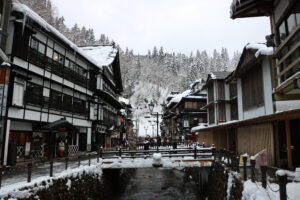
What truly elevates Zao above its competitors is the village at its base. Zao Onsen is a genuine hot spring town with centuries of history, and the thermal waters that emerge here are some of the most dramatic in Japan: highly acidic (pH around 1.5, close to vinegar), milky white, and intensely therapeutic. The water is said to cure everything from skin conditions to fatigue — and after a long day on the mountain, sliding into one of the outdoor rotenburo baths while snowflakes fall around you is an experience that borders on transcendent.
The village’s most famous bathing spot is the Zao Onsen Dai-Yu-Kan (大湯館), a large public bathhouse where the acid-clouded waters have turned the wooden surfaces inside to a deep amber color over decades of use. The Upper Hot Spring and Lower Hot Spring are traditional community baths open to all visitors for just ¥300 ($2) — bargain bathing that you won’t find anywhere near European or American ski resorts.
For those who prefer private bathing, most ryokan and hotels in the village have their own hot spring facilities, often including outdoor baths with views of the snowy forest. Book accommodation with an outdoor bath (rotenburo) if you can — it’s one of the defining Zao experiences.
Appi Kogen: Tohoku’s International Ski Resort
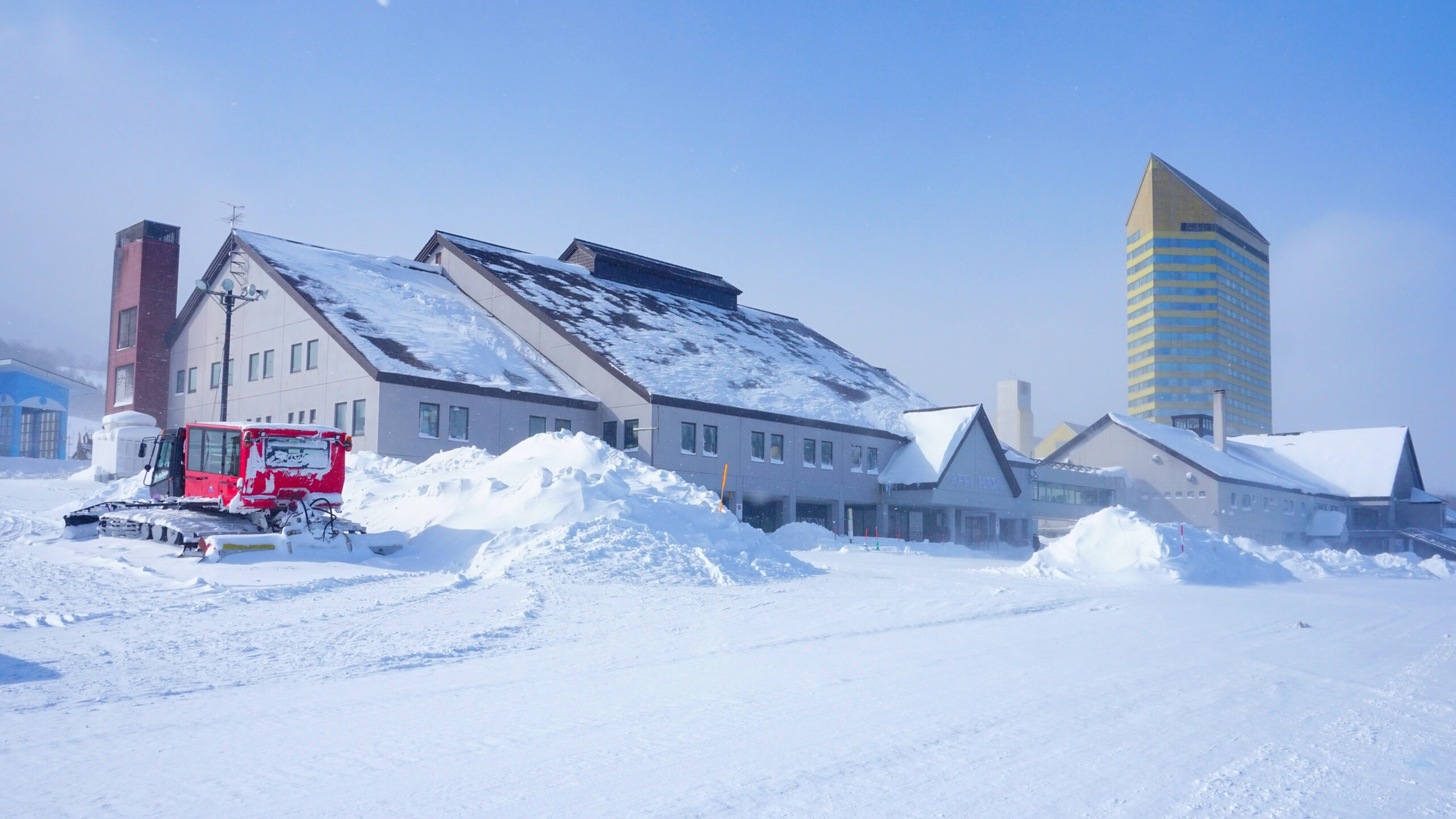
Located in the mountains of Iwate Prefecture, Appi Kogen is Tohoku’s most internationally oriented ski resort and consistently ranks among Japan’s top ski destinations. The resort has invested heavily in English-language services, making it an excellent choice for first-time visitors to Japan who want a comfortable, well-organized ski experience without language barriers.
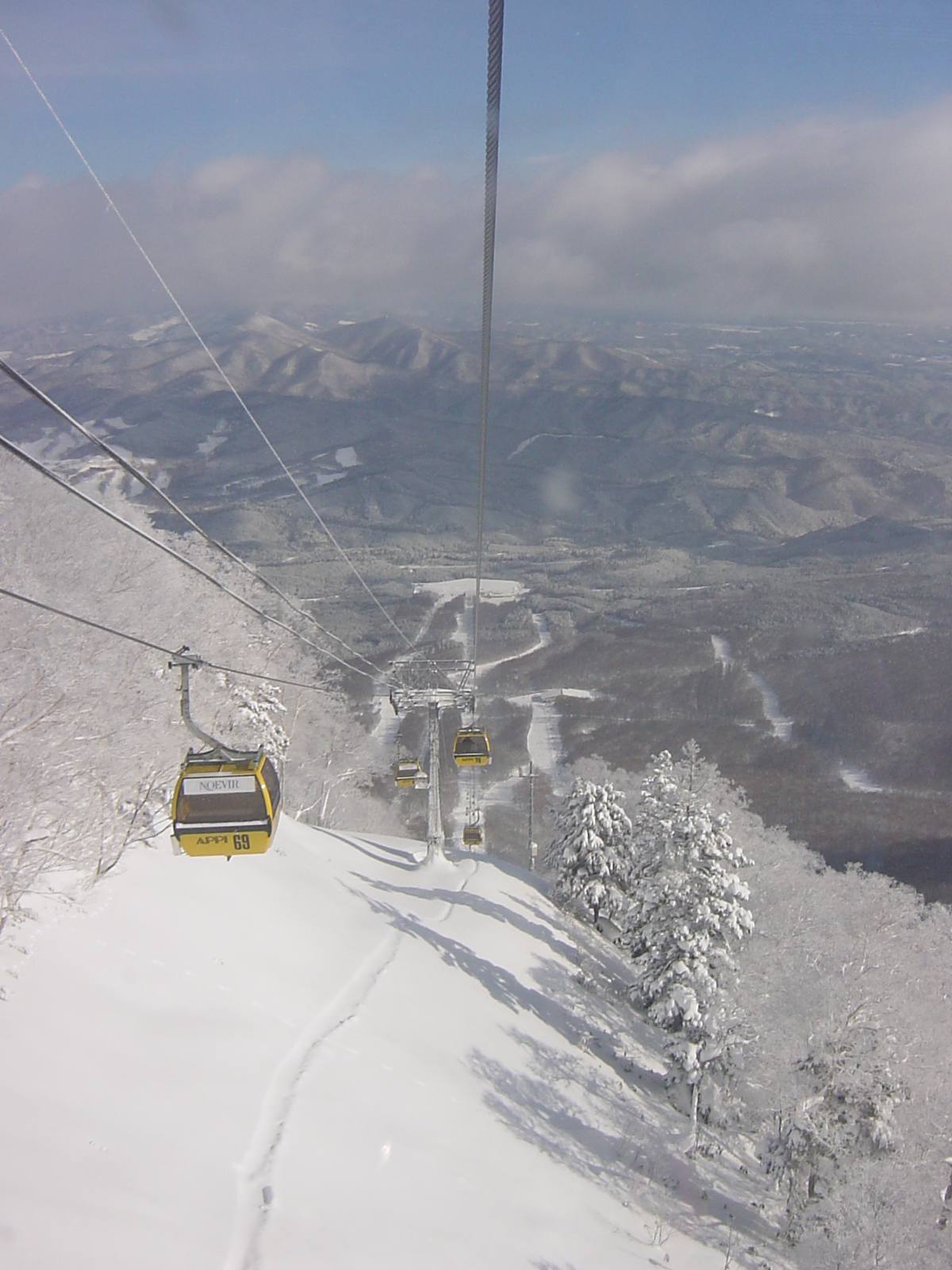
The statistics are impressive: 21 courses over 21 km (13 miles) of pisted runs, 15 lifts including two gondolas, a vertical drop of 880 meters (2,887 feet), and snowfall averaging 8 meters (26 feet) per season. The terrain is more varied than many Japanese resorts — you’ll find genuinely challenging black runs on the upper mountain, long intermediate cruisers through the trees, and wide beginner areas at the base. Unlike some Japanese resorts that feel squeezed into limited terrain, Appi has room to breathe.
Why Appi Kogen Stands Out
Several things distinguish Appi from other Tohoku resorts. First, the English services are genuinely good: the resort’s website publishes detailed snow reports in English, staff at the lift passes and ski rental areas speak basic English, and the on-mountain restaurants have English menus. If you’re traveling solo or in a small group without Japanese language skills, Appi is reassuringly navigable.
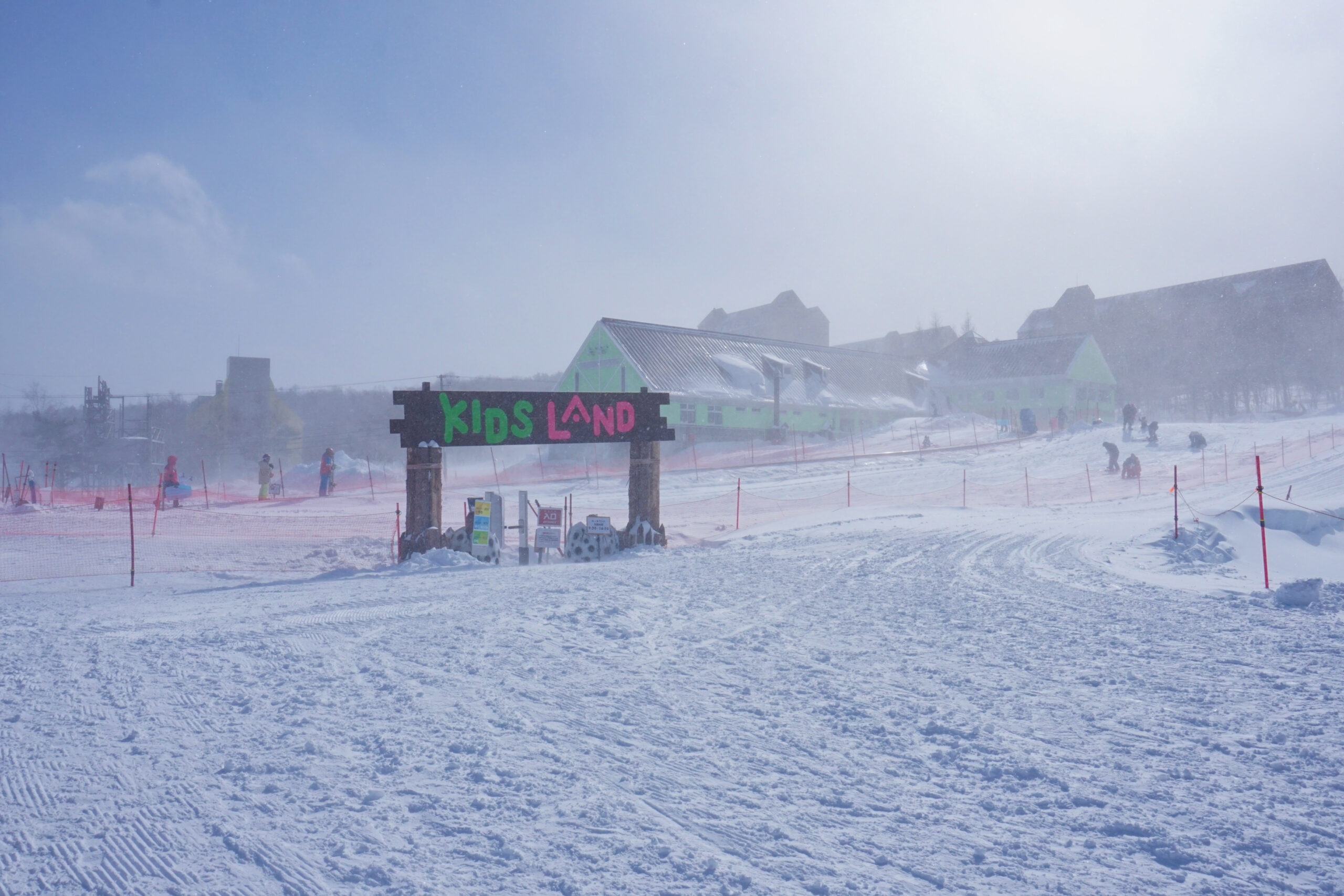
Second, Appi has invested in infrastructure that more rural resorts lack. The resort complex includes multiple hotels ranging from budget to luxury, all ski-in/ski-out, with restaurants, bars, a shopping arcade, a cinema, and a convenience store on-site. You can arrive Friday evening and not leave the resort until Sunday — everything you need is there. This makes it particularly popular with Japanese corporate groups and families, which explains why weekday skiing here is quieter while weekends can get busy.
Third, Appi’s powder is genuinely special. The resort sits at higher elevation than much of the surrounding terrain, catching cold air masses coming off the Pacific coast. On a good powder day, the tree runs on the northern side of the mountain are absolutely extraordinary — dry, deep, and seemingly inexhaustible. The resort has been quietly courting international skiers from Australia and North America who know about these conditions, and a small but growing community of powder chasers now makes Appi their annual Japan destination.
Lift passes at Appi cost ¥6,000 ($40) for a full day, with multi-day packages available. Ski rental is approximately ¥5,500 ($37) per day for basic equipment, with premium options for shaped skis and powder boards available at reasonable prices.
Other Excellent Ski Resorts in Tohoku
Zao and Appi are the region’s flagship resorts, but Tohoku has a broader ski scene that rewards exploration. Here are the other ski areas worth knowing about:
Gassan Ski Resort, Yamagata
This one is unique in all of Japan: Gassan operates from late April to late July, making it one of the country’s only summer ski destinations. The reason is its extreme elevation (the lifts reach 1,984 meters / 6,509 feet) and the massive snowpack that accumulates during Tohoku’s long winter. In May and June, you can ski under brilliant sunshine in a t-shirt while cherry blossoms bloom in the valleys below — one of Japan’s most surreal seasonal juxtapositions. The ski season at Gassan is short (typically late April to July), so check current conditions before planning a visit.
Hakkoda and Sukayu Onsen, Aomori
The Hakkoda Mountains in Aomori Prefecture are legendary among Japanese backcountry skiers. This is where Japan’s most extreme snow falls — Sukayu village, nestled in the mountains, holds the Japanese record for single-season snowfall (multiple times exceeding 20 meters / 66 feet). The Hakkoda Ropeway lifts skiers to 1,323 meters (4,341 feet) for access to vast open bowls and tree runs that remain untracked long after other resorts are tracked out. This is expert terrain — tree skiing, off-piste, and natural hazards require strong ski skills and ideally a local guide. But for advanced powder hounds, Hakkoda is among the finest experiences in Asia.
Geto Kogen, Iwate
Smaller and more intimate than Appi Kogen, Geto Kogen has developed a strong following among Japanese powder enthusiasts for its reliable snow and relatively uncrowded conditions. The resort has limited English services but is worth considering for intermediate-to-advanced skiers who want a more authentic, less developed experience. Lift passes are around ¥4,500 ($30) per day.
Nozawa Onsen and Beyond
For those planning a wider ski trip through Japan, Nozawa Onsen in Nagano Prefecture and the Niseko area of Hokkaido are natural extensions. However, for a pure Tohoku ski experience, the combination of Zao Onsen (for culture and snow monsters) and Appi Kogen (for variety and English services) gives you everything you need for an exceptional ski holiday without leaving the region.
Best Time to Visit Tohoku Ski Resorts
- Late December to Early January: Snow is building and resorts are fully open. Avoid the New Year holiday period (January 1-3) if crowds bother you — this is Japan’s busiest ski travel weekend of the year.
- January (Peak Season): This is when the juhyo at Zao reach their full glory, with trees encrusted in up to 1.5 meters of ice accretion. Powder conditions are best, temperatures are lowest, and the mountain scenery is at its most dramatic. Weekdays are uncrowded; weekends busier.
- February (Sweet Spot): Generally considered the ideal month for Tohoku skiing. Snow depths are at maximum, temperatures are cold enough to maintain powder quality, and the winter festival season adds cultural entertainment. Book early — this is the most popular month.
- March (Late Season Value): Temperatures begin to moderate, meaning heavier, wetter snow in the afternoons. But spring sunshine makes for excellent visibility, discounted lift passes appear at many resorts, and the combination of snow and the first signs of spring is genuinely beautiful. Zao Onsen village remains open and bathing is still excellent.
- April-July (Summer Skiing): Only at Gassan. Niche, but worth planning for if you have always wanted to ski in summer.
Where to Eat: Ski Lodge Food in Tohoku
One of the great pleasures of skiing in Japan is the food — considerably better than what you would find in a European or North American ski lodge. Here is what to look for at Tohoku’s resorts:
Ramen: The Essential Post-Ski Fuel
Every Tohoku ski resort has at least one ramen shop, and for good reason: there is no better way to warm up after a cold morning on the mountain than a steaming bowl of rich pork bone (tonkotsu) or soy-based chicken broth ramen. At Zao, the local style is a lighter, clear-broth ramen influenced by Yamagata cuisine, often featuring thick, flat noodles and mountain vegetables. A bowl costs ¥800-1,200 ($5-8) and is worth every yen.
Gyoza and Jingisukan at the Lodges
Many Japanese ski resorts serve jingisukan — grilled mutton with vegetables, named after Genghis Khan — as a lodge staple. You’ll find it at Appi Kogen particularly: the grill-it-yourself style means you can defrost your fingers over the hot burner while waiting for your lunch to cook. It’s messy, communal, and absolutely delicious with cold beer. Expect to pay ¥1,500-2,000 ($10-13) for a full set.
Zao Onsen Village Restaurants
Restaurant Sanzoku: A local institution in the Zao Onsen village serving hearty mountain cooking including wild boar (inoshishi) dishes, mushroom hotpot, and local soba. Prices are moderate at ¥1,000-2,500 ($7-17) for mains. Close to the main bus stop and almost always crowded on weekends — arrive early or reserve ahead.
Soba Michi: For those who want the full Yamagata soba experience, this small restaurant makes its noodles fresh daily using locally grown buckwheat. The tasting set (¥1,500 / $10) lets you try several styles, including the distinctive cold soba with local dipping sauce that Yamagata is famous for.
On-Mountain Lodges: The summit lodge at Zao has a cafeteria serving curry rice, udon, and seasonal dishes. The hot corn soup in a paper cup (¥300 / $2) is a Japanese ski resort tradition you should not skip.
Appi Kogen Food Options
Summit Restaurant Yamabuki: The on-mountain restaurant at Appi serves a mix of Japanese and Western food, including good katsu curry, pasta, and set lunches. Prices run ¥1,200-2,500 ($8-17) for a full meal.
Appi Village Restaurants: The resort village has a good selection of restaurants in the hotel complex, from izakaya (Japanese pub-style dining) to Western options aimed at international visitors. The izakaya is worth a visit for yakitori (grilled chicken skewers), karaage (fried chicken), and regional Iwate sake.
Where to Stay Near Tohoku’s Ski Resorts
Staying at Zao Onsen
Budget (Under ¥8,000 / $55 per person per night):
Zao Onsen Youth Hostel is a no-frills option close to the slopes, with dormitory beds from around ¥3,500 ($24) per person and access to communal hot spring baths. Pension Sunbeam is a small guesthouse offering twin and double rooms from ¥7,000 ($47) per person including breakfast, with a rotenburo (outdoor bath) and walking distance from the main gondola.
Mid-Range (¥8,000-¥20,000 / $55-$135 per person per night):
Ryokan Zao is a classic Japanese inn with traditional tatami rooms, multi-course kaiseki dinners using local Yamagata ingredients, and spacious hot spring baths. A two-night stay here, with dinner and breakfast included, is one of the definitive Japanese winter experiences. From around ¥15,000 ($100) per person per night.
Hotel Zao offers Western-style rooms with Japanese amenities — hot spring baths and Japanese-set breakfasts included. Popular with families and visitors who prefer a hotel room over tatami. From around ¥12,000 ($80) per person per night with meals.
Luxury (¥20,000+ / $135+ per person per night):
Aburatsubo Bekkan is one of Zao’s finest ryokan, known for exceptional kaiseki cuisine using Yamagata wagyu beef and wild mountain vegetables. Private hot spring baths (kashikiri buro) can be reserved for couples. From ¥30,000 ($200) per person per night with two meals.
Staying at Appi Kogen
Budget (Under ¥8,000 / $55 per night):
Appi Kogen doesn’t have many budget options within the resort itself, but guesthouses in Hachimantai City in the valley below can be found from around ¥5,000-7,000 ($34-47) per night. You’ll need a car or the resort shuttle to reach the slopes.
Mid-Range (¥8,000-¥20,000 / $55-$135 per night):
Hotel Appi Grand is the resort’s flagship property, with comfortable rooms (Western and Japanese styles available), direct ski-in/ski-out access, indoor and outdoor hot spring pools, and multiple restaurants. From ¥12,000 ($80) per person per night with meals. Appi Kogen Lodge offers more economical rooms in the same ski-in/ski-out convenience. From around ¥9,000 ($60) per person per night.
Luxury (¥20,000+ / $135+ per night):
Hotel Appi Grand Club Rooms provide upgraded mountain-view rooms with executive lounge access, private onsen access, and concierge services. From ¥25,000 ($167) per person per night with meals.
Practical Tips for Skiing in Tohoku
- Book accommodation early for January and February: Peak season accommodation fills up quickly, especially at Zao Onsen where hot spring ryokan rooms are limited. Book 2-3 months in advance for holidays and weekends. Weekday stays are much easier to arrange at short notice.
- Pack for serious cold: Zao’s upper mountain regularly reaches minus 15°C (5°F), with wind chill making it feel much colder. Proper layering is essential: moisture-wicking base layer, insulating mid-layer, and a windproof/waterproof shell. Don’t forget a good balaclava or face mask.
- Hot spring etiquette: Remove shoes at the entrance, shower thoroughly before entering the baths, and keep towels out of the water. Most hot springs do not allow guests with tattoos in the communal baths — check the policy when booking if relevant to you.
- The acid at Zao Onsen: Zao’s hot spring water is highly acidic and will damage jewelry. Remove rings, earrings, and metal accessories before bathing.
- Snow tires are mandatory: If renting a car for Tohoku winter travel, confirm the rental agency provides vehicles with snow tires or chains. This is standard at Japanese rental companies, but double-check.
- Ski insurance: Japan’s ski resorts require visitors to purchase their own insurance. Many travel insurance policies cover winter sports — confirm yours does before departure, or buy additional coverage.
- Cash is useful at smaller resorts: While Appi Kogen accepts credit cards widely, smaller resorts and the onsen baths at Zao often prefer cash. Carry ¥10,000-20,000 ($67-133) in cash for a day on the mountain.
- Evening illuminated skiing at Zao: Select evenings during the season feature illuminated skiing through the snow monster zone. These sell out — check the Zao Onsen website for dates and book the gondola ticket in advance.
- Language: English signage at Zao Onsen is improving but still limited compared to Niseko. Download Google Translate or a Japanese phrasebook app before you go.
- Combination trips: Zao is easily combined with a day in Yamagata city (famous food, Yamadera temple, excellent sake) or Sendai (2 hours by bus). Appi pairs well with Morioka city and Hachimantai National Park.
Sample 3-Day Tohoku Ski Itinerary: Zao Onsen Focus
Day 1: Tokyo to Zao Onsen
Morning: Take the 8:00am Yamagata Shinkansen from Tokyo Station (arrive Yamagata approximately 10:30am). Transfer to the Zao Onsen bus from Yamagata Station (bus stop 12, approximately 40 minutes). Check into your ryokan.
Afternoon: Head up the mountain for a half-day of skiing (4-hour afternoon pass saves money). Explore the snow monster zone on the gondola. Midweek arrivals will find the upper mountain largely uncrowded.
Evening: Soak in your ryokan’s private hot spring bath. Multi-course kaiseki dinner featuring Yamagata wagyu beef and local mountain vegetables. Stroll through the lantern-lit onsen village and try the public baths at Dai-Yu-Kan.
Day 2: Full Day on the Mountain
Morning (8:00am): Purchase a full-day lift pass and start early when the powder is untracked. Focus on the upper mountain runs through the snow monsters — ideally after fresh snowfall overnight. Take the juhyo course from top to bottom for the full 4km (2.5-mile) experience.
Midday: Lunch in the summit lodge — hot corn soup and curry rice with views across the mountains of Yamagata Prefecture.
Afternoon: Return to the village and explore the area, or stay on the mountain for afternoon runs on the gentler Sun Valley slopes that are often quieter in the afternoon sun.
Evening: Dinner at Restaurant Sanzoku in the village for wild boar and mountain vegetables. Try the local Yamagata Dewazakura sake.
Day 3: Final Morning and Return
Morning: One final session on your favorite runs. Buy local souvenirs — Zao Onsen has good shops for Yamagata crafts, locally produced apple juice, and kokeshi dolls. Check out by 11:00am and take the 11:30am bus back to Yamagata Station.
Afternoon: Optional 2-hour stopover in Yamagata city for lunch before the Shinkansen back to Tokyo. The city’s restaurant scene is excellent — ask your ryokan for a recommendation before departing.
Final Thoughts
Tohoku’s ski resorts offer something that has become genuinely rare in the modern ski world: world-class snow and mountain experiences without the crowds, prices, and over-commercialization that have come to define the most famous ski destinations. At Zao Onsen, you’re skiing in a landscape that looks like something from a fantasy novel, soaking in waters that would cost a fortune at a European spa, and eating better food than you’ll find at any mountain resort on earth — all for a fraction of what you’d pay in the Alps or the Rockies.
The ski season runs from approximately December through late March at most resorts, with Gassan extending to July for the truly committed. Whatever time you choose, whatever resort draws you, Tohoku in winter delivers an experience that will reset your benchmark for what a ski holiday can and should be. The mountains are waiting — and the snow monsters are watching.
Got questions about planning your Tohoku ski trip, or spotted something we missed? We’d love to hear from you — drop us a message here.
Related Articles You Might Enjoy
- Gassan Ski Resort, Yamagata: Skiing Into Summer on Japan’s Sacred Mountain
- Tohoku Winter Onsen & Ryokan Guide: Hot Springs, Snow & Japanese Inn Culture
- Sakata & the Mogami River, Yamagata: Japan’s Most Underrated Merchant City & a Legendary River Cruise
- Zao Okama Crater Lake: Complete Guide to Yamagata’s Emerald Volcanic Wonder
- Yamadera (Risshakuji Temple): Complete Guide to Yamagata’s Mountain Temple


コメント