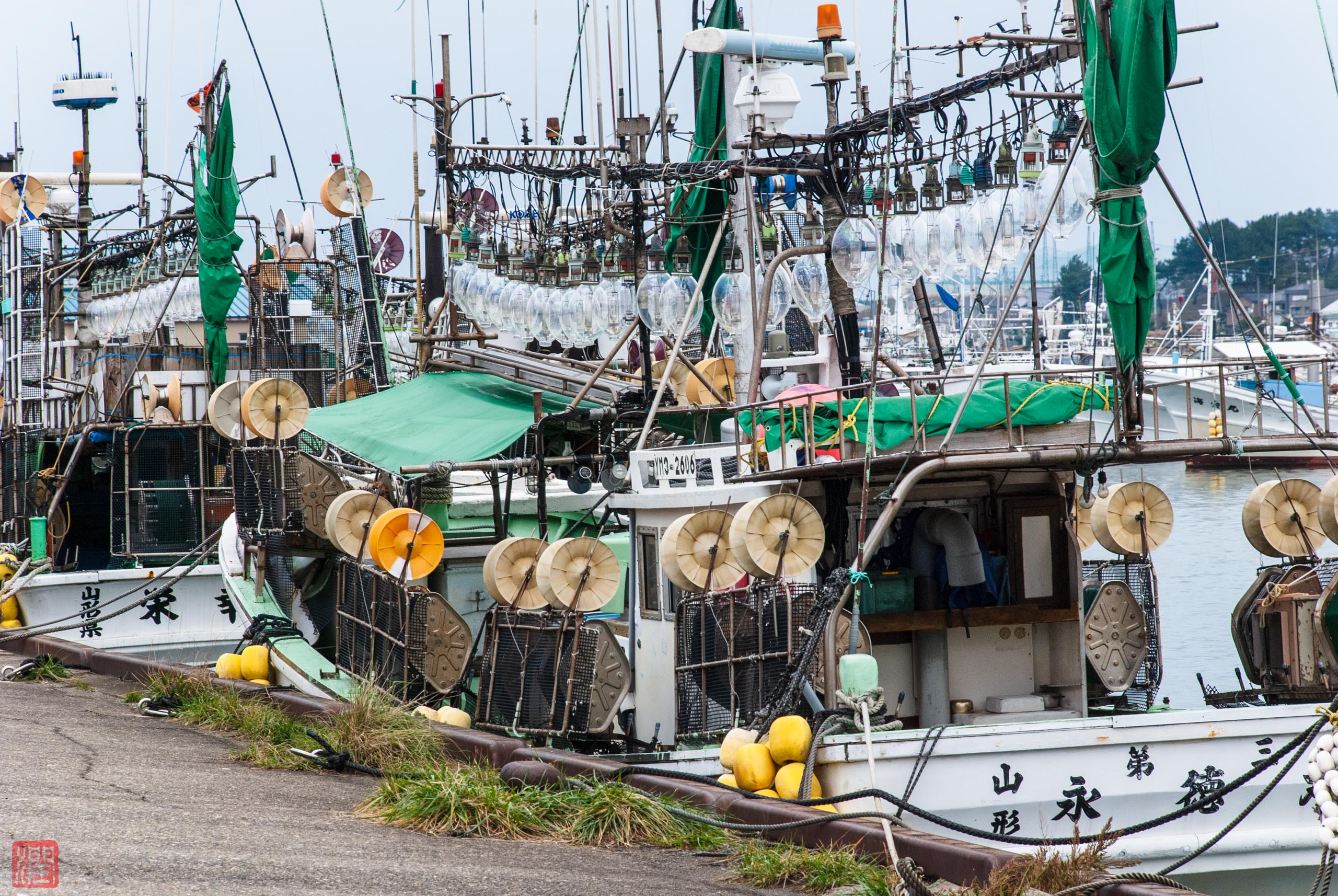
Tucked away on Yamagata’s Sea of Japan coastline, Sakata is the kind of city that seasoned Japan travelers whisper about like a secret. Once one of Japan’s wealthiest merchant cities — a prosperous port where rice, sake, and silk passed through on the way to Edo — Sakata today feels refreshingly unhurried, genuinely local, and visually stunning. Add a scenic cruise along the legendary Mogami River, one of Japan’s three great rivers immortalized by the haiku master Matsuo Bashō, and you have a destination that rewards the curious traveler with experiences you simply cannot find anywhere else in Japan.
Why Sakata & the Mogami River Should Be on Every Japan Itinerary
Most foreign visitors to Japan follow a well-worn path: Tokyo, Kyoto, Osaka, and maybe a bullet train to Hiroshima. Some venture north to Sendai or the iconic Matsushima Bay. But very few make it as far as Sakata — and that’s precisely what makes this city so extraordinary. You’ll share the streets with locals, not tourists. Restaurant owners will be genuinely surprised and delighted that you’ve found their place. And you’ll feel, perhaps for the first time in Japan, that you’re glimpsing the country as it actually is rather than as it performs for visitors.
Sakata’s extraordinary history as a merchant city is written into its architecture, its food culture, and even its people. During Japan’s Edo period (1603–1868), the city served as a critical hub for the Kitamaebune shipping route — a coastal trade network that connected northern Japan’s agricultural bounty to Osaka’s markets. Rice from the Shōnai Plain, sake from Yamagata’s cold springs, and seafood from the Sea of Japan all passed through Sakata’s port, generating enormous wealth. The city’s merchant class grew fabulously rich, and they built magnificent warehouses, tea houses, and cultural institutions that still stand today.
The Mogami River adds another dimension entirely. Stretching 229 km (142 miles) from the mountains of central Yamagata Prefecture down to Sakata and the Sea of Japan, it’s one of Japan’s most storied waterways. Matsuo Bashō, the legendary 17th-century haiku poet, traversed this river in 1689 and wrote one of Japanese literature’s most famous haiku about the experience. Today you can follow in Bashō’s wake on a traditional wooden boat cruise through dramatic gorges and dense forests — one of the most atmospheric river journeys in all of Japan.
Getting There from Tokyo
Sakata is accessible by bullet train and limited express, making it a realistic addition to any Tohoku itinerary. Here are your main options:
- Shinkansen + Limited Express: Take the Yamagata Shinkansen from Tokyo Station to Shinjo (about 2.5 hours, ¥12,760 / ~$88), then transfer to the JR Rikuu West Line to Amarume and onward to Sakata — total journey around 3.5 to 4 hours. The JR Pass covers the full route.
- Shinkansen via Akita: Take the Akita Shinkansen from Tokyo to Akita (about 4 hours, ¥18,380 / ~$126), then a Limited Express Inaho train south to Sakata (about 1.5 hours). Total time around 5.5 hours but the Akita Shinkansen scenery is stunning. JR Pass valid throughout.
- JR Limited Express Inaho from Niigata: If you’re coming from Niigata, the Limited Express Inaho runs directly along the Sea of Japan coast to Sakata in about 2 hours. This is a beautiful coastal route worth considering.
- Rental Car: Driving to Sakata from Sendai takes around 3 hours via the expressway. A car opens up the Mogami River Valley route beautifully and lets you stop at sake breweries and rural villages along the way. Highly recommended if you have 3+ days in the region.
- Highway Bus: Direct overnight buses from Tokyo’s Shinjuku area to Sakata operate several nights a week, arriving around 6–7am. A cost-effective option at around ¥5,000–8,000 (~$35–55) one way.
The JR Pass is valid for all shinkansen and limited express train options listed above, making Sakata excellent value for pass holders. From Sendai, the combination of Yamagata Shinkansen to Shinjo and the scenic Limited Express through the mountains is genuinely one of Tohoku’s great rail journeys.
The Mogami River Gorge Cruise: Japan’s Most Poetic River Journey
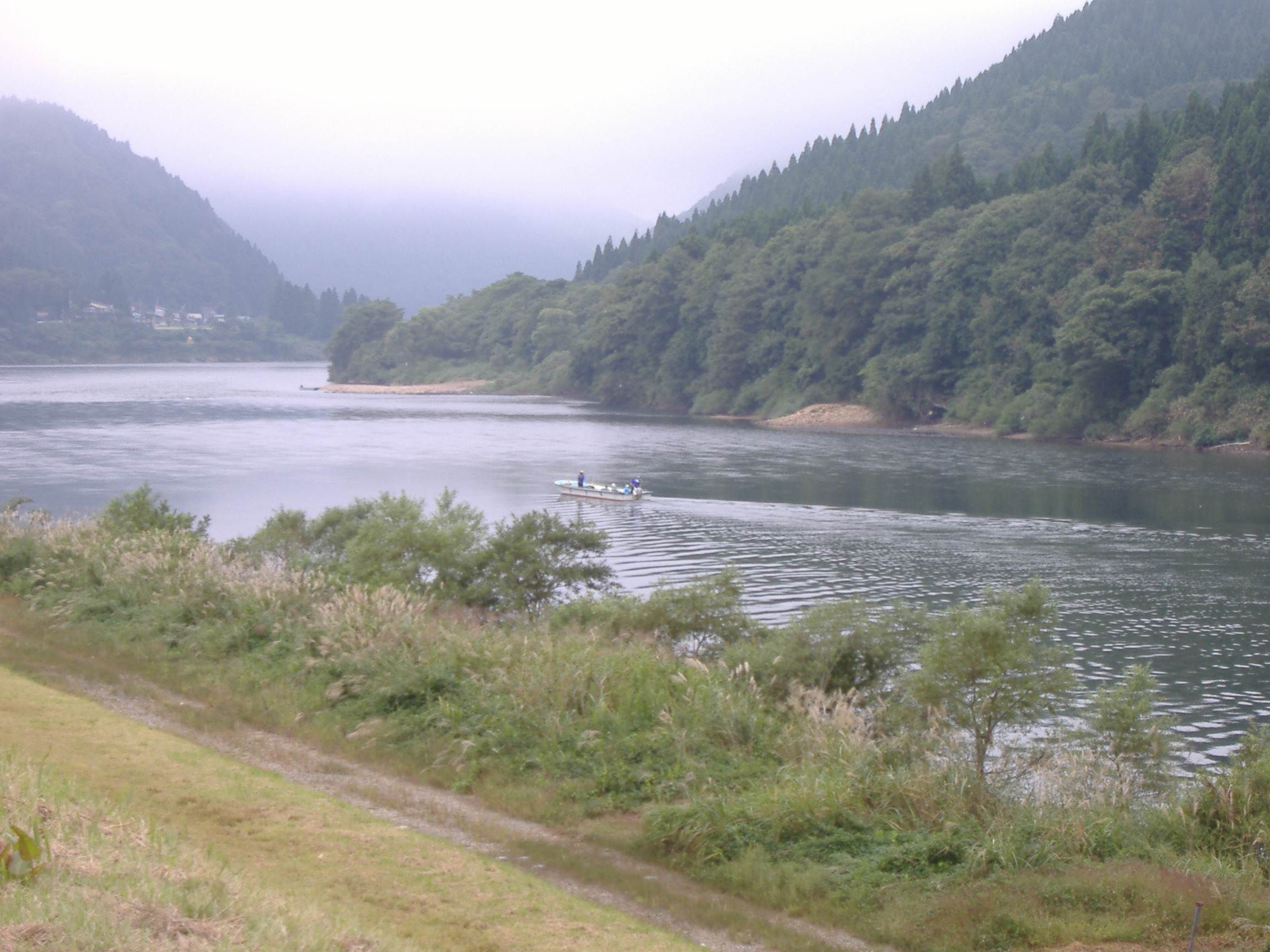
If you do only one thing in the Sakata area, make it the Mogami River cruise from Furukuchi down to Kusanagi. This 12 km (7.5 mile) boat journey through a dramatic gorge takes about 1 hour, and it’s the kind of experience that stays with you long after you’ve left Japan.
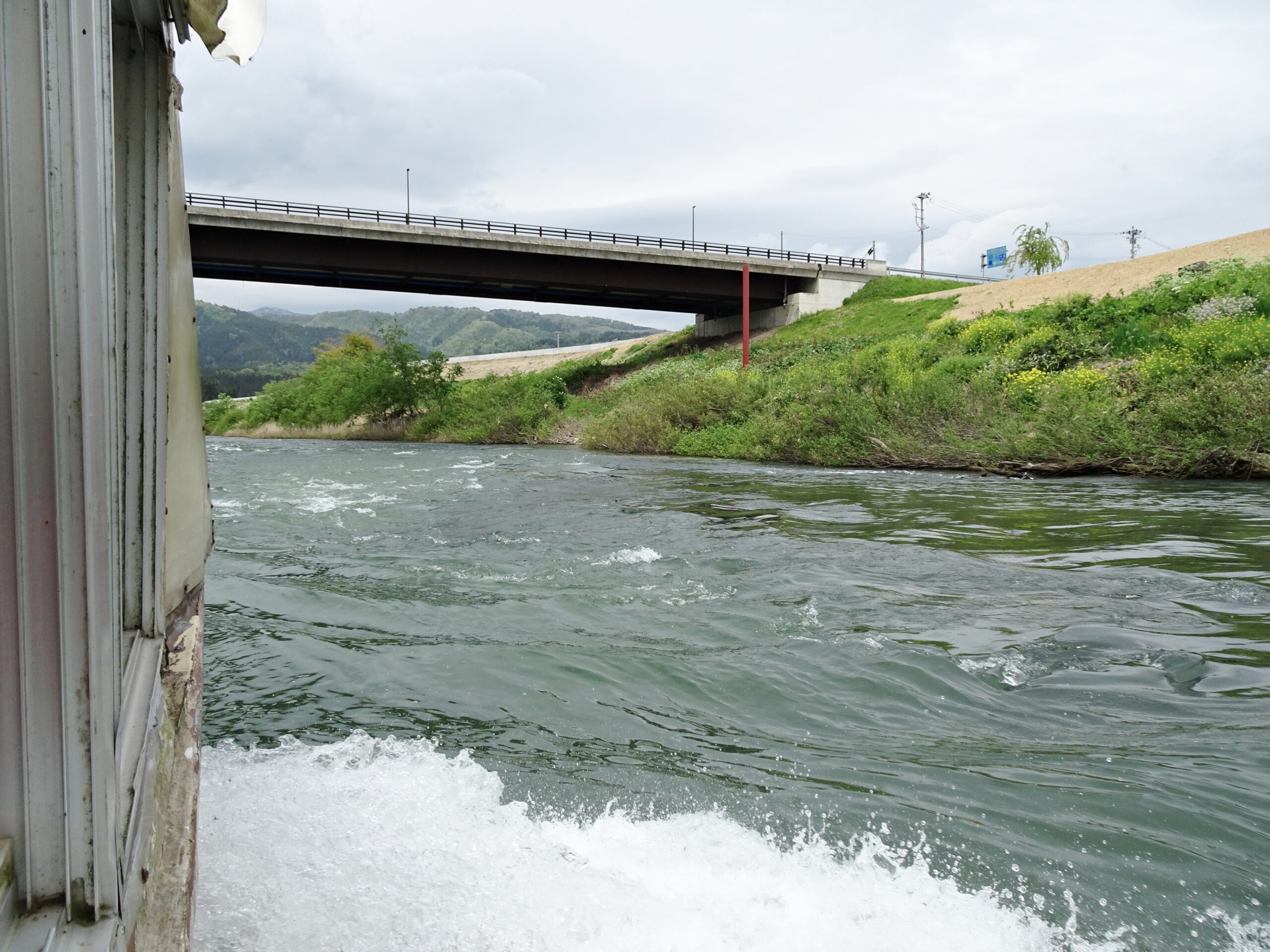
The boats are traditional flat-bottomed wooden vessels — descendants of the craft that transported rice and cargo along this river for centuries. You’ll sit comfortably on cushions as your boatman navigates the gentle current, pointing out landmarks, dramatic cliff formations, and seasonal highlights. In spring, the gorge’s steep walls explode with hundreds of cherry blossom trees — so many blossoms at once that the effect is almost unreal. Autumn transforms the scene with crimson maples and golden gingko trees reflected in the river’s mirror-like surface. Winter is equally magical, when snow blankets the riverside mountains and ice formations decorate the cliff faces.
The boatman will typically sing traditional Mogami River folk songs during the journey — haunting, melodic songs that the boat workers used to sing in centuries past. Even if you don’t understand the words, the combination of the music, the moving water, and the canyon walls closing in around you creates an atmosphere that feels genuinely ancient and transporting.
Matsuo Bashō wrote during his 1689 journey: “Gathering the rains of summer — swift Mogami River.” (五月雨をあつめて早し最上川) This haiku, perhaps the most famous he ever wrote about a river, captures perfectly the power and speed of the Mogami after the summer rains. The river today looks remarkably similar to how it appeared in Bashō’s time — a testament to how well this landscape has been preserved.
Practical details: The cruise operates year-round from Furukuchi Boat Dock (古口舟場), located about 40 minutes from Sakata by train (take the Rikuu West Line to Furukuchi Station). A one-way cruise from Furukuchi to Kusanagi costs ¥2,200 / ~$15 for adults, ¥1,100 for children. From Kusanagi, a shuttle bus returns you to Furukuchi. Round-trip cruises are also available. Advance reservations are recommended during cherry blossom season (late April to early May) and autumn foliage season (mid-October to early November). Call the Mogami River Pleasure Boat Office at 0233-72-2001 or book through your hotel.
Sakata’s Historic Merchant Quarter: Where Old Japan Lives On
Downtown Sakata is one of Tohoku’s most underappreciated historic districts, with an intact streetscape of Edo-era merchant houses, beautifully maintained warehouses, and atmospheric old-fashioned shopping streets. Unlike the slightly theme-park feel of some preserved historic districts in Japan, Sakata’s merchant quarter still functions as a living neighborhood where locals shop, eat, and go about their daily lives.
The most iconic sight is the Sankyo Soko (山居倉庫) — a row of twelve magnificent wooden rice warehouses built in 1893 along a willow-lined canal. These warehouses were constructed specifically to store Shōnai rice, one of Japan’s finest and most prized varieties, and were designed with extraordinary ingenuity: double-layered earthen walls, thick thatched roofs, and strategic placement of trees to maintain a stable temperature and humidity year-round. The warehouses are still in active use today, storing rice during the harvest season. The willow trees lining the canal in front of the warehouses are among Sakata’s most photographed scenes — particularly in early summer when their long branches trail gracefully into the still water.
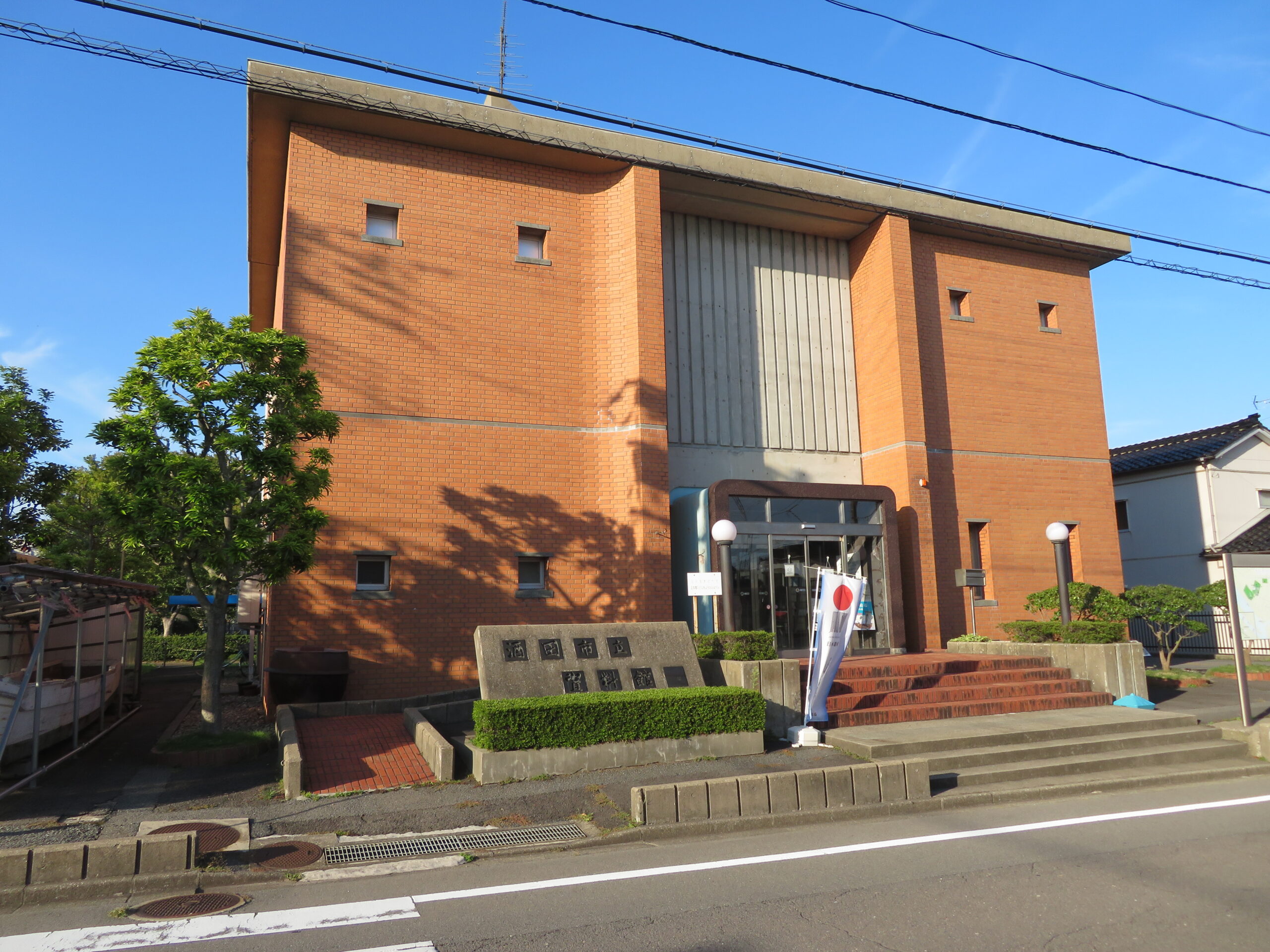
Behind the Sankyo Soko, the Umi-machi Kaiko Museum (海向寺) offers an absorbing introduction to Sakata’s merchant history, with exhibits on the Kitamaebune shipping route, traditional rice trading practices, and the city’s cultural golden age. English-language information is available.
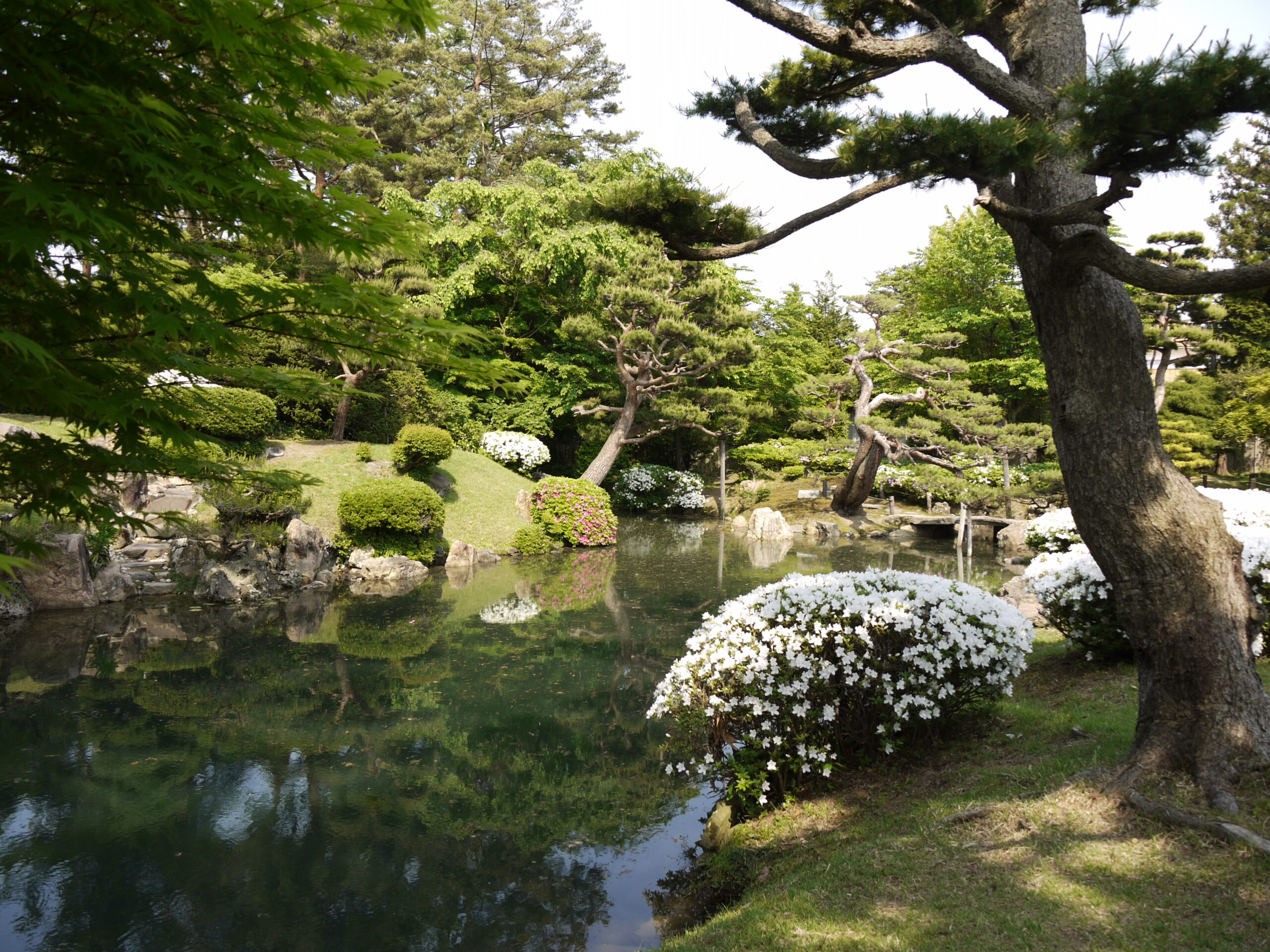
A short walk from the warehouses brings you to the Homma Museum of Art (本間美術館), set in a stunning early 18th-century garden that was originally the private estate of the Homma family — Sakata’s wealthiest merchant dynasty and reputedly one of the richest families in all of Japan during the Edo period. The museum houses an exceptional collection of Japanese art and craft objects accumulated by the family over generations, including hanging scrolls, lacquerware, ceramics, and textiles. The surrounding garden, with its pond, stone lanterns, and seasonal plantings, is a masterpiece in itself and one of the finest traditional gardens in Yamagata Prefecture.
Kamo Aquarium: The World’s Most Spectacular Jellyfish Experience
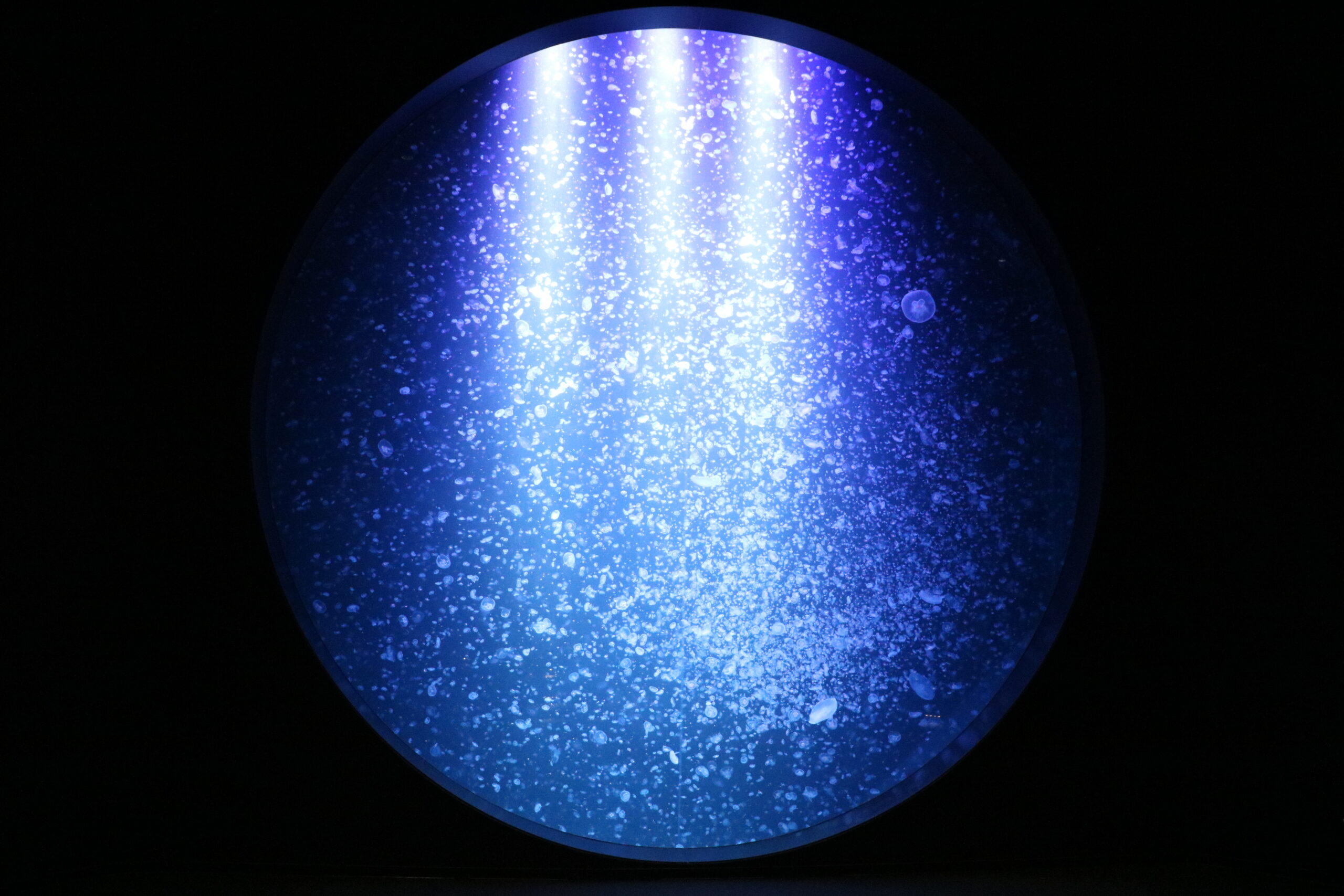
About 30 minutes north of Sakata city center (take the JR Uetsu Main Line to Nezugaseki, then a short taxi ride, or take a direct bus from Sakata), the Kamo Aquarium (加茂水族館) holds a world record that makes it utterly unique among Japan’s many excellent aquariums: it displays the largest number of jellyfish species on the planet. Over 50 species of jellyfish drift and pulse in tanks throughout the facility, from tiny moon jellies barely the size of a coin to magnificent lion’s mane jellyfish trailing tentacles over a meter long.
The centerpiece of the aquarium is the “Jellyfish Dream Theater” — a vast circular tank over 5 meters in diameter, completely filled with thousands of moon jellyfish. Watching them drift in the blue-lit water is one of the most hypnotically beautiful sights in Japan, and photos of this tank have made the Kamo Aquarium internationally famous on social media. But the experience in person is far more powerful than any photograph can convey — the scale, the silence, and the slow, rhythmic pulsing of thousands of translucent creatures creates something genuinely meditative.
Beyond the jellyfish, the aquarium maintains excellent exhibits on Sea of Japan marine life, with particular focus on the extraordinary biodiversity of the cold, nutrient-rich waters off Yamagata’s coast. You’ll see sea angels (tiny pteropods that look like they’ve escaped from a fairy tale), various species of sea dragon, and an impressive collection of local fish. The aquarium’s café serves jellyfish-themed food and drinks — the jellyfish ramen might sound gimmicky, but it’s genuinely good.
Practical details: Open daily 9am–5pm (last entry 4pm). Adults ¥1,000 / ~$7, children ¥500. Closed for maintenance for a few weeks each year — check the website before visiting. The aquarium is small enough to see thoroughly in 90 minutes to 2 hours.
Mount Gassan: Alpine Hiking Above the Clouds
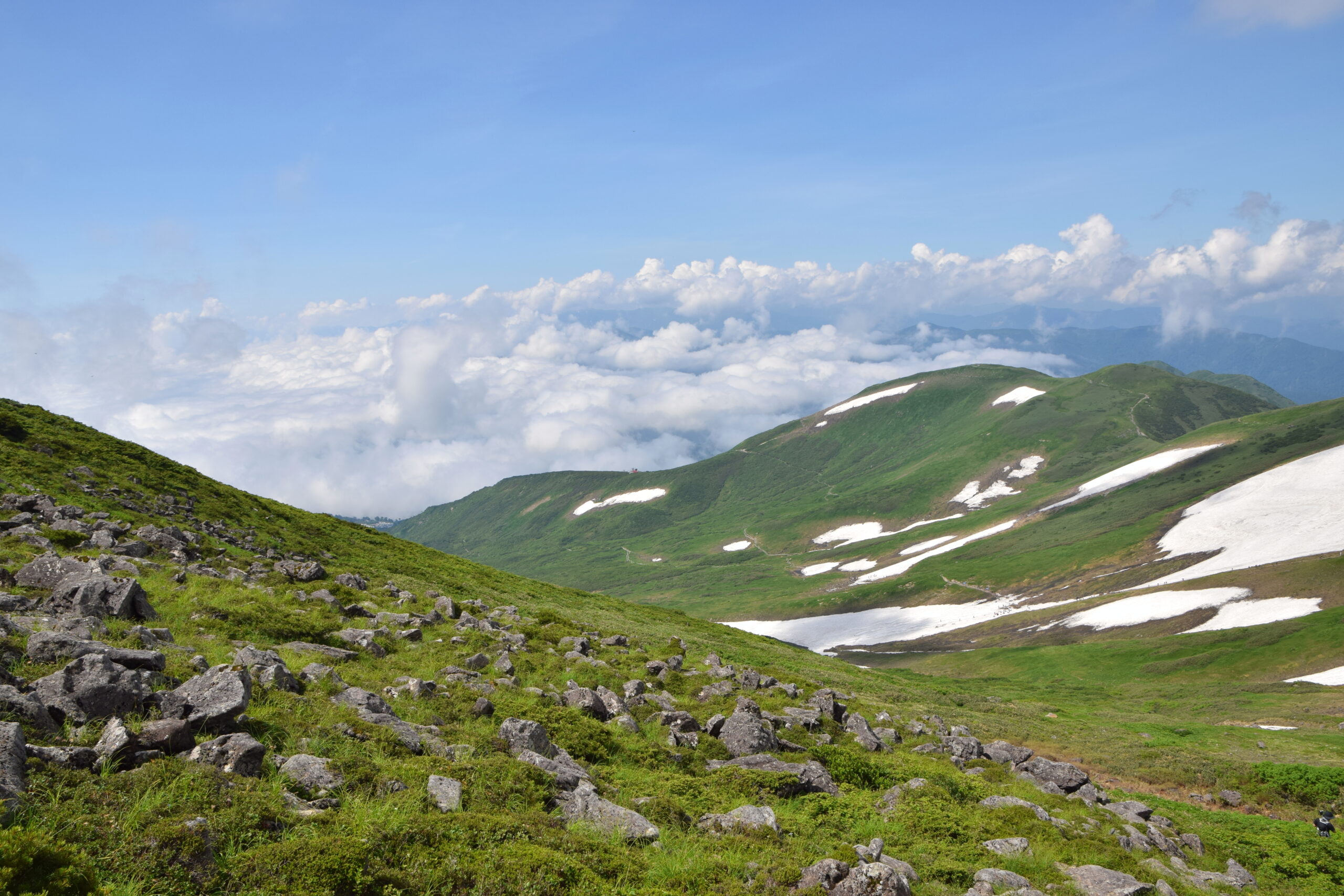
At 1,984 meters (6,509 feet), Mount Gassan (月山) is one of Yamagata’s Three Sacred Mountains (the Dewa Sanzan) and one of Tohoku’s most magnificent alpine environments. It’s accessible from Sakata as a day trip — a dramatic contrast to the lowland coastal scenery of the city itself.
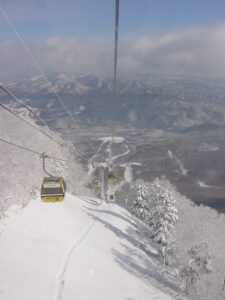
The standard hiking route ascends from the Gassan Ski Resort’s 8th station (reachable by bus from JR Tsuruoka Station during summer months), where the trail climbs through a landscape of snow fields, alpine flowers, and volcanic rock to the summit shrine. Even in early August, substantial snow remains on the upper mountain, creating the extraordinary spectacle of summer wildflowers blooming in meadows surrounded by walls of snow. The Ubayu hot spring at the 8th station — a simple, atmospheric outdoor bath — is legendary among Japanese pilgrims and hikers as a reward before or after the ascent.
Mount Gassan is sacred in Shugendo — Japan’s ancient mountain asceticism tradition — and white-robed pilgrims can often be seen making the arduous ascent alongside regular hikers. The summit shrine is one of the most dramatically situated sacred sites in Tohoku, with views on clear days extending to the Sea of Japan and, in the opposite direction, to the volcanic peaks of the central Tohoku mountains.
Practical details: The mountain is accessible for hiking from approximately late June to early November; snow closes the upper trails in other seasons, although the ski resort operates December to May. Allow 4–5 hours for the round trip from the 8th station. The mountain can be combined in one day with Tsuruoka city (45 minutes from Sakata by limited express) for a full Shōnai region experience.
Best Time to Visit Sakata & the Mogami River
- Spring (April–May): The absolute peak season. Cherry blossoms line the Mogami River gorge in late April to early May, creating one of Tohoku’s most breathtaking natural displays. The Sankyo Soko willows are at their most beautiful in May. Temperatures are mild: 12–18°C (54–64°F). Book accommodation well in advance for late April and early May.
- Summer (June–August): Warm and sometimes humid, with temperatures reaching 25–32°C (77–90°F). The Sea of Japan coast offers good swimming at Miyaumi Beach. The Mogami River is at its most dramatic after summer rains — mirroring Bashō’s famous haiku perfectly. Mount Gassan is at its most accessible.
- Autumn (September–November): Perhaps the most spectacular season for scenery. The Mogami River gorge becomes a corridor of crimson and gold from mid-October to early November. Shōnai rice harvest fills the plains with golden fields in September. Temperatures drop from 20°C (68°F) in September to 5°C (41°F) in November. Bring layers.
- Winter (December–February): Cold and sometimes snowy — Sakata averages 100+ cm (40 inches) of snow annually. But winter has its own austere beauty: the Mogami River gorge with snow-covered cliffs, the Sankyo Soko warehouses blanketed in white, and the Sea of Japan coastline in moody winter light. Kamo Aquarium is a perfect indoor attraction. Temperatures average -2 to 5°C (28–41°F).
Where to Eat: Sakata’s Extraordinary Food Culture
Sakata’s history as one of Japan’s wealthiest merchant cities left an extraordinary culinary legacy. The merchants had the wealth and the cosmopolitan connections to develop a sophisticated food culture, and the city’s proximity to both the mountains and the sea means the raw ingredients are exceptional. Trust us on this one: eating well in Sakata is not difficult.
Shōnai Rice — Japan’s Finest
The Shōnai Plain surrounding Sakata produces what many Japanese consider the country’s best rice — certainly among the top three, alongside Niigata’s Koshihikari and Akita’s Akitakomachi. The combination of mineral-rich snowmelt water from the Dewa mountains, fertile alluvial soil, and a climate with sharp temperature differences between day and night produces rice with exceptional sweetness, stickiness, and aroma. You’ll taste this rice in every meal in Sakata, from simple set lunches to elaborate kaiseki dinners. If you want to take some home, the Sankyo Soko museum shop sells vacuum-packed Shōnai rice in manageable quantities.
Seafood at Sakata Port
The Sakata Port Fish Market (酒田魚市場) area near the waterfront is the place to go for exceptional fresh seafood at prices that will seem almost impossibly low to visitors from Tokyo. Several simple restaurants and fish shops cluster around the port area, serving whatever came in on the morning boats. Specialties include: kegani (horsehair crab, a Tohoku delicacy), various species of flatfish, mackerel prepared in the local style, and in season, the beguiling shiroebi (white shrimp) so delicate they’re almost translucent. A full seafood rice bowl (kaisendon) with whatever the day’s catch dictates runs ¥1,500–2,500 (~$10–17) at most port-area restaurants — extraordinary value for this quality.
Kitamae Bune Ryori — Merchant Heritage Cuisine
Several restaurants in Sakata specialize in “Kitamaebune cuisine” — elaborate dishes inspired by the cooking traditions of the wealthy merchant families who ran the Edo-period coastal trade network. These are multi-course meals drawing on local ingredients prepared with refined technique, often featuring delicate arrangements of seasonal vegetables, local fish prepared multiple ways, and the area’s exceptional sake. Toraya (登良屋) near the Homma Museum is well regarded for traditional Shōnai cooking and offers lunch sets from ¥2,500 (~$17). Tatebayashi (館林), a long-established restaurant in the historic district, serves excellent tempura and local fish dishes.
Sakata Gyudon — The City’s Beloved Bowl
While Sendai has its beef tongue and Yamagata city its wagyu, Sakata has developed its own beloved beef dish: Sakata gyudon, a local variation of the Japanese beef-and-rice bowl that uses rich, fatty beef simmered in a Yamagata-influenced sweet soy sauce. It’s simpler and more casual than a full wagyu experience, but satisfying and authentic. Look for it at any of the small lunch restaurants in the city center, priced around ¥800–1,200 (~$6–8).
Sake from Shōnai
The Shōnai region produces some of Yamagata Prefecture’s finest sake, drawing on local Shōnai rice and the exceptionally pure water from rivers fed by Dewa mountain snowmelt. Mizubasho (水芭蕉) and Dewazakura (出羽桜) are two particularly celebrated Yamagata breweries whose bottles you’ll see throughout the area. Several smaller local breweries in and around Sakata offer tastings and brewery tours — ask at your hotel or the tourist information center near Sakata Station for current recommendations and schedules.
Where to Stay in Sakata
Budget (Under ¥8,000 / $55 per night)
Sakata Business Hotel Wako is a reliable and clean business hotel near the station, ideal for travelers watching their budget. Simple single and twin rooms, friendly staff, and a perfect location for walking to the main sights. Rates from around ¥5,500 (~$38) per night. Several other business hotels cluster near Sakata Station offering similar rates and standards.
Mid-Range (¥8,000–¥20,000 / $55–$135)
Hotel Alpha-1 Sakata offers well-equipped rooms near the station with a good buffet breakfast featuring local Shōnai produce. Hotel Route-Inn Sakata Ekimae is another solid mid-range option with modern facilities and consistent standards. For a more atmospheric experience, Ryokan Ishizaki — a traditional Japanese inn in the historic district — offers tatami rooms, communal baths, and meals featuring Shōnai specialties. Rates from around ¥10,000 (~$69) per person including dinner and breakfast.
Luxury (¥20,000+ / $135+)
For a genuinely special stay in the Sakata/Shōnai area, Shōnai Hotel SUIDEN TERRASSE in neighboring Tsuruoka (45 minutes by train) is one of Tohoku’s most extraordinary hotels — a stunning building designed by Shigeru Ban that appears to float above the rice fields, offering floor-to-ceiling views of the Shōnai Plain, an exceptional restaurant, and a beautiful natural hot spring. A night here is an architectural and sensory experience, not just accommodation. Rates from ¥30,000 (~$207) per night.
Day Trips from Sakata
Sakata makes an excellent base for exploring the wider Shōnai region, with several outstanding day-trip destinations within easy reach.
Tsuruoka (45 minutes by limited express) is Sakata’s sister city and one of Yamagata’s most historically rich towns. The Chido Museum on the former castle grounds is an exceptional open-air museum of traditional Shōnai architecture. The city is also famous as a center of Japanese gastronomy — it was the first Japanese city to be named a UNESCO Creative City of Gastronomy, in recognition of its extraordinary food culture and the diversity of rare traditional vegetables still grown in the region. The Zenpoji Temple (善宝寺) on the outskirts of Tsuruoka, with its dragon-haunted pond and mysterious atmosphere, is one of the most evocative religious sites in Yamagata.
Mount Haguro, one of the Three Sacred Mountains of Dewa, is accessible from Tsuruoka and makes a magnificent day hike. The 2,446 stone steps winding up through ancient cedar forests to the summit shrine are one of Yamagata’s iconic experiences — and the five-story pagoda at the base, dating from around 937 CE, is one of the oldest wooden structures in Tohoku. The hike takes about 2 hours round trip and is manageable for most reasonably fit visitors.
Yutagawa Onsen (湯田川温泉), a small, perfectly preserved hot spring village 30 minutes from Tsuruoka by bus, is one of Japan’s great hidden onsen destinations. Barely visited by foreign travelers, it feels suspended in a previous era — a cluster of low wooden inn buildings around a central bathhouse, with mineral-rich water that locals have been soaking in for over a thousand years. Day bathing is possible at several inns for ¥500–800 (~$3.50–5.50). This is exactly the kind of place that makes Tohoku so rewarding for those who look beyond the well-known destinations.
Practical Tips for Visiting Sakata
- Tourist Information: The Sakata Tourism Exchange Center, located inside Sakata Station, offers excellent English-language maps and can help with transportation questions and accommodation recommendations. Staff are friendly and more helpful than you might expect.
- Getting Around: Downtown Sakata is walkable, but the Sankyo Soko warehouses are about 20 minutes’ walk from the station, and Kamo Aquarium requires a bus or taxi. A rental bicycle from the tourist center (around ¥500/day) is perfect for exploring the city at your own pace.
- The Mogami River cruise: Reserve ahead for cherry blossom and autumn foliage seasons. The cruise is fantastic in any season, but these two peak periods sell out. Book at least one week ahead during April–May and October–November.
- English signage: Less common than in major Japanese cities but sufficient for navigating the main sights. Google Maps works reliably throughout the area. The Homma Museum and Kamo Aquarium both have English materials.
- Cash: Carry sufficient yen, especially for smaller restaurants and the boat cruise. Most mid-range hotels accept credit cards, but smaller establishments may not.
- IC Card: Your Suica or ICOCA works on local buses and at convenience stores throughout the area.
- Seasonal Note: The Mogami River cruise runs daily year-round, but capacity is reduced in winter. Even if the weather is cold, the winter cruise has an atmospheric quality that’s hard to describe — misty gorge walls, the sound of water, and almost no other tourists.
- Connection to Other Tohoku Destinations: Sakata pairs beautifully with Tsuruoka (including the Dewa Sanzan sacred mountains), Akita city (2 hours north by limited express), or Yamagata city (2 hours by train via Shinjo). You can also continue down the Sea of Japan coast to Niigata.
- Local Festivals: The Sakata Matsuri in May is the city’s main summer festival, while the autumn harvest season brings special events around the Sankyo Soko. Ask at the tourist office what’s happening during your visit.
- Budget Tip: Sakata is significantly cheaper than Tokyo or Kyoto for accommodation, food, and activities. You can eat extremely well here for ¥2,000–3,000 (~$14–21) per meal at mid-range local restaurants.
Sample 2-Day Itinerary: Sakata & the Shōnai Region
Day 1: Sakata City
Morning: Arrive at Sakata Station and check in to your hotel. Head immediately to the Sankyo Soko warehouses — arrive by 9am to beat the small number of Japanese day-trippers and enjoy the willow-lined canal in perfect morning light. Walk through the neighborhood to the Homma Museum of Art and spend an hour in the garden and galleries.
Lunch: Head to the port area for a fresh seafood rice bowl at one of the waterfront restaurants. Budget ¥1,500–2,000 (~$10–14).
Afternoon: Explore the Umi-machi Kaiko Museum for context on Sakata’s merchant history. Then walk to the city’s historic shopping streets and browse the local sake shops, buying a bottle or two of Shōnai sake to take home. Late afternoon, take the bus or taxi to Miyaumi Beach for a walk along the Sea of Japan coast as the sun descends toward the water.
Evening: Dinner at a local izakaya specializing in Shōnai seafood — ask your hotel for recommendations. Try grilled local fish, fresh sashimi, and a glass of Yamagata sake. Budget ¥3,000–4,000 (~$21–28) per person with drinks.
Day 2: Mogami River Cruise + Kamo Aquarium
Early Morning: Take the JR Rikuu West Line from Sakata to Furukuchi Station (about 40 minutes). Walk to the boat dock and board the first morning Mogami River cruise — ideally the 8:30am or 9am departure. Spend an hour drifting through the gorge, listening to the boatman’s songs, and watching the canyon walls slide past. Return by shuttle bus to Furukuchi.
Late Morning: Return toward the coast and connect by bus or train to Kamo Aquarium. Allow 90 minutes to 2 hours for the jellyfish displays — you’ll need at least that long to properly absorb the Dream Theater jellyfish tank.
Lunch: Have lunch at the aquarium café (the jellyfish ramen is a must-try) or at a restaurant in the nearby Nezugaseki area.
Afternoon: Return to Sakata for a final wander through the historic district, picking up any last souvenirs from the Sankyo Soko museum shop (Shōnai rice, local sake, preserved seafood) before heading to the station for your onward journey.
Related Articles You Might Enjoy
- Gassan Ski Resort, Yamagata: Skiing Into Summer on Japan’s Sacred Mountain
- Zao Okama Crater Lake: Complete Guide to Yamagata’s Emerald Volcanic Wonder
- Yamadera (Risshakuji Temple): Complete Guide to Yamagata’s Mountain Temple
- Tohoku Winter Onsen & Ryokan Guide: Hot Springs, Snow & Japanese Inn Culture
- Tohoku Ski Resort Guide: Zao Snow Monsters, Appi Kogen & the Best Slopes in Northeast Japan
Final Thoughts
Sakata and the Mogami River represent Japan travel at its very best: a destination with genuine historical depth, extraordinary natural beauty, world-class food, and the feeling that you’re discovering something that most visitors never find. The Mogami River cruise is one of the most atmospheric experiences in all of Japan — a boat journey through a gorge that Matsuo Bashō found so moving he wrote what became one of Japanese literature’s most celebrated haiku about it. The jellyfish at Kamo Aquarium are unlike anything else on earth. And the Sankyo Soko warehouses, reflected in the willow-lined canal, are an image you’ll carry home with you long after the trip is over.
Sakata rewards the traveler who makes the effort to get there with experiences that are genuinely rare and genuinely memorable. In a country where so many of the great sights are now well-known and well-visited, that’s an increasingly precious thing. Go while it’s still a secret.
Got questions about planning your Tohoku trip, or spotted something we missed? We’d love to hear from you — drop us a message here.


コメント