Imagine gliding along the rugged Sea of Japan coastline as dramatic cliffs plunge into sapphire-blue water, while ancient beech forests cling to mountains that have stood untouched for millennia — all from the comfort of a beautifully designed scenic train. The Resort Shirakami is one of Japan’s finest tourist trains, yet it remains almost entirely off the radar for Western visitors. If you’re looking for an experience that combines stunning natural beauty, traditional coastal culture, and the pure joy of train travel through one of Japan’s most unspoiled regions, this journey deserves a prime spot on your Tohoku itinerary.
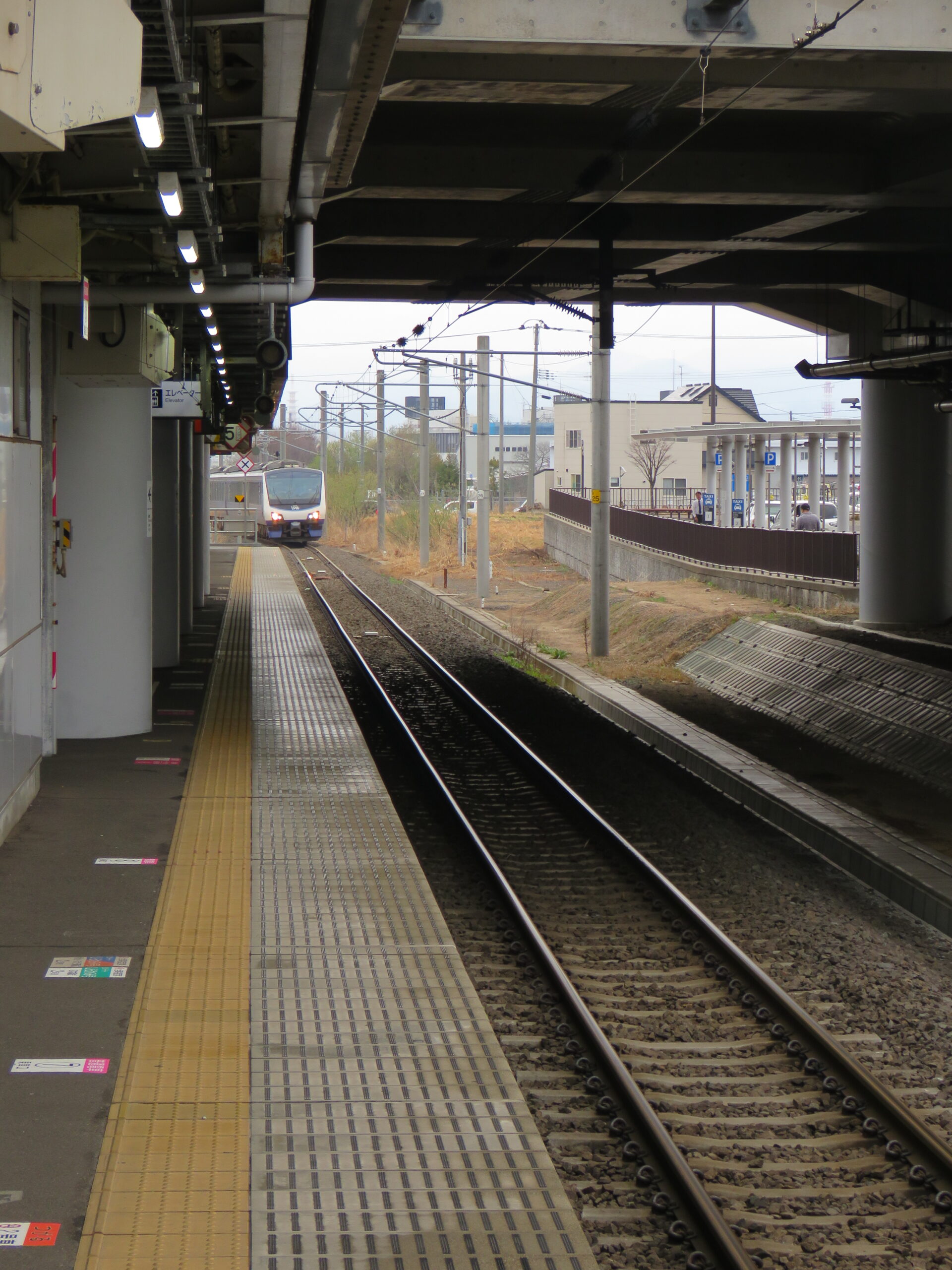
Why the Resort Shirakami Should Be on Every Japan Itinerary
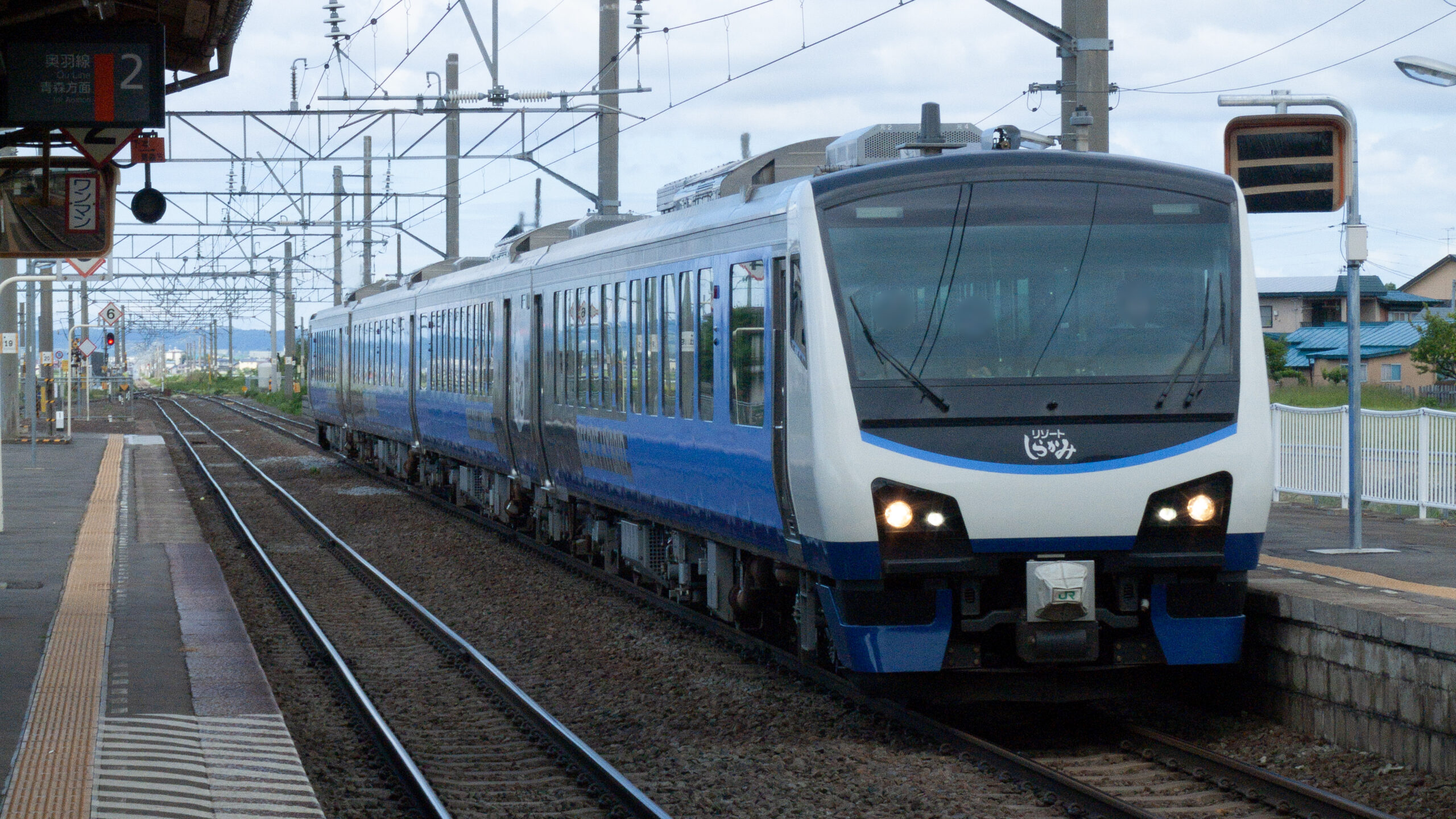
Japan is famous for its shinkansen bullet trains, but some of the country’s most unforgettable rail experiences happen at a much more leisurely pace. The Resort Shirakami runs along the Gono Line, a spectacular 147-kilometer (91-mile) stretch of track connecting Akita City in Akita Prefecture with Aomori City in Aomori Prefecture. The line hugs the Sea of Japan coastline for much of its route, passing through tiny fishing villages, rice paddies dotted with white herons, and dramatic cliffside passages where the Pacific wind whips salt spray against your window.
What makes this train truly special is its name. The “Shirakami” in Resort Shirakami refers to the Shirakami-Sanchi — a vast UNESCO World Heritage Site protecting one of the last remaining primeval beech forests in East Asia. These ancient mountains stretch across the Aomori-Akita border, and on clear days you can see their forested peaks rising above the coastal plain from your train window. The connection between this railway and one of Japan’s great natural treasures gives the journey a sense of pilgrimage that goes beyond simple sightseeing.
For American and Australian travelers accustomed to driving road trips, the Resort Shirakami offers something equivalent but arguably more beautiful: a curated, unhurried journey through a landscape that feels untouched by modernity. There are no expressways visible from the window, no suburban sprawl — just ocean, forest, sky, and the occasional fishing harbor where boats bob in the morning light. You’ll arrive at the other end having seen a side of Japan that most tourists never experience.
The Three Train Sets: Aoike, Buna & Kumagera
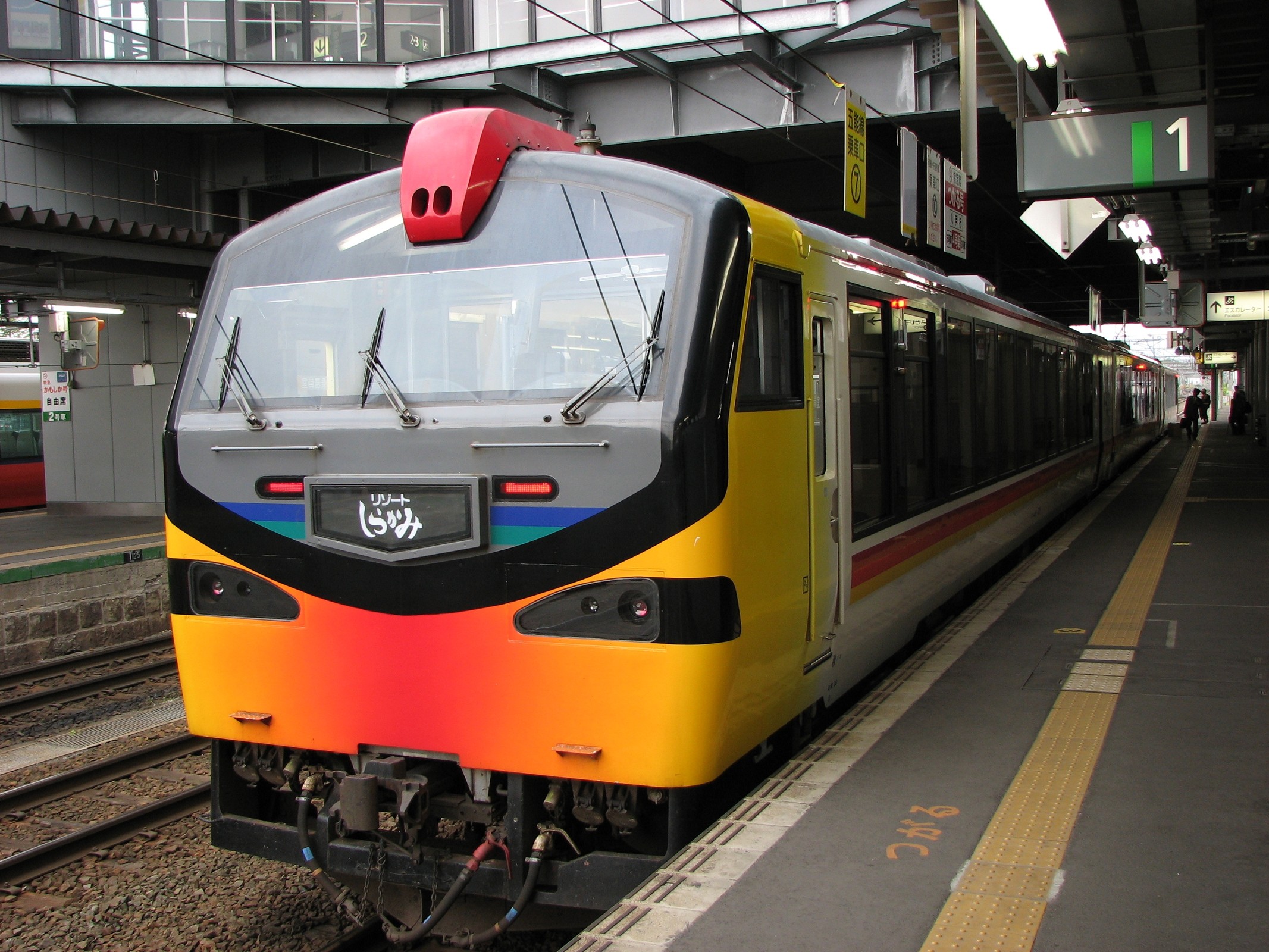
The Resort Shirakami isn’t a single train — it’s actually three distinct sets, each with its own personality and design theme inspired by the natural environment of the Shirakami-Sanchi region.
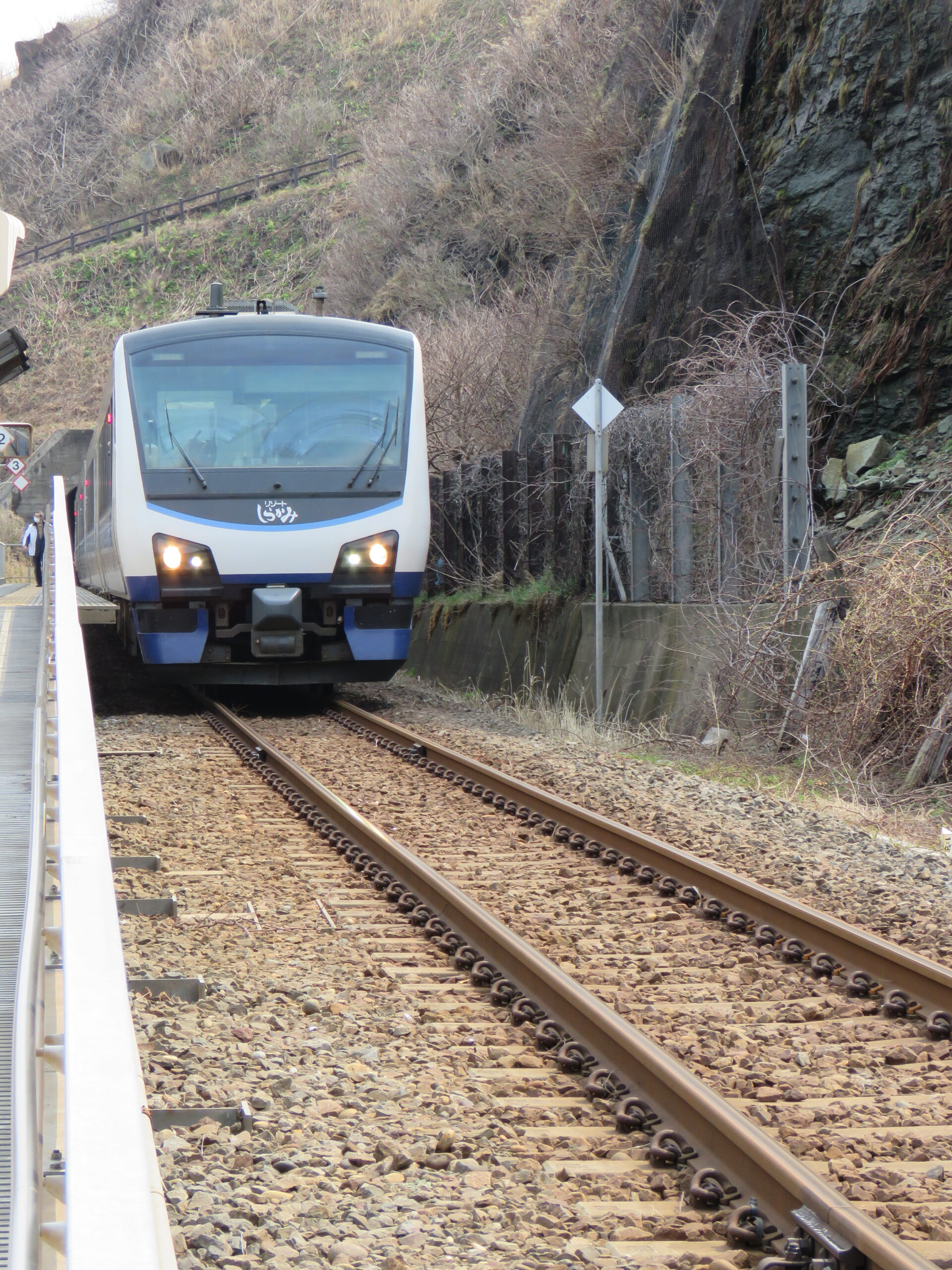
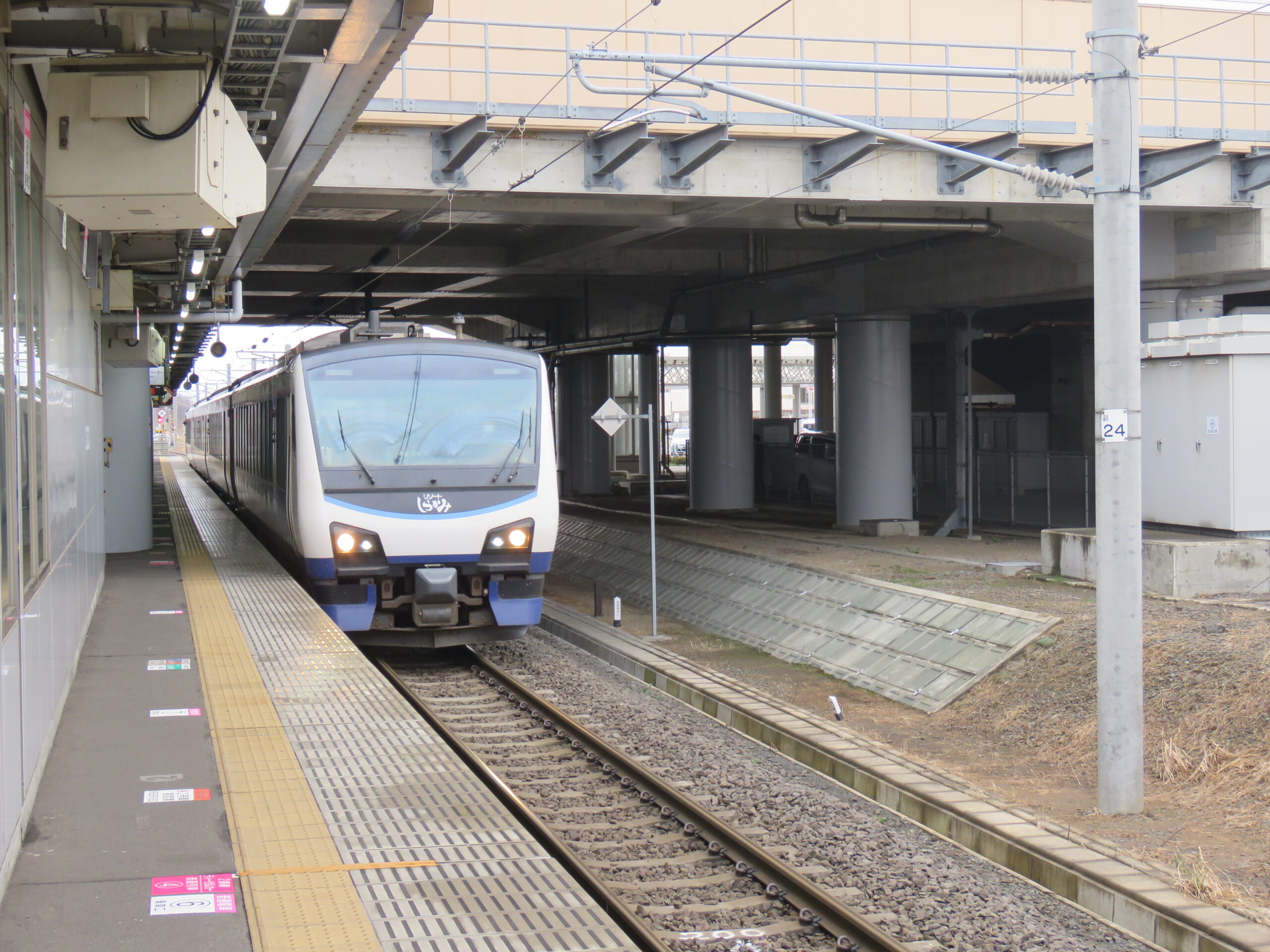
Aoike (青池) — Named after the famous Blue Pond (Aoike) within the Juniko Lakes area of Shirakami-Sanchi, this train is dressed in a striking cobalt blue exterior that mirrors the unearthly blue of its namesake lake. The interior features warm wood accents and large panoramic windows designed to frame the coastal views. This is the most photographed of the three sets, and its livery makes it instantly recognizable as it rounds the coastal curves of the Gono Line.
Buna (ブナ) — “Buna” means beech tree in Japanese, and this train set pays homage to the ancient beech forests of Shirakami-Sanchi. It wears a deep forest green on the outside and has interiors that evoke the dappled light filtering through a beech canopy. This is the most recently introduced design and features the most modern amenities, including improved observation seating near the windows.
Kumagera (クマゲラ) — Named after the black woodpecker (Dryocopus martius japonicus) that lives in the Shirakami-Sanchi forests, this burgundy-and-cream train has a classic, retro feel. It’s the original Resort Shirakami and has a devoted following among Japanese train enthusiasts. If you’re lucky enough to ride it, you’ll notice the woodpecker motifs worked into the upholstery and decorative elements throughout the carriages.
The Route: From Akita to Aomori Along Japan’s Sea of Japan Coast
The Resort Shirakami runs between Akita Station and Aomori Station (or Shin-Aomori Station), covering the full Gono Line and portions of adjacent JR lines. The complete journey takes approximately 4.5 to 5 hours depending on the service, making it a full day’s travel experience rather than a quick hop. Most visitors ride in one direction only and return via shinkansen, which cuts the return journey to under an hour.
The first section out of Akita runs through flat agricultural land, with mountains visible on the eastern horizon. As the train approaches the Akita-Aomori border, the landscape shifts dramatically. The Shirakami-Sanchi mountains begin to press in from the east, and the tracks suddenly hug the edge of sea cliffs where the waves below are close enough to feel the mist. This section, roughly between Noshiro and Ajigasawa, is considered the most scenically dramatic portion of the entire journey and is when most passengers rush to the observation areas between carriages.
After Ajigasawa — a picturesque fishing town worth exploring if you have time — the train continues northeast along the coast before turning inland slightly to reach Goshogawara, a market town famous for its own autumn festival. The final stretch into Aomori passes through farmland and forest before the city skyline comes into view and the train rolls into Aomori Station facing Mutsu Bay.
The Juniko Lakes & Aoike Blue Pond: The Crown Jewel Stop
If you can only make one stop along the Resort Shirakami route, make it Juniko Station (十二湖駅). From here, a local bus (approximately 15 minutes, ¥360 / about $2.50) takes you into the heart of the Juniko area of Shirakami-Sanchi UNESCO World Heritage Site, where 33 emerald and sapphire-colored lakes are scattered through an ancient beech forest.
The star attraction is the Aoike (Blue Pond), and it absolutely justifies the detour. The pond’s water is an impossible, almost supernatural blue — think the bluest part of a peacock’s feather, but as still water reflecting the surrounding beech trees. The color comes from the way light scatters in the extremely clear water, which has very low turbidity. There are no fountains, no additives, no tricks — just pure geological magic. The pond sits in a clearing surrounded by tall beech trees, accessed by a short, flat walking path (about 10 minutes from the bus stop) that is manageable for almost any fitness level.
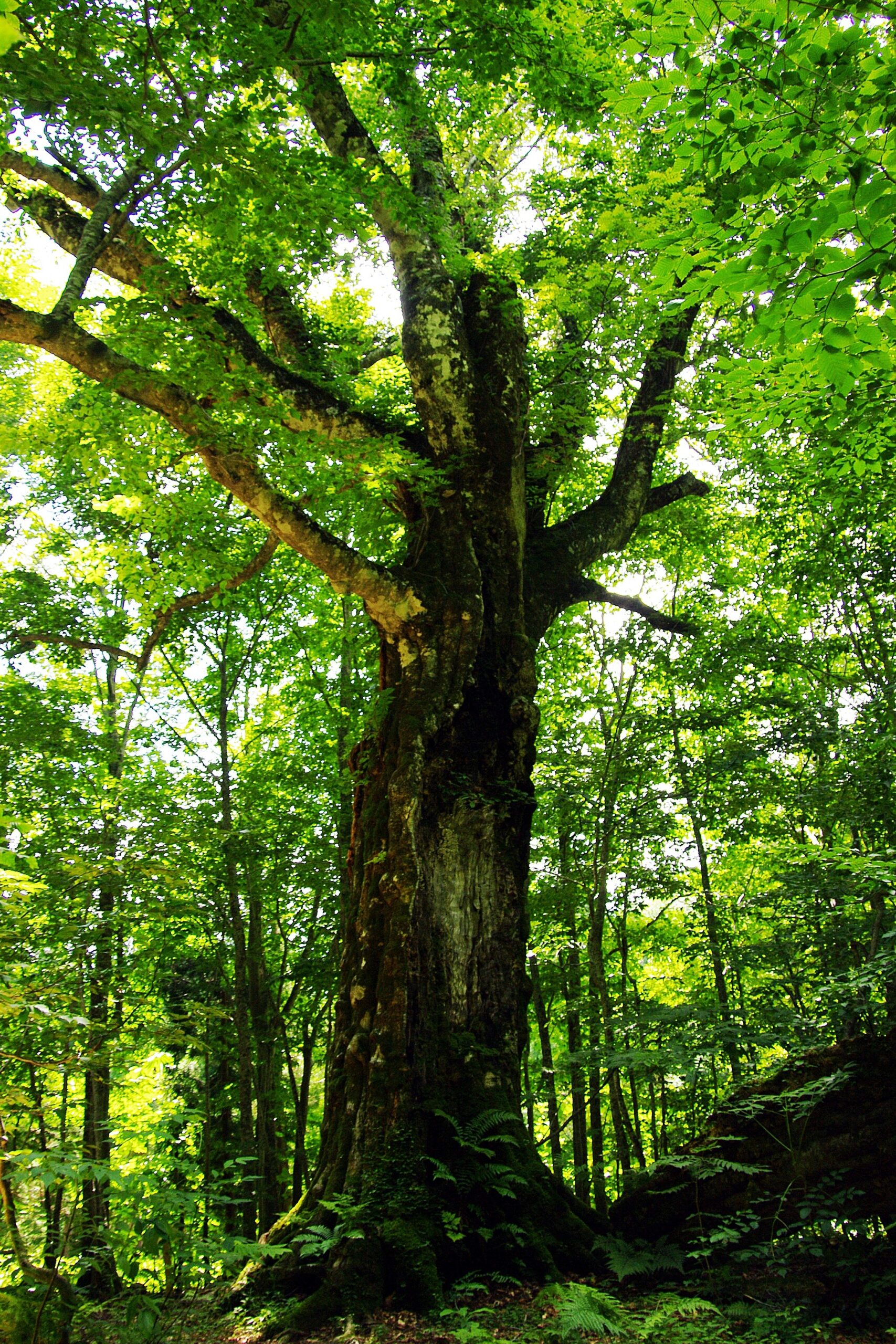
The broader Juniko area has additional lakes worth seeing if you have more time: Garyu no Ike (Reclining Dragon Pond) has a deep green color, while Maruike and Bukeyashiki no Ike offer different moods and reflections through the seasons. The forest here is genuinely primeval — many of the beech trees are over 200 years old, and the silence broken only by woodpeckers and wind gives the place an almost sacred quality. Plan for 2 to 3 hours in the Juniko area if possible, then catch a later Resort Shirakami service from Juniko Station to continue your journey.
Practical note: Services only stop at Juniko Station on certain Resort Shirakami runs (not all services stop here), and the number of trains per day is limited. Check the JR East timetable carefully and book your onward reserved seat in advance. The bus from Juniko Station to the lakes area runs on a fixed schedule, so arrive at least 5 minutes before departure time.
Getting There: How to Reach the Resort Shirakami
The Resort Shirakami runs between Akita and Aomori, so you’ll need to get to one of those cities first.
- From Tokyo to Akita: Akita Shinkansen (Komachi), approximately 4 hours, roughly ¥17,000-¥19,000 ($115-$130) for a reserved seat. The shinkansen then continues from Akita to Aomori (or you do the scenic route on the Resort Shirakami).
- From Tokyo to Aomori: Tohoku/Hayabusa Shinkansen to Shin-Aomori, approximately 3 hours, roughly ¥17,000-¥19,000 ($115-$130) reserved. You can start the Resort Shirakami from Shin-Aomori or Aomori Station (a short local train ride from Shin-Aomori).
- From Sendai: Approximately 2.5 hours by shinkansen to Shin-Aomori (¥10,000-¥12,000 / $68-$82).
- JR Pass holders: The basic fare on the Resort Shirakami is covered by JR Pass. However, you still need to pay the reserved seat surcharge, which is approximately ¥840 ($5.75) per section — excellent value for one of Japan’s finest scenic rail experiences.
The Resort Shirakami typically runs 2 services per day in peak season (spring through autumn), with reduced services in winter. Reservations are essential and can be made through JR East’s English-language booking system or at any JR ticket window in Japan.
Best Time to Visit
- Spring (April–May): Cherry blossoms bloom along the coastal towns of the Gono Line, adding pink bursts of color to the sea views. Late April is particularly beautiful. Temperatures are cool (50-65°F / 10-18°C) but comfortable for travel.
- Summer (June–August): The Sea of Japan sparkles in clear weather, and the beech forests of Shirakami-Sanchi are in their full green glory. This is prime season for visiting the Juniko Lakes. Expect warm, humid weather (70-82°F / 21-28°C) and longer daylight hours.
- Autumn (September–November): Arguably the most spectacular season. The Shirakami-Sanchi beech forests turn gold and crimson from mid-October, and the coastal views are heightened by dramatic autumn light and the first stirrings of winter storms in the sea. October is peak season — book reserved seats far in advance.
- Winter (December–March): Services are reduced and the weather is harsh (temperatures regularly below freezing with heavy snow). However, the scenes of snow-covered coastline and frozen forest are extraordinarily beautiful for photographers willing to brave the cold. Dress in thermal layers.
Where to Eat: Local Food Along the Gono Line
One of the quiet pleasures of the Resort Shirakami journey is discovering the local food culture of Aomori’s Sea of Japan coast — a cuisine almost entirely unknown outside Japan, built on some of the country’s finest seafood and mountain produce.
Onboard the Train
Unlike some of Japan’s luxury tourist trains, the Resort Shirakami doesn’t have a full dining car on most services. However, ekiben (station lunchboxes) are sold at Akita and Aomori stations before departure and sometimes at major stops. The Akita-based “Akita Bijin Bento” (Akita Beauty Bento) features local flavors including kiritanpo rice sticks, yakitori, and pickled vegetables — a perfect introduction to regional cuisine. Pick one up at Akita Station for ¥1,200-¥1,500 ($8-$10) before you board.
Ajigasawa: The Seafood Stop
If you’re making stops along the route, Ajigasawa is worth at least an hour for lunch. This traditional fishing port is famous for its fresh squid and seafood. Ajigasawa Shokudo near the harbor serves simple, honest fishing-town food — the ikasomen (thin-cut raw squid served like noodles with ginger and soy sauce) is exceptional and costs around ¥1,000-¥1,500 ($7-$10). The squid here is caught in Mutsu Bay and served the same day, a freshness that’s difficult to replicate elsewhere.
Goshogawara: Tsugaru Soba & Local Markets
Goshogawara is a comfortable market town where you can stretch your legs and try Tsugaru soba, a regional buckwheat noodle dish served in a delicate dashi broth with local mountain vegetables as toppings. The town’s covered shopping arcade has several traditional noodle shops; look for small places with handwritten menus and a lunchtime queue of locals. Expect to pay ¥800-¥1,200 ($5.50-$8) for a satisfying bowl.
Aomori City: The Destination Meal
If you’re ending your journey in Aomori, the city’s famous Aomori Gyosai Center (Aomori Fish Market) near the bay is an obligatory stop. This working fish market has a restaurant floor where you can eat freshly prepared seafood at remarkably low prices — a seafood rice bowl (kaisendon) with local tuna, sea urchin, and scallops runs ¥2,000-¥3,500 ($14-$24). Aomori’s scallops are among Japan’s finest, and the local sea urchin (uni) from the Tsugaru Strait is world-class. Opening hours are typically 7:00 AM to 3:00 PM.
Where to Stay
Given the linear nature of the journey, accommodation choices depend on whether you’re starting in Akita or Aomori, and whether you plan to stop overnight along the route.
Budget (Under ¥8,000 / $55 per night)
Aomori Hostel Moya in Aomori City offers clean dormitory and private rooms, excellent location near the station, and friendly English-speaking staff who can help with train bookings. Aomori also has several well-located budget hotels (Super Hotel, Toyoko Inn) near the station for ¥6,000-¥8,000 ($41-$55).
Mid-Range (¥8,000–¥20,000 / $55–$135 per night)
Hotel JAL City Aomori near Aomori Station offers excellent rooms, a good breakfast buffet featuring local Aomori produce including fresh apples and seafood, and is perfectly positioned for both the Resort Shirakami and the Nebuta Museum. In Akita City, Metropolitan Hotel Akita is directly connected to Akita Station — ideal if you want a 10:00 AM departure with no rush. Both properties range from ¥10,000-¥18,000 ($68-$123) per room.
For a more atmospheric option midway along the route, Umibe no Yado Ajigasawa is a small ryokan in Ajigasawa fishing village where you can sleep, eat local seafood, and hear the boats leave before dawn. This kind of experience is impossible to replicate in the cities and costs ¥15,000-¥25,000 ($103-$172) per person including dinner and breakfast.
Luxury (¥25,000+ / $172+ per night)
JR Hotel Group properties in both Aomori and Akita offer premium accommodation, but the most memorable luxury experience on this route is a night at one of the Shirakami-area hot spring inns. Juniko Ao no Mori, located near the Juniko Lakes, offers ryokan-style accommodation with forest views, in-room hot spring baths, and kaiseki dinners featuring wild mountain vegetables and local river fish. Rates from ¥30,000 ($205) per person with two meals.
Practical Tips for Riding the Resort Shirakami
- Book early: Reserved seats sell out weeks or months in advance during autumn foliage season (mid-October to early November) and Golden Week (late April to early May). Book as soon as your dates are confirmed.
- Best seats for sea views: When traveling from Akita toward Aomori, the best ocean views are from the right side of the train (window seats ending in D or E in the numbered seat scheme). Going in the reverse direction, sit on the left.
- Bring supplies: Outside of major stops, food options are limited. Pack snacks and drinks before boarding, especially water in summer months.
- Photography spots: The stretch between Ōtome and Senjojiki stations (about an hour north of Noshiro) offers the most dramatic coastal scenery and is where most professional travel photographers set up. Have your camera ready.
- Timing the Juniko stop: Check that your specific Resort Shirakami service stops at Juniko Station before booking — not all runs do. The bus to the lakes leaves approximately 3 minutes after the train arrives, so be ready to move quickly.
- Weather matters: The Sea of Japan coast can have dramatic weather changes, particularly in spring and autumn. Morning mist can enhance the atmosphere, while afternoon sun creates the best conditions for photography. Keep expectations flexible.
- Language: English signage exists at major stations (Akita, Aomori, Hirosaki) but is limited at smaller stops. Download the JR East app, which has English-language timetables and platform information.
- Layovers: If you plan to stop overnight anywhere along the route, note that onward reserved seat bookings must be made separately — your original reservation covers only the leg you purchased.
- Kids and elderly: The train is fully accessible with large windows and comfortable seating. The Juniko walk to the Blue Pond is flat and stroller-accessible. The bus from Juniko Station has steps, so fold strollers for boarding.
- Combine with the Nebuta Festival: If visiting Aomori in early August, time your Resort Shirakami journey to coincide with the Aomori Nebuta Festival (August 2-7) — one of Japan’s greatest festivals. Arriving in Aomori just before festival season makes for a spectacular travel combination.
Sample 2-Day Resort Shirakami Itinerary
Day 1: Akita to Aomori with Juniko Stop
7:30 AM: Pick up an ekiben at Akita Station’s food stalls and board the first Resort Shirakami service toward Aomori. Find your reserved seat and enjoy the agricultural landscapes as the train leaves the city.
9:30 AM: As the train approaches the coast near Noshiro, move to the observation area between carriages for the first ocean views. The Sea of Japan appears suddenly, dark blue or grey-green depending on the season, with white-capped waves and fishing boats on the horizon.
11:15 AM: Arrive at Juniko Station. Board the waiting bus immediately (it departs within minutes of the train). Ride 15 minutes through the beech forest to the Juniko Lakes trailhead.
11:30 AM – 2:00 PM: Walk the 30-minute loop through the beech forest to the Aoike Blue Pond and additional lakes. Eat a picnic lunch in the forest clearing near the visitor center, surrounded by primeval beech trees. Capture the Blue Pond’s extraordinary color — it changes from cerulean in morning light to deep cobalt in afternoon shade.
2:15 PM: Bus back to Juniko Station. Board the afternoon Resort Shirakami service continuing toward Aomori.
4:00 PM: Pass through Ajigasawa — consider a brief stop for a seafood snack at the harbor if the schedule allows.
6:00 PM: Arrive in Aomori. Check into your hotel and walk to the Aomori Fish Market for a seafood dinner while the day’s last light reflects off Mutsu Bay.
Day 2: Aomori City Exploration
8:00 AM: Visit Aomori Gyosai Center (fish market) for a fresh seafood breakfast. Scallops and sea urchin at the counter restaurants here are outstanding.
10:00 AM: Walk to the Nebuta Museum WA RASSE on Aomori Bay, where you can see towering illuminated floats from recent Nebuta festivals up close — this experience is available year-round and is genuinely spectacular even outside festival season.
12:00 PM: Lunch in Aomori’s covered shopping arcade. Try Tsugaru soba or a local ramen.
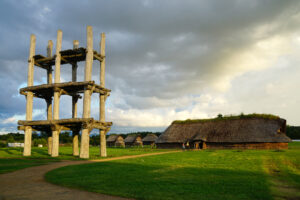
2:00 PM: Visit Sannai-Maruyama archaeological site (15 minutes by bus), one of Japan’s largest Jōmon period settlements (about 5,500 years old), now a UNESCO World Heritage Site. The scale of the excavation and the reconstructed wooden structures are impressive.
4:30 PM: Return to Shin-Aomori Station and board the Hayabusa Shinkansen back to Tokyo, arriving in just over 3 hours. Watch the Shirakami mountains recede into the distance from your shinkansen window as a final farewell to this remarkable corner of Japan.
How the Resort Shirakami Fits Into a Broader Tohoku Trip
The Resort Shirakami works beautifully as both a standalone day-trip experience and as a connecting thread woven into a longer Tohoku journey. Here are some ways to incorporate it.
The Aomori-Akita circuit: Take the shinkansen from Tokyo to Aomori, spend 2 nights exploring Aomori City and the Nebuta Museum, then board the Resort Shirakami south to Akita. Continue your journey from Akita to Kakunodate samurai district and Lake Tazawa before returning to Tokyo via the Akita Shinkansen. This 7-day itinerary captures two of Japan’s most distinctive prefectures at an unhurried pace.
The Shirakami extension: If the Aoike Blue Pond leaves you wanting more of the Shirakami-Sanchi World Heritage Site, consider a night near the Shirakami mountains. Anmon Falls (暗門の滑) in Nishimeya Village (Aomori side) involves a 3-4 hour forest hike through the beech forest to three successive waterfalls. The trail is demanding but rewards with pristine old-growth forest at its finest. Stay at a mountain lodge and experience dawn in the UNESCO forest before re-joining the coast.
Winter photography trip: For adventurous photographers, riding the Resort Shirakami in January or February when the Sea of Japan is storm-battered and the coastal cliffs are glazed with ice offers extraordinary dramatic imagery rarely seen in travel photography. Combine with a night at Nyuto Onsen Village in Akita or the Sukayu Onsen near Aomori for a full winter Tohoku experience.
Related Articles You Might Enjoy
- Shirakami-Sanchi Beech Forest, Aomori & Akita: Complete Guide to Japan’s Ancient UNESCO Wilderness
- Tanesashi Coast & Kabushima Island, Aomori: Japan’s Most Dramatic Coastal Walk & Seabird Sanctuary
- Hirosaki City Guide: Apple Capital, Neputa Festival & Aomori’s Most Historic Castle Town
- Cape Shiriyazaki & Shimokita Peninsula, Aomori: Wild Horses, Dramatic Coastlines & Japan’s Northern Edge
- Hachinohe, Aomori: Complete Guide to Japan’s Most Underrated Northern City
Final Thoughts
The Resort Shirakami is one of those travel experiences that sounds beautiful in description but exceeds expectations in reality. There’s something profound about watching Japan’s ancient landscape scroll past your window at a pace that lets you actually take it in — the fishing harbors where wooden boats have launched into the same sea for centuries, the beech forests that predate any human memory, the dramatic coastline shaped by tectonic forces so powerful they still rattle the windows on stormy days. Most visitors leave feeling they’ve glimpsed a Japan that exists outside the tourist narrative entirely.
The practical reality is also excellent: it’s accessible, the JR Pass makes it affordable, the trains run on time (this is Japan), and the journey between two cities you might visit anyway simply elevates what might otherwise be a functional transfer into the highlight of your trip. If your Tohoku travels take you anywhere near Akita or Aomori — and they should — the Resort Shirakami isn’t a side trip. It’s the main event.
Got questions about planning your Resort Shirakami journey, or spotted something we missed? We’d love to hear from you — drop us a message here.



コメント