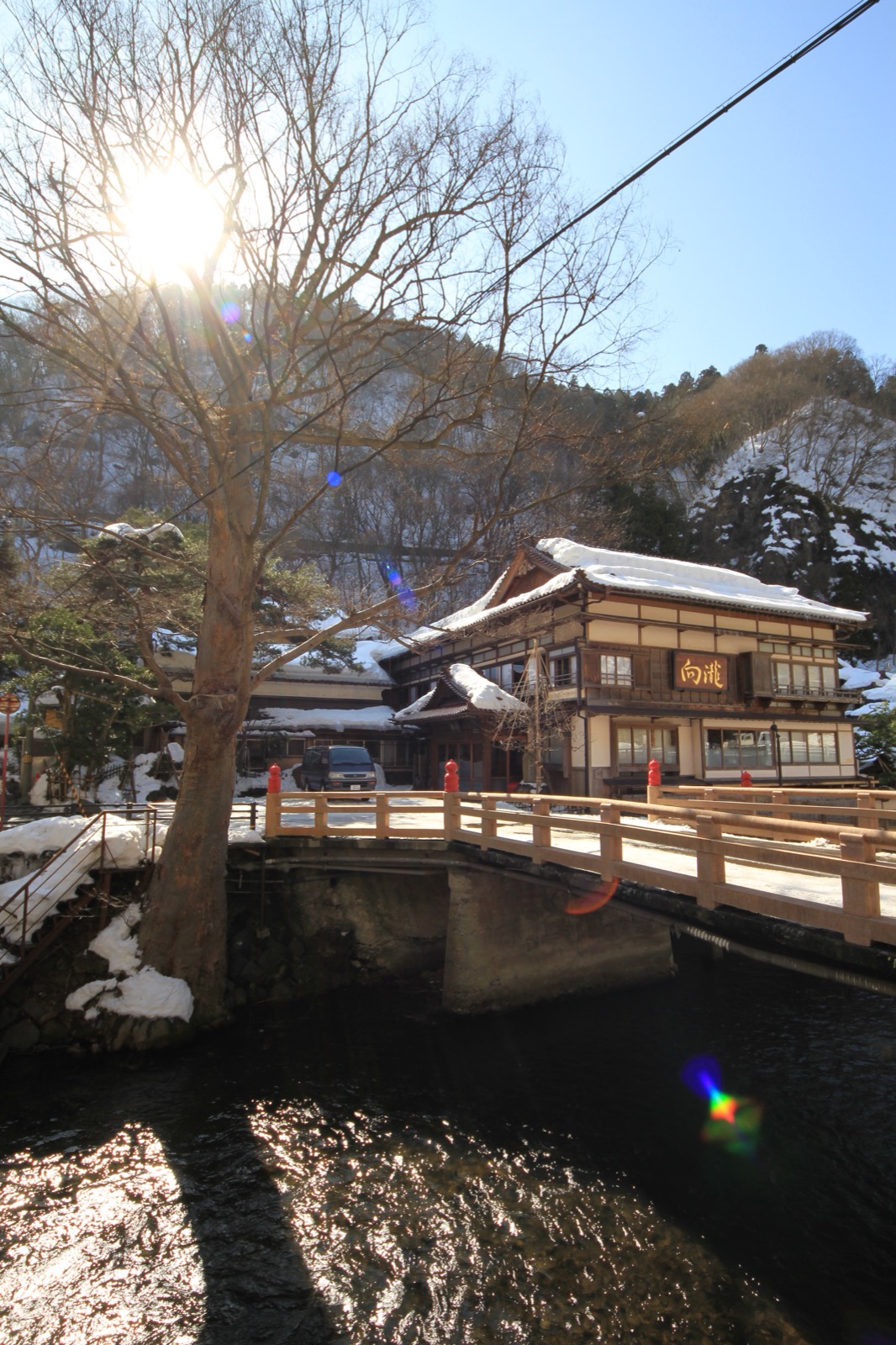
Picture a narrow river valley glowing amber at dusk, wooden ryokan balconies strung with paper lanterns, and steam rising off water that samurai soldiers once soaked in to heal their battle wounds. That’s Higashiyama Onsen — a hot spring town so close to a genuine samurai castle that you can visit both in a single afternoon, yet so few Western travelers have ever heard its name.
Why Higashiyama Onsen Should Be on Every Japan Itinerary
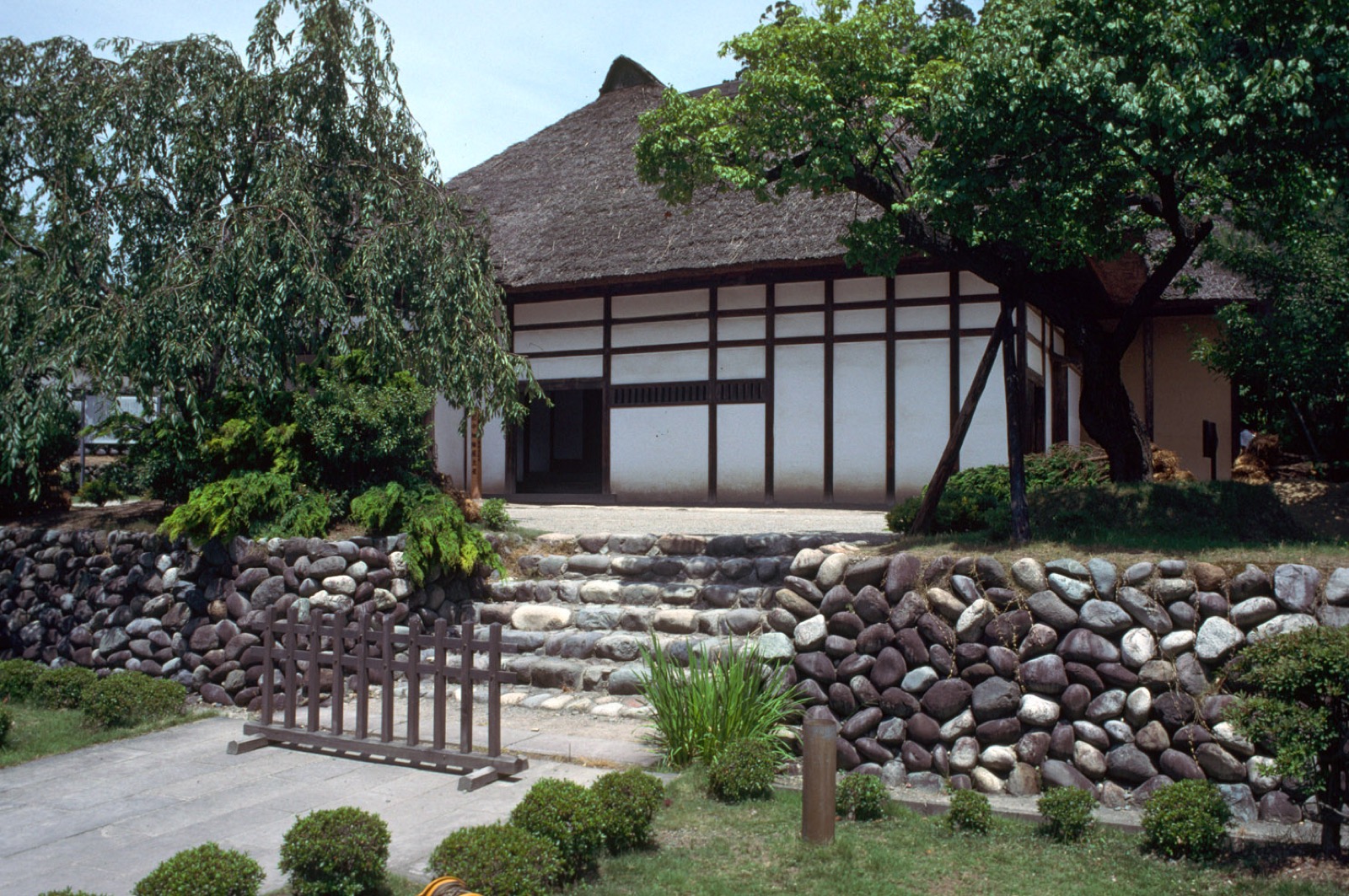
Most first-time visitors to Japan associate hot springs with Hakone or Kusatsu — both wonderful, both absolutely swarming with tour buses. Higashiyama Onsen offers the same 1,300-year soaking tradition with a fraction of the crowds and a much richer history attached to it. This is a town where Edo-period feudal lords sent their retainers to recover from wounds, where geisha still perform in a handful of surviving teahouses, and where one particular ryokan is a nationally registered Important Cultural Property that has hosted everyone from imperial family members to the wounded soldiers of the 1868 Boshin War.
What makes Higashiyama genuinely special for foreign travelers is its pairing with Tsurugajo Castle and the samurai district of Aizuwakamatsu, just fifteen minutes away by taxi or bus. Nowhere else in Tohoku can you walk the ramparts of a real feudal castle in the morning, tour a preserved samurai residence at lunchtime, and be soaking in a centuries-old hot spring by sunset — all without needing a car.
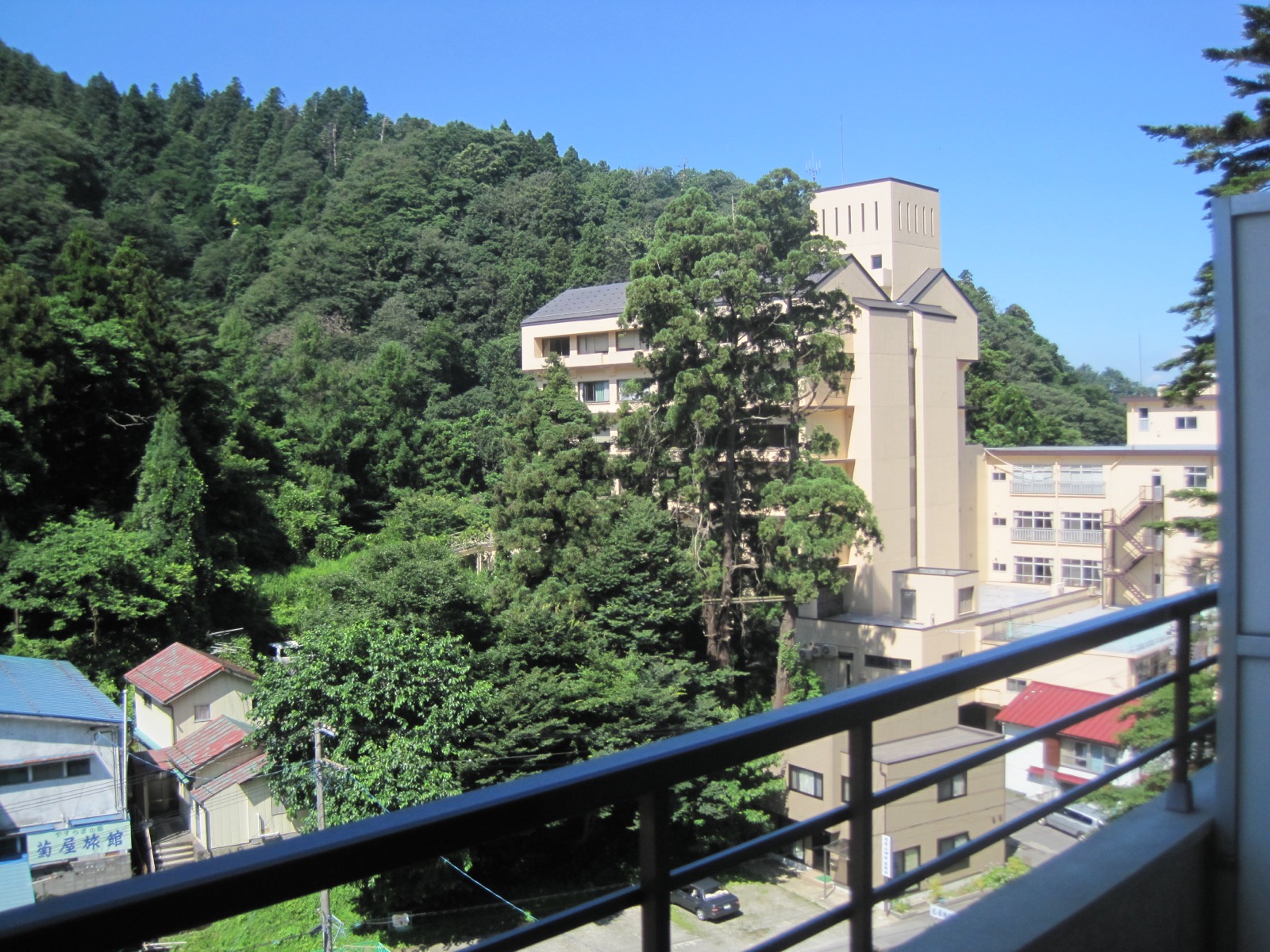
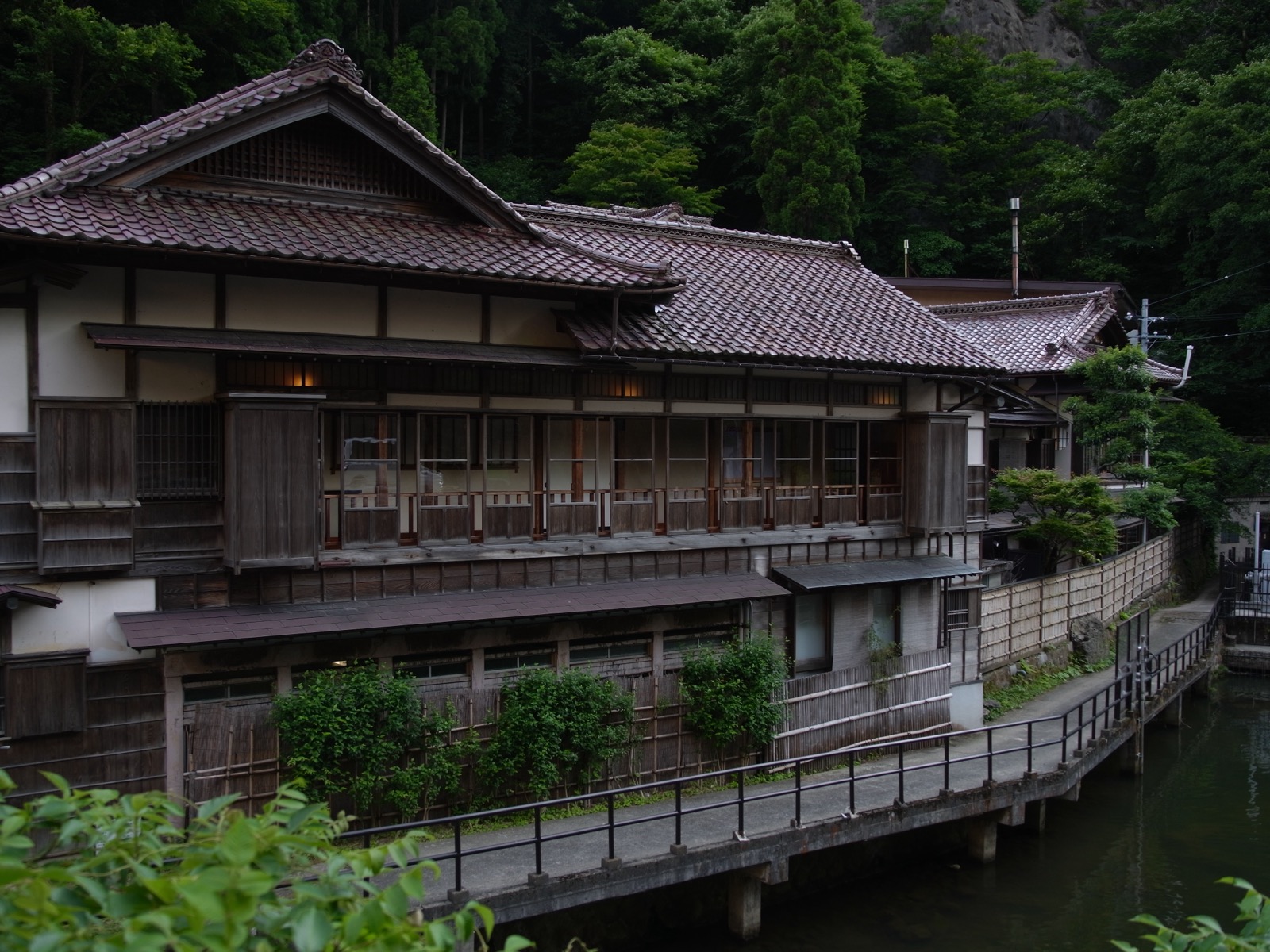
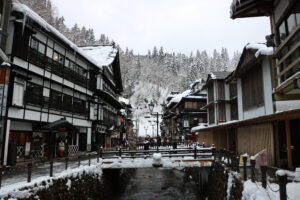
The town itself is compact and walkable: a single narrow valley road follows the Yugawa River, lined on both banks with wooden ryokan buildings, small footbridges, and the soft hiss of onsen water running through drainage channels. In the evening, many of the inns switch on paper lanterns along the street, and the whole town takes on a warm, cinematic glow that feels like stepping into a Studio Ghibli film. It’s the kind of place Japanese couples go for a romantic overnight escape — and almost no English-language guidebook mentions it.
Getting There from Tokyo
- Shinkansen + local train: Take the Tohoku Shinkansen from Tokyo Station to Koriyama (about 1 hour 20 minutes, ¥8,910 / ~$60), then transfer to the JR Ban’etsu West Line to Aizuwakamatsu Station (about 1 hour 15 minutes, ¥1,170 / ~$8). Total travel time is roughly 3 hours door to door.
- Bus from Aizuwakamatsu Station: From Aizuwakamatsu Station, hop on the Aizu Bus bound for Higashiyama Onsen (about 20 minutes, ¥270 / ~$2). Buses run roughly every 30–40 minutes during the day.
- Taxi: A taxi from Aizuwakamatsu Station to Higashiyama Onsen takes about 10–15 minutes and costs around ¥1,800–2,200 (~$12–15) — well worth it if you’re traveling with luggage.
- Rental car: If you’re already road-tripping through the Aizu region (pairing this with Ouchi-juku or the Tadami Line), Higashiyama Onsen has ryokan parking and is an easy 15-minute drive from central Aizuwakamatsu.
Your JR Pass covers the Shinkansen and the Ban’etsu West Line segment, making this one of the more affordable overnight side trips from Tokyo. There’s also a direct highway bus from Tokyo’s Shinjuku or Ikebukuro to Aizuwakamatsu (about 4.5 hours, ¥4,000–5,500 / ~$27–37) if you’d rather skip the train transfer entirely and don’t mind the extra time.
A 1,300-Year Soaking Tradition
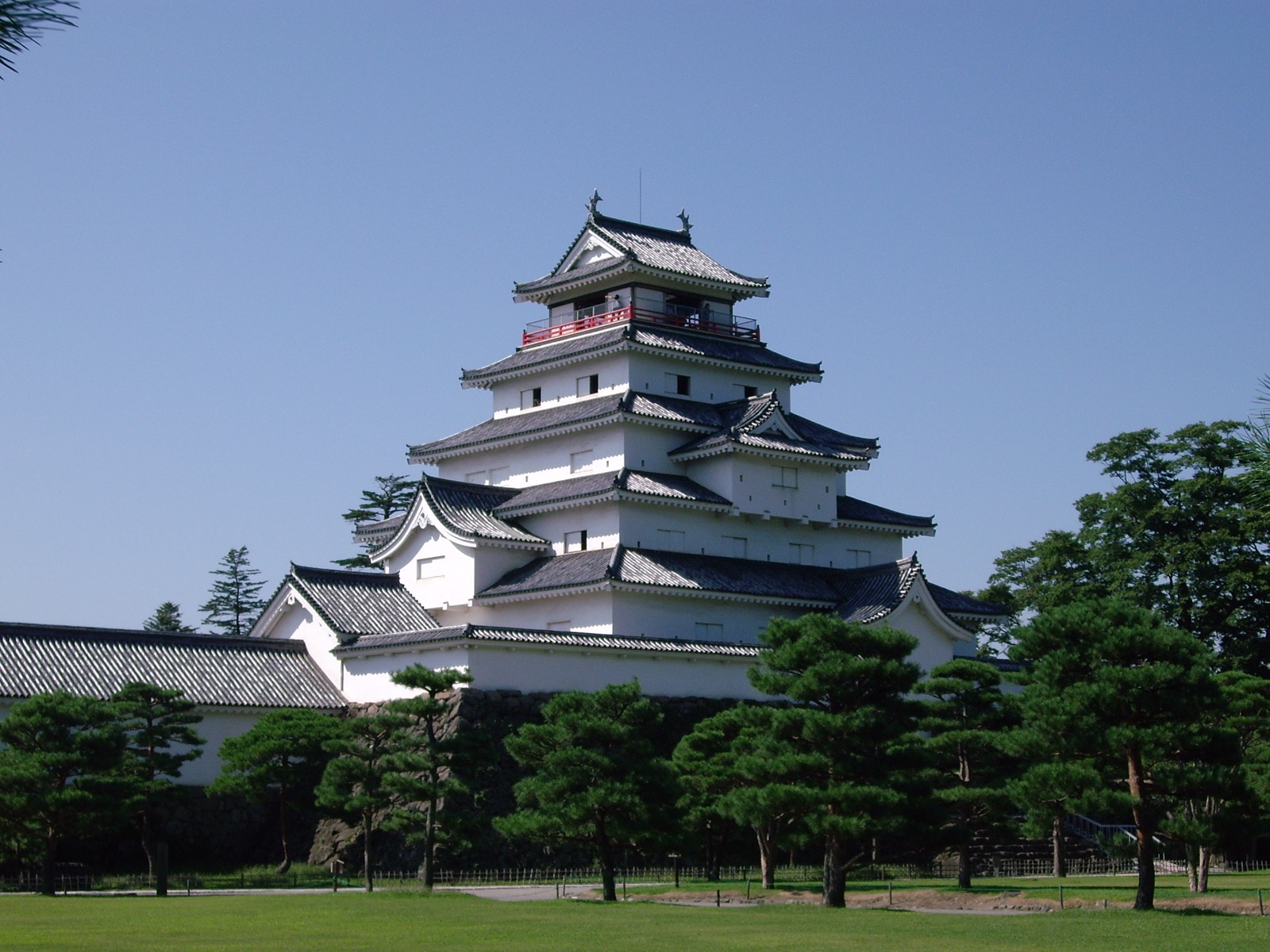
Local legend traces Higashiyama Onsen’s discovery back to the 8th century, when the Buddhist priest Gyoki is said to have found the hot springs while traveling through the region. But the town’s real fame comes from the 19th century, when it became the recovery ground for wounded samurai of the Aizu domain during the Boshin War — the brutal 1868 conflict that ended the Tokugawa shogunate. Aizu was one of the last and most fiercely loyal domains to resist the new imperial government, and its samurai — including the tragic teenage Byakkotai (“White Tiger”) corps — paid a devastating price. Many survivors were brought to Higashiyama’s hot springs to heal.
That history is preserved most vividly at Mukaitaki, a working ryokan that has been designated a nationally Registered Tangible Cultural Property. Its wooden buildings, some dating to the Meiji era, wind along the riverbank in a maze of covered walkways, and it counts members of the imperial family among its historical guests. Even if you don’t stay overnight, many ryokan in Higashiyama — Mukaitaki included — offer day-use bathing (called higaeri nyuyoku) for a few hours in the afternoon, typically ¥1,000–1,500 (~$7–10), so you can experience the same waters without booking a room.
The onsen water here is a mildly alkaline sulfate-chloride spring, prized in Japan for being gentle on the skin and effective for muscle fatigue, joint pain, and recovery from illness or injury — precisely why it became a convalescent destination for injured soldiers 150 years ago. Modern visitors come for the same restorative effect after a day of castle-hopping and mountain driving.
Nearby Aizuwakamatsu: Samurai Castle and Residences
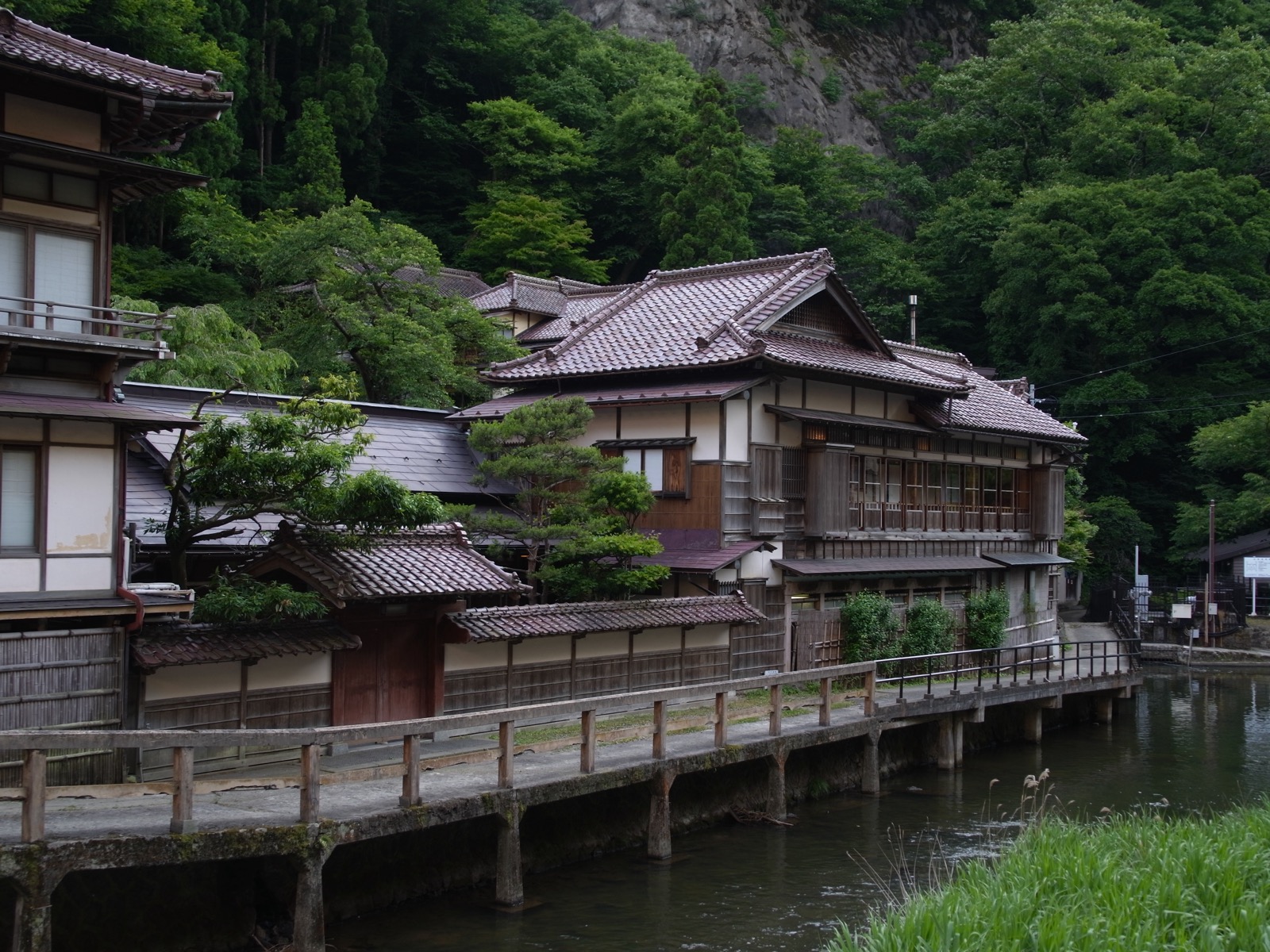
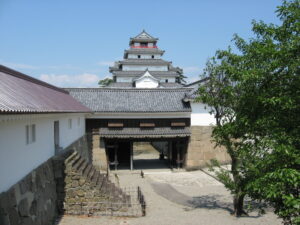
No visit to Higashiyama Onsen is complete without spending a few hours in Aizuwakamatsu itself. The centerpiece is Tsurugajo Castle, whose distinctive red-tiled roof (a rarity among Japanese castles, restored in 2011 based on historical records) makes it instantly recognizable. The current structure is a 1965 concrete reconstruction, but it sits on the original stone foundations, and the interior houses an excellent museum on Aizu’s samurai history, the Boshin War, and the Byakkotai. Climb to the top floor observation deck for sweeping views over the city and the surrounding mountains. Entry costs ¥410 (~$3) for adults.
Just a short taxi or bus ride from the castle is Aizu Bukeyashiki, a beautifully preserved samurai residence complex that recreates the sprawling home of a senior Aizu domain retainer, complete with 38 rooms, a working water mill, and detailed exhibits on samurai daily life, weaponry, and the tragic final stand of the Byakkotai on nearby Iimoriyama hill. Walking through the residence’s tatami rooms and covered corridors gives a far more intimate sense of samurai life than the castle museum alone. Entry is ¥900 (~$6) for adults.
History buffs should also make time for Iimoriyama, the hillside where twenty teenage Byakkotai soldiers, having mistakenly believed the castle had fallen, committed ritual suicide rather than surrender. A small funicular (¥250 / ~$2) or a short uphill walk takes you to their graves and a memorial overlook — a sobering but important stop for understanding why this region’s samurai heritage is treated with such reverence today.
Best Time to Visit
- Spring (March–May): Cherry blossoms bloom around Tsurugajo Castle in mid-to-late April, and the castle grounds are lit up at night during hanami season — a spectacular pairing with an evening onsen soak.
- Summer (June–August): Warm, humid days (75–85°F / 24–29°C) are best spent exploring the castle and samurai residence in the morning before the heat peaks, saving the onsen for evening. The Aizu region is notably cooler than Tokyo.
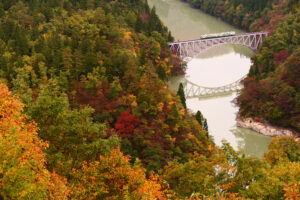
- Autumn (September–November): Peak season. The mountains around Higashiyama turn brilliant shades of red and gold in early-to-mid November, and the ryokan district’s lantern-lit evenings feel especially magical against the autumn colors.
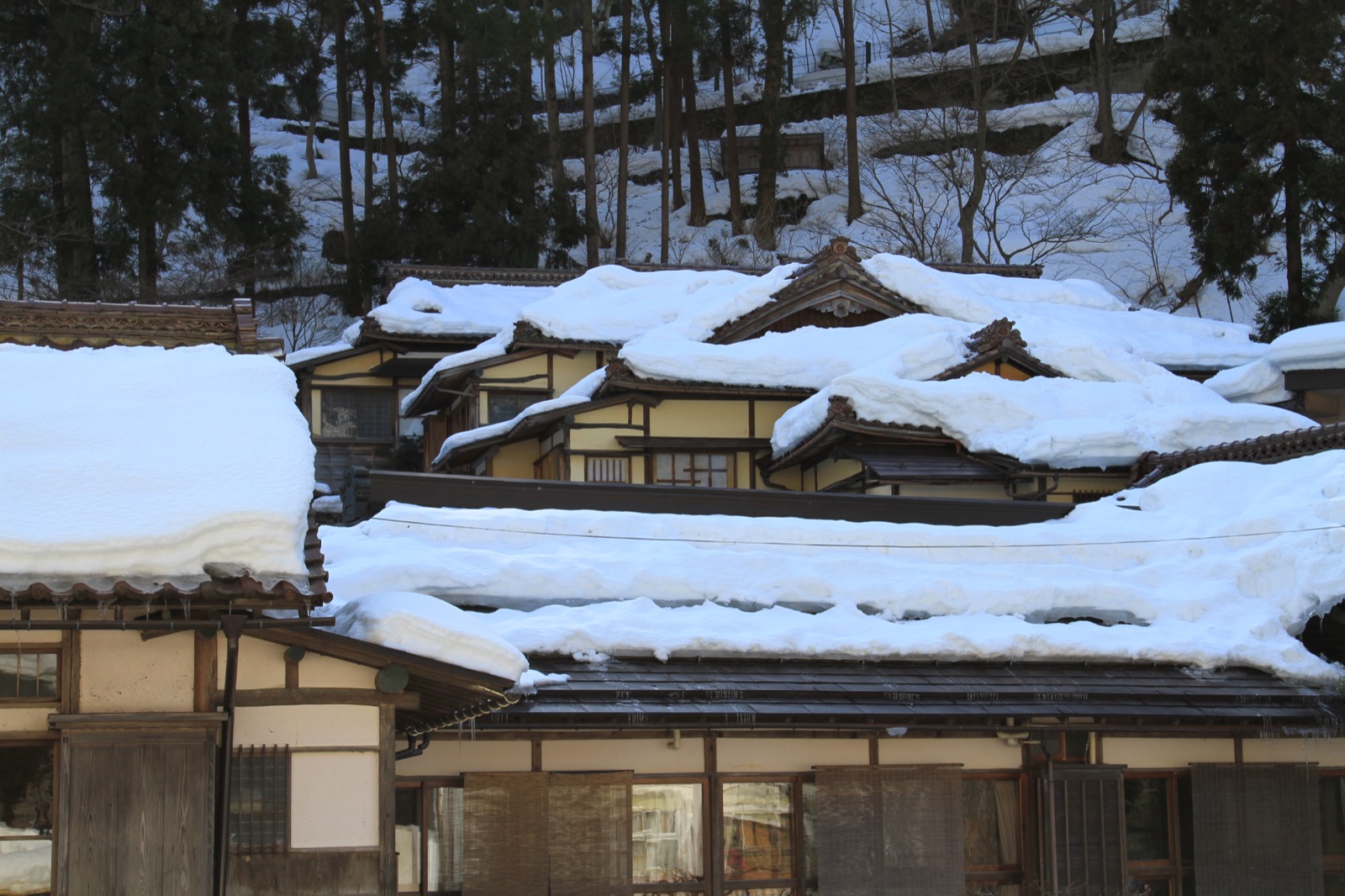
- Winter (December–February): Snow blankets the valley and temperatures drop to freezing (20–35°F / -6 to 2°C), but this is when Higashiyama Onsen feels most quintessentially Japanese — steam rising off the water against a snowy backdrop is unforgettable, and ryokan rates often drop outside the New Year holiday period.
Where to Eat: Aizuwakamatsu Food Guide
Aizu cuisine reflects its mountainous, landlocked geography — hearty, preserved, and warming. A few dishes and spots to seek out:
Wappa Meshi
Rice steamed in a round wooden container (wappa) and topped with local ingredients like mountain vegetables, salmon, or river fish. Try it at Aizu Wappameshi Takino near Tsurugajo Castle, where a set meal runs ¥1,500–2,500 (~$10–17).
Sauce Katsudon
Fukushima’s answer to the classic pork cutlet bowl — instead of an egg-based sauce, the katsu is dipped in a savory-sweet Worcester-style sauce and served over rice with shredded cabbage. Genraiken in central Aizuwakamatsu is a beloved local institution, with bowls around ¥900–1,200 (~$6–8).
Aizu Ramen
A clear, soy-based broth with thin, curly noodles — lighter than Kitakata ramen from further north but part of the same regional noodle culture. Small shops throughout central Aizuwakamatsu serve bowls for ¥700–900 (~$5–6).
Within Higashiyama Onsen itself, most dining happens as part of ryokan meal plans — elaborate multi-course kaiseki dinners featuring Aizu beef, river fish, and seasonal mountain vegetables, usually included in the room rate. A handful of small izakaya near the bus stop serve local sake and light bites if you’re staying somewhere without dinner included.
Where to Stay
Budget (Under ¥8,000 / $55 per night)
Aizuwakamatsu city center has several budget business hotels and guesthouses, such as Wakamatsu Wing Hotel, offering simple, clean rooms a short bus ride from Higashiyama Onsen — a good option if you want to visit the hot spring for day-use bathing without paying full ryokan rates.
Mid-Range (¥8,000–¥20,000 / $55–$135)
Several family-run ryokan in Higashiyama Onsen fall in this range, typically including two meals (breakfast and a kaiseki-style dinner) and access to both indoor and outdoor baths. Look for smaller inns along the main riverside street, which tend to offer more personal service than the larger properties.
Luxury (¥20,000+ / $135+)
Mukaitaki is the standout splurge — sleeping in a Registered Tangible Cultural Property building, with beautifully preserved Meiji-era architecture, private and shared onsen baths, and refined multi-course dinners featuring Aizu beef and seasonal Fukushima produce. Rooms typically run ¥25,000–45,000 per person (~$170–300) including dinner and breakfast.
Practical Tips for Visiting Higashiyama Onsen
- Book ryokan accommodation well in advance for autumn foliage season (late October–mid November) and Japanese national holidays, when rooms sell out fastest.
- If you have visible tattoos, call ahead — some smaller traditional ryokan still restrict tattooed guests from communal baths, though attitudes are gradually relaxing. Larger properties are generally more accommodating.
- Most ryokan check-in starts around 3:00 PM and check-out is 10:00–11:00 AM; day-use bathing hours (higaeri nyuyoku) are typically 11:00 AM–2:00 PM, so plan your castle and samurai residence visits around this window.
- Bring cash — many smaller ryokan and restaurants in the area still don’t accept credit cards, though larger hotels and the castle ticket counters do.
- Wash thoroughly at the shower stations before entering the communal bath — this is standard onsen etiquette throughout Japan, not unique to Higashiyama.
- The Aizuwakamatsu tourist loop bus (the “Haikara-san” and “Akabe” buses) is the easiest way to hit the castle, samurai residence, and station in one day; a one-day pass costs ¥600 (~$4).
- Pack layers — the Aizu basin can be significantly colder than Tokyo, especially from late autumn through early spring.
- Combine this trip with nearby Ouchi-juku, a beautifully preserved thatched-roof post town about 40 minutes away by car or the scenic Tadami Line train, for a full 2-day Aizu region itinerary.
Sample 2-Day Itinerary
Day 1
Morning: Arrive at Aizuwakamatsu Station via Shinkansen and local train. Drop bags at your ryokan or hotel, then take the loop bus to Tsurugajo Castle. Explore the castle museum and climb to the observation deck (allow 1.5–2 hours).
Afternoon: Walk or bus to Aizu Bukeyashiki samurai residence (20–30 minutes), then continue to Iimoriyama to see the Byakkotai memorial. Grab a bowl of sauce katsudon or wappa meshi for a late lunch back in the city center.
Evening: Head to Higashiyama Onsen by bus or taxi, check into your ryokan, and settle in for a multi-course kaiseki dinner followed by an evening soak in the outdoor bath under the stars.
Day 2
Morning: Take a second onsen soak before breakfast, then stroll the riverside street of Higashiyama Onsen while it’s quiet — this is the best time for photos of the traditional ryokan facades.
Afternoon: Head back toward Aizuwakamatsu Station, stopping at a local sake brewery or the Aizu lacquerware museum if time allows, before continuing your journey onward — whether that’s back to Tokyo or further into the Tohoku region toward Ouchi-juku and the Tadami Line.
Related Articles You Might Enjoy
- Aizuwakamatsu Travel Guide for Foreigners — Fukushima Japan’s Most Soulful Samurai Town
- Mount Adatara & Dake Onsen, Fukushima: Japan’s Sacred Volcano & Secret Healing Hot Spring
- Tsurugajo Castle (Aizuwakamatsu): Complete Guide to Fukushima’s Iconic Samurai Fortress
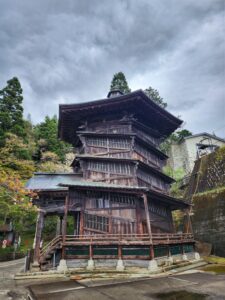
- Iimoriyama & Sazaedo, Aizuwakamatsu: Fukushima’s Samurai Tragedy Hill and Japan’s Only Double-Helix Pagoda
- Ouchi-juku, Fukushima: Japan’s Most Perfectly Preserved Post Town
Final Thoughts
Higashiyama Onsen is exactly the kind of place that makes Tohoku special: a destination with genuine historical weight — samurai, war, resilience, and 1,300 years of continuous hot spring tradition — that remains almost entirely undiscovered by foreign visitors. Pair it with a morning at Tsurugajo Castle and Aizu Bukeyashiki, and you get one of the most complete, moving, and relaxing 24-hour experiences anywhere in Japan, all without needing a rental car or a JR Pass surcharge. Don’t just pass through Aizuwakamatsu on your way to Ouchi-juku — give this valley the overnight stay it deserves.
Got questions about planning your Tohoku trip, or spotted something we missed? We’d love to hear from you — drop us a message here.

コメント