One of the most common questions travelers ask before booking a trip to Tohoku is the one that matters most: how much will this actually cost? The great news is that Northeast Japan offers extraordinary value compared to the better-known tourist routes through Tokyo, Kyoto, and Osaka. World-class temples, dramatic natural scenery, incredible food, and authentic cultural experiences are all available here at prices that feel genuinely affordable — especially once you understand where your money goes and how to make it work harder. This complete budget guide covers everything from transport to accommodation to food, with real numbers in both yen and US dollars so you can plan with confidence.
The Quick Answer: Sample Daily Budgets
Before diving into the details, here’s a realistic snapshot of what a day in Tohoku costs at three different budget levels:
- Budget traveler (hostel, convenience store meals, public transport): 5,000 to 8,000 yen / $34 to $55 per day
- Mid-range traveler (business hotel or guesthouse, restaurant meals, some attractions): 12,000 to 22,000 yen / $83 to $152 per day
- Comfortable traveler (ryokan with meals, good restaurants, flexible transport): 25,000 to 50,000 yen / $172 to $345 per day
These figures are per person and exclude international flights. They’re based on real spending patterns from travelers who’ve actually done these trips — not optimistic minimums or worst-case scenarios.
Getting to Tohoku: Transport Costs from Tokyo
The biggest single cost for most visitors is the Tohoku Shinkansen — the bullet train connecting Tokyo to Tohoku’s major cities. Here’s what to expect:
Shinkansen Fares (one way, reserved seat)
- Tokyo to Sendai: 11,090 yen ($76) — approximately 90 minutes
- Tokyo to Fukushima: 7,590 yen ($52) — approximately 90 minutes
- Tokyo to Morioka: 14,140 yen ($97) — approximately 2 hours 10 minutes
- Tokyo to Aomori: 17,470 yen ($120) — approximately 3 hours
- Tokyo to Akita (Komachi line): 17,290 yen ($119) — approximately 3 hours 45 minutes
Japan Rail Pass consideration: The Japan Rail Pass covers all Tohoku Shinkansen routes (including the Komachi to Akita and the Hayabusa to Aomori). The 7-day JR Pass costs 50,000 yen ($345) for adults. If your Tohoku trip includes return shinkansen travel from Tokyo plus local JR trains, the pass pays for itself quickly — especially if you’re visiting multiple prefectures. Calculate your expected journeys before buying: the pass is an excellent deal for some itineraries and unnecessary for others.
Budget alternative — highway buses: Night buses from Tokyo to Sendai, Morioka, Aomori, and Akita run regularly and cost 3,000 to 5,000 yen ($21 to $34) one way. The trade-off is 5 to 8 hours of overnight travel versus 90 minutes to 3 hours on the shinkansen. For travelers with flexible schedules and a tolerance for overnight buses, this saves meaningful money.
Accommodation: Budget Breakdown
Accommodation is where the difference between budget and comfortable travel is most pronounced. Here’s what you can realistically expect at each level in Tohoku:
Budget: 2,000 to 6,000 yen / $14 to $41 per night
Hostels and budget guesthouses operate in all of Tohoku’s major cities — Sendai, Morioka, Aomori, Akita, and Yamagata. A dormitory bed in a clean hostel typically runs 2,500 to 3,500 yen ($17 to $24) per night. Private rooms in guesthouses start around 5,000 to 6,000 yen ($34 to $41) per night.
In Sendai, several well-regarded hostels operate near the train station and in the Kokubuncho entertainment district. Morioka has a small but excellent guesthouse scene, particularly attractive to travelers interested in craft beer and the local ramen culture. Rural areas have fewer hostel options but often offer minshuku (family-run guesthouses) from 5,000 to 8,000 yen ($34 to $55) per person including breakfast.
Mid-Range: 7,000 to 15,000 yen / $48 to $103 per night
Business hotels dominate the mid-range in Tohoku’s cities. Chains like Dormy Inn, Comfort Hotel, Hotel Route Inn, and APA Hotel offer clean single and double rooms with en-suite bathrooms, typically including a simple breakfast. Prices range from 7,000 to 12,000 yen ($48 to $83) for a single room and 10,000 to 15,000 yen ($69 to $103) for a double in cities like Sendai and Morioka.
The Dormy Inn chain is particularly notable for offering natural hot spring baths at many of its properties — you get the onsen experience at business hotel prices. Look for Dormy Inn locations in Sendai, Morioka, Aomori, and Akita.
Mid-Range Ryokan: 12,000 to 25,000 yen / $83 to $172 per person, including meals
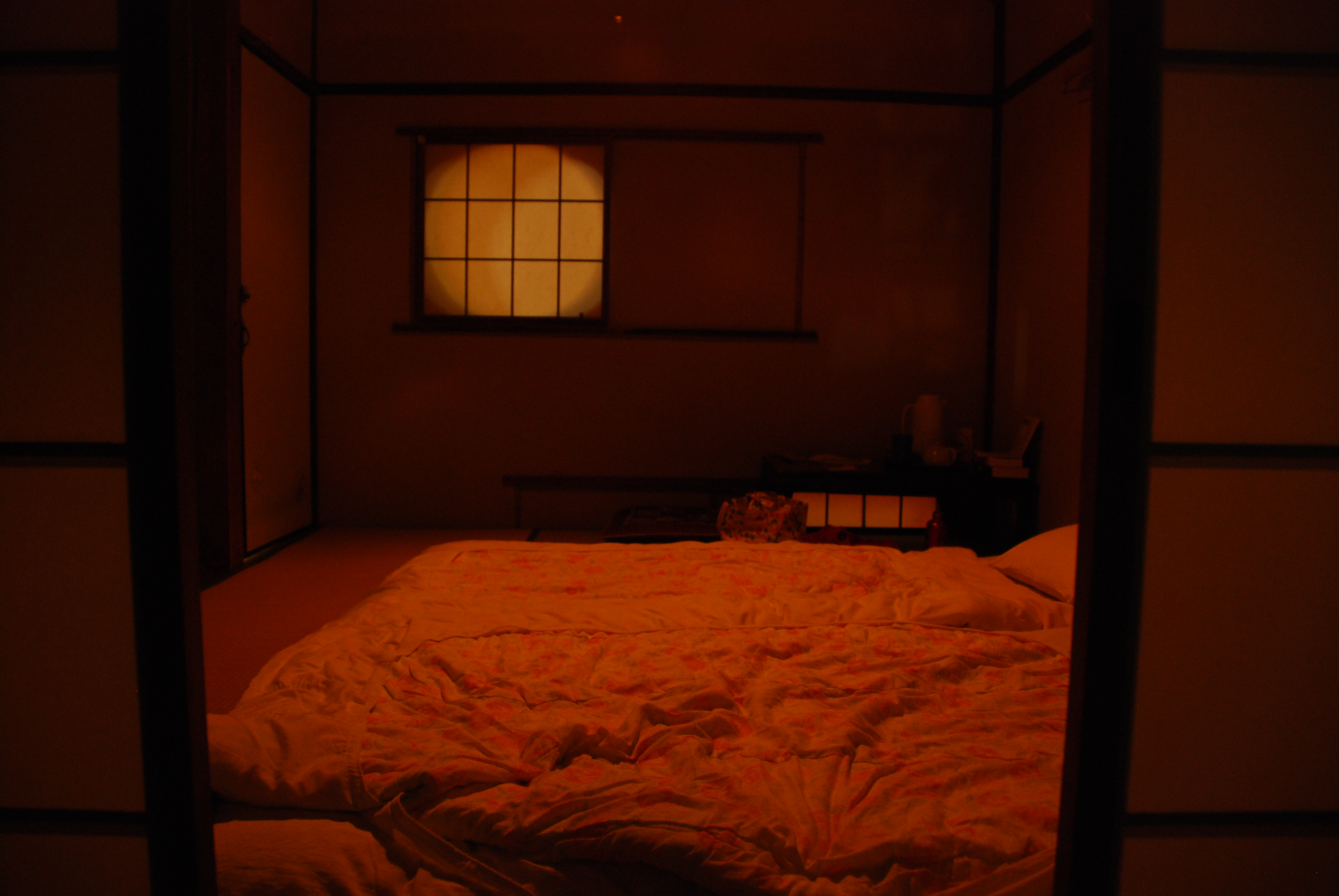
The most distinctly Japanese mid-range experience is the ryokan (traditional inn) with breakfast and dinner included. Tohoku’s onsen regions — Naruko Gorge in Miyagi, Nyuto Onsen in Akita, and Aoni Onsen in Aomori — have numerous ryokan offering tatami rooms, communal hot spring baths, and multi-course kaiseki dinners in this price bracket. The per-person cost including two meals at 15,000 to 20,000 yen ($103 to $138) sounds high until you realize it includes dinner (which would cost 5,000 to 10,000 yen on its own at a comparable restaurant) and breakfast.
Luxury Ryokan: 30,000 to 80,000 yen / $206 to $551 per person, per night with meals
Tohoku’s top ryokan — properties like Tsuru-no-Yu in Akita’s Nyuto Onsen or the prestigious inns around Naruko and Zao — charge premium rates for exceptional experiences: private hot spring baths, elaborate kaiseki dinners using local seasonal ingredients, historic buildings with mountain or garden views. These properties are genuinely world-class and worth budgeting for if a luxury inn experience is on your Japan bucket list.
Food: Eating in Tohoku at Every Budget
Food is where Tohoku genuinely shines as a value destination. The region’s culinary culture is exceptional — regional specialties that would command premium prices in Tokyo restaurants are available here at everyday prices, made with local ingredients at their freshest.
Budget Eating: 500 to 1,500 yen / $3.50 to $10 per meal
The convenience store (konbini) is your budget best friend in Japan. Seven-Eleven, Lawson, and FamilyMart in Tohoku stock high-quality onigiri rice balls (110 to 200 yen / $0.75 to $1.40 each), sandwiches, hot foods like steamed buns and fried chicken, instant noodles, and prepared bento boxes (350 to 600 yen / $2.40 to $4.10). A satisfying convenience store meal costs 500 to 800 yen ($3.50 to $5.50). Japanese convenience store food quality is genuinely good — this isn’t a compromise, it’s a Japanese institution.
Ramen shops in Tohoku’s cities serve a bowl for 700 to 1,200 yen ($4.80 to $8.30). The Morioka city ramen scene centers on jajamen (flat noodles with meat-miso sauce, 700 to 900 yen/$4.80 to $6.20) — one of Tohoku’s most distinctive and filling budget meals. Kitakata city in Fukushima Prefecture is famous for its ramen (around 800 to 1,000 yen/$5.50 to $6.90), which is widely considered among the best in Japan. Set lunch menus (teishoku) at restaurants typically run 800 to 1,200 yen ($5.50 to $8.30) and include rice, soup, a main dish, and pickles.
Mid-Range Eating: 1,500 to 4,000 yen / $10 to $28 per meal
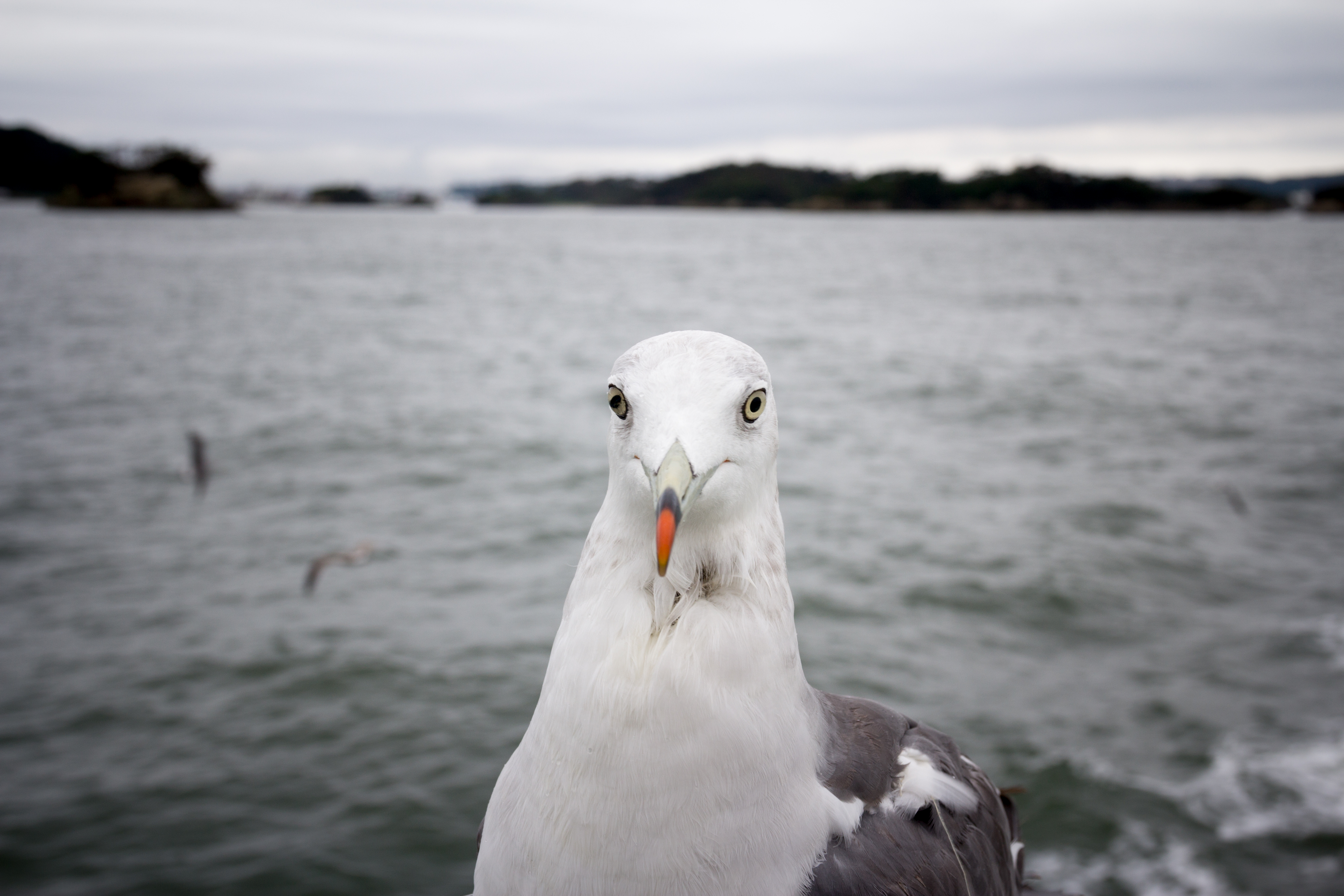
Tohoku’s regional specialties come into their own in the mid-range. In Sendai, a full gyutan (beef tongue) set meal with rice, soup, and pickles runs 2,000 to 3,000 yen ($14 to $21) at the city’s classic tanchaya restaurants. In Matsushima, a kaisen-don (seafood rice bowl) with fresh local oysters, sea urchin, or salmon roe runs 1,800 to 3,500 yen ($12 to $24). In Morioka, wanko soba (endless-bowl buckwheat noodles, typically 2,000 to 3,000 yen/$14 to $21) is a unique eating experience as much as a meal. In Yamagata, Yonezawa beef shabu-shabu sets run 3,000 to 5,000 yen ($21 to $34) at mid-range restaurants.
Splurge Eating: 5,000 to 20,000 yen / $34 to $138 per meal
A high-end kaiseki dinner in Tohoku — at a restaurant or traditional ryokan — will be among the most memorable meals of your Japan trip. Using local ingredients at their seasonal peak (Shonai crab, Yonezawa beef, Sanriku sea urchin, Yamagata cherry tomatoes), these multi-course meals run 8,000 to 20,000 yen ($55 to $138) per person and represent extraordinary value compared to similarly sophisticated meals in Tokyo. A kaiseki dinner at an Akita onsen ryokan, using mountain vegetables, river fish, and house-made tofu — for 10,000 to 15,000 yen per person including accommodation — is one of the great deals in Japanese travel.
Attractions: What Things Cost
Free and Nearly Free
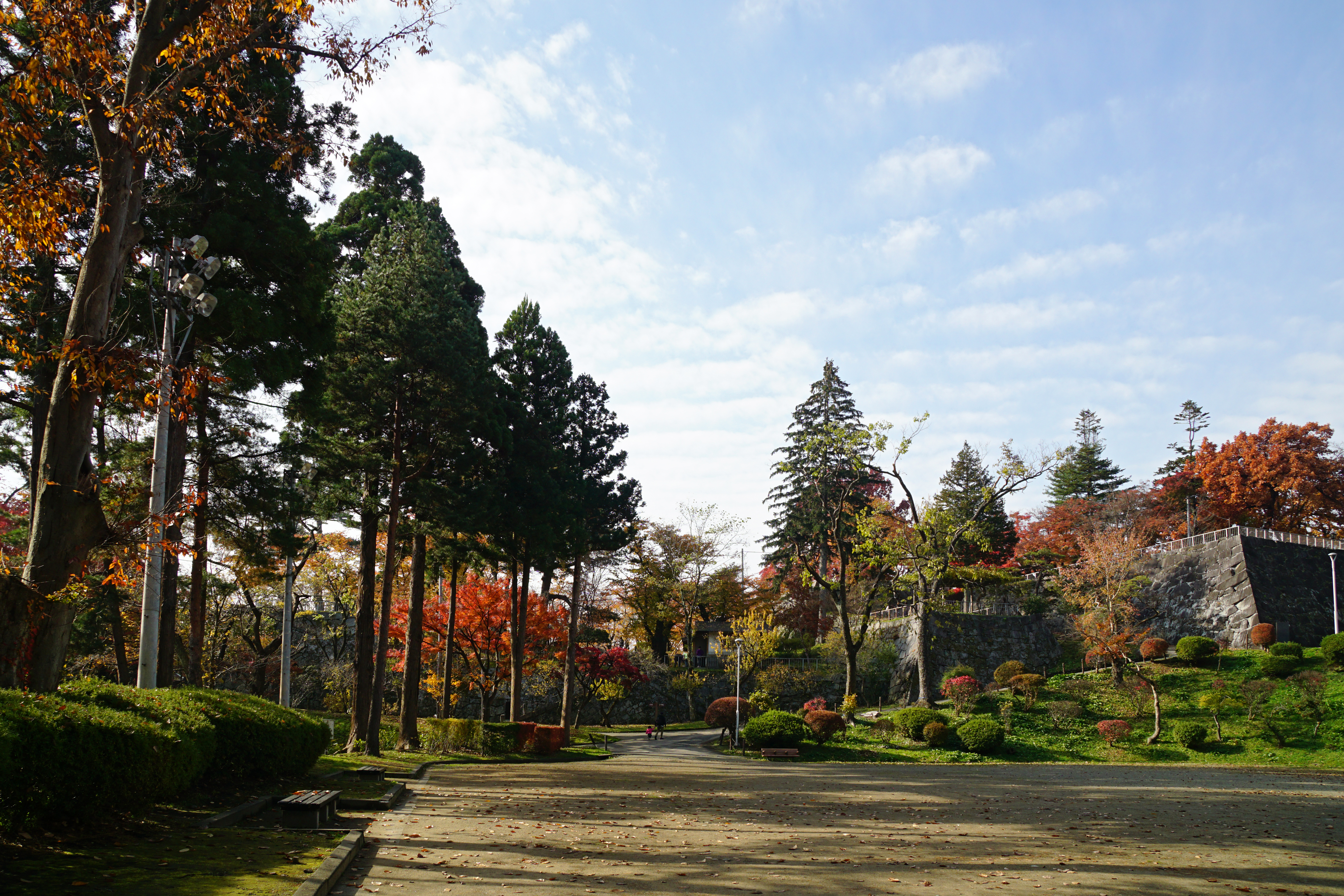
Many of Tohoku’s most spectacular experiences cost very little or nothing. Walking through the pine-covered islands view at Matsushima costs nothing. Hiking in Dewa Sanzan’s cedar forests in Yamagata is free. The historic streets of Kakunodate samurai district in Akita charge no admission. Sendai’s Jozenji Street Zelkova tree avenue in autumn is one of Japan’s great free urban experiences. Morioka’s Kitakami River cherry blossom promenade in spring draws enormous crowds at zero cost. If you’re a nature and history traveler, a significant portion of Tohoku’s best experiences will cost you primarily your time and transport to reach them.
Typical Attraction Prices
- Zuiganji Temple, Matsushima: 700 yen ($4.80)
- Matsushima Sightseeing Boat: 1,500 yen ($10)
- Yamadera Risshakuji Temple entrance: 300 yen ($2.10)
- Hirosaki Castle (Aomori): 515 yen ($3.55)
- Chuson-ji Temple, Hiraizumi: 800 yen ($5.50)
- Tono Furusato Village, Iwate: 550 yen ($3.80)
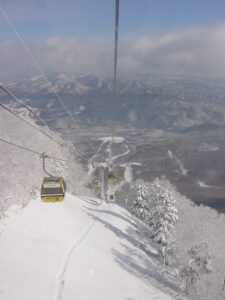
- Zao Ropeway (for Snow Monsters): 1,800 yen one way, 2,500 yen round trip ($12 to $17)
- Nyuto Onsen day bath (typical): 600 to 800 yen ($4.10 to $5.50)
- Nebuta Museum Wa-Rasse, Aomori: 620 yen ($4.30)
- Tohoku Earthquake Memorial Museum, Rikuzentakata: 500 yen ($3.45)
Getting Around Tohoku: Local Transport Costs
Local Trains
Within Tohoku, JR local trains connect all major cities and most tourist destinations. Key fares:
- Sendai to Matsushima (Senseki Line): 840 yen ($5.80), 40 minutes
- Sendai to Yamadera (Senzan Line): 860 yen ($5.90), 50 minutes
- Morioka to Hiraizumi: 1,170 yen ($8.10), 1 hour
- Aomori to Hirosaki: 680 yen ($4.70), 35 minutes
- Akita to Kakunodate: 1,320 yen ($9.10), 45 minutes
Rental Car
A rental car dramatically expands what you can see in Tohoku, particularly in rural areas of Iwate, Akita, and the Sanriku Coast where train service is limited. Economy car rental rates start at 4,000 to 6,000 yen ($28 to $41) per day from major rental chains (Toyota Rent a Car, Times Car, Nippon Rent-A-Car). Add fuel costs (typically 10 to 15 yen per kilometer / $0.07 to $0.10 per mile for a small car) and highway tolls (which can add 2,000 to 5,000 yen/$14 to $34 per long drive). An international driver’s license is required — available from your home country’s automobile association before departure.
City Buses and Subways
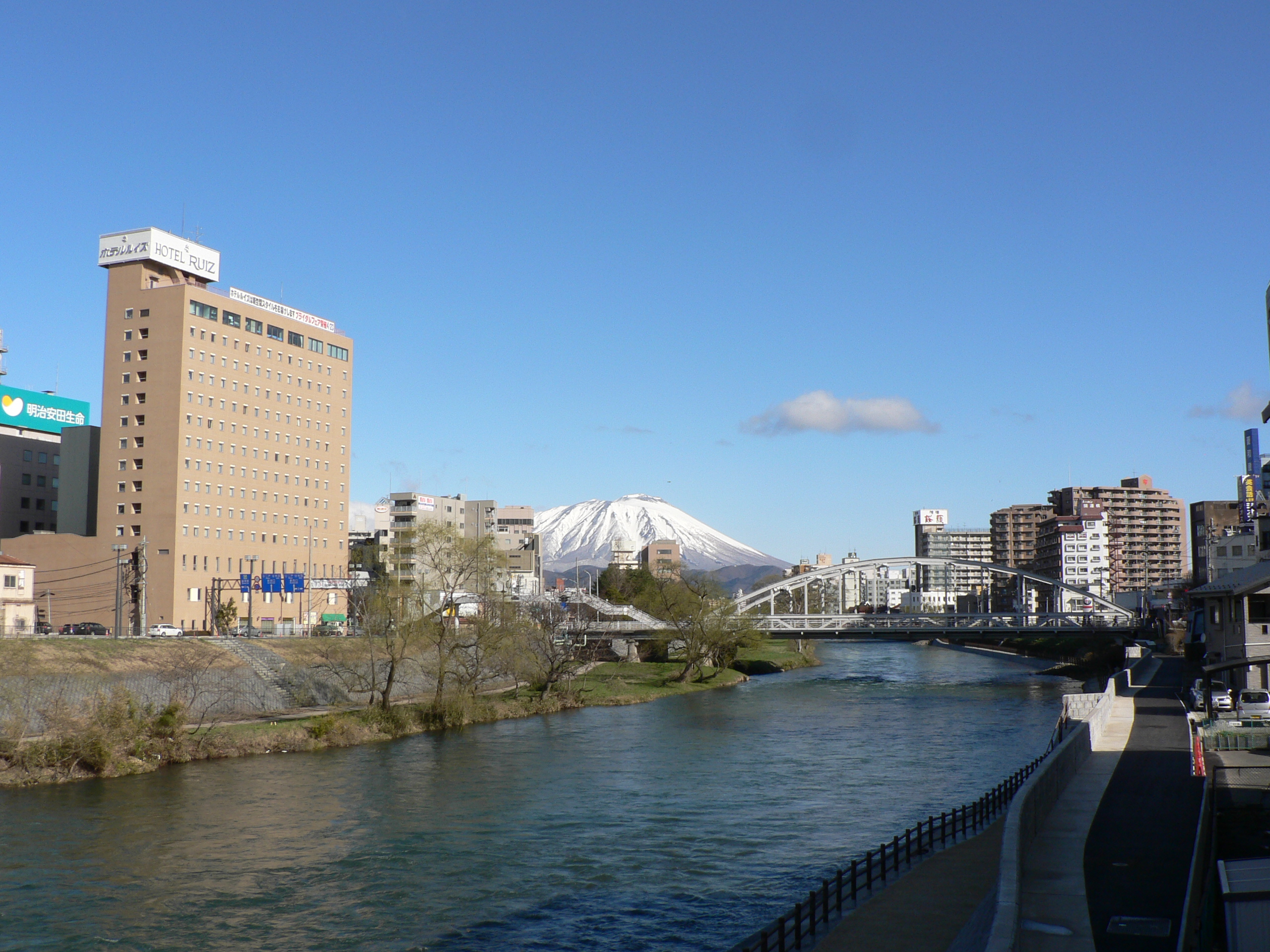
Sendai has a subway system (two lines) with fares from 200 yen ($1.40). Single-day subway passes cost 620 yen ($4.30). Most other Tohoku cities rely on bus networks — single fares run 150 to 250 yen ($1.00 to $1.70) within city centers. IC cards (Suica, Pasmo) work on most public transport in Tohoku and allow seamless tap-and-go payment — definitely worth loading before arrival.
Seasonal Price Variations
Prices in Tohoku vary significantly by season, and timing your visit can save meaningful money.
Peak Season (Higher Prices)
- Cherry blossom season (late March to early May): Accommodation prices in popular cherry blossom spots (Kakunodate, Kitakami Tenshochi, Hirosaki) spike dramatically — some ryokan charge 200% to 300% of their regular rates during peak sakura week. Book months in advance or expect to pay premium prices.
- Festival season (August): The Nebuta Festival in Aomori, the Kanto Festival in Akita, and the Sendai Tanabata Festival in early August drive accommodation demand across the region. Prices rise 30% to 80% during festival weeks in host cities.
- Autumn foliage (mid-October to mid-November): Naruko Gorge, Zao, and the mountain areas see increased demand. Ryokan prices in foliage hotspots often include significant seasonal premiums.
- Golden Week (late April to early May) and Obon (mid-August): Japanese national holiday periods bring domestic tourists in large numbers, driving up prices at popular destinations across the region.
Value Season (Lower Prices)
- Late January to early March (excluding ski season at Zao): The quietest period for Tohoku tourism. Accommodation prices drop 20% to 40% compared to peak seasons. Winter scenery — including the famous Zao Snow Monsters — is spectacular, and many attractions are far less crowded.
- June (rainy season): The tsuyu rainy season keeps many tourists away, dropping prices significantly. Tohoku’s rainy season is less intense than in western Japan, and the region’s rice paddies and mountain landscapes look beautiful in the misty conditions.
- September to early October: After summer crowds clear but before peak foliage, this transitional period offers good weather and reasonable prices. Local seafood is at its peak, festivals are over, and major attractions are less crowded.
Money: Practical Cash and Card Advice
Cash is still king in rural Tohoku. While Sendai and major cities are increasingly cashless, rural areas, small ryokan, farm stands, ferry operators, and local food markets frequently remain cash-only. Plan to carry sufficient yen, particularly when exploring the Sanriku Coast, the mountains of Akita and Yamagata, and small onsen villages.
The best way to get yen: Japan Post Bank and 7-Bank ATMs (at 7-Eleven convenience stores) reliably accept foreign Visa, Mastercard, and Maestro cards. Fees are typically 110 to 220 yen ($0.75 to $1.50) per transaction from the Japanese side, plus whatever your home bank charges. Withdraw larger amounts less frequently to minimize fees. Most 7-Eleven ATMs are available 24/7.
IC cards for transport: Load a Suica or Pasmo card at any JR station. These work for trains, buses, and even convenience store purchases across Tohoku. You can load them with cash at station machines and refund the remaining balance when you leave Japan (at major stations).
Credit cards: Major hotels, department stores, and tourist restaurants accept international credit cards. Visa and Mastercard have broader acceptance than American Express. Don’t rely on cards in small towns and rural areas — always have cash backup.
Sample Budget Itineraries
Budget 5-Day Trip (Total: approximately 60,000 to 80,000 yen / $413 to $551)
This itinerary assumes hostel accommodation, convenience store and budget restaurant meals, and public transport throughout.
- Shinkansen Tokyo to Sendai (one way): 11,090 yen ($76)
- Shinkansen Sendai to Tokyo (one way): 11,090 yen ($76)
- 5 nights hostel accommodation (average 3,000 yen/night): 15,000 yen ($103)
- Food (average 2,500 yen/day): 12,500 yen ($86)
- Local transport: 8,000 yen ($55)
- Attraction admission: 5,000 yen ($34)
- Total estimate: 62,680 yen ($431)
Destinations covered: Sendai (2 nights), Matsushima day trip, Yamadera day trip, Morioka (3 nights), Hiraizumi day trip.
Mid-Range 7-Day Trip (Total: approximately 150,000 to 220,000 yen / $1,034 to $1,517)
Business hotels, proper restaurant meals, and comfortable sightseeing.
- JR Pass 7-day: 50,000 yen ($345)
- 7 nights business hotels (average 10,000 yen/night): 70,000 yen ($483)
- Food (average 4,000 yen/day): 28,000 yen ($193)
- Local transport and taxis: 15,000 yen ($103)
- Attractions and experiences: 12,000 yen ($83)
- Total estimate: 175,000 yen ($1,207)
Destinations covered: Sendai, Matsushima, Yamadera, Akita, Kakunodate, Nyuto Onsen (1 ryokan night), Aomori, Hirosaki, Hachinohe.
Comfortable 7-Day Trip with Ryokan (Total: approximately 250,000 to 400,000 yen / $1,724 to $2,759)
A mix of hotels and ryokan, excellent restaurant meals, and flexible transport.
- JR Pass 7-day: 50,000 yen ($345)
- 4 nights business hotel (12,000 yen/night): 48,000 yen ($331)
- 3 nights ryokan with meals (25,000 yen/person/night): 75,000 yen ($517)
- Food for non-ryokan nights (average 6,000 yen/day): 24,000 yen ($166)
- Experiences and transport: 30,000 yen ($207)
- Total estimate: 227,000 yen ($1,566)
Destinations covered: Sendai, Matsushima ryokan, Zao Snow Monsters (winter), Yamagata, Naruko Gorge ryokan, Morioka, Nyuto Onsen ryokan, Akita.
Money-Saving Tips for Tohoku
- Book ryokan directly rather than through international booking sites. Many Tohoku ryokan offer better rates when booked directly by email or phone — Japanese accommodation sites like Jalan and Rakuten Travel often show lower prices than international platforms too.
- Eat lunch at restaurants, dinner at convenience stores. Many Tohoku restaurants serve exceptional value set lunches (teishoku) for 800 to 1,500 yen ($5.50 to $10) that would cost 2 to 3 times as much at dinner. Flip your meal pattern: big, exciting restaurant lunch, relaxed convenience store or supermarket dinner.
- Supermarket dinner strategy: Japanese supermarkets mark down prepared foods (obento, sushi, fried foods) by 20% to 50% after 7:00pm. A supermarket dinner from a good Sendai or Morioka supermarket — local gyutan bento, fresh sashimi, side dishes — costs 600 to 1,200 yen ($4.10 to $8.30) and can be better than a mid-range restaurant.
- Consider the Tohoku Freepass or regional passes: JR East offers seasonal regional passes covering multiple Tohoku prefectures, sometimes including bus networks. Check the JR East website for current pass options before your trip — these can significantly reduce transport costs for multi-prefecture itineraries without needing the full JR Pass.
- Stay slightly outside city centers: In Sendai and Morioka, accommodation prices drop noticeably one or two subway stops from the main station. The trade-off in walking time is minimal, and the savings can be 20% to 30%.
- Avoid the restaurant areas immediately adjacent to major tourist sites: The restaurants immediately surrounding Matsushima, Yamadera, and Hiraizumi charge tourist premiums. Walk five to ten minutes further and prices drop significantly for comparable quality food.
- Day-trip rather than staying over at expensive onsen resorts: Many Tohoku onsen villages offer day-pass bathing (higaeri nyuyoku) for 500 to 800 yen ($3.45 to $5.50). If the full ryokan experience is beyond your budget, a day-trip bath achieves the essential experience at a fraction of the cost.
- Embrace the Tohoku seasonal calendar: Many of Tohoku’s most extraordinary experiences — cherry blossoms, Snow Monsters, autumn foliage, oyster season — are either free or very inexpensive to enjoy. A trip timed around these seasonal events doesn’t require spending more; it just requires planning.
What to Splurge On (and What to Skip)
Worth the Splurge
- One night at a traditional onsen ryokan — this is a defining Japan experience and Tohoku has excellent options at fairer prices than Kyoto or Hakone.
- Fresh seafood kaisendon at a good Sanriku Coast restaurant — fresh sea urchin, oysters, or salmon roe over rice, made with local ingredients, costs 2,000 to 4,000 yen ($14 to $28) and is extraordinary value.
- The Zao Ropeway in winter — 2,500 yen ($17) round trip to see the Snow Monsters is one of Japan’s great spectacles and genuinely worth every yen.
- Gyutan (beef tongue) at a proper Sendai tanchaya — the real thing, properly grilled and served with wheat rice, costs 2,500 to 3,500 yen ($17 to $24) for a full set and is the definitive Sendai experience.
What You Can Skip
- Expensive souvenir shops immediately at tourist sites — the same items at lower prices are available at nearby supermarkets or department stores.
- Organized day tours from Sendai — most Tohoku destinations are easily accessible by public transport, and independent travel is more flexible and cheaper.
- Premium-tier sake at tourist shops — buy your Tohoku sake at the brewery itself (many offer tours and sales) or at a local liquor store rather than from airport-level tourist retail.
Final Budget Reality Check
Here’s the honest bottom line: Tohoku is significantly cheaper than Tokyo or Kyoto for comparable-quality experiences. A night in a Tohoku ryokan with meals that would cost 40,000 to 50,000 yen ($276 to $345) per person in Hakone often runs 18,000 to 25,000 yen ($124 to $172) in Akita or Iwate. A kaisen-don bowl that would cost 4,000 to 5,000 yen ($28 to $34) in a Tokyo tourist area runs 2,000 to 3,000 yen ($14 to $21) at the Sanriku Coast source. Budget travelers can see extraordinary things on 7,000 to 8,000 yen ($48 to $55) per day. Mid-range travelers get genuine luxury for 15,000 to 20,000 yen ($103 to $138) per day.
Tohoku rewards travelers who have done their homework and understand what they’re coming to find. This guide gives you the numbers. The experiences themselves — the Snow Monsters of Zao, the lanterns of the Nebuta Festival, the oysters of Matsushima Bay, the silence of a mountain onsen at dawn — cost far less than they’re worth.
Related Articles You Might Enjoy
- Tohoku’s Pacific Coast Road Trip: The Ultimate Sanriku Rias Coast Drive
- Tohoku Craft Beer Guide: The Best Microbreweries & Taprooms in Northeast Japan
- Stargazing in Tohoku: Best Dark Sky Spots in Northeast Japan
- Driving in Tohoku: Car Rental Guide, Road Trip Routes & Tips for Foreign Drivers
- Cashless Travel in Tohoku: IC Cards, Credit Cards & Digital Payments Guide


コメント