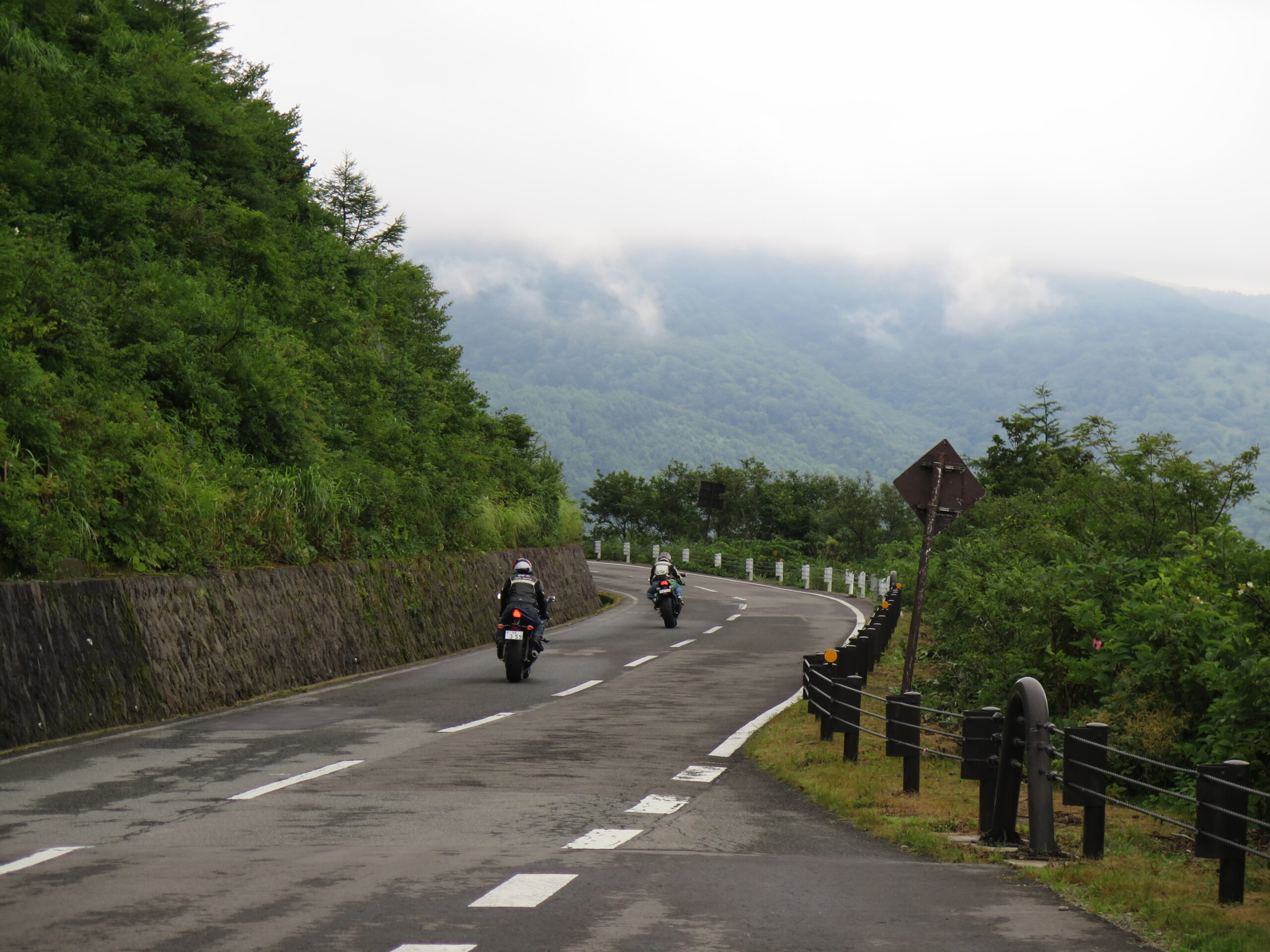
Picture this: you’re cruising through a tunnel of golden ginkgo trees, a steaming ramen shop tucked into a roadside village just ahead, with snow-capped volcanic peaks filling your windshield. No train schedule to chase, no tour bus to wait for — just you, an open road, and the whole of northeastern Japan stretching out before you. Driving through Tohoku is hands-down the best way to experience this breathtaking region, and it’s far easier for foreign visitors than most people expect.
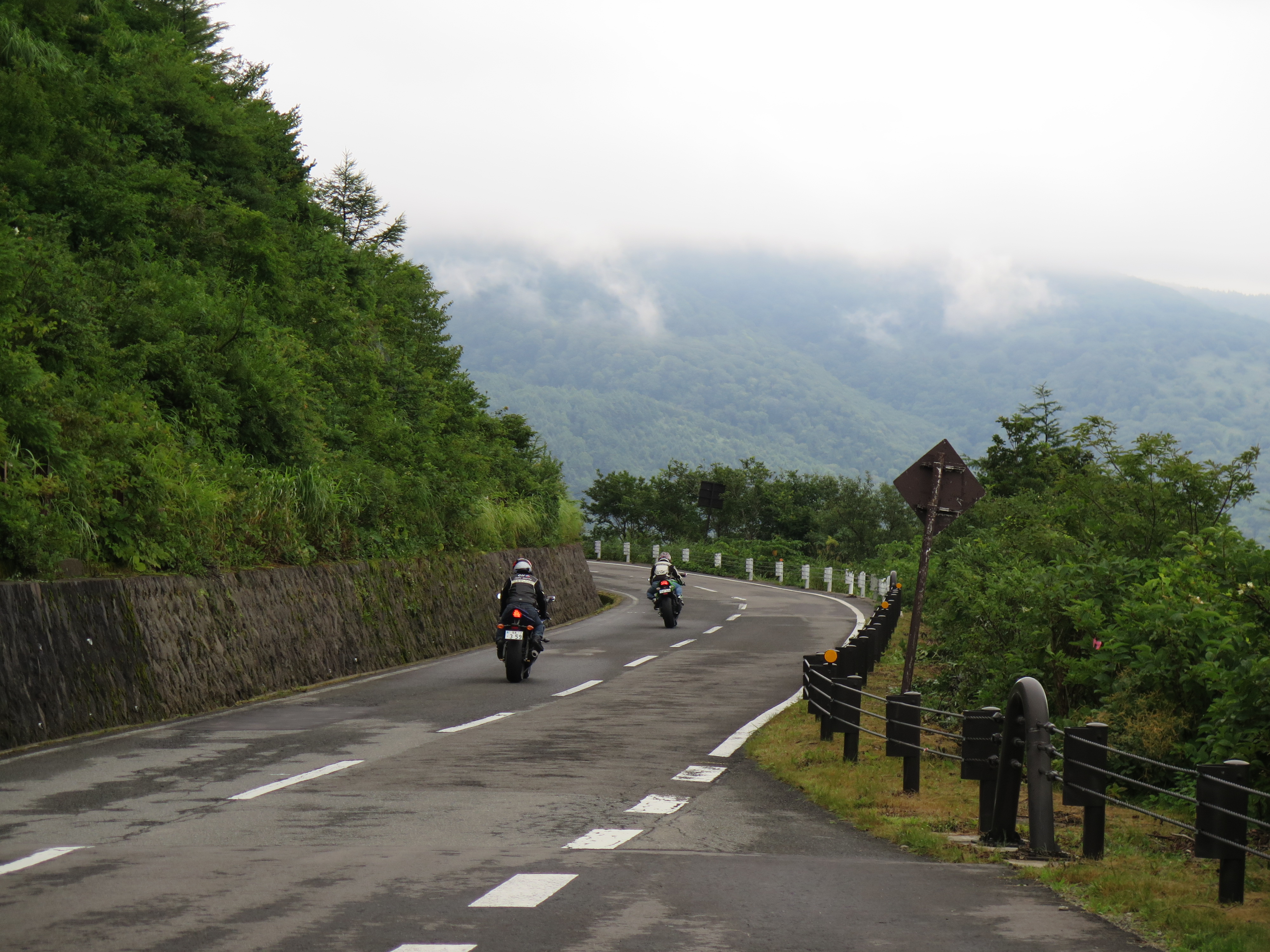
Why Driving Is the Best Way to See Tohoku
Tohoku is enormous — roughly the size of the island of Ireland — and while the shinkansen (bullet train) efficiently links the major cities, entire worlds exist between those stations. Mountain onsen villages reachable only by winding forest roads. Dramatic coastal cliffs where a single-track lane hugs the cliff edge. Remote farmhouses that serve the best regional home cooking you’ve ever tasted. A rental car unlocks all of it.
Unlike in Tokyo and Osaka, Tohoku’s most memorable experiences often lie far beyond the reach of public transit. Nyuto Onsen, a collection of ancient hot spring inns tucked deep in Akita’s mountains, requires either an expensive taxi or a rental car. The same goes for the white birch forests of Shirakami-Sanchi, the wild coastline of the Sanriku Rias, and the remote apple orchards of southern Aomori. A car isn’t just convenient here — it’s transformative.
The good news: traffic volumes outside major cities are low, roads are excellently maintained, and Japanese drivers are legendarily courteous and rule-following. Once you adjust to driving on the left, most visitors find Japan genuinely relaxing to drive in — especially compared to American interstates or Australian country highways.
Can Foreigners Drive in Japan? International Driving Permits Explained
Yes — foreigners can absolutely drive in Japan, but there are important rules to understand before you book that rental car.
International Driving Permit (IDP)
Japan recognizes International Driving Permits (IDP) issued under the 1949 Geneva Convention. This is critical: Japan does NOT accept IDPs issued under the 1968 Vienna Convention. Before you leave home, check which convention your country’s IDP follows:
- USA: American Automobile Association (AAA) or American Automobile Touring Alliance (AATA) — Geneva Convention IDP. Valid in Japan. ✓
- Australia: NRMA, RACQ, RAA, RAC, RACT, and other state motoring clubs issue Geneva Convention IDPs. Valid in Japan. ✓
- Canada: CAA issues Geneva Convention IDPs. Valid in Japan. ✓
- UK: Post-Brexit, the UK IDP follows the 1949 Geneva Convention. Valid in Japan. ✓
- Germany, France, most of continental Europe: These typically follow the Vienna Convention — NOT valid in Japan. ✗
If your country follows the Vienna Convention, you can still drive in Japan — but you must apply for a certified translation of your home-country license through the Japan Automobile Federation (JAF). This takes several weeks, so plan ahead. The JAF website has country-specific instructions.
Always carry BOTH your IDP (or JAF translation) AND your original home-country driver’s license when driving in Japan. The original license must be presented alongside the IDP — the IDP alone is not sufficient.
How Long Can You Drive in Japan?
Tourists can drive on an IDP for one year from the date of entry into Japan. After that, you’ll need a Japanese license. For most holiday visitors, this is never an issue.
How to Rent a Car in Tohoku: A Step-by-Step Guide
Major Rental Car Companies
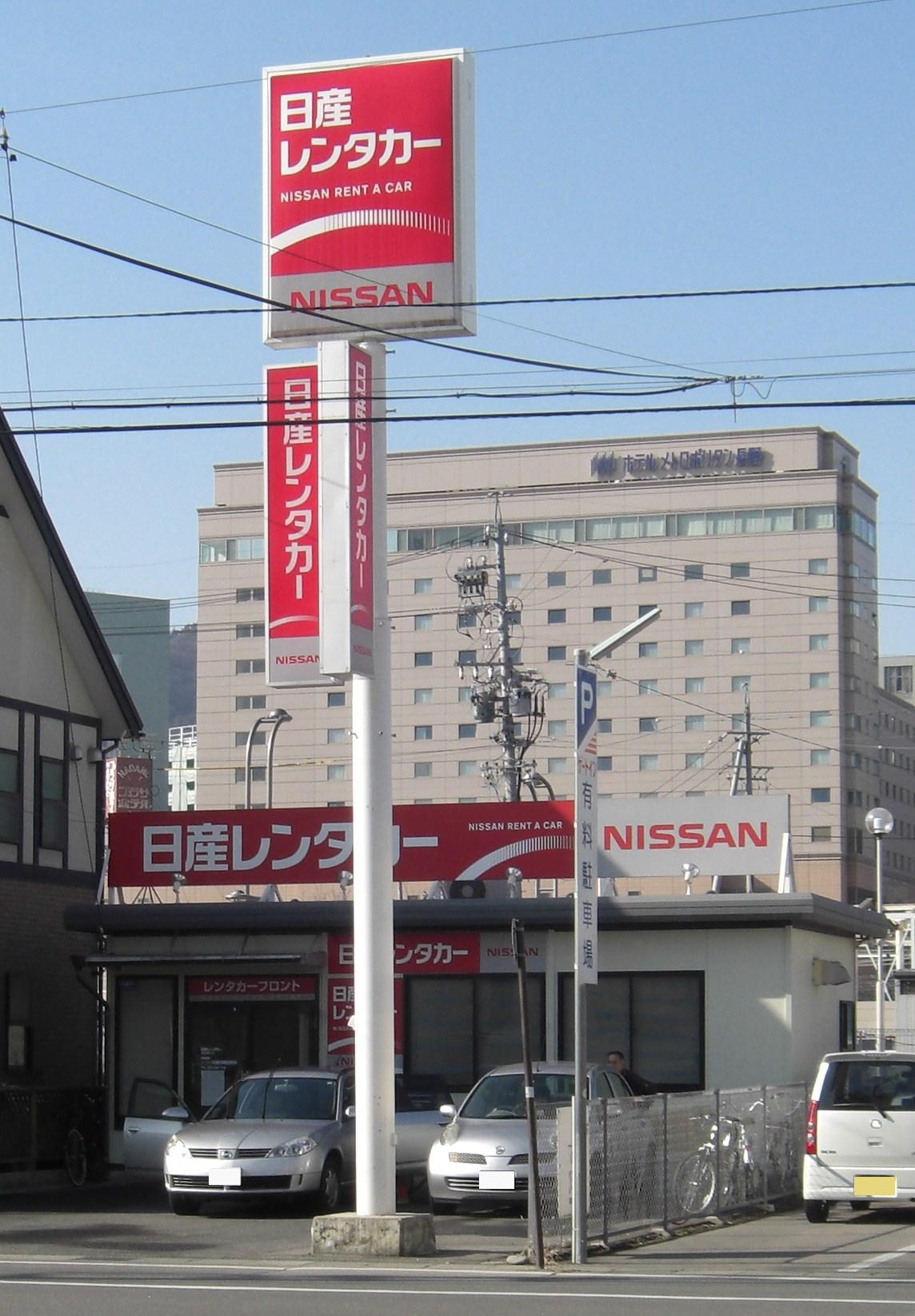
Several large car rental chains operate throughout Tohoku, with offices at major train stations and airports:
- Toyota Rent A Car (トヨタレンタカー): The largest network in Japan, with locations in virtually every city. Multilingual booking available online. Highly recommended for first-timers.
- Nippon Rent-A-Car (ニッポンレンタカー): Excellent coverage, reliable fleet, easy English-language booking site.
- Times Car Rental (タイムズカー): Competitive prices, good English interface, often has deals at smaller stations.
- Orix Car Rental (オリックスレンタカー): Wide selection including larger vehicles and wagons for families.
- Eki Rent-A-Car (駅レンタカー): JR-affiliated company, convenient to pick up right at major shinkansen stations, often offers JR Pass holder discounts.
What to Book and When
Book your rental car well in advance, especially for peak seasons (Golden Week in late April/early May, Obon week in mid-August, and the autumn foliage season from late October to early November). During these periods, rental stock in popular areas like Aomori, Morioka, and Sendai can sell out weeks ahead.
For most visitors, a compact car (kei car or standard compact) is ideal for Tohoku’s roads — they’re cheaper on fuel, easier to park in urban areas, and navigate narrow mountain roads far more comfortably than a large SUV. If you’re traveling with luggage for multiple people, step up to a mid-size sedan or compact wagon.
What to Expect at Pickup
Arrive at the rental office with:
- Your IDP (or JAF translation)
- Your original home-country driver’s license
- Your passport
- The credit card you used for booking (most companies require a credit card for the deposit)
Staff will explain the car’s features (many Japanese rental cars have built-in navigation systems, often in Japanese — you may want to load Google Maps on your phone as backup). A brief walkthrough of the vehicle’s controls is standard.
Cost of Renting a Car in Tohoku
Expect to pay:
- Compact car (kei/small): ¥5,000–¥8,000 per day (~$35–$55 USD)
- Mid-size sedan: ¥8,000–¥12,000 per day (~$55–$80 USD)
- Larger wagon/SUV: ¥12,000–¥18,000 per day (~$80–$120 USD)
- Basic insurance: Included, with optional NOC (non-operation charge) waiver available for ¥1,000–¥1,500/day
We strongly recommend purchasing the NOC waiver. If you’re involved in any accident — even a minor scratch — the rental company may charge you an additional fee for the time the car is out of service for repairs. The waiver eliminates this risk for a small daily fee.
Understanding Japan’s Roads: Left-Side Driving, Signs & Speed Limits
Left-Side Driving
Japan drives on the left side of the road, the same as the UK, Australia, New Zealand, and many other countries. If you’re from the USA or Canada — where you drive on the right — you’ll need a brief adjustment period. The most important rule to internalize: keep left, and when turning, watch your lane positioning carefully. The most common mistake right-side drivers make in Japan is drifting to the right side of the lane after a turn.
Give yourself at least 30 minutes of easy driving on quiet suburban or rural roads before tackling city centers or expressways. Sendai and Morioka have manageable city traffic; Aomori city is quite easy. All are far more relaxed than Tokyo.
Speed Limits
- Urban roads: 40–60 km/h (25–37 mph)
- National highways: 60–80 km/h (37–50 mph)
- Expressways: 80–120 km/h (50–75 mph), with 120 km/h allowed on certain expressway sections
Japanese traffic enforcement is taken very seriously. Speed cameras are common, and police conduct regular speed checks on expressways. Stick to posted limits — fines for foreigners are the same as for Japanese drivers, and can be substantial.
Road Signs
Japan uses international road sign symbols, many of which will look familiar. Most expressway signs are bilingual (Japanese and romaji/English). On smaller national and prefectural roads, signs may be Japanese-only, which is another excellent reason to use Google Maps or your rental car’s navigation. Key signs to know:
- Red octagon: STOP (一時停止) — come to a complete stop
- Upside-down red triangle: Yield (priority to vehicles already on the road)
- Blue circle with “80”: Minimum speed limit (rare, expressways only)
- Red circle with “40”: Maximum speed limit
- Yellow diamond: Priority road ahead (you have right of way)
The ETC System: Japan’s Expressway Toll Cards Explained
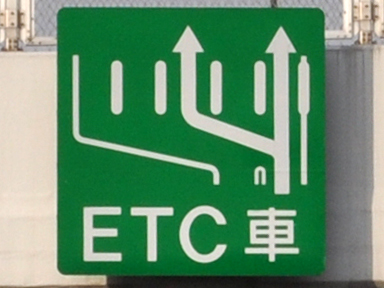
Japan’s expressways (high-speed toll roads) are fast, scenic, and well-maintained — but they have tolls. You’ll encounter toll gates at expressway entry/exit points and at some national highway tunnels and bridges.
ETC Cards
Most rental cars in Japan come equipped with an ETC unit — a transponder mounted on the windshield that communicates with toll booths. ETC lanes let you pass through at low speed without stopping. To use the ETC system, you need an ETC card, which is different from your credit card.
When renting a car, ask about ETC card rental. Most major rental companies offer ETC card rental for ¥330–¥550 per day. This is absolutely worth it — it eliminates the need to handle cash at toll booths, saves time, and often comes with small expressway discounts.
Expressway Toll Costs in Tohoku
Expressway tolls add up over a multi-day road trip. Budget roughly:
- Tokyo to Sendai (Tohoku Expressway): ~¥3,500–¥4,500 ($23–$30) one way
- Sendai to Morioka: ~¥2,200–¥2,800 ($15–$19) one way
- Morioka to Aomori: ~¥2,800–¥3,200 ($19–$22) one way
- Full Tohoku drive (Tokyo→Aomori one way): ~¥8,000–¥10,000 ($55–$67)
Without ETC card, you pay cash at manual booths — just pull into a lane marked “一般” (ippan/general) or “現金” (cash). Have ¥500 and ¥1,000 notes ready.
Top Scenic Road Trip Routes in Tohoku
Tohoku’s road trip potential is extraordinary. Here are the routes that will make you reach for your camera at every bend:
Route 1: The Sanriku Coast Drive (Miyagi → Iwate)
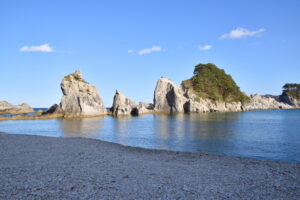
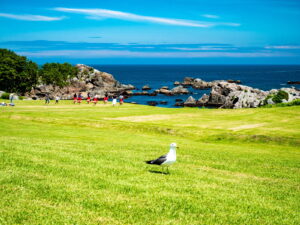
The Sanriku Rias Coast is Tohoku’s most dramatic coastal scenery — a jagged shoreline of sheer cliffs, hidden coves, and spectacular sea stacks stretching 300 kilometers (186 miles) from Miyagi to the tip of the Iwate Peninsula. The Sanriku Expressway has dramatically improved access, but the real rewards lie on the coastal byroads: the arch at Jodogahama in Miyagi, the sea caves at Kappa-buchi in Iwate, and the seafood port towns of Kamaishi and Kesennuma, where you can pull up and eat the freshest sashimi of your life straight off the boat.
Recommended driving time: 2–3 days, Kesennuma to Miyako
Route 2: Bandai-Azuma Skyline & Five-Colored Lakes (Fukushima)
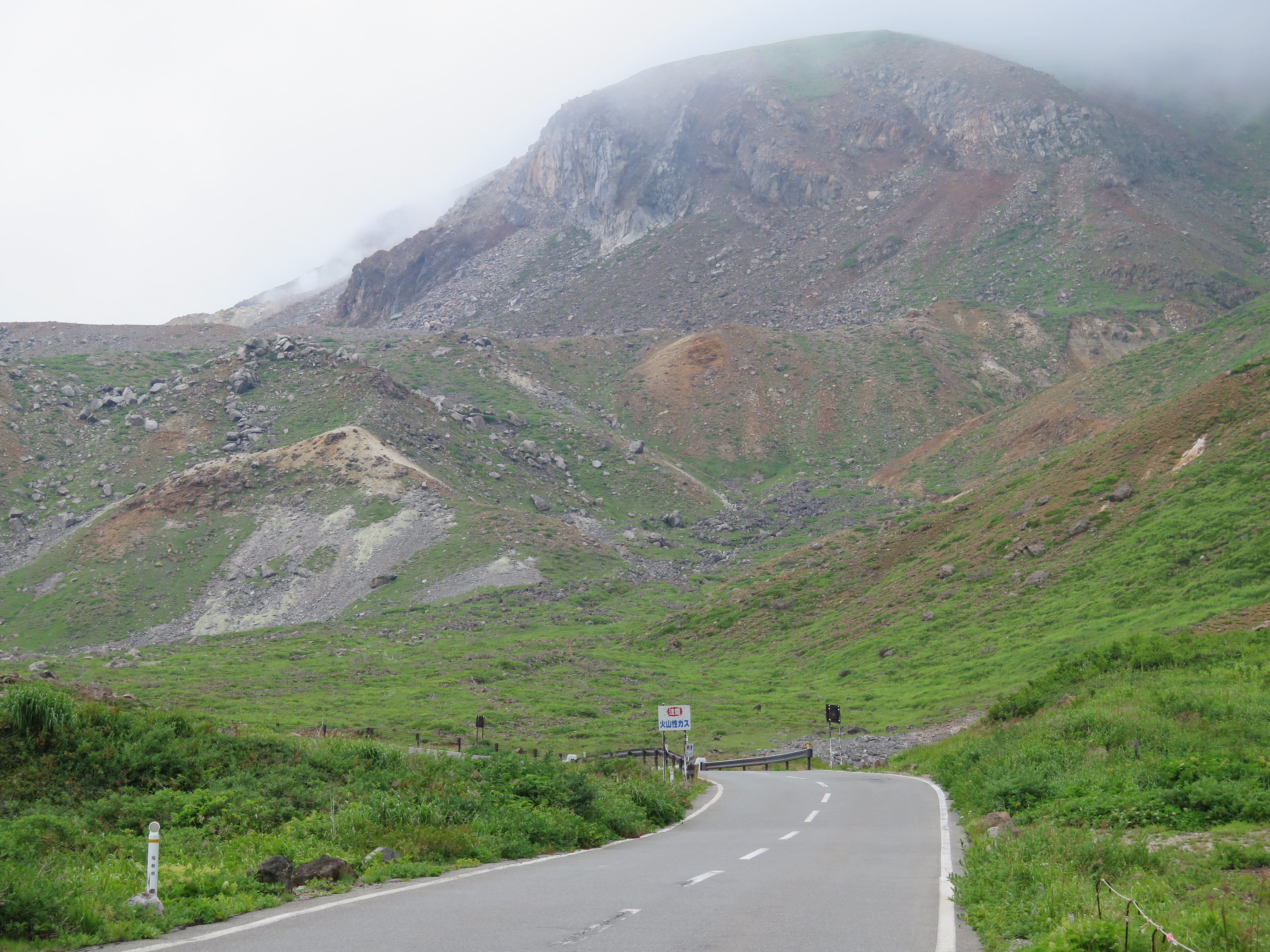
This alpine toll road (free from November through June when snow-cleared) climbs to over 1,600 meters (5,250 feet) through volcanic highland scenery that looks like another planet. Jaw-dropping views of the smoldering Azuma volcano, mirror-still lakes reflecting sulfuric blue-green hues, and vast lava fields that feel more Iceland than Japan. The “Five Colored Lakes” (Goshikinuma) at the base of the mountain are walkable via a 70-minute trail from the Bandai Kogen bus terminal.
Recommended: Half day from Fukushima city or Inawashiro
Route 3: Lake Towada & the Oirase Stream (Aomori/Akita)
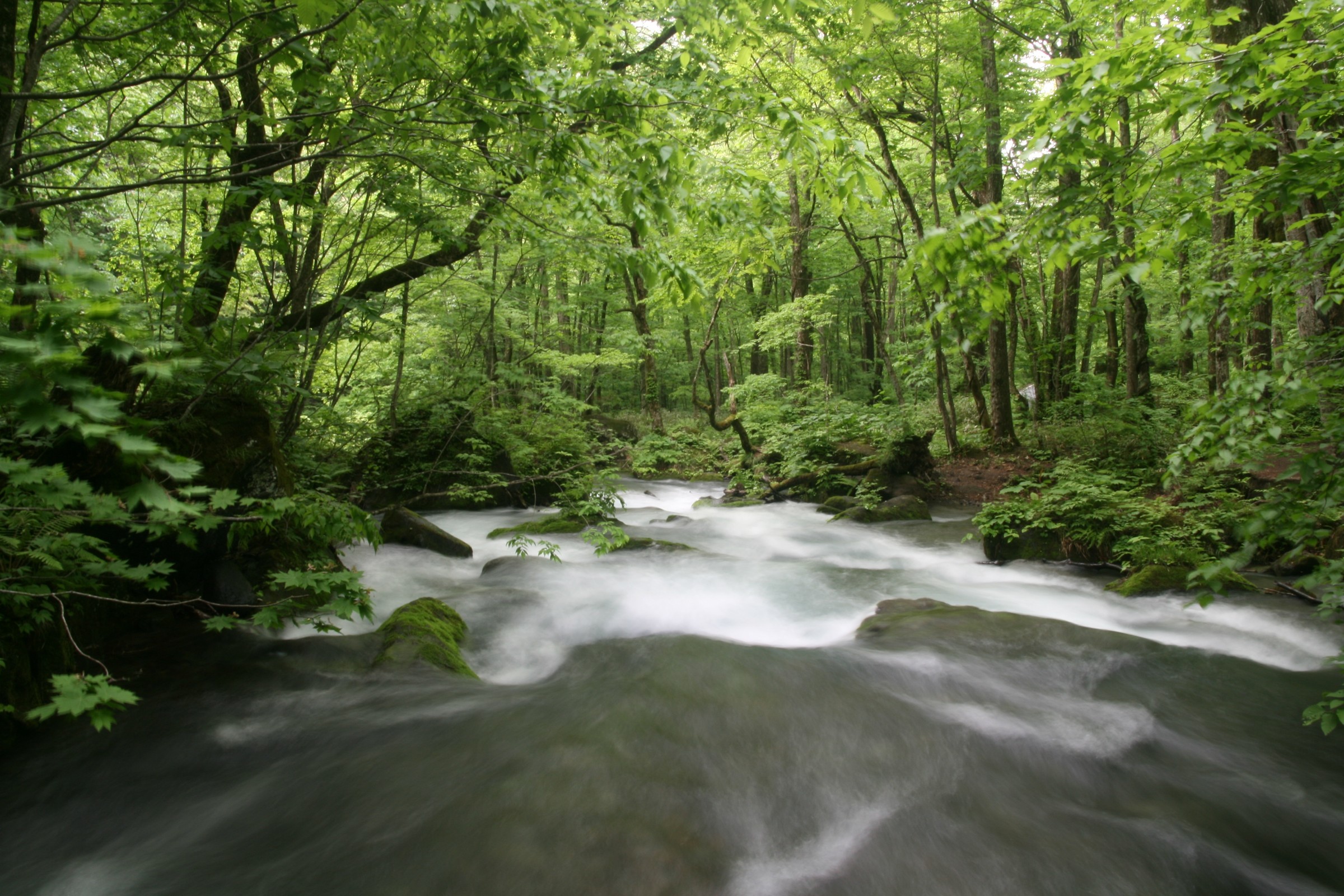
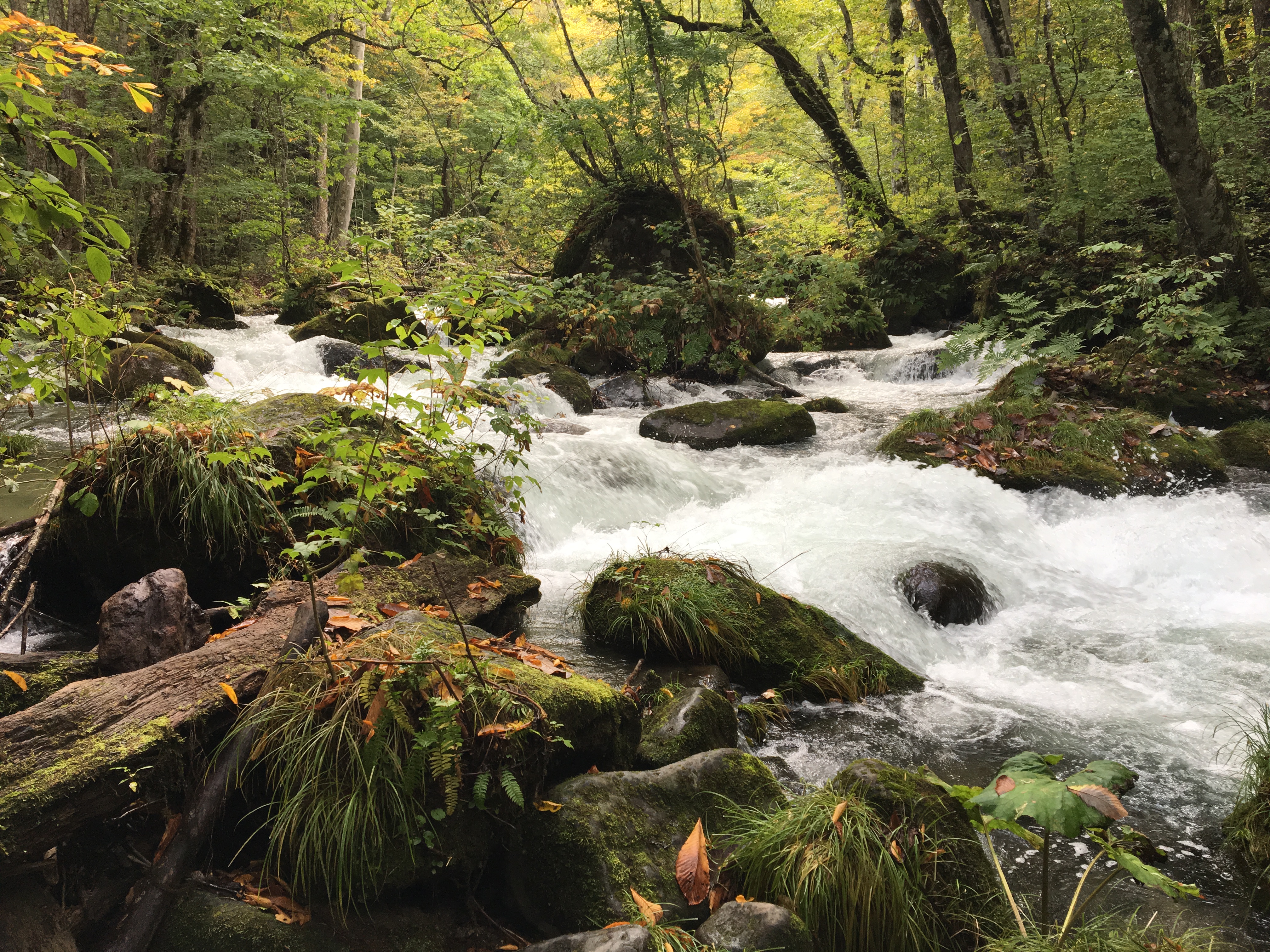
One of Tohoku’s most beloved drives follows the Oirase River from the sea-blue caldera of Lake Towada through 14 kilometers (9 miles) of moss-covered gorge. You can drive slowly along the river road or park and walk sections of the trail alongside rushing cascades and ancient beech forest. In autumn (mid-October to early November), this is simply one of the most beautiful places in Japan. From the lake, continue west over the Hachimantai plateau — another volcanic alpine landscape — to reach Akita’s famous Nyuto Onsen for the night.
Recommended: Full day loop from Morioka or Aomori
Route 4: Zao Skyline Road (Yamagata/Miyagi)
The Zao Echoline and Zao Skyline roads connect Miyagi and Yamagata over a volcanic ridge, passing through the eerie Okama crater lake — a vivid emerald-green eye of water that changes color with the light — and the famous Zao Onsen ski village. In winter, the roads close, but from late April through early November they’re open and spectacular. Time your visit for autumn, when the mountain flanks explode in red and gold.
Recommended: Half day between Sendai and Yamagata city
Route 5: The Westward Sea of Japan Coast (Akita → Yamagata)
Less traveled than the Pacific coast, the Sea of Japan shoreline between Akita and Yamagata is raw, windswept, and genuinely beautiful. The national route hugs dramatic sea cliffs, passes small fishing ports famous for their hatahata (sailfin sandfish), and reaches the photogenic Oga Peninsula — home to the fearsome Namahage demon festival traditions. Sunset over the Sea of Japan from these cliffs is unforgettable.
Recommended: Full day from Akita city to Tsuruoka, Yamagata
Parking in Tohoku: What You Need to Know
Parking in Japan’s city centers requires payment; parking outside cities is generally easy and free.
Paid Parking in Cities
Urban parking in Sendai, Morioka, Aomori city, and Akita city is typically managed by coin-operated meters or automated machines. Look for:
- Coin parking lots (コインパーキング): Extremely common throughout Japan. Drive into a marked bay and a metal plate rises to “lock” your car in place. Pay at the machine when you return (inserts before the plate drops). Typical cost: ¥100–¥200 ($0.70–$1.40) per 30 minutes.
- Multi-story car parks: Found near shopping malls and department stores. Validation sometimes available if you shop or dine inside.
- Hotel parking: Most hotels outside city centers offer free or discounted parking for guests. Always check when booking.
Free Parking at Attractions
The vast majority of Tohoku’s natural attractions — national park trailheads, coastal viewpoints, shrines, and temple complexes — offer free parking, often with large lots that rarely fill except on summer weekends and autumn peak weekends. Don’t stress about parking; outside major cities, it’s rarely an issue.
No Parking on Public Roads
Do not park on public roads in Japan, even briefly. Parking enforcement is strict, and towing fees (combined with fines) can reach ¥30,000–¥50,000 ($200–$350). Always use a designated parking facility or lot.
Gas Stations and Fuel in Japan
Japan has two main fuel types you’ll encounter: regular gasoline (レギュラー/regular) and high-octane (ハイオク/premium). Most compact rental cars run on regular. Diesel (軽油/keiyu) is available but less common and typically for trucks and some larger vehicles.
Self-Service vs. Full-Service
Both exist in Japan. Full-service stations (有人/yuujin) have staff who will pump your gas, check your tires, and clean your windshield — often while bowing. Self-service (セルフ/self) stations are cheaper and increasingly common. At self-service stations, select your fuel type, choose your amount (by liter or fixed yen amount), pay, and pump. Most machines accept cash and credit cards, and will have at least basic English instructions.
Fuel Prices
Fuel prices in Japan fluctuate but generally run around ¥160–¥185 per liter ($1.10–$1.25 USD, or roughly $4–$5 per US gallon). This is considerably cheaper than Australia but more expensive than the USA. For a compact car on a week-long Tohoku road trip covering around 1,000 km (620 miles), budget approximately ¥15,000–¥18,000 ($100–$120) for fuel.
Driving on a Near-Empty Tank
Gas stations in rural Tohoku can be widely spaced, particularly in the mountains of Iwate and Akita. Never let your tank drop below a quarter — always refuel when you see a station in a rural area, even if you don’t feel you need to yet.
Driving in Winter Tohoku: Snow and Ice
Tohoku winters are serious business. The region receives some of Japan’s heaviest snowfall — particularly along the Sea of Japan coast, where Akita and Yamagata regularly see meter-deep snowpacks. If you’re driving in Tohoku from November through April, here’s what you need to know:
- Winter tires are mandatory: Rental car companies automatically fit studless snow tires on their vehicles from around November 1 to April 30. You don’t need to request this — it’s automatic. Just be aware that winter-spec tires may add a small surcharge.
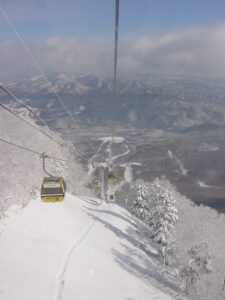
- Some mountain roads close: High-altitude roads like the Bandai-Azuma Skyline, Hachimantai Aspite Line, and Zao Skyline close from approximately mid-November to late April/early May. Always check road closure information (冬季閉鎖/touji heisa) before planning your route.
- Expressways stay open: Tohoku’s major expressways are generally kept clear even in heavy snowfall, but blizzard conditions can cause temporary closures. Check the NEXCO East Japan app or website for real-time road conditions.
- Drive slowly and carefully: Even with winter tires, icy roads require dramatically reduced speeds. Double your normal following distance. Black ice (ブラックアイス) forms at dawn and in shaded areas — be particularly cautious in the early morning.
Best Time to Drive in Tohoku
- Spring (April–May): Spectacular — cherry blossoms arrive later than Tokyo (often late April in the mountains) and the roads are clear. Perfect weather, manageable traffic except Golden Week.
- Summer (June–August): Lush and green, comfortable temperatures in the mountains (though coastal areas can be humid). Festival season — time drives around the Nebuta, Kanto, and Tanabata festivals.
- Autumn (September–November): The absolute prime time for road tripping Tohoku. Foliage is world-class; the Oirase Gorge, Naruko Gorge, and Hachimantai are jaw-dropping. Go on weekdays to avoid weekend crowds.
- Winter (December–March): Best for accessing ski resorts and seeing the Zao Snow Monsters. Roads are passable but require winter caution. High-altitude scenic routes are closed.
Practical Tips for Driving in Tohoku
- Download offline maps: Google Maps offline maps can be downloaded before your trip. In remote mountain areas, cell coverage can be patchy.
- Carry cash: While many toll booths and gas stations accept cards, some small parking lots and rural services are cash-only. Keep at least ¥5,000–¥10,000 in small bills.
- Plan expressway routes for speed, national routes for scenery: Japan’s national routes (国道/kokudo) are free but slower. Expressways add cost but save time. Mix both for the best experience.
- Use Mapcode for navigation: Japanese car navigation systems use Mapcodes rather than addresses. Major attractions have published Mapcodes — search “[place name] mapcode” before your trip and enter the code into your rental car’s nav unit.
- Yield at uncontrolled intersections: At small crossroads with no signs, the rule is to yield to traffic coming from your right. When in doubt, slow down.
- Hazard lights for thanks: In Japan, a quick flash of hazard lights is a common way for drivers to say “thank you” after someone lets them merge. It’s a small gesture, but a nice one to adopt.
- Keep left in tunnels: Many Tohoku mountain tunnels are single-lane, with passing places cut into the sides. Pay attention to oncoming traffic lights at tunnel entrances — a green light means proceed, red means wait.
- Don’t drink and drive: Japan’s blood alcohol limit is 0.03% — among the strictest in the world. Even a single beer can put you over the limit. Penalties are severe, including license suspension, heavy fines, and possible imprisonment. Designated driver culture is strong here: if you’re staying overnight at an onsen, take a taxi or ask your accommodation about a shuttle.
- Emergency number: In any road emergency, call 110 (police) or 119 (ambulance/fire). These calls are free from any phone, including foreign SIMs.
- Rest areas (SA/PA): Tohoku’s expressway service areas (サービスエリア/SA) and parking areas (パーキングエリア/PA) are exceptional — clean restrooms, regional food stalls, souvenir shops, and sometimes onsen. Plan your stops around them.
Sample 5-Day Tohoku Road Trip Itinerary
Pick up your rental car at Sendai Station and return it at Aomori Station (most major companies allow one-way rentals with advance booking, though a drop-off fee applies — typically ¥5,000–¥15,000 depending on distance).
Day 1: Sendai to Naruko Gorge to Morioka
Morning (9:00): Pick up rental car at Sendai Station. Head northwest on National Route 47 toward Naruko Onsen, a charming kokeshi doll-making village in a volcanic valley. Stop for lunch at a local soba restaurant.
Afternoon (1:00): Stroll the Naruko Gorge viewpoints — 100-meter sheer tuff cliffs glowing amber in autumn. Continue north on the expressway toward Morioka.
Evening: Check in to Morioka hotel. Dinner of wanko soba (all-you-can-eat buckwheat noodles) or a Morioka cold noodle (reimen) restaurant on Kaiundori.
Total driving: ~180 km (112 miles), ~2.5 hours
Day 2: Morioka to Tono to Kesennuma
Morning (8:30): Drive southeast through the Kitakami Valley to Tono — Japan’s folklore heartland, where kappa water sprites and zashiki-warashi house spirits are taken very seriously. Visit the Open-Air Folk Village (Denshouen) and Kappa-buchi pool.
Afternoon (1:30): Continue south and east to the coast, reaching the fishing port of Kesennuma in time for a late lunch of shark-fin karaage and fresh oysters at the harbor market.
Evening: Stay in Kesennuma or nearby Minami-Sanriku. Sunset over the Pacific.
Total driving: ~180 km (112 miles), ~2.5 hours
Day 3: Sanriku Coast to Miyako
Morning (8:00): Drive the Sanriku coastal road north — stop at Jodogahama’s white pebble beach and bright blue sea caves (15 minutes from Route 45). Board the 45-minute sightseeing boat if weather permits (¥1,500/~$10).
Afternoon: Continue to Ryusendo Cave, one of Japan’s largest limestone caverns with underground pools of crystalline blue water. Allow 1.5 hours.
Evening: Stay in Miyako city.
Total driving: ~150 km (93 miles), ~2.5 hours with stops
Day 4: Miyako to Lake Towada
Morning (8:30): Drive inland through Iwate’s mountain heartland toward Morioka, then north through the Hachimantai Plateau. The Aspite Line road (open May–November) crosses volcanic landscape with wide-open views.
Afternoon (2:00): Descend toward Towada and drive slowly along the Oirase Stream road — park the car and walk the best 30-minute stretch alongside waterfalls and ancient beech trees.
Evening: Stay overnight at Lake Towada — either at a hotel on the lakefront or splurge on a ryokan in the nearby onsen village of Towada Kohan.
Total driving: ~200 km (124 miles), ~3 hours
Day 5: Lake Towada to Aomori
Morning (9:00): Drive the beautiful road around Lake Towada’s northern shore. Stop at the Towada Art Center in Towada city (if open) and have coffee.
Midday: Highway drive to Aomori city.
Afternoon (1:00): Visit the Nebuta Warasse museum (year-round display of the giant illuminated parade floats), then browse Aomori’s remarkable fresh market (Furukawa Market) for incredible apple products, fresh seafood, and pickled vegetables.
Late afternoon: Return rental car at Aomori Station and catch the shinkansen south.
Total driving: ~120 km (75 miles), ~1.5 hours
Related Articles You Might Enjoy
- Tohoku’s Pacific Coast Road Trip: The Ultimate Sanriku Rias Coast Drive
- Appi Kogen, Iwate: Japan’s Premier Powder Ski Resort — Complete Guide for Foreign Visitors
- Tohoku Travel Budget Guide: How Much Does a Trip to Northeast Japan Really Cost?
- Essential Japanese Phrases for Traveling in Tohoku: A Practical Guide for Foreign Visitors
- Tohoku Onsen Guide: The Best Hot Springs in Northeast Japan for Foreign Visitors
Final Thoughts
Driving in Tohoku is one of the great Japanese travel experiences — and one that remains largely undiscovered by foreign visitors who stick to the shinkansen network. Yes, there’s a small learning curve with left-side driving, the ETC system, and Japanese signage. But the rewards are enormous: waterfalls discovered down unmarked tracks, ryokan breakfasts eaten while watching mountain mist burn off a valley below, fish markets that become yours alone when you arrive before the tour buses. The open road in Tohoku leads somewhere genuinely extraordinary. Get behind the wheel.


コメント