Imagine sitting on a wooden bench beside a rushing mountain river, watching a basket whiz across a rope overhead and land at your feet — inside, freshly made dango and a cup of green tea, delivered from a shop on the opposite cliff by a centuries-old pulley system. This is Genbikei Gorge (厳美渓), one of Tohoku’s most magical hidden experiences, tucked away in Ichinoseki City, Iwate Prefecture, and almost entirely unknown to international visitors. If you’ve ever wanted to discover a side of Japan that feels genuinely untouched by mass tourism, Genbikei should be at the very top of your list.
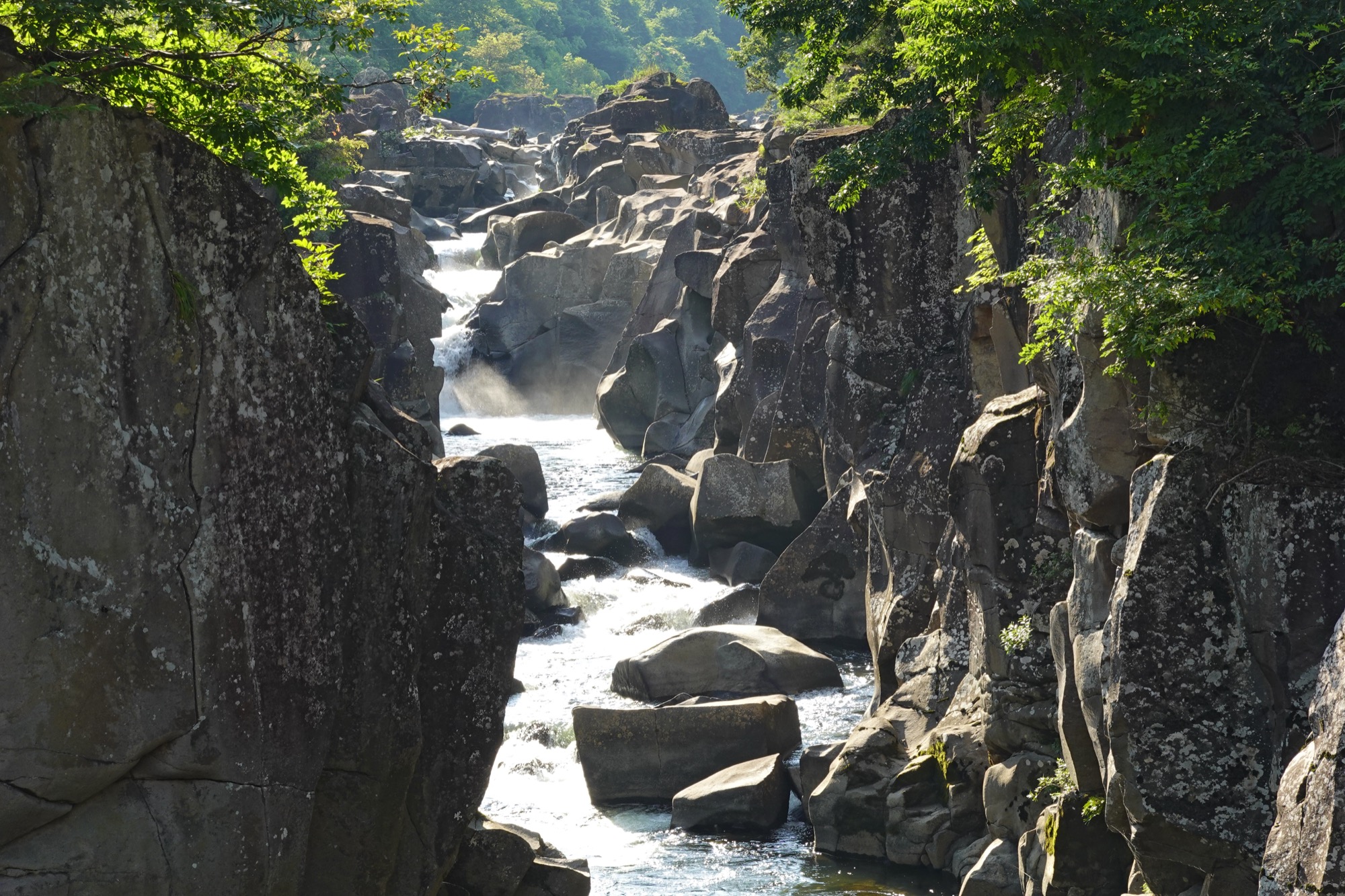
Why Genbikei Gorge Should Be on Every Japan Itinerary
Japan is full of beautiful gorges. Tohoku alone has the dramatic limestone walls of Geibikei, the swirling autumn colors of Naruko Gorge, and the emerald cascade of Dakigaeri. But Genbikei stands apart for one delightfully unique reason: the Kakko Dango (かっこう団子), a flying basket delivery system that has been feeding visitors for over 350 years.
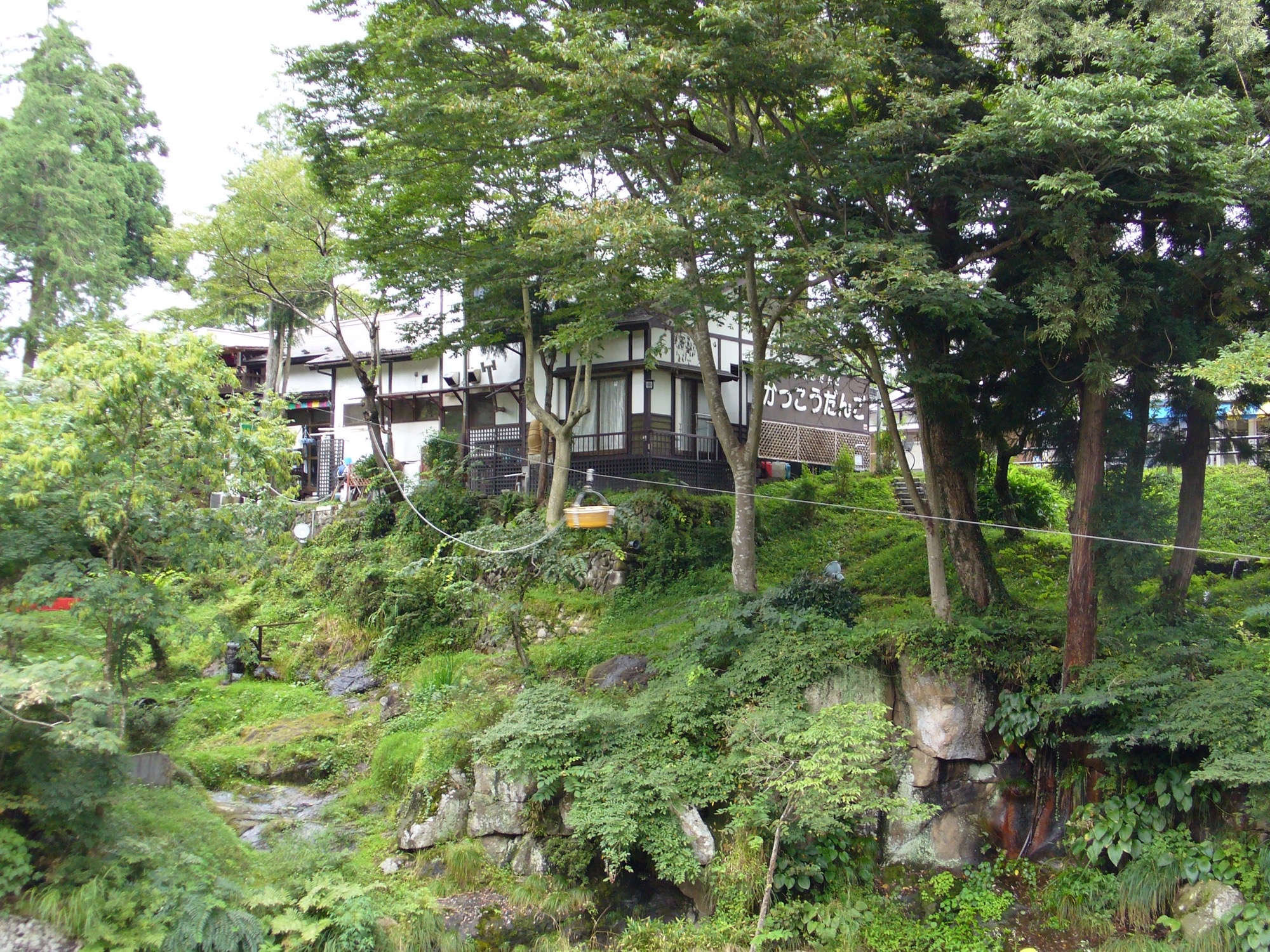
Here’s how it works: a traditional Japanese confectionery shop called Kanefuku has operated on the far side of the gorge since the Edo period. Because the gorge walls are too steep to walk across, the owners strung a rope above the water, attached a wooden basket, and began sending dango, mochi, and tea directly to customers on the viewing platform below. To place your order, you clap two wooden boards together — the sound carries across the gorge — and within minutes, your basket descends with treats and a request for payment. You place your money in the basket and send it back. It sounds absurd. It works perfectly. And it is absolutely charming in a way that no photograph can fully capture.
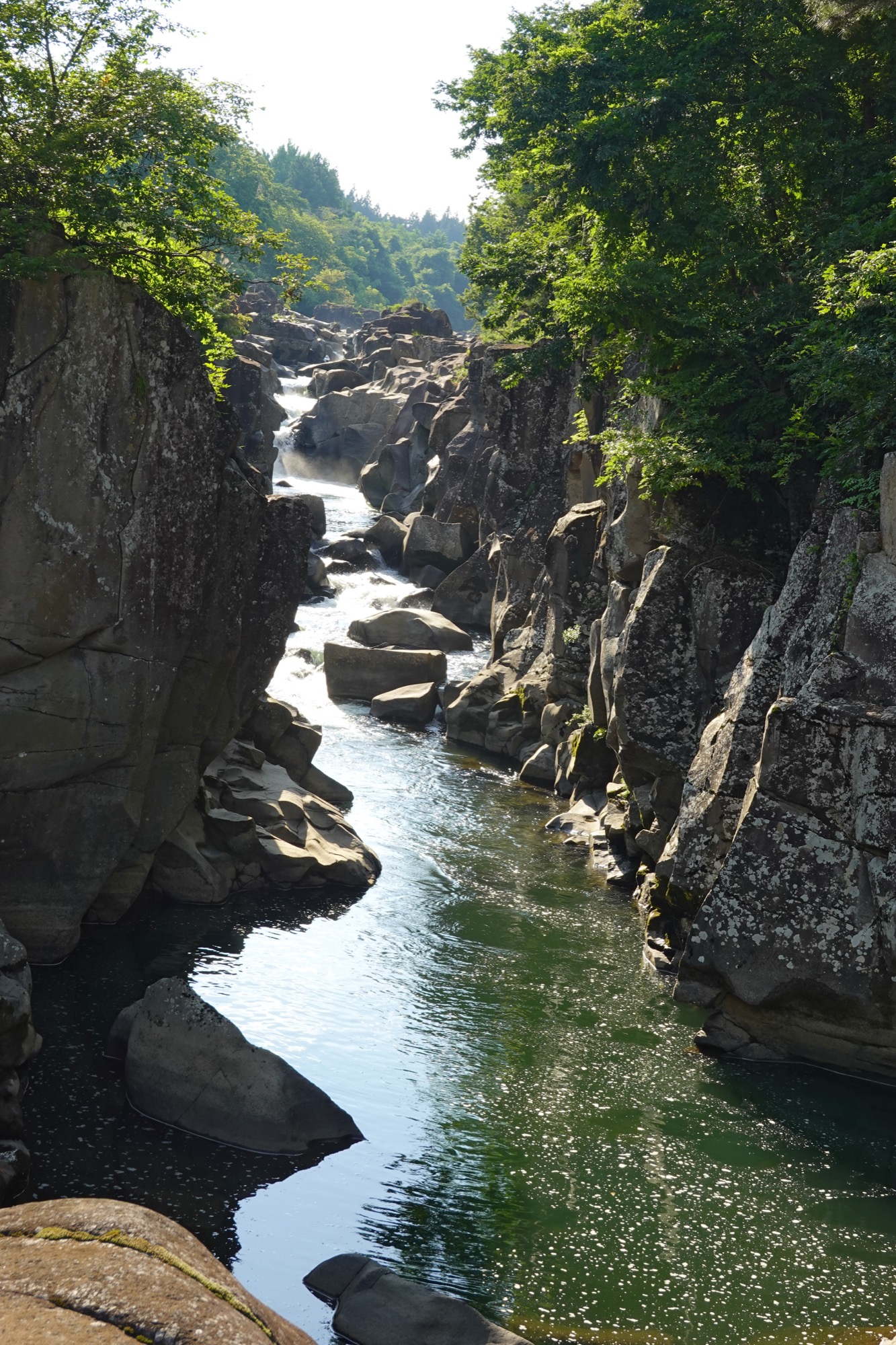
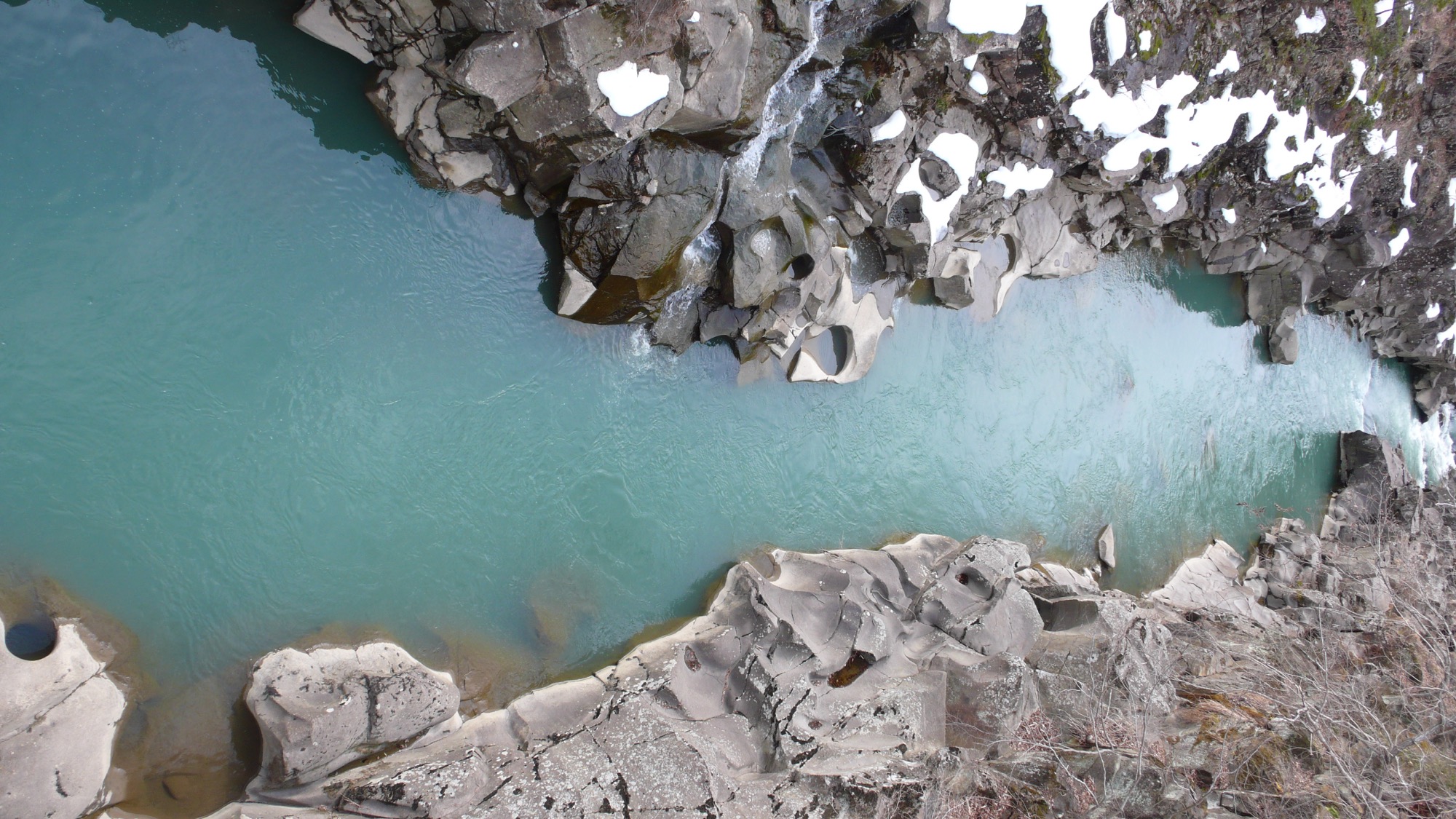
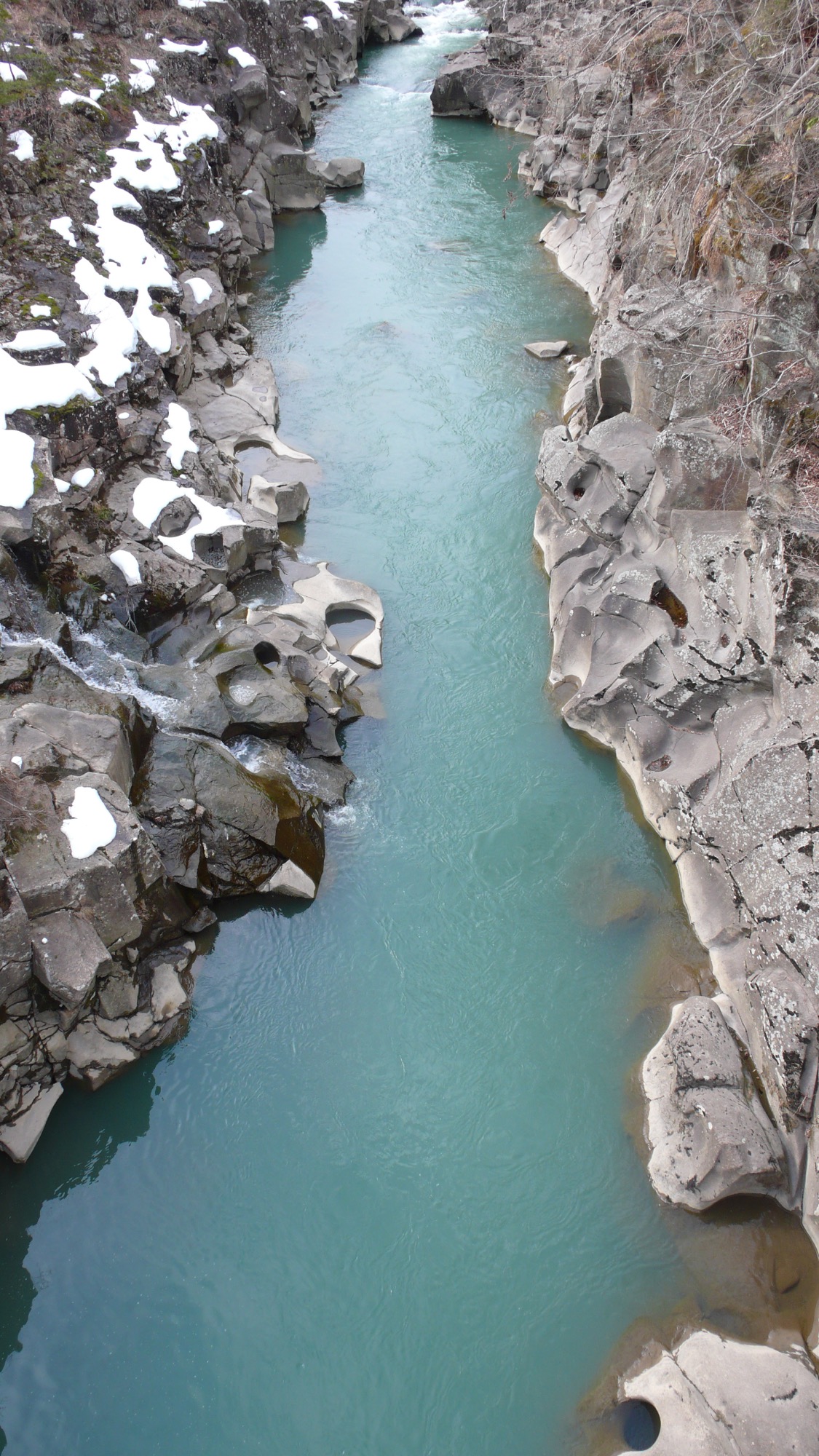
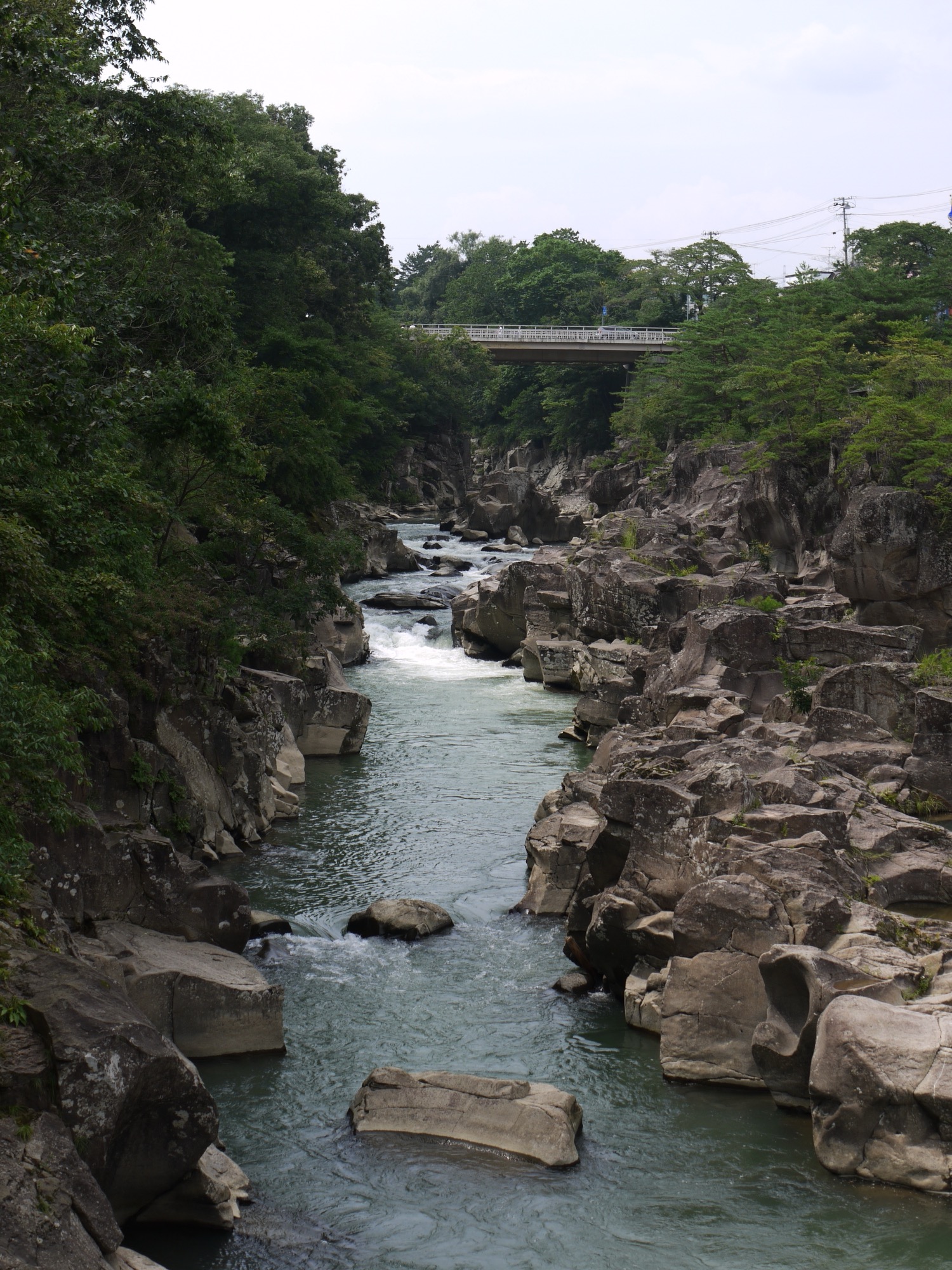
Beyond this edible party trick, Genbikei itself is genuinely beautiful. The Iwai River has carved a sweeping curve through pale green volcanic rock over thousands of years, creating a series of cascades, pools, and polished stone formations that change character with every season. In spring, cherry blossoms frame the cliffs in pale pink. Summer brings intense green foliage and cool mist from the rapids below. Autumn transforms the entire gorge into a blaze of red and gold, making it one of Tohoku’s most spectacular foliage spots. Even in winter, when snow settles on the rocks and the river runs dark beneath a white landscape, Genbikei has a stark, otherworldly beauty.
What makes Genbikei especially valuable as a travel destination is how easily it combines with other extraordinary experiences in the same area. Ichinoseki City is just 10 minutes away and is Japan’s undisputed capital of mochi cuisine — where a full multicourse meal consisting entirely of rice cake dishes is a beloved local tradition. And just 15 minutes north lies Hiraizumi, a UNESCO World Heritage Site containing some of Japan’s most breathtaking ancient temples and gold-leaf pavilions. Plan one day in this area, and you’ll be rewarded with three completely different experiences that could easily anchor a memorable week of travel.
Getting There from Tokyo
Genbikei is more accessible than you might think, sitting directly on the Tohoku Shinkansen line between Tokyo and Shin-Aomori.
- Shinkansen (fastest option): Take the Tohoku Shinkansen (Hayabusa or Yamabiko) from Tokyo Station to Ichinoseki Station. Hayabusa services take approximately 2 hours; Yamabiko services take about 2 hours 30 minutes. Fare is approximately ¥12,000–¥13,500 (~$80–$90 USD) one-way. JR Pass holders ride for free.
- From Ichinoseki Station to Genbikei: Take a local taxi from the station (approximately ¥1,500–¥2,000 / ~$10–$13; about 10 minutes). There is also an infrequent local bus, but timing is unreliable — a taxi or rental car is strongly recommended.
- By car from Tokyo: Follow the Tohoku Expressway (東北自動車道) north. Exit at Ichinoseki IC. Total driving time from Tokyo: approximately 4.5–5 hours (around 430 km / 267 miles). This is an excellent option if you plan to explore the broader Ichinoseki–Hiraizumi–Tono region over multiple days.
- From Sendai: Take the Shinkansen to Ichinoseki (20–30 minutes, approximately ¥2,500–¥3,000 / ~$17–$20). Or drive the Tohoku Expressway (about 1 hour, 90 km / 56 miles).
Ichinoseki is a logical overnight stop on a north-south Tohoku road trip or Shinkansen journey. Its central position makes it easy to combine with Hiraizumi in the north and the Tono folk village area to the east.
The Kakko Dango Flying Basket Experience
This is the reason most visitors come to Genbikei, and it is every bit as delightful as it sounds. The Kanefuku confectionery shop (郷土料理かねふく) has been operating a rope-and-basket delivery system since at least the Edo period (1603–1868), and the fundamental mechanism hasn’t changed: a rope is strung from a tree on the shop side of the gorge to a pulley post on the visitor platform side, and a wooden basket travels between them.
To place your order, pick up one of the wooden clappers (wooden boards on ropes) hanging from a post near the viewing platform. Clap them together firmly several times — the distinctive “kakko kakko” sound is what gives the dango its name — and wait. Within a few minutes, a basket will arrive carrying a handwritten menu or the day’s selection of sweets, along with a small envelope for your payment. The standard set is typically ¥600–¥800 (~$4–$5) per person and includes several skewers of dango in different flavors (usually soy sauce, sweet red bean paste, and green tea) along with a cup of hot or cold green tea.
You eat your dango right there on the platform, watching the river tumble below. When you’re finished, place your empty cups, skewers, and payment envelope in the basket and give the rope a tug to send it back. The whole experience takes about 15–20 minutes and costs less than a coffee at a city café. It is, without any exaggeration, one of the most uniquely Japanese experiences you can have in Tohoku — and the internet hasn’t found it yet.
Practical notes for the flying basket experience: Kanefuku is open daily from approximately 8:30 AM to 5:00 PM (closing times vary by season). The system operates regardless of weather, though it may occasionally close during typhoons or severe storms. No reservation is needed — simply arrive and clap. On busy autumn foliage weekends, there may be a short wait as multiple groups take turns at the clappers.
Walking the Gorge: What to See Along the Path
Beyond the dango spectacle, Genbikei offers a genuinely beautiful 1–2 km walking path that follows the river through the gorge. The walk is flat, paved, and accessible to all fitness levels, and it reveals a series of distinct natural features along the way.
From the main viewing platform where you catch the flying basket, the path continues downstream, hugging the riverbank. You’ll quickly notice the Fudotaki Waterfall (不動滝) — a narrow but powerful cascade that drops directly into the river from a mossy cliff face. In summer, the mist from this waterfall creates a natural coolness that makes Genbikei feel several degrees cooler than the surrounding countryside, which is one reason locals love it as a hot-weather escape.
Further along, the path opens to wider views of the river’s emerald green pools, formed where slower water has gathered between sections of rapids. The color of this water — a pale, luminous turquoise-green when the sun hits it right — is caused by fine glacial silt suspended in the water from upstream snowmelt. It’s the same phenomenon that gives famous gorges like the Blue Pond in Hokkaido their otherworldly hue, and it’s especially pronounced in late spring and early summer.
The Genbikei suspension bridge midway along the path offers one of the best overhead views of the gorge, looking both upstream toward the main rapids and downstream to where the river calms. This is the prime spot for photography, particularly in autumn when the entire hillside turns orange and red. Arrive early — the bridge can get crowded by mid-morning on autumn weekends.
The full walking circuit, including the return path, takes approximately 45 minutes to 1 hour at a leisurely pace. Most visitors spend an additional 20–30 minutes at the dango platform, making a total visit of 1.5–2 hours a comfortable estimate.
Combining Genbikei with Hiraizumi UNESCO World Heritage Site
No visit to Genbikei would be complete without also seeing Hiraizumi, located just 15 minutes north by car or about 5 minutes by train from Ichinoseki Station (one stop on the Tohoku Main Line, approximately ¥240 / ~$1.60).
Hiraizumi was the seat of the powerful Fujiwara clan in the 11th and 12th centuries, and at its height it was arguably the second most important city in Japan after Kyoto. Today, the UNESCO-listed temple complex preserves extraordinary examples of Pure Land Buddhist architecture, including:
- Chuson-ji Temple (中尊寺): The centerpiece is the Konjiki-do (Golden Hall), a tiny but blinding gold-leaf pavilion that contains the mummified remains of three generations of the Fujiwara clan. Built in 1124, it is the only original structure remaining from the Hiraizumi period and one of Japan’s most treasured national treasures. The hall is now protected inside a climate-controlled enclosure, but standing before it still induces genuine awe. Entry: ¥1,000 / ~$7 including the museum.
- Motsu-ji Temple (毛越寺): While the main temple buildings burned centuries ago, the Pure Land garden — a large central pond surrounded by carefully arranged stones, moss, and seasonal flowers — survives in near-original condition. It’s considered one of Japan’s finest examples of Heian-period garden design. Entry: ¥700 / ~$5. The garden is especially beautiful in iris season (mid-June) and during autumn foliage.
- Takkoku-no-Iwaya (達谷窟): A striking cliff-face temple carved directly into rock, reminiscent of the cave temples of India and China. Less visited than Chuson-ji but hauntingly beautiful, particularly at dusk when lanterns illuminate the carved images. Free entry.
A combined day visit covering Genbikei in the morning and Hiraizumi in the afternoon is entirely manageable and delivers an extraordinary range of experiences: natural scenery, living cultural tradition, and ancient religious art all within a few kilometers of each other.
Ichinoseki’s Mochi Culture: Japan’s Most Extraordinary Rice Cake Cuisine
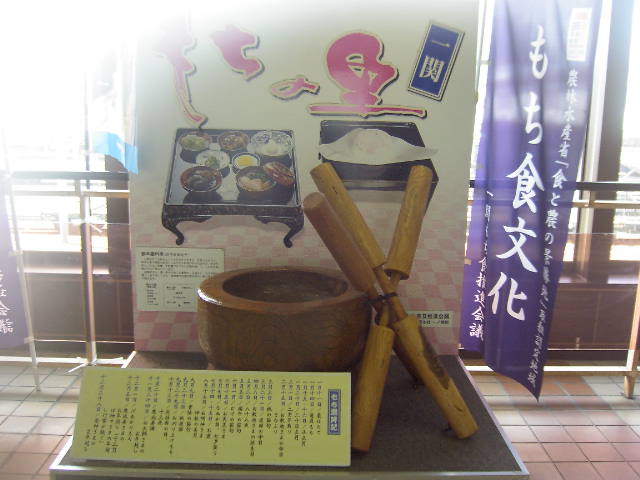
If Genbikei is reason enough to visit Ichinoseki, the mochi culture seals the deal. Ichinoseki and the surrounding Hiraizumi region have maintained a tradition of mochi cuisine (餅食い文化 / mochi-gui bunka) for over 800 years, with origins in offerings made to Shinto shrines during festivals and ceremonies. Today, this tradition has evolved into one of the most distinctive regional food cultures in Japan.
What makes Ichinoseki’s mochi cuisine special is not just that they eat mochi, but the extraordinary variety of ways in which it is prepared and seasoned. A traditional multicourse mochi meal (もち膳 / mochi-zen) consists of a series of dishes in which the same freshly pounded rice cake is served with 10–15 different toppings and sauces, each reflecting a different flavor profile:
- Zunda mochi (ずんだ餅): Sweet edamame paste — nutty, slightly salty, addictively delicious
- Kurumi mochi (くるみ餅): Crushed walnut paste in a light sweet sauce — rich and earthy
- Natto mochi (納豆餅): Fermented soybeans — the funkiest option, beloved by locals
- Goma mochi (ごま餅): Black sesame paste — aromatic and slightly bitter
- Furukawa mochi (古川餅): Sweet soy sauce glaze — simple, deeply satisfying
- Zoni mochi (雑煮餅): Mochi in a clear or miso-based soup with vegetables — served warm
- Anko mochi (あんこ餅): Sweet red bean paste — the classic Japanese dessert mochi
Each mochi is freshly pounded and served at the precise moment it reaches optimal chewiness — a state the Japanese call “tsuki-tate” (搗きたて), meaning freshly pounded. The difference between freshly made mochi and the vacuum-packed versions sold in supermarkets is like the difference between a just-baked croissant and one that sat in plastic for three days.
Best Time to Visit Genbikei
- Spring (late March–May): Cherry blossoms bloom around the gorge in early April, creating an ethereal combination of pale pink petals and the rushing green river below. The water level is higher than usual from snowmelt, making the rapids more dramatic. Temperatures range from 45–65°F / 7–18°C. This is a beautiful time to visit, though weekends during peak cherry blossom season (early April) can be crowded.
- Summer (June–August): The gorge offers cool relief from Tohoku’s humid summer heat, with temperatures in the gorge running 5–8°F / 3–4°C cooler than the surrounding towns due to the river mist. The water turns its most vibrant turquoise-green in June and July. Ideal for families with children, as the path is entirely shaded by dense canopy and completely flat. Temperatures outside the gorge reach 85–95°F / 30–35°C.
- Autumn (mid-October–early November): This is unquestionably the most spectacular season at Genbikei. The surrounding hillsides transform into a tapestry of crimson, orange, and gold, reflecting in the pools below. Peak color typically arrives in the third week of October. Expect larger crowds on weekends — arrive before 9:00 AM or after 3:00 PM for more peaceful conditions. Temperatures: 45–65°F / 7–18°C.
- Winter (December–February): Snow transforms Genbikei into a stark, silent landscape. The Kakko Dango shop remains open (though verify hours beforehand), and the contrast of white snow, dark water, and pale green rock is visually striking. Temperatures drop to 25–40°F / -4–4°C. Ice can form on some sections of the path — bring appropriate footwear.
Where to Eat: Ichinoseki Food Guide
Ichinoseki’s food scene centers almost entirely on its extraordinary mochi culture, but there are also excellent options for other regional specialties from the broader Iwate Prefecture.
Sawauchi Honke (沢内甚句 本家)
This is the most famous mochi restaurant in Ichinoseki and arguably the best place in Japan to experience an authentic mochi multicourse meal. The set meals (¥1,500–¥3,500 / ~$10–$23) include 5–15 different mochi preparations depending on the course you choose, all freshly prepared and served in lacquerware bowls on a traditional low table. Located a short walk from Ichinoseki Station. Reservation recommended for the full mochi-zen experience. Open 11:00 AM–3:00 PM; closed Tuesdays.
Kanefuku Café (Genbikei)
For a simpler mochi and dango experience with the unbeatable setting of the gorge itself, the Kanefuku shop delivers its kakko dango via the famous flying basket system. No fixed menu — just point at what looks good when the basket arrives. Sets range from ¥600–¥800 (~$4–$5). The shop also operates a small indoor counter on the opposite bank accessible by a path, where you can buy freshly made regional sweets to take home.
Ichinoseki Farmers Market & Local Produce
The area around Ichinoseki Station has several small markets and food stalls offering local Iwate specialties: fresh mountain vegetables (sansai), Iwate wagyu beef products, locally pressed sesame oil, and an array of pickled vegetables (tsukemono) that make excellent omiyage (souvenirs). The morning market near the station typically operates from 7:00–9:00 AM daily.
Hiraizumi Okagura no Yado (光堂の宿)
If you’re combining Genbikei with Hiraizumi, this traditional restaurant near Chuson-ji serves regional Iwate cuisine including Morioka reimen (cold noodles), fresh mountain trout, and local miso-based hot pots. Lunch sets from ¥1,200–¥2,000 / ~$8–$13. The atmosphere is appropriately rustic for a UNESCO World Heritage dining experience.
Where to Stay in Ichinoseki
Budget (Under ¥8,000 / $55 per night)
Guest House Ichinoseki: A clean, well-located guesthouse within walking distance of Ichinoseki Station. Simple private rooms and dormitory bunks, shared bathrooms, basic breakfast available. Perfect for solo travelers or budget-conscious couples who plan to spend most of their time sightseeing. From approximately ¥3,500–¥5,500 / $23–$37 per night.
Toyoko Inn Ichinoseki Ekimae: The reliable national business hotel chain, located directly opposite the station. Standard Western-style rooms with all amenities. Continental breakfast included. From approximately ¥6,000–¥7,500 / $40–$50 per night.
Mid-Range (¥8,000–¥20,000 / $55–$135)
Hotel Route Inn Ichinoseki: A comfortable mid-range chain hotel with large rooms, Japanese-style public bath, and in-house restaurant serving regional cuisine. Excellent location for the Shinkansen connection. From approximately ¥9,000–¥13,000 / $60–$87 per night for a double room including breakfast.
Hiraizumi Hotel Musashibou (平泉ホテル武蔵坊): If you’re prioritizing the Hiraizumi UNESCO experience, this traditional Japanese hotel is located within minutes of Chuson-ji Temple. Rooms combine Western beds with tatami lounging areas; dinner includes local Iwate specialties served in a formal kaiseki style. From approximately ¥12,000–¥18,000 / $80–$120 per person including dinner and breakfast.
Luxury (¥20,000+ / $135+)
Kinsuikan (錦水館): A refined traditional ryokan about 20 minutes from Genbikei, set in a forested valley with its own natural hot spring bath. All rooms are Japanese-style with futon bedding, private or semi-private baths, and a kaiseki dinner that emphasizes seasonal Iwate ingredients — including freshly prepared mochi dishes served in beautiful lacquerware. From approximately ¥25,000–¥40,000 / $167–$267 per person including breakfast and dinner.
Practical Tips for Visiting Genbikei Gorge
- Arrive early or late: The gorge path is narrow in places, and on autumn weekends and holidays, foot traffic can make the morning uncomfortable. Plan to arrive before 9:00 AM or after 3:00 PM for the most peaceful experience.
- Bring cash: The Kakko Dango payment is cash only (exact change preferred, though change will come back in the basket). There are no ATMs at the gorge — use a convenience store ATM in Ichinoseki before heading out.
- Wear comfortable walking shoes: The main path is fully paved, but some viewpoints involve short scrambles over uneven stone. Standard athletic shoes or light hiking shoes are ideal. Sandals are not recommended.
- The dango wait time: On busy days, other groups may already be using the clapper system when you arrive. Simply wait your turn — the whole thing is self-organized and remarkably civil. Clap firmly and clearly when it’s your turn.
- Weather and the gorge color: The turquoise-green pool color is most vivid on sunny days when light penetrates the water. On cloudy days, the water appears darker green or grey-green. If photography is your priority, morning sun (roughly 8–10 AM) hits the main pools at the best angle.
- Combination day planning: A one-day itinerary combining Genbikei and Hiraizumi is very comfortable if you start by 9:00 AM. Genbikei takes 1.5–2 hours; transfer to Hiraizumi takes 20 minutes; Chuson-ji and Motsu-ji together take about 3 hours. You’ll be finished by early afternoon with time for a mochi lunch in Ichinoseki.
- IC cards and transit: If traveling by train within the Ichinoseki area, IC cards (Suica, Pasmo) are accepted on local trains. Taxis from Ichinoseki Station to Genbikei typically cost ¥1,500–¥2,000 / $10–$13 and take about 10 minutes.
- Seasonal closures: The gorge path is open year-round, but lighting conditions and some amenities may be reduced in deep winter (January–February). Always check current operating hours for the Kakko Dango shop before visiting in cold months.
- Photography ethics: There are no restrictions on photography at Genbikei, but please be considerate of other visitors when setting up tripods or waiting for the “perfect” shot on narrow sections of the path during busy periods.
Sample 1-Day Ichinoseki Itinerary: Gorges, Gold Halls & Mochi
Morning
8:30 AM: Depart Ichinoseki Station by taxi (10 minutes, ~¥1,500) and arrive at Genbikei Gorge while crowds are thin. Walk the gorge path in both directions, taking in the waterfalls and pools in the morning light.
9:00 AM: Head to the Kakko Dango viewing platform. Clap the boards and wait for your flying basket of dango and tea. Take your time — this is the heart of the Genbikei experience.
10:00 AM: Finish the remaining section of the walking path, crossing the suspension bridge and taking in views of the full gorge. Return to the entrance.
10:30 AM: Take a taxi from Genbikei to Hiraizumi (15 minutes, ~¥2,000), or return to Ichinoseki Station and take one-stop local train to Hiraizumi Station (5 minutes, ¥240).
Midday
11:00 AM: Begin at Chuson-ji Temple. Walk the cedar-lined approach (sugi-namiki) — an impressive avenue of ancient cedar trees that frames the temple grounds — then enter the Konjiki-do golden hall. Allow 1.5 hours including the treasure museum.
12:30 PM: Lunch at a restaurant near Hiraizumi Station. Try set meals featuring Iwate’s regional cuisine: clear broths with mountain vegetables, local trout, and mochi dishes. Budget ¥1,000–¥1,800 (~$7–$12) per person.
Afternoon
1:30 PM: Visit Motsu-ji Temple and wander the Pure Land garden pond in contemplative silence. Allow 45–60 minutes.
2:45 PM: Return to Ichinoseki by train (5 minutes) or taxi.
3:15 PM: Visit Sawauchi Honke or another traditional mochi restaurant for the full multicourse mochi-zen experience before heading to your next destination or catching the Shinkansen home.
5:00 PM: Depart Ichinoseki by Shinkansen southbound (Tokyo, 2–2.5 hours) or northbound (Sendai 20 min; Morioka 40 min).
Related Articles You Might Enjoy
- Kuji, Iwate: Japan’s Northernmost Ama Divers & Hidden Amber Museum
- Kitakami Tenshochi: Iwate’s 10,000 Cherry Blossom River Park — A Hidden Sakura Paradise
- Geibikei Gorge Iwate: Japan’s Most Serene River Boat Journey Through Ancient Rock
- Appi Kogen, Iwate: Japan’s Premier Powder Ski Resort — Complete Guide for Foreign Visitors
- Mount Iwate: Complete Hiking Guide to Tohoku’s Sacred Volcano & the Nanbu Fuji
Final Thoughts
Genbikei Gorge is the kind of place that makes you feel like you’ve discovered Japan’s best-kept secret — which, for most foreign visitors, is exactly what you have. The flying basket dango experience alone is worth the short detour from the Shinkansen line, but when you add in the extraordinary mochi culture of Ichinoseki, the golden temples of Hiraizumi, and the sheer beauty of a volcanic gorge in autumn, you have one of Tohoku’s most complete and memorable one-day experiences.
The people of Ichinoseki have been preserving this place with quiet pride for centuries, long before it occurred to anyone to put it on a tourist map. When you visit, you’re not just seeing a beautiful gorge — you’re participating in a living tradition that connects modern Japan to its Edo-period past in the most delicious way possible. Go early in the morning, clap those wooden boards, and enjoy what comes flying across the river.
Got questions about planning your Tohoku trip, or spotted something we missed? We’d love to hear from you — drop us a message here.


コメント