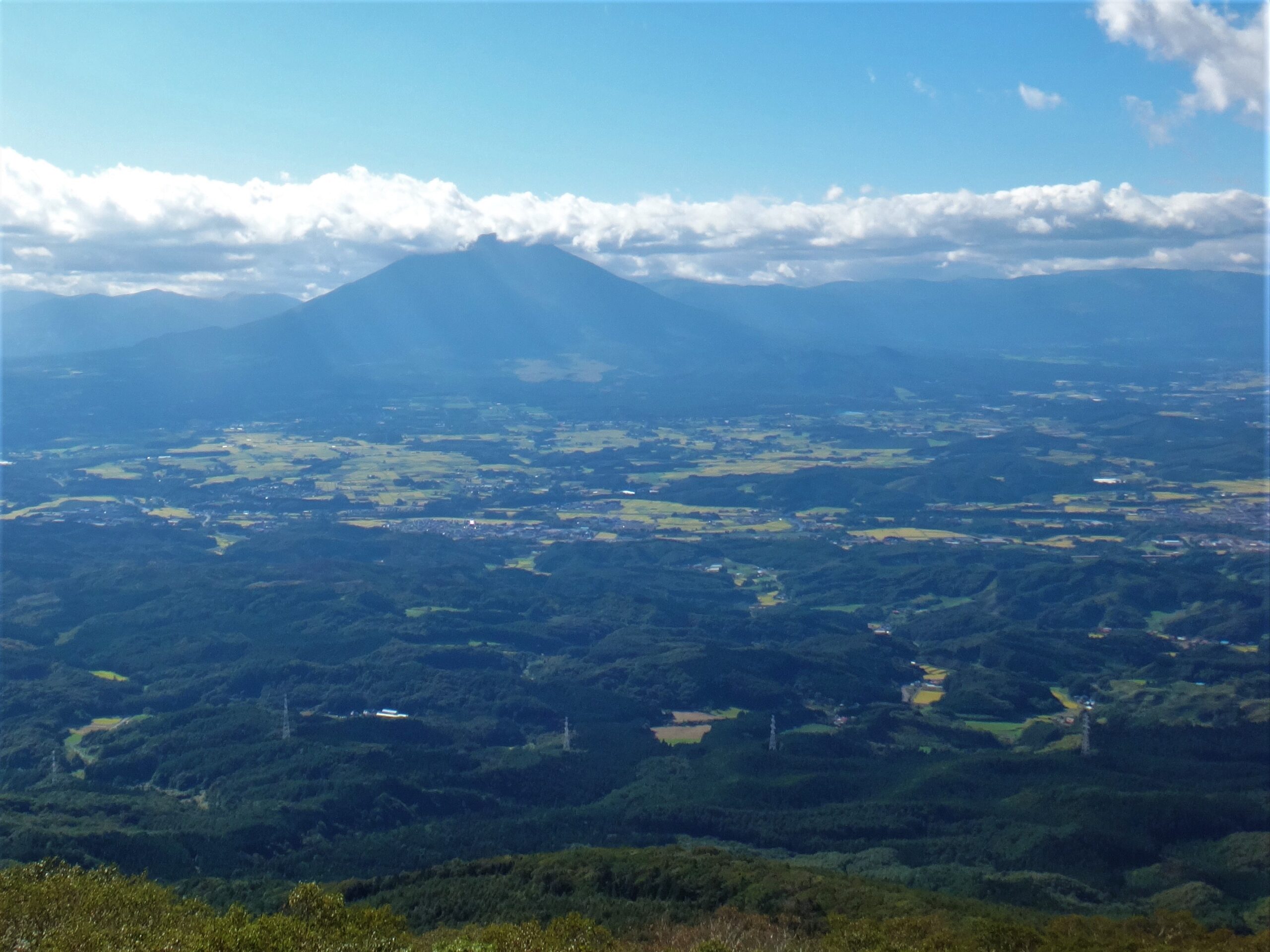
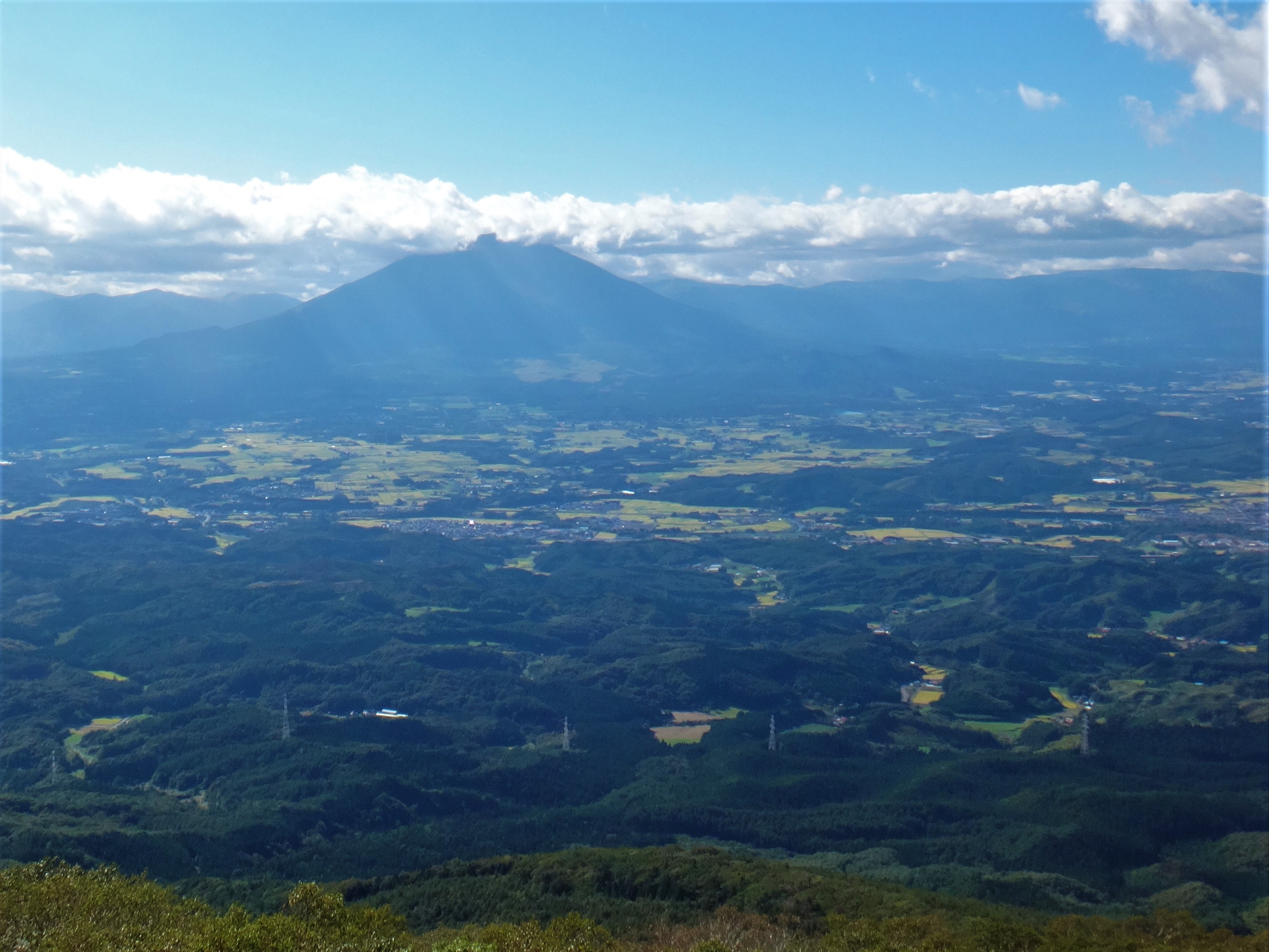
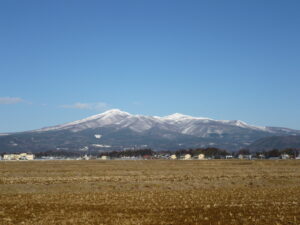
Rising 2,038 meters (6,686 feet) above the fertile plains of Iwate Prefecture, Mount Iwate is the largest volcano in Tohoku and one of the most iconic mountains in northeastern Japan. From the green fields of nearby Koiwai Farm — Japan’s largest private farm — the mountain’s perfectly conical silhouette dominates the horizon with a presence that local people call “Nanbu Fuji,” comparing it to the beloved symmetry of Mount Fuji itself. But Mount Iwate offers something that Fuji cannot: a summit reached by a genuine hiking trail, a live volcanic crater you can walk around, and a mountain that feels like it belongs to the local community rather than the world’s tourist industry.
Why Mount Iwate Belongs on Every Tohoku Hiker’s List
Japan has an extraordinary relationship with its mountains. In a country where roughly 73% of the land area is mountainous and where mountain asceticism (known as shugendo) has shaped culture and religion for over a thousand years, the major peaks carry a spiritual weight that goes beyond their physical dimensions. Mount Iwate is no exception. The mountain has been worshipped as a sacred site since ancient times — the Nanbu Domain, which governed much of what is now Iwate Prefecture during the feudal era, treated the mountain as a symbol of regional identity and spiritual power. Three major shrines are associated with the mountain: Morioka Hachimangu in Morioka City, and shrines near the summit and on the mountain’s slopes.
For practical hiking purposes, Mount Iwate is a serious but achievable day hike for reasonably fit adults with appropriate gear. The mountain is classified as a Class B active volcano by the Japan Meteorological Agency, with the last significant eruption occurring in 1919. Regular monitoring continues, and trail access may be restricted during periods of increased volcanic activity (always check the Japan Meteorological Agency’s website before your visit). When open, the summit trails offer a distinctive experience: ascending through beech and oak forest before breaking into alpine meadows, then climbing the volcanic rock and scree to a crater rim where you can look down into the mountain’s hollow interior.
The views from the top are exceptional — on clear days you can see the Pacific Ocean to the east, the entire Ou Mountain Range stretching north and south, and the distinctive cone of neighboring Hachimantai Plateau rising to the northwest. Mount Iwate is also notable for its alpine flora: in late June and early July, the upper slopes bloom with the purple flowers of Torafuzio (Parnassia palustris), mountain heather, and dozens of other high-altitude species that attract botanists and nature photographers alongside the summit hikers.
The Summit Hike: Routes, Timing & What to Expect
Mount Iwate has three primary hiking routes, all of which lead to the summit area. The most popular is the Onamedake Route (sometimes called the Ura-Iwate Course or the Amihari Route), which begins at the Amihari Onsen trailhead on the mountain’s southeastern flank. This route takes approximately 4.5-6 hours to reach the summit from the trailhead, with a return of 3.5-5 hours — plan for a full day including breaks.
The Amihari Route (Standard Course)
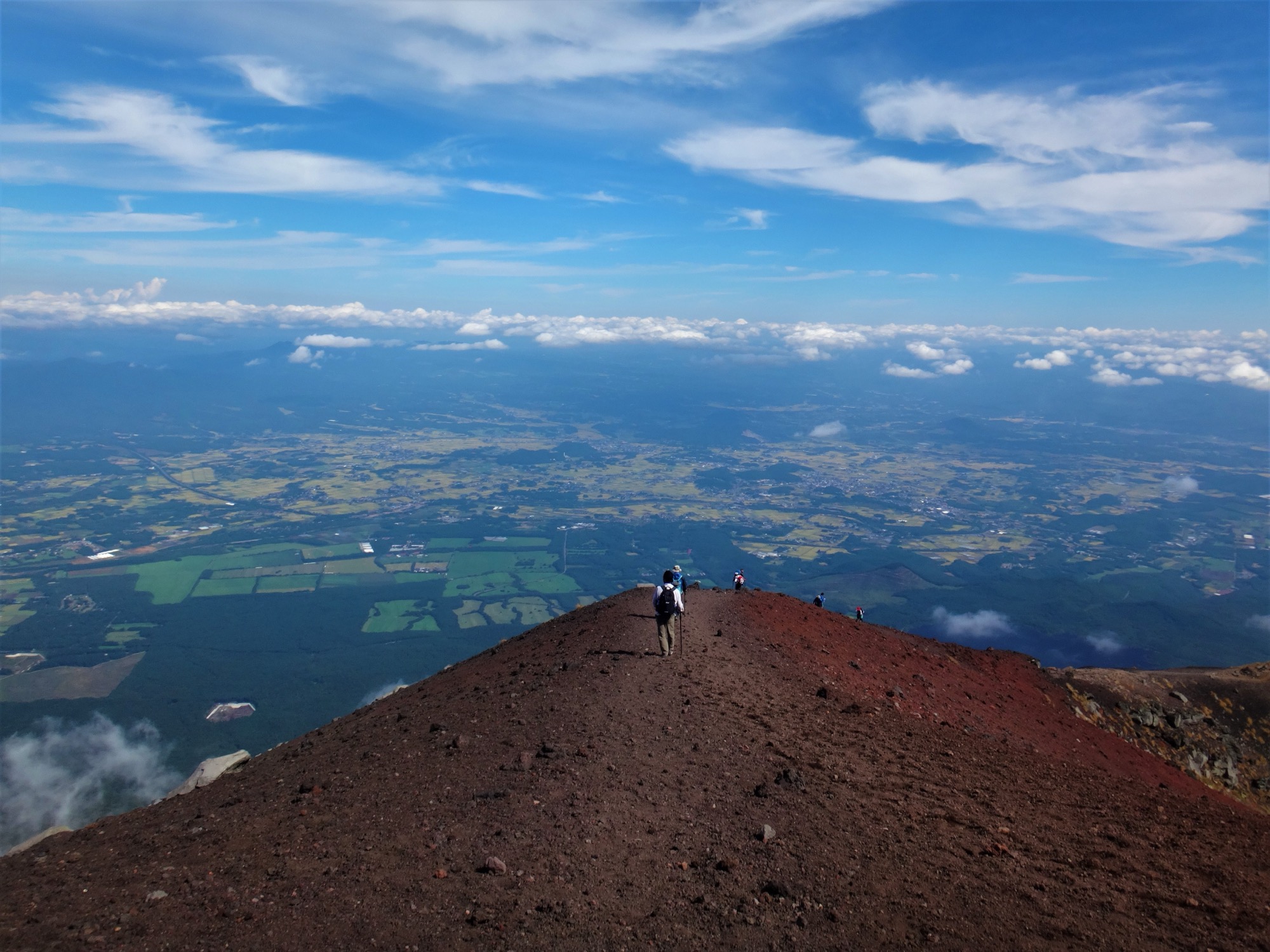
The Amihari Route begins at the Amihari Onsen resort area (approximately 480 meters elevation), making it one of the lower starting points. The trail initially passes through a mixed forest of beech and oak before climbing steadily into subalpine zones. Around 1,300-1,400 meters, the vegetation thins and alpine meadows begin to appear, offering the first clear views of the summit cone. The final ascent from the alpine meadow to the crater rim involves climbing loose volcanic scree and solid rock — poles are helpful here, and a steady pace matters more than speed.
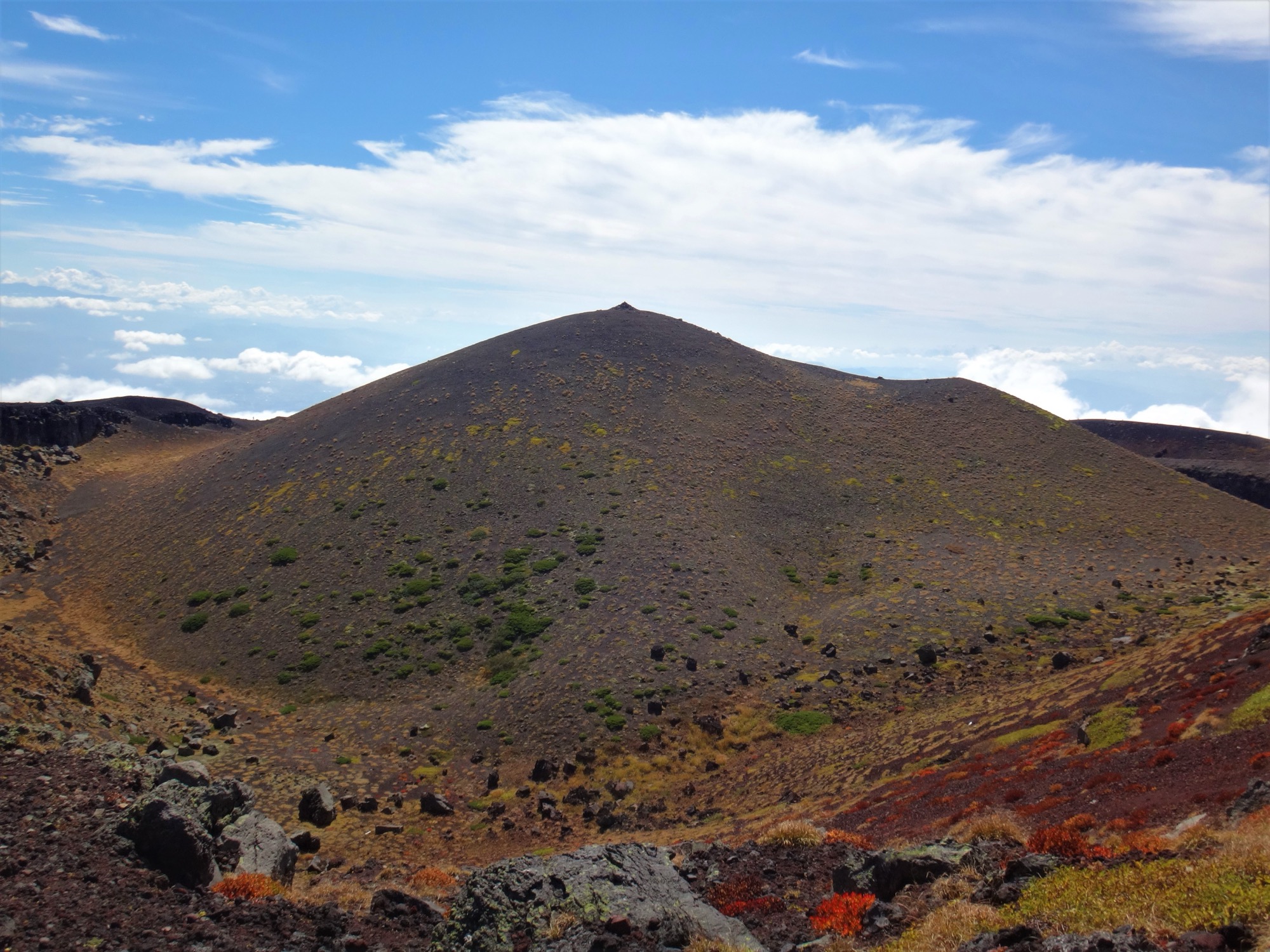
At the summit area, you’ll reach Onamedake (the slightly lower east summit at approximately 2,025m) before continuing on the crater rim path to Kengamine, the true summit at 2,038m. The crater rim circuit itself takes about 30-45 minutes to complete and is one of the hike’s highlights — the experience of walking around the edge of a real volcanic caldera, looking down into the bowl below and out at 360 degrees of Tohoku landscape, is genuinely exhilarating.
The Hayachine Route (Northern Approach)
For experienced hikers who want a more challenging and less-traveled route, the Hayachine Route approaches from the north via the Mitsuishi area. This route is steeper and rougher in places, takes longer (typically 5-7 hours up), and requires good navigation skills as it’s less well-marked than the Amihari Route. The reward is solitude and a different perspective on the mountain — you’re more likely to encounter local Japanese hikers on this route than the international visitors who tend to use the more accessible Amihari approach.
The Yakushidake Route (Eastern Approach)
The Yakushidake Route begins from the Yakushi-Hachiman Shrine at the mountain’s eastern base and follows a historically significant pilgrimage path that was used by mountain ascetics for centuries. This route is the most culturally rich of the three, passing small stone shrines and ancient trail markers before reaching the summit. It’s also longer than the Amihari Route (typically 5-6 hours up), making it better suited to experienced hikers with an interest in the mountain’s religious heritage.
Best Season for Hiking Mount Iwate
Mount Iwate has distinct seasonal characteristics that shape the hiking experience significantly:
- Late June to mid-July: The optimal hiking window. Snow has cleared from most of the trail, alpine flowers are in peak bloom on the upper slopes, and visibility is generally good. Temperatures on the summit range from 10-15°C (50-59°F) on warm days, with potential for rapid weather changes. This is the most popular period for experienced hikers.
- Late July to August: Summer heat at lower elevations makes the early sections of the trail more demanding, but the upper mountain remains pleasant. Afternoon thunderstorms are common in late summer — start early (before 7am) to reach the summit by noon and descend before storms develop. This is the busiest period overall.
- September to mid-October: The mountain’s most beautiful period visually. Autumn foliage transforms the lower forest sections from mid-September, and clear autumn weather provides spectacular visibility from the summit. Temperatures drop quickly in September — bring warm layers. The upper trail may see early snow from October onward.
- November to May: The mountain is typically covered in snow from November through May or even into June at higher elevations. Snow hiking and climbing on Mount Iwate during winter and spring requires technical winter equipment (crampons, ice axe, layers of insulation) and should only be attempted by experienced mountaineers. The trail is formally closed from late autumn to late spring.
Note on volcanic alerts: Mount Iwate is an active volcano and trail access is subject to closure based on the Japan Meteorological Agency’s volcanic alert level. Check the JMA website (in English) at jma.go.jp before your trip. Level 1 (the lowest) means unrestricted access; higher levels restrict or completely close access to the mountain. The trail around the crater rim is subject to additional restrictions based on SO2 emissions.
Getting to Mount Iwate: Transport from Morioka
Mount Iwate’s primary trailhead is accessed from Morioka, the capital of Iwate Prefecture. Morioka is well-connected to Tokyo via the Tohoku Shinkansen (approximately 2 hours 15 minutes, ¥13,500-15,000 / $90-100 USD one-way; covered by the JR Pass).
From Morioka, reaching the trailhead requires either a car or a taxi — public transport to the Amihari Onsen trailhead is limited and not practical for a full-day hike. The recommended approach for visitors without a rental car:
- Taxi from Morioka Station: About 40-50 minutes to the Amihari Onsen trailhead, costing approximately ¥5,000-7,000 ($34-47 USD). A taxi back after the hike should be pre-booked — ask your accommodation or the taxi company to arrange a pickup at a specific time.
- Rental car: Strongly recommended if you want flexibility. All major rental car companies (Toyota, Nissan, Times Car) have offices near Morioka Station. The drive to the trailhead takes about 35-40 minutes on a well-signed route via Route 46 and then up into the mountain area.
- Organized tours: Several Morioka-based tourism operators offer guided day hikes on Mount Iwate during the summer season. These typically include transport, a guide, and sometimes a post-hike meal. Check with the Morioka tourist information center (near JR Morioka Station) for current options and booking.
There’s limited free parking at the Amihari Onsen trailhead. During peak season (July-August), arrive before 7am to secure a space.
Koiwai Farm: Japan’s Most Beautiful Mountain Backdrop
Even if you’re not planning to hike Mount Iwate itself, no visit to the area is complete without experiencing Koiwai Farm — a 3,000-hectare (7,400-acre) private agricultural estate that spreads across the mountain’s lower slopes and offers one of Japan’s most cinematically beautiful views of any mountain. Established in 1891, Koiwai Farm is Japan’s largest private farm and produces dairy products, sausages, apple juice, and fresh produce that are sold across the country under the beloved Koiwai brand.
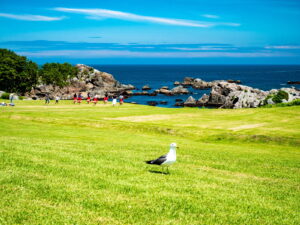
The farm is open to visitors in the warmer months (typically April through November), with the main attraction being a pastoral landscape of green fields, grazing cattle, traditional farm buildings, and the dramatic backdrop of Mount Iwate’s perfect cone rising above it all. In spring, the sheep pastures are dotted with new lambs; in summer, the fields are intensely green against the mountain. In autumn, the surrounding beech and larch forests turn gold and orange while the summit still catches the day’s last light.
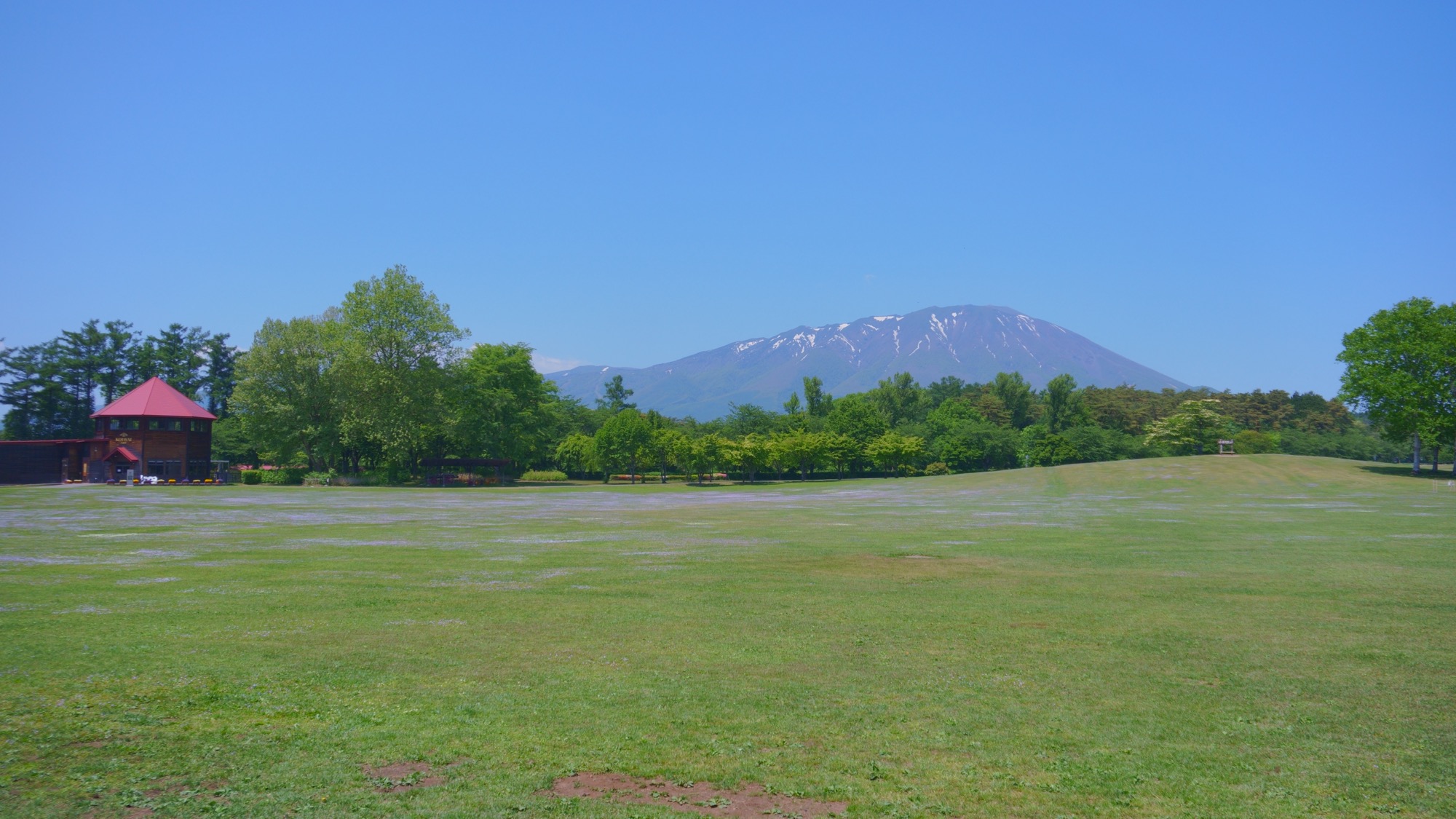
The farm’s visitor facilities include a milk and cheese factory (with tastings), a direct-sale shop (where you can buy fresh-made cheese, butter, and milk products unavailable outside the farm), a restaurant serving farm-raised beef and local produce, and horse-drawn trolley rides through the farm grounds. The horse-drawn trolley tour (about 20 minutes, ¥400 / $2.70 USD per person) is a particular highlight — the combination of clip-clopping through pastoral scenery with Mount Iwate looming above creates a distinctly rural Japan experience.
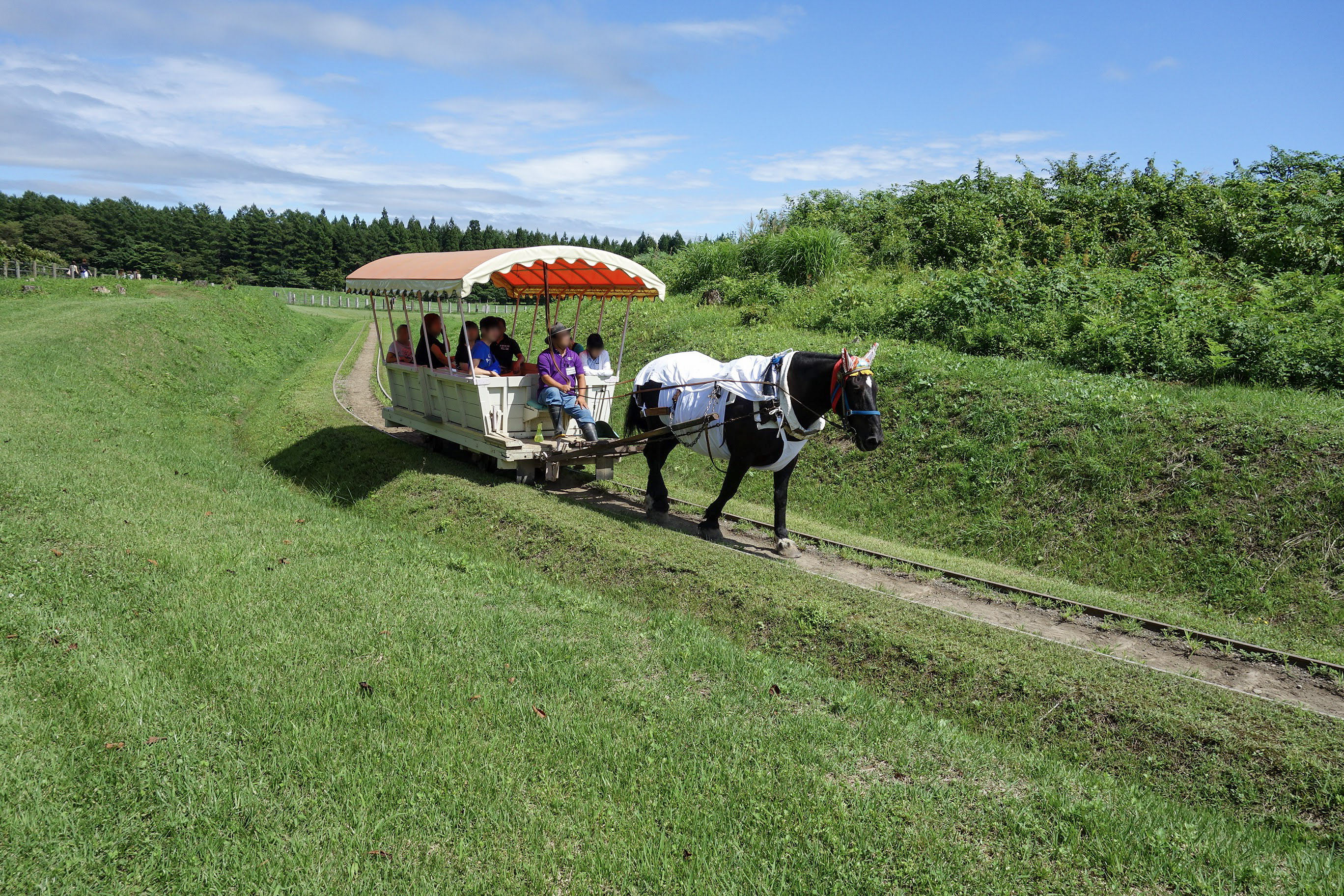
Koiwai Farm is a 30-minute drive from Morioka (15 kilometers). During peak summer weekends, the farm can get crowded — weekday visits are more peaceful. The farm is open daily from approximately 9am to 5pm (hours vary by season). Admission: ¥700 / $4.70 USD for adults, ¥400 / $2.70 USD for children. Note that a separate larger annual farm event (Hitohana Ichigo no Hi) and spring lamb viewing events attract particularly large crowds — check the farm’s website for event dates if you want to avoid or specifically target these.
Getting to Koiwai Farm: By car from Morioka Station: approximately 30 minutes (follow Route 4 northwest and then sign-posted routes into the farm estate). By bus: the Iwate Kenpoku Bus runs from Morioka Station to the farm during peak season (July-August) — check current schedules at the Morioka Station tourist information office. By taxi from Morioka: approximately 30 minutes, costing around ¥3,500-4,500 ($24-30 USD).
Morioka City: Your Base for Mount Iwate Adventures
Morioka is one of Tohoku’s most underrated cities — a compact, walkable urban center with an unexpectedly vibrant food scene, a beautiful historic core, and strong connections to both the natural landscape and the cultural traditions of Iwate. It serves as the perfect base for Mount Iwate day trips, with the added benefit of being one of Japan’s best cities for noodle lovers.
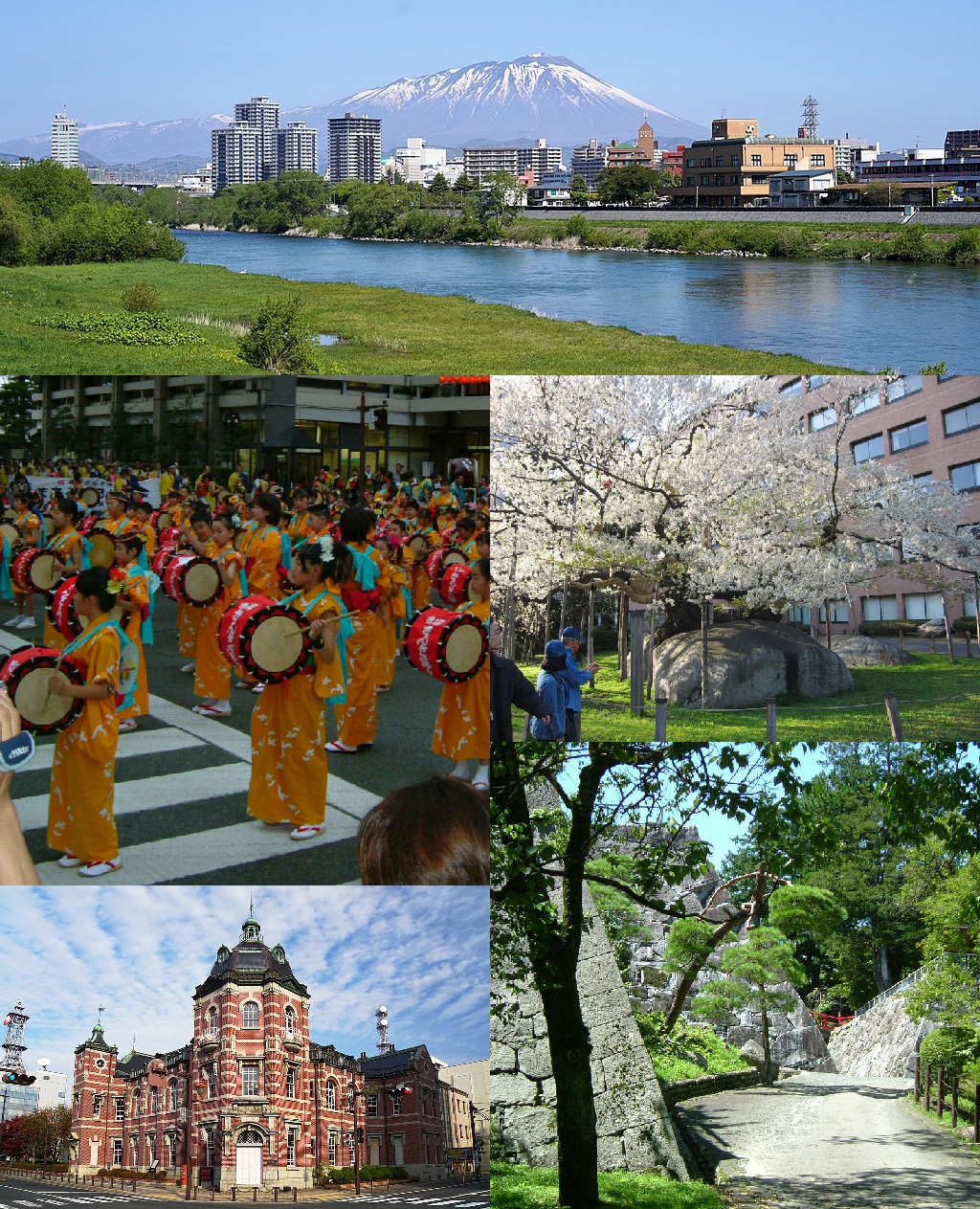
The city’s most important landmark is Morioka Castle (Kōriyama), whose stone walls and ruins occupy a park in the city center. The castle itself was demolished in the Meiji period (as were most feudal fortifications), but the massive stone foundations and the towering old trees that have grown up within them create a picturesque park that’s especially beautiful in spring cherry blossom season and autumn. The park is free to enter and a pleasant 20-minute walk from JR Morioka Station.
Morioka’s craft heritage includes Nanbu tetsubin (cast-iron teapots and kitchenware), which have been made in the region since the 17th century and are now sold as premium design objects worldwide. Several ironware studios and shops are located within walking distance of the station — the Niho workshop and the Suzuki Morihisa studio both welcome visitors and offer insight into the painstaking hand-crafting process for these objects. A quality Nanbu tetsubin makes an exceptional (if heavy) souvenir.
Morioka’s Three Famous Noodle Dishes
Morioka has a unique claim that no other Japanese city can match: three completely distinct noodle cuisines that were developed in the city and remain central to its culinary identity:
Wanko Soba: A theatrical all-you-can-eat dining experience where servers continuously refill your bowl with single-mouthful portions of buckwheat noodles until you indicate you want to stop. A typical session might involve eating 40-100+ servings. The server’s energetic call of “Hai, don’don!” (Keep going! Keep going!) as they ladle more noodles in is part of the experience. Several wanko soba restaurants around Morioka offer this; Azumaya and Chokaro are both well-regarded choices. Budget ¥2,500-3,500 ($17-24) per person for a full wanko session.
Jajamen: A uniquely Morioka creation with no close parallel elsewhere in Japan. Flat, wide Chinese-style noodles (called jajan) are served with a thick meat miso sauce, ginger, garlic, and cucumber slices, all mixed together at the table. When you finish the noodles, you add a raw egg to the remaining sauce, then pour in hot soup broth from the kitchen to create a second dish called chitan soup. The combination is intense, umami-rich, and thoroughly addictive. Find it at the original restaurant, Shirakaba, near the city center.
Reimen (Cold Noodles): Technically called Morioka Reimen to distinguish it from other Japanese cold noodle dishes, this Morioka creation involves firm, translucent buckwheat noodles served in a cold, often slightly spicy beef broth with kimchi, a slice of watermelon (yes, watermelon), and various toppings. The combination sounds bizarre and tastes extraordinary — the watermelon’s sweetness cutting through the rich, spicy broth in a way that makes perfect sense in the bowl. Pyongyang and Pangamdong are among the most respected reimen restaurants in the city.
Where to Stay in Morioka
Budget (Under ¥8,000 / $54)
Morioka has a good selection of business hotels near the station at ¥5,500-8,000 per night. The Toyoko Inn Morioka Ekimae and APA Hotel Morioka Ekimae both offer reliable value at the lower end of this range. For a different experience, the Morioka HOTEL METs (directly connected to JR Morioka Station) combines convenience with reasonable prices.
Mid-Range (¥8,000-20,000 / $54-135)
The Hotel Metropolitan Morioka is the city’s most established business-class hotel, located directly next to Morioka Station and offering better facilities than average at mid-range prices (¥10,000-16,000). For a more characterful stay, look for guesthouses in Morioka’s historic Zanmai-cho district, where traditional townhouses have been converted into boutique accommodation.
Luxury (¥20,000+ / $135+)
The Morioka Grand Hotel, set in a wooded park area above the city center, offers traditional Japanese hospitality in a serene setting, with Japanese-style rooms and a kaiseki restaurant featuring Iwate’s prized Shorthorn beef (Maesawa Beef — considered a top-tier wagyu). Advance booking recommended for weekends and peak travel seasons.
Practical Tips for Visiting Mount Iwate
- Check volcanic alert level: Visit jma.go.jp before your trip and look for “Volcanic Warning Information” for Mount Iwate. Level 1 = normal access; Level 2 = some trail restrictions; Level 3 = summit area closed. Trail closures can happen with little notice.
- Start early: The Amihari Route trailhead opens early (typically 5am-6am), and starting your ascent at 6-7am allows you to reach the summit well before afternoon weather changes. Summer afternoon thunderstorms can develop quickly — be off the summit by 1-2pm if possible.
- Gear matters: Even in summer, carry wind protection and warm layers for the summit (temperatures drop significantly above 1,500m). Trekking poles are helpful on the loose scree of the upper slopes. Mountain boots or well-gripped trail runners are appropriate footwear; regular sneakers are insufficient above the treeline.
- Water sources: There are no reliable water sources on the trail above the trailhead. Carry at least 2-3 liters per person, more in hot weather.
- Altitude: At 2,038m, Mount Iwate is not high enough to cause altitude sickness for most healthy adults, but ascend steadily and take breaks if you feel short of breath.
- Mountain huts: A mountain hut (Yamagoya) operates on the slopes during peak season (typically July-August), offering emergency shelter, basic snacks, and water refills. Don’t rely on this as your primary water/food source.
- Leave no trace: Mount Iwate’s volcanic soil is fragile and erosion-prone. Stay on marked trails, do not pick alpine flowers, and carry out all trash. Japanese hikers are meticulous about trail ethics — follow their lead.
- Emergency contacts: Register your hiking plan (tōzan todokede) at the trailhead box before ascending. This is not mandatory for foreign visitors but is strongly encouraged — it dramatically speeds rescue operations if needed. The form is simple (trail name, start time, expected return time, emergency contact).
Historical & Cultural Context: Nanbu Domain and the Sacred Mountain
Understanding the deep connection between Mount Iwate and the people of Iwate Prefecture enriches the hiking experience considerably. The Nanbu clan ruled what is now Iwate Prefecture for over 600 years, from the mid-Muromachi period (around 1333) through the end of the feudal era in 1871. Throughout this period, Mount Iwate served as the spiritual symbol of the domain — appearing on the Nanbu clan’s official decorations, depicted in countless woodblock prints and paintings, and worshipped at shrines across the region.
The mountain asceticism tradition (shugendo) that developed around Mount Iwate from the 8th century onward created a distinct religious practice that blended Buddhism with native mountain worship. Practitioners called yamabushi would undertake intense physical and spiritual training on the mountain’s slopes, performing rituals at shrines and emerging from the mountain experience as spiritually empowered intermediaries between the human and divine worlds. While formal yamabushi practice has declined, the religious atmosphere is still palpable at the small shrines and stone markers you pass on the ascent routes.
The mountain’s name itself reflects this history: “Iwate” is written with characters meaning “rock” and “hand,” referring to a legend in which a deity pressed a hand into a large rock on the mountain to subdue a demon — an impression said to still be visible at the Mitsuishi area on the northern approach.
Combining Mount Iwate with Wider Iwate Prefecture
Mount Iwate sits in the heart of Iwate Prefecture, making it a natural anchor for exploring the region’s other outstanding attractions:
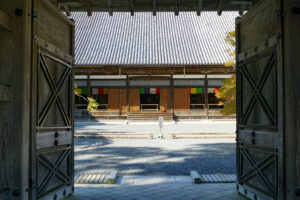
Hiraizumi (1 hour south of Morioka by shinkansen): Japan’s only UNESCO World Heritage Site in Tohoku, Hiraizumi preserves the remnants of an ancient Buddhist utopia built by the Fujiwara clan in the 12th century. The golden Konjiki-do chapel within Chuson-ji Temple — literally gilded with gold leaf, inside and out — is one of Japan’s most extraordinary artistic achievements. A must-visit, especially combined with Mount Iwate.
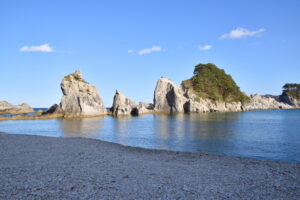
Jodogahama Beach (2 hours east of Morioka by car): On the Pacific coast, the Sanriku coastline offers dramatically beautiful sea cliffs and beaches of pure white rounded pebbles, the water an unusual deep blue-green from the mineral composition of the sea floor. Jodogahama is the most accessible entry point to this coastal paradise and connects with boat tours of the sea caves and rock arches along the shoreline.
Geibikei Gorge (2.5 hours south of Morioka): One of Japan’s most atmospheric river gorges, Geibikei can only be entered by flat-bottomed pole boat, punted by a boatman through 2 kilometers of vertical limestone walls. Utterly serene and unlike anything else in Japan — a perfect counterpoint to the volcanic drama of Mount Iwate.
Sample 2-Day Morioka & Mount Iwate Itinerary
Day 1: Morioka City & Koiwai Farm
Morning: Arrive in Morioka on an early shinkansen from Tokyo (first departures reach Morioka by 8:30am). Check into your hotel and walk to Morioka Castle Park for a morning stroll among the stone ruins. Visit the Iwate Museum in the adjacent park for historical context on the region.
Midday: Drive or taxi to Koiwai Farm (30 minutes). Explore the farm grounds on the horse-drawn trolley tour, visit the cheese and butter factory, and have lunch at the farm restaurant. In spring/summer, try the fresh milk soft-serve ice cream — made from same-day milk and extraordinary.
Afternoon: Return to Morioka and explore the Konyacho (dye town) area, home to craft shops and traditional artisan workshops including Nanbu tetsubin ironware studios.
Evening: Noodle tour of Morioka: try reimen (cold noodles) for dinner, perhaps followed by a walk along the Kitakami and Nakatsu rivers.
Day 2: Mount Iwate Summit Hike
5:30am: Early breakfast and taxi or rental car to Amihari Onsen trailhead (arrive by 6:30am). Register your hiking plan at the trailhead box.
6:30am-1:00pm: Ascent via Amihari Route — allow 4.5-5.5 hours to summit depending on your pace. Bring packed lunch to eat on the crater rim.
1:00pm-5:00pm: Complete the crater rim circuit and descend. Return to the trailhead by approximately 4-5pm.
Evening: Post-hike dinner in Morioka — wanko soba is the traditional choice for celebrating a summit. Early shinkansen back to Tokyo, or overnight in Morioka and depart the following morning.
Final Thoughts: Mount Iwate and the Spirit of Iwate
Mount Iwate is more than a hiking destination — it’s the physical and spiritual heart of one of Japan’s most beautiful and least-visited prefectures. Standing on the crater rim with the entire Iwate landscape spread below, the pastoral fields of Koiwai Farm a green patchwork far below, the Pacific glinting on the eastern horizon, you understand why generations of people in this region looked up at this mountain and felt something larger than themselves. That feeling — of being in a landscape both grand and human-scaled, both ancient and alive — is at the core of what makes Tohoku so rewarding to explore.
Combine a Mount Iwate hike with time in Morioka and a visit to Koiwai Farm, and you’ll have experienced one of Japan’s most complete regional travel days: physical challenge, pastoral beauty, cultural depth, and extraordinary food, all within easy reach of each other in the country’s quieter, more authentic north.
Questions about the hike, current volcanic alert levels, or planning your Iwate trip? Drop us a message — we’re happy to help you prepare.
Related Articles You Might Enjoy
- Appi Kogen, Iwate: Japan’s Premier Powder Ski Resort — Complete Guide for Foreign Visitors
- Kuji, Iwate: Japan’s Northernmost Ama Divers & Hidden Amber Museum
- Genbikei Gorge, Iwate: Japan’s Flying Dango Gorge & Ichinoseki’s Hidden Natural Wonder
- Kitakami Tenshochi: Iwate’s 10,000 Cherry Blossom River Park — A Hidden Sakura Paradise
- Kitakami Tenshochi Cherry Blossoms, Iwate: Japan’s Most Spectacular River of 10,000 Sakura


コメント