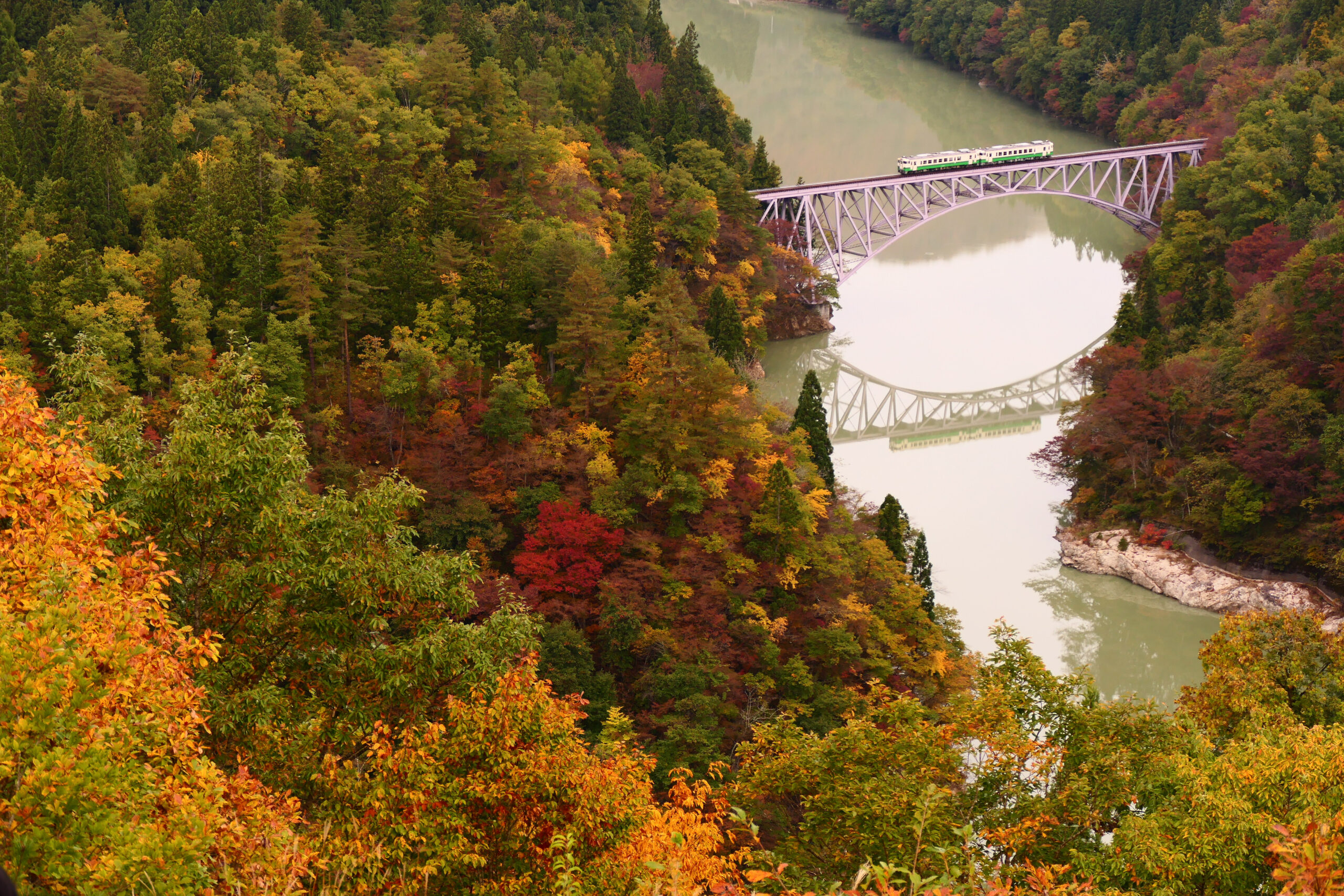
Imagine a small, gently chugging diesel train winding through emerald valleys and across soaring river bridges, while tendrils of morning mist curl up from the glassy surface of the Tadami River below. This isn’t a scene from a dream — it’s the everyday reality of the Tadami Line in Fukushima Prefecture, a railway that Japan’s own travel media has repeatedly voted one of the most beautiful train journeys in the entire country. Yet somehow, almost no foreign tourists know it exists. That’s about to change.

Why the Tadami Line Should Be on Every Japan Itinerary
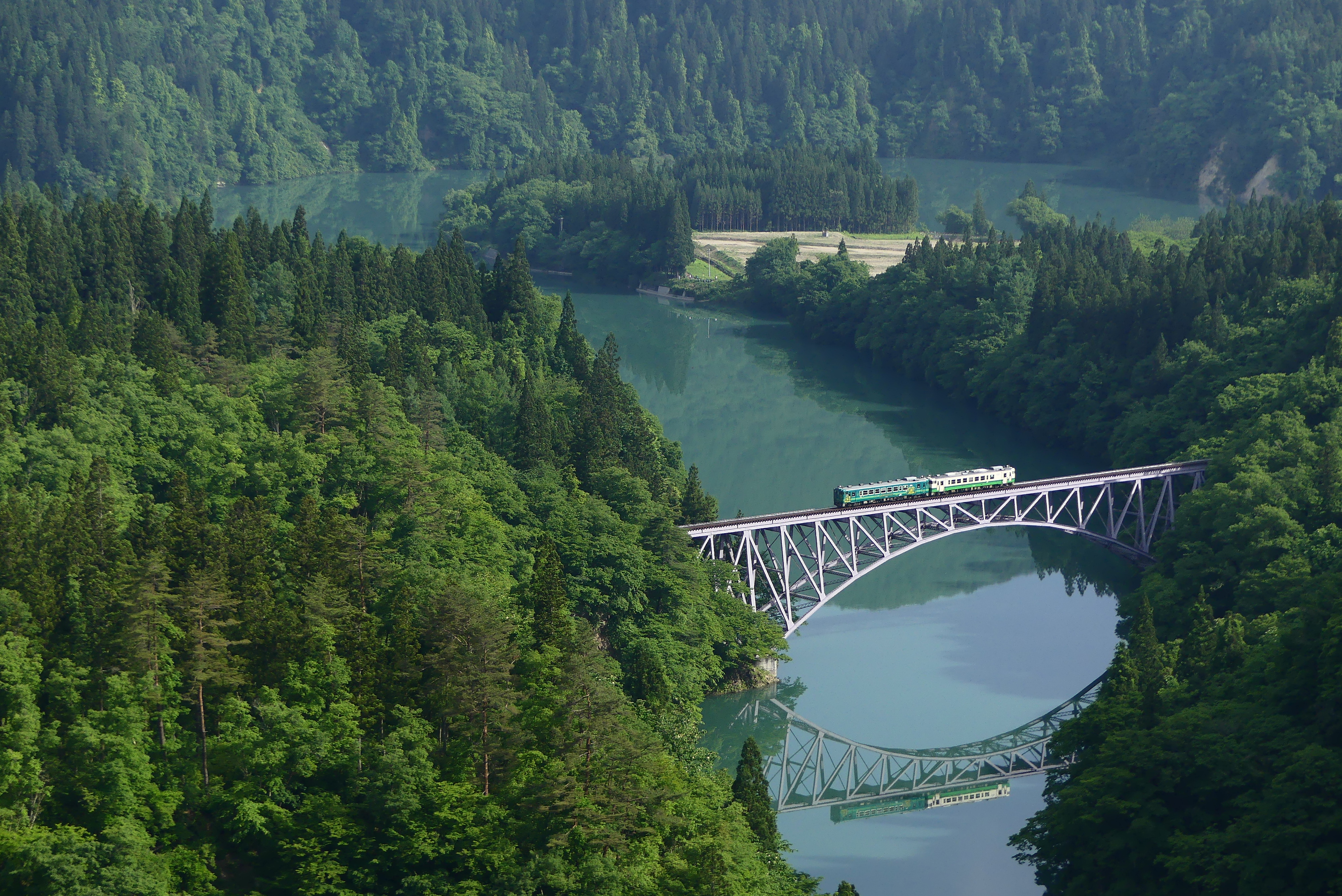
The Tadami Line (只見線) stretches 135.2 kilometers (84 miles) through the remote Oku-Aizu (奥会津) region of Fukushima Prefecture, connecting Aizuwakamatsu in the west to Koide in Niigata Prefecture to the east. But what makes it truly extraordinary isn’t just its length or its route — it’s the way the line hugs the banks of the Tadami River for mile after mile, crossing 27 bridges and threading through 18 tunnels as it snakes through some of Japan’s most pristine mountain wilderness.
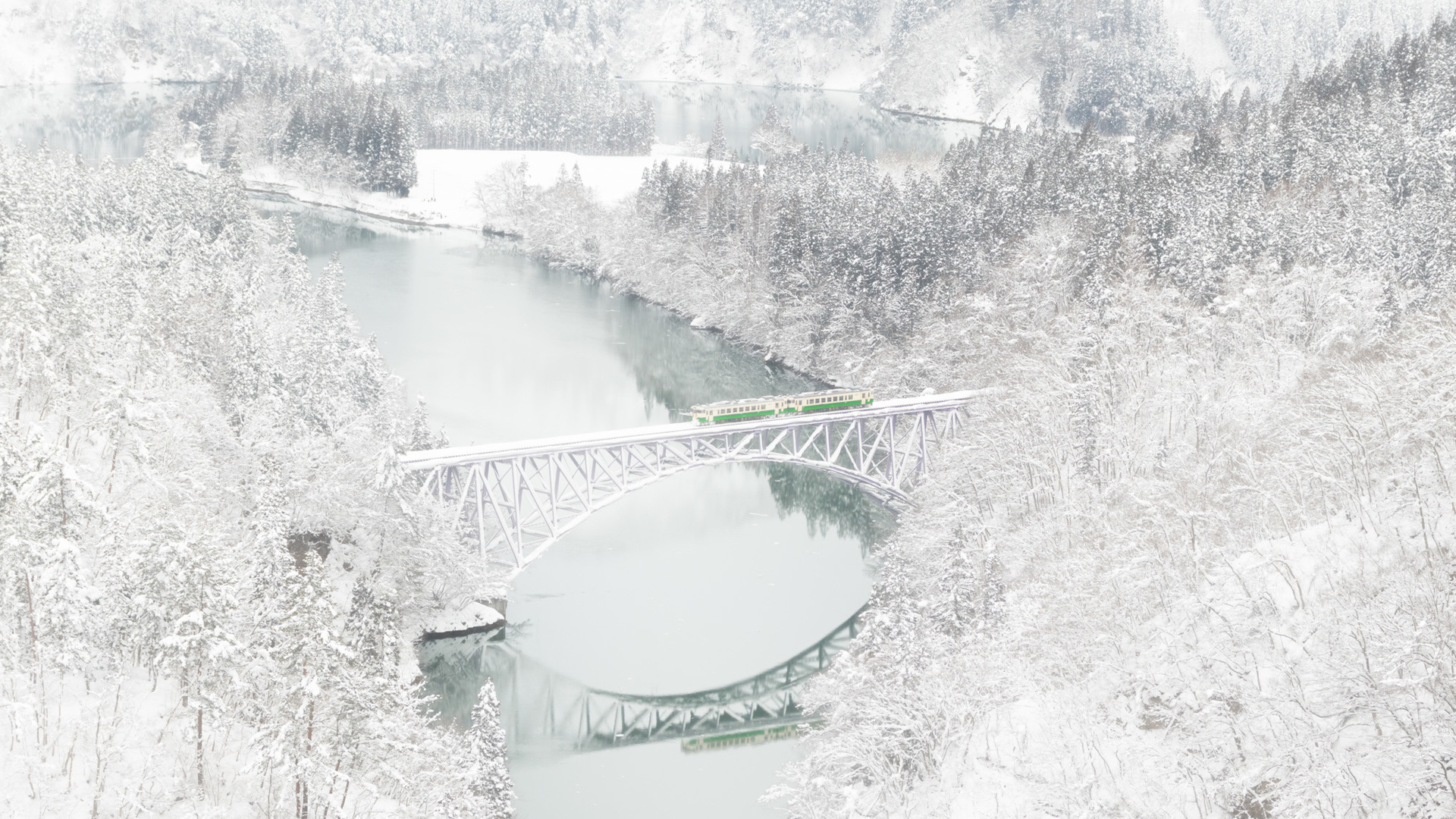
The three railway bridges that cross the Tadami River have become legendary in Japanese travel photography. On still mornings in late October and November, when the valley is blanketed in autumn foliage and a thick sea of cloud fills the river valley below, the train appears to float above a golden dreamscape. These “cloud sea” (雲海, unkai) shots are the stuff of photographic legend, and dedicated rail and nature photographers come from all corners of Japan to capture them. You, as a foreign visitor, can experience it with almost no crowds.
Beyond its photogenic qualities, the Tadami Line tells a story of rural Japan that is rapidly disappearing. The tiny station villages along the route — Mishima, Kaneyama, Yamato, Tadami — are home to just a few hundred people each. Time moves slowly here. Sake is brewed in wooden kura warehouses, rice paddies stretch to the forest edge, and the only sounds you’ll hear at the station platforms are birdsong and the distant rush of the river. For travelers exhausted by Tokyo’s crowds or Kyoto’s tourist queues, the Tadami Line offers something genuinely rare: Japan as it used to be.
The Story Behind Japan’s Most Scenic Local Line
The Tadami Line has a history as rugged as its landscape. Construction began in 1928 and proceeded in fits and starts for decades, delayed by World War II and the sheer engineering challenges of the terrain. The full line wasn’t completed until 1971 — a journey that took 43 years. At its peak, the railway carried timber, ore, and agricultural goods from the remote interior, as well as workers and their families between isolated mountain communities.
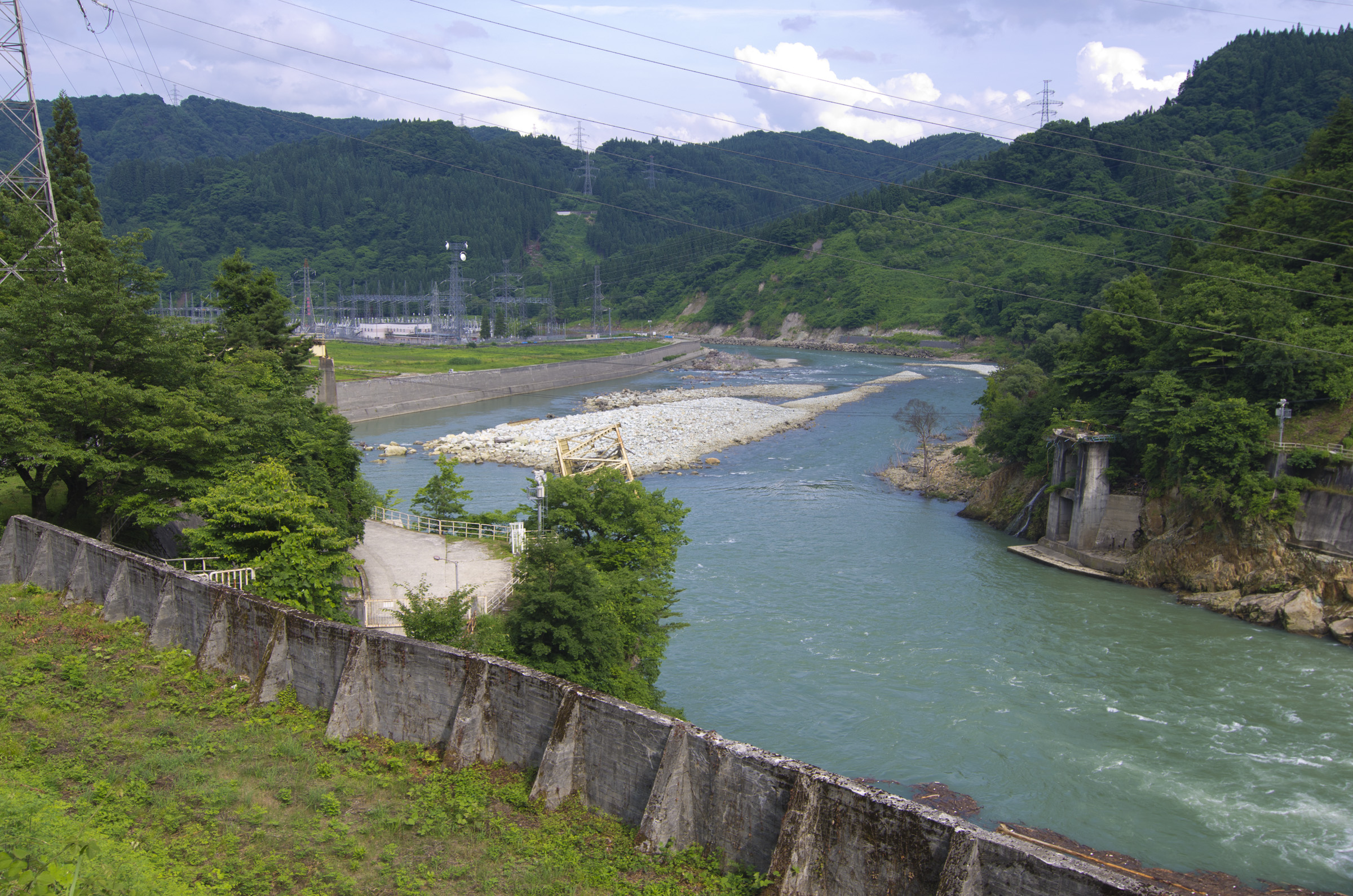
Then came a devastating blow. In July 2011 — just four months after the Great East Japan Earthquake — Typhoon Ma-on caused catastrophic flooding across the region. The raging Tadami River swept away or severely damaged six bridges and multiple sections of track. The western section of the line (Aizuwakamatsu to Aizu-Kawaguchi) was closed entirely. For eleven long years, the middle portion of the line sat silent, its bridges twisted and its future deeply uncertain.
What happened next was remarkable. Local communities, prefectural government, and JR East came together in an extraordinary partnership to rebuild the line — not for profit, but for culture and community. After ¥81 billion (approximately $540 million USD) in reconstruction work, the fully restored Tadami Line reopened in October 2022, celebrated across Japan as a triumph of regional resilience. The story gives every ride on the line an added layer of meaning: you’re not just traveling through beautiful scenery, you’re supporting a community that fought to keep its lifeline alive.
Getting There: Access to the Tadami Line
The Tadami Line is genuinely off the beaten path, which is part of its appeal. The main entry point from Tokyo is Aizuwakamatsu City in western Fukushima.
- From Tokyo by Shinkansen: Take the Tōhoku Shinkansen to Kōriyama (about 70 minutes, ¥6,500 / ~$44), then transfer to the Ban’etsu West Line (磐越西線) for Aizuwakamatsu (about 80 minutes, ¥1,170 / ~$8). Total journey: around 2.5 to 3 hours. The JR Pass covers this entire route.
- From Tokyo by Highway Bus: Overnight buses run directly from Tokyo’s Shinjuku Bus Terminal to Aizuwakamatsu (about 5 hours, ¥3,500–5,500 / ~$24–37). A great budget option.
- From Sendai: Take the Ban’etsu East Line from Kōriyama (connecting from Sendai via Shinkansen). Total: about 2.5–3 hours from Sendai.
- From Niigata: The eastern terminus is Koide Station (now called Uonuma-Koide). Niigata is accessible from Tokyo by Joetsu Shinkansen (about 80 minutes). Board the Tadami Line at Koide and travel west into Fukushima.
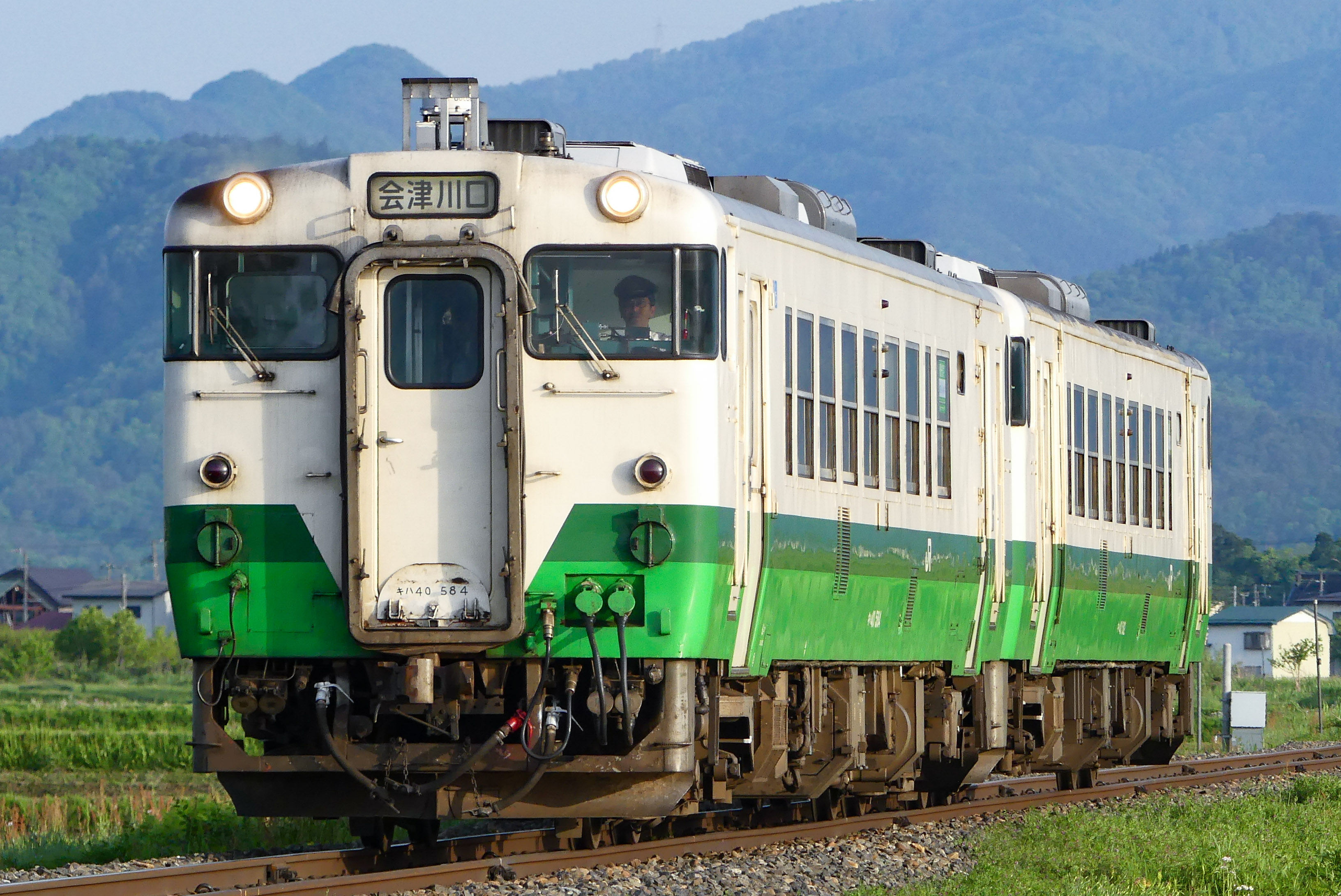
Note that the Tadami Line is a slow local train — there are no express services. Trains run only a few times per day, so careful advance planning of your schedule is essential. Download the Jorudan or Hyperdia app before you travel to check current timetables, as seasonal schedules apply.
The Three Iconic Bridges: What to Look For
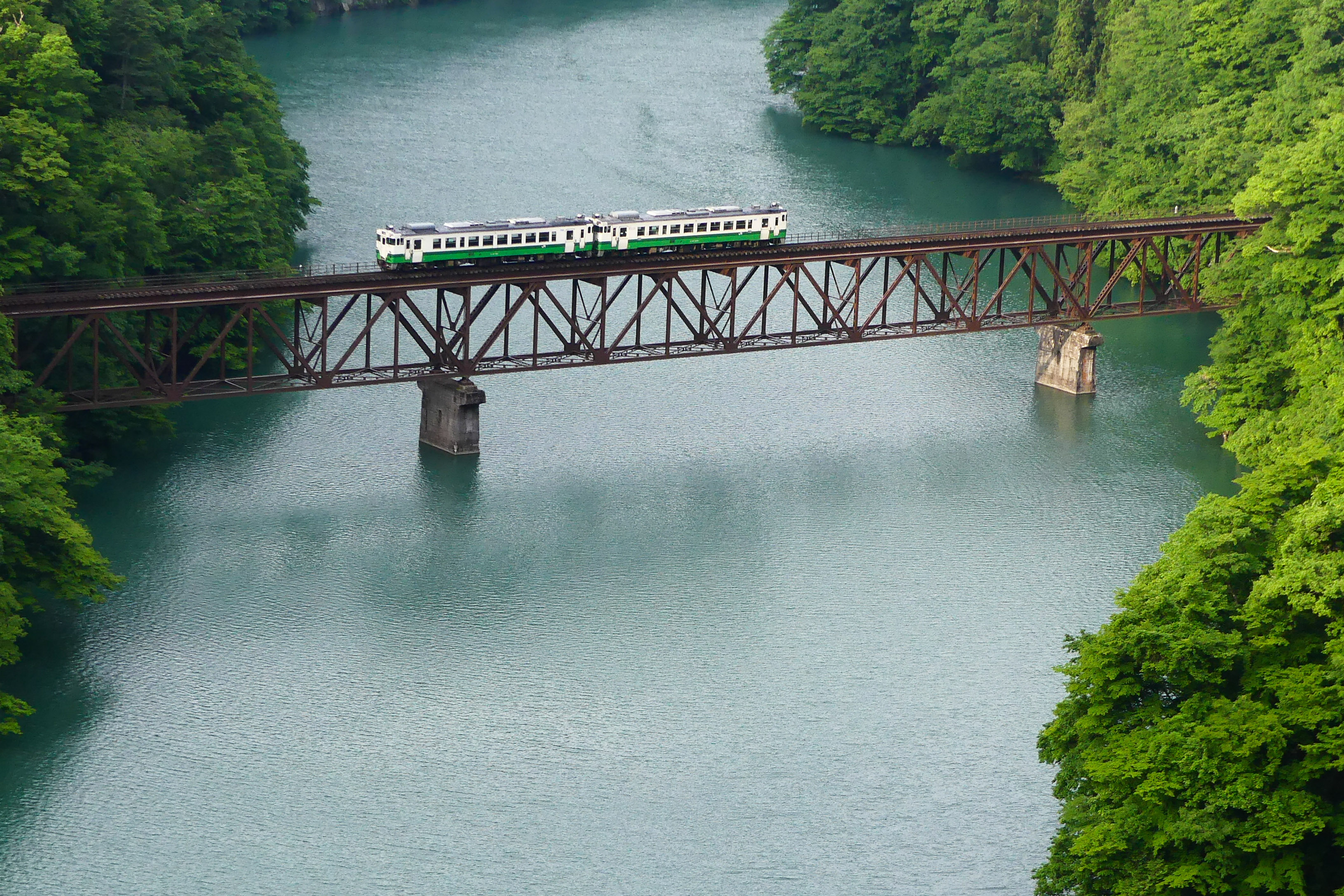
Three of the Tadami Line’s river-spanning bridges have become world-famous in Japanese photography, and for good reason. Understanding which bridge is which will help you plan your shots and your seat position on the train.
First Bridge (第一橋梁, Dai-ichi Kyōryō)
Between Miyashita and Ninomaegawa stations, this is the most photographed of the three. The observation point at Mishima Town’s “Tadami River Viewpoint #1” (只見川第一只見川橋梁展望台) sits high on a hillside and offers a breathtaking aerial view of the bridge and train against the river valley. The walk from the roadside takes about 20 minutes uphill. This is the go-to spot for the legendary “cloud sea” autumn photos, and it fills with photographers in late October.
Third Bridge (第三橋梁, Dai-san Kyōryō)
Between Aizu-Kawaguchi and Kaneyama stations, the third bridge has a different character — it curves gently as it crosses, creating a more dynamic composition. The surrounding mountains here are densely forested, and in autumn the entire valley becomes an explosion of red, orange, and gold. A free viewing platform is accessible by car from Kaneyama Town center.
The Aizu-Kawaguchi Area
Aizu-Kawaguchi Station is the unofficial heart of the scenic section. The station building itself is charming — a small wooden structure typical of rural Tōhoku. From here, you can explore on foot or by bicycle (rentals are sometimes available at the station or nearby convenience store). The banks of the Tadami River near town offer excellent flat walks, and in summer the clear water is perfect for picnicking by the shore.
Seasonal Magic: When to Visit the Tadami Line
- Spring (April–May): Cherry blossoms bloom along the riverbanks and around station platforms in mid-April, creating pastel pink frames for the train. Snowmelt fills the river, and the surrounding peaks still carry white caps. A magical combination of seasons unique to mountain Japan.
- Summer (June–August): The valley turns an intense, saturated green. Fireflies light the river edges on warm nights near Kaneyama and Mishima. Humidity is high, but the mountain air keeps temperatures comfortable — typically 75–82°F (24–28°C) even in August, far cooler than Tokyo’s brutal summer.
- Autumn (Late September–November): This is peak season, and for good reason. The Oku-Aizu region’s maples, beeches, and cherry trees put on one of the most intense autumn foliage (紅葉, kōyō) displays in all of Tohoku. Peak color at the river valley level is usually late October. Early mornings from October 20–November 10 are prime time for the cloud sea phenomenon.
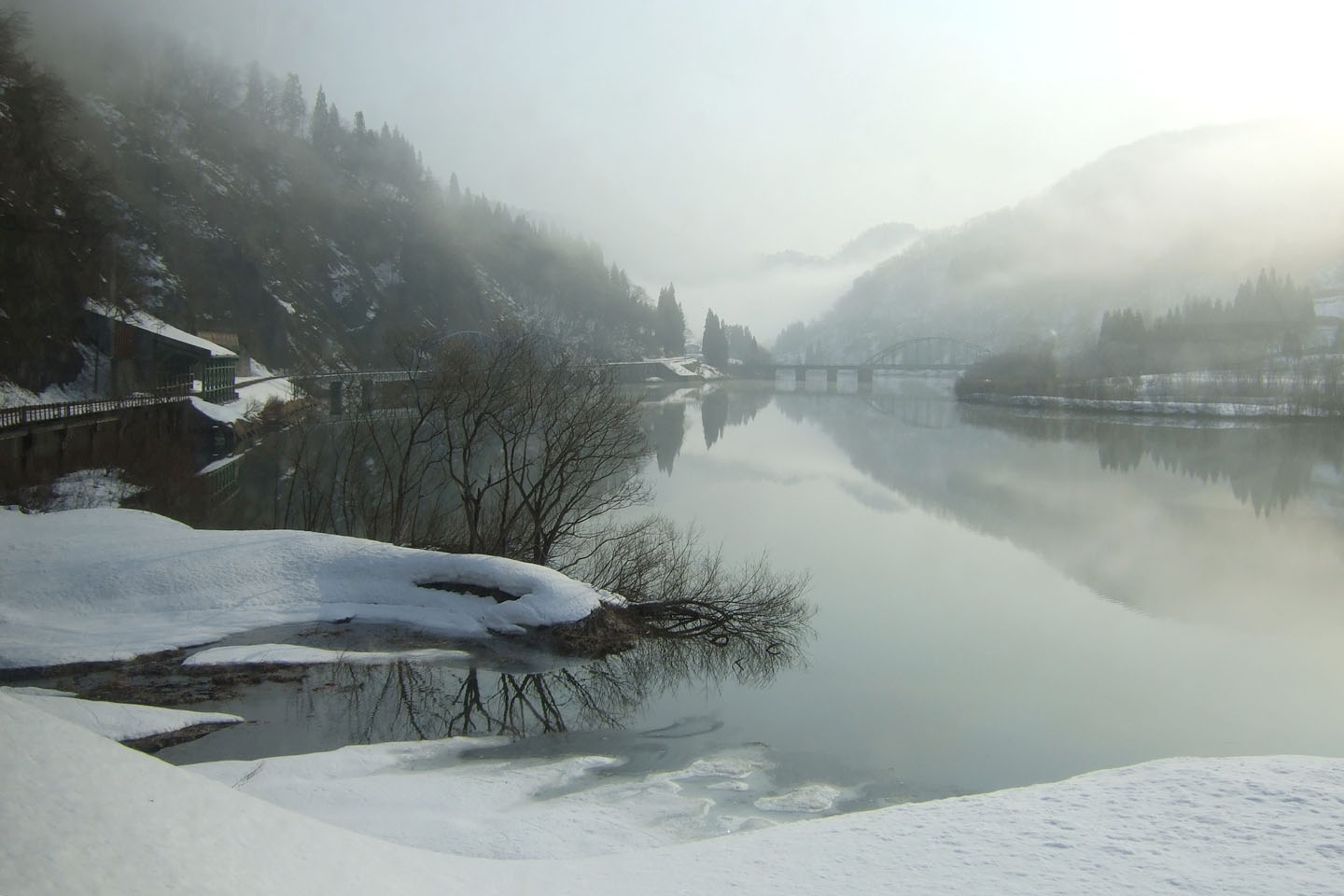
- Winter (December–March): The Tadami region receives some of Japan’s heaviest snowfall — up to 4 meters (13 feet) in a typical winter. Trains run through breathtaking snow tunnels created by bamboo and cedar boughs bent under the weight of accumulated snow. Fewer tourists, deeply atmospheric, but confirm schedules in advance as weather cancellations do occur.
The Photography Experience: Cloud Sea & Timing Tips
The “cloud sea” (雲海) phenomenon that makes the Tadami Line famous in autumn photography occurs when overnight temperatures drop sharply while the river water remains relatively warm. The resulting temperature difference creates a thick layer of mist that settles in the valley, often sitting perfectly between the forested hillsides and the bridge — with the train seemingly floating above a white cloud ocean.
The conditions typically require:
- Clear weather the day before (to allow the ground to cool rapidly overnight)
- Low overnight temperatures — ideally around 50°F (10°C) or below
- Low wind speed
- The right time of morning — the cloud sea usually appears between 6:30 and 9:00 AM before the sun burns it off
Check the Japan Meteorological Agency forecast for “Mishima Town, Fukushima” before your visit. If overnight temperatures are dropping and skies are clear, conditions are favorable. The Mishima Town tourism office (only Japanese website, but Google Translate helps) sometimes posts forecasts on social media.
The first train from Aizuwakamatsu departs around 5:40 AM, arriving at the viewing area station around 7:30 AM — perfect timing for cloud sea conditions. Bring layers: autumn mornings here can be cold, often below 40°F (5°C) with a windchill.
Stations Worth Stopping At
Aizuwakamatsu (会津若松) — Gateway City
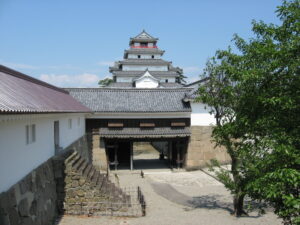
Most Tadami Line journeys start here. Aizuwakamatsu is a fascinating city in its own right — home to Tsurugajo Castle (the “Red Tile Castle”), the haunting samurai suicide hill of Iimori-yama, and an excellent sake-brewing district. Spend at least one night here. The Aizuwakamatsu Omotenashi Station tourist center provides free luggage storage and excellent English-language maps of the Tadami Line and its viewpoints.
Miyashita (宮下) — Onsen and River Views
A small onsen town 90 minutes into the scenic section from Aizuwakamatsu. The Miyashita Onsen complex offers day-bathing (日帰り入浴, higaeri nyūyoku) for around ¥600 (about $4). After soaking, walk down to the river bridge for views of the canyon. The town has a small supermarket and a few noodle restaurants — ideal for a lunch stop.
Aizu-Kawaguchi (会津川口) — The Photography Hub
The main access point for the First Bridge viewpoint. Aizu-Kawaguchi has the most facilities of any station in the scenic section: a convenience store, a post office, and a small tourist information desk (Japanese only, but staff are helpful with hand gestures and phone translation). The “Tadami River First Bridge Viewpoint” is a 30–40 minute drive (or a challenging 2-hour hike) from the station — most visitors rent a car or take a taxi.
Kaneyama (金山) — Firefly Village
Between June and July, Kaneyama becomes a pilgrimage destination for firefly watchers. Thousands of Genji and Heike fireflies (源氏蛍・平家蛍) illuminate the rice paddies and riverbanks after dark, creating a spectacle that feels almost supernatural. The town actively promotes this phenomenon and offers ryokan stays timed to the firefly peak season (usually mid-June to mid-July).
Tadami (只見) — End of the Scenic Section
The town of Tadami marks the eastern end of the most scenic river valley section. It’s a quiet place with a few guesthouses, a local sake brewery (Fumoto Oi Sake), and access to excellent hiking trails into the surrounding Oku-Aizu mountains. The Tadami Forest Museum (only ¥300 / ~$2 entry) tells the story of the region’s forestry history with surprising depth and some bilingual displays.
Where to Eat Along the Tadami Line
Kuriya Soba (くりや蕎麦) — Aizuwakamatsu
Aizu-style soba (buckwheat noodles) is thicker and nuttier than most Tokyo styles, made from local Aizuwatari buckwheat grown in the mountain valleys. Kuriya Soba near Aizuwakamatsu Station serves exceptional hand-cut soba in a traditional wooden dining room. Try the tenzaru (天ざる) — cold soba with tempura on the side. Expect to pay ¥1,200–1,800 (~$8–12) per person. No English menu, but they have photos.
Minshuku Meals in Kaneyama
Most accommodation in the Tadami Line area is minshuku (民宿) — small family guesthouses that include dinner and breakfast in the room rate. These meals are often the culinary highlight of the trip: hand-caught river fish (sweetfish/ayu grilled over charcoal), mountain vegetable (sansai) tempura, miso soup made from locally fermented paste, and white rice grown in the valley paddies. Budget ¥8,000–12,000 (~$55–80) for a room with two meals. No à la carte options — just wholesome, home-cooked mountain food.
Aizu Sauce Katsu (会津ソースカツ) — Regional Specialty
Aizu’s signature dish is a pork cutlet (katsu) dipped in a sweet, fruity Worcestershire-style sauce and served over a bowl of steaming white rice. It’s the ultimate comfort food after a cold morning at the viewpoint. Most cafes and diners in Aizuwakamatsu serve it; budget ¥900–1,500 (~$6–10). Look for the phrase “ソースカツ丼” on the menu or picture boards.
Where to Stay Near the Tadami Line
Budget (Under ¥8,000 / $55 per night)
Aizuwakamatsu Backpackers is a well-run hostel near the castle district, offering dorm beds from ¥2,800 (~$19) and private rooms from ¥5,500 (~$37). Good English, helpful staff, and free bicycle loans. Book via HostelWorld or their direct website. For the most immersive experience, consider a basic minshuku in Mishima or Kaneyama — rates from ¥4,000–6,000 per person per night (room only), rising to ¥8,000+ with meals.
Mid-Range (¥8,000–¥20,000 / $55–$135)
Hotel Patio Dojima Aizuwakamatsu offers clean, modern rooms with excellent onsen facilities in Aizuwakamatsu city. Rates from ¥9,000 (~$60) for a standard single. For a more scenic option, Mishima Town’s Kanpō no Yado Miyashita is a riverside onsen hotel with both indoor and outdoor baths overlooking the Tadami River gorge. Rates from ¥12,000 (~$80) per person with two meals — exceptional value.
Luxury (¥20,000+ / $135+)
For the ultimate Oku-Aizu experience, book a premium room at Yuzawa Onsen Satoyama Hotel in the nearby Nishiaizu area (about 30 minutes from Aizuwakamatsu by car). This boutique ryokan specializes in locally sourced kaiseki cuisine and features a private rotenburo (outdoor rock bath) with mountain forest views. Rates from ¥25,000 (~$165) per person with two meals.
Practical Tips for Riding the Tadami Line
- Timetable research is essential. The Tadami Line runs only 4–5 round trips per day on most sections, with even fewer in winter. Download the JR East app or use Jorudan (English available) and plan your day around train times before booking accommodation.
- Sit on the right side (window seat) going westbound. The best river and bridge views are on the right (south/river) side when traveling from Aizuwakamatsu toward Tadami. Sit on the left side when returning east.
- IC cards work at Aizuwakamatsu but not along the line. Buy a paper ticket from the station machine or pay the conductor on board. The conductor often acts as an unofficial tour guide, calling out viewpoints as you approach.
- Car rental dramatically expands your options. Renting a car in Aizuwakamatsu and following the train route on the riverside road allows you to position yourself at multiple viewpoints and catch the train at each bridge. Rates from ¥5,000 (~$33) per day from Toyota or Nippon Car Rental at the station.
- Bear awareness in the backcountry. The Oku-Aizu mountains have an active Asian black bear (ツキノワグマ) population. If hiking away from established paths, carry a bell and travel in groups. Bears are shy but encounters do occur; inform your guesthouse of your hiking plans.
- Cell service is limited. Especially in the gorge sections between Miyashita and Tadami, cellular reception is spotty or nonexistent. Download offline maps (Maps.me or Google Maps offline) before departing Aizuwakamatsu.
- Cash is king. Most establishments along the Tadami Line are cash-only. Bring sufficient yen from an ATM in Aizuwakamatsu (7-Eleven and post office ATMs accept foreign cards).
- The JR Pass covers the full Tadami Line. Both the 7-day and 14-day JR Pass include the entire Tadami Line at no extra cost — a great value if you’re combining this journey with a Shinkansen trip to Tohoku.
- Photography etiquette at viewpoints. The First Bridge viewpoint gets crowded on autumn weekends. Be respectful of other photographers’ setups — Japanese photographers tend to stake out spots from dawn and stay for hours. A friendly nod and some patience go a long way.
- The train can be cold in winter. Rural diesel trains in Japan sometimes have uneven heating. Bring warm layers even if the forecast says mild temperatures — the carriages can be chilly when the train sits at a station.
Sample Tadami Line Itinerary: 2 Days from Aizuwakamatsu
Day 1
Morning (7:00–10:00): Arrive at Aizuwakamatsu Station. Pick up your rental car or take the first Tadami Line train of the day (around 5:40 or 8:00 AM depending on season). If driving, position yourself at the First Bridge viewpoint by 7:30 AM for morning light and potential cloud sea conditions.
Midday (10:00–14:00): Continue west along the river road, stopping at the Second and Third Bridge viewpoints. Arrive in Kaneyama Town for lunch at a local soba or teishoku (set meal) restaurant. Rent a bicycle from your guesthouse if available and explore the rice paddies and riverside paths.
Afternoon/Evening (14:00–20:00): Check in to your minshuku in Kaneyama or Mishima. If staying with meals (strongly recommended), dinner begins around 18:00–19:00. In June–July, join the evening firefly walk along the river — ask your guesthouse host to guide you to the best spots.
Day 2
Early Morning (5:30–8:00): Wake before sunrise and return to your favorite viewpoint for a second attempt at the morning mist (which varies day to day). If the mist is thick, this will be your golden hour. If not, the forested hillsides in morning light are beautiful in their own right.
Morning (8:00–11:00): Continue along the Tadami Line to the town of Tadami. Visit the Tadami Forest Museum and walk the riverside trail. Board the return train — the slow journey back gives you another pass through all the scenery you may have missed.
Afternoon (13:00–17:00): Return to Aizuwakamatsu for a final afternoon of sightseeing: Tsurugajo Castle (¥410 / ~$3 entry), the samurai history of Iimori-yama Hill (free), and an evening meal of Aizu Sauce Katsu or hot pot (nabe) at a local izakaya.
The Tadami Line’s Role in Rural Revitalization
The Tadami Line’s 2022 reopening was more than just a transport restoration — it was a statement about the value of Japan’s depopulated rural heartland. The Oku-Aizu region has one of Japan’s highest elderly population ratios; in some villages, more than 60% of residents are over 65. Young people have steadily moved to urban centers for decades, leaving behind aging communities and shuttered schools.
Tourism driven by the Tadami Line is now a vital economic lifeline. The “slow tourism” model encouraged by the railway — staying multiple nights in local guesthouses, eating locally, hiking local trails — funnels money directly into rural households in a way that day-tripping from Tokyo never could. When you choose to spend a night (or two, or three) along the Tadami Line, you’re making a tangible difference to the communities that fought to keep this railway alive.
The line has also sparked a remarkable photography tourism phenomenon unique in Japan. The Mishima Town viewpoint in autumn has attracted photographers from South Korea, China, France, Australia, and the United States — drawn by images that have gone viral on photography forums and Instagram. International visitor numbers are growing, but remain a tiny fraction of Japanese visitors — meaning there’s still time to experience this place before the crowds discover it.
Combining the Tadami Line with Broader Fukushima Exploration
Fukushima Prefecture has suffered years of unfair reputational damage following the 2011 nuclear accident — which occurred on the Pacific coast, far from the Oku-Aizu mountains. The western Fukushima highlands where the Tadami Line runs are completely unaffected, and radiation levels in Aizuwakamatsu and along the Tadami Line corridor are at entirely normal background levels, fully comparable to Tokyo or any other major Japanese city. Fukushima’s radiation concern is genuinely concentrated in specific coastal zones that tourists do not visit.
What western Fukushima offers is a chance to explore one of Japan’s most beautiful and most overlooked regions. Beyond the Tadami Line, consider combining your visit with:
- Tsurugajo Castle and the Aizu Samurai District (Aizuwakamatsu)
- Ouchi-juku, the perfectly preserved Edo-period post town with thatched roofs (45 minutes by car from Aizuwakamatsu)
- Goshikinuma Five Colored Lakes near the Bandai-Azuma volcanic plateau
- Hanamiyama Park for spring cherry blossoms and flowers (Fukushima City)
Related Articles You Might Enjoy
- Mount Adatara & Dake Onsen, Fukushima: Japan’s Sacred Volcano & Secret Healing Hot Spring
- Fukushima City Guide: Japan’s Most Misunderstood Destination & Why You Need to Visit
- Abukuma Cave, Fukushima: Japan’s Most Spectacular Underground Wonder
- Lake Inawashiro, Fukushima: Complete Guide to Japan’s Mirror of Heaven
- Ura-Bandai Highlands, Fukushima: Japan’s Most Magical Volcanic Lake District
Final Thoughts
The Tadami Line isn’t just a train journey — it’s an immersion in a Japan that most travelers never get to see. The tiny stations, the mist-draped valley mornings, the firefly evenings, the home-cooked dinners at mountain guesthouses: these are experiences that will stay with you long after the last Tokyo ramen or Kyoto temple has faded from memory. The railway’s hard-fought restoration makes every ticket a small act of solidarity with the communities that refused to let their corner of Japan disappear. Come early in the autumn season, bring a warm jacket, leave the highway map behind, and let the Tadami Line carry you into the heart of a Japan that time has almost forgotten — but hasn’t quite.
Got questions about planning your Tohoku trip, or spotted something we missed? We’d love to hear from you — drop us a message here.


コメント